






Street Rods
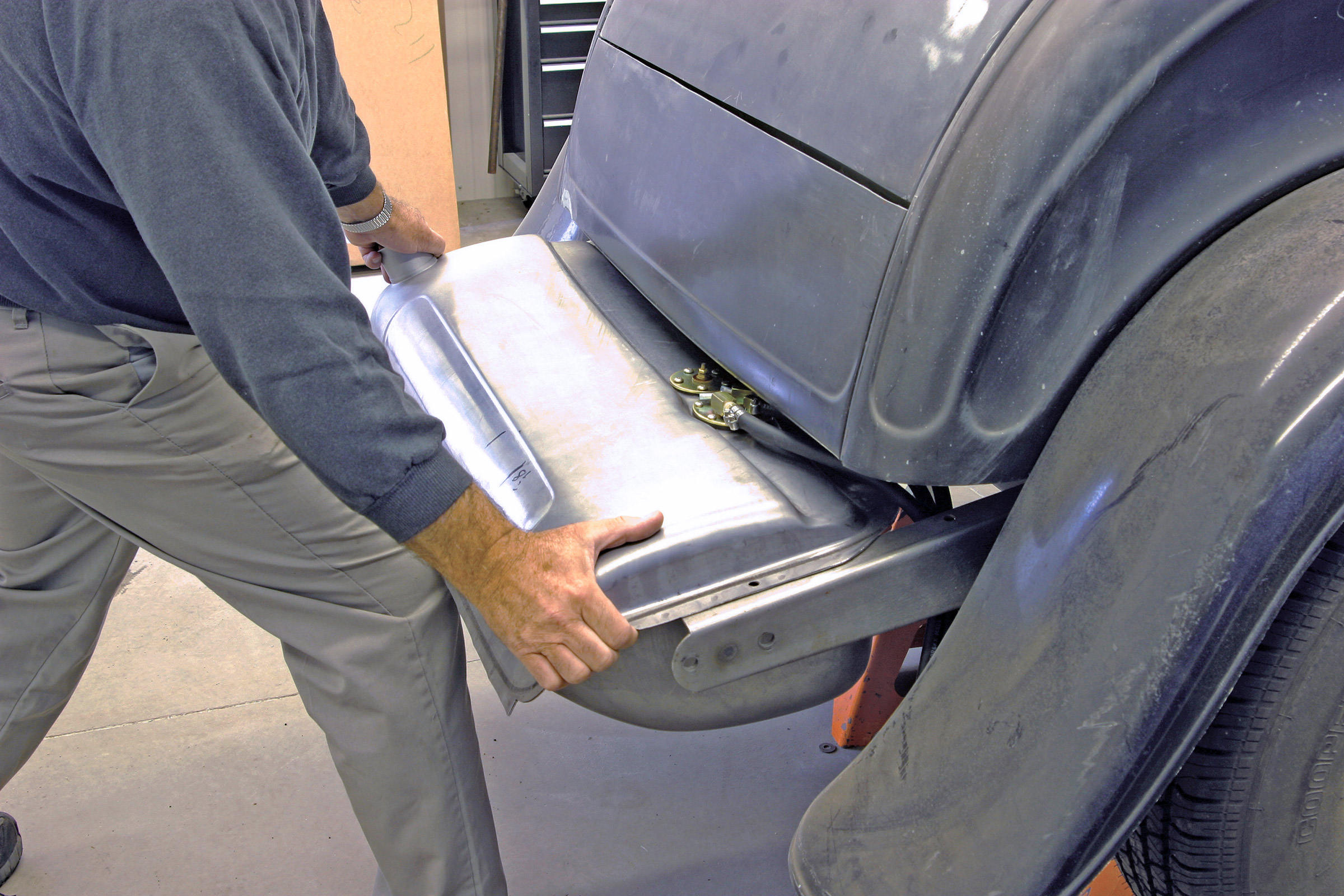
More than one technical article has been written about gas tanks. Some of these articles would lead you to believe that a foam-filled fuel cell is the only solution, and others give you the impression that any tank will work as long as you have a high-dollar, killer fuel pump. However, we believe that the truth lies somewhere between these two opinions.
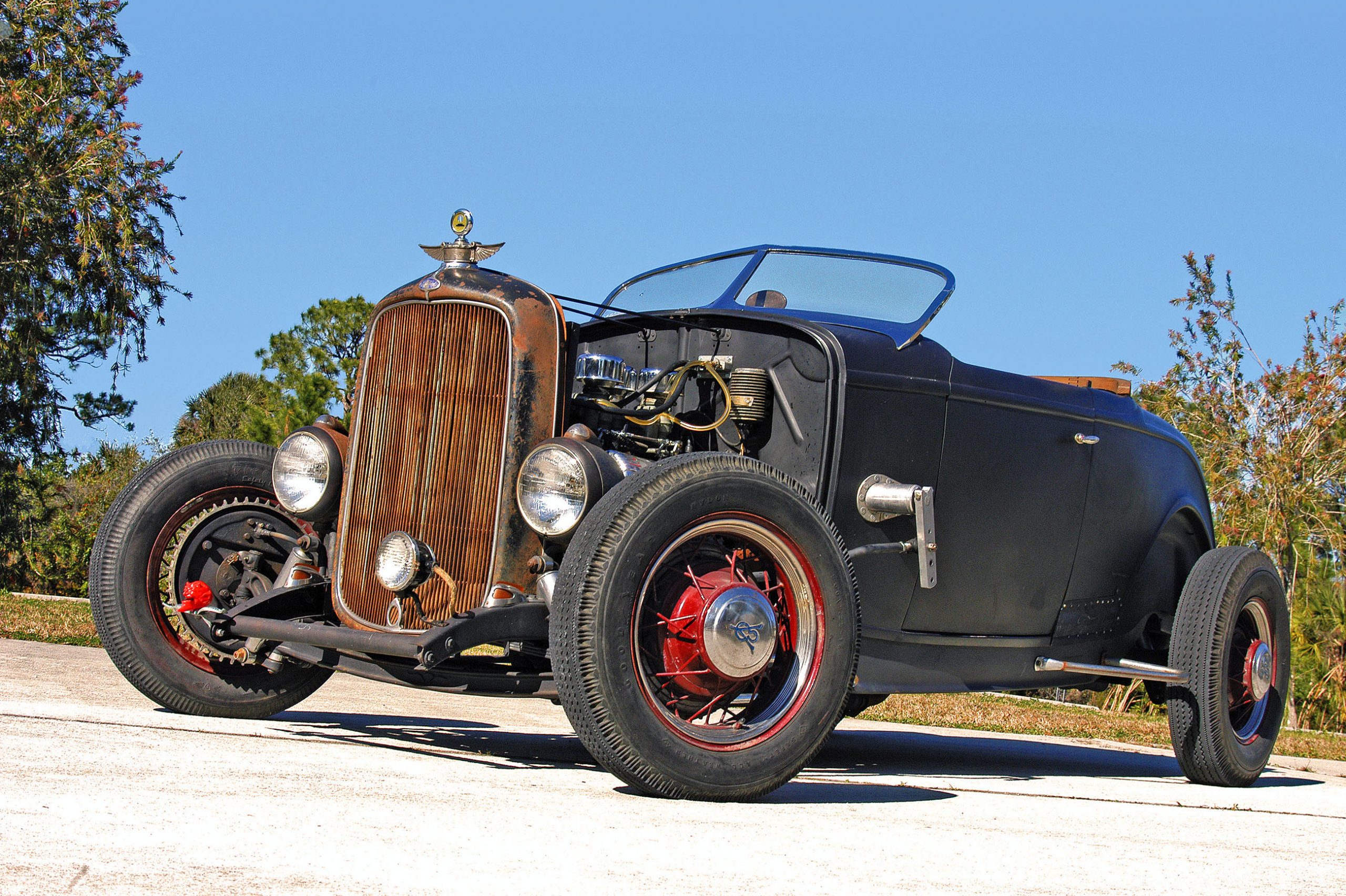
Building a vintage hot rod wrapped around a modern chassis and body is a popular segment of the hobby today. Over 10 years of parts collecting went into the construction of this hot rod. The finishes on this car all look 50 years old, but in reality, the car has only been built for 5 years. It is a masterful blend of the old and the new.
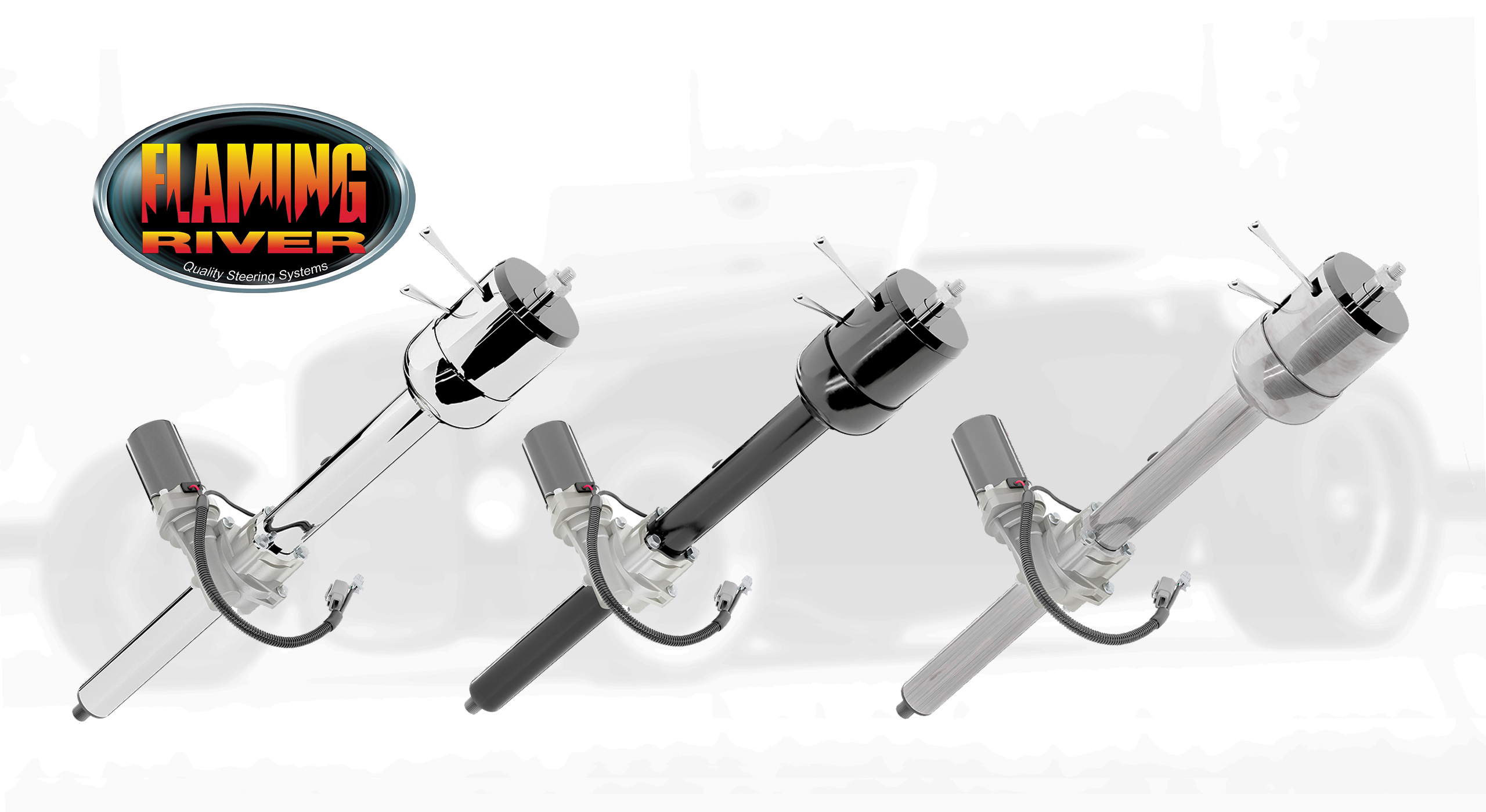
Top-tier quality and a solid three-year warranty set Flaming River apart as the best in the business. Their tilt steering columns come fully equipped with an aluminum dress-up kit, featuring a turn signal arm with a Phillips screw, a tilt lever, a hazard knob with a screw, and a steering wheel hold nut. Additionally, Flaming River offers a comprehensive array of steering column accessories, including steering wheels, custom wheel adapters, floor mounts, and column drops.
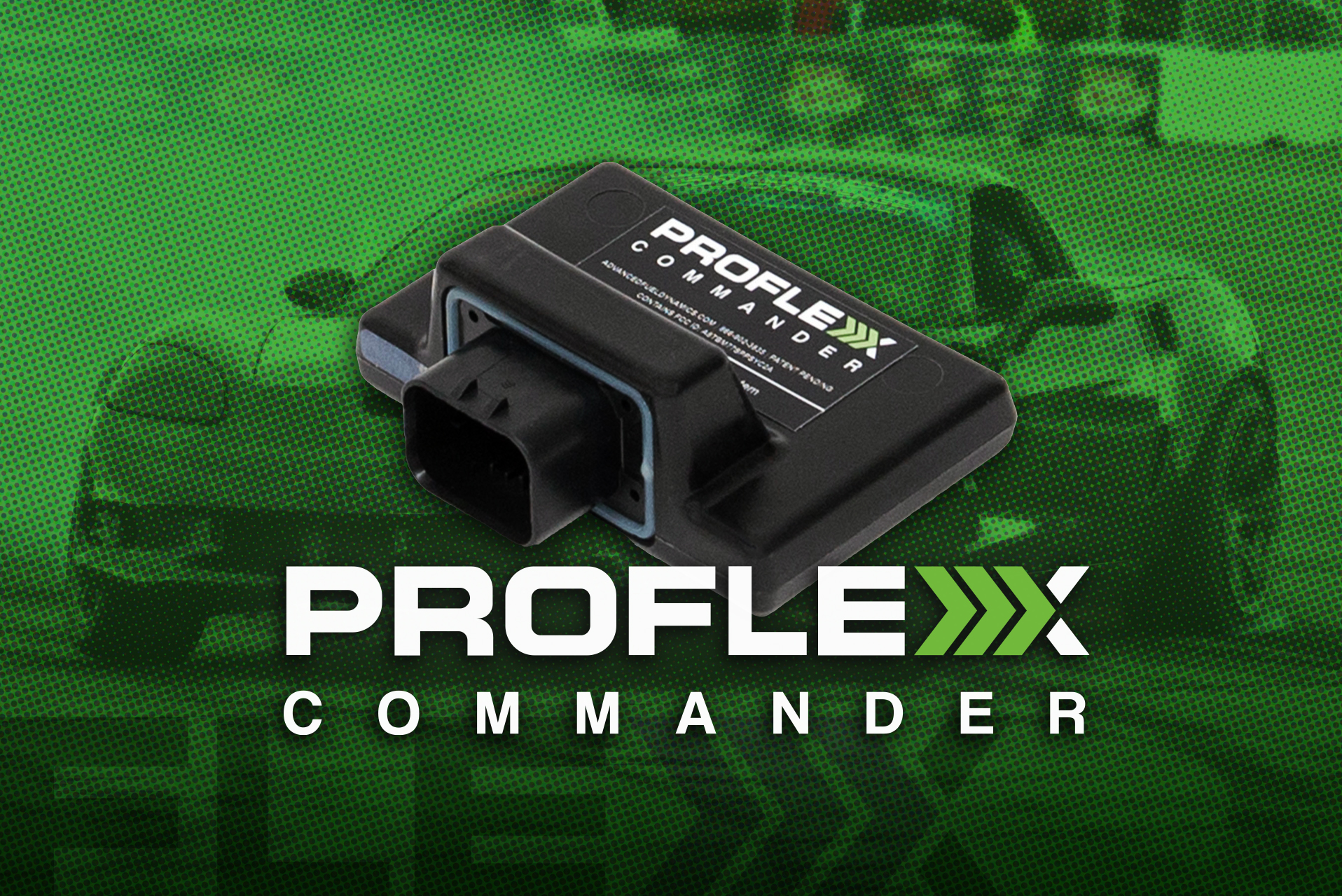
While at LS Fest, we noticed several drivers spending a lot of time tuning their rides before hitting the track, dialing them in to try and gain an edge over the competition. This left us puzzled. If you’re looking for an edge, there’s no better way to optimize your performance with E85 than with a flex fuel system from Advanced Fuel Dynamics.
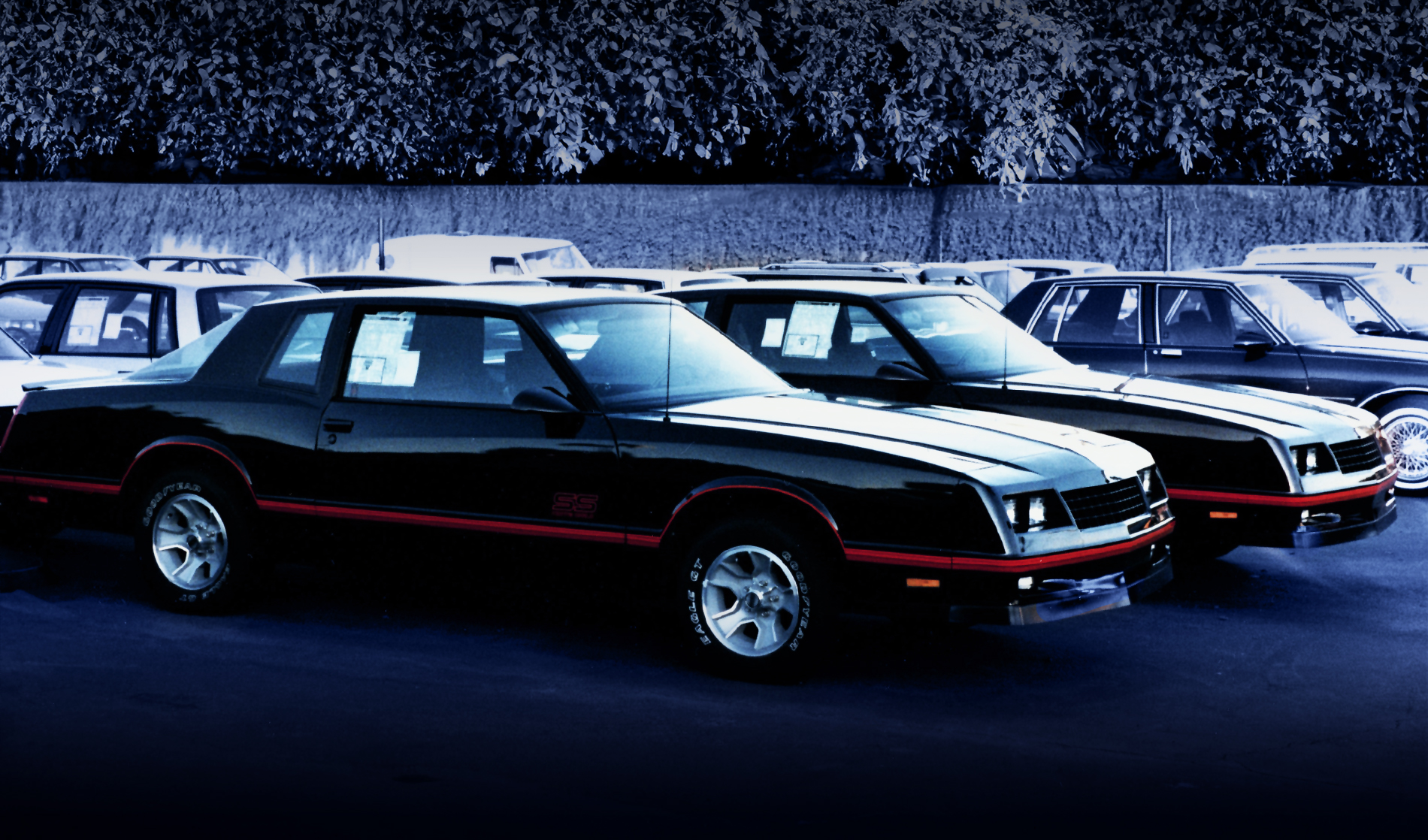
If you’re all about upgrading your ride’s steering game, then the Borgeson G-Body, F-Body, S10 Steering Shaft is your ticket to automotive nirvana. Designed to fit snugly into 1979-1988 GM G-Body, 1982-1992 GM F-Body, and 1982-1993 S10 pickup models, this bad boy brings a whole new level of performance to the table.
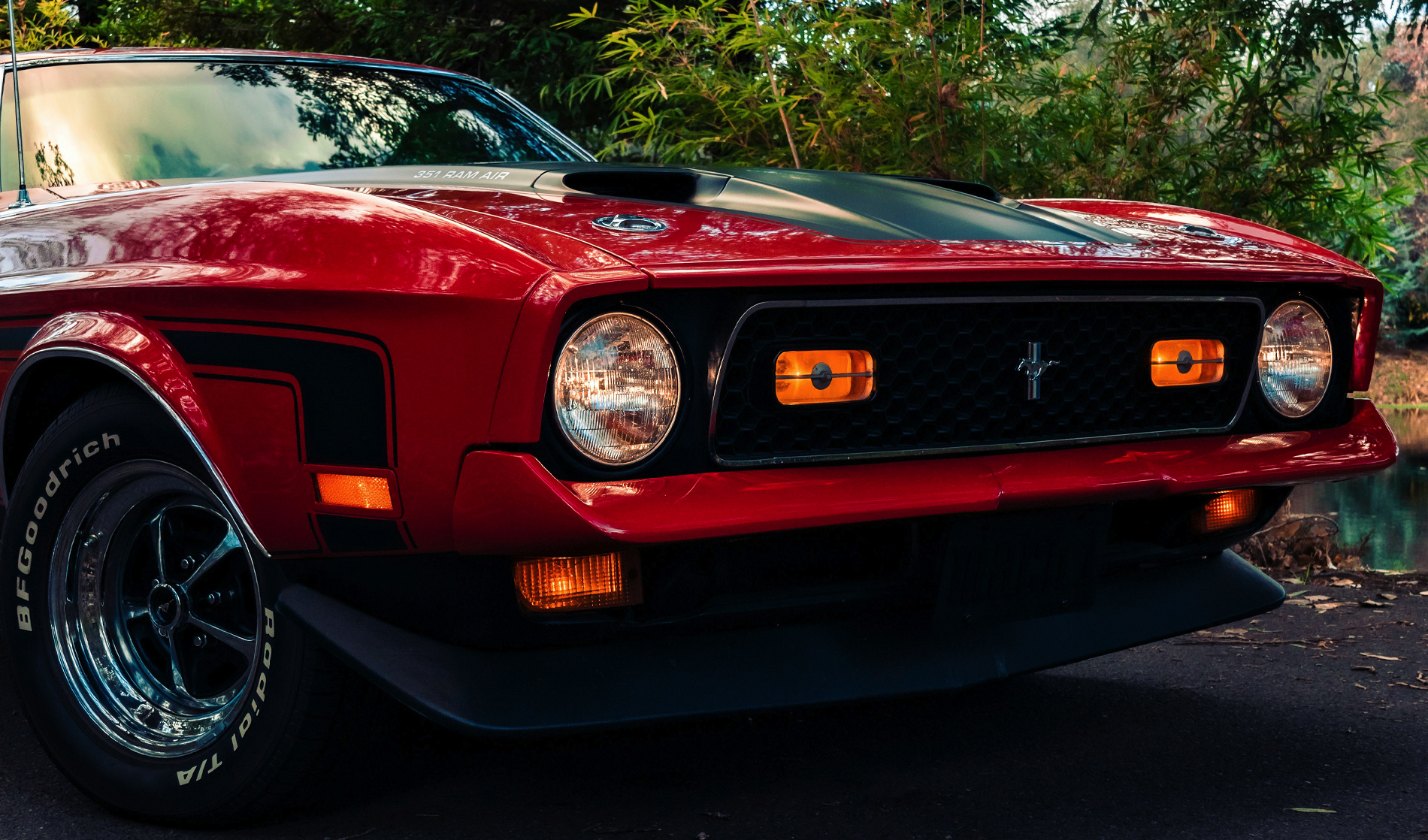
This upgrade is a perfect match for a range of Ford, Lincoln, and Mercury vehicles, including the 1971-1973 Mustangs and other full-size models from 1965 to 1977. To accommodate the new steering box input shaft, the factory steering coupler must be replaced. This ensures a perfect fit and optimal performance. Borgeson offers hose kits designed for both stock Ford pumps and their Saginaw P/S pump upgrade kits, guaranteeing seamless integration with existing power steering components.

For all you classic Mustang enthusiasts out there, if you’re wrestling with manual steering in your 1968-1970 Ford Mustang, it’s time to make a serious upgrade. The Borgeson Mustang P/S Kit is here to save your arms and enhance your driving experience. This power steering conversion kit is a game-changer for those who crave better steering ease, responsiveness, and overall driving comfort. Buckle up as we dive into the killer features, crucial components, and the unbeatable benefits this kit brings.
Explore the highlights of SEMA Show 2023 at the Las Vegas Convention Center, featuring exclusive videos of the latest automotive performance products, vehicle trends, and expert-led sessions from this premier event for car enthusiasts and industry pros, only on The Auto Builder.
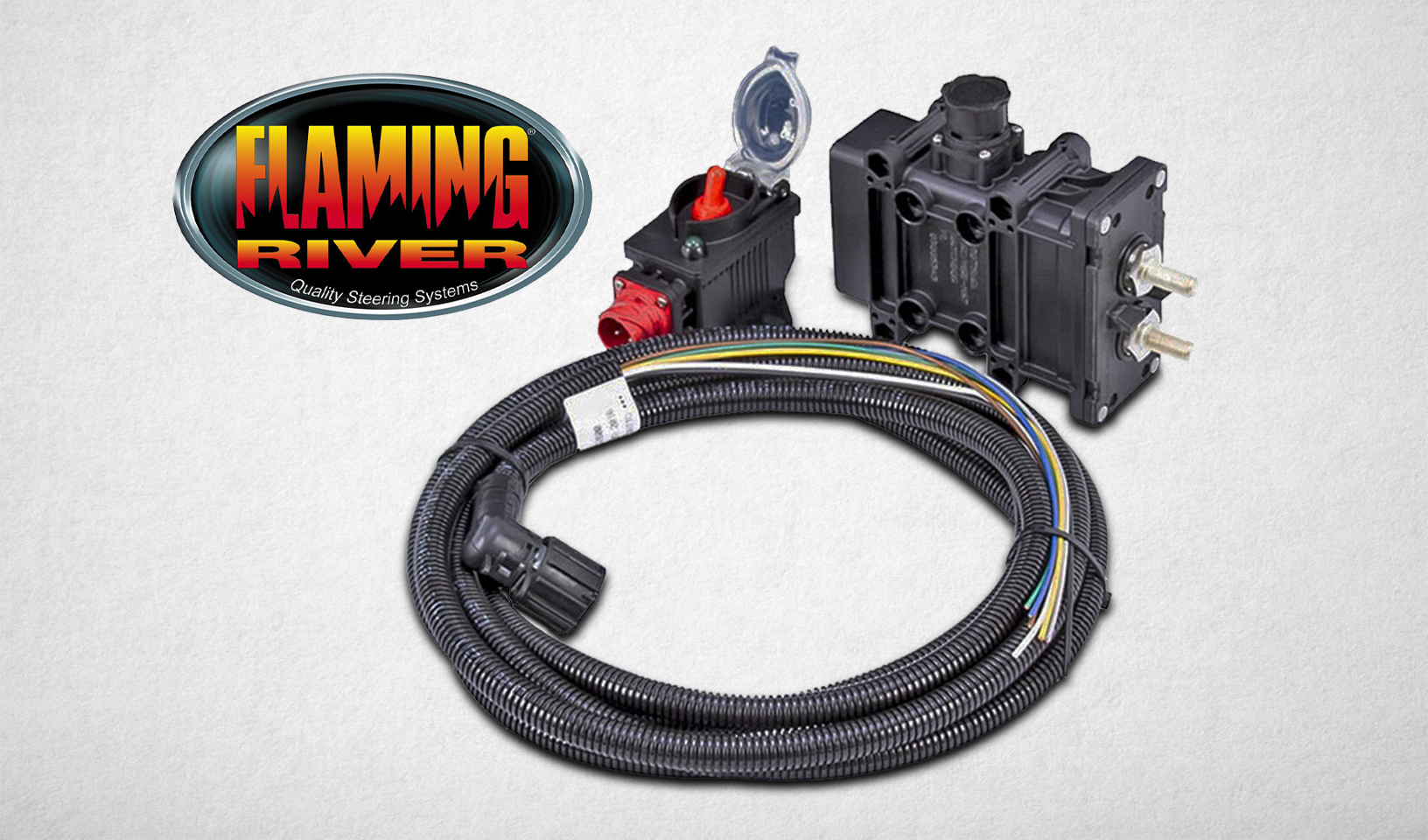
In the realm of automotive care, ensuring the safety and longevity of your vehicle’s electrical system is paramount. The Watch Dog Automatic Battery Disconnect Safety Switch by Flaming River stands out as a premier solution for managing battery power with unmatched reliability and innovation. Whether you’re fine-tuning a classic car, gearing up for a race, or navigating rugged off-road terrain, this switch is engineered to protect your battery and electrical components under all conditions.
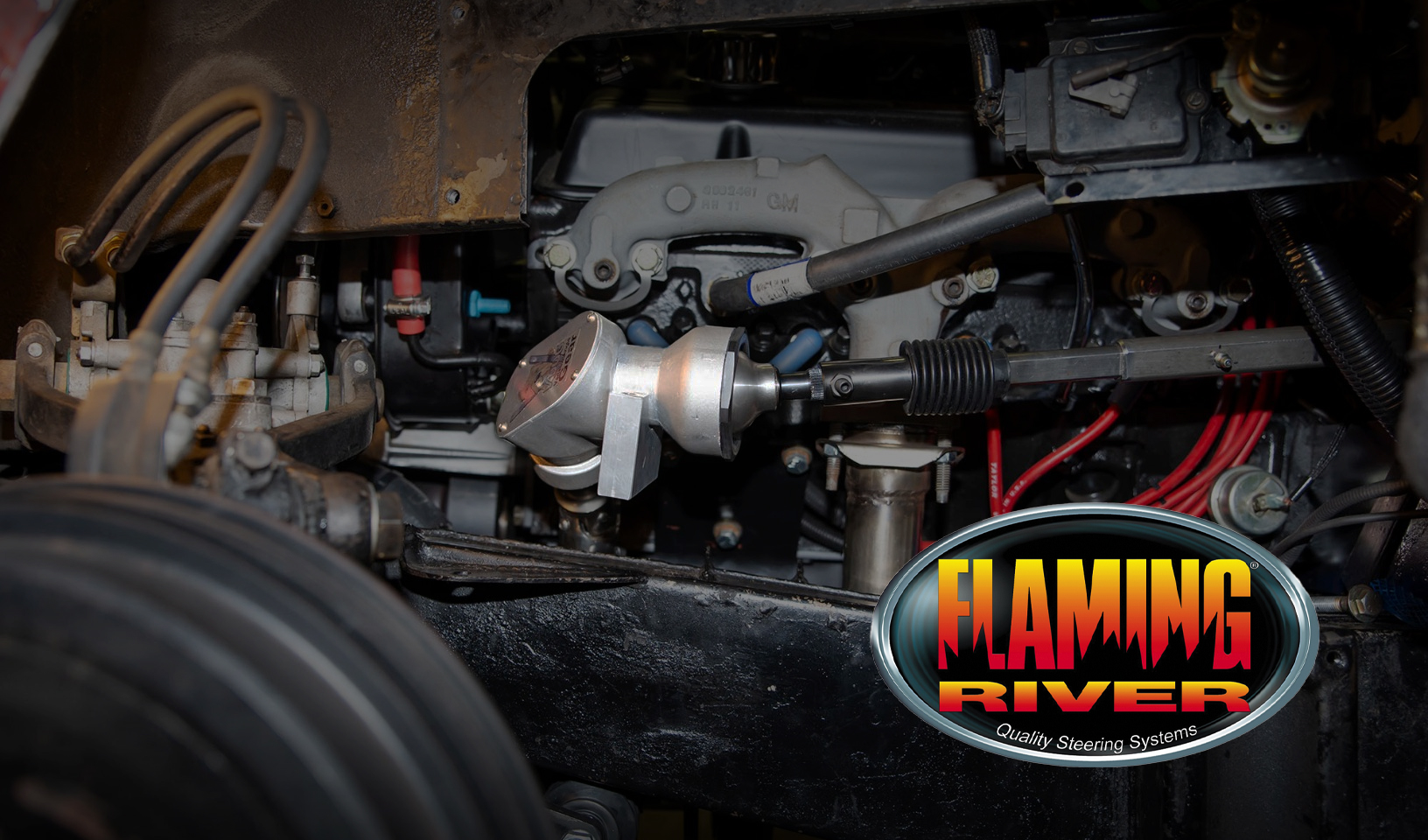
We’ve all been there—slamming a monster LS, Coyote, or Hemi into an old muscle car or hot rod and hitting that inevitable roadblock: how the heck do you get the steering shaft through that tight engine bay? The answer, my friends, is the VDOG® from Flaming River. You’ve probably heard the name tossed around, but let’s dig into why you need this in your arsenal.
