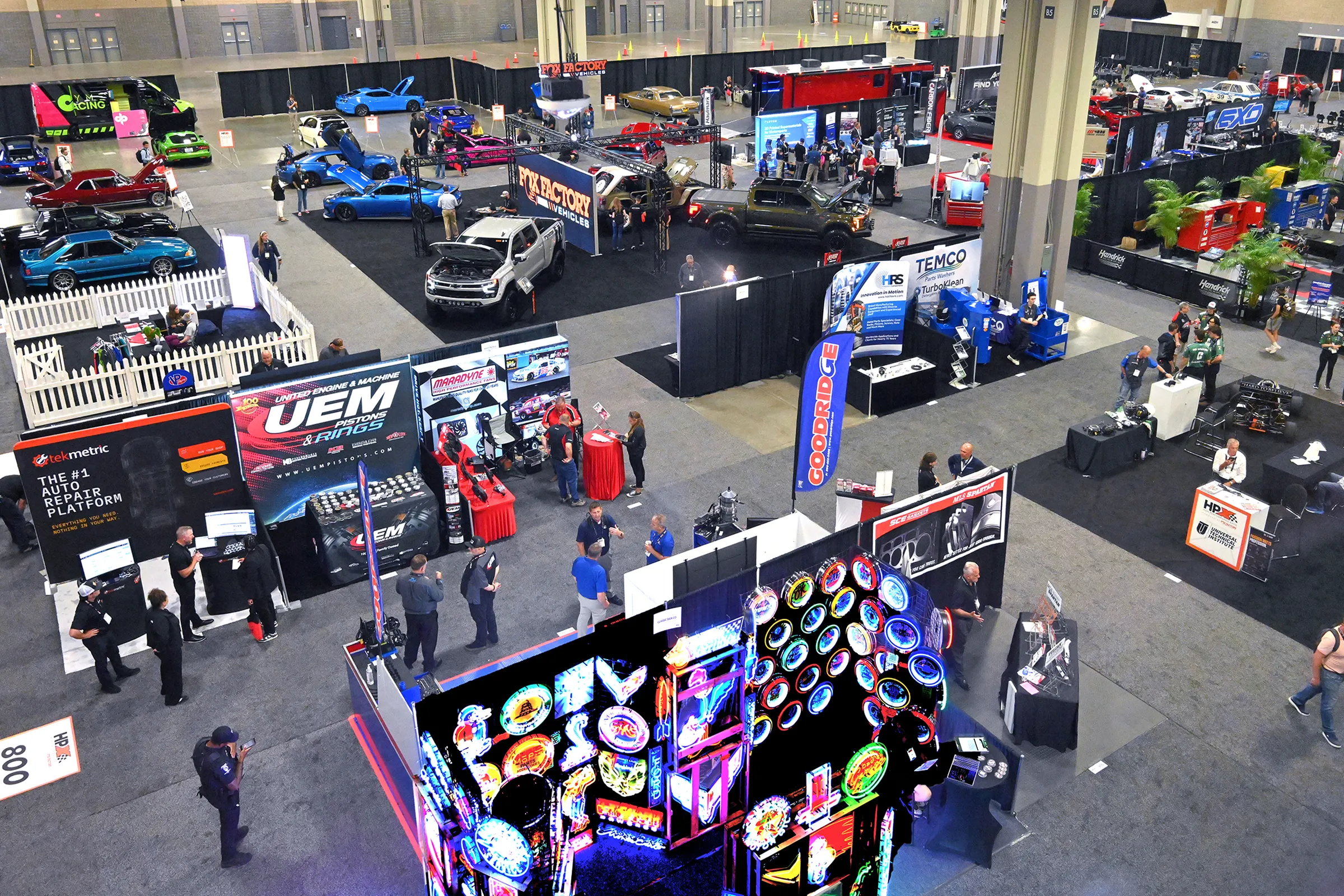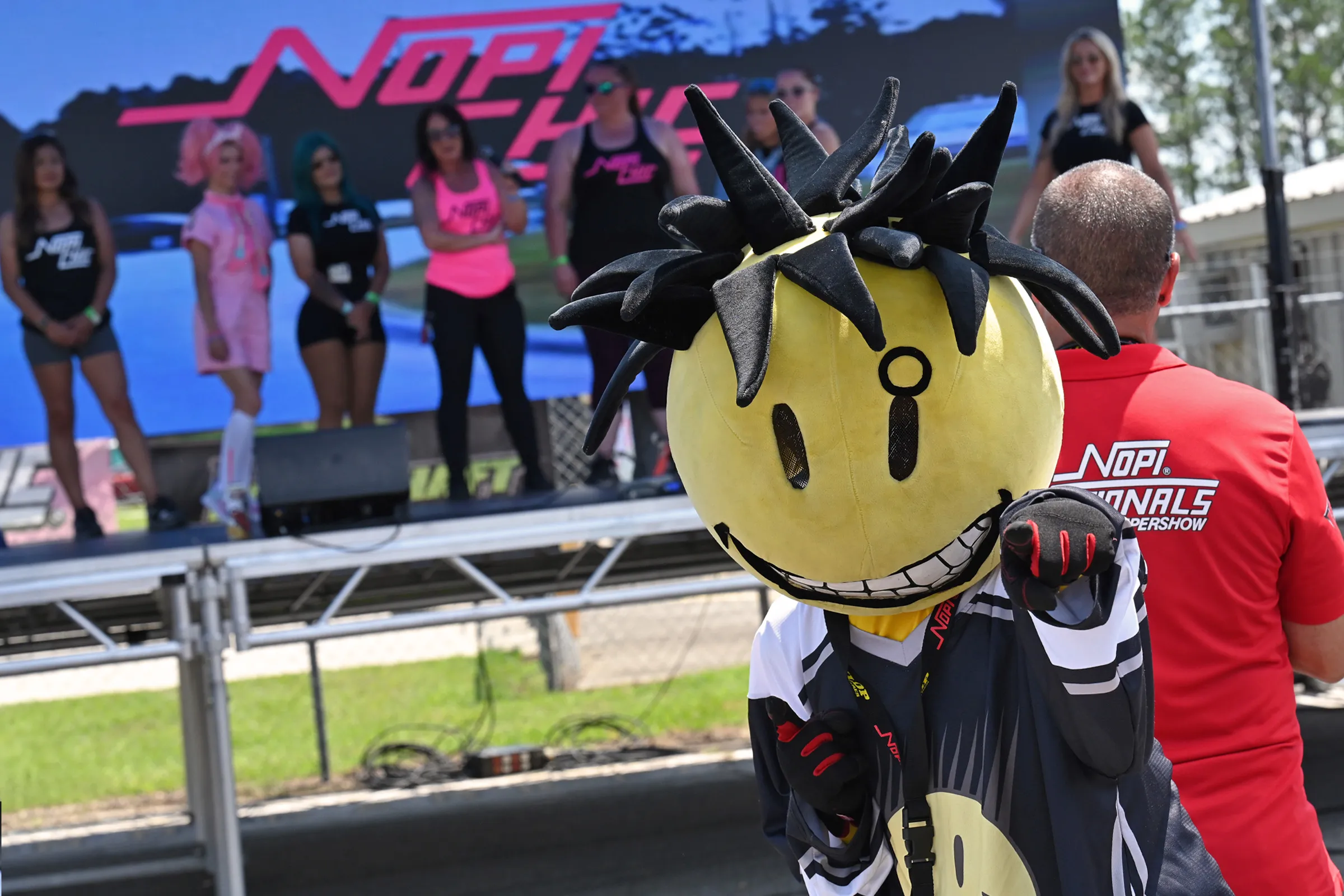
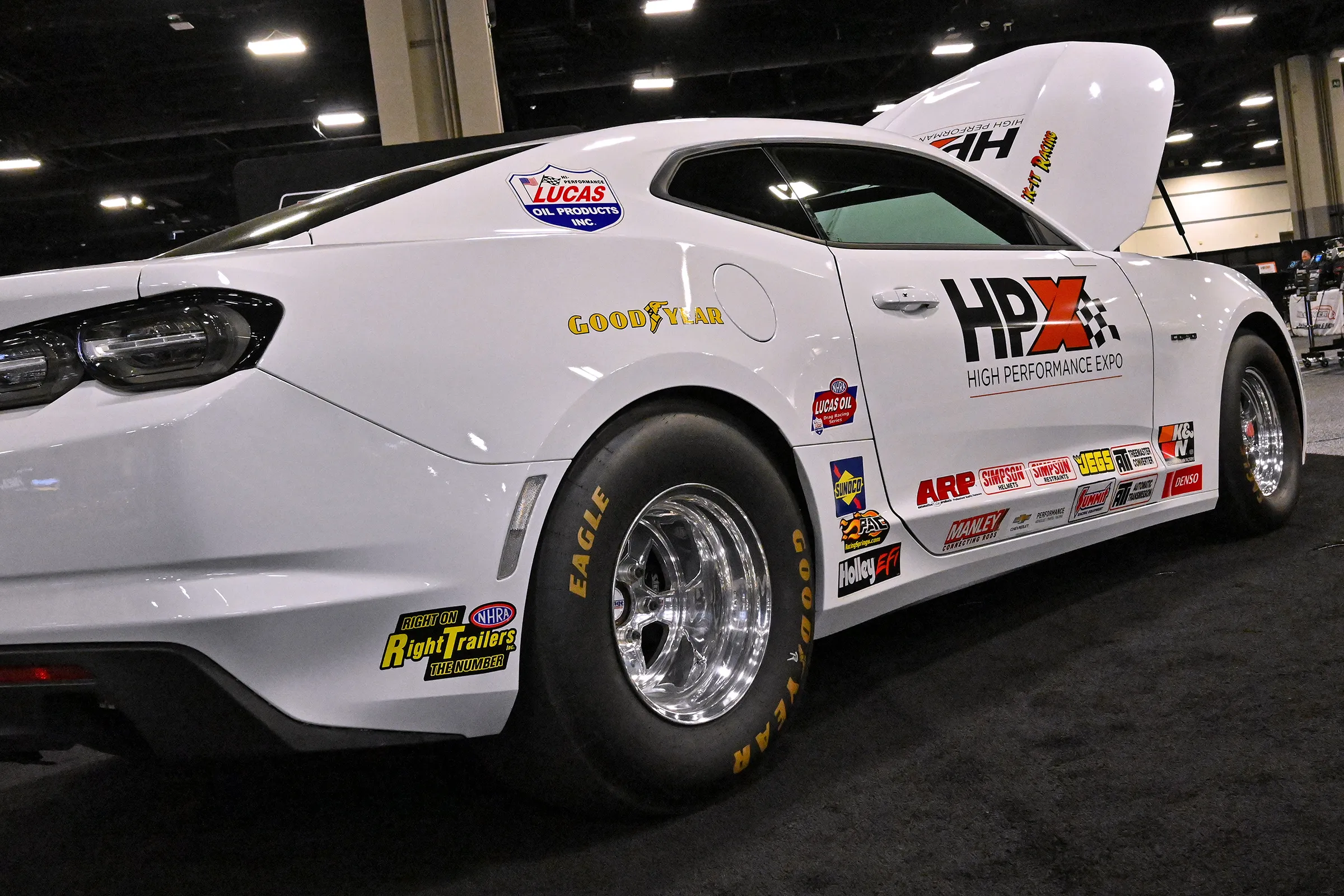
Charlotte becomes the epicenter of the aftermarket world as HPX and Street Car Takeover merge business, racing, and car culture into one nonstop performance week built on horsepower, innovation, and pure chaos.
Daren Poole-Adams doesn’t chase trends—he builds what makes sense, then lets the results speak. That philosophy was on full display at last year’s HPX, where his reengineered Gen 5 Toyota Supra debuted as a ground-up NHRA Stock Eliminator concept. Built from a bare shell and developed in collaboration with NHRA, the project quickly became one of the most talked-about builds on the show floor.
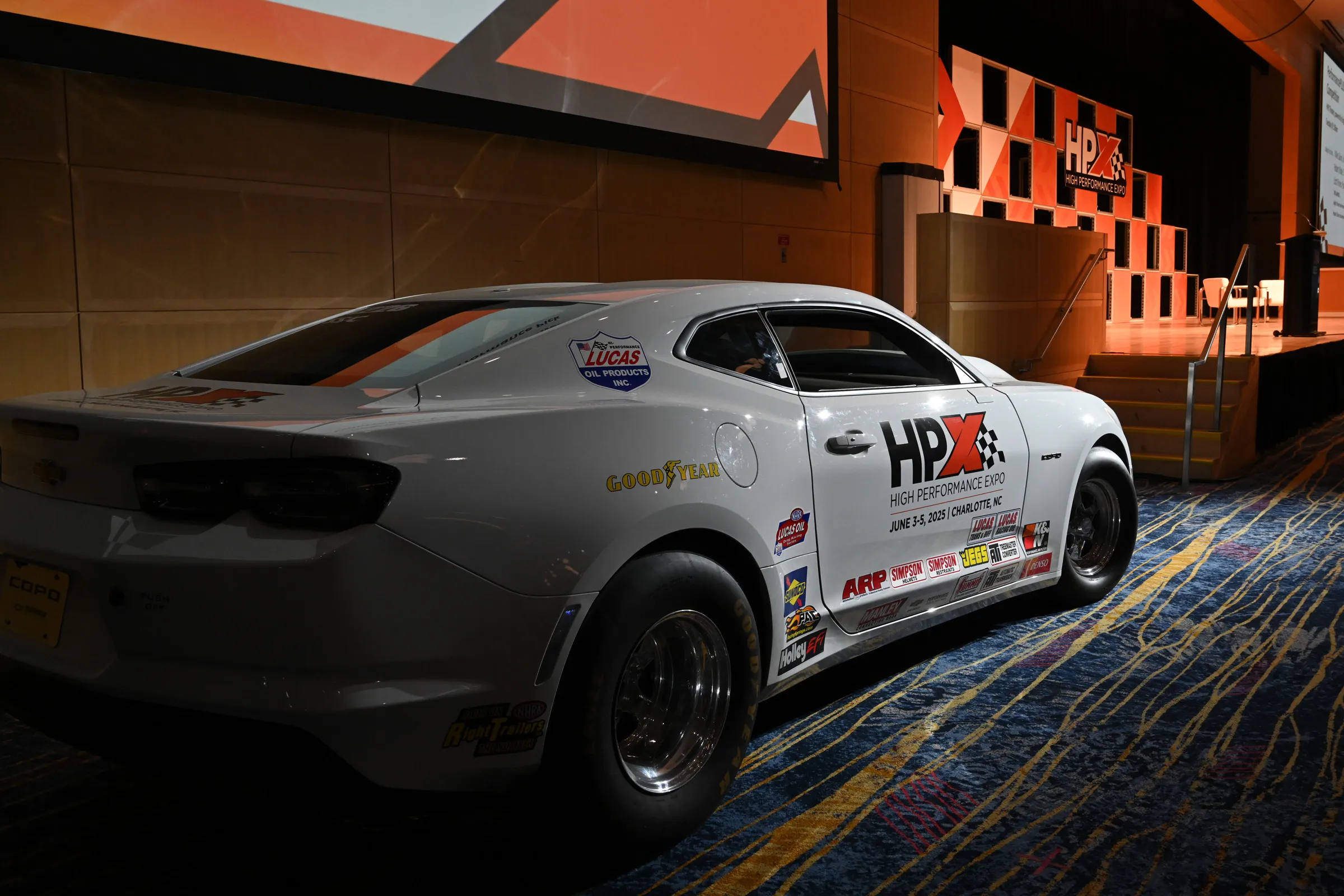
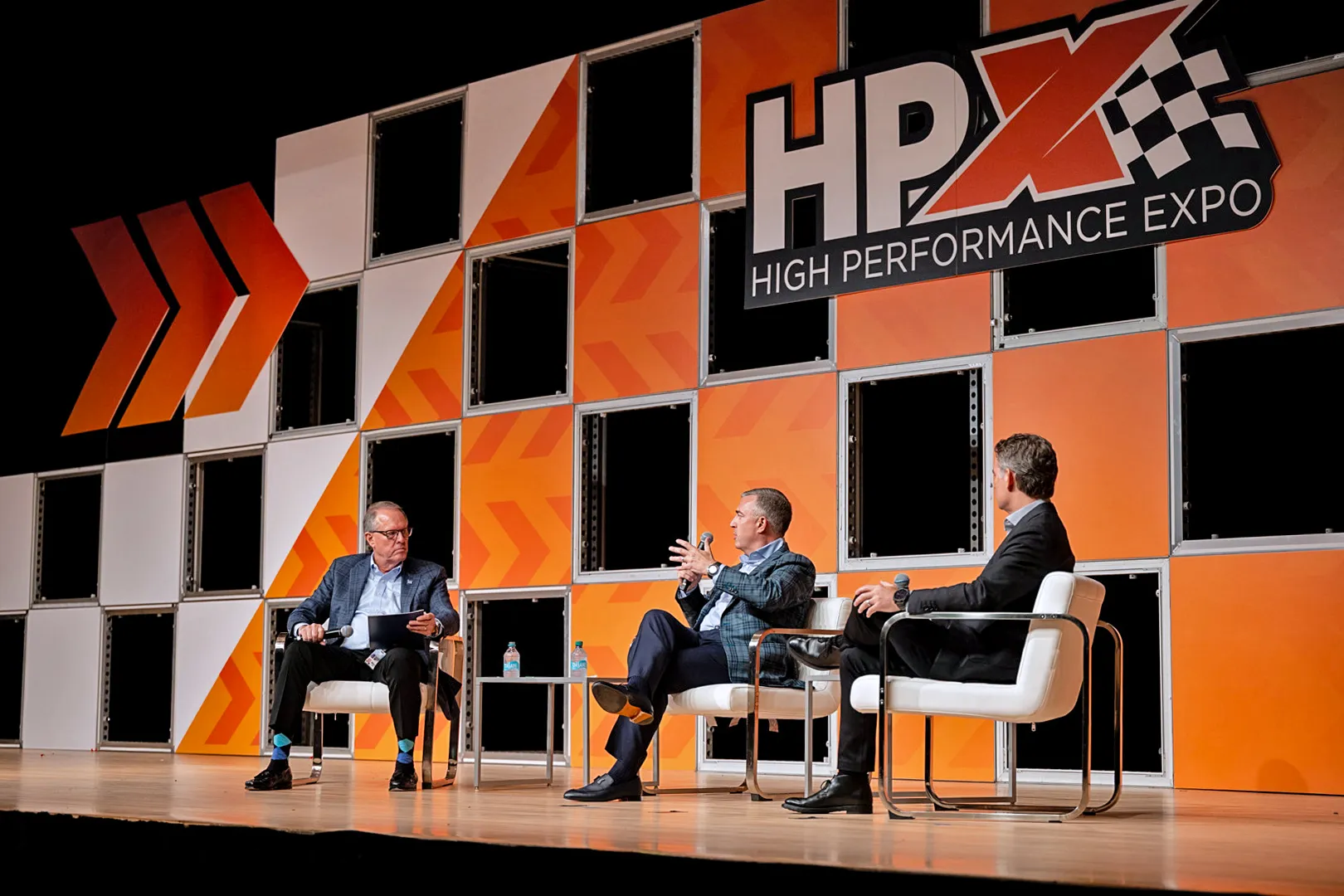
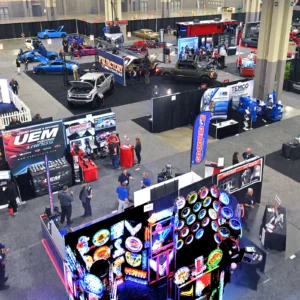
The High Performance Expo isn’t just coming back in 2026—it’s doubling down on what made the inaugural event hit so hard in the performance aftermarket world. HPX 2026 has officially unveiled a stacked education lineup for this year’s show in Charlotte, North Carolina, bringing together shop owners, racers, manufacturers, builders, executives, and industry disruptors under one roof for three days of high-octane networking and next-level learning.
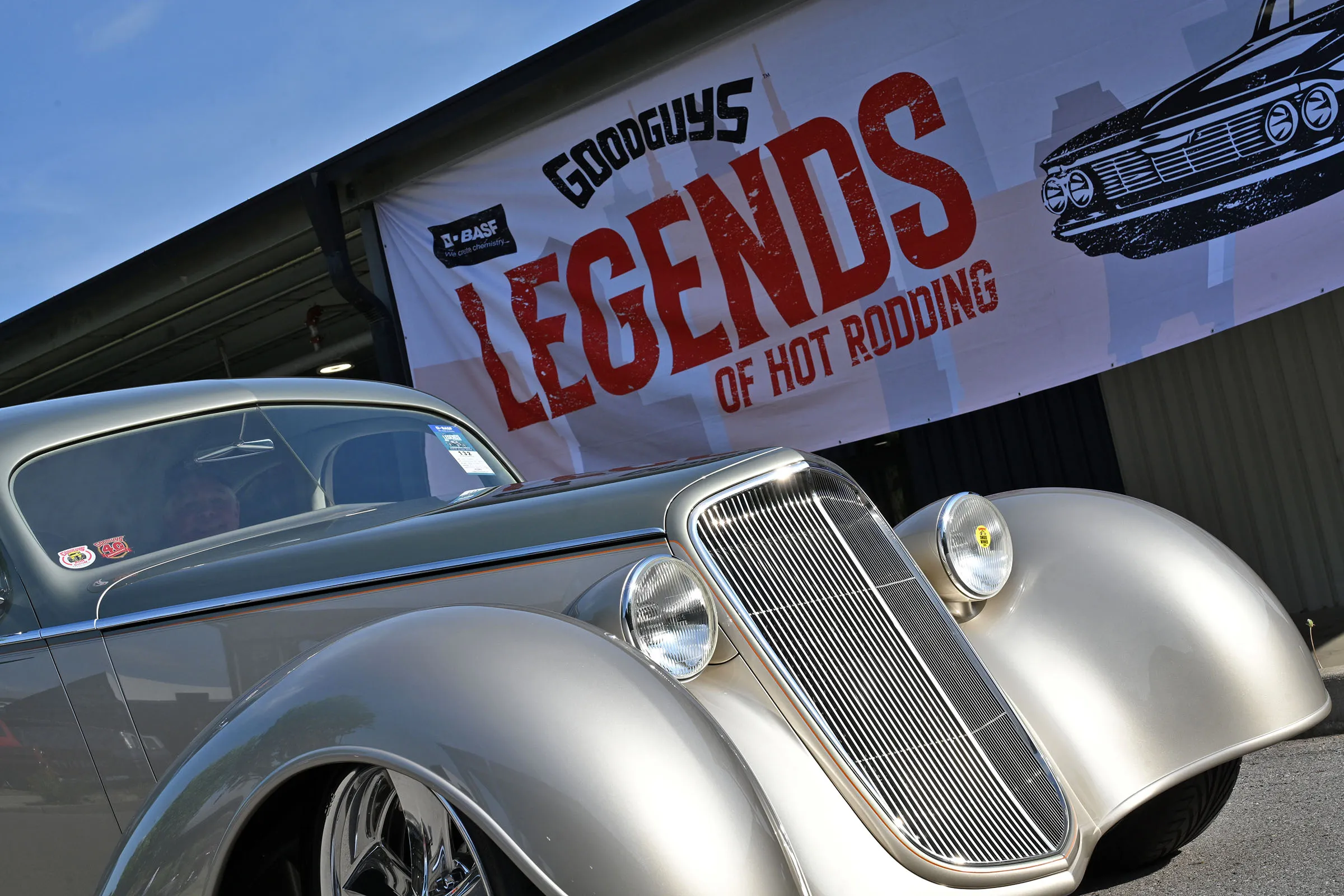
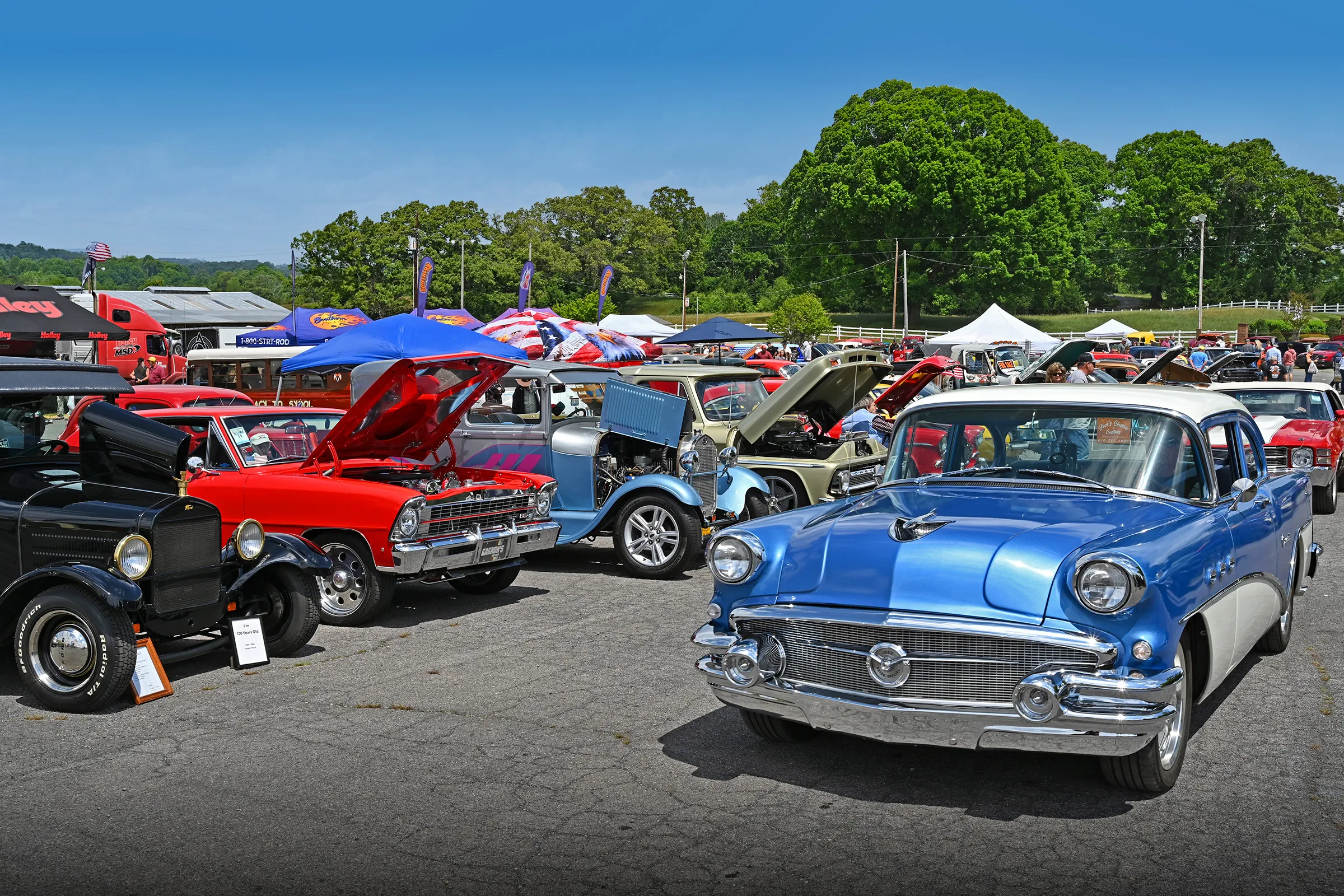
Johnson City, Tennessee didn’t just host a car show—it briefly turned into a rolling museum of American hot rodding. The 51st NSRA Street Rod Nationals South took over the Appalachian Fairgrounds on May 8–9, 2026, delivering two full days of traditional street rods, customs, and classic builds that reflected decades of craftsmanship and culture.
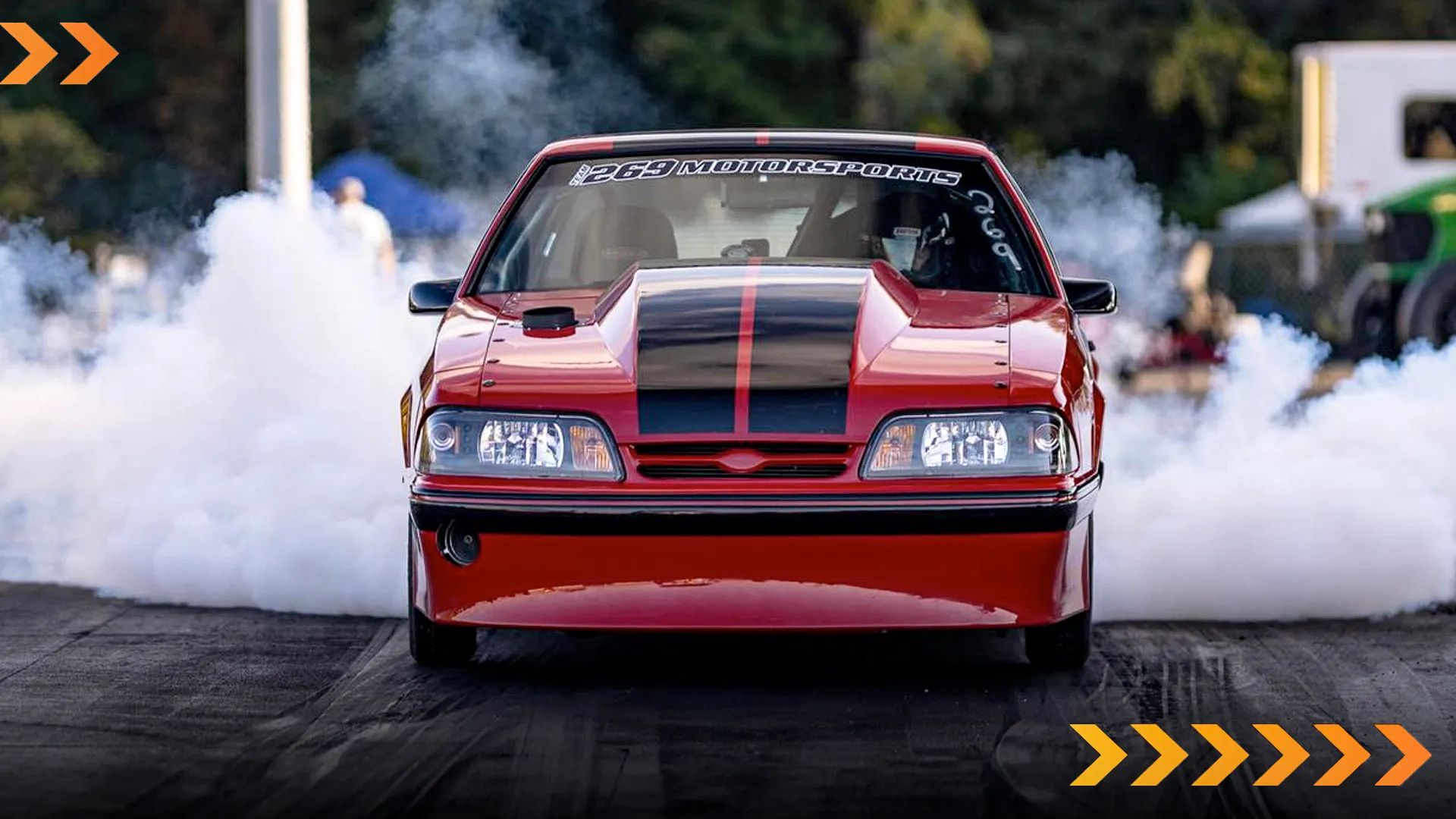
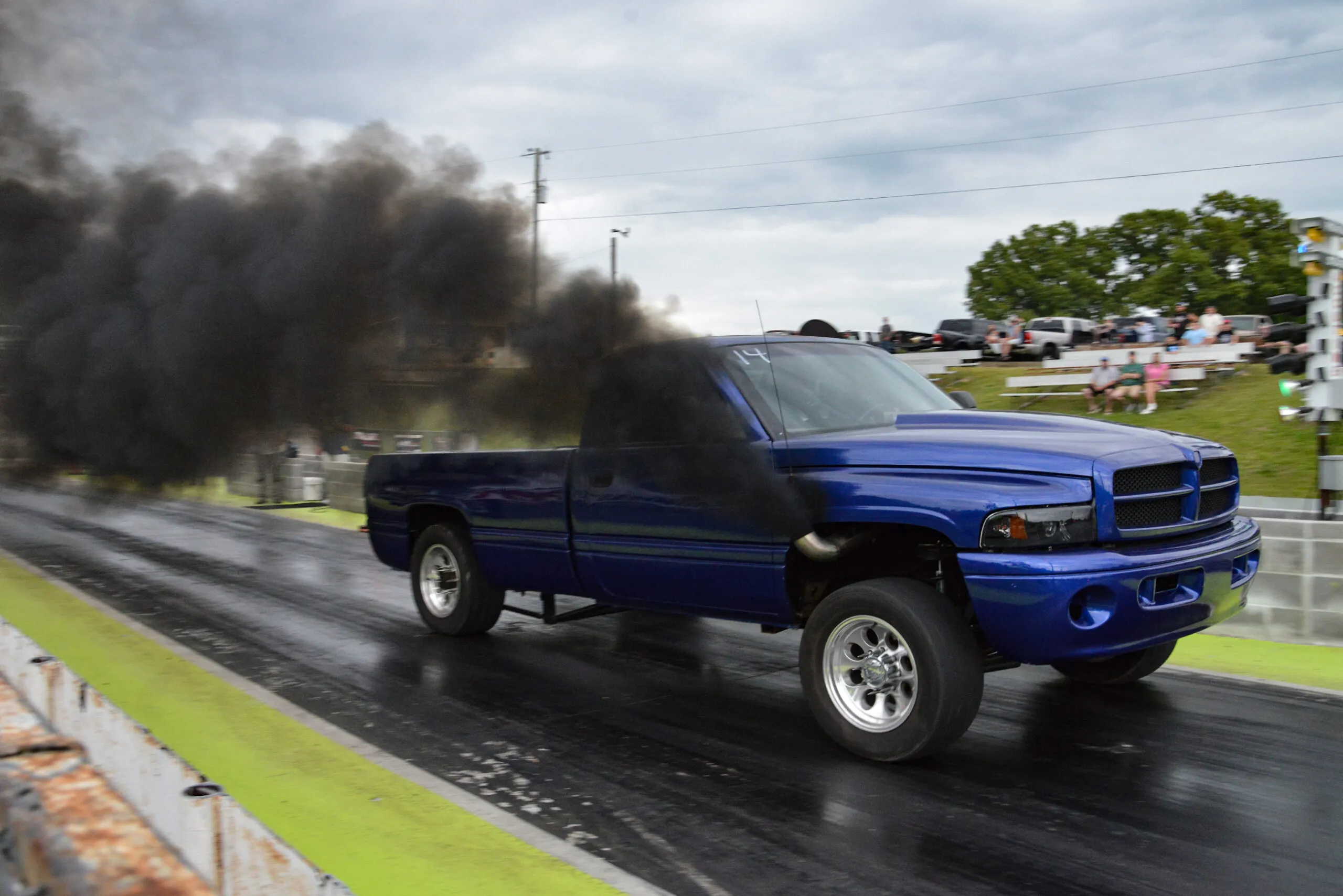
On April 18th, the STROKIN DIESEL TAILGATE SHOOTOUT 2026 lit up Alabama with a back-to-back assault on horsepower, starting on the dyno and ending under the lights at the dragstrip. Backed by Diesel Motorsports, this wasn’t a sit-around-and-look kind of show. This was a run-it, prove-it, break-it-if-you-have-to kind of day.
Some folks talk about the great muscle car wars of the ‘60s and early ‘70s, but it’s hard to find a car guy who experienced it, enjoyed it and still owns the same car. At 66 years of age, Mike Overly was able to experience the muscle car era during his twenties, which is the perfect time to go fast in a cool car. The car seen on these pages is a ’70 Mustang, one that Overly has owned since 1970. Less than a year old, the Mustang sat at a used car lot in Indianapolis, Indiana, wearing black paint and an asking price of $2,300. From his inspection, Overly knew the original owner had already upgraded to a Boss 429 hood and scoop, so it may have been raced in its short life—the 2,000 miles on the odometer were probably not the easiest of miles.
Bending irons have been used in the industry for many years. We first became aware of how handy they are during a 10-year stint in the can industry.
Big billet wheels, custom suspensions and modern power plants—that’s what we’ve come to expect from a first generation Camaro. And while these items are great if that’s what you prefer, we just can’t help but love a car that stands out in a crowd, like this 1968 Camaro vintage street machine. Period perfect down to the slightest details, the black Camaro would have been the ultimate classic Camaro street machine in the late ‘60s and early ‘70s with its big-‘n’-little Cragars, Lakewood traction bars and nose-down stance. Claude Minor is the proud owner of this retro Chevy, but it certainly didn’t start out in this configuration.
If there was ever a time of automotive wonderment and absolute freedom among designers and enthusiasts alike, it was the early 1950s. This was a special time when automobile manufacturers were exploring new territory previously held by the foremost automakers of Europe, and the Americans were going all out to stake their own claims to greatness.
Forty-four years have passed since Musselman teamed with Boyd Coddington in creating one of the most amazing rods of its day, an excetpional car that took its place in history as the Oakland Roadster Show’s “America’s Most Beautiful Roadster” in 1982. This was also due, in part, to the efforts of many top fabricators including Lil’ John Buttera, Dan Fink, Steve Davis, Thom Taylor who designed the car.