The First Glance: A Sleeper with a Secret
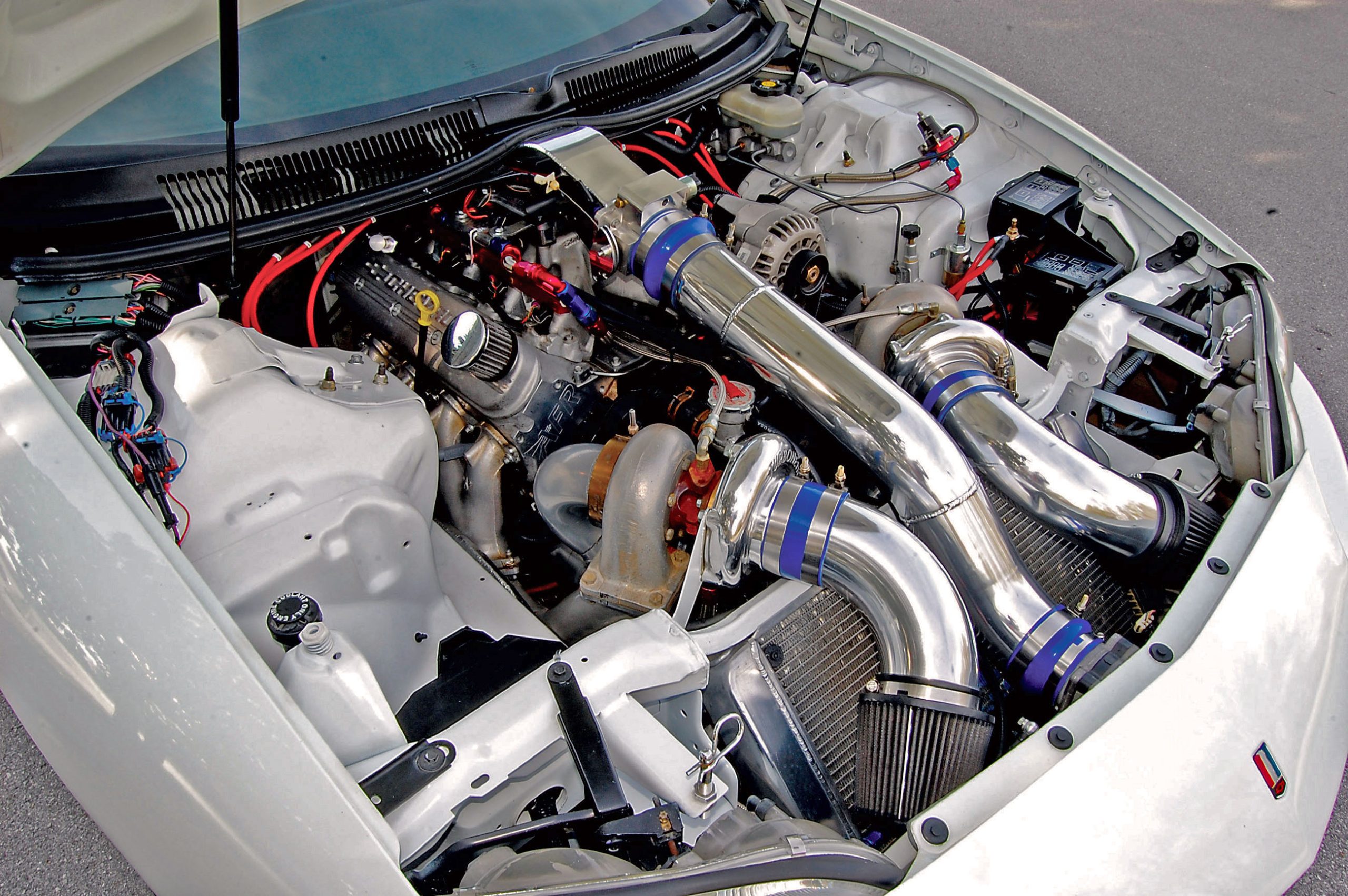
As far as you can see, you will note the sensible fittings and all the hardware that goes into bolting such potent pieces together. There’s a lot to be learned on your first glance, and even more once you allow those eyeballs to roam.
A Stock-Appearing Beast
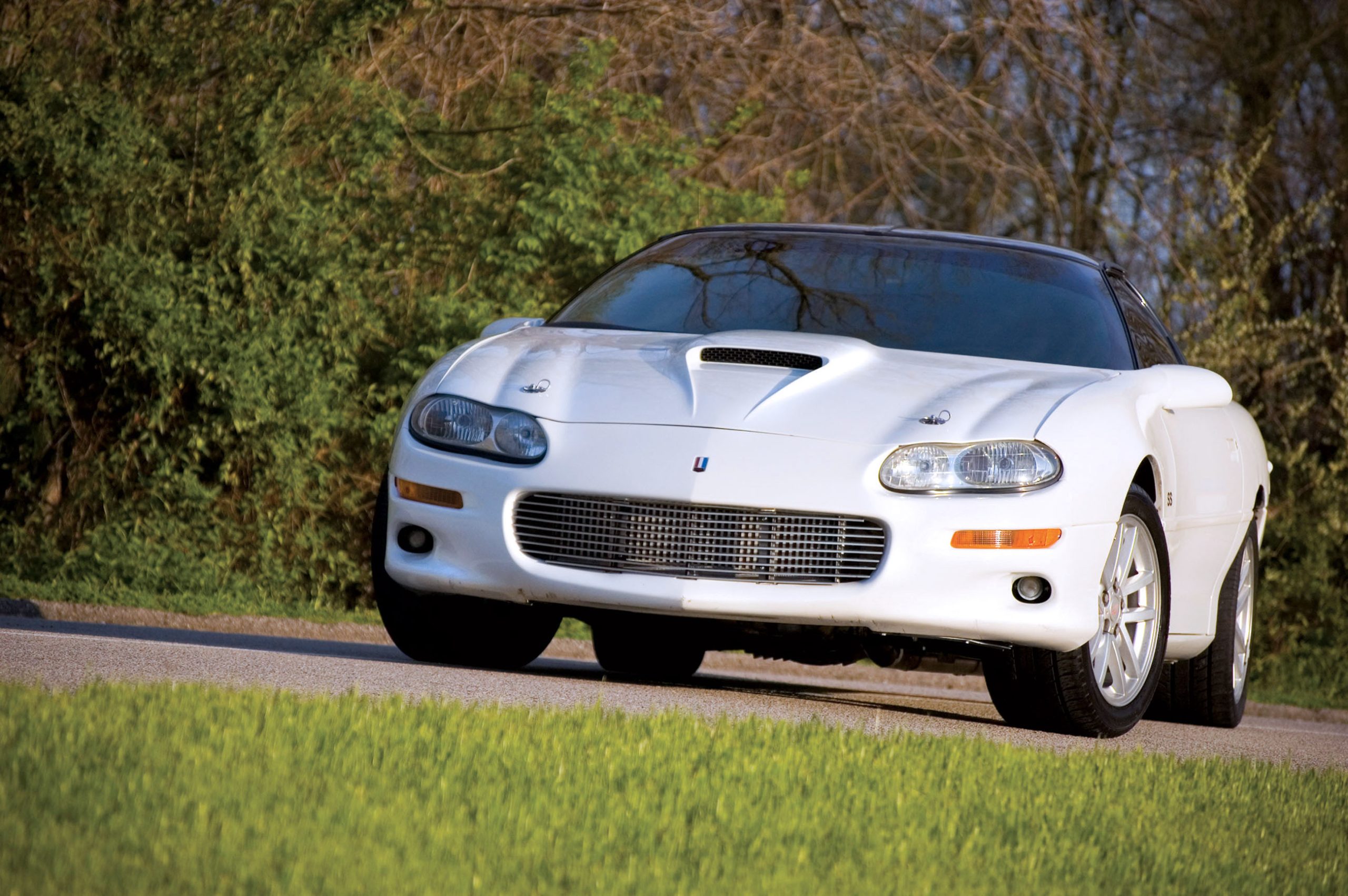
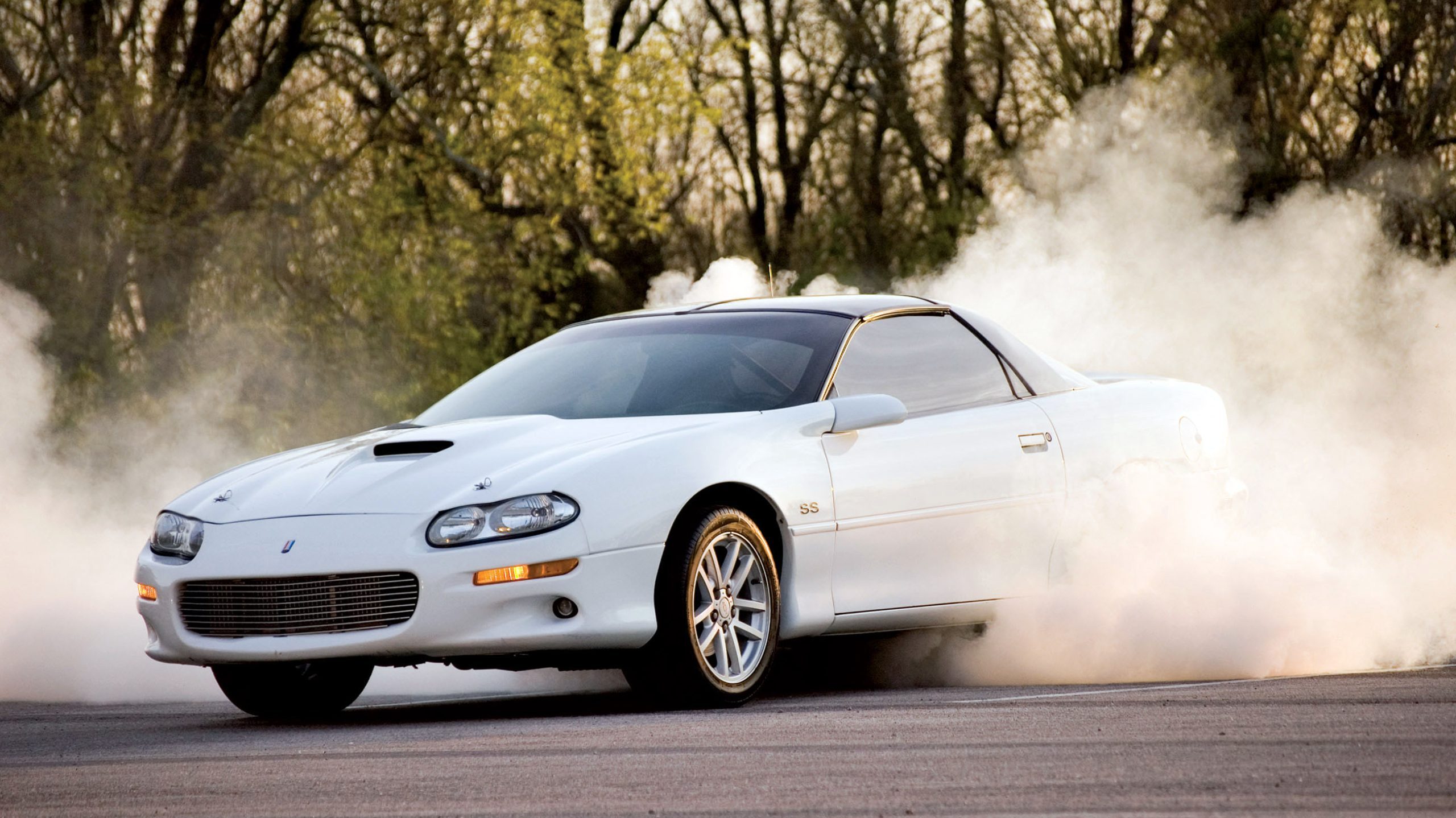
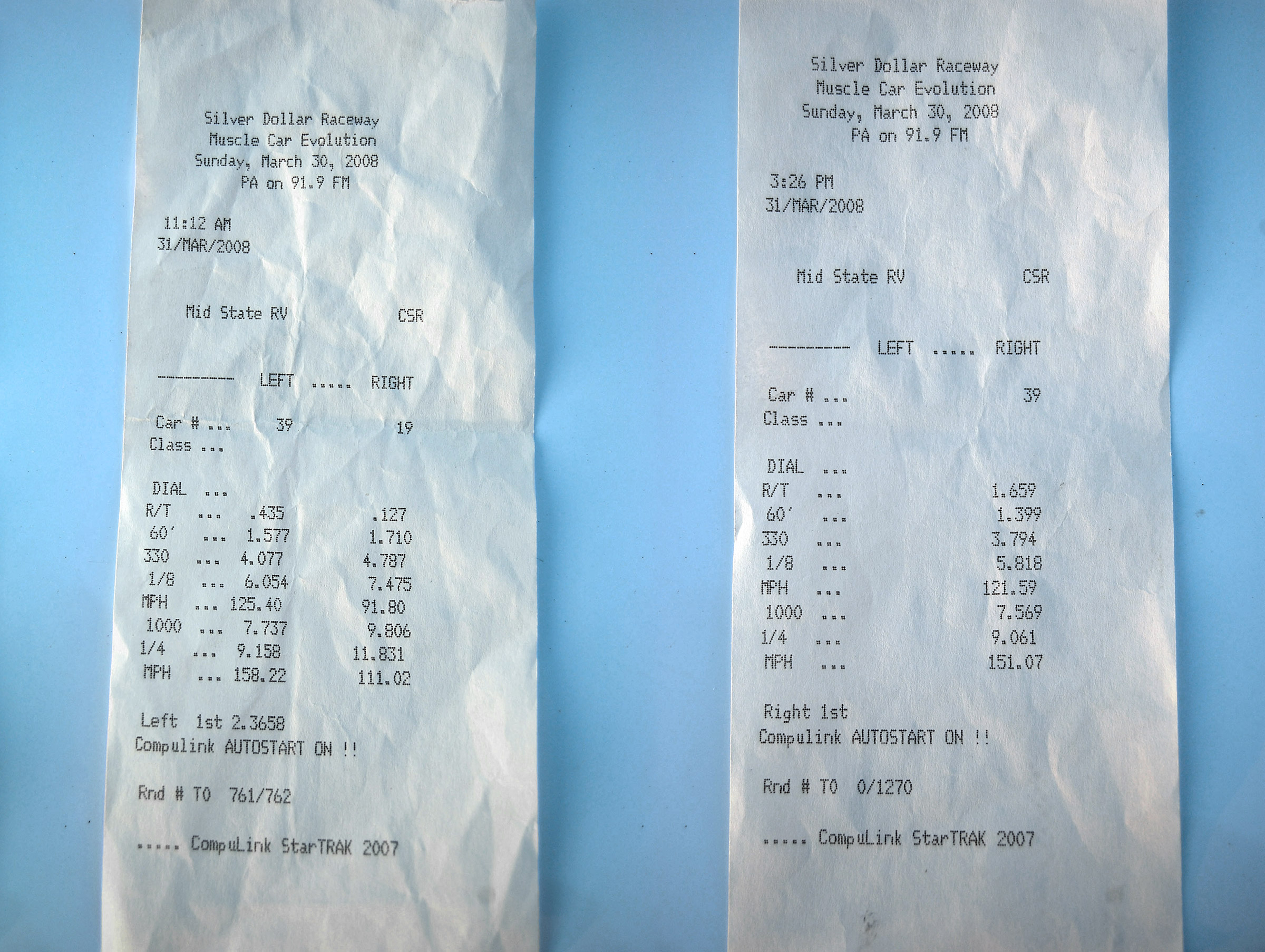
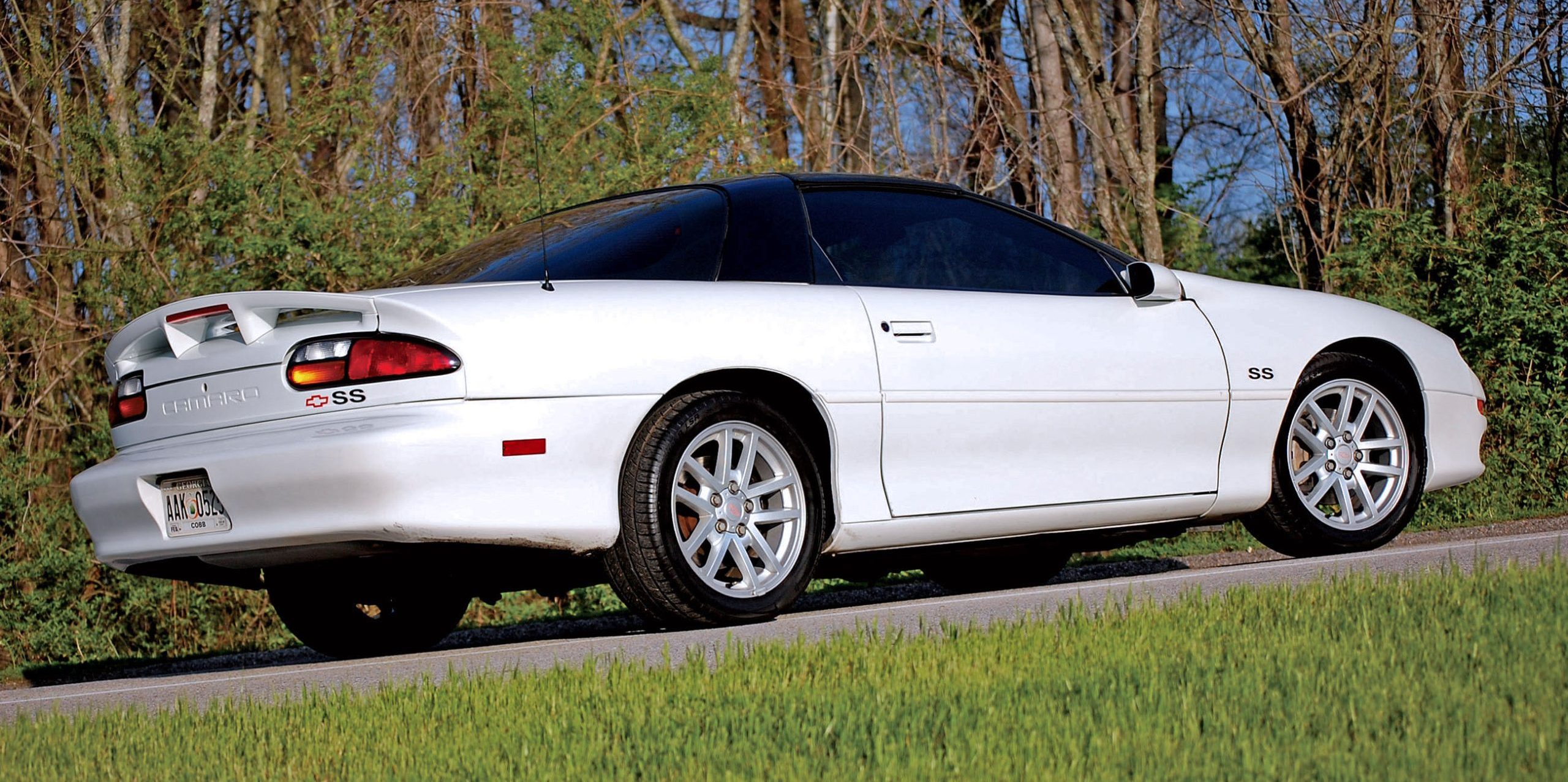
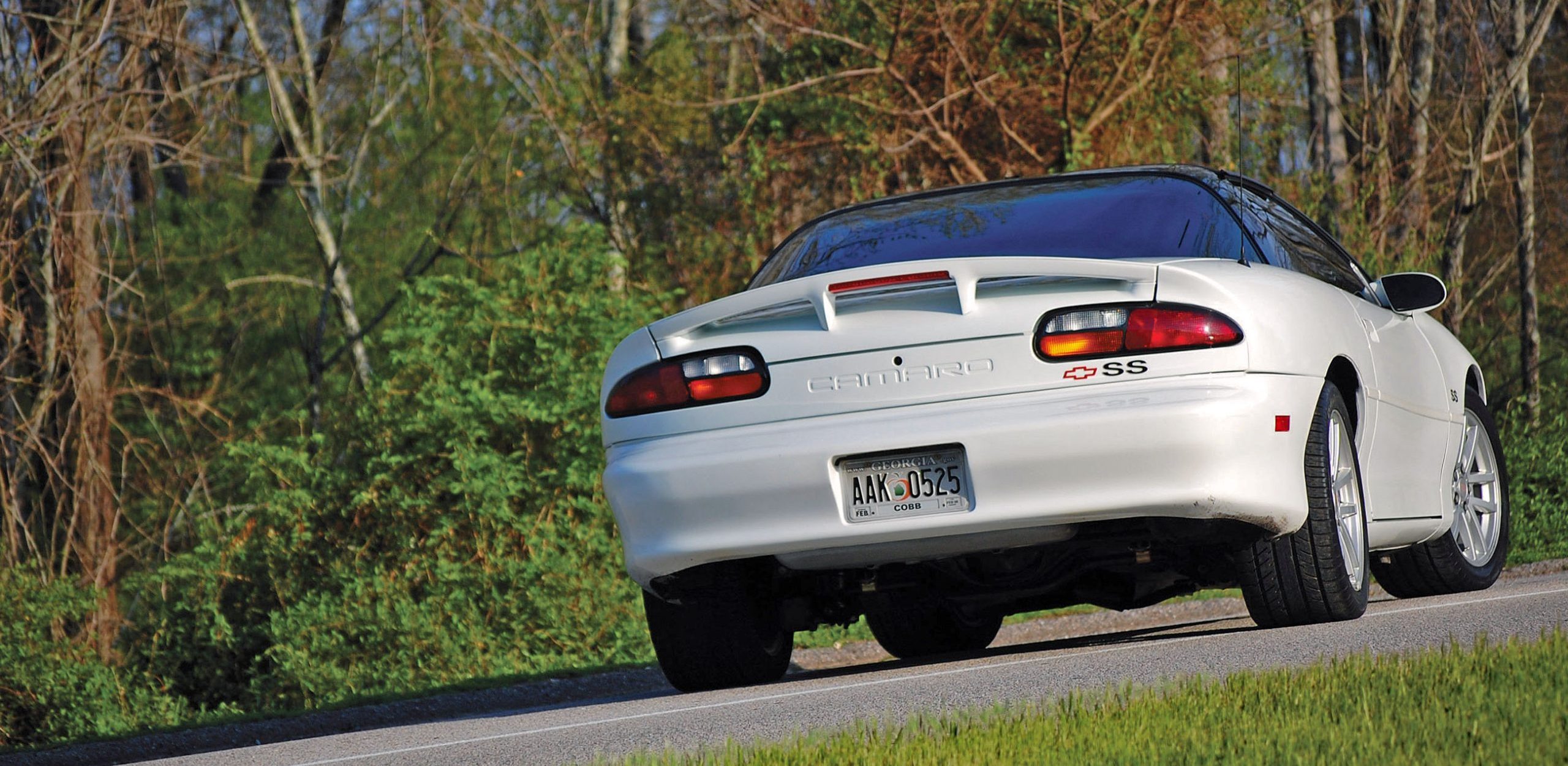
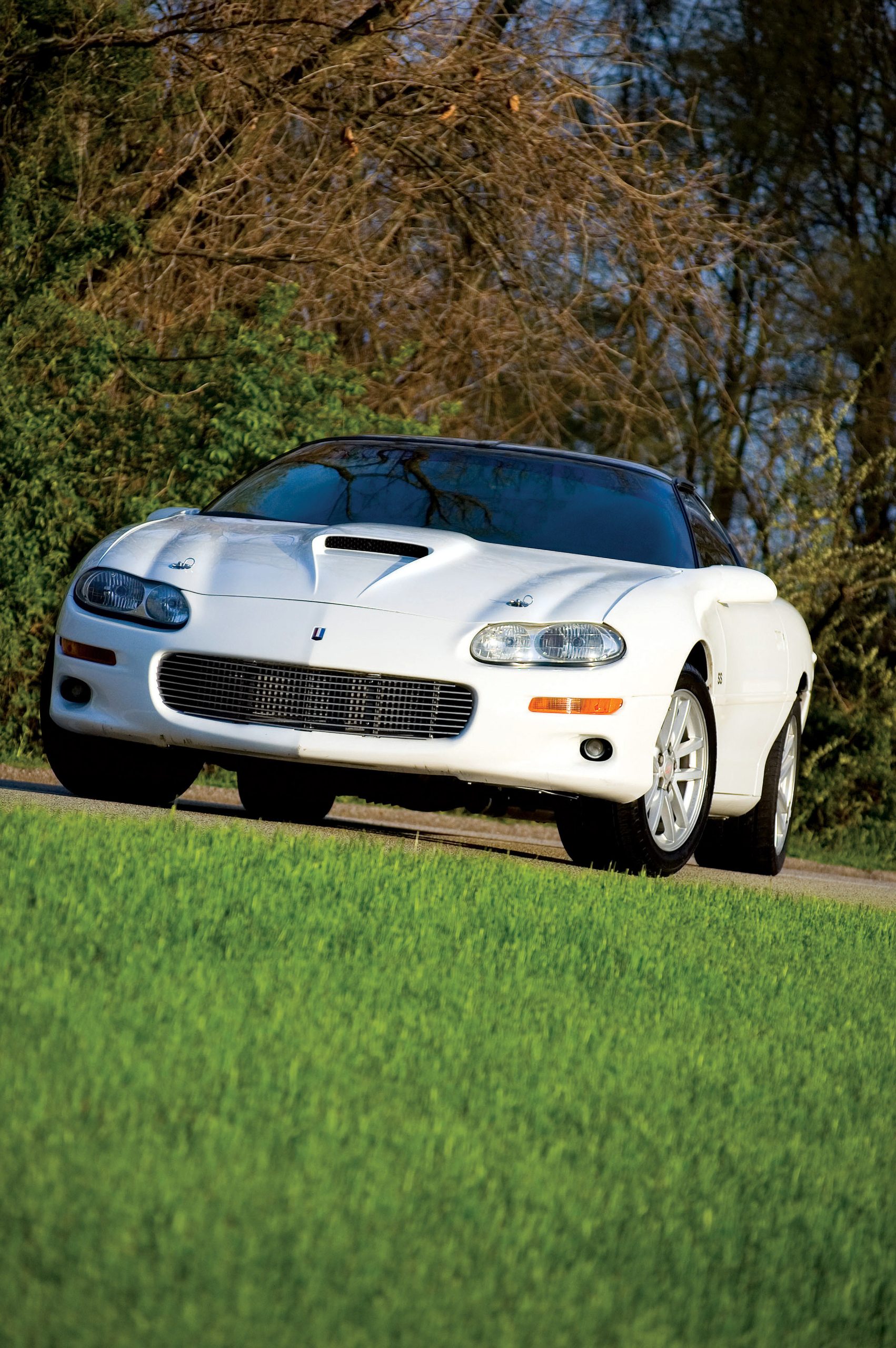
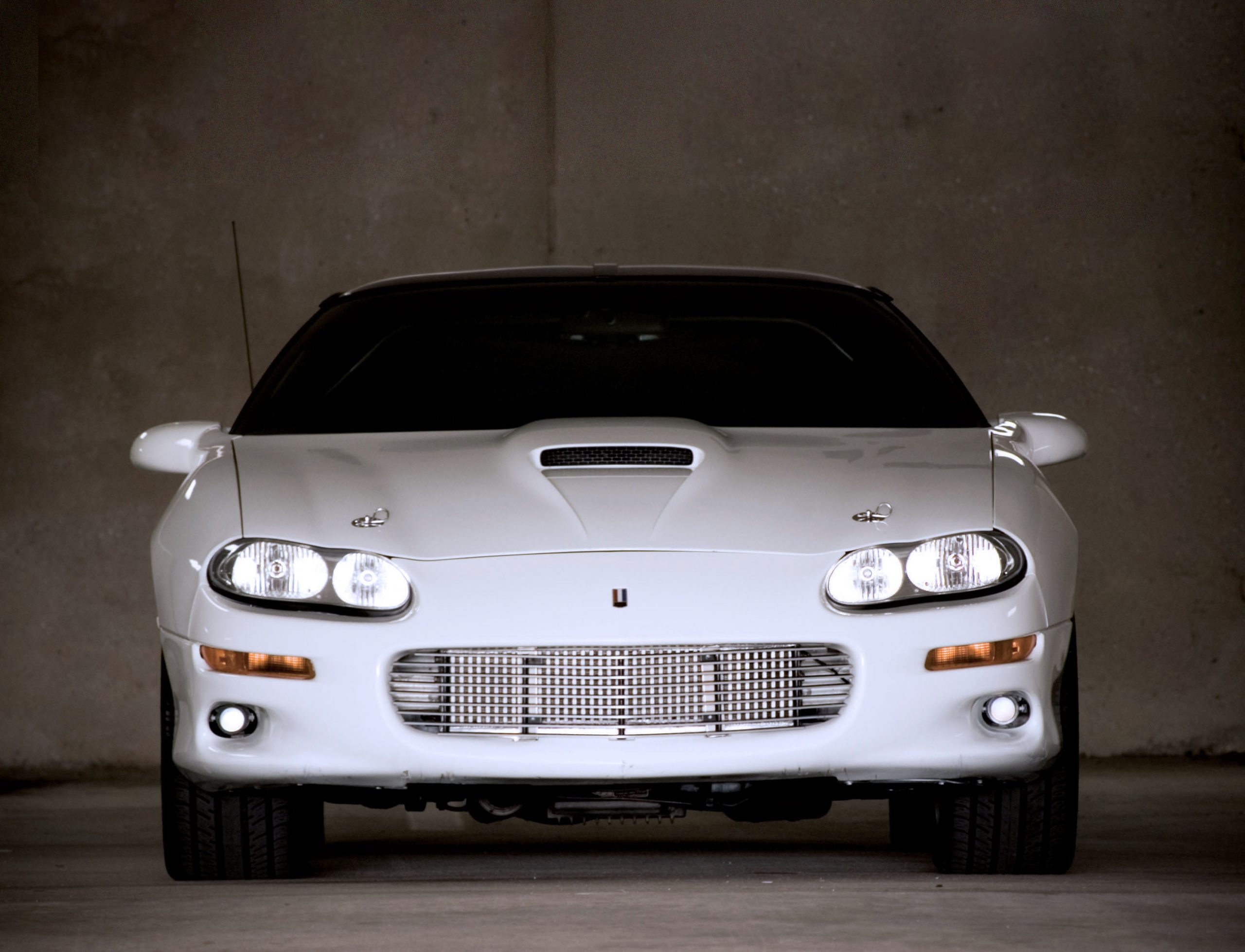
As for the car here, there are no apparent exterior details that reveal what lies beneath that SS hood. So, unless you crawled under the car for a look, what you have are dragstrip time slips to rely on for positive proof. Chris Hunter was quick to provide those slips (from Silver Dollar Raceway), and we can’t say we blame him, because his stock-appearing ’02 Camaro has run a best of 9.06 at 151 mph in the quarter mile!
That’s insane, considering this car is still driveable on the street—it isn’t fully gutted and it’s not even tubbed. It does, however, use a host of aftermarket suspension components to hook up those rear meats, so the inclusion of such upgrades is a giveaway if you get down on your hands and knees to search them out. But even then there’s just no way to comprehend how fast this car really is—without taking a ride or watching it blast off to over 150 mph!
Understated Yet Over-Delivering
We were immediately blown away by this car, because even with its racing wheels and tires installed, it still looks tame, or what you might mistake for a low-buck bracket car. We don’t doubt this car’s ability to turn heads at the track; it certainly under-promises and over-delivers in almost every respect. And even though once started—it does have a radical camshaft and a menacing exhaust note—it’s easily mistaken as just another weekend warrior.
It goes without saying that Hunter is happy with his Camaro’s performance, especially considering that the car is fresh. Hunter plans to up the boost to run deep into the eights, a combination that is lethal to many an unsuspecting big-block car. This is, without a doubt, one of the most awesome real street cars you’ll ever come across.
The Build Begins
Hunter started his ordeal with a bone-stock ’02 SS Camaro, leaving his options for a build theme wide open. He certainly wanted straight-line performance—that was high on his list—so he did his homework and came up with a selection of components to help this car hook up and go straight. To install these parts, Hunter relied on the crew at Atlanta Performance and Fabrication and then contacted the impressive shop of Lamar Walden (Lamar Walden Automotive), whose son Rob is a well-respected second-generation engine builder. Rob then went to work on the 377ci engine, and here’s the plan he came up with to produce such a radical performer.
Powerhouse Under the Hood
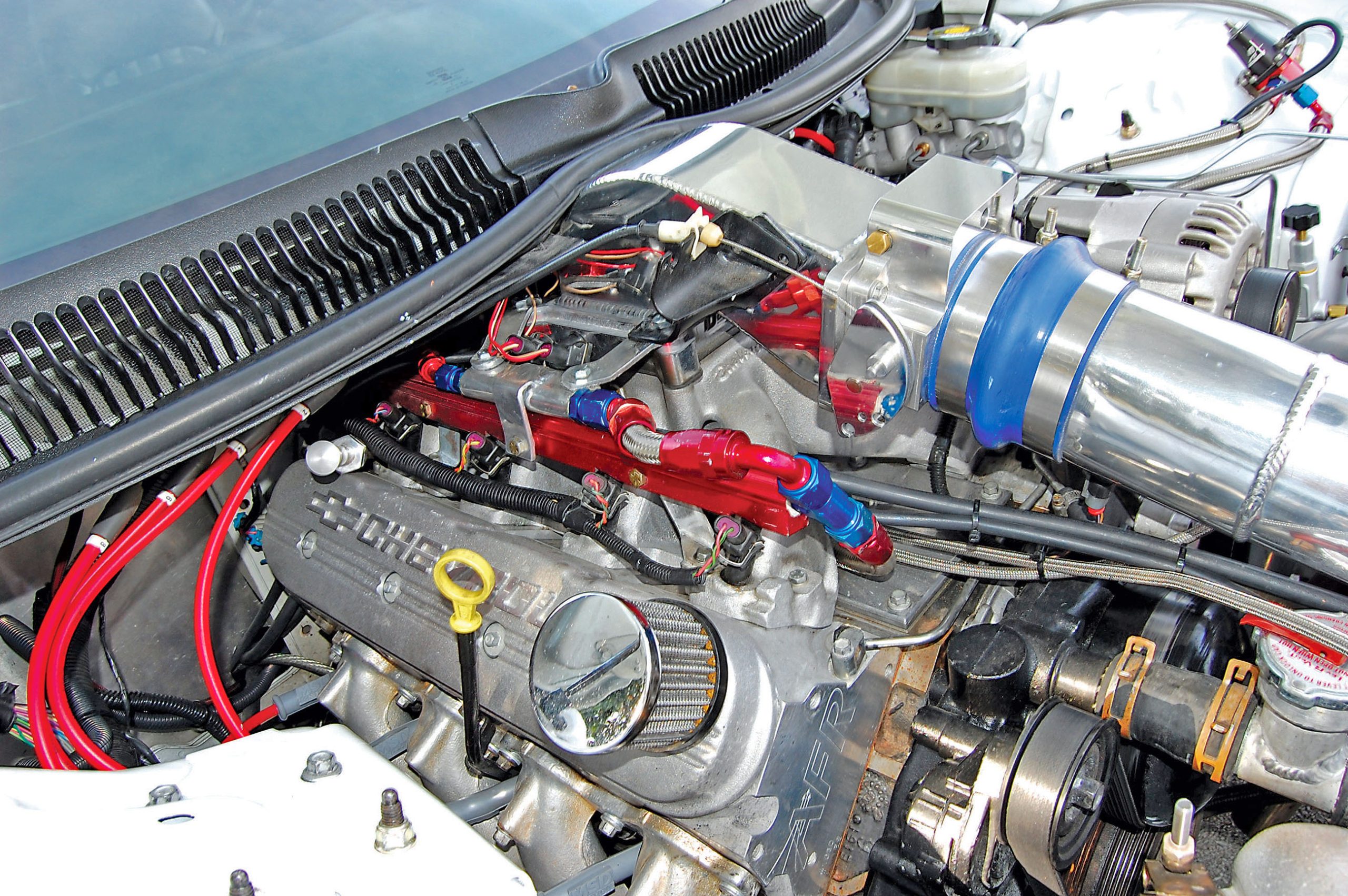
The platform for this awesome power comes from an iron-block LQ9 engine, which originally called a Chevy SUV home. It started at a displacement of 366 ci (6.0 liters), but with a 0.060-inch overbore, the truck engine now displaces 377 ci and uses oversized Manley pistons to produce a compression ratio of 9.5:1 with the Airflow Research 225 cylinder heads. Rob Walden chose the AFR heads for this build, as they have proven time and again to be a strong addition for the LS series of engines. A huge Comp Cams hydraulic roller camshaft makes for a wicked exhaust note and provides this engine with gobs of power and a quick throttle response. Lamar Walden Automotive handled the basic Camaro engine build, but when it came time to install the twin turbochargers, that chore was left to the guys at Atlanta Performance and Fabrication to make it all work. And work it does.
Twin Turbo Setup
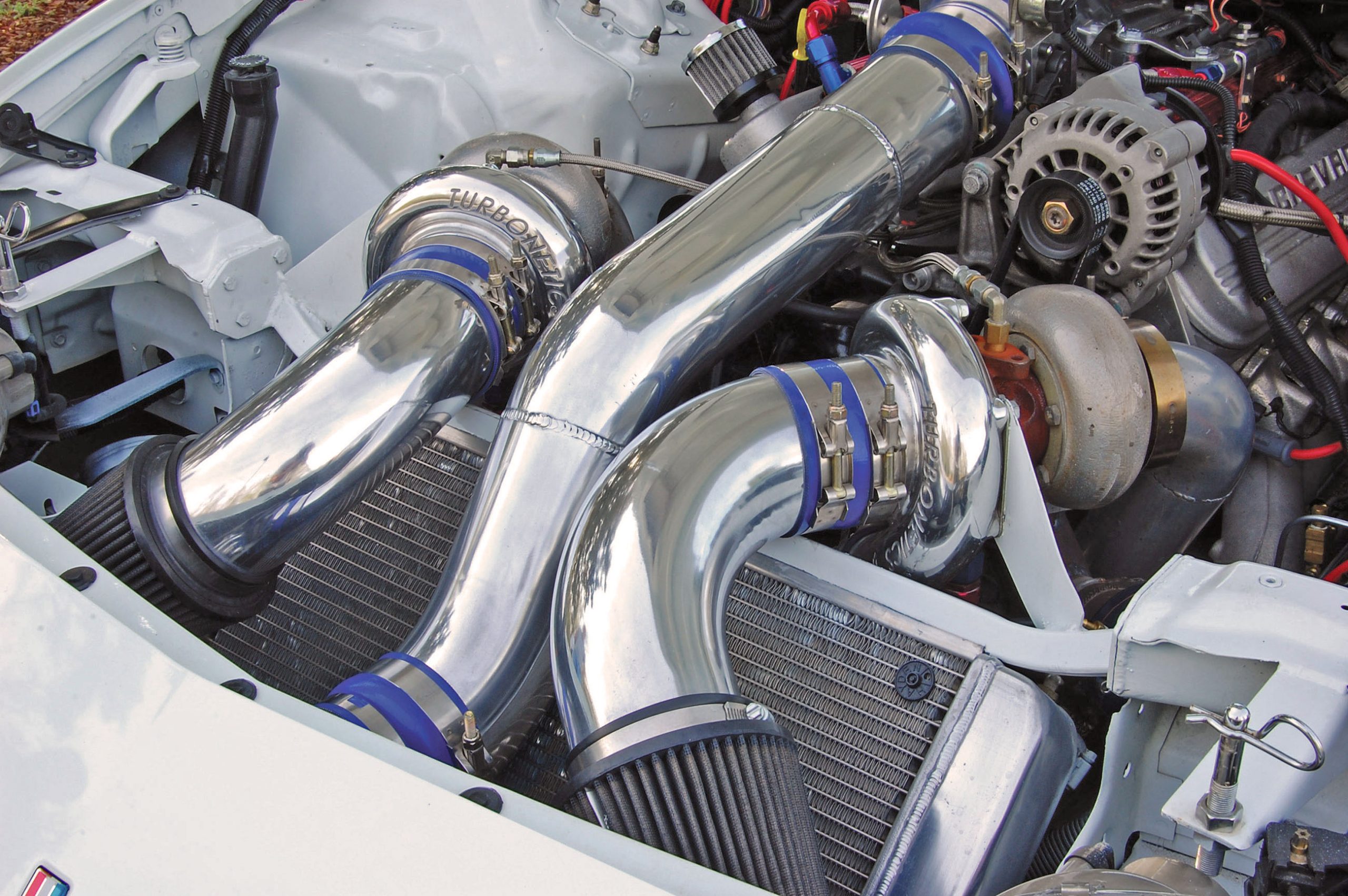
Starting with two Turbonetics T60-1 turbochargers, APF fabricated the intercooler piping, welded the end tanks onto the Bell intercooler core and mounted a pair of GM truck exhaust manifolds backwards. Generally, there isn’t much room in an F-body engine bay, but APF modified the radiator support so the turbochargers could be mounted close to the engine and still be covered by the hood to keep the sleeper theme going. Two TiAL 38mm wastegates allow for ample boost tuning and control, whether Hunter wants to take a drive on the street or blast down the dragstrip at or near full boost. Two Bosch 044 fuel pumps and eight Mototron 60-pound injectors control the majority of the fuel delivery, while four additional 60-pound injectors run off a separate injector driver box with a 3-Bar MAP built in from Split Second. An Edelbrock Victor Jr. intake manifold brings in air from the twin turbos via a Nick Williams 90mm throttle body with a 90-degree intake elbow.
Transmission and Rearend Upgrades
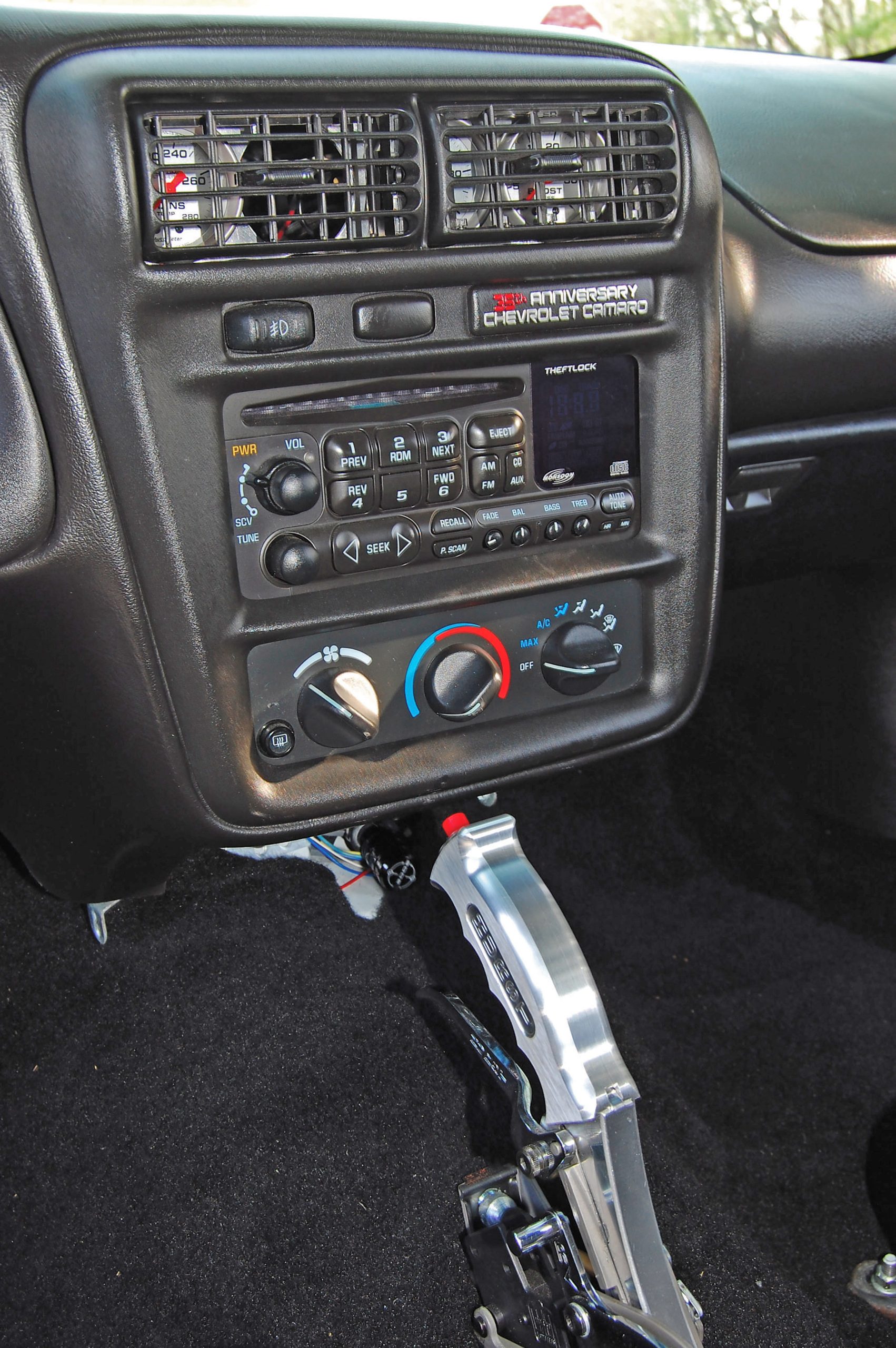
Putting all this power to the rearend is a built Powerglide transmission, modified by Glenn McCary of Ringgold, Georgia. The crankshaft spins a PTC sprag-less 9.5-inch torque converter, which hooks up around 5,000 rpm. This is a bulletproof transmission, made even more so with a trans brake, an Ultra-Bell housing and a B&M trans cooler and Hurst shifter.
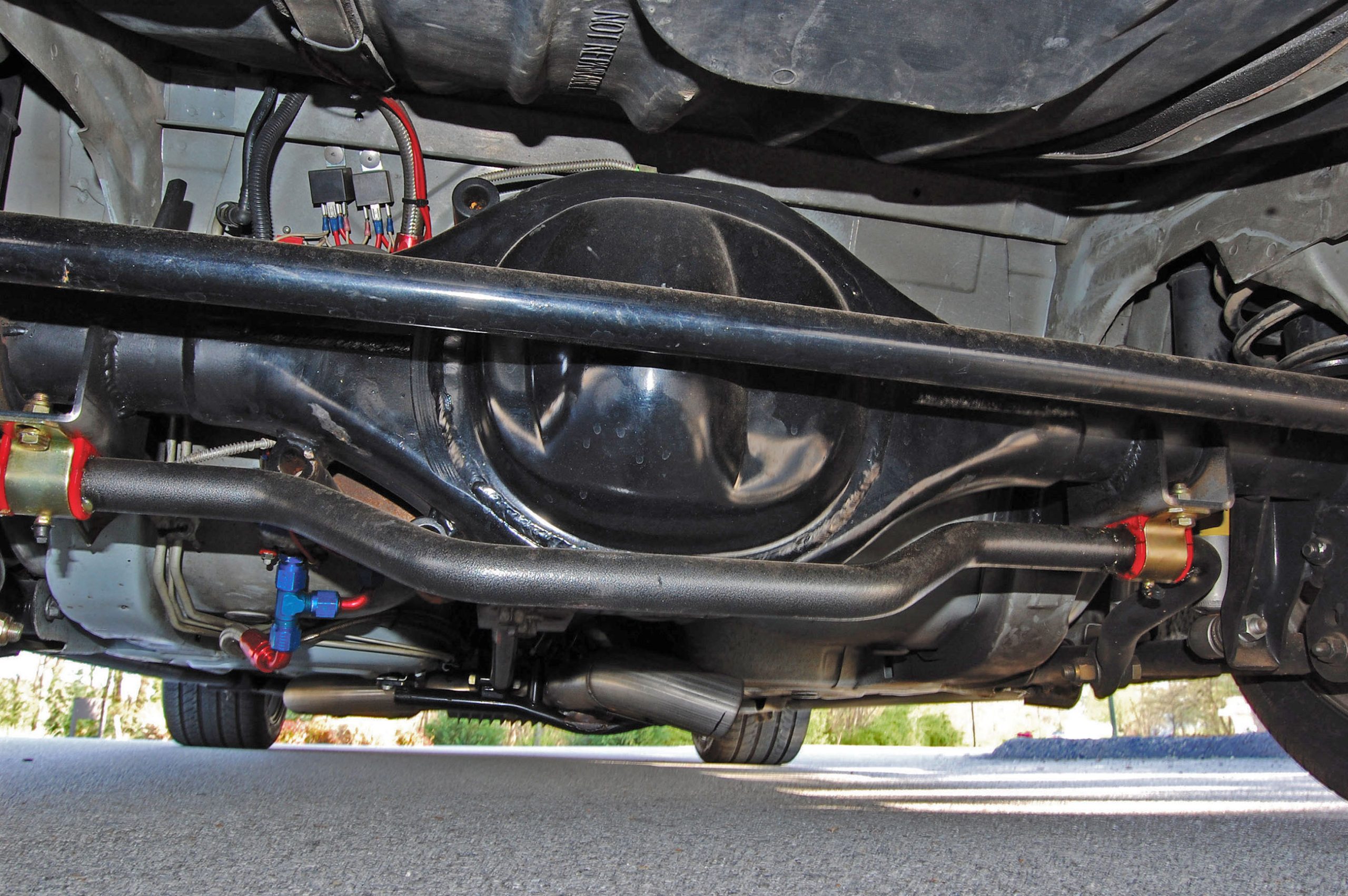
In the rear, it’s a matter of hooking up 1,450 hp, so every suspension trick possible is used to help plant the rear and cause this Camaro to run straight down the track. The original rearend had no chance of surviving under such extreme conditions, so a Moser 9-inch rearend found a home under Hunter’s Camaro. Equipped with 3.50 gears and a Trac-Loc differential, the super-strong rearend is fitted with 31-spline axles and disc brakes on either side.
Suspension and Chassis Enhancements
The guys at Atlanta Performance and Fabrication upgraded the stock rear suspension, as they installed a pair of Competition Engineering three-way adjustable rear shocks, a pair of BMR rear control arms and a Spohn drag-race torque arm. This combination allows the car to launch hard, as the BMR rear sway bar prevents body roll from the massive amounts of torque—and a level launch makes for quicker elapsed times.
The chassis modifications up front started with a PA tubular K-member, which reduces weight and adds strength for those harsh wheels-up launches. Attached to the new K-member, and to continue the weight savings up front, are BMR tubular upper and lower control arms. The QA1 12-way adjustable coilover shocks feature a 300-pound spring and allow for maximum adjustability to precisely dial in the front suspension. For braking, Hunter relies on the stock setup, which is more than fine, but if the car goes any faster, a parachute will be needed to help scrub off speed at the track during the shutdown. Rolling stock consists of original SS wheels and Mastercraft radials on the street, while Weld Pro Stars and sticky slicks do the job at the track.
A True Sleeper with Massive Potential
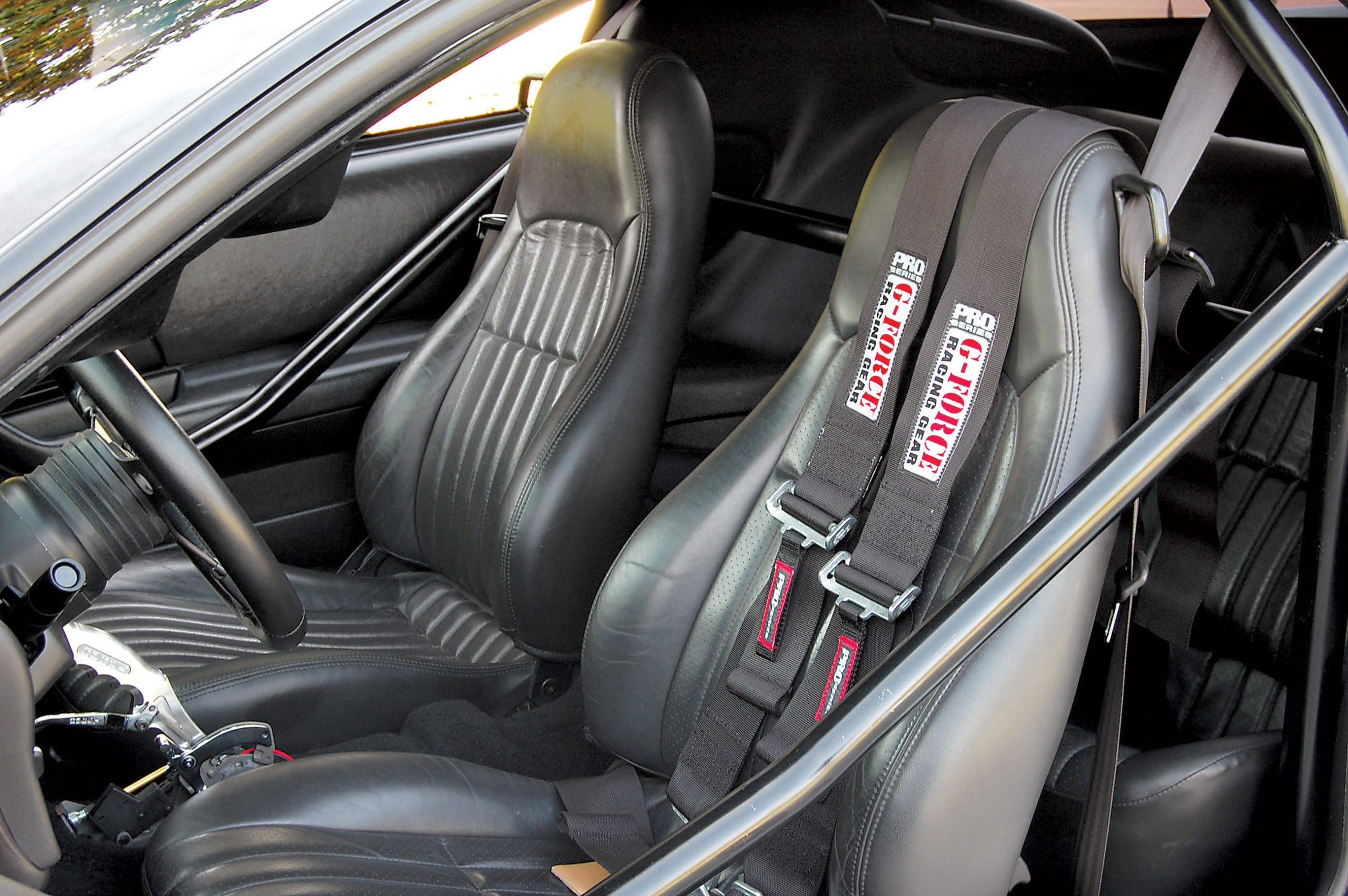
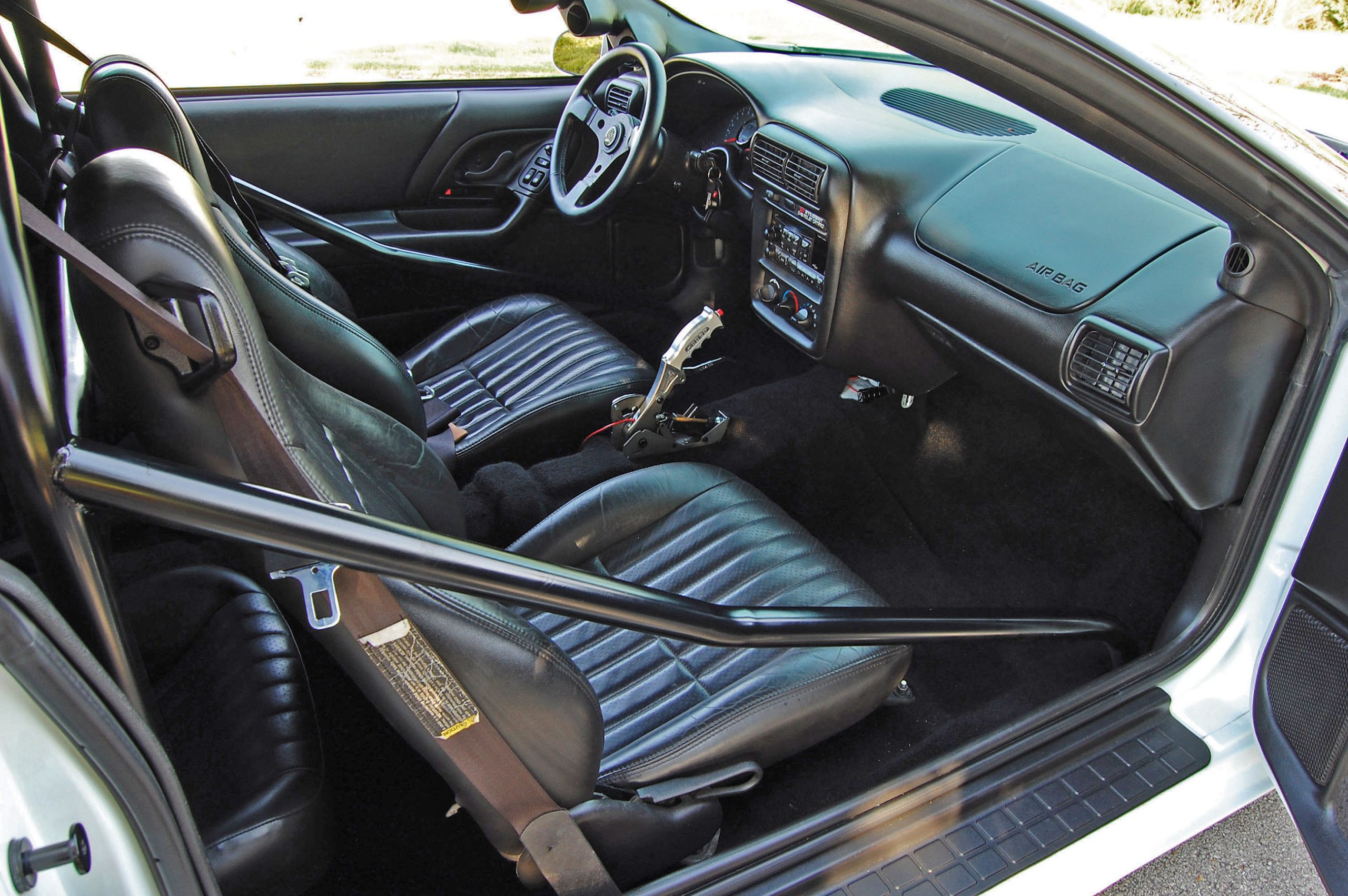
Hunter’s Camaro doesn’t have additional exterior flash, and it still wears its original white paint. A fiberglass SS hood is the only body mod, and the only hint this thing has a significant amount of power underneath it is the APF-built air-to-air intercooler, which resides behind the grille. Inside, you’ll find much of the same treatment, as Hunter tried to keep it simple.
This car has the potential to run deep into the 8-second range at well over 160 mph, especially considering his best run was made at a mere 18 psi of boost—when the engine is built to comfortably withstand boost pressures up to 26 psi. With a little more tuning and more boost, there’s no telling what this combination will produce. Even at that, it’s an impressive ride—an astounding car with tons of power, and it’s all nicely hidden, just as Chris Hunter had originally planned.