Manufacturers
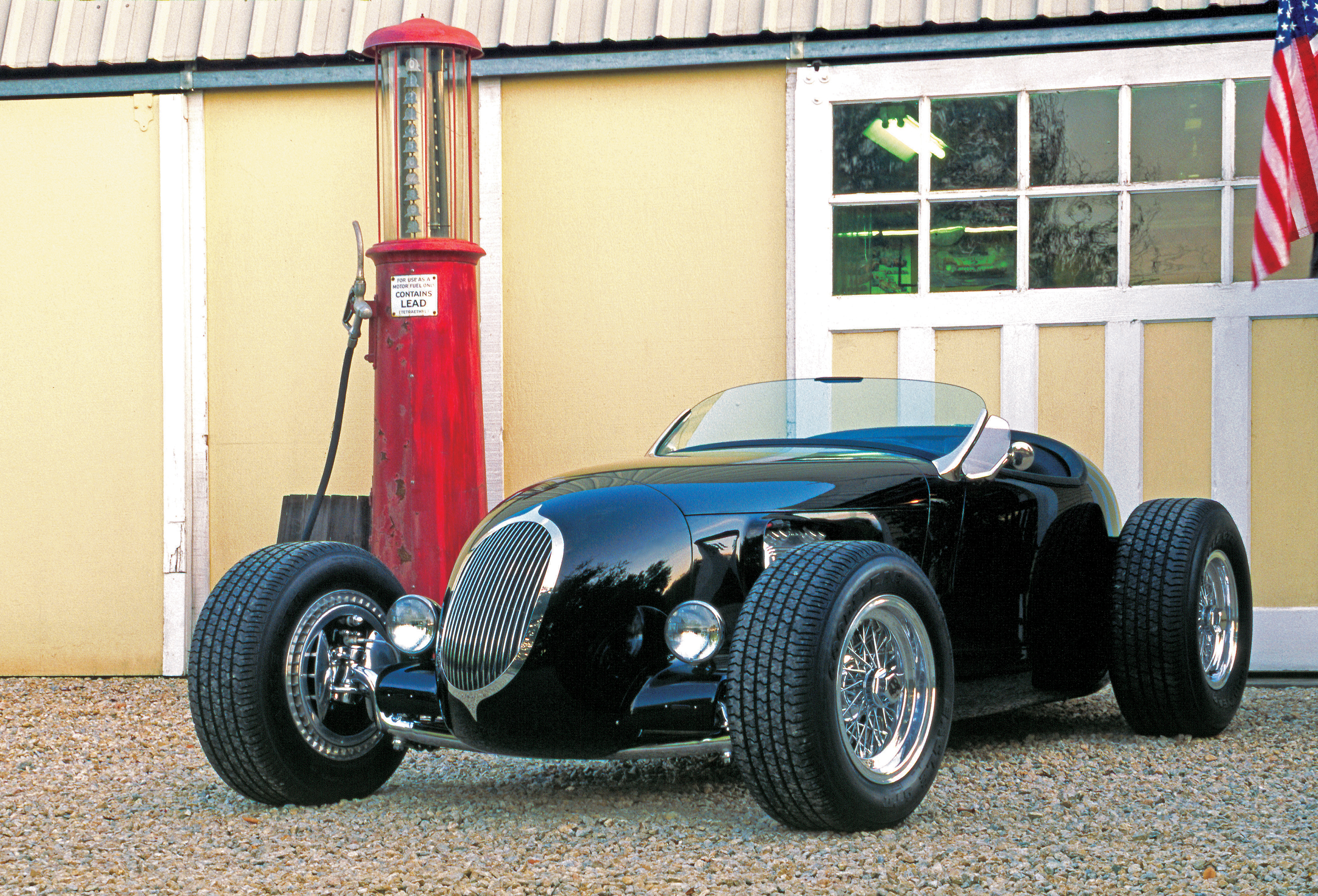
From a distance, this roadster appears to be from another place, far from American shores, as much as from another era. On closer approach, the Borrani wire wheels conjure thoughts of European heritage, although the shape borrows as much from past Indy roadsters and Sprinters as it does from the great design houses of Italy. Then there’s the engine, a flat giveaway to the true nature of this amazing crossbreed.
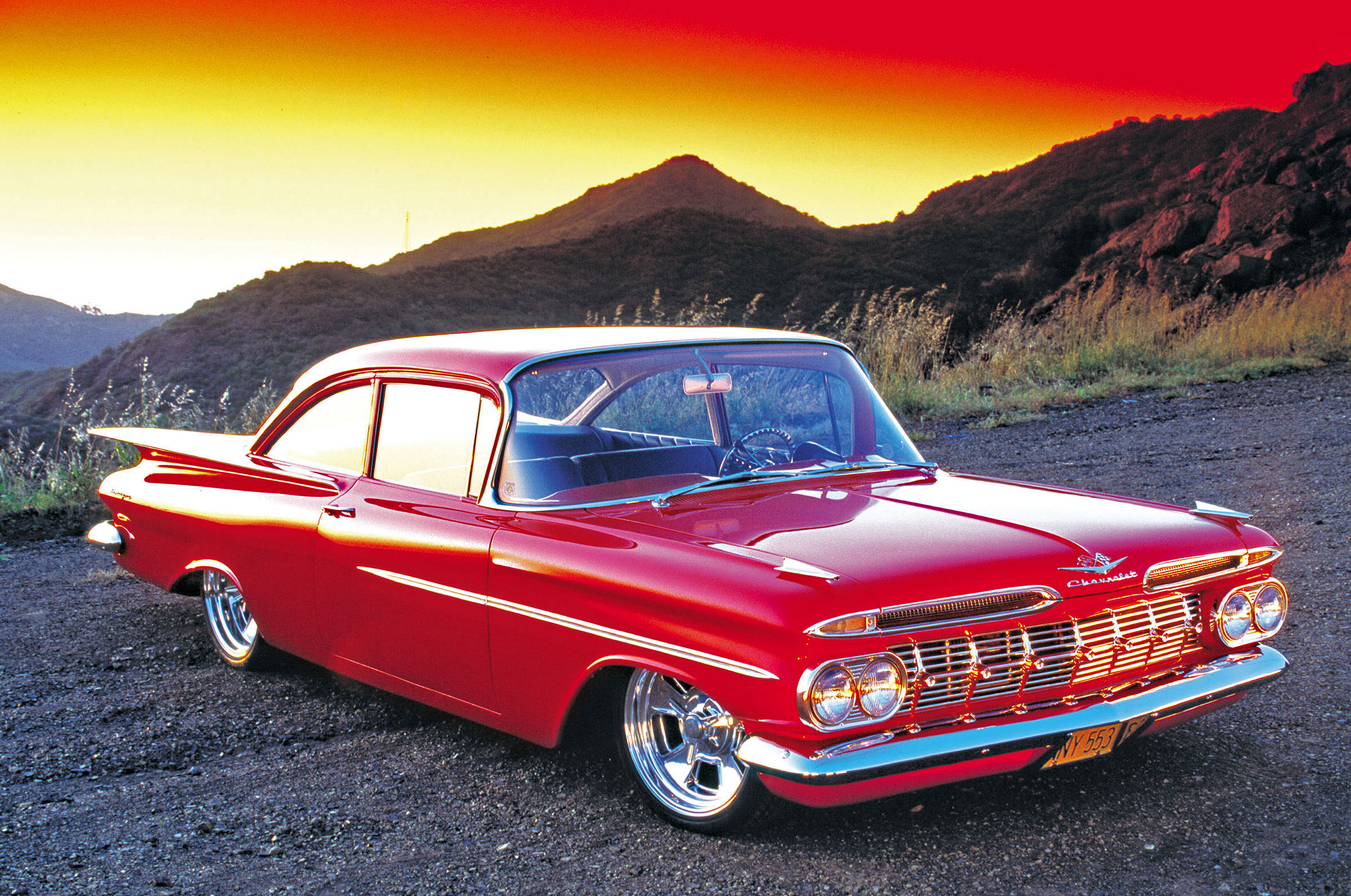
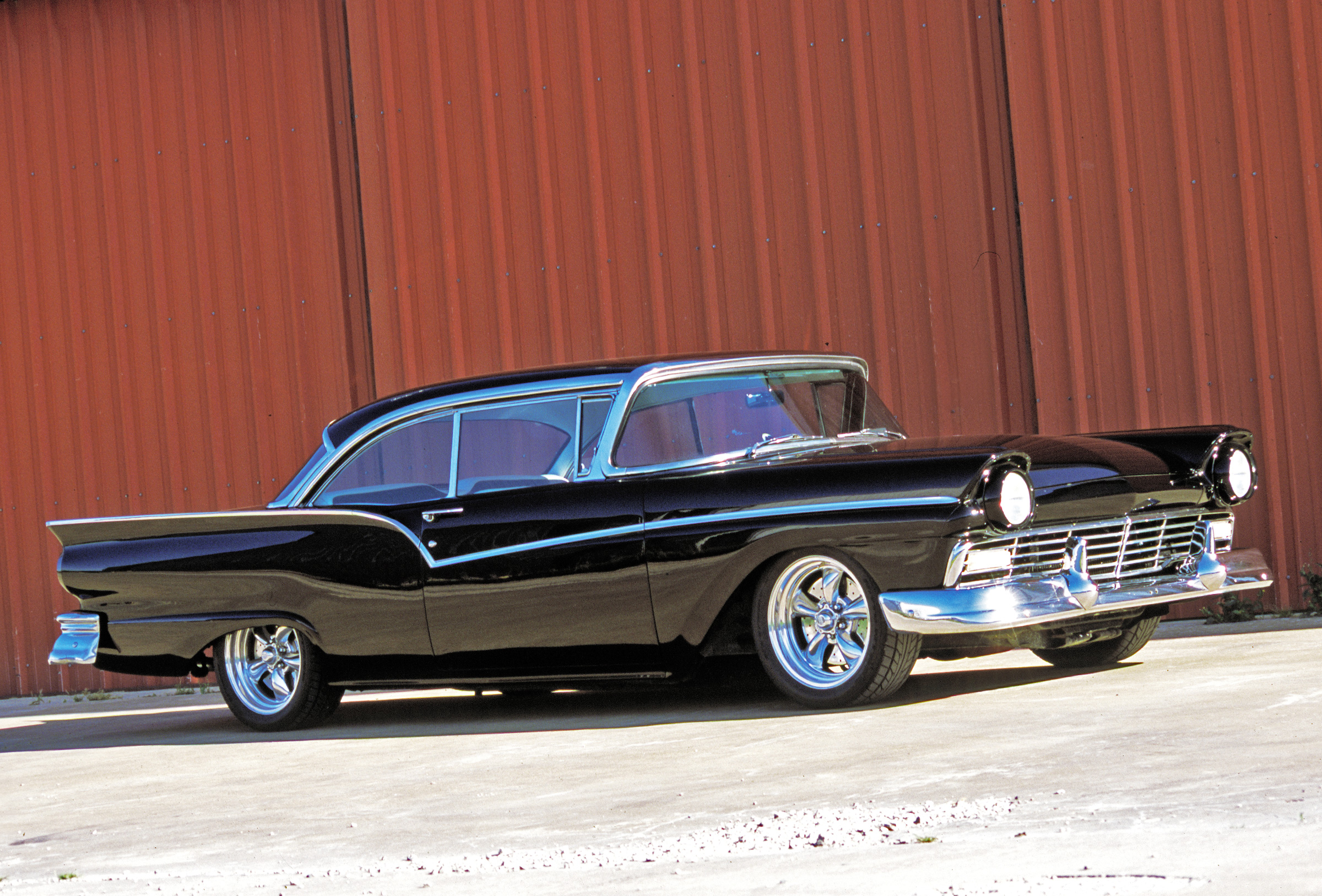
For many hot rodders, the word “custom” conjures up images of chopped, channeled, molded and frenched cars with wild metalflake paint jobs. Such radical customs no doubt helped define the custom movement of the 1950s, along with such phrases as “if it don’t go, chrome it,” but in virtually every town in the USA there was a contingency of mild customs providing their owners with daily transportation, an occasional trip down the dragstrip, and a starring role in the local armory car show a couple of weekends a year. No, most of these cars didn’t hold the local track record, nor did they make it to the ISCA Grand Finale, but they were good examples of shade-tree customizing and hot rodding. Known mostly as a “mild custom,” a term that no doubt originated from car show classes, this style of car was extremely popular.

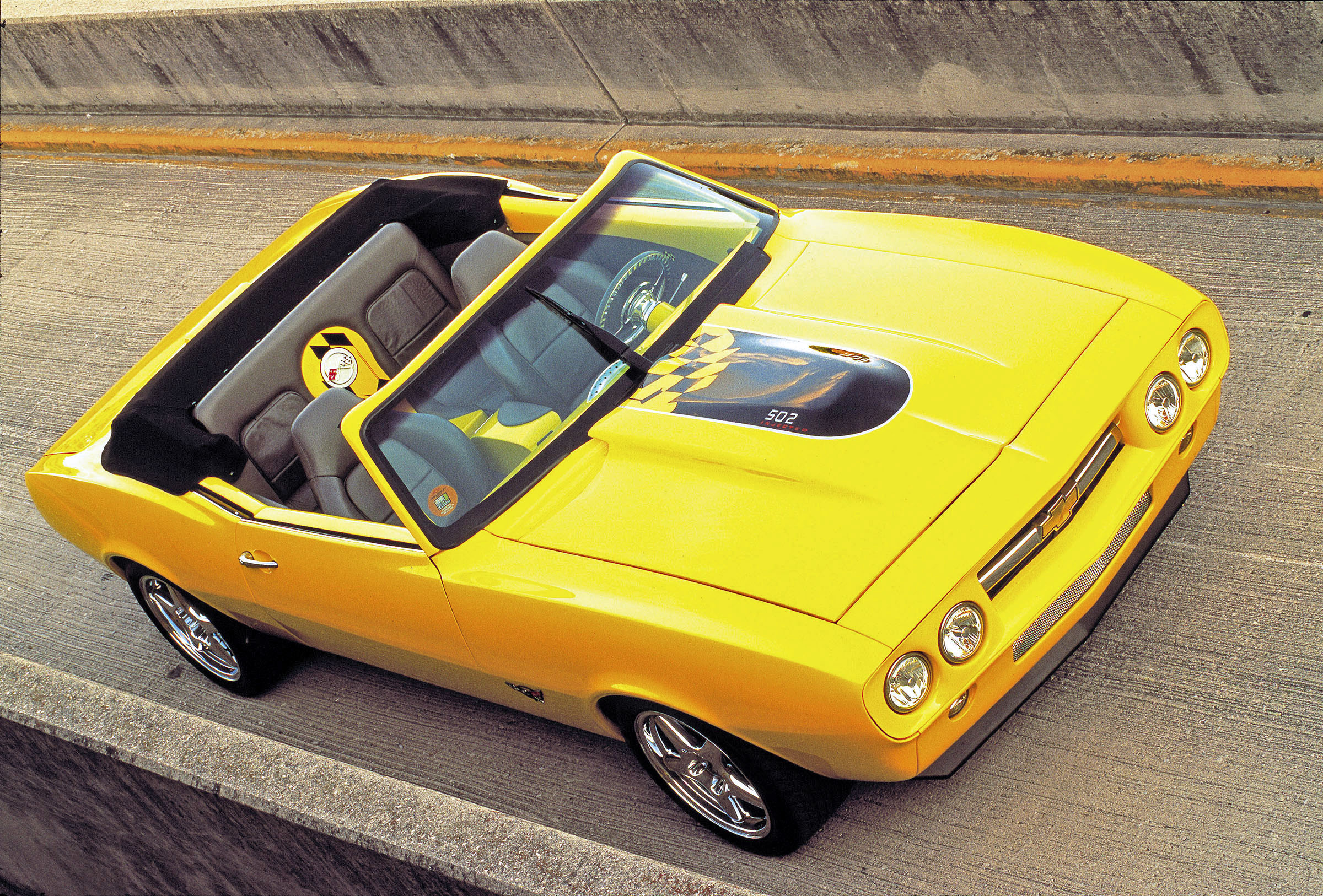
There’s no question that this ’68 Camaro pushes buttons, limits, and envelopes. This unique creation even pushes our understanding. It’s part nostalgia, part Blade Runner, brought together through a great deal of thought, creativity, and sheer talent.
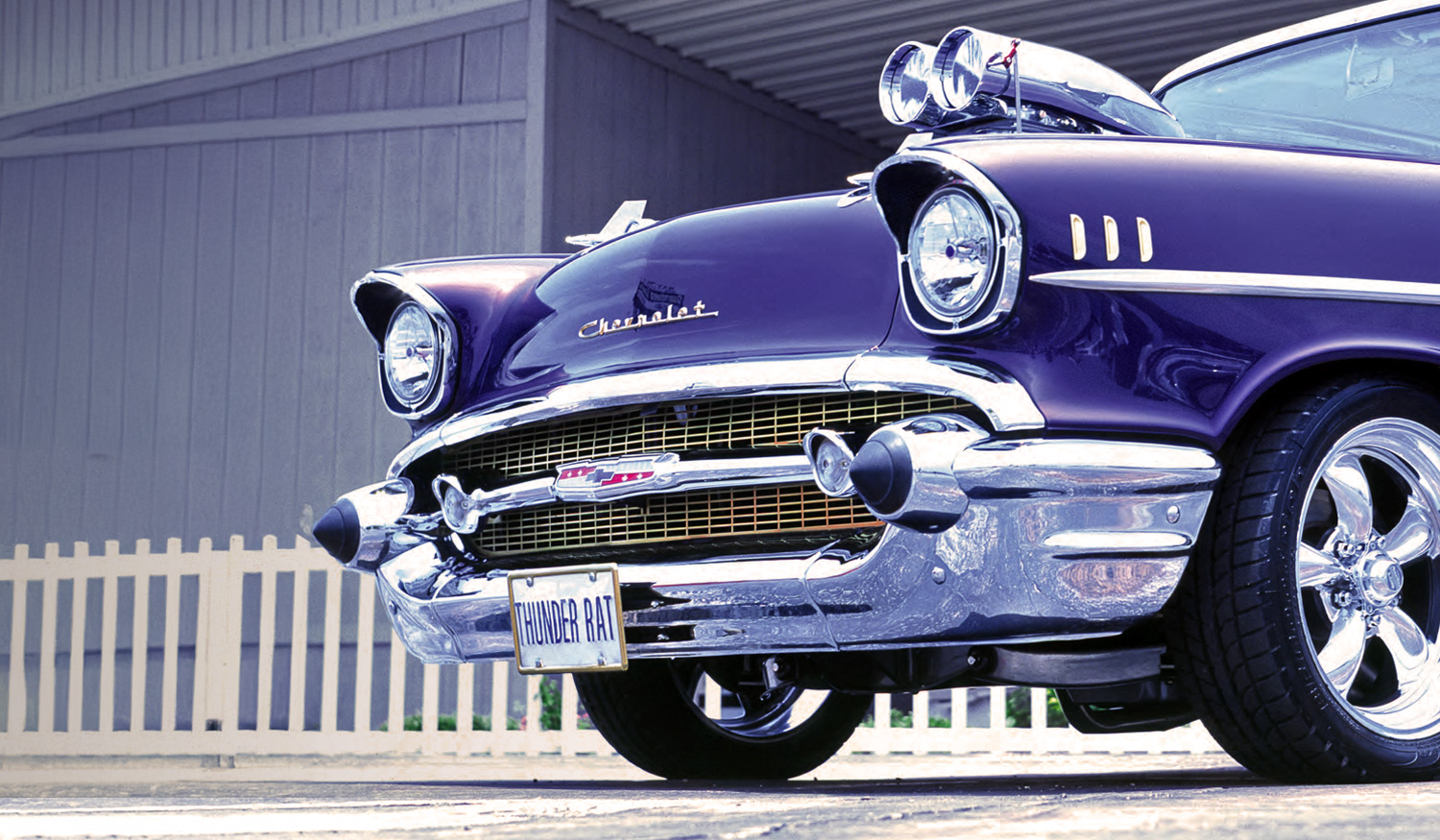
Certain cars are stars. The ’57 Chevrolet Bel Air found itself in starring roles since the first car rolled off the assembly line. From its art deco fins and side trim to its potent 283, the car was an instant hit. Fans of the 1957 continue to follow the car, and the number of fans seems endless. Who could blame them? After all, here is a car that can play the role of a custom with ease, then turn around and be the baddest car on the dragstrip. Oval racing was a role in the early years, and today a ’57 Chevrolet in flawless original condition will draw rave reviews. The ’57 Chevrolet is so flexible, it is at home in any automotive role or costume. As a matter of fact, there are precious few configurations that haven’t been applied to this all-time favorite. Some ’57 Chevrolets have done more than one stint in the theater of the go-fast, and it seems there are no limits for these cars.
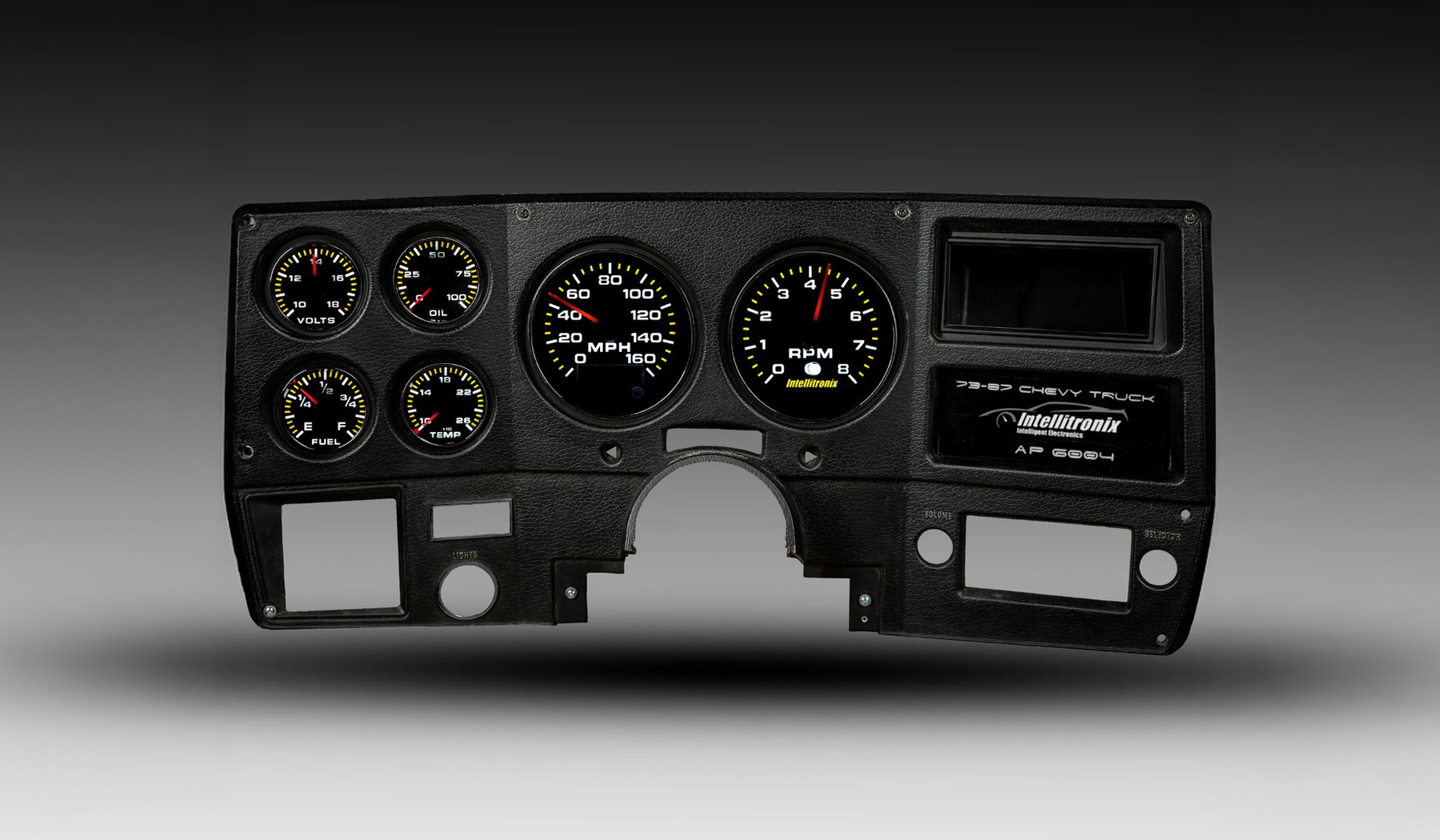
Upgrade your square-body dash game with the ultimate blend of modern precision and classic truck aesthetics. If your ride is a ’73-’87 Chevy or GMC and you’re ready to swap out that outdated cluster, this digital panel means business.
Bring your Squarebody’s dash into the modern era with the Intellitronix Analog Replacement Gauge Panel (AP6004) — a killer upgrade that blends classic analog style with next-gen performance and precision.
The 5th annual Classic Parts of America C10 Nationals® presented by Chevrolet Performance roared into Nashville last weekend, and 2025 set new all-time records! With 1,400 trucks on display, this was two days of pure, non-stop excitement for C10 fans from across the country. From garage-built classics to jaw-dropping pro-level builds, every truck brought its own flavor, and every corner of the show was buzzing with energy.
If you’ve ever followed a classic Mustang at night, you know the taillights were never its strong suit. Pyramid Optimized Design decided to fix that—with style. The Sequential Aurora Taillight is a modern LED retrofit that finally gives your early Mustang the bright, even illumination it always deserved—no hot spots, no dim corners, no burned-out bulbs.
Every September, the Smoky Mountains turn Ford blue when the F-100 Supernationals takes over Sevierville, Tennessee. This isn’t just a truck show—it’s the largest gathering of classic Ford haulers on the planet, and it’s been pulling fans in for decades. If you’ve never been, imagine rows of F-series as far as you can see: bone-stock survivors, slammed shop trucks, high-dollar builds, lifted 4x4s, and everything in between. Other Fords are welcome too, so whether it’s a compact pickup or a big block Mustang, there’s a spot for every Blue Oval fan.
Picture this: you’re cruising down a muddy backroad, ready to switch into 4WD, and nothing happens. You check your ESOF switch, slam it again… still nothing. The culprit? Not your transfer case, not your drive shafts—it’s the OEM vacuum hoses and steel fittings at your hubs, silently failing after years of exposure to heat, moisture, and road grime. Dry-rot, leaks, and rusted fittings strike when you least expect it, leaving you stuck and frustrated.