As we waited for the owners at our photo shoot, Scott Killeen and I stood and listened to the comments of people as they tried to grasp what they were seeing. Their comments ranged from utter disregard (“I can’t believe what they did to a Camaro”) to absolute praise (“I’ve never seen anything like it”), with few people taking center ground. Interestingly, of the thousands of fine cars we checked out during the Goodguys Nationals in Columbus, Ohio, this one consistently had crowds standing around it — and there’s certainly plenty of reason for that.
A Radical Vision from Larry Molzen
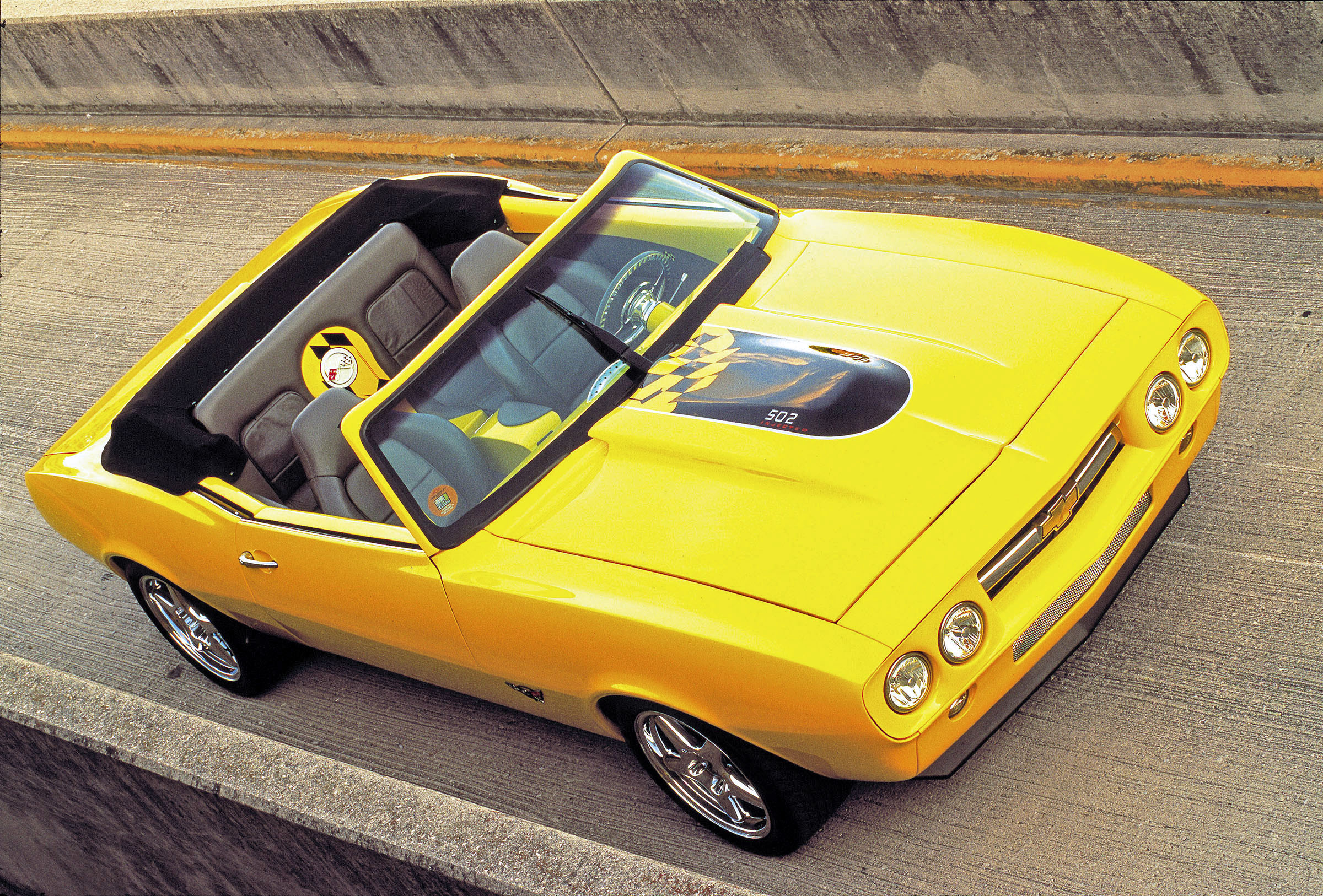
The first time you see it, it’s obvious that Larry Molzen’s Camaro was built with the intention of breaking away from previous thinking, throwing tradition aside in favor of a far greater challenge. After all, how many fully restored ’68 Camaros are there in the world, and how many more have been built in one of several modified styles currently in favor? This car was intended to be radically different, much like the works of fine artists, filmmakers, and automotive innovators who challenge convention.
Chip Foose once said that people need to let a new idea, be it a car design or a simple thought, sink in for a while to really appreciate it. The idea may not go over well at first, but time has shown that some of the best ideas eventually prove their worth. Words to live by.
The Ring Brothers’ Creative Genius
In this case, the artists were Mike and Jim Ring, two extremely skilled craftsmen from Spring Green, Wisconsin, who created this car using a variety of unusual approaches and components. Few other builds have borrowed so many unique pieces from so many different cars — yet everything fits the overall theme of this wild convertible.
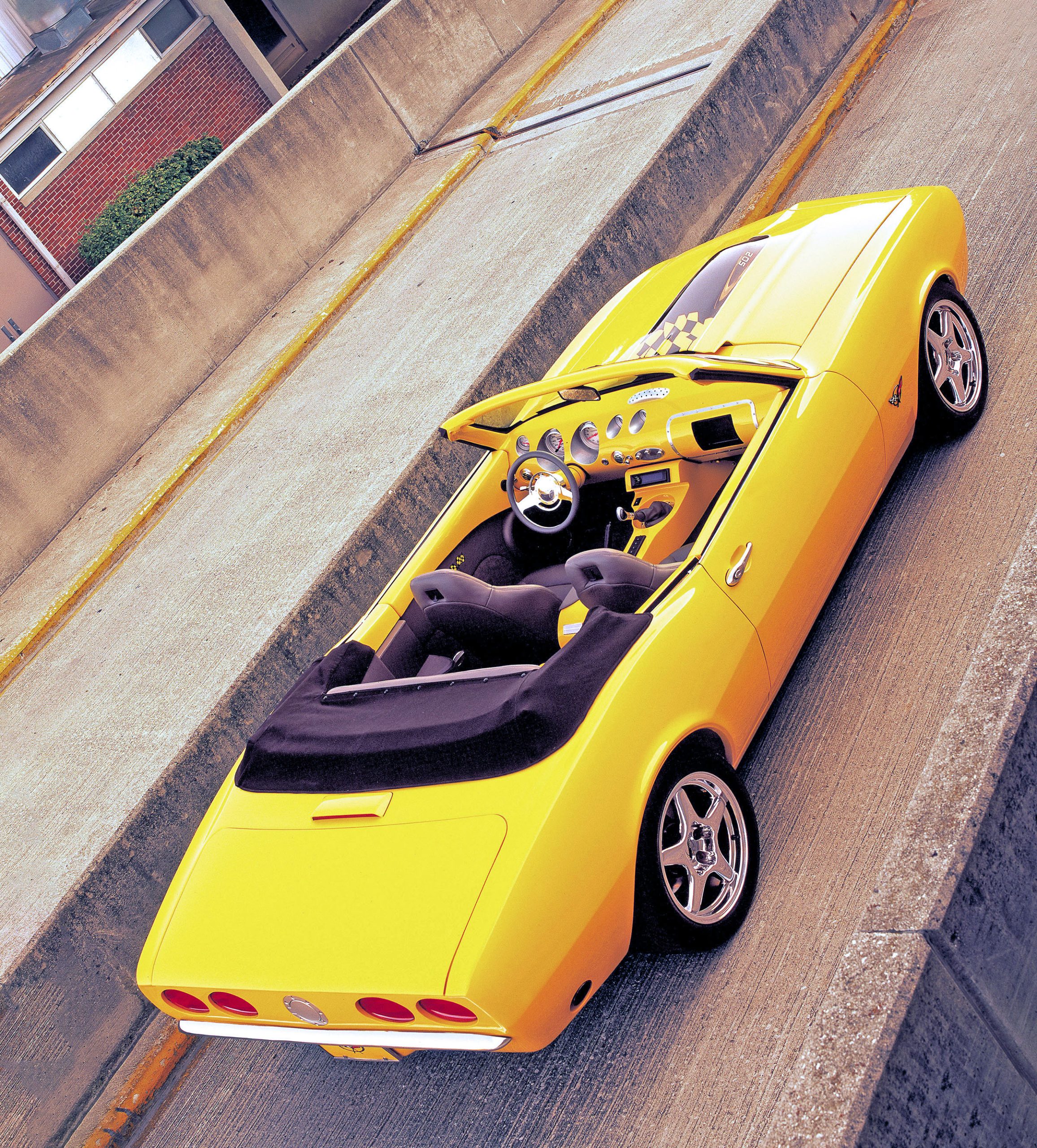
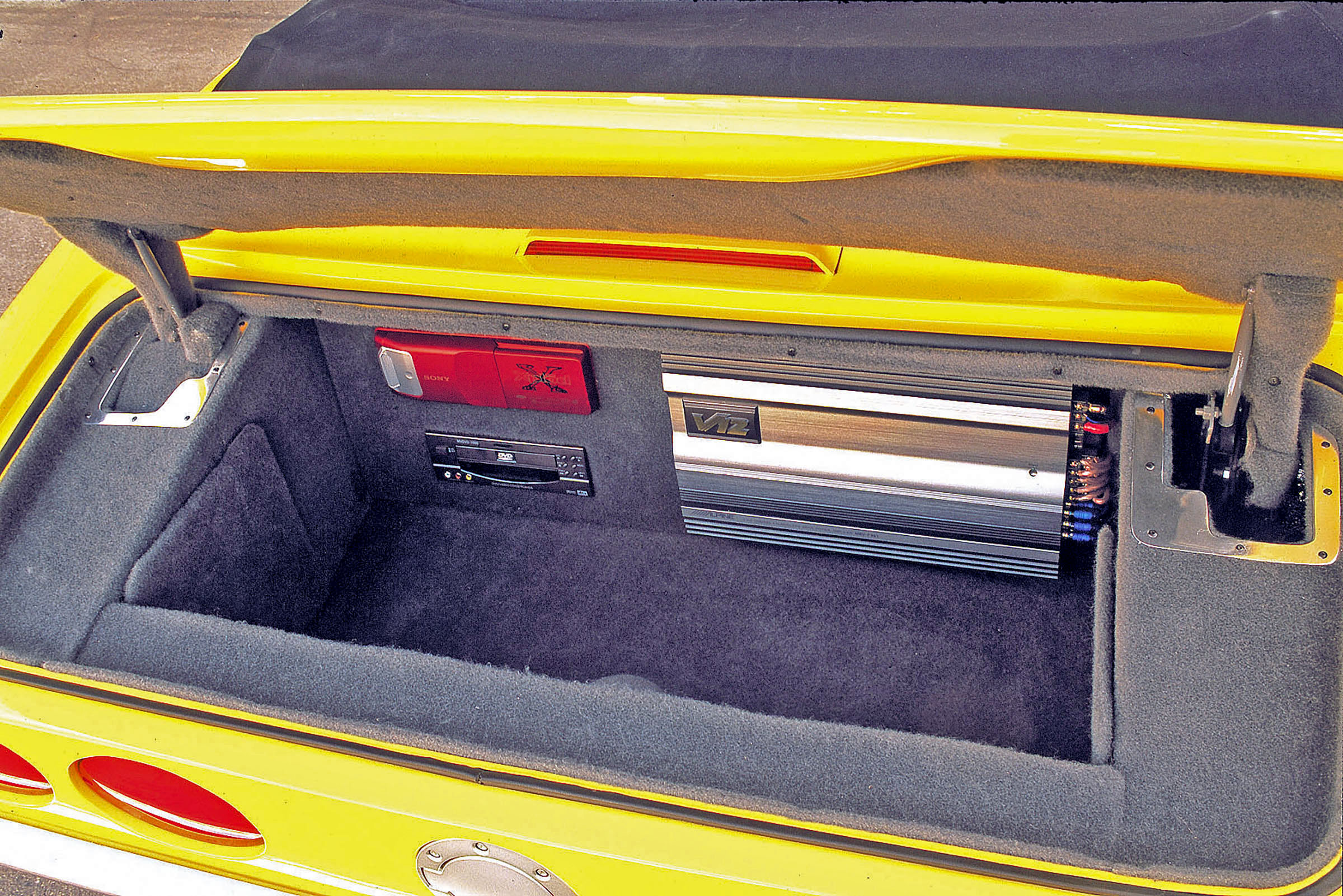
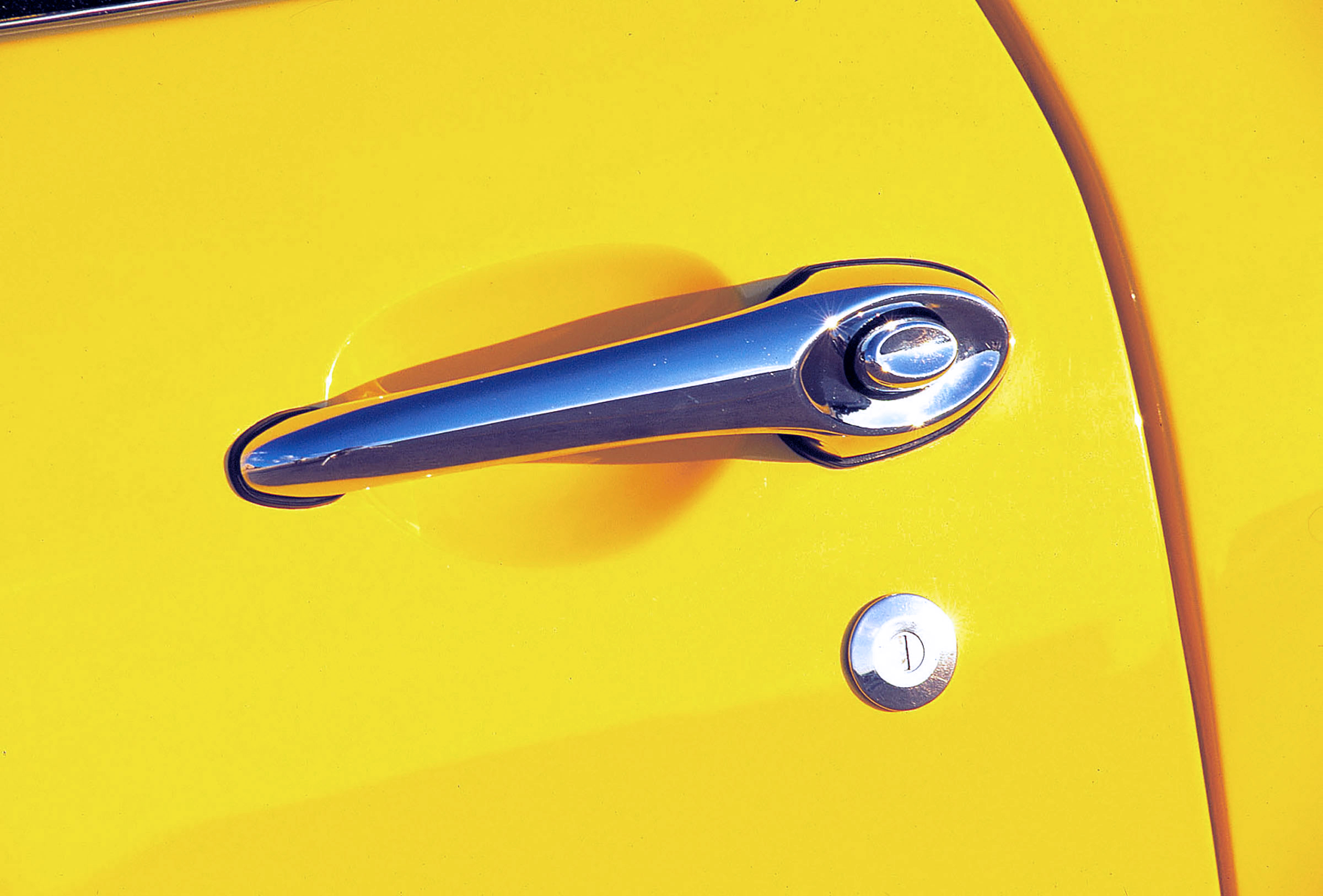
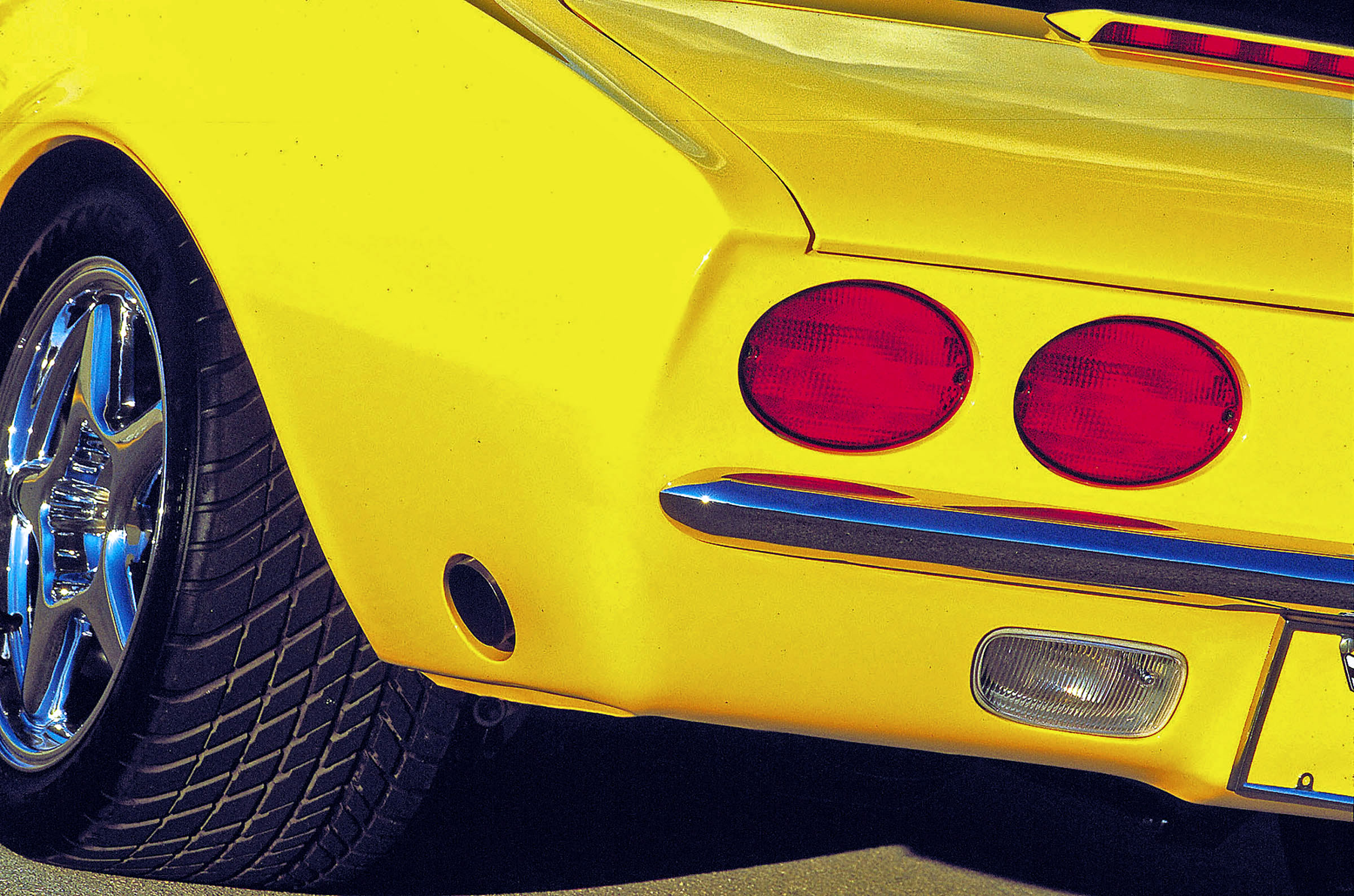
The door handles are from a Plymouth Prowler, fitting perfectly into the Camaro’s profile. The gas cap from an Audi TT sits flush with the body, while the taillights are borrowed from a C5 Corvette.
Blade Runner Meets Street Machine
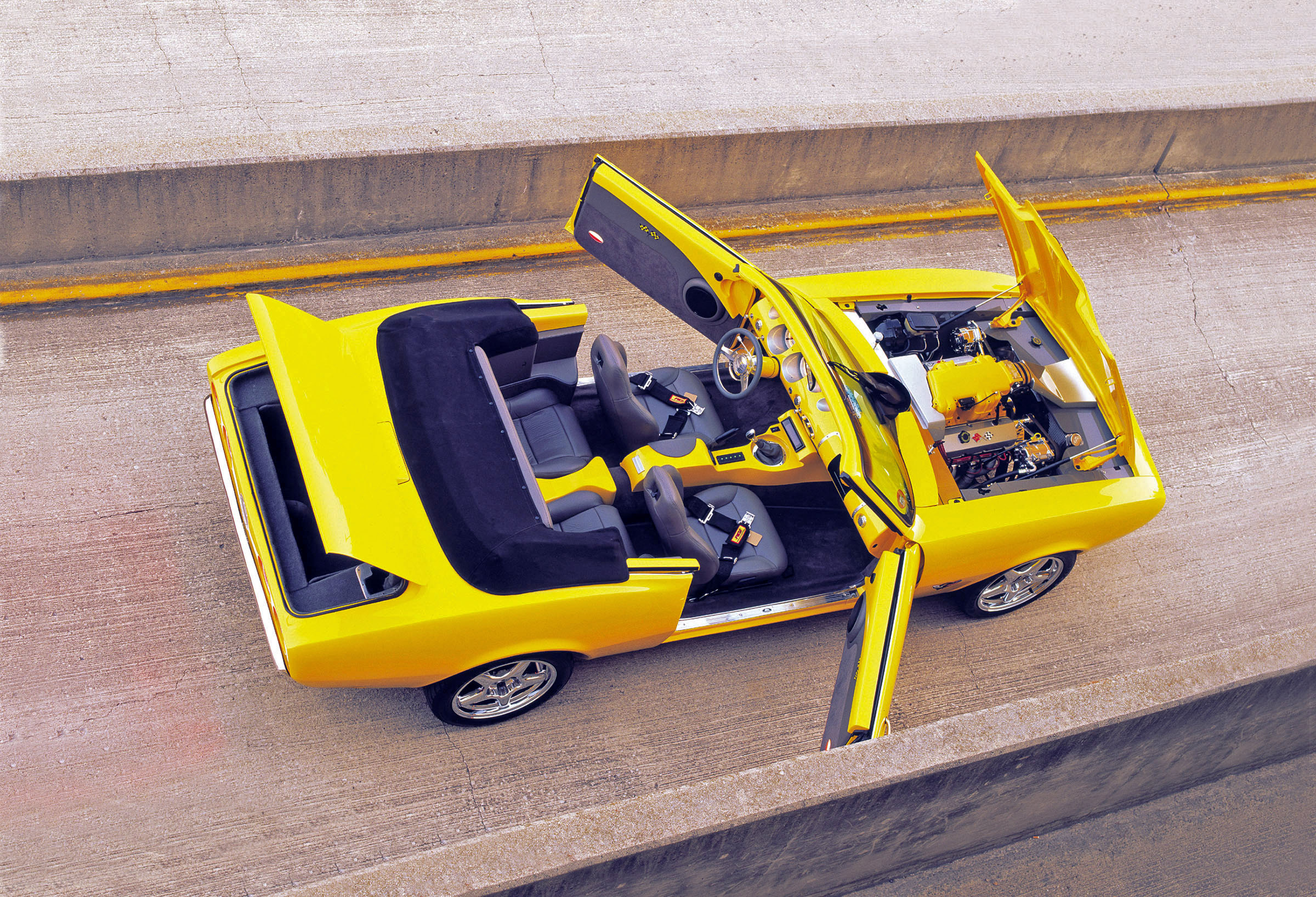
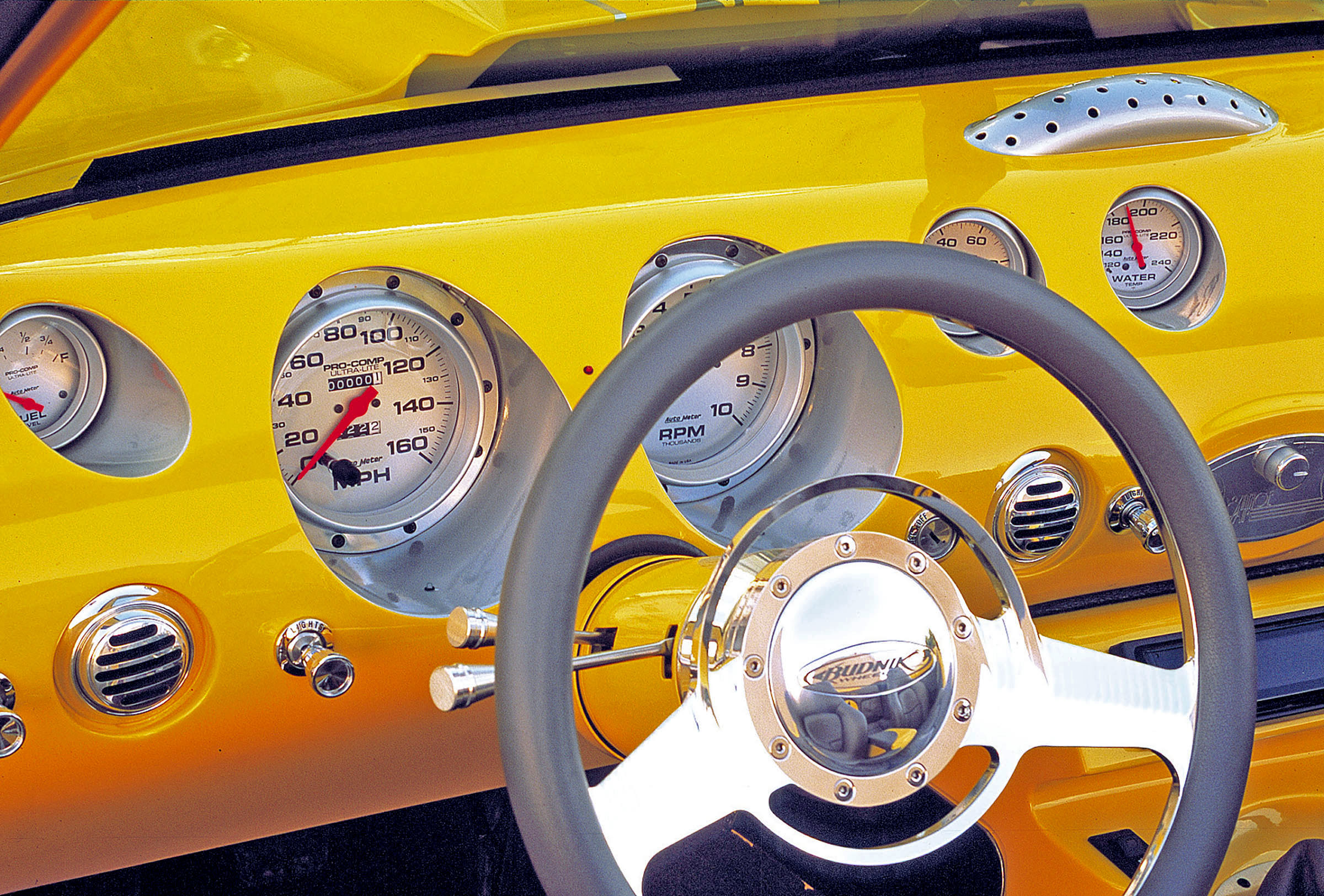
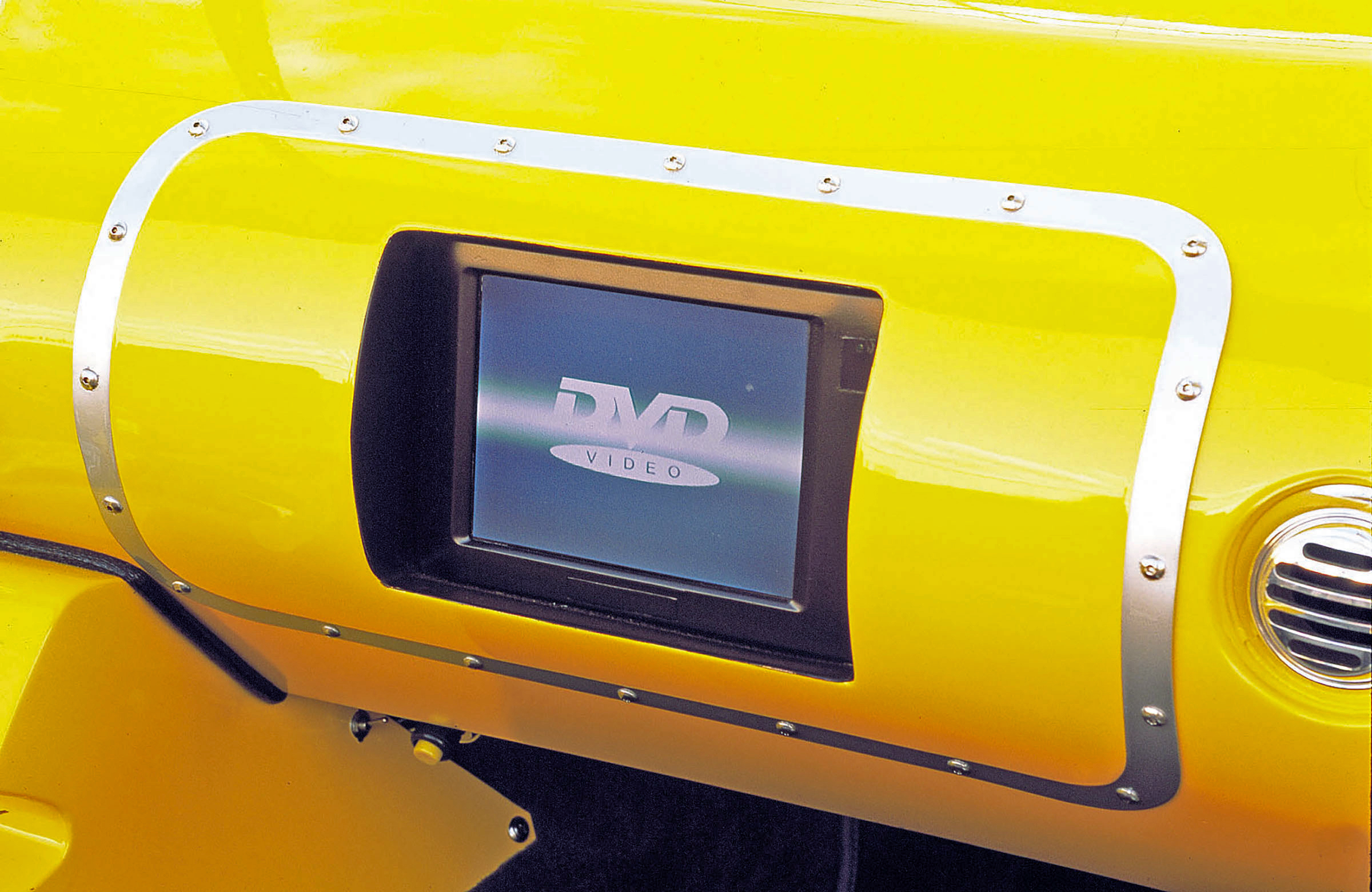
The dashboard is a masterpiece of the Blade Runner aesthetic — a mix of space-age bezels, Auto Meter gauges, and custom metalwork. The dash was hand-formed from 18-gauge steel bent over a large pipe, with circular accents cut from 6-inch and 2-inch pipe. The layout includes Vintage Air controls, a video screen embedded in a silver panel, and ’65 Mustang switches for the lights, wipers, and ignition.
A clever defroster system built from curved tubing distributes air evenly through drilled holes — a simple yet brilliant custom touch.
Custom Console and Interior Artistry
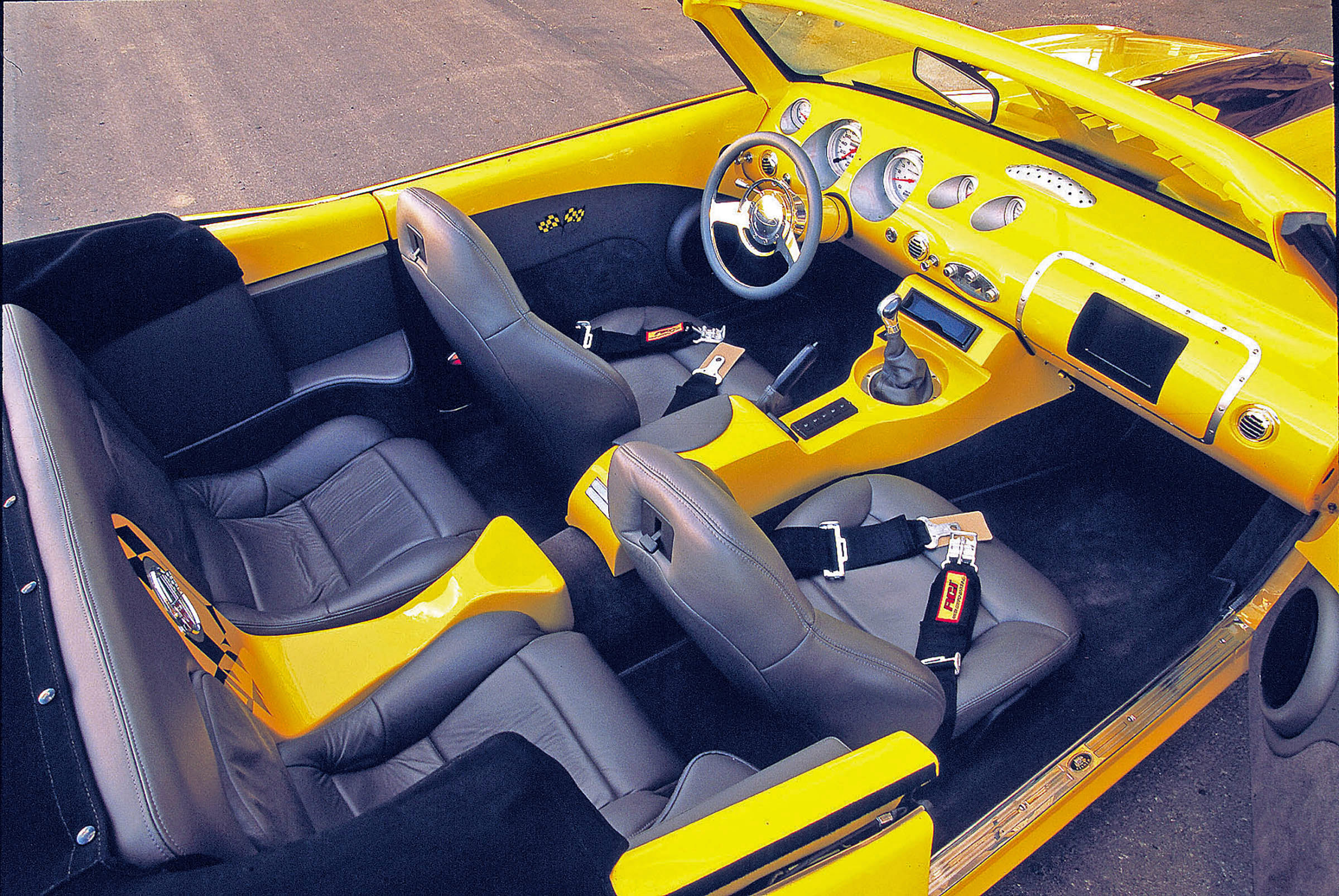
The center console follows an angular, modular theme built from 18-gauge steel. It houses a Sony head unit, integrated shifter pocket, and switches, with a carbon-fiber and aluminum shift knob paired with a C5 emergency brake handle.
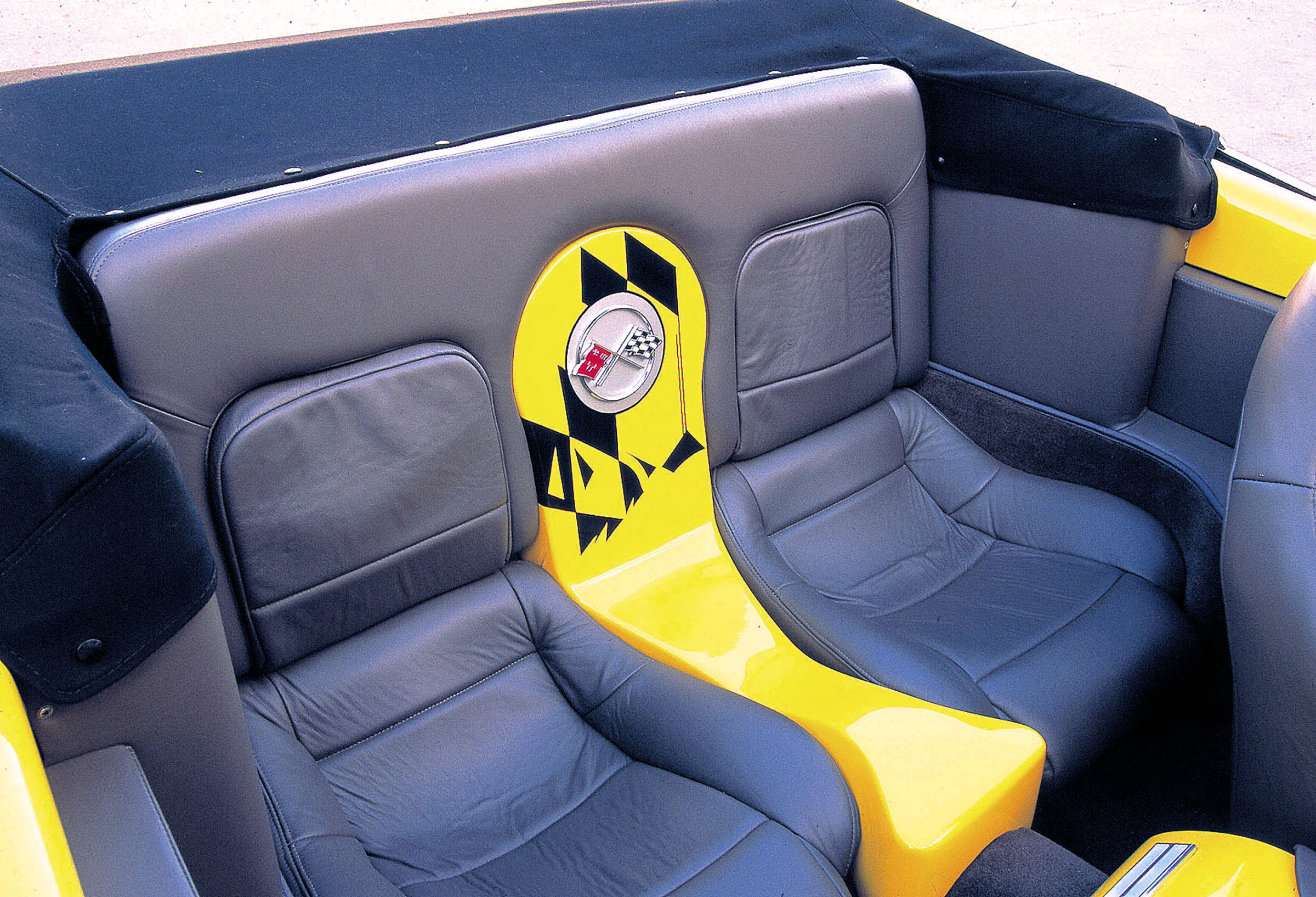
The console extends through the cabin, housing a 12-inch subwoofer between custom-built rear seats, which also feature 6×9 speakers and tweeters. The front seats are modified C5 Corvette units, trimmed down for proportion, while the rear seats combine plywood and parts of a ’99 Cougar bench. The elephant-colored leather interior perfectly ties these elements together.
From Rust to Rolling Sculpture
Many critics assumed this Camaro was a sacrilegious modification of a rare classic — but in truth, the project began as a rusted unibody shell, purchased for $1,700. The only usable components were the windshield posts, rocker panels, and convertible top bows.
Everything else was hand-fabricated. The windshield posts were reinforced with 18-gauge steel, contoured for a flush-mounted windshield, and paired with a Mercedes E-Class center wiper system. The firewall and cowl were reinforced with a tubular frame, while a custom windshield was made to fit around the wiper mechanism.
Modern Lighting and Bold Design
At the rear, C5 Corvette taillights were reshaped into steel housings, while Jeep Cherokee fog lights serve as backup lamps. A modified rear bumper complements the updated front nose, which features Jaguar XJ sedan headlights in metal surrounds and a custom center bar. The entire body glows in Glasurit yellow paint, as vivid as it is striking.
Engineered for Power and Precision
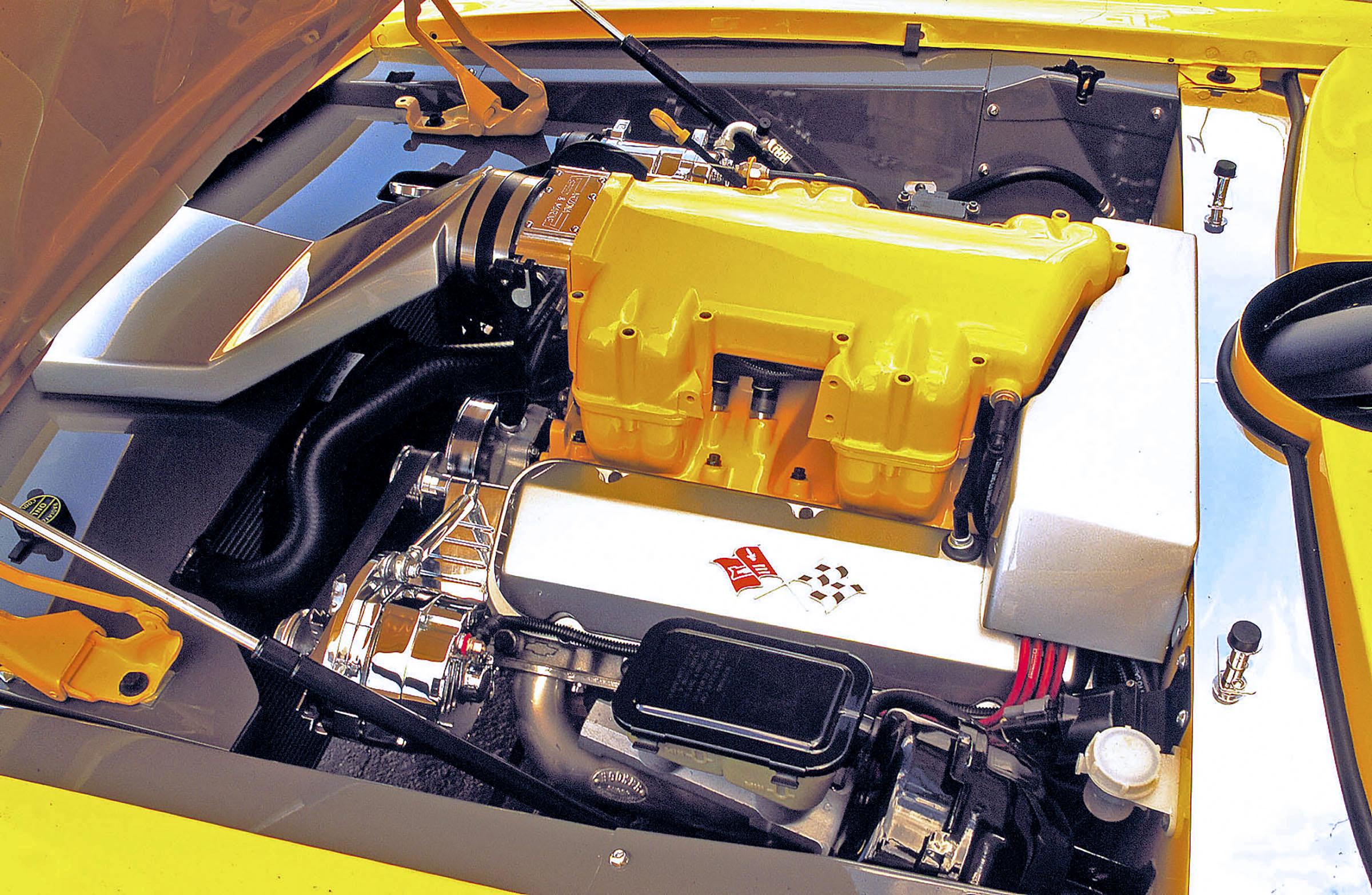
The engine bay showcases a Chevy 502/502 big block, set back 3 inches and dressed with a high-rise intake from Arizona Speed and Marine and smoothed valve covers. Hooker Comp headers and a custom Borla stainless exhaust complete the performance package. Aluminum panels line the bay, while the hood features a Mitsubishi Eclipse bubble and a molded air plenum feeding from the cowl.
Chassis and Suspension Mastery
The foundation is an Art Morrison chassis built from 2×4-inch rectangular tubing with an X-member and tubular cross-bracing, welded directly to the Camaro’s unibody for rigidity.
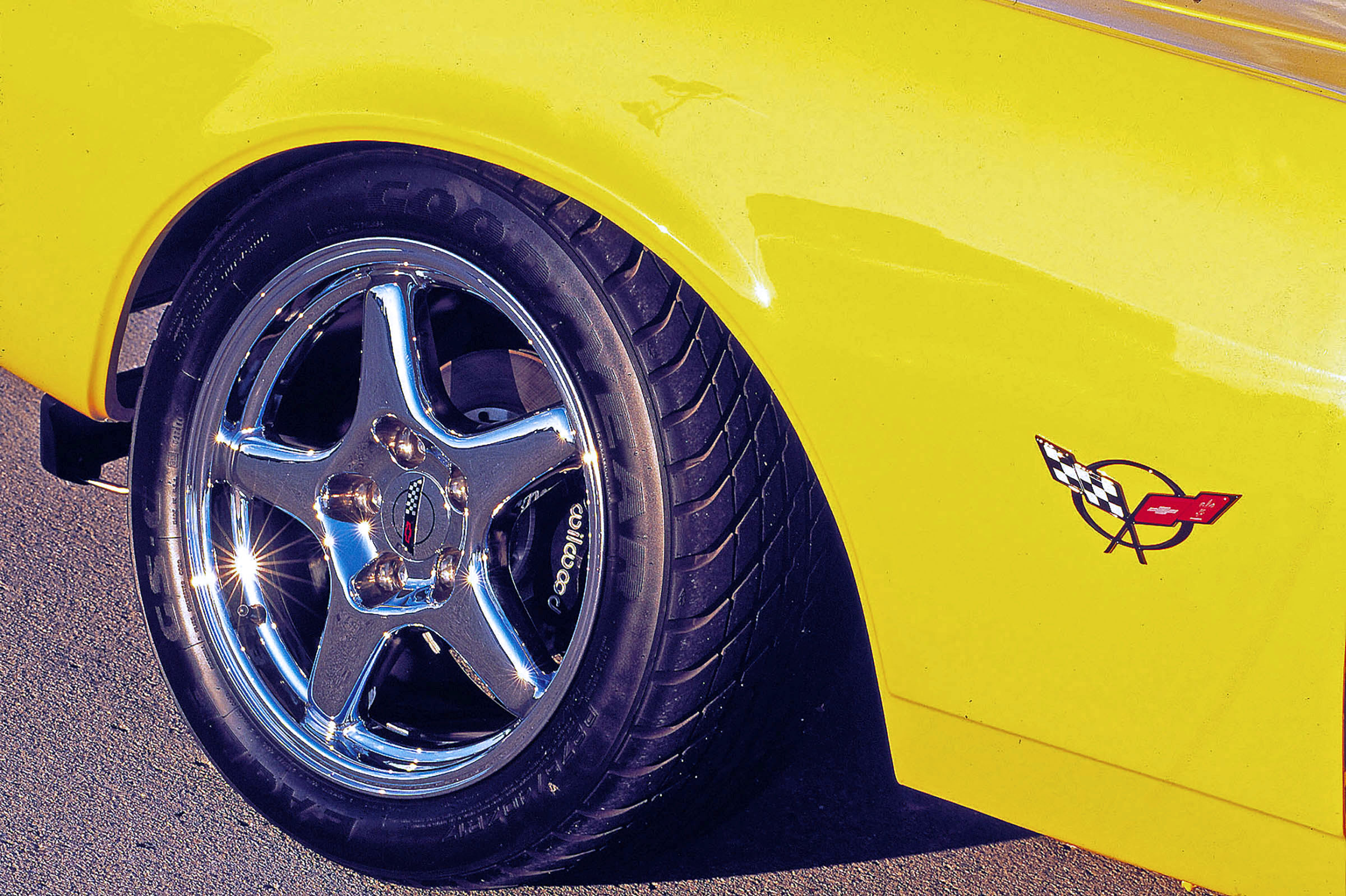
Up front, Morrison independent suspension, coilovers, rack-and-pinion steering, and Wilwood disc brakes keep the 275/ZR40-17 Goodyear GS/As in check. Out back, a four-link setup, more coilovers, and a 9-inch Ford rear end with Wilwood brakes support 315/ZR35-17 tires on ZR1 Corvette wheels. The car weighs 3,585 pounds, with a near-perfect 52/48 weight balance.
A New Standard in Street Machines
This 1968 Camaro challenges every preconception of muscle car design — a build that divides opinion but redefines creativity. Built in just 10 months by the Ring Brothers, it’s not just a car — it’s a statement of imagination, craftsmanship, and pure innovation.