


THE AUTO BUILDER
Featured

LOWERING A 4WD FORD F-150
The suspension of stock four-wheel-drive vehicles is deliberately set very high to provide improved ground clearance. For years the trend in serious off-roading has been to “lift” the vehicle even higher. The OEs suspend their four-bys high enough to clear rocks, traverse gulleys and fallen trees and most anything else that one might encounter in more serious off-roading. Nevertheless, there are four-by owners who would like to lower their vehicles, as they spend more time on-road than off. Recently we met just such an owner, and we couldn’t resist questioning him about his desire to drop this ’04 Ford F-150 four-by-four.

Late Bloomer
Sooner or later, everyone gets bitten by the tuning bug. It just takes longer for some people than others. Take Winnie Ramirez, for example. “I bought the NSX the first year it came out,” Ramirez says. “I heard that it was basically like a Japanese Ferrari and not too bad on gas. The minute I took a test drive, I had to have one.”

Cool Breeze
When Tony Gonzalez says that it is his business to be cool, he really means it. Gonzalez owns an air conditioning repair and installation company, but what gets him hot in his spare time (read, winter) is to build and ride in his 1995 Chevy Silverado.
Spotlighter
POPULAR READS
-
Product Spotlight: Bill Mitchell Products Aluminum LS Engine Block
-
PRODUCT SPOTLIGHT: 60-66 Chevy C10 Fresh Air Vent Block Off Plate
-
Product Spotlight: Pyramid Optimized Design Sequential Aurora Taillight for 1964½–1966 Mustang
-
PRODUCT SPOTLIGHT: Cam Covers for GEN/3 Coyote from Pyramid Optimized Design
CHEVY TRUCK ID: 1934-1972
A Pictorial Reference Guide for the Early Years
Author
Dave Hill
Story & Photography
Truck Enthusiasts and Their Keen Eyes
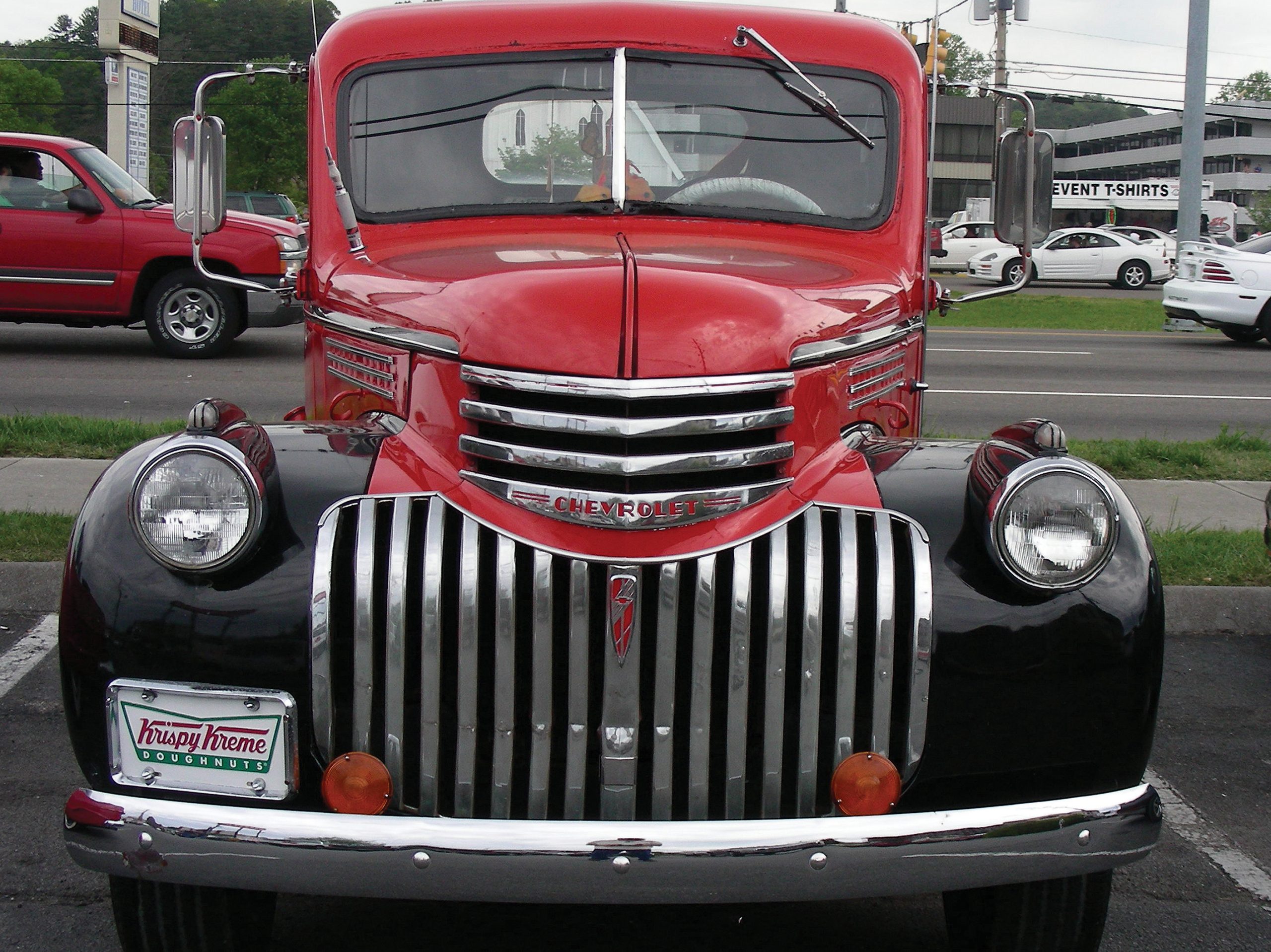
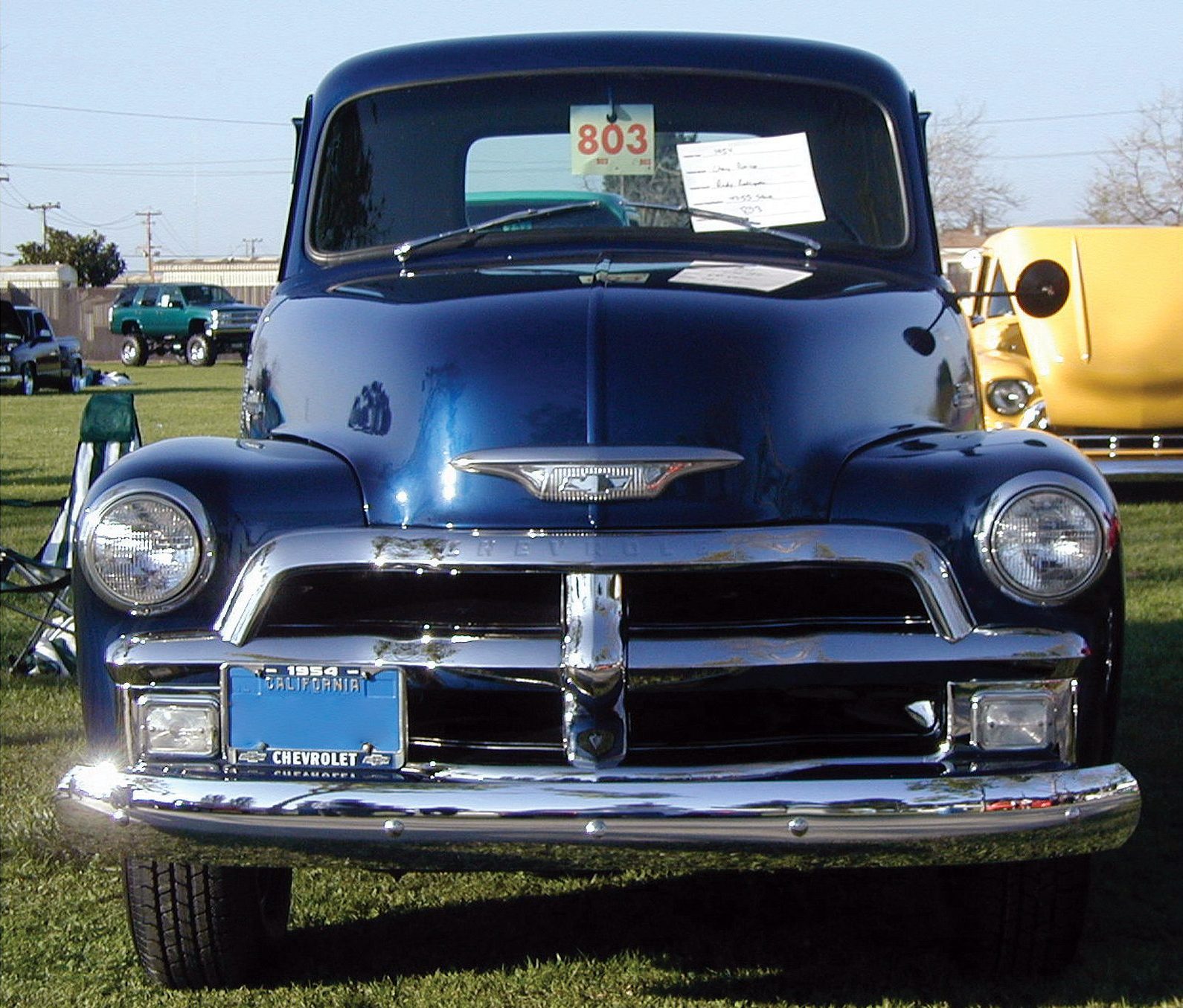
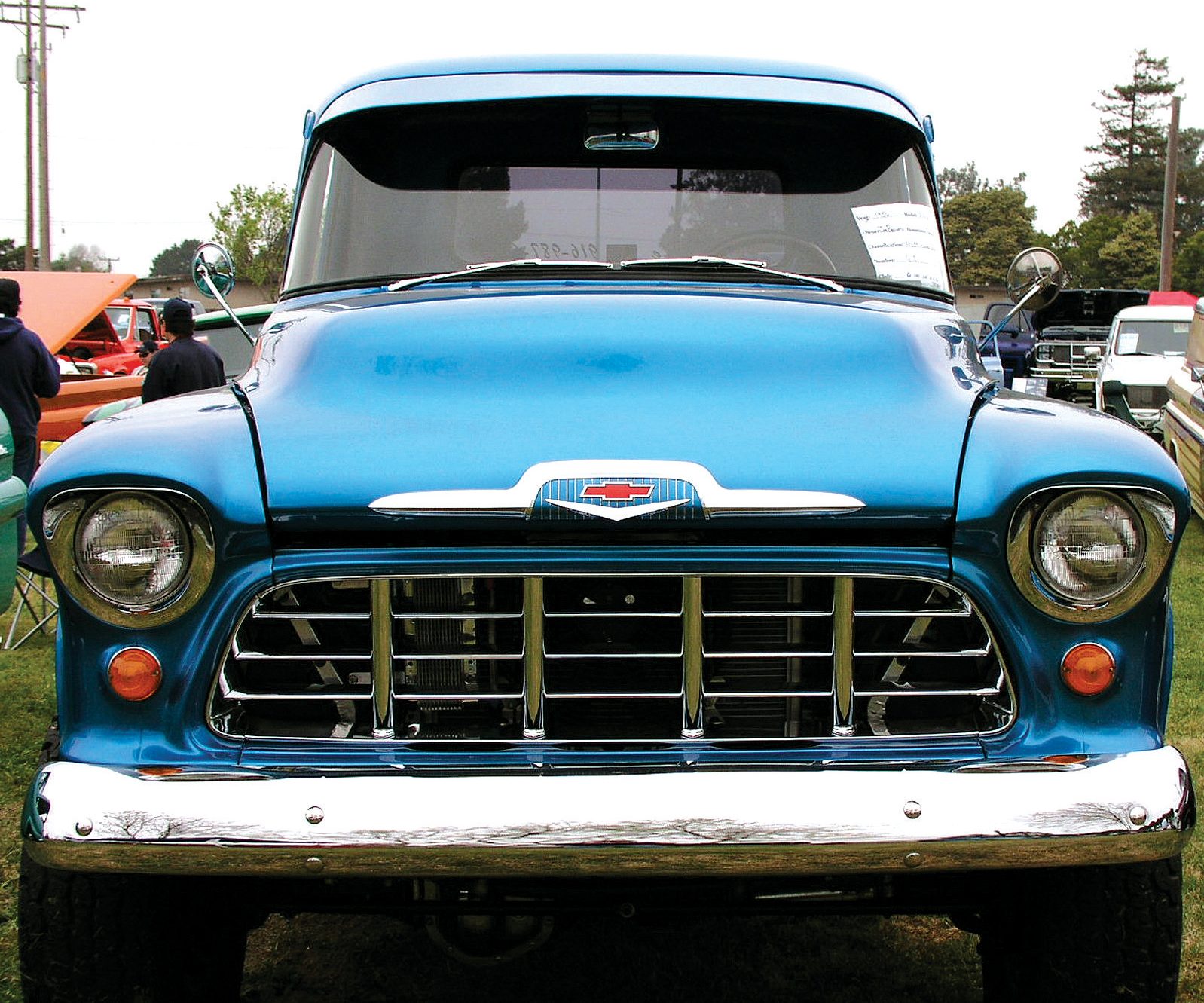
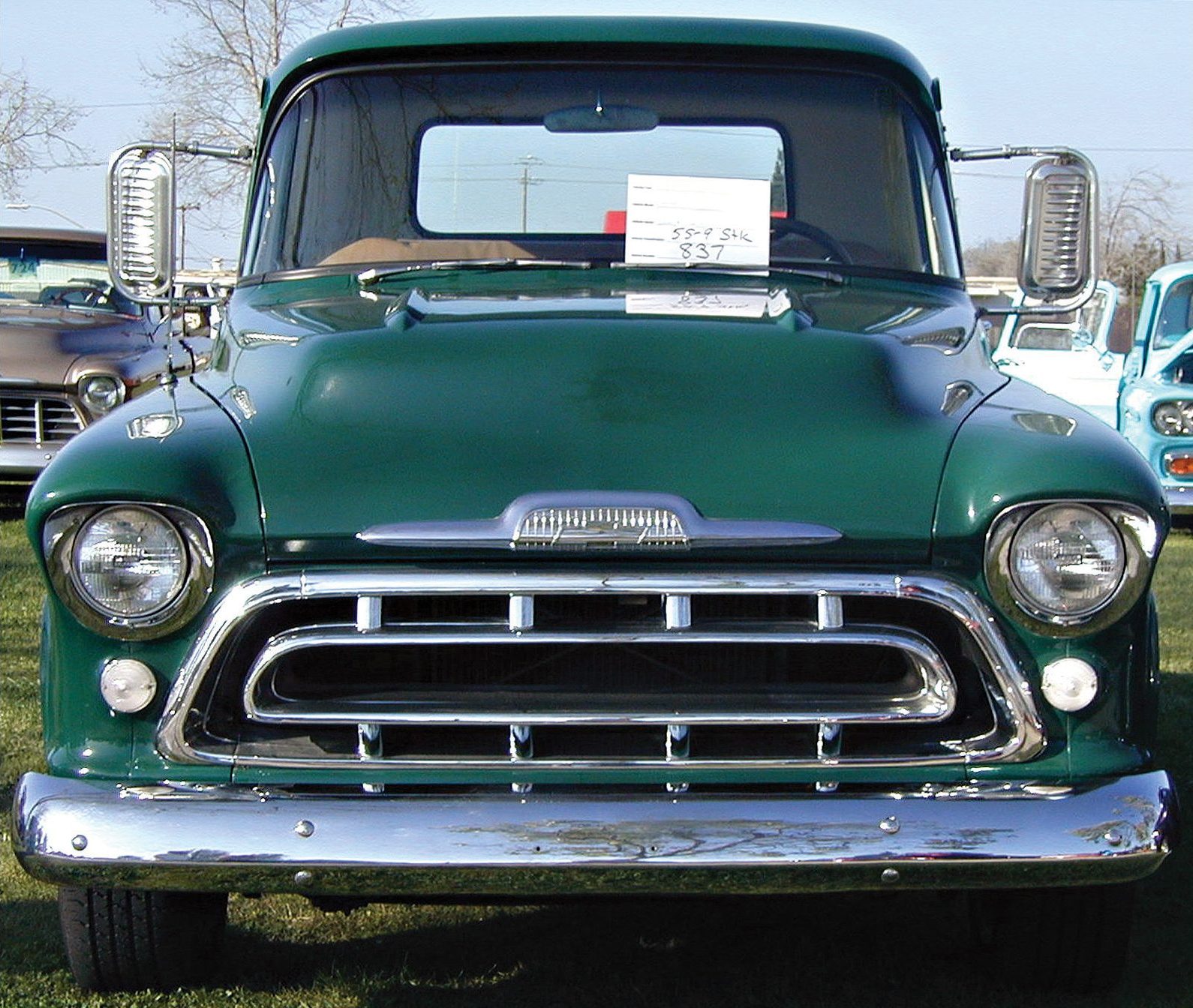
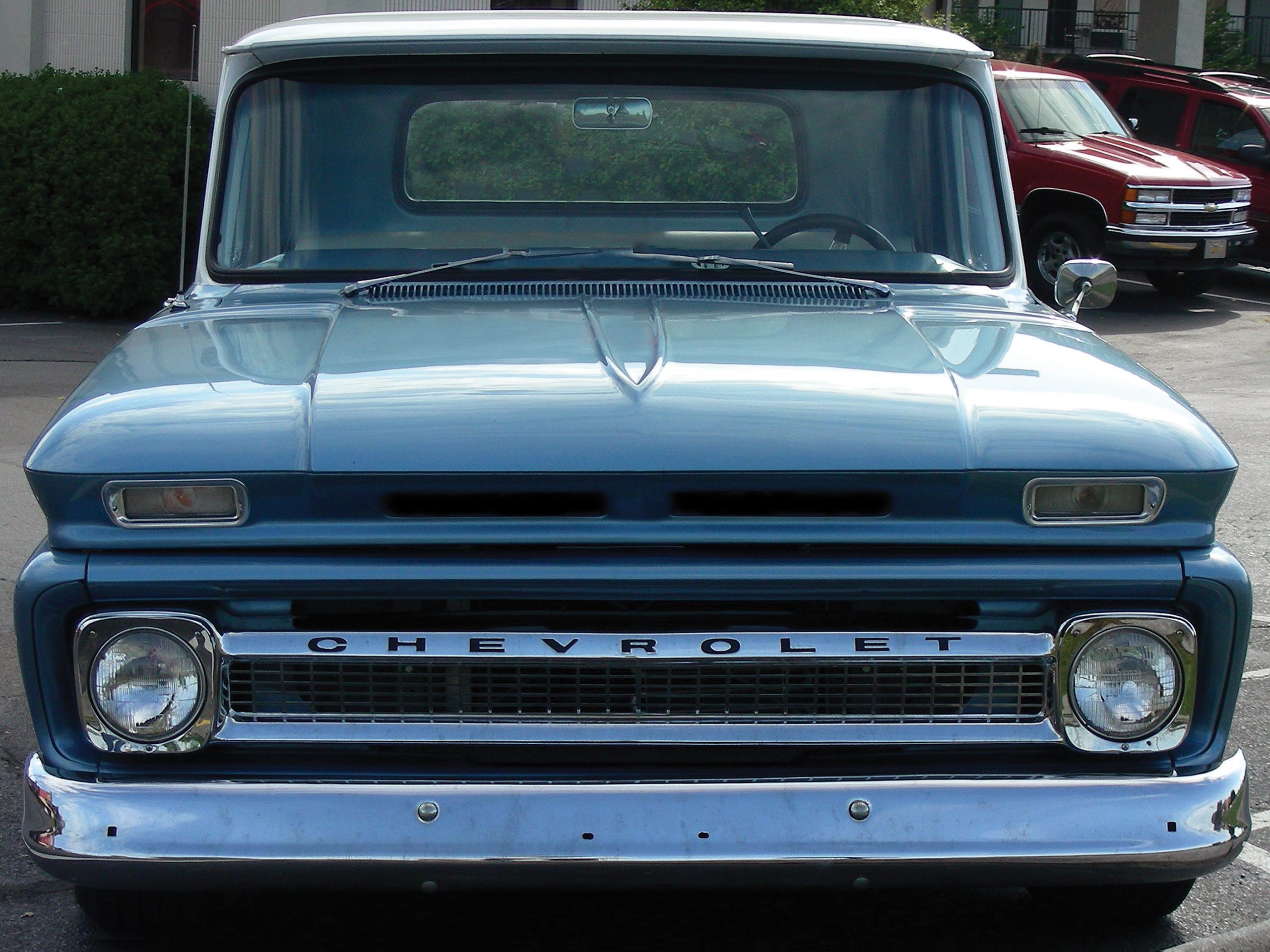
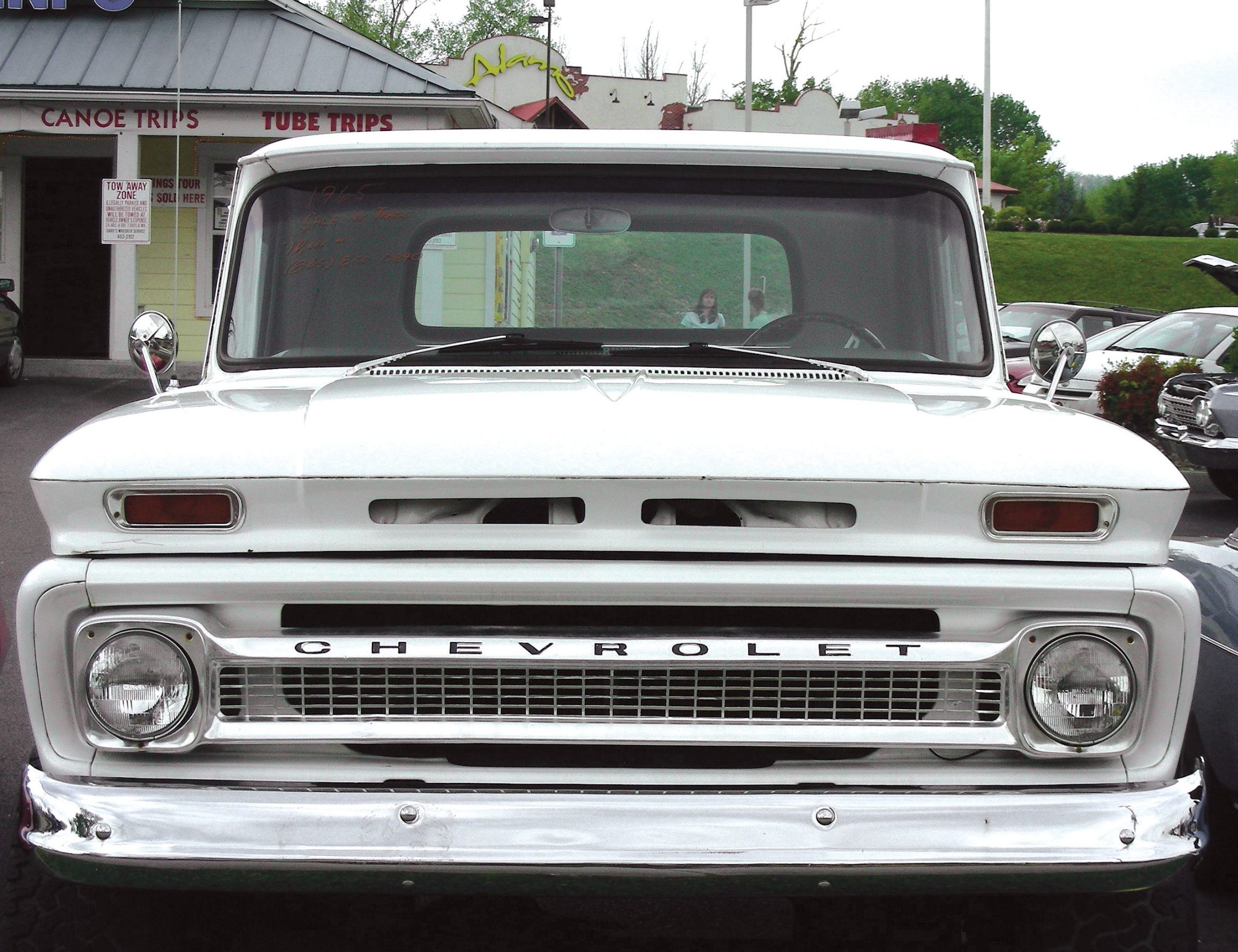
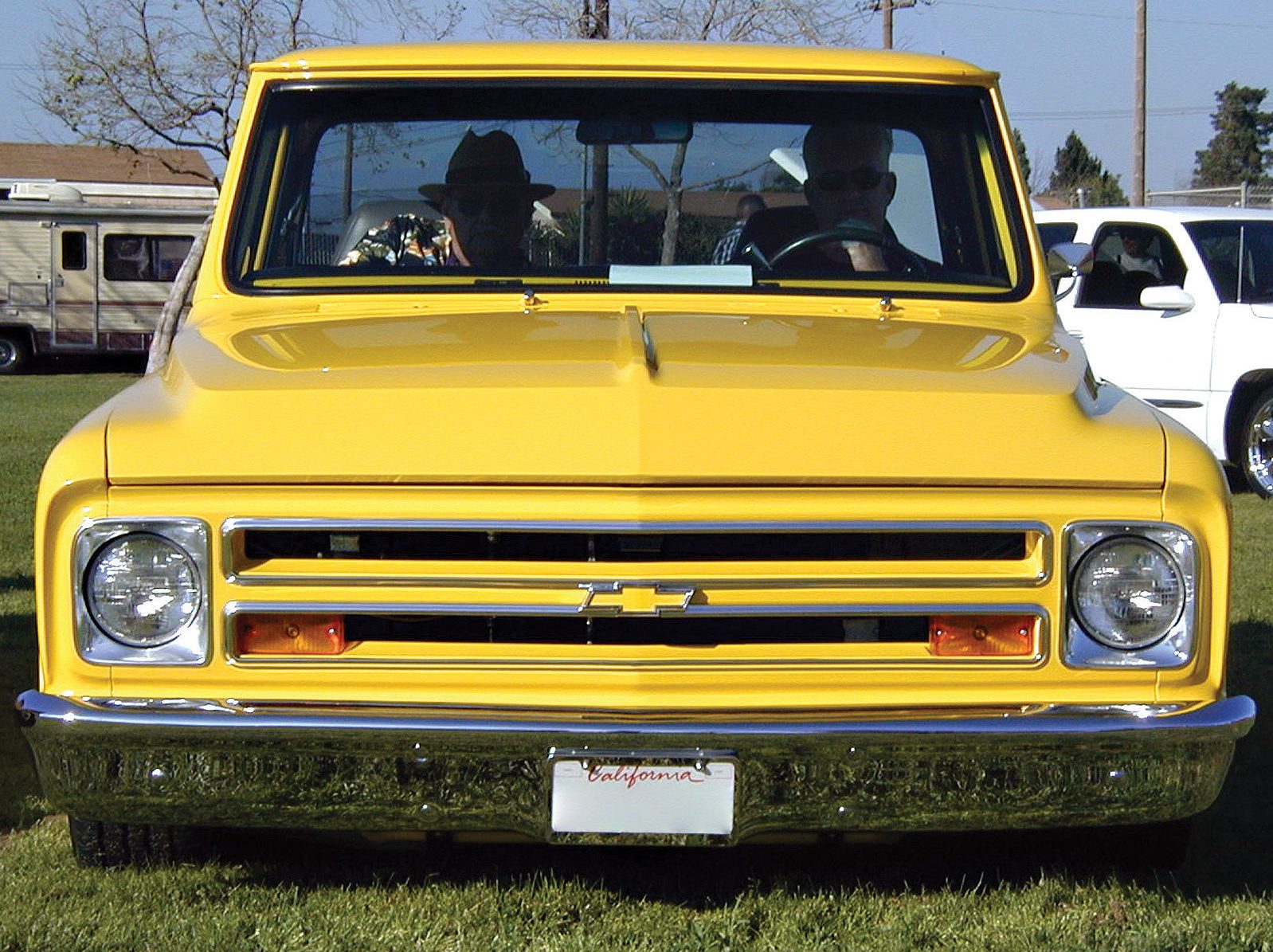
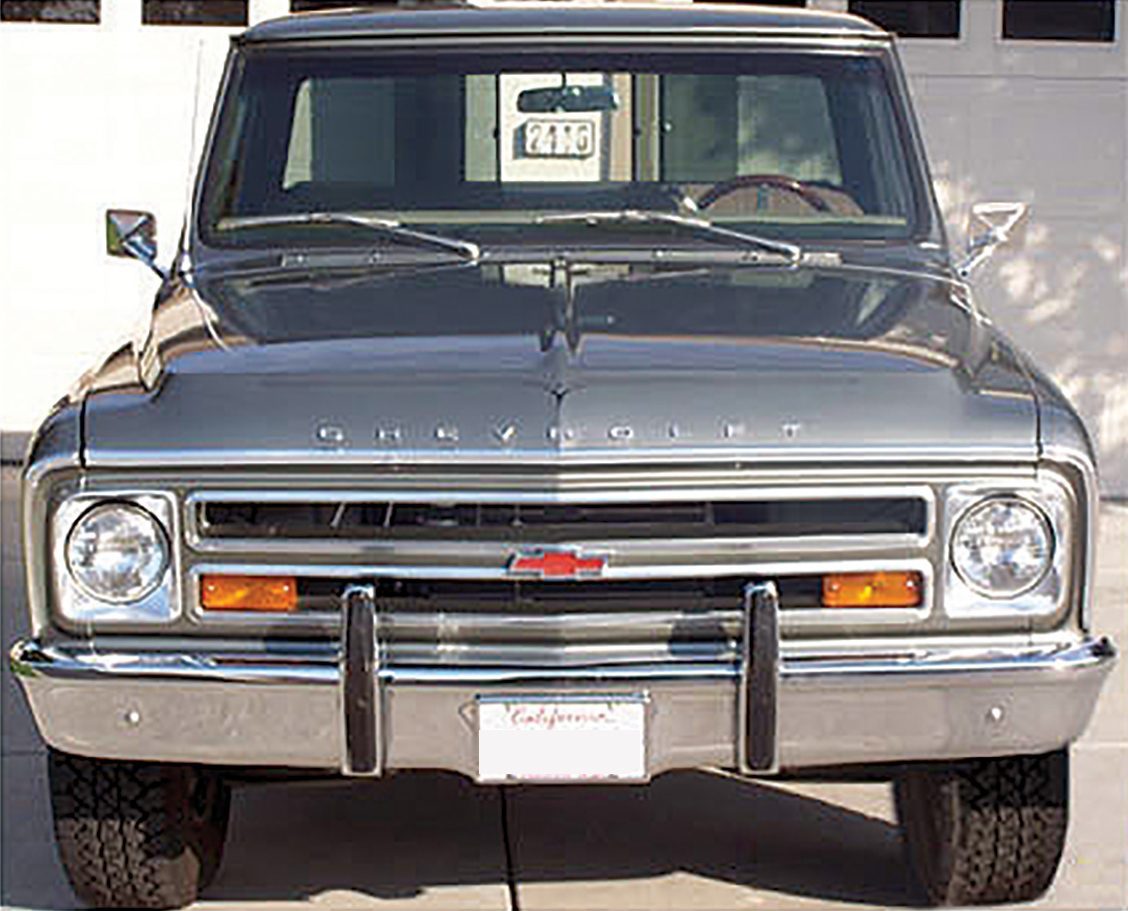
Most of our truck-building buddies can date and identify any truck you can come up with from any distance, even from deep in a grove of trees and clear across a fairground show-’n’-shine. That’s what truck guys do: They enjoy identifying a rusted old fender at a swap meet. At the other end of the spectrum are non-truck guys who think that C10 or F-100 are row numbers at the local stadium parking lot.
Understanding the Basics of Truck Identification
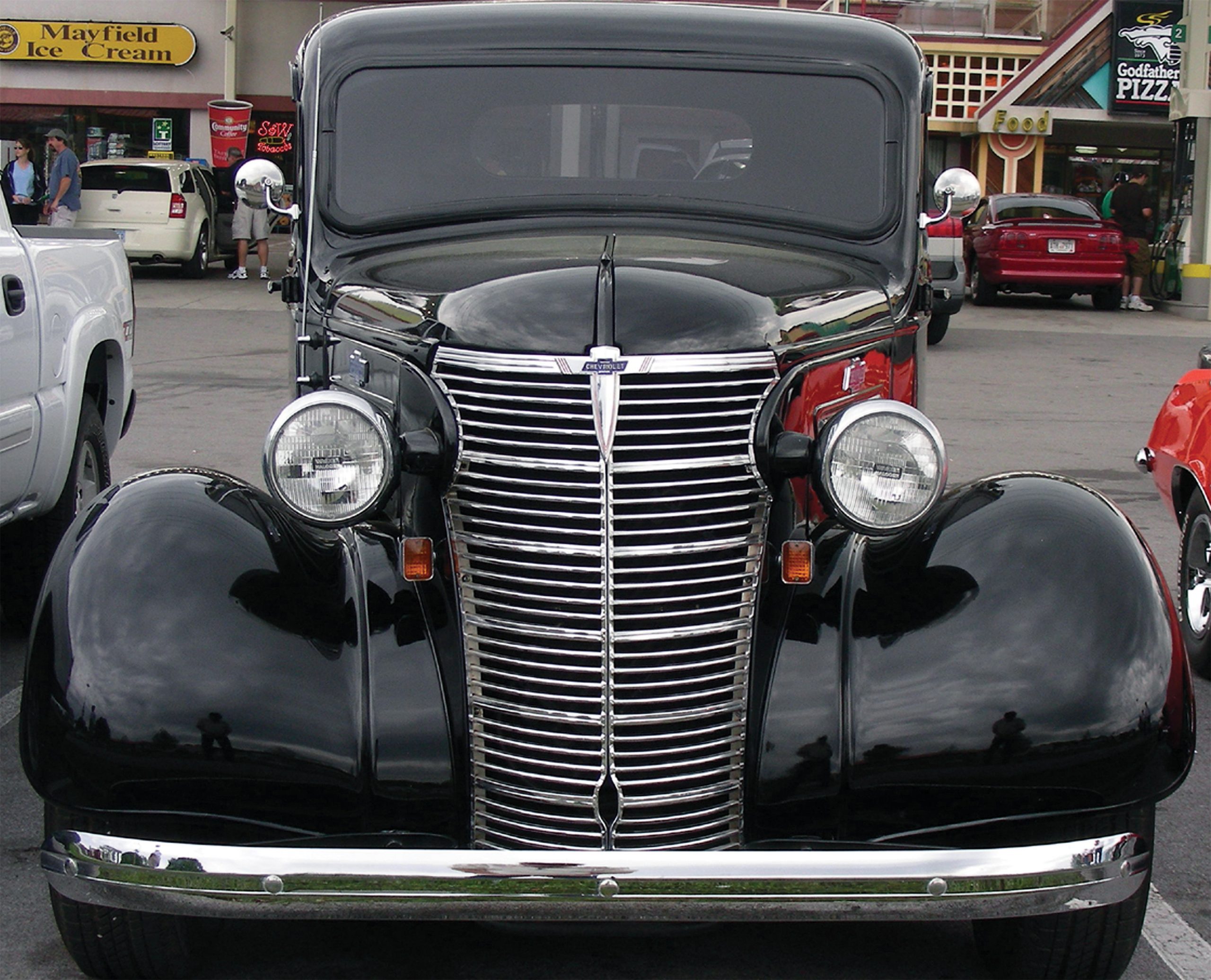
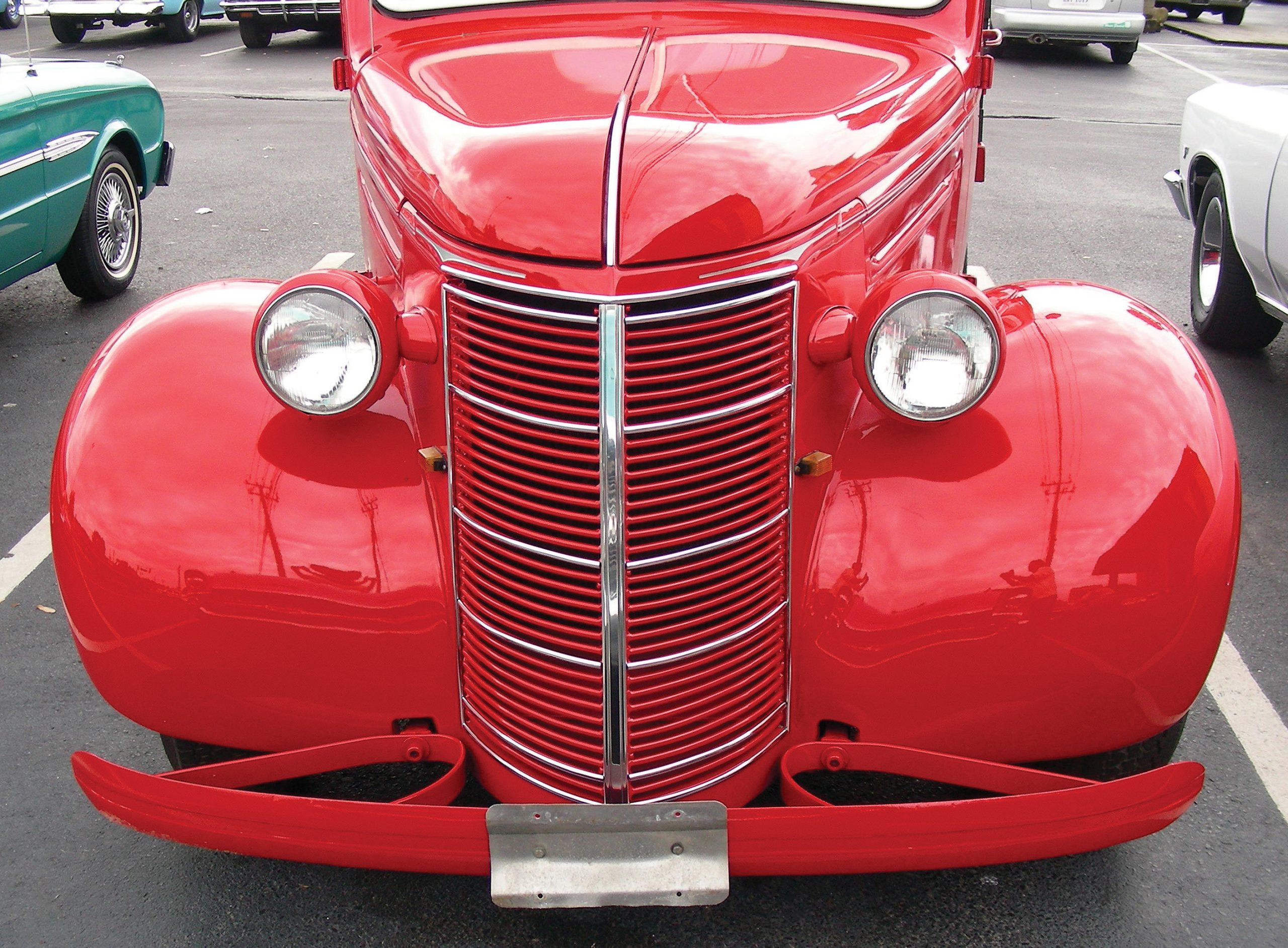
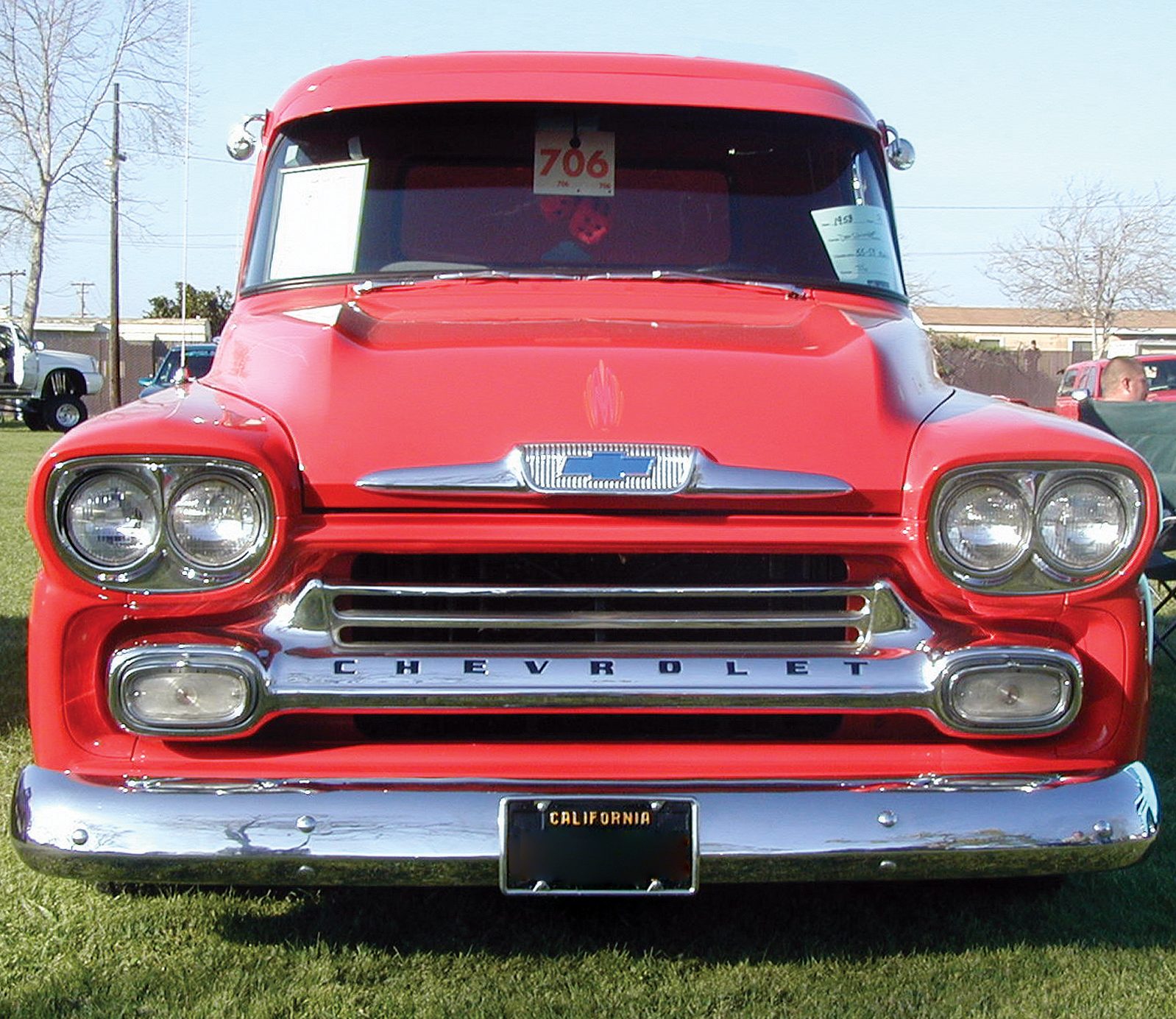
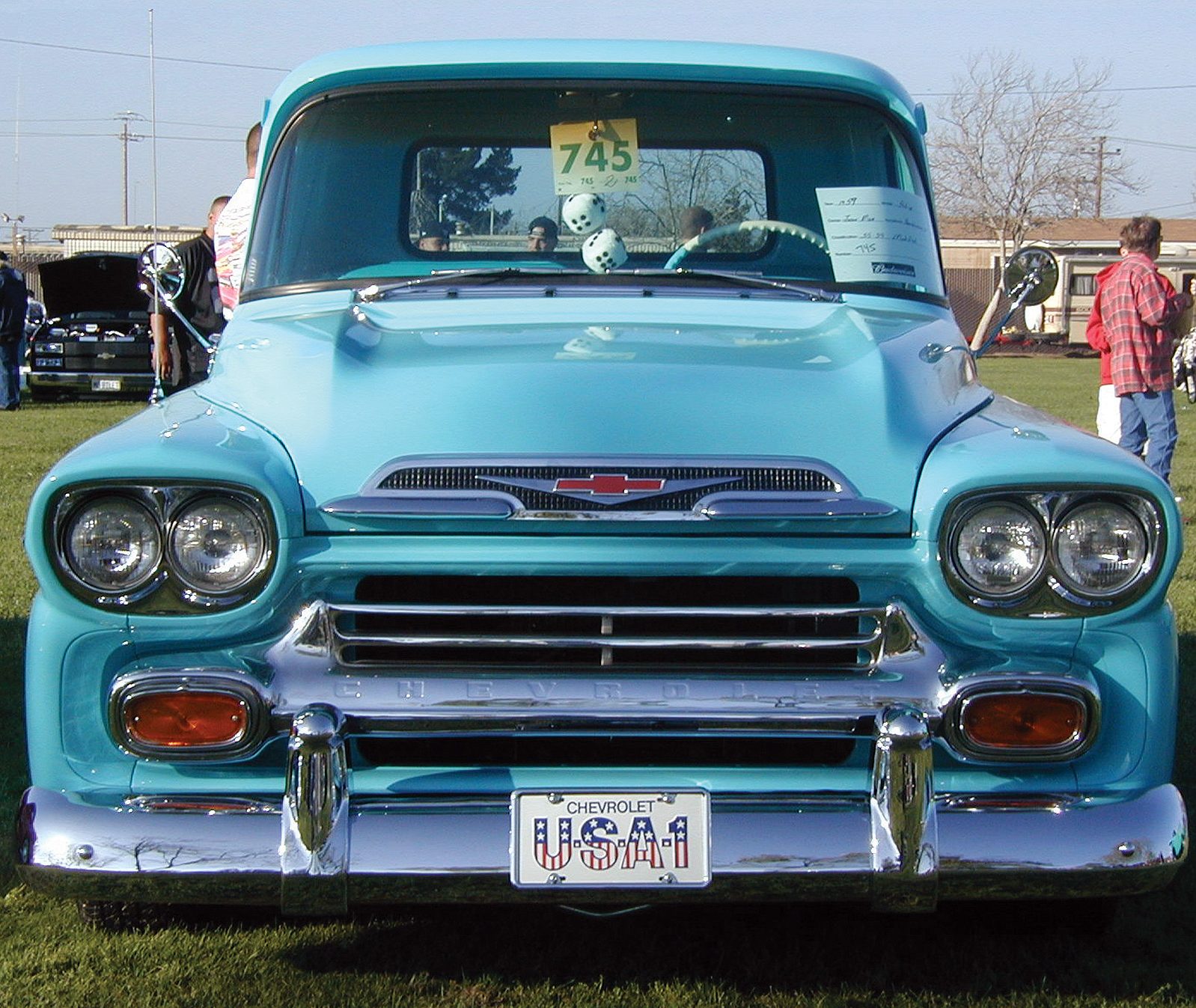
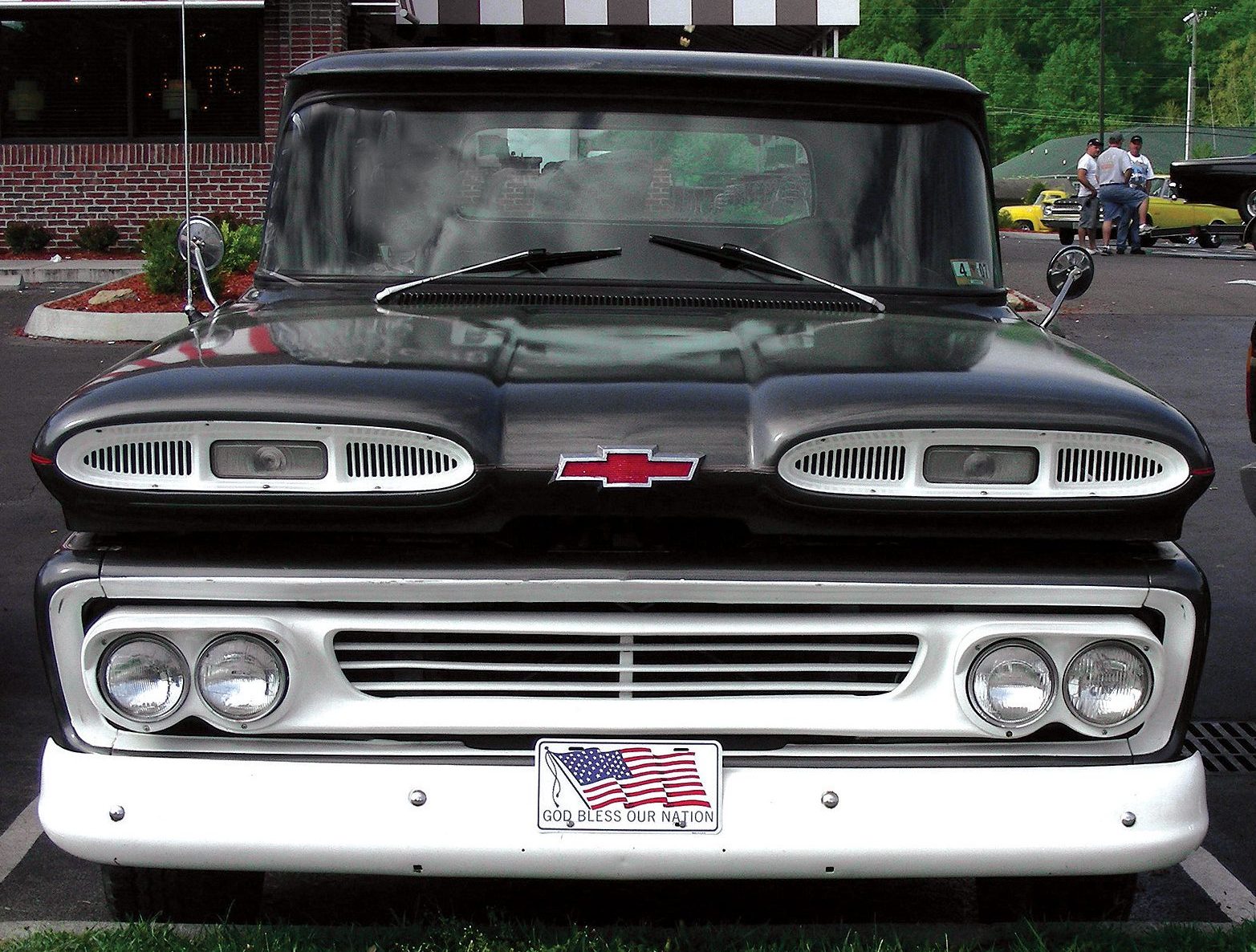
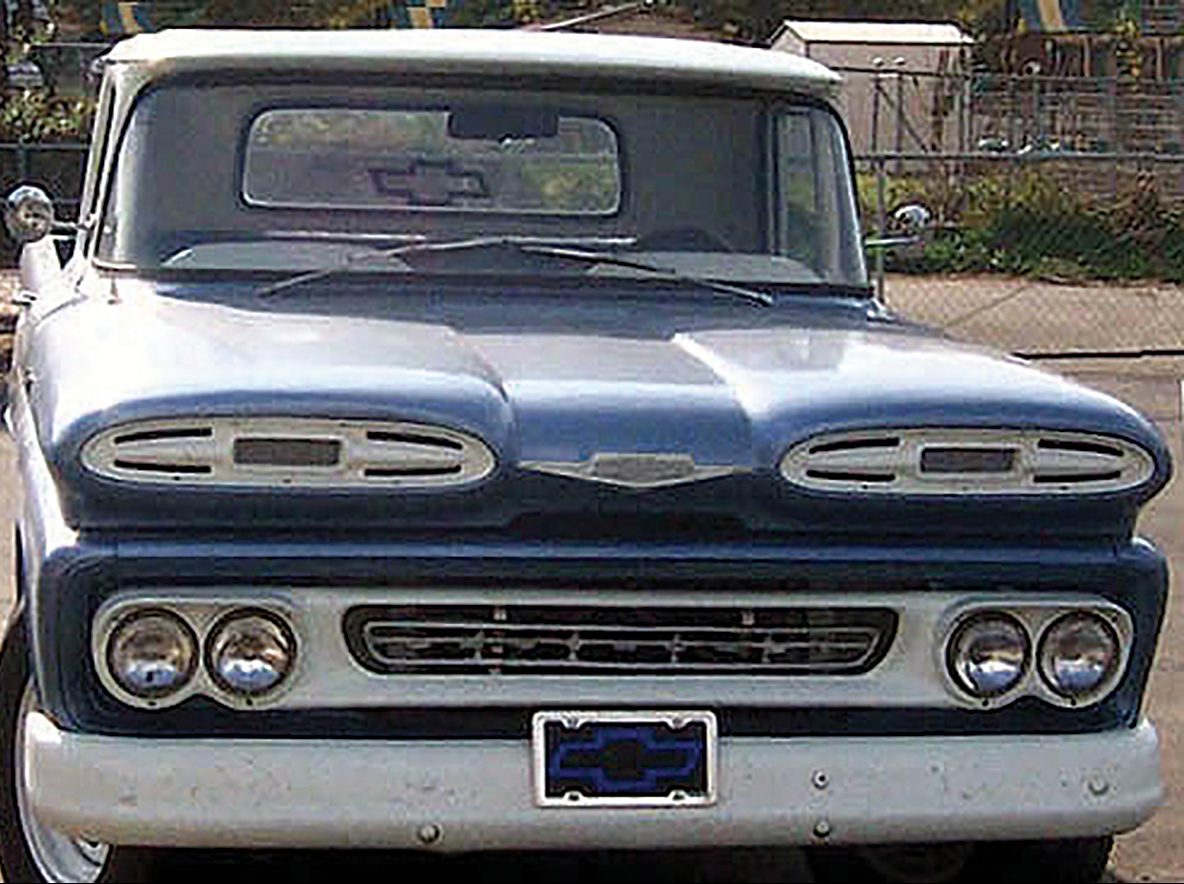
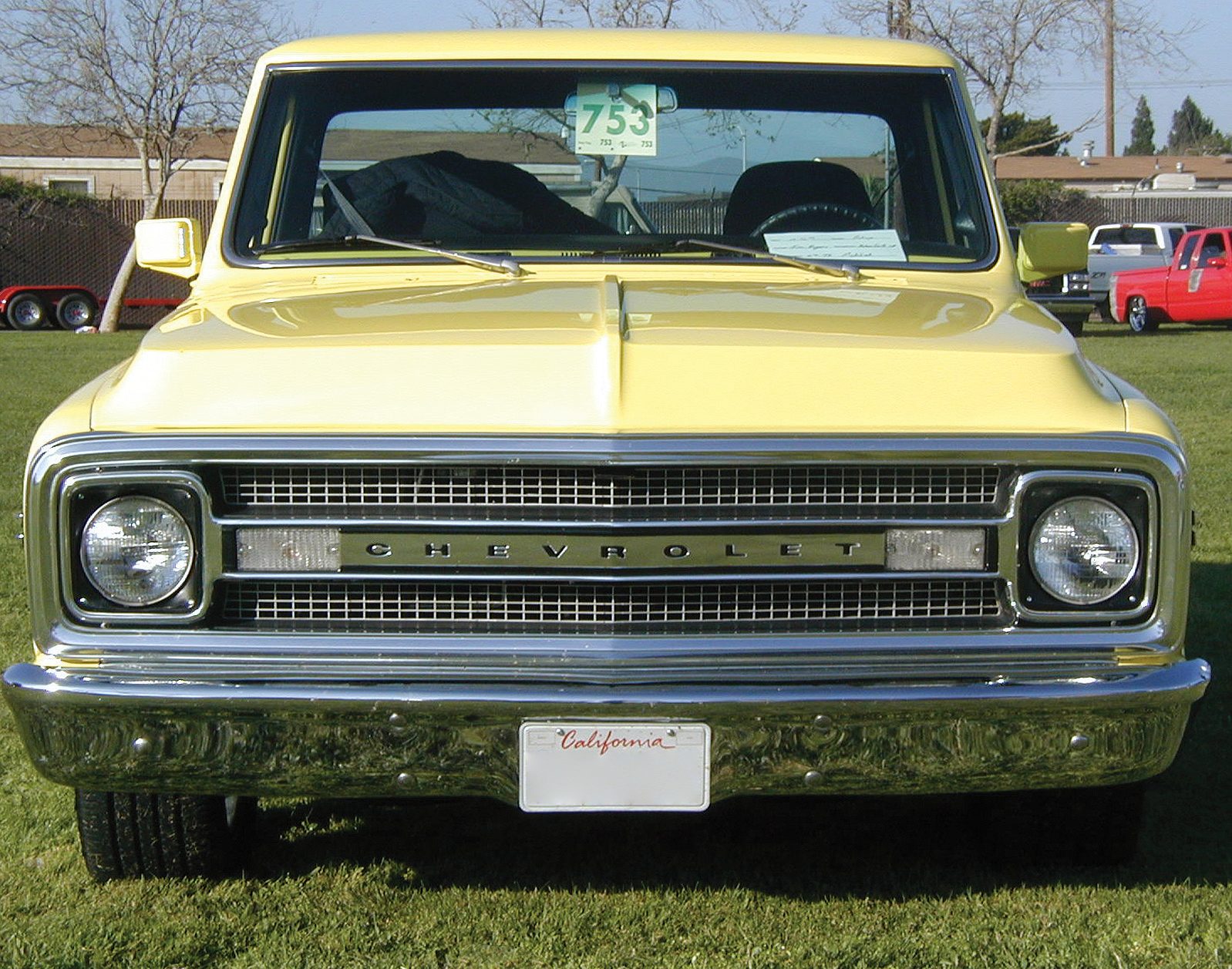
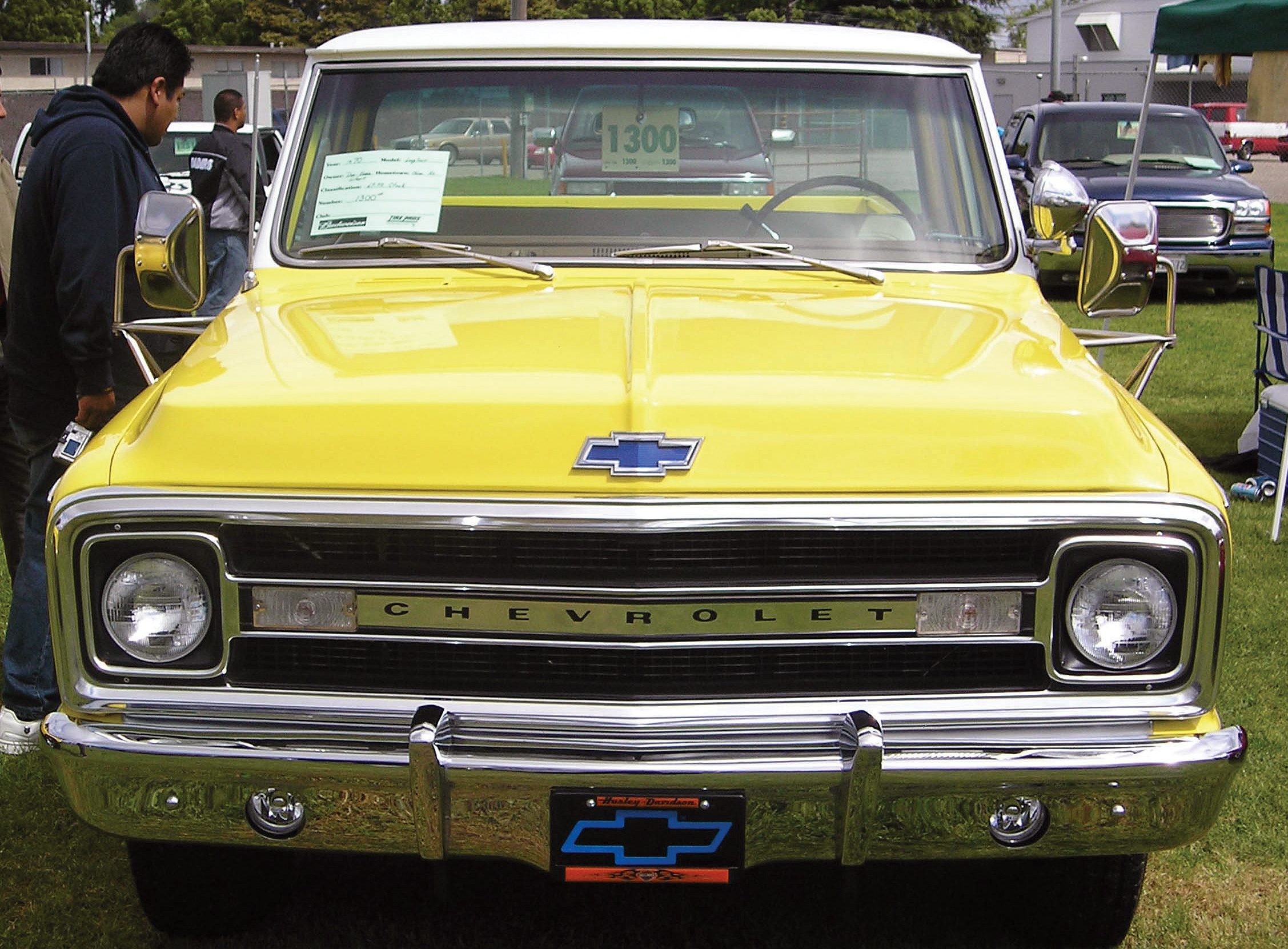
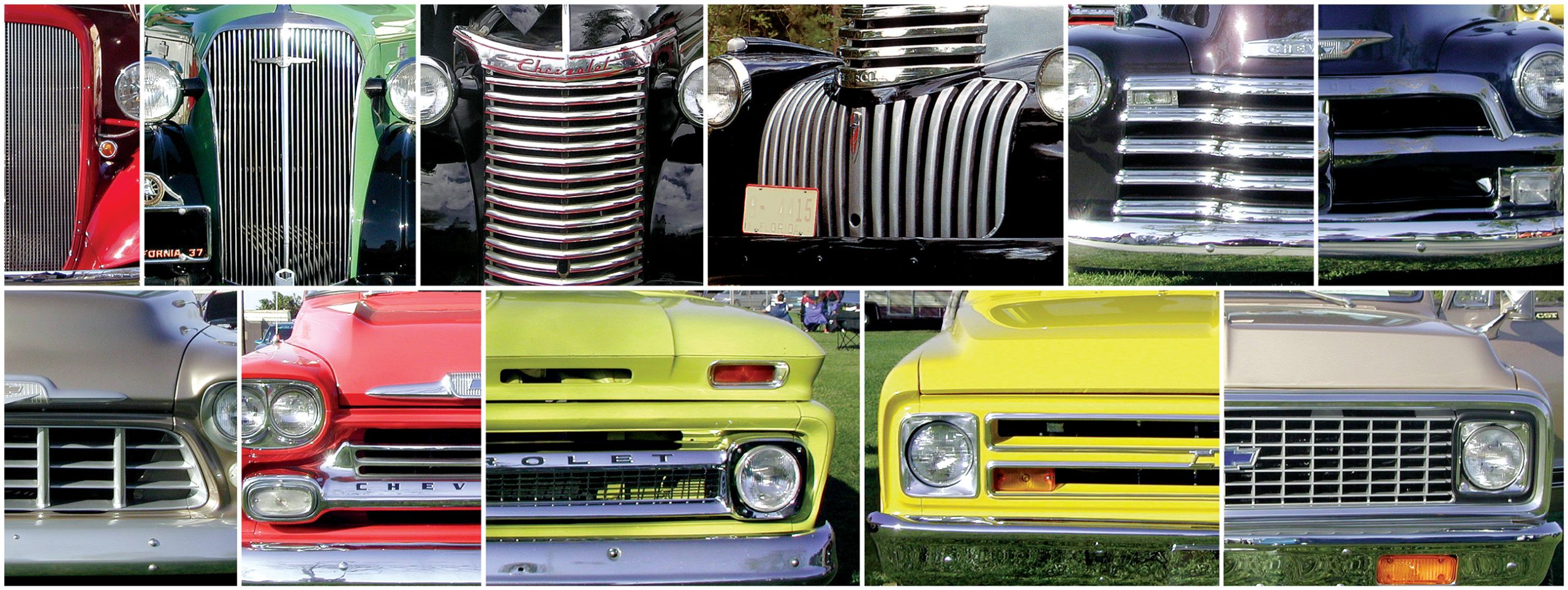
We figured that our average reader may fall somewhere in between these two and would enjoy an easy lesson on how to distinguish one truck from another, especially when there are those trucks that are nearly identical from year to year except for a few minor changes. Also, this pictorial provides us another way of getting more of our readers’ trucks into the magazine. We’re starting with the early Chevys, 1936 to 1972, because there are so many to show and they have similarities. Plus, we had to cut it off somewhere. In upcoming issues, we’ll show you the rest of the Chevy years, as well as the Fords and Dodges, and a grab bag of all the others.
Keeping This Article for Future Reference
You may want to keep this article for future reference, not only for yourself but to show other people as well; everybody will wonder how you know so much. It will also come in handy when someone tries to describe an old truck they saw for sale somewhere—the one that gets away or otherwise turns out to be something like a ’78 Datsun longbed.
A Nod to GMCs and Final Thoughts
We’ve also included several GMCs, which usually differ only in the grille and emblems. After reading this, you’ll wind up being as dialed in as the guy standing next to you at that next event. You’ll avoid the embarrassment of calling a ’64 a ’65 and having to say something like, “Oh, well, this must be Canadian.”