





THE AUTO BUILDER
Featured

STOPPING BEYOND DOUBT
NASCAR. It’s the most popular televised form of racing, with millions of fans across the nation. In fact, some believe NASCAR’s Cup Series Racing is the most popular sport in America. For all the money expended in Formula 1 (something in the neighborhood of $300 million a year for each of the top teams), it doesn’t approach the excitement, immensity or competitiveness found in this most American of sports.

Chasing Immortality: The 2026 AMBR Competition at the Grand National Roadster Show
The nine-foot AMBR trophy doesn’t celebrate excess. It rewards builders who understand proportion, restraint, and craftsmanship at the highest level—where every decision carries weight and every imperfection is amplified. Under the scrutiny of an expert judging panel, the 2026 AMBR contenders were evaluated on the fundamentals that have always defined America’s Most Beautiful Roadster: stance, line, finish, engineering, and an unshakable respect for roadster tradition. The margin between first and last place was razor thin, and the pressure showed in every detail.

Patina Power
The Time-Worn Look Is More Popular Than Ever Author Defining Patina in Street Rods Patina is defined as “a pleasing surface sheen on something that develops with age or frequent handling.” When that definition is applied to street rods, a patina rod can take on any number of variations. The exterior can be close to original, with age showing through the painted surface in the form of primer. Sometimes the faint appearance of rust can also classify a rod as having patina, provided the rust has not taken over the entire car. Many times these patina rods are built from those treasured “barn finds” that seem to be discovered by undaunted rodders scouring the country searching for the Holy Grail of hot rods. The Art and Trend of Patina One of the modern trends of the street rodding hobby has been to create that cherished patina look. The art of patina can be tricky. We have seen patina rods crafted in such a fashion that the naked eye cannot tell the difference between real and invented, the real old and the fabricated old. The Appeal of Patina Rods As with all aspects of rodding, each of us has a different definition of what makes a patina rod. There does seem to be one theme that runs through each variation, though: the owners have a lot of fun with their cars. For some, it is a chance to get back to the basics. For others, it is a chance to reverse the high-end trophy-hound trend.
Spotlighter
POPULAR READS
-
Product Spotlight: Bill Mitchell Products Aluminum LS Engine Block
-
PRODUCT SPOTLIGHT: 60-66 Chevy C10 Fresh Air Vent Block Off Plate
-
Product Spotlight: Pyramid Optimized Design Sequential Aurora Taillight for 1964½–1966 Mustang
-
PRODUCT SPOTLIGHT: Cam Covers for GEN/3 Coyote from Pyramid Optimized Design
TUNNELED, NOT FRENCHED
Installing a Recessed License Plate
Author
Will Smith
Photography: Scott Killeen
The Ever-Changing Trends of Street Rods
Street rod trends are constantly changing. What once looked good now seems dated, and so it will someday be for today’s cutting-edge look. Eventually, some of these trends come back into vogue—hence the birth of terms like newstalgia. Other aspects of this hobby never change; the tires are still round and cars take up more of our time and money than we’d like to admit.
Navigating Government Regulations
Just as unchanging are government regulations that tell us what we can, can’t and must do to our vehicles in order to drive them on the street. Well, that’s not exactly true—the government is constantly coming up with new regulations, but those that are already here won’t ever be going away. Sometimes we can use regulations to our advantage, turning mandatory items like brake lights and turn signals into stylish attributes rather than impediments to overall aesthetics.
The Challenge of License Plate Placement
Other required items are not so accommodating. Authorities do not react well, for example, to altered license plates. Sure, you can order the plate to read almost anything you wish, but altering the metal plates themselves is definitely verboten. That’s frustrating, because a 12×6-inch piece of stamped, flat sheetmetal doesn’t really lend itself to the shapely contours of a ’30s or ’40s street rod. Some states are better than others, in that some require plates on both ends of the vehicles while others mandate them for the rear only. There’s absolutely no good place to put a license plate on the front of a street rod, but some alternatives for the rear are definitely better than others.
Traditional vs. Modern License Plate Mounting
Of course, the simplest way to mount a license plate is the way factories did it: hang it off a bracket mounted to a taillight or bumper. That was fine back then because it was functional, but today we have higher standards for our modified cars. After going to the trouble of molding and welding the fenders to the body for a smooth, one-piece look, why just tack on a license plate as an afterthought? Some cars with particularly raked stances can attach the plate to, say, the rear of the differential, but not every car can get away with this. If your car sits too low in back, the authorities won’t be able to see the plate, and you can bet they will stop and ask you about it.
Recessing the License Plate for a Clean Look
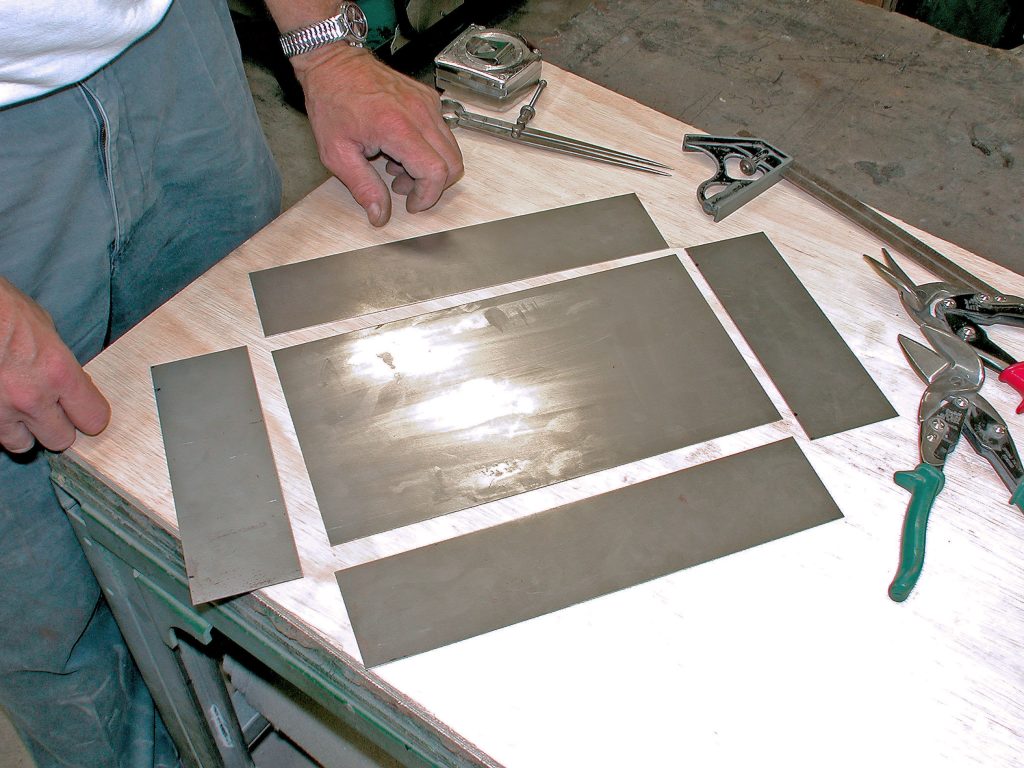
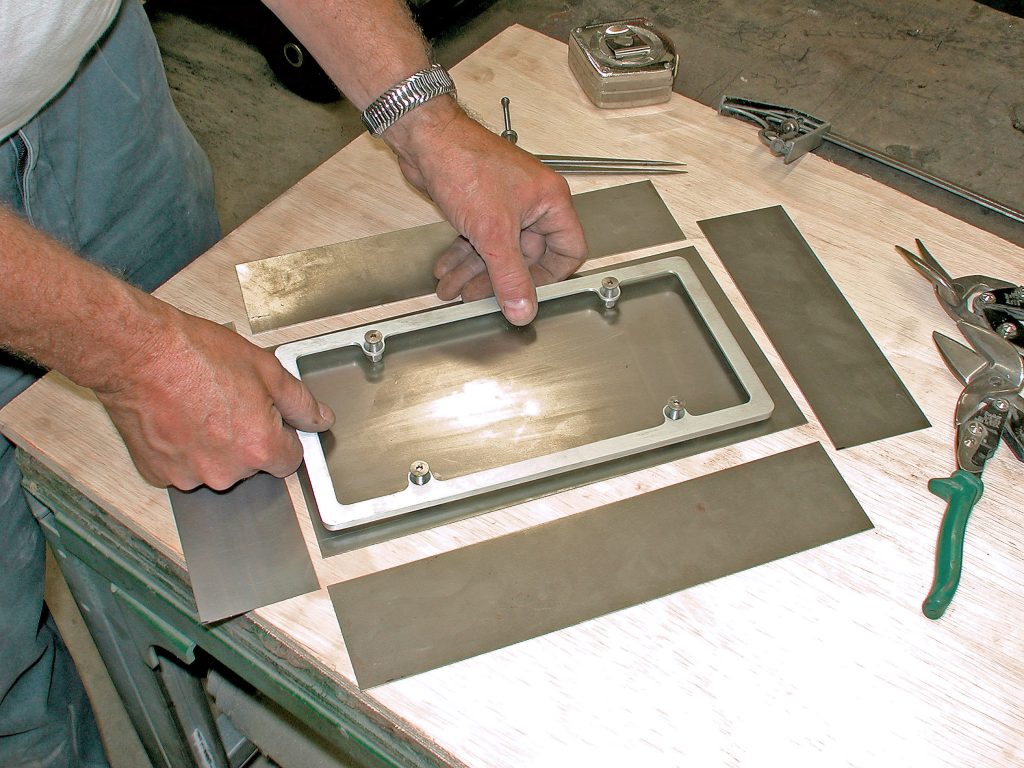
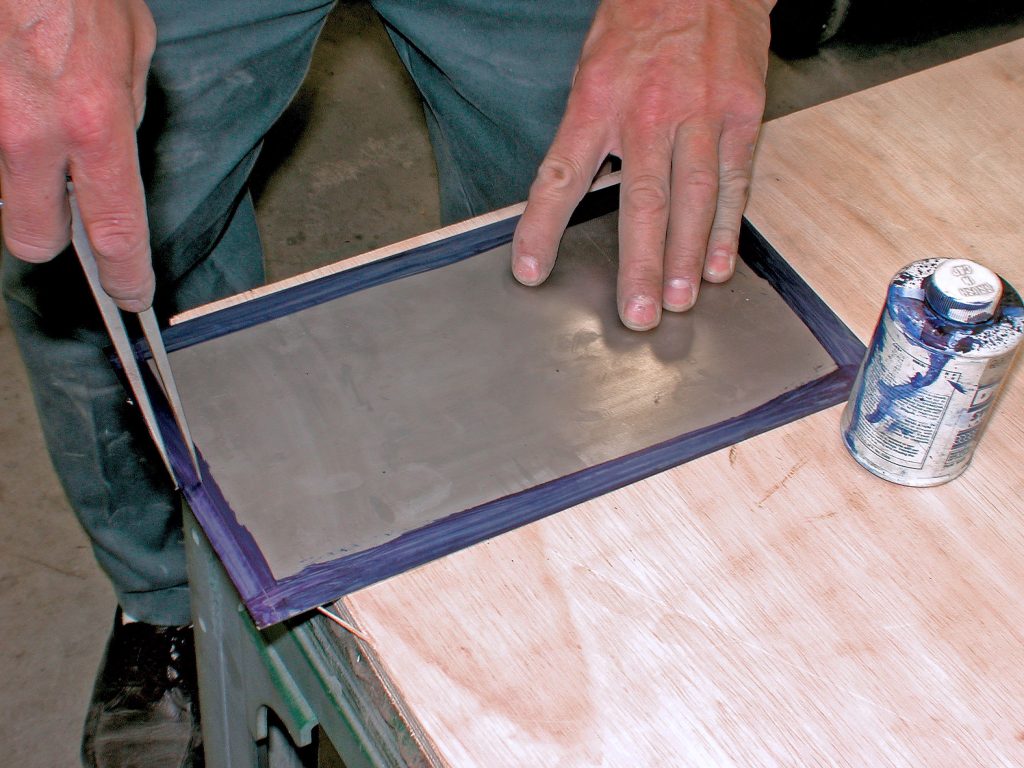
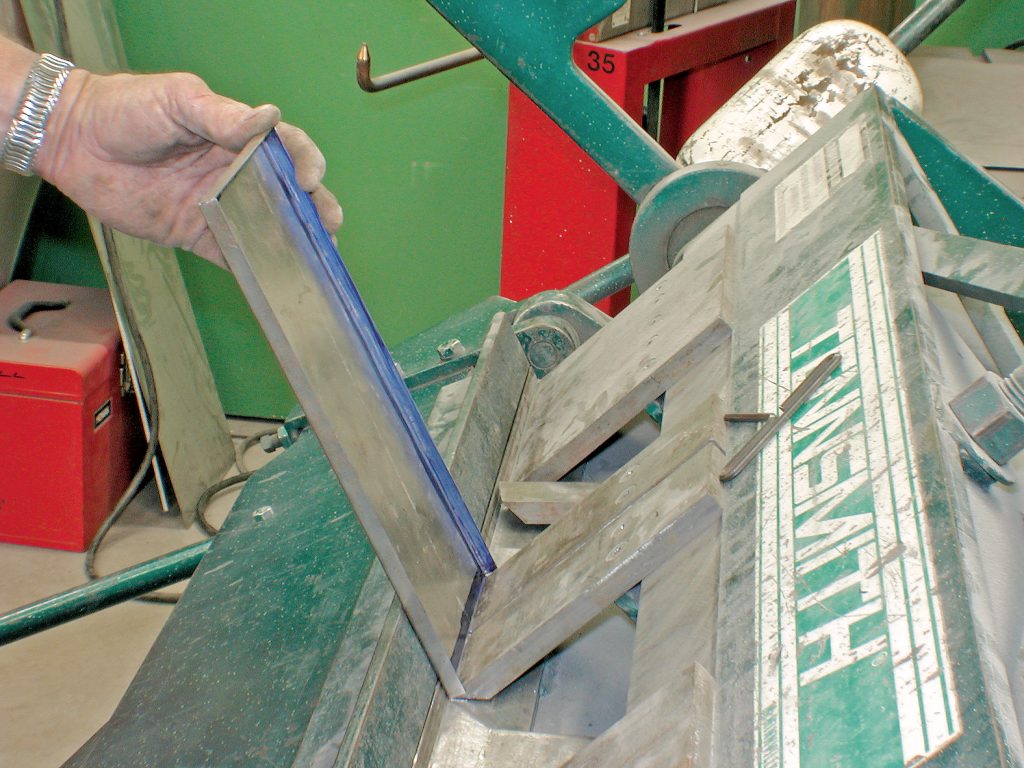
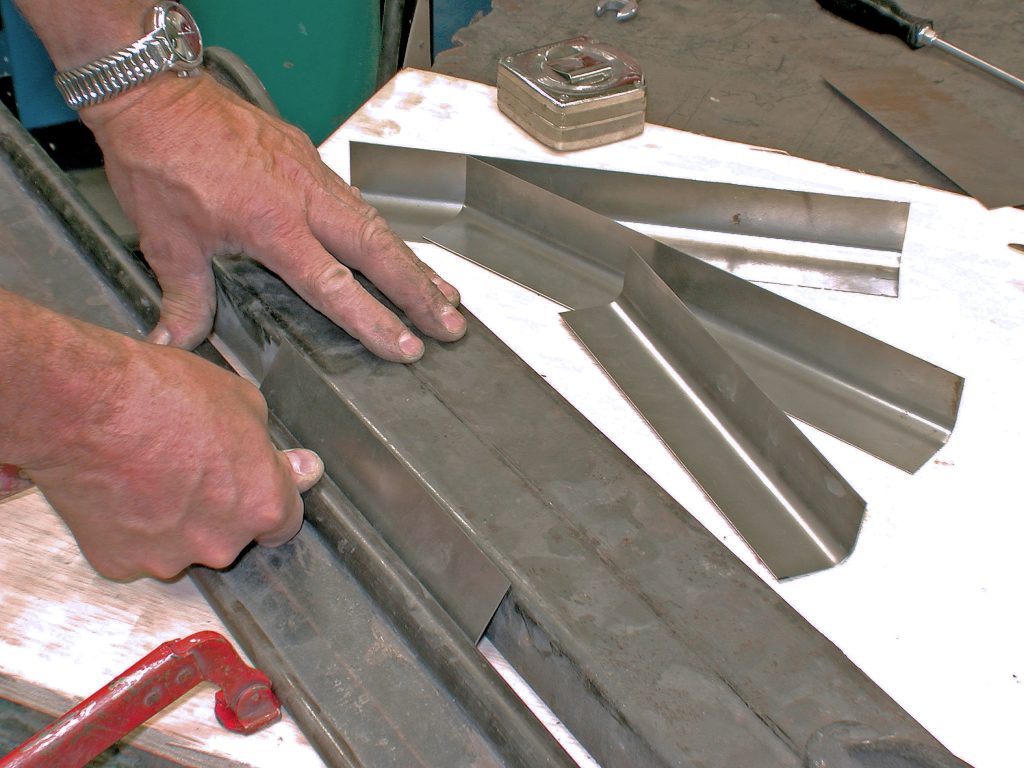
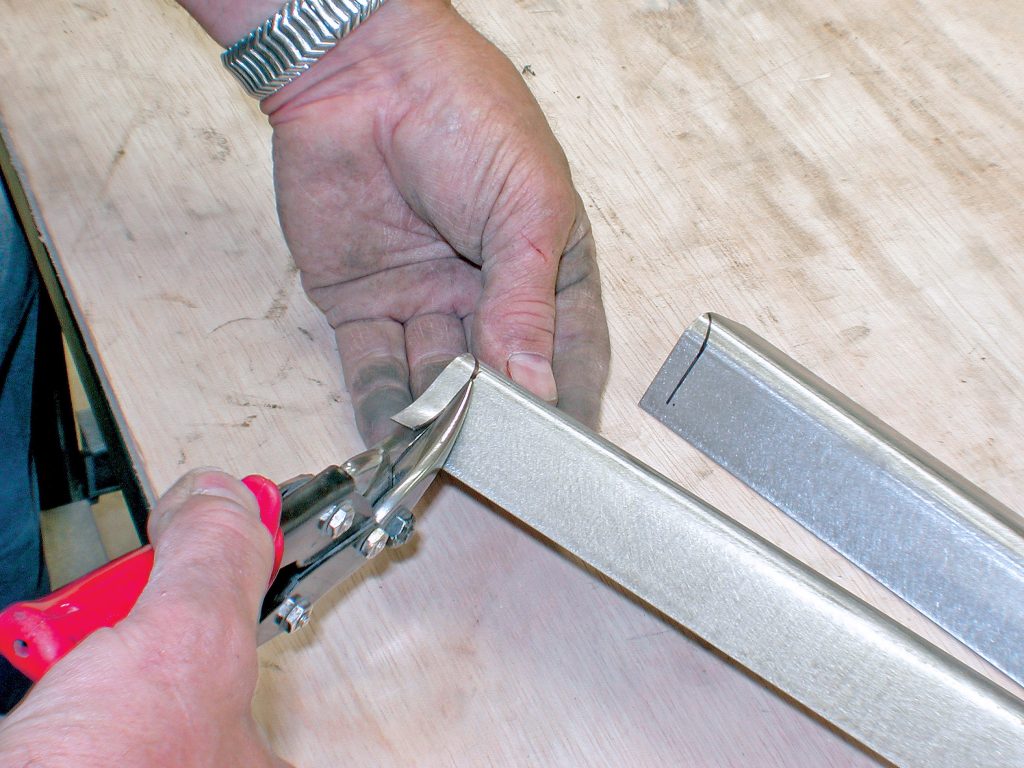
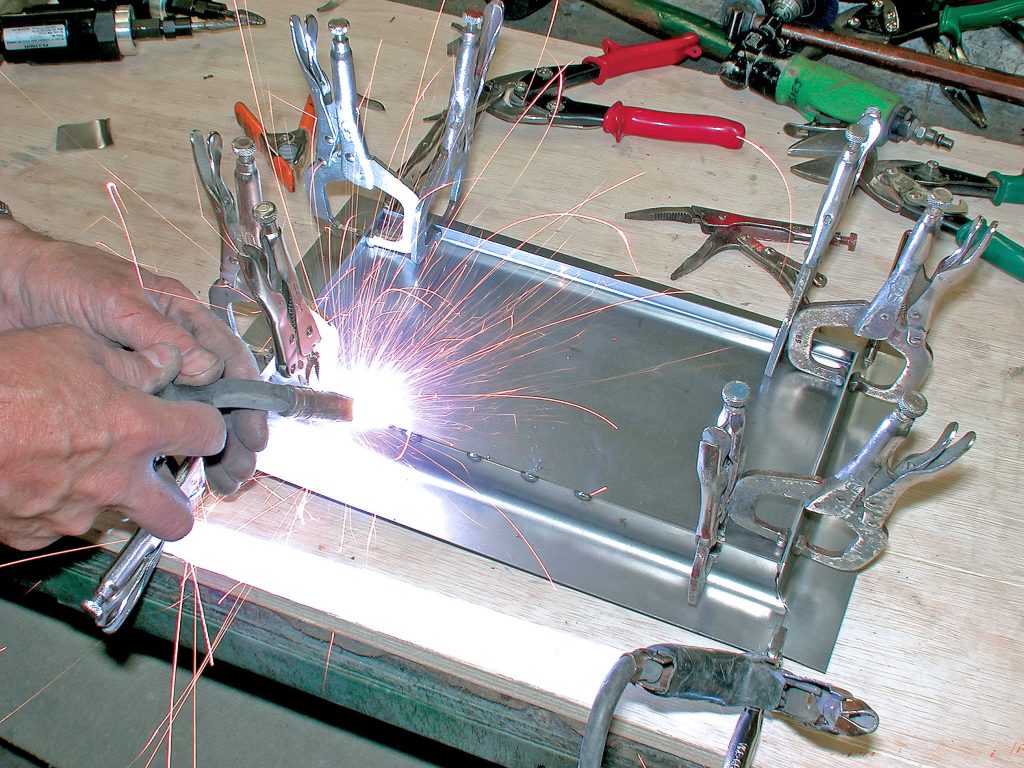
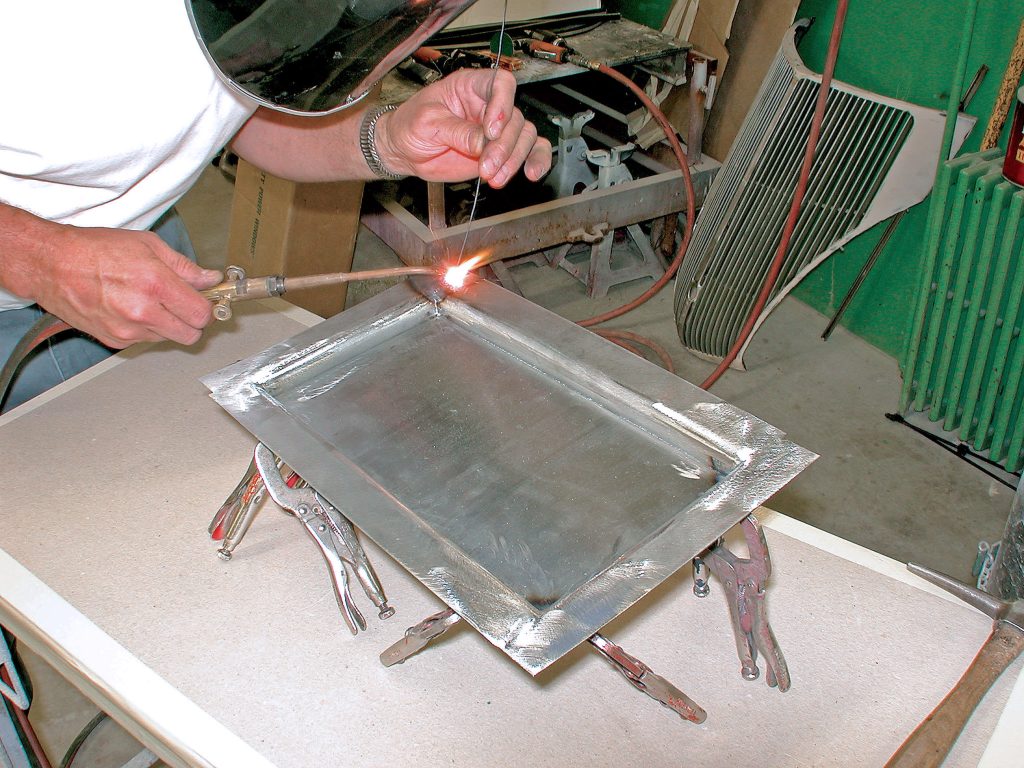
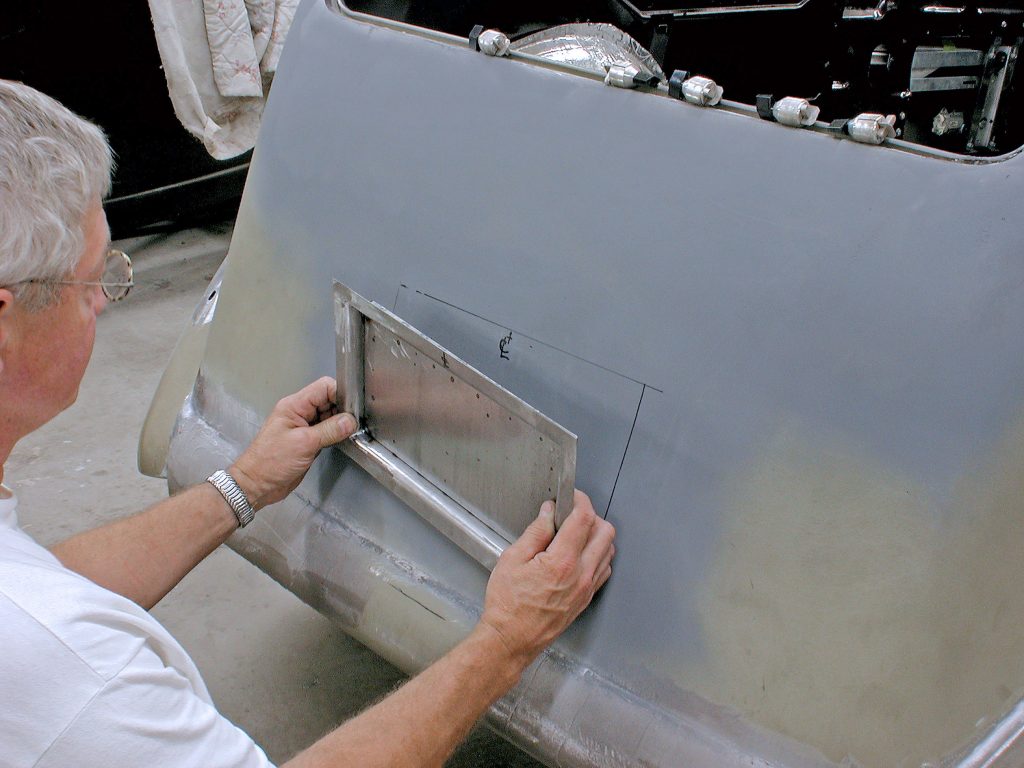
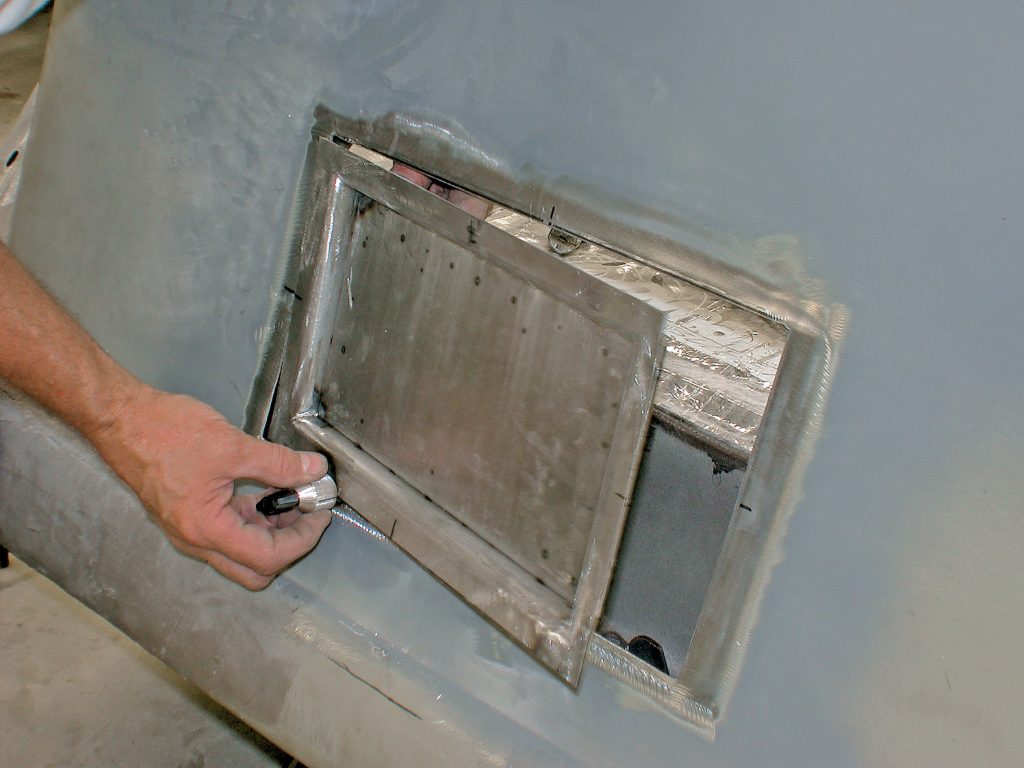
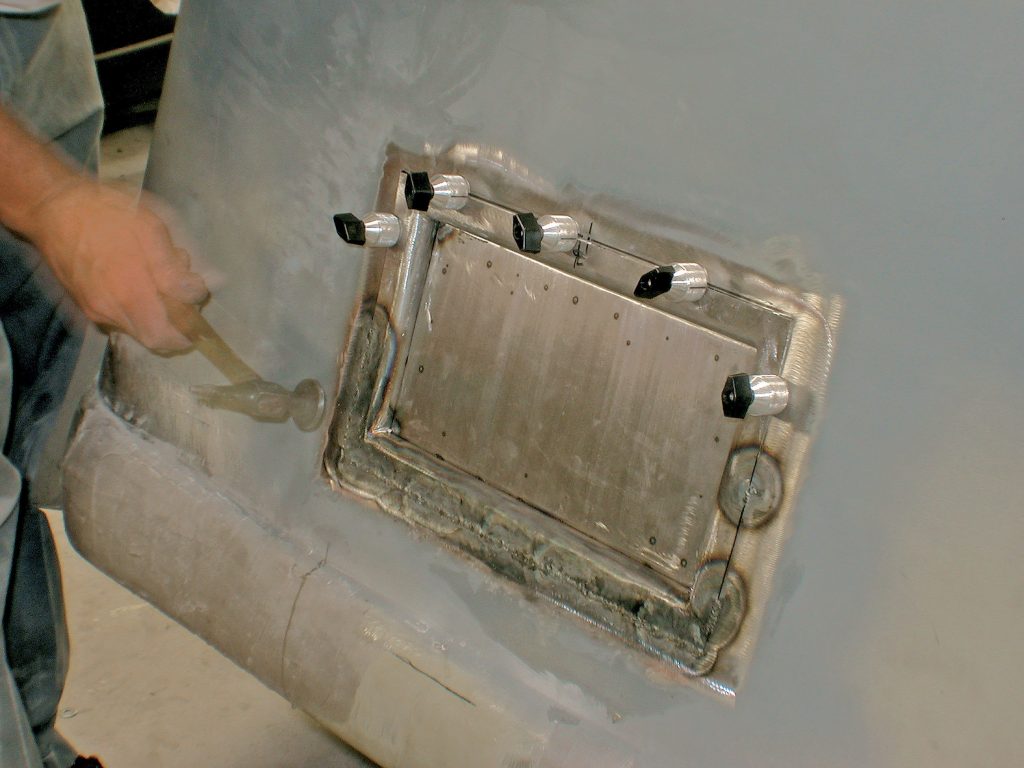
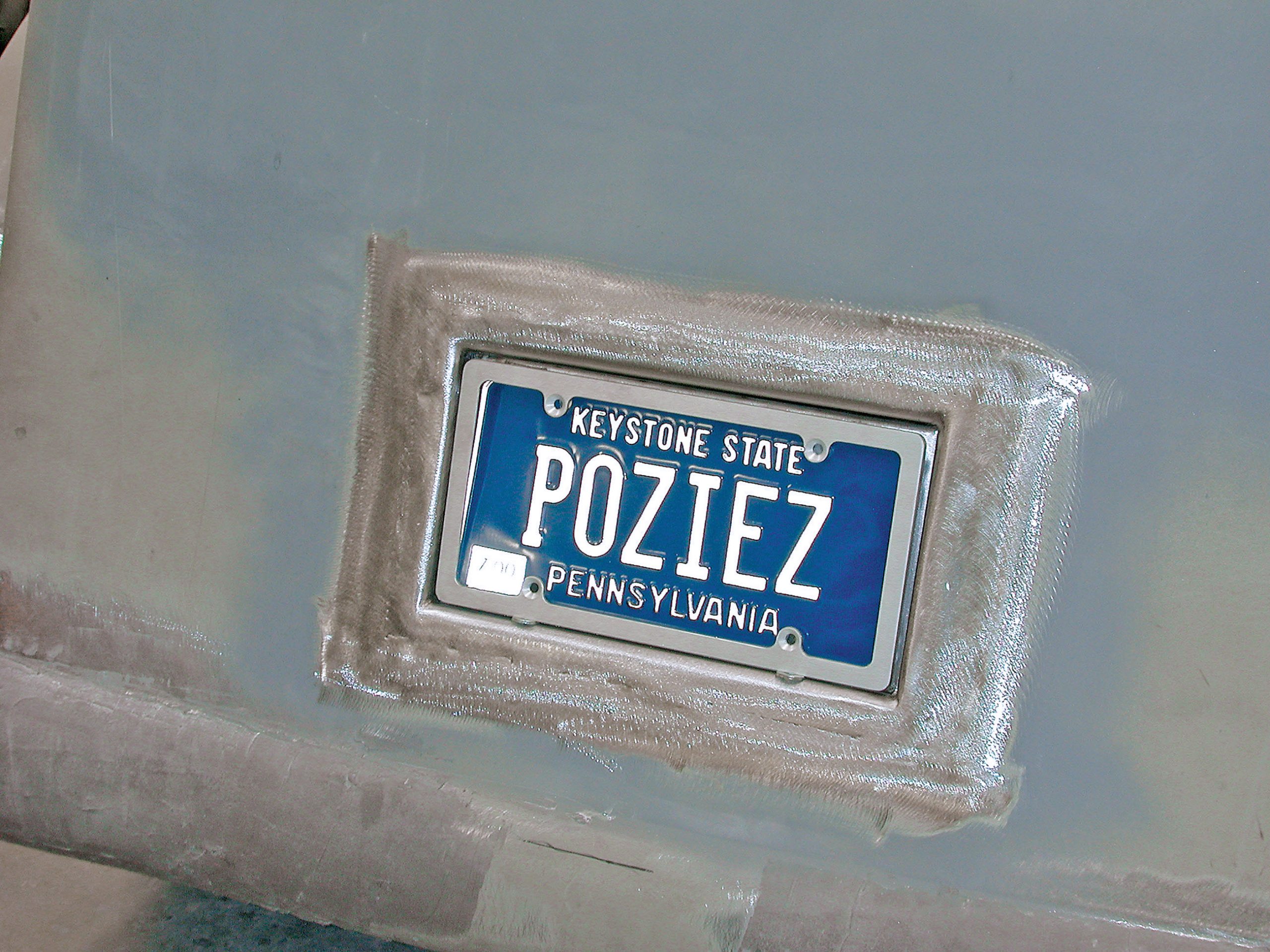
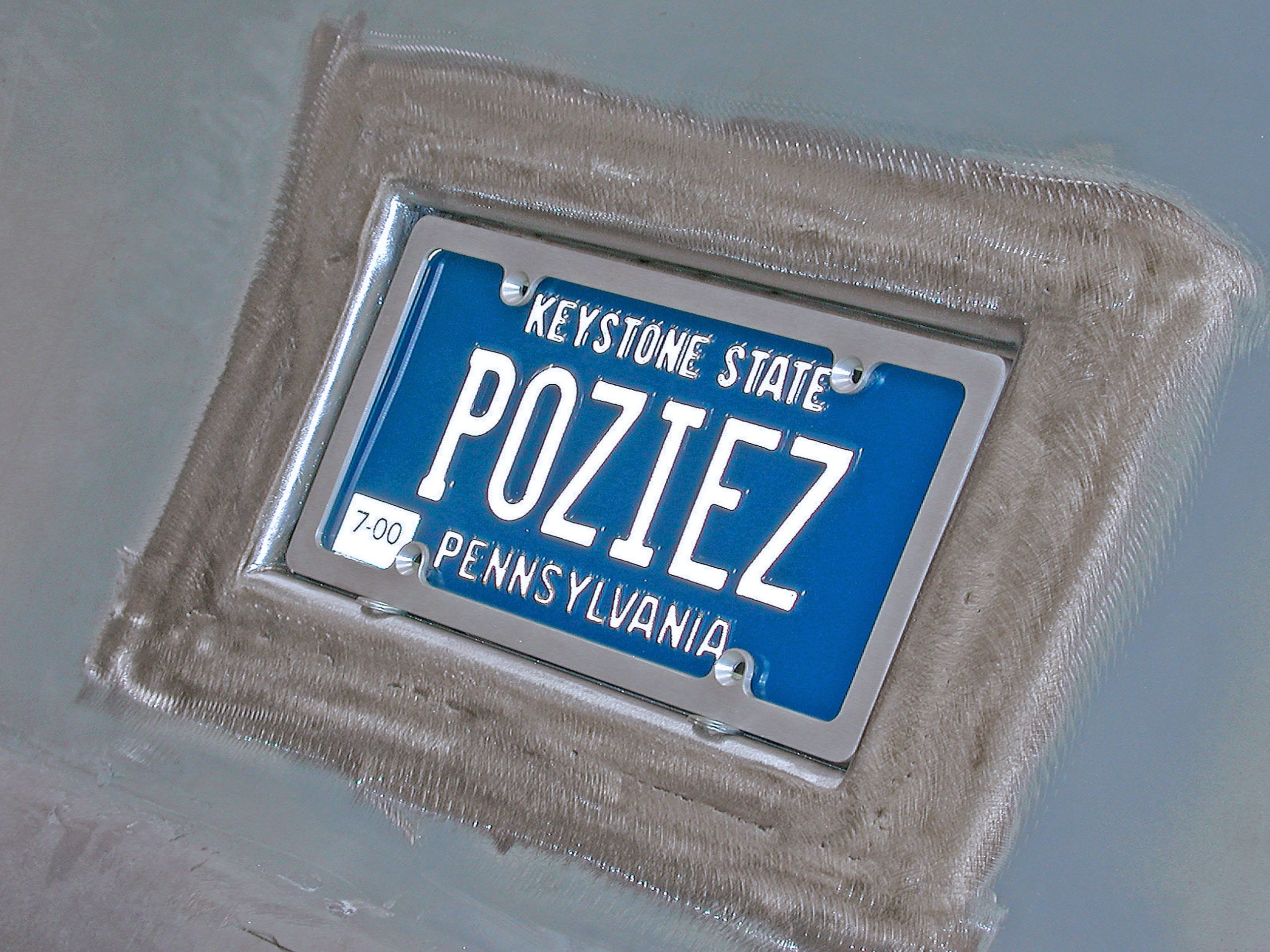
One of the better solutions to this problem is to recess the license plate into the rear of the car’s body. Despite their curves, nearly every vehicle of street rod vintage has a flat enough rear for this option to be highly practical. Not only will it solve a problem, but it will also give you a chance to show off some of your fabrication skills. Put another way: Compared to all the other work necessary to build a street rod, this project is a breeze.
ARTICLE SOURCES
POSIES, Inc.
219 N. Duke St.
Hummelstown, PA 17036
Phone: 1 (717) 566-3340
e-Mail: sales@posiesrodsandcustoms.com