Unique Performance and the ’06 Foose Stallion
Unique Performance is an industry leader in special-edition, limited-run production vehicles. The company bases its designs on some of Detroit’s hottest muscle car iron, and it has had tremendous success building such cars as the continuation Shelby Mustangs in its Dallas facility. We expect similar success from the ’69 Foose Camaro, but the plan for the ’06 Foose Stallion is a little different from that of the Foose-designed ’69 Camaro.
Production Strategy and Partnership with Tecstar
Although Unique Performance built this prototype car, the anticipated demand far outstrips its production capacity. Rather, Tecstar will be responsible for the engineering and assembly of each Foose-designed Mustang, which will then be sold through select Ford dealerships across the country. Unique Performance told us it anticipates that up to 3,000 of these cars will be sold per year, so the planned arrangement is by far the most logical. This arrangement will also give customers a chance to see such cars in person, rather than view just pictures in brochures or on a website.
Design Features of the Foose Stallion
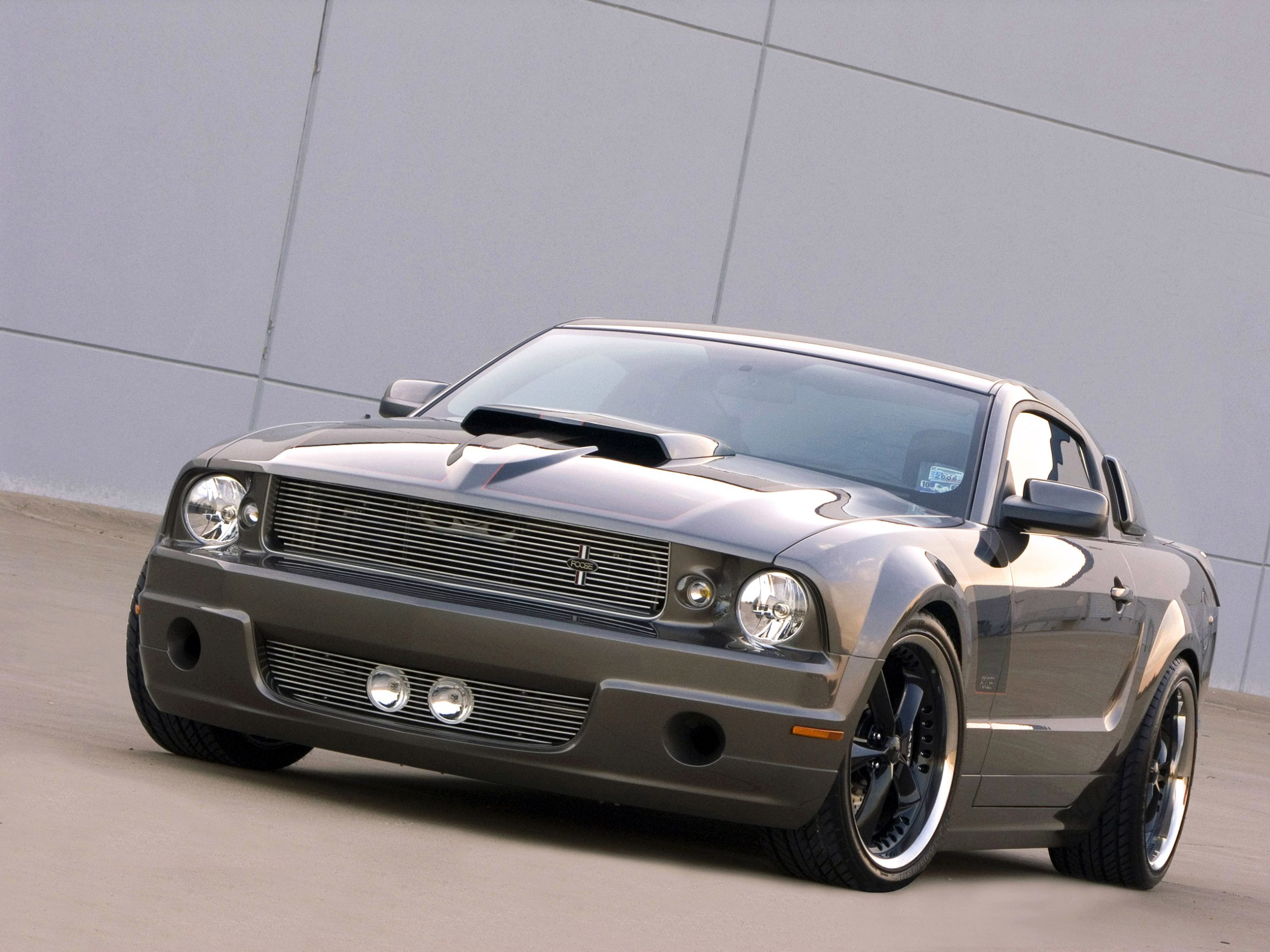
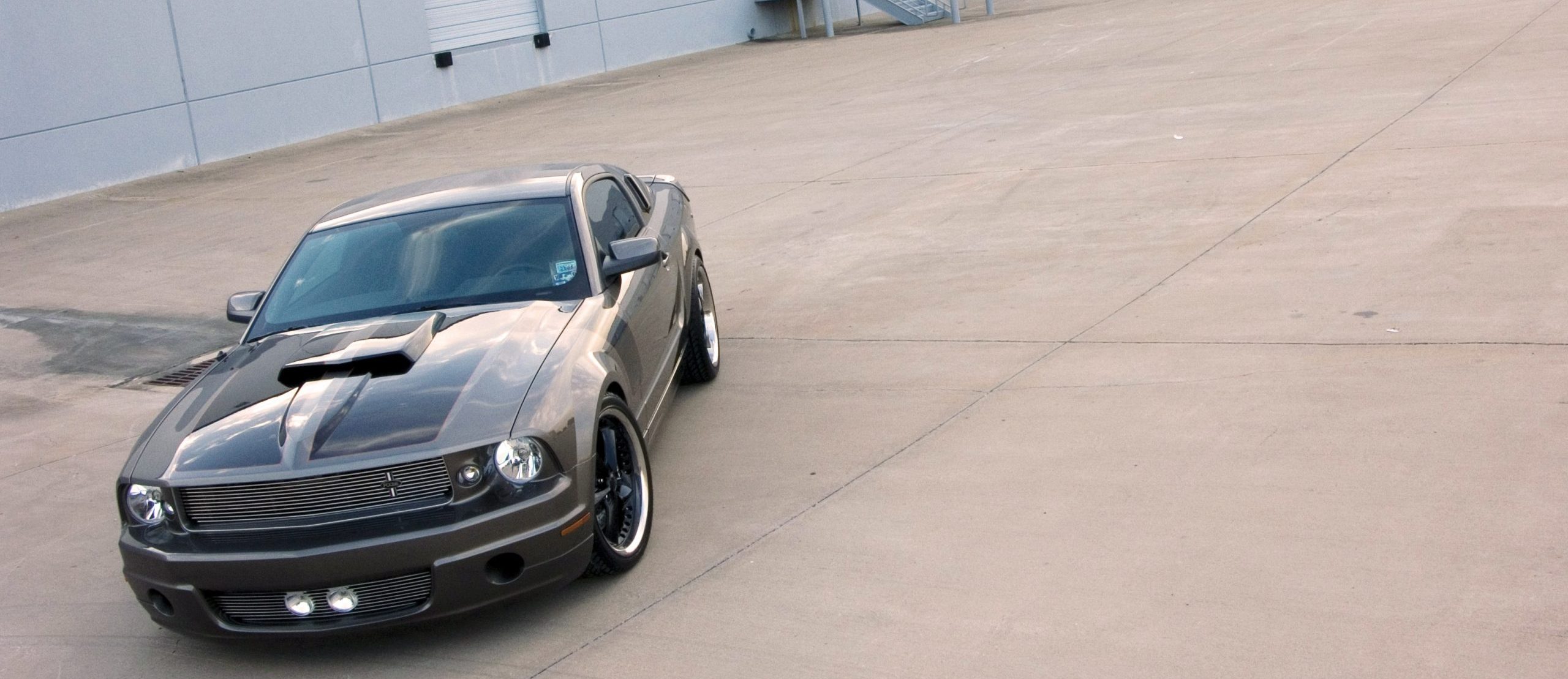
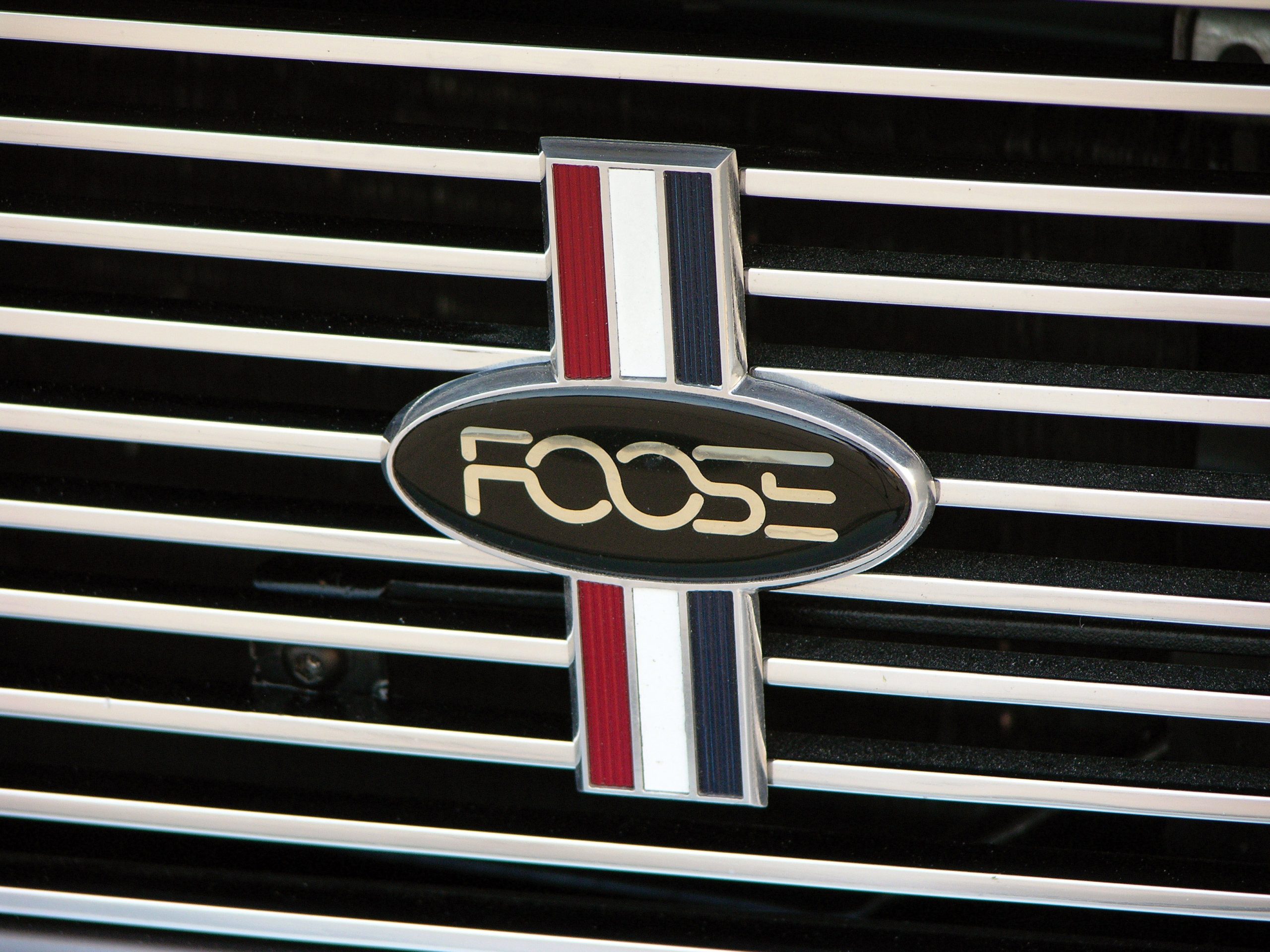
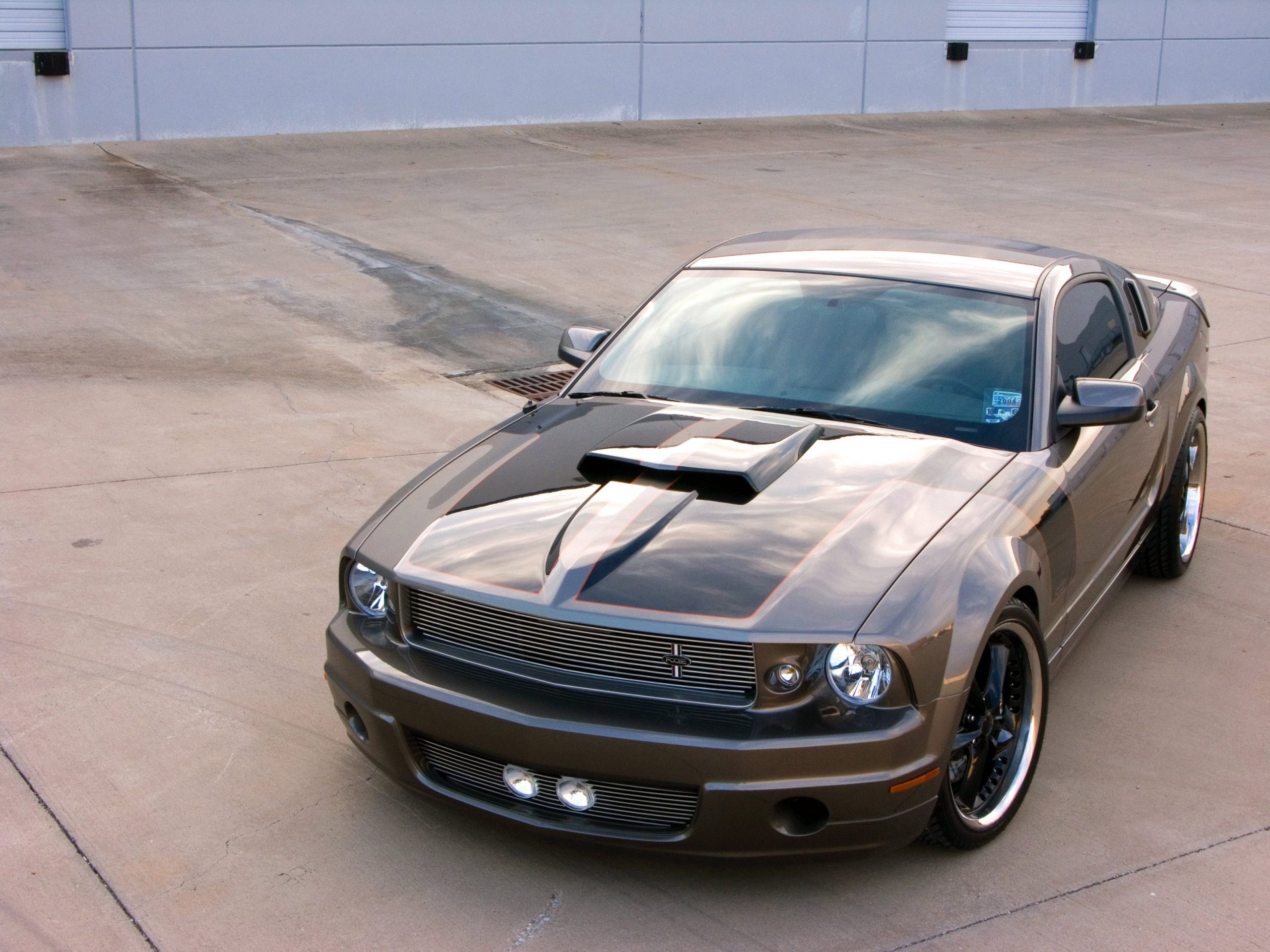
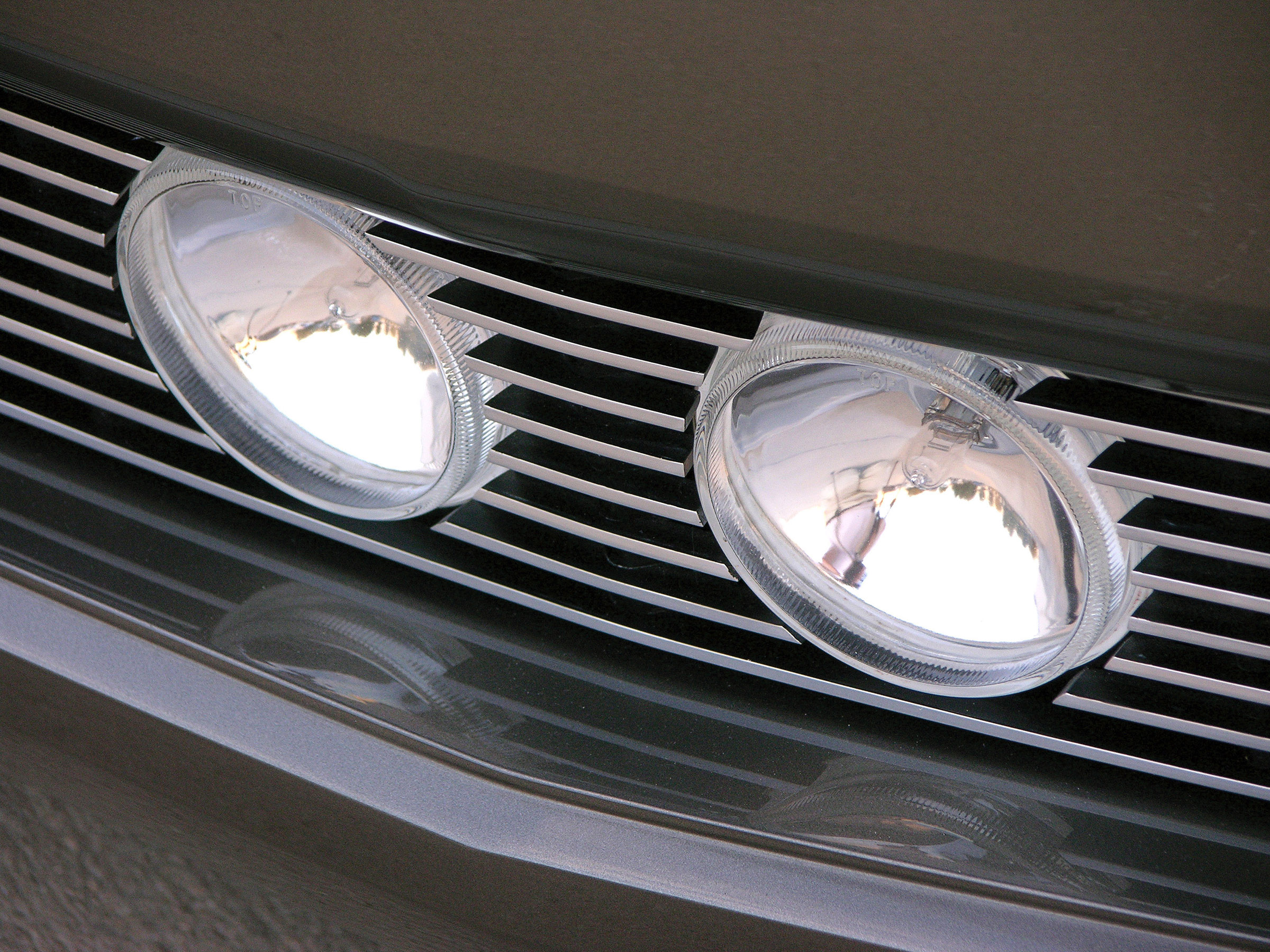
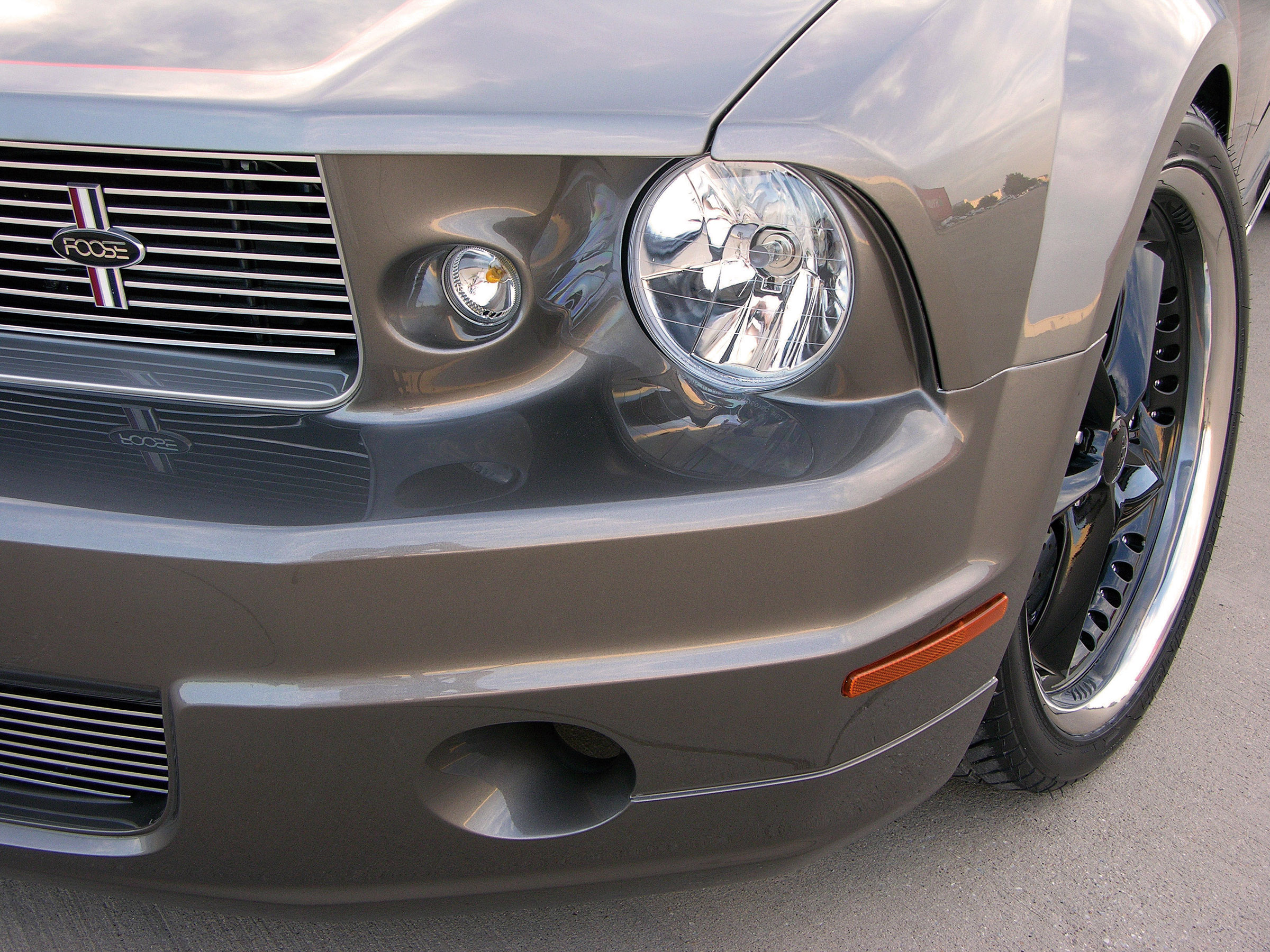
Looking at the Stallion shows the influence of Unique Performance on Foose’s design. Actually, once you really sit down and look at the car, it appears to be a collage of design features from classic Mustangs, all herded together on the same car. The new front fascia replaces the stock headlight buckets with a large round light and smaller driving light, and this arrangement looks very similar to that found on the Unique G.T.500E. Horizontal billet bars replace the stock honeycomb mesh in the upper grille, shaped very much like the original ’65 grille, down to the offset Foose badge in place of the stock Mustang emblem. The lower grille contains another pair of round lights and more billet bars.
Functional and Aesthetic Enhancements
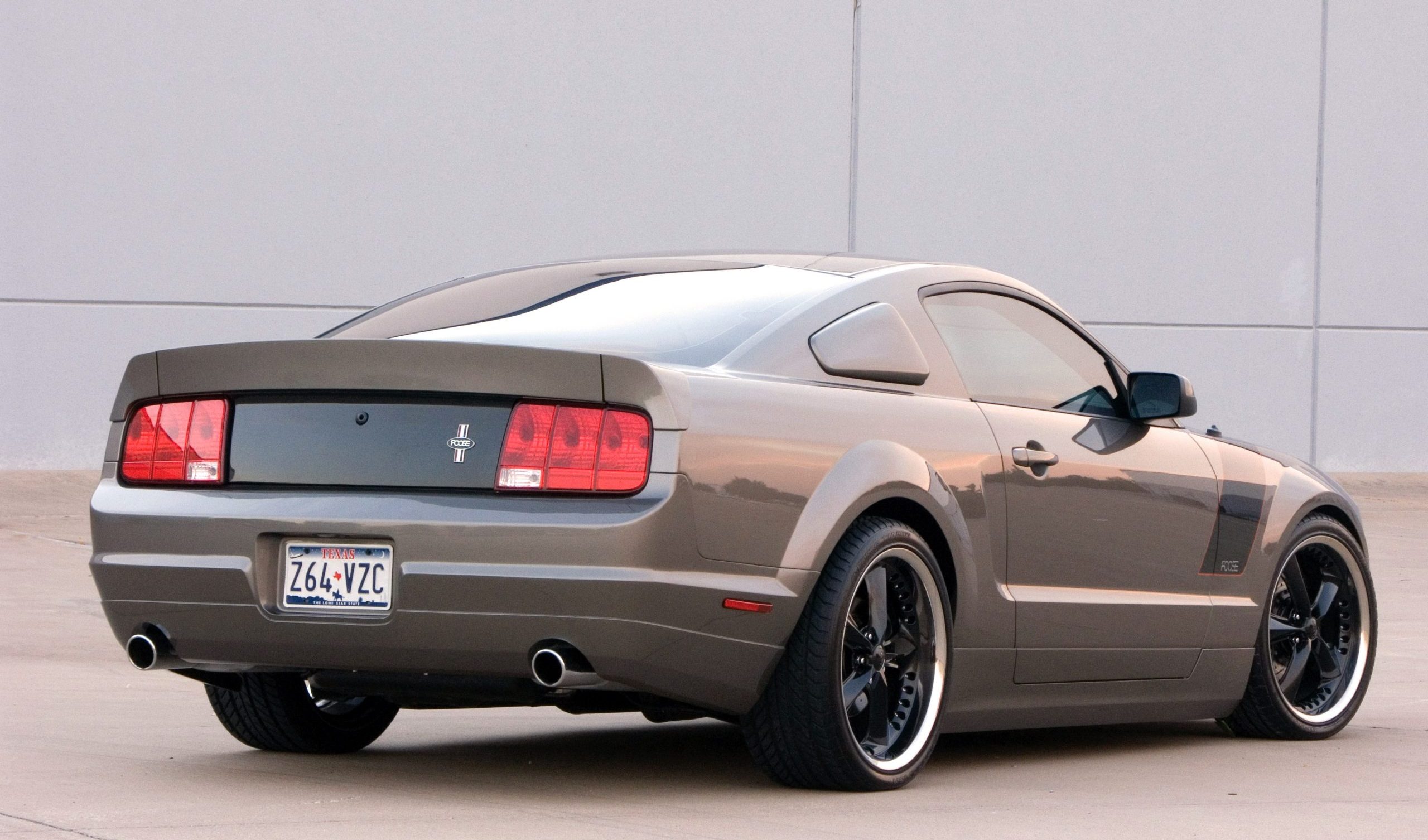
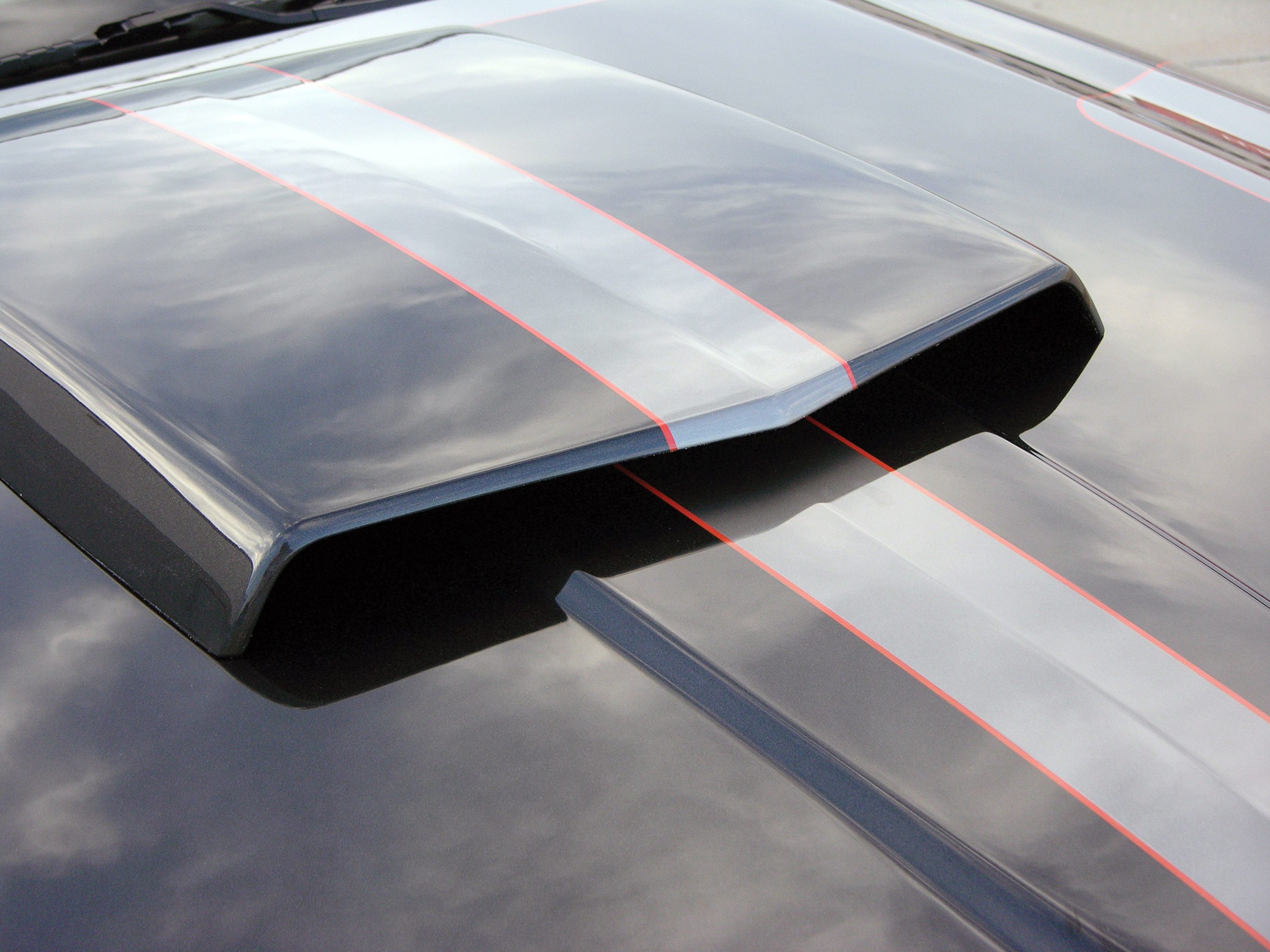
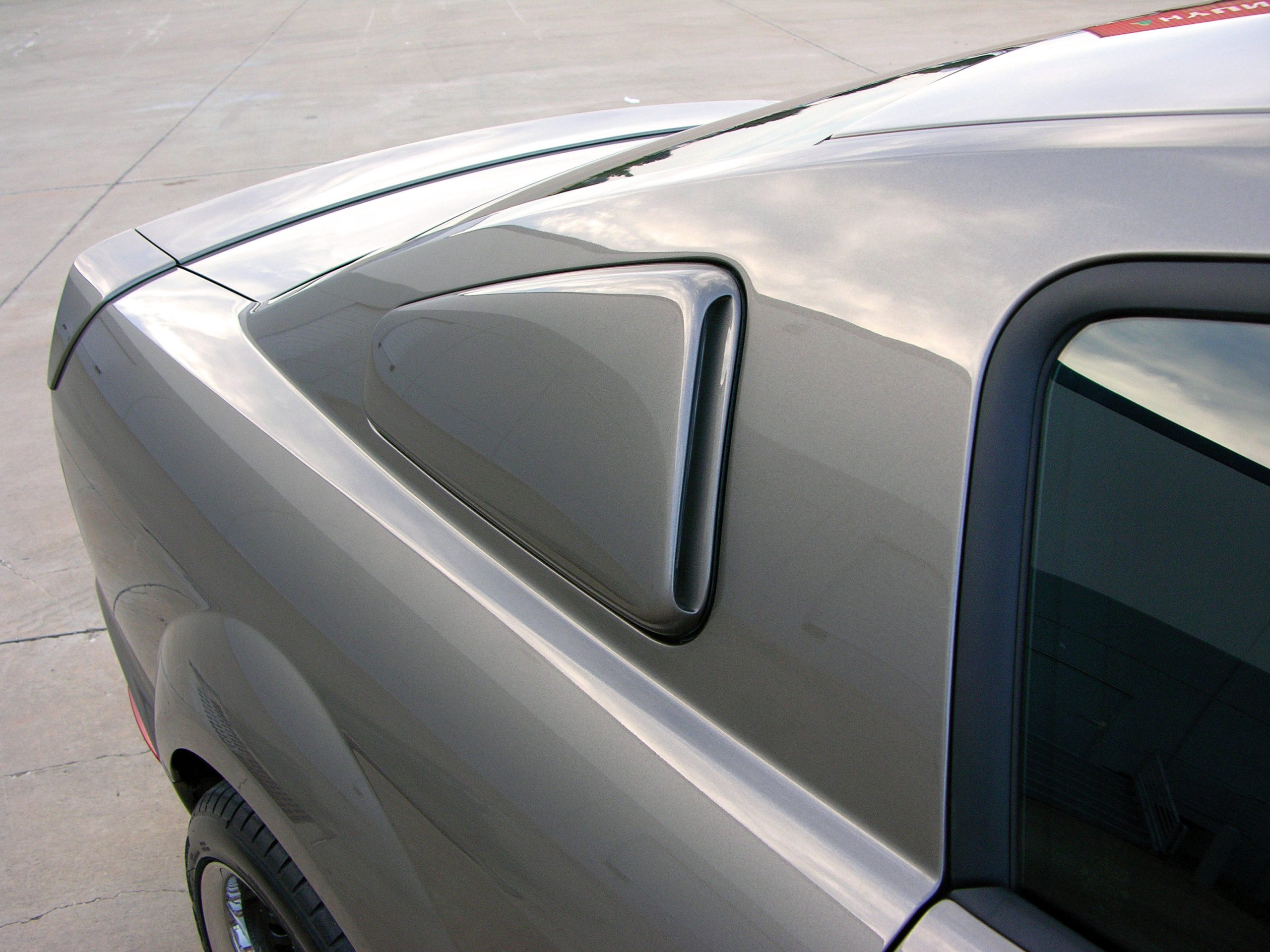
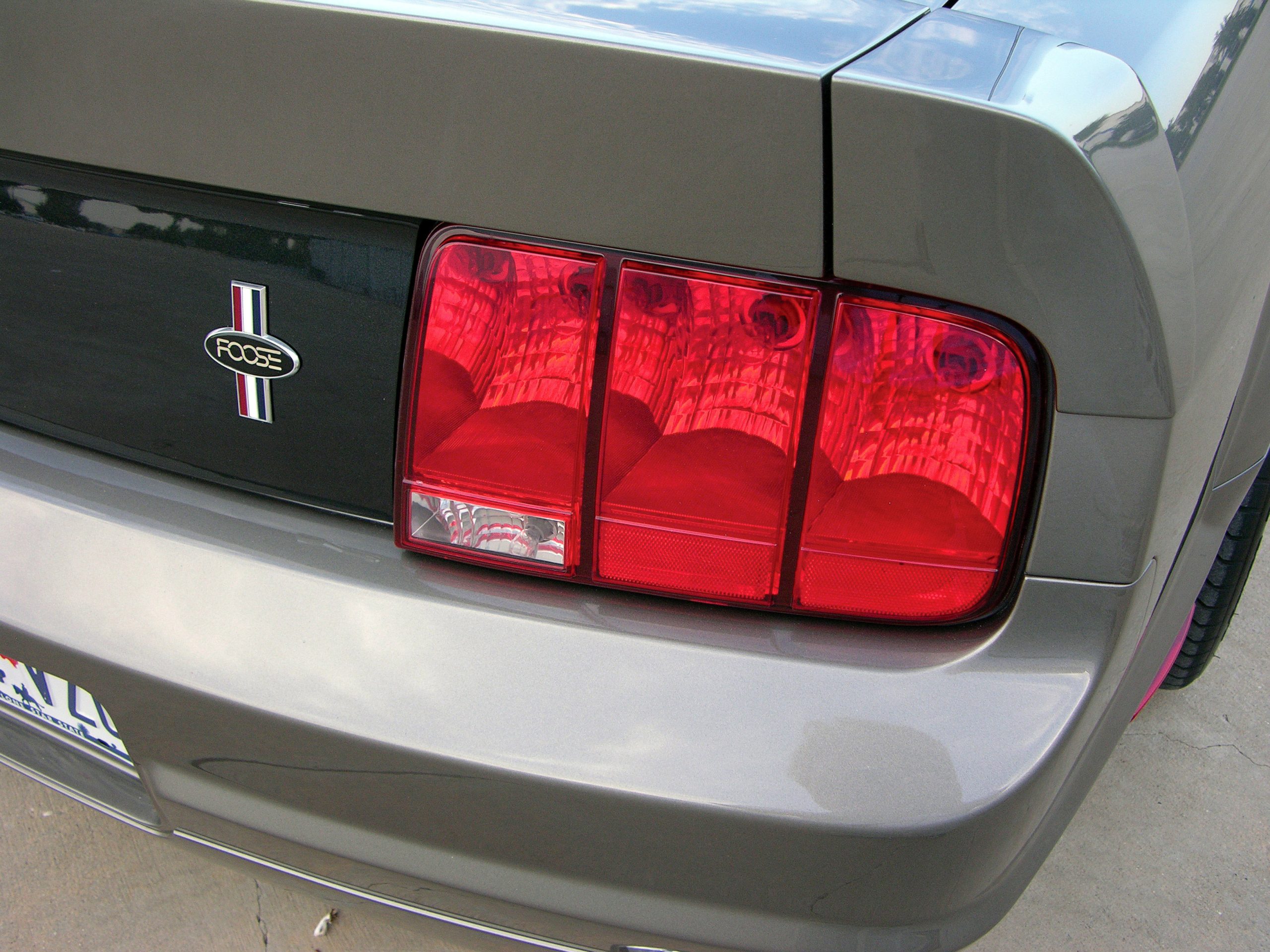
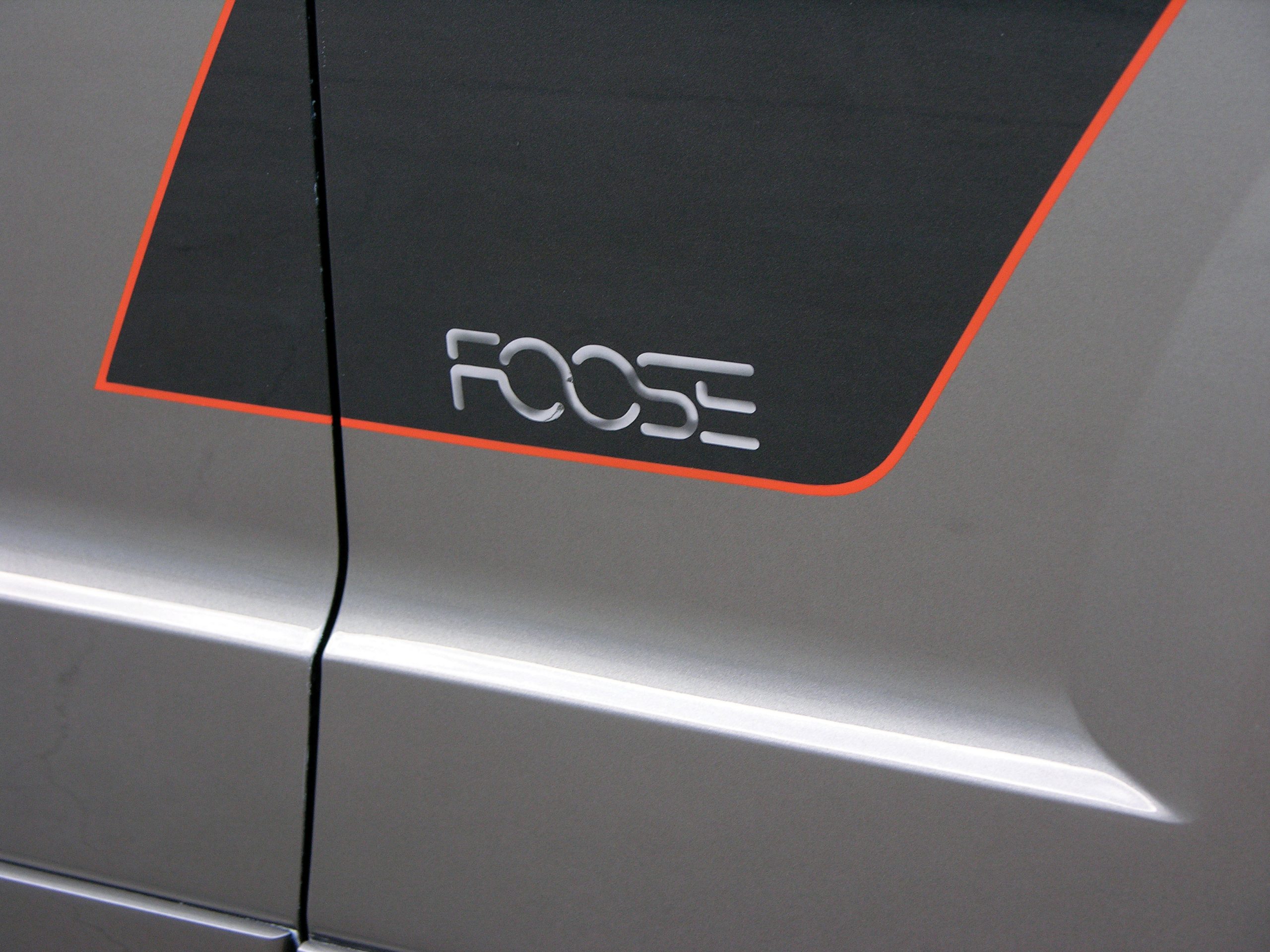
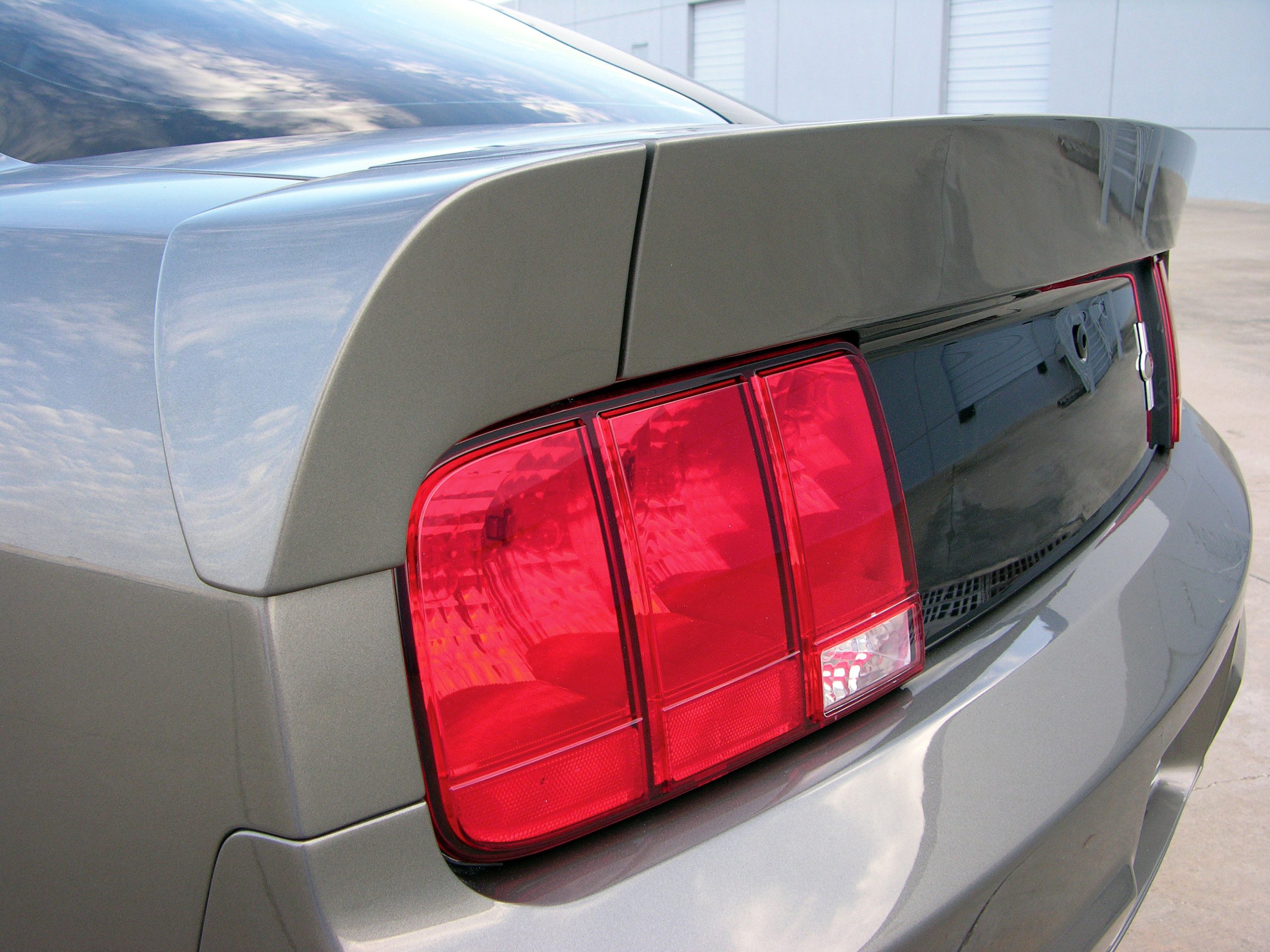
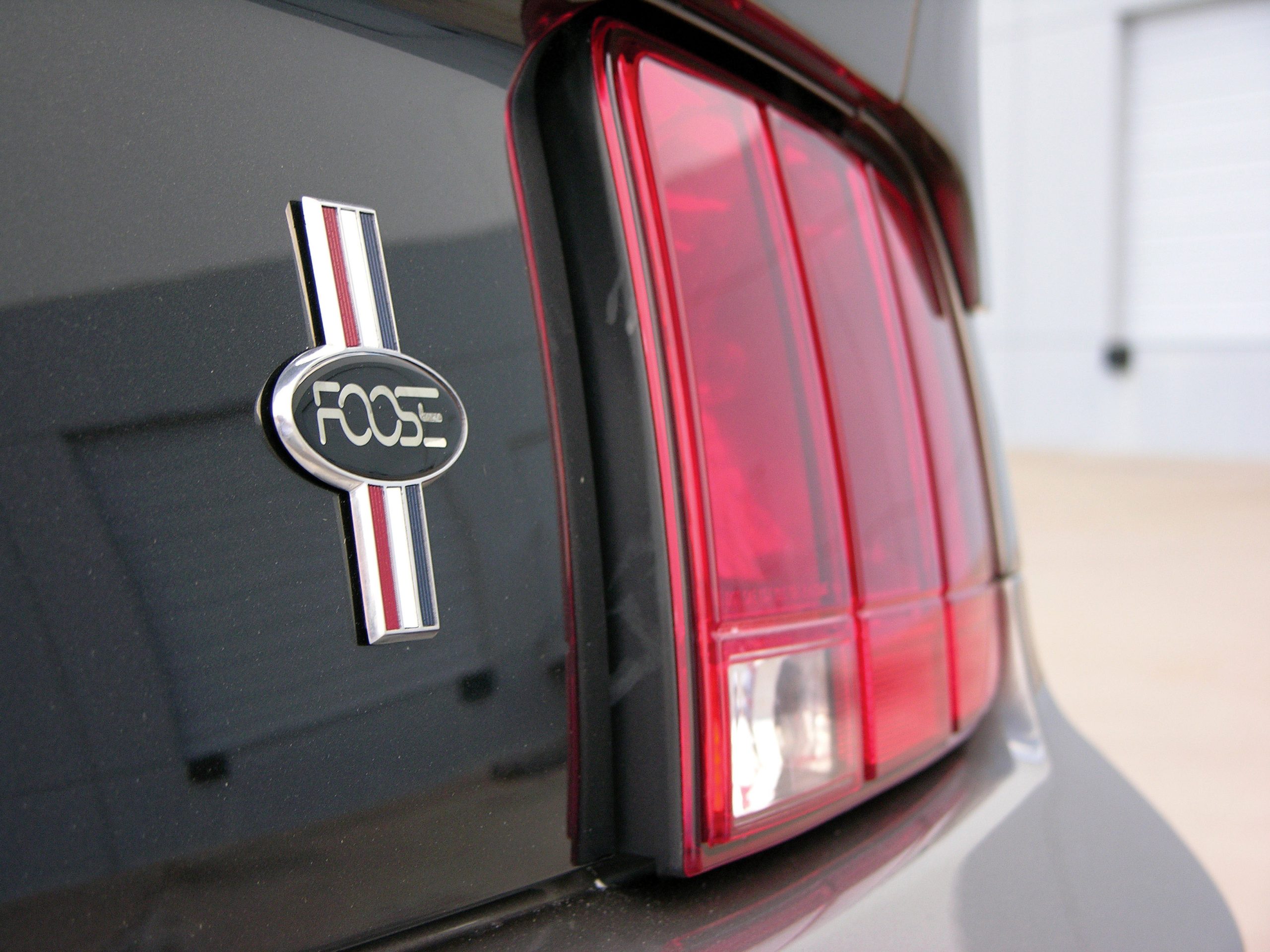
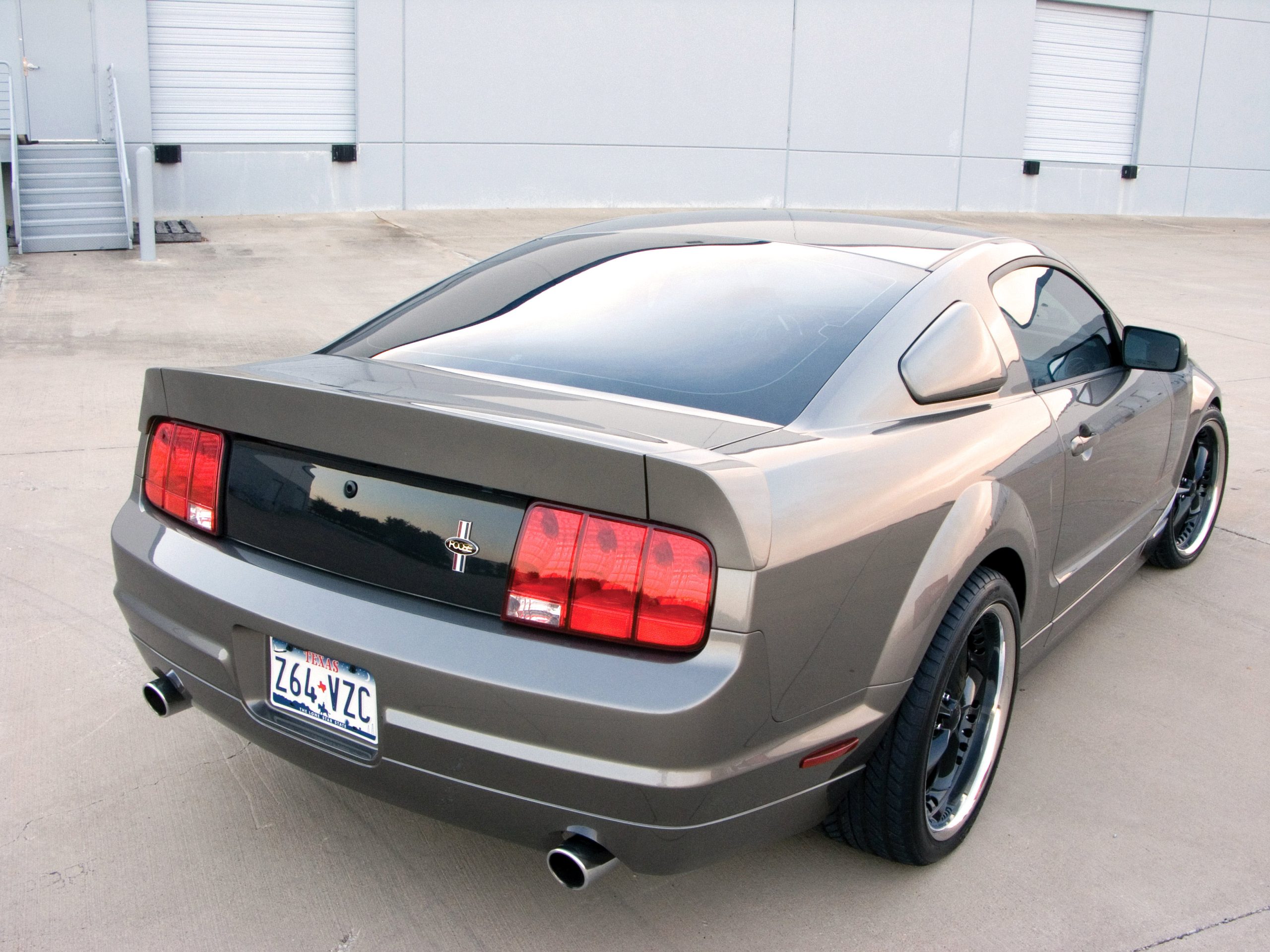
The ram-air hood features a functional hoodscoop, similar in styling to that of the Boss 429, which shovels fresh air directly to the engine. The car’s flanks are devoid of any badging, and new side skirts replace the factory rocker panels, making the car seem even lower than it really is. C-pillar scoops replace the stock rear quarter windows and create a further link to the Unique 500E and, for that matter, the original ’67 Shelby GT500. The rear fascia is custom as well, and the blacked-out trunk panel does away with the dinner-plate-sized GT emblem common to ’05 V-8 Mustangs, replacing it instead with a small Foose badge. The design of the rear spoiler is actually very similar to the area of the rear fascia just below the taillights, making this area of the car very symmetrical. The revised taillights look stock, but they operate in sequential fashion, similar to ’60s Thunderbirds and early Cougars. The custom graphics on this car, somewhat reminiscent of those on the ’70 Boss 302, are optional, and should you opt for them they’ll be applied using DuPont Hot Hues colors.
Performance Upgrades
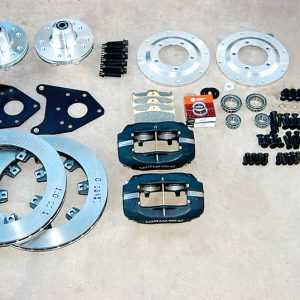
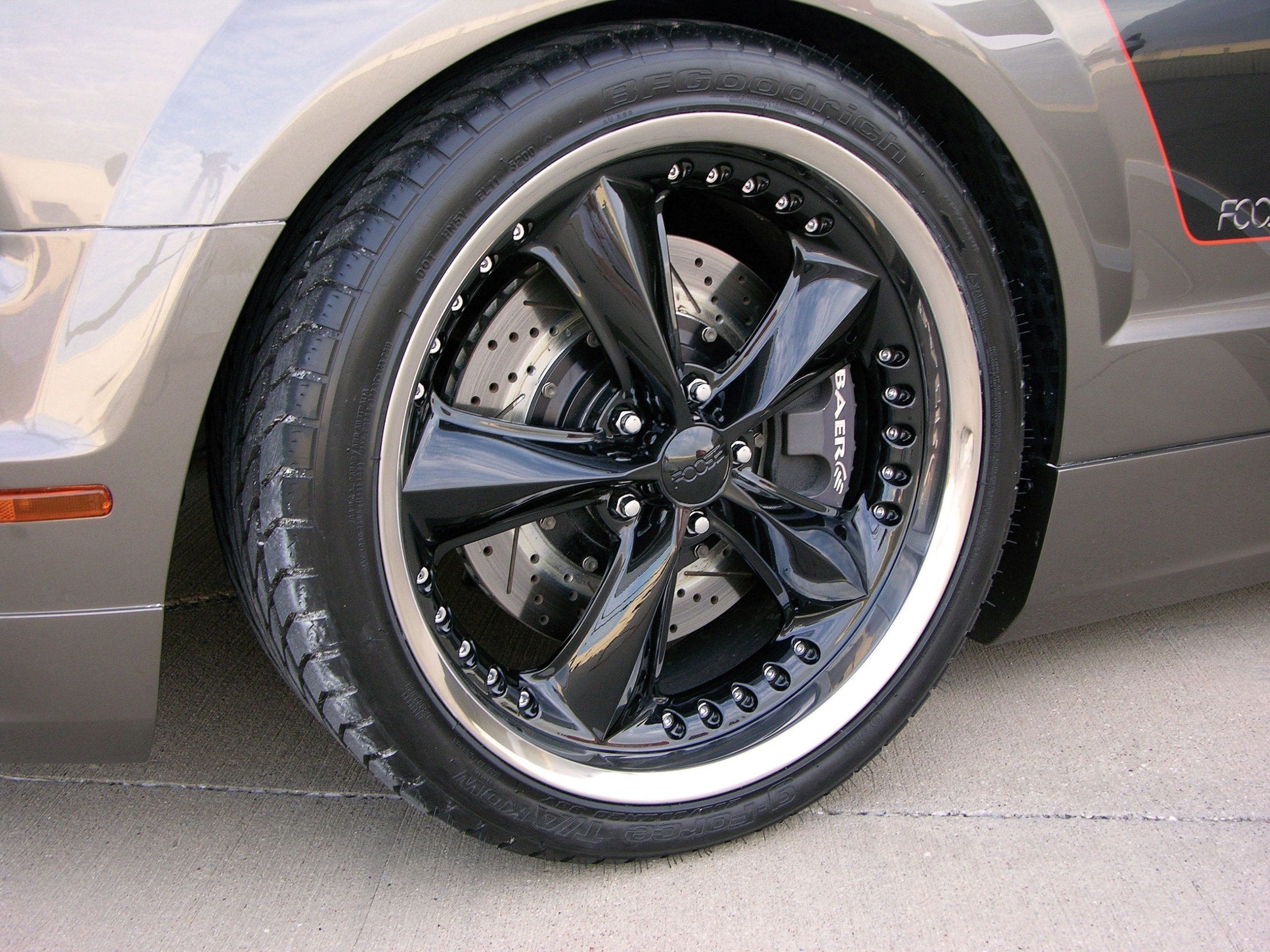
But upgrades are more than cosmetic. Though the new Mustang handles well in stock form, it’s not a very light car, and this package includes a few items designed to address that flaw. The first such upgrade is the new brake package, which includes Baer twin-piston front calipers and two-piece drilled and slotted roadsters. New coil springs lower the car and provide improved handling compared to the original equipment. Foose designed the new 20-inch, black-powdercoated wheels, and each wears a 255/35ZR20 BFGoodrich KDW tire.
Engine Enhancements
Improvements to the engine are relatively few—the Stallion is more of a boulevard cruiser than a dragstrip terror. Air from the ram-air hood enters a new high-flow filter element and exits through a JBA after-cat exhaust system. Recalibration of the engine computer further increases power, and Quaker State synthetic fluids protect the entire drivetrain. These improvements up the Stallion’s power output from 300 to 325 hp. So while the car is hardly a fire-breather, the exhaust and recalibration more than make up for any extra weight present in this package.
Interior Customizations
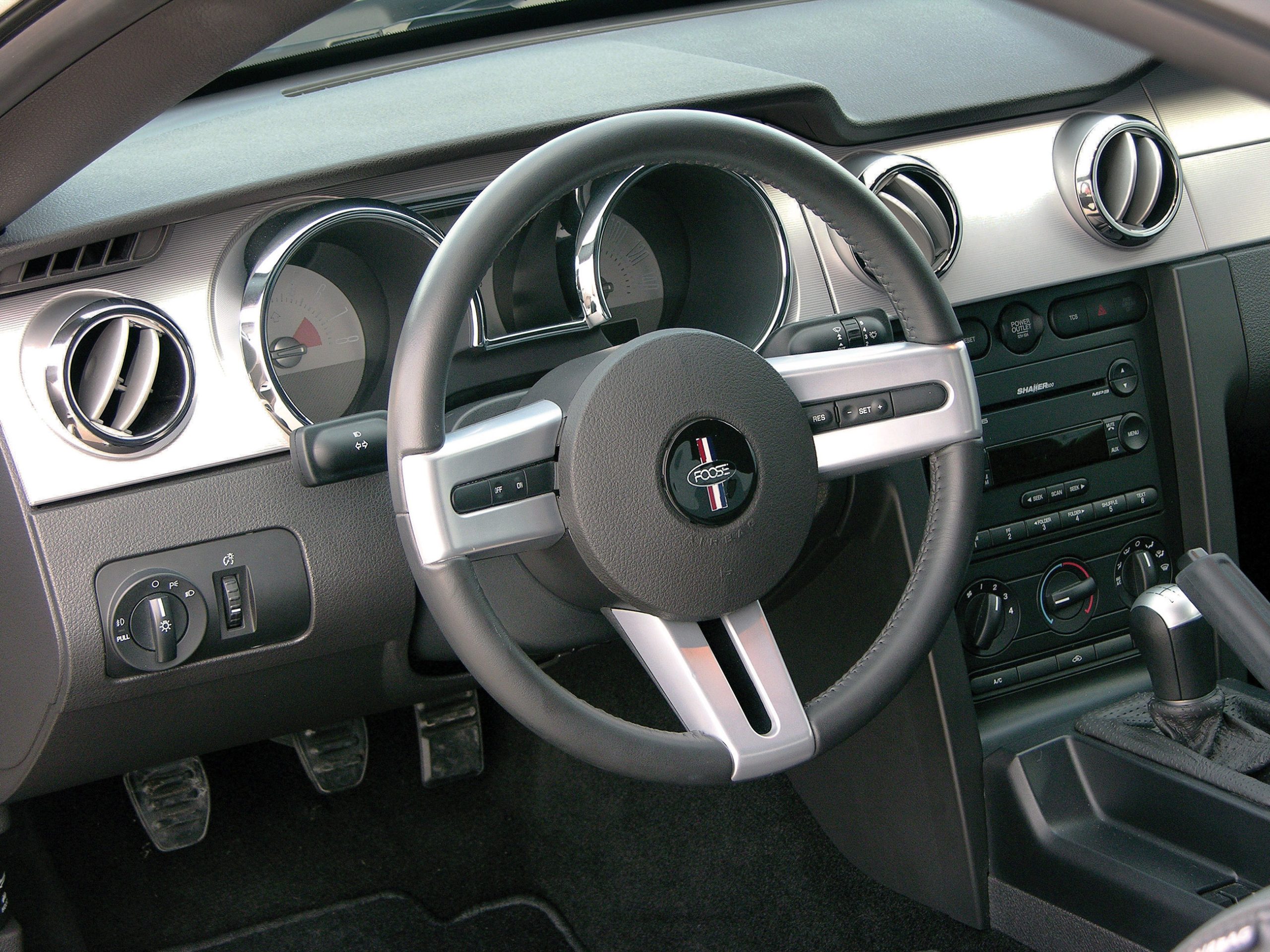
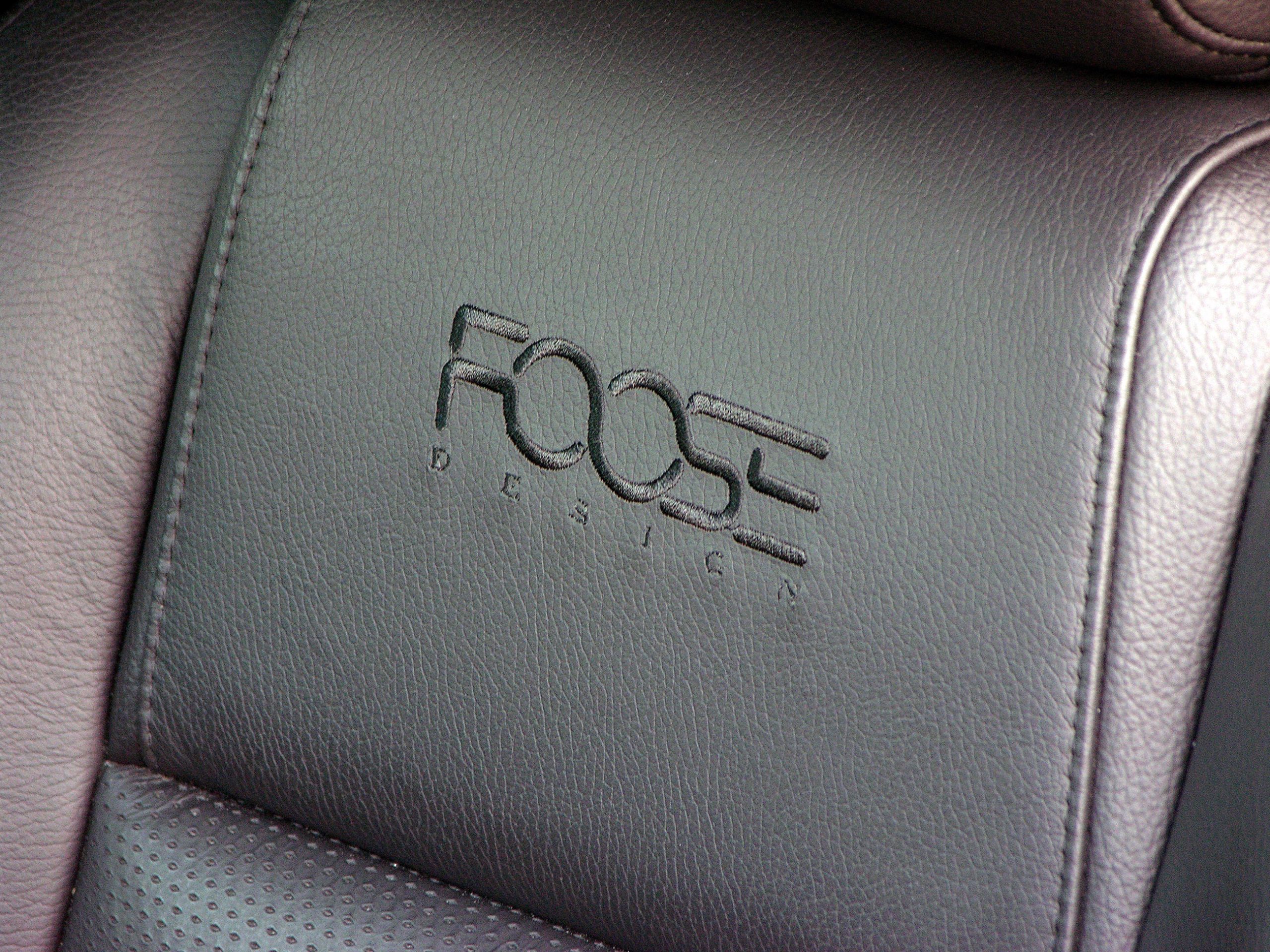
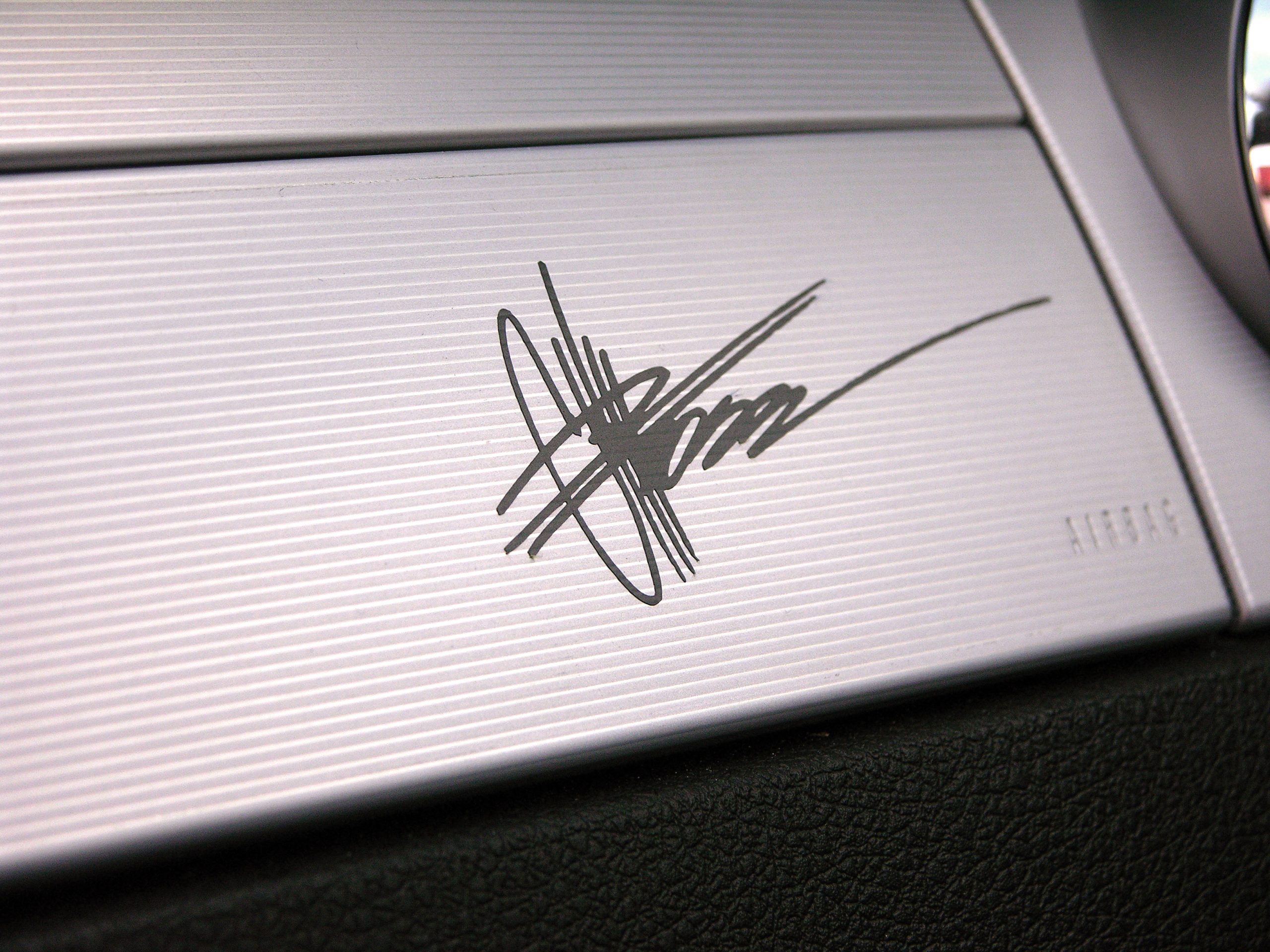
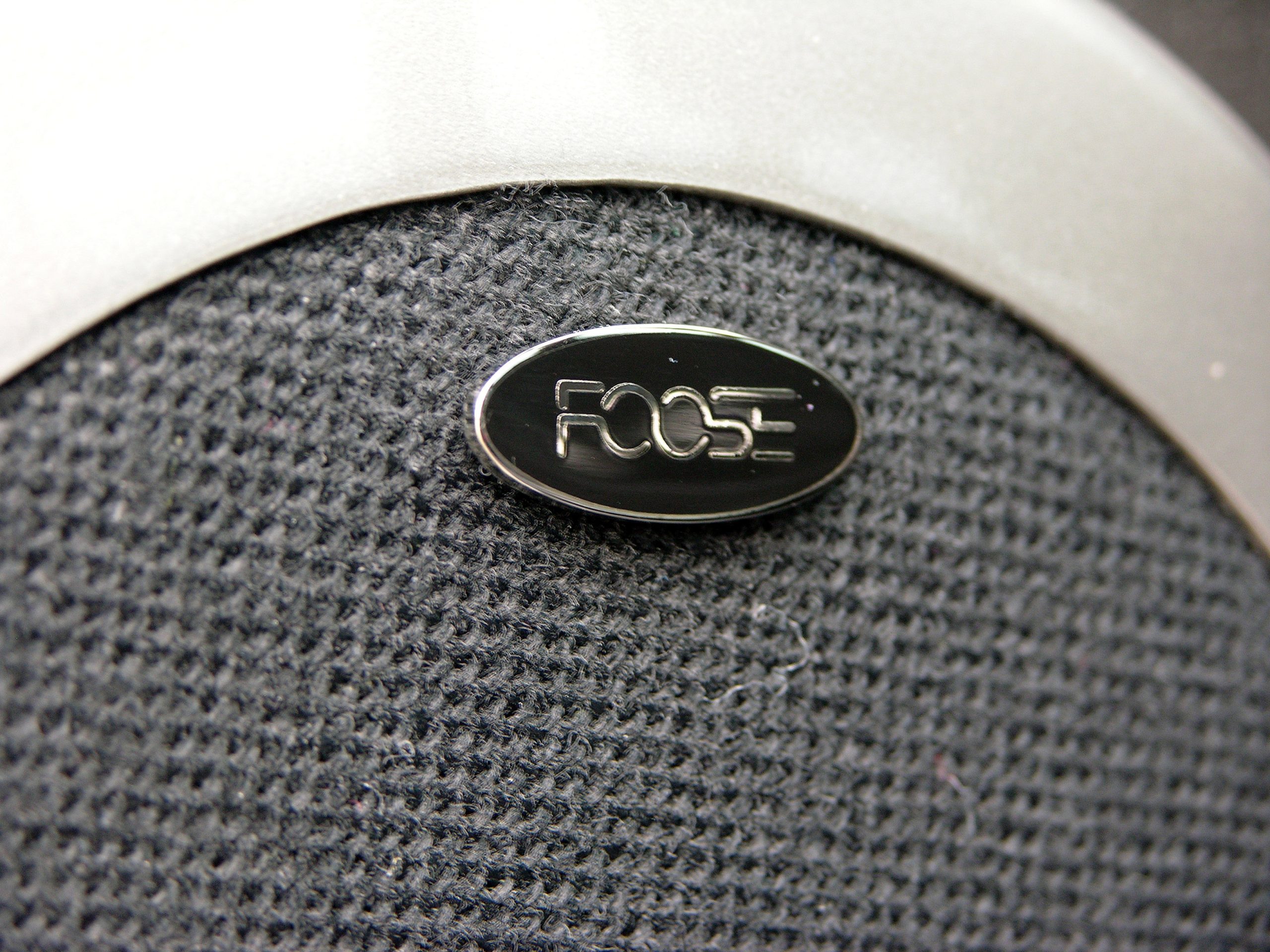
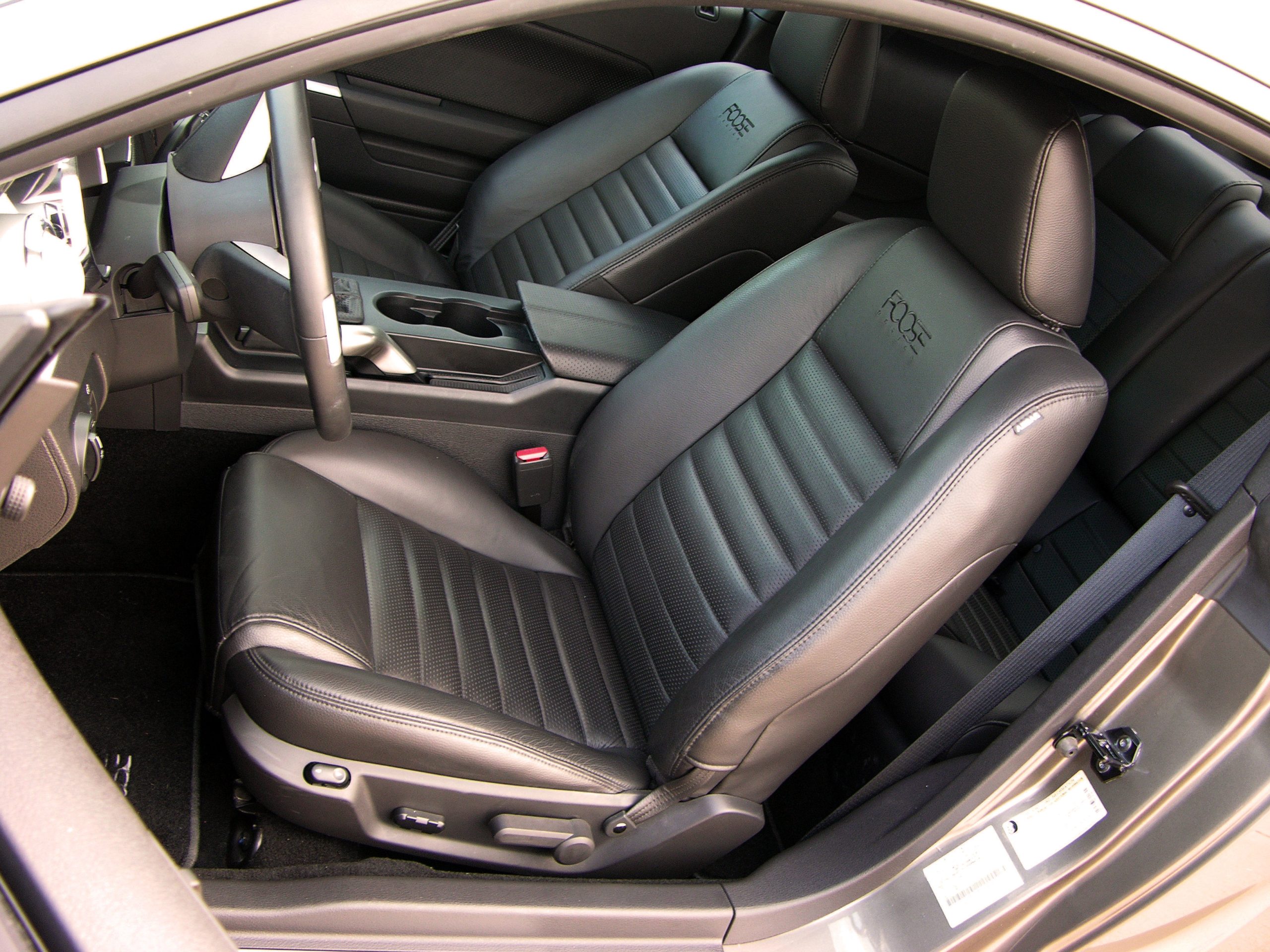
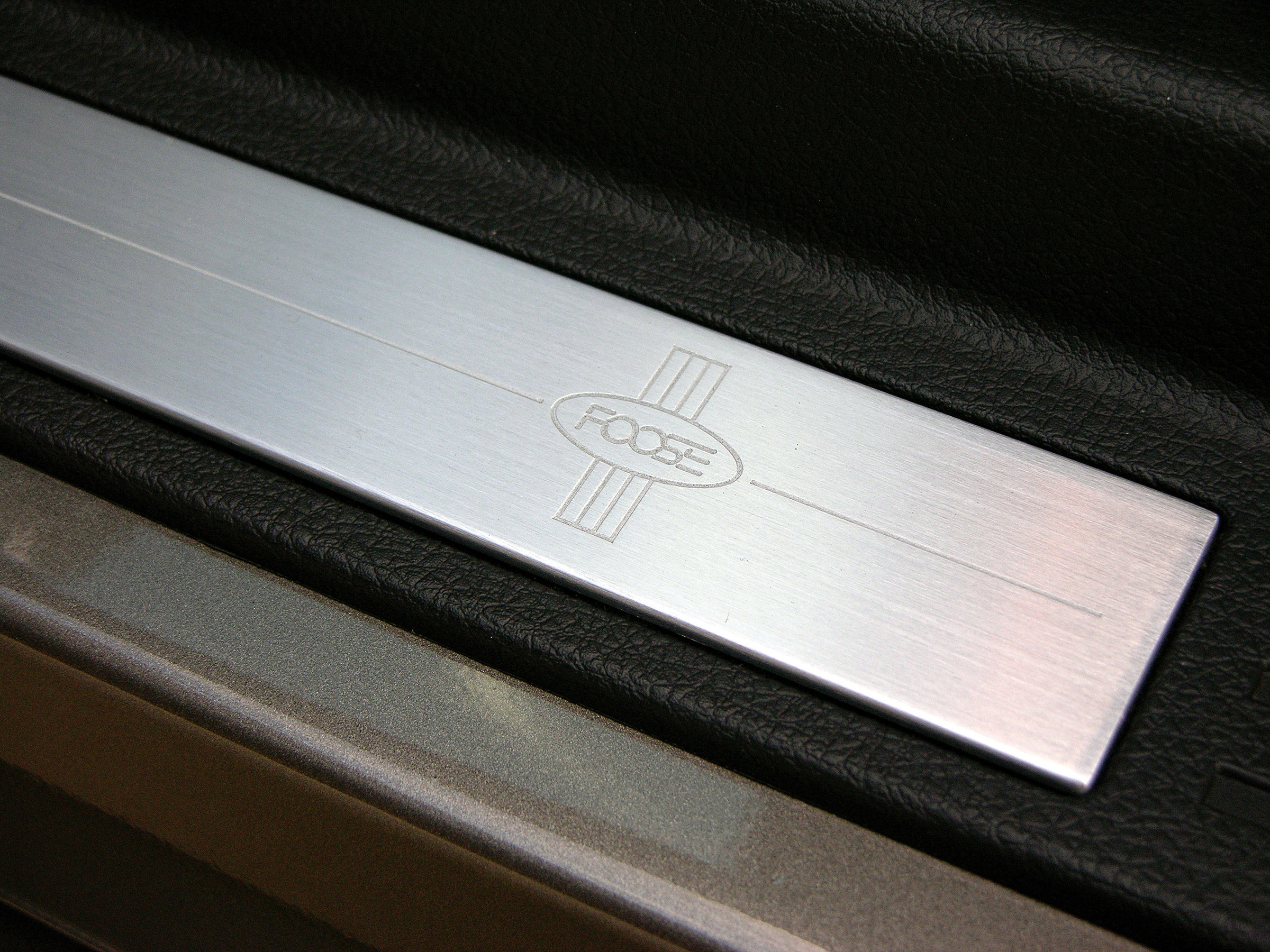
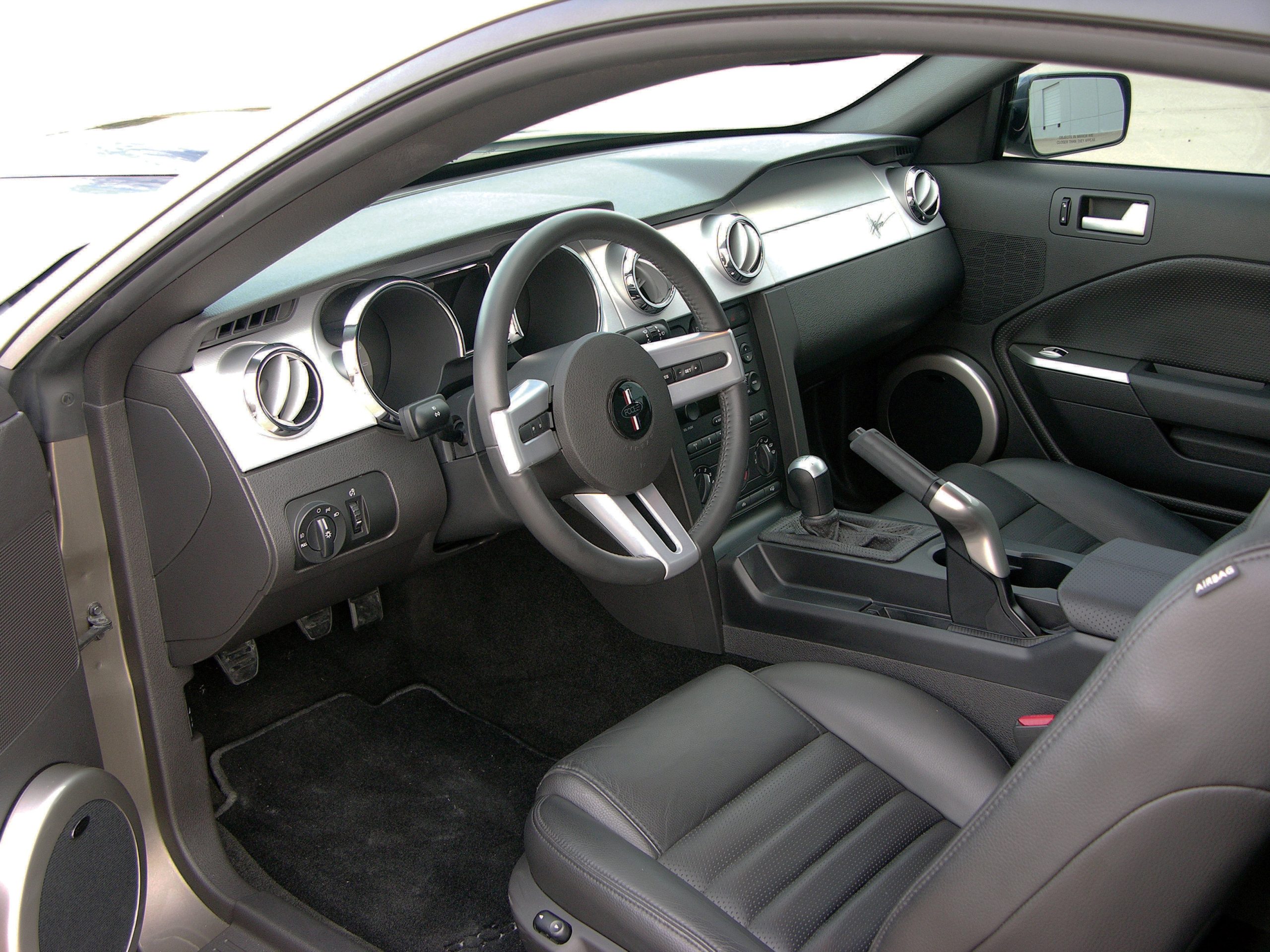
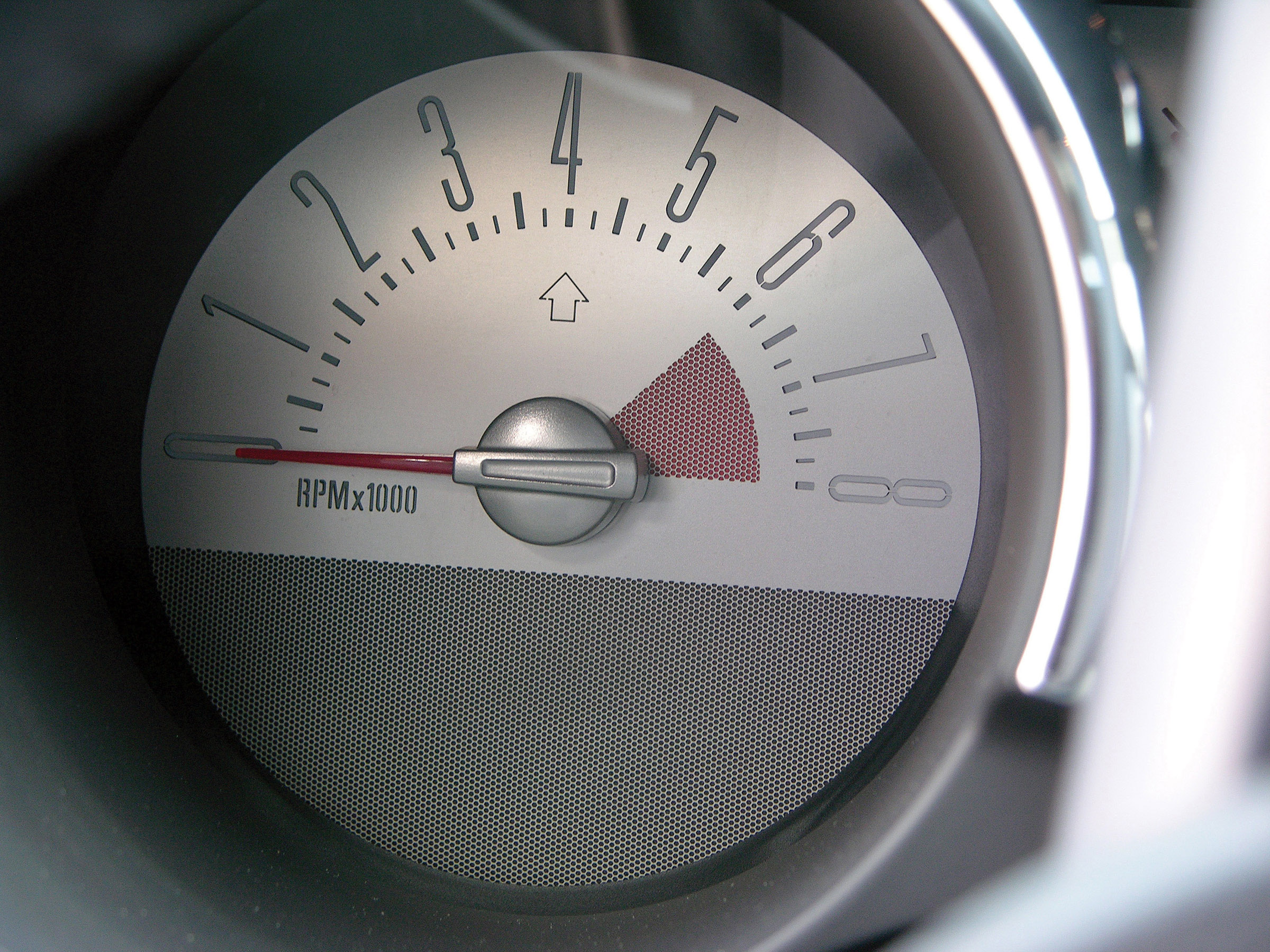
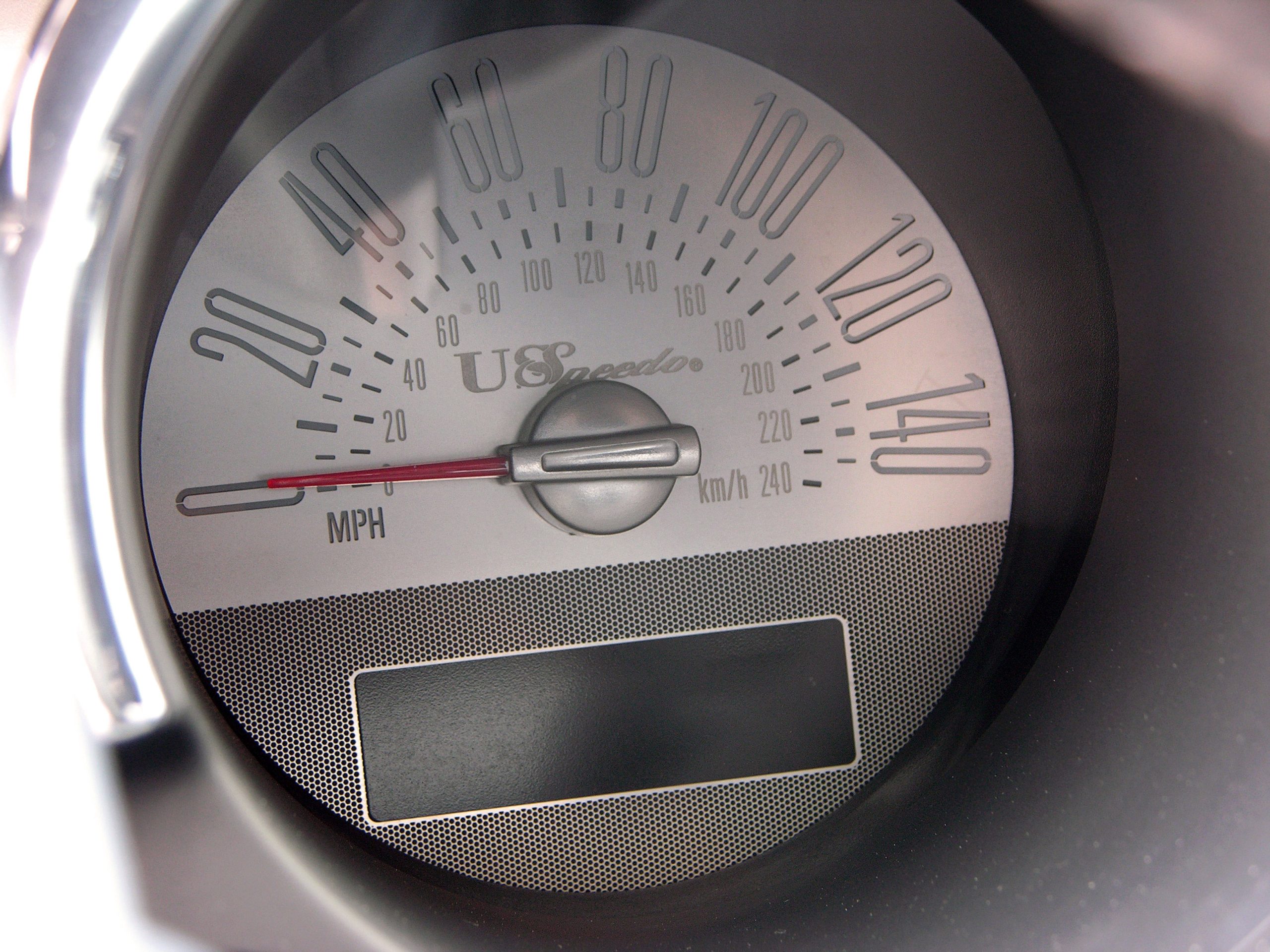
Interior upgrades carry the Foose signature as well, this time literally. Custom leather upholstery features Foose’s name in each front seat, and Foose signed the passenger’s-side dash, as Carroll Shelby does with each Unique Performance continuation Shelby (but don’t expect Foose to sign each Stallion—there are just too many, and the logistics would be a nightmare). The Foose name and logo also adorn the new brushed aluminum door step panels, the steering wheel, and the speakers in the doors. U.S. Speedo provided the new gauge faces, which give a vintage feel to the cabin.
The Foose Stallion’s Market Position
As soon as it’s available, the Foose-designed ’06 Stallion will occupy a useful niche within the tuner Mustang market. For many buyers, the performance of the stock Mustang is good enough, and this car does add 25 extra hp on top of the 300 the factory provided. But this car isn’t about power; it’s about styling, and it’s the only special-edition Mustang on the market that can claim Chip Foose for a father. With his current popularity and name recognition, Foose is currently doing for styling what Carroll Shelby did for performance 40 years ago. That parallel also raises the question of whether, 40 years from now, this Mustang will have the same collectible status as the early Shelby Mustangs. While that question is up for debate, there can be no debate that this car will have its share of enthusiastic takers when it debuts at select dealerships sometime in 2006. If you’d like one for your very own, ask the folks at your local Ford dealer whether they’ll be involved. If not, have them contact Unique, or find a more progressive dealer that caters to the youth market.