1961 Plymouth Fury: Styling Updates and Innovation
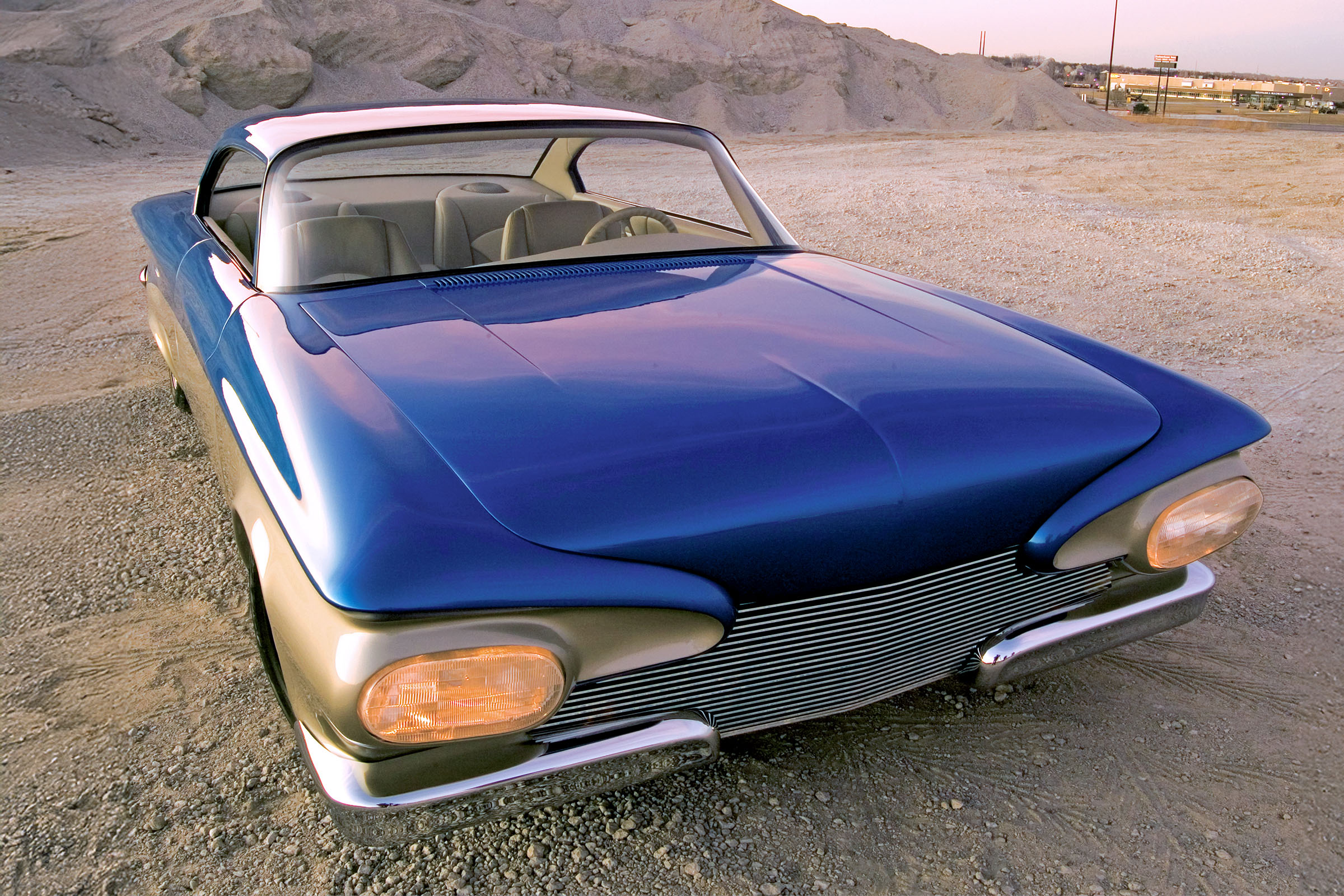
In 1961, Plymouth wanted to improve upon its Fury model and did so by updating its styling. The front and rear of the Fury received major changes, while the roof line remained similar to the previous years. The styling on the ’61 Fury was definitely wild with its odd-shaped fenders and grille, and it had a unique dash and steering wheel, which set it apart from any other car of the era. Plymouth also introduced its new 413 engine, which made its debut in the Fury. In addition, 1961 was the first year an alternator was used on a Chrysler product. Chrysler claimed it drove a ’61 Fury from Detroit to Chicago without a battery to promote this innovation.
Mike Buzzello Finds the Perfect Project
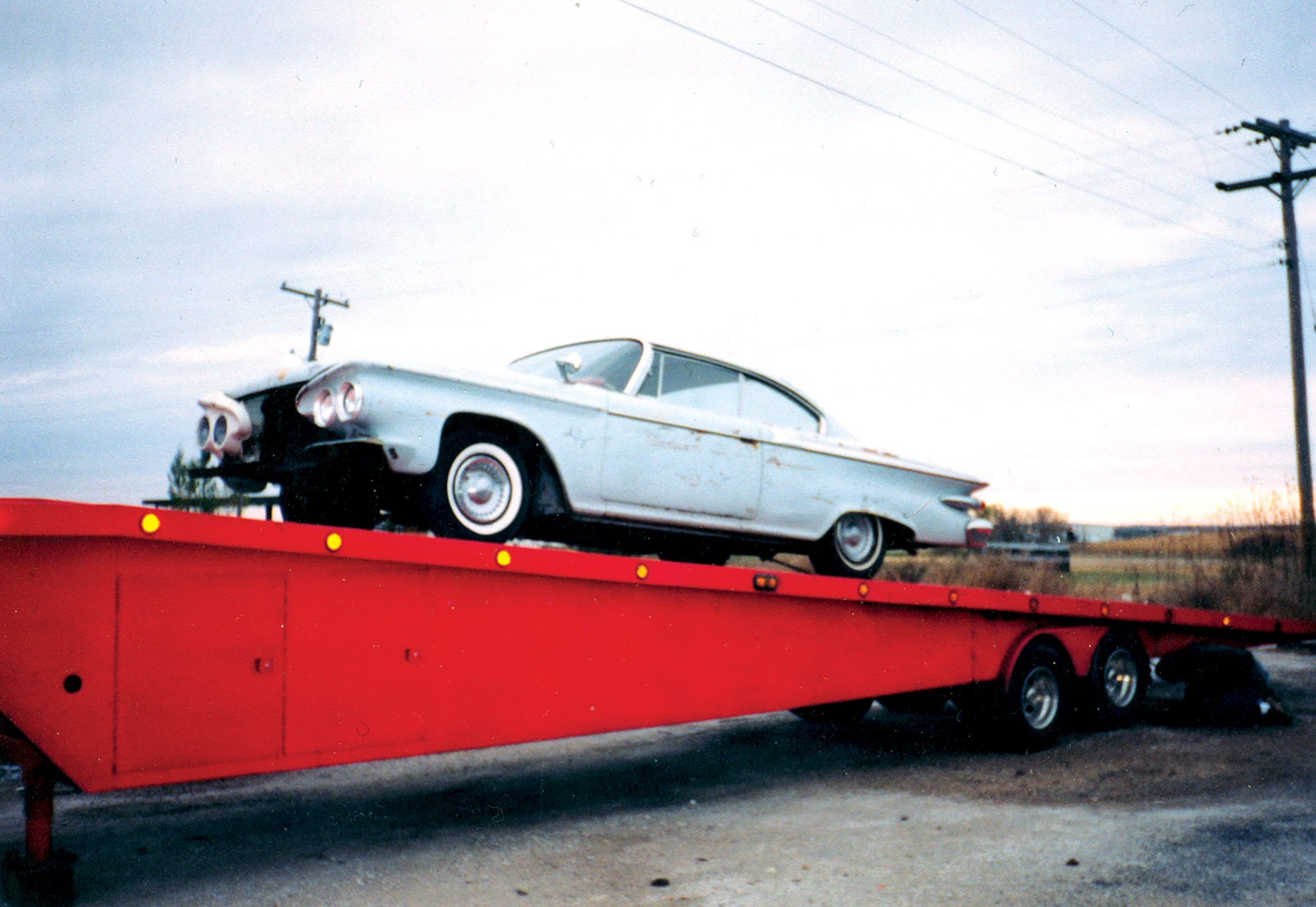
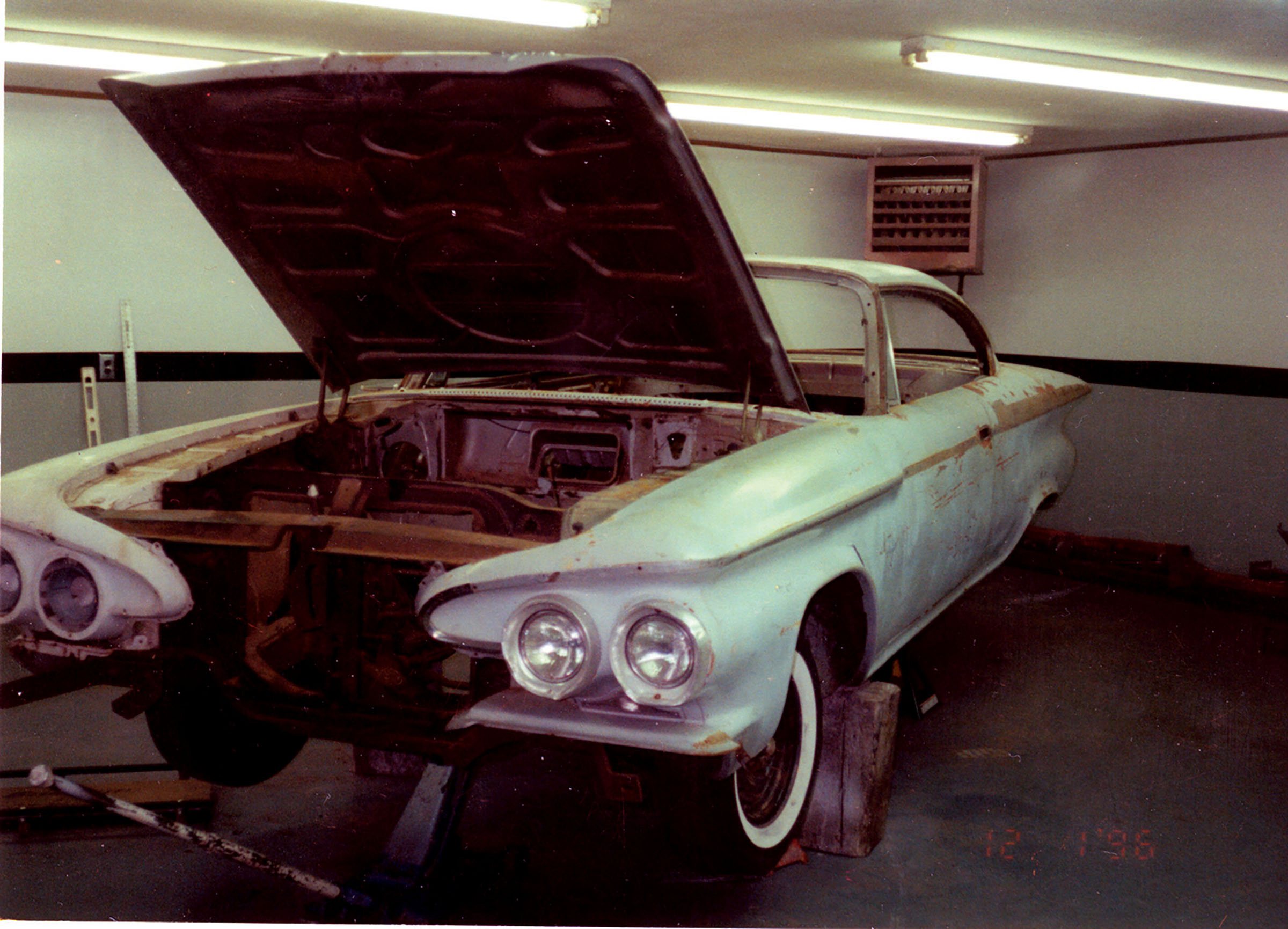
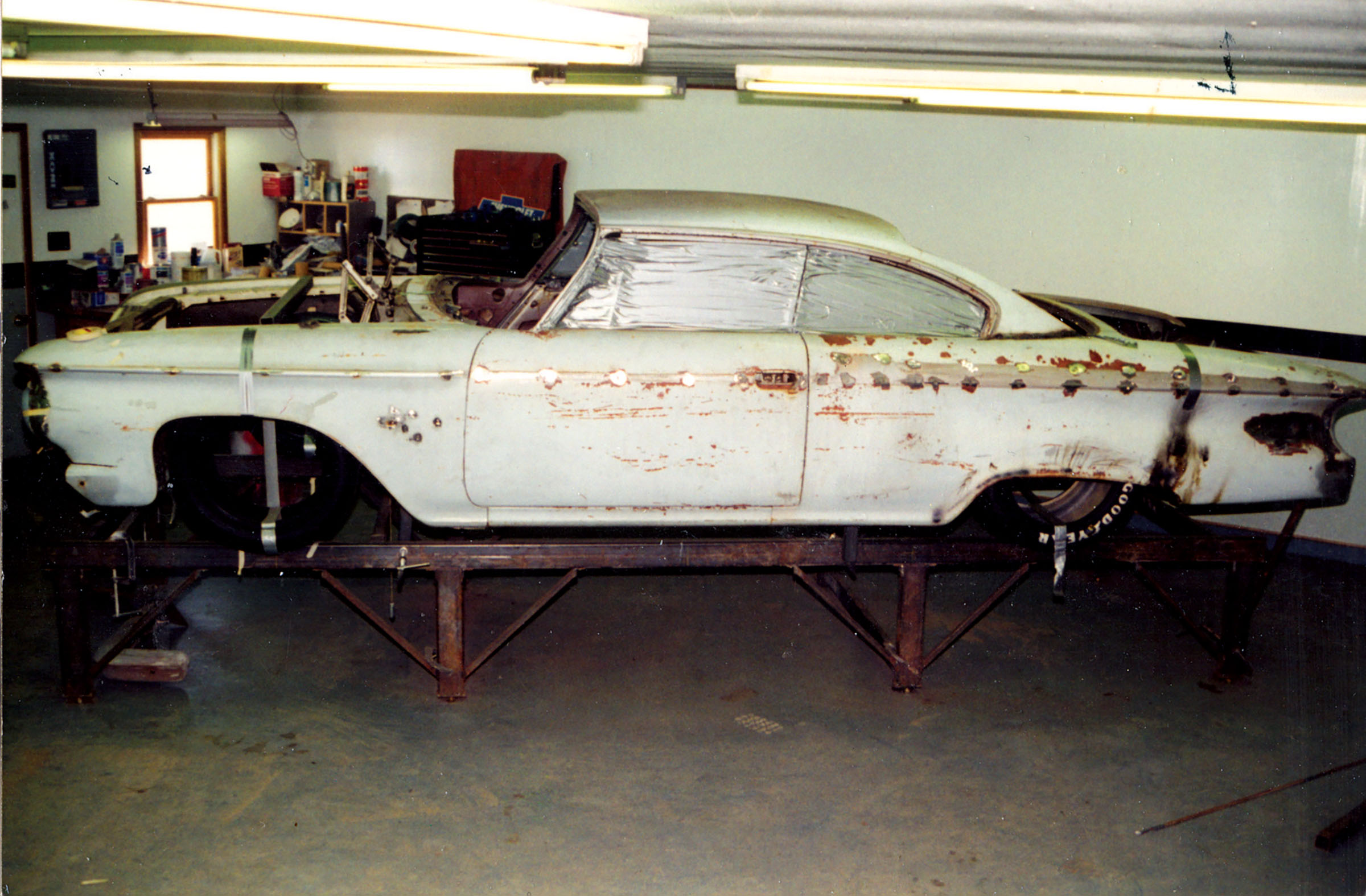
Mike Buzzello has always liked Chryslers and once owned a tubbed Plymouth Road Runner. He lives in Omaha, Nebraska, and attends rod runs and car shows regularly with his friend Steve Gantz. One year at a Goodguys show, Buzzello saw an interesting car drive by, but he couldn’t identify it. Turns out it was a ’61 Plymouth Fury, and he could see how cool the car could be if it had all the right modifications. He searched for a clean body and came across a rust-free car from California that a collector from Texas had just bought. The ’61 Fury was a steal at $1,500, so Buzzello bought the car sight unseen. He knew the car had potential despite what some people said when it arrived at his shop.
Building the Dream with the Right Team
Building a car on your own is tough, but the task was made easier when Buzzello enlisted the help of Steve Gantz, Bob Gantz and Rob McGrath. It also helps when you have a 426 Hemi sitting in the shop, which Buzzello happened to have. He knew it would be the ideal powerplant for the Fury.
Constructing a New Chassis
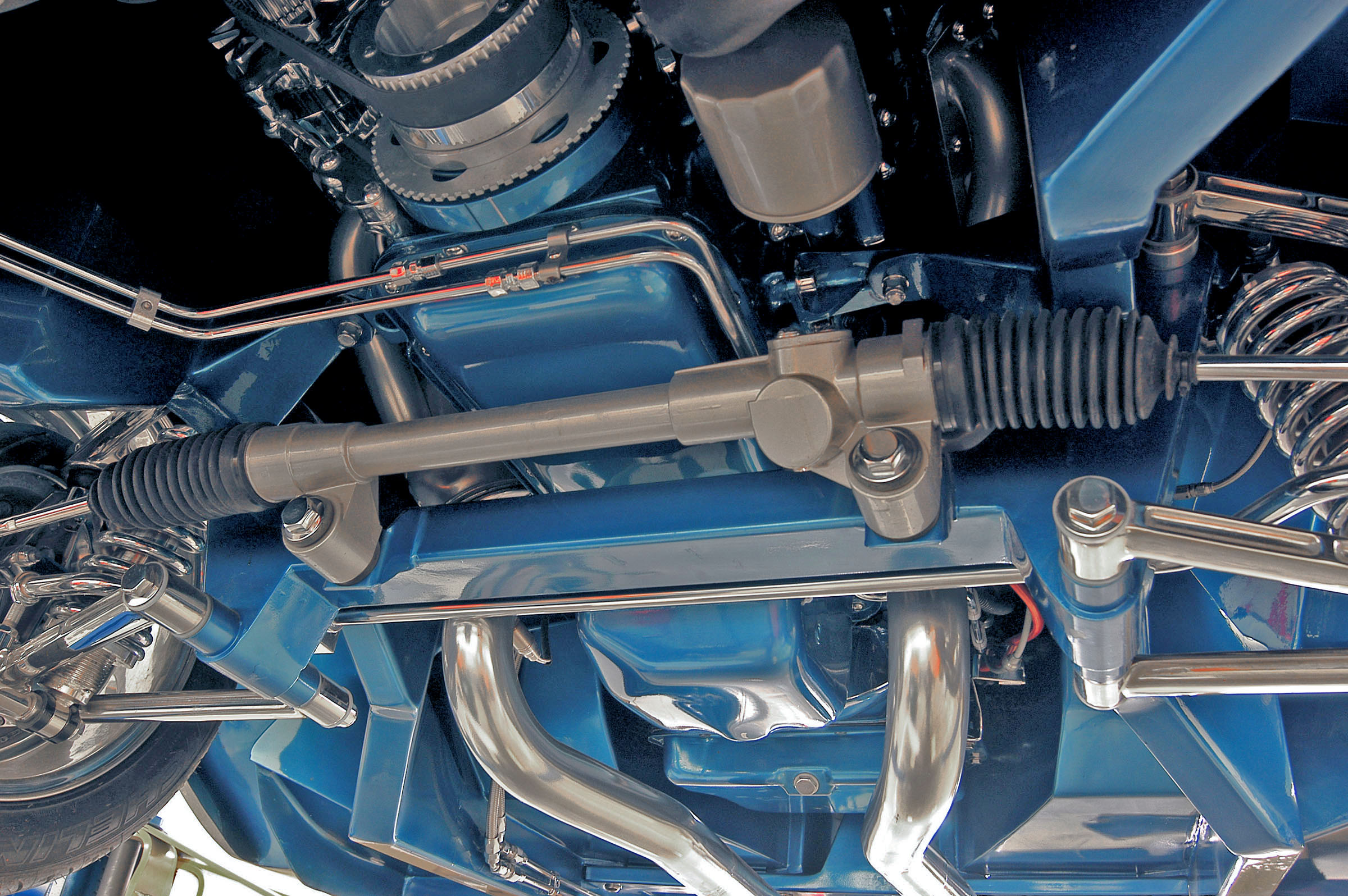
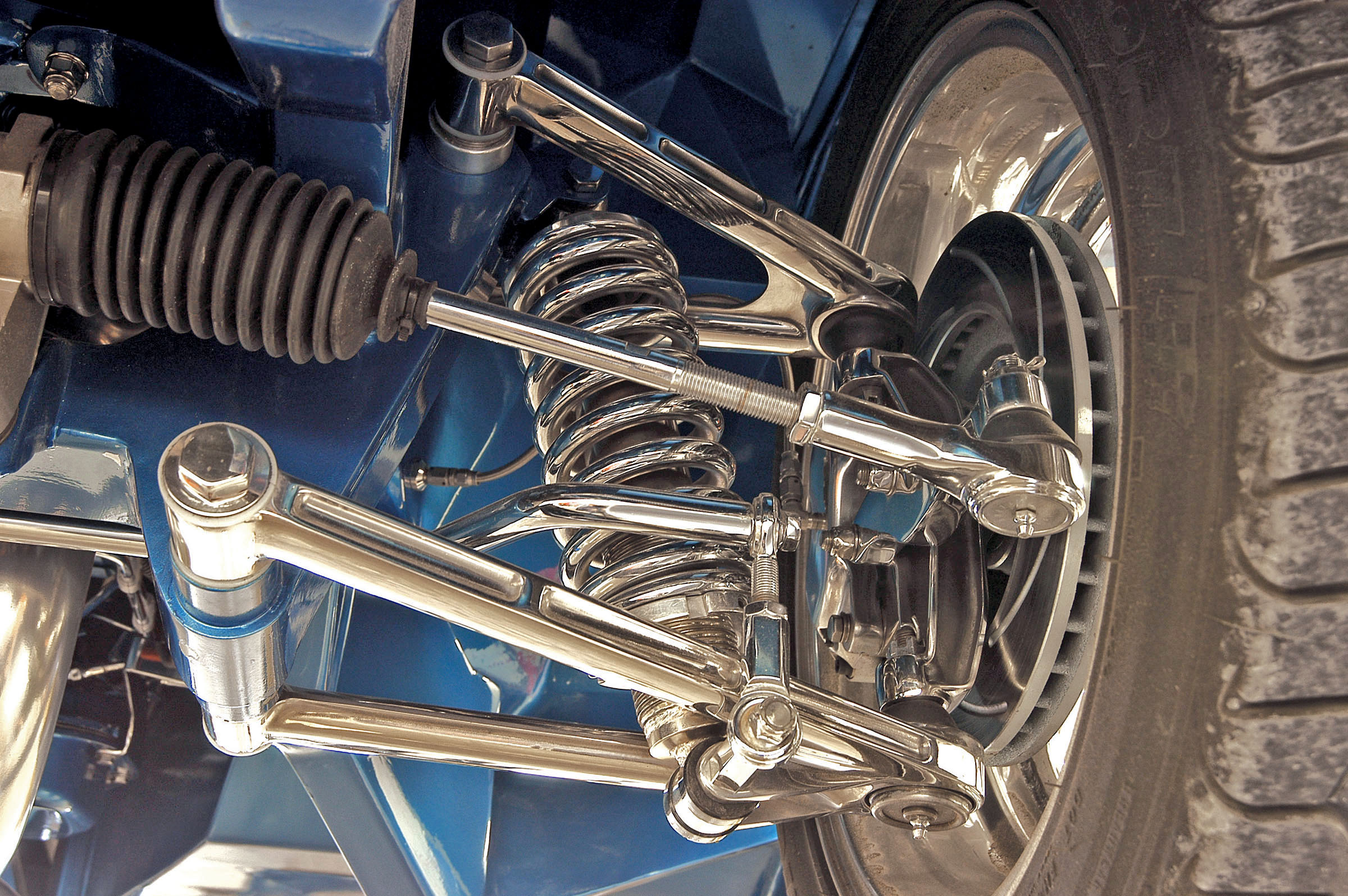
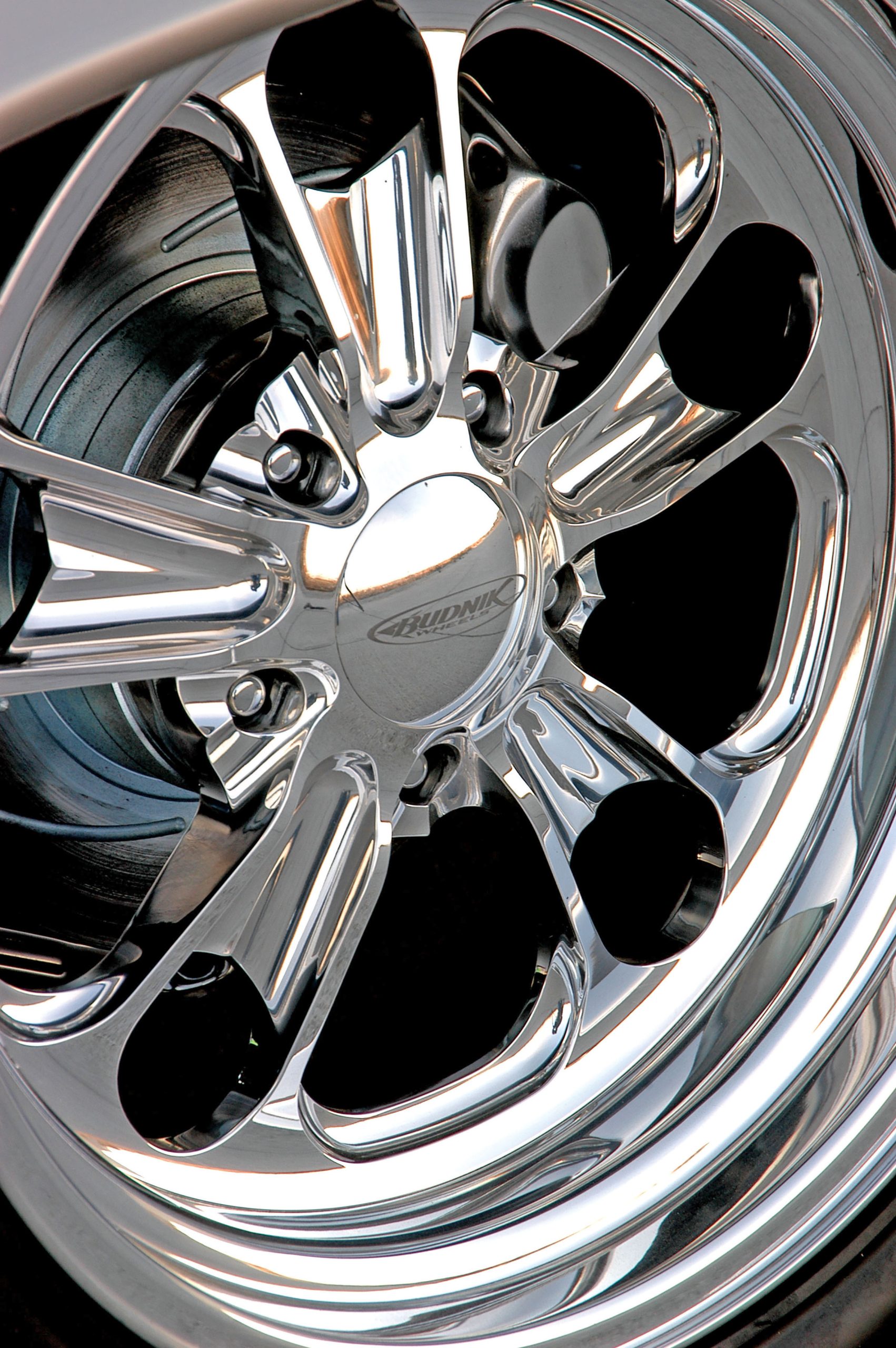
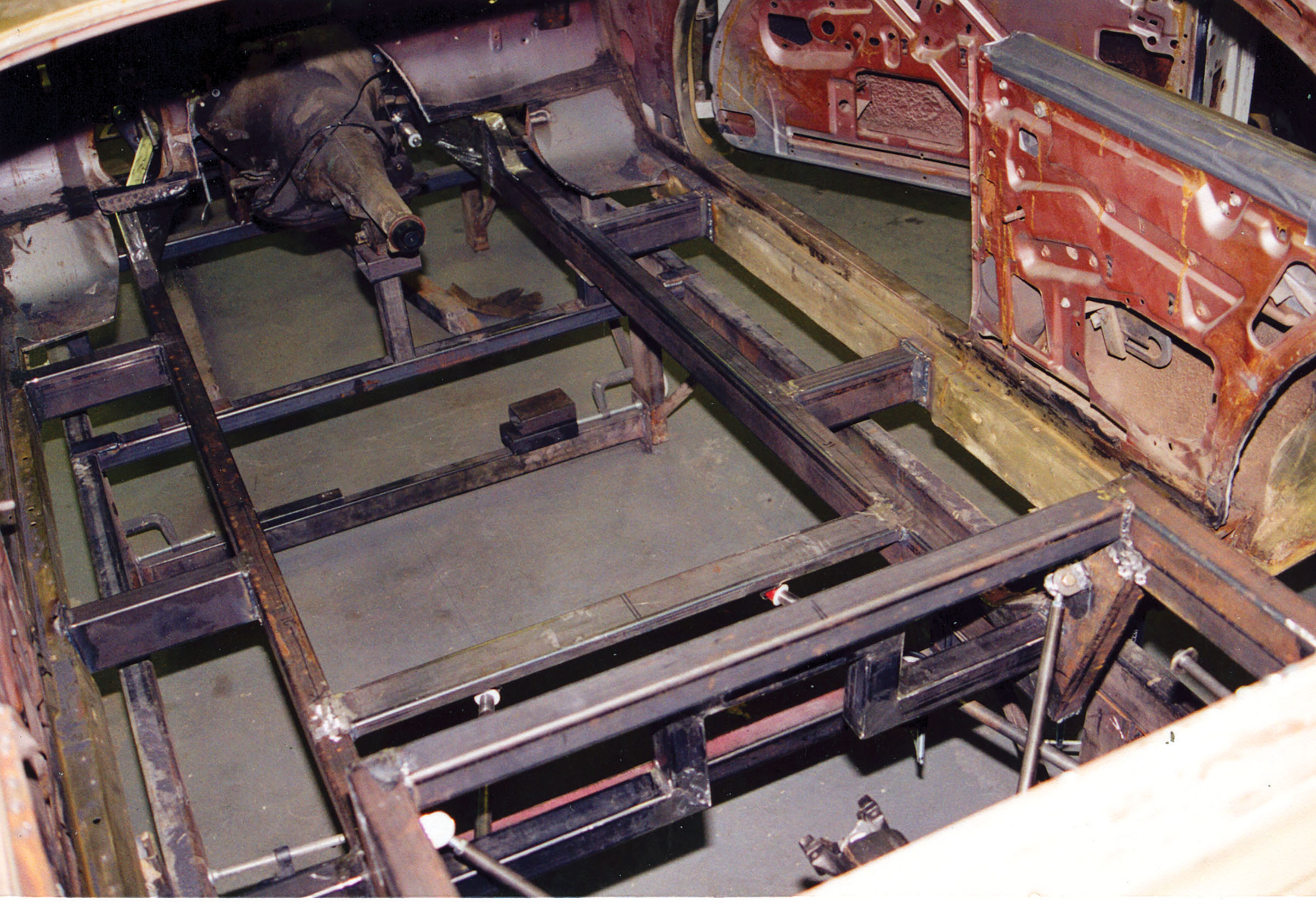
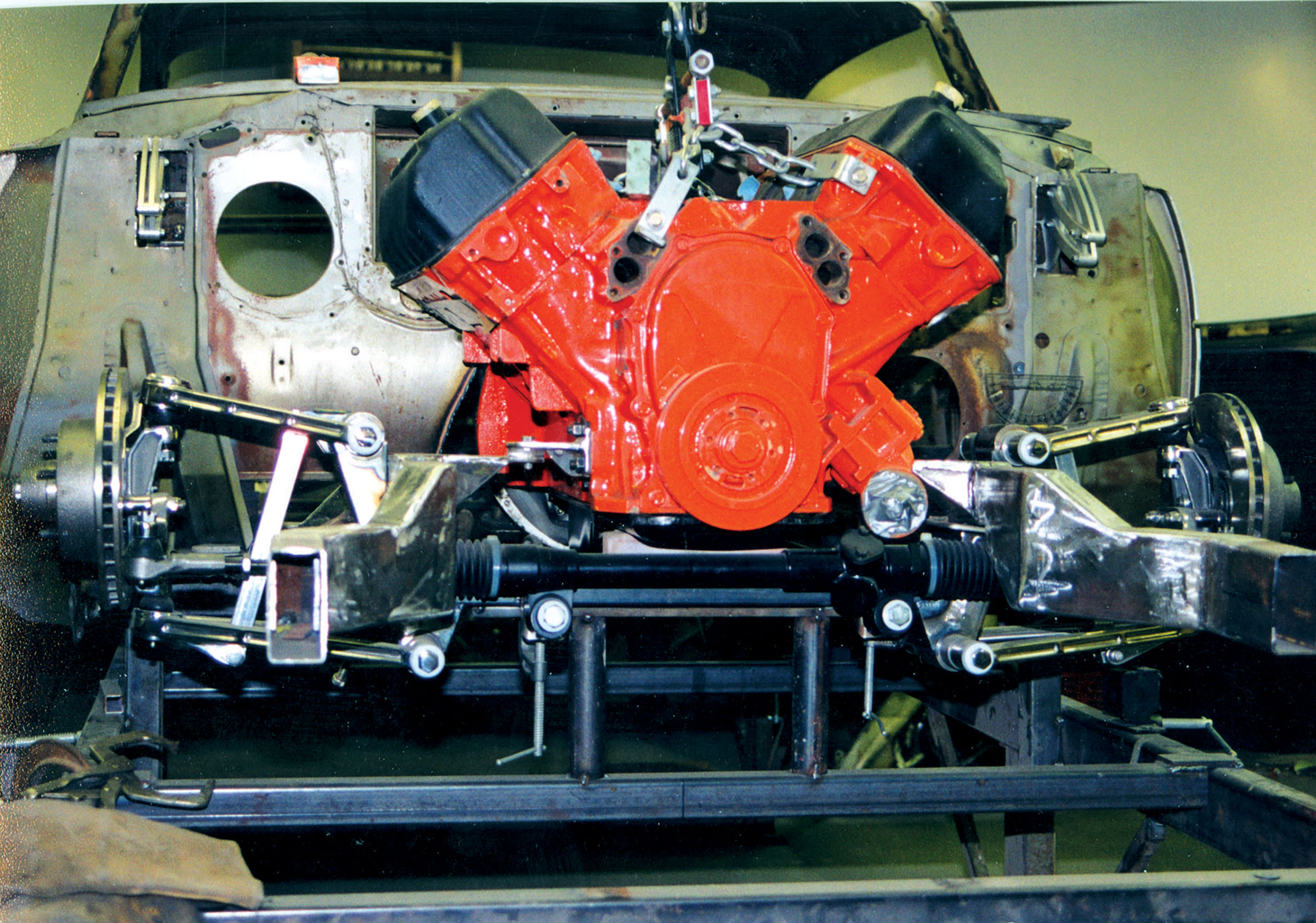
Although Buzzello found a nice, rust-free car, he wanted a full frame under the Fury instead of the original unibody construction. They opted to build a completely new chassis, since it would have been more work to update the old suspension. Gantz, from Des Moines, Iowa, welded the 2×4 mild-steel tubing together, making a super-strong and good-looking chassis. All of the welds on the frame were ground slick and molded for a clean look. In the front, a new crossmember was welded in, allowing the Kugel IFS to bolt up easily. The fully polished stainless steel control arms look awesome and connect to a pair of Kugel spindles. Coilovers soften the ride and a Kugel rack-and-pinion enables the big Plymouth to be steered effortlessly. Wilwood discs with four-piston calipers quickly bring the Fury to a halt. Rolling stock for the front consists of Budnik Cannon wheels measuring 17×8, with Michelin Pilot Sport tires hugging the road.
Rear Suspension and Rolling Stock
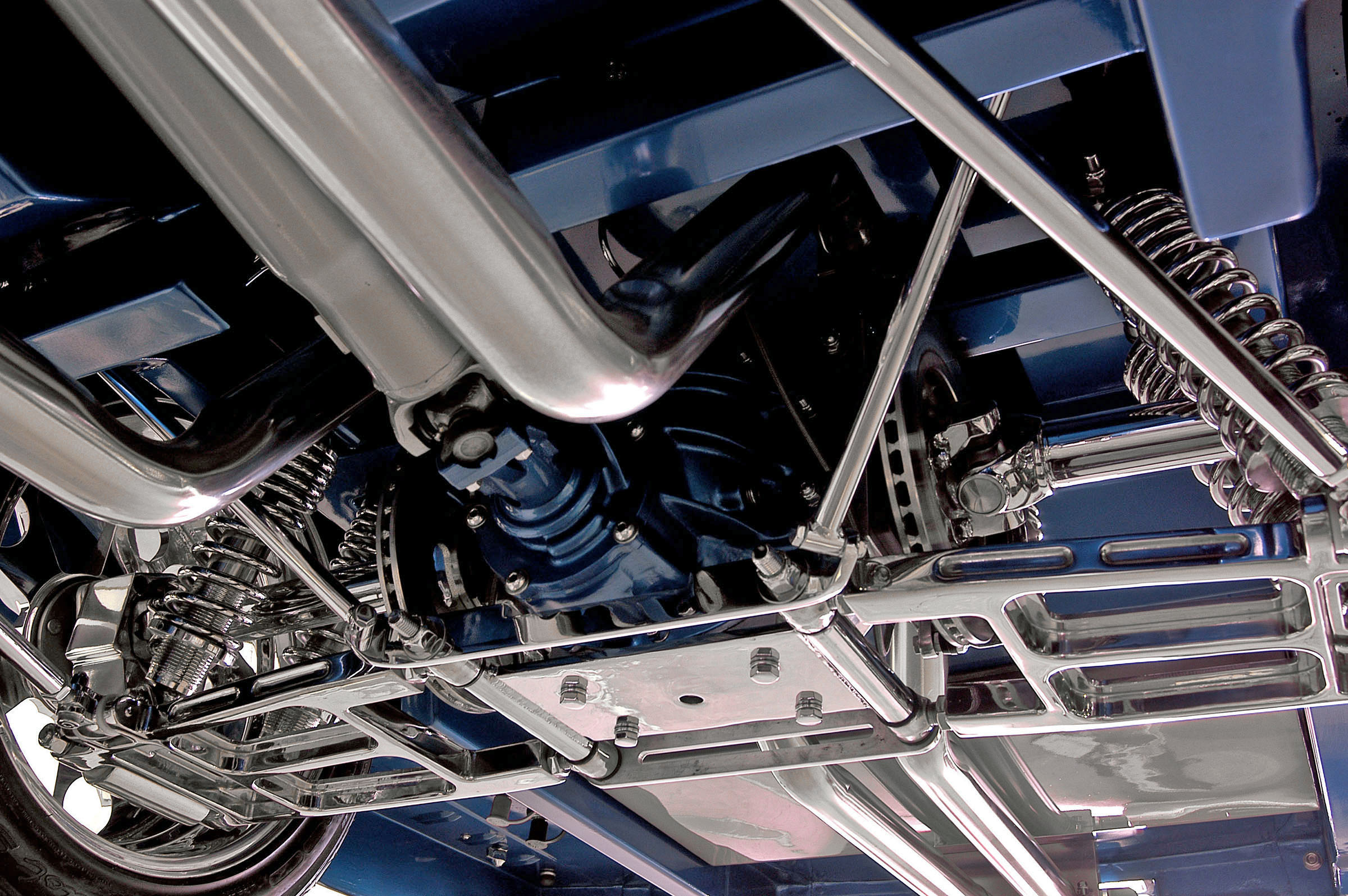
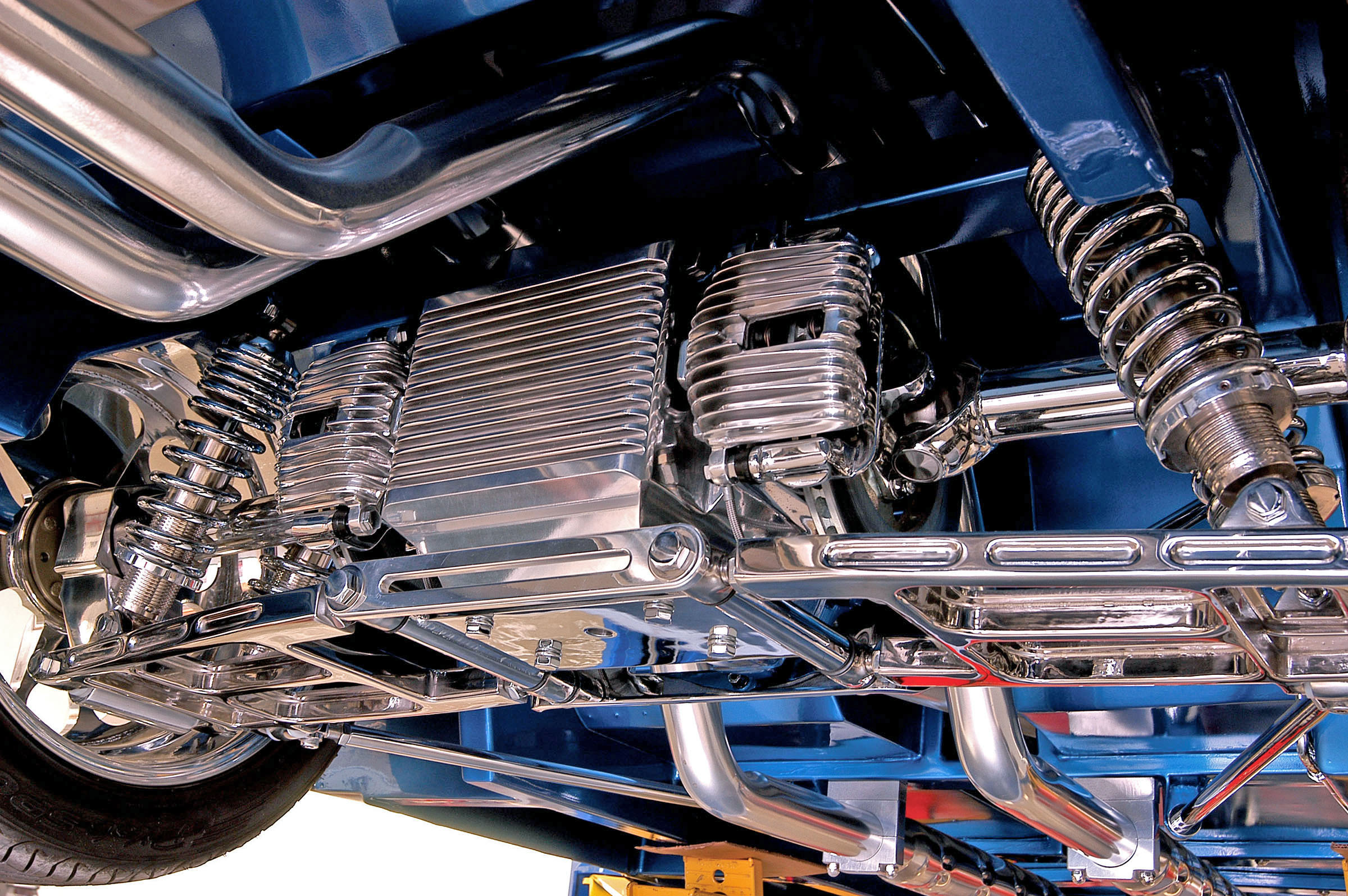
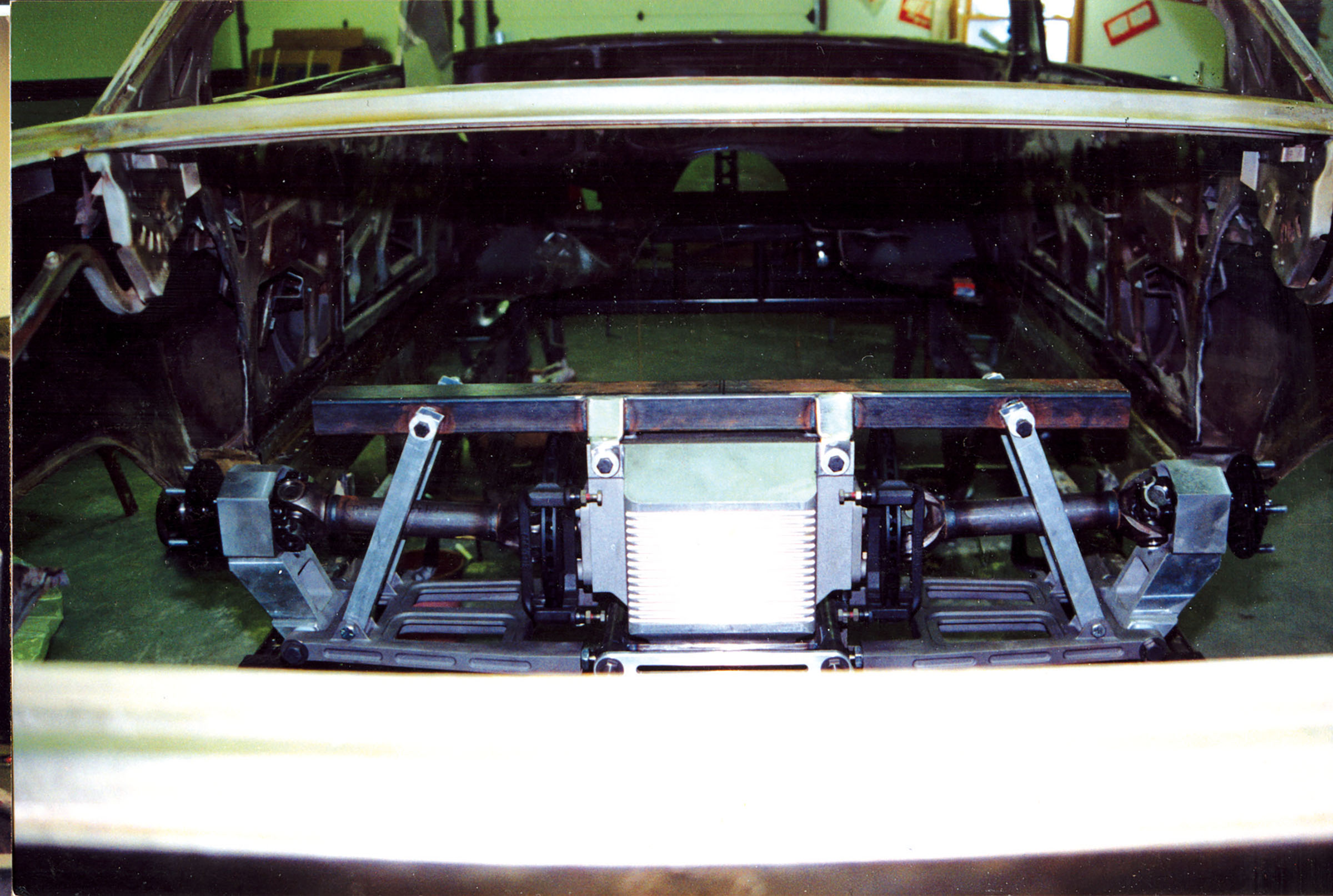
Out back, a Kugel independent rear suspension is in place with a finned aluminum housing and stainless steel control arms. Inside the housing, a set of 3.00 gears transfers power to the chrome half-shafts. Four adjustable coilovers support the weight of the Fury and give it a comfortable ride. Assisting the front discs, the rearend features inboard brakes with slotted rotors and finned Kugel calipers. Huge Michelin Pilot Sport tires measuring 335/35 provide traction and are wrapped around 18×12 Budnik Cannon wheels.
Transforming the Body
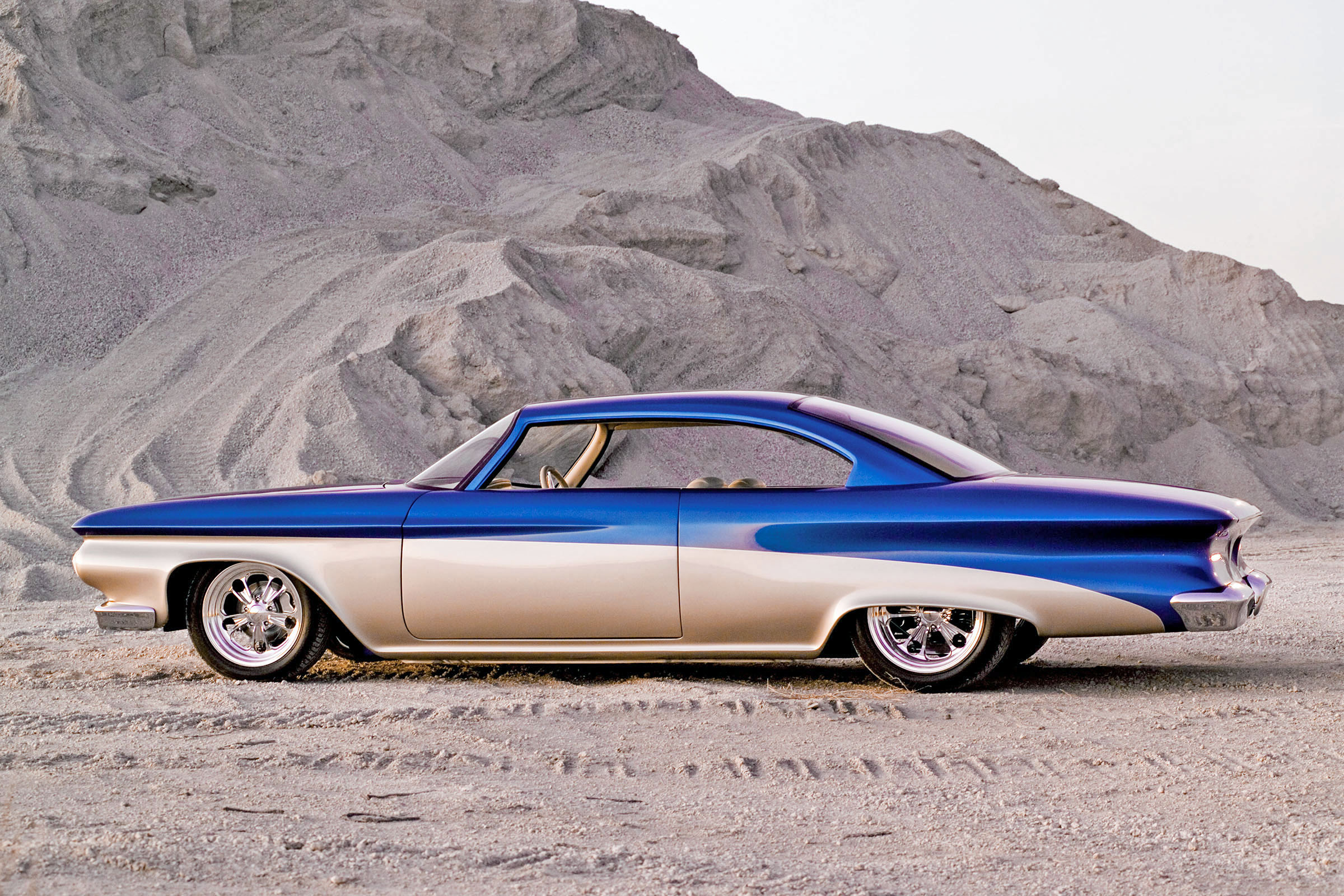
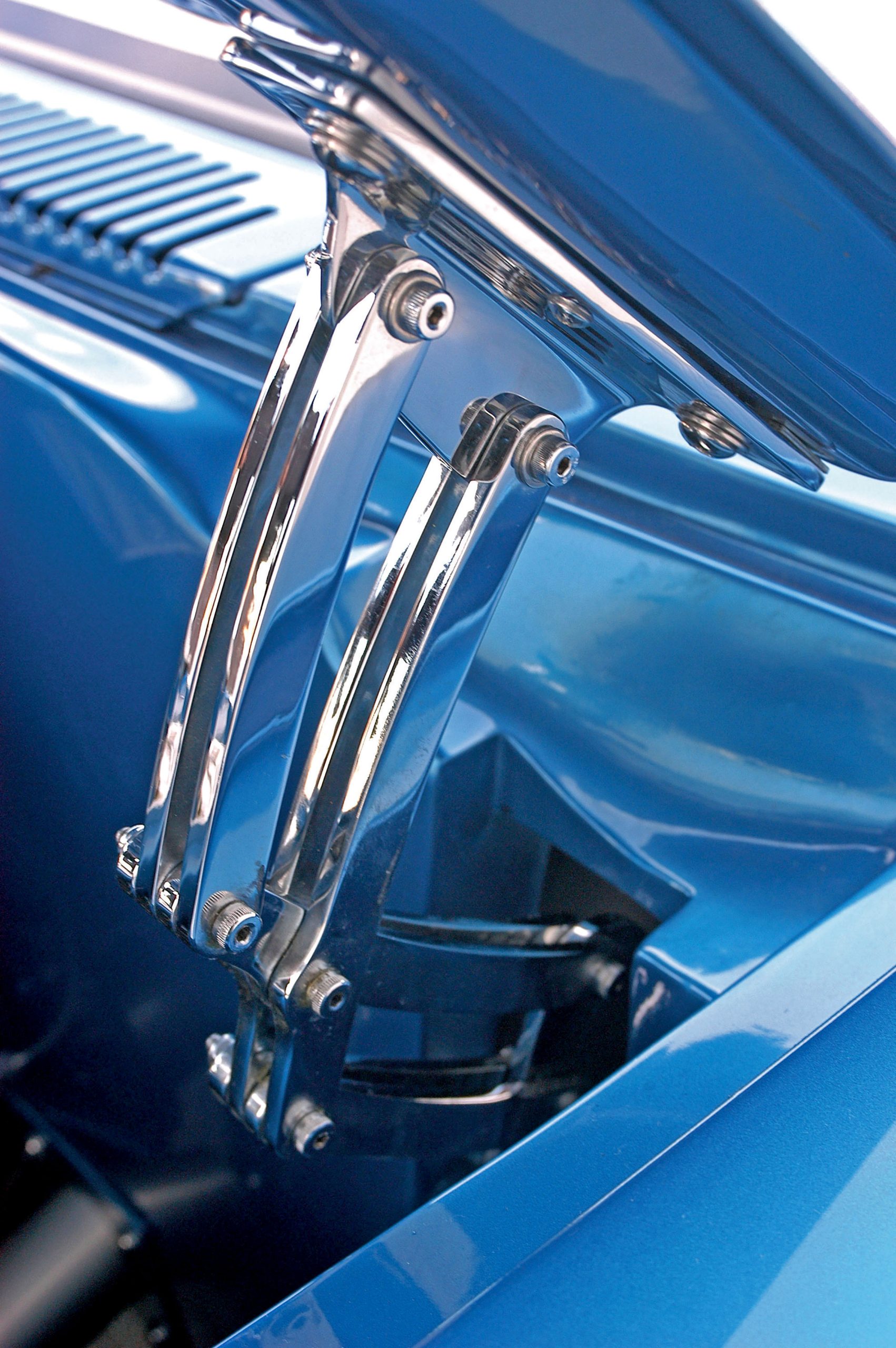
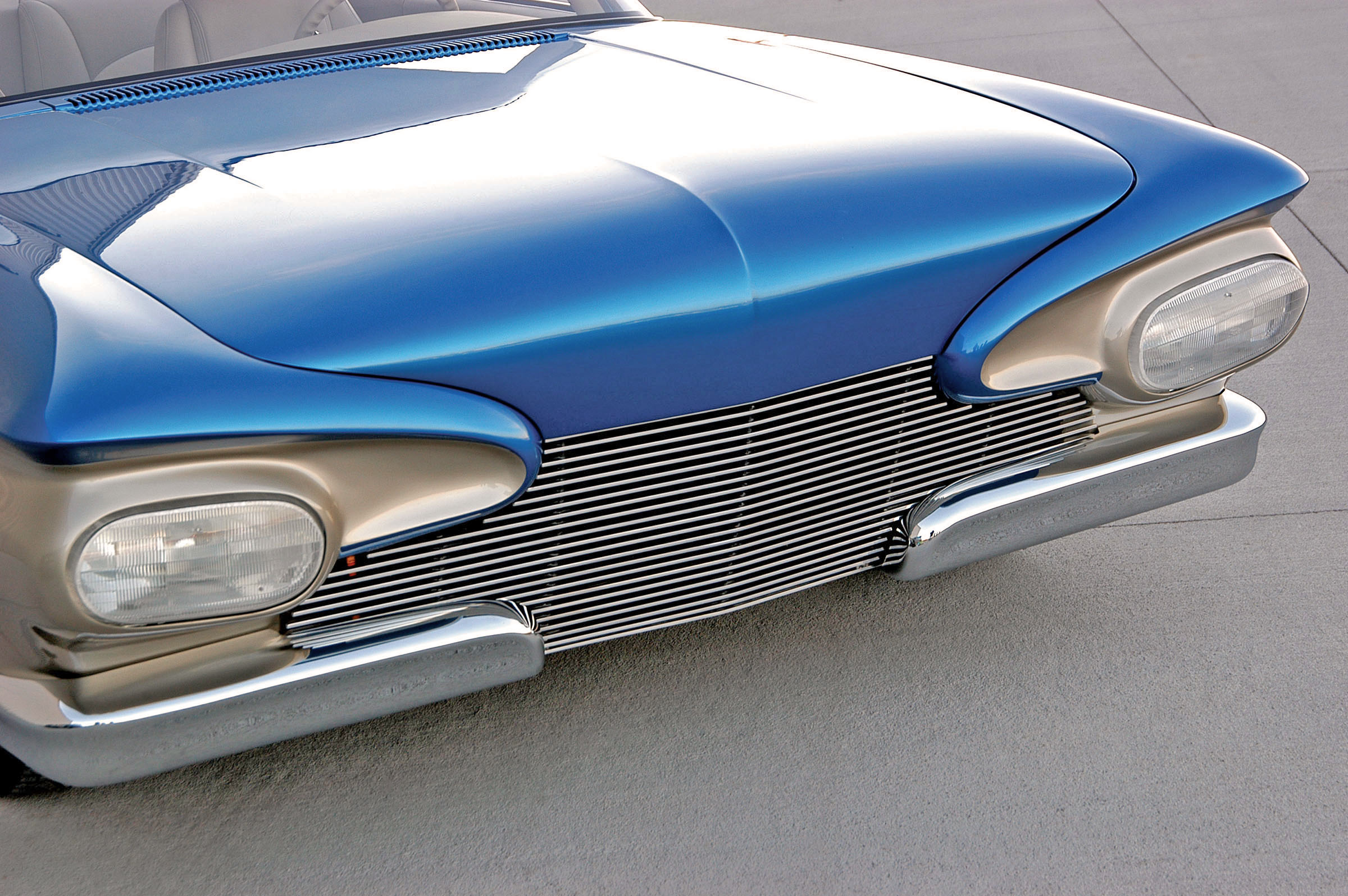
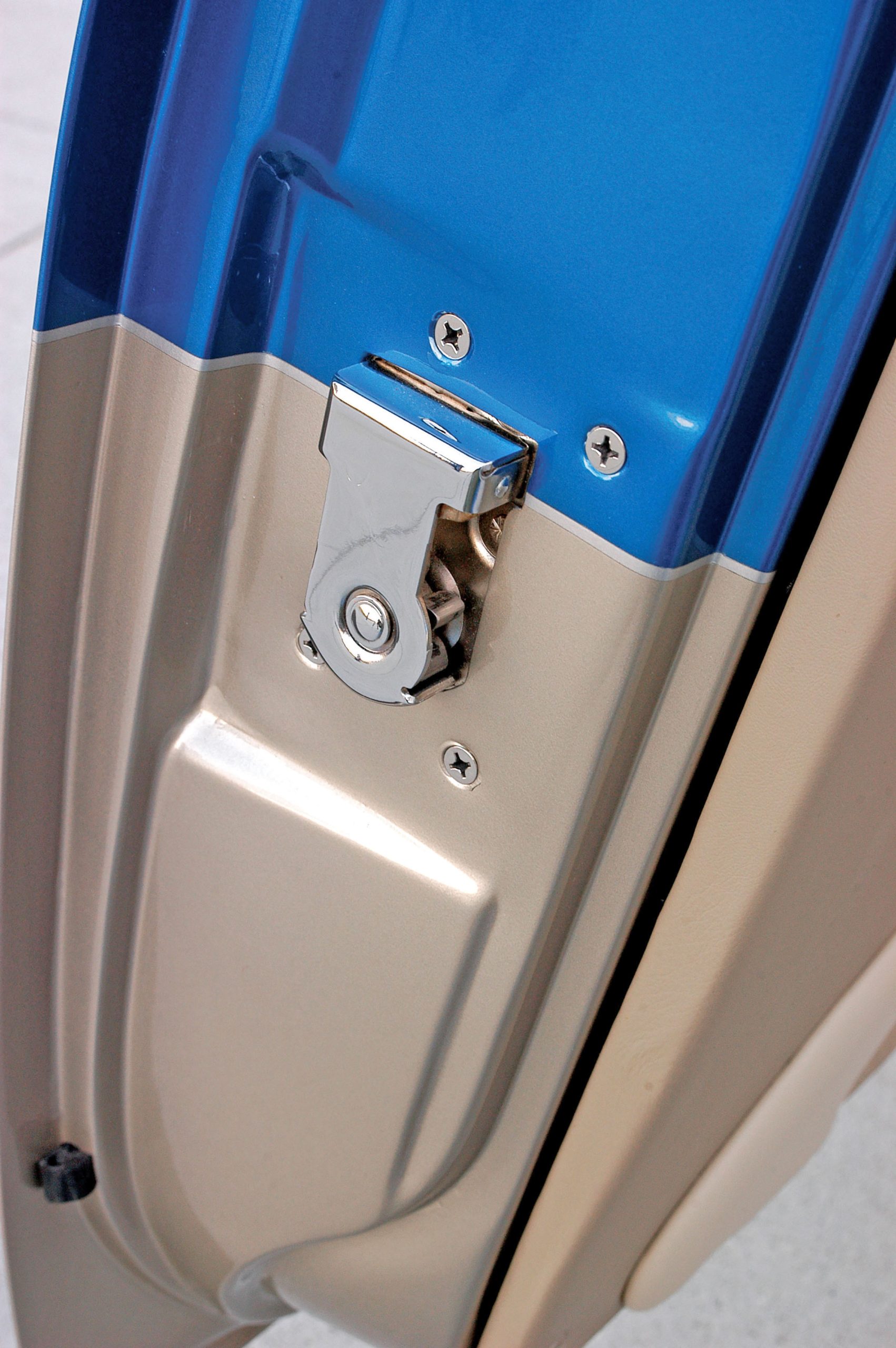
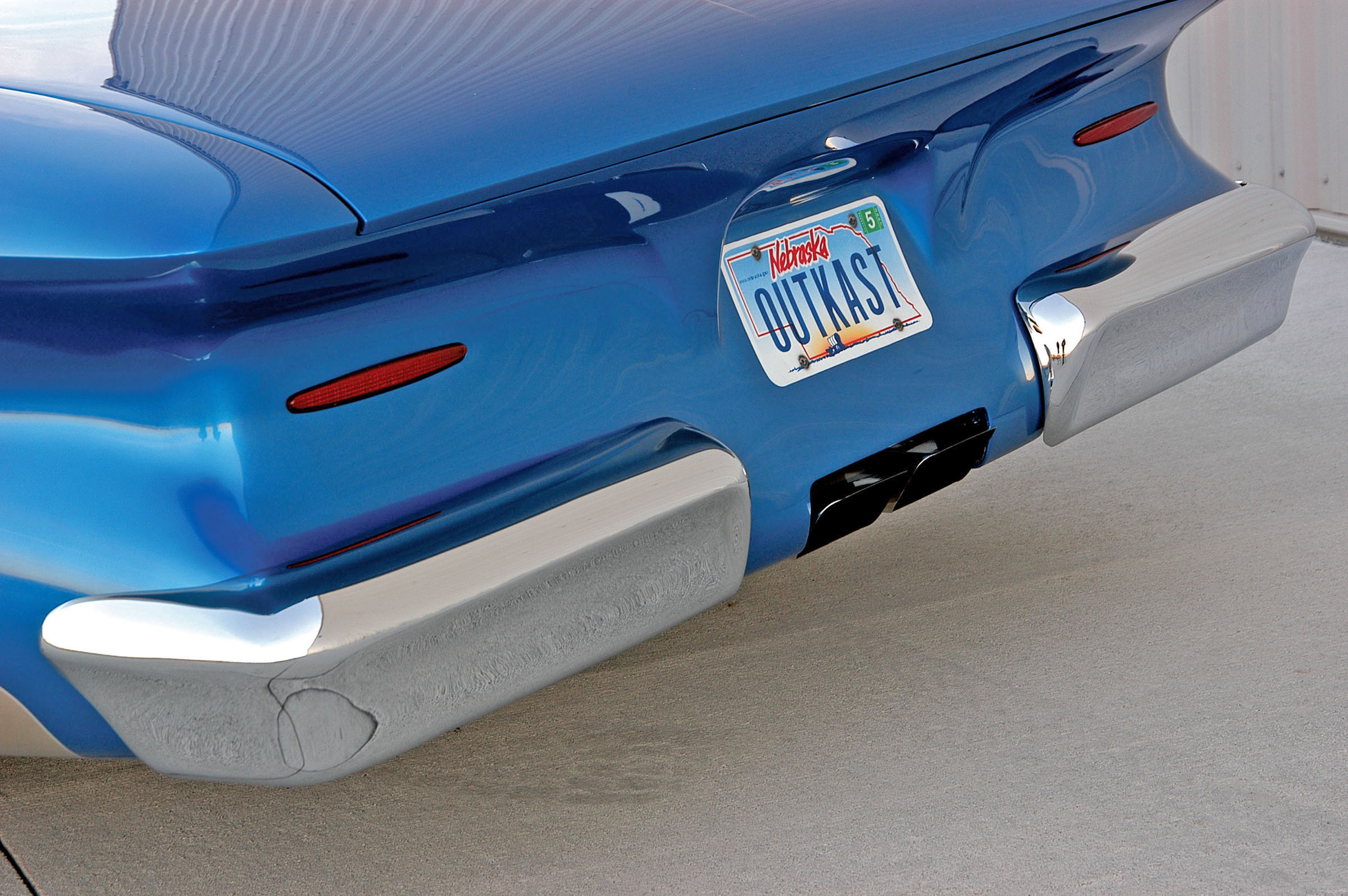
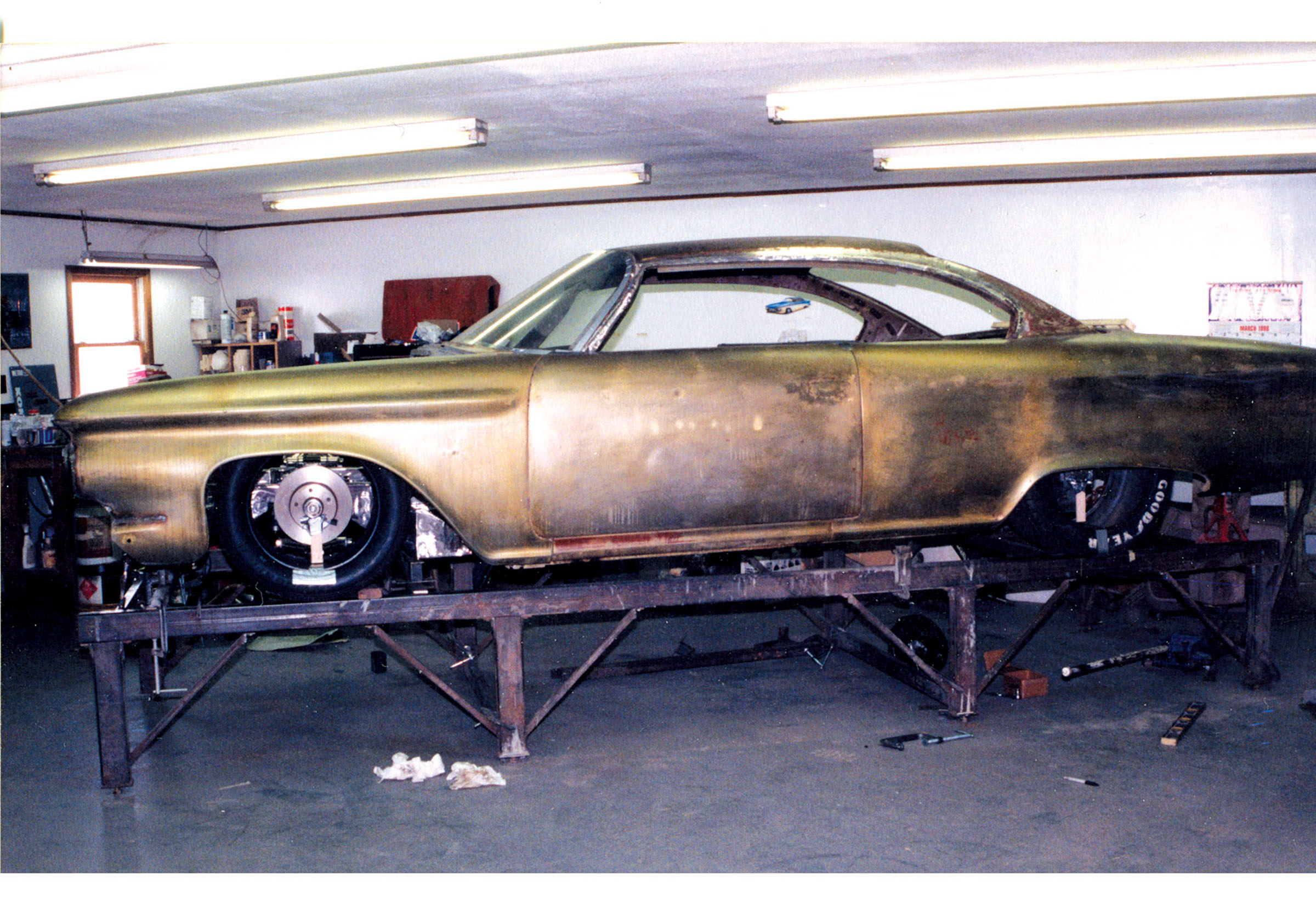
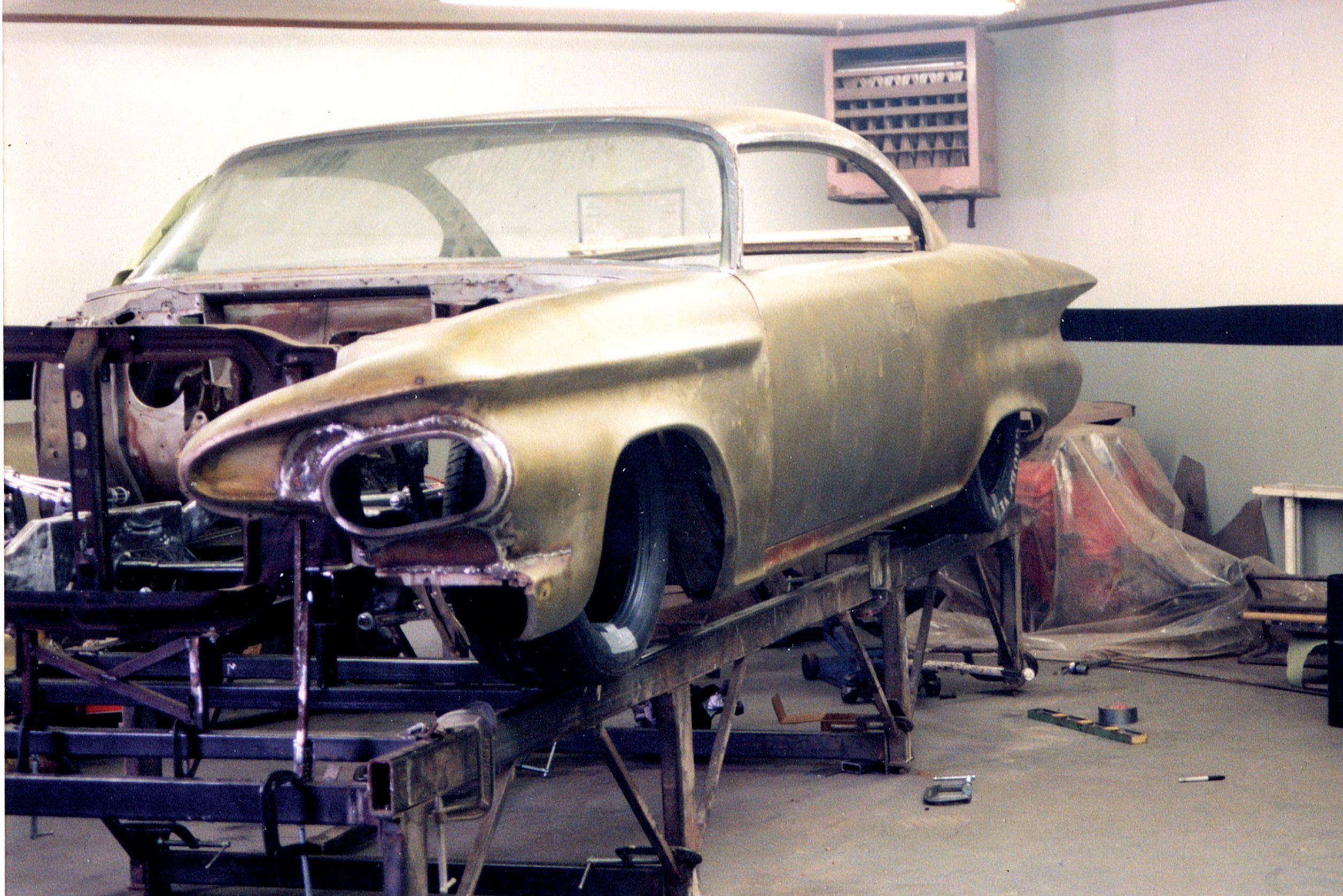
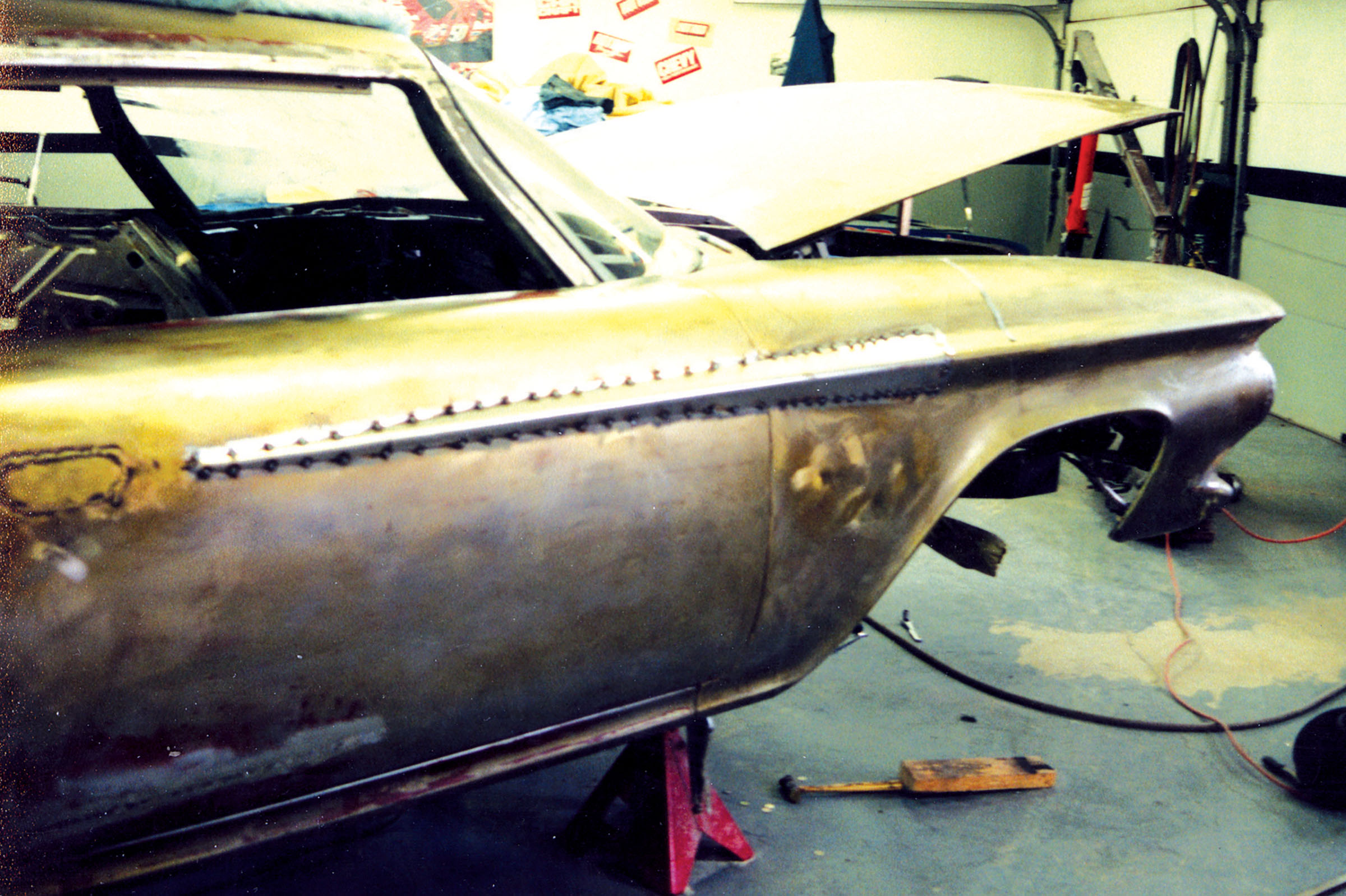
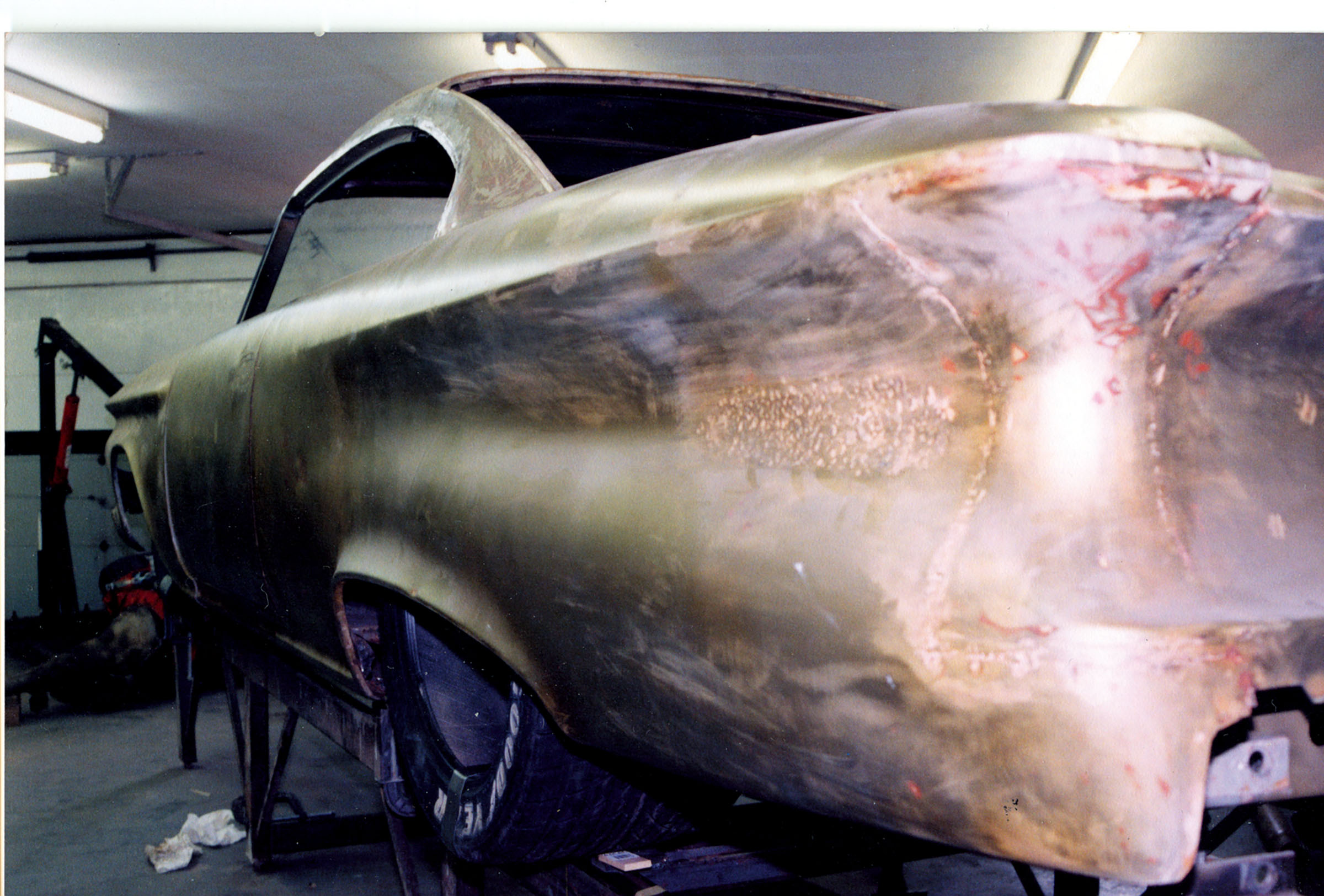
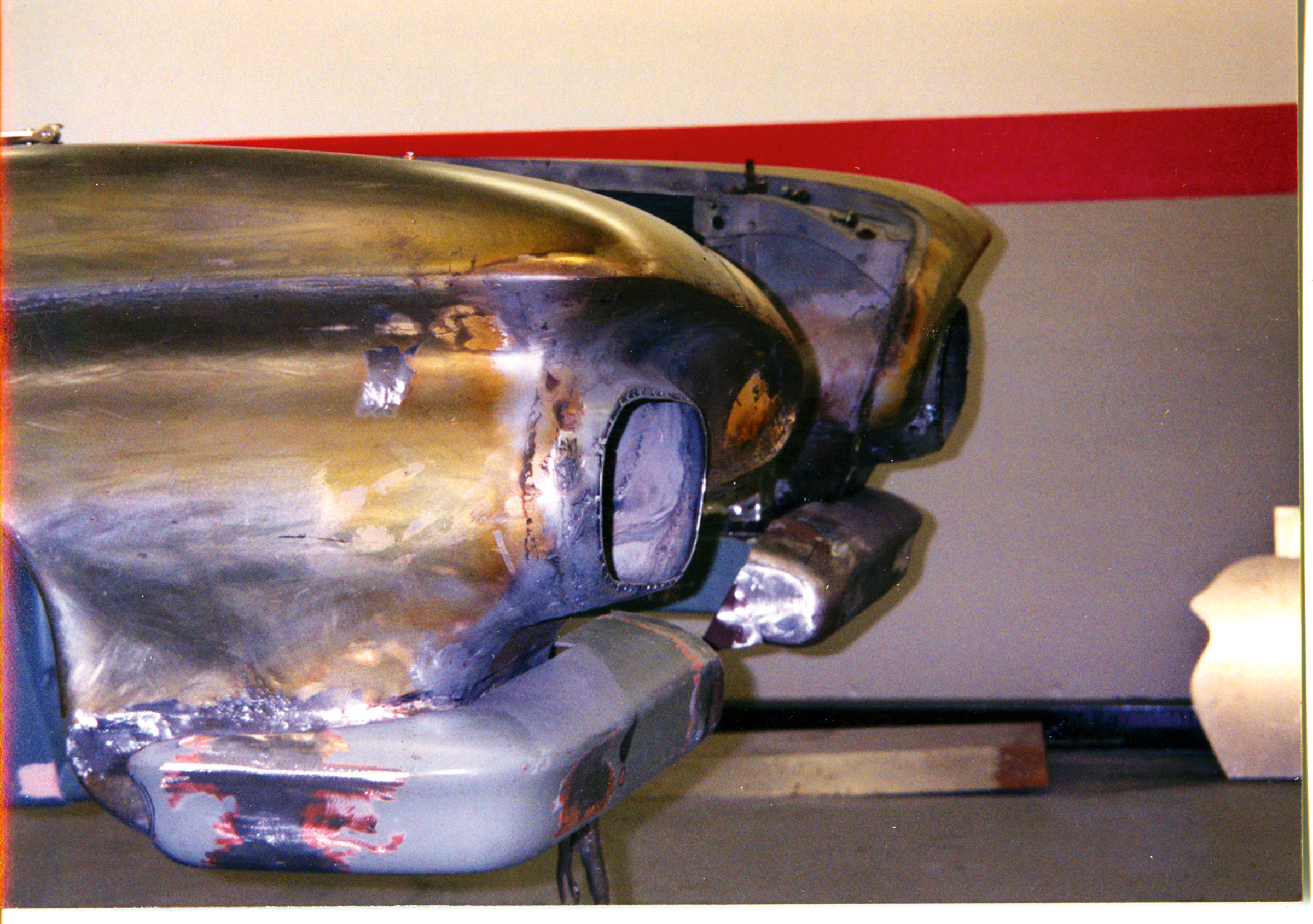
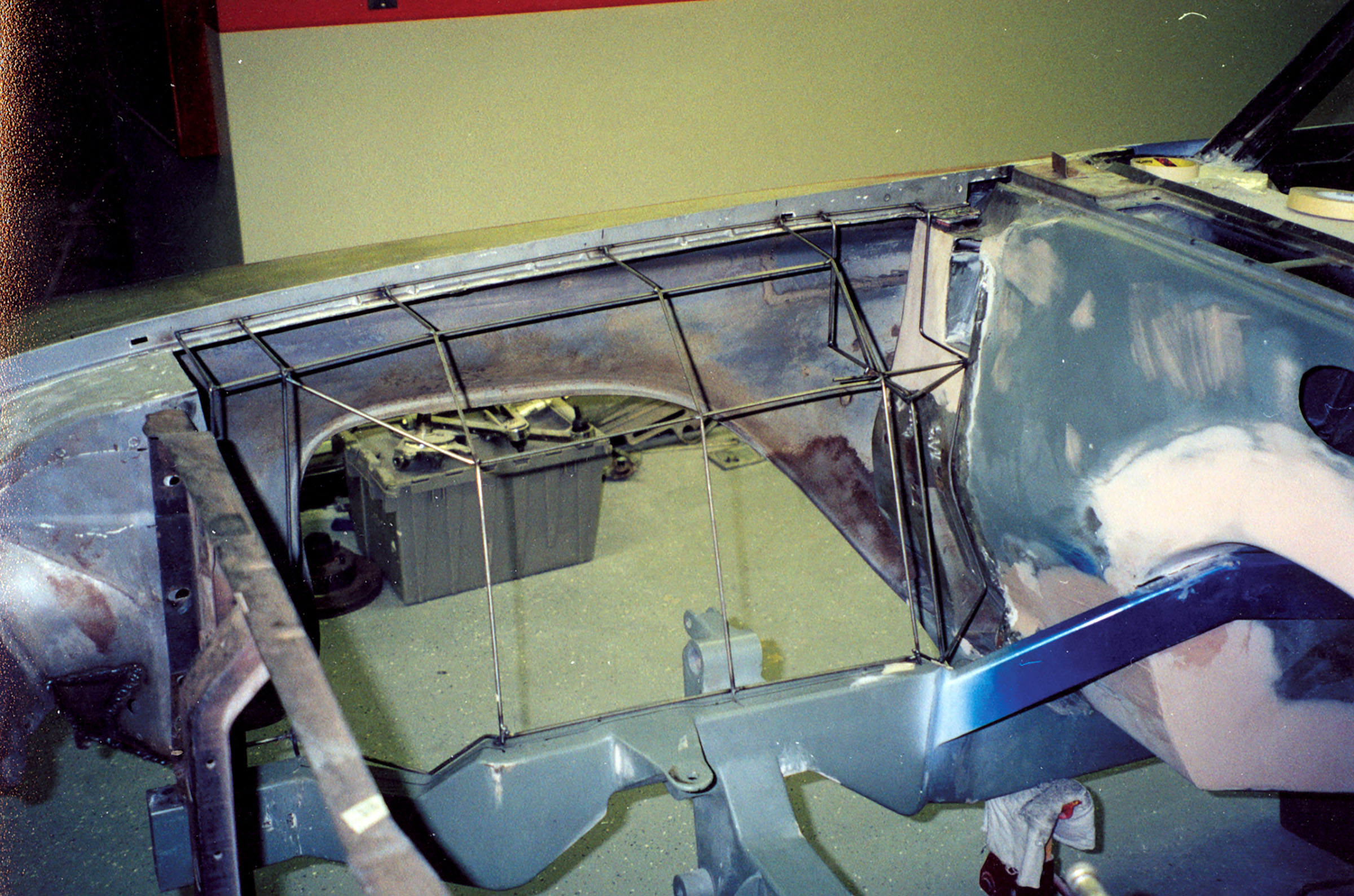
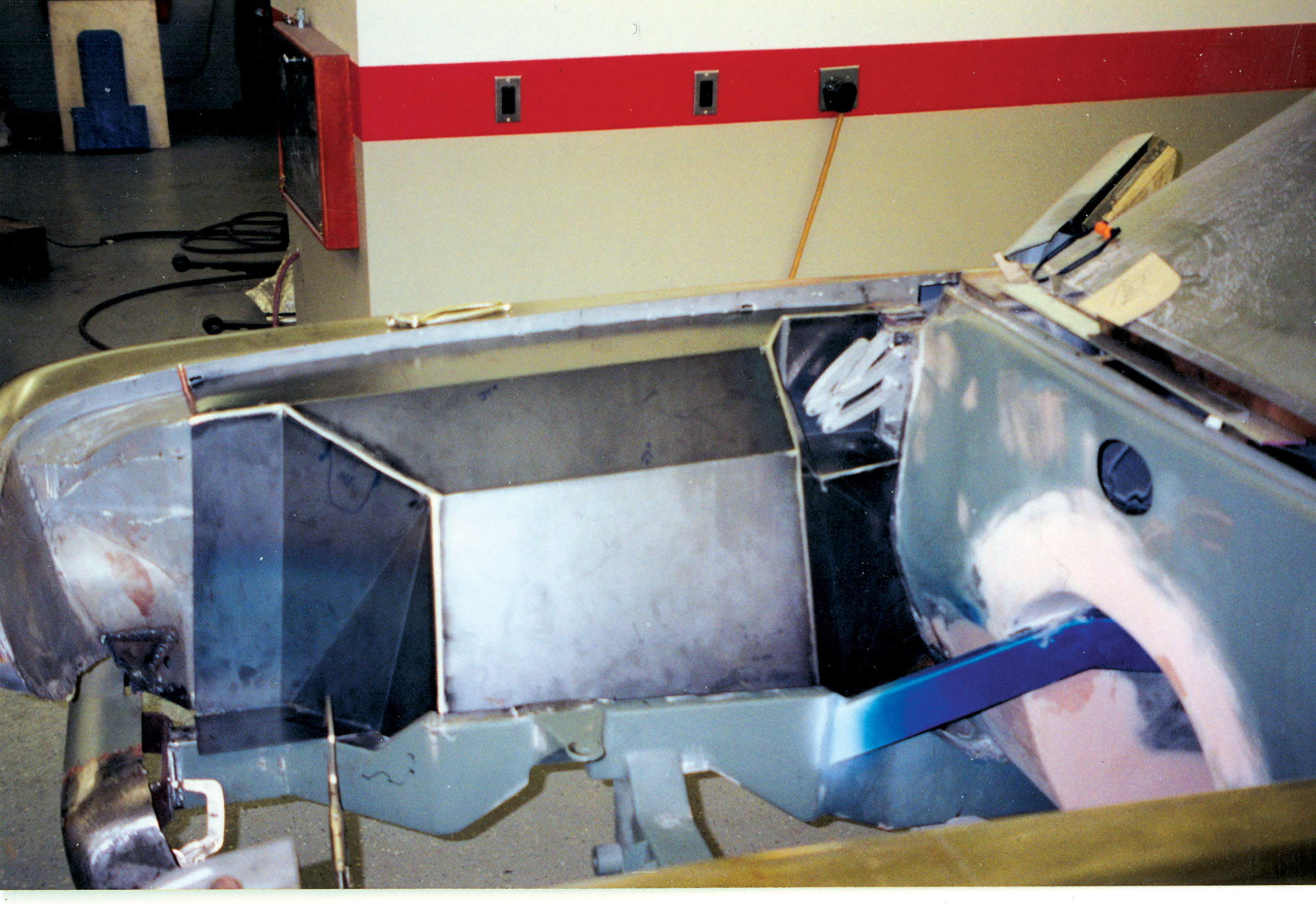
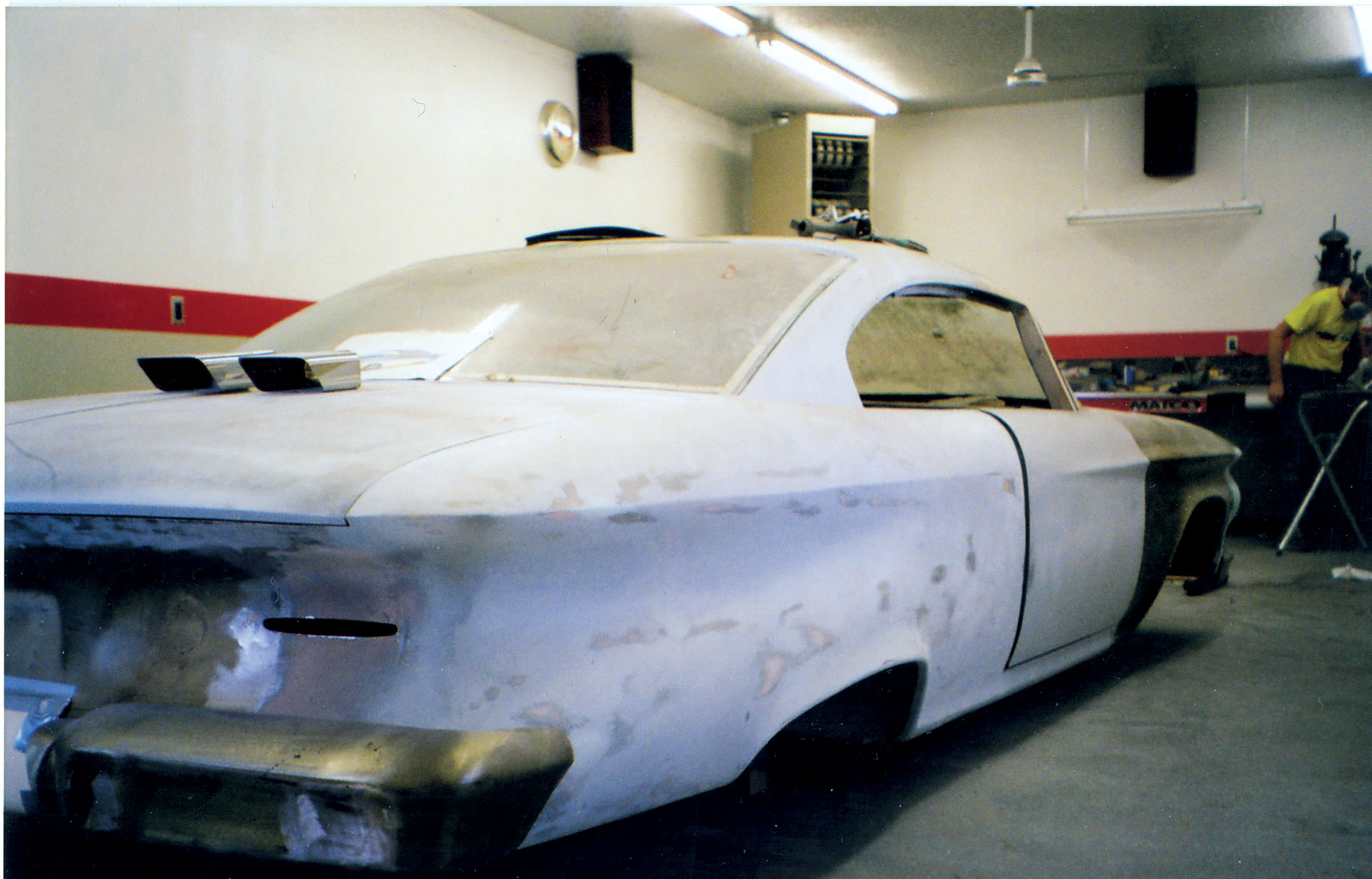
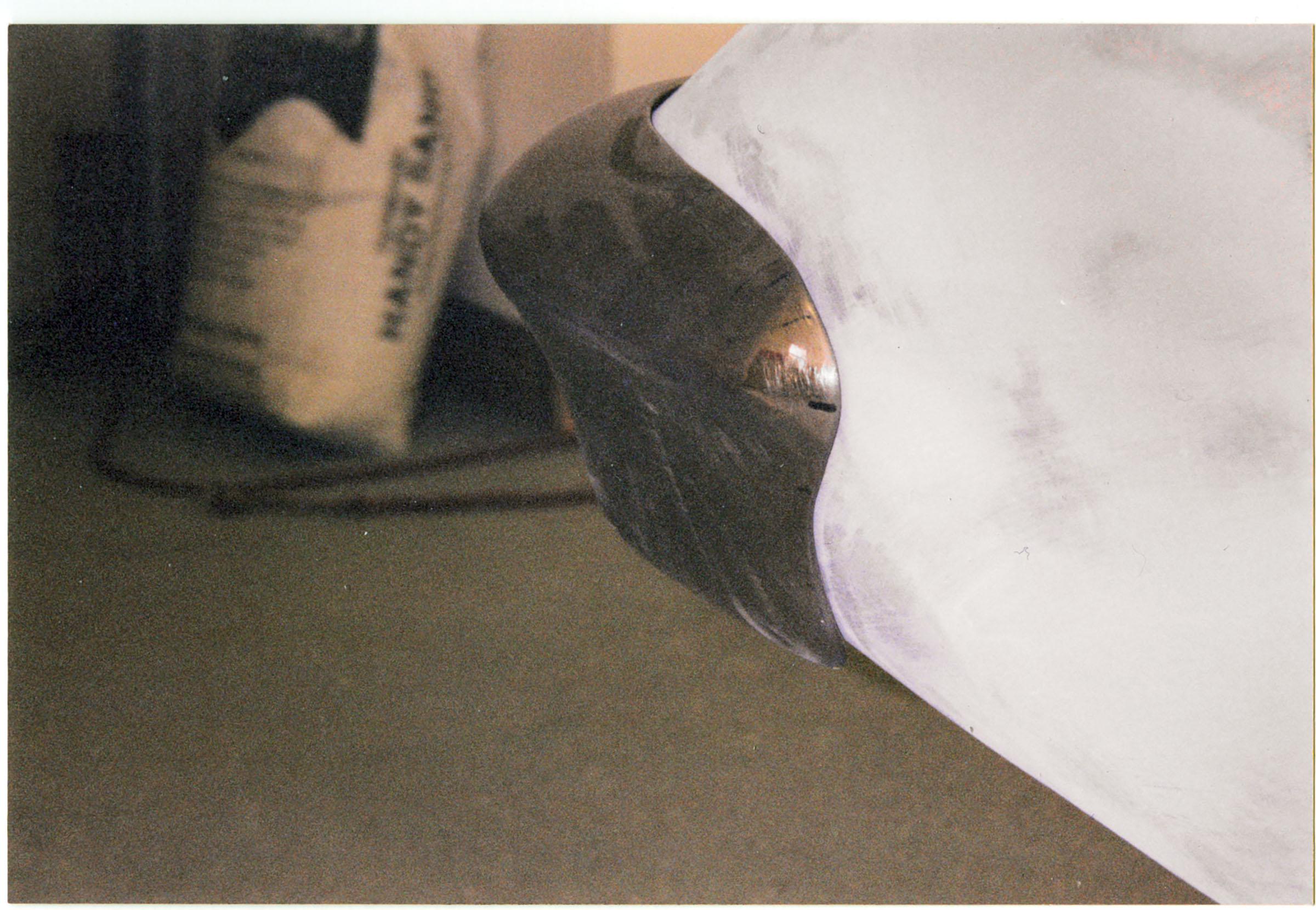
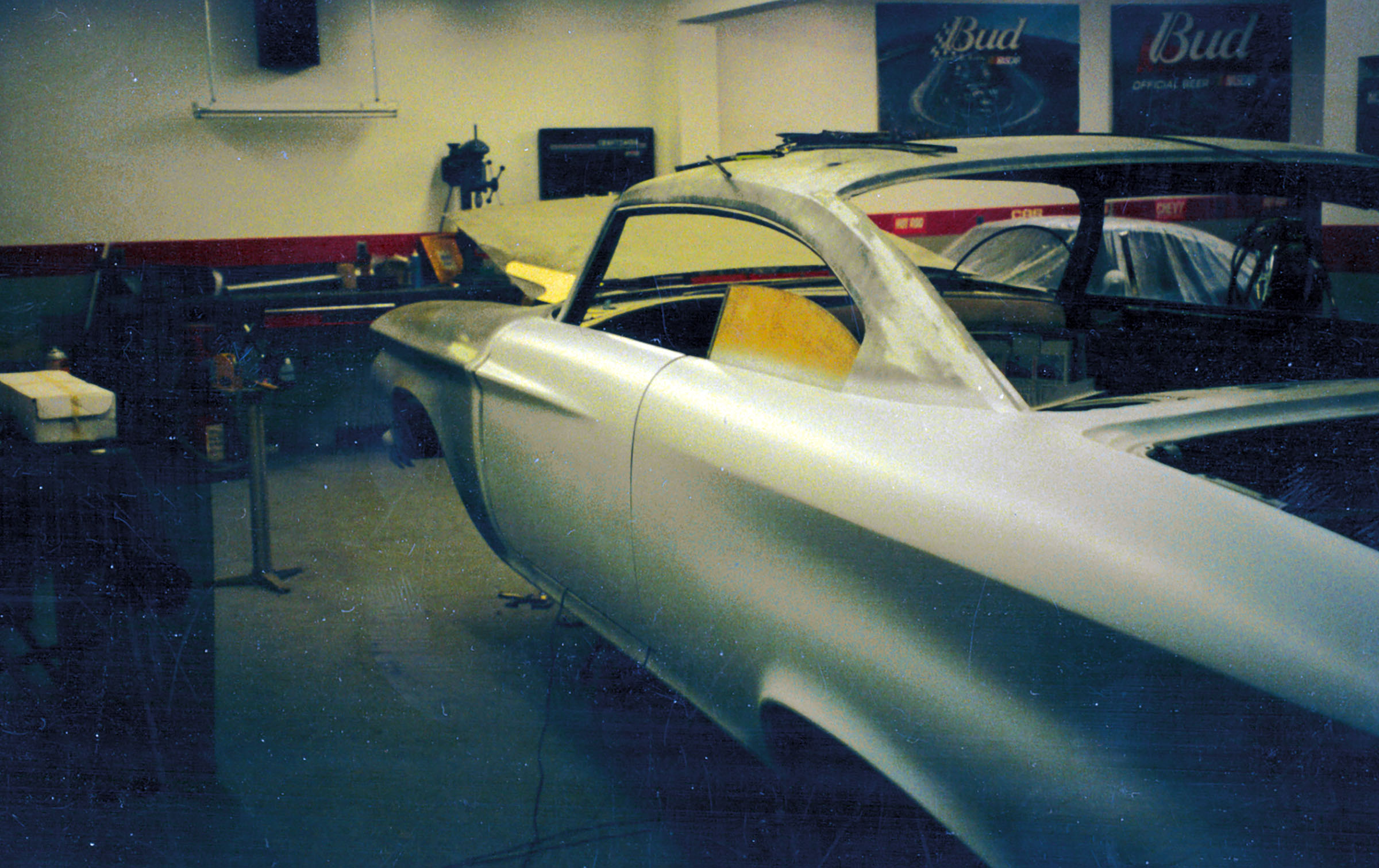
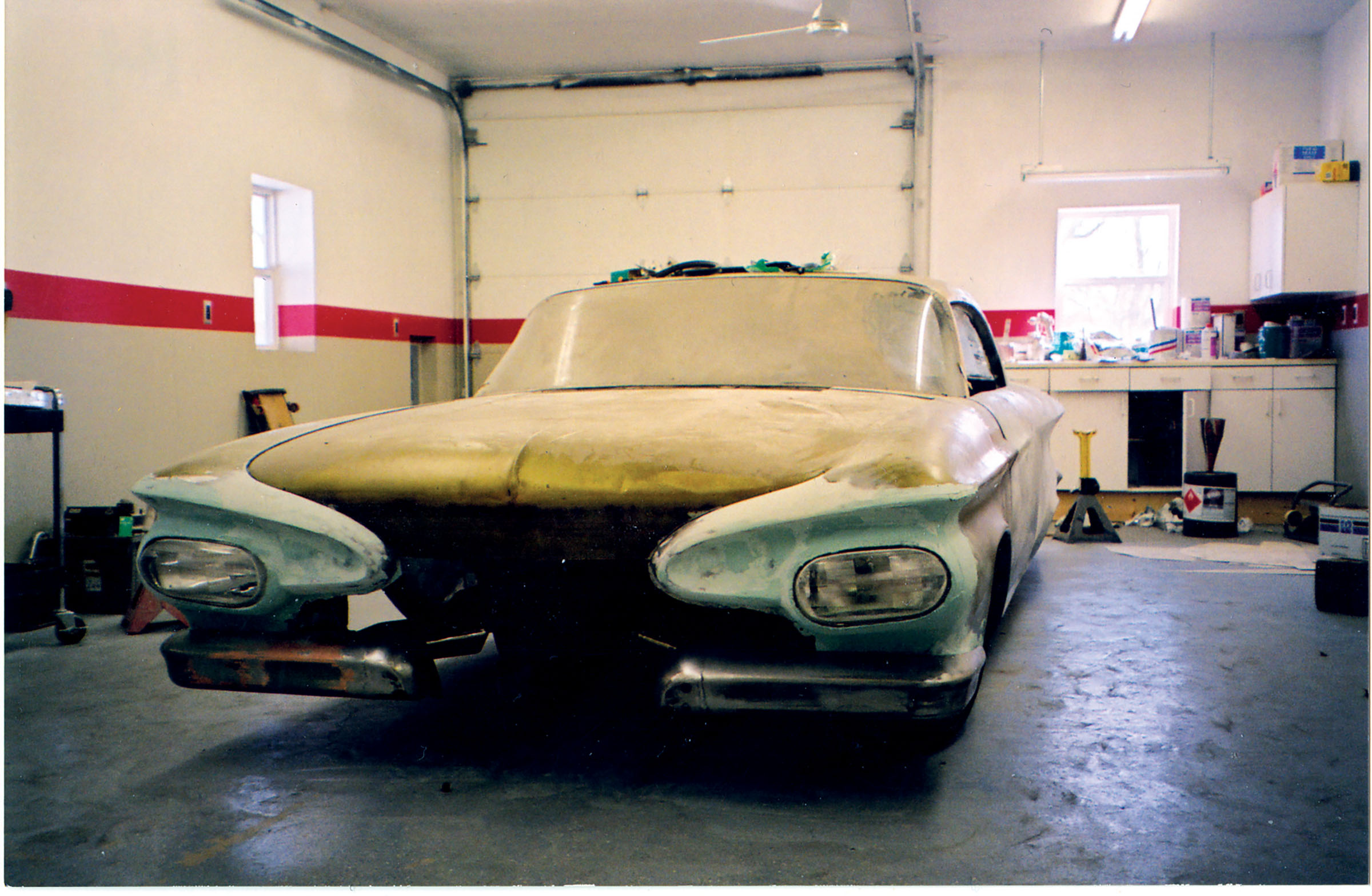
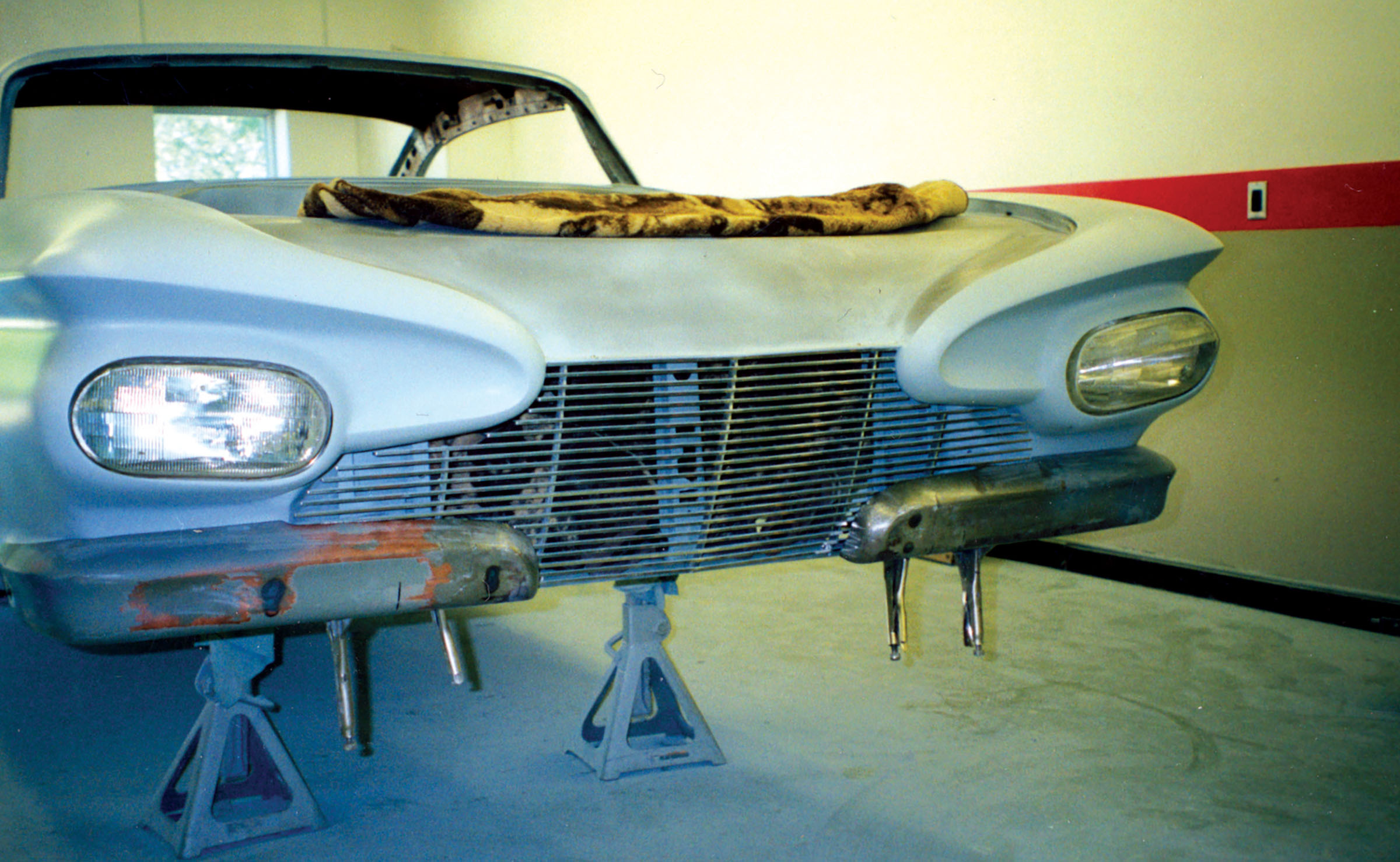
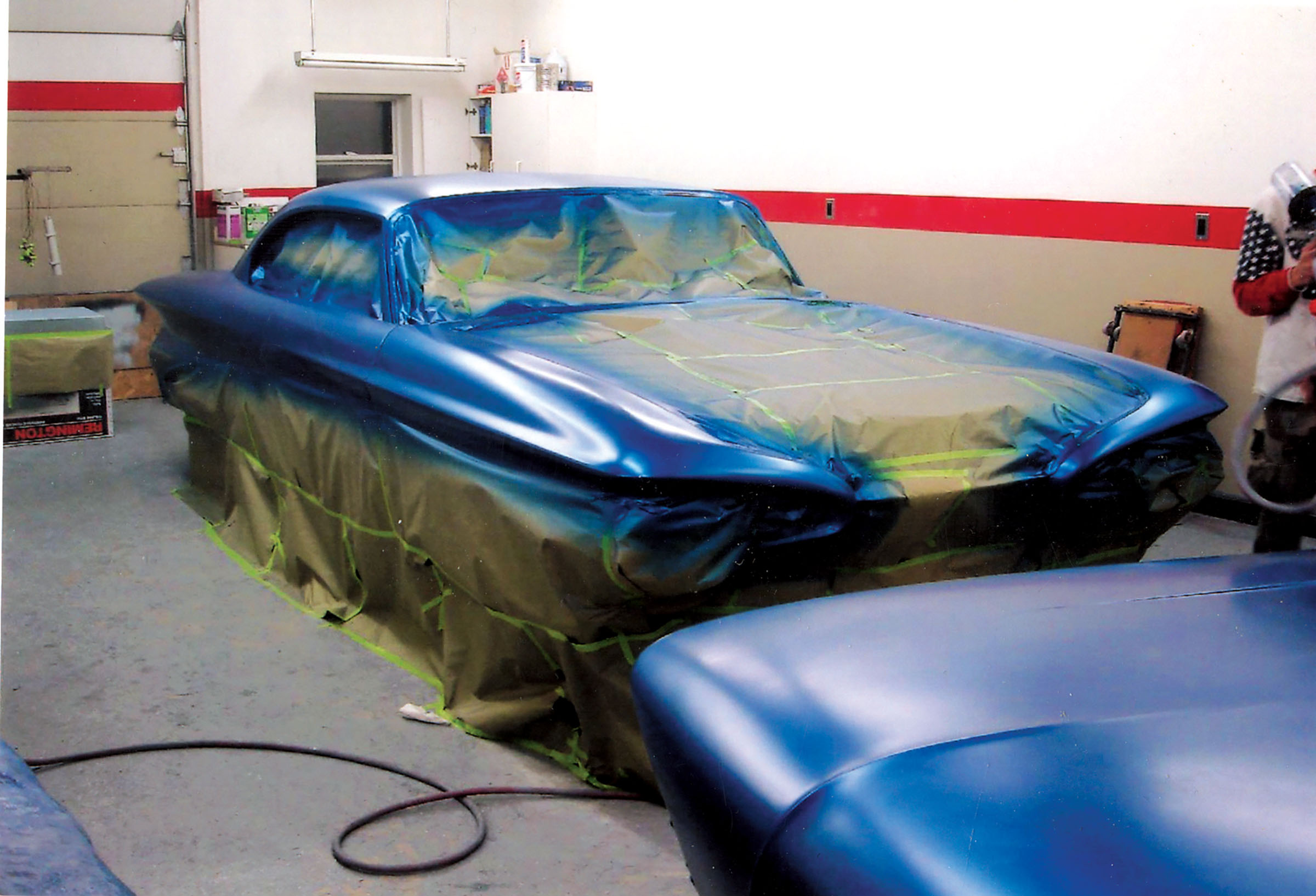
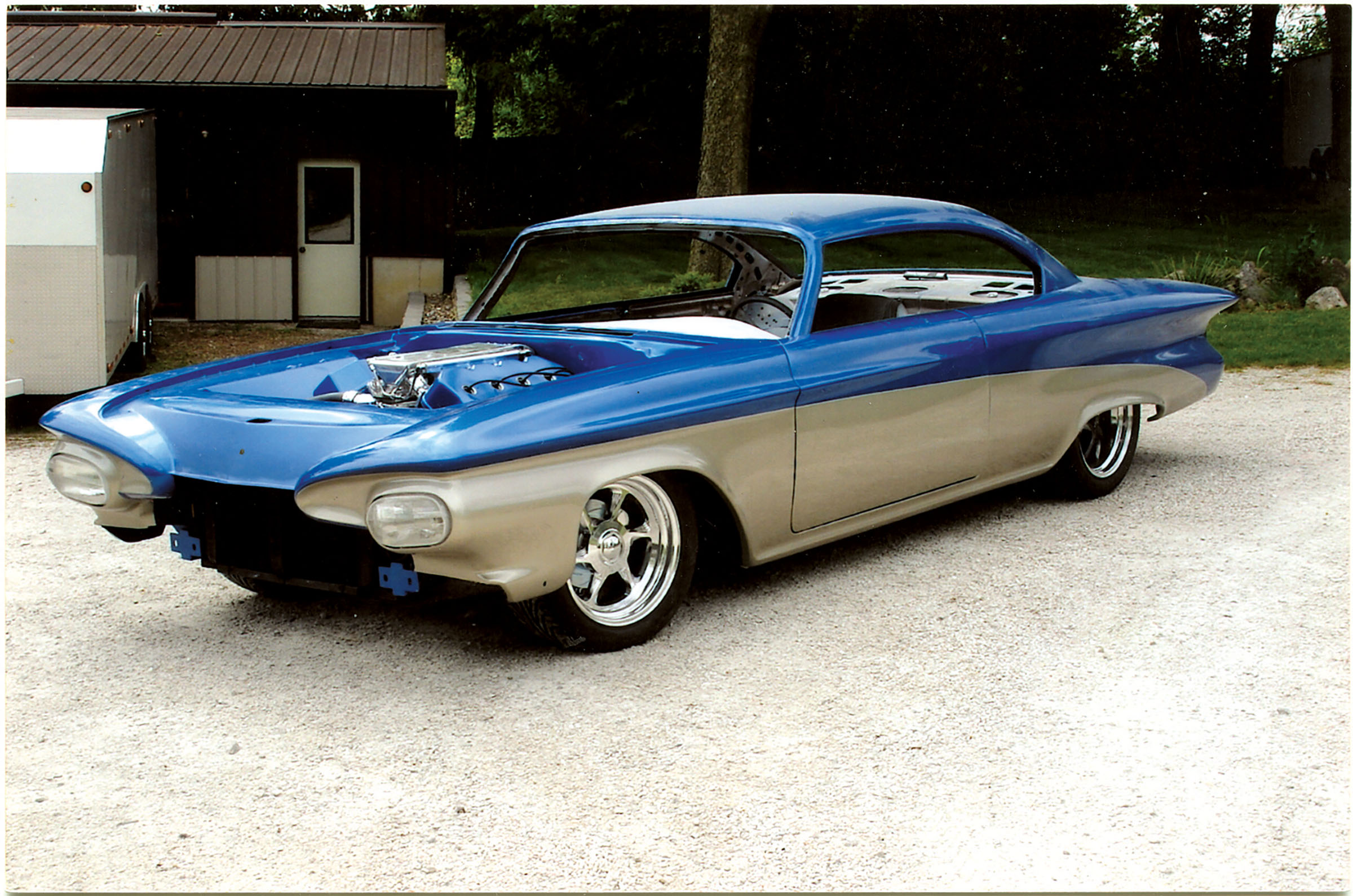
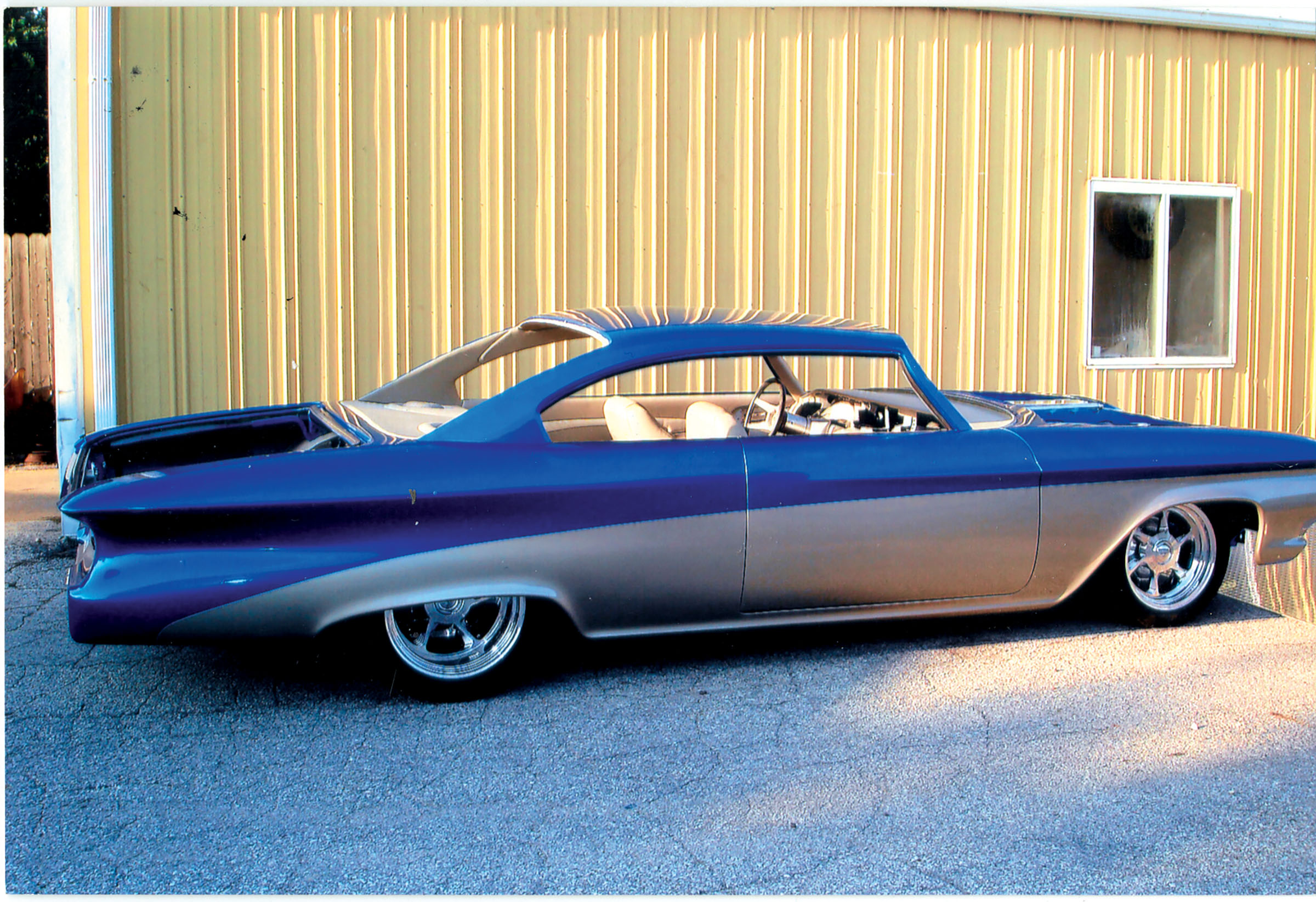
Buzzello started with a great body from California, but leaving it stock would be too easy. These cars had unique styling to begin with, but Buzzello, along with Gantz and McGrath, made modifications to every panel on the Fury. Extensive metalwork was performed on the car to amplify the extreme statement these contours make. The front of the hood was lengthened 4 inches and the fenders were welded to the body, making the transitions smoother and more appealing. Hand-built buckets house Jaguar XJS headlights that are slightly canted to match the angle of the bodylines on the front fenders. The front bumpers were split and reshaped to better fit the body, and the one-off Jim Rench grille fits nicely between the fenders. Also, the bodylines on the fenders were extended into the doors, gradually tapering into a point. All handles, emblems and trim were shaved, giving the Fury a clean look.
Roofline, Glass, and Rear Modifications
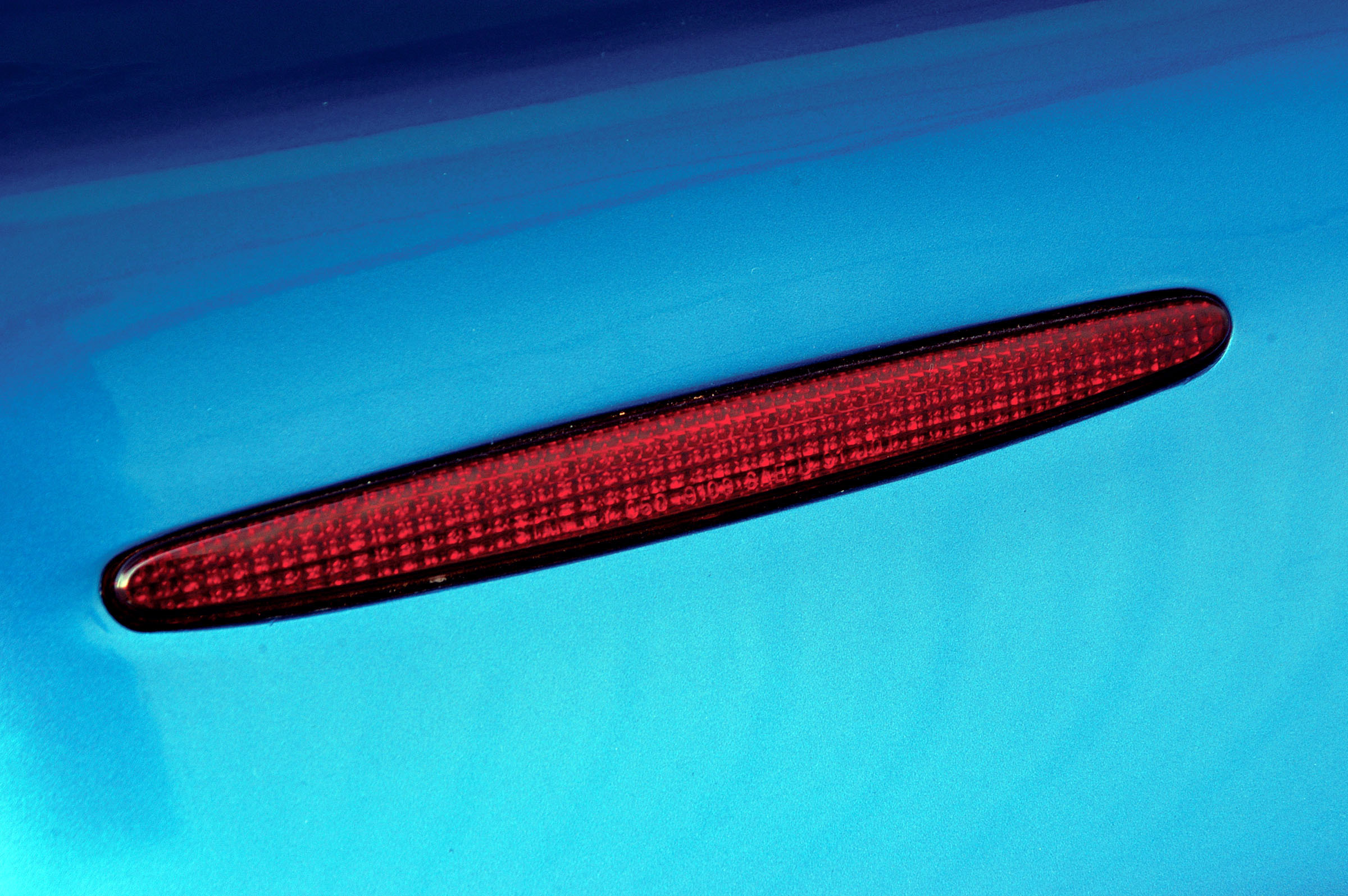
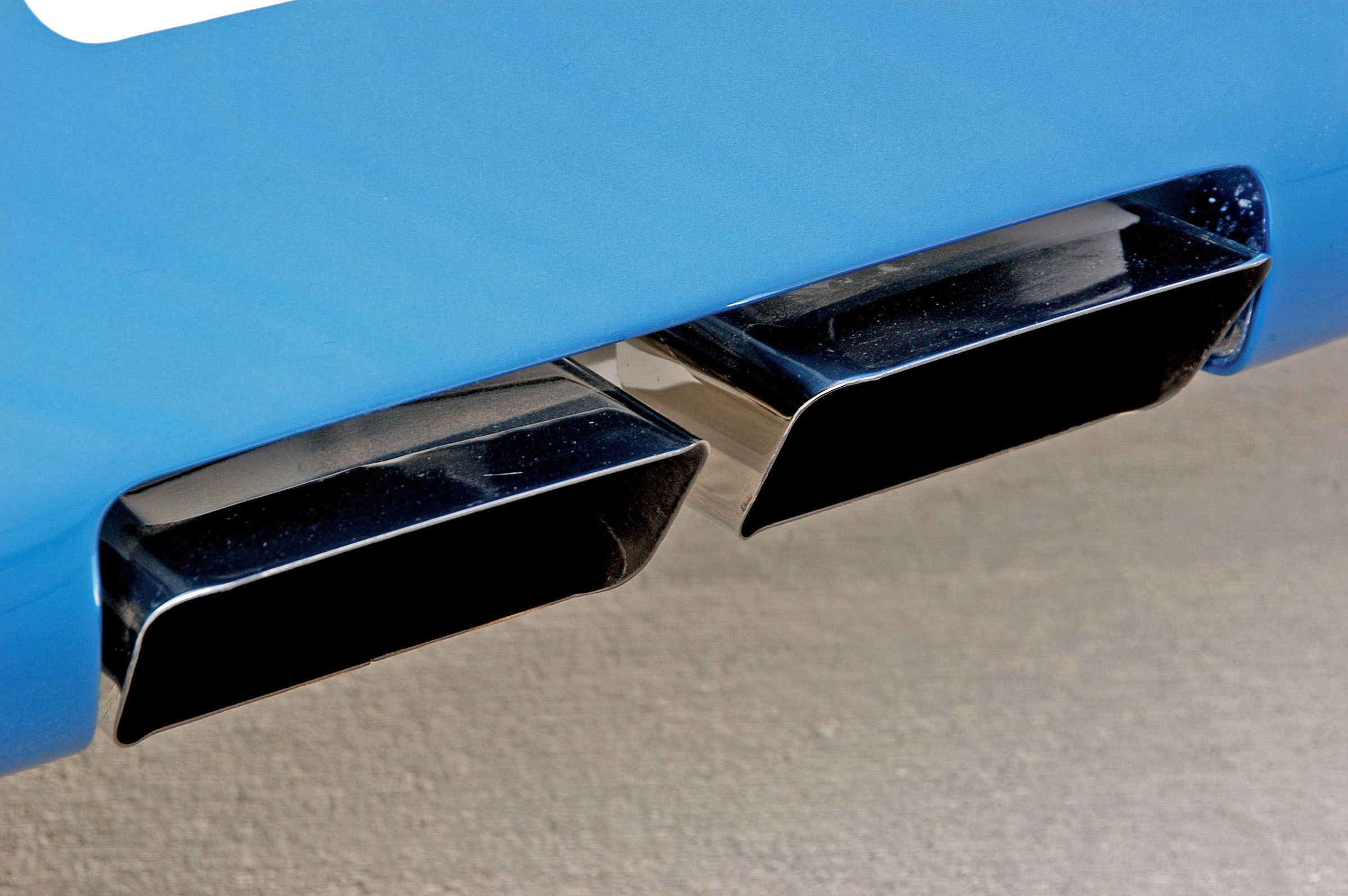
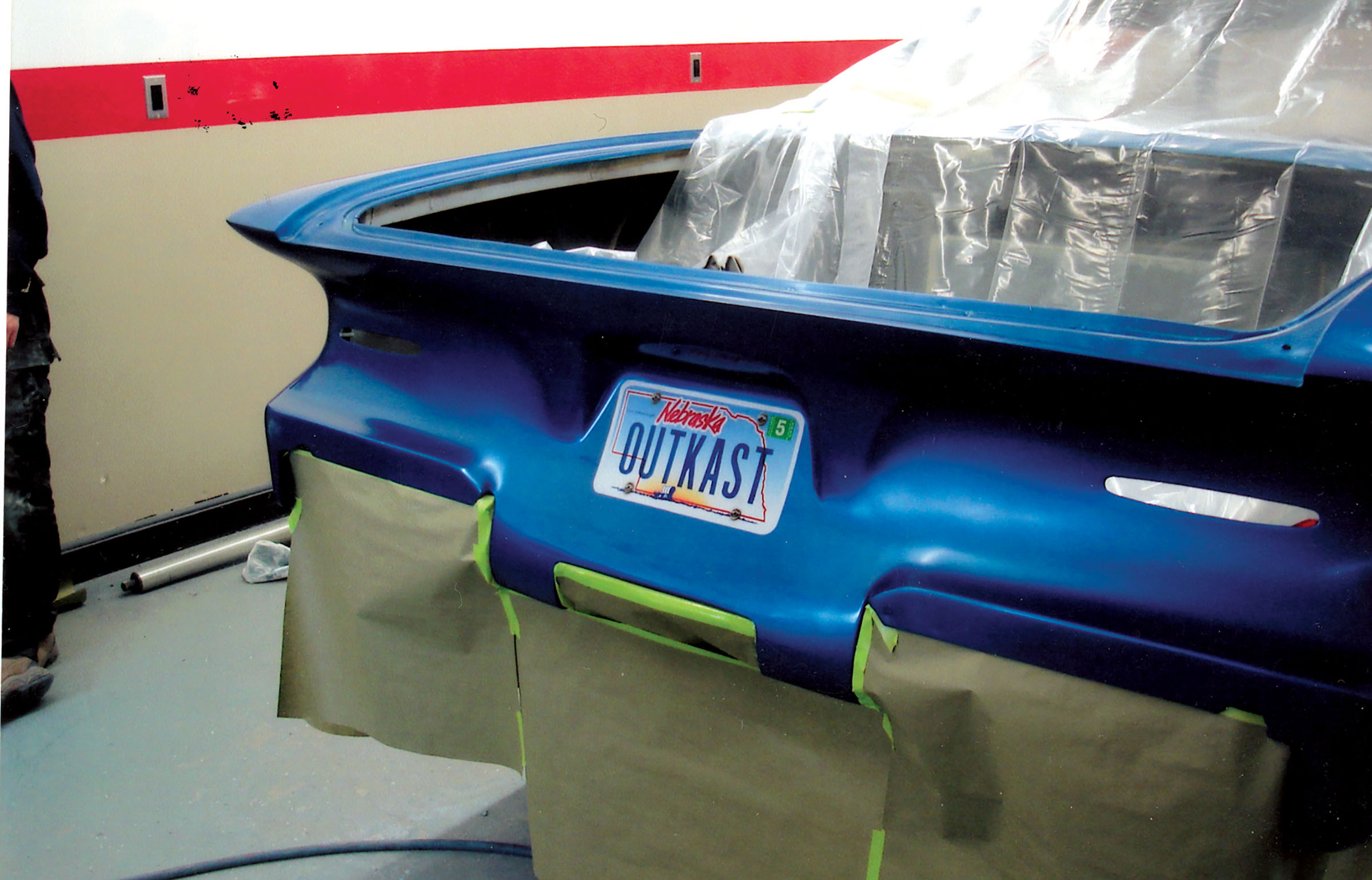
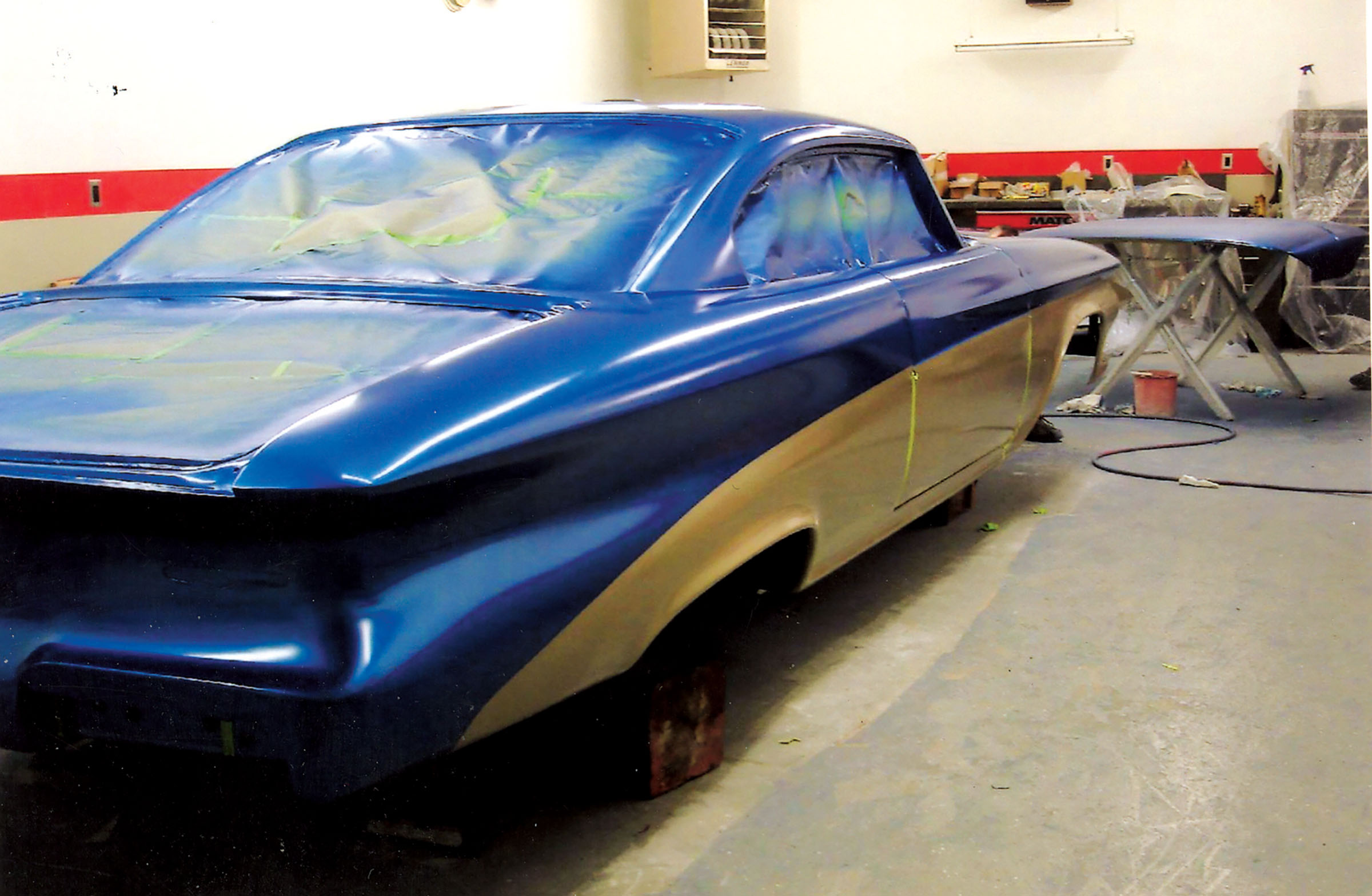
An untrained eye might think the top is unaltered, but it has been chopped 1-1/2 inches with the windshield laid back. Flush-mounted glass and shaved driprails further develop the smooth look Buzzello was going for. Also, the door glass is all one piece, since the vent windows were removed entirely. The rear of the Fury was completely smoothed, with the large taillights removed and replaced with LED third brake lights from a ’95 Dodge Avenger. Splitting the bumpers and modifying them to fit tightly against the quarter panels is another great detail. A custom rear pan replaces the stock piece, allowing the rectangular exhaust tips to be visible.
Paintwork and Final Finish
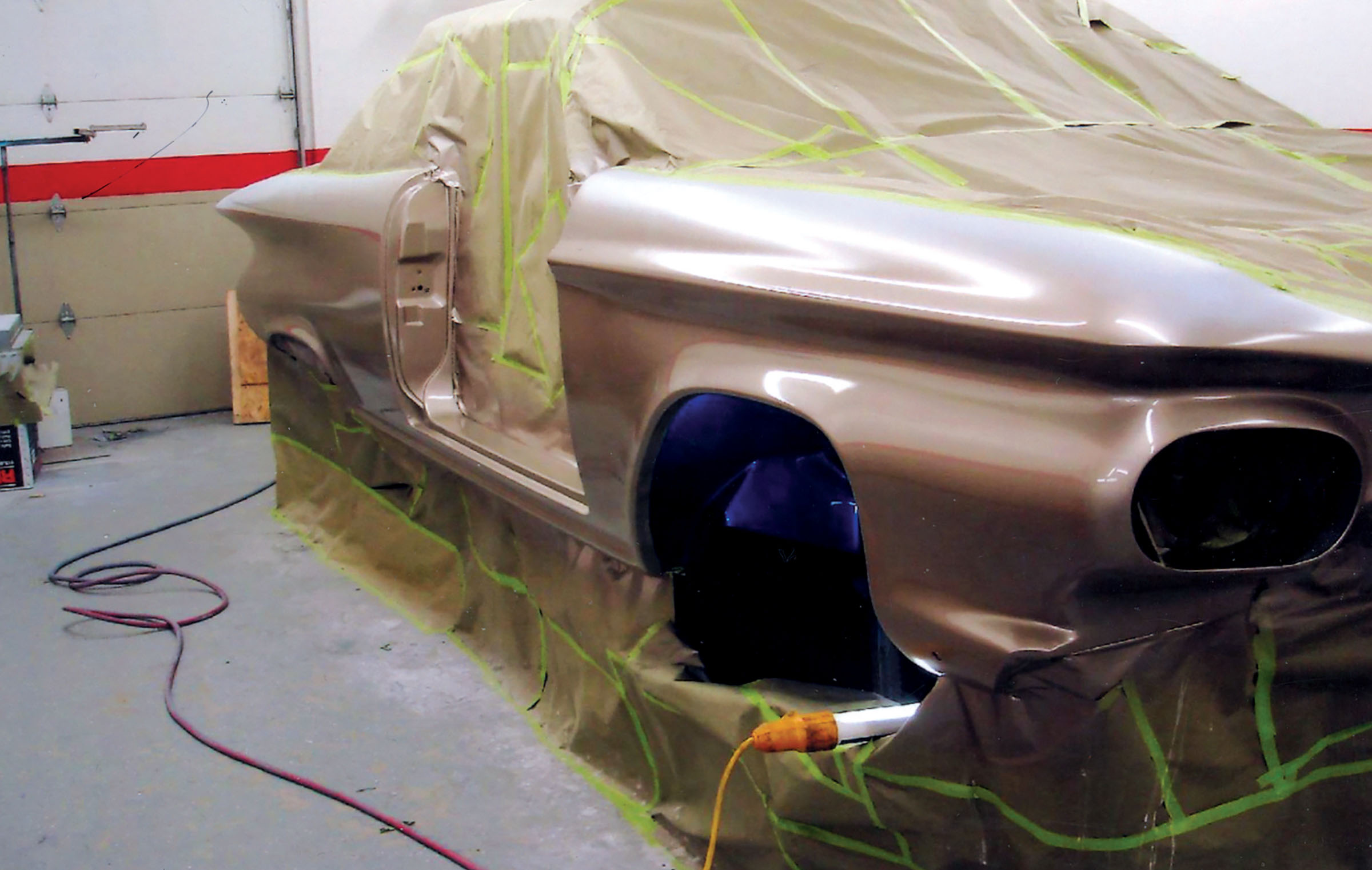
Along with all that metalwork, the guys spent many hours blocking and priming the body to make sure it was straight, with all of its panels properly aligned. All the painting materials and supplies came from Ron Stazzoni and Mike Cole at D&R Auto Paint and Supply. The two-tone design features Ford Festiva Blue on top with Ferrari Champagne on the lower portion. McGrath applied the base/clear paint, which was soon sanded and buffed to a high-quality finish.
The 426 Hemi Powerplant
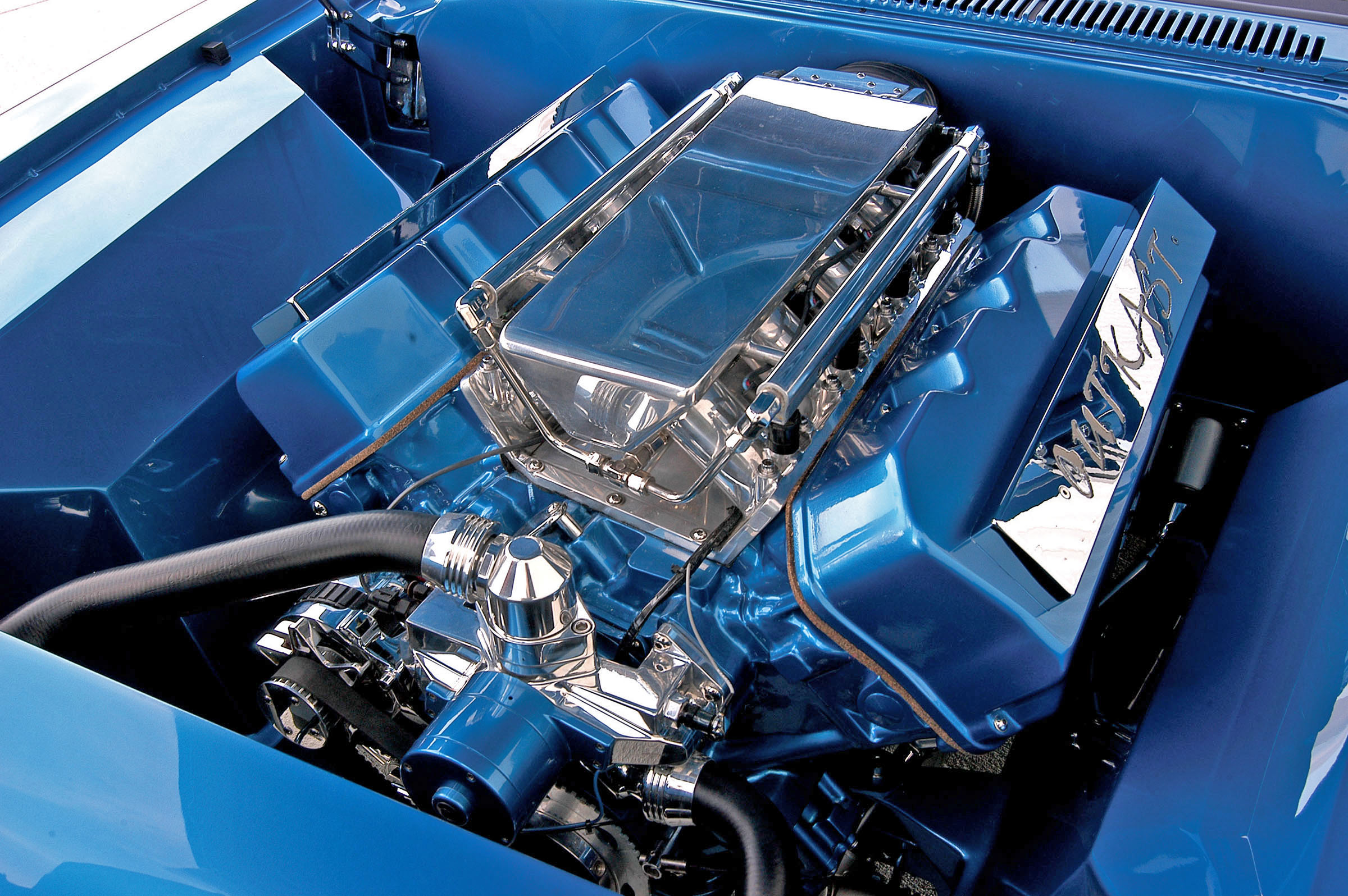
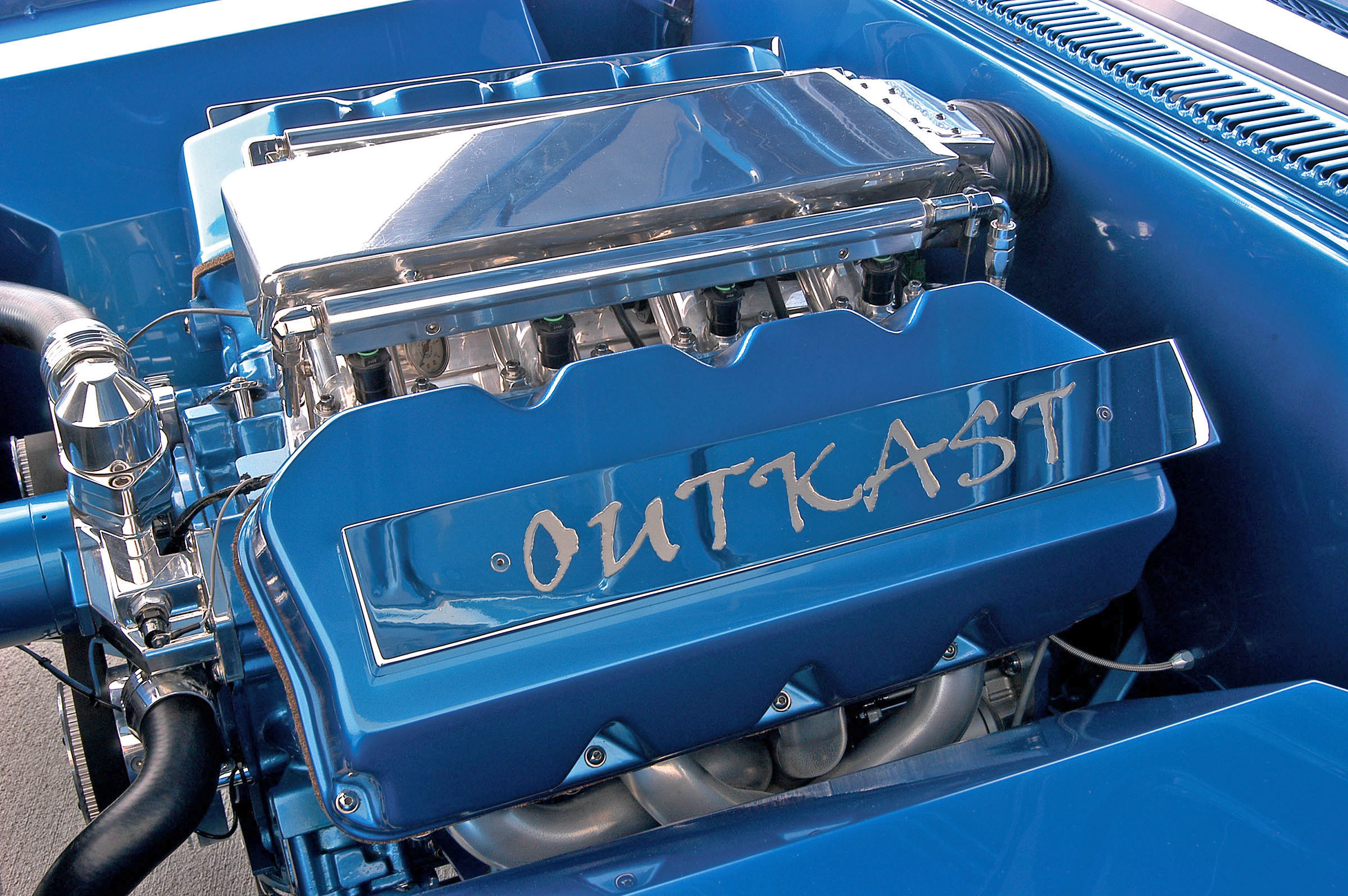
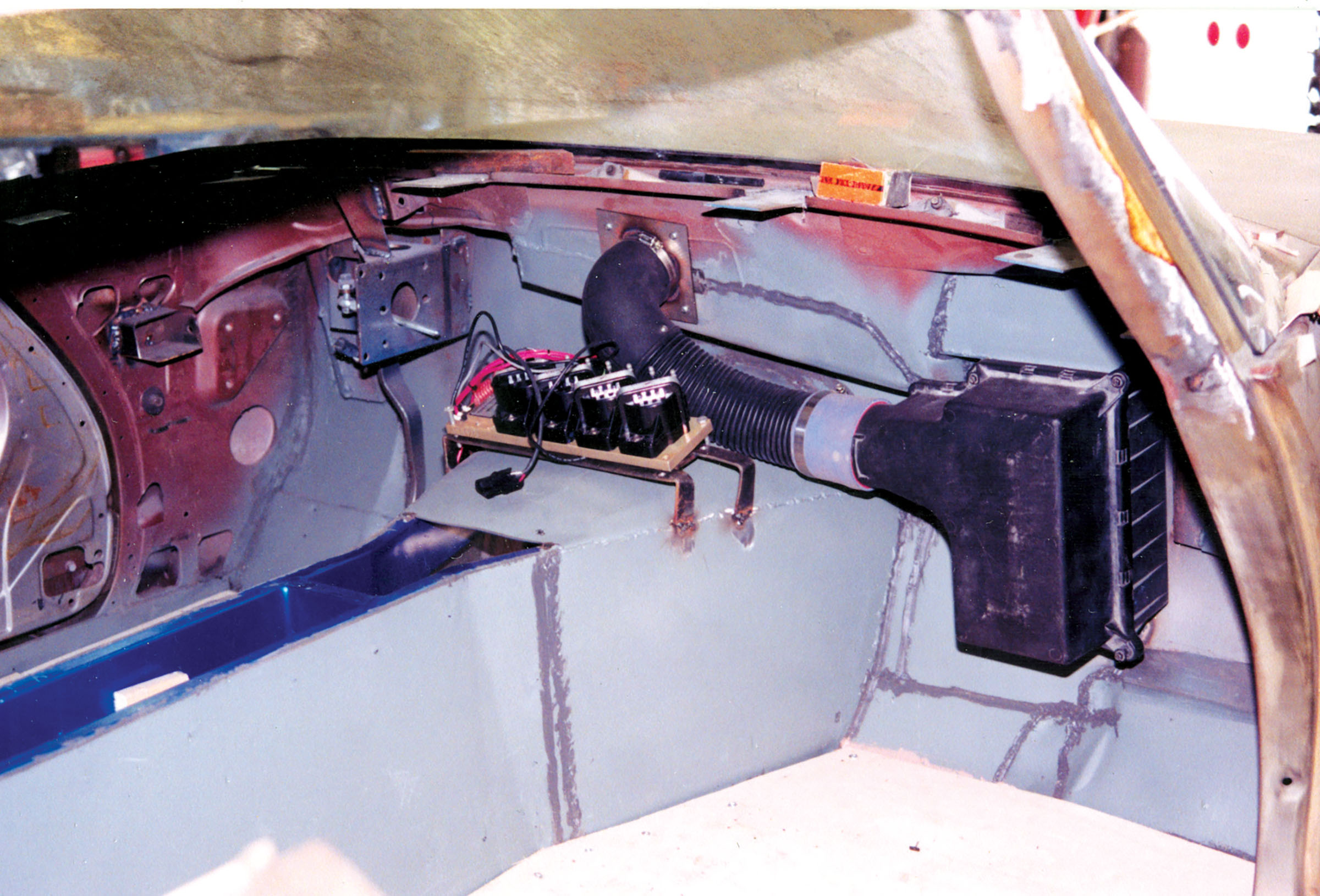
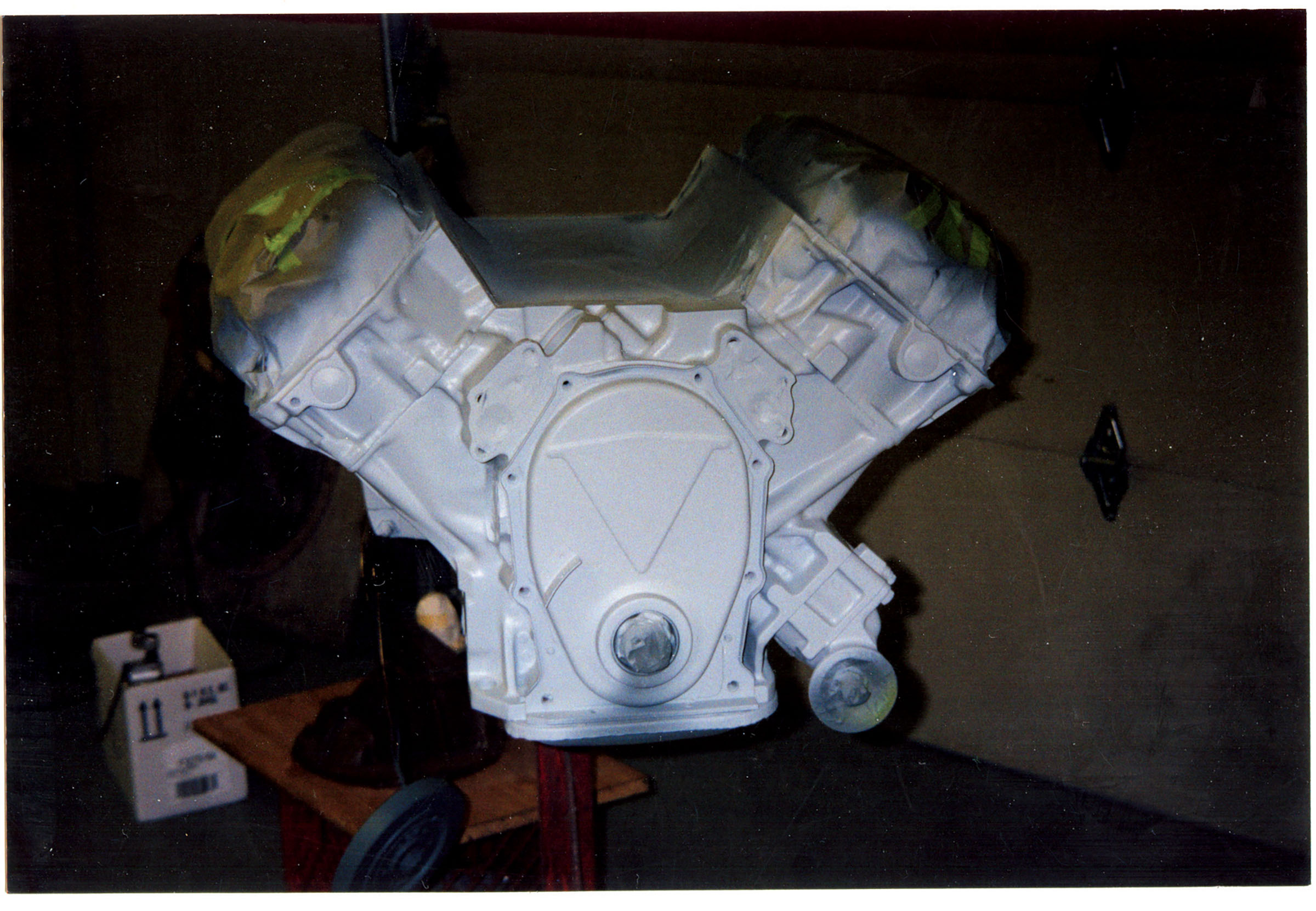
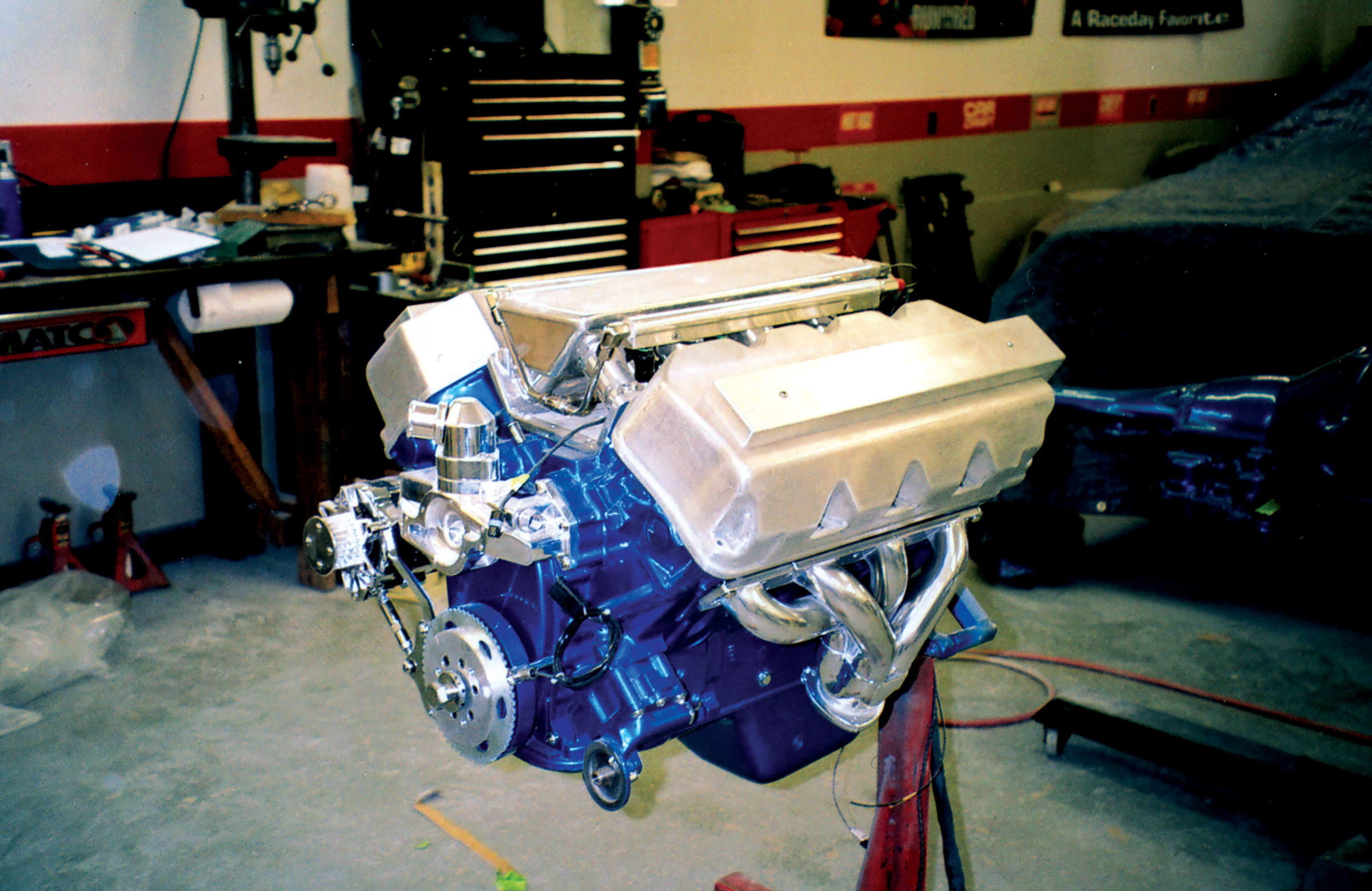
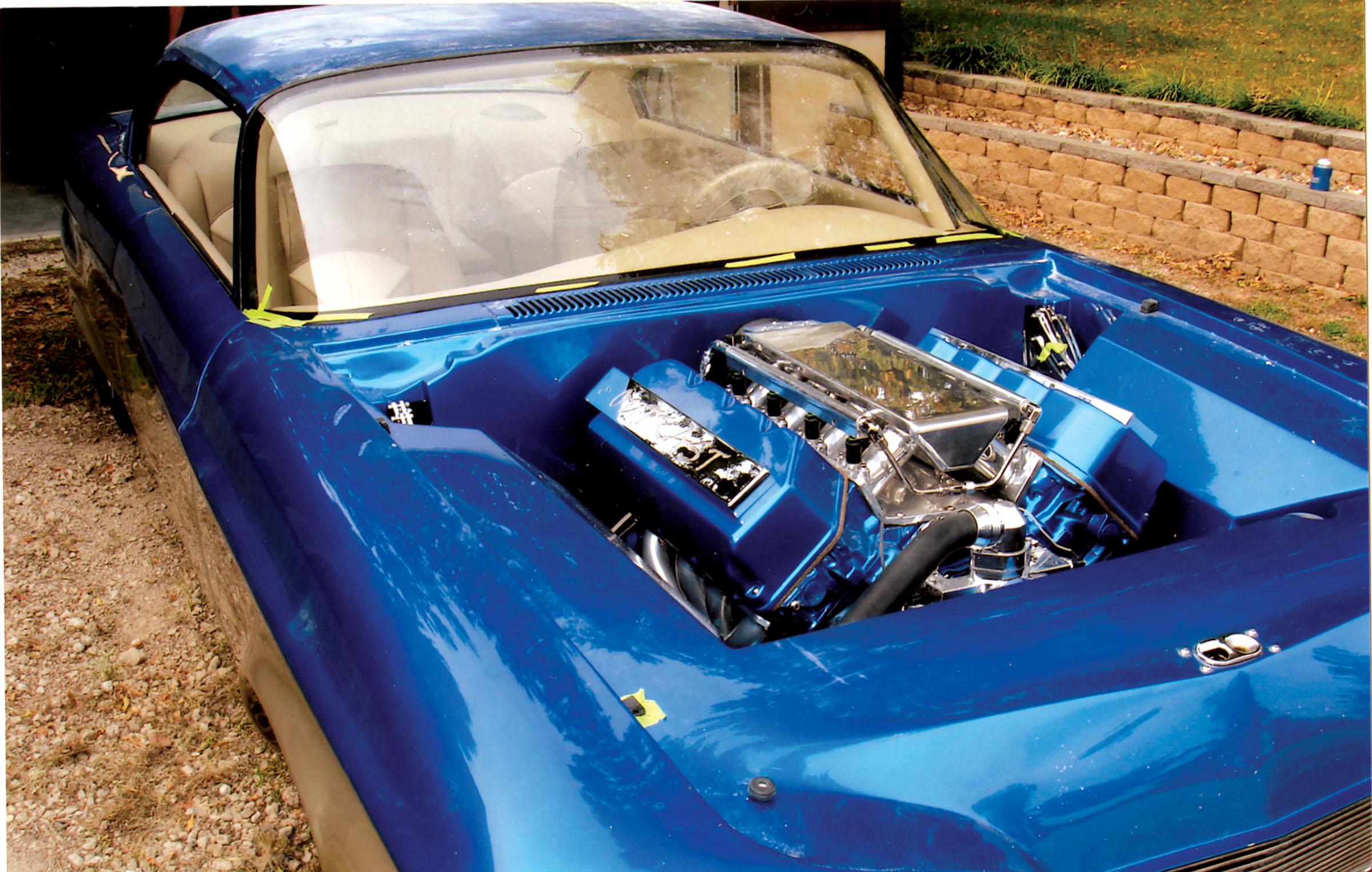
Motivation for this Plymouth comes from a 426ci Hemi. Buzzello had the Hemi at his shop and thought there was no better place to use it, so he chose Ostrich Racing Engines in Nevada, Iowa, to refresh the Hemi with all-new parts. A 10.5:1 compression ratio is created by a set of TRW pistons and rings. Stock heads were used, but a Reed roller cam was installed to move the valves a little more quickly. Induction comes from a one-off intake manifold made by Street & Performance. The air inlet is ducted into the firewall, where it draws in cool air from the factory cowl vent into a custom air box under the dash. Ignition comes from an Electromotive crank-trigger system and features multiple coil packs to produce spark. Sanderson short-tube headers handle the exhaust gases that later travel through Turbo Tube mufflers.
Engine Details and Drivetrain
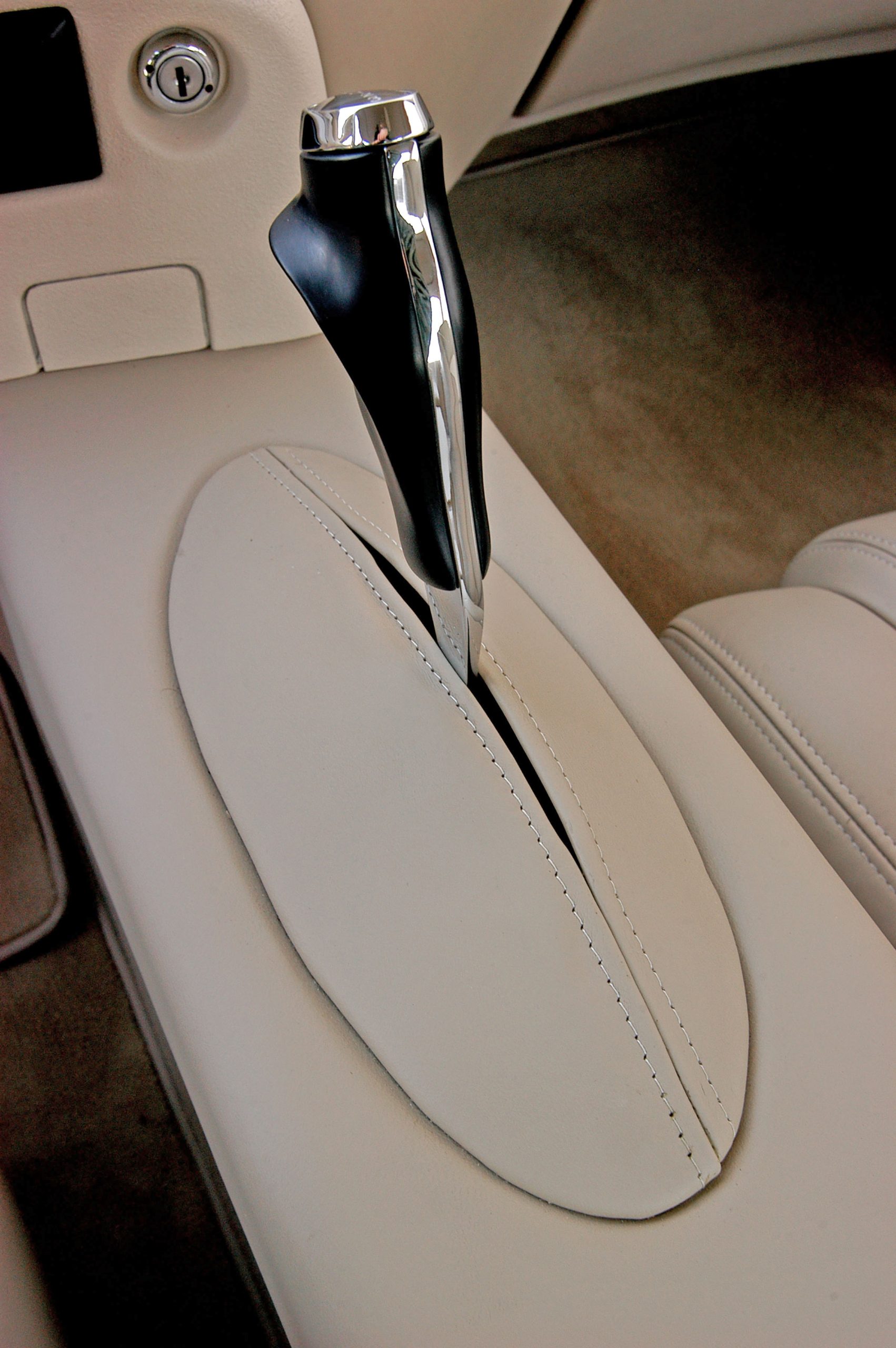
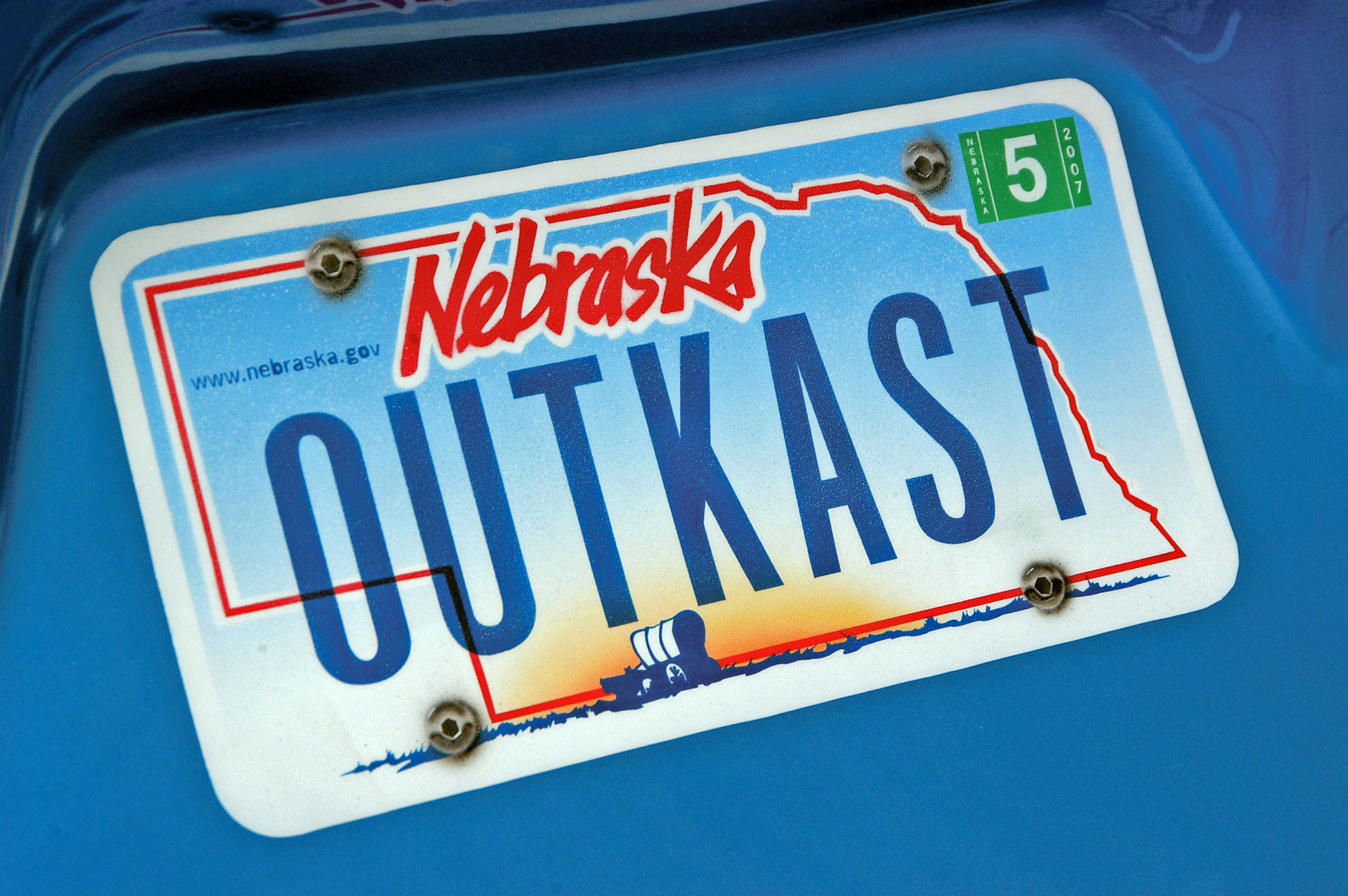
Along with these performance components, the block and heads were ground smooth for a slick finish, and the Indy valve covers are modified with custom plug wire covers that read “Outkast.” With all the power produced by the Hemi, a good transmission was needed, so a Chrysler 727 Torqueflite was used. A Turbo Action torque converter with a 3,200-rpm stall speed controls the power when applied. The custom pistol-grip shifter selects the gears in the modified three-speed automatic.
Custom Interior Design
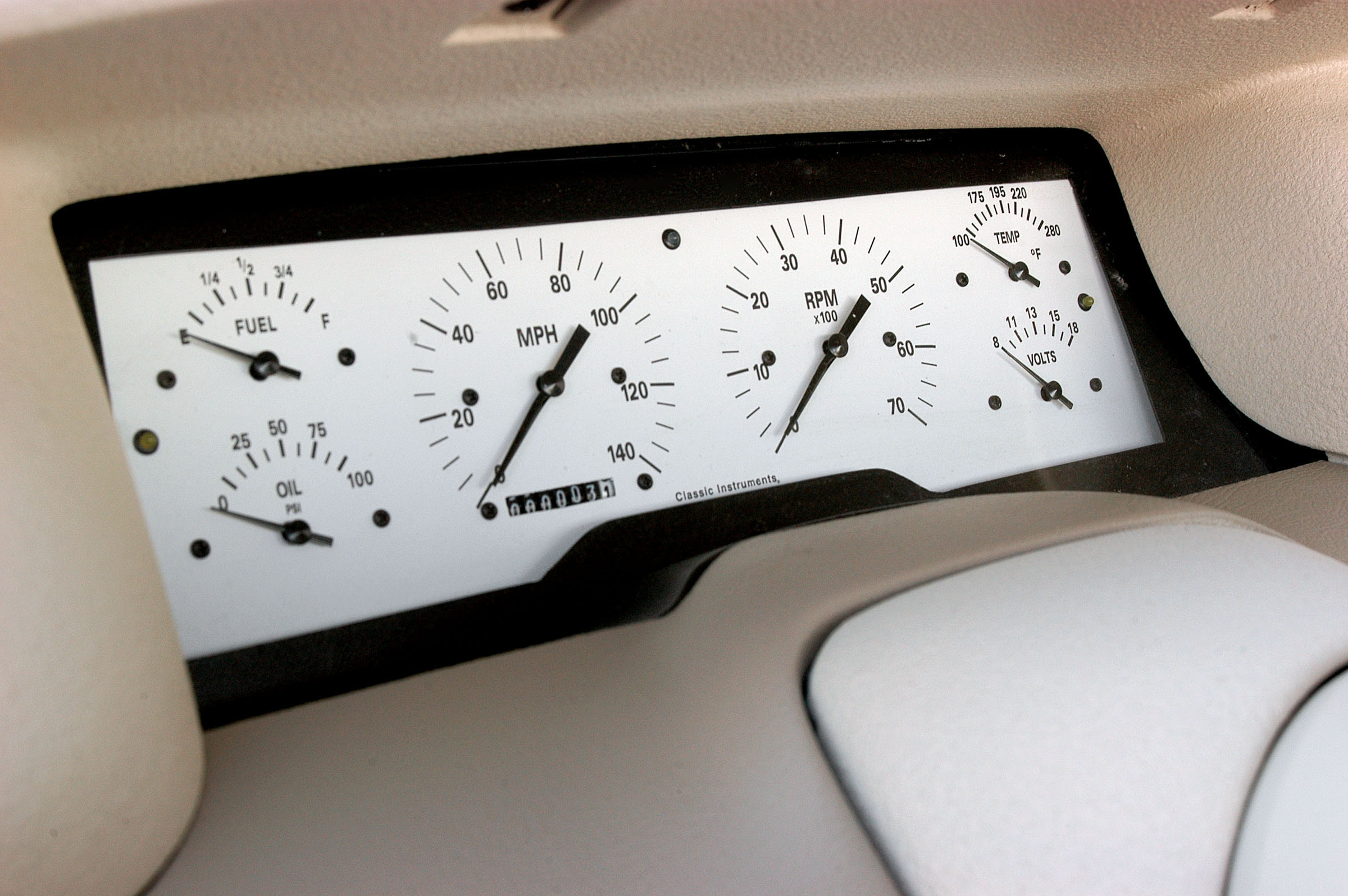
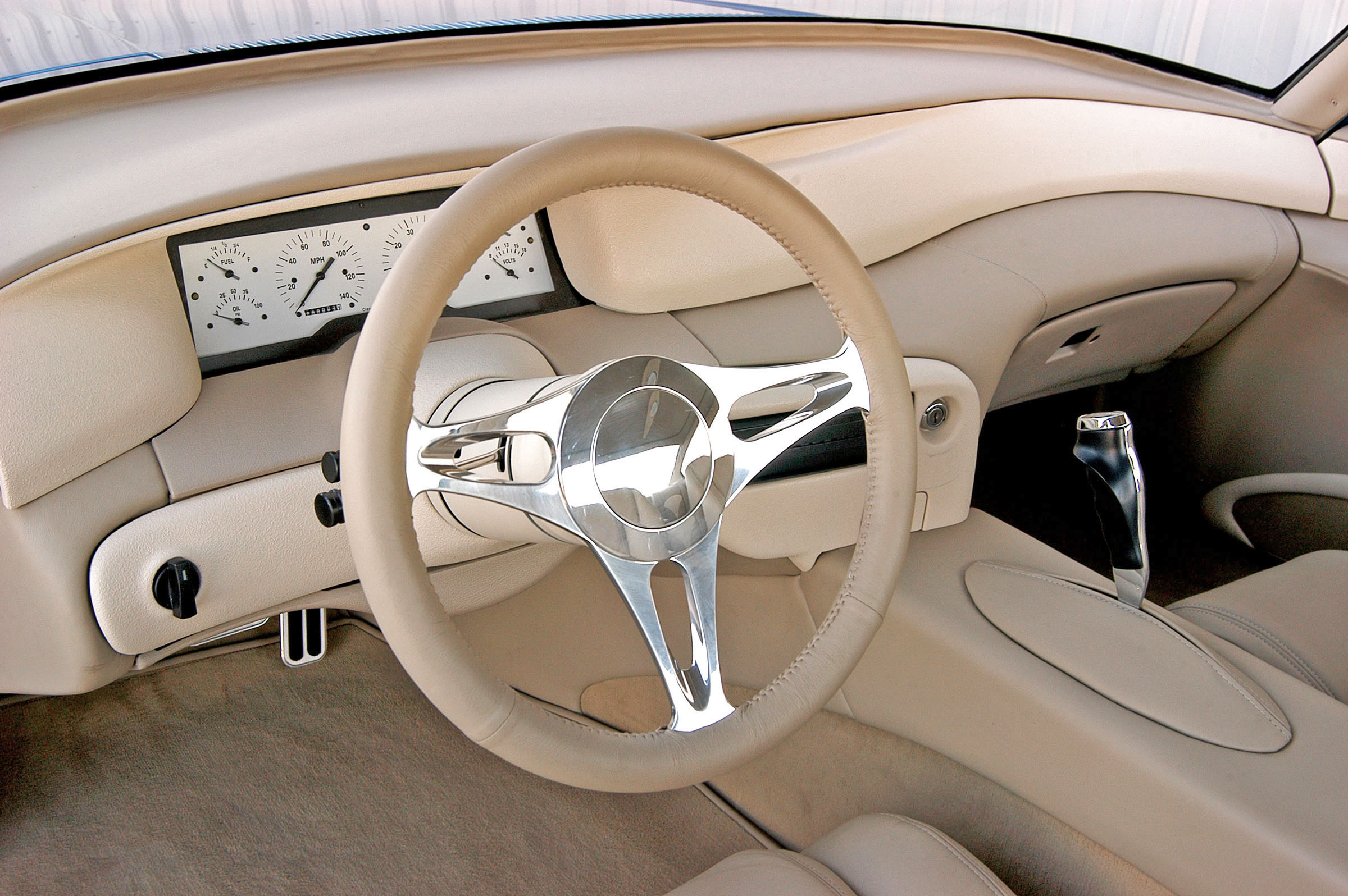
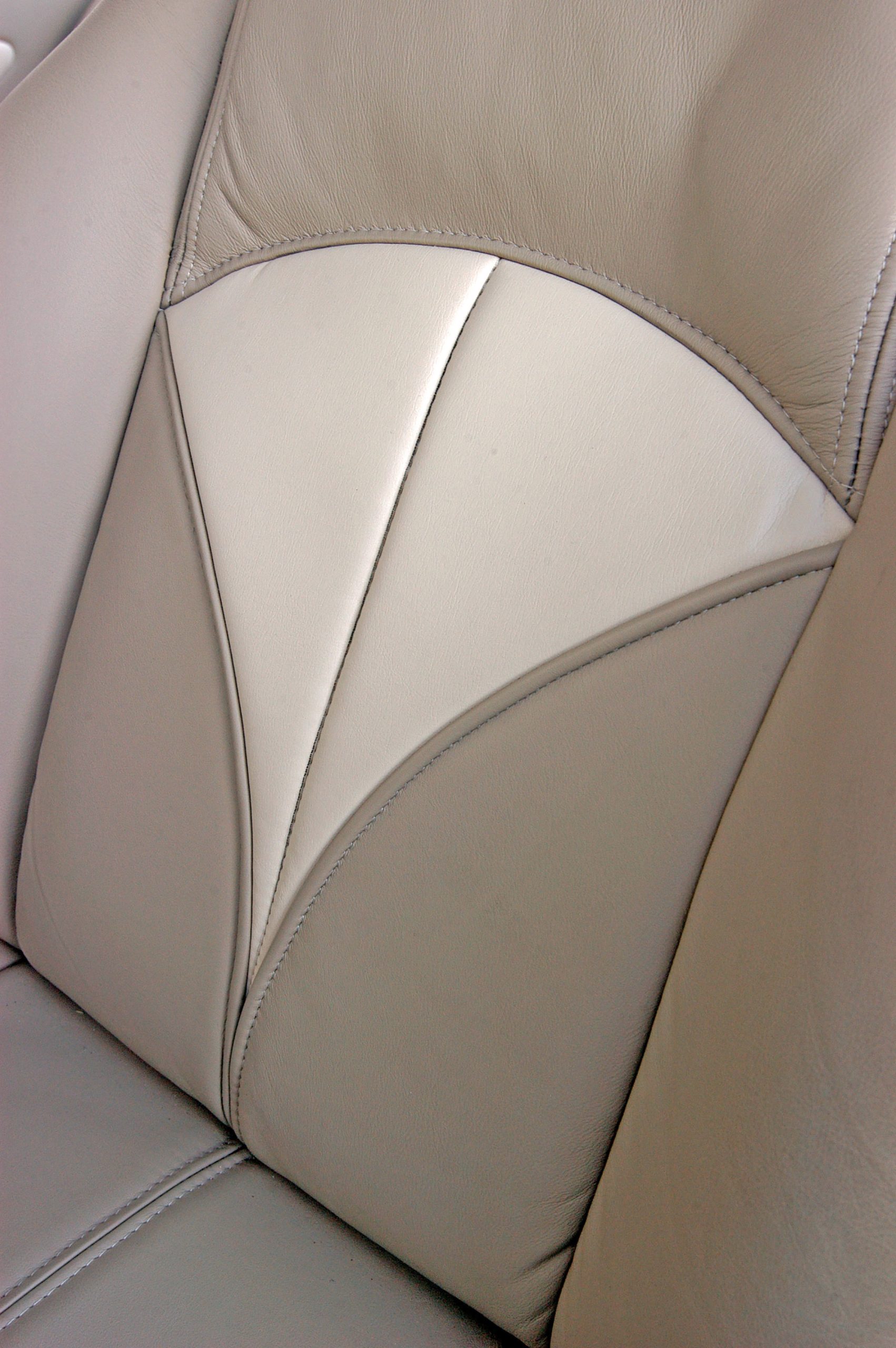
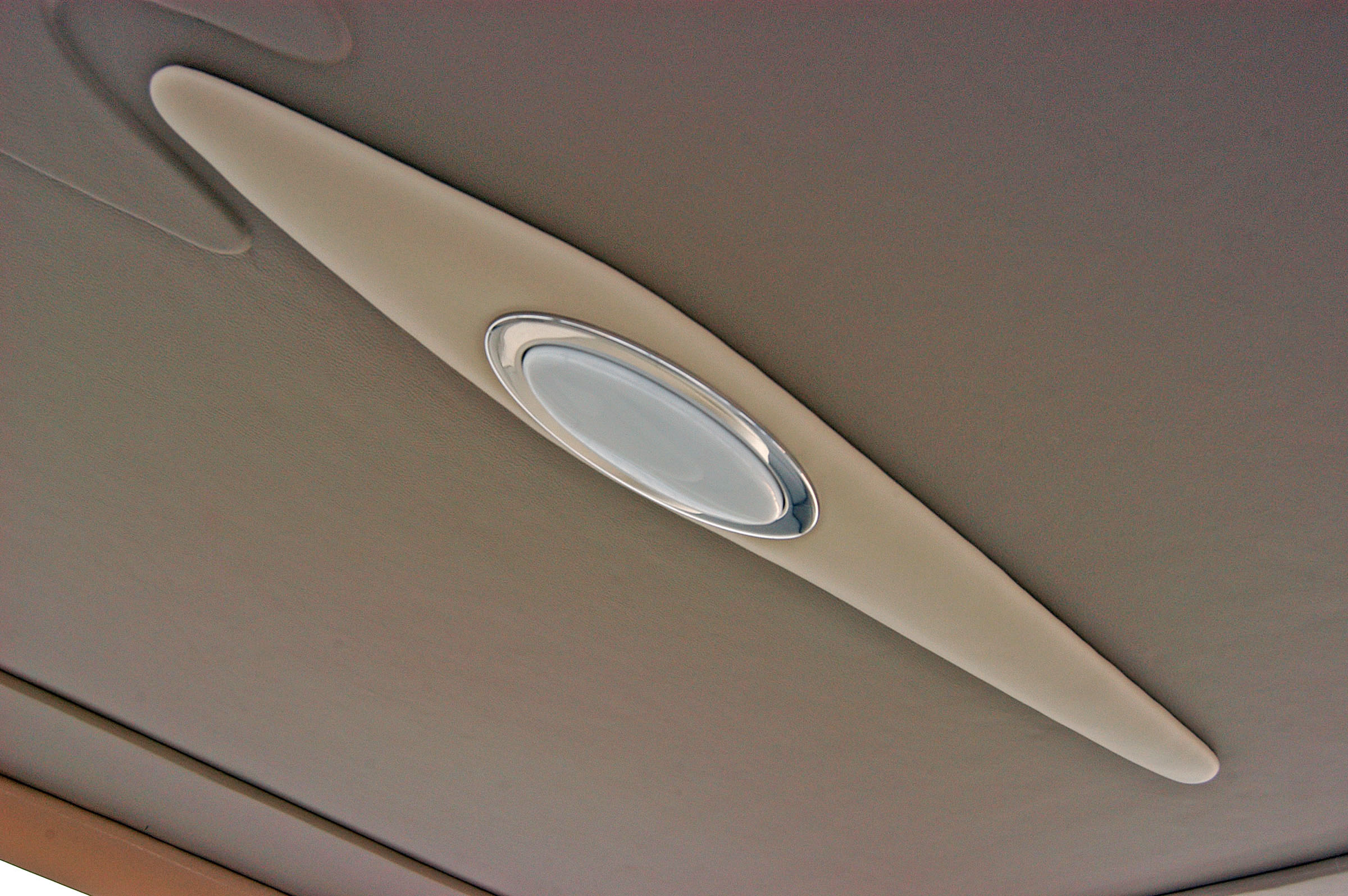
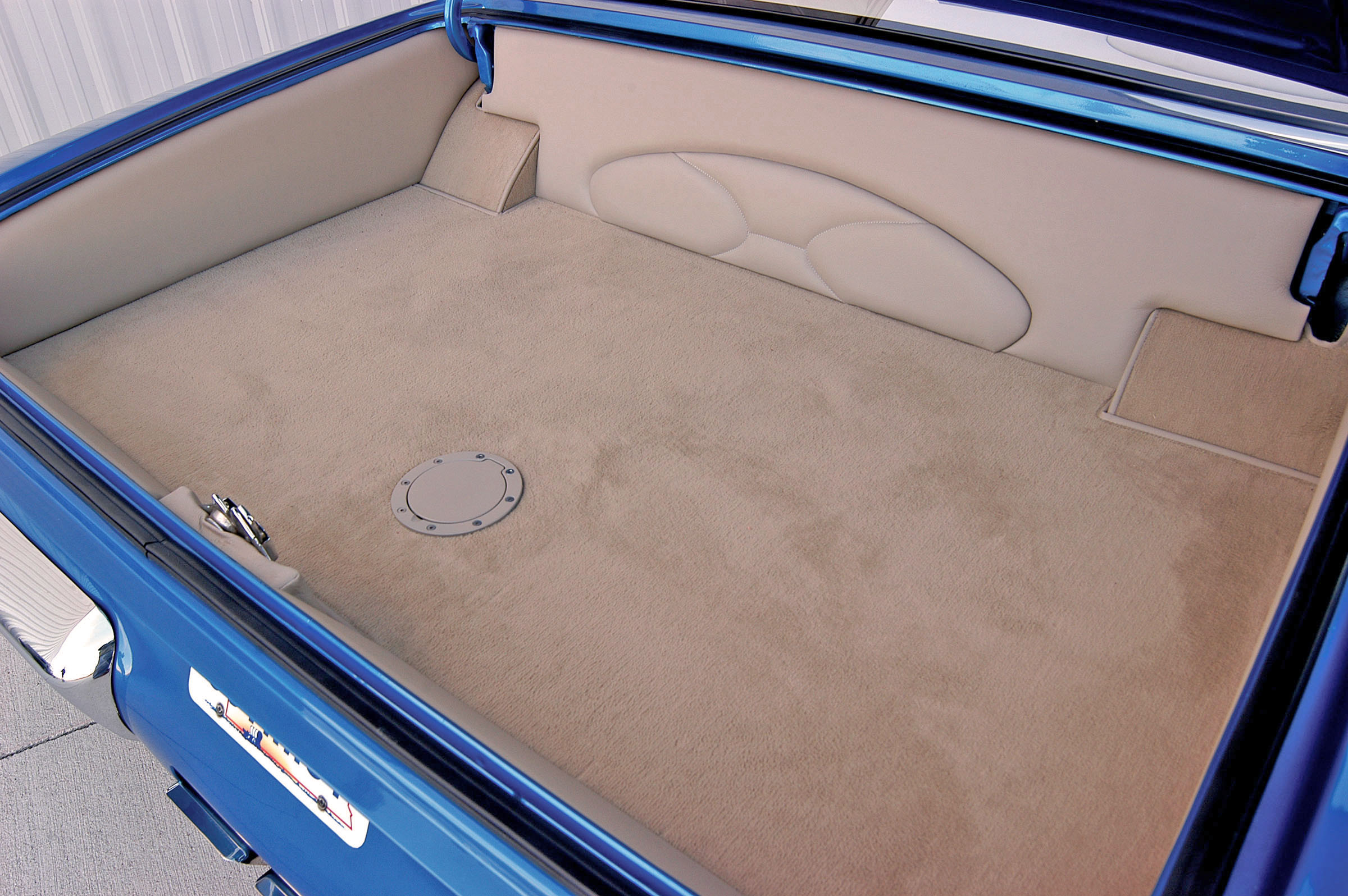
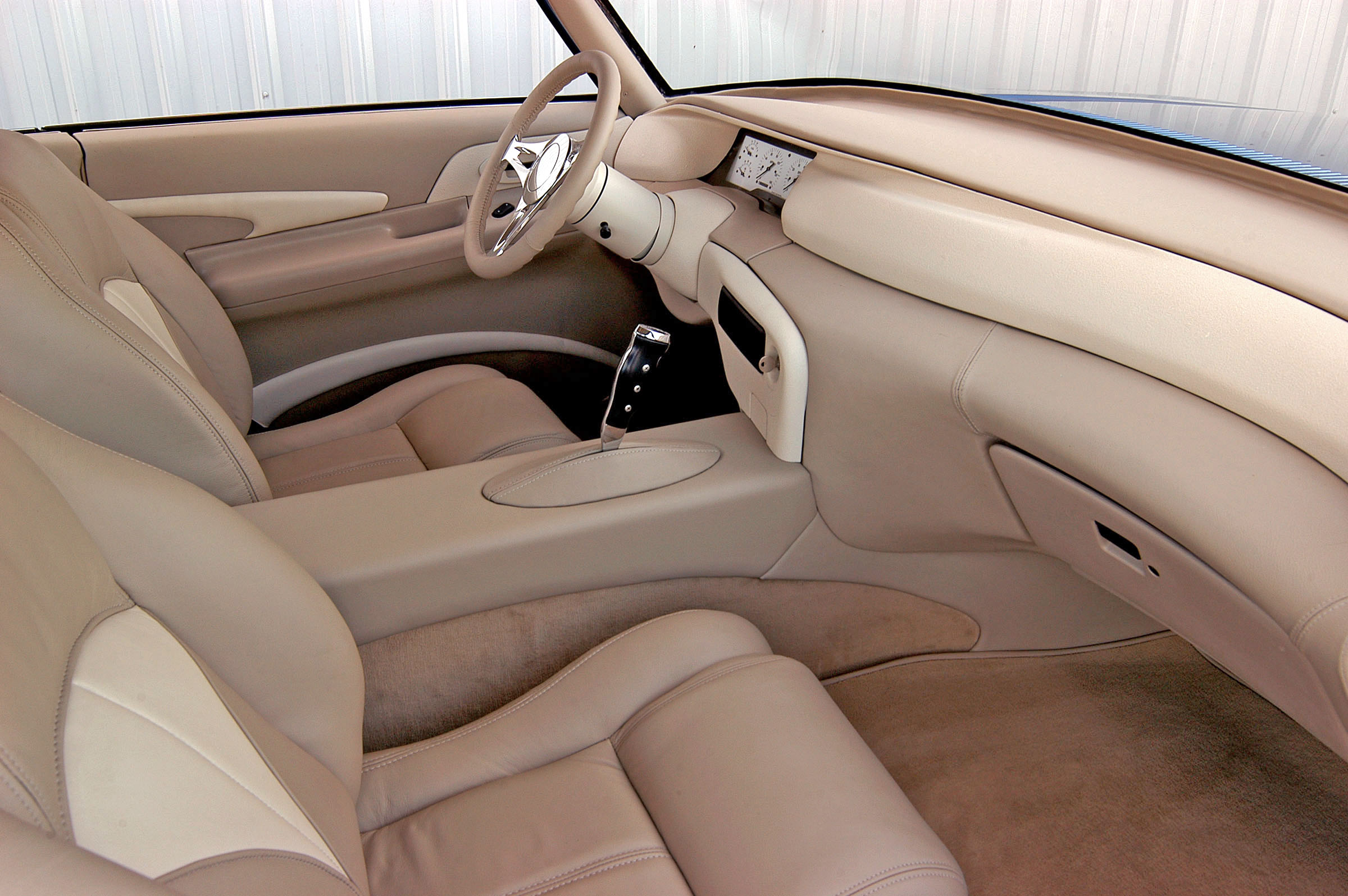
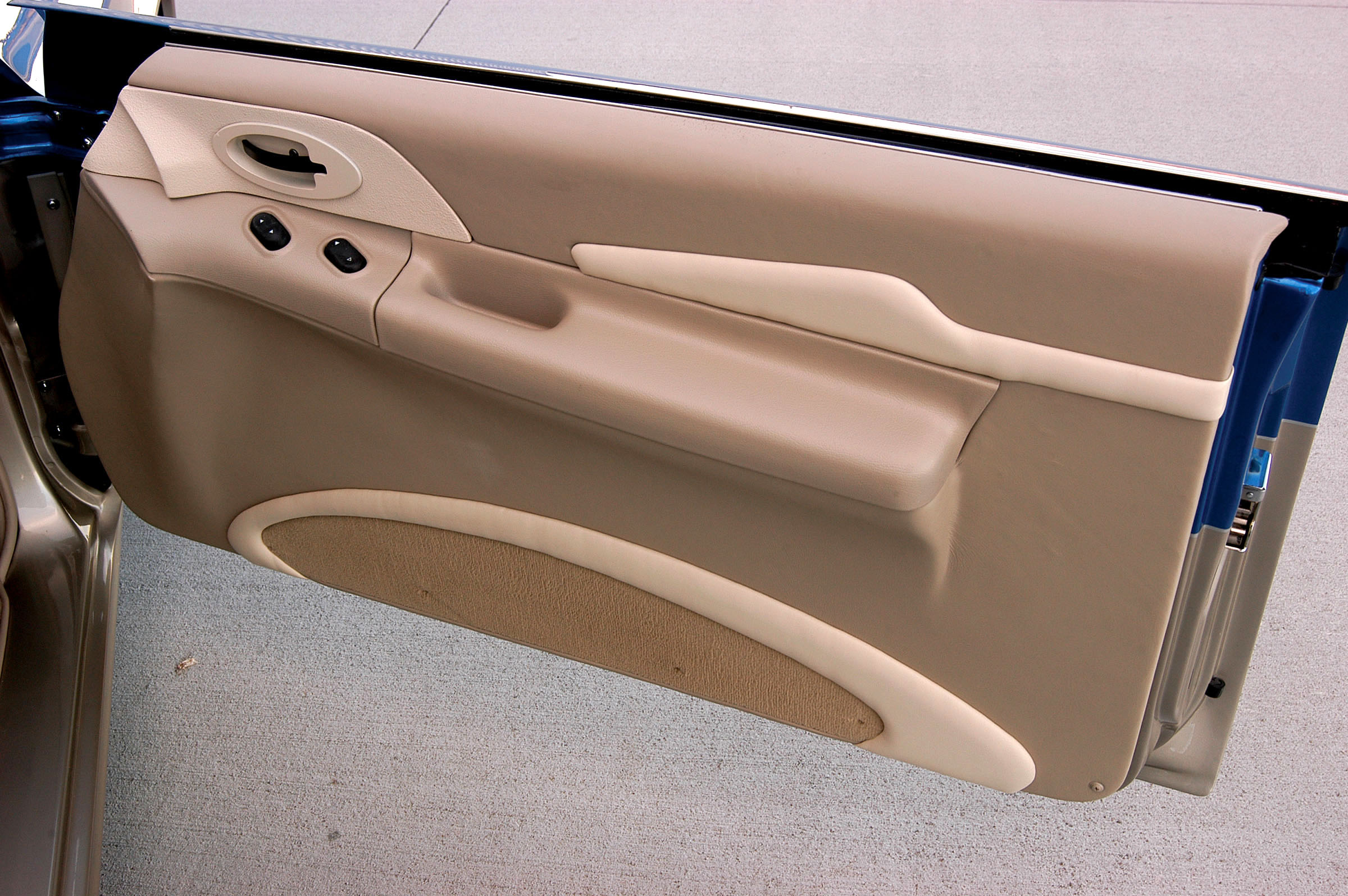
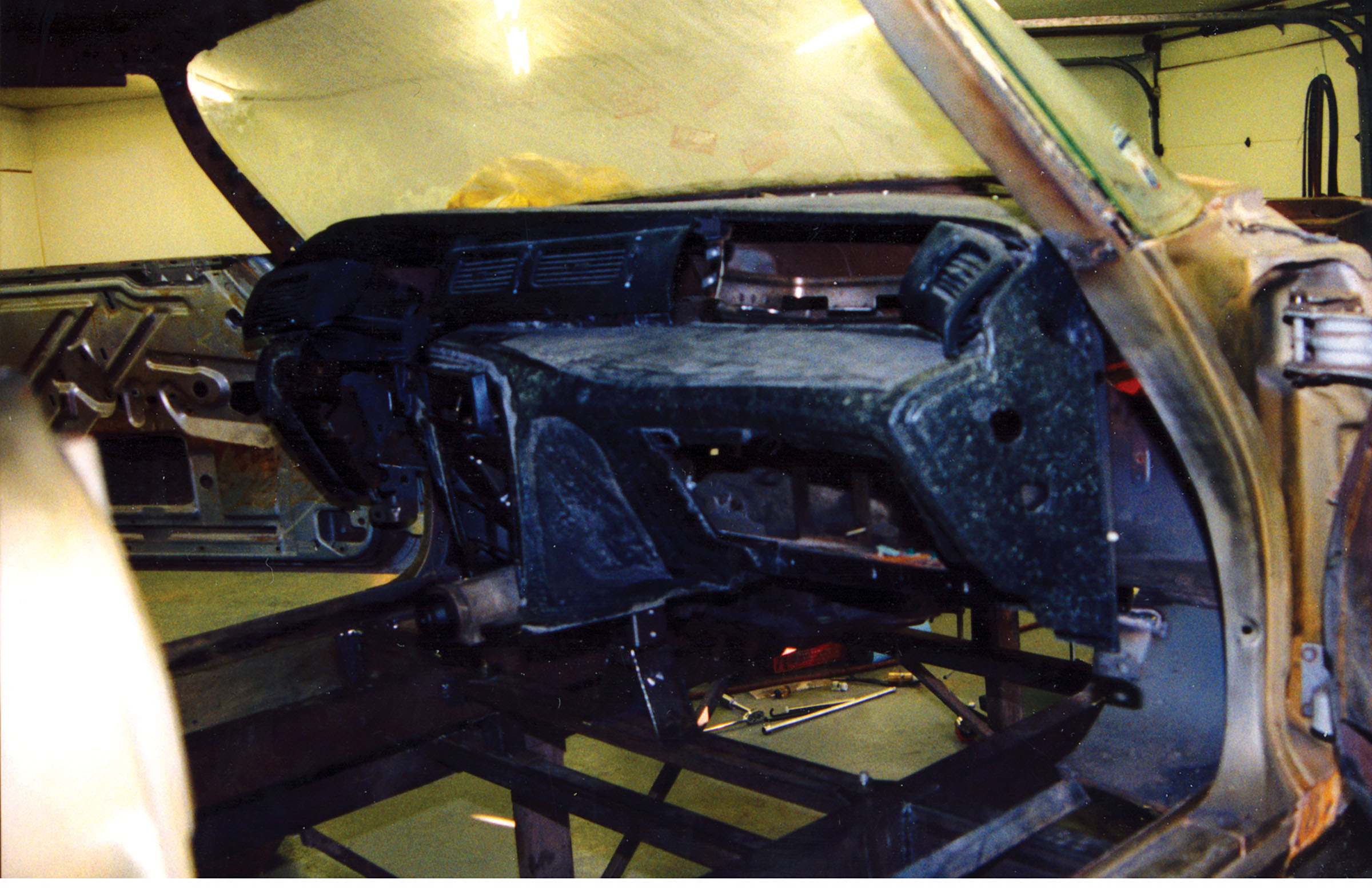
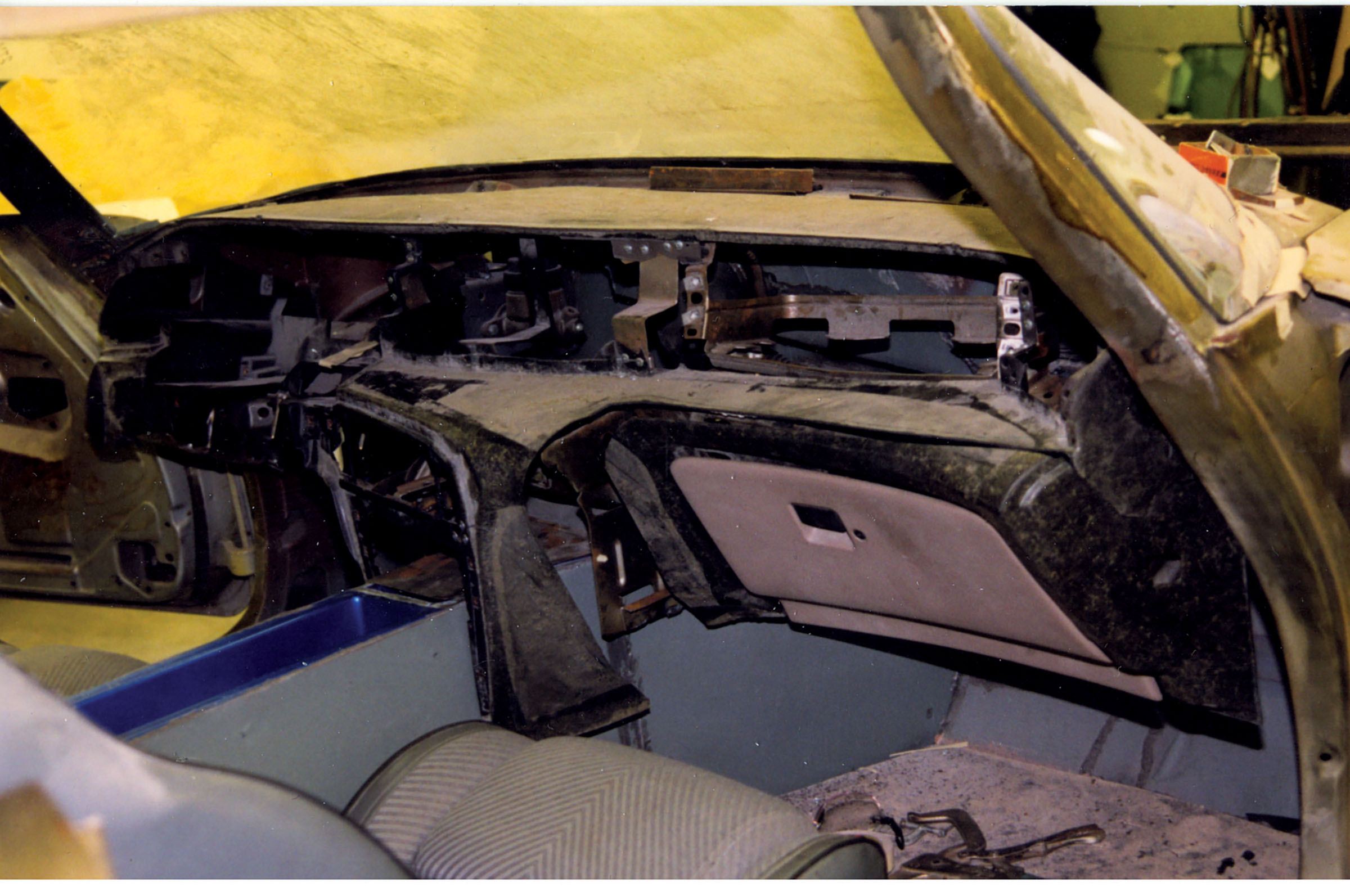
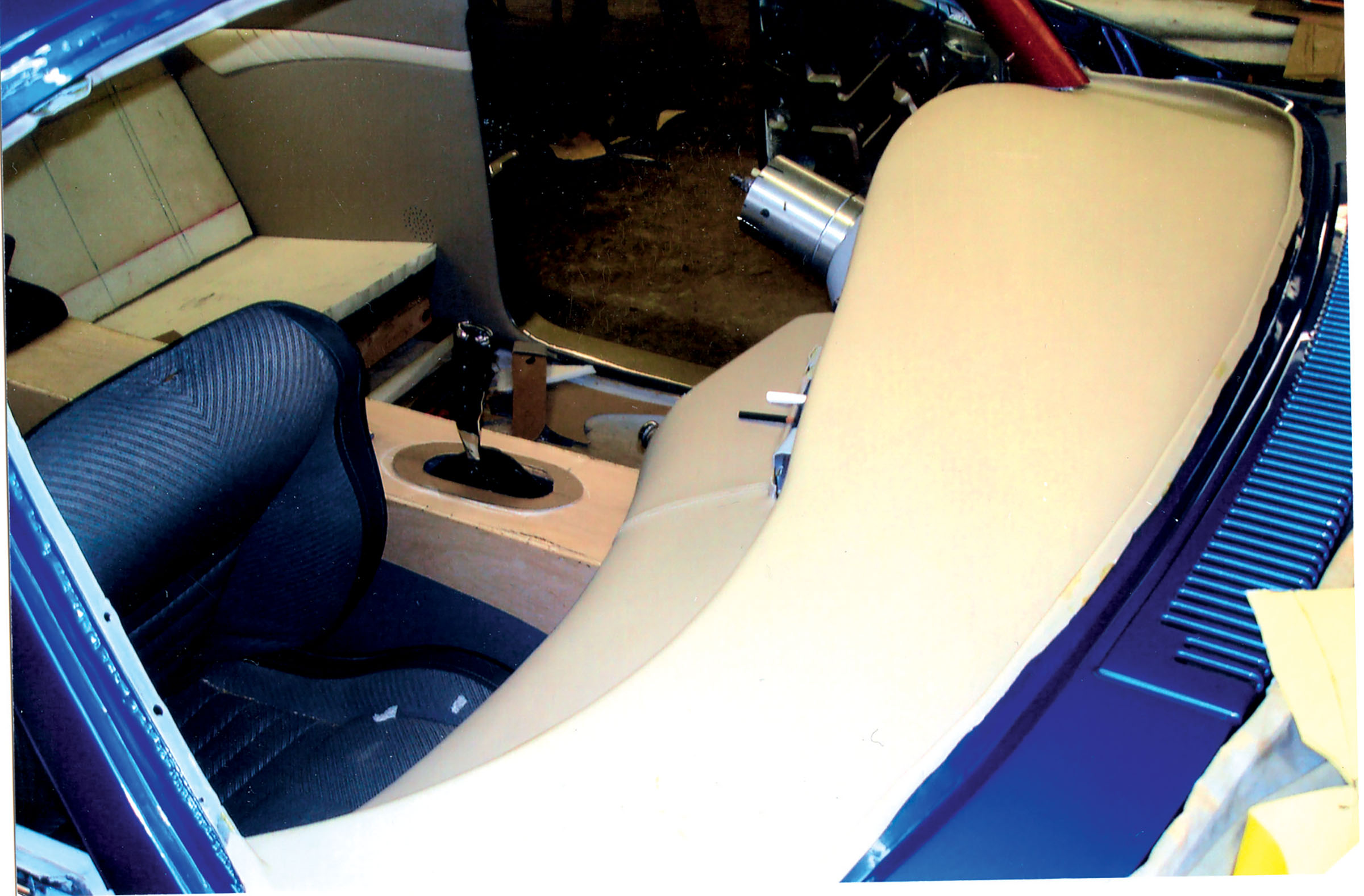
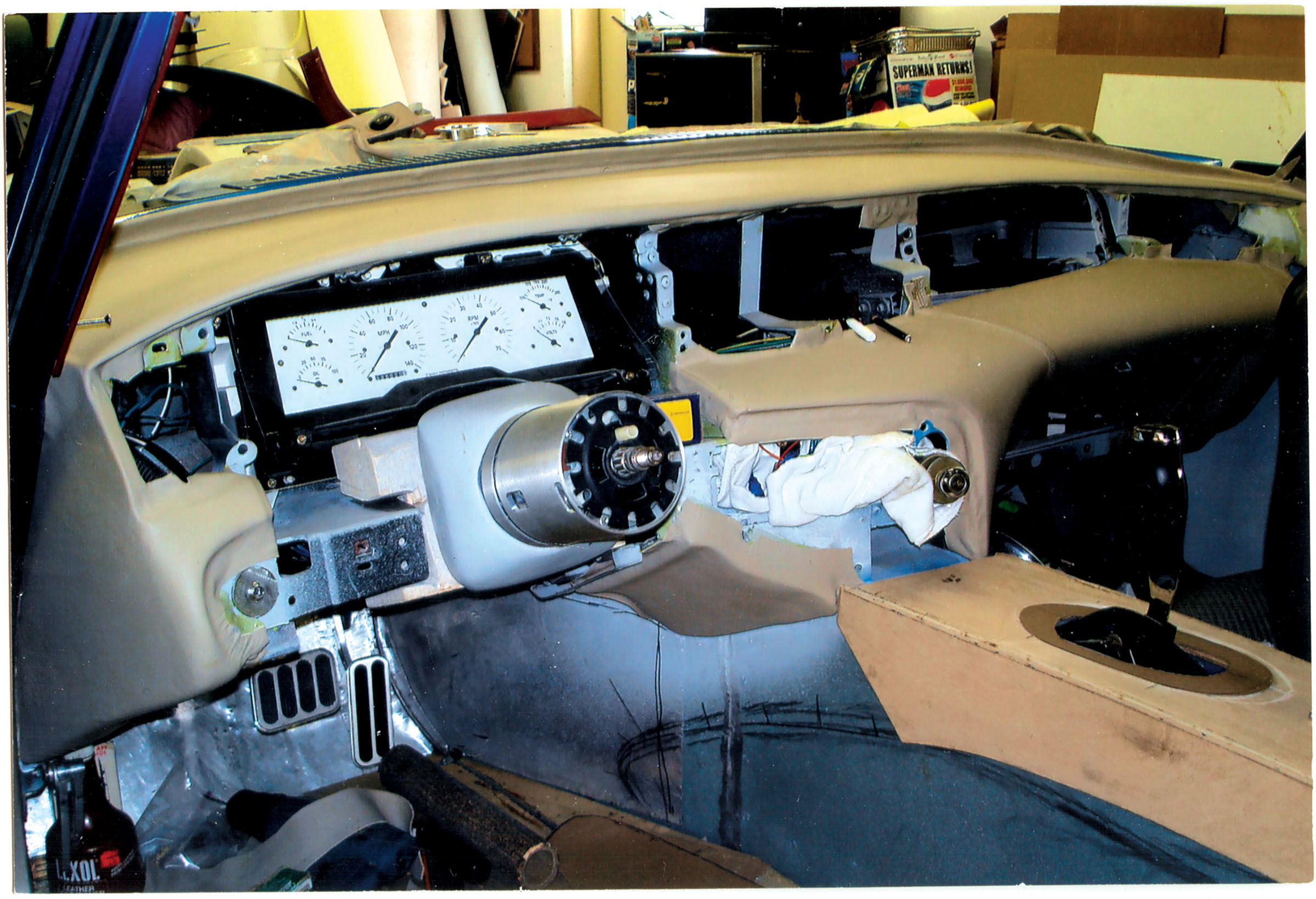
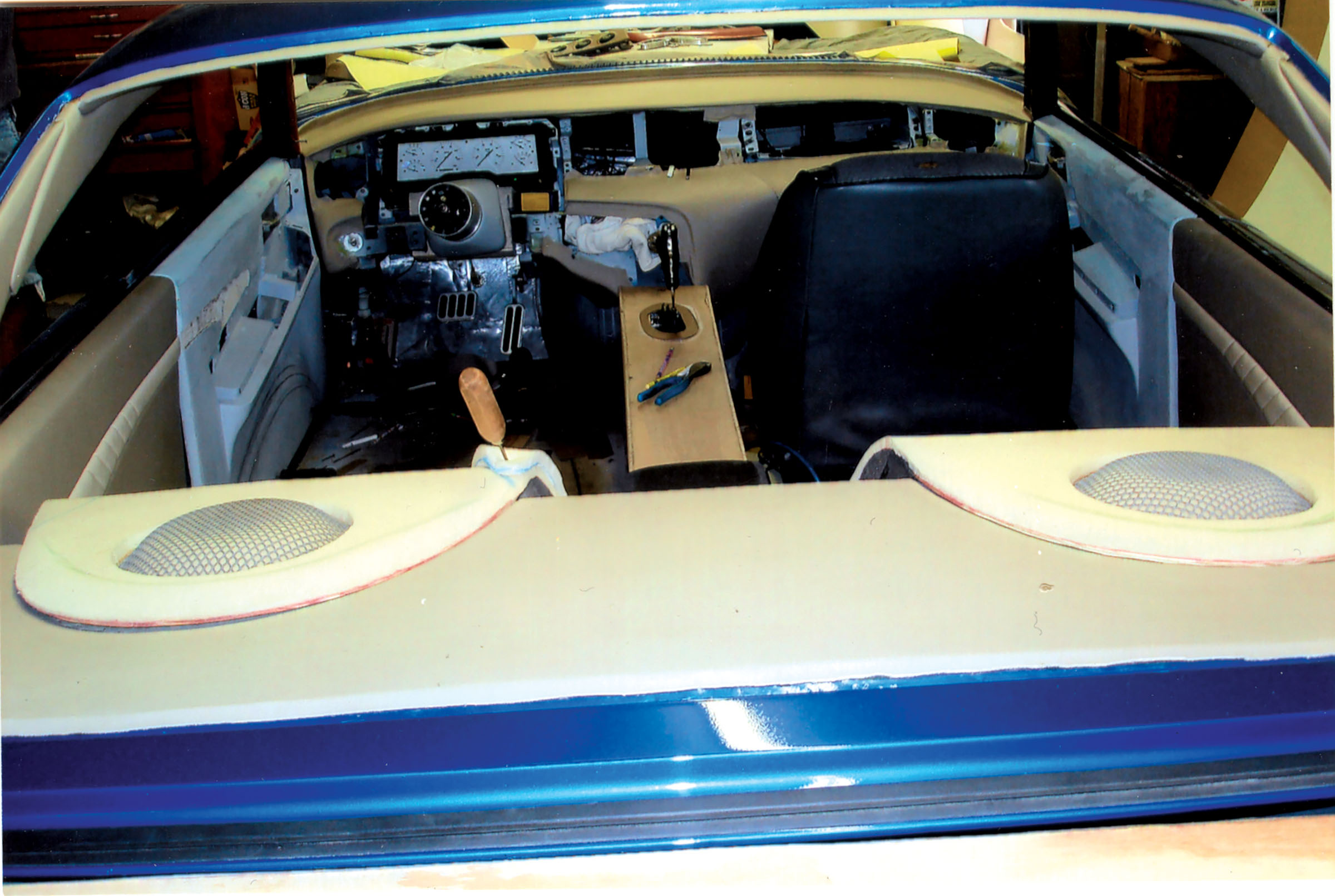
A great car would be nothing without a great interior, so Buzzello and Steve Gantz formed all of the interior parts from wood and fiberglass. The door panels and dash came from a Ford Windstar van. The dash was modified extensively by using fiberglass to mold a new shape and carry the design into the door panels. Inside the dash is a white-faced Classic Instruments cluster. A custom console was then fabricated, which runs from the dash to the package tray between the bucket seats used in the front and rear. After the interior panels were fabricated, McFall’s Auto Trim, located in Iowa City, Iowa, wrapped all of the components in taupe leather. The ring on the Niser Components three-spoke steering wheel was also covered in the same taupe leather. Audio comes from an Alpine CD player and Kenwood speakers. A Kicker amp powers the sound system and the Kicker subwoofer. Bob Gantz wired the engine and all the accessories for the Fury with a Syntec kit.
A Unique and Award-Winning Build
This ’61 Plymouth Fury proves that all it takes is hard work and creativity to produce an award-winning ride. Buzzello says, “Any Mopar guy can make a ’Cuda or Road Runner look good, but this car is a challenge, to say the least.” Completed in October 2006, the car is being shown at several indoor car shows for 2007 and will be placed on a turntable with mirrors underneath to showcase the slick undercarriage. Later in the year, Buzzello plans to drive it to a number of outdoor rod runs, including the Des Moines Goodguys show.
Standing Out as the “Outkast”
There is no doubt that Buzzello’s Fury is different, but it is guaranteed to get a lot of attention and reaction at car shows. It’s not often you see a ’61 Fury done up and on display at indoor and outdoor car shows standing out among ’32 Fords and ’55 Chevys, living up to its “Outkast” image.