









Cars
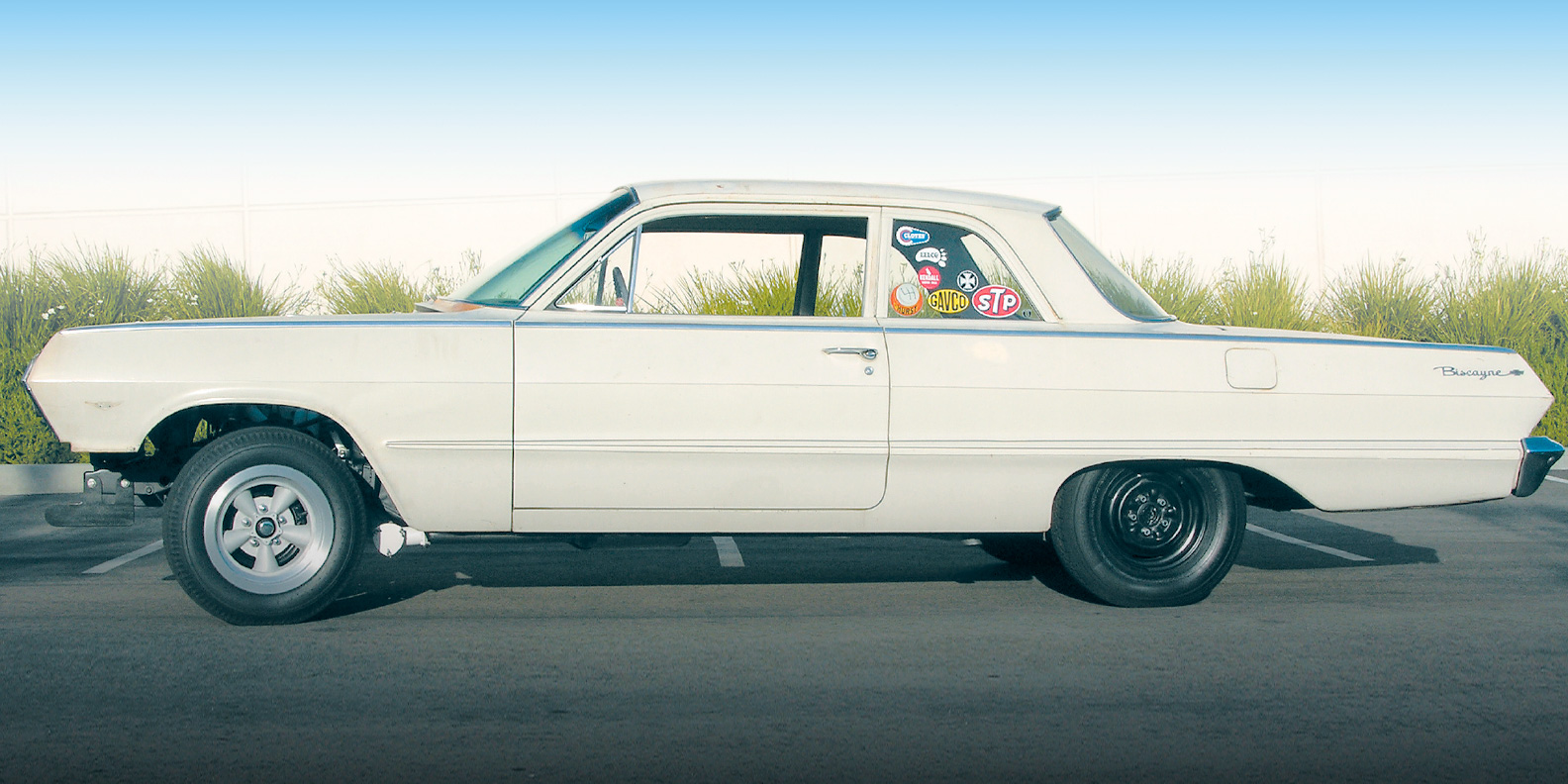
Experience the thrill of Project Tin Can, a neighborhood sensation turned adrenaline-pumping amusement ride! With its roaring 283 engine and close-ratio Muncie four-speed, this car is a showstopper. Hear the laughter, witness the stares, and feel the excitement as Tin Can leaves a trail of awe wherever it goes. Discover how a modest 283 engine transformed into a powerhouse, making this car a 13-second wonder. Join us as we bid farewell to Project Tin Can, but stay tuned for occasional updates and adventures. Thank you to all who contributed to this unforgettable journey. Old-school enthusiasts, rejoice!
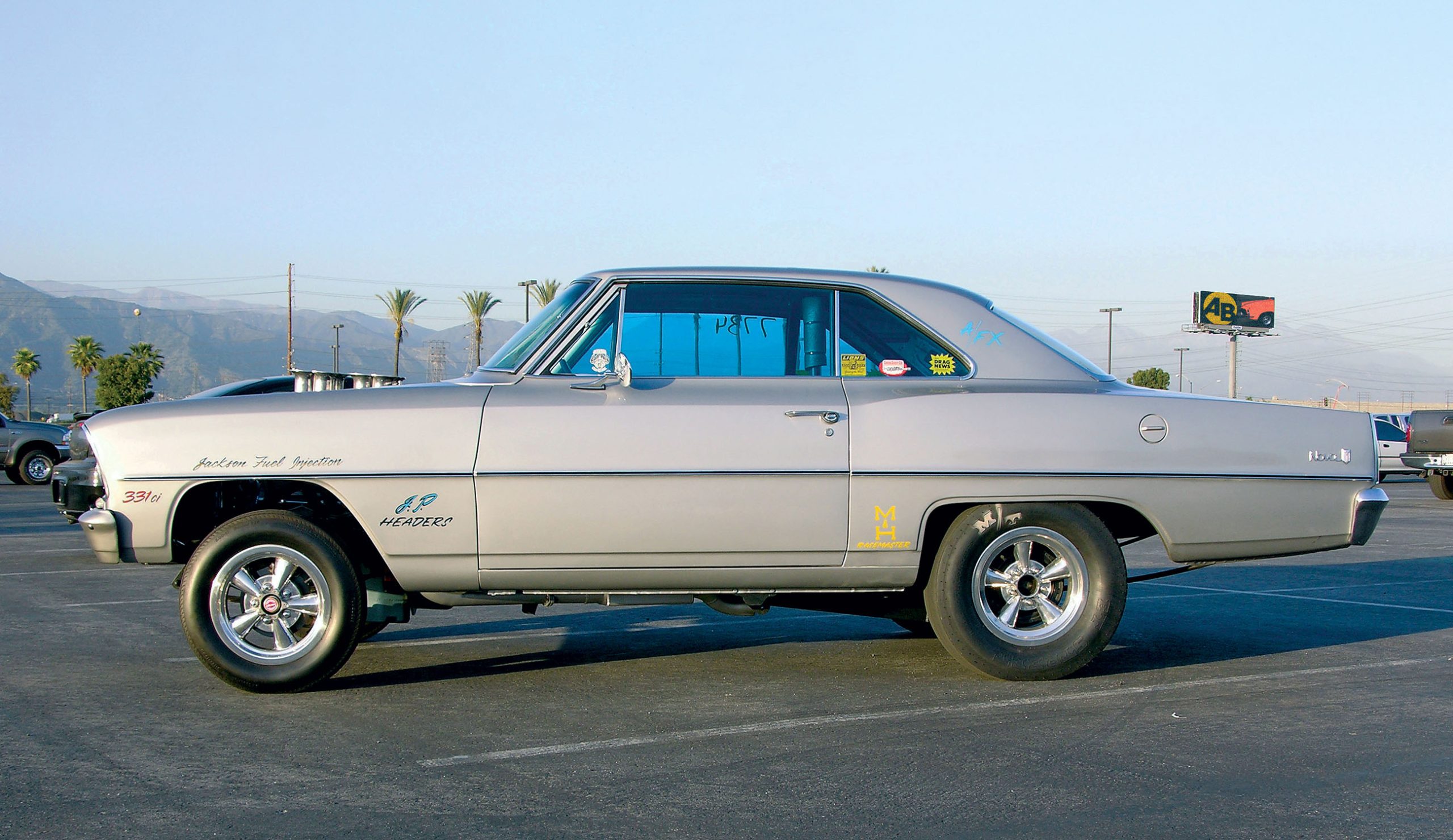
If you’re in the planning stages of building your car, or even if you have finished and are driving it, there are lots of free or inexpensive things you can do to make your ride faster and/or more efficient. This month, The Auto Builder gives you 25 of those ideas. Most of these free tips simply involve putting your car on a diet. Every 100 pounds of weight removed from your car equals dropping 1/10th of a second at the strip. Even though you may not be racing, the same theory applies to the street, and also to the extra weight you must lug around.
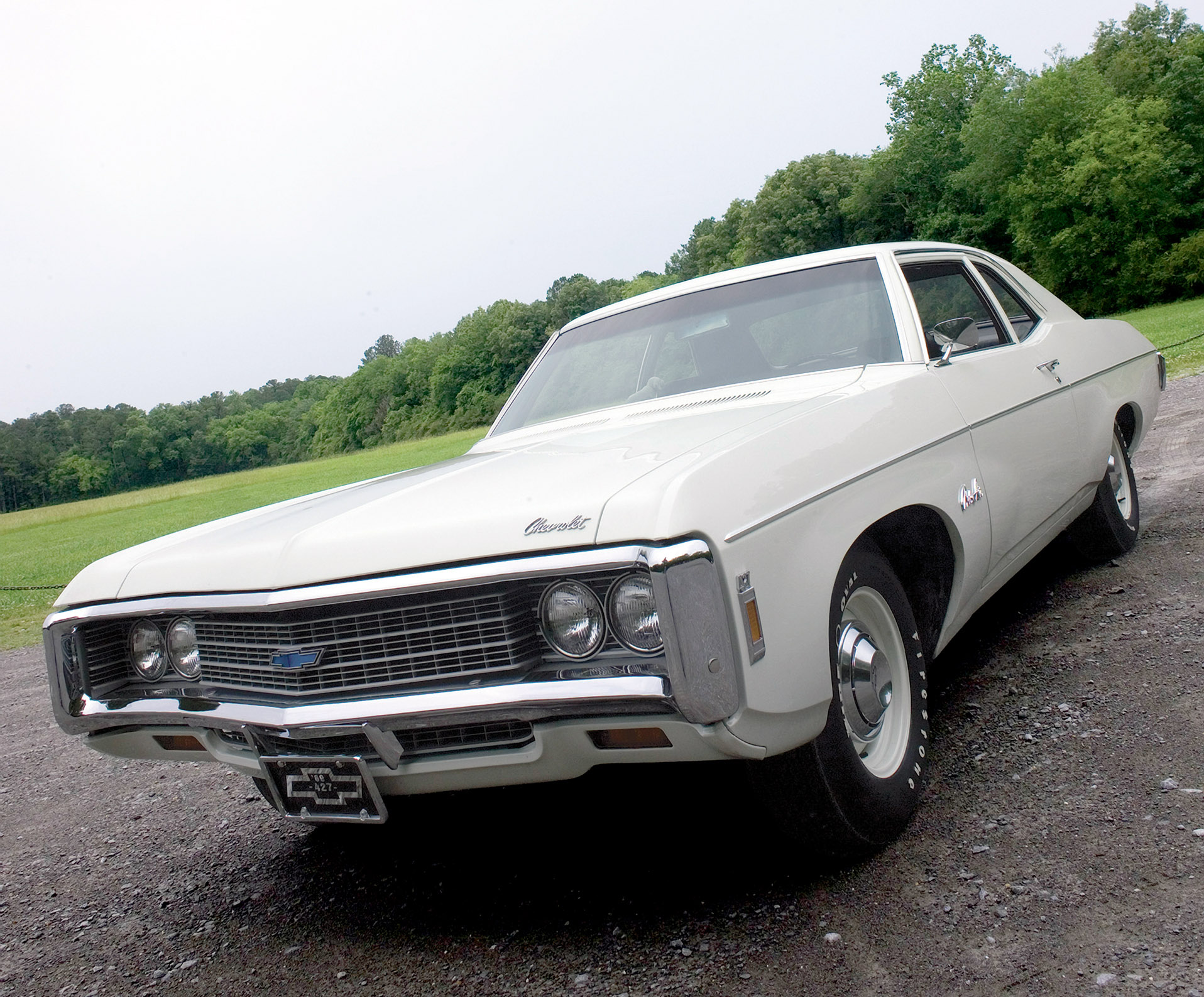
Eyes wide open, with faces up against the glass, kids on a passing school bus wondered what it could be. Amazed by the size of this land yacht, some must have wondered what it was like to pilot such a gas-guzzler, while a few couldn’t help but smile at the resounding roar of the mighty L72 427 underneath it all.
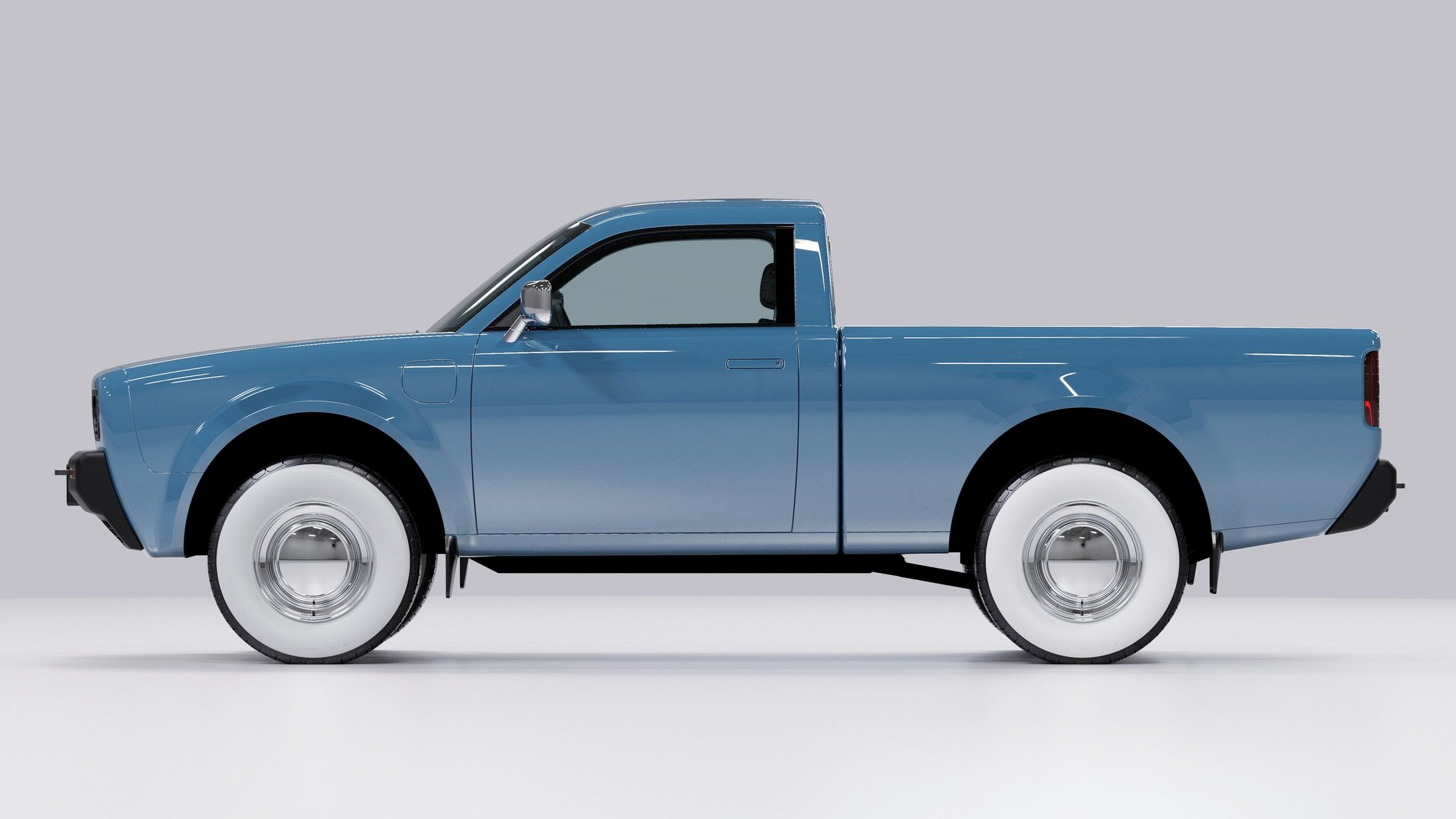
The design team at the Alpha Motor Corporation has made a habit of distilling some of the finest elements of classic automotive design into a modern formula for each of their offerings.
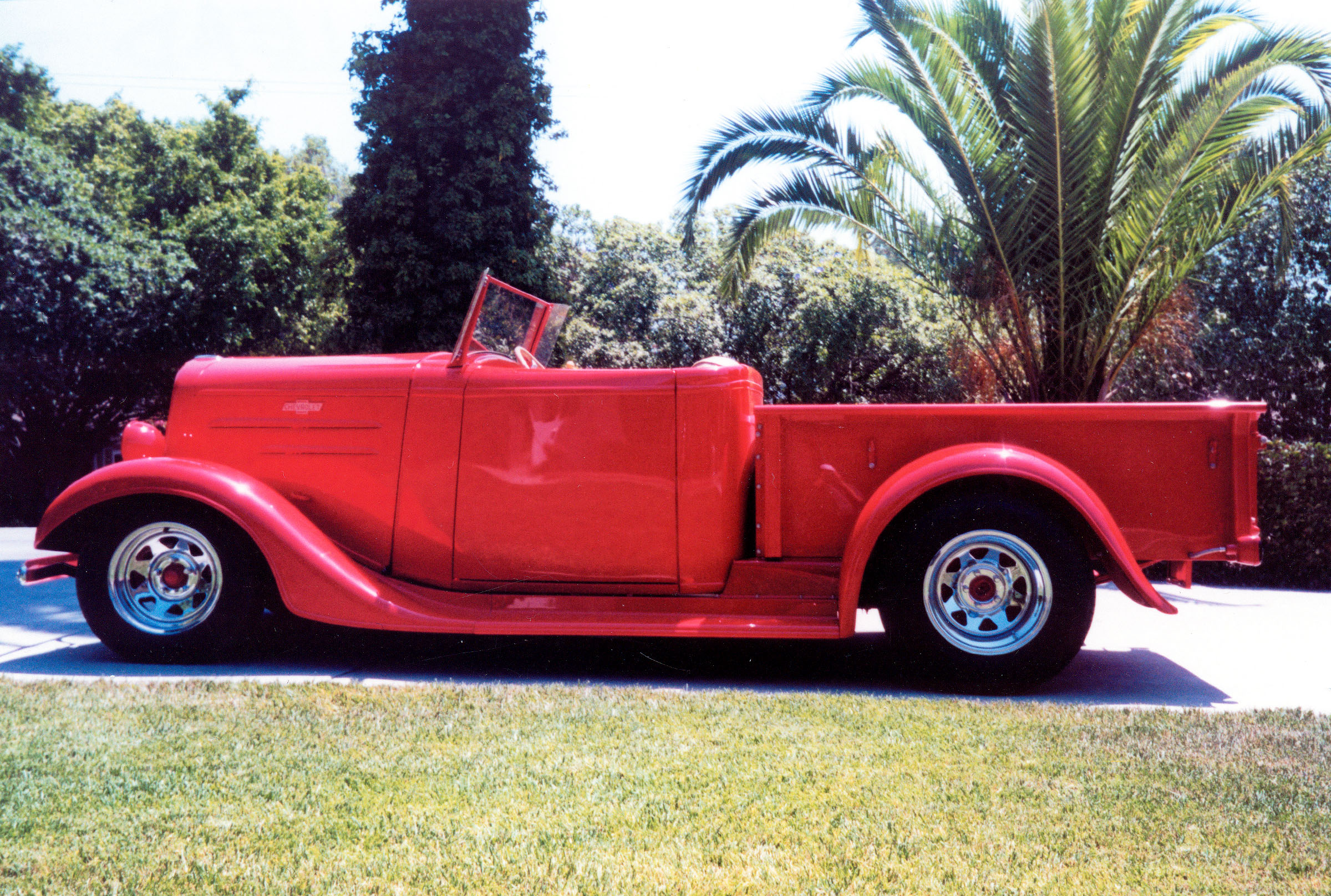
Let’s face it, most of us are working within the confines of a set of unwritten, yet clearly defined, rules of hot rodding. Stance, engine choice and wheels are for the most part selected from a menu of items that come “pre-approved” by our peers. Sure these rules work most of the time, and they provide a degree of certain acceptance when you’re building a traditional pre-’49 hot rod. But all in all, it also makes us a group of conforming nonconformists. However, for some hot rodders (and they are in the minority) building hot rods is about pure ingenuity, a total lack of peer pressure and joy of mixing parts from various sources and making it all work.
Ryan Newman grew up with a steering wheel in his hands. From the age of five, he has been behind the wheel of a racecar. Now, almost 20 years later, Ryan drives for Penske Racing South on the NASCAR Nextel Cup Series. In 2003, Ryan won eight races, 11 poles and was named Speed Channel’s Driver of the Year. In 2004, he will be driving a Dodge sponsored by primary sponsor Alltel with associate sponsorship form Mobil 1 and Sony Electronics on 38 weekends.
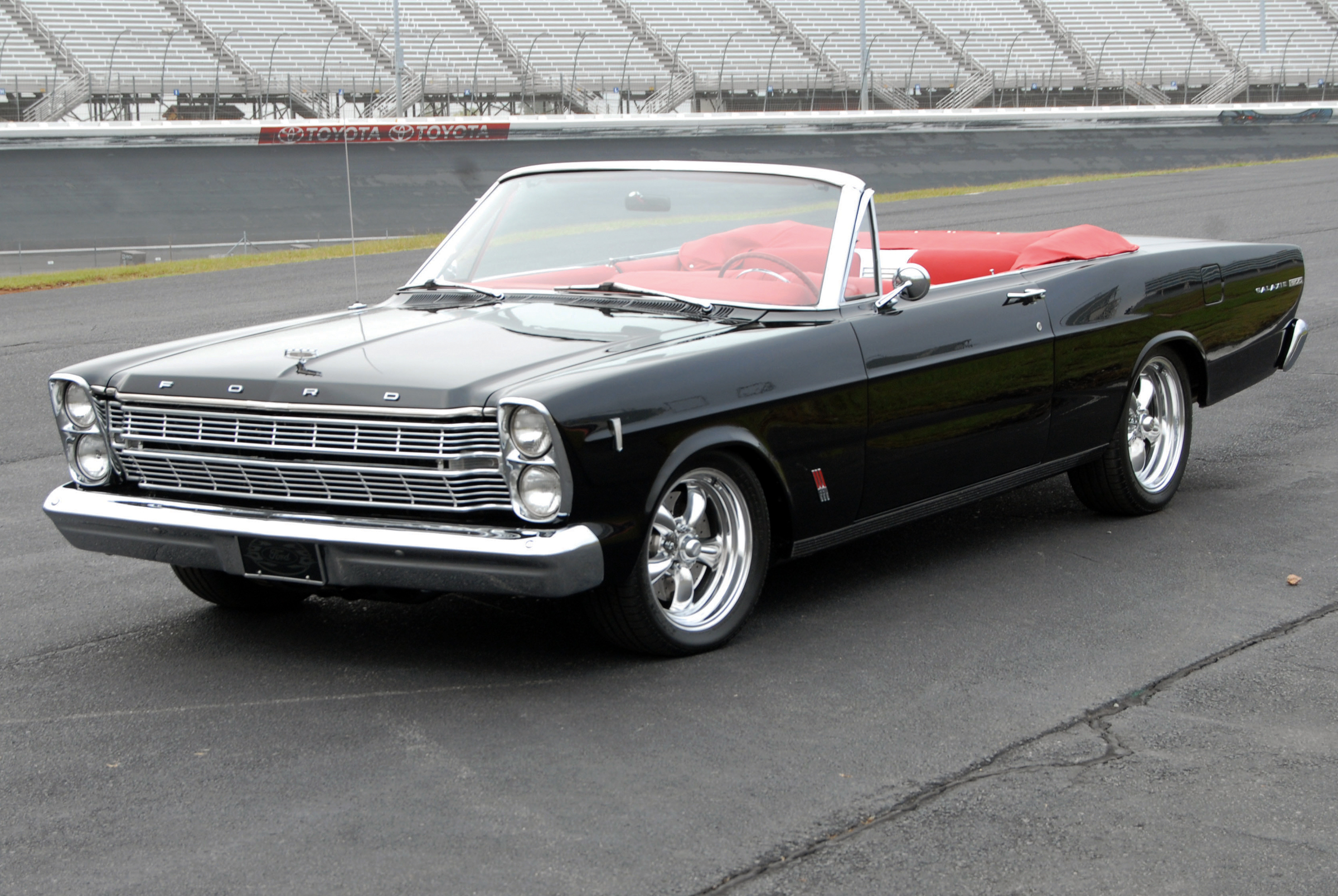
Although there is no set list or solid criteria we look for when choosing a feature car, we typically know the instant we’ve found one. Sometimes it’s a flawless paint job and subtle body mods that draw us in; other times, it’s a fully built motor loping angrily. Other times, though, we come across a car that is just plain cool—not the fastest, or even highly modified, but the kind of car you just look at and say, “Wow, check out that…” So it was at Goodguys Charlotte this year: sitting proudly in the mist and drizzle was Doug Wayne’s ’66 Galaxie convertible. At Auto Builder, we have a soft spot for large vehicles, and, realistically, Ford is not known for making many great small cars. Even small Fords are big, and if you don’t believe us, stick an early Falcon next to a Scion. But few companies do big as well as Ford, and even from a distance, we knew this Galaxie was as cool as it is long.
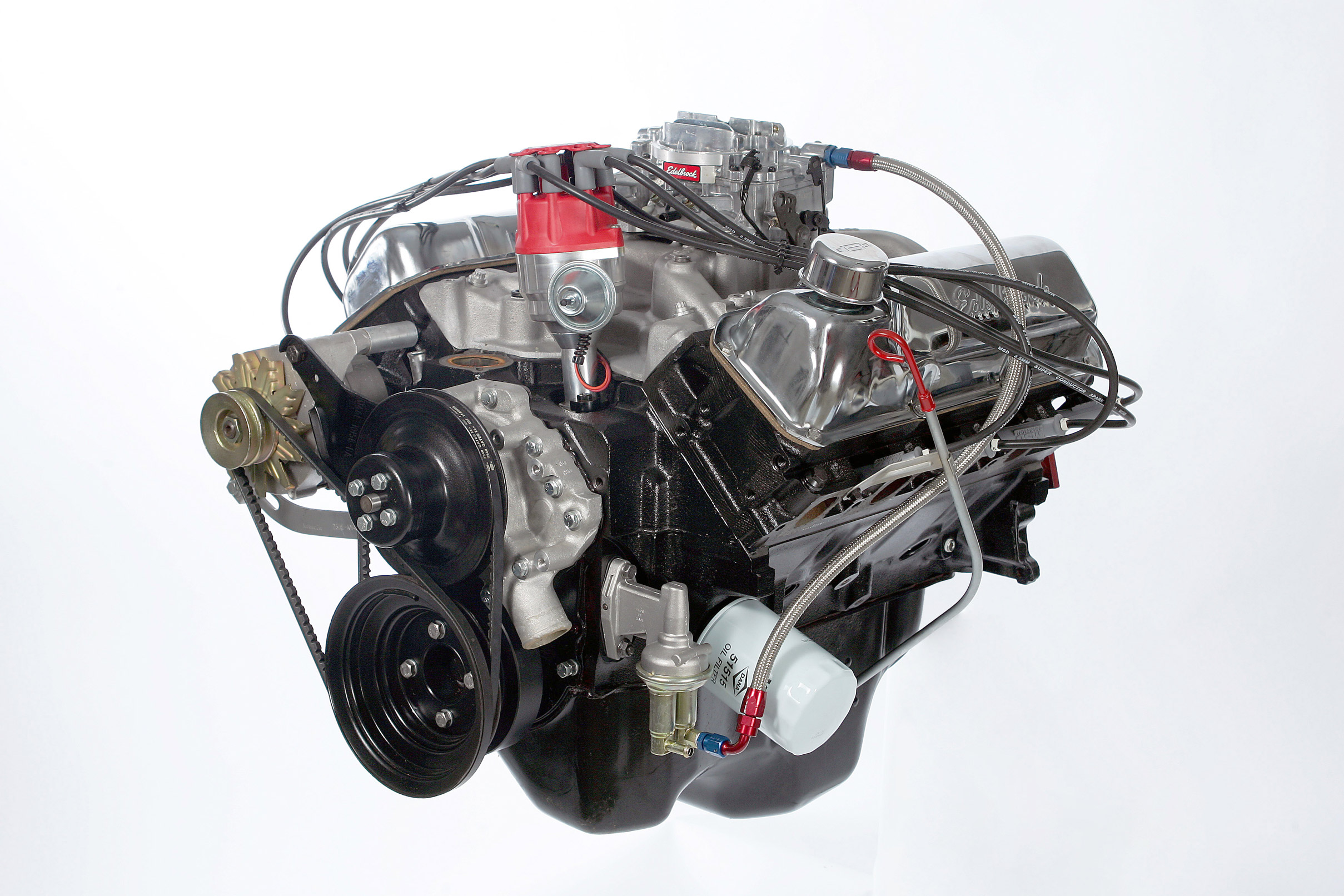
Ford fans will always have a soft spot in their blue-oval hearts for the Windsor, the Cleveland and the big 460 FE engines—and deservedly so. If you’ve ever crawled a junkyard for one of these engines, you’ve likely passed over more than a few 351M and 400 engines to find what you are looking for. Poor factory numbers and bad word-of-mouth have made these cousins to the mighty Cleveland about as wanted as poison ivy at a nudist colony, but there is power to be found in those engines—and cheap, too.
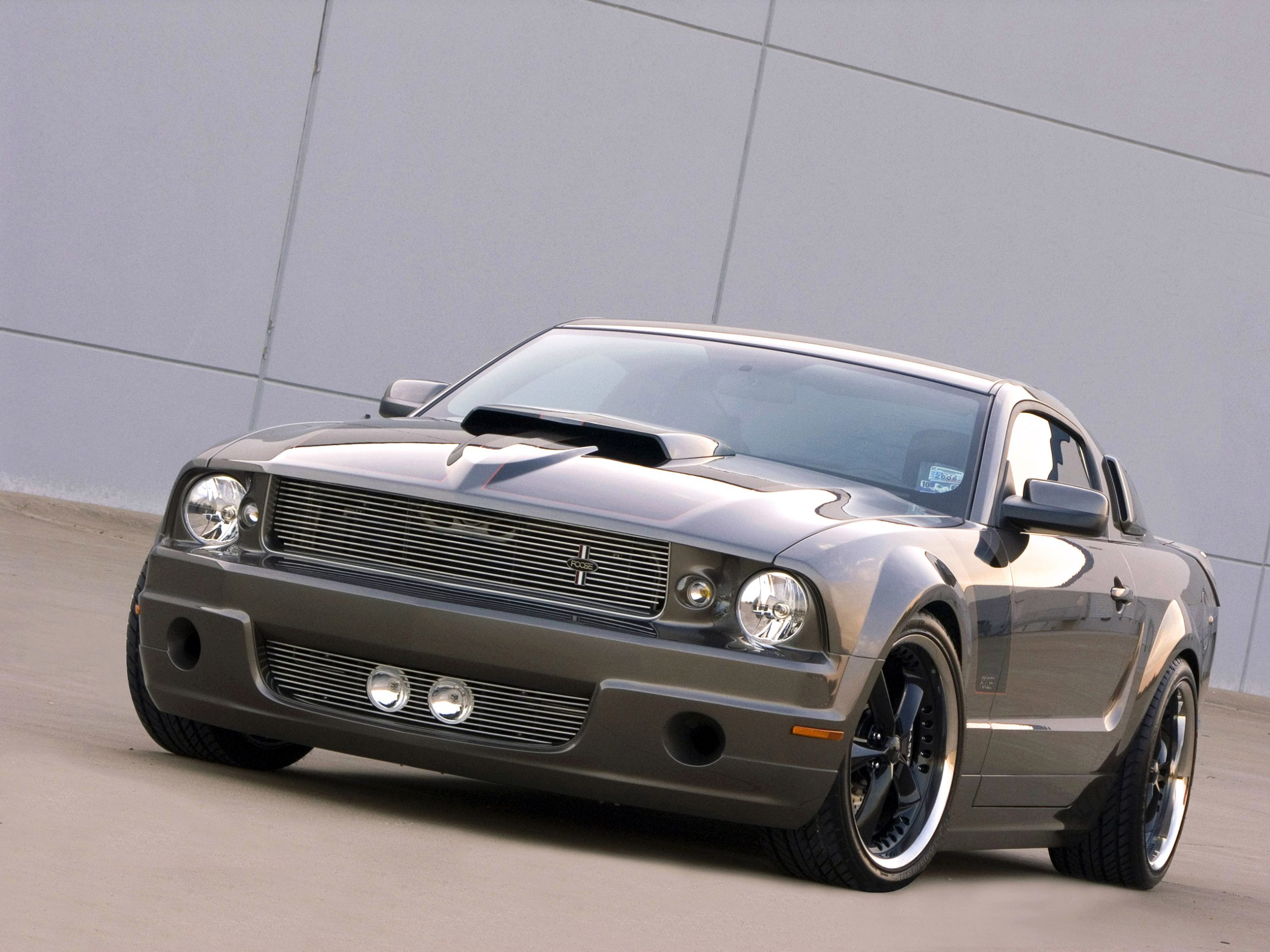
Looking at the Stallion shows the influence of Unique Performance on Foose’s design. Actually, once you really sit down and look at the car, it appears to be a collage of design features from classic Mustangs, all herded together on the same car. The new front fascia replaces the stock headlight buckets with a large round light and smaller driving light, and this arrangement looks very similar to that found on the Unique G.T.500E. Horizontal billet bars replace the stock honeycomb mesh in the upper grille, shaped very much like the original ’65 grille, down to the offset Foose badge in place of the stock Mustang emblem. The lower grille contains another pair of round lights and more billet bars.
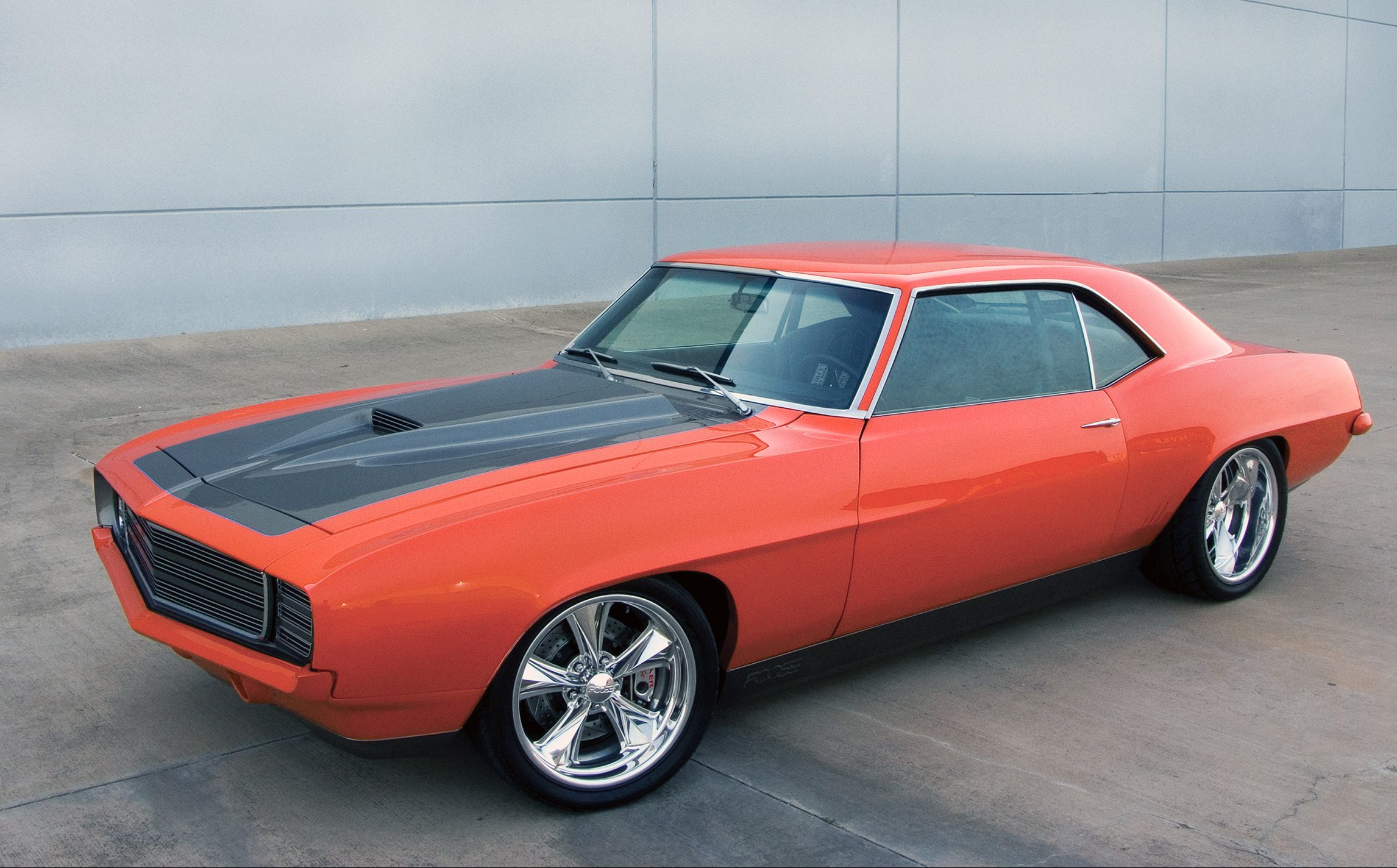
we learned that three important players in the hot rod industry—Chip Foose, Unique Performance and Year One—were coming together for a unique collaboration. Their combined goal was to build a limited-production-built car. Unique Performance already has just such a business, as it builds and sells its continuation Shelby Mustangs.
