









Manufacturers
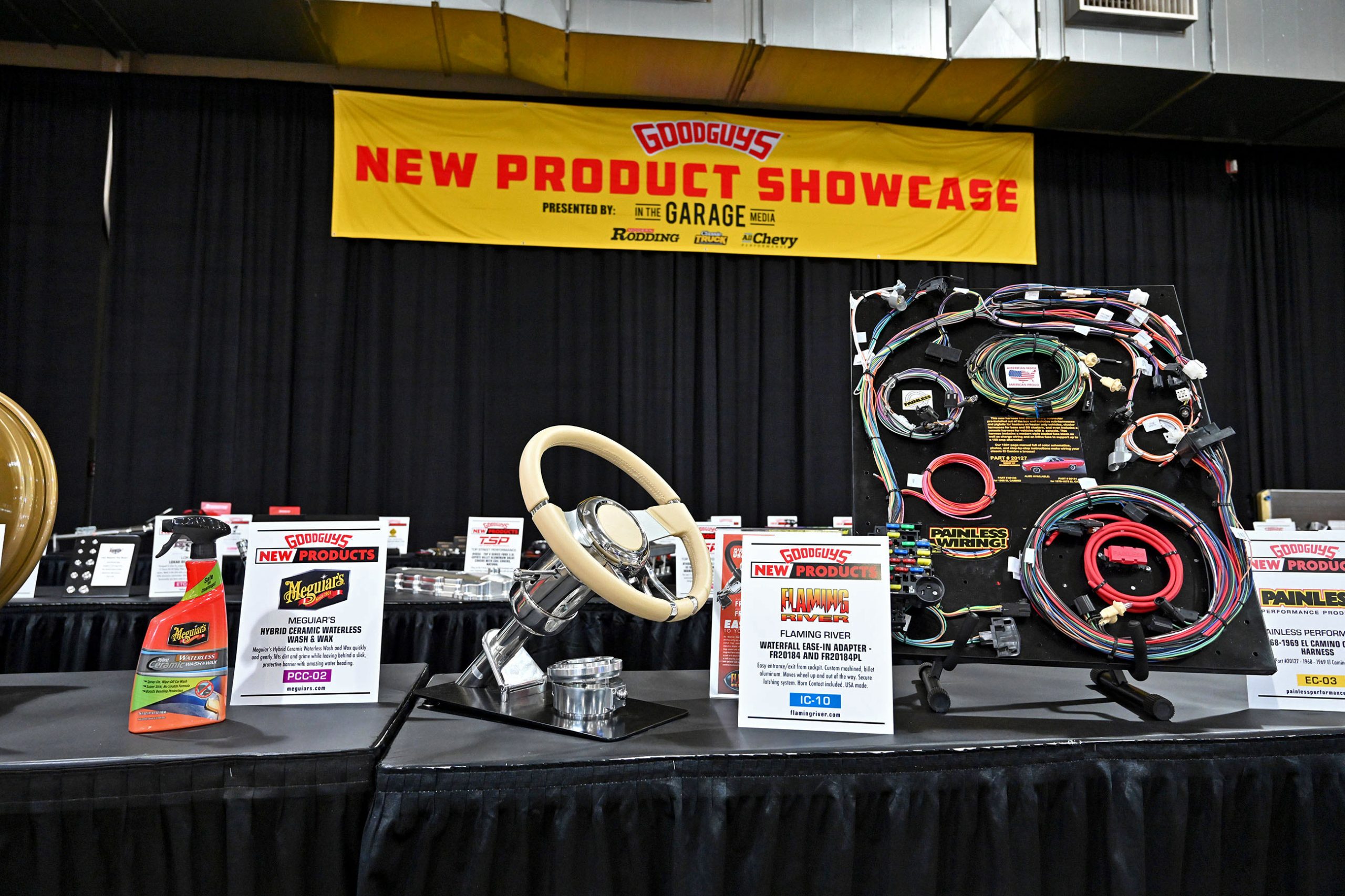
Columbus brought the heat—literally and figuratively. At this year’s Goodguys Nationals, the metal was shiny, the builds were wild, and the vendor midway was packed with gearheads showing off the next big things. We walked the aisles, kicked tires, talked shop, and came away with a short list of standout products we think deserve your attention. Whether you’re wrenching on a street truck, building a corner-carving pro-tourer, or chasing big boost, here are some of the best parts we spotted.

In 1955, Chevrolet didn’t just redesign a car—they ignited a movement. The Tri-Five Chevys (that’s shorthand for the 1955, 1956, and 1957 models) arrived like a thunderclap and never really left. These machines were leaner, lower, and louder—in both looks and performance—ushering in a new era of V8-powered excitement. The shoebox shape, the tailfins, the grille teeth…every detail had attitude. And the world noticed.
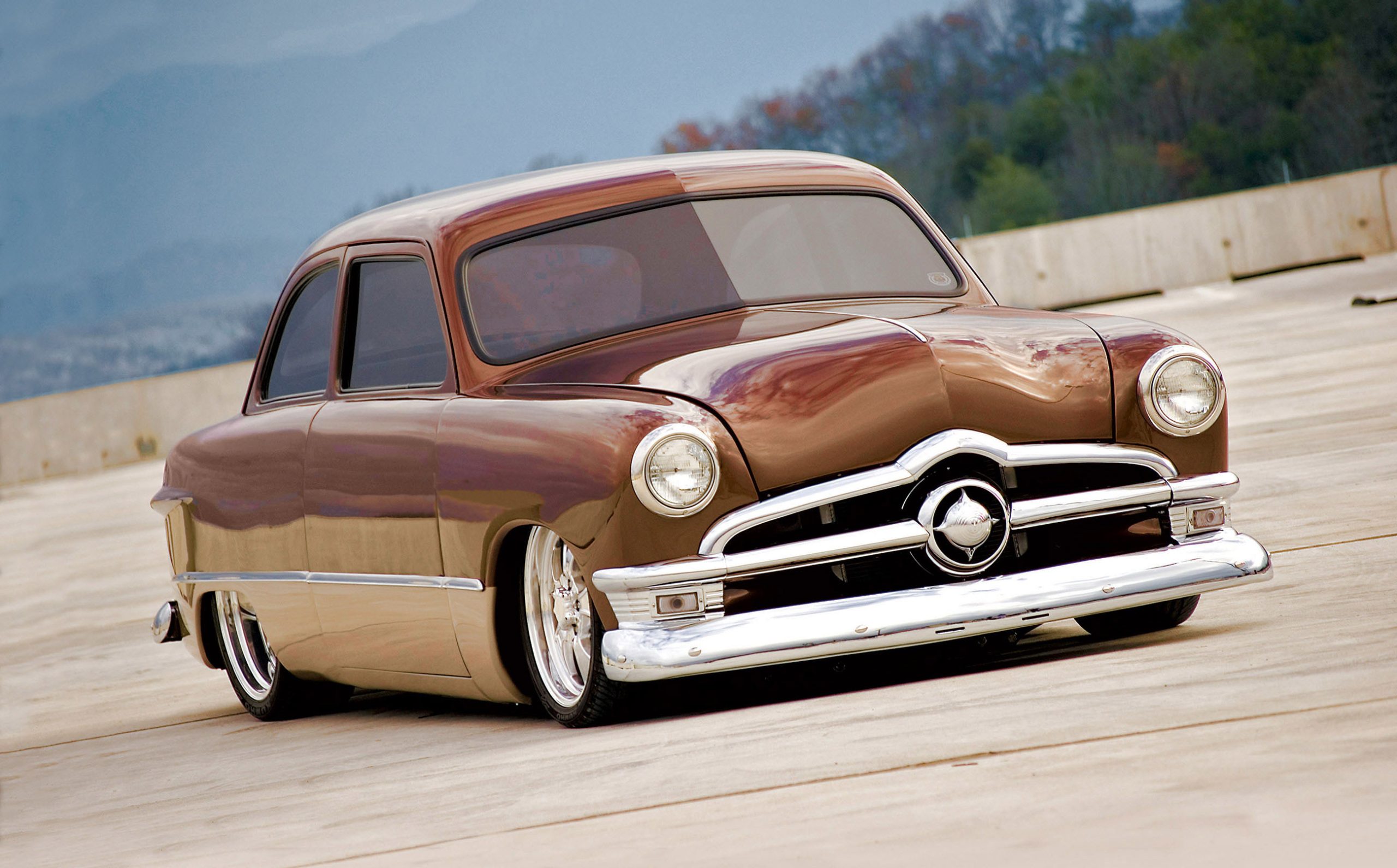
In the late ’40s, car manufacturers looked for different ways to modernize their vehicles, and this strategy was evident when the Big Three introduced their ’49 line of passenger cars. For the most part, the pickups stayed the same, but many things changed for the better when the slabside approach went into a more modernized production process. Those looking for a new car said goodbye to fat fenders, slabsided doors and dated suspension that were the norm with previous models. Of those manufacturers, Ford was certainly the leader in this revolutionary new-car building technique, as it produced a stylish ’49 model range to bring in this new production process.
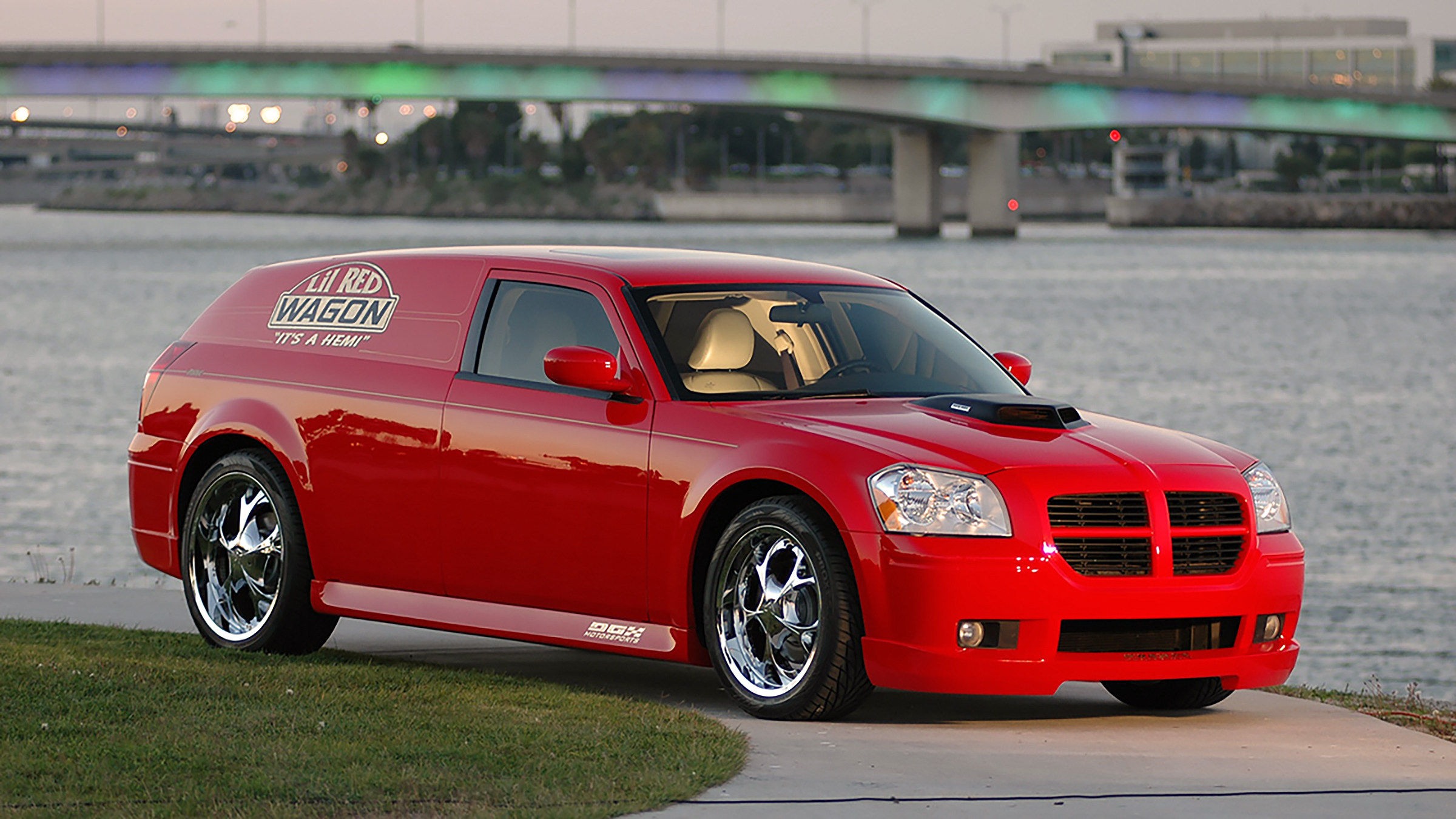
We don’t doubt that the DaimlerChrysler design staff fully realized that they found something very special with the Dodge Magnum, especially when the initial versions first rolled from the drawing boards. Its immediate popularity confirmed its place in automotive lore.
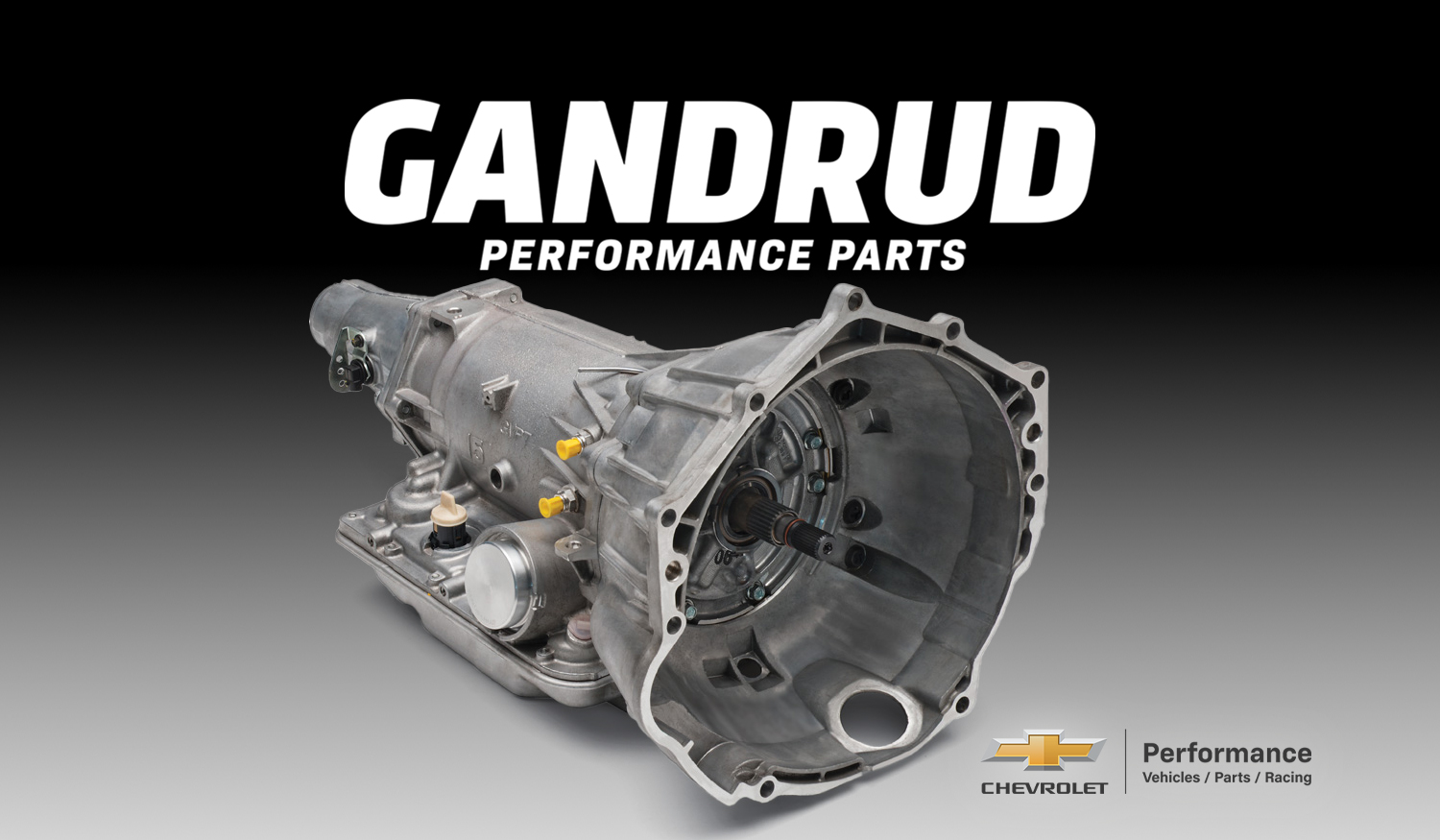
If you’re stuffing big power into a classic muscle car, restomod, or street bruiser, don’t let your transmission be the weak link. The SuperMatic 4L75-E REMAN from Chevrolet Performance is the no-nonsense, overbuilt four-speed automatic your LS-powered project has been begging for—and Gandrud Performance Parts has them in stock and moving fast.
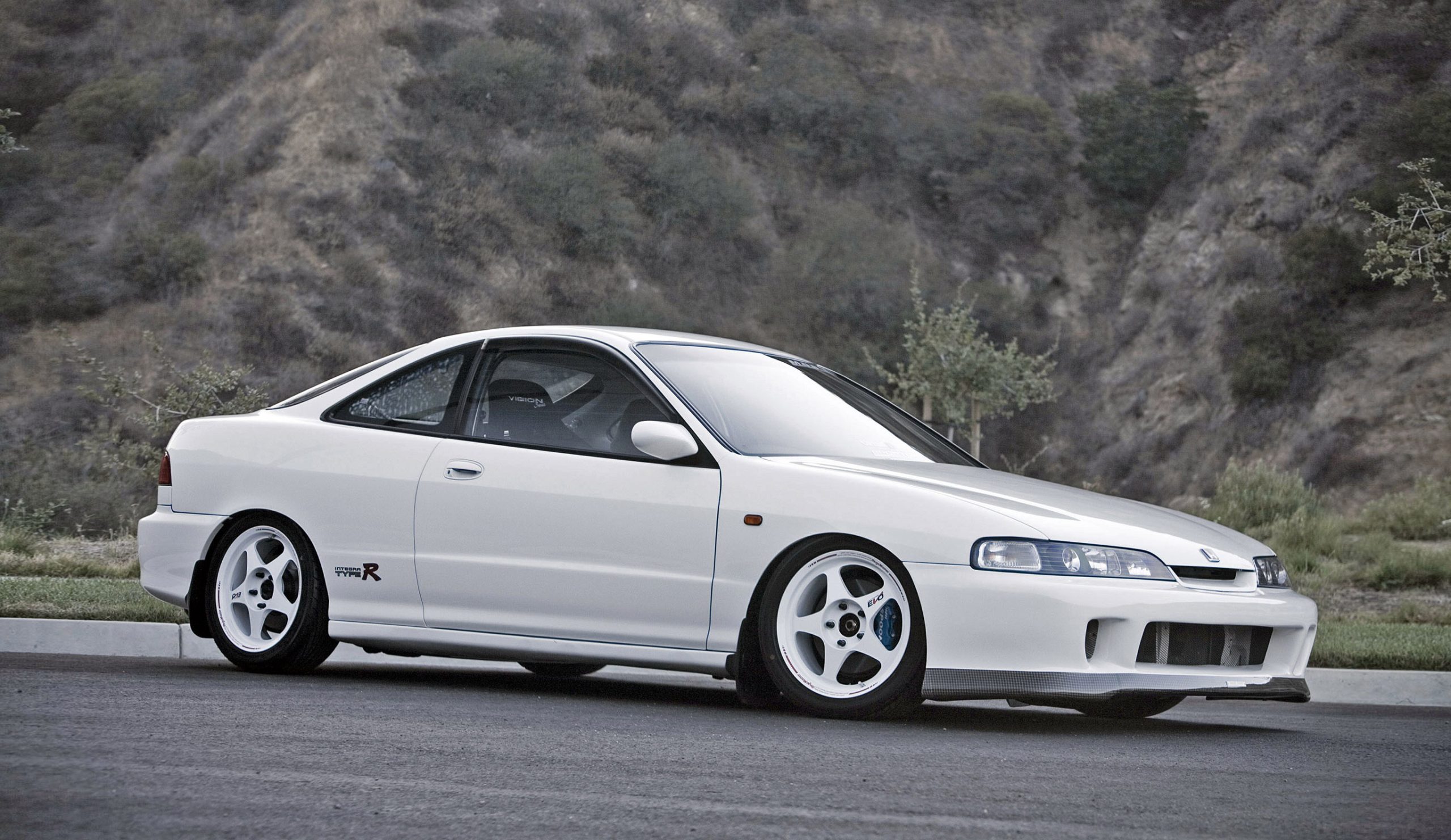
Things have been changing, especially with the types of cars being built and showcased. Instead of industry-backed projects, these are cars put together by everyday enthusiasts. Erick Dickerson is one of those people. You might call him a collector—he owns nearly every model of Honda or Acura from the recent generation. With a garage full of Civics, an S2000, several Integras, and even an NSX, Dickerson may not exactly be your average guy—but his biggest decision each morning isn’t what to wear, it’s what to drive.
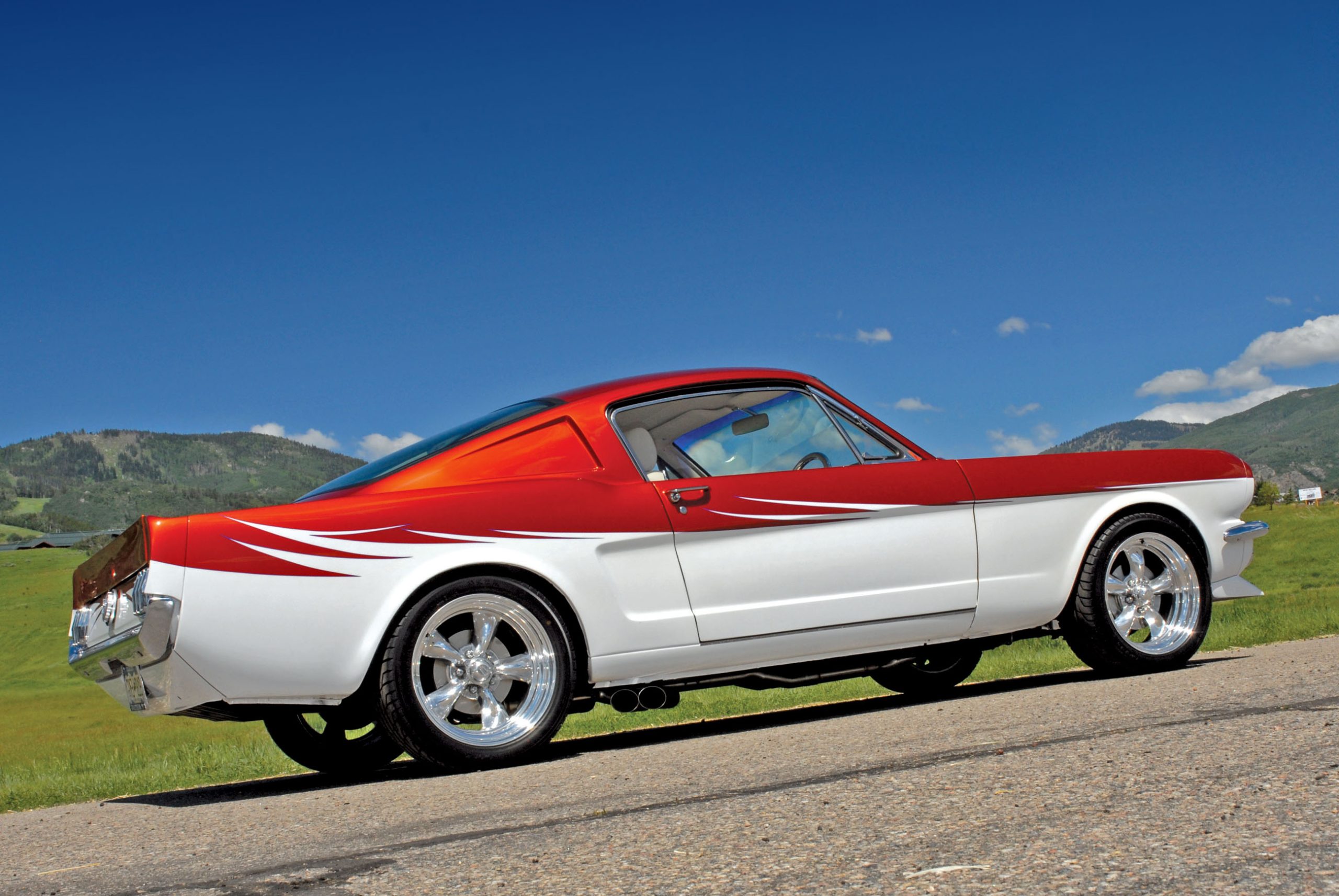
Mustang enthusiasts Tony and Tammy Seader of La Salle, Colorado, have always wanted a classic Mustang fastback, and about three years ago Tony found this ’66 Mustang 2+2 sitting on a used car lot.
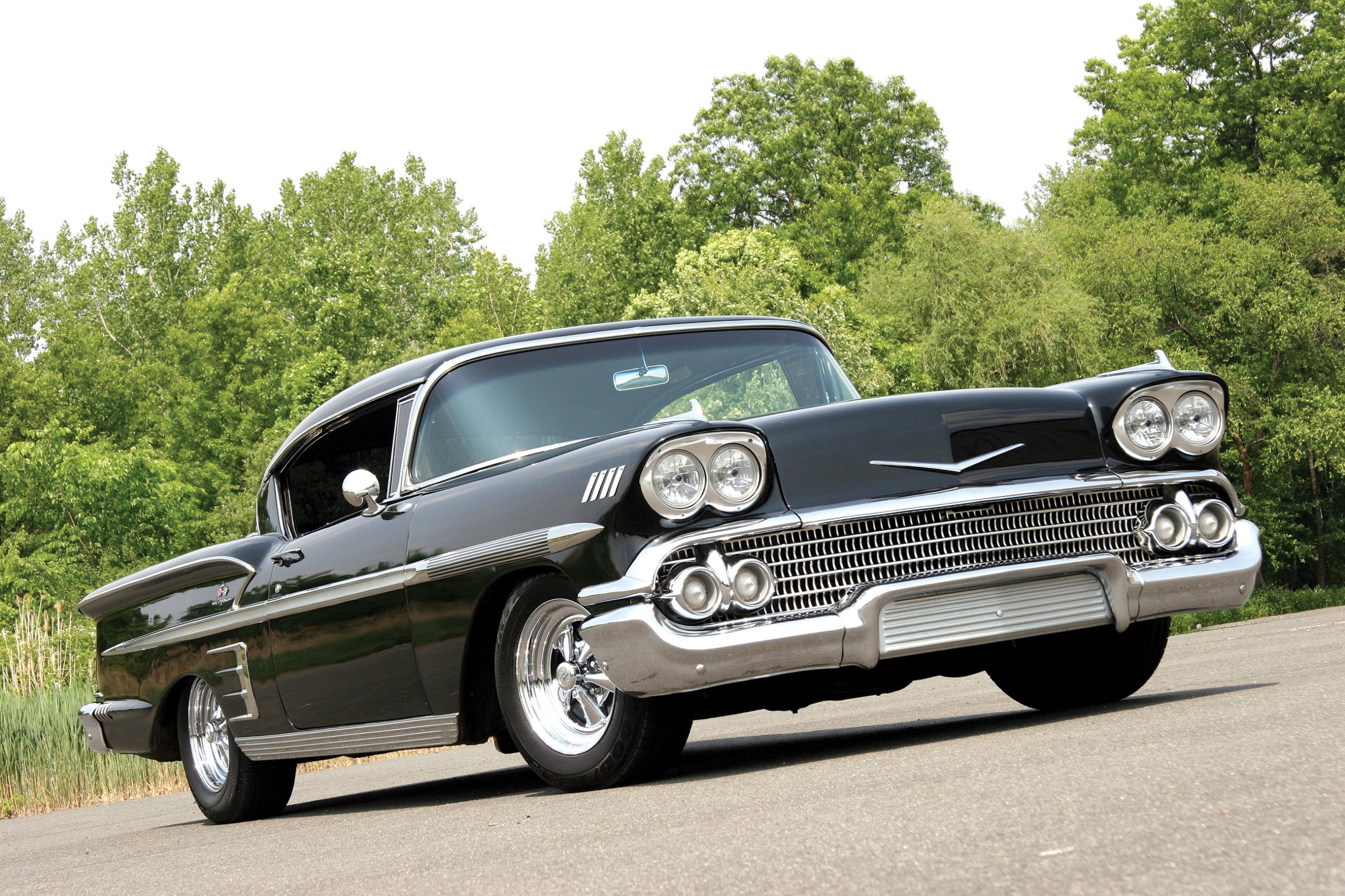
Nineteen fifty-eight was certainly a year of change for our nation with the formation of NASA and the launching of the United States’ first spacecraft, Explorer I. This was also a year of jet power, as Douglas introduced the DC-8 that year shortly after Boeing’s 707 went into regular service, offering transatlantic flights between New York and Europe. In addition, Elvis began his service in the U.S. Army.
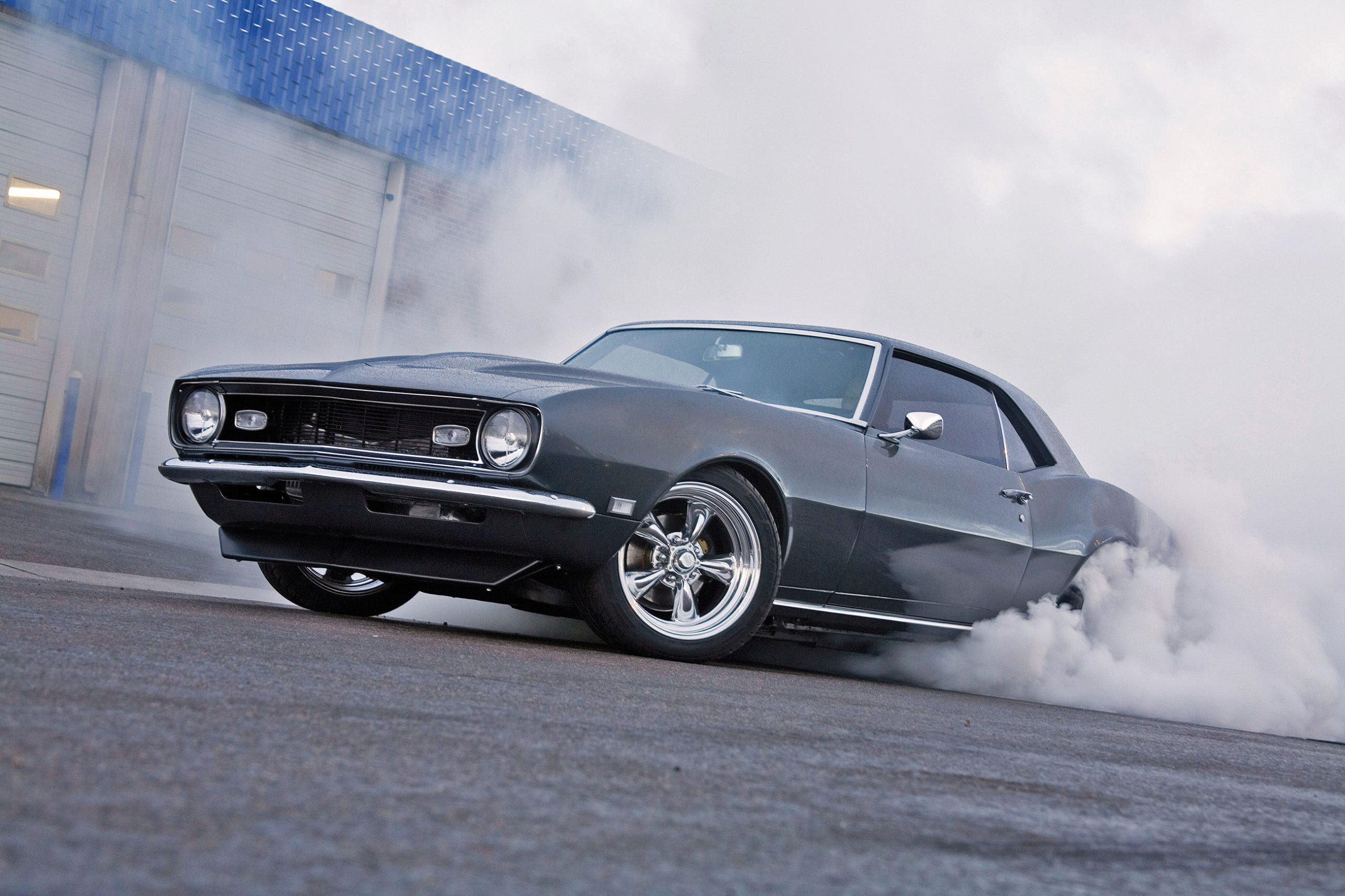
We’ll call Cho’s efforts a modern retro. Much like old heavy-metal bands, classic metal has a timeless appeal, but there’s more—lurking beneath the classic sheetmetal is newfound power that will appeal to both schools of thought; purists will appreciate the clean lines and fastidious restoration, while performance mongers will be delighted to know that the original small block was scrapped in favor of a big block.
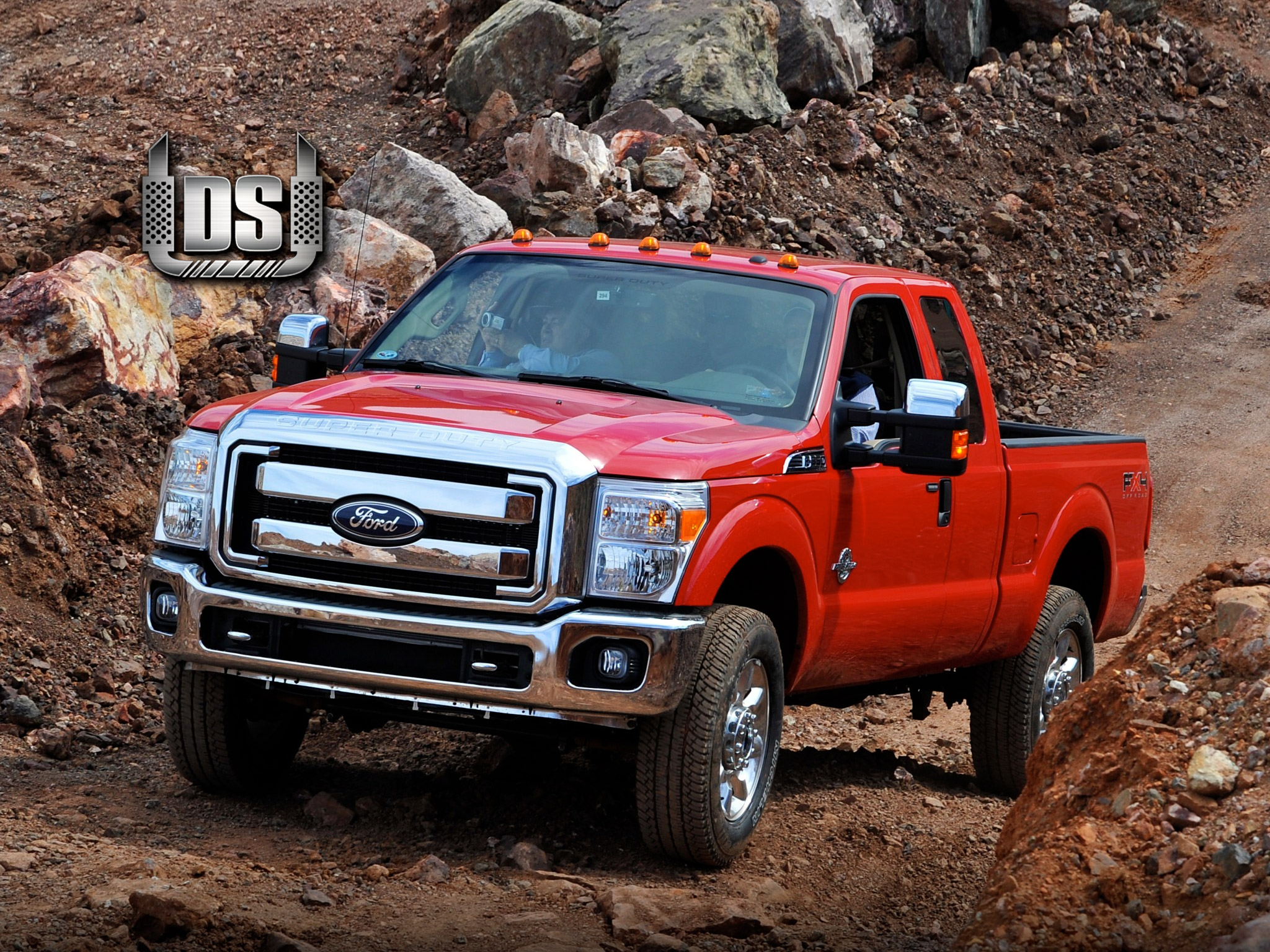
At The Auto Builder, we’re always on the lookout for products made by real enthusiasts—folks who don’t just sell parts, they live them. That’s why we like the team at DIESELSITE. They don’t just talk the talk—they walk the walk. These guys live and breathe diesel, and they know firsthand the problems truck owners face. They take a hard look at factory OEM designs and make them better. Period.
