




THE AUTO BUILDER
Featured

EVEN ’GLASS IS SCARCE
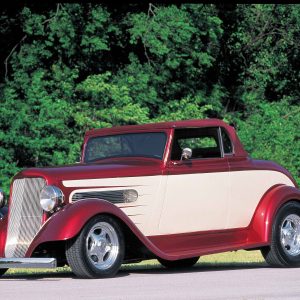
For 1933, Dodge had a full line of automobiles, and the salesmen of the day no doubt touted that there was a Dodge model perfect for you. But of all the sedans, coupes, convertible sedans (of which only 13 four-door convertible sedan eight-cylinder models were built) and station wagons, the convertible coupe was no doubt the most stylish of the bunch. The ’33 Dodge convertible coupe was a rare car in 1933, with only 1,563 units being produced, and, of course, there were 56 more built with the eight-cylinder engine. So, while the convertible coupe was a strikingly good-looking automobile, it was not the best of times, and the practicality and affordability of coupes and sedans far outsold the convertibles of the time. Today, finding a ’33 Dodge convertible coupe is truly a challenge.
INSTANT AWESOME
It seems that everyone with a talent for building something is finding a career in television these days. Channels that were once dedicated to the preservation of rainforests and historic perspective have turned their attention to various forms of reality shows centered on street rods, choppers and wicked creations that defy description.
PACKED WITH POTENTIAL
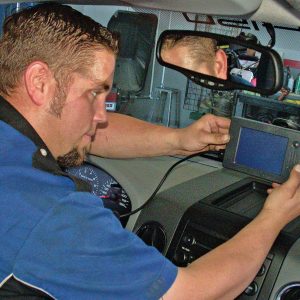
The Power Programmer is designed so that once the parameters are established and loaded, the unit is pulled and the program remains in the onboard computer until you elect to remove it. The HyperPAC is different; this unit stays in place. In addition to the three stages of performance tuning—the HyperPAC has all of the performance programming benefits of the Power Programmer—it also has diagnostics; an engine monitor with a complete gauge display; a dynamometer, which includes such items such as a horsepower graph; and our favorite, a dragstrip program. This program actually monitors real-time engine operating conditions, has a Christmas tree start, displays a timeslip and will provide you with “magazine-type road test” acceleration times in 10-mile increments. It will record and display important engine operating conditions throughout the run and will display drive wheel horsepower versus vehicle speed after each run—in both table and graph formats.

Spotlighter
POPULAR READS
-
The Auto Builder’s Hottest Product Picks from The Triple Crown of Rodding 2026
-
Product Spotlight: Bill Mitchell Products Aluminum LS Engine Block
-
PRODUCT SPOTLIGHT: 60-66 Chevy C10 Fresh Air Vent Block Off Plate
-
Product Spotlight: Pyramid Optimized Design Sequential Aurora Taillight for 1964½–1966 Mustang
Time For Recess
Installing a Quartet of ’50 Pontiac Taillights in a Dodge Coupe
Author
Josh Kaylor
Story and Photography
Choosing the Right Taillights for Your Build
When building a custom street rod or classic, it’s the little things that count. Choosing the proper taillights for your project can sometimes be tricky. The shape of the cab, fenders, roll pan and style of the vehicle all play an important part in selecting the proper taillights for your car or truck.
Shop Visit: Chattanooga Rod Design
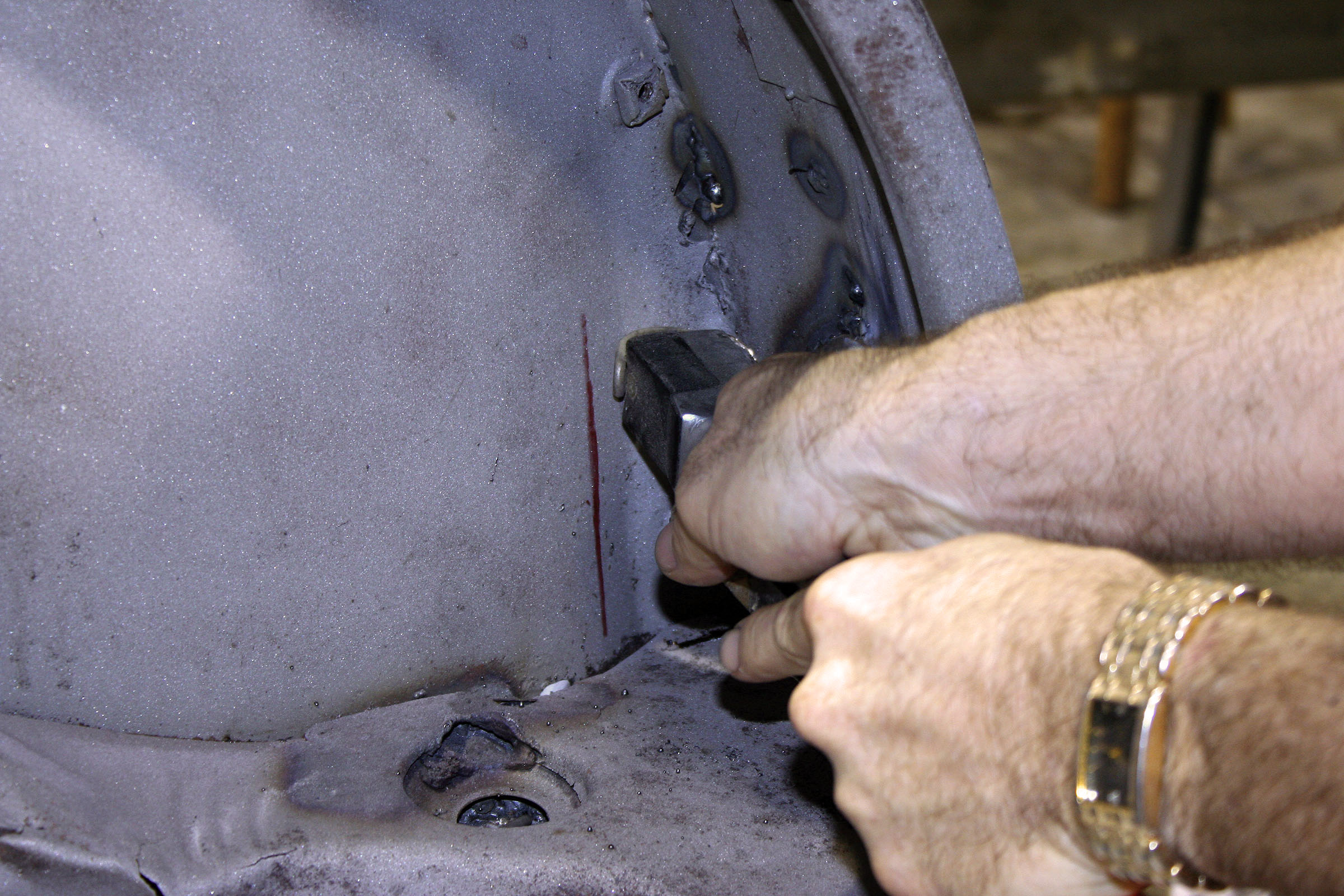
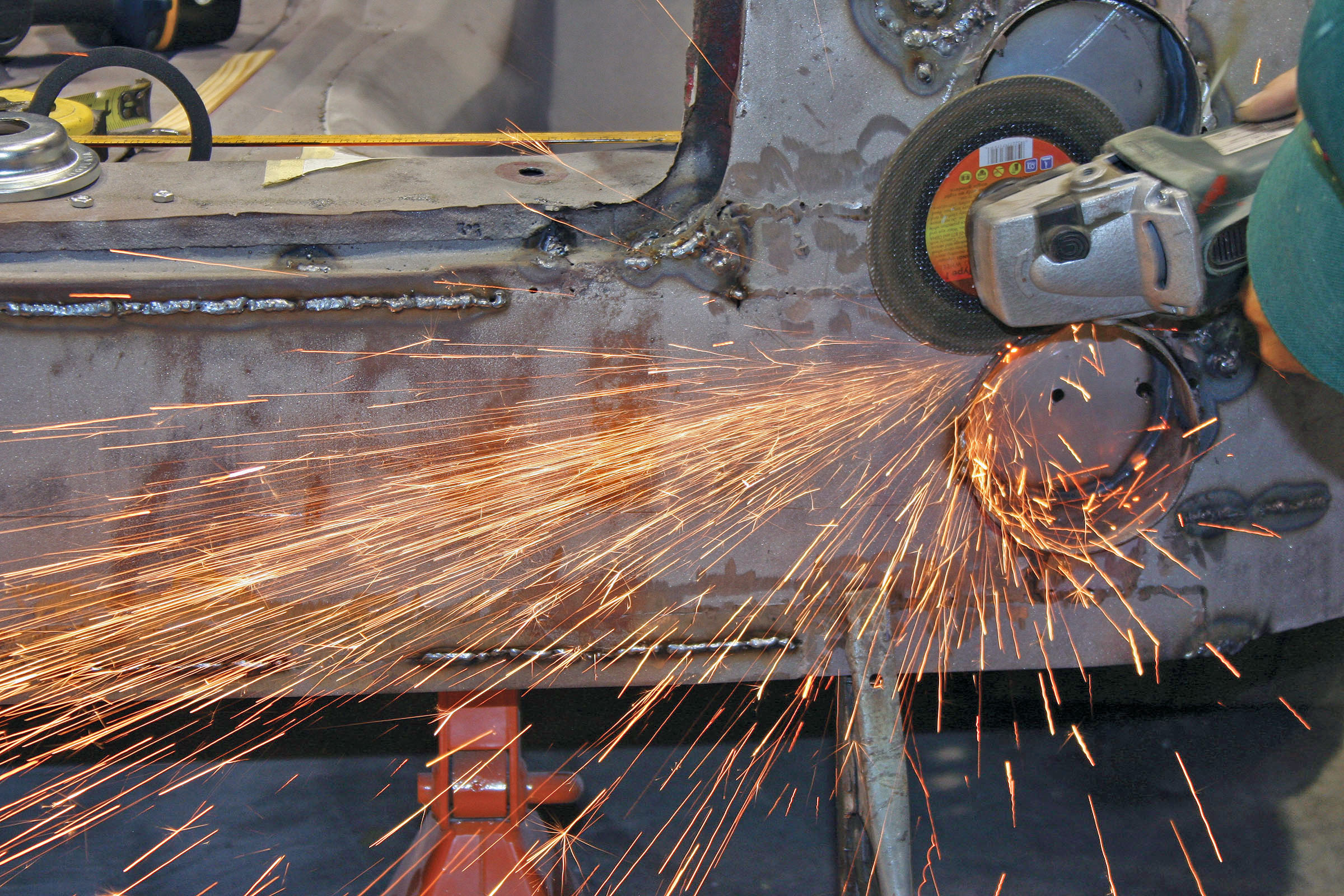
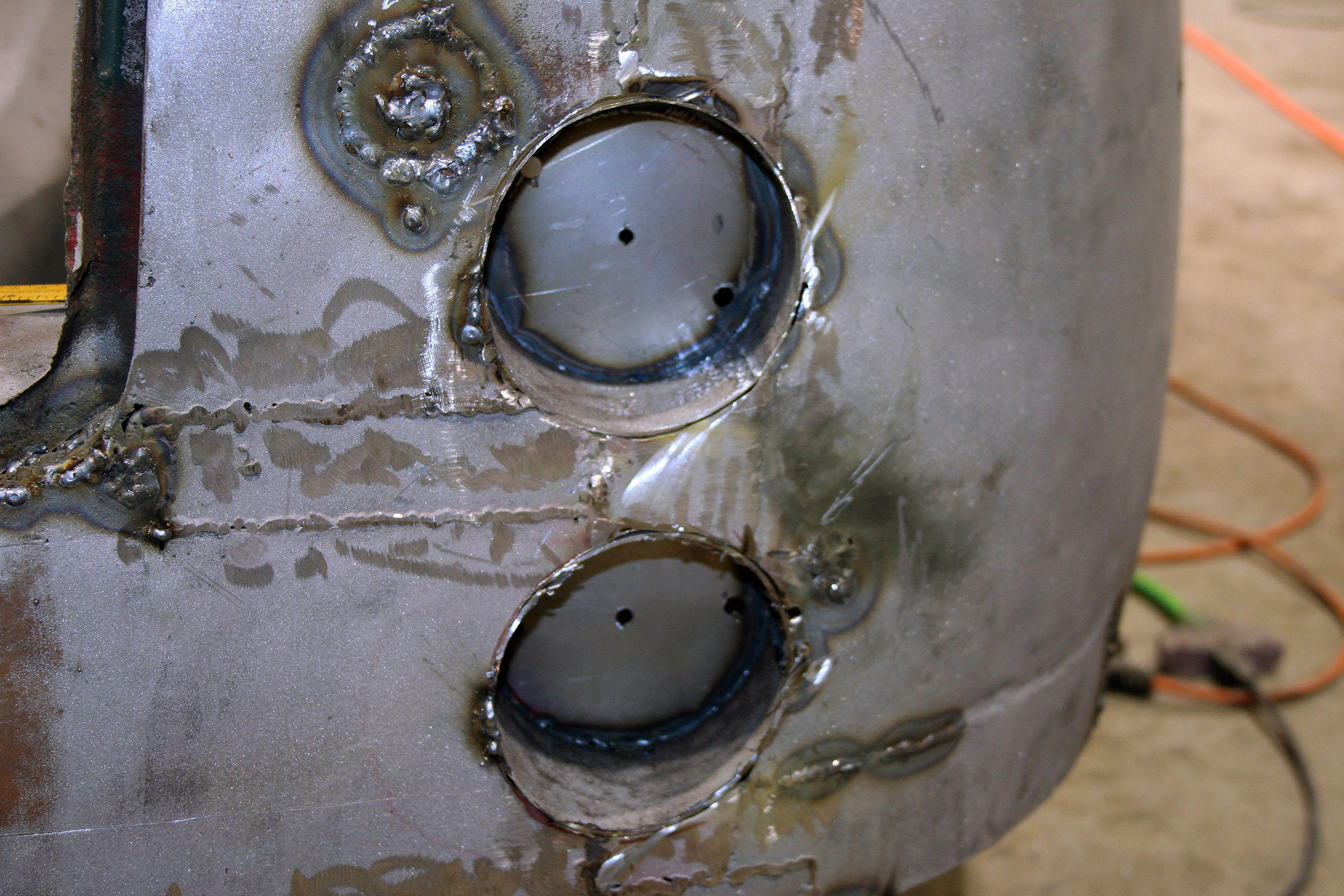
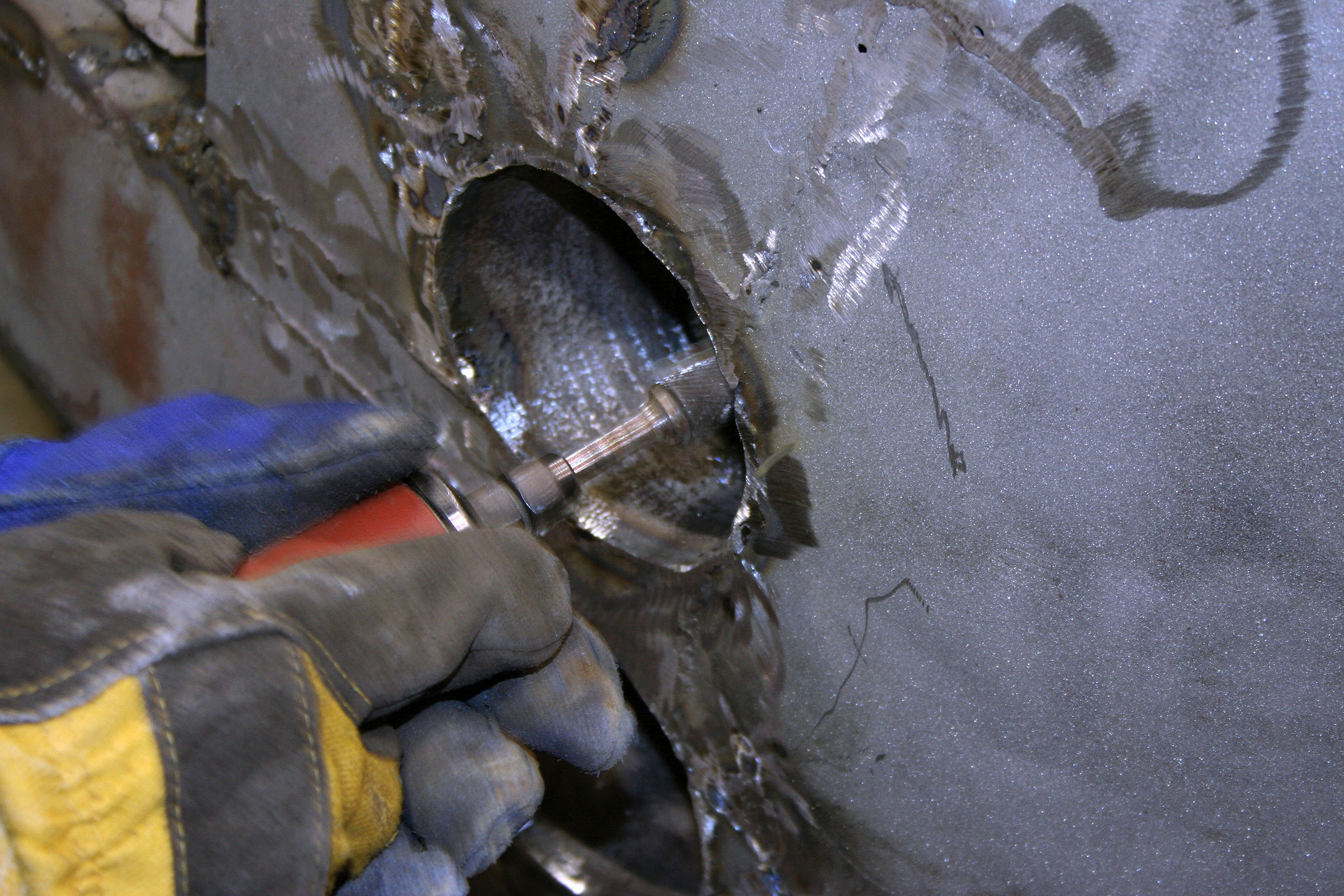
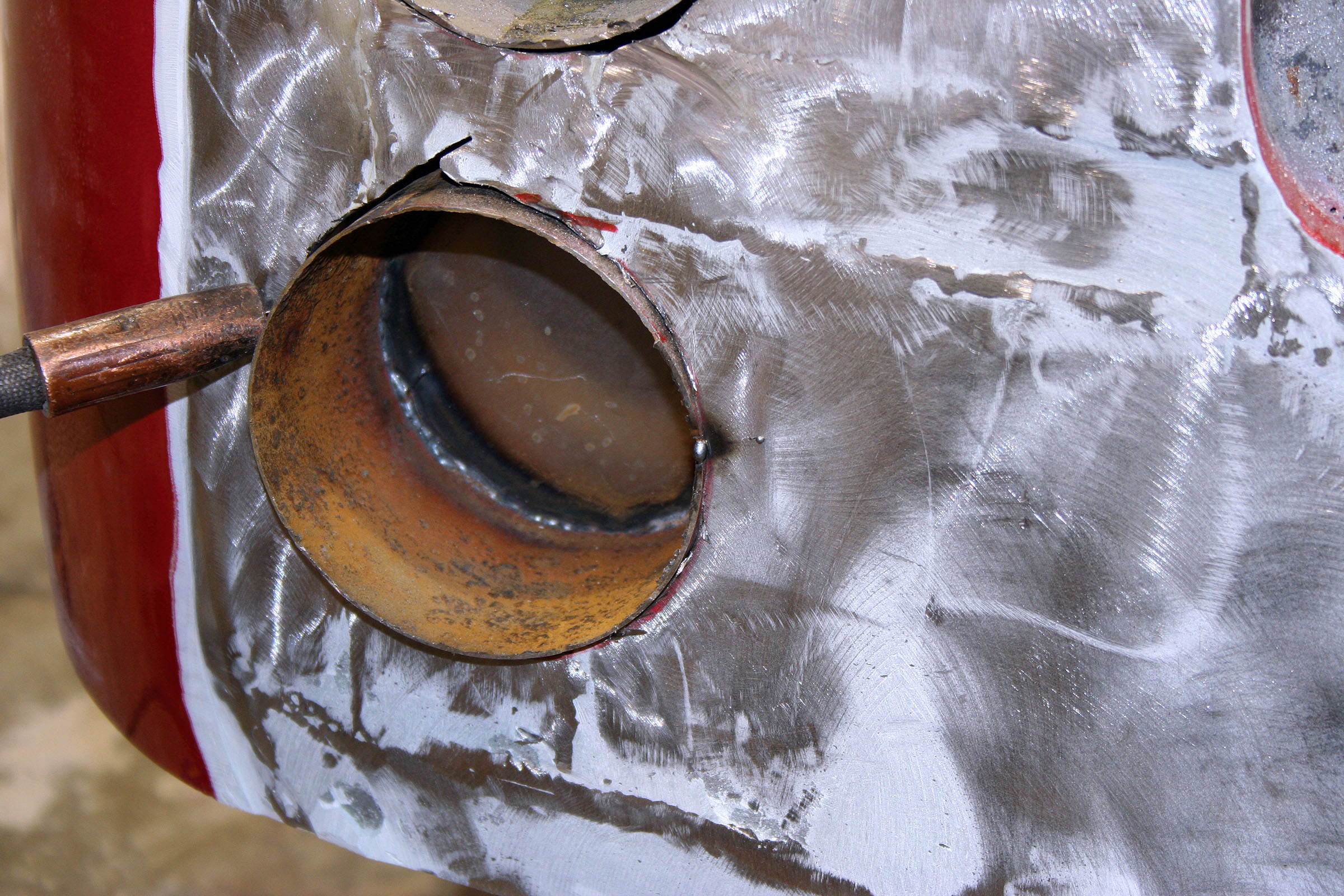
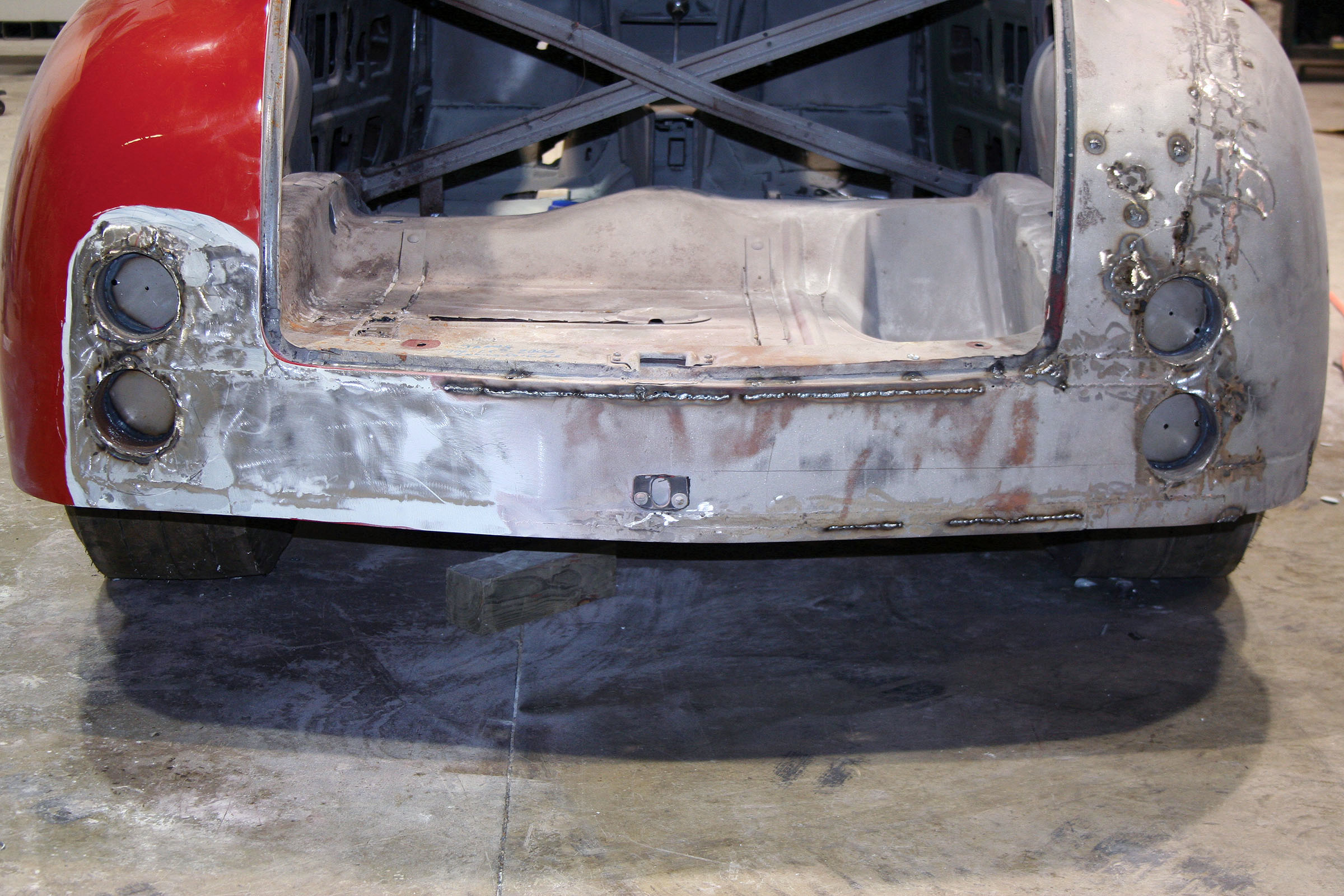
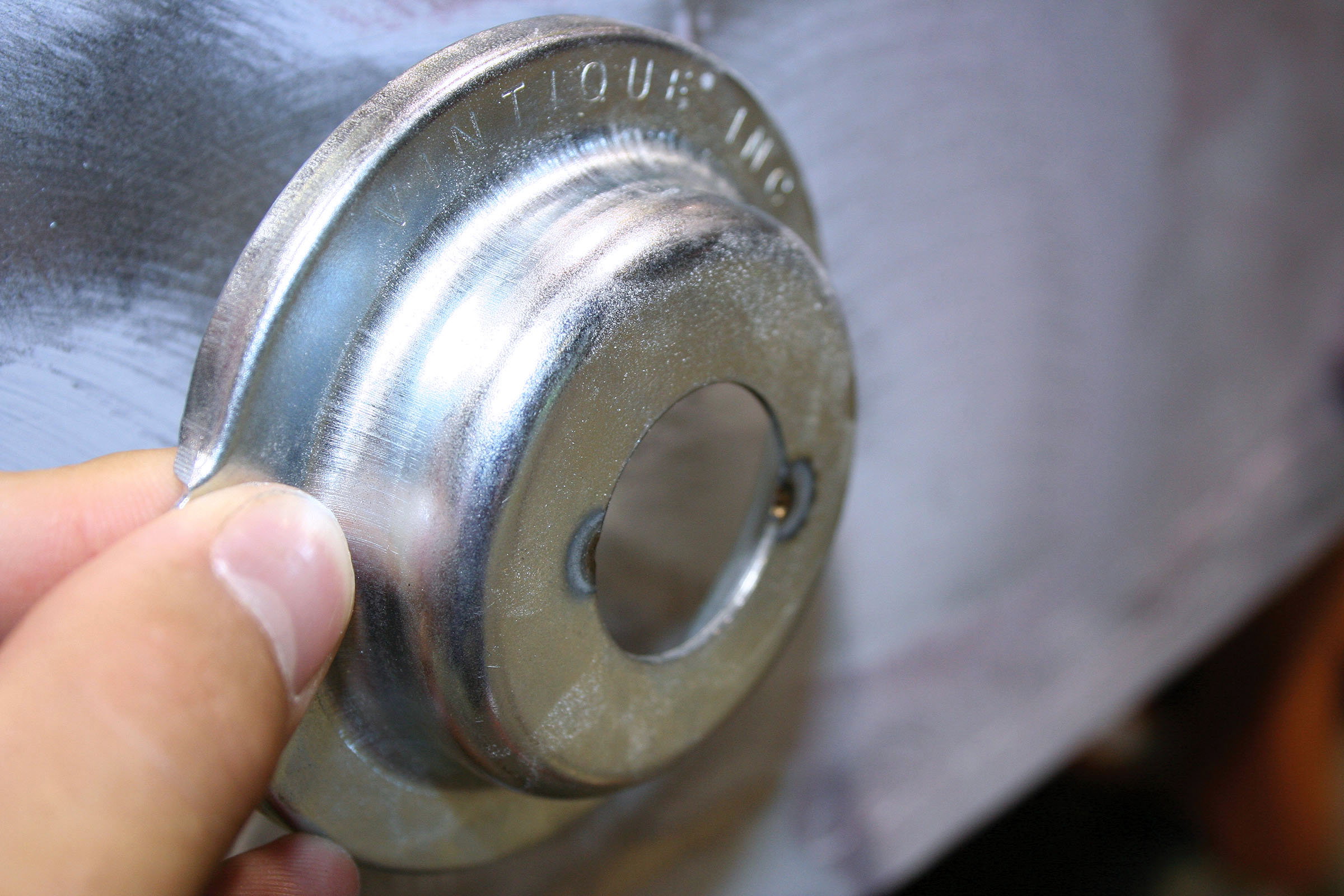
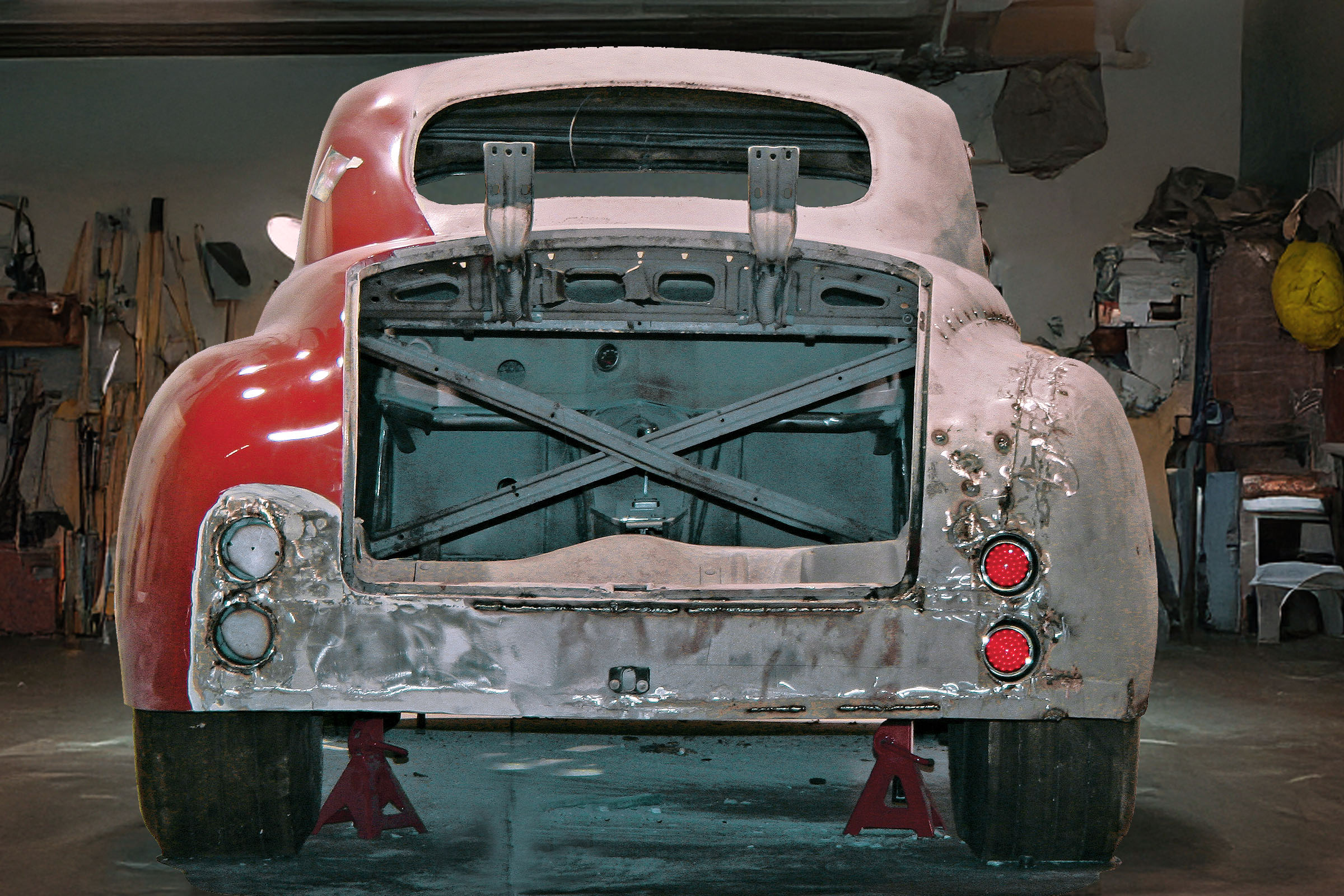
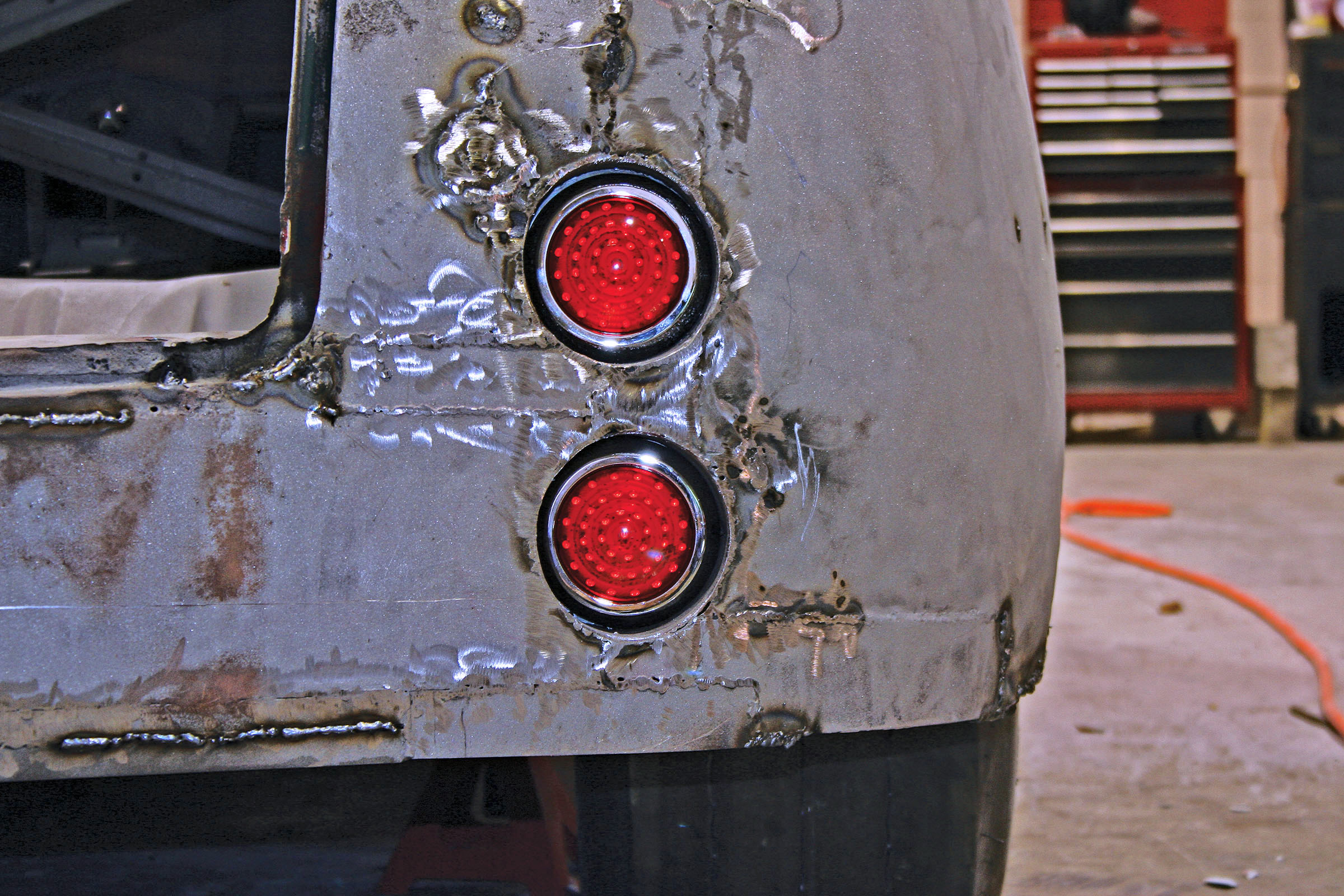
On a recent shop visit to Chattanooga Rod Design, we found owner Anthony McDowell in the process of installing a set of Vintique’s reproduction ’50 Pontiac taillights in a ’48 Dodge coupe. McDowell purchased taillights locally at Honest Charley’s Speed Shop, also in Chattanooga. The new ’50 Pontiac taillights are available in both the modern LED version and in the traditional bulb, and the cool part is that the reproduction taillights have glass lenses whereas the originals were plastic. The plan started out as a simple, single light in the roll pan on each side of the car, but after speaking with the owner of the coupe, the decision was made to tunnel two taillights on each side, one on top of the other. This should provide plenty of brake lights on dark nights.
Fabricating Custom Taillight Buckets
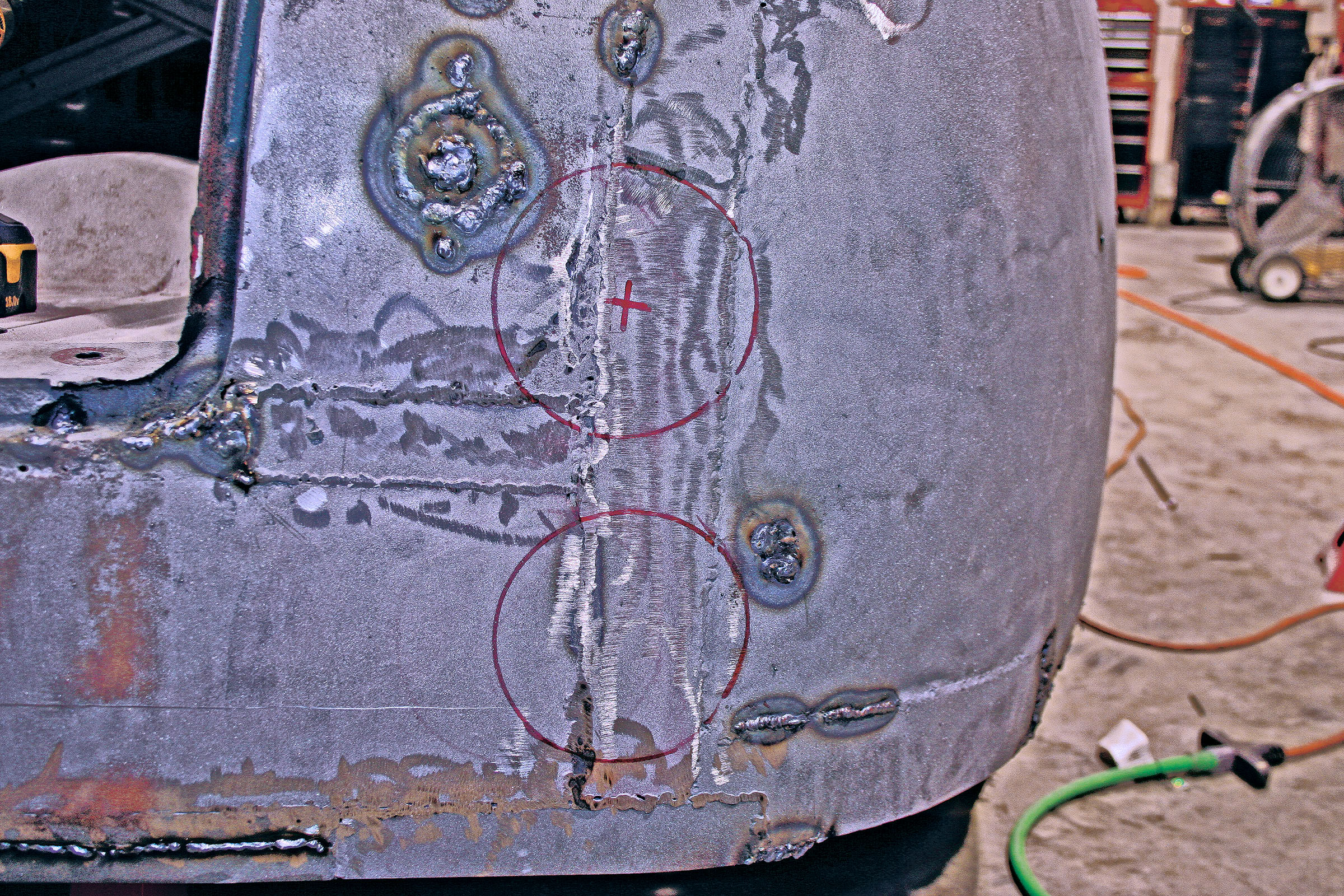
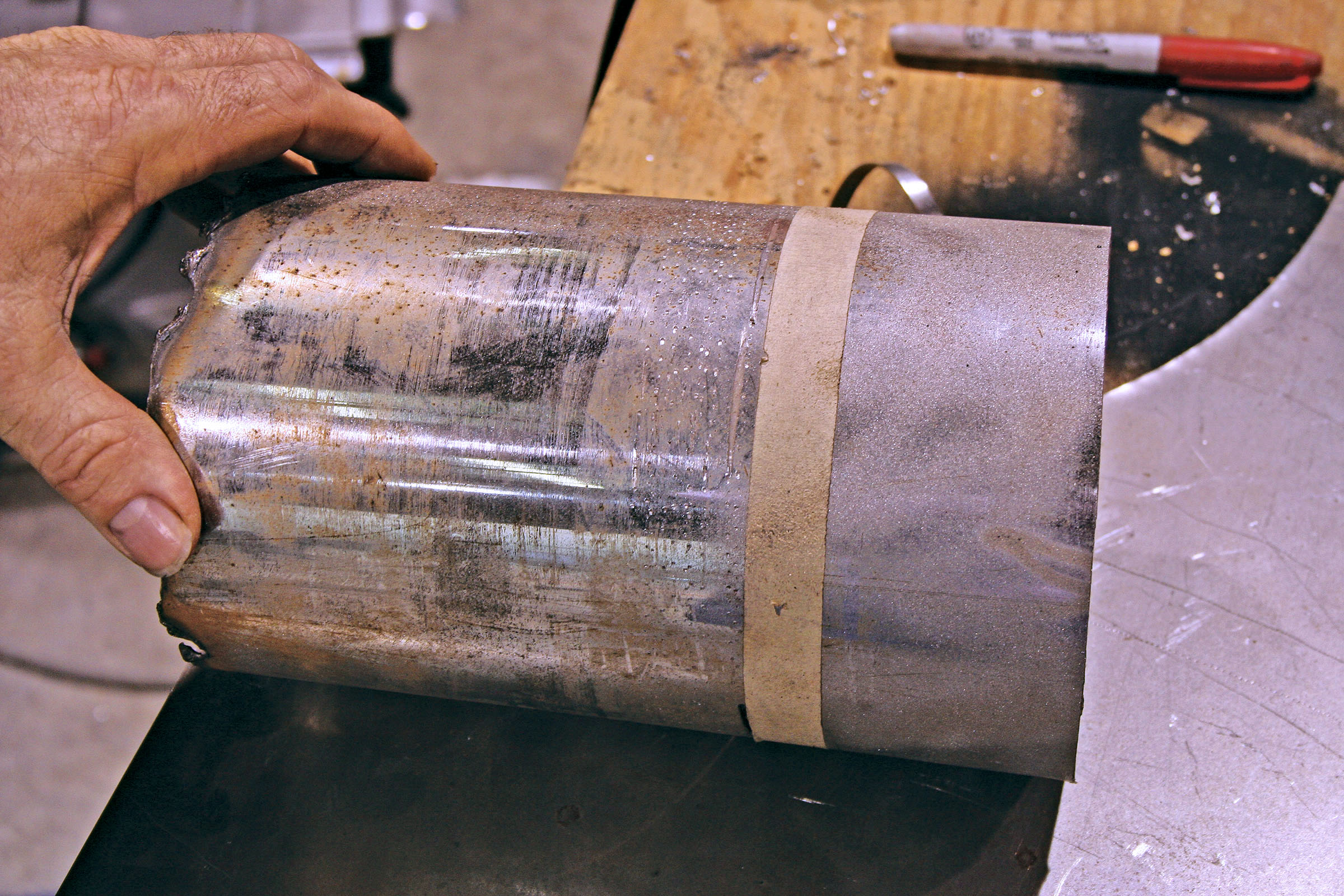
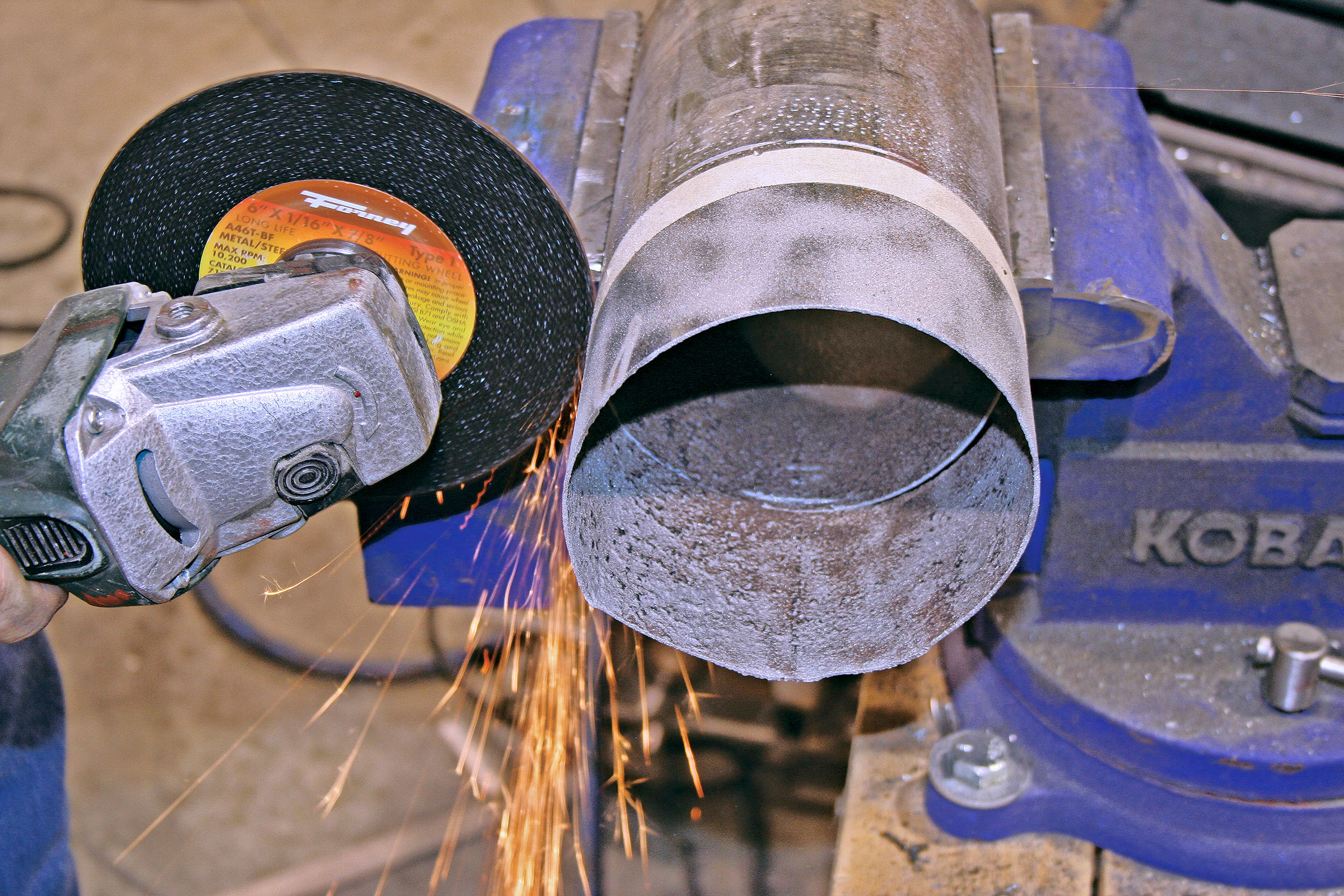
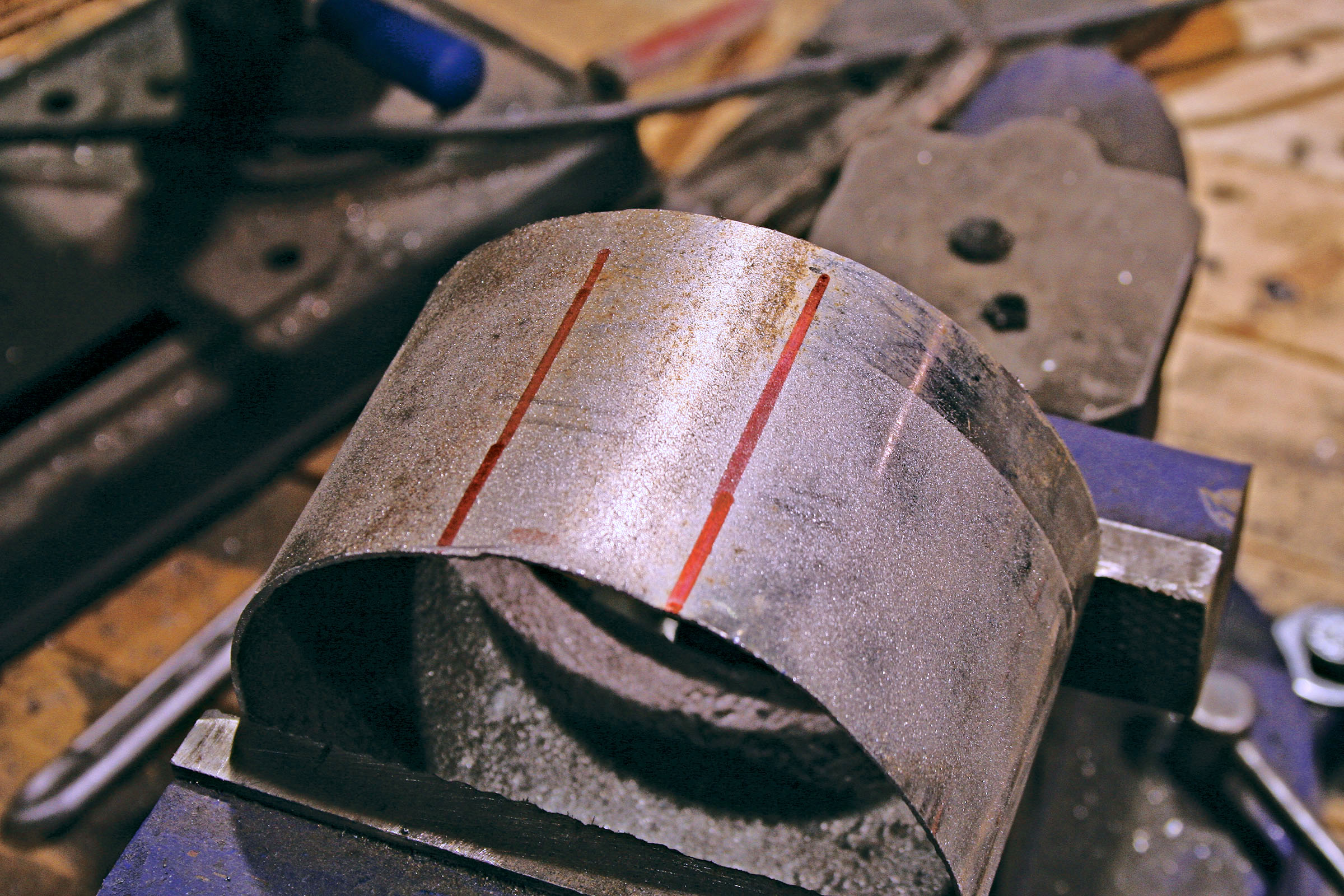
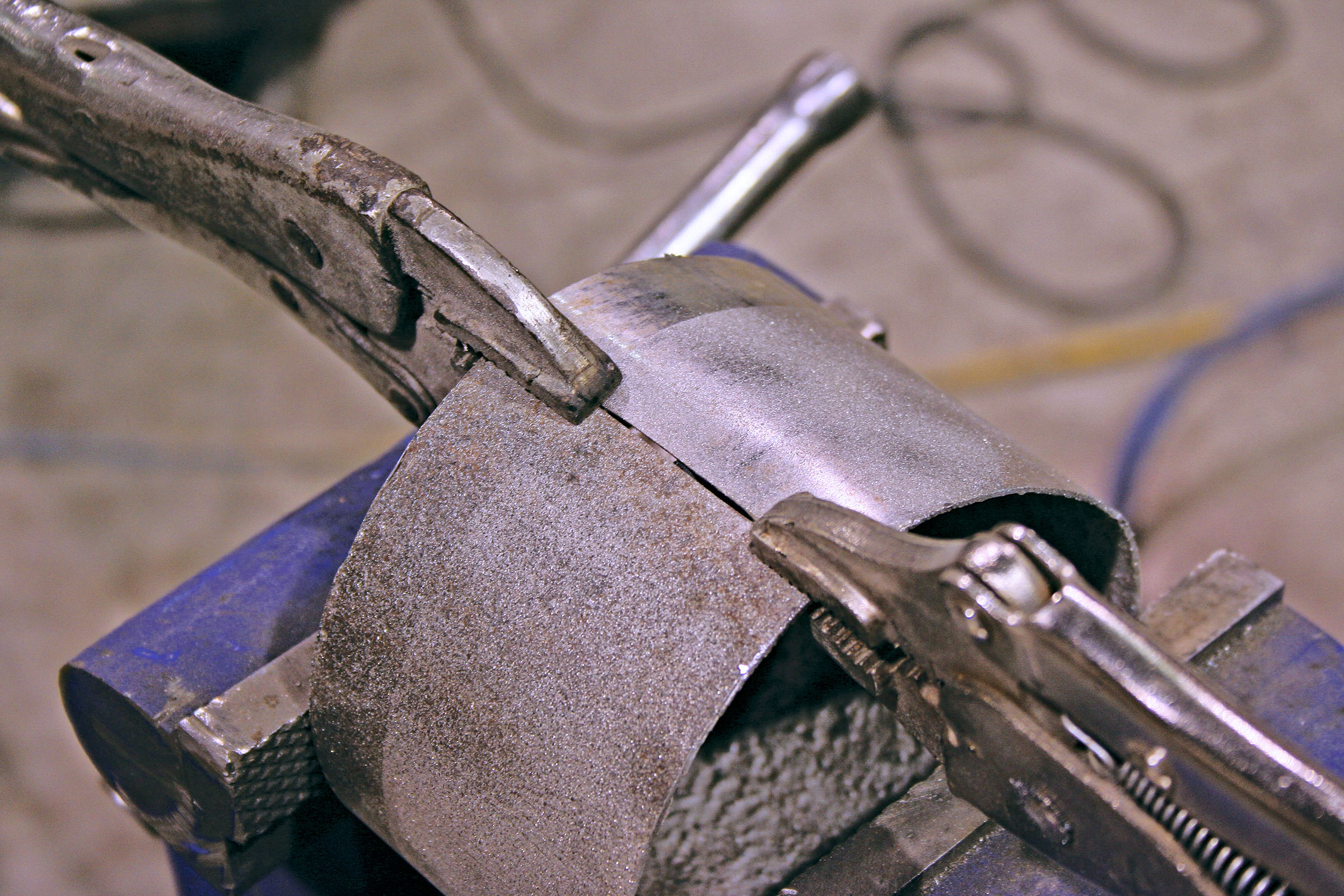
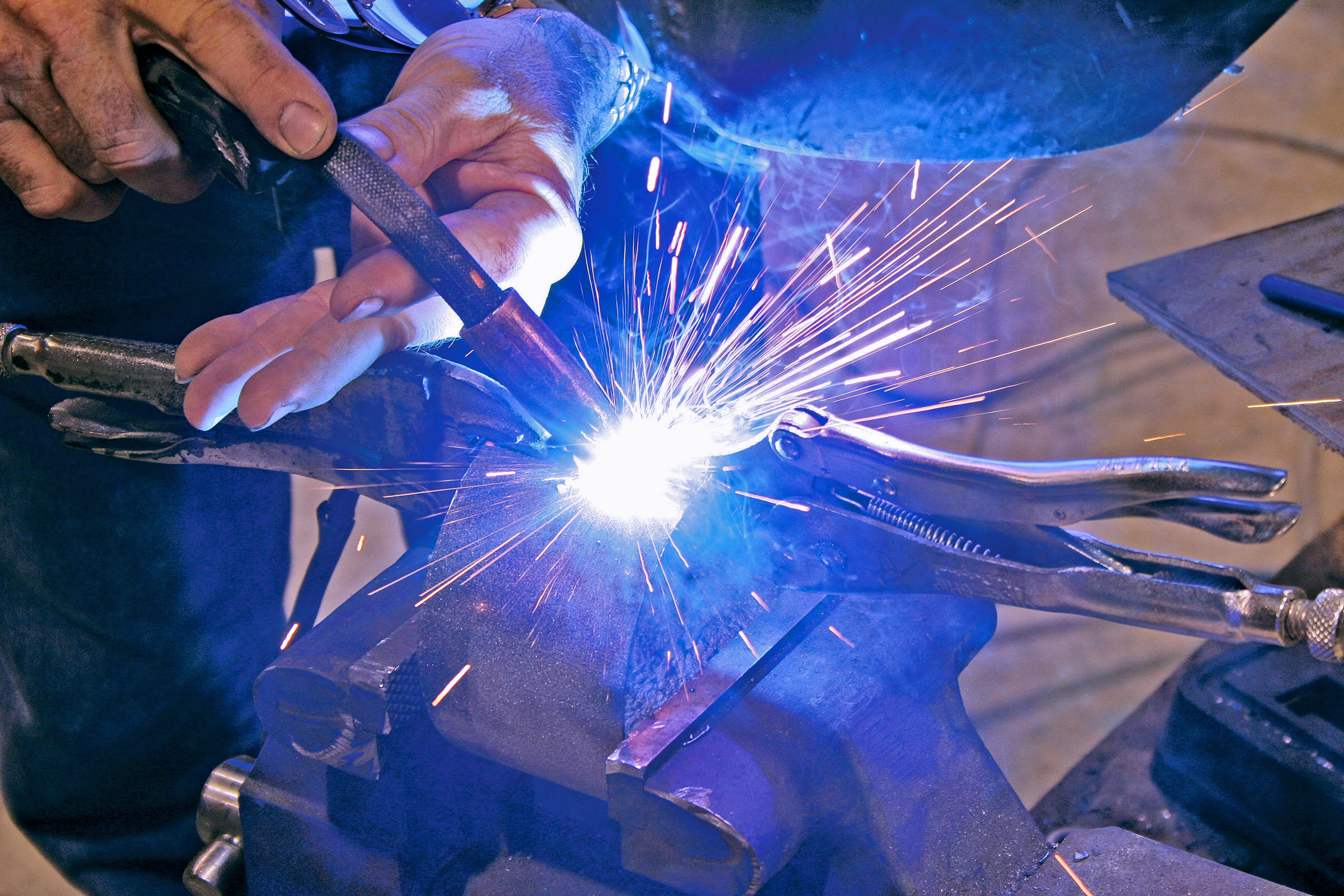
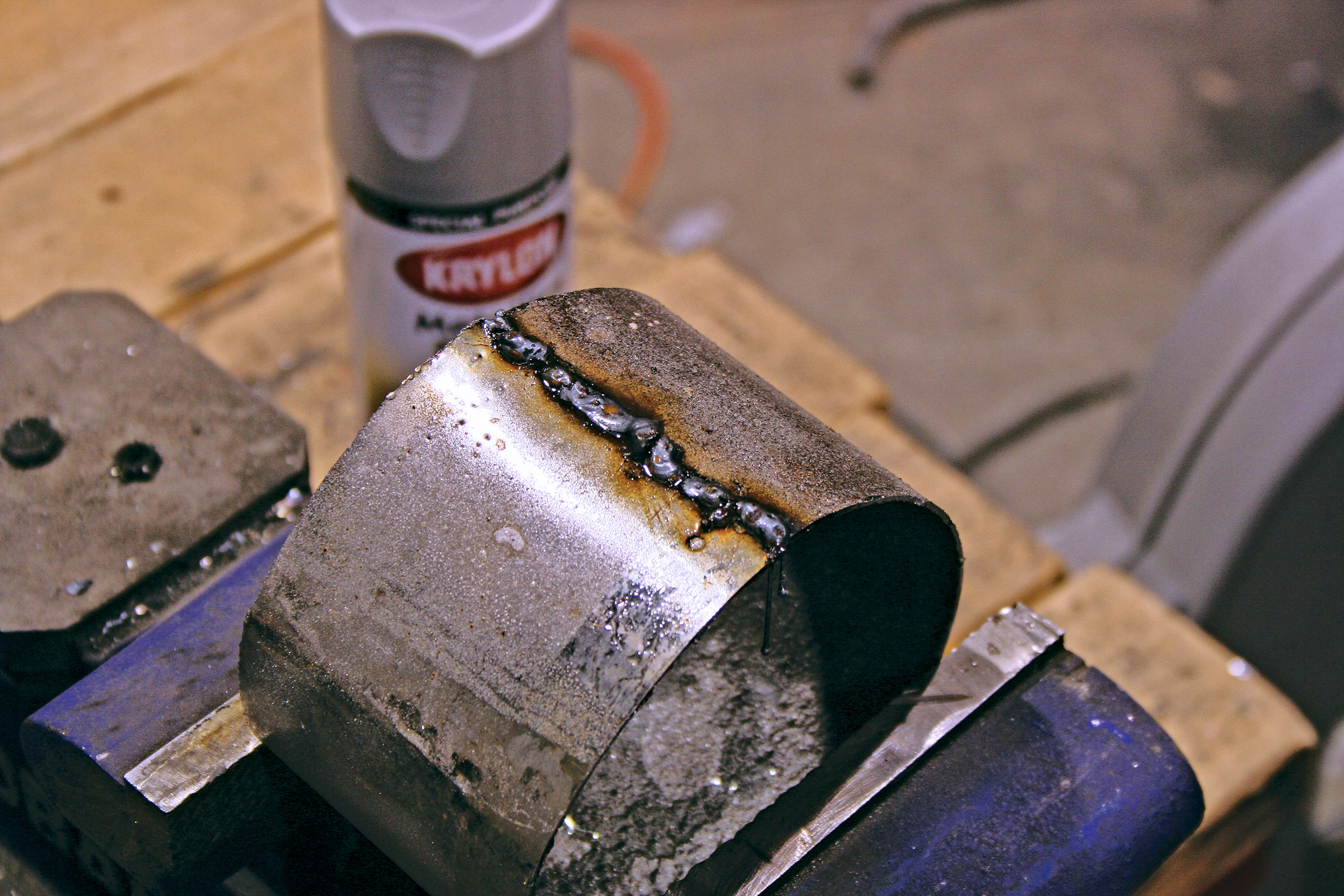
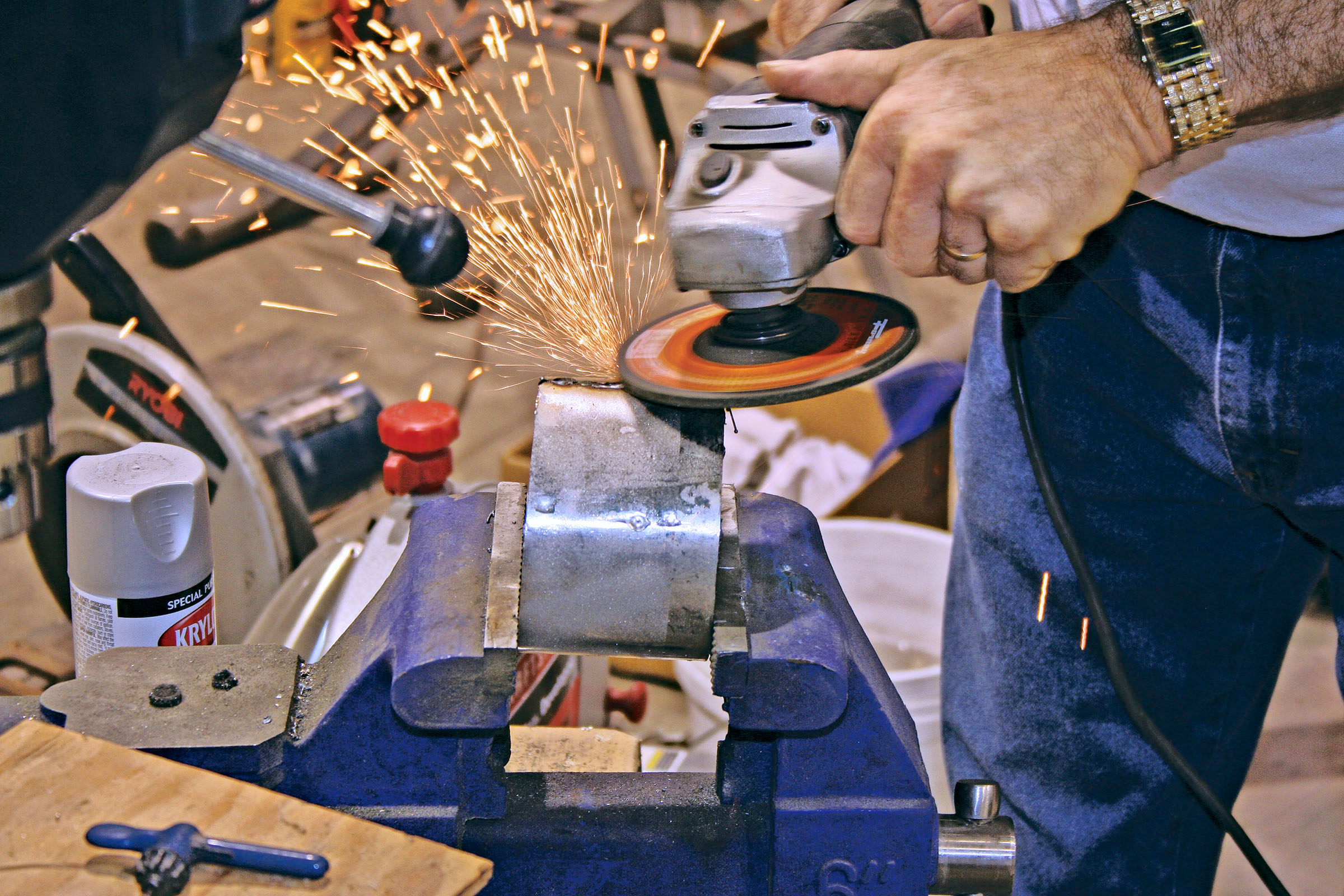
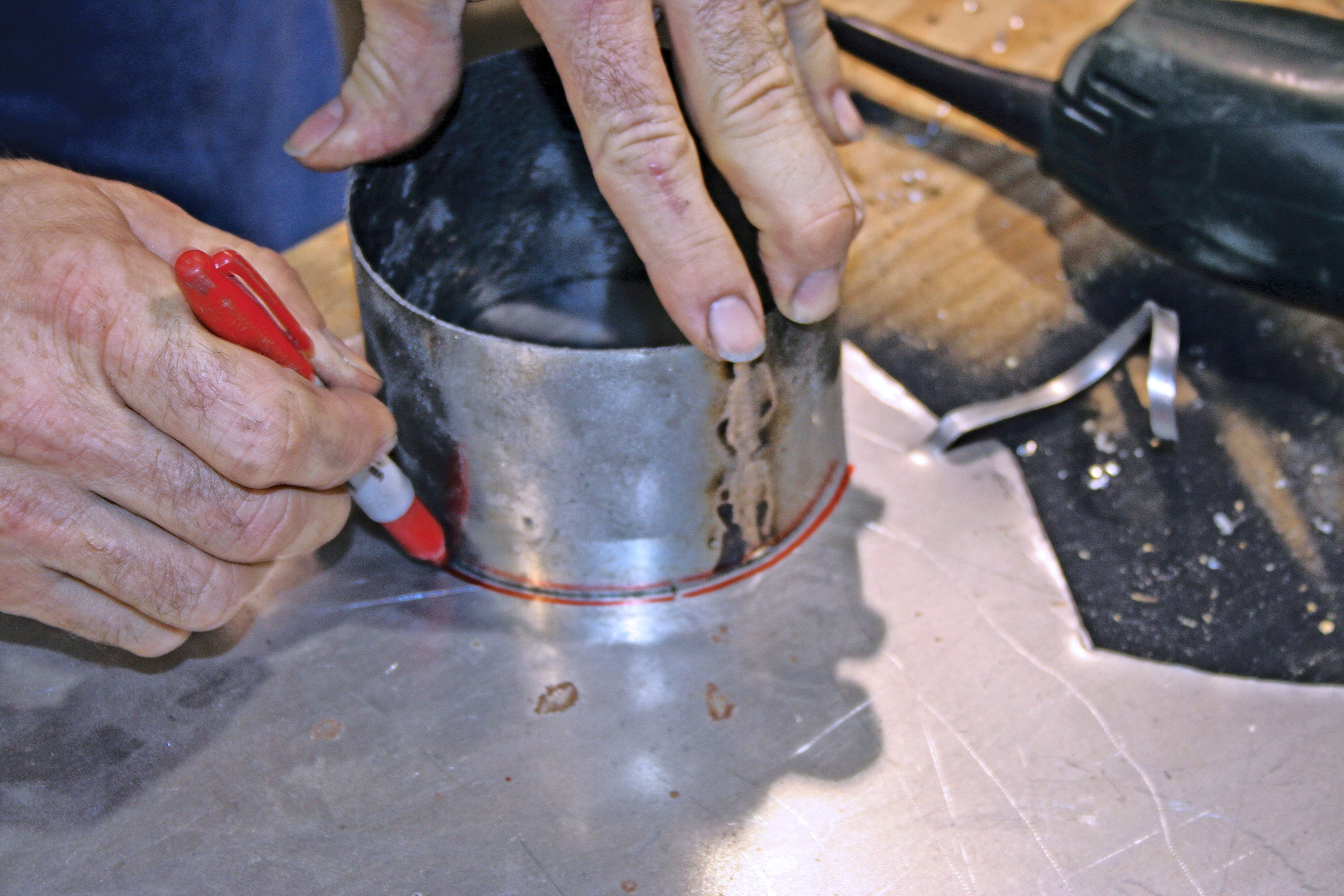
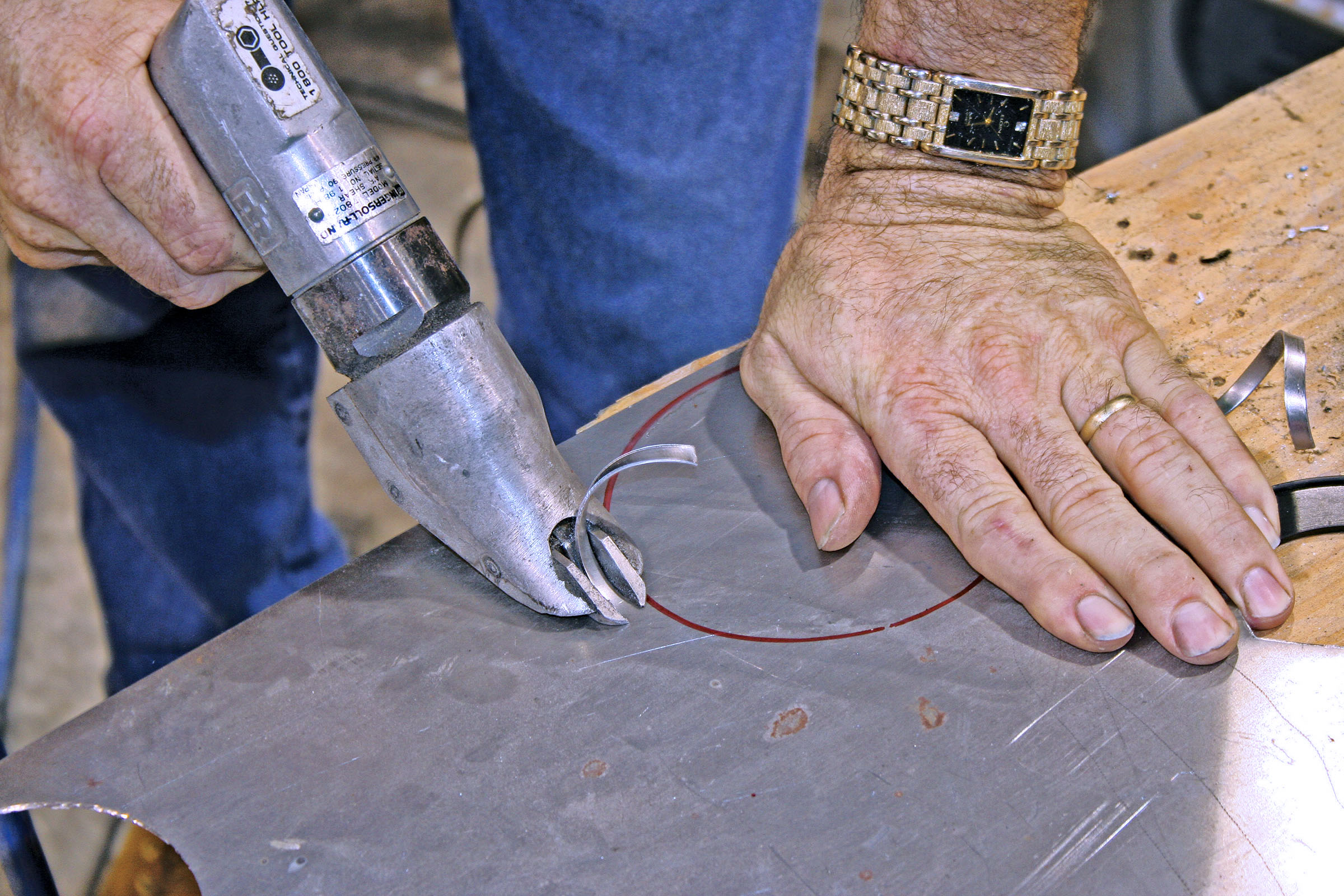
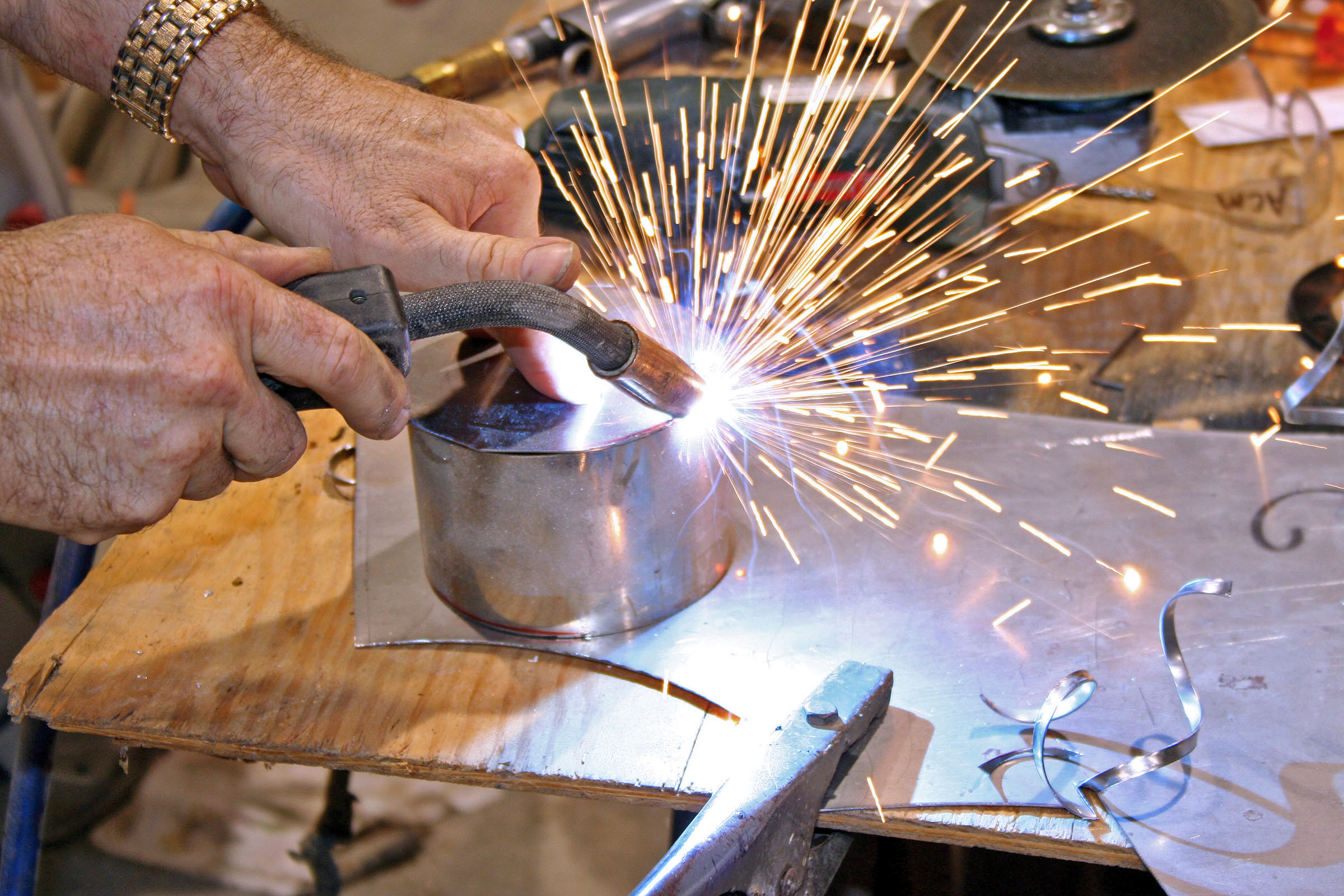
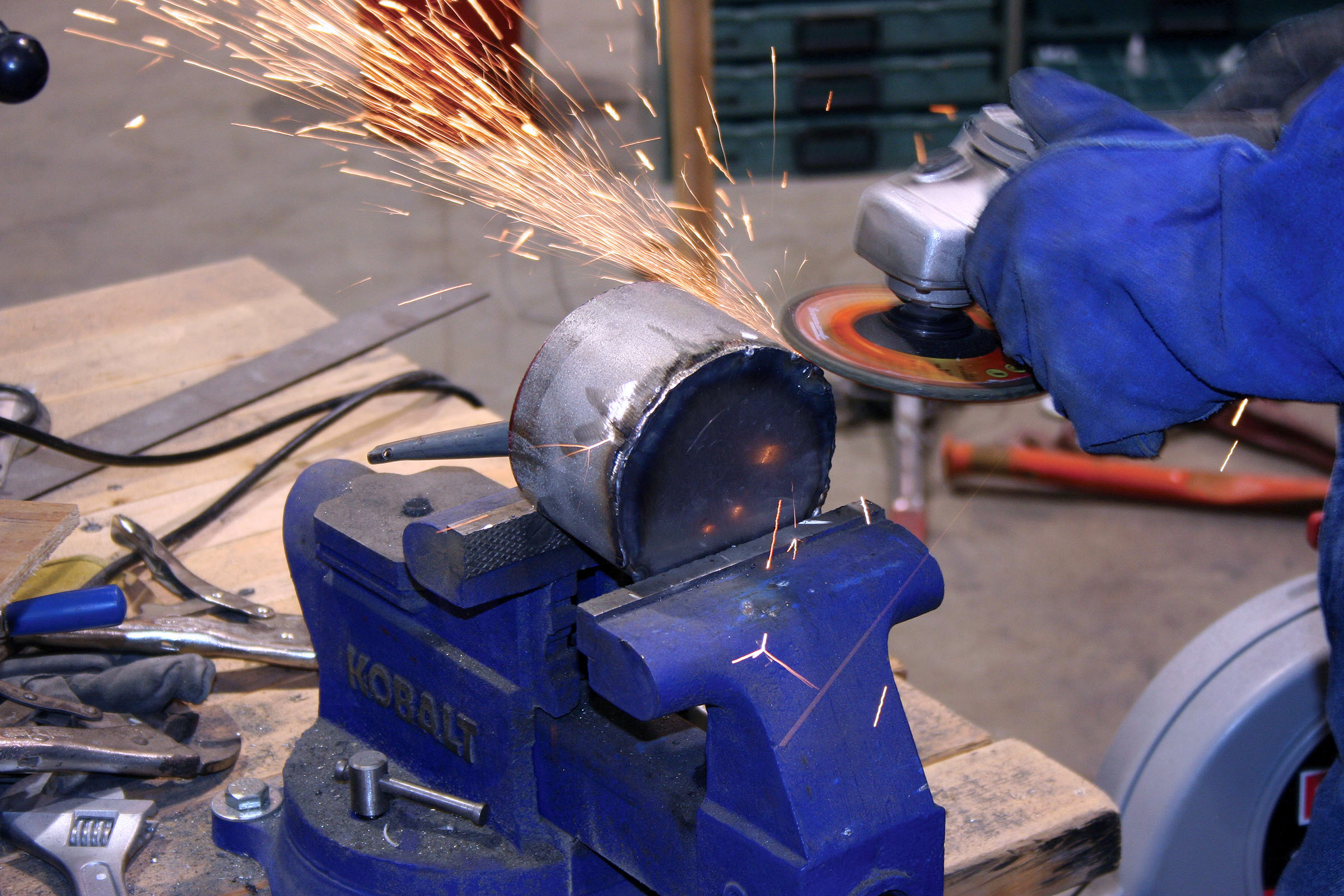
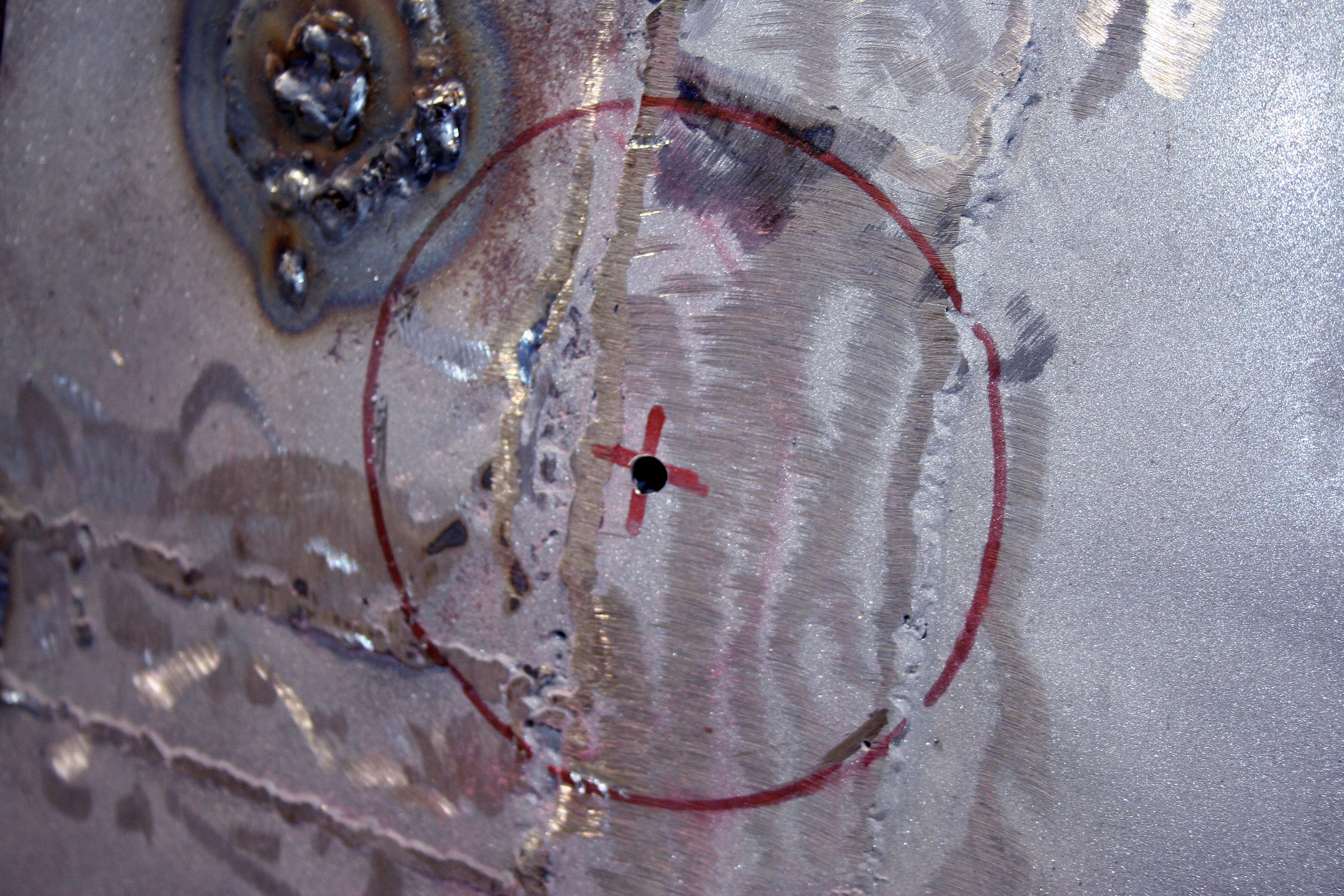
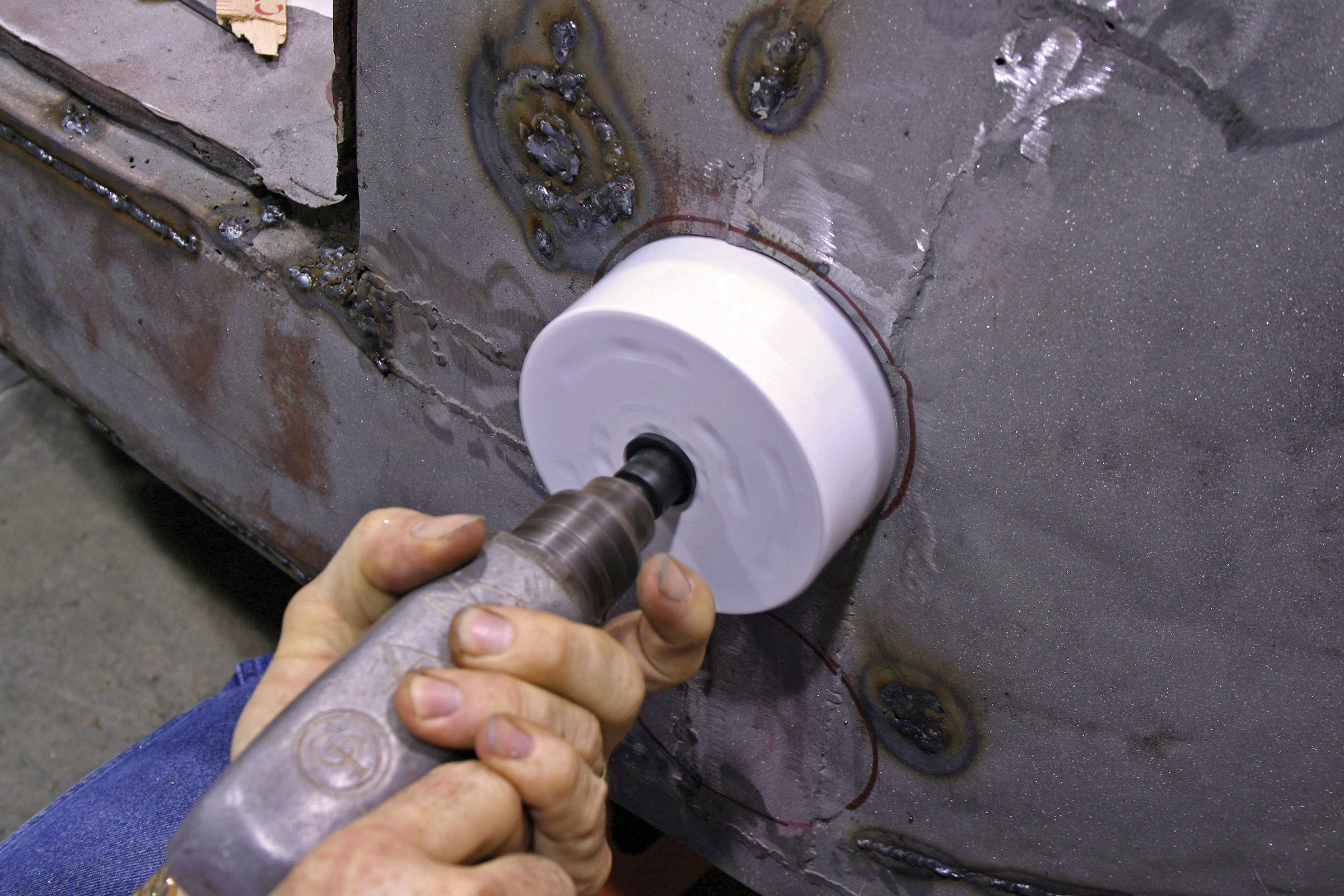
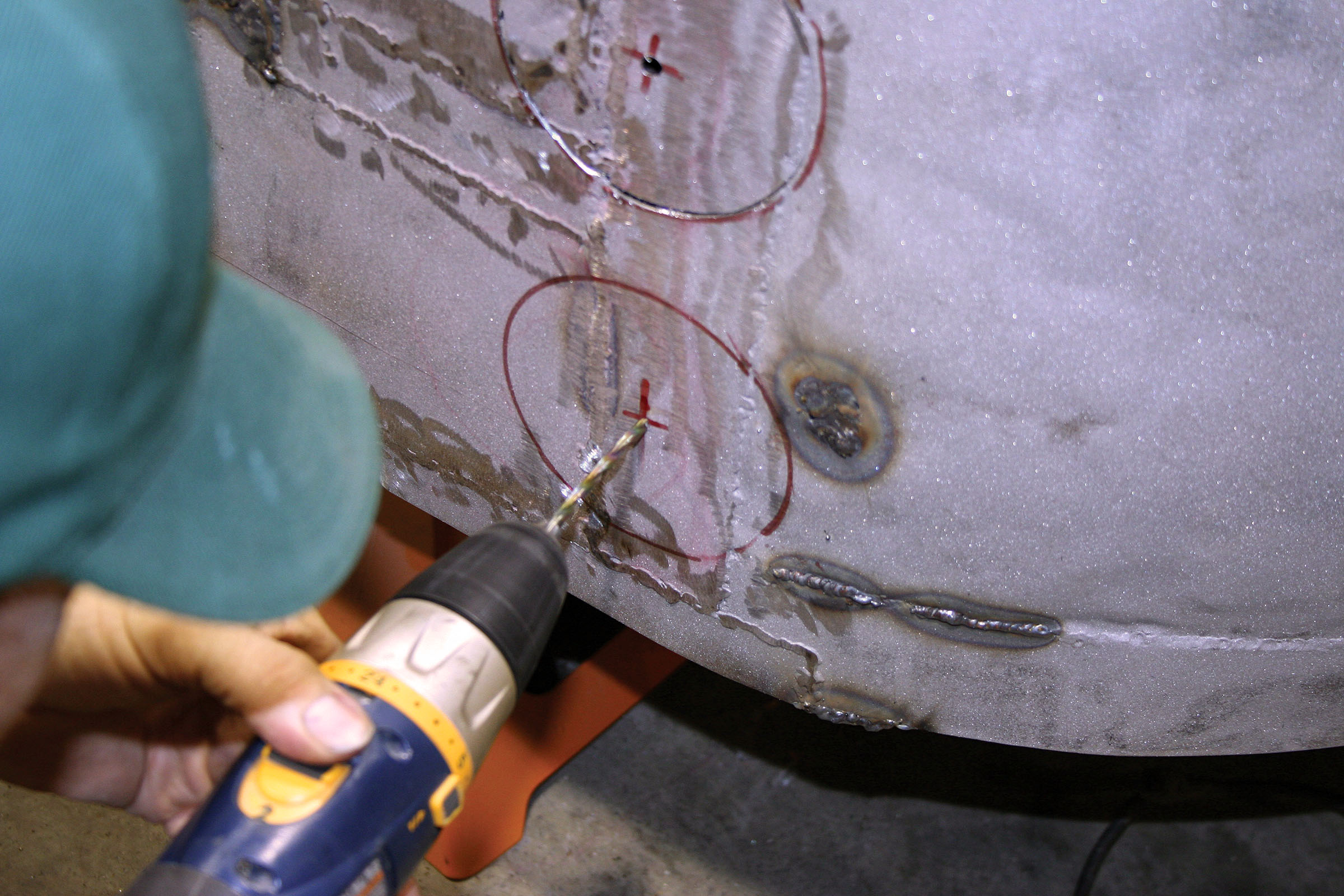
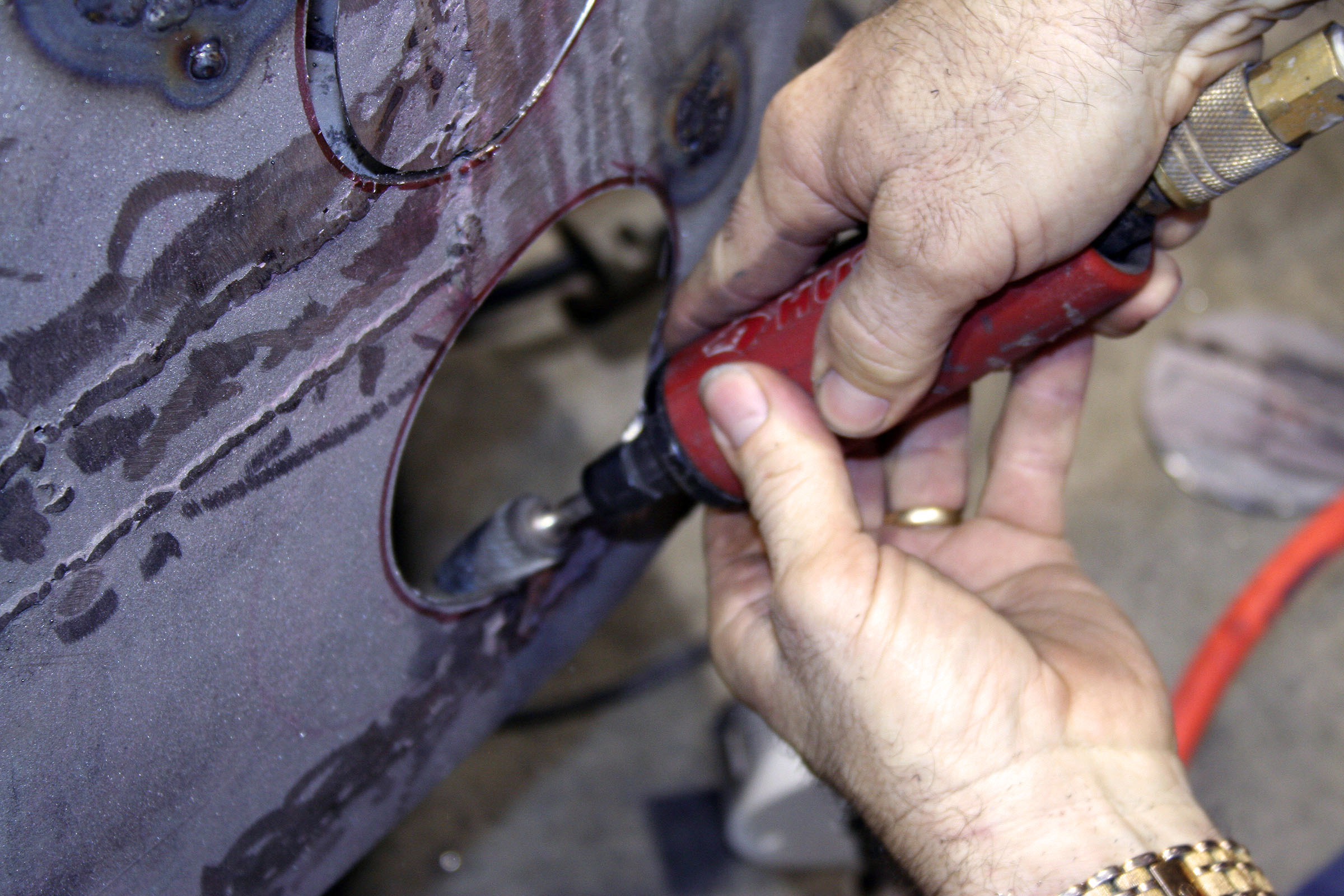
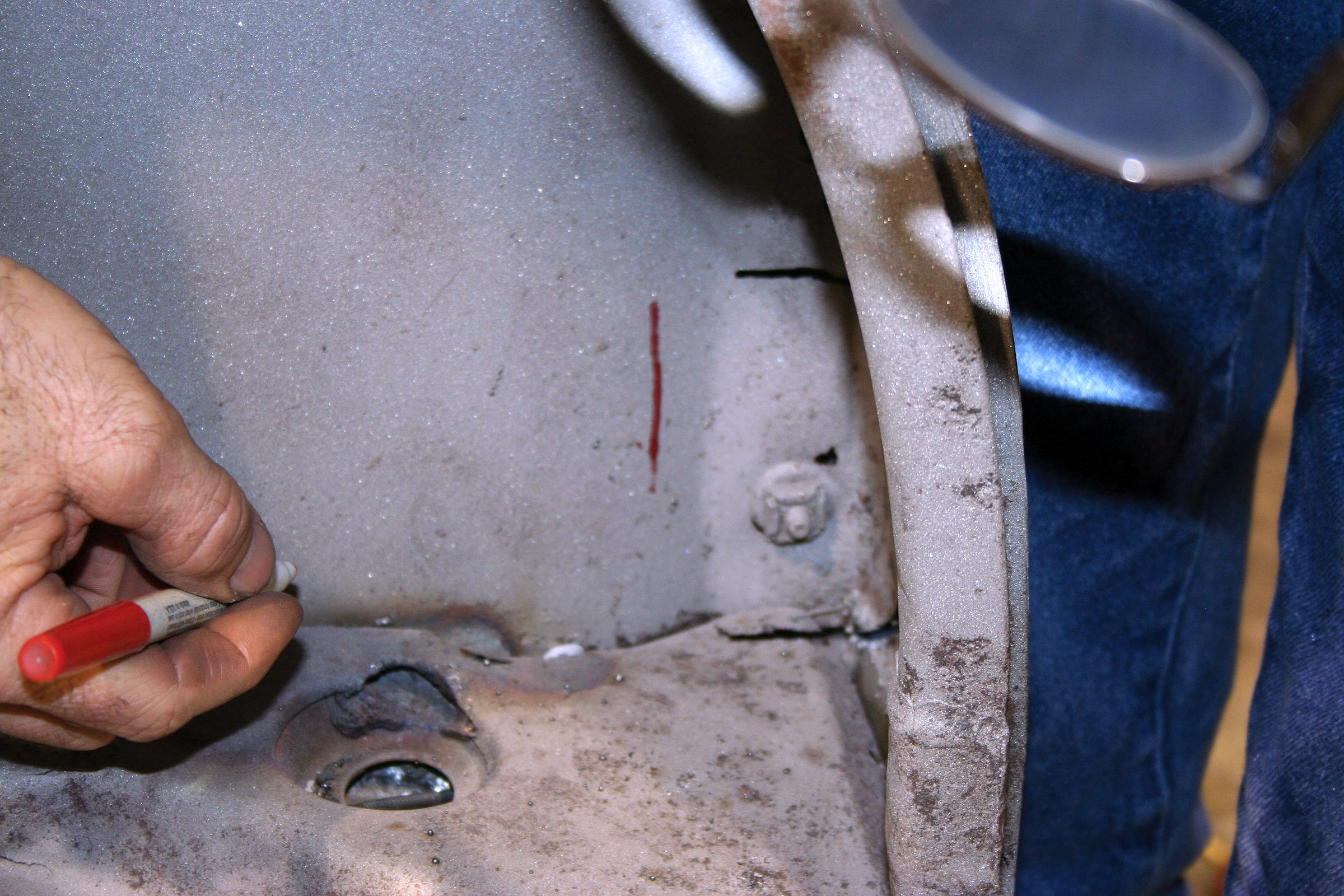
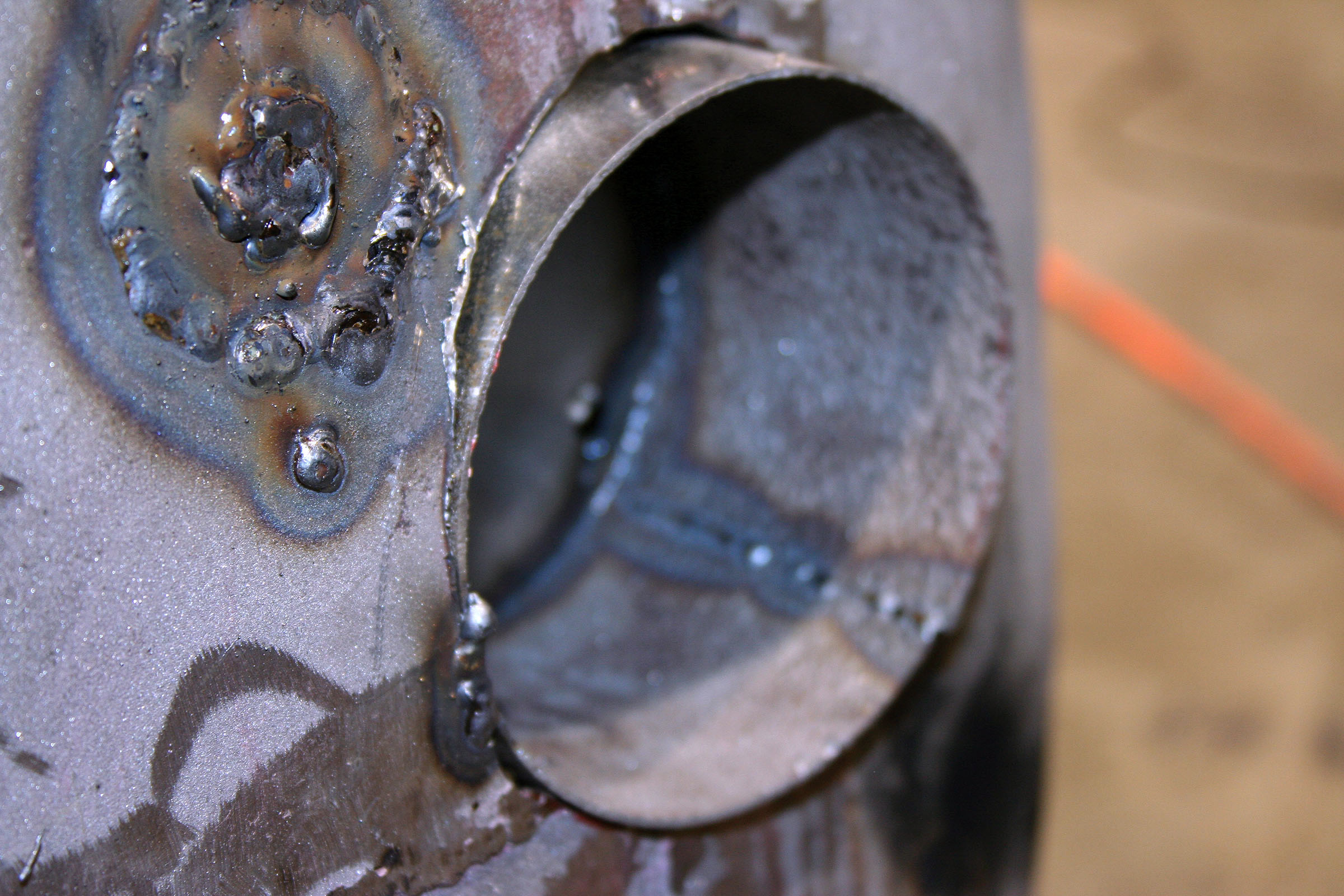
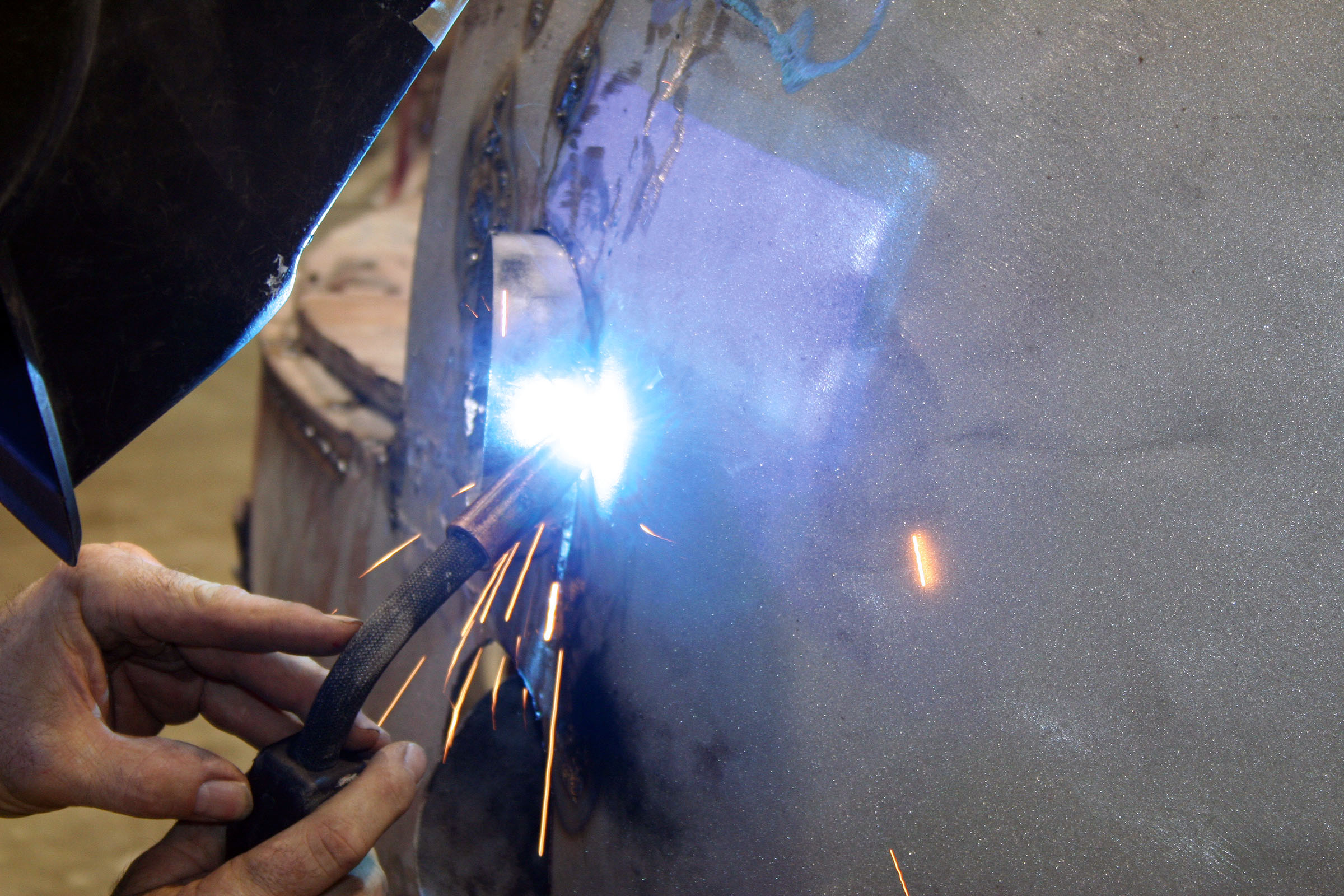
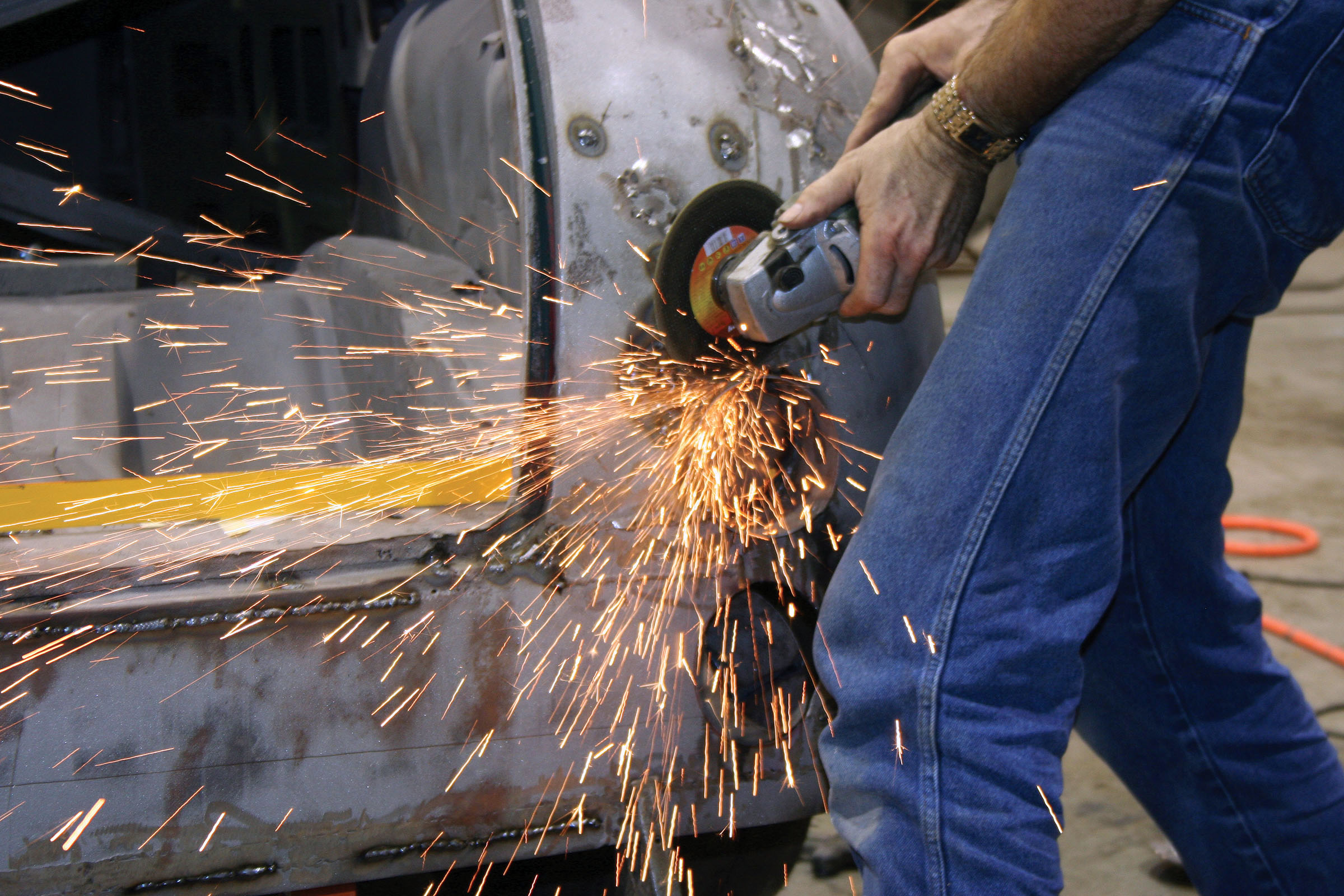
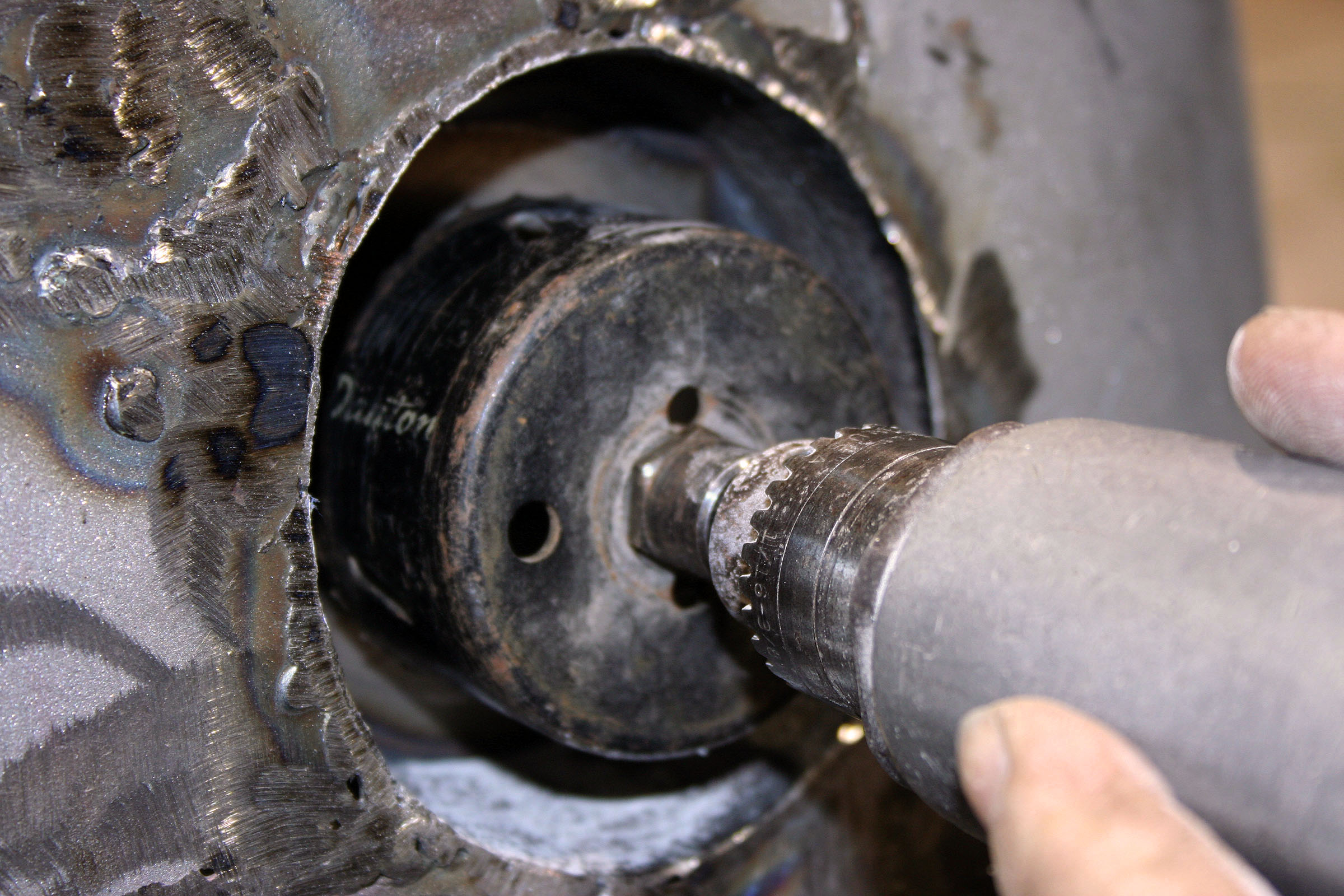
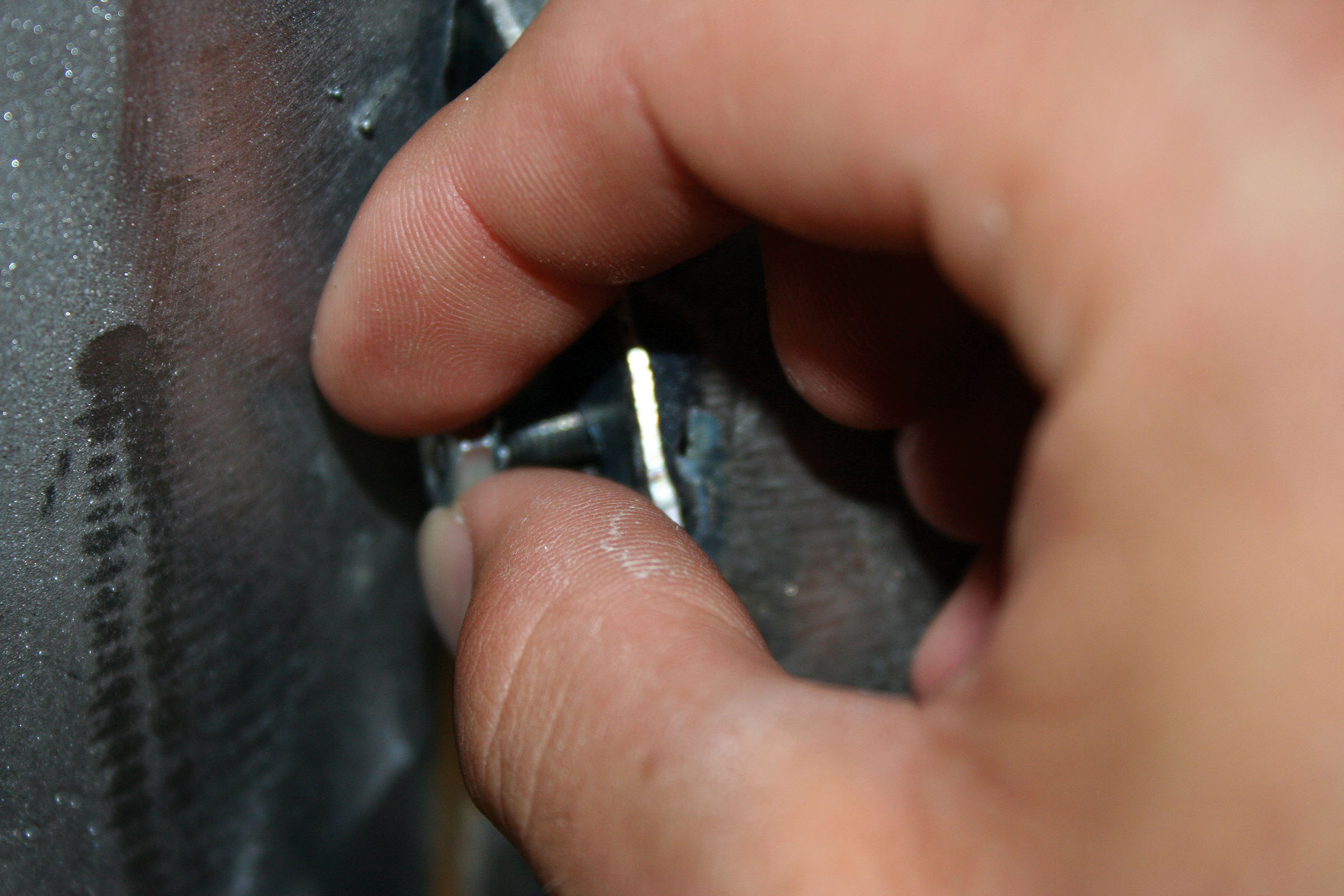
After looking at the available taillight frenching kits available, the builder decided that it would be best to fabricate the taillight buckets from a few feet of 5-1/2-inch diesel exhaust tubing and a sheet of 16-gauge steel. It will be easier to cut the tubing down in size than buying a smaller size and having to stretch the metal. As we mentioned earlier, the taillights were new LED units that would provide the driver with the security of safe, bright taillights. The installation required a cutoff wheel, MIG welder, air drill and a variety of small hand tools. The complete fabrication and installation took about four hours, and the finished results looked great. Follow along as we light up the back of this ’48 Dodge coupe.
ARTICLE SOURCES
Chattanooga Rod Design
406 Hwy. 299
Wildwood, GA 30757
423/902-7525
Vintique Inc.
2294 N. Batavia St., #D
Orange, CA 92865
714/974-1940
Info@Vintiqueinc.com