A Platform for Customization
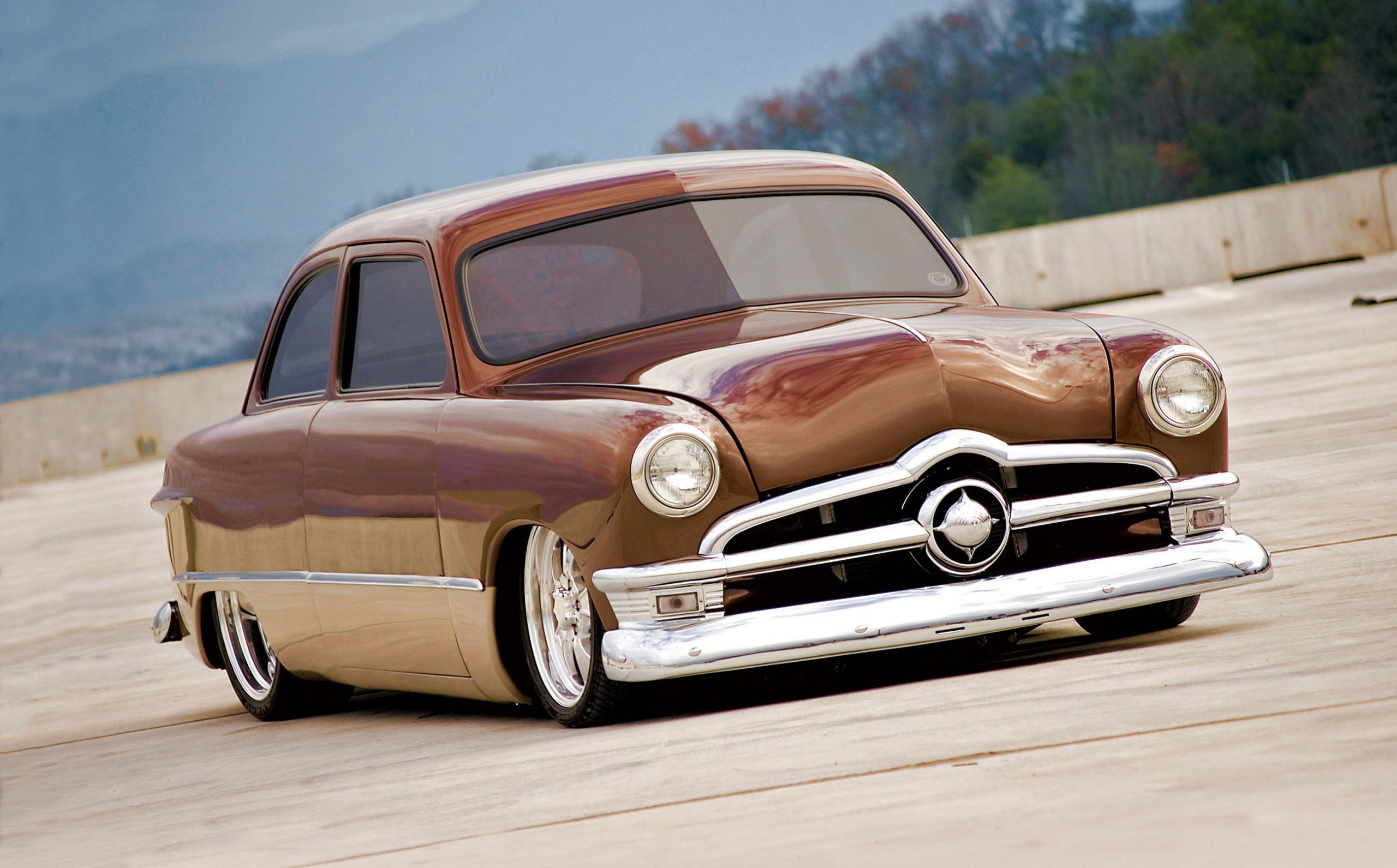
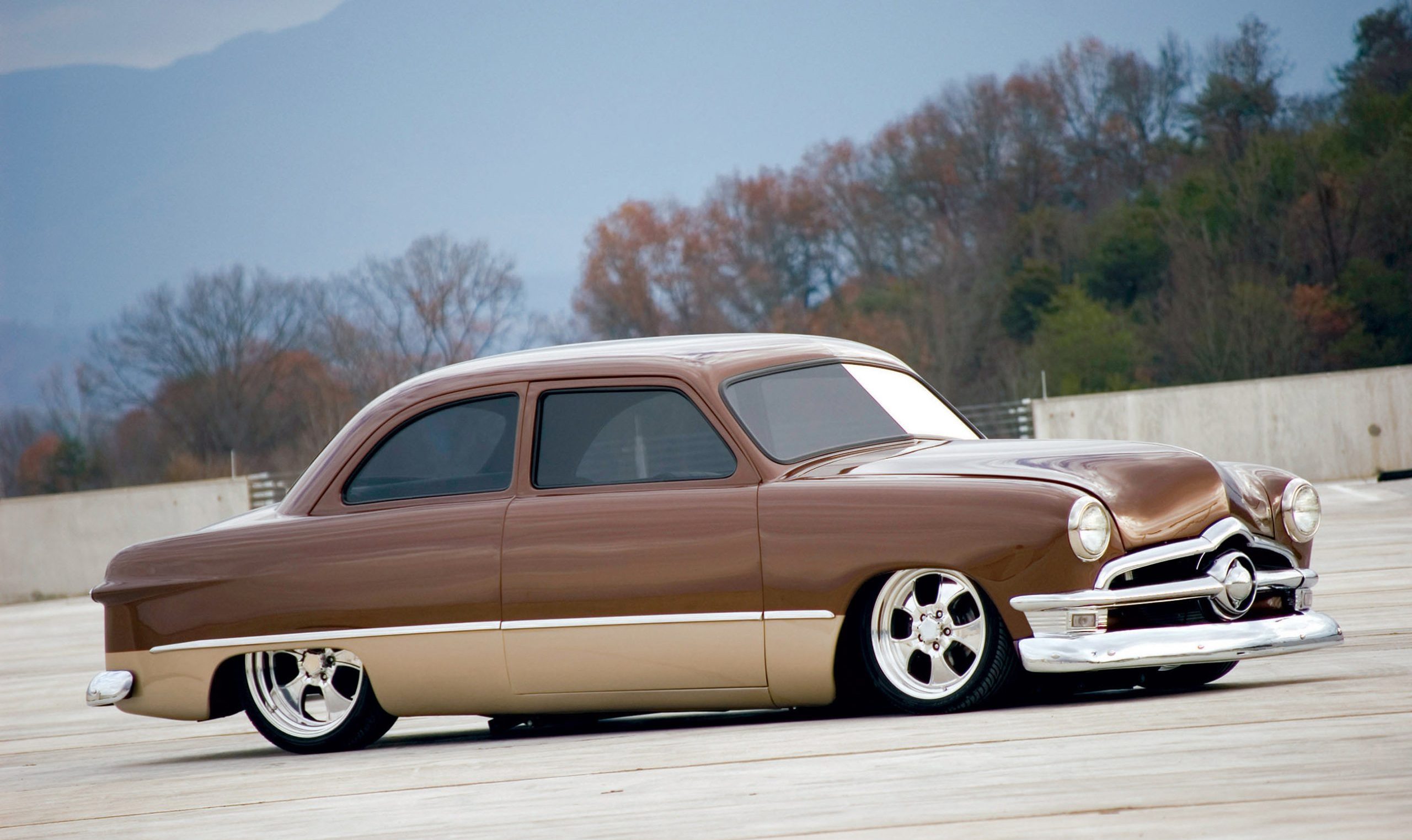
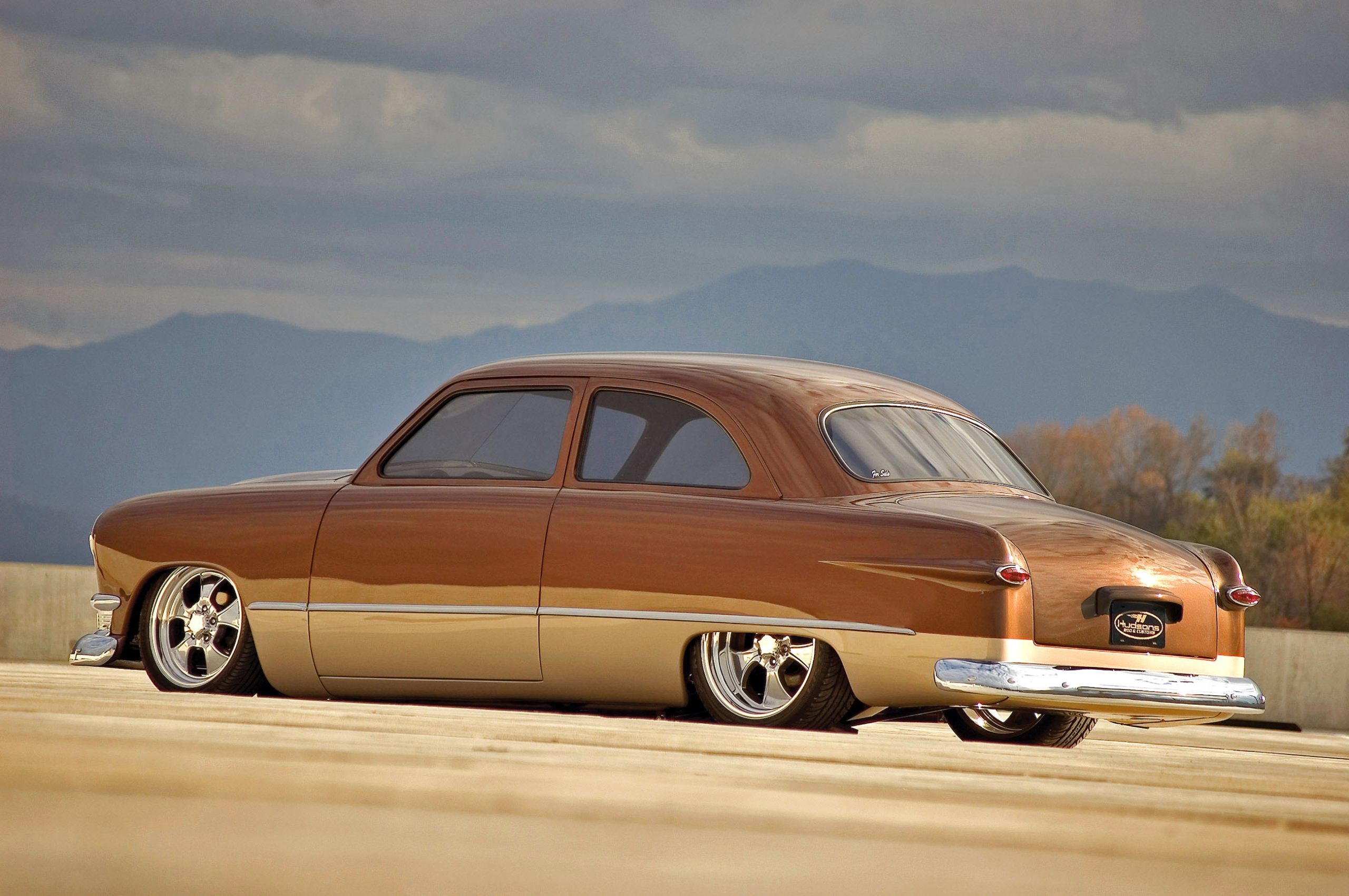
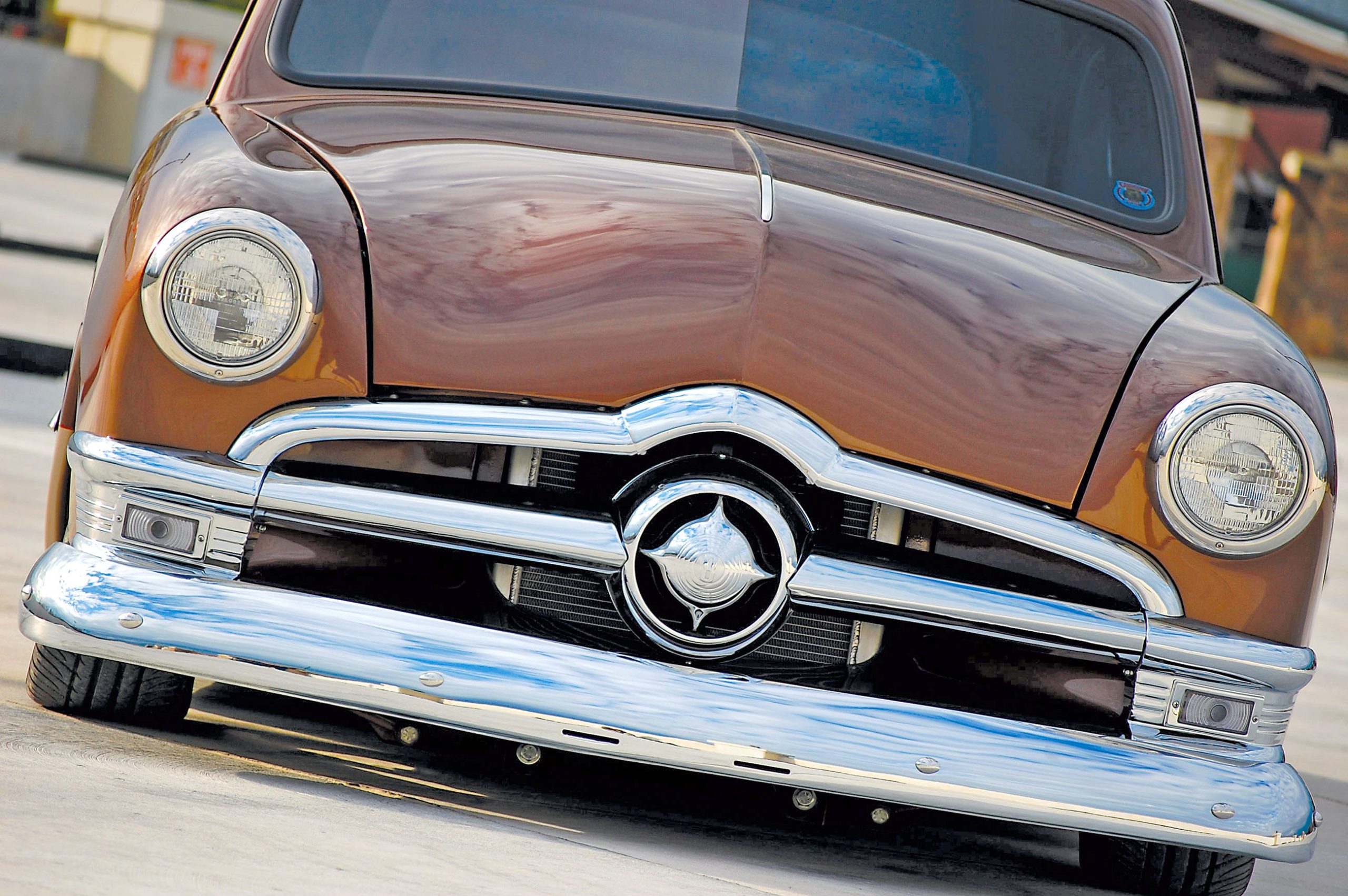
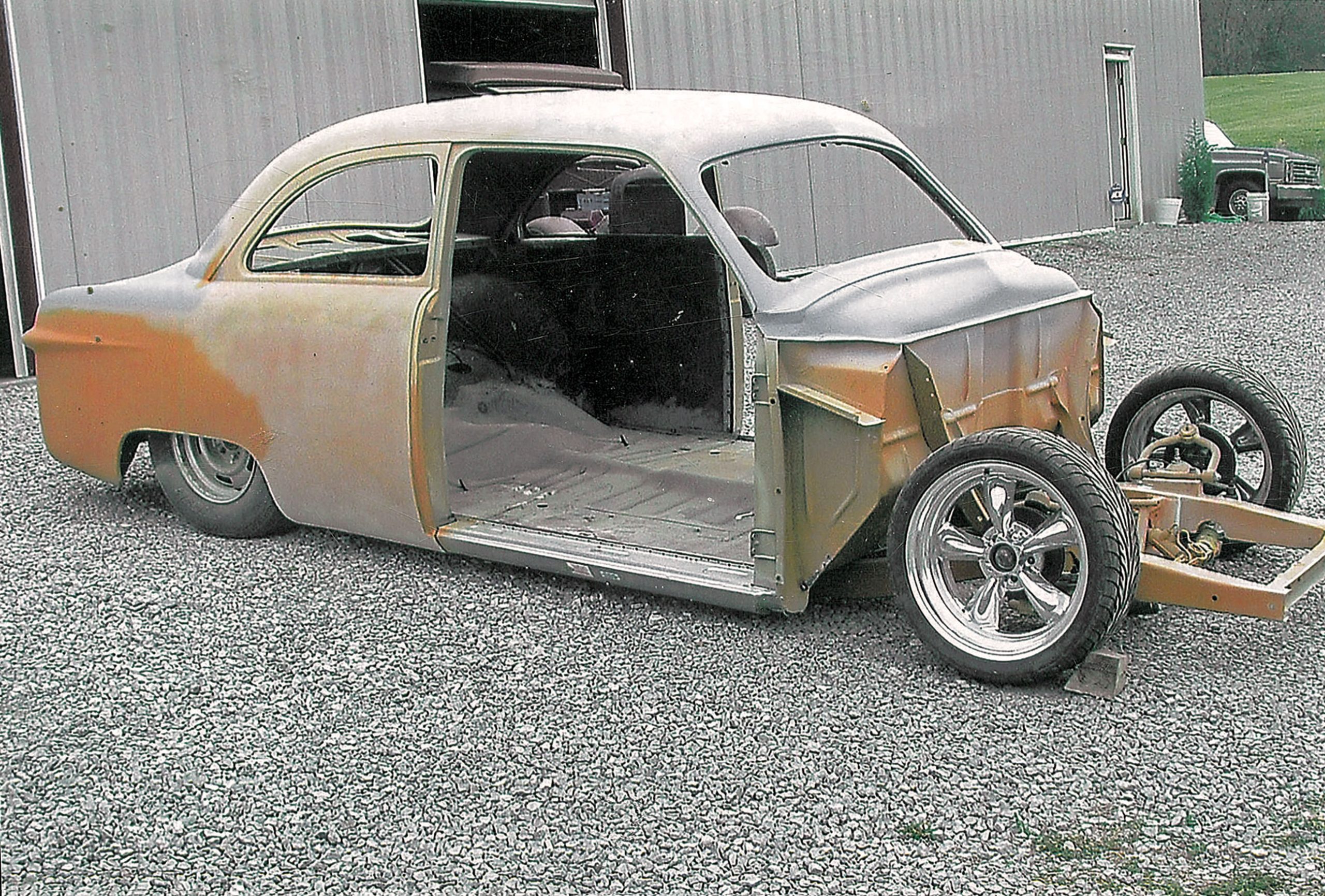
The ’49 Ford was a step in the right direction for nearly every car enthusiast. It proved to handle well and provided a most comfortable and roomy ride, with its new parallel leaf springs out back and independent front suspension. Later, the shoebox Ford became one of the favorite platforms for custom builds, along with its relative, the Mercury. Chopped tops, rounded corners and recessed headlights were common body mods, and these slabsided Fords looked great sitting low. From the ’60s, when outlandish paint jobs and interiors were all the rage, to now, when simplicity rules, the shoebox Ford is a staple in the rodding world. This fine example is a ’50 Ford sedan built by Homer and Will Hudson of Hudsons Rod & Customs (865/933-5315).
Reinventing the Frame and Suspension
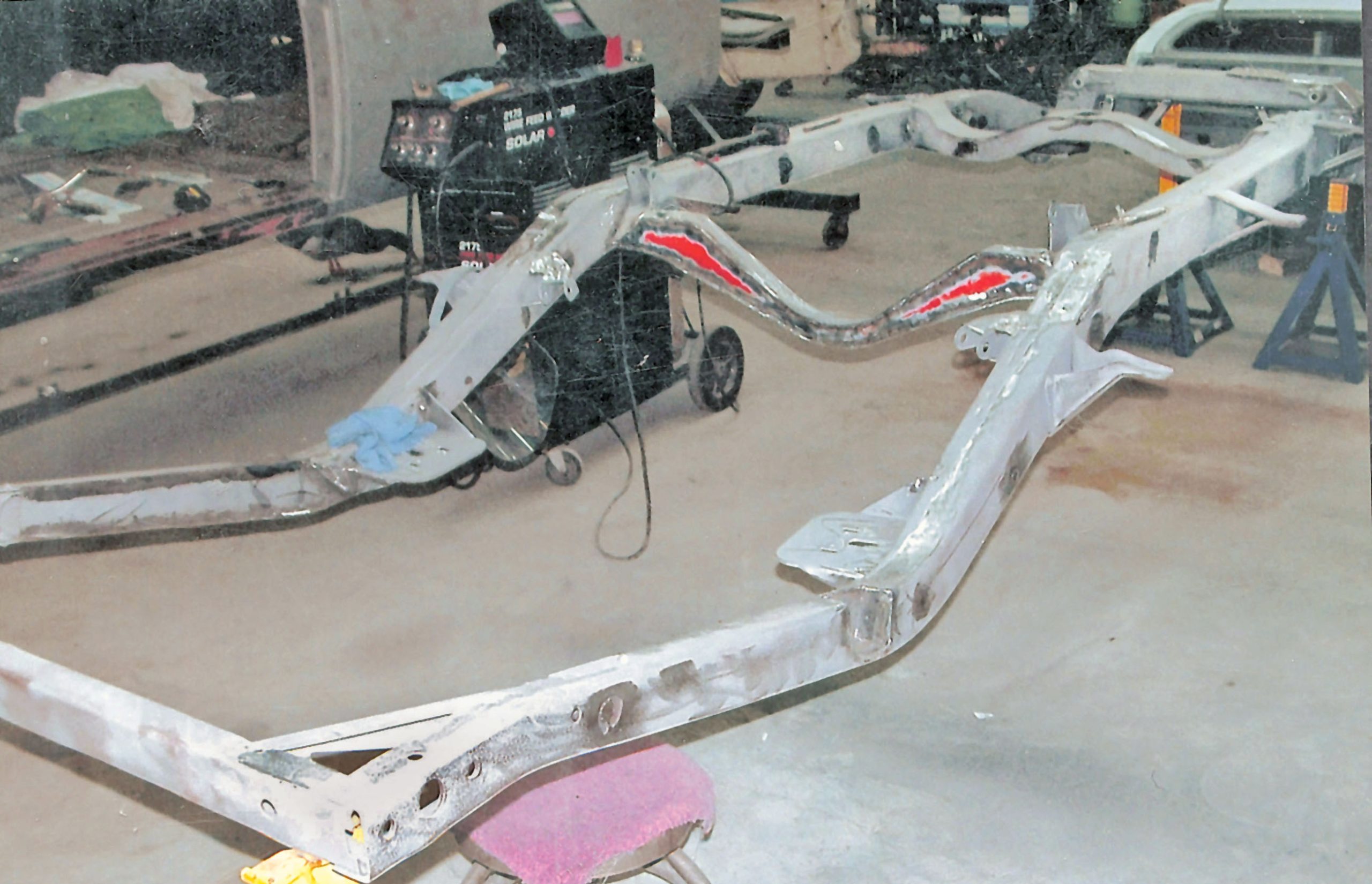
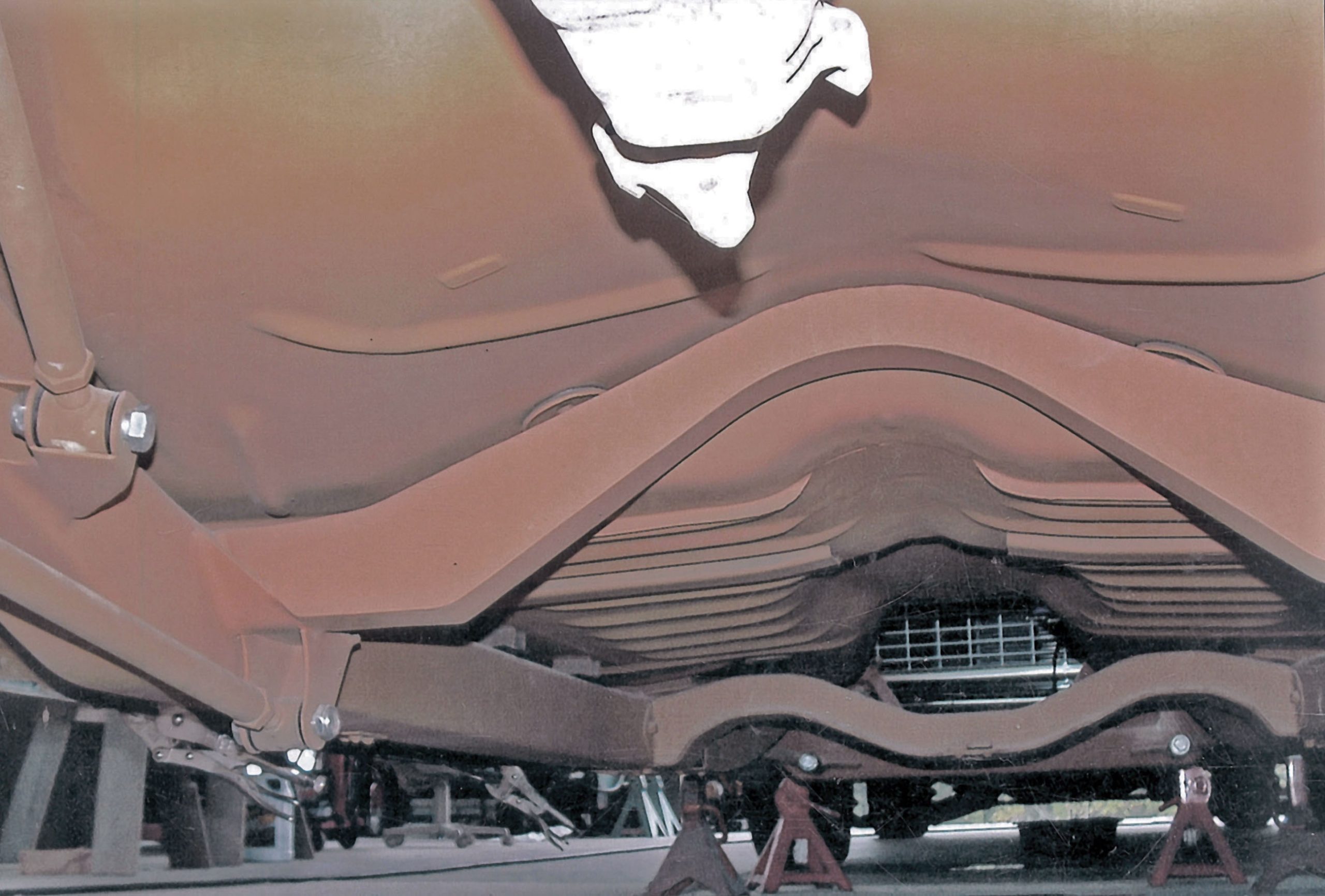
Starting with the original frame, there was much to improve upon, so the Hudsons went to work to change the looks and handling of this shoebox Ford. After disassembling the original frame, they stripped it to bare metal and began strengthening the framerails. The rear of the frame is boxed for additional strength, and new crossmembers were welded into place to accommodate the new suspension setup and allow the late-model engine and transmission to bolt up more easily. Up front is a proven Fat Man Fabrications Mustang II suspension system, equipped with tubular control arms, which are sprung by the popular Firestone airbags. These bags have become the standard of the industry for air suspensions and are fully adjustable from inside the driver’s compartment. A power rack-and-pinion setup makes for more precise steering, and the 2-inch-dropped spindles from Fat Man mount the Master Power brakes.
Dialing in the Rear Suspension and Stance
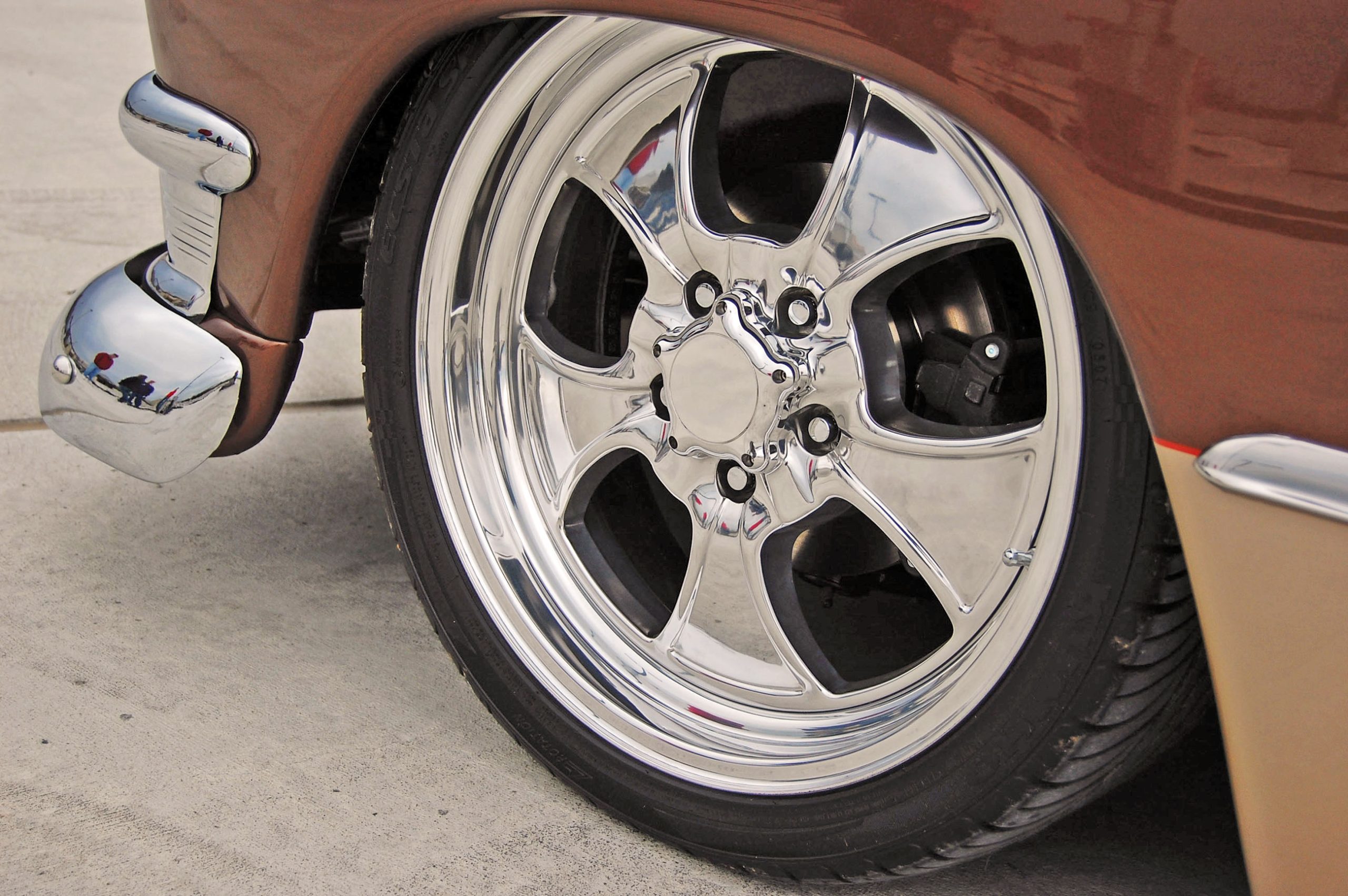
Out back, Hudson chose an ’00 Chevy S-10 Blazer rearend housing, as its narrow construction is just right for the ’50 Ford. Another pair of Firestone airbags is used to control the ride quality and ride height on this two-tone Ford, while a pair of Monroe shocks soaks up the bumps, whether the bags are inflated or deflated. Will and Homer Hudson handled all of the suspension work in-house and bolted on a set of American Racing Hopster wheels after the work was complete. Wrapped in Kumho rubber, the Hopsters measure 18 inches up front and 20 inches in back, making for a nice staggered look to enhance the raked stance.
Smoothing the Body and Laying on Color
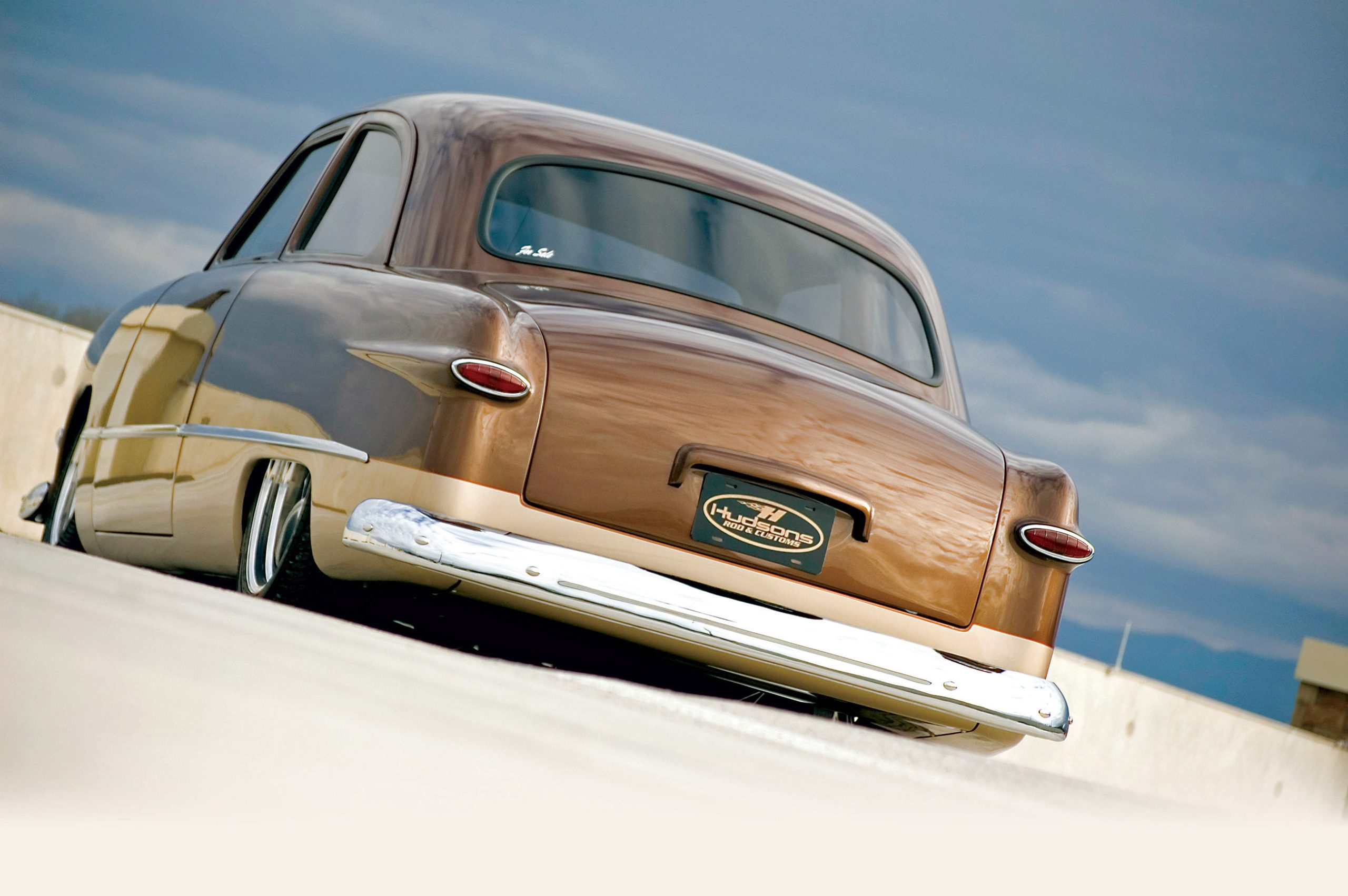
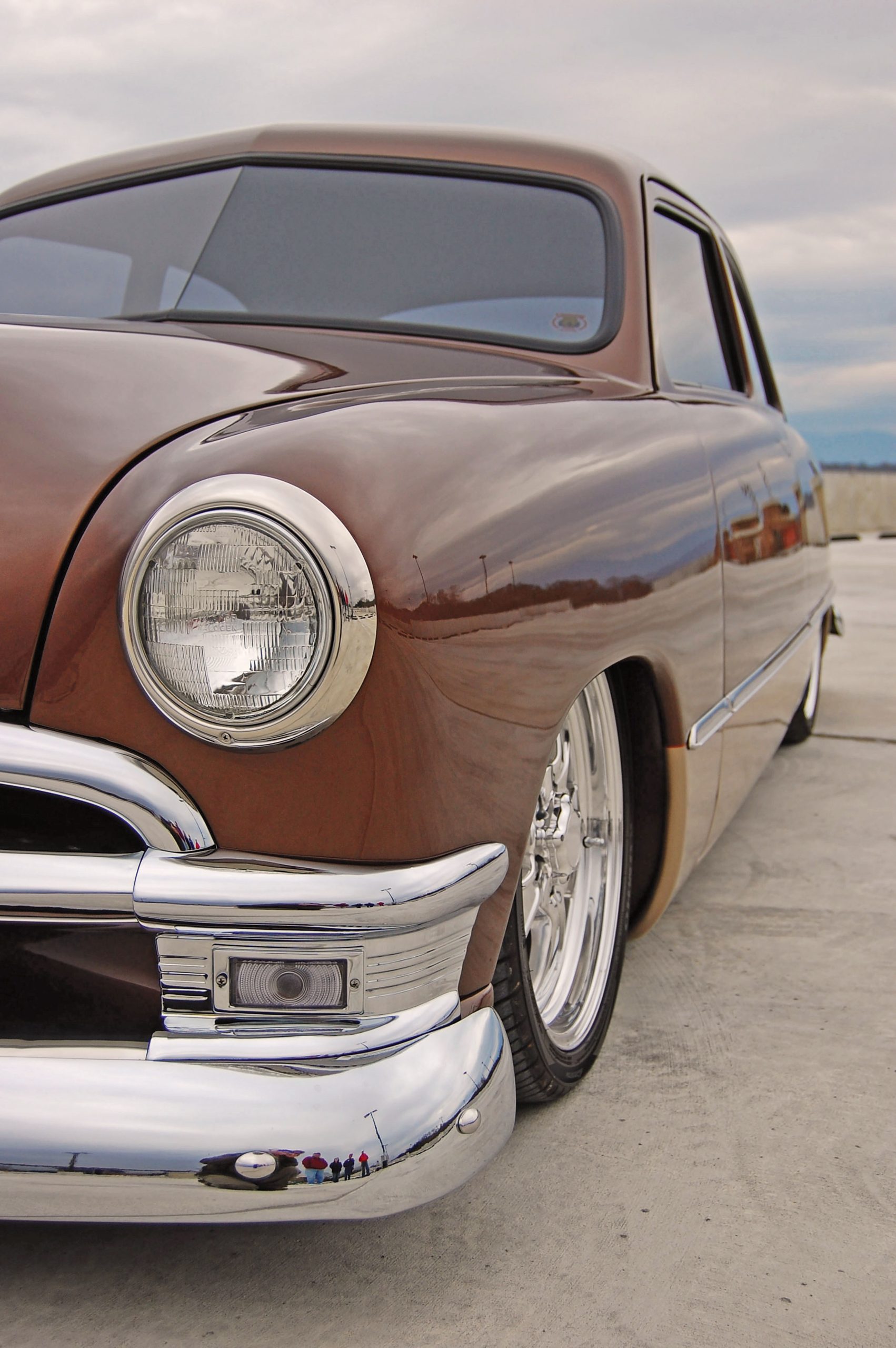
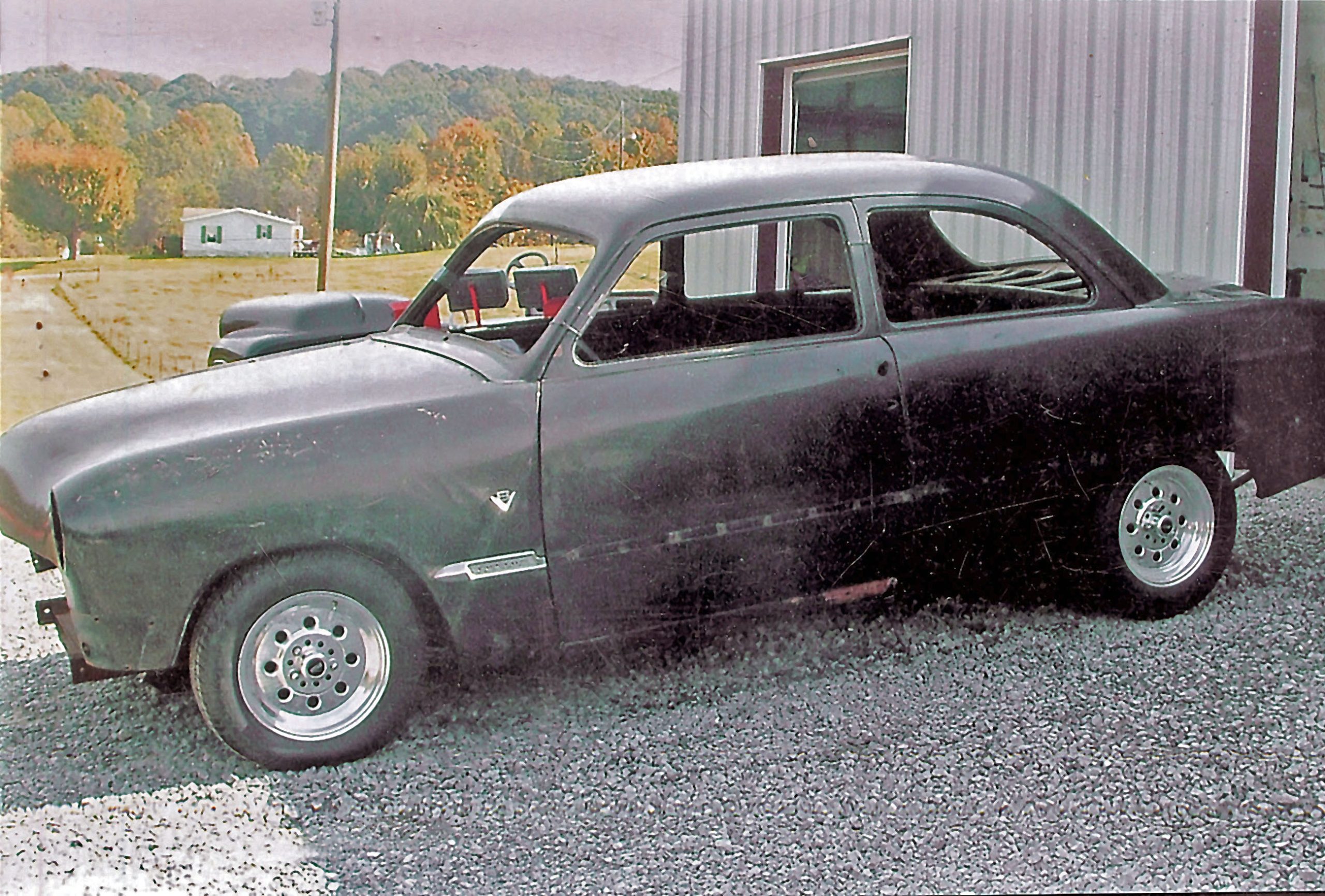
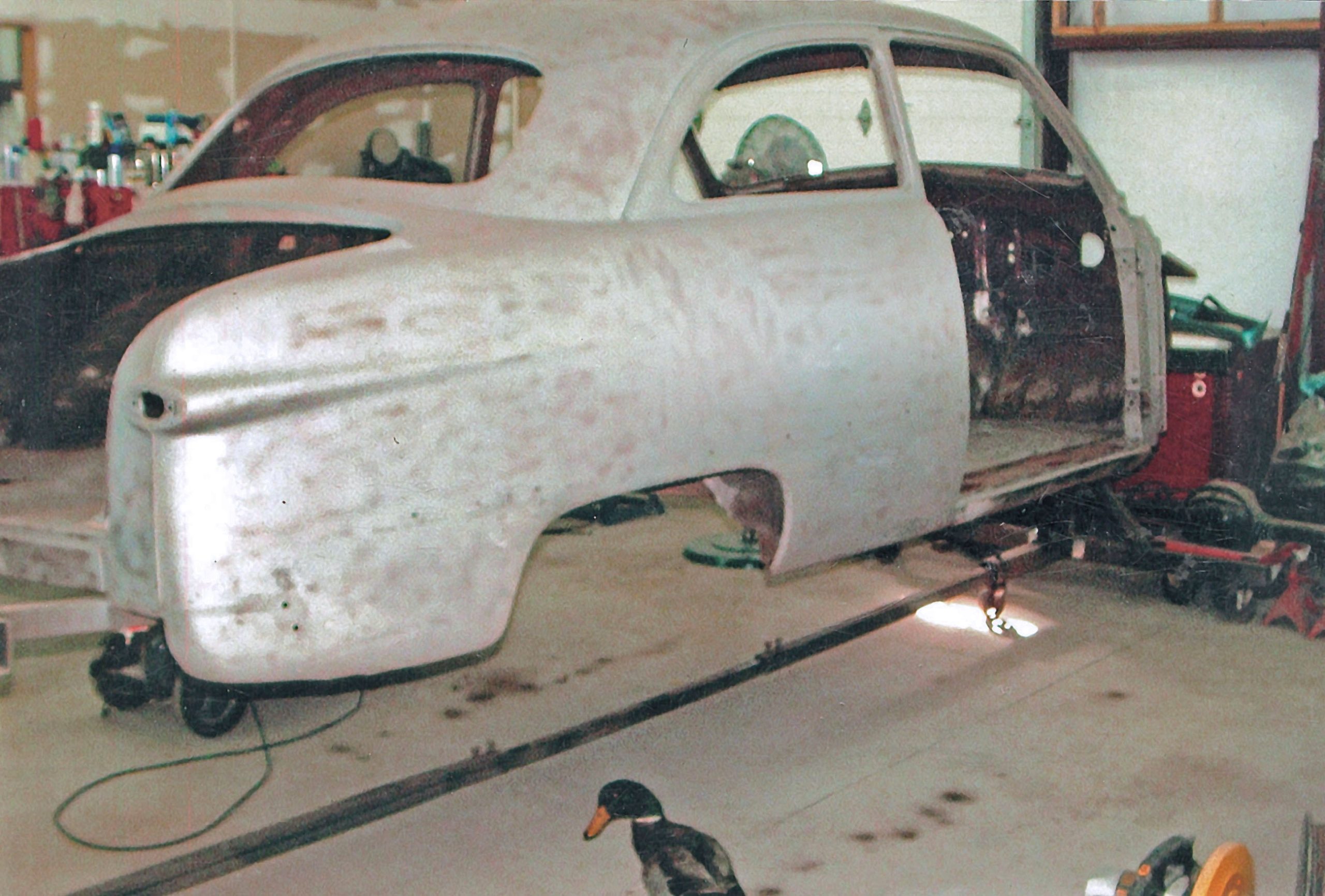
Though the slammed stance and killer wheel-and-tire combination catch your attention, it’s the unique color scheme on Hudson’s Ford that attracts most people. Will and Homer started with a solid body and kept the body modifications simple. They shaved the door handles and mirrors to allow the bodylines to flow in a more stylish fashion, and then removed the vent windows, which also makes for a smoother appearance.
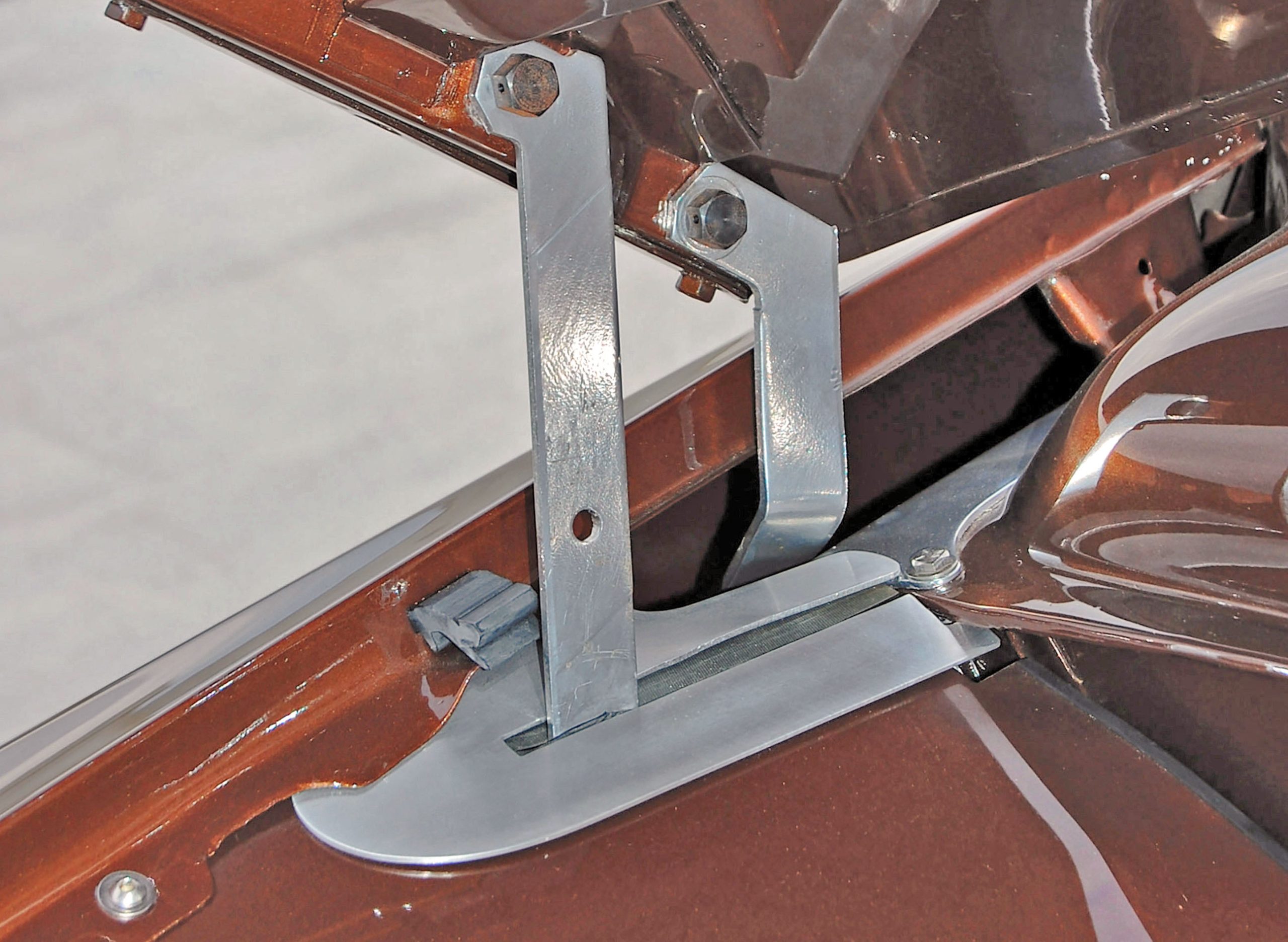
After filling the imperfections with filler and putty, it was time for a few coats of high-build primer to prepare this Ford for paint. The Hudsons handled most of the paint prep and enlisted Jonathan Goolsby to help spray the paint. Custom-mixed paint from DuPont Hot Hues makes a bold statement, and while “brown and beige” doesn’t seem like an attractive mix on paper, it looks exceptionally good on this ’50. The Ford has a super-slick look, thanks to hours of sanding, buffing and polishing the DuPont clearcoat.
A Small-Block Ford With Style
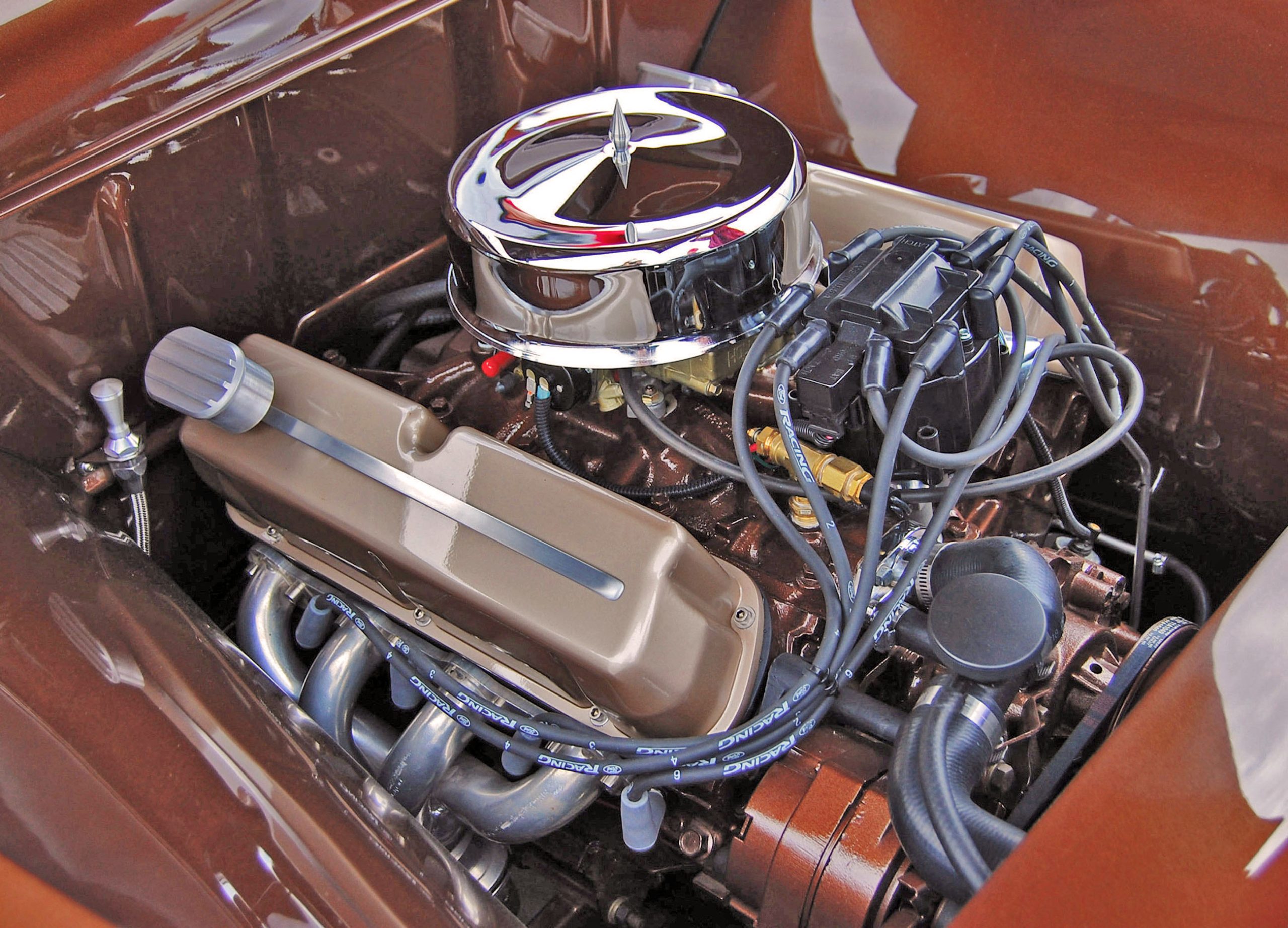
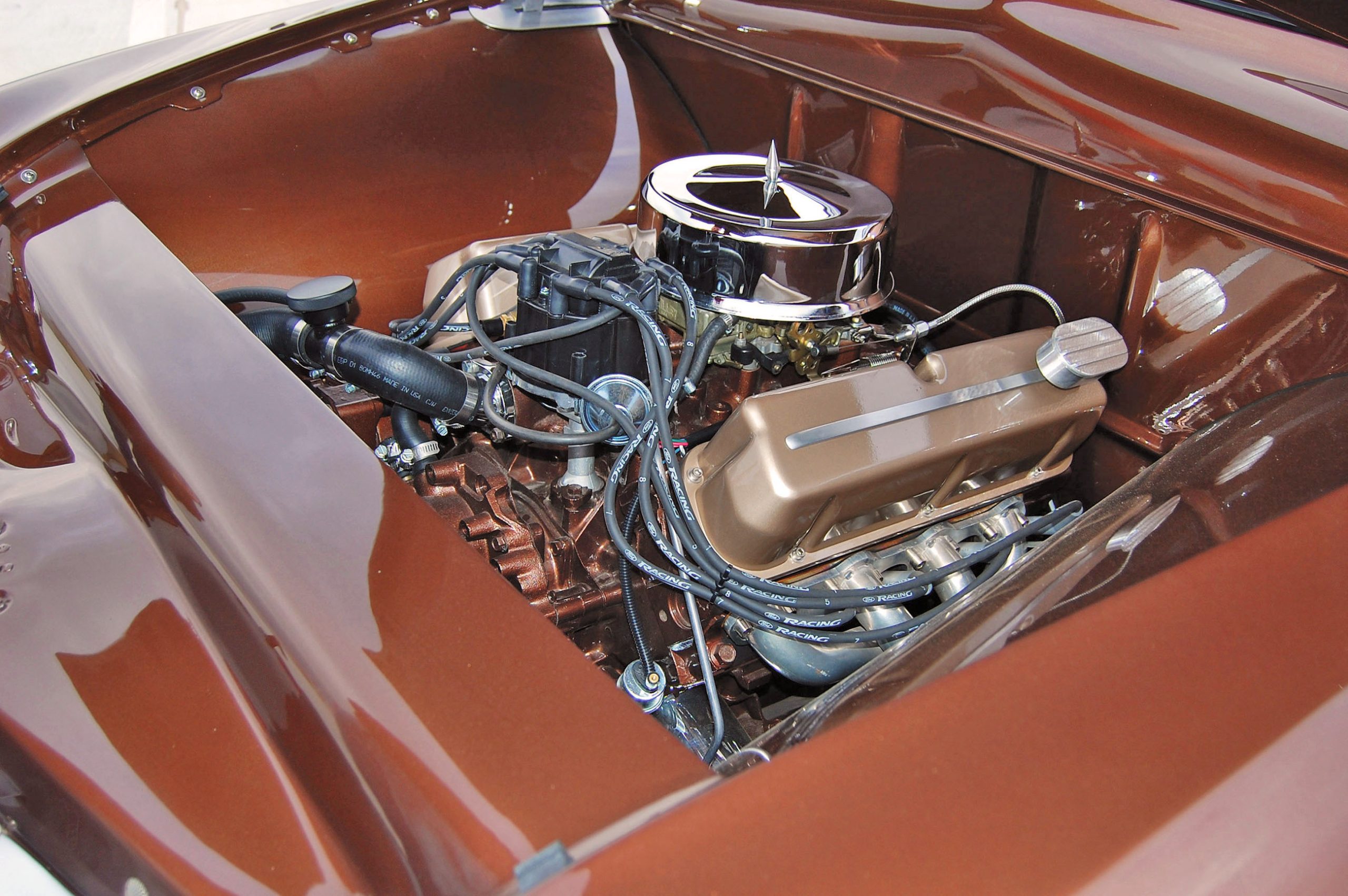
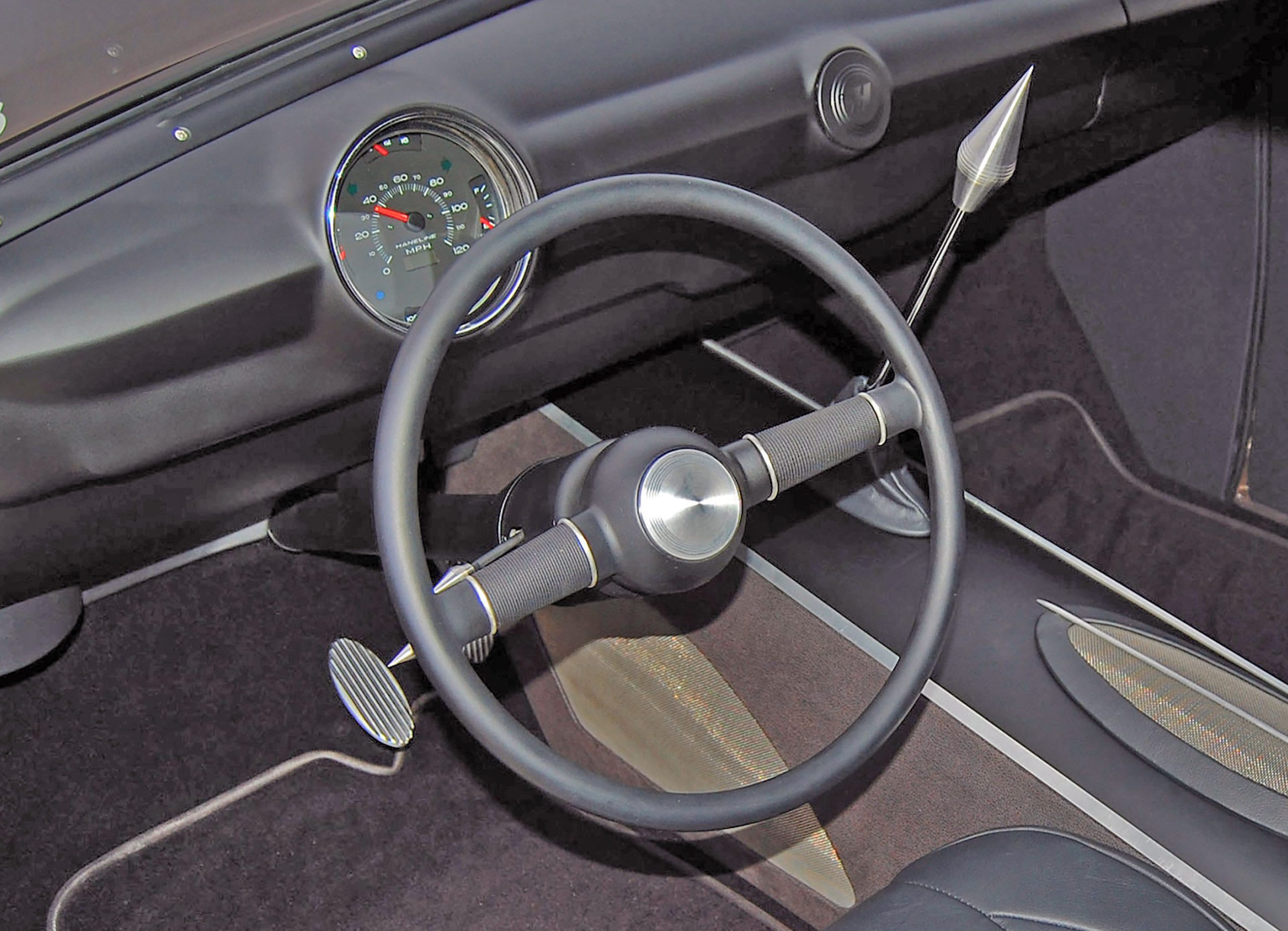
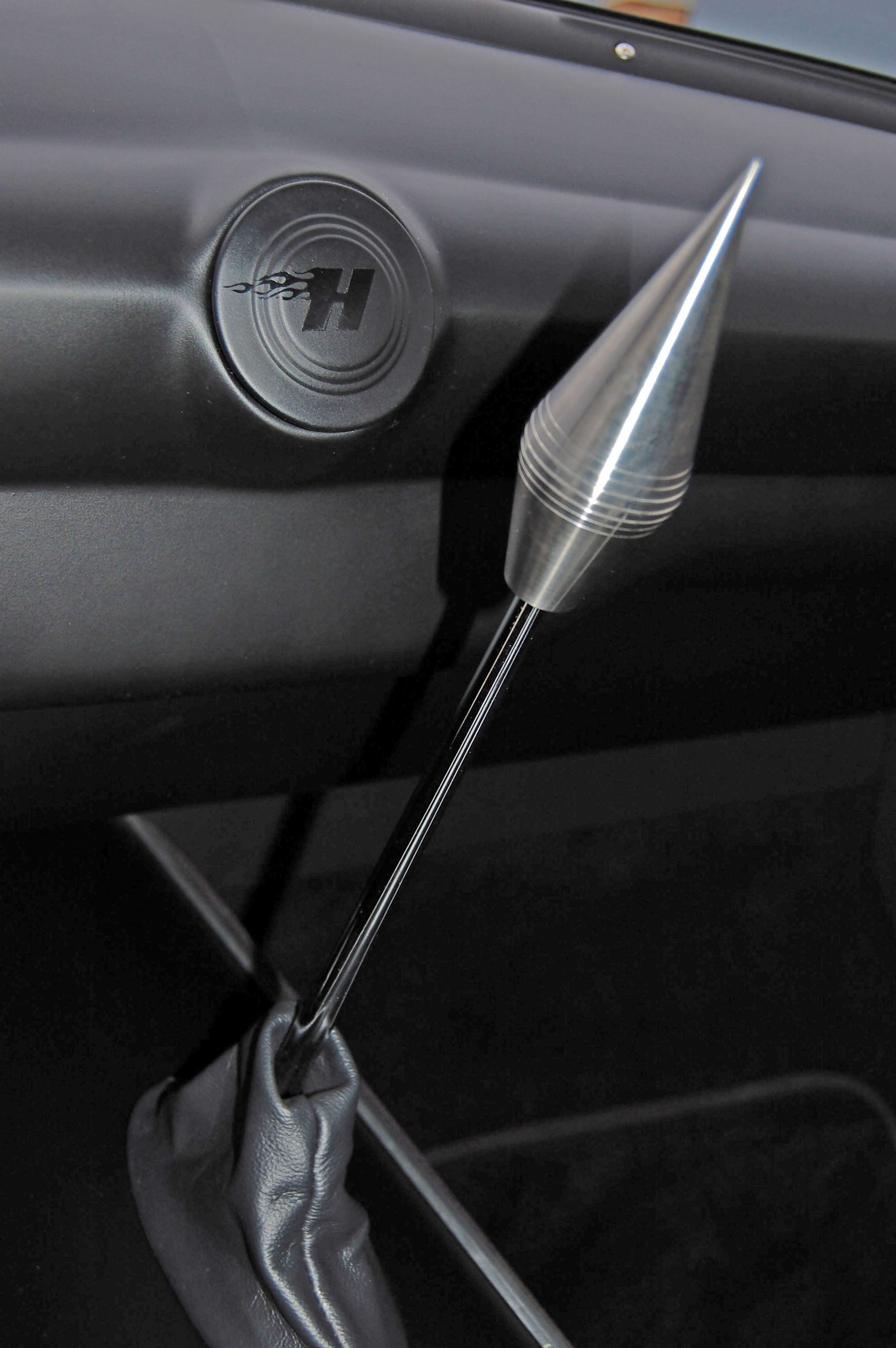
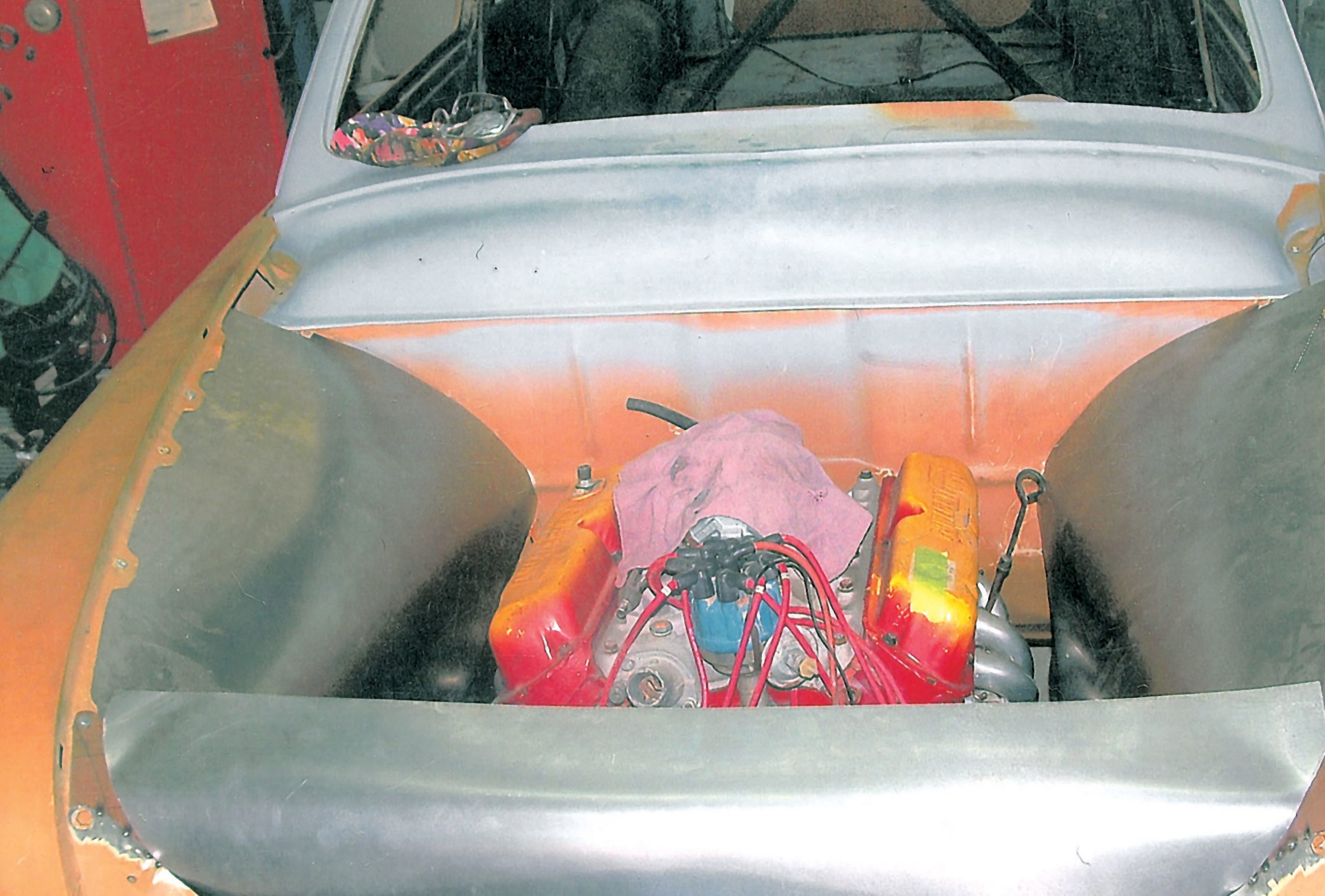
Power is not in short supply with this lowdown Ford, as a potent Ford small block rides under the smoothed hood. Wearing its Blue Oval proudly, the small-block Ford displaces 351 ci and wears a slick coat of brown to match the DuPont hue that covers the car’s exterior. An Eagle crankshaft, which slings a set of Eagle rods and Keith Black pistons, rides inside the Windsor block and makes for a dependable bottom end if Hudson ever decides to go the high-performance route with the shoebox Ford. For now, stock heads and a mild Crane cam keep this powerplant simple but effective. Beige valve covers with custom trim top the stylish engine, while a chrome air cleaner covers the 600cfm Holley carburetor. Sending power to the pavement is a C4 automatic transmission, equipped with a Gennie shifter, topped by a cool shift knob milled by Taylor Seals of Jefferson City, Tennessee.
Clean and Custom Interior Work
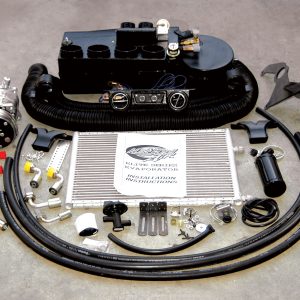
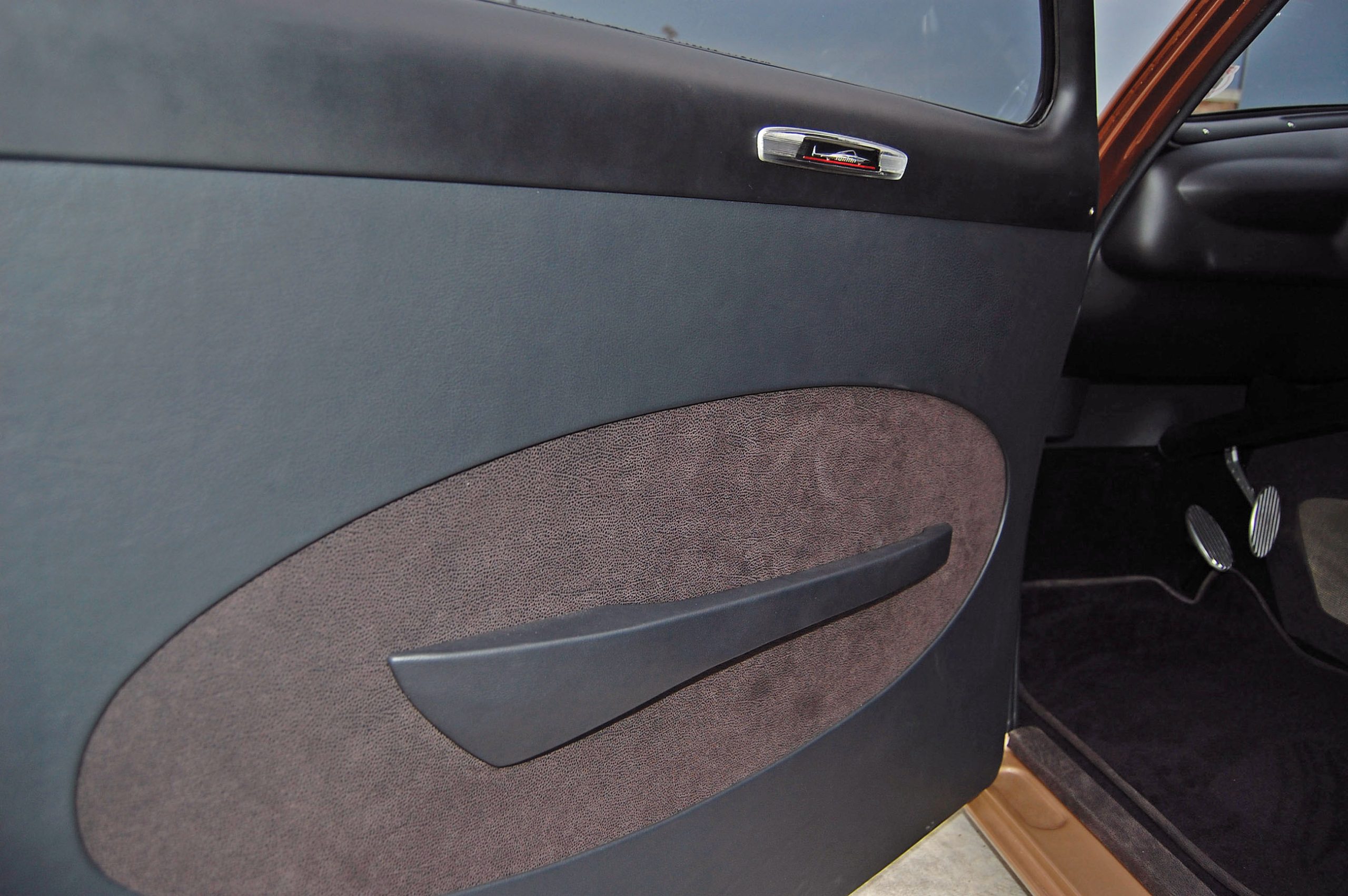
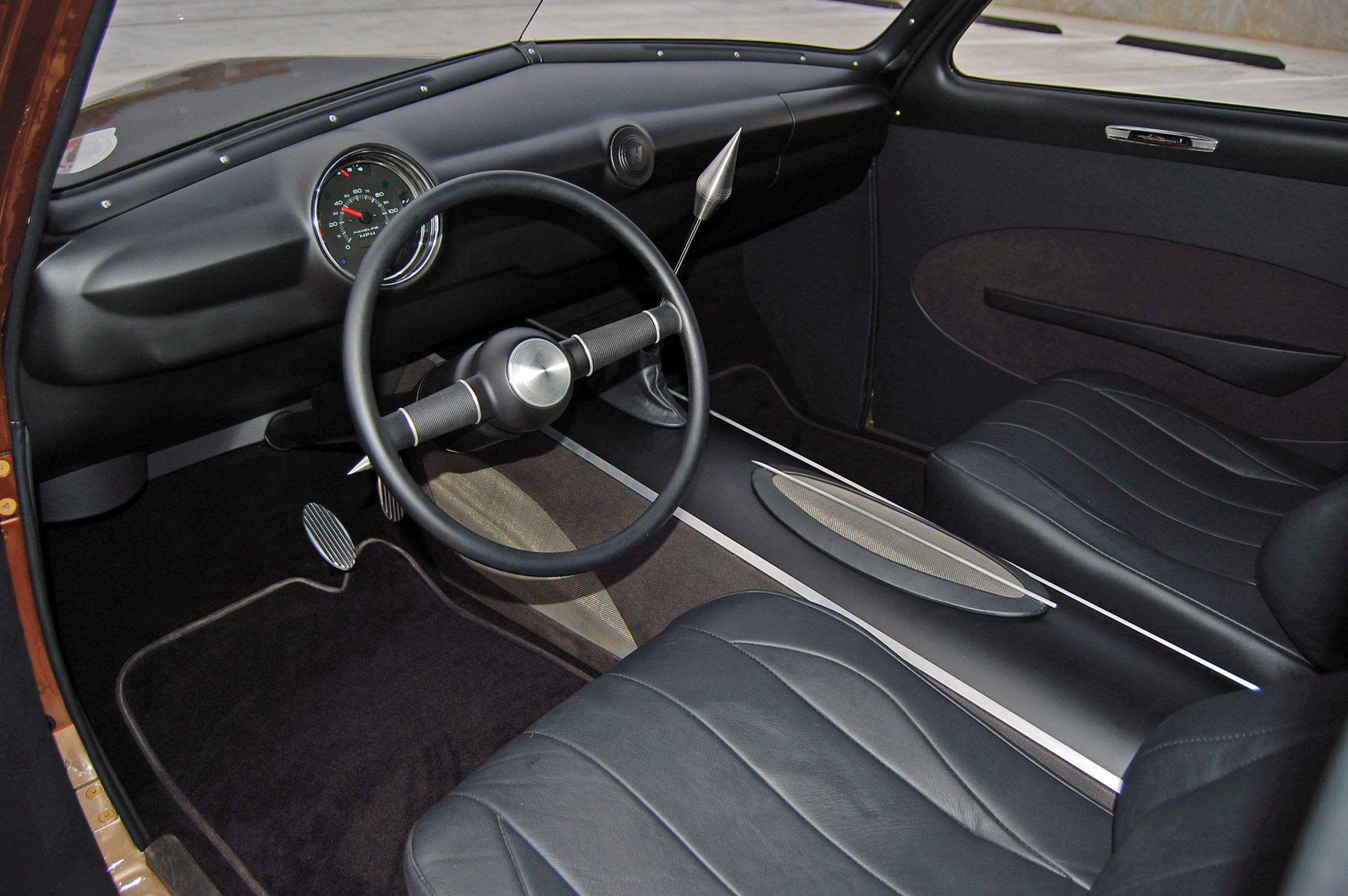
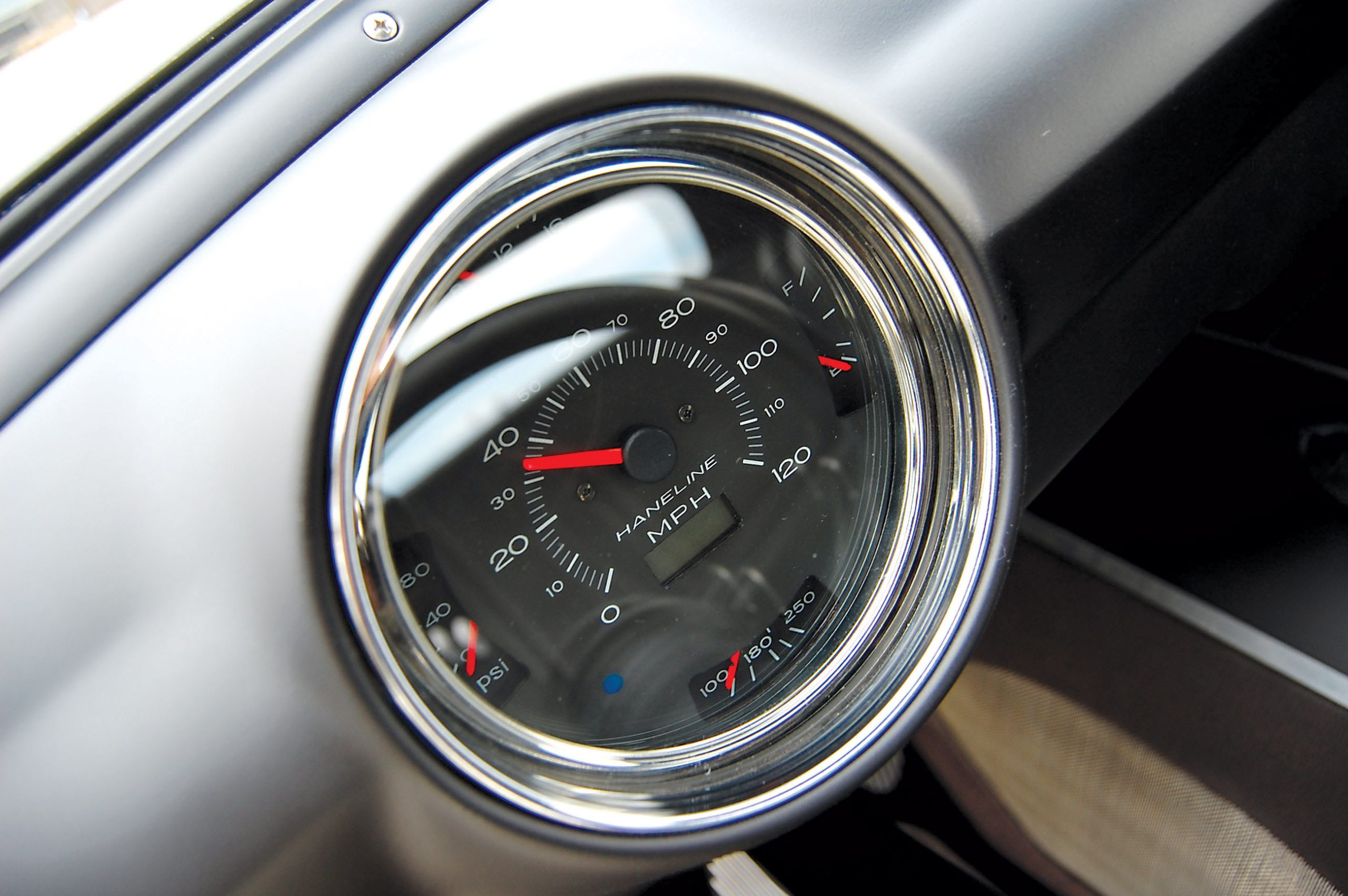
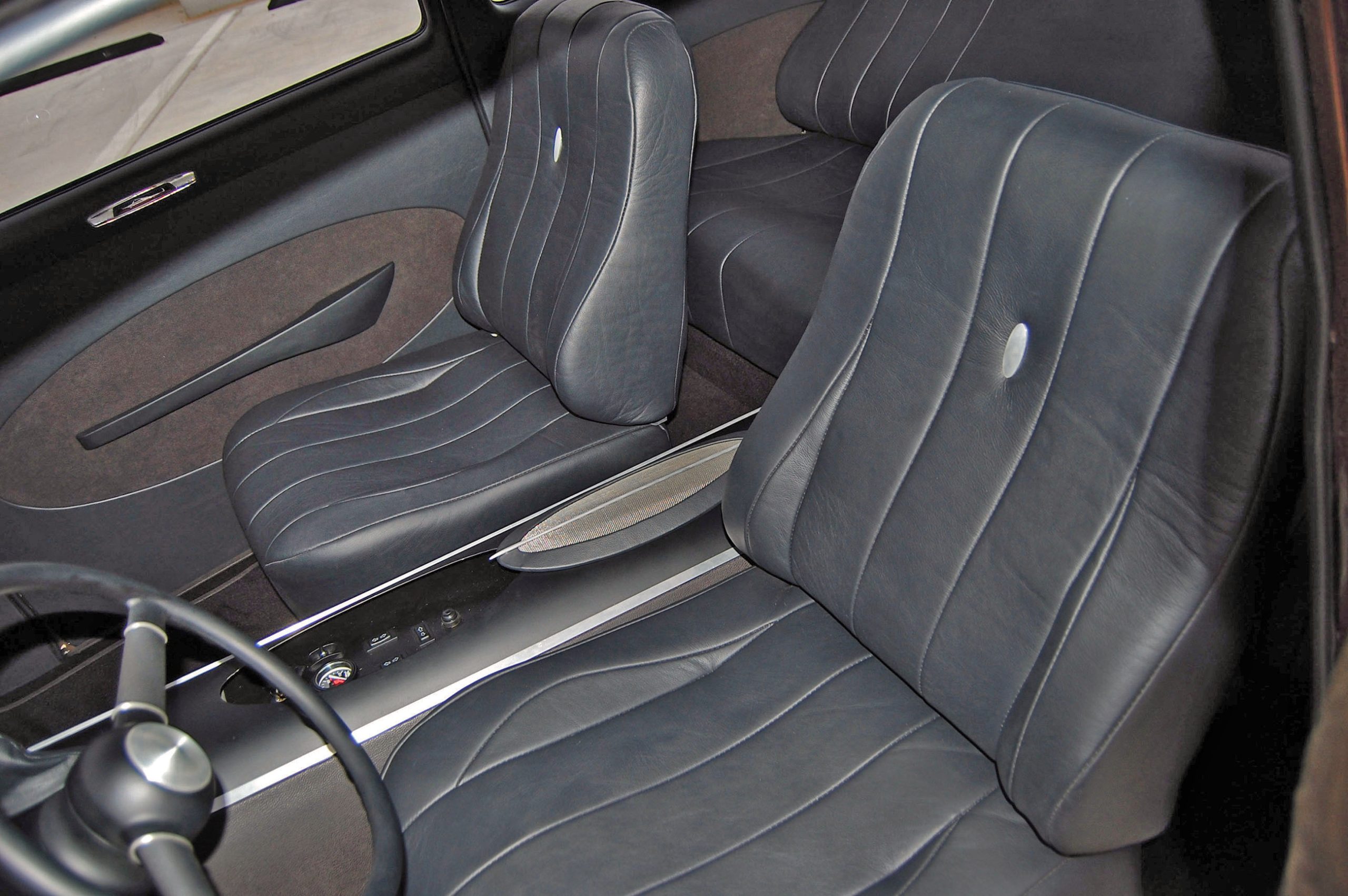
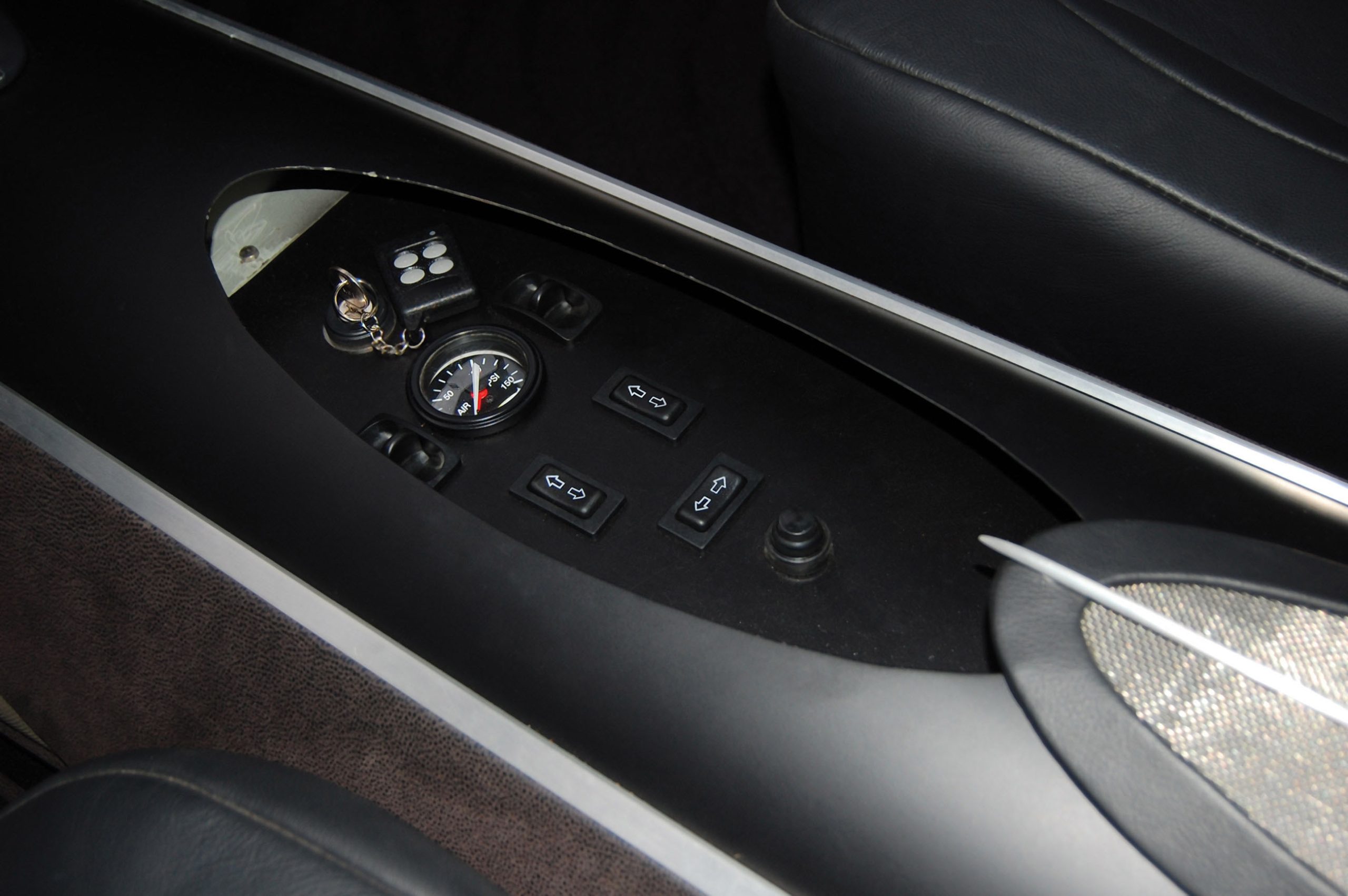
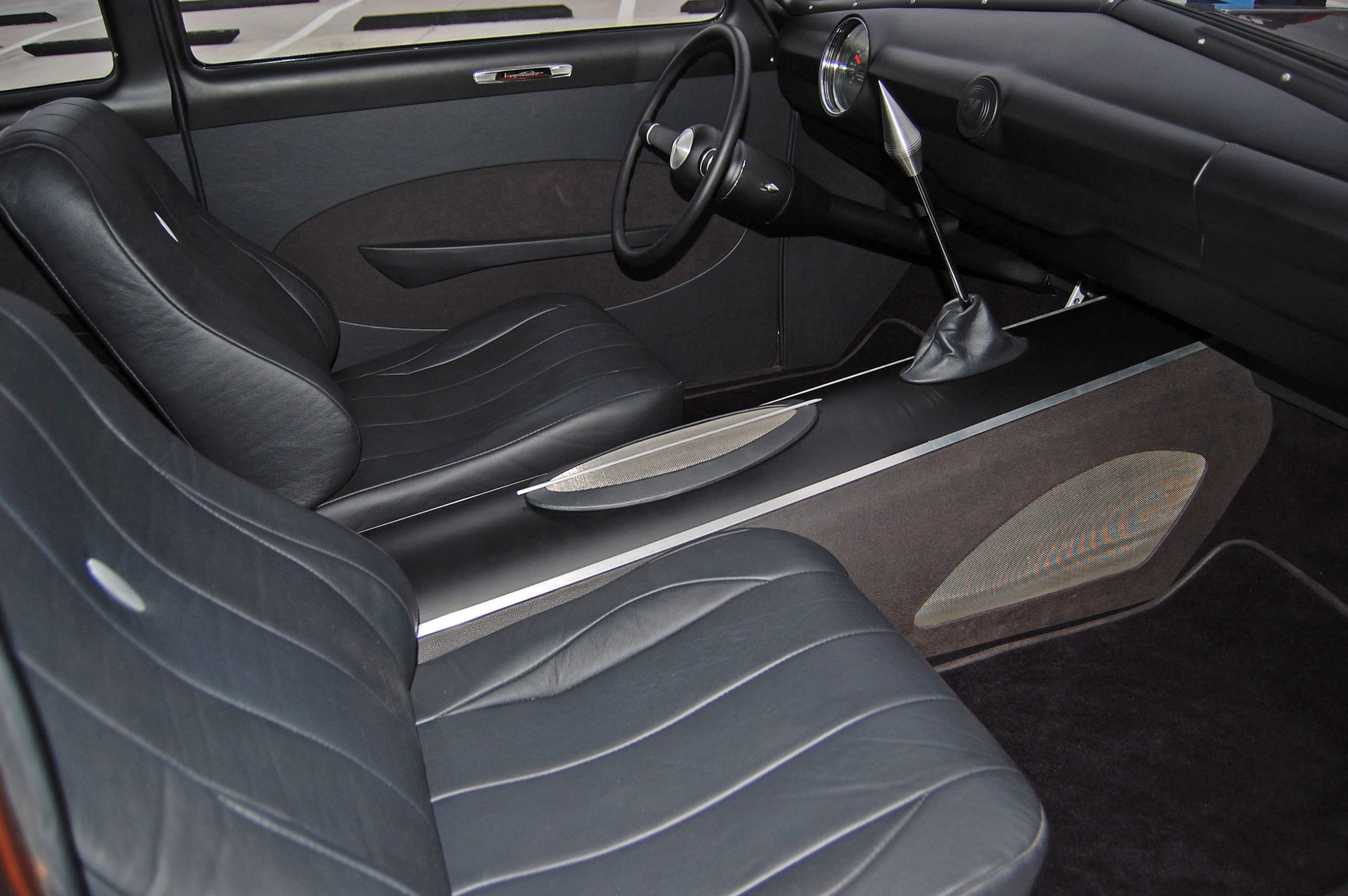
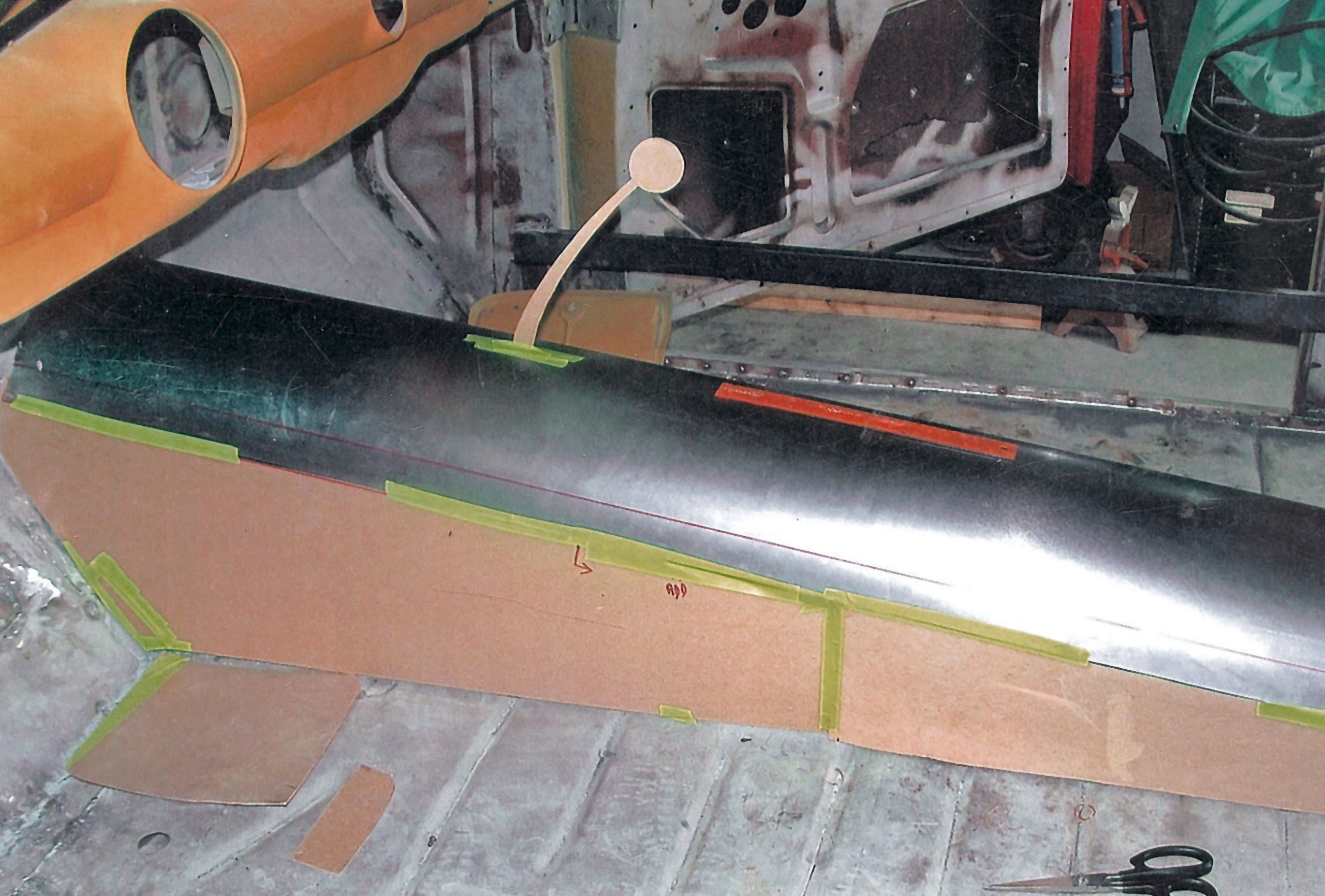
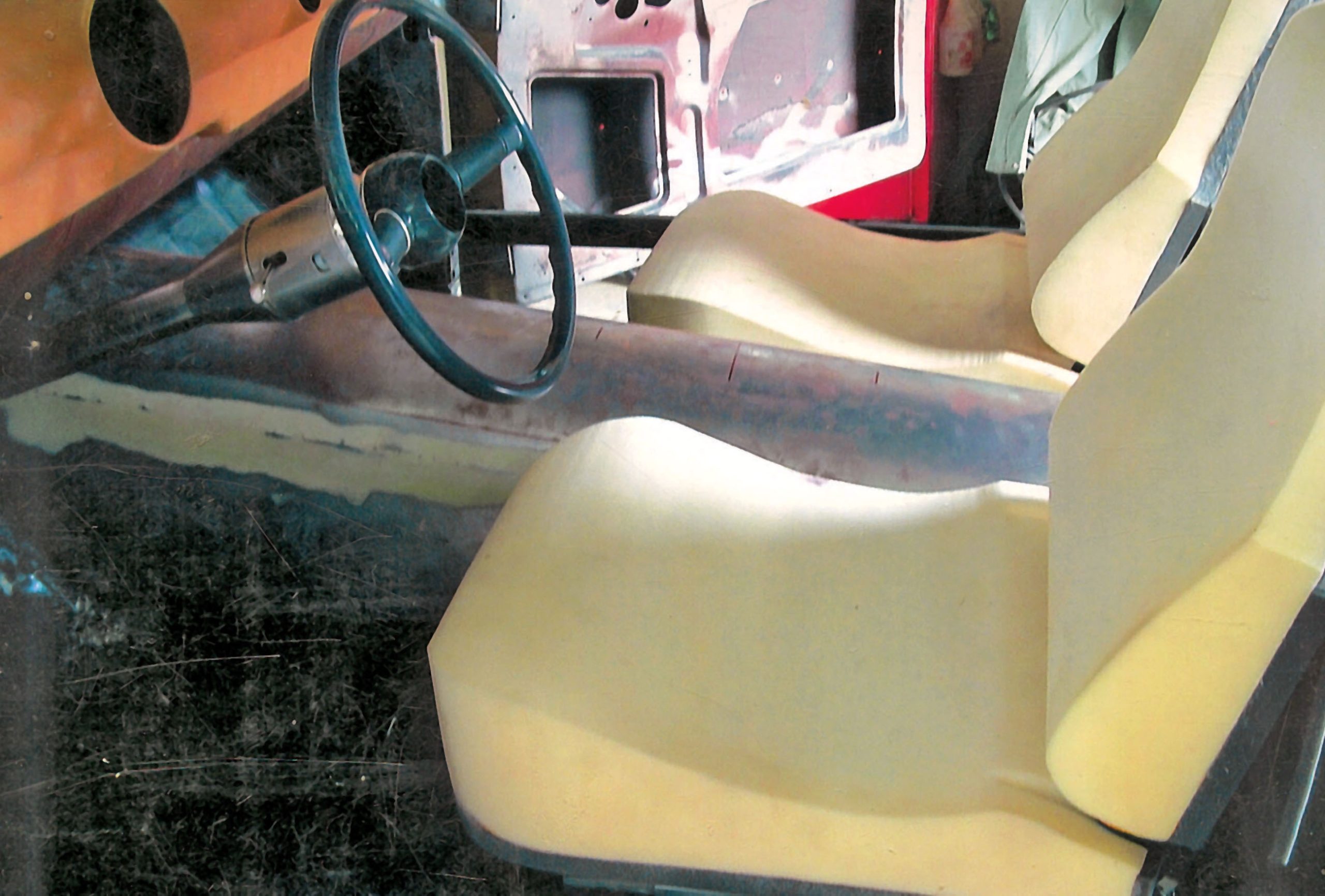
Also found inside the Ford is a pair of Interior Supplies seats, wrapped with black leather and mounted on either side of the custom console, fabricated at Hudsons Rod & Customs. Will performed the stitchwork inside his ’50 Ford and continued the smooth and subtle styling from the car’s exterior. Suede inserts are the perfect contrast to the slick leather, and the aluminum trim gives this interior an edgy look. The slicked dash wears satin-black paint and holds a Haneline gauge cluster, surrounded by a custom bezel. A LeCarra Mark 40 steering wheel is placed perfectly by the tilt steering column, and the controls for the Hot Rod Air system and airbags are hidden behind the custom console cover.
The Final Fit
After 18 months of work, Will and Homer are justly proud of their efforts, and hope to travel the show circuit this year to promote their shop with this Ford. It’s got an unmistakable look with its two-tone paint scheme, and there’s no doubt the Ford will be easy to spot anywhere it travels. The simple styling is just right.
Even though chopped tops, sectioned bodies and wild colors were once popular modifications for these shoebox Fords, this one stands out. Will and Homer Hudson had the right idea, as they made their “shoe” fit into a totally different segment of the rodding spectrum.