THE AUTO BUILDER
Featured

GENUINE FORD
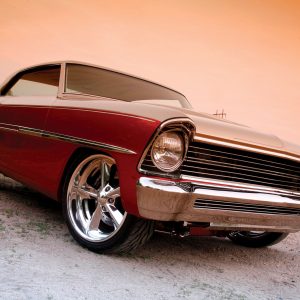
When Honolulu, Hawaii, nightclub owner Fred “Scruples” Piluso was growing up in Pittsburgh, Pennsylvania, he read an issue of Rod & Custom magazine that showed readers how to install a ’59 Ford Thunderbird front bumper onto either a ’55 or a ’56 Ford. “Man, I thought that was really a cool idea! I went right out and installed one of those setups on my ’55 Ford Crown Victoria. It really looked great with that ‘Dago Rake,’ that set of ’57 Mercury fender skirts and the ’55 Mercury station wagon taillights I had already installed.” For being built on a budget, it was definitely one of the most popular customs in the neighborhood for its time!

Literally Lightning
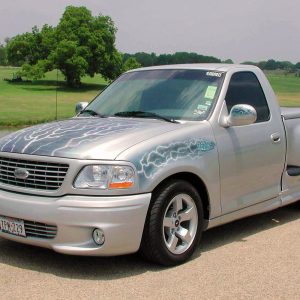
From showstopper murals to Nitrous Express-fueled speed, Darren Pellechia’s 2002 Ford SVT Lightning lives up to its name in every way. Don’t be fooled by the lowered stance and sleek custom bodywork – this truck packs a punch under the hood with a 75hp nitrous system and tuned Eaton-supercharged engine. Inside, Von Otto murals and premium sound complete the package, making this Lightning a true masterpiece on wheels.

THE JUICE IS LOOSE
By now, we all certainly know that nitrous oxide is a performance enthusiast’s best friend. Nothing can wake up a sleepy motor like a quick shot of nitrous.
Spotlighter
POPULAR READS
-
The Auto Builder’s Hottest Product Picks from The Triple Crown of Rodding 2026
-
Product Spotlight: Bill Mitchell Products Aluminum LS Engine Block
-
PRODUCT SPOTLIGHT: 60-66 Chevy C10 Fresh Air Vent Block Off Plate
-
Product Spotlight: Pyramid Optimized Design Sequential Aurora Taillight for 1964½–1966 Mustang
PRODUCT SPOTLIGHT: CFI Enforcer Series Classic
You Can Teach an Old Carb New Tricks.
Author
The Auto Builder Staff
Photos courtesy of CFI
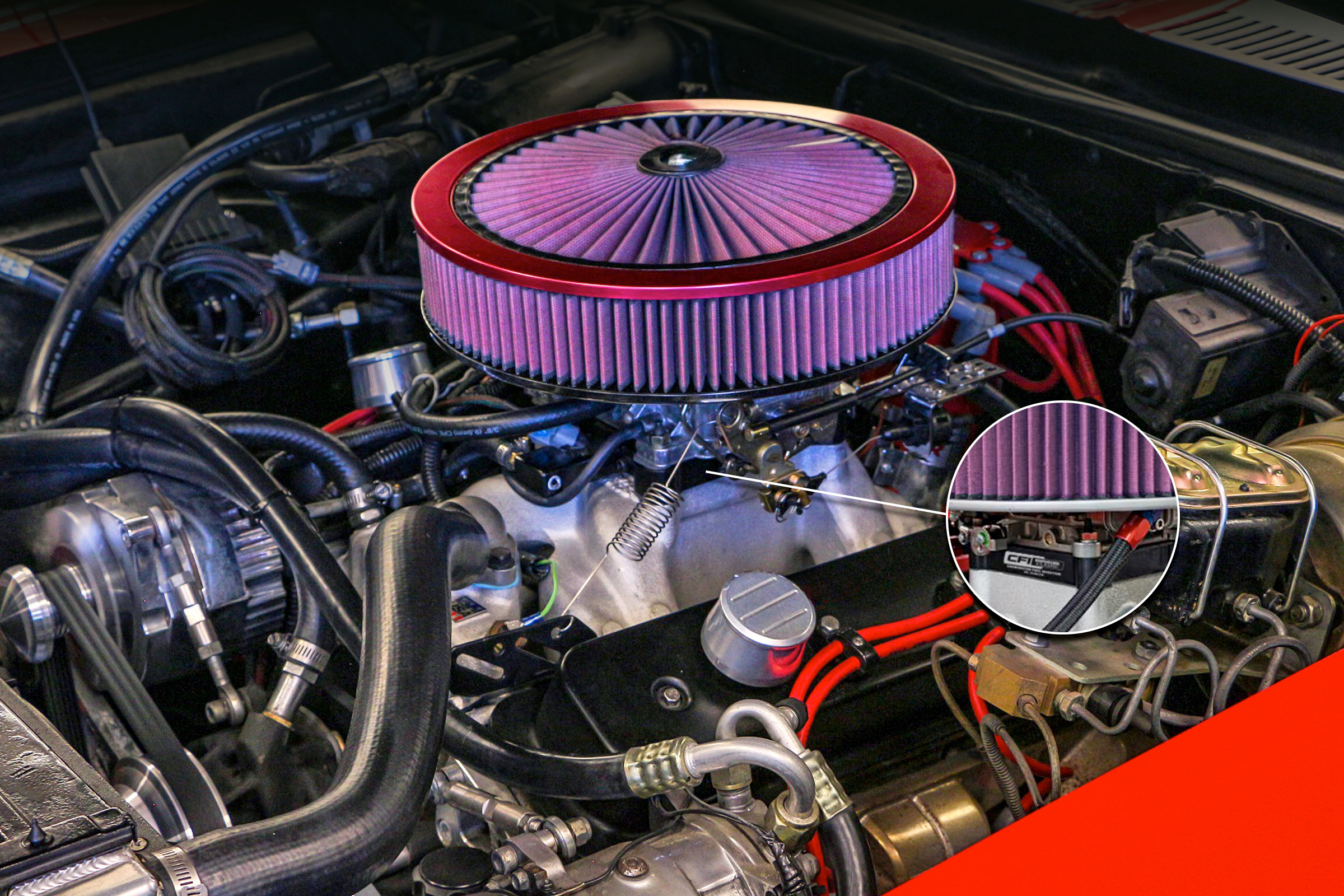
You chose a carburetor for a reason. The familiar hardware, the traditional look, and the way it feels when you roll into the throttle are all part of owning a classic. If you’ve ever wanted easier cold starts and smoother part-throttle driving, there’s a way to get both and keep the carb you built the car around.
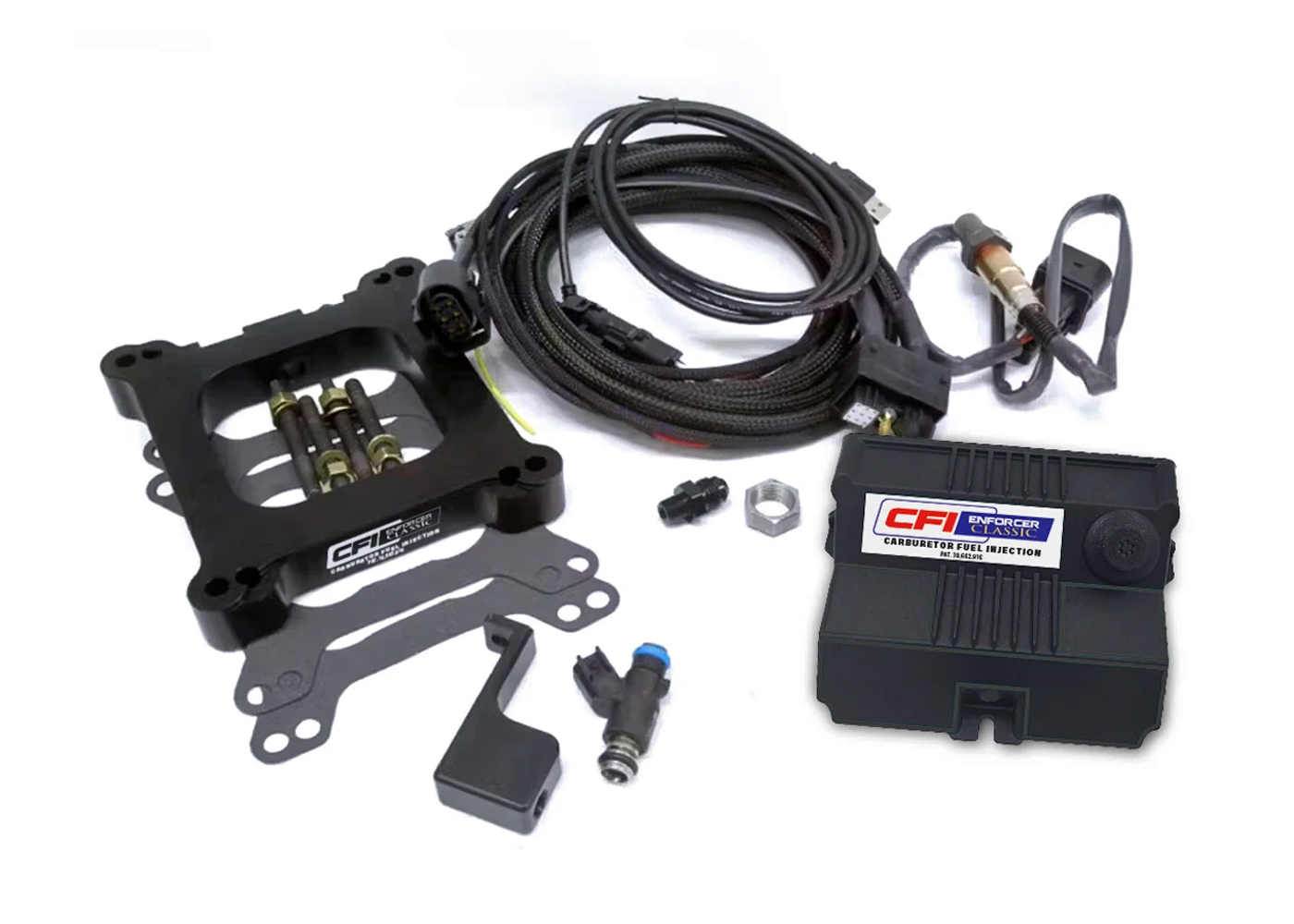
The CFI Enforcer Series Classic uses an injector plate that slips beneath your existing carburetor. The carb still handles airflow and baseline fueling, while the Enforcer’s electronic control unit (ECU) tells the injector when to add fuel.
Easy Installation Without a Complete Fuel-System Overhaul
The injector plate goes in much like a carb spacer. For many builders, the biggest job will be welding an O₂ sensor bung into the exhaust. From there, you’ll install smaller carburetor jets, mount the ECU, hook up the injector’s fuel supply, and connect the wiring and sensors.
The smaller jets lean out the carburetor’s baseline mixture, giving the Enforcer room to add fuel where the engine needs it. The system operates at 3–10 psi, so you can keep a compatible fuel pump and low-pressure plumbing. The setup skips the tank modifications, high-pressure conversion, and return line. If you want the automatic cold-start feature, you’ll need an electric fuel pump.
Give the ECU a Cooler Place to Live
With an all-in-one throttle-body EFI kit that has a built-in controller, the electronics sit right on top of the intake manifold. The Enforcer’s separate ECU gives you the freedom to mount it in a cooler spot away from the heat around the carb and intake. You can also position the ECU and route its harness away from the ignition coil, distributor, and spark plug wires to help reduce electrical interference.
No Re-tuning as Conditions Change
Once you’ve set the baseline jetting, the ECU handles day-to-day fuel adjustments automatically. It reads the air-fuel ratio through a wideband oxygen sensor and adds fuel as needed as engine load, RPM, and altitude change. So if your Saturday drive takes you from the valley into the mountains, you can leave the jet kit in the garage.
The Difference Is in the Drive
Think about the moments when a carbureted car can be a little fussy. There’s the first start on a cold morning, the idle while it warms up, and the first roll into the throttle leaving a stoplight. CFI says the Enforcer can make cold starts easier, smooth out warm-up and idle, and sharpen throttle response. It can also help reduce exhaust odor and improve fuel economy.
If you want to go a step further, the Enforcer supports optional electronic ignition-timing control, too.

What’s in the Box?
The CFI Enforcer Series Classic brings together the hardware needed to add electronic fuel control to your carbureted combination:
-
Injector spacer plate: Fits beneath your existing carburetor and supplies supplemental fuel.
-
Fuel injector: Adds supplemental fuel beneath the carburetor as directed by the ECU. The 4500 Dominator configuration uses dual injectors.
-
Electronic control unit: Manages supplemental fueling, with optional ignition-timing control.
-
Wiring harness: Connects the controller to the injector, sensors, power, and engine signals.
-
Wideband oxygen sensor: Monitors the air-fuel ratio so the ECU can adjust supplemental fueling.
Running a 4150, spread-bore, or 4500 Dominator? CFI has a setup for each, with the Dominator kit getting dual injectors. Just choose the kit that matches your carburetor and intake.
Your Carburetor, Only Better.
If you like what’s under the hood and want your classic to be easier to live with on the road, the Enforcer gives you a way to get there with the carb you already run. Visit CFIPower.com to find the Enforcer Classic kit that fits your carburetor and intake.