





Street Rods
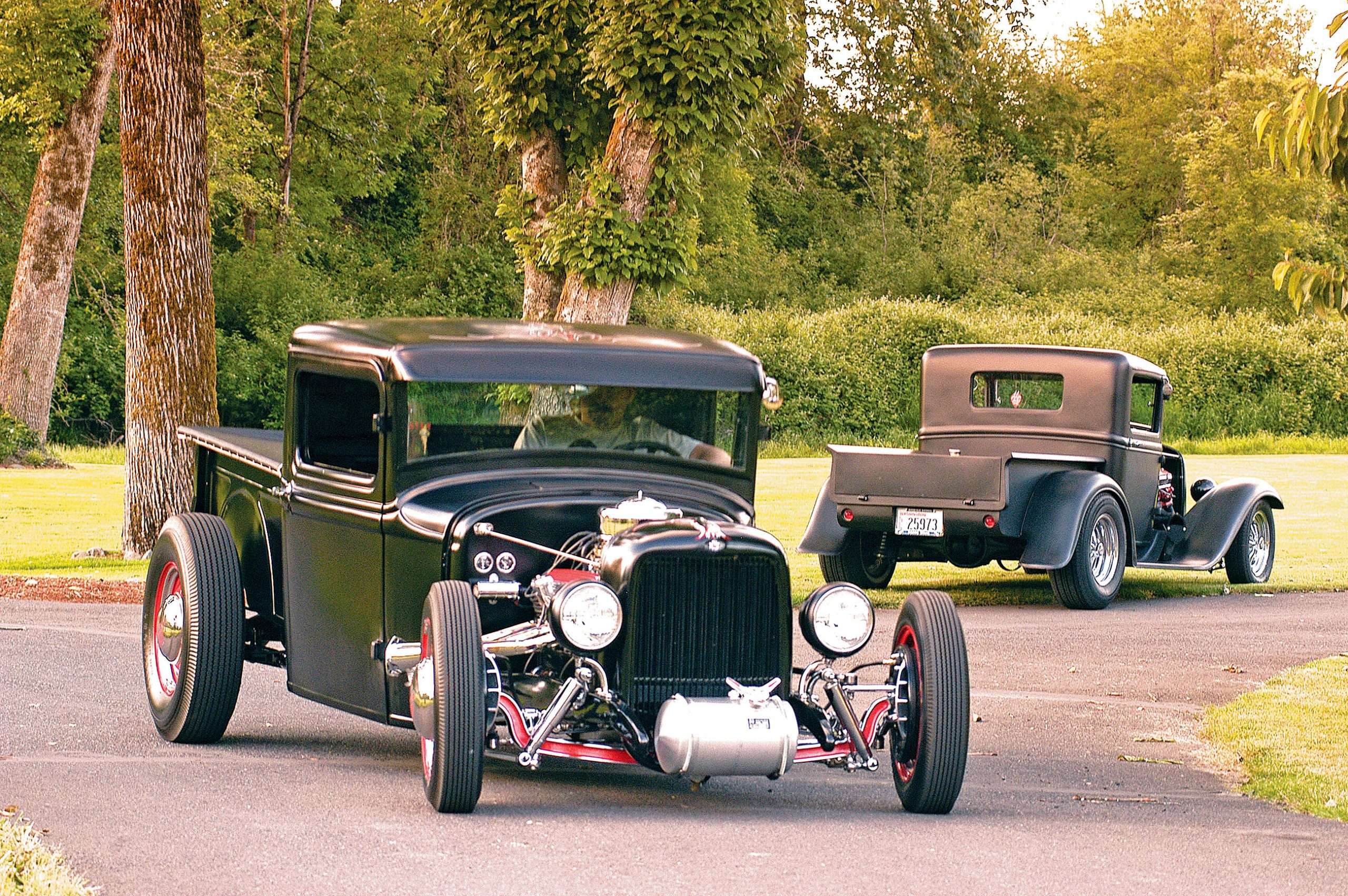
We scream out of the driveway (or was that me screaming?) and careen across the road sideways, bias-plies searching for grip. First gear loses steam almost instantly, and sometime between gears one and two things don’t mesh. Everything seems to lock up and we slide crossways onto a side road, making an unplanned turn and none too soon of a stop.
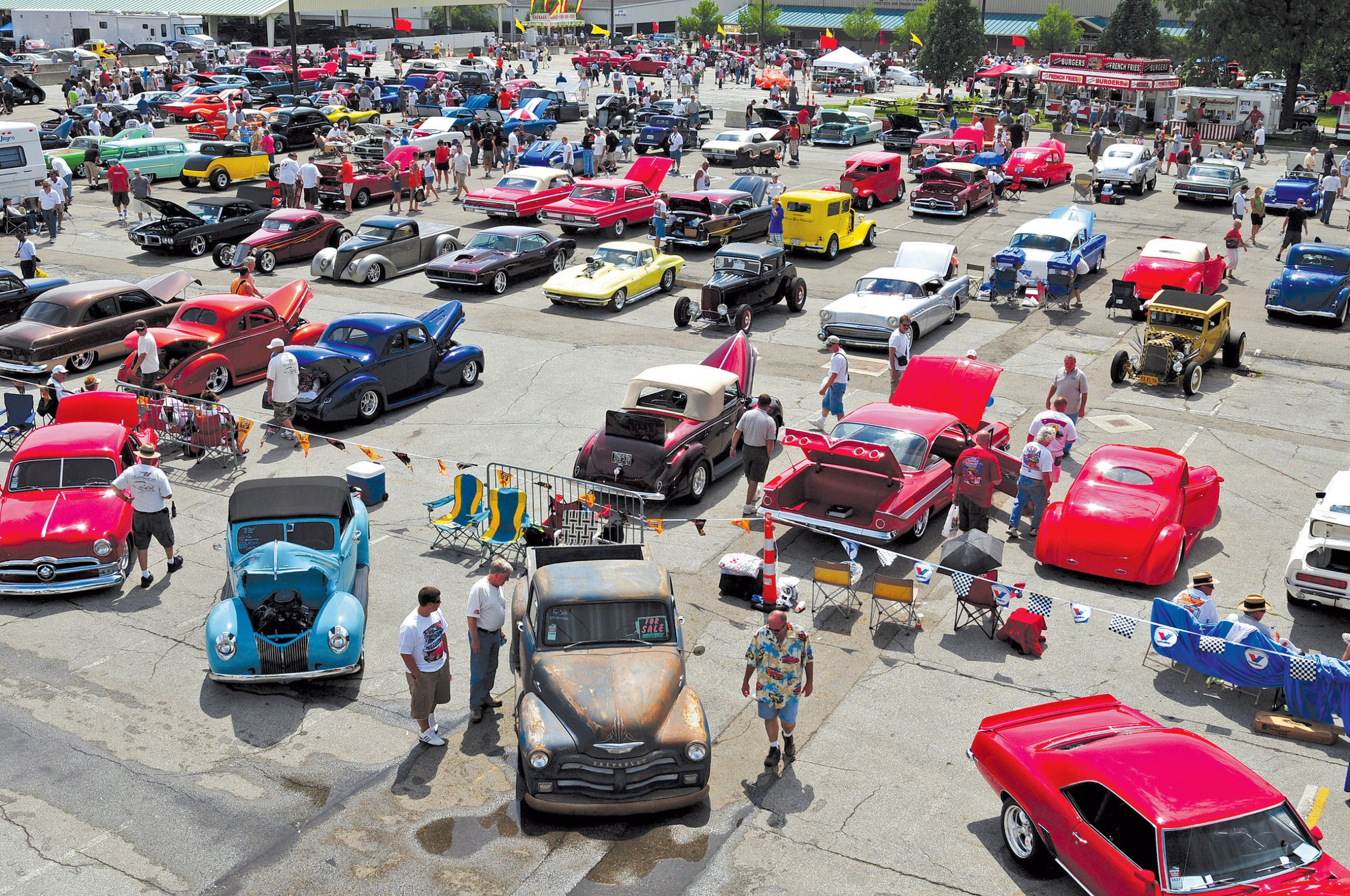
We are continually challenged by what has previously been accomplished within a hobby that has captured the hearts of enthusiastic Americans; and just when it seems automotive imagination has reached its pinnacle, we are once again reminded of an endless flow of accomplishment and creativity that stretches the limits of the cars we build.
It occurred rather quickly—in just a decade or so, the Ridler award has risen to the top of the list of awards for hot rods. Sure, it all started more than 60 years ago, but back in the 2000’s, the competition intensified for this coveted award. The Auto Builder was intrigued by the award’s newfound popularity, and we did everything in our power to bring proper recognition to these grand automobiles. We also dedicated ourselves to help popularize “The Great Eight,” which each car must win to qualify for Ridler competition. Being selected in the Great Eight is a feat in its own right, but the road to winning the Ridler is as mysterious as the final award itself.
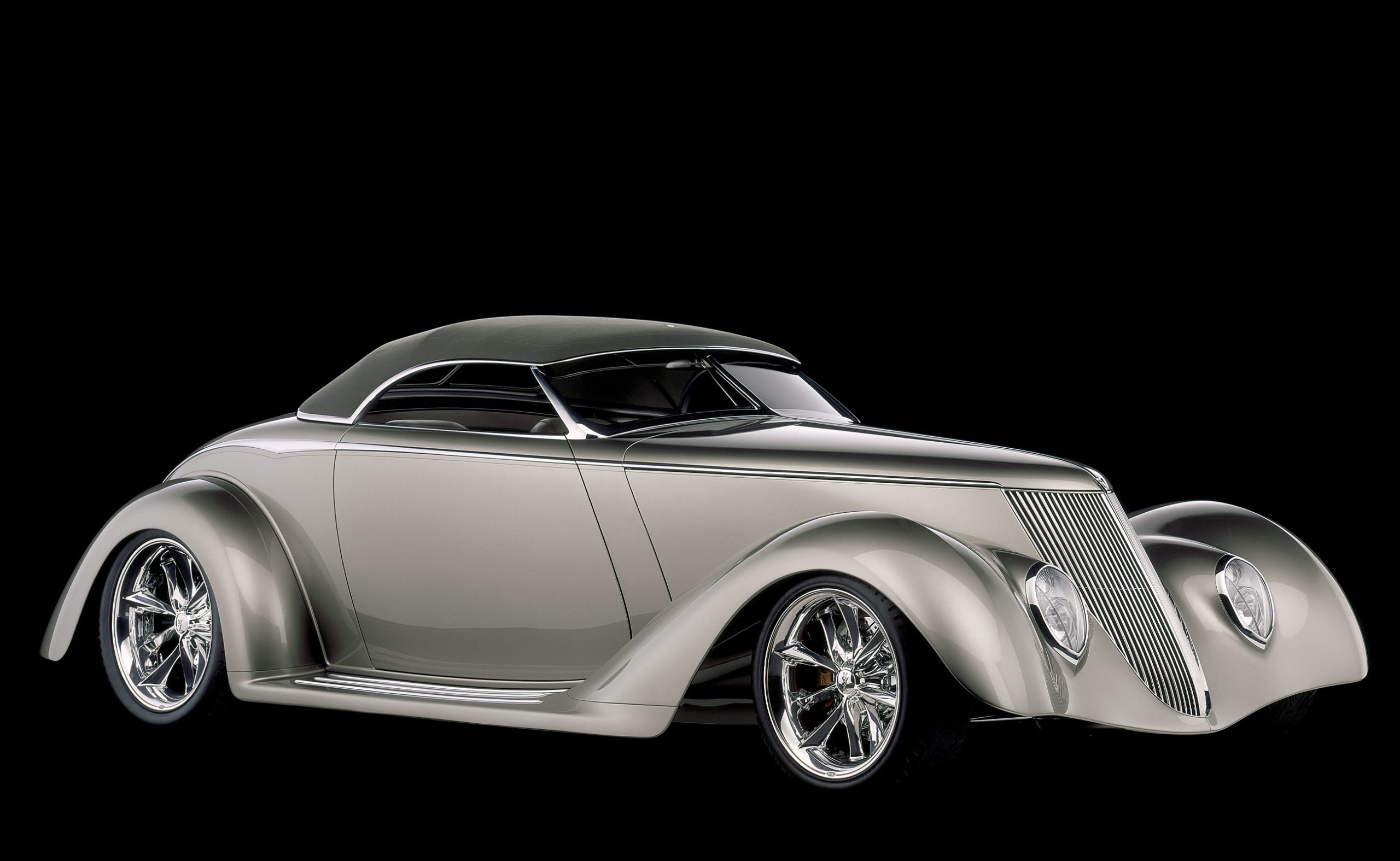
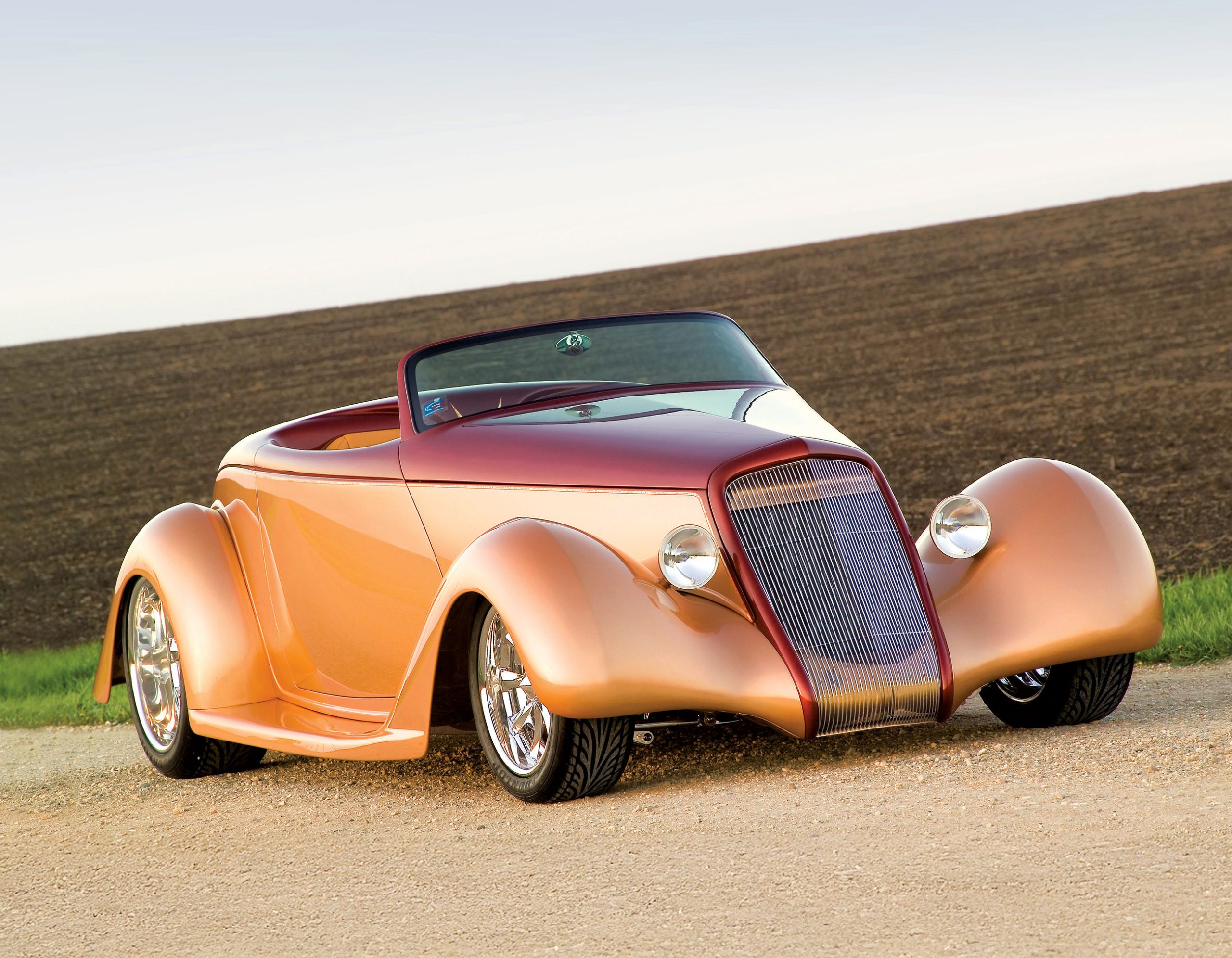
In terms of historic automotive achievements (and there have been many, to be sure), this stylized ’36 Ford roadster will long be remembered for its most human elements. Through them, a vehicle of unparalleled execution—at least to date—regardless of type, style or vintage, has come of age. Only slightly reminiscent of the car it is based upon, the lines expressed through the flowing body and adjoining components, and all of the well-placed details, give one the impression of speed, style and a hint of great classics of the past. And while it may take on a hint of flavor of classics past, the overall concept is entirely its own—a coach-built car done for these modern times.
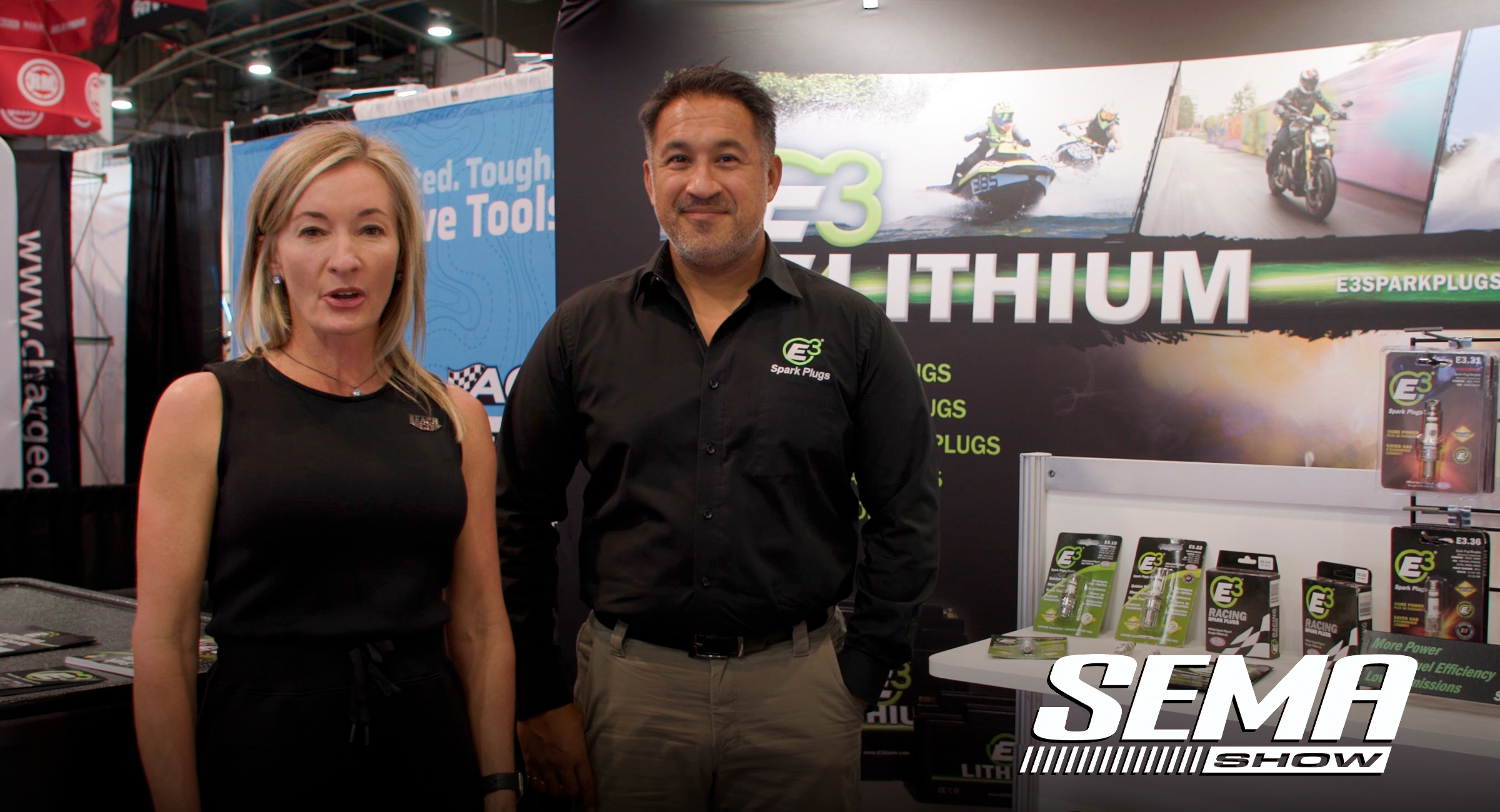
Dive into our exclusive coverage recorded LIVE from the SEMA 2024 show floor. From groundbreaking performance enhancements to next-generation customization tools, each moment is brimming with ideas and inspiration from the pros who are shaping the future of automotive innovation. Whether you’re a seasoned professional or a car enthusiast eager to discover the next big thing, The Auto Builder’s live showcase offers an unrivaled experience. Witness the passion, creativity, and expertise that make SEMA the pinnacle of automotive excellence. Catch the highlights now and immerse yourself in the excitement of automotive innovation like never before!

In 1994, Denny and Dawn Johns picked up a ’55 Chevy two-door sedan. Along with Dale Johns, the couple runs Van Buren, Arkansas’ D&D Specialty Cars (479/414-2654), so it was no huge deal to think they would quickly rebuild the ’55 into something very special; after all, they had sold the car and its rebuild to Ed Johns, Denny’s father.
But about a year later, a major tornado tore through Van Buren, and along with most everything else, it left the ’55 demolished from bumper to bumper. Since the car wasn’t the only thing destroyed in the tornado’s path, it took a back seat as the Johns family rebuilt their homes and their business. Then in 2003, Ed sold the ’55 back to Denny and Dawn, and the couple decided to rebuild the car for themselves. Apparently the original plan was to build a nice driver, but once under way, Denny says, “We couldn’t find a good stopping point.” So they didn’t—stop, that is—until three years later.
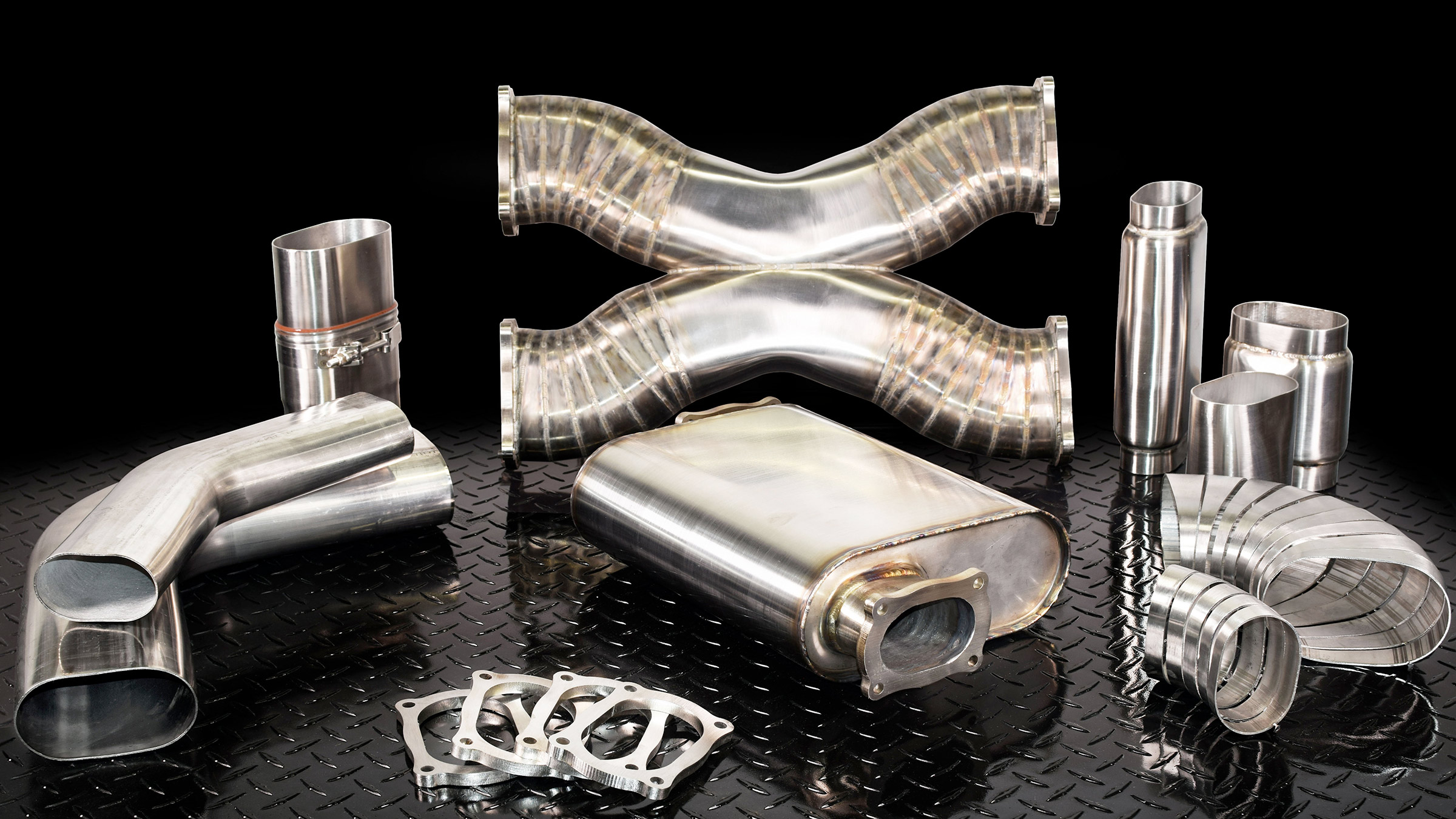
When it comes to squeezing every ounce of power and performance out of your ride, the details make the difference. Headers and mufflers might steal the show, but let’s not overlook a serious player in the game: oval exhaust tubing. And if you’re in the know, you’ve probably heard of Stainless Headers Mfg. Inc.—a company we respect for their top-notch craftsmanship and American-made quality.
PRODUCT SPOTLIGHT: Big Block Chevy Round Port Custom Header Build Kit by Stainless Headers MFG. INC.
When it comes to muscle, power, and performance, you can’t beat a big block Chevy. And if you want to harness that raw power, there’s no better way to do it than with a custom set of headers. Enter the Pro Series Big Block Chevy Round Port Custom Header Build Kit from Stainless Headers Mfg. Inc. – the ultimate toolkit for any serious fabricator.
We here at The Auto Builder understand that when it comes to performance, every component counts. That’s why the Canton Racing Products GM LS1/LS6 Front Sump Road Race and Drift Pan has earned a top spot on our must-have list for any serious gearhead looking to elevate their game.
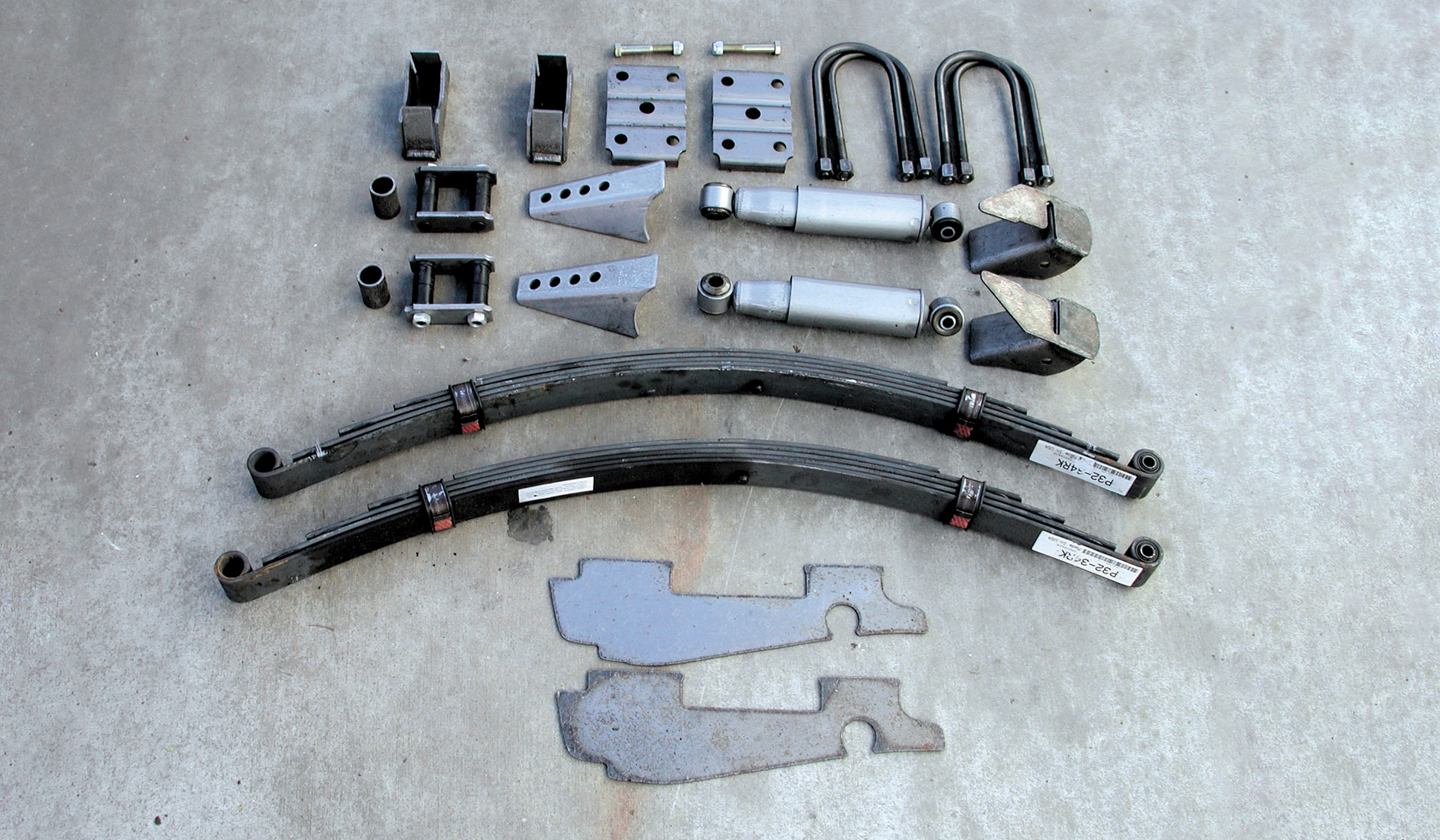
The Posies Super Slide spring kit comes with all the parts you need. The supplied lower shock mounts have several holes drilled into them so the ride height can be adjusted accordingly. You provide the top shock mount. All the parts are top quality and fit perfectly.
