







Cars
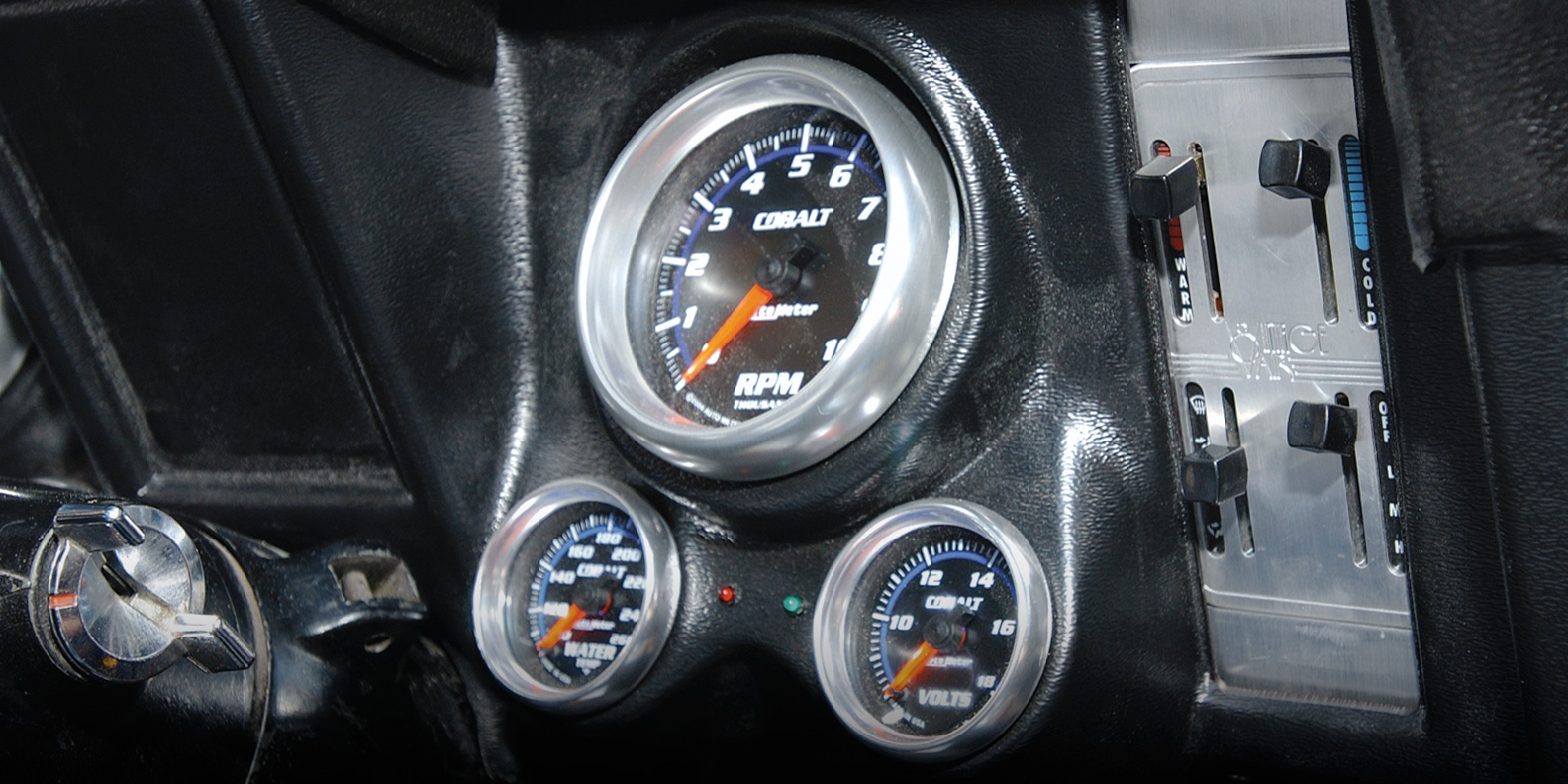
Back in ’69, the average Camaro came with an instrument panel that most people today would find pretty pointless. Aside from the speedometer and fuel gauge, there wasn’t much going on in the way of information. Most functions, such as oil pressure and engine temperature, were monitored by a series of dummy lights, which meant you were pretty far gone by the time they blinked. By then most of the damage had been done. We don’t know what the auto experts at the time were thinking of…maybe saving a nickel. In an effort to fix all that and to update the instrument panel so that it would provide information, H&H turned to Covan’s Classic and AutoMeter gauges. They have created an up-to-date yet nostalgic instrument panel containing all the customary gauges with a look that is right for this project.
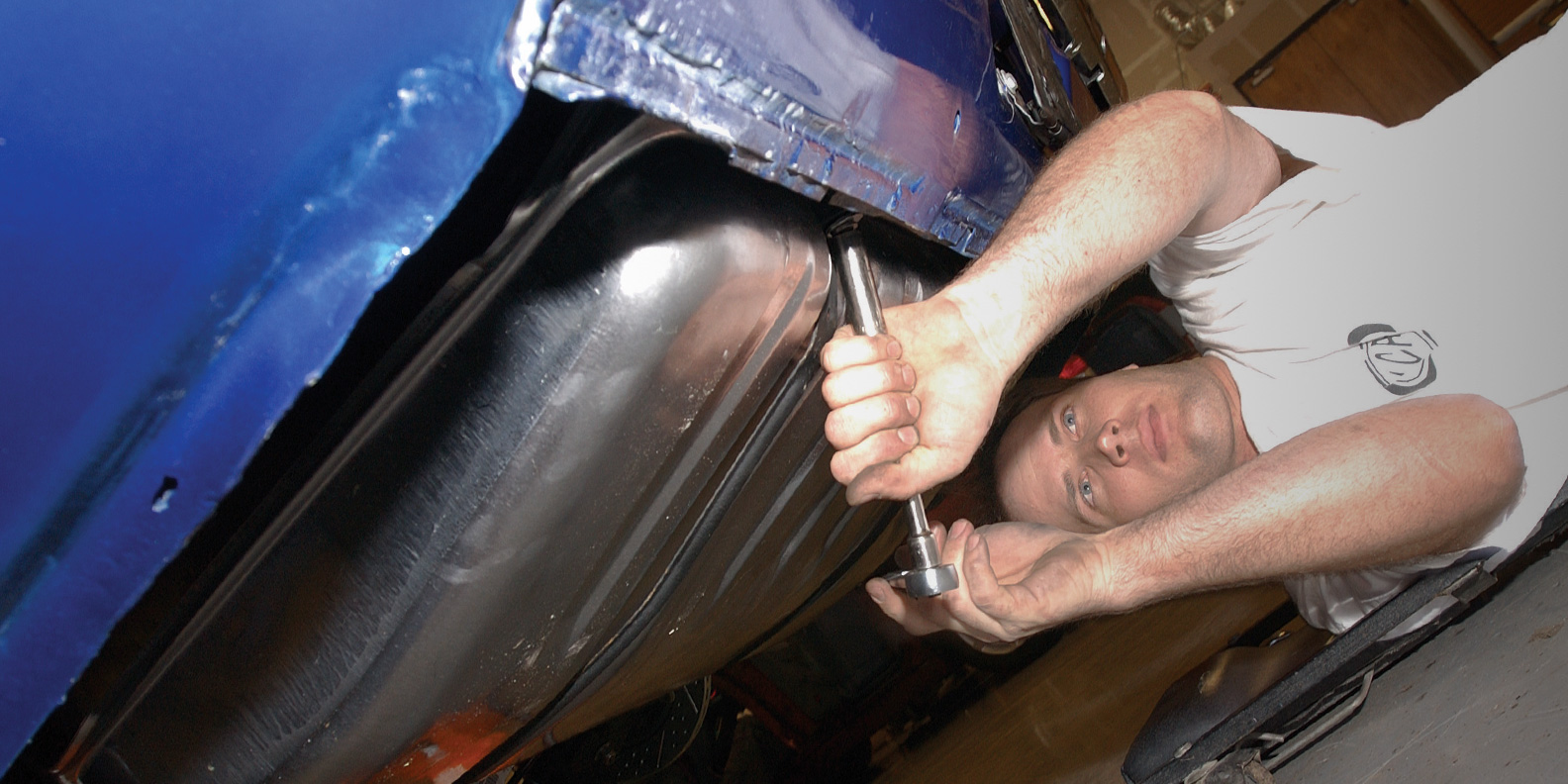
Tech presentation is something anyone can do to his or her existing Camaro, since it takes no special skill, yet the results are worthwhile. Those are the rewards of personalizing a cool Chevy, and it’s what drives us in the first place to tackle such jobs.
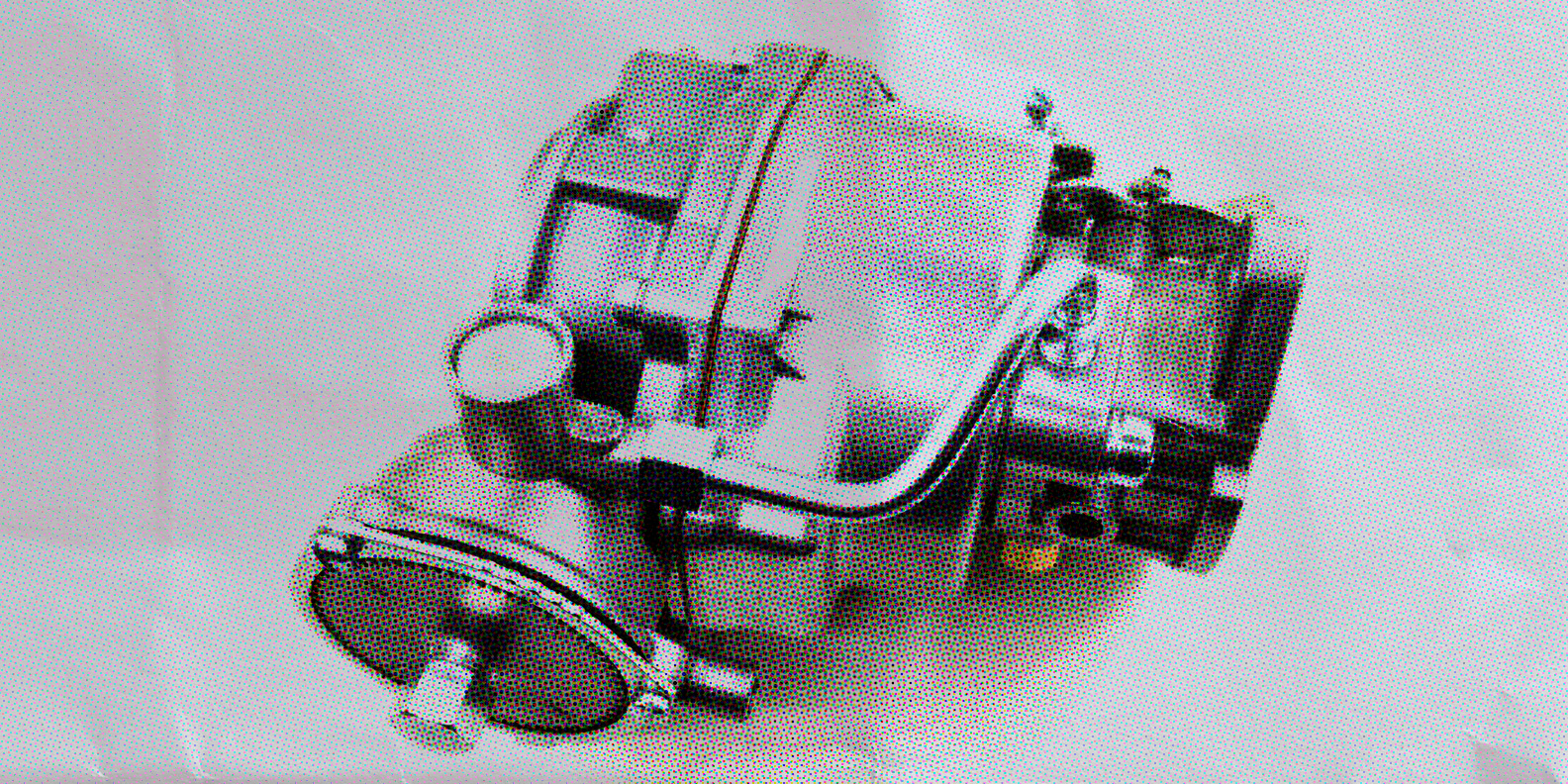
Okay, okay! After listening to oh so many of you, we are providing information you have been requesting, and perhaps searching for, for some time. That information is carburetor data, information that we used to take for granted but that has become more and more difficult to find of late. It seems that much of this data for numerous models and years has somehow slipped through the cracks. This could be mostly due to the age of the information, plus the fact that many of those applications are more rare today. We suppose there are numerous other reasons as to why this information has virtually dried up, so we present a basic listing here for the correct carburetor number for the respective engine application.
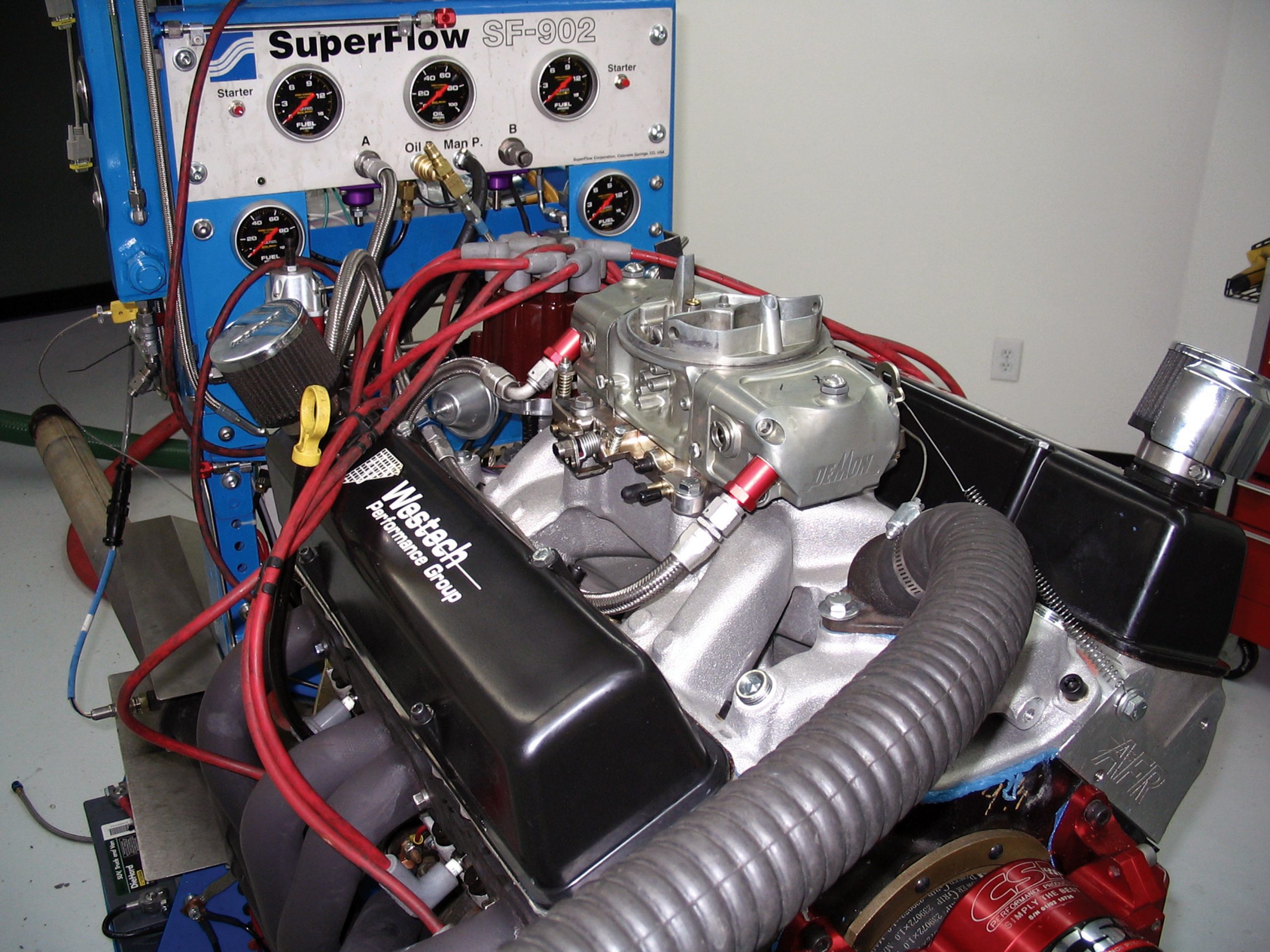
When it comes to performance, the devil really is in the details. Ever wonder why one engine makes more power than another, when both are seemingly identical? The answer to this very common performance question lies in the attention to detail. Basic performance elements such as engine tuning, spark timing curves, and, yes, even oil selection all come into play when you attempt to extract the maximum amount of power from your existing combination.
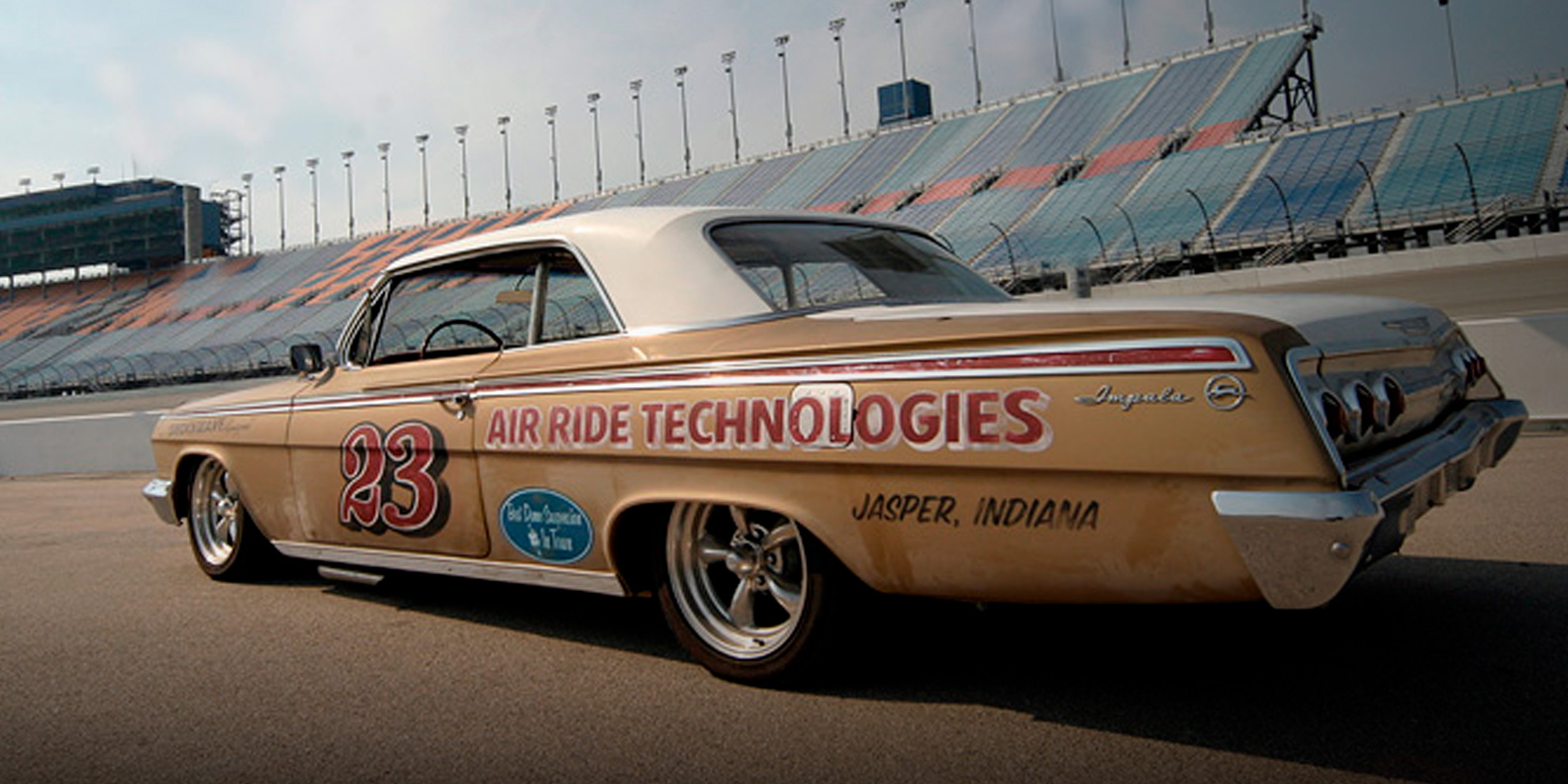
Chevy engineers began using trailing arm and coil spring rear suspension designs back in 1958, and in one form or another, this treatment ran through 1964 without much change. Good news for families but bad news for performance enthusiasts, the crossframe cars were remarkable in that they began an era in which suspensions concentrated more on ride quality than on nimble handling.
Time and time again, our advice to those interested in learning about stout-running engines is that it’s the total combination that makes it all happen—considering, of course, that components are prepped, cleaned and assembled as if in a “clean room.”
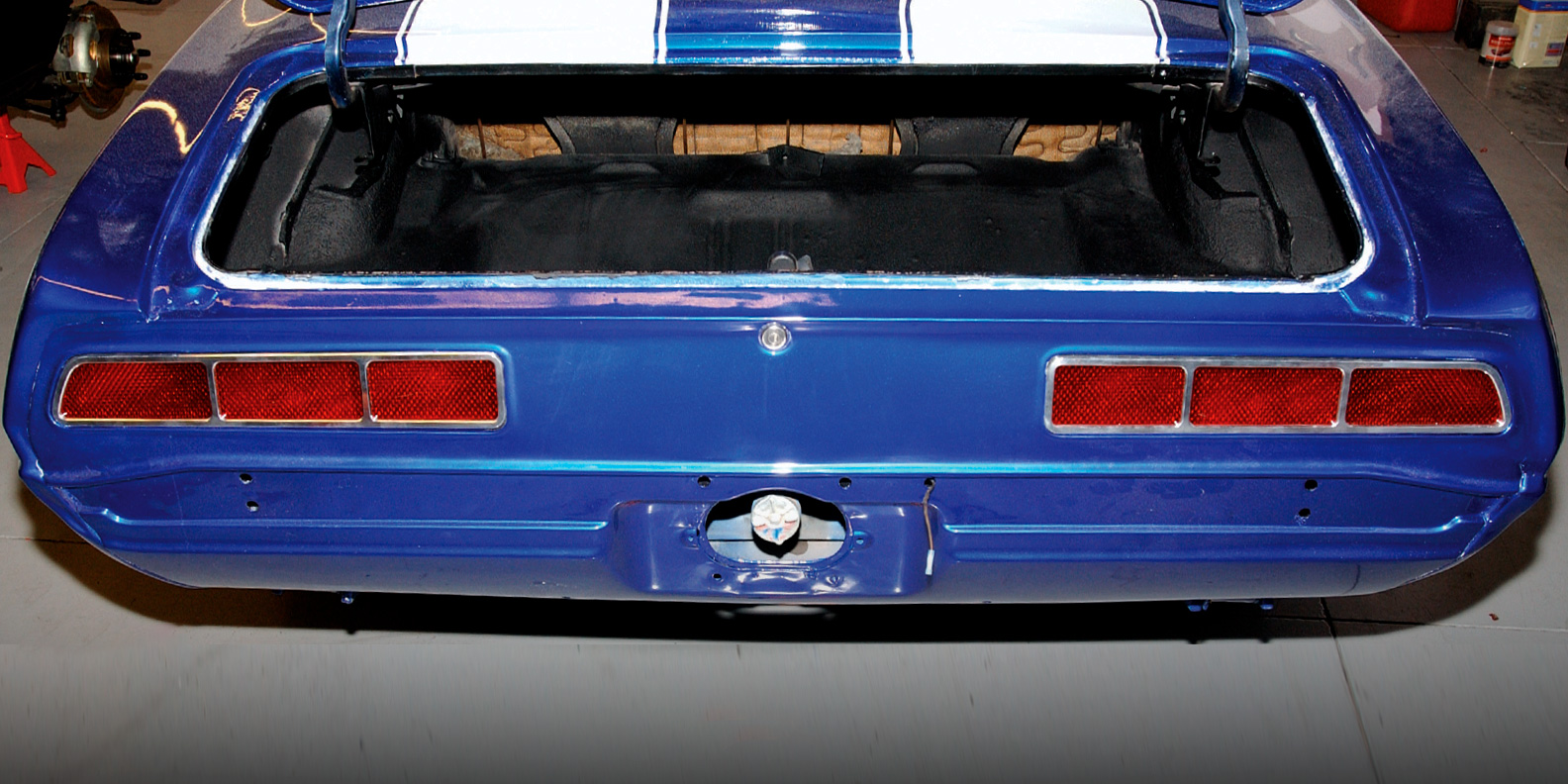
There are many reasons why the icon cars have achieved the lofty status they now enjoy, but one of the more obvious reasons is the simple fact that they were finished. Their existence and subsequent high-level exposure have inspired many a young lad to undertake similar projects, and for every famous car built in the early years, probably two others were started in an attempt to either copy or outdo it, but they never saw the light of day.
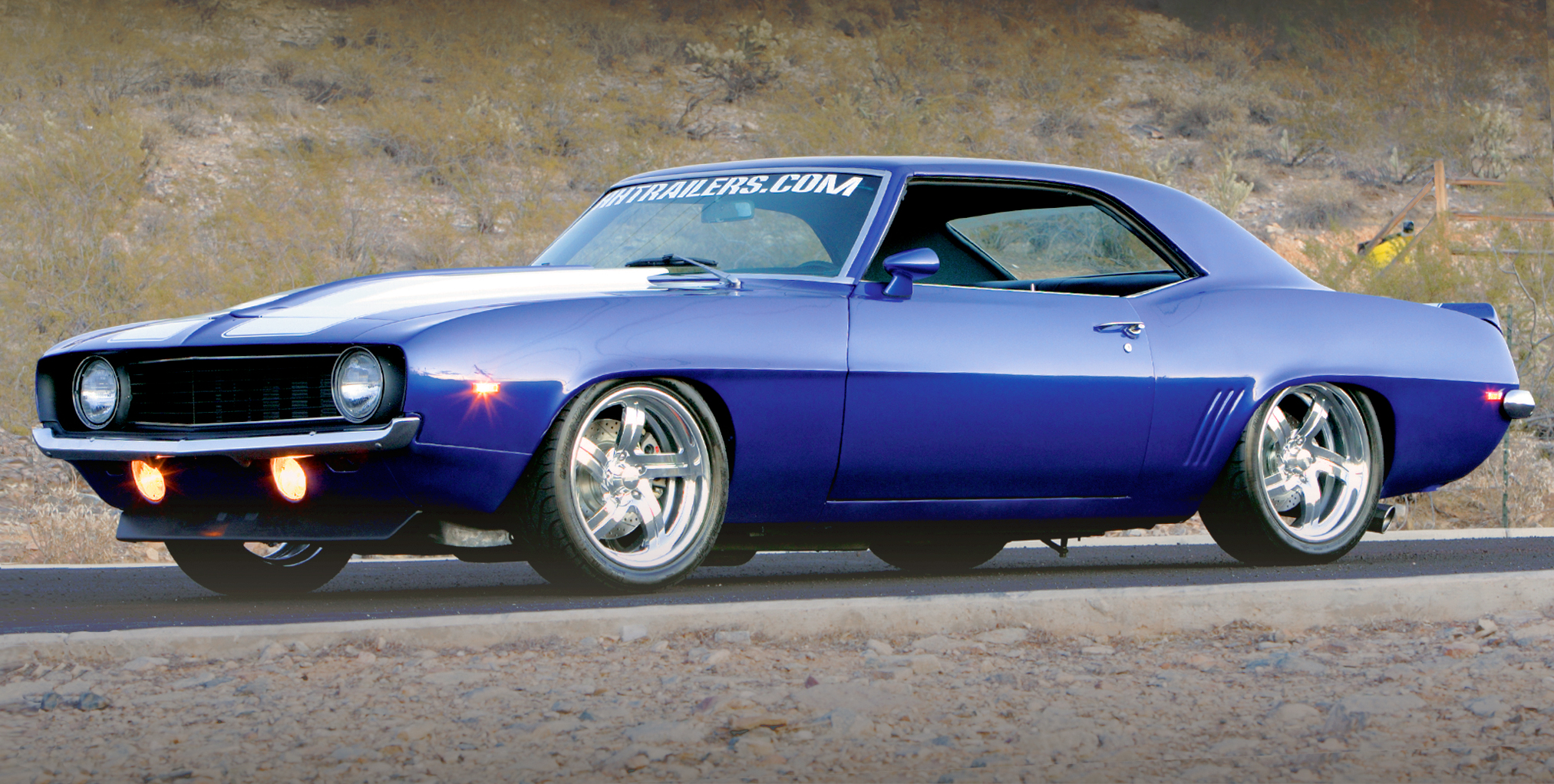
The late ’60s was a good time for automobile enthusiasts everywhere. For Chevrolet specifically, it remains a time when the company produced vehicles that are among the favorites of Bow Tie aficionados. Who wouldn’t want a ’67-’69 Chevy Chevelle, Nova or, of course, the ever-popular Camaro? The design of these vehicles, and many others from that era, has stood the test of time, and car manufacturers today are even reverting back to the styling cues of these classics when designing modern production cars.
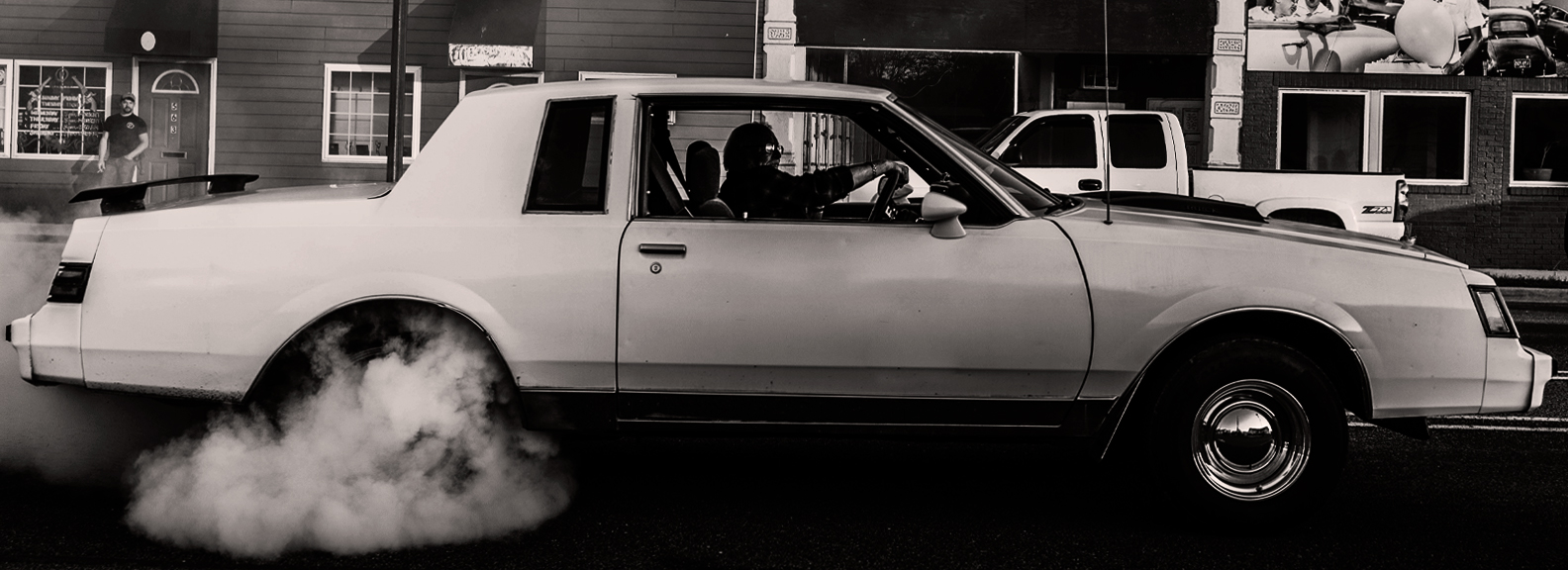
Have you ever noticed how some people can take their car to the strip and look as if they’ve raced all their lives, while others look totally out of control in the bleach box and during staging? More often than not, the driver with the calm, cool and collected approach seems to regularly trigger the win light. The reason for this smoothness isn’t completely initiated by the driver; in most instances, it is the correlation between man and machine.
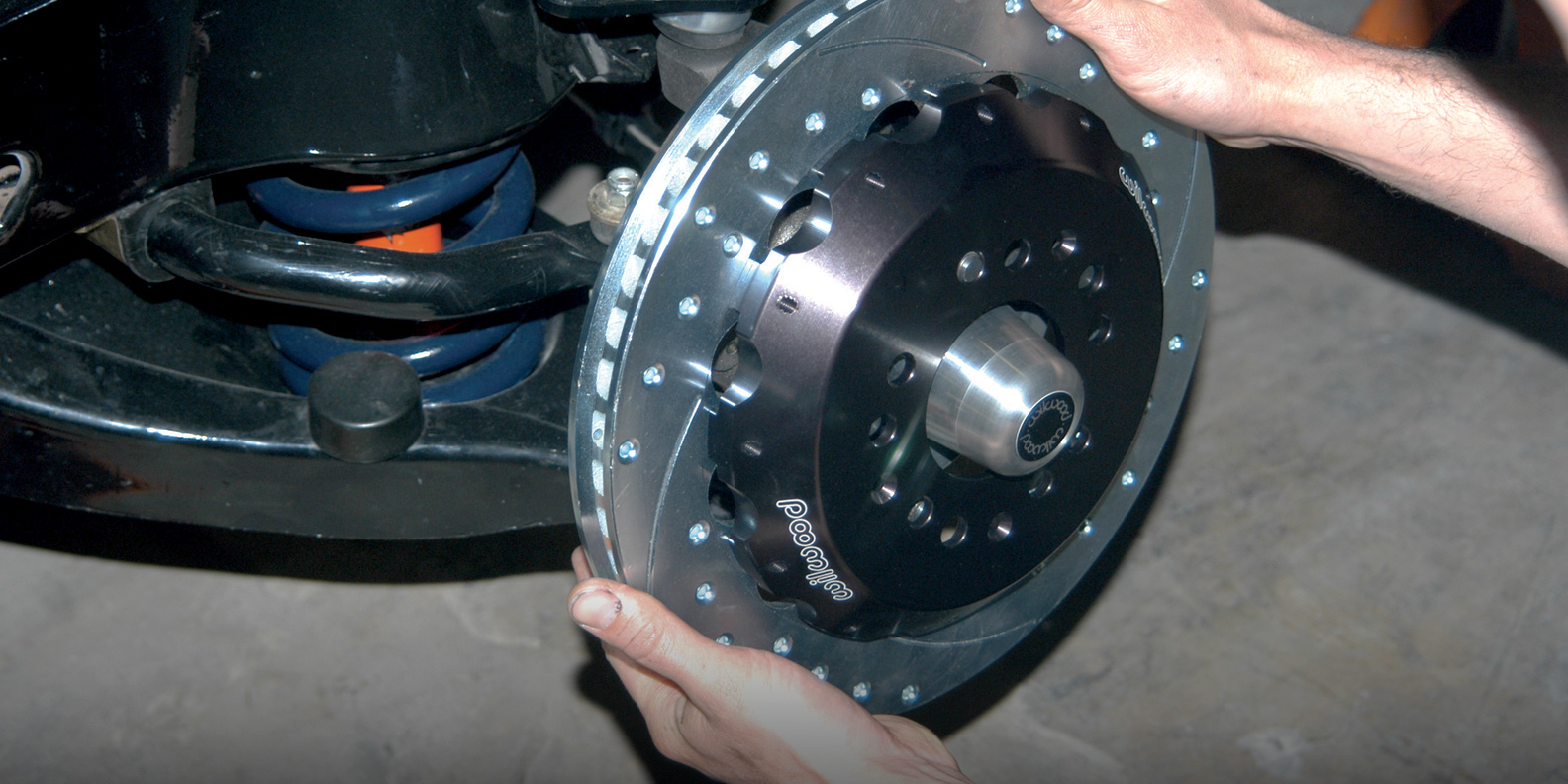
There’s no denying the popularity of Camaros; they have been a rodding favorite since their initial release in 1967. The first-generation Camaro has always been an enthusiast car because it is small, lightweight and had a sports-car-design feel to it. Underneath, the early Camaros were based on a Nova platform and featured many good mechanical attributes. Right from the start, they became a popular choice for teenagers and young adults, and most of the performance enthusiasts wanted the SS model that came with a choice of a strong-running small- or big-block engine. Things haven’t changed much, because they are still a popular choice for enthusiasts to restore or modify.
