
PONY EXPRESS
We’ve already tempted and teased our readers with a behind-the-scenes tour of the Unique Performance Shelby continuation cars—the GT 350SR and the GT 500E (Ford Builder, Mar. ’05, page 67). Many of you probably lust after one or both of these cars, but not all of us can afford to purchase one yet. And because of their limited numbers, their prices do, unfortunately, put them out of reach of many of us Ford enthusiasts. That’s the bad news. But there is good news; don’t assume that because you cannot buy a genuine continuation Shelby, you can’t build a car that drives just like one. Unique Performance sells not only the cars as complete packages, but they understand the situation quite clearly and have made available many of the individual parts and assemblies used to build their cars.

Our SEMA 2025 Hot List
SEMA always delivers sensory overload — the unveilings, the crowds, the horsepower echoing off every hall. But this year, the real thrill came from the unexpected. Tucked between the headline builds and mega displays were the parts that made us slow down, lean in, and say, “Okay… now that’s something special.”
Home-Brewed
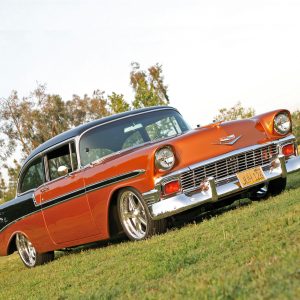
Some car guys choose a path to automotive nirvana through the purchase of a car that someone else built or by having a shop build the car of their dreams, but Albert Alvarado is not one of those guys. Like many of us, he doesn’t mind getting grease under his fingernails and overspray in the garage. You see, Alvarado had completed this Bel Air once before. Back in 2004, it was a beautiful red-and-white car, but Alvarado was disappointed by the number of red-and-white Bel Airs he was seeing at all the shows, so he decided to make some drastic changes.





From Garage Guru to Hot Rod Hero
Born in 1947 in Memphis, Tennessee, George Poteet was destined for greatness. As a kid, he spent his days covered in grease, tinkering with engines in his dad’s garage. That early love affair with cars set the stage for what would become a lifelong obsession with speed and style.
Poteet didn’t just admire hot rods; he built them, drove them, and pushed them to their limits. His collection of custom cars wasn’t just impressive—it was legendary. Each ride was a testament to his unparalleled vision and engineering skill. The guy had an eye for detail that was second to none.
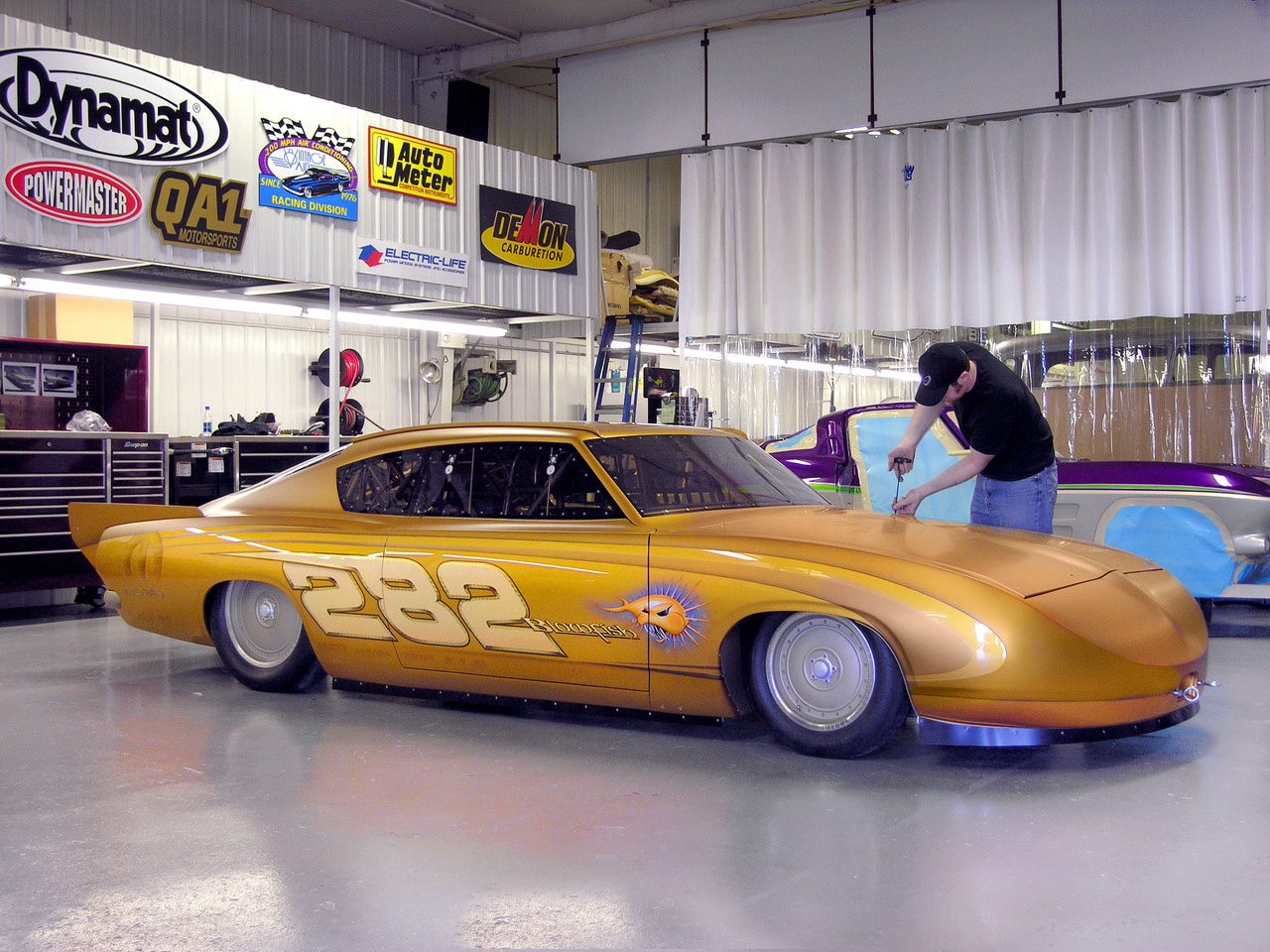
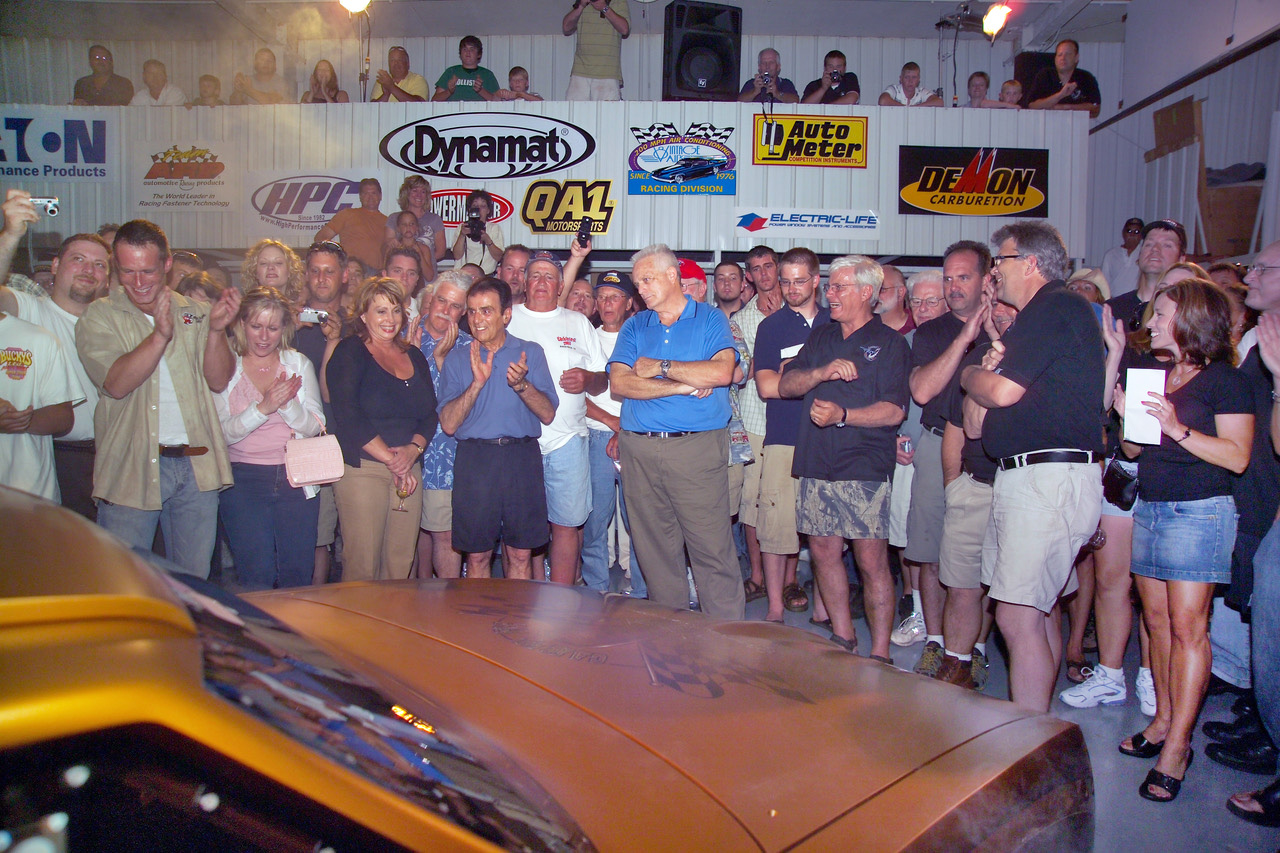
From meticulously restored classics to one-of-a-kind custom builds, Poteet’s garage was a treasure trove of automotive masterpieces. He was known for his innovative designs and his ability to transform ordinary vehicles into extraordinary machines. Among his notable creations was the “Blowfish,” a 1969 Plymouth Barracuda that became a record-breaking land speed racer. Poteet’s cars were not just about aesthetics; they were built for performance, often featuring cutting-edge technology and engineering marvels that set new standards in the hot rodding community.

Poteet’s dedication to car building extended beyond his personal collection. He collaborated with some of the best builders and fabricators in the industry, always pushing the envelope of what was possible. His projects were often featured in top automotive magazines, showcasing his commitment to craftsmanship and his relentless pursuit of automotive excellence.
The Blowfish and Beyond
If you know anything about George Poteet, you know about the “Blowfish.” This 1969 Plymouth Barracuda wasn’t just another pretty face; it was a beast. Poteet took this classic muscle car and turned it into a record-breaking land speed racer. The Blowfish became a symbol of his relentless pursuit of perfection and performance.
But the Blowfish was just one chapter in Poteet’s epic saga. He had a knack for turning metal and rubber into magic, and his creations regularly graced the covers of hot rodding magazines. Each car was a masterpiece, a rolling tribute to the art of speed.
King Of The Salt Flats
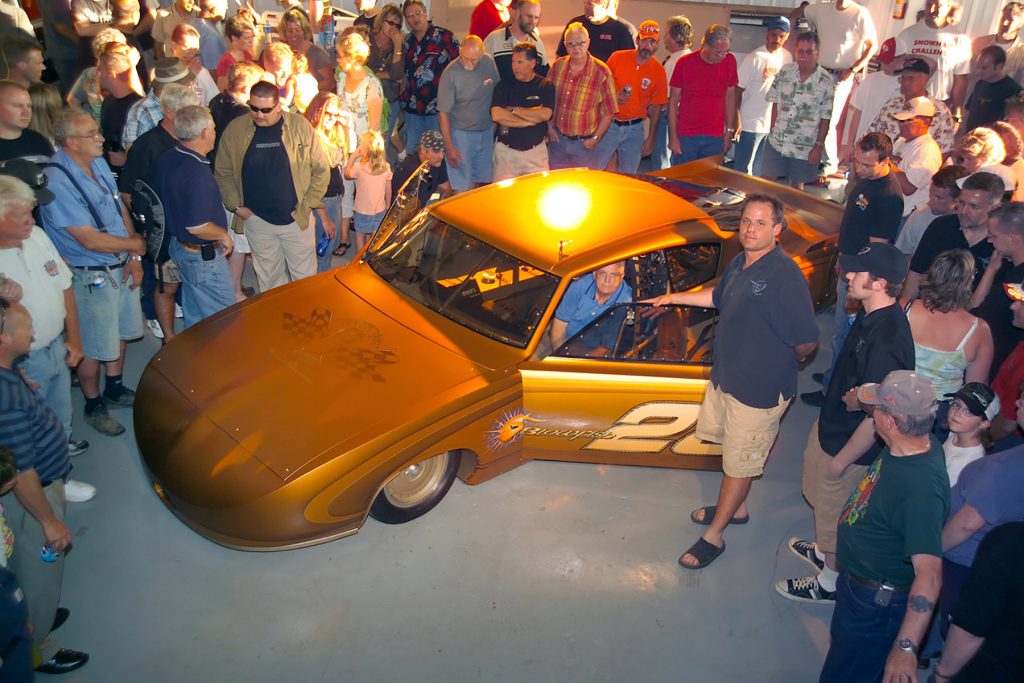
George Poteet’s name is synonymous with Bonneville. The Bonneville Salt Flats are where legends are made, and Poteet was the undisputed king. Year after year, he pushed the envelope, setting records and raising the bar for land speed racing.
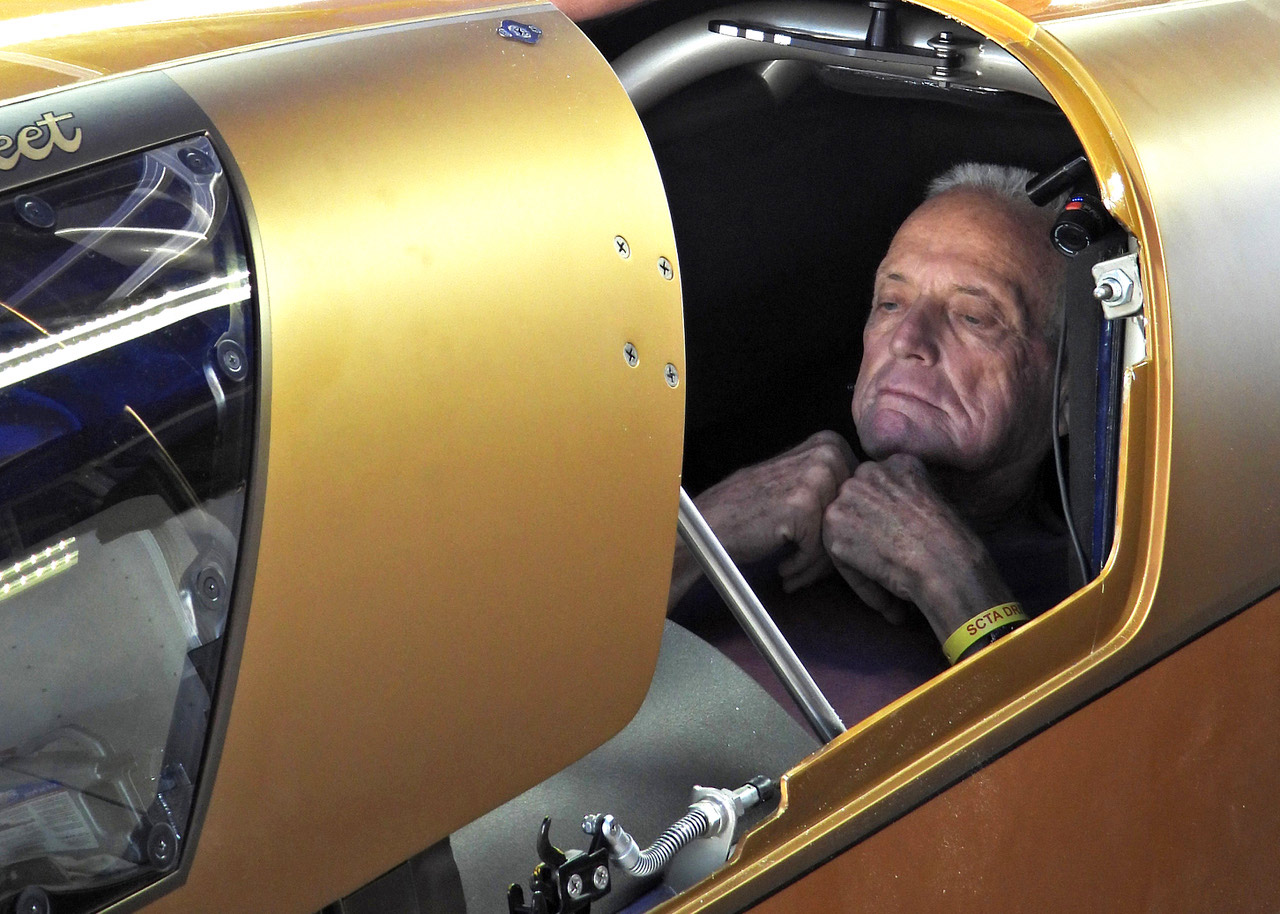
In 2020, at the age of 72, Poteet achieved a staggering top speed of 470.015 mph in his Speed Demon streamliner, averaging this speed over two runs. The Speed Demon, a 32-foot-long golden streak powered by a twin-turbocharged 556-cubic-inch Chevy big-block, became the fastest piston-driven vehicle in the world under his command. Poteet’s indomitable spirit shone through, even when the car caught fire on a previous run. Unfazed, he continued to chase speed, demonstrating a resilience that inspired everyone around him.
Giving Back And Paying It Forward
Poteet wasn’t just about going fast; he was also about giving back. His philanthropic efforts were as impressive as his car collection. He supported automotive museums, educational programs, and charity events, ensuring that the legacy of hot rodding would endure.
He also took the time to mentor young gearheads, sharing his wealth of knowledge and passion for cars. Poteet’s generosity and willingness to help others made him a beloved figure in the community.
The Legacy Lives On
George Poteet’s passing marks the end of an era, but his influence will be felt for generations to come. His life was a masterclass in dedication, innovation, and pure, unadulterated passion for cars. As the tributes pour in, it’s clear that Poteet wasn’t just a legend; he was a hero to anyone who’s ever felt the thrill of the open road.
Let’s raise a glass to George Poteet—a man who embraced life in the fast lane and made a lasting impact on hot rodding and land speed racing. His legacy roars like an engine, reminding us all to pursue our dreams with the same fiery determination he brought to every endeavor.