Suspension Upgrade at Progressive Automotive
Samrany sent the car to Progressive Automotive in Baltimore, Ohio, for a major suspension update. Up front, an ’87 Corvette independent front suspension was installed, and out back, a ’93 Corvette independent rear suspension found a new home. Steering came from a Ford T-bird rack-and-pinion unit. The Corvette suspension allows for the use of disc brakes all the way around, a marked improvement over the original GM binders. Aldan shocks were also added at each corner. The folks at Progressive Automotive slid a 15-gallon fuel tank between the rails before sending the car back to Samrany.
Powertrain Upgrade with Chevrolet LT1 Engine
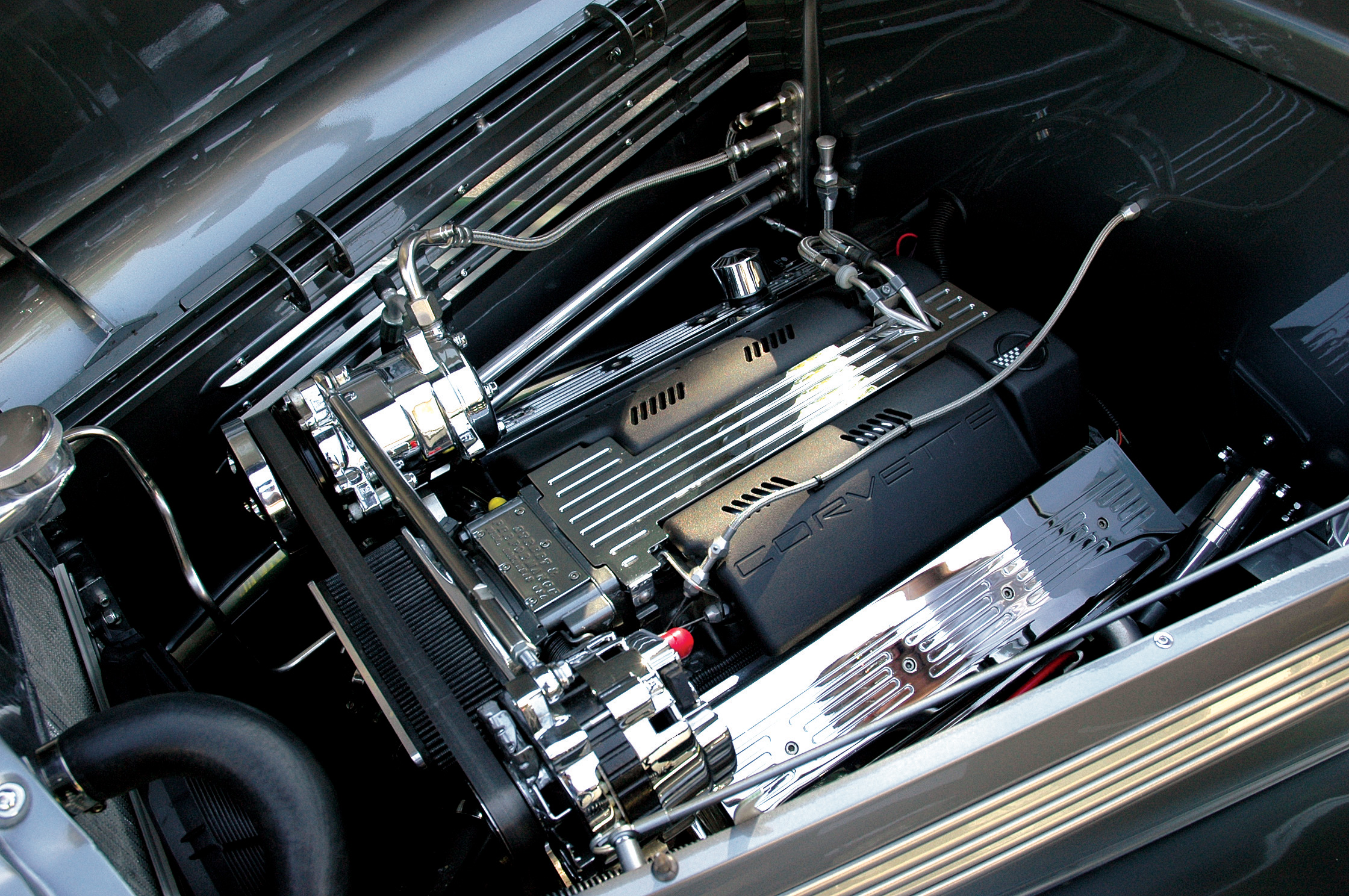
For power, Keith installed a virtually stock ’93 Chevrolet LT1 engine into the modified original chassis. A ’93 GM 700R4 transmission backs up the engine. Street & Performance aluminum dress-up goodies and chrome headers were added to the engine, along with a March pulley system. The exhaust flows into a custom stainless tube assembly. The changes turned a clunky old coupe into a silky cruiser that Samrany would find himself driving every week.
Body Modifications and Customization
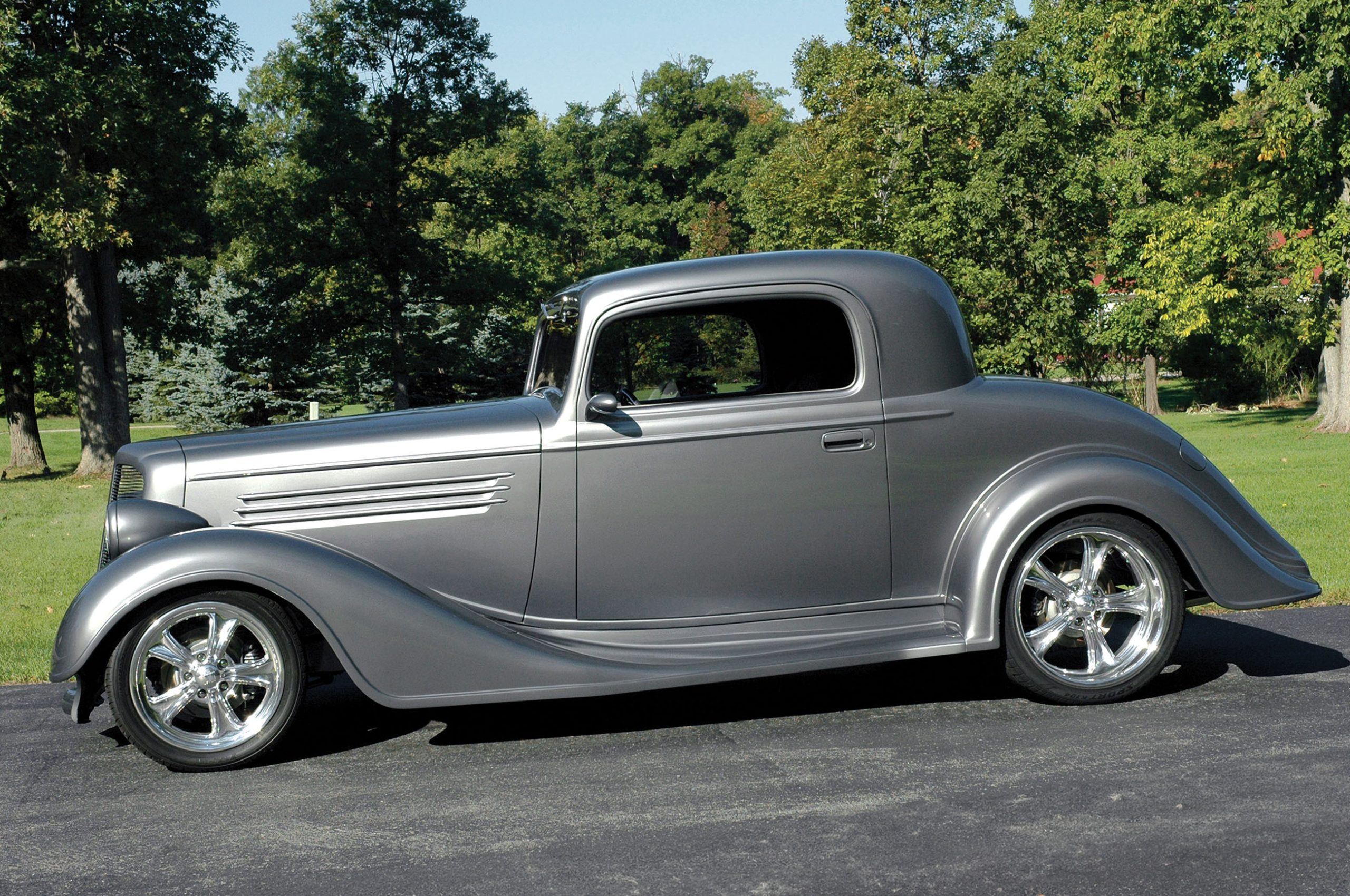
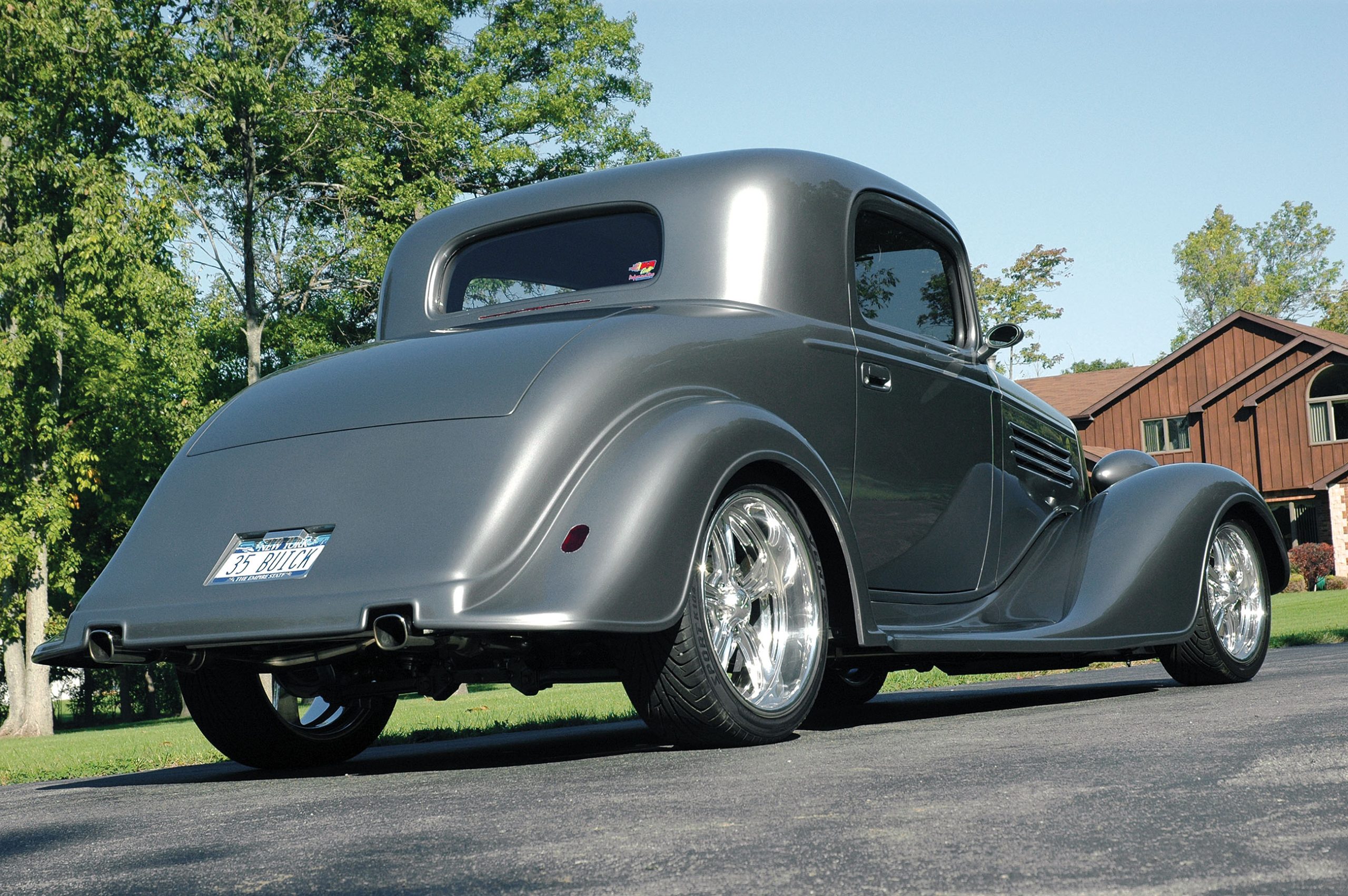
Samrany wanted the body to keep as many of the original Buick lines as possible, so he simply smoothed everything over. He chose the car because it had a longer wheelbase, which would provide a smoother ride. Part of that long wheelbase was due to the original straight-eight Buick engine, which allowed much more room for the healthy V-8 engine. He felt that the front and rear portions of the body were long enough, which eliminated any need to chop the top. Besides, a chop might have caused some awkward proportions.
Collaboration with Lakeside Rods & Rides
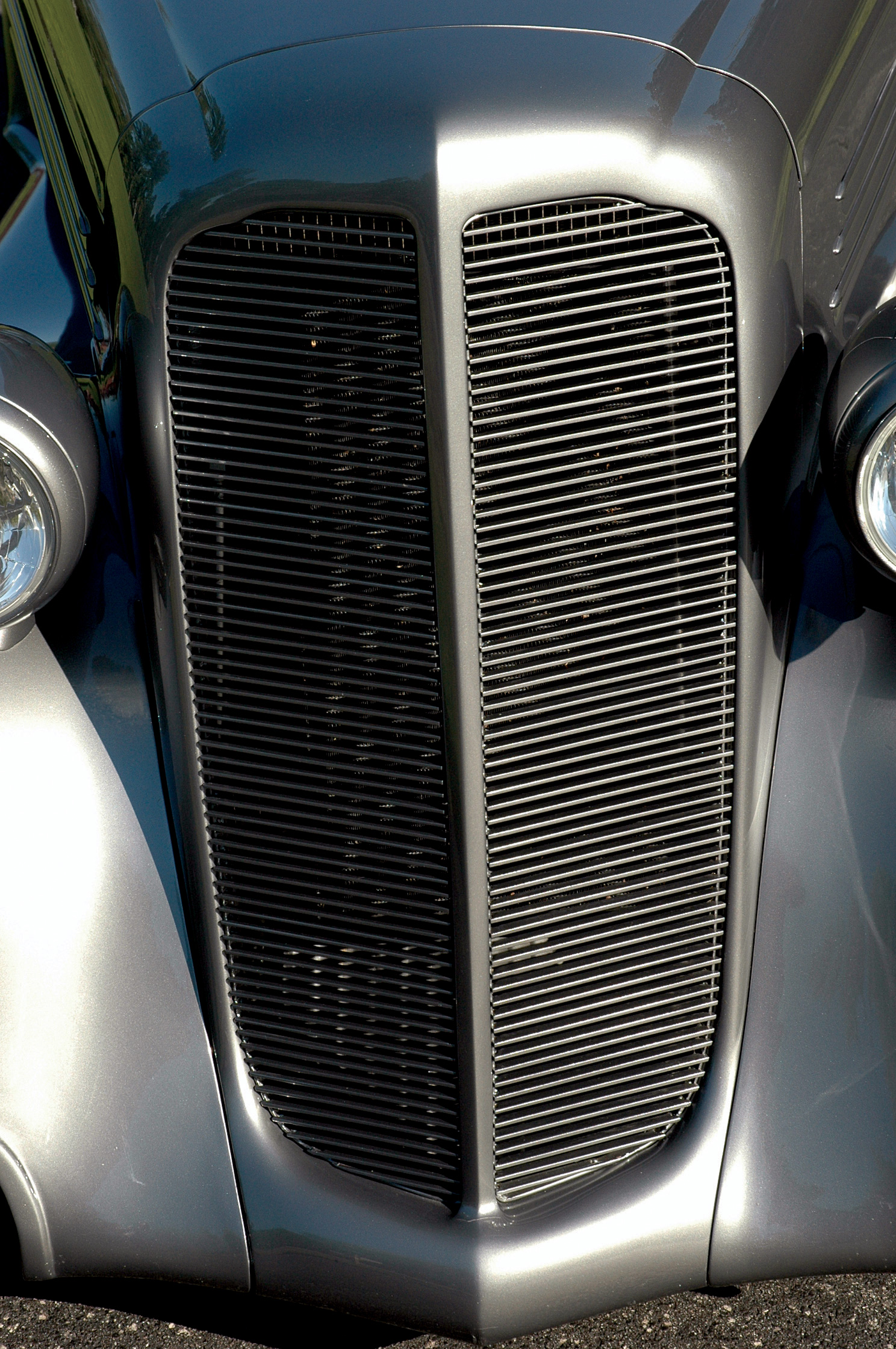
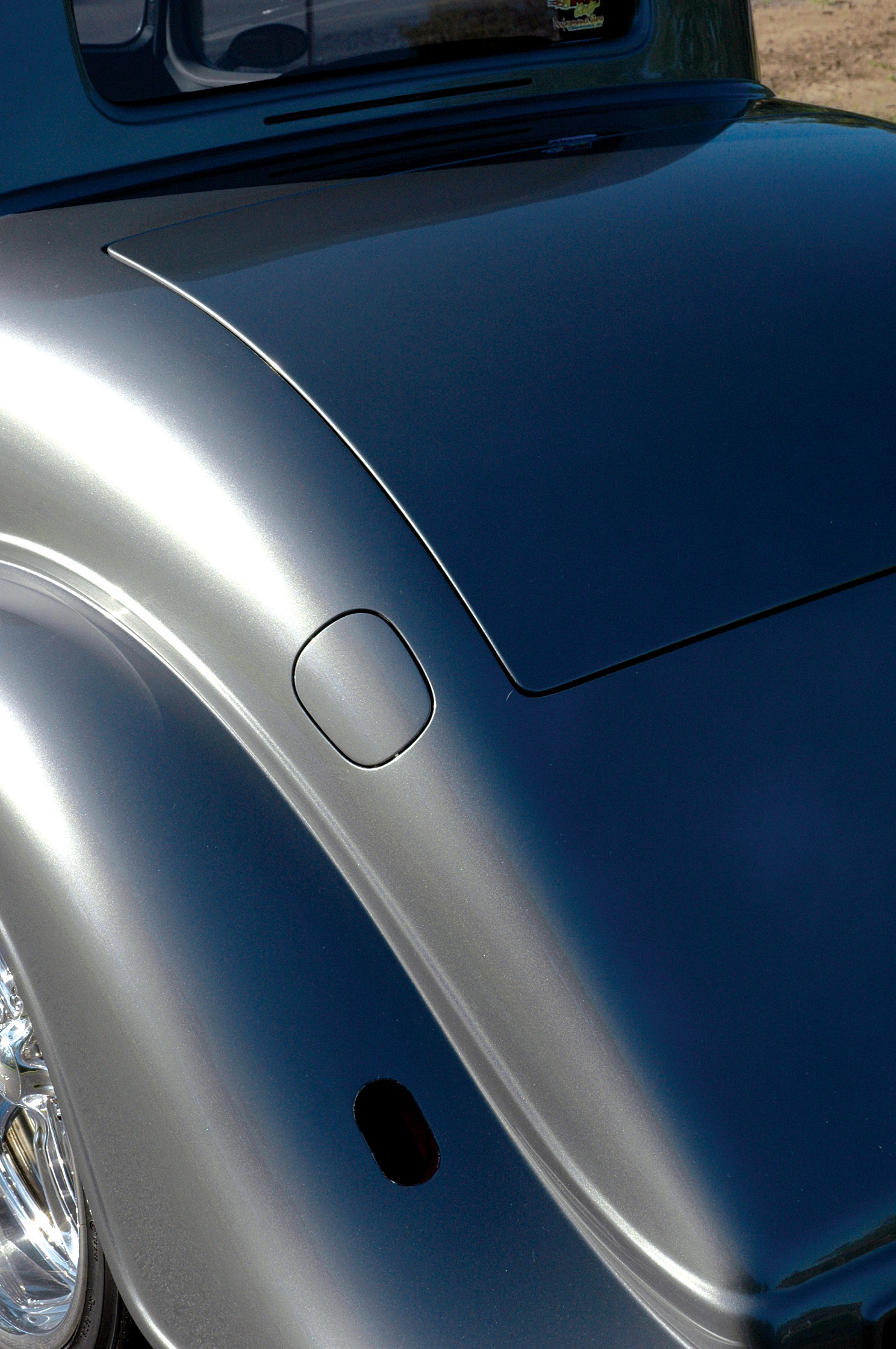
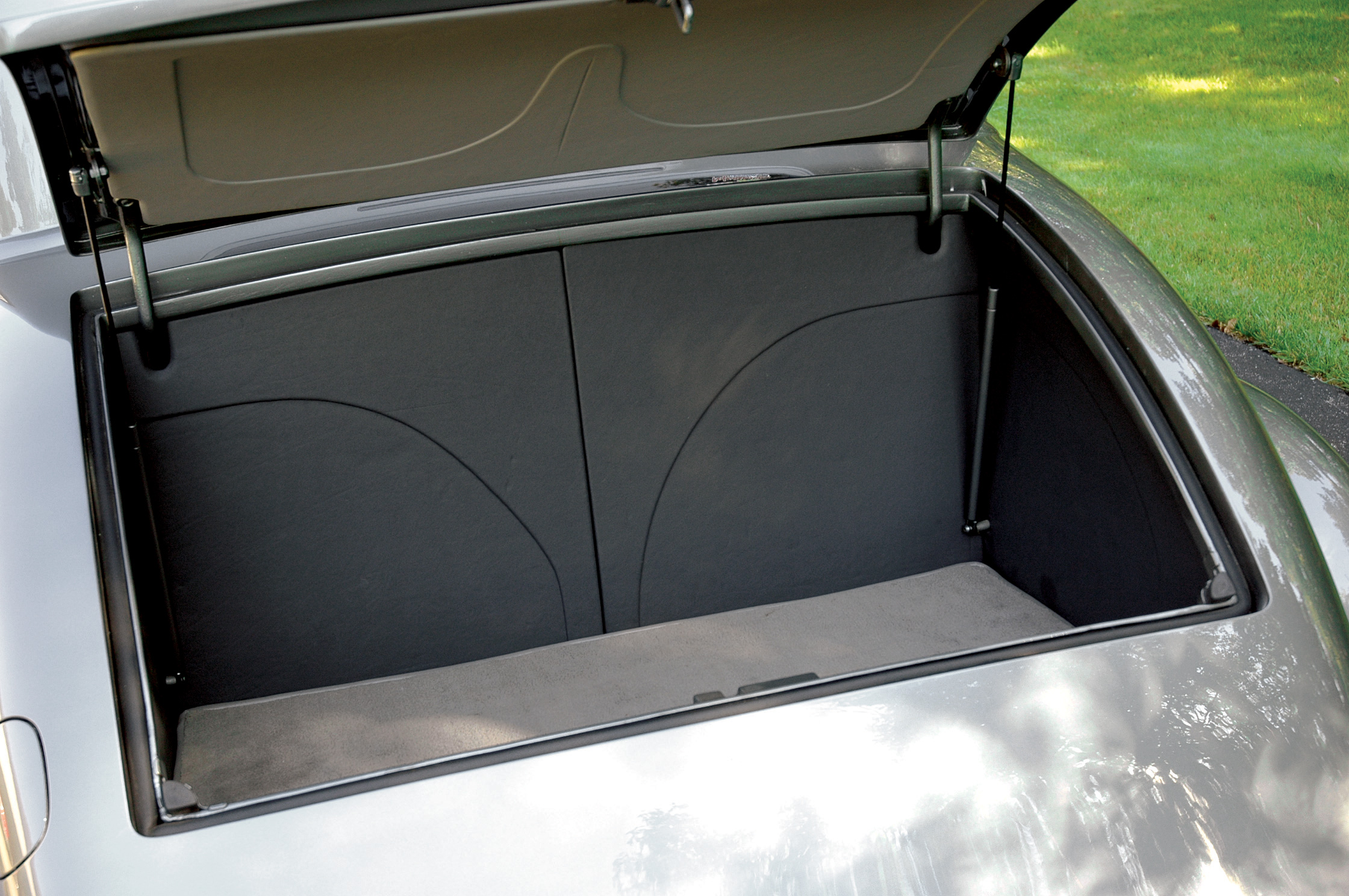
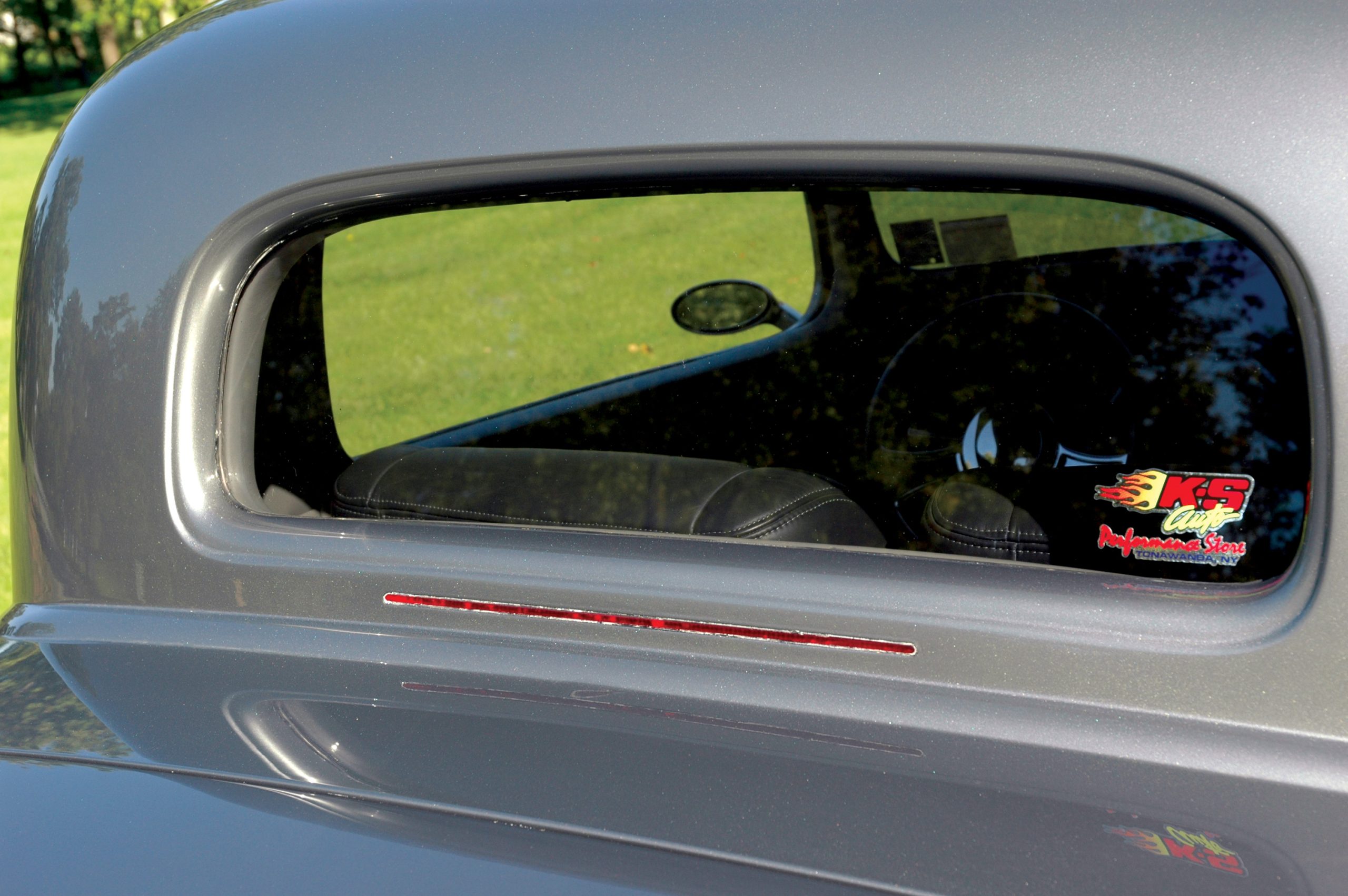
After giving careful thought to each of these points, Samrany discussed all his desires for the car with Roger Burman at Lakeside Rods & Rides in Rockwell City, Iowa. The two came up with a plan, and Samrany shipped the car to Burman. One of the big challenges for the Buick was replacing all of the wood supports and bracing in the floors, trunk and doors with steel. The talented crew at Lakeside molded the front fenders to the running boards, and then they molded the rear fenders to the body, with the running boards tapered toward the rear. A one-piece hood was obtained, and the handmade fuel door was fitted flush with the body side panel. Lakeside flush-mounted the LED taillights and third brake light to maintain the smooth theme. They also gave the slick treatment to the grille shell and sunk the license plate housing into the rear panel. Toyota door handles and latches were installed, giving the coupe a modern look, and the hinges were hidden.
Interior Customization by McFall’s Auto Trim
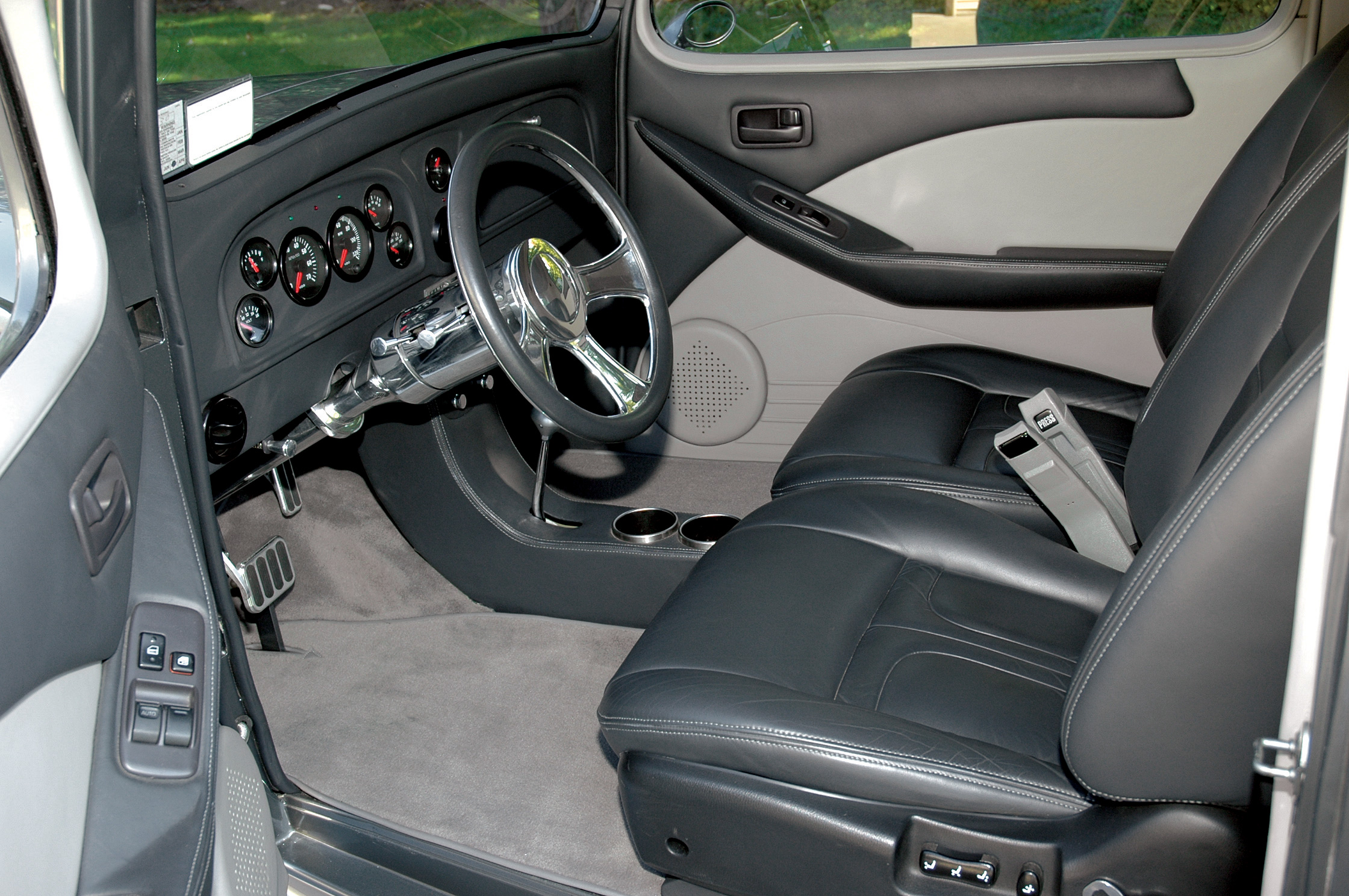
When the coupe rolled out of Lakeside’s shop, it went to McFall’s Auto Trim in Iowa City, where the bottom of the dash was extended downward 2-1/2 inches. While that was being completed, armrests and the center and overhead consoles were constructed. McFall covered the interior panels and Nissan Maxima bucket seats with comfortable light and dark gray leather. Light gray wool-blend carpeting provides a nice accent for the plush leather interior. A billet wheel tops an aluminum steering column, and VDO instruments are mounted in the stock dash configuration. Lokar provided the shifter and pedals while a Vintage Air unit supplies the heat and cooling necessary for comfortable traveling. KS Auto Stores installed the Pioneer CD stereo system and Orion speakers.
Enjoying the Finished Product
Eight years is a long time for a project, but Samrany is a patient man. He was elated when he took the coupe for its maiden voyage. What he likes most is that the coupe is neither a Ford nor a Chevy. It is different and considered somewhat rare because only 6,400 business coupes were made in 1934 and 1935. The Grand Island area is within sight of picturesque Niagara Falls, and Samrany and his wife, Terry, are frequently seen cruising with the coupe. Samrany enjoys the car so much that he finds it difficult to store it in a garage for the winter months. We don’t blame him.