




THE AUTO BUILDER
Featured

CIMTEX RODS SUPER CAMEO: PART 2
“Building a good truck chassis is just like building the foundation for a house,” says Cimtex Rods’ Tim Cimbanin. “Everything starts at the ground floor. If you don’t have a good foundation, you don’t have anything!”
No truer words were ever spoken, and we’ve been preaching this fundamental information in all our publications.

REDEEMING THE FORGOTTEN Y-BLOCK
When Ford introduced its Y-block engine in 1954, it labeled the engine the worthy successor to the venerable Flathead. The Flathead gained a loyal following of hot rodders and racers, but the big Cadillac overhead-valve V-8 and Oldsmobile’s Rocket 88 were stealing Ford’s thunder in terms of power, so something had to be done, and Ford decided to respond. The answer was a clean-sheet V-8 design, featuring overhead valves and improved cooling compared to the old Flathead. It was dubbed the “Y-block” because of the way it looked and because of its deep skirt and tall cylinder heads.

CHEVELLE MEMORIES
“If these four walls could only talk, what great stories they could tell” is an old adage that is certainly apropos from a historical perspective. In the context that we Americans have an ongoing love affair with the automobile, it could also be said that if a classic car could only talk, it could tell some pretty great stories as well!”
Spotlighter
POPULAR READS
-
Product Spotlight: Bill Mitchell Products Aluminum LS Engine Block
-
PRODUCT SPOTLIGHT: 60-66 Chevy C10 Fresh Air Vent Block Off Plate
-
Product Spotlight: Pyramid Optimized Design Sequential Aurora Taillight for 1964½–1966 Mustang
-
PRODUCT SPOTLIGHT: Cam Covers for GEN/3 Coyote from Pyramid Optimized Design
Light at the End of the Camaro
The End Seems Brighter With Marquez Taillights
Author
Carrie Fesler
Photography courtesy of Fesler Productions
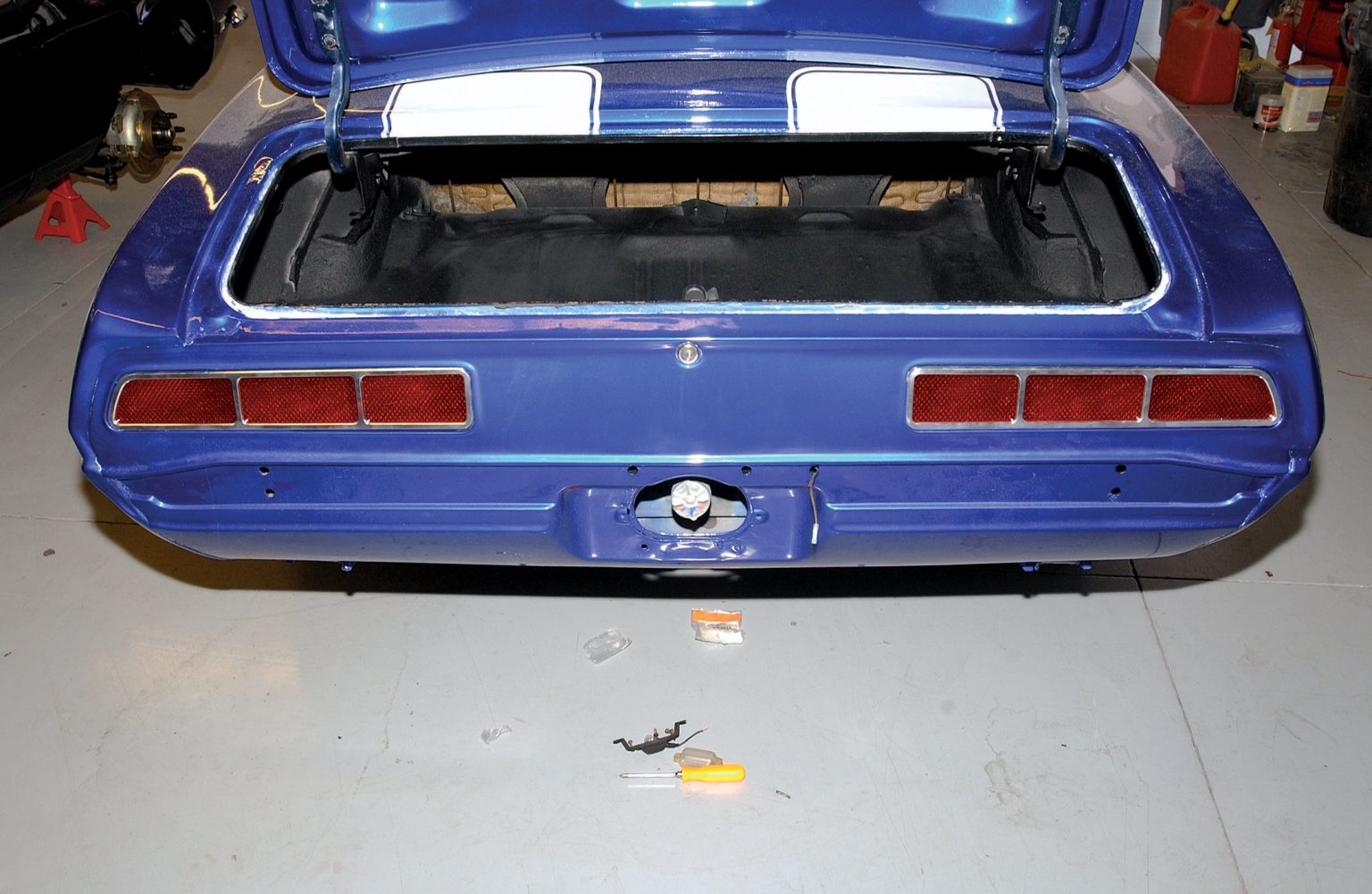
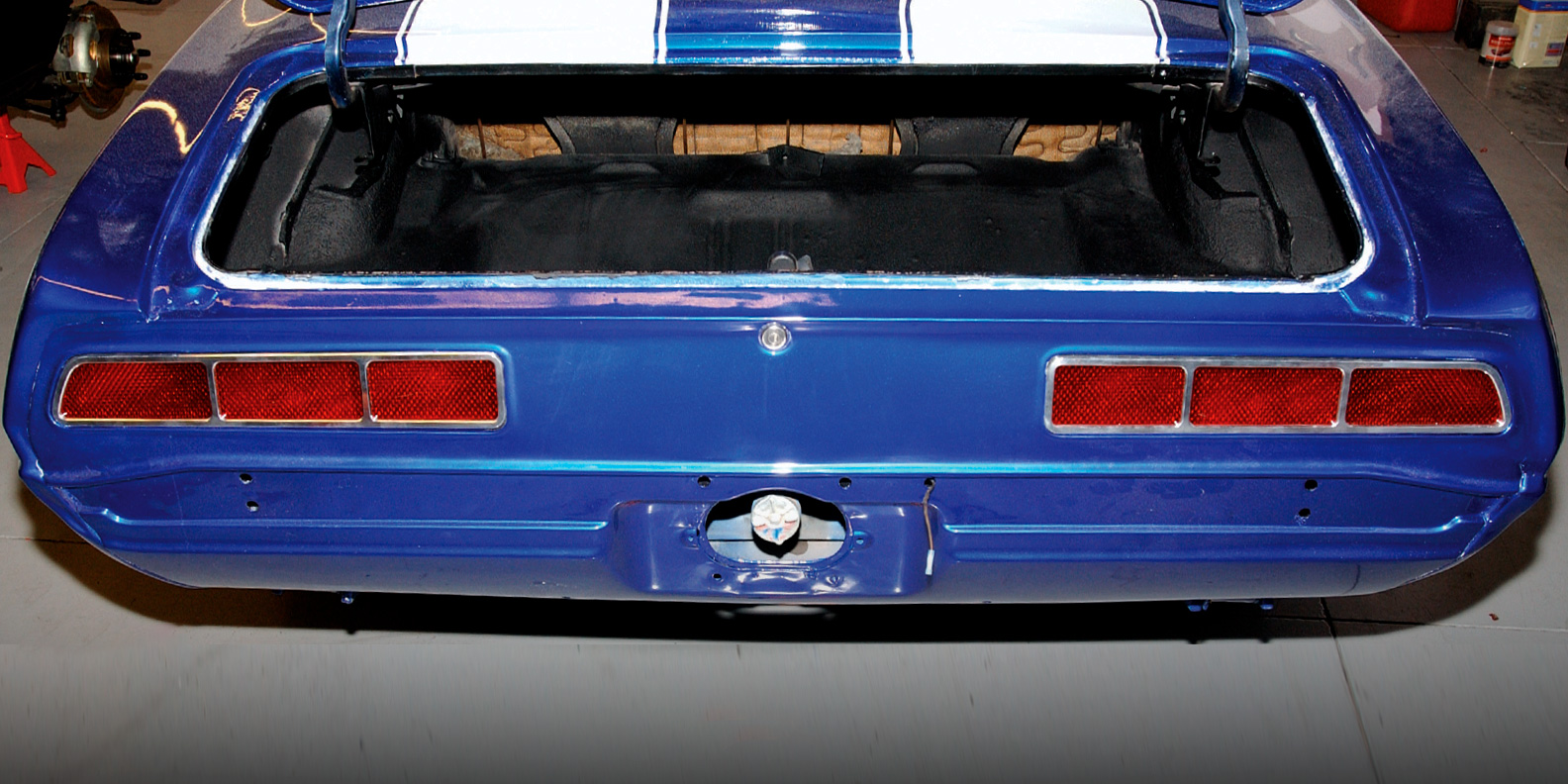
During its search for what would make for an interesting and much sought-after early Camaro, H&H decided to transform its project Camaro into something you would be proud to own. Previously, we walked you through the suspension fabrication and installation. We went from the stock, well-used suspension to an upgraded Air Ride Technologies air system that enabled a set of 20-inch wheels to neatly tuck under the well-proportioned wheel wells. We then covered the bodywork steps and the paint in another article. A fitting combination, considering that the execution of this Camaro illustrates what can be done to a well-worn car with some careful planning and a lot of straightforward work. So, if you are not the lucky one to win this car, know that you can duplicate it by following the steps that H&H decided would make a great-looking and well-running classic Camaro.
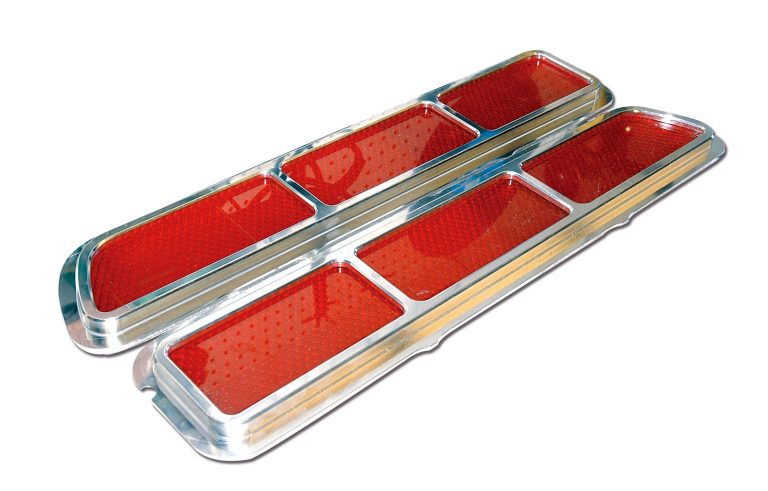
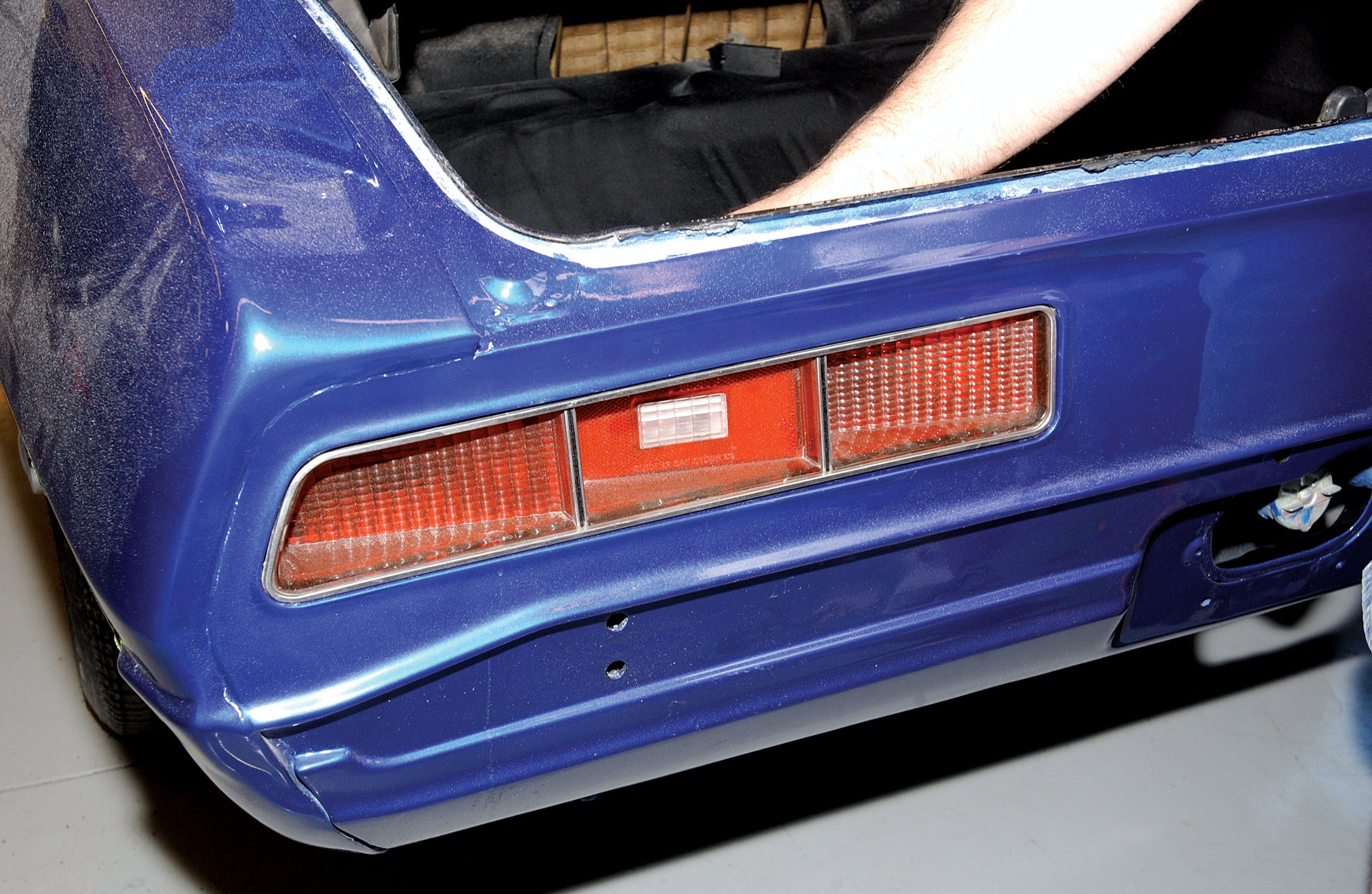
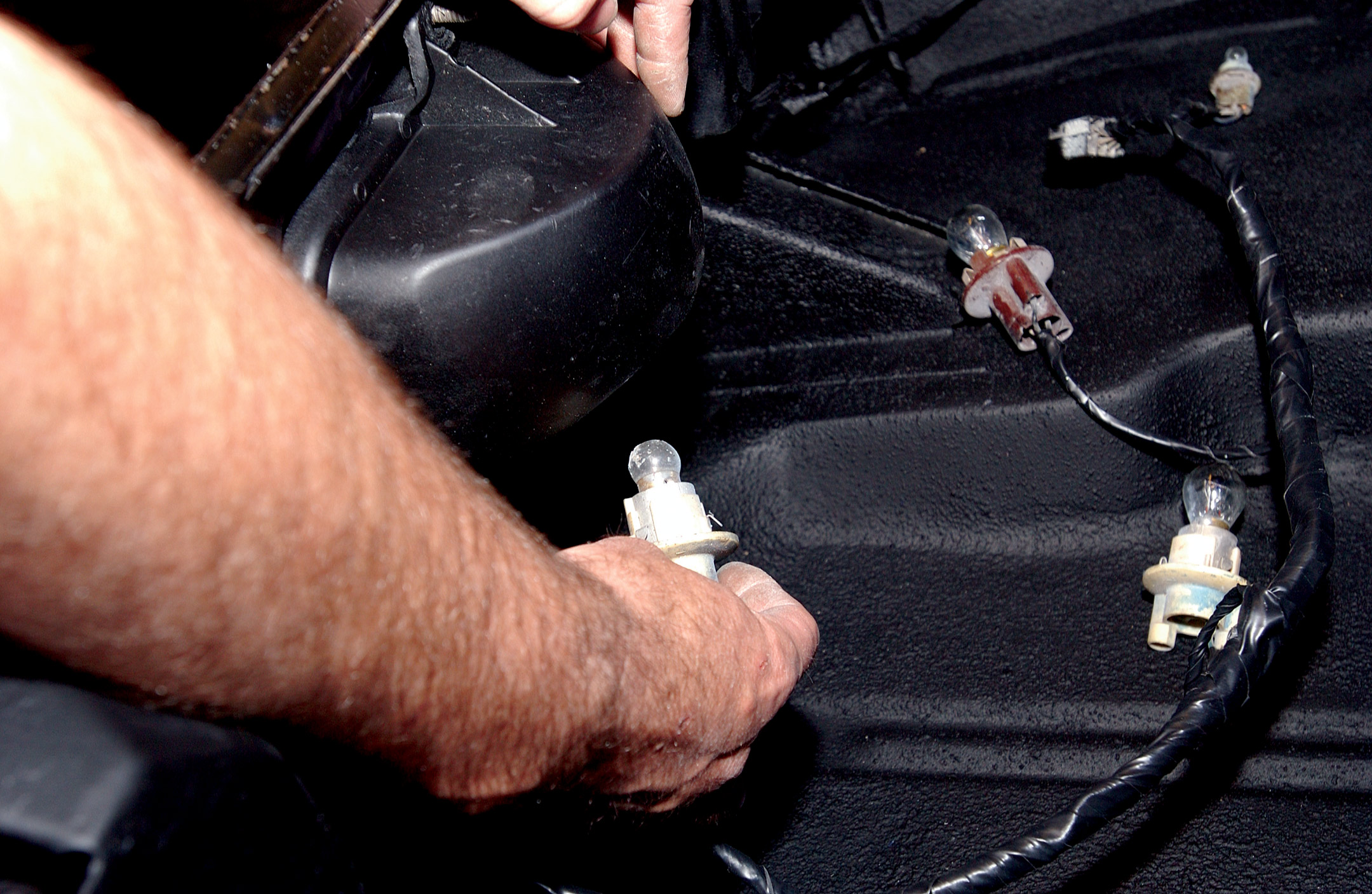
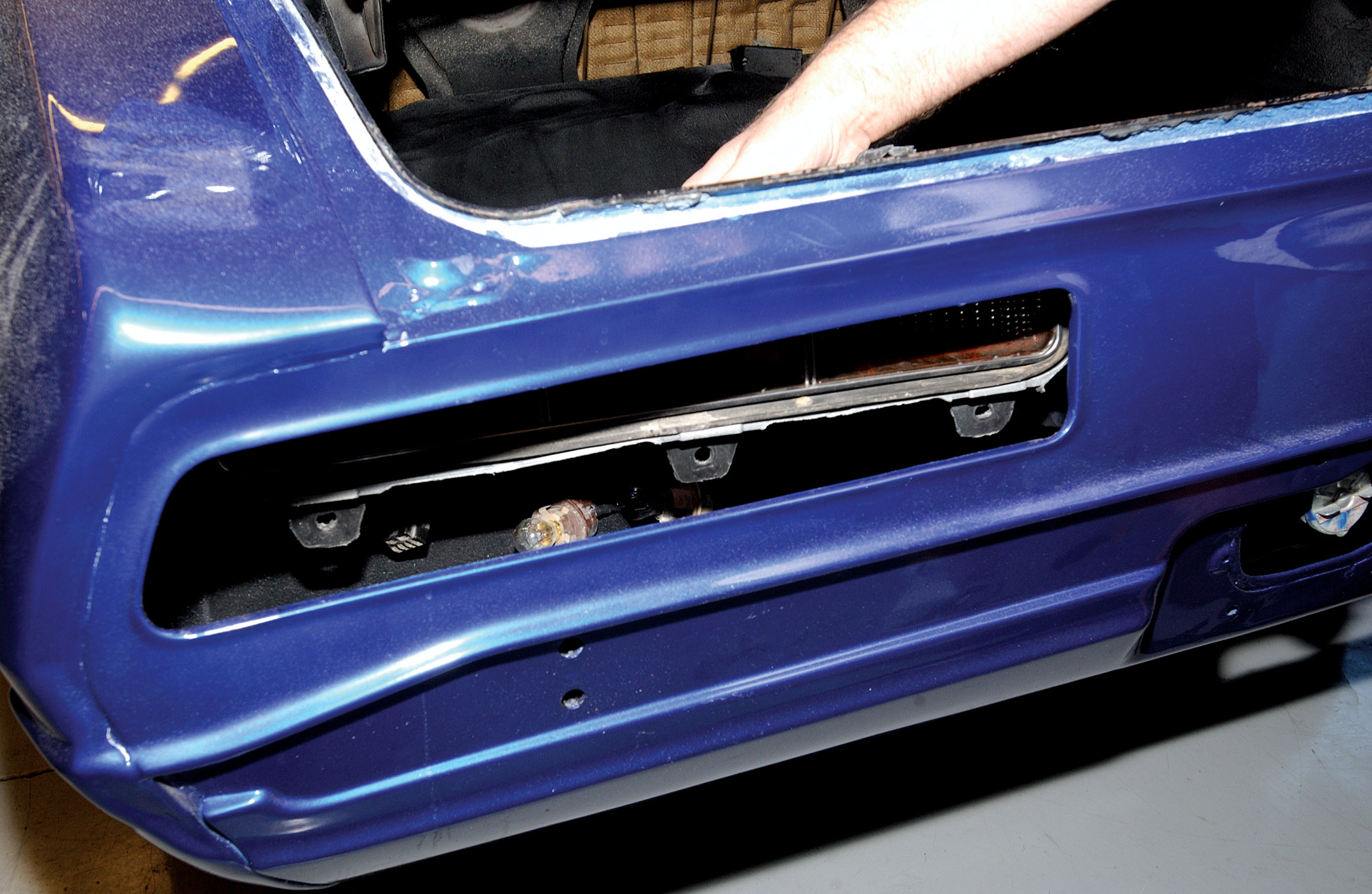
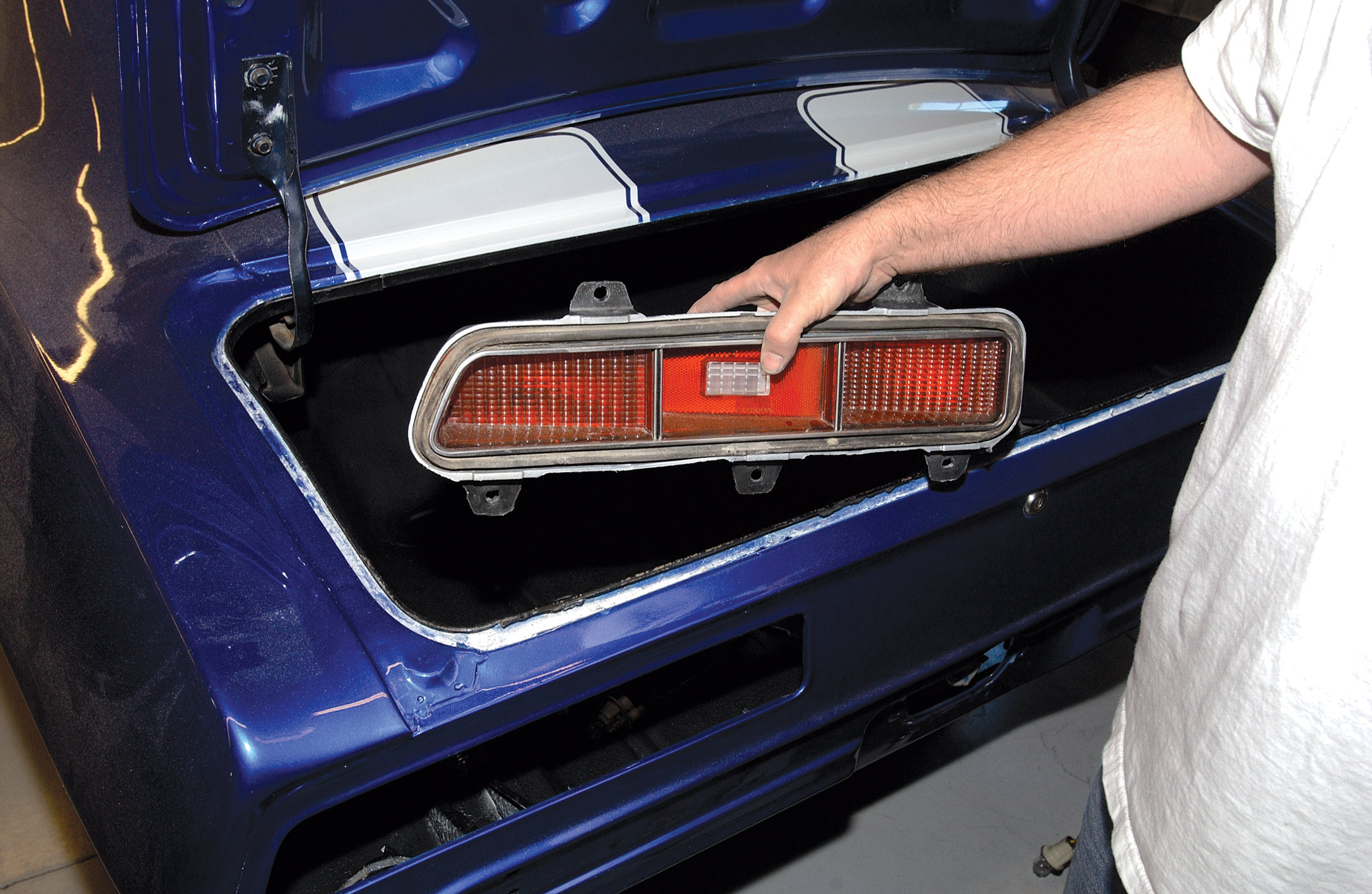
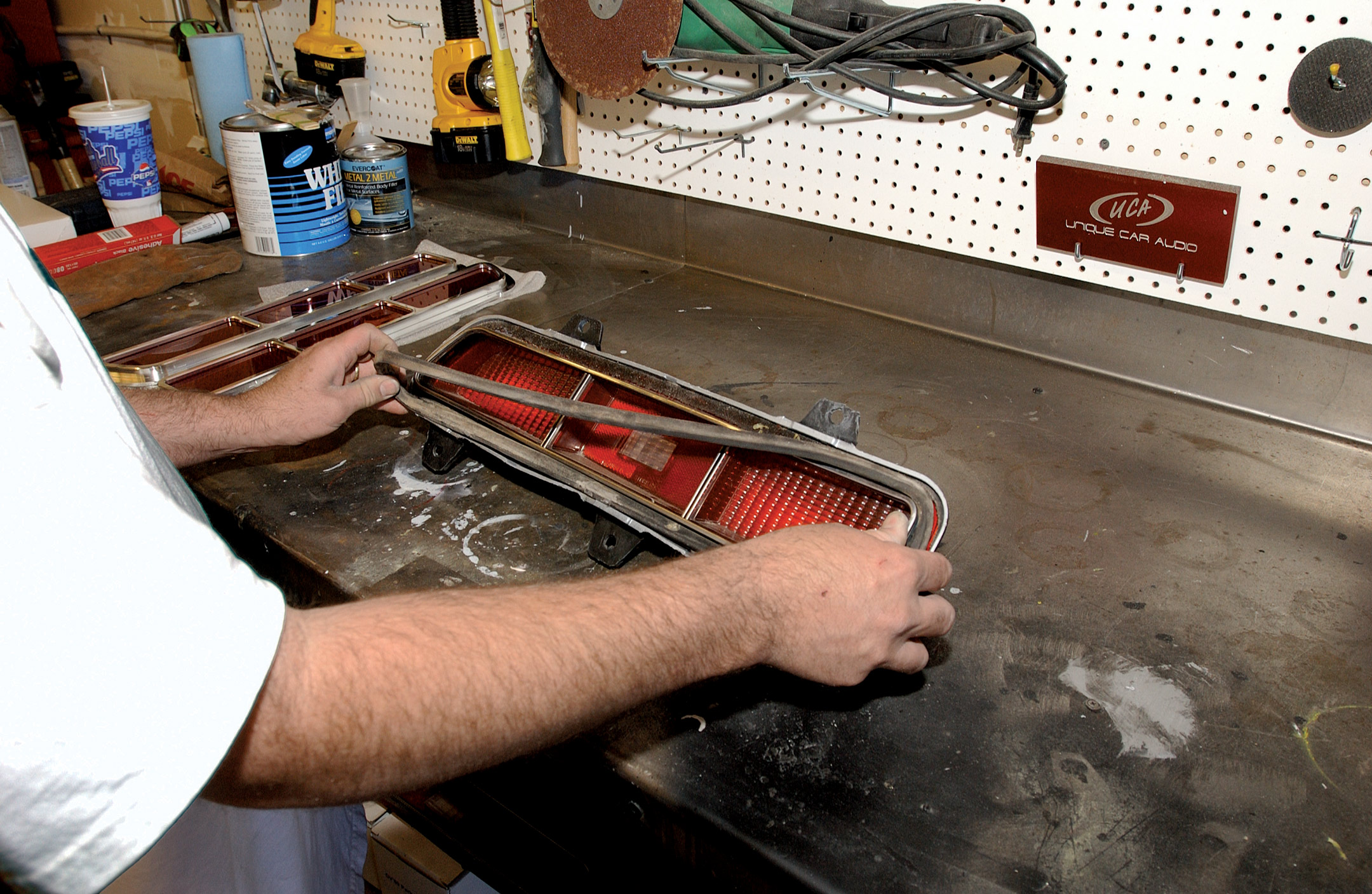
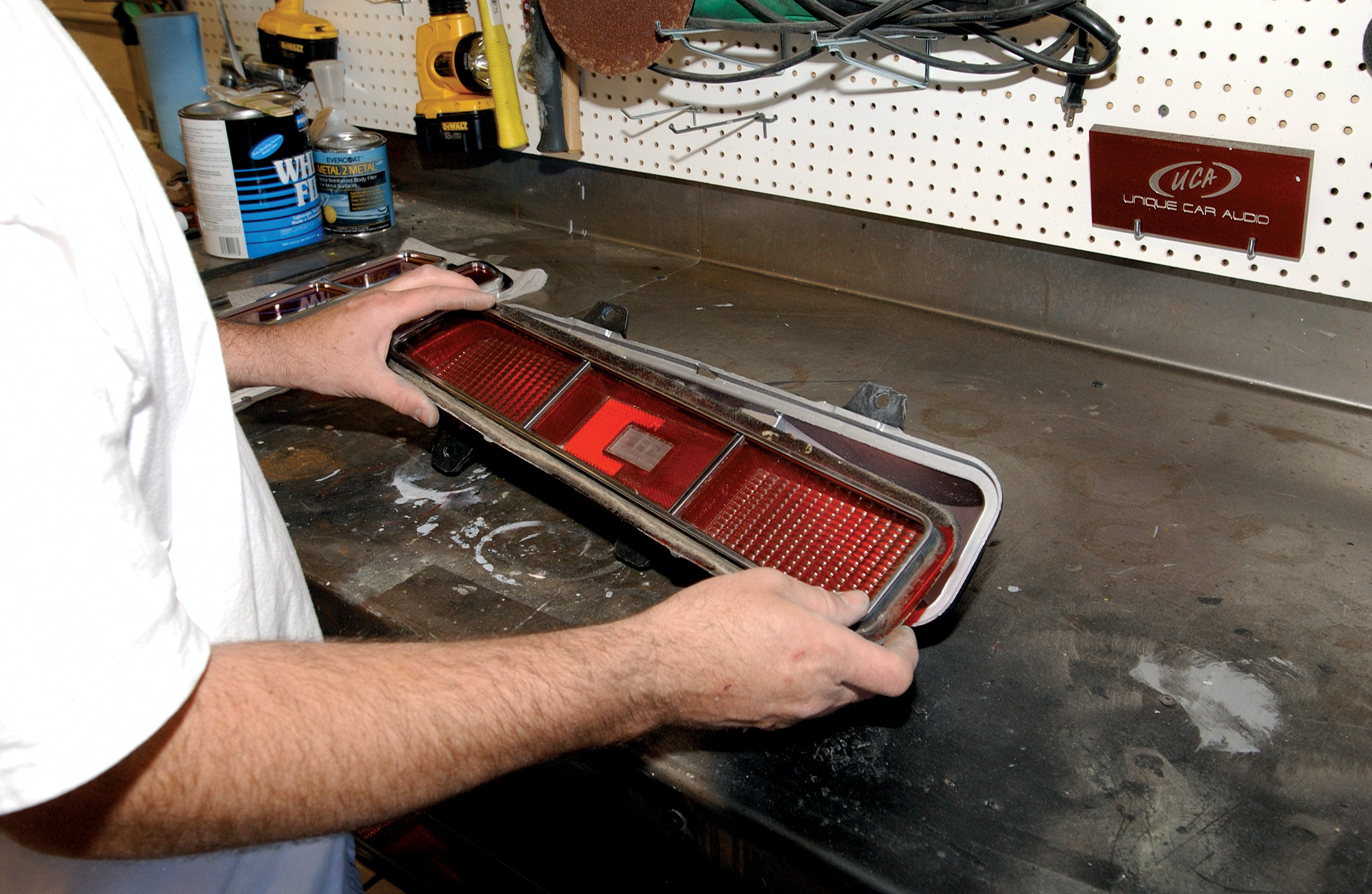
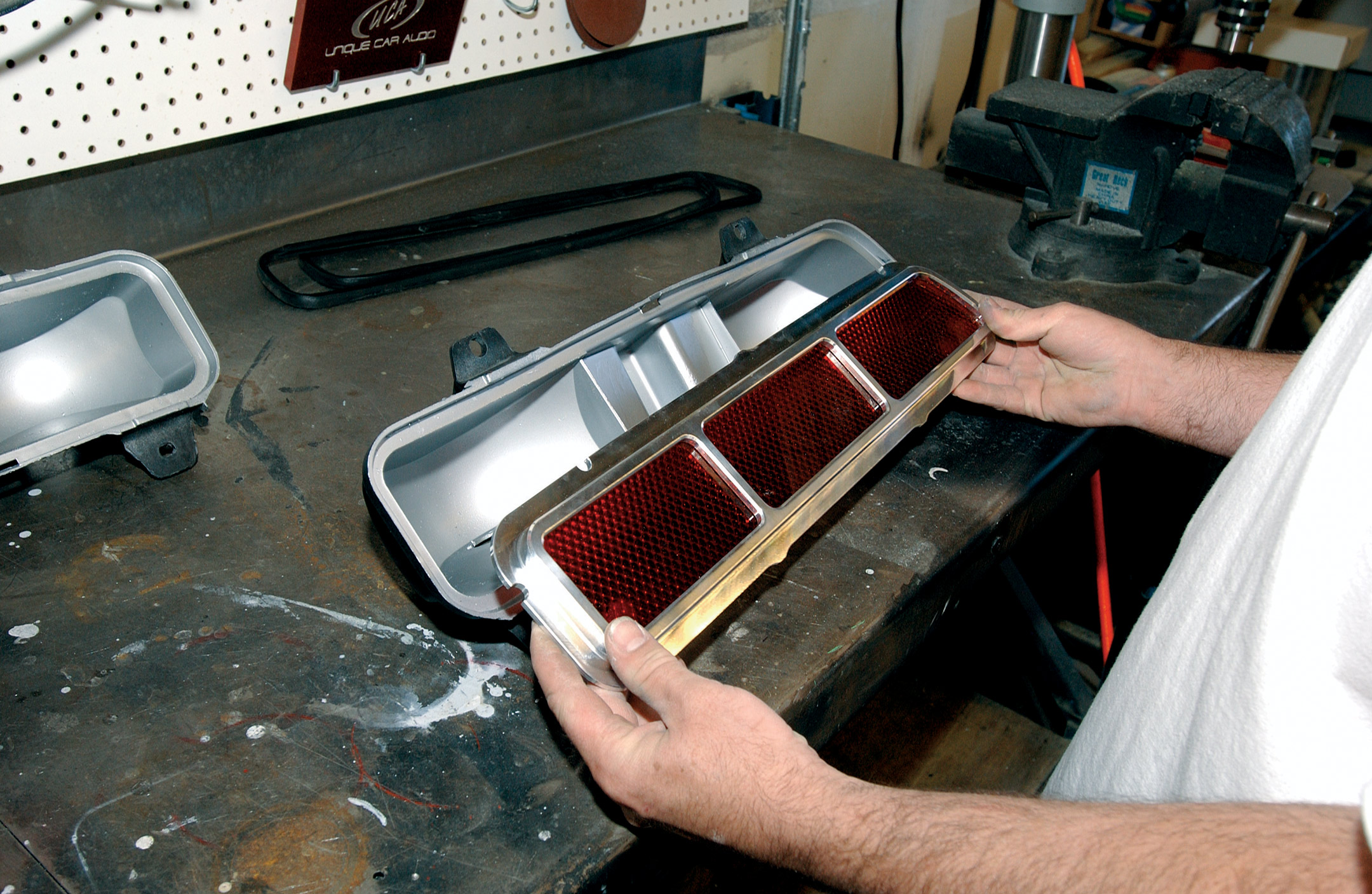
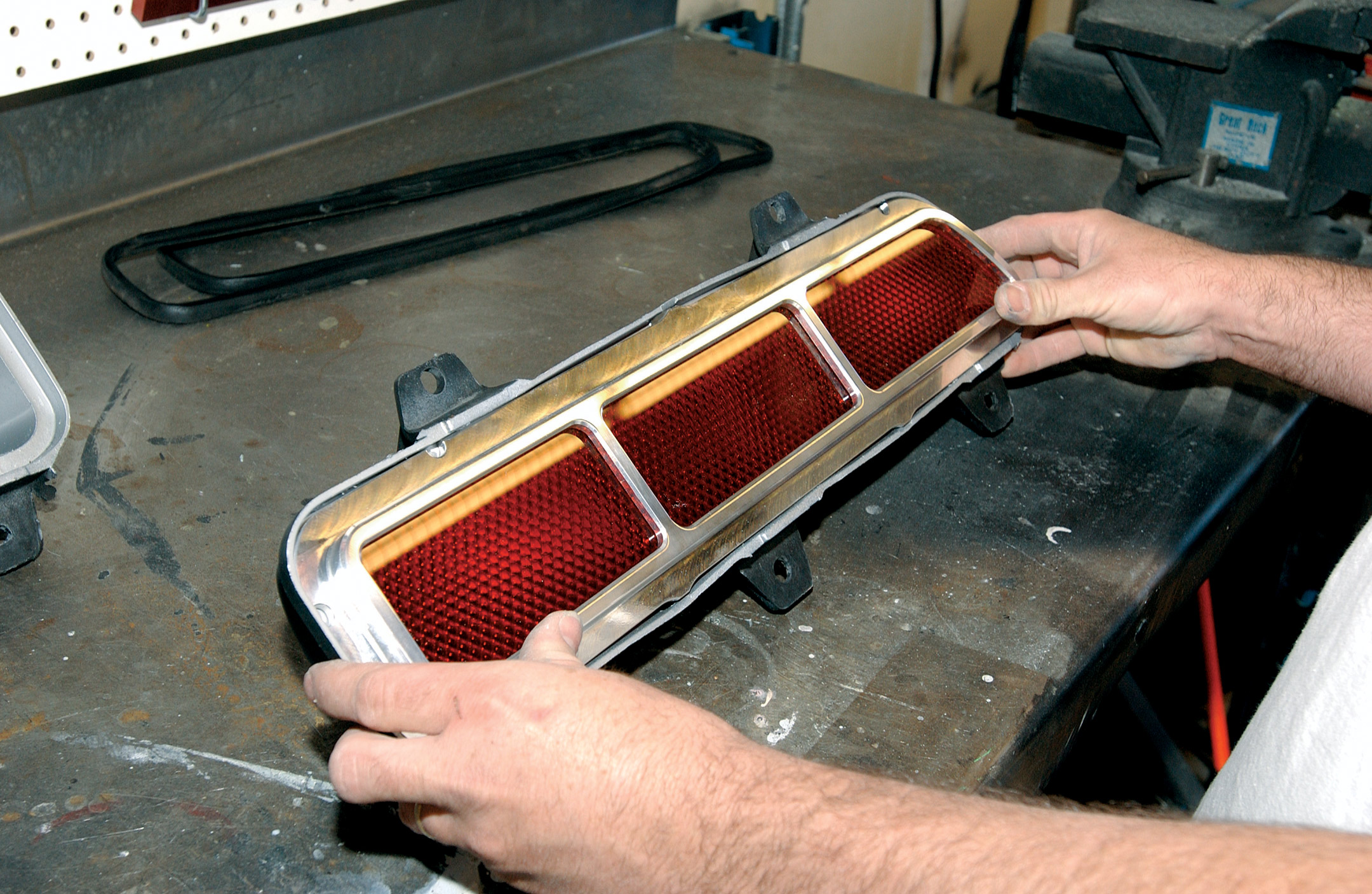
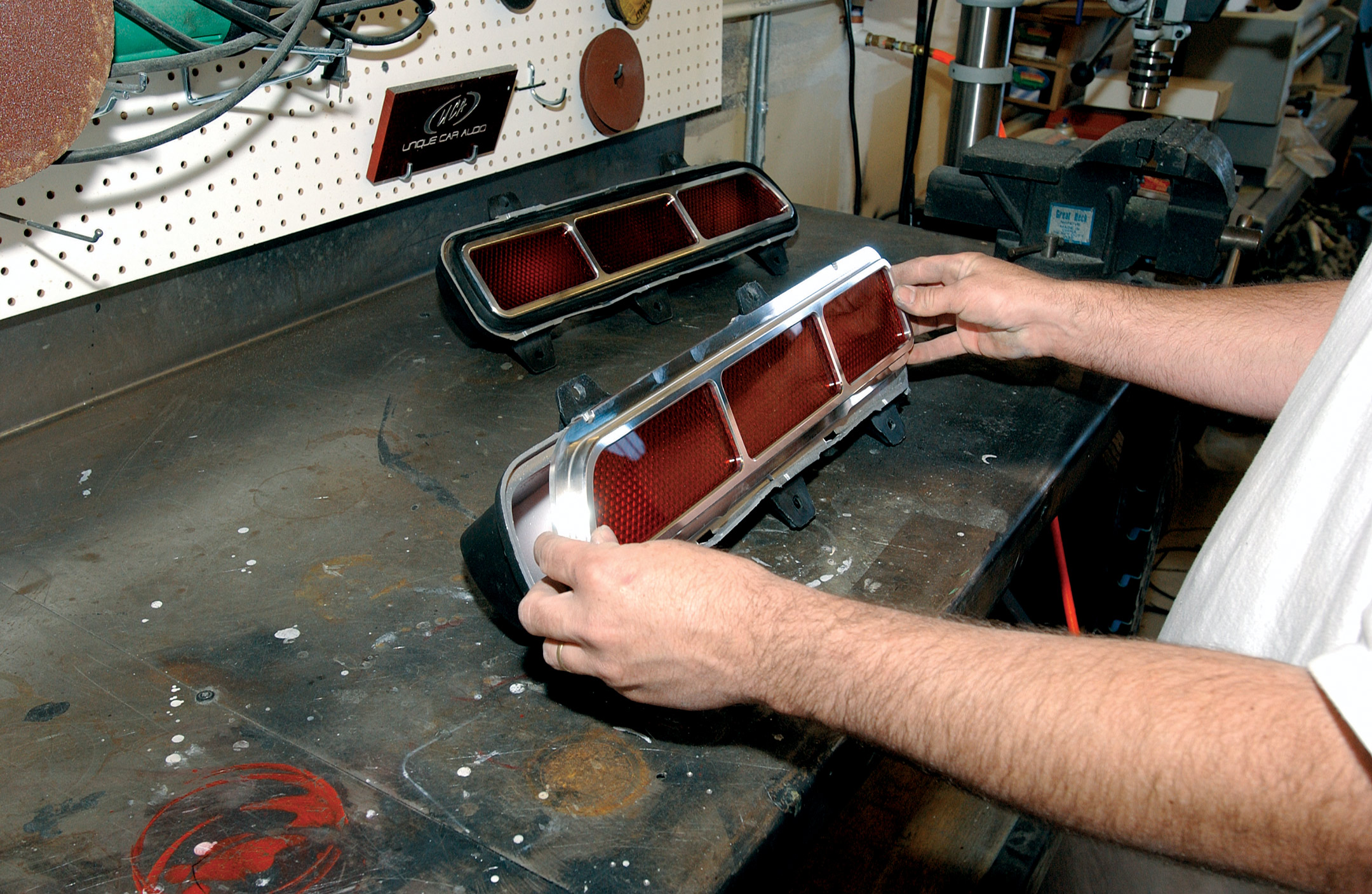
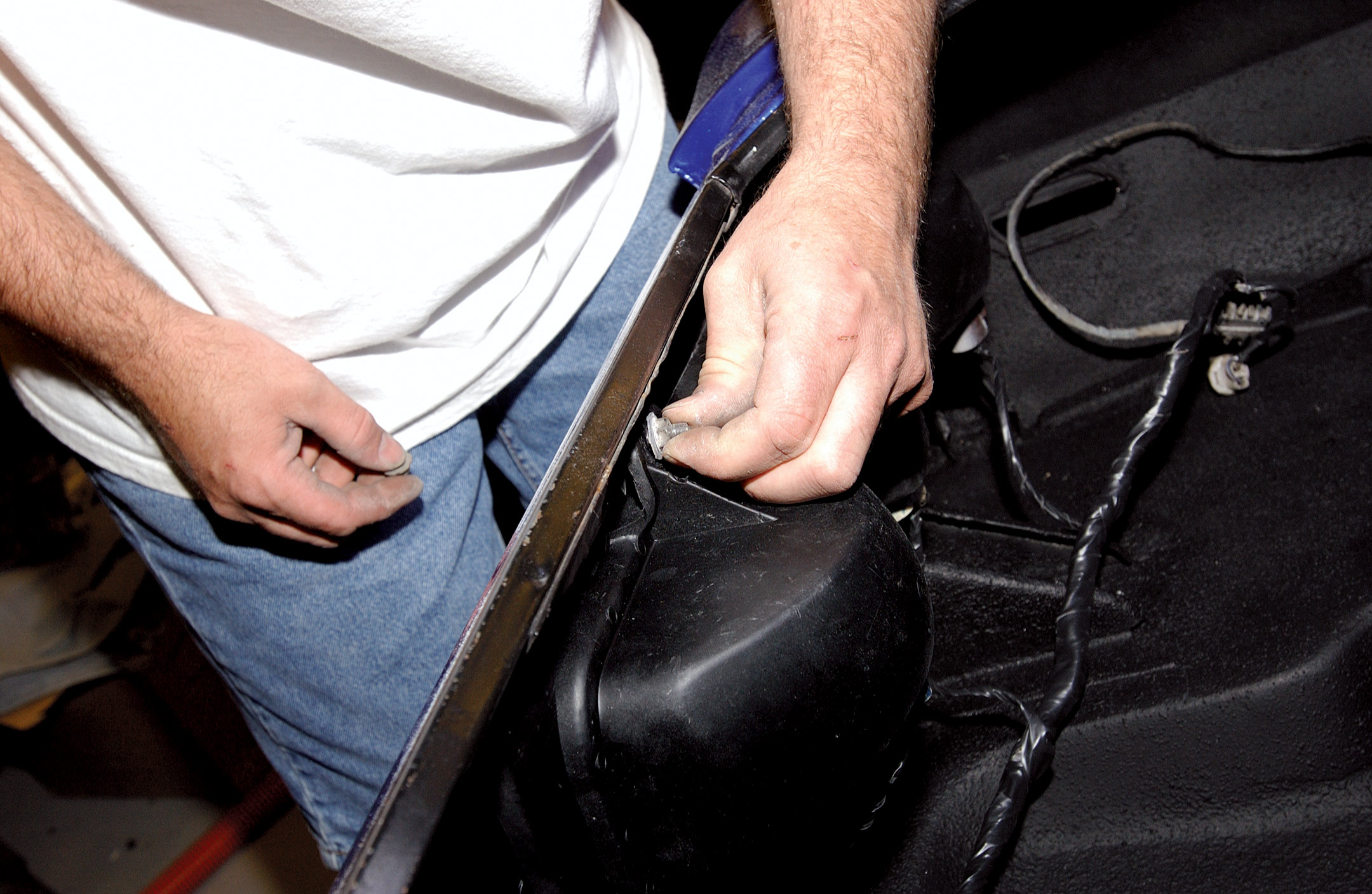
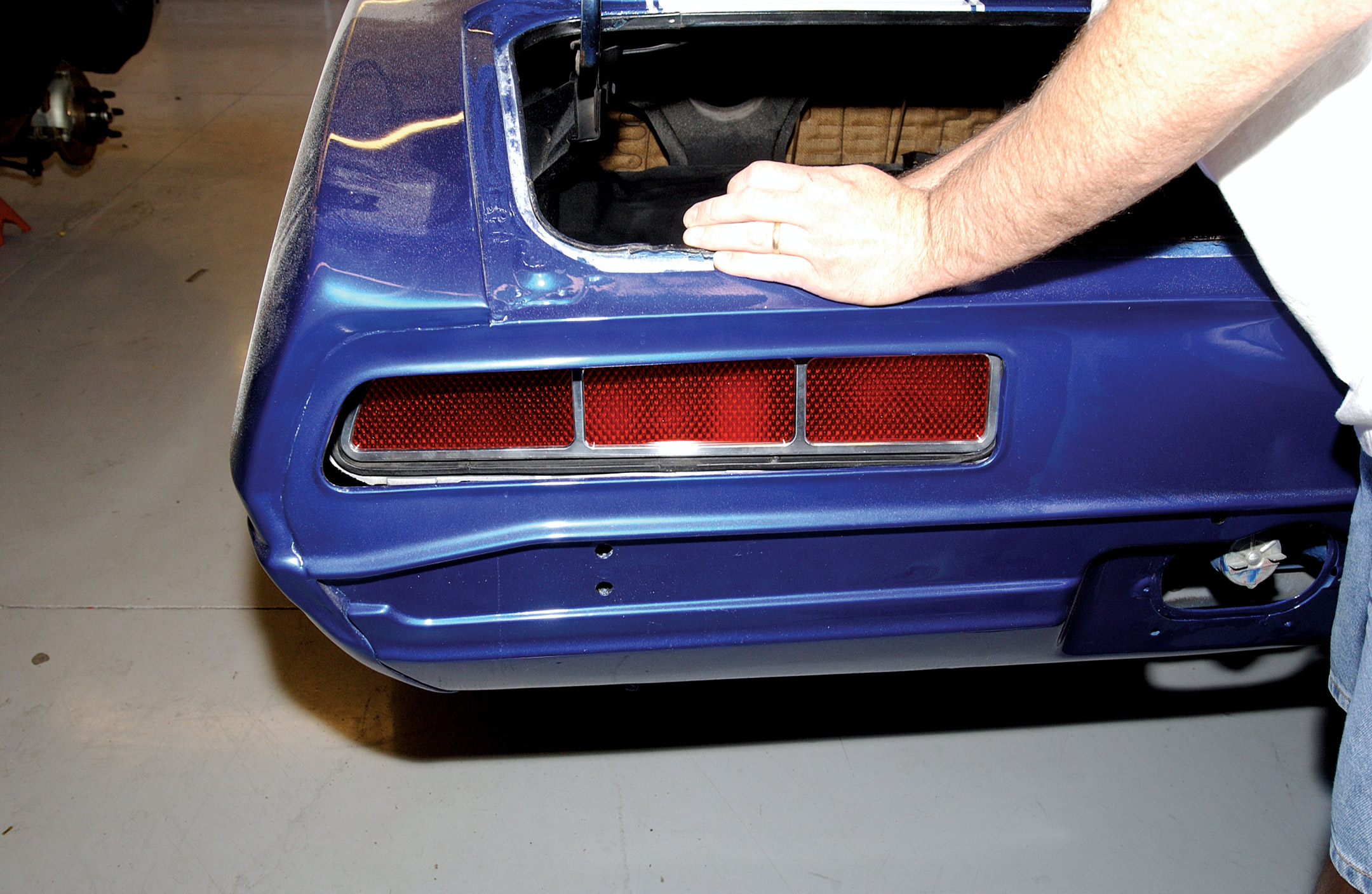
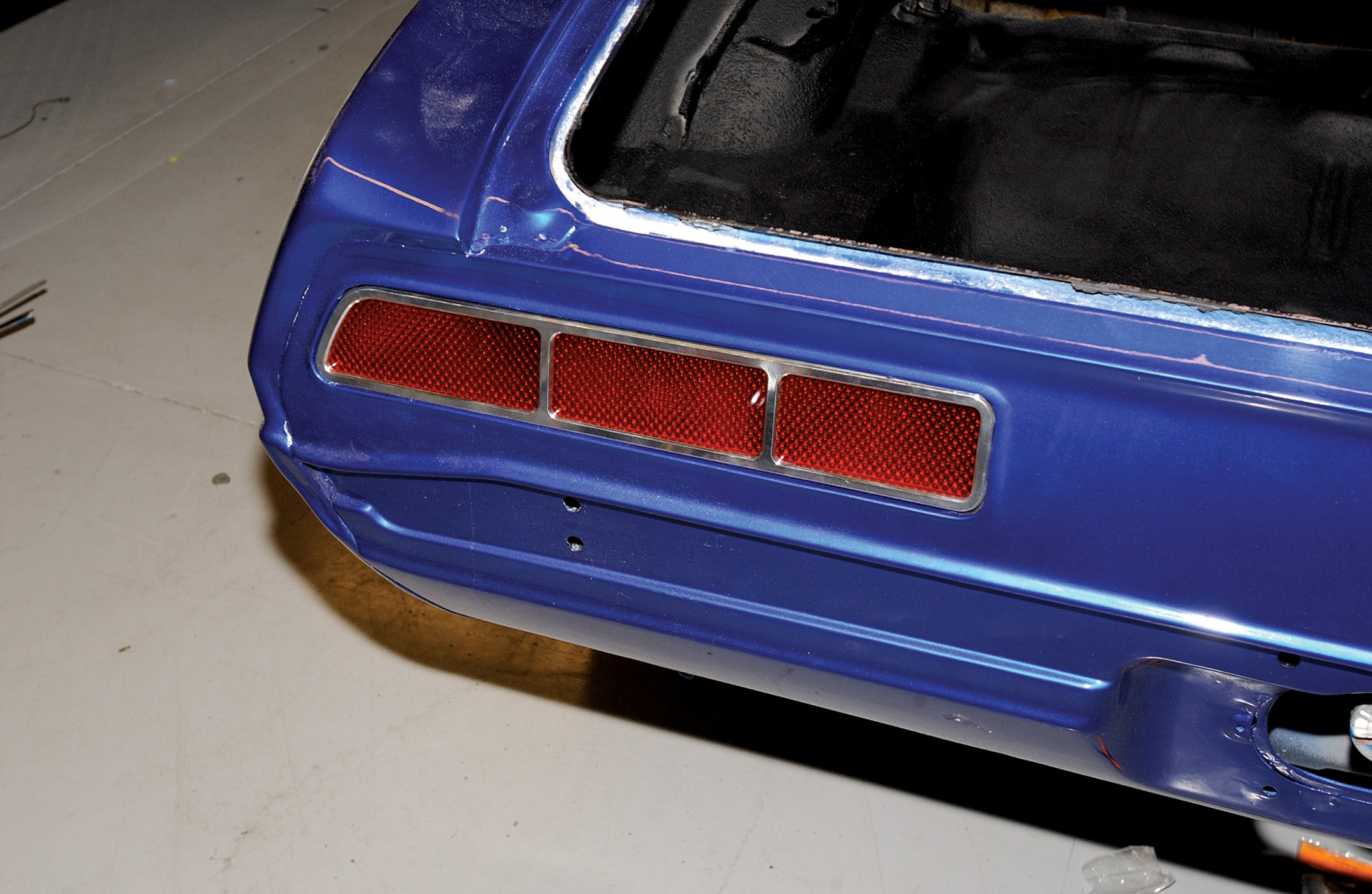
Now we are enticing you with a simple technical install that includes a set of new aftermarket taillights. When you think of Camaro taillights, you don’t generally think of custom approaches or out-of-this-world modifications, as the stock Camaro lights are still quite popular. Let’s face it, if the original lights are there and can be refurbished, they either work or they don’t, and good working rear lights will prove useful when avoiding a rearend mishap. In this context, they are necessary—modified or stock. However, the ’69 taillights can be fine-tuned, and for this upgrade, H&H selected a set of billet rim rings from Marquez Design & Fabrication.
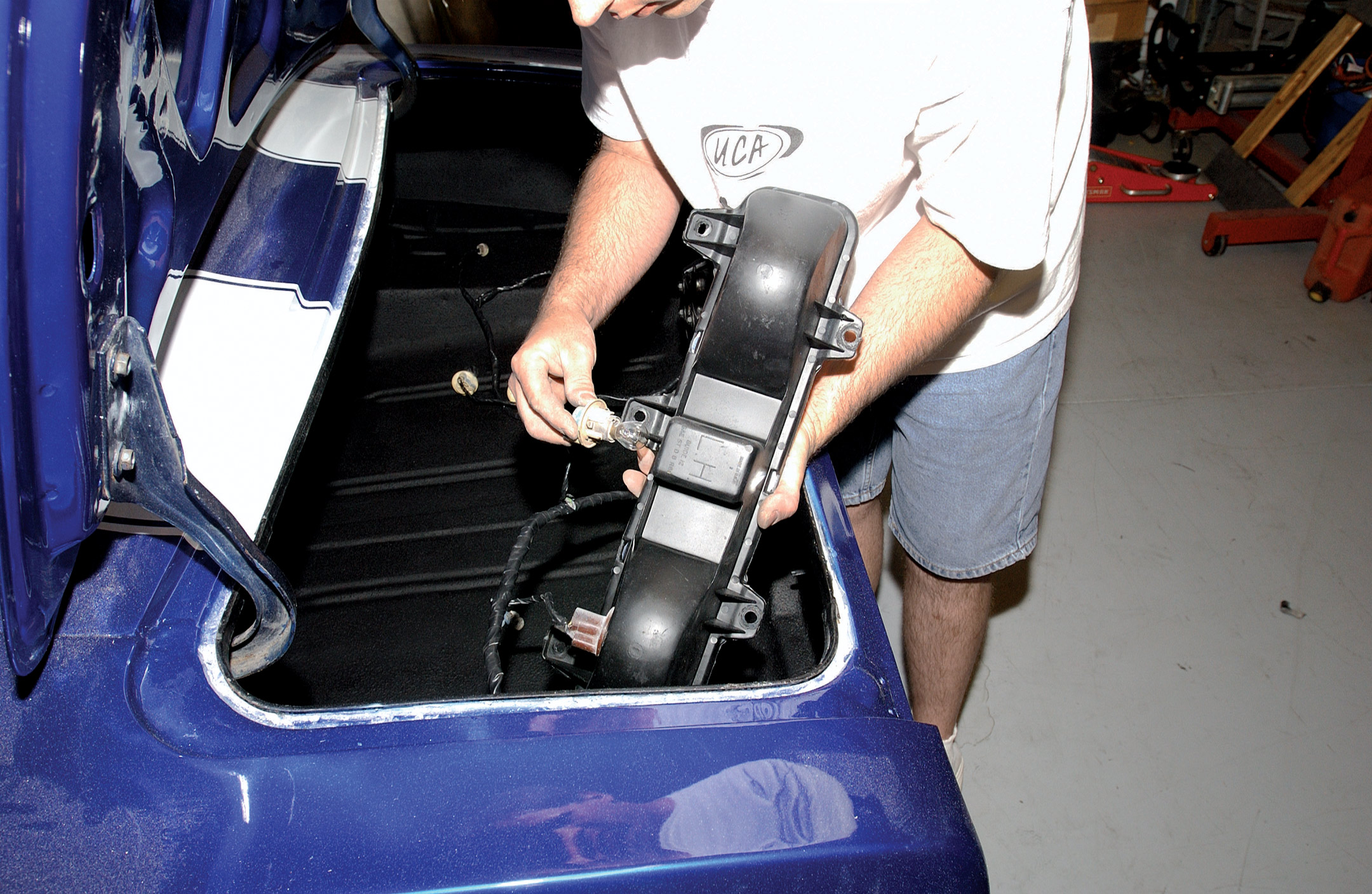
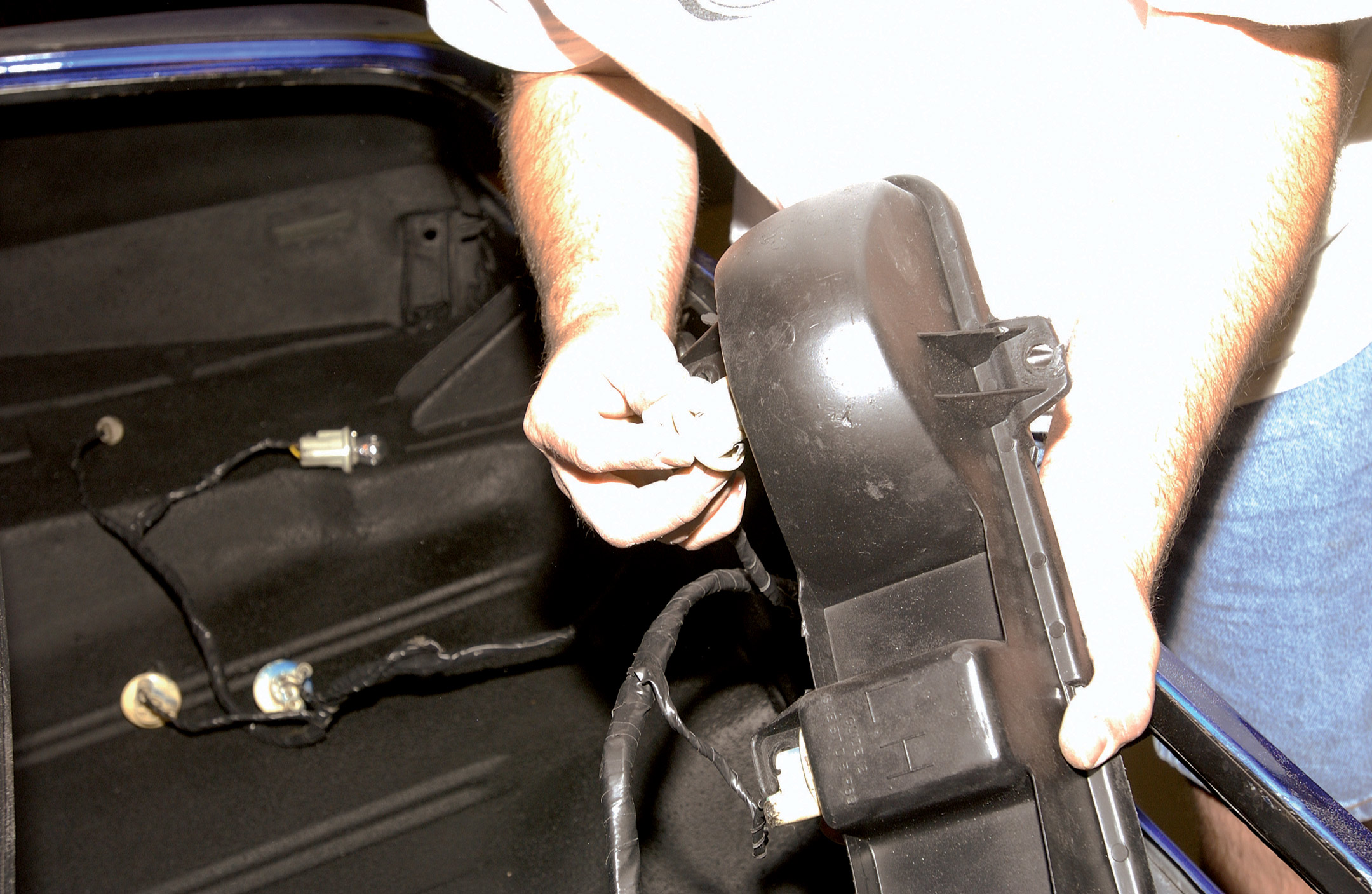
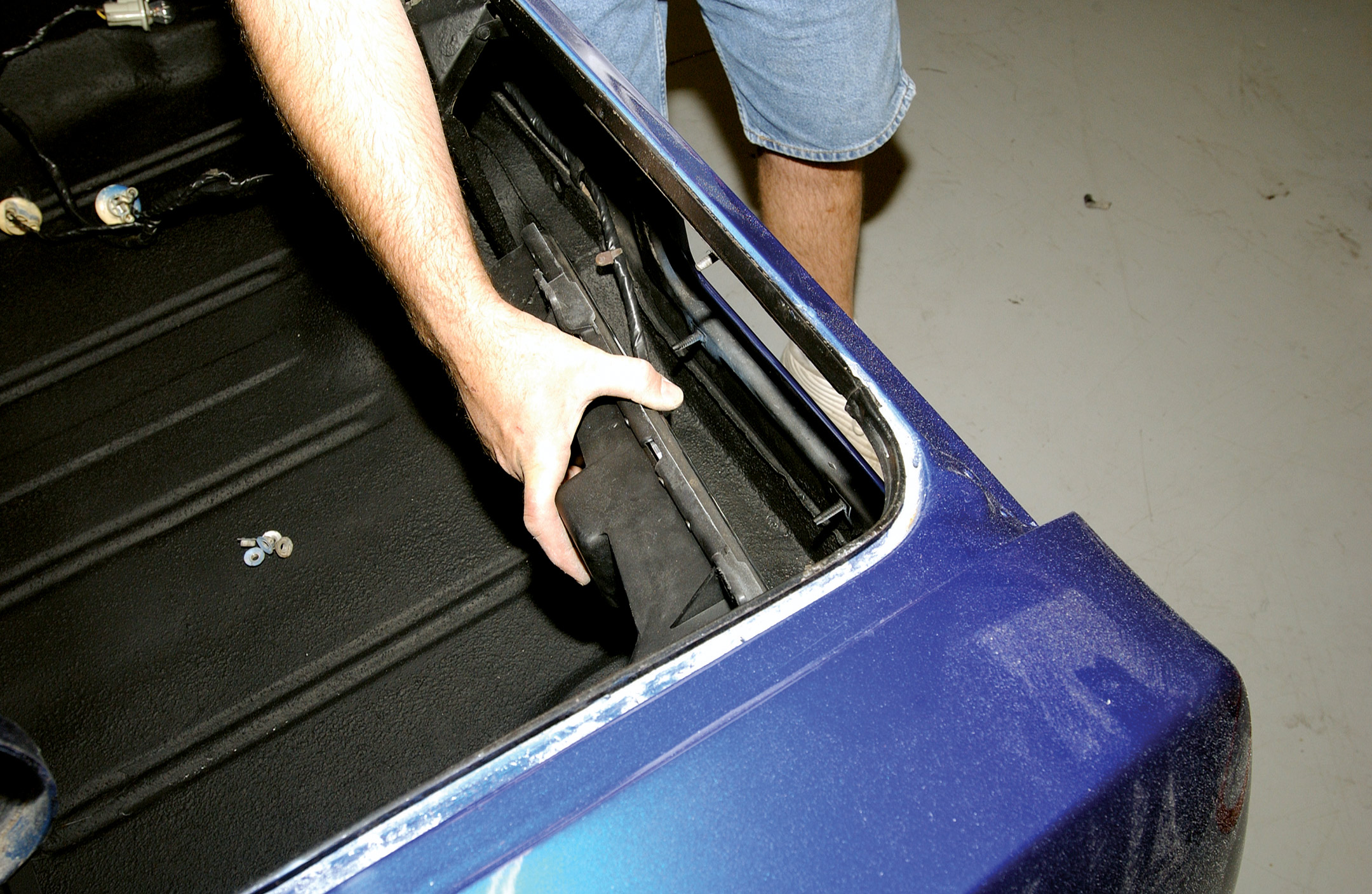
These billet rings replace the stockers and add just the right amount of bling to this ’60s-era muscle car. Read along and follow the 16 simple steps that it takes to give the rear of your ’69 Camaro a “face” lift.
ARTICLE SOURCES
Marquez Design & Fabrication
14190 Sargent Ave.
Galt, CA 95632
209/744-9917