A Life Built Around Hot Rods
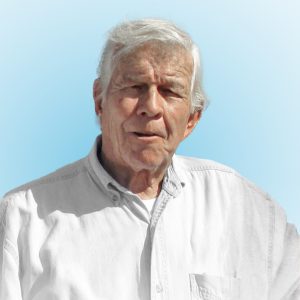
Tom was born in California in 1940, right into the heart of the country’s developing hot rod culture. By the time most kids were riding bikes, Tom was already captivated by how engines worked and how cars could be transformed into something beyond mere transportation. He spent his early years wrenching, learning, and experimenting—not for trophies or attention, but out of a genuine love for the craft.
In the 1960s and ’70s, he immersed himself in the Southern California hot rod scene, where skills were earned, not bought. He worked alongside some of the area’s best builders, always refining his eye for clean lines, smart details, and quality that didn’t need to shout. Where others leaned into trends, Tom stuck with what felt true—classic proportions, sharp craftsmanship, and a deep respect for the roots of hot rodding.
A Racer’s Heart, A Builder’s Hands
Though Tom Prufer never drove competitively himself, his influence on drag racing ran deep. He was the craftsman behind the cars—tuning, welding, and perfecting every detail while trusted drivers like Jim Belland and “Jet Car Bob” Smith took the wheel. His Power King AA/FD dragster, unveiled in 1962 at the Grand National Roadster Show, was a standout—built on a Kent Fuller chassis, powered by a blown 354 Chrysler Hemi, and dressed in aluminum by Jack Hagemann Sr., with lettering by Tommy “The Greek” Hrones. By 1964, it was hitting 200 mph at Fremont, solidifying Tom’s place in drag racing history.
In the late ’70s, as the NHRA scene became more corporate, Tom helped spark a return to the sport’s roots. He rented Fremont Raceway and invited friends to race under simple, nostalgic rules—just for the fun of it. The grassroots vibe caught on. With Brian Burnett, he co-founded the Nostalgia Drag Racing Association (NDRA) and launched the first Nostalgia Nationals in 1980. The events celebrated mid-’60s drag racing with stripped-down rules and quickly grew in popularity.
The NDRA’s format—cast-iron engines, narrow tires, direct-drive setups—recreated the feel of drag racing before big sponsorships and rear-engine cars took over. It attracted seasoned racers and newcomers alike, offering a place for creativity, mechanical skill, and camaraderie. By 1981, the crowd had quadrupled, and legends like Pete Chapouris and Tommy Ivo took notice. For many, these events brought back the spirit of racing as it once was—raw, loud, and built by hand.
Tom was a driving force behind vintage drag racing’s rise, helping shape and legitimize a movement already gaining momentum. His hands-on expertise and deep respect for the sport’s roots gave the scene authenticity and direction. From restoring iconic cars like the Rollin’ Rice Bowl to creating space for grassroots racing, Tom’s impact continues to echo through the vintage drag community.
Grand National Roadster Show Hall of Fame
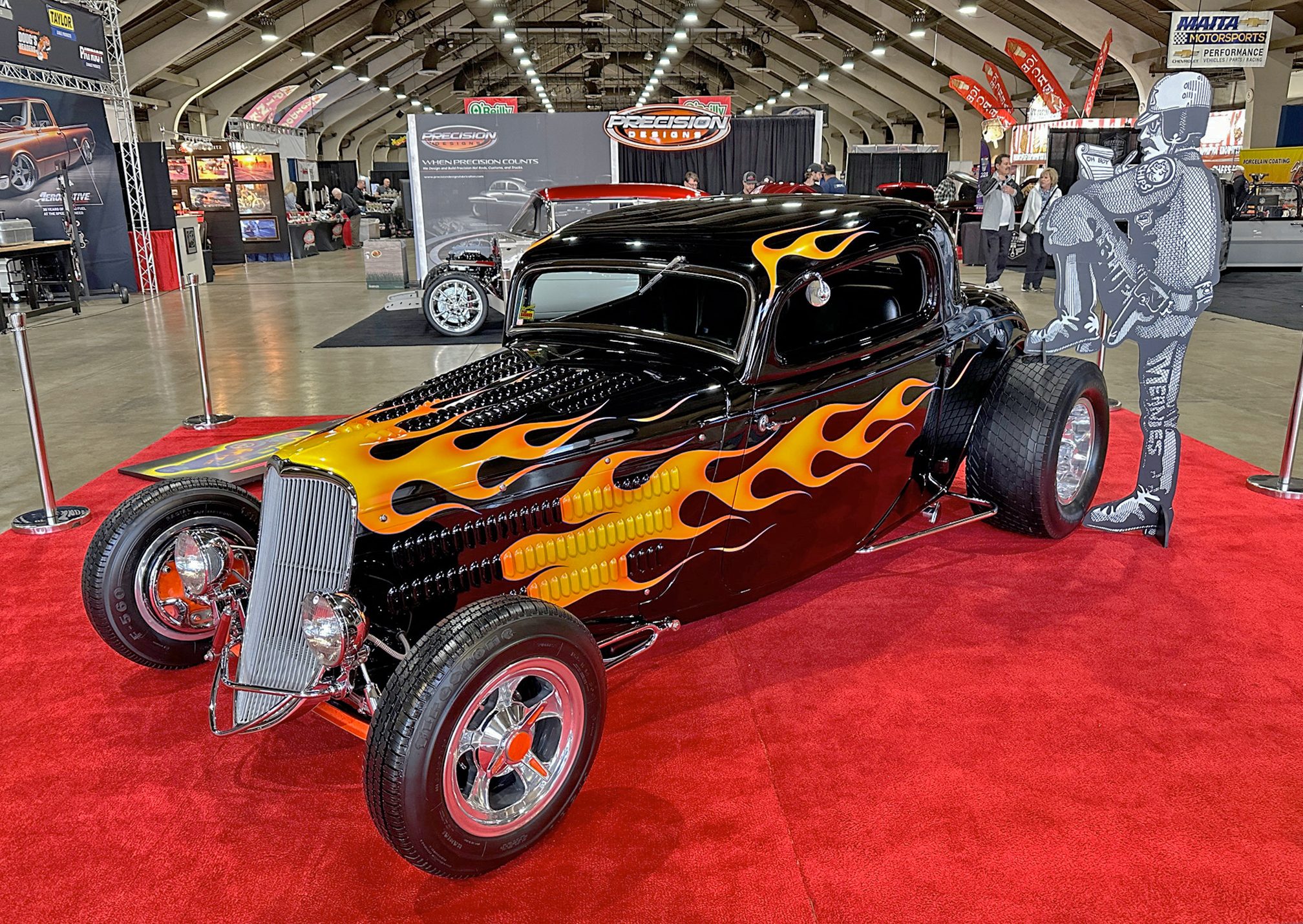
Tom’s impact on hot rodding and the Grand National Roadster Show wasn’t limited to one entry or one era. By 1999—the 50th anniversary of the GNRS—Tom had entered no fewer than 28 vehicles in the show over the years, earning him a place in the Grand National Roadster Show Hall of Fame. His legacy with the GNRS spanned decades, from his early rail jobs to his most famous creation: the Cop Shop Coupe.
That car—a sleek, traditional-style ’32 Ford coupe—was inspired by a cartoon illustration from Street Rodder magazine’s “Cop Shop” column, written by Lt. Tony Kelly and drawn by Dave Bell. Tom brought the drawing to life with his signature sense of proportion and detail. The result was a car that looked like it had driven straight out of a comic panel and into hot rod history. The Cop Shop Coupe remains one of the most recognized and respected Deuce builds of all time.
His later creations, like the Tom Prufer Coupe shown at the 1999 GNRS, continued that legacy—bridging classic style with modern sensibility. It was never about chasing awards for Tom, but when they came, they were well deserved.
Passing It On
In the 2000s, Tom stepped back from the spotlight but never stopped building. Instead, he focused on mentoring and restoring—sharing what he knew with younger builders, and lending his insight to anyone who asked. His garage became a kind of school—not flashy or formal, just a place where the next generation could learn by doing, guided by someone who’d been there and done it the right way.
One of his most personal projects was a 1932 Ford highboy roadster, a build he committed to doing entirely by himself. From metalwork to engine tuning, it was his way of staying connected to the basics. Though it remained unfinished at the time of his passing, it stands as a symbol of who he was: always learning, always building, always aiming for better.
More Than Just a Builder
Tom was known not only for his cars, but for the way he carried himself. At shows, he was never hard to find—usually mid-conversation, smiling, and more interested in your project than his own. He had the rare gift of making people feel like they belonged, no matter where they were in their journey. Whether it was lending a tool, explaining a technique, or just listening, Tom gave generously to the culture that shaped him.
His cars traveled across the country, earning respect at every stop, but what mattered more to Tom was the connection—the friendships, the shared laughs in the pits, and the unspoken understanding between people who love cars for what they represent: creativity, freedom, and a little bit of rebellion.
A Lasting Legacy
Tom Prufer may be gone, but his work—and the way he worked—will continue to shape the hot rod world for years to come. Every hand-built bracket, every thoughtfully placed line, and every engine fired up in a garage late at night carries a little of his spirit. His legacy is in the details, and in the people he inspired to keep the craft alive.
Our thoughts are with Tom’s family, friends, and everyone in the car community who knew him. If you want to honor his memory, consider donating to a local car club or museum—or better yet, start that project you’ve been putting off. Build it the way Tom would’ve: with care, with passion, and with pride.
Rest in peace, Tom. The road may end, but your influence will keep rolling.