










Cars

You may be familiar with the fable of the Phoenix, the beautiful bird that burned and died after a spark from a cherub’s flaming sword fell into its nest. Once the flames went out, a single red egg remained and from the ashes, a new Phoenix bird hatched and so the cycle continued. This legend is similar to the lifecycle of the Honda Civic Si hatchback.
0Comments
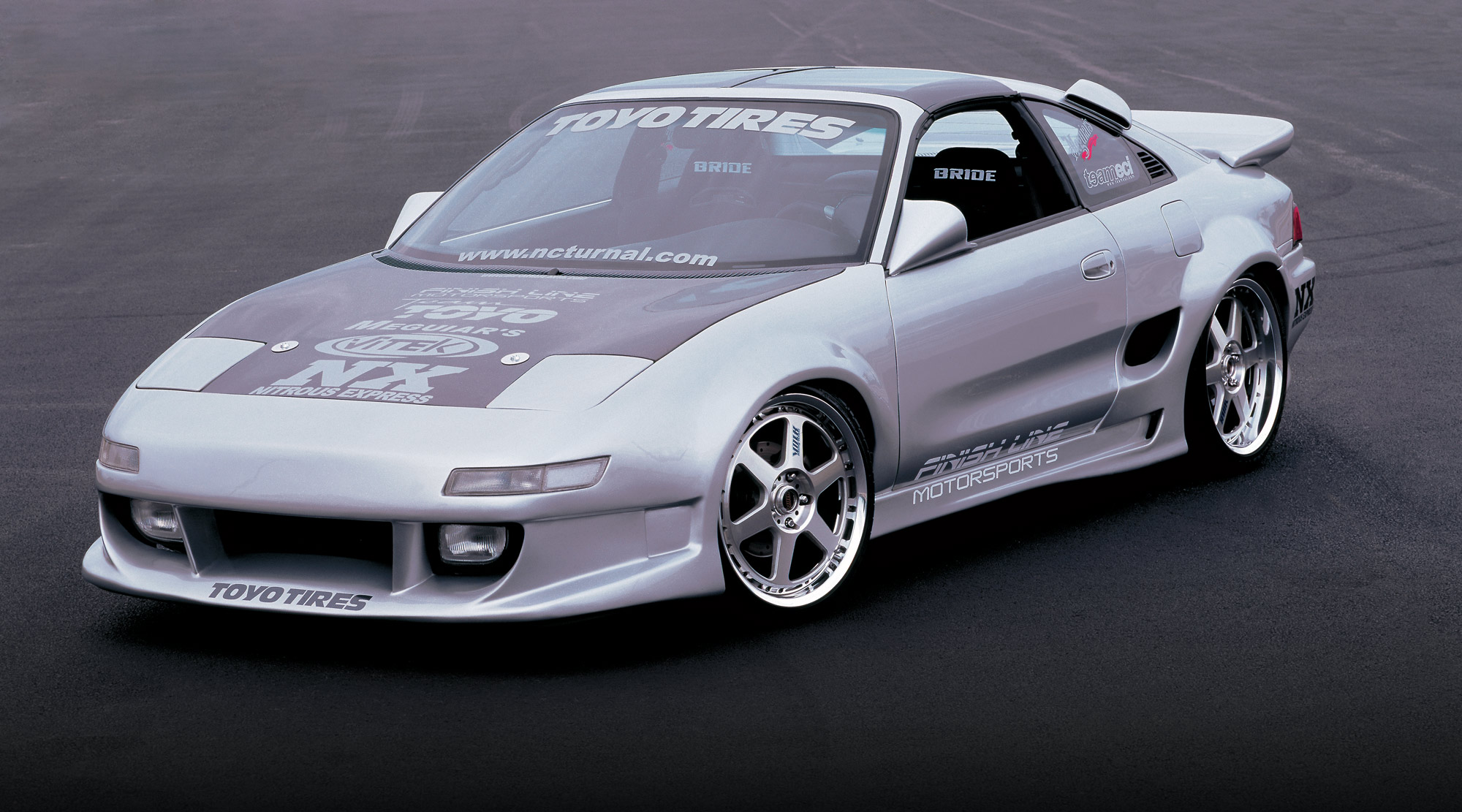
As I was walking around the NOPI Nationals looking for cars to feature, this one stood out from the masses. What surprised me even more is that it stood out in a very impressive Toyo Tires booth. That is not an easy location to score. Toyo always has one of the hottest booths at NOPI and Hills MR2 literally stole the show.
0Comments
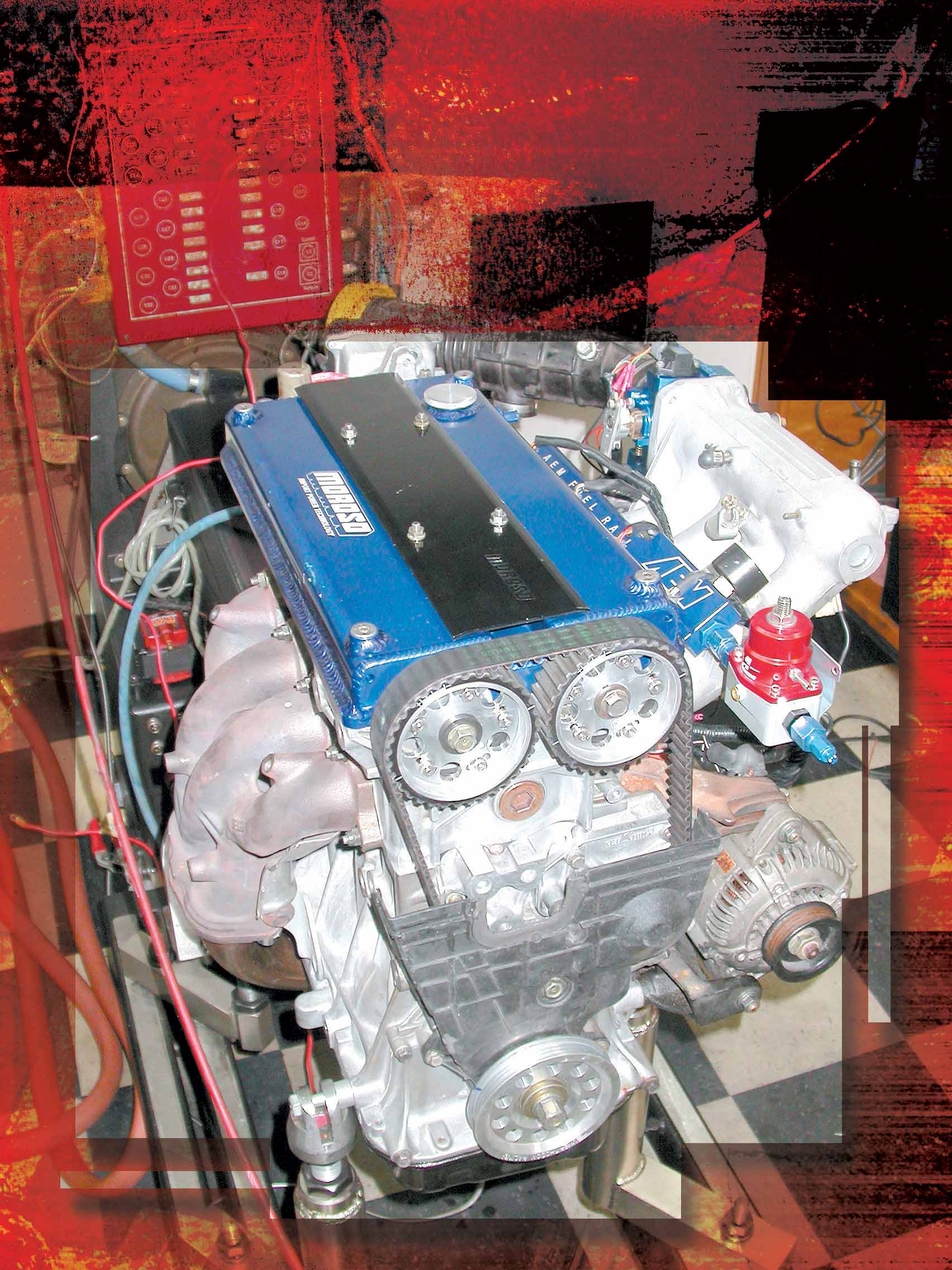
When it comes to performance, there is one steadfast rule: All the good air that goes into making horsepower must eventually find its way out. This means that adding all the cool camshafts, intake manifolds and even superchargers to help improve airflow into the motor will be useless (okay, maybe not useless, but certainly much less effective) if the motor is not able to rid itself of the exhaust. Cork up a serious performance motor and watch it struggle and gag on its own exhaust fumes.
0Comments

Everyone wants a killer stereo that rocks. You can’t just roll out in your car without something fabulous to listen to. The factory equipment just won’t work for those who demand more, especially if you are trying to show off. You have to be able to turn up the music and be heard—it’s all part of the game. If you’re going to roll, you know the rules: you have to roll hard and that means your entire stereo system has to be up to the task. Nothing is worse than blasting a stereo and hearing everything rattle and shake. That’s a huge no-no. There is a simple solution to this problem, however. To do a proper stereo installation, you must first lay a solid foundation. The first layer of this foundation is called sound damping or sound control.
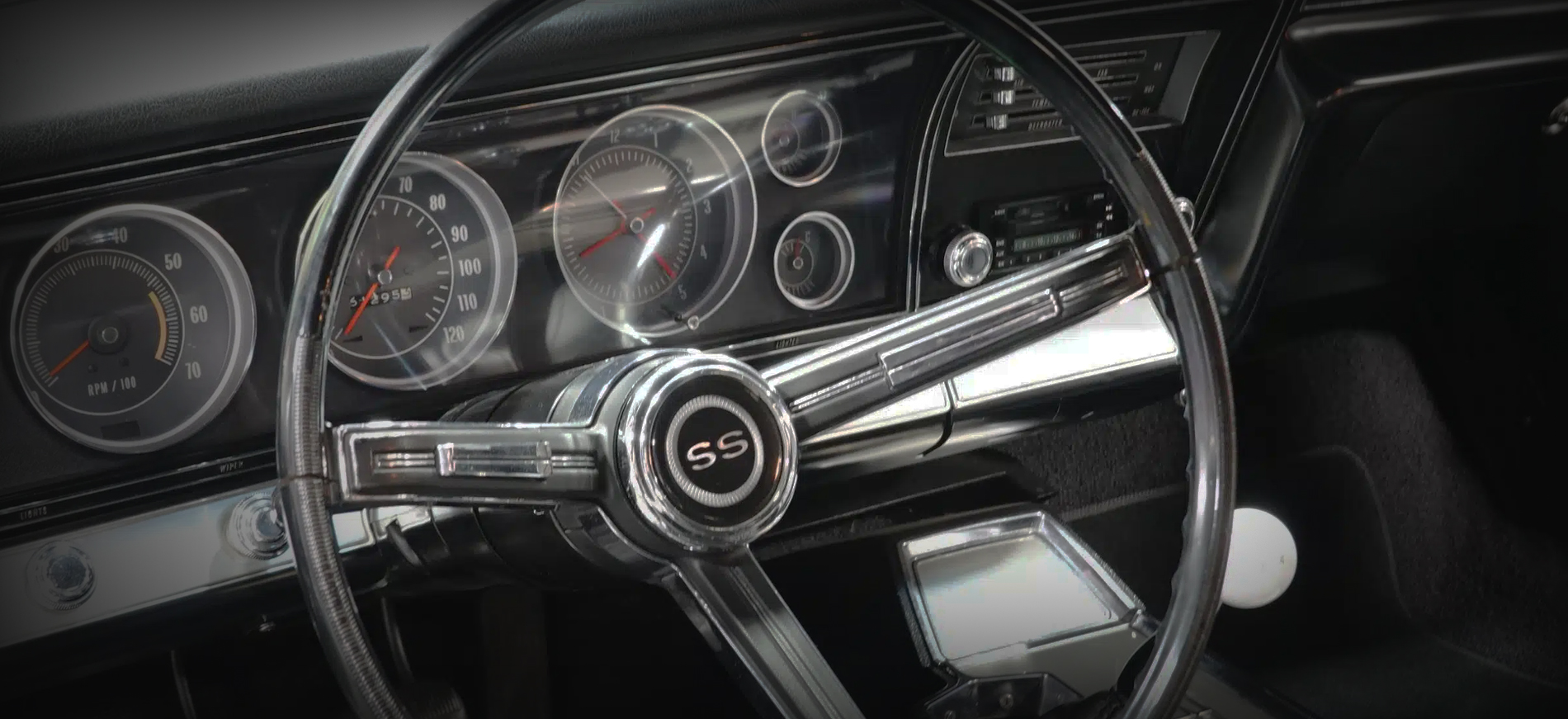
Upgrading the tired power steering system to a modern feel on your classic GM for a just got a lot simpler. Borgeson Universal now offers an all new modern quick ratio power steering box to replace the Saginaw/Delphi 800 series in most 1965 and up GM muscle cars. This all new power steering box has a quick 12.7:1 ratio with firm modern steering feel.
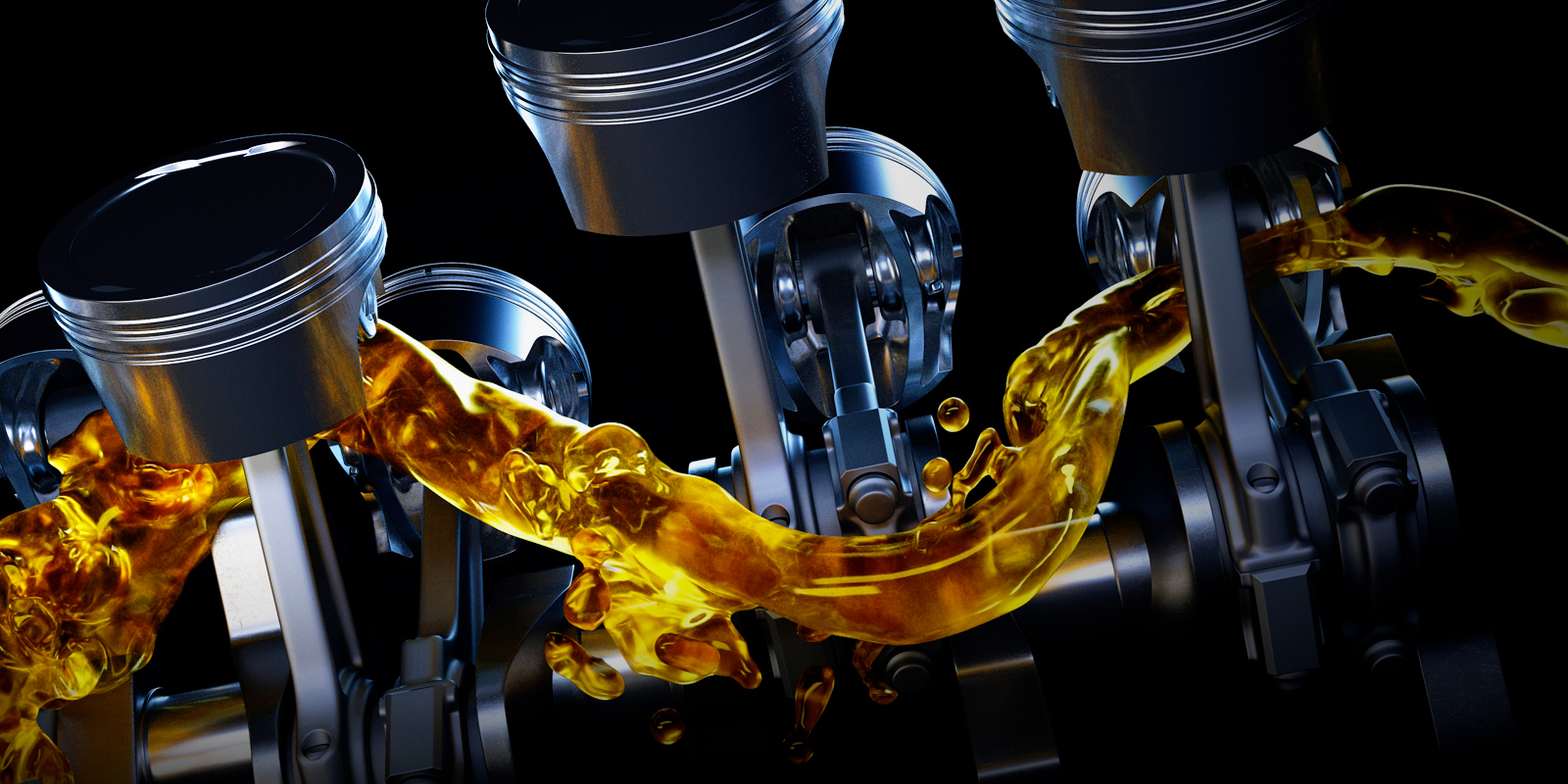
Driven Racing Oil developed the original high zinc, petroleum and low detergent break-in oil over twenty years ago. Break in oil is a specialty oil that reduces wear and contaminates when breaking in a new high-performance engine. It provides controlled friction for your piston rings and incredible protection that helps your camshafts break in properly.

GP-1 Conventional 80W-90 GL-5 Gear Oil is a conventional limited-slip gear oil for use as recommended by high performance gear and differential manufacturers. Designed for racing and high-performance differentials and transaxles, it’s formulated from USA made Pennsylvania Grade base oils that provide natural film strength, tack, and tenacious cling without relying on polymers that shear causing viscosity loss.
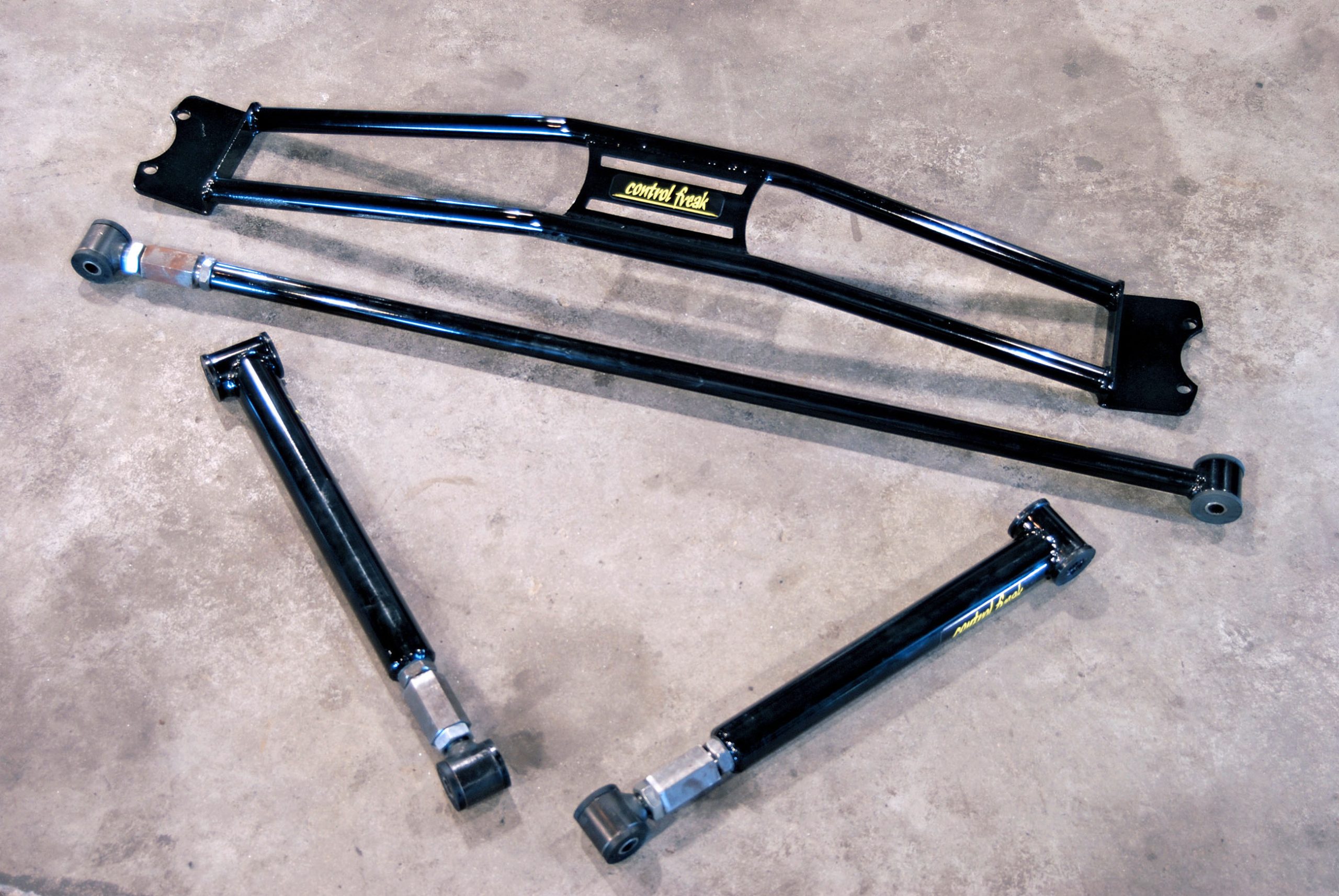
Improving your S197 Mustang doesn’t have to be an arduous affair. You’re supposed to enjoy working on your car, RATHER than dreading getting off work because you “have” to wrench on the Ford. With that attitude in mind, we recently spoke with Al Kamhi, of Control Freak suspensions, to get his advice on what enthusiasts could do to further the concept of upgrading a Mustang in just an hour or two. But there’s a catch: the upgrade had to make a real difference in the car’s performance.

Driven Racing Oil, born from Joe Gibbs Racing, is formulated specifically for all-out race and high performance engines. What makes Driven’s products different? In simple terms, Driven’s products are unique because they always put the “Motor ahead of the Molecule”. While other oil companies are in love with chemistry and have no real world understanding of how the products are actually used, Driven keeps things in the proper order. The oil is for the motor, not the other way around. Driven’s product development team looks at the motor and how it is used; then they design application specific products using a “zero compromise” approach that delivers a measurable performance advantage.
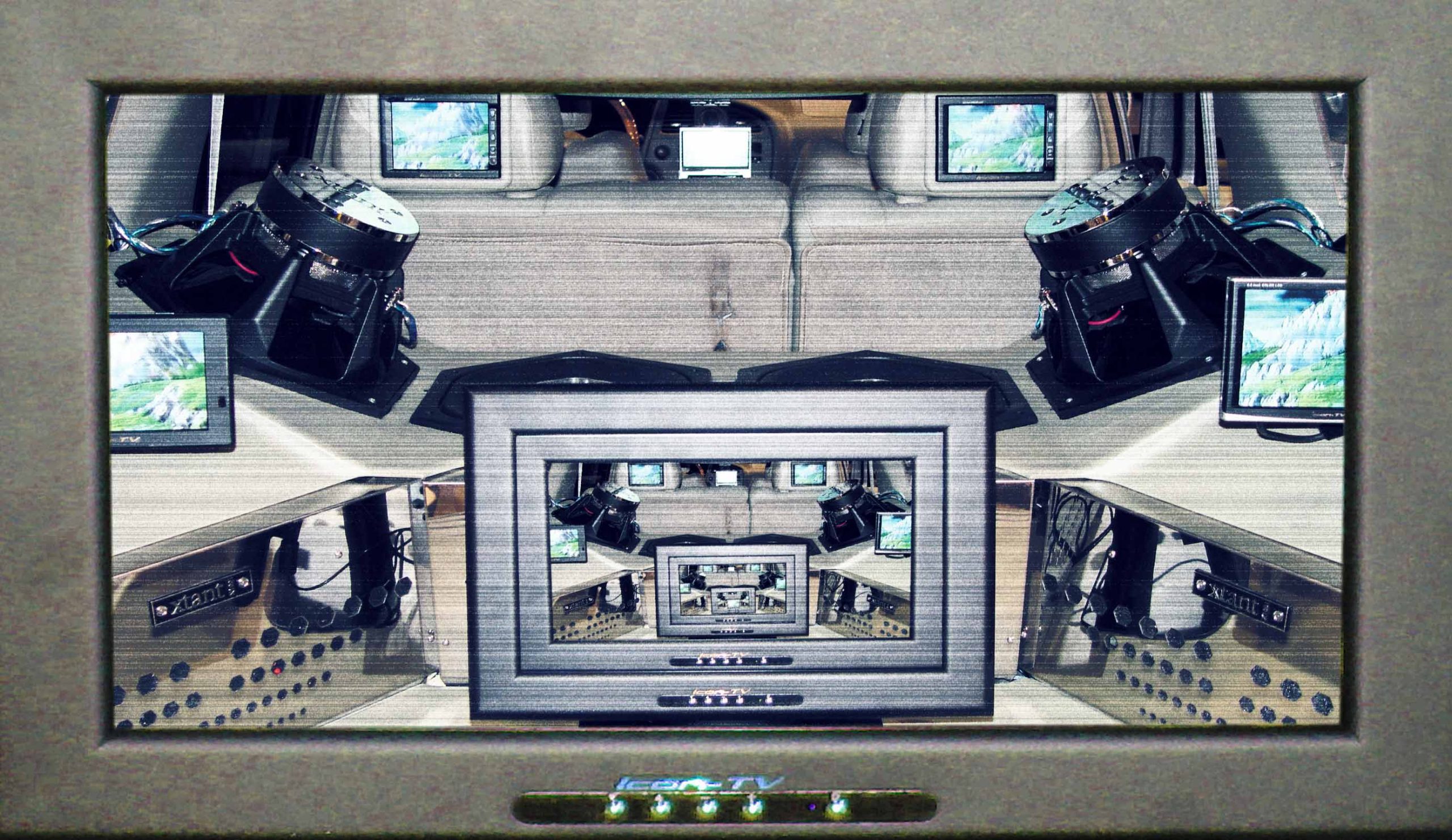
BACK IN THE early days, having a custom stereo meant that you installed a head unit and a set of mid- and high-range speakers. Then the wonders of subwoofers and amps came along. When these components first came out, they were very large and required huge amounts of space to install. They offered, at best, a distorted sound compared with the standards of today. Ten years ago, most enclosures, when they were used at all, were generally a box or a square made of wood. Today many things have changed and much has evolved along the way…
0Comments
