
TheAutoBuilder.com

Cars

NOTHING’S IMPOSSIBLE

Dave Kaminski wanted a custom-built truck, but he also wanted a vehicle he could take to a dealer for repairs, plug it into a computer for a diagnosis and determine the problem. In this hobby, that is hard to do with an old truck, given that computers rule the functions of today’s engines. Kaminski met with Frank Strianese, owner of The Car Shop in Springville, New York, and explained that not only did he want an old new truck, he wanted it to blend in with the Ford service trucks used by his Besroi roofing and contracting business in Buffalo. Ideas were passed back and forth, and soon a project began to unfold. Once you read how it was accomplished you will know that nothing is impossible to do.

0Comments

OVER AND UNDER

Our old 350 Chevy-powered ’47 International was running a three-speed 350 Turbo trans with 4.11 gears, which, as you know, is not a great combination for this type of highway cruising. It is fine, however, for those who absolutely love in-town, short-?distance, stop-and-go cruising, as it does prove great low-speed throttle response. On the highway, however, it spins up the engine and uses more fuel. We decided that after having our low-speed fun, we were using too much fuel and weren’t comfortable listening to the whine of the small block as we approached 70 mph. It was time to make a change. We looked around for a number of answers and talked to many classic truck owners who had either installed a new set of gears, an overdrive trans or a Gear Vendors overdrive/underdrive unit. We figured that the new 700R4 trans best fit our application budgetwise, although future plans may call for a Gear Vendors unit, as it represents the best of both worlds. But we first wanted to start with a newer, more modern trans.

0Comments

TILT-A-WHEEL

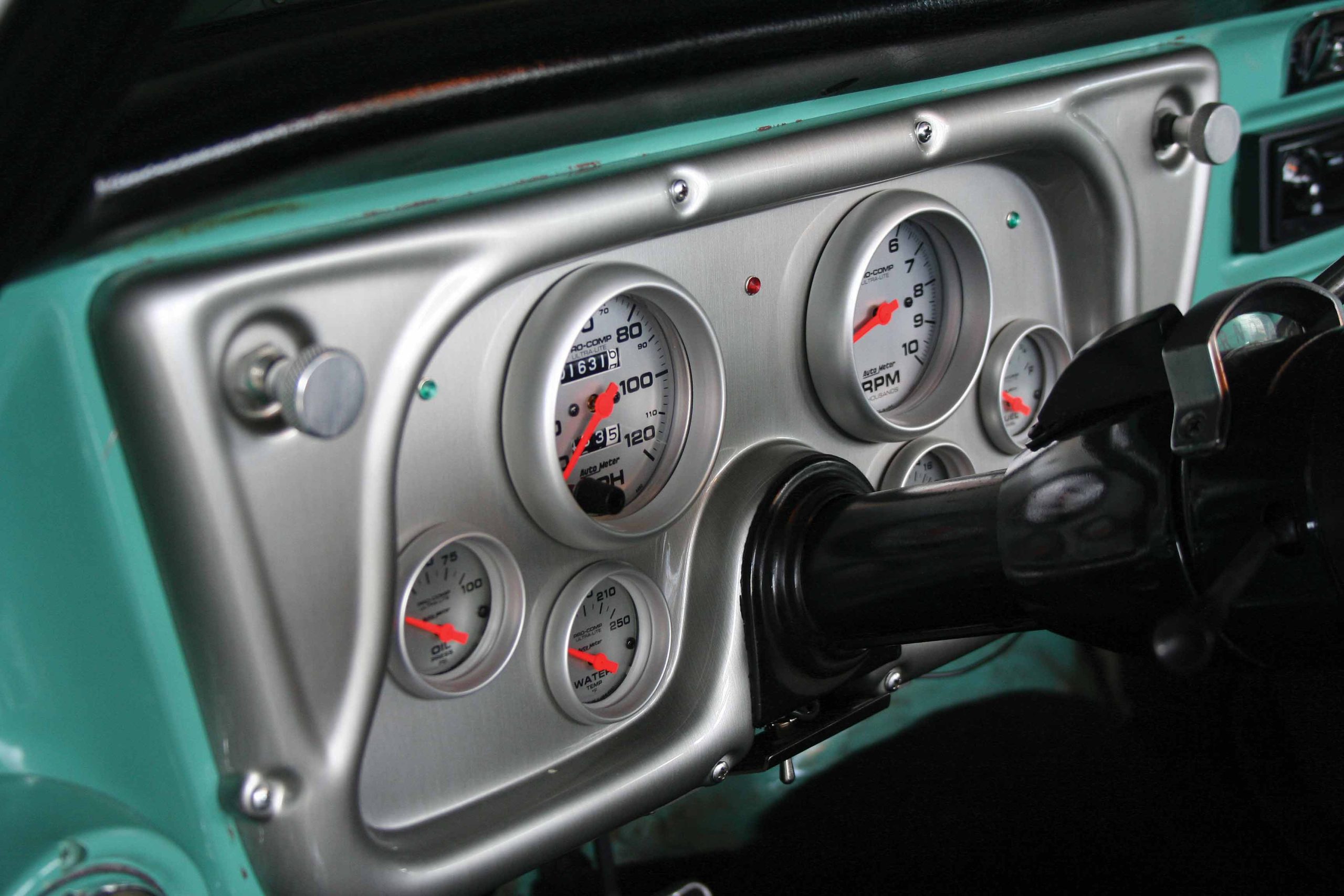
Tilt steering, cruise control, heated seats and A/C are all amenities that we have grown accustomed to without ever knowing it. We’ve come to expect our seat to power forward and our steering column to drop at the flick of a lever; after all, it’s a matter of driver comfort. As these driver comforts have become a part of our daily drivers, it’s not unthinkable that we would want the same for our classic trucks. Our resident ’68 Chevy makes the rounds to and from lunch, along with the occasional cruise-in, so why not build in many of the same conveniences? After looking online, we decided that our outdated straight column just had to go, and then we’d work on the rest of those comfort items.

0Comments

The All-Steel Dynacorn ’47-’53 Chevrolet Five-Window Cab

For years, truck builders have searched, looking for that much-sought-after early five-window Chevy pickup project. They are still around and are occasionally found, but it’s getting tougher, and their condition is ever worsening. It’s simple math really: Only so many remain, and many of the really solid ones have been spoken for. To The Delight Of Custom Truck Builders Everywhere, The All-Steel Dynacorn ’47-’53 Chevrolet Five-Window Cab Is Now A Reality!

0Comments

WATER, WATER EVERYWHERE

Now, it may seem crazy that anyone would take sandpaper to a new paint job, but if you want to have a glass-like finish that is exactly what happens. Of course, it is special sandpaper, and the person doing the work needs to know exactly what he is doing or that paint job can be toast. One of the things that makes color sanding possible is that the paper used is meant to be wet while the job is taking place. The water not only works as a lubricant, but it also removes the fine paint sludge from the area. The problem is getting that water in the proper place and having enough of it to do the job. After all, who really likes sticking his arm into a cold bucket of water time after time?

0Comments

Interior Design

When Jorge Torres was young he would help his father around his shop. Named after the senior Torres, Armando’s Custom Upholstery in San Jacinto, California, opened in 1989 when Jorge was still in high school. In 1992, he began working full time with his father and brother, Armando Jr. He stared doing old cars and went to a few shows to promote their work. During this time he mentioned to his dad that he wanted to build a 1969 Chevy pickup. It turned out that his dad had a friend who owned one, but he was told that the truck was in pretty rough shape. All Jorge heard was that the price, at $1,500, was in his range.

0Comments

Blank Canvas

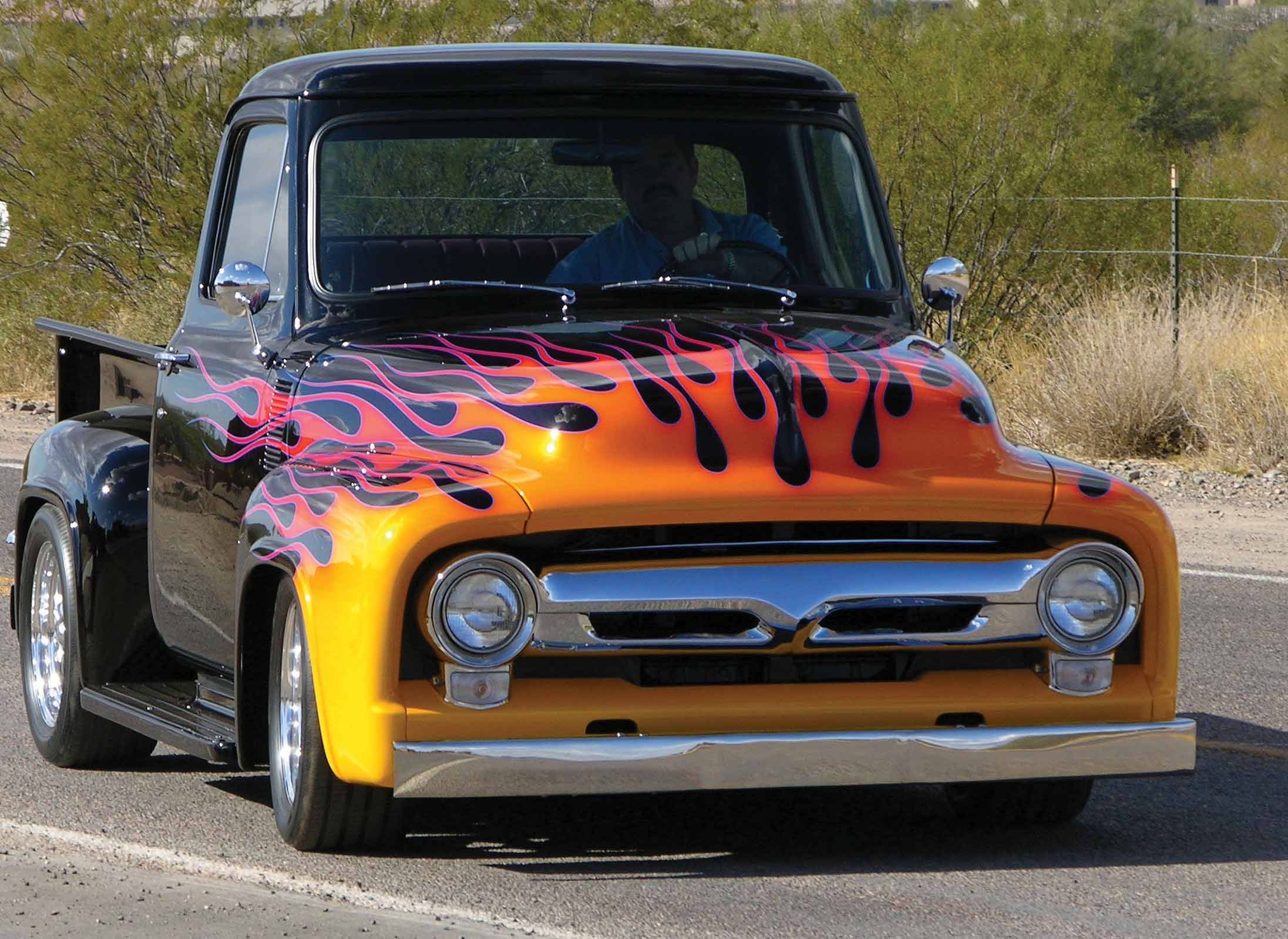
The longer we are in this business, the more we are certain that the one skill which is most important to know is how to paint. A custom painter can take nearly anything and turn it into a fine ride. Sure, those who can work on suspension or engines are able to take their specialty and turn it to their advantage, but no one modification makes more impact than a cool paint job. That is why guys such as Sam Spinelli, a custom painter for more than 12 years, can cruise around town in this 1990 Chevrolet C1500. Adorned with a killer basecoat and an amazing set of flames, it would be a show truck for the rest of us, but he simply describes the Chevy as his daily driver.

0Comments

CIMTEX SUPER CAMEO: PART 5

When we selected a Chevrolet Corvette ZR1 twin-cam, small-block 350 V-8 engine for our Cimtex Rods Super Cameo, we knew that we would be breaking new ground in the sense that GM never built a “production” automatic-transmission-equipped Corvette ZR1. However, there is record that a couple of Corvette ZR1s were specially equipped with automatic electronic overdrive transmissions for physically challenged Corvette enthusiasts. We don’t know whether it was done by the factory or by the private sector.

Nonetheless, it was our intent to run an automatic transmission behind this awesome powerplant. After all, we wanted our ’56 Super Cameo to be as civilized as possible, yet still be able to handle all the available torque and horsepower that will be the result of this twin Powerdyne (BD11-A) supercharged and intercooled Corvette ZR1 engine. But what type of GM automatic transmission would we actually be using?

0Comments

PACKED WITH POTENTIAL

The Power Programmer is designed so that once the parameters are established and loaded, the unit is pulled and the program remains in the onboard computer until you elect to remove it. The HyperPAC is different; this unit stays in place. In addition to the three stages of performance tuning—the HyperPAC has all of the performance programming benefits of the Power Programmer—it also has diagnostics; an engine monitor with a complete gauge display; a dynamometer, which includes such items such as a horsepower graph; and our favorite, a dragstrip program. This program actually monitors real-time engine operating conditions, has a Christmas tree start, displays a timeslip and will provide you with “magazine-type road test” acceleration times in 10-mile increments. It will record and display important engine operating conditions throughout the run and will display drive wheel horsepower versus vehicle speed after each run—in both table and graph formats.

0Comments

ON THE LEVEL

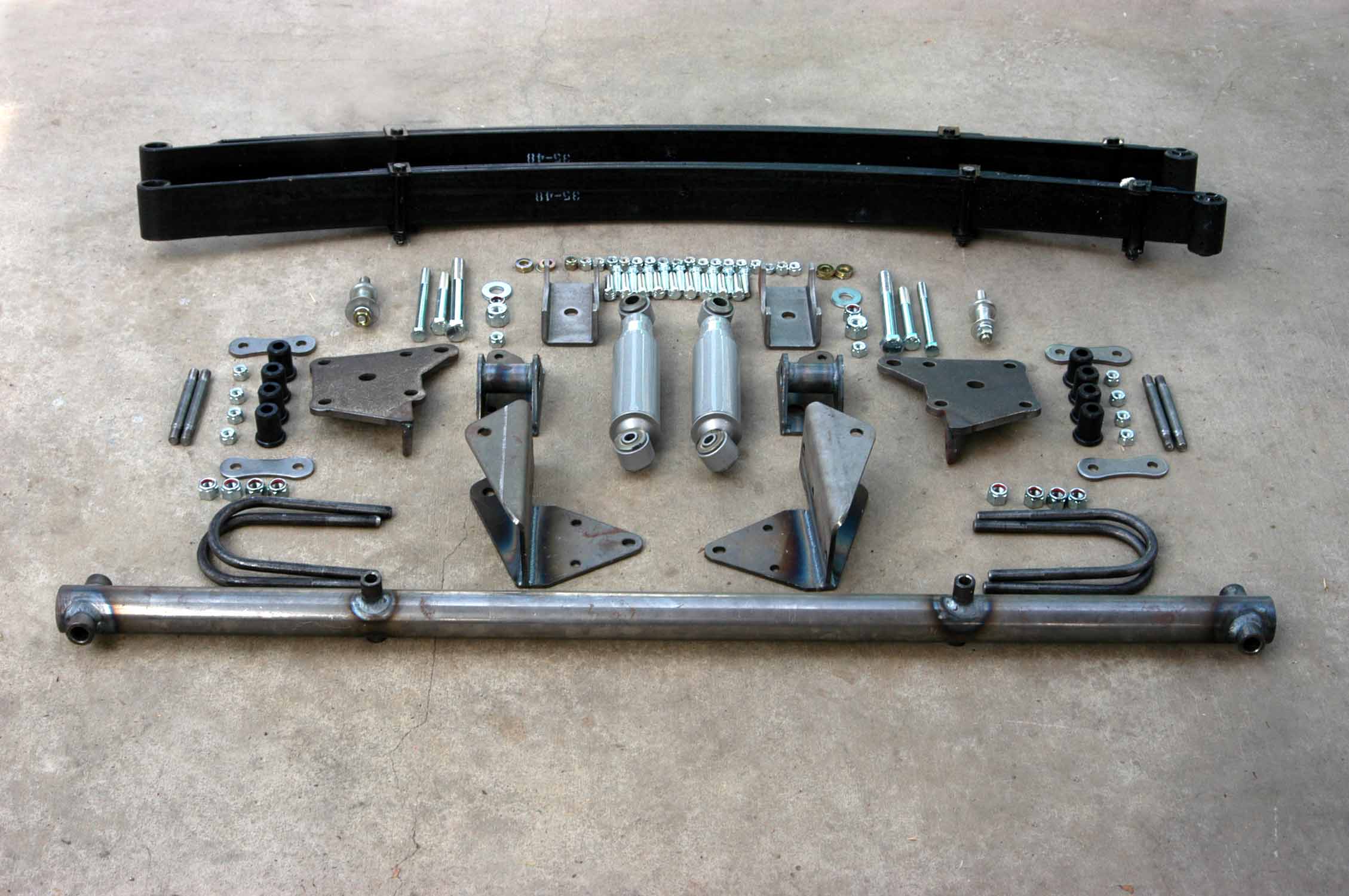
The ’07 Tahoe, Chevrolet’s premature baby, hit the street in late March 2006. Introducing the next generation of Tahoes so early was part of some master marketing scheme, born and nurtured in the hallowed halls of Chevrolet corporate. In any case, the ’07 Tahoe’s rear ride height measured 23-1/8 inches from the center of the hub to the lip of the fenderwell, while the front measured only 20-1/4 inches. As usual, the rear stood considerably higher than the front.

0Comments
Scroll to Top

Subscribe to our weekly newsletter!

* indicates required
Interests

For information about our privacy practices, please visit our website.

We use Mailchimp as our marketing platform. By clicking below to subscribe, you acknowledge that your information will be transferred to Mailchimp for processing. Learn more about Mailchimp's privacy practices.