
THE AUTO BUILDER
Menu
Featured

VISIONS OF Grandeur
July 16, 2023

PRODUCT SPOTLIGHT: The Accusump by Canton Racing Products
December 31, 2024

’63 FORD FASTBACK
“Total Performance” is what the Ford Motor Company called its corporate racing program back in the early ’60s, and it was a great way to show the buying public how strong and well engineered the automaker’s vehicles were. In a bold and blatant fashion, Ford was heavily involved in competition—in a big way.
Action Packed
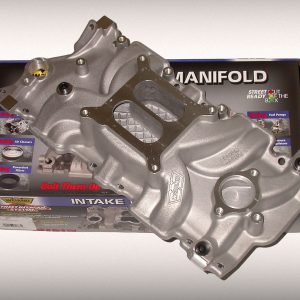
While the factory cast-iron four-barrel Q-Jet intake manifolds have performed admirably on literally thousands of GM applications—and if you are picking your engine from a used lot to use in a swap, it will likely be so equipped—every last one of them should be torn off the car and thrown in the dumpster.
PEEL ‘N STICK
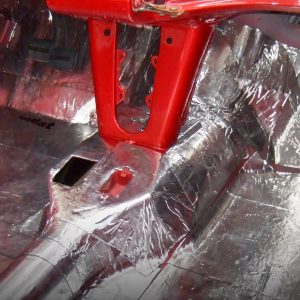
When dismantling your project car, you probably ran across the crumbling remnants of the original insulation. Old cars are notoriously “leaky” when it comes to heat and sound barriers, making them louder and hotter than the typical daily driver. Sometimes a loud exhaust system overrides the road noise, but you’ll always notice when your air conditioning system never seems to keep the cabin cool. If you’re in the midst of an interior refresh, or a full restoration, it’s a great time to consider new insulation.





Spotlighter
POPULAR READS
-
The Auto Builder’s Hottest Product Picks from The Triple Crown of Rodding 2026
-
Product Spotlight: Bill Mitchell Products Aluminum LS Engine Block
-
PRODUCT SPOTLIGHT: 60-66 Chevy C10 Fresh Air Vent Block Off Plate
-
Product Spotlight: Pyramid Optimized Design Sequential Aurora Taillight for 1964½–1966 Mustang




OVER AND UNDER
Swapping a 350 Turbo for a 700R4
Author

Josh Kaylor
Story & Photography
Some of the best times we spend in our personalized trucks is when we are on the open highway with the windows down and we’re cruising. If you are like us, then you’re not big fans of cruising the downtown sports at lower speeds, but are more inclined to hit the highway. For the sake of your engine, an overdrive transmission may be just what you need.
Our old 350 Chevy-powered ’47 International was running a three-speed 350 Turbo trans with 4.11 gears, which, as you know, is not a great combination for this type of highway cruising. It is fine, however, for those who absolutely love in-town, short-?distance, stop-and-go cruising, as it does prove great low-speed throttle response. On the highway, however, it spins up the engine and uses more fuel.
We decided that after having our low-speed fun, we were using too much fuel and weren’t comfortable listening to the whine of the small block as we approached 70 mph. It was time to make a change. We looked around for a number of answers and talked to many classic truck owners who had either installed a new set of gears, an overdrive trans or a Gear Vendors overdrive/underdrive unit. We figured that the new 700R4 trans best fit our application budgetwise, although future plans may call for a Gear Vendors unit, as it represents the best of both worlds. But we first wanted to start with a newer, more modern trans.
We selected a freshly rebuilt 700R4 from a transmission shop, along with a new lockup converter. Lokar supplied the new shifter, kickdown cable and dipstick, while the lockup harness came from Ron Francis. The Ron Francis lockup kit is preprogrammed to lock up the converter at 43 mph, and it is adjustable, allowing the lockup to be adjusted per application. This would have enabled us to retain our 4.11 gears for quicker starts and, when at speed, the converter would lock up and the overdrive would kick in, dropping the engine rpm. We like the outcome, but we can do more with the Gear Vendors unit, so we’ll be saving up for that possible inclusion.
While we thought that modifying our floorboard would be the worst of the install, it may not be needed on your particular application. The complete install took us a few afternoons, as the driveshaft needed replacing. Simple hand tools are all that is needed, and a lift and transmission jack will also make the swap much easier to do. Once the trans swap was completed we noticed a significant change, as the rpm went from 3,000 to 1,900 at around 60 mph. The entire cost of the upgrade was around two grand, and it has already saved us a ton in fuel costs, not to mention the wear and tear on the motor. Depending on how much you drive, the savings can be substantial.
After completing the installation and making a few minor adjustments, we were cruising at much lower rpm, which also resulted in lower engine operating temps and less exhaust and engine noise. We noticed an initial seven-mpg gain in fuel economy right off the bat, and much smoother cruising. Read along as we swap our 350 Turbo for a 700R4.

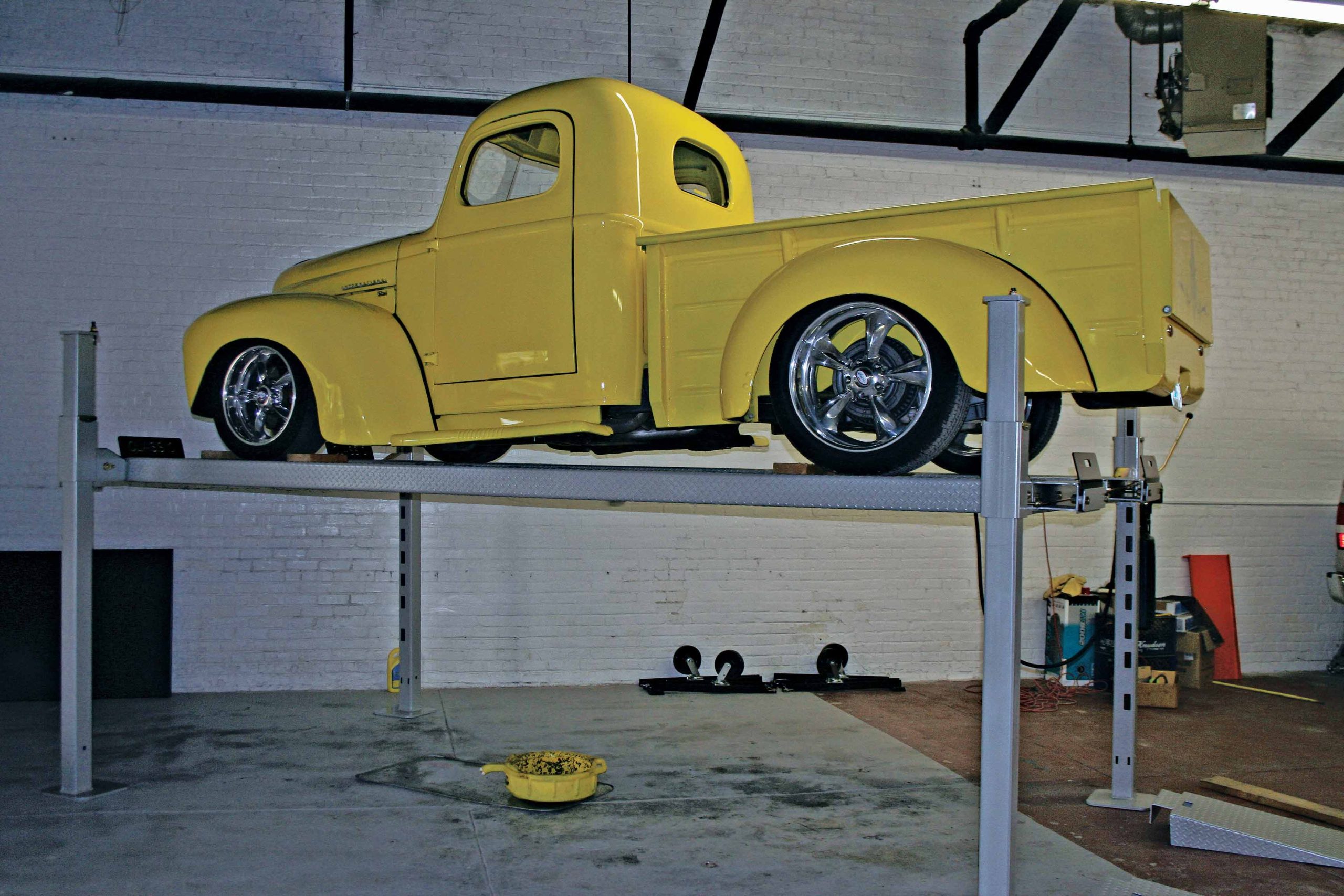
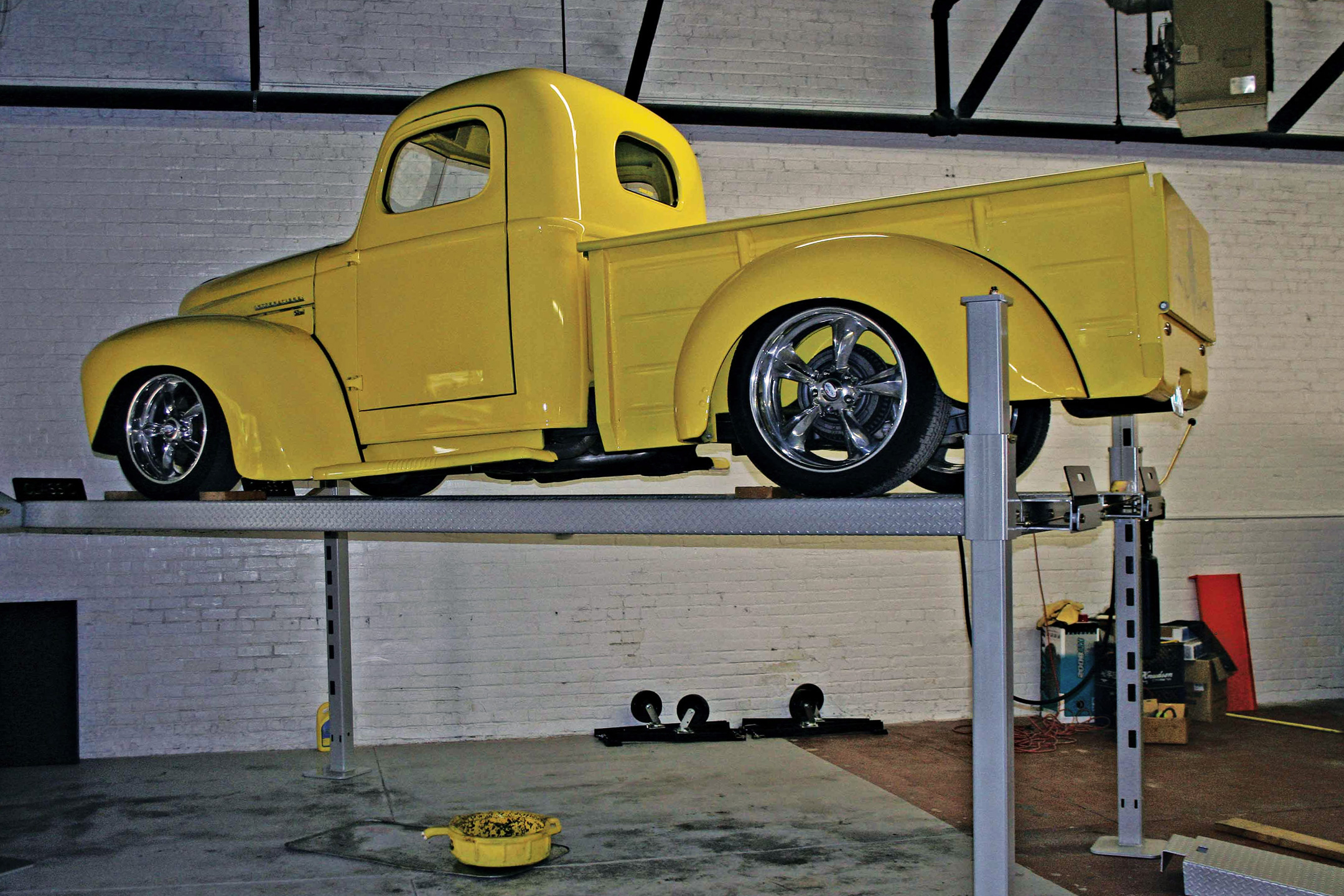
Since there wasn’t anything wrong with our current drivetrain, we drove our truck onto the lift and prepared to remove the 350 Turbo.
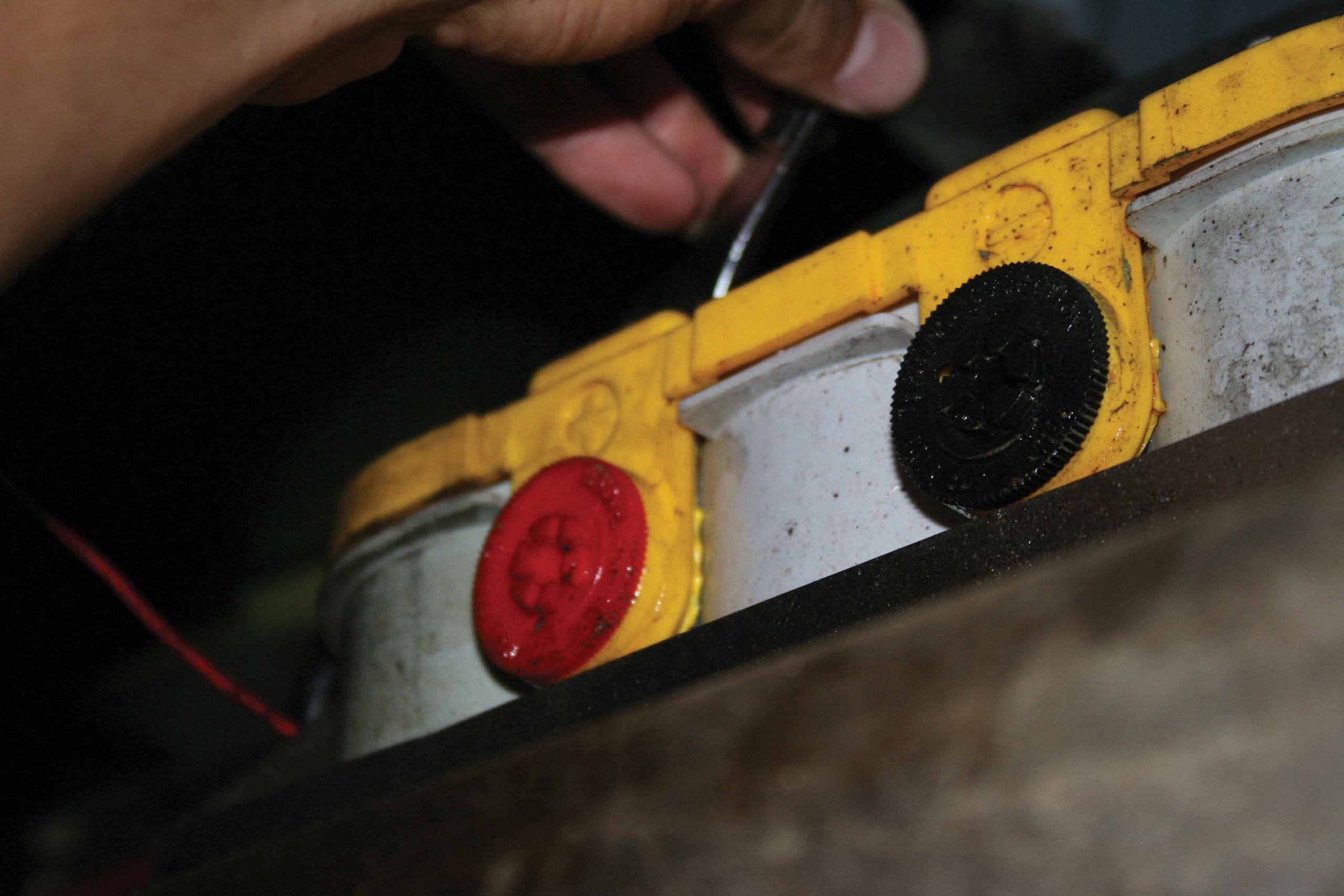
We first removed the positive battery cable, since we would be removing the starter. Anyone who has bumped a hot starter with a wrench or a screwdriver understands this step.
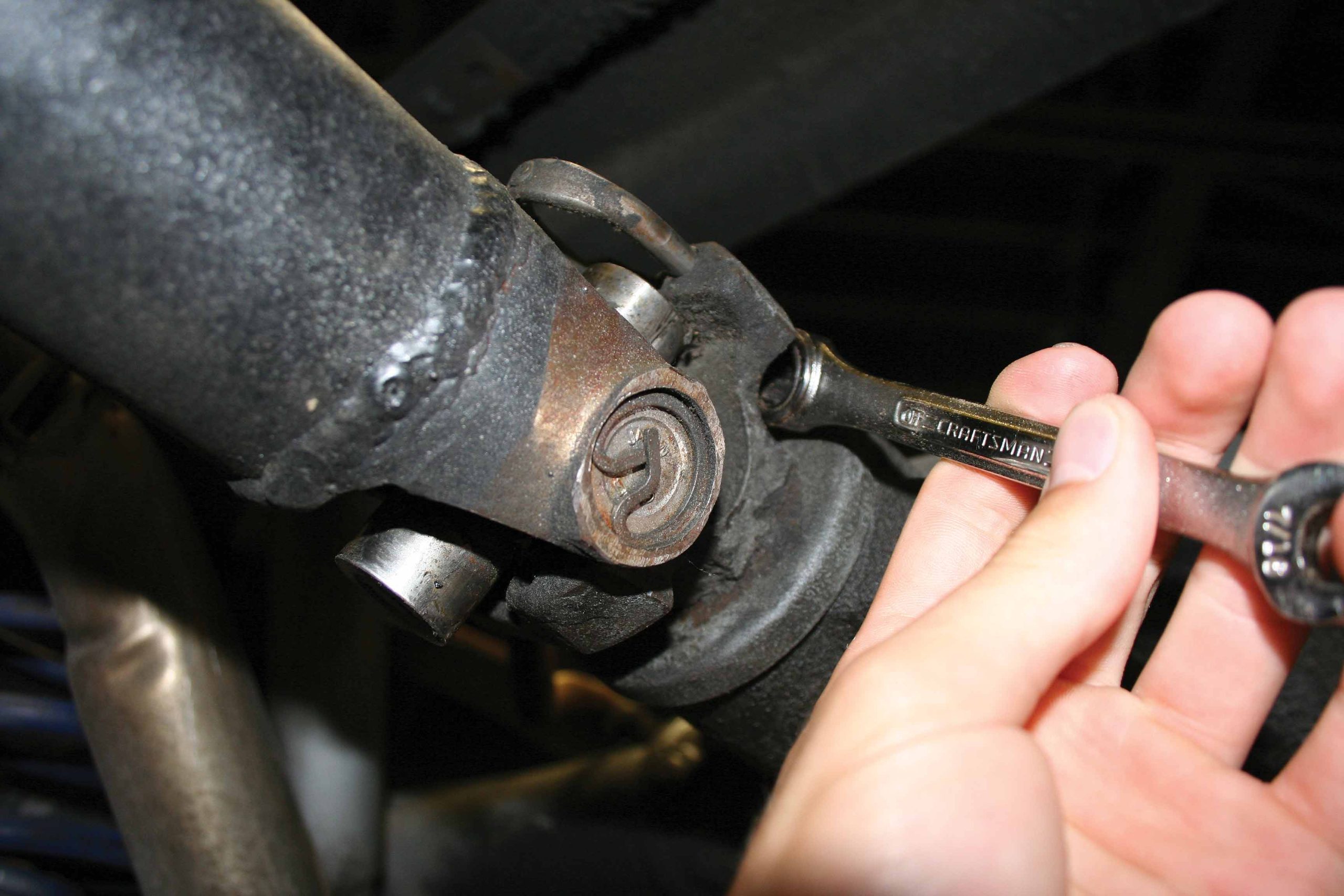
Removing the driveshaft first allowed us to have a little more room while working beneath the truck. After removing the driveshaft a little fluid may leak from the tailshaft, so it is a good idea to have a drain pan beneath the truck.
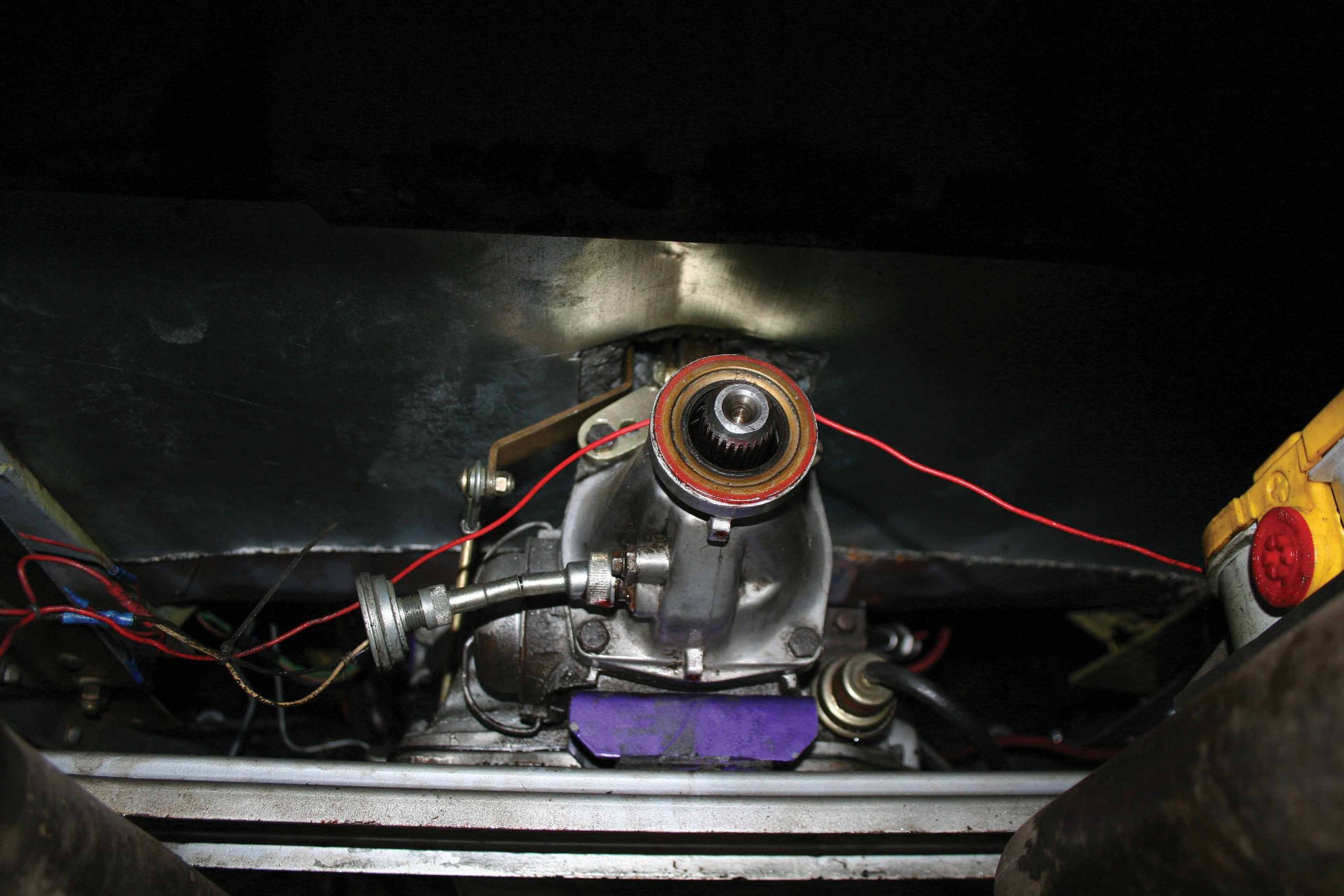
After removing the driveshaft, we cut our wire looms open and removed them from the crossmember. This allowed us to raise the wires above the transmission.
We then removed the speedometer cable from the transmission tailshaft and laid it on the framerails.
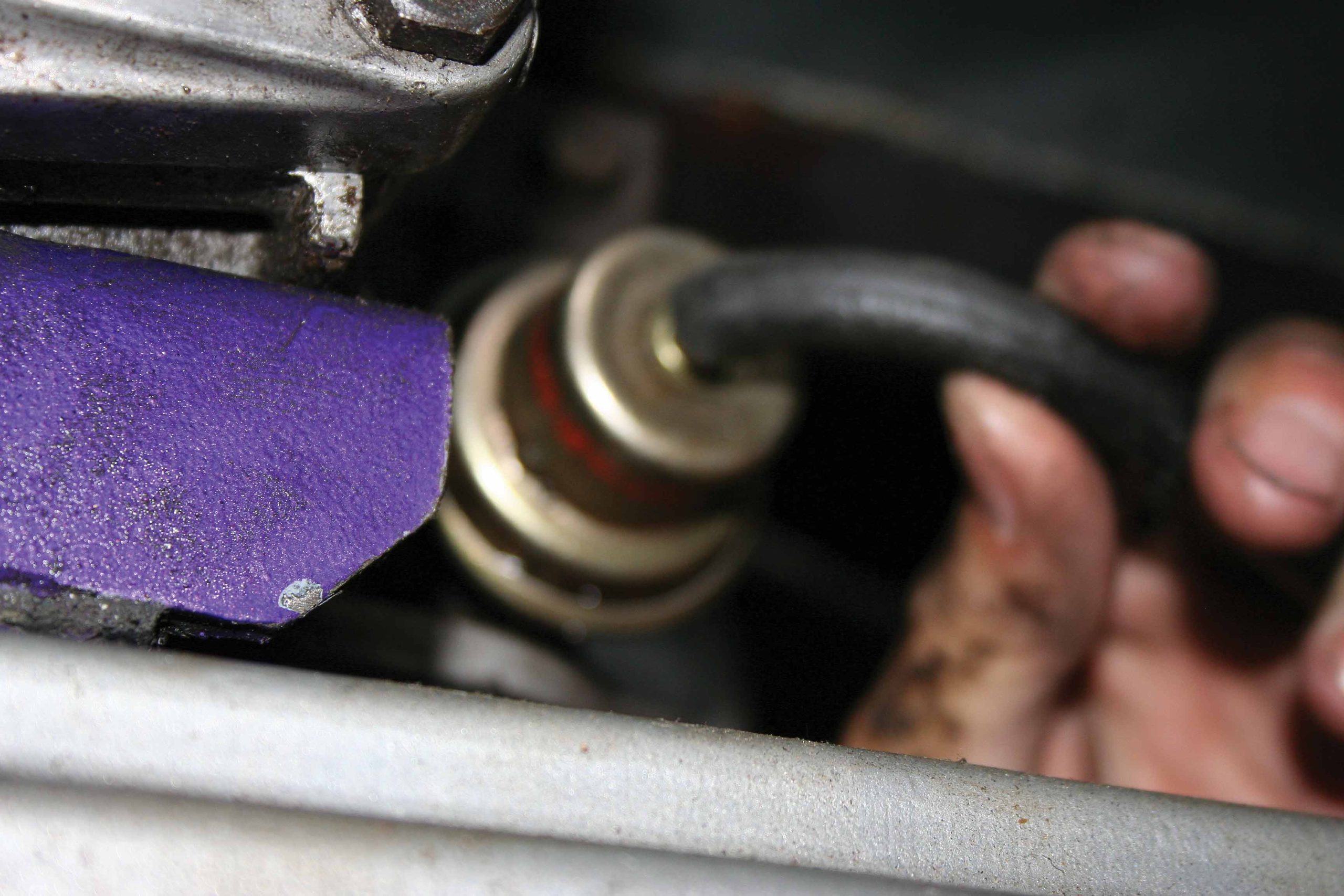
Next we removed the vacuum line that operated the shifting. The 700R4 does not require this for operation, so we removed the line and plugged the vacuum outlet on the front of our carb.
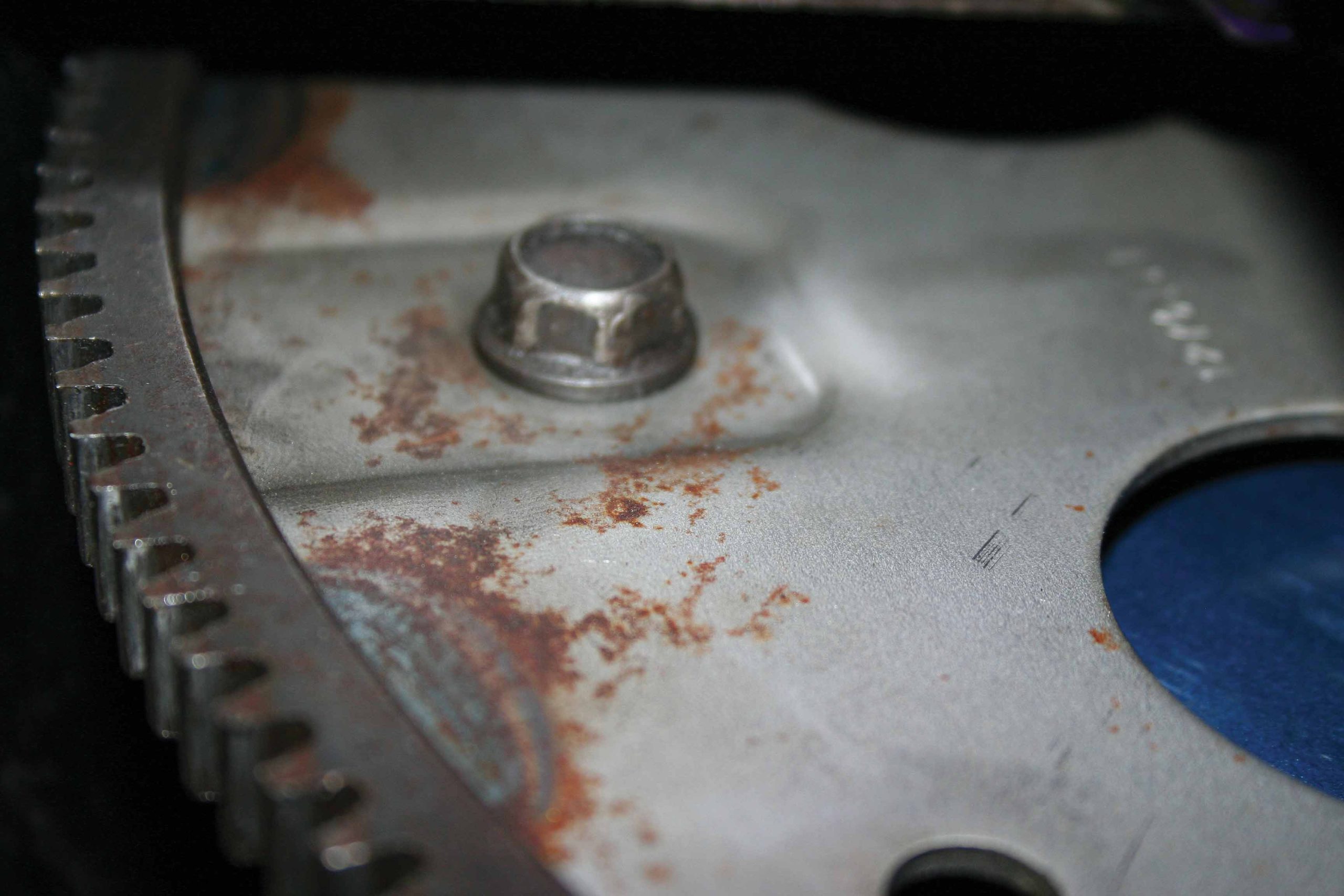
After disconnecting the cooler lines, the speedometer cable and the vacuum, the three torque converter bolts were removed from the trans.
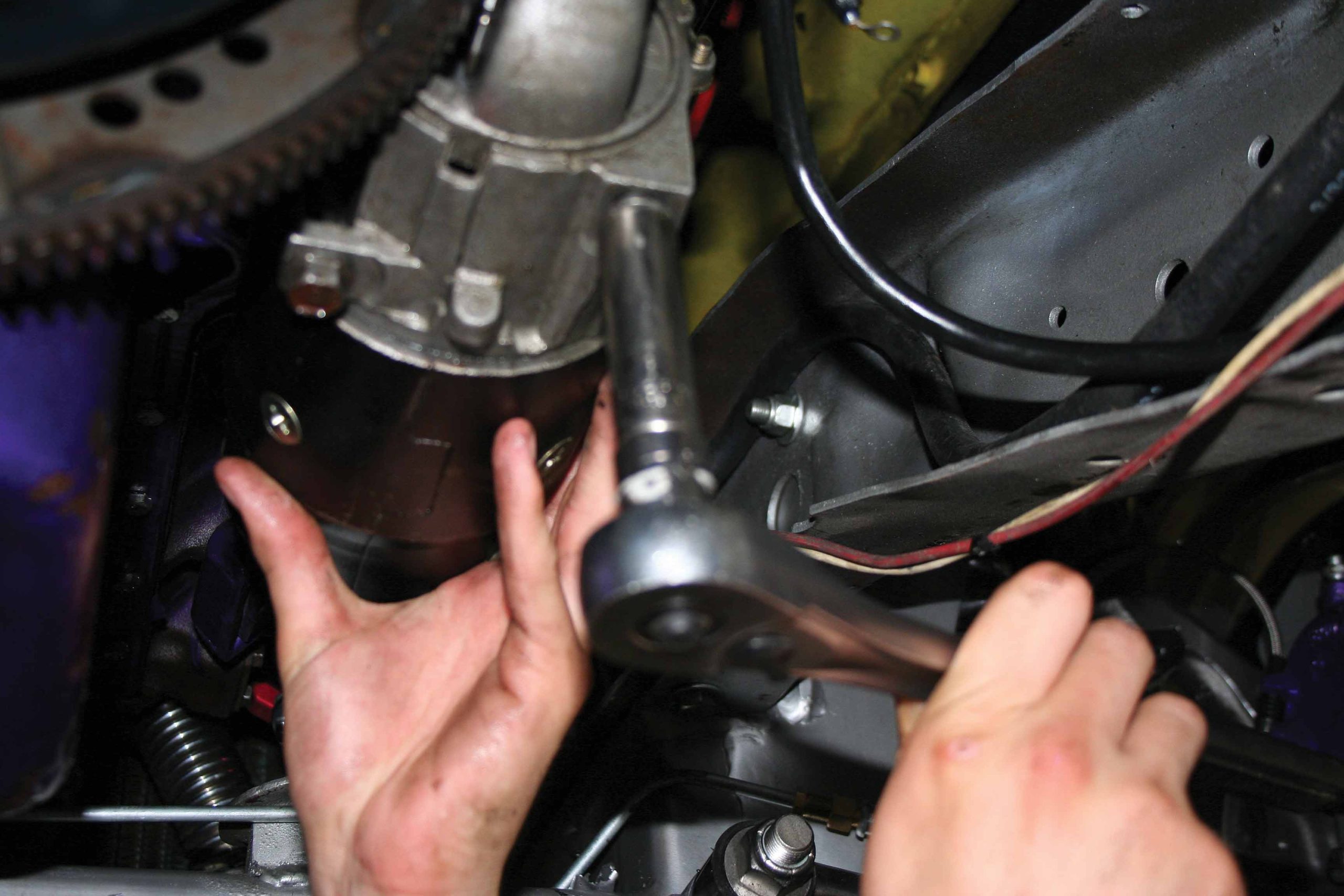
With the converter bolts out, the starter was next to go. We disconnected the wires from the front of our starter and removed the two bolts holding the starter in place.
Once the shifter was out, the Lokar kickdown cable was disconnected at the carb bracket, allowing the unit to be dropped out with the trans.
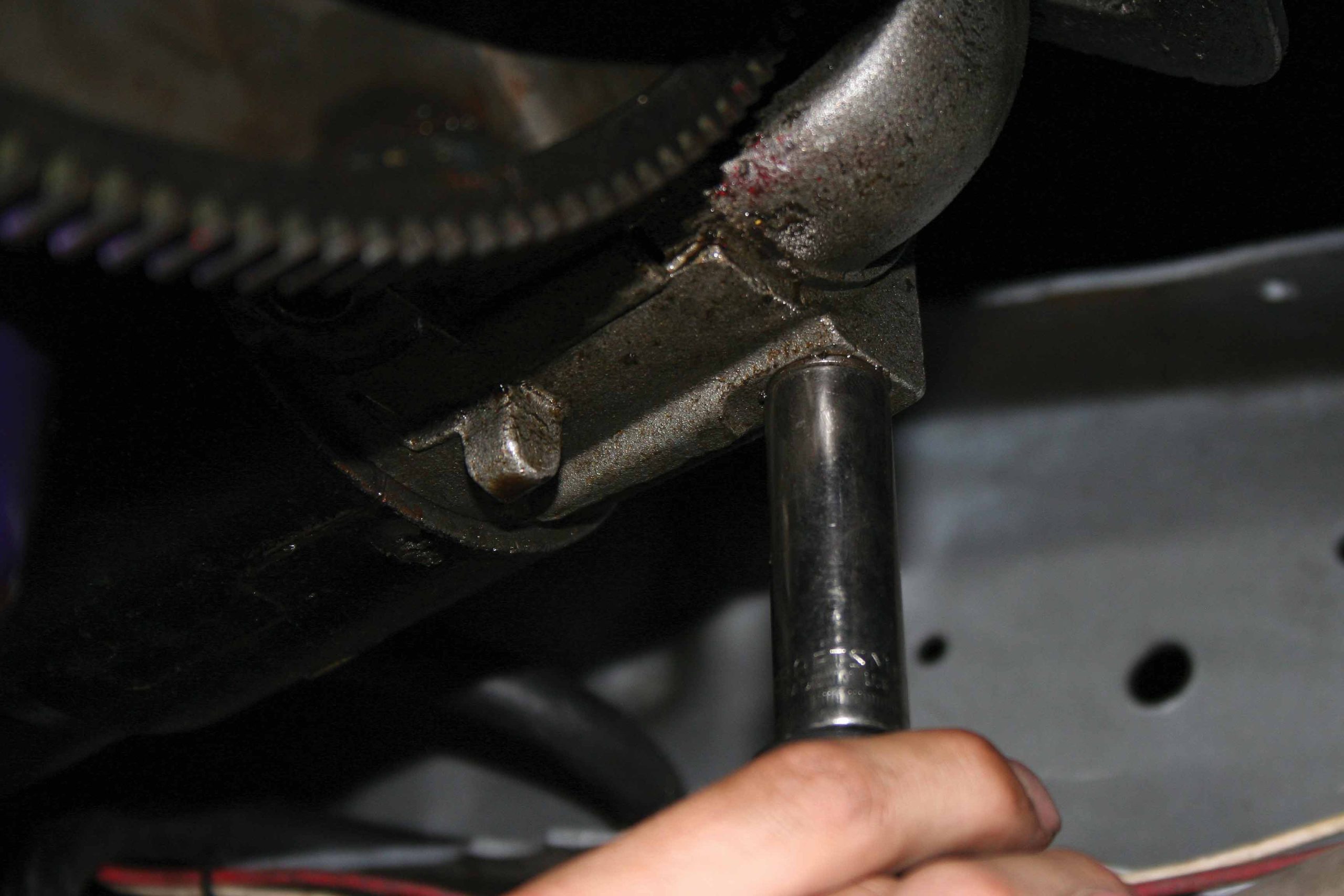
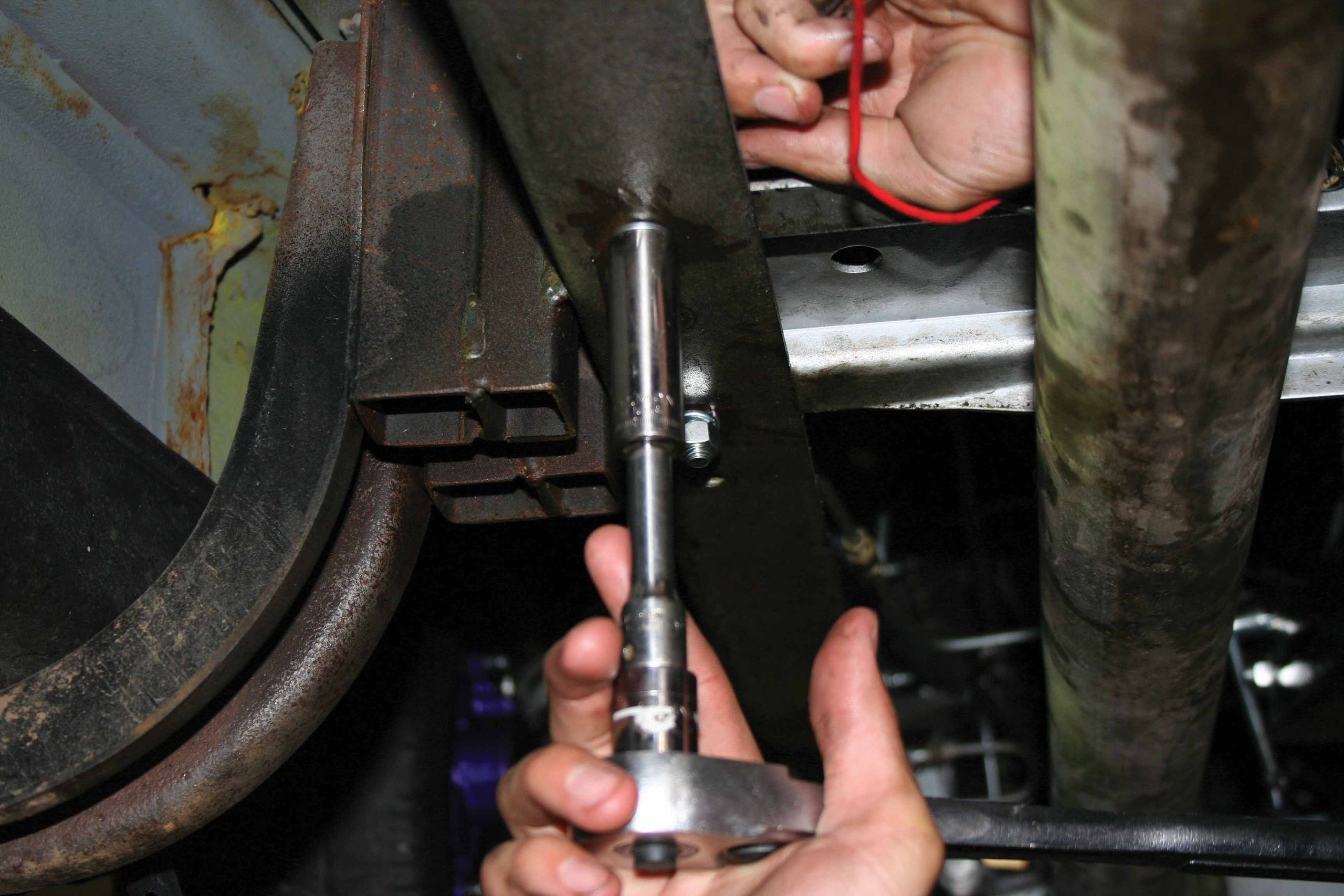
We placed the transmission jack beneath the pan and secured our chain. With the jack in place we removed the six bolts around the housing and the two bolts for the trans mount.
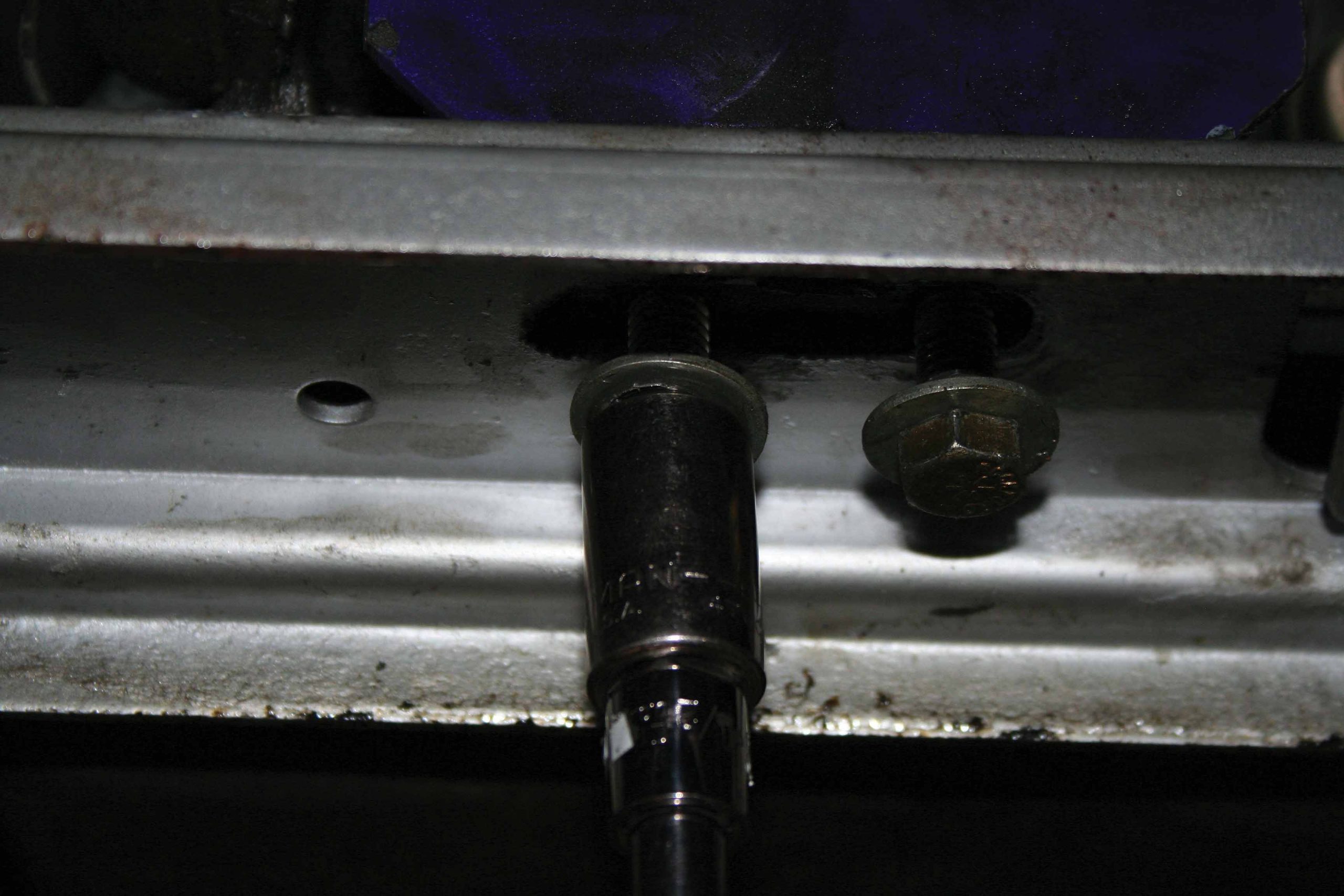
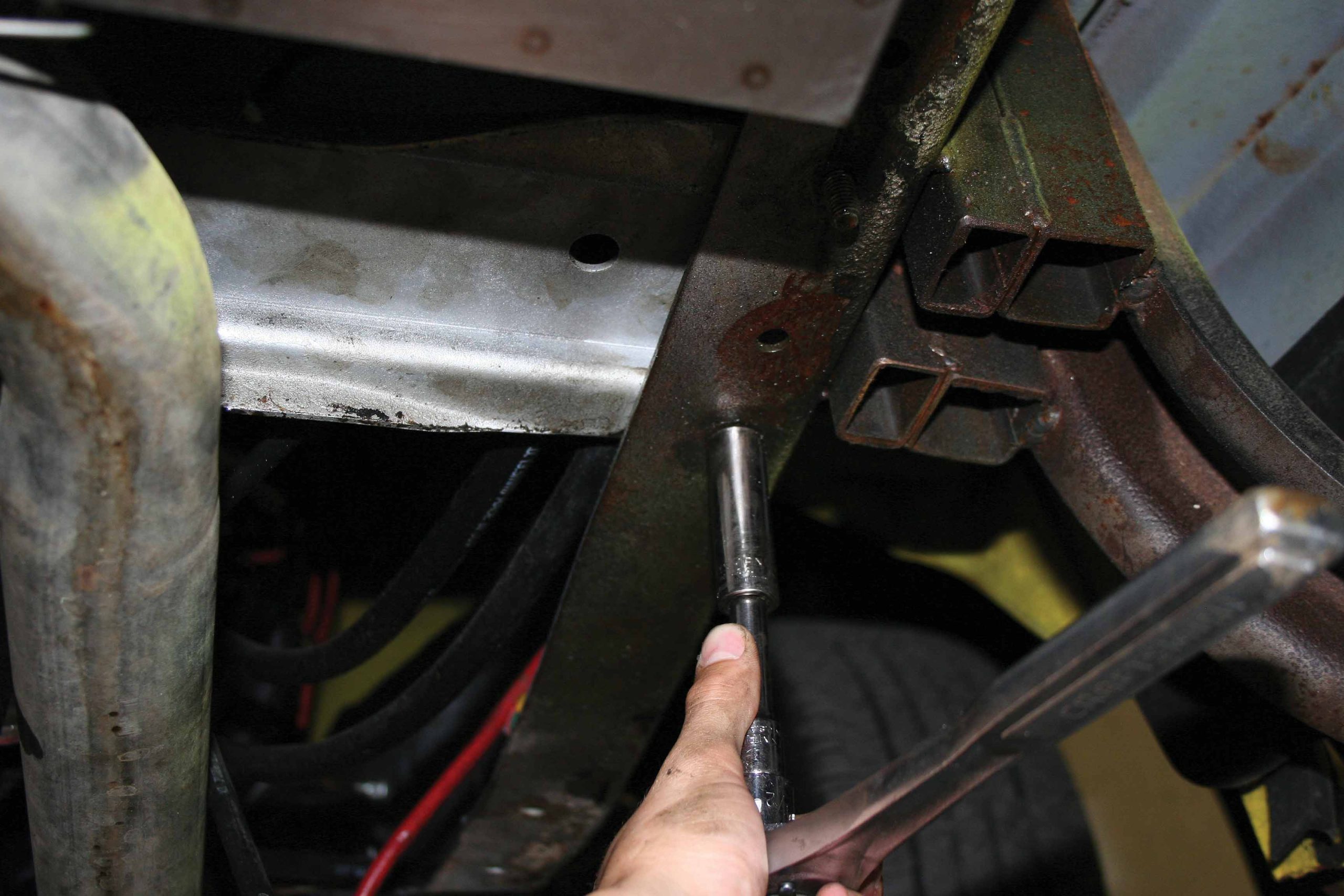
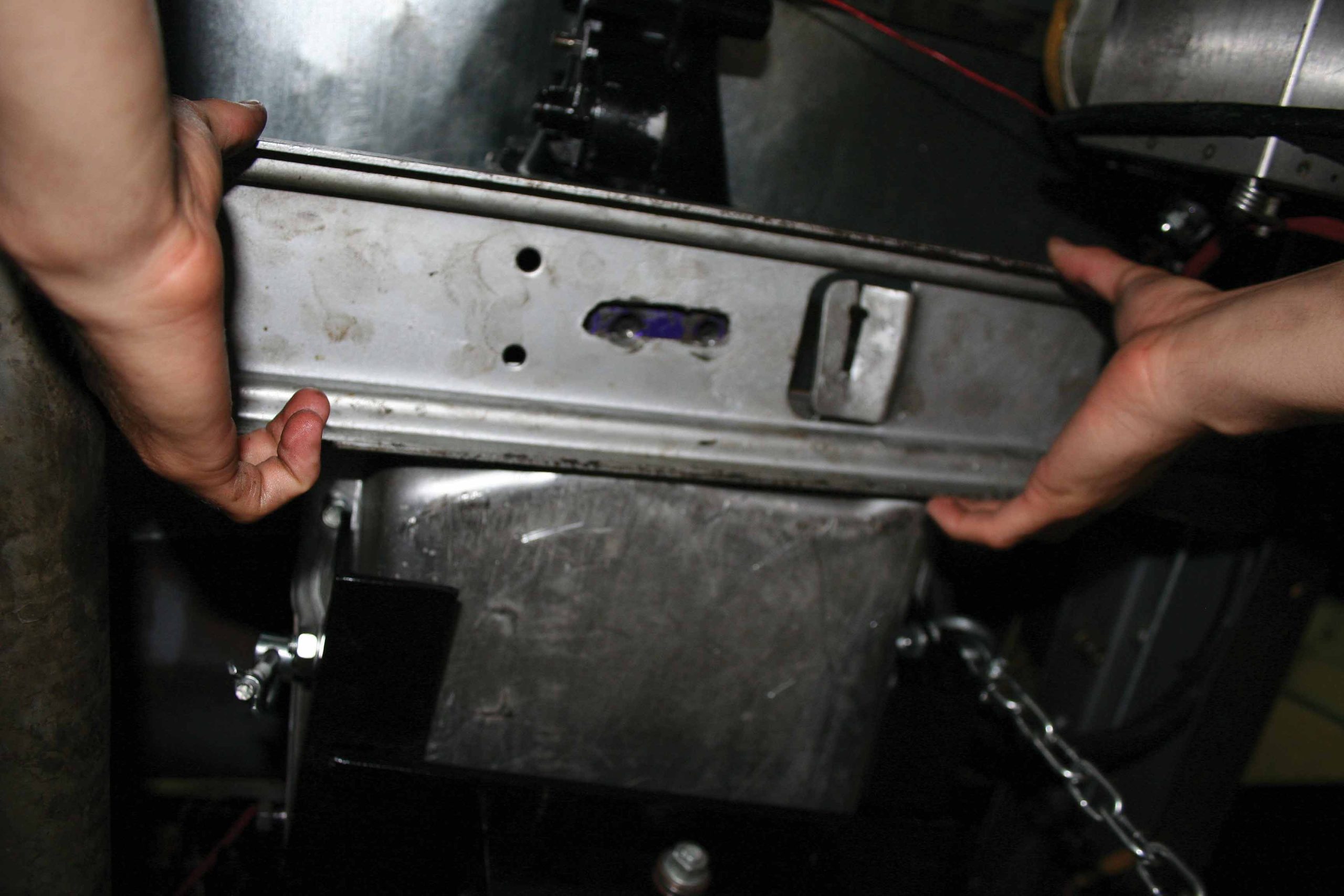
Removing the crossmember consisted of removing four bolts. We then raised the transmission a bit with the jack and removed the crossmember.
With the crossmember out of the way we then lowered the jack, allowing us to move the 350 Turbo out of the way. Be sure to hold the converter while lowering the transmission.
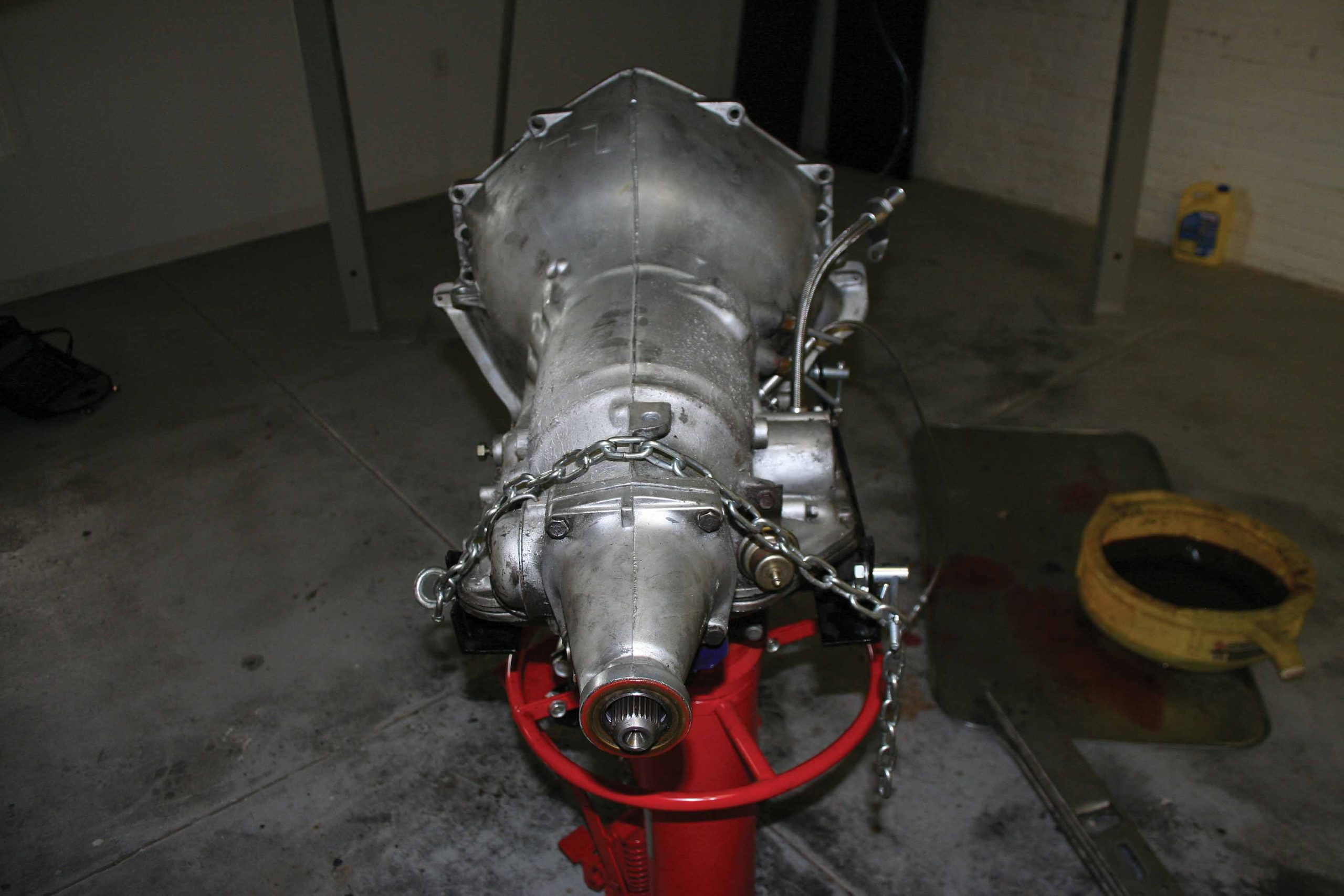
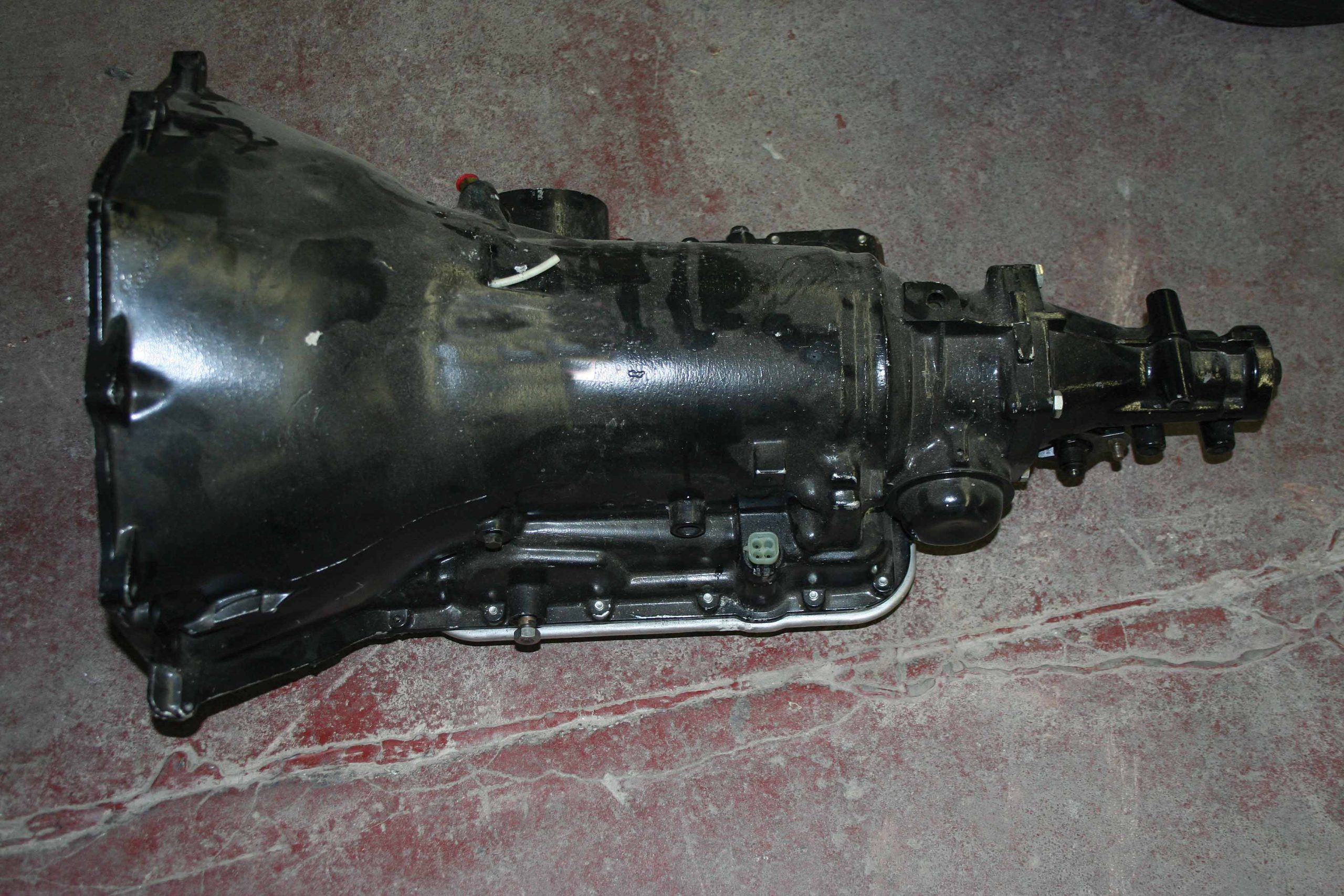
Here is our new transmission. The 700R4 will allow us to cruise more comfortably down the highway while increasing fuel mileage and engine life.
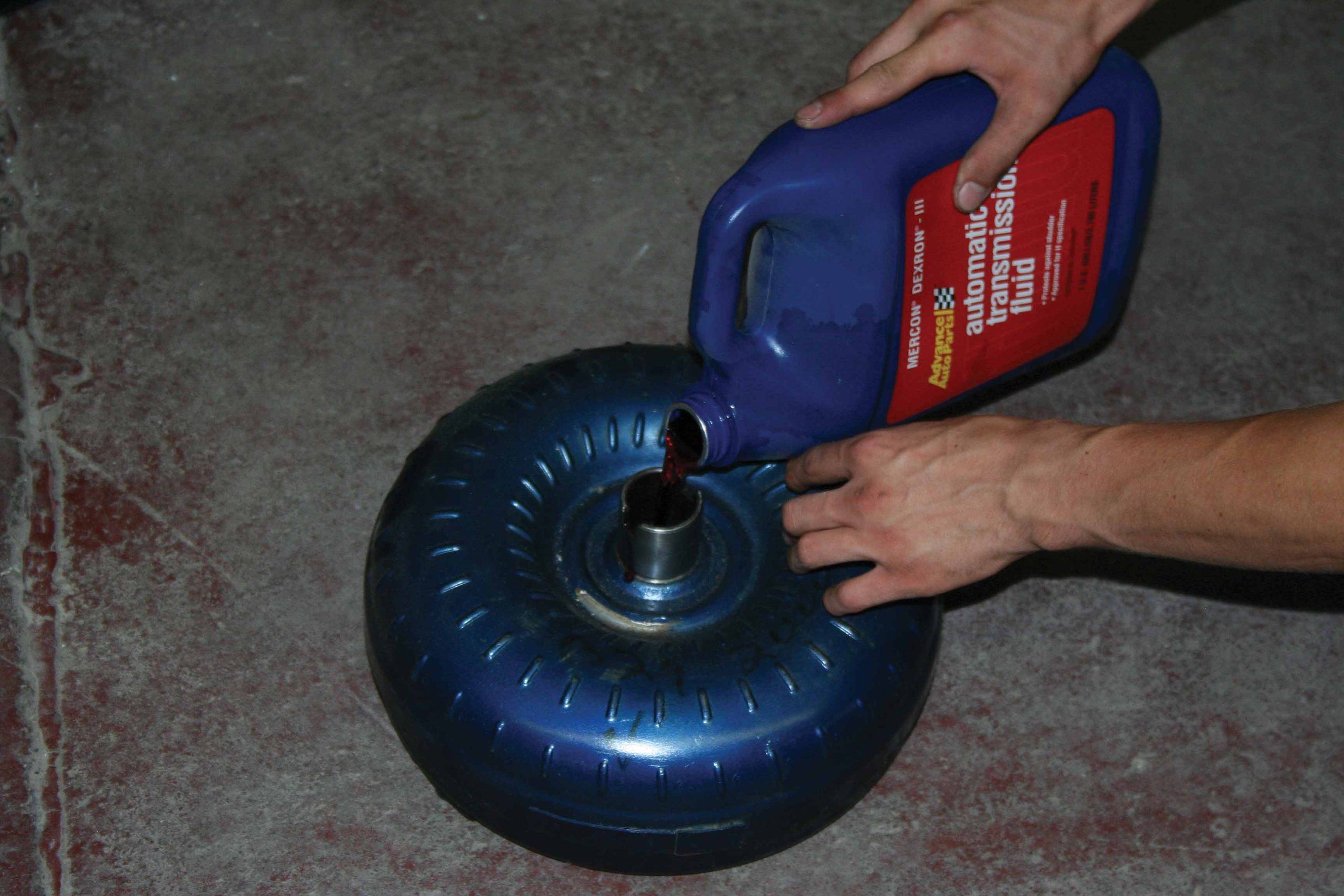
We filled our new converter, rubbed a little fluid on the hub and slid it into place. Be sure to slide the converter into the transmission as far as possible.
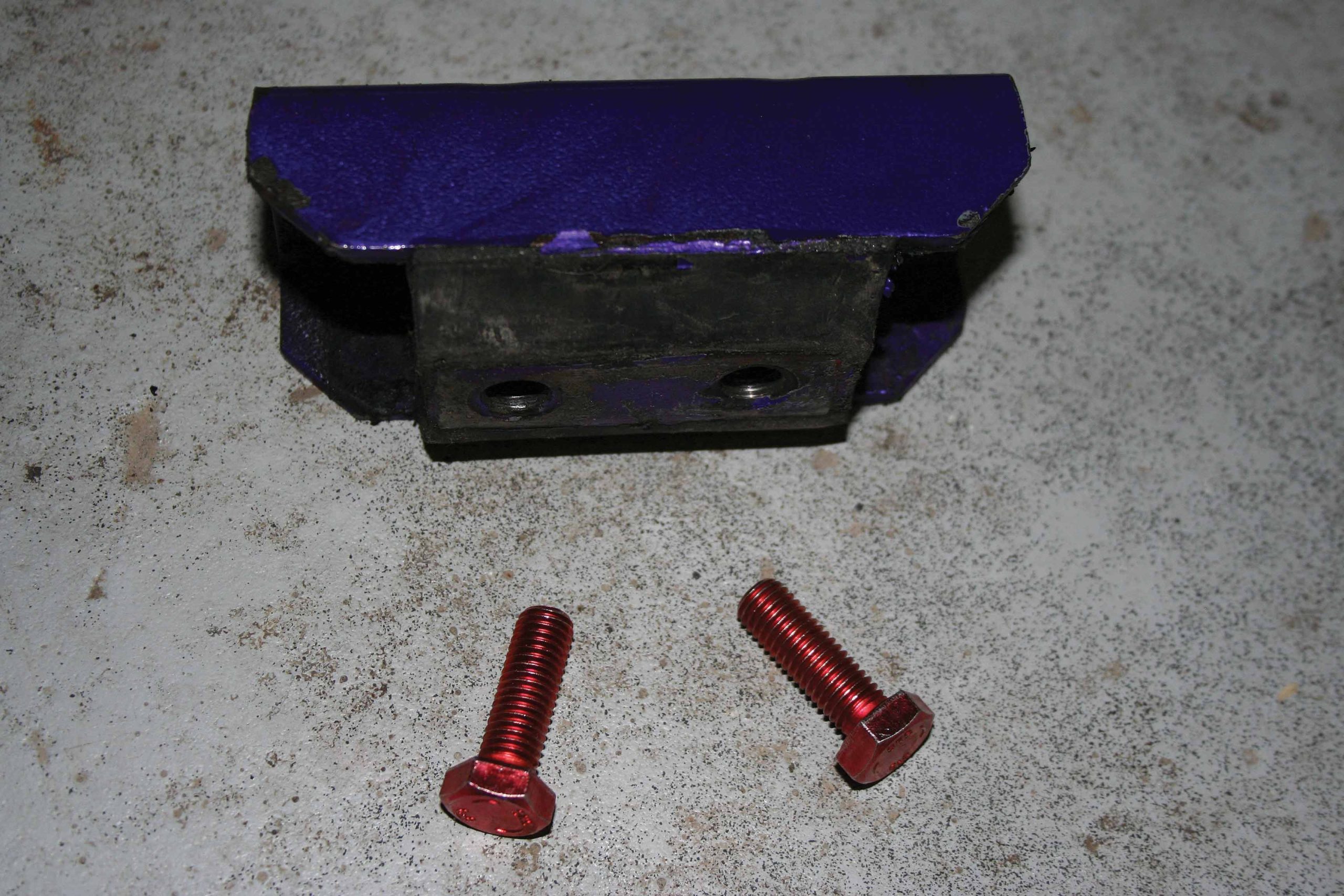
Even though we are swapping transmissions entirely, we were able to retain our original transmission mount. The only difference between the two transmissions is that the 350 Turbo uses standard bolts and the 700R4 uses metric, so we picked up new, metric Grade 8 bolts.
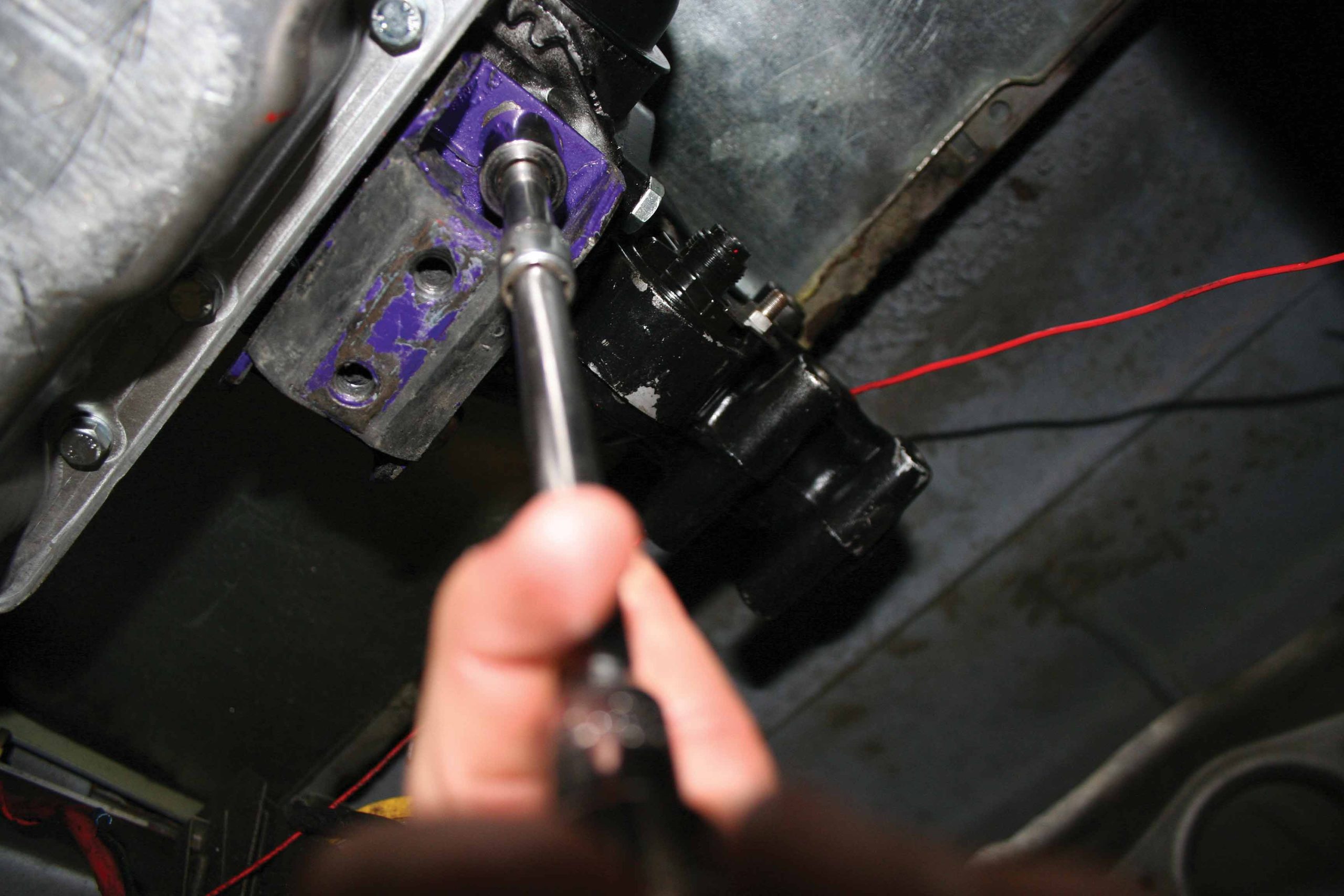
With the transmission up in place we could begin reinstalling the new 700R4. First came the housing bolts followed by the transmission mount.
Once the transmission mount was bolted in we placed the crossmember back in place and realigned the mounting holes. It’s convenient that the mount is located in the same place as the 350 Turbo.
We then inserted our four bolts and tightened the crossmember in place. This allowed us to remove the transmission jack from beneath the truck.
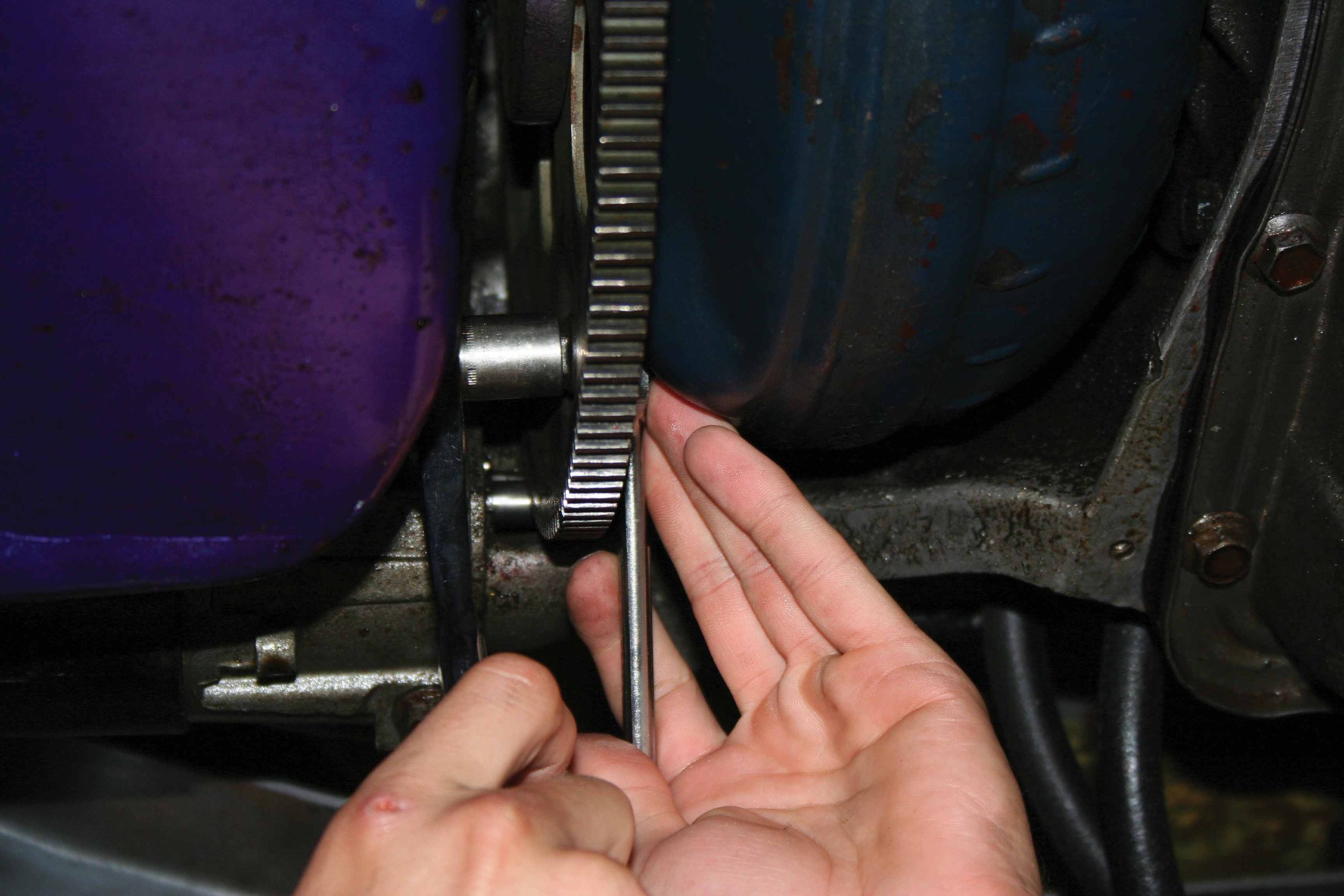
With the transmission securely in place, we bolted the flywheel and the converter back together.
The starter was in good condition and still turned over great, so we cleaned off any road debris and reinstalled the unit. We also double checked our electrical connections, which appeared to be fine.
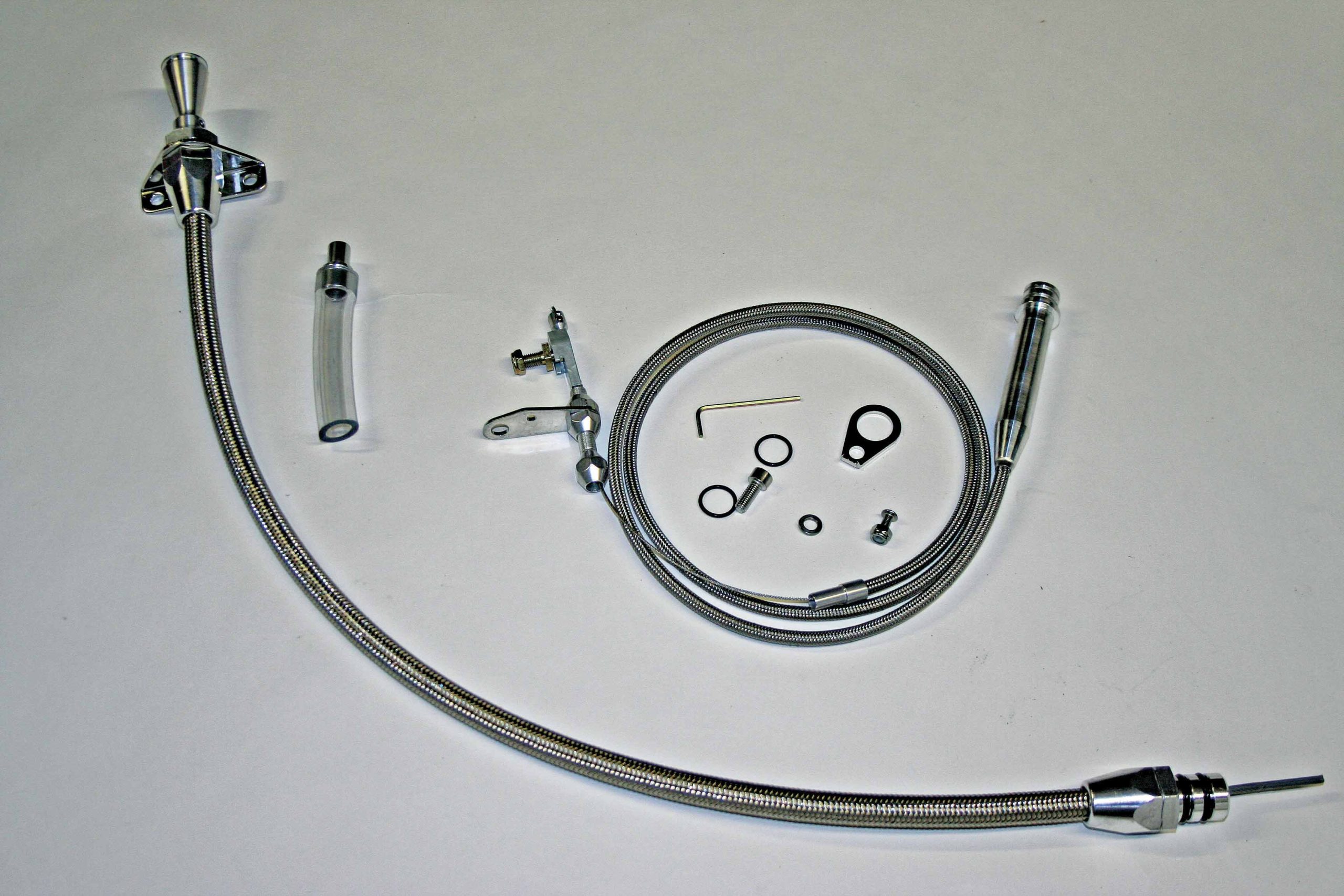
Swapping the 350 Turbo for a 700R4 will require a new dipstick and a kickdown. While ordering a new shifter, we picked up the Lokar firewall-mounted dipstick and the braided kickdown cable.
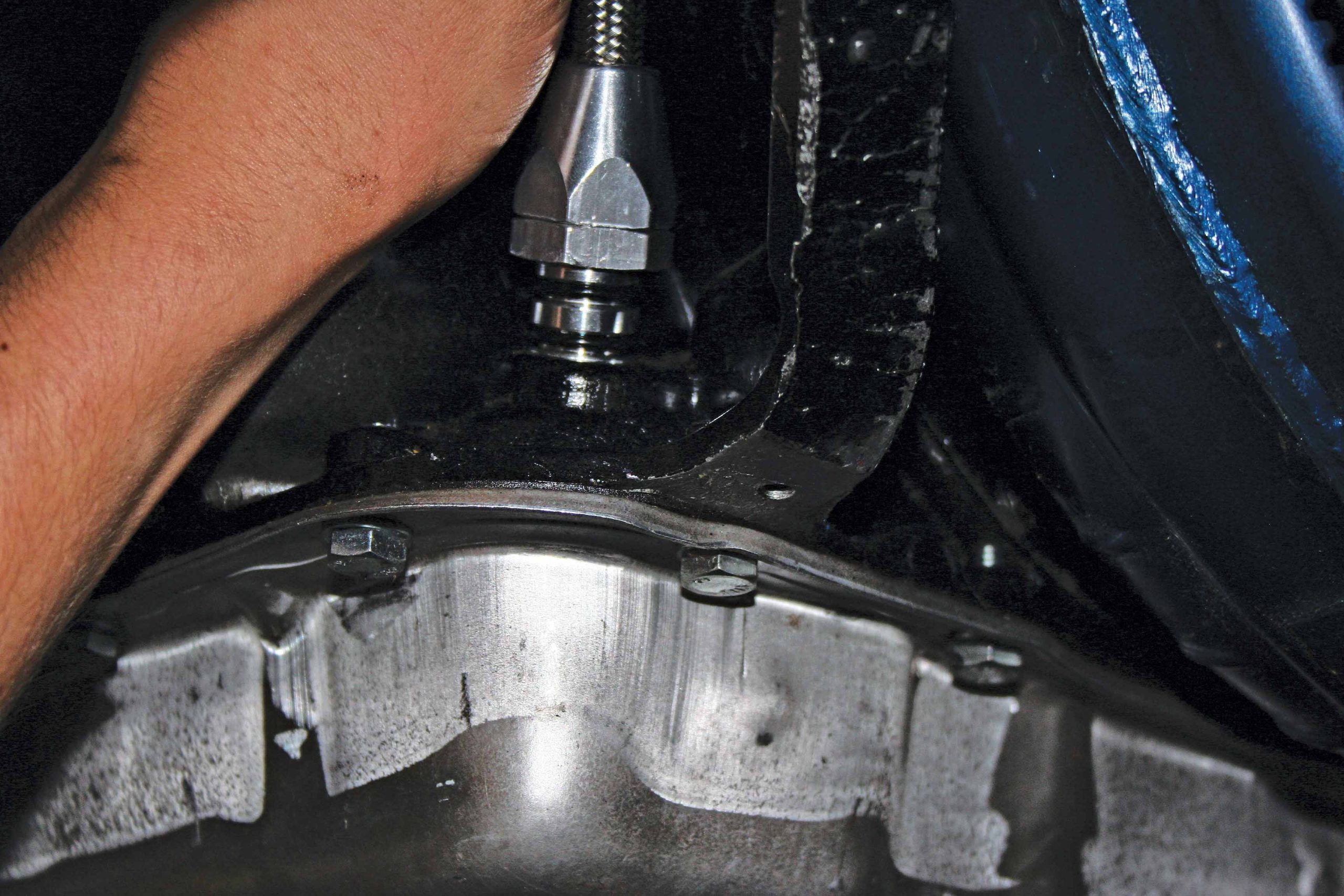
The Lokar dipstick was the first to be installed. Lokar has designed the dipstick tube to accept twin O-rings, which prevents leaks from fluid pressure.
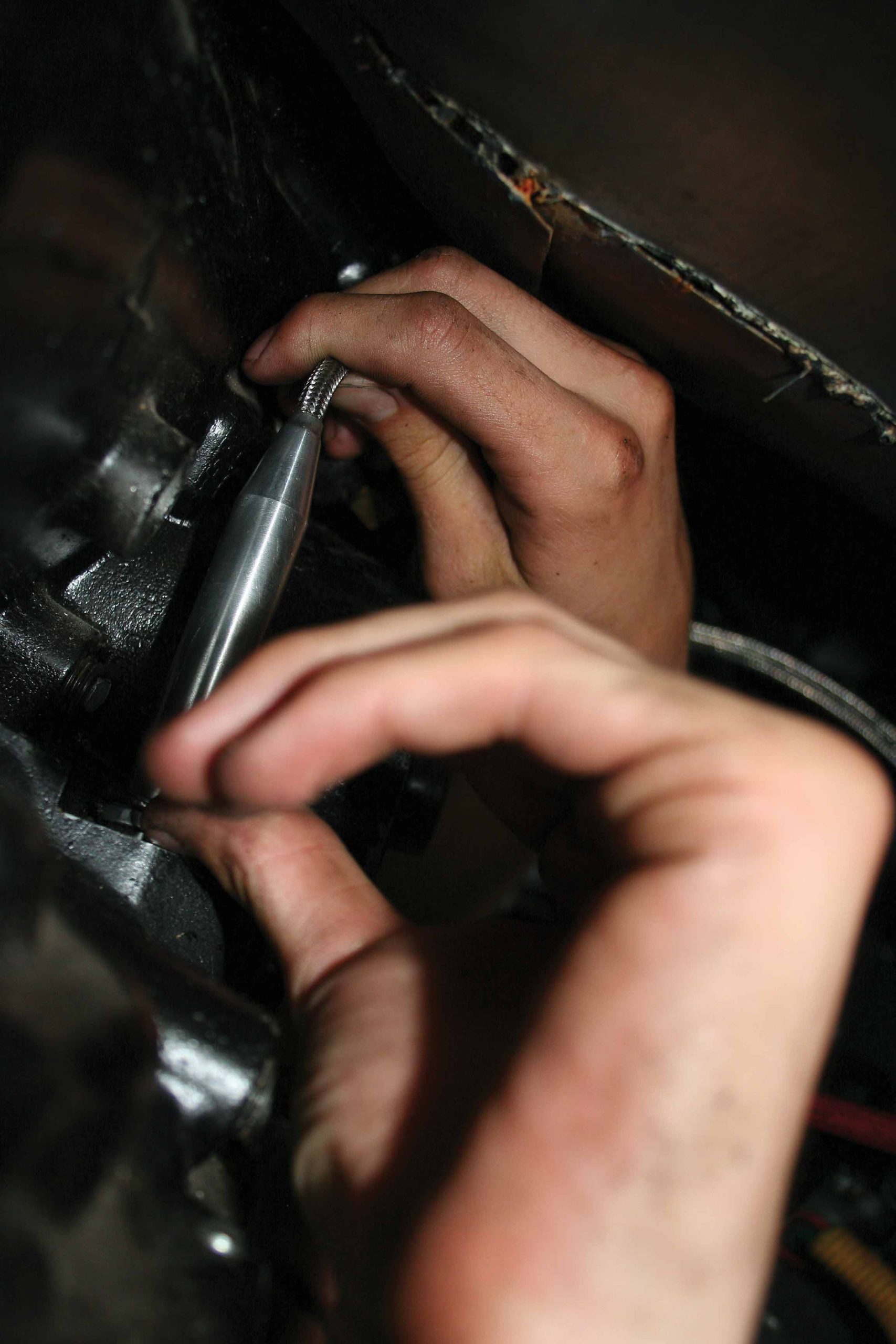
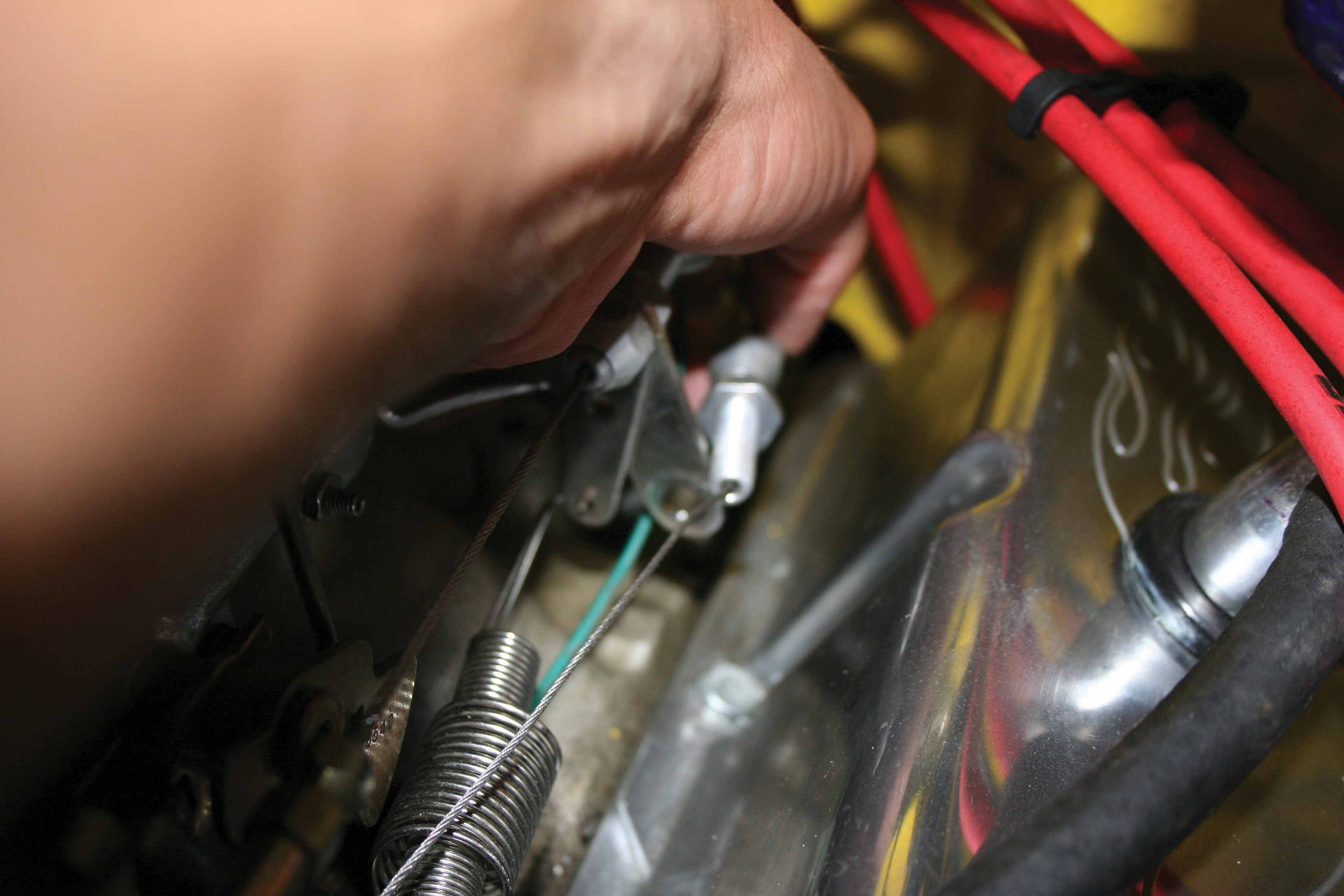
We then installed the new kickdown. Hook the new kickdown cable to the rod inside the transmission. Once it’s connected, tighten down the retaining ring and route the cable to the carb.
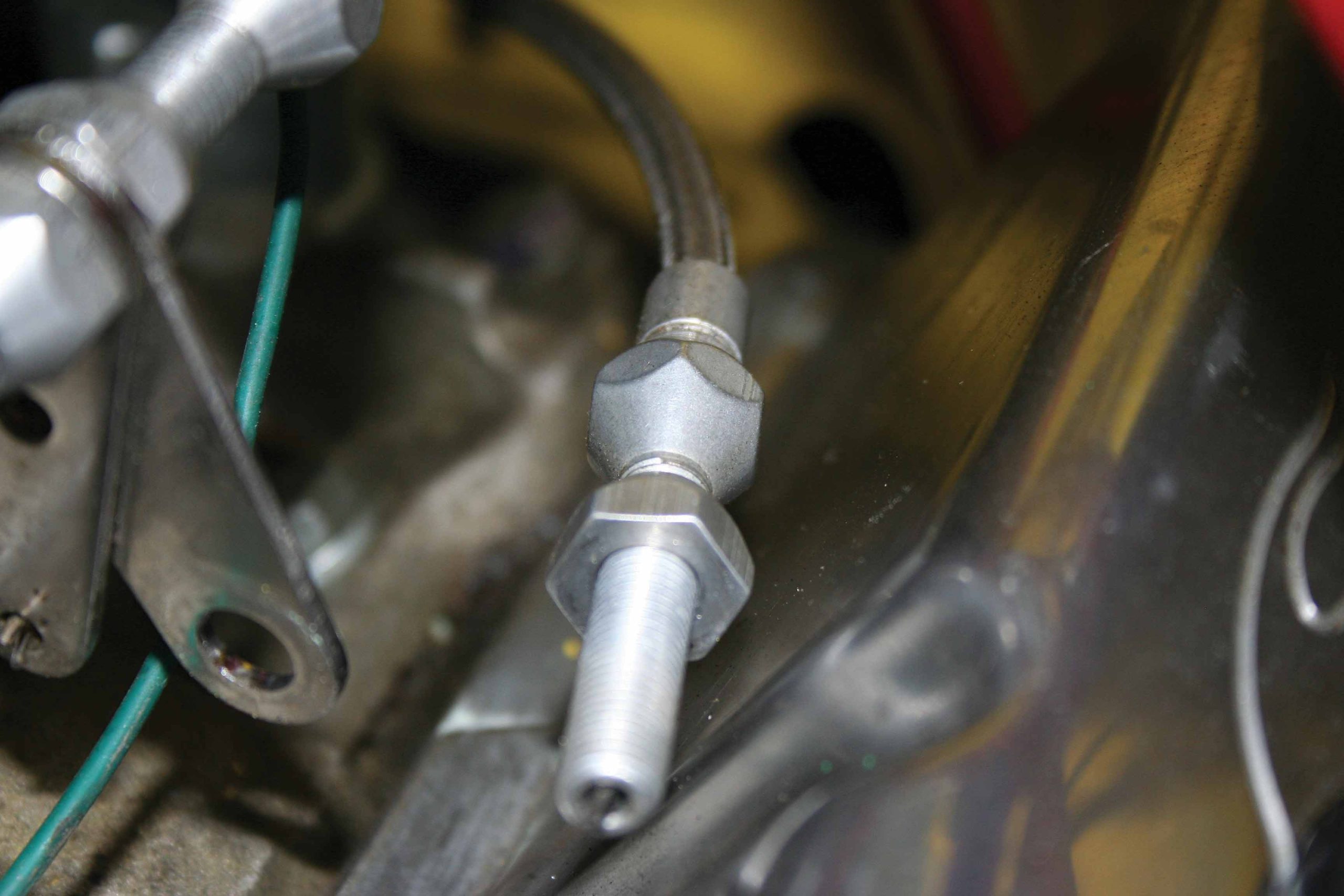
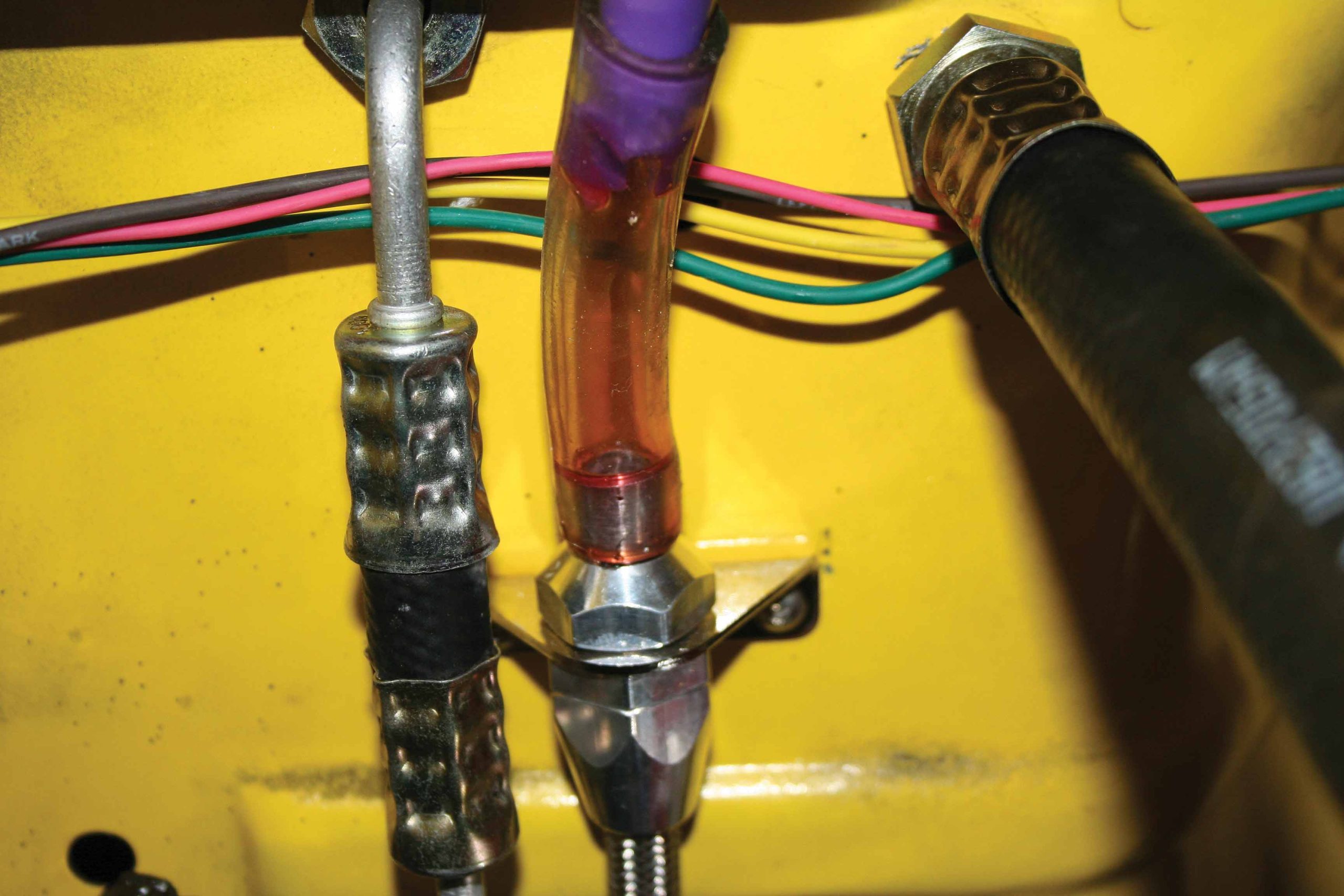
We then re-attached our cooler lines to the new transmission.
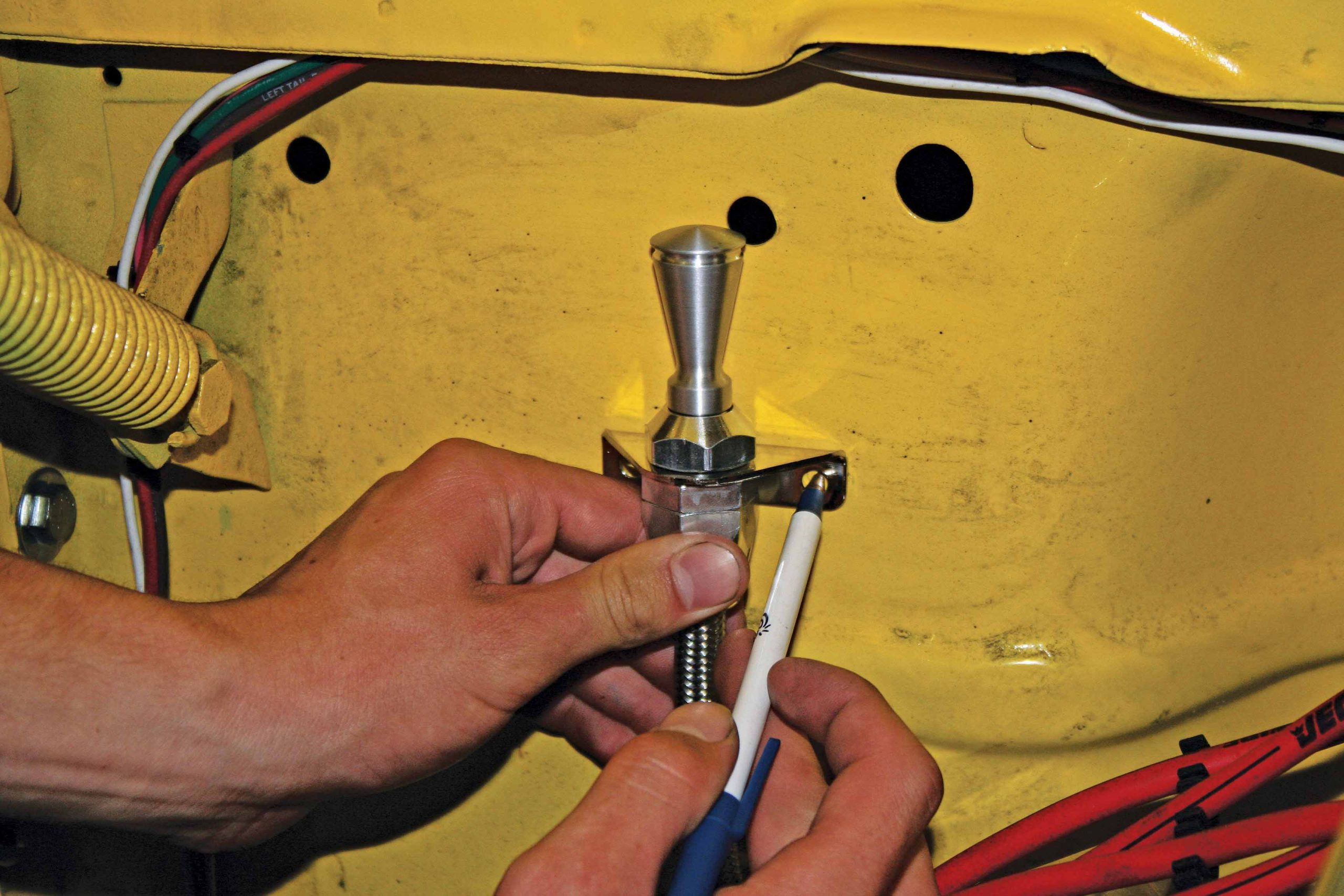
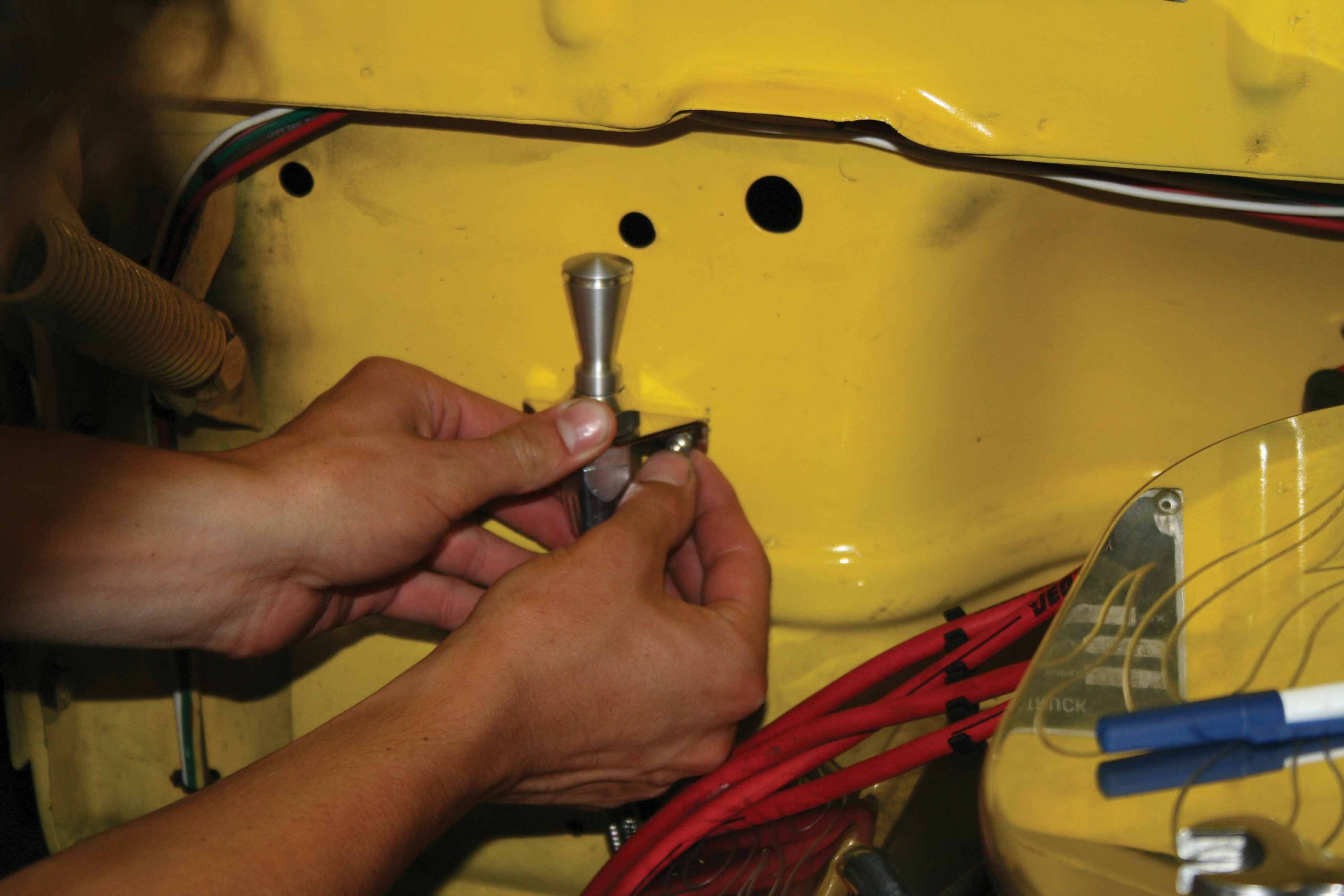
Now that we are finished on the underside, we can begin with the work under the hood. We fed our new dipstick up and found a good location for mounting. We marked the firewall with a pen and drilled mounting holes.
After the holes were drilled, two stainless Allen-head bolts were inserted into the firewall and tightened.
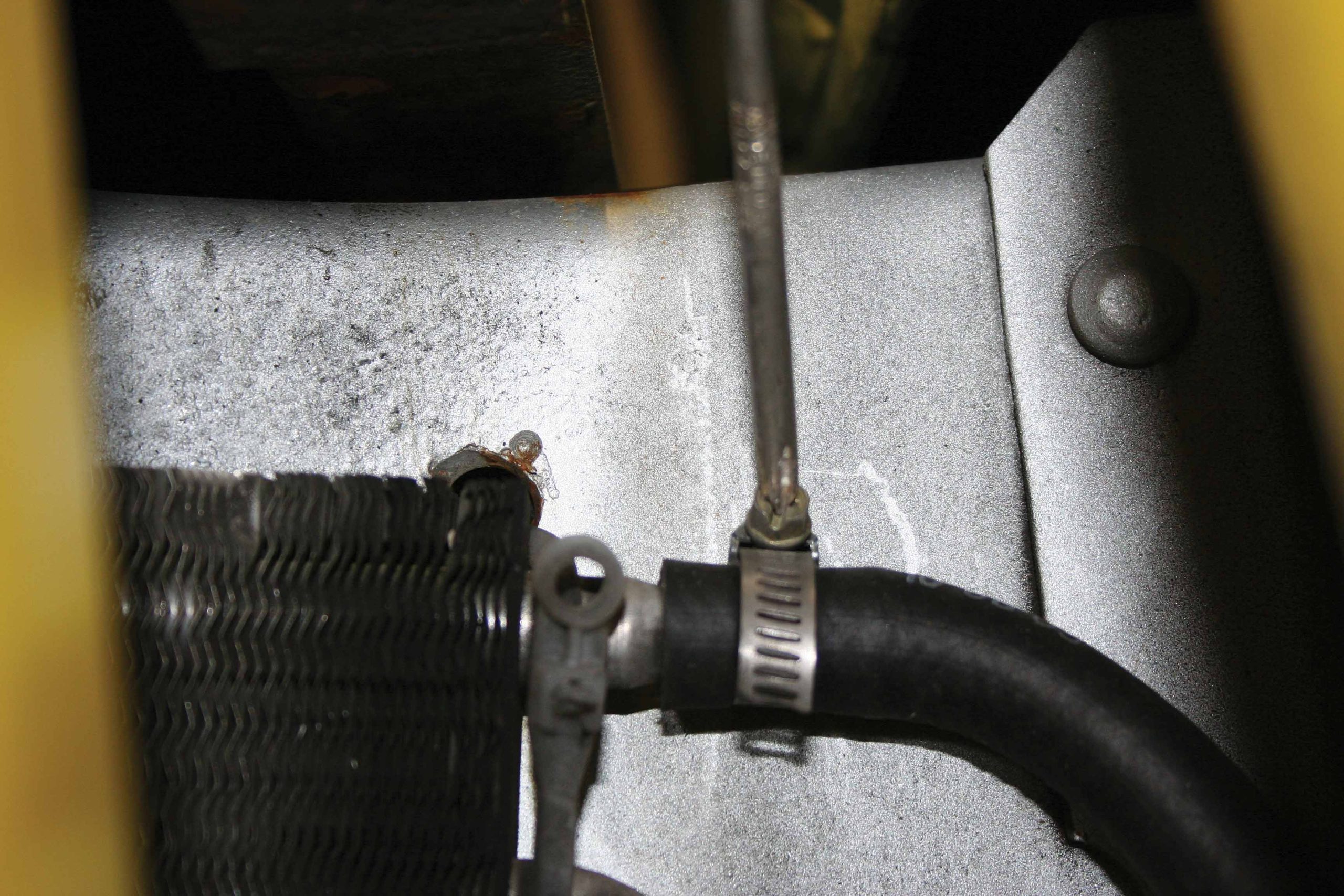
The kickdown was next on the list. We pulled the slack and adjusted the kickdown, and then we inserted the cable into the carb bracket.
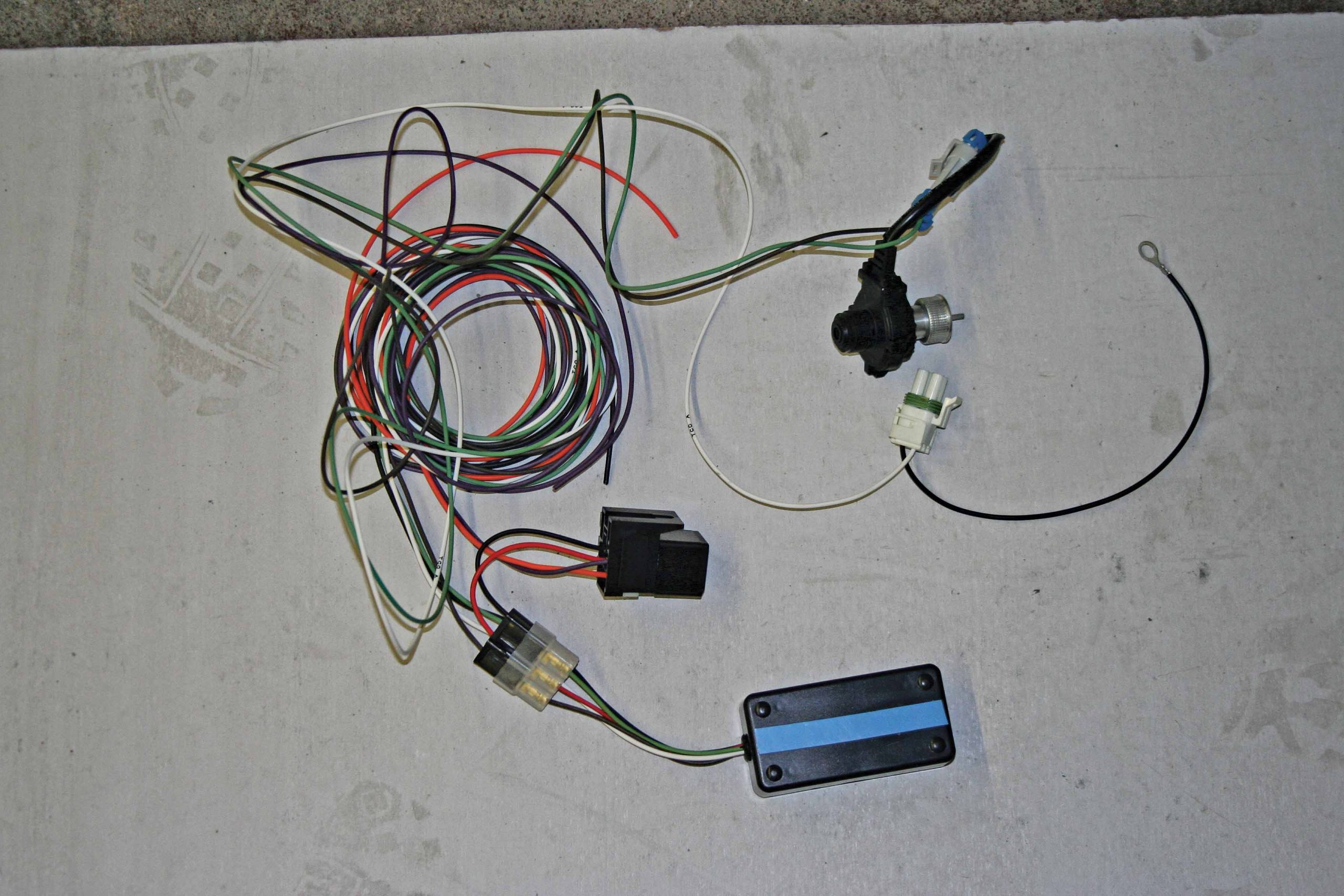
Since we purchased a lockup converter, it required us to install a lockup module. After looking at the available kits on the market, our final choice was the Ron Francis kit. It includes all the necessary plugs, connectors and wiring to complete the install in less than an hour.
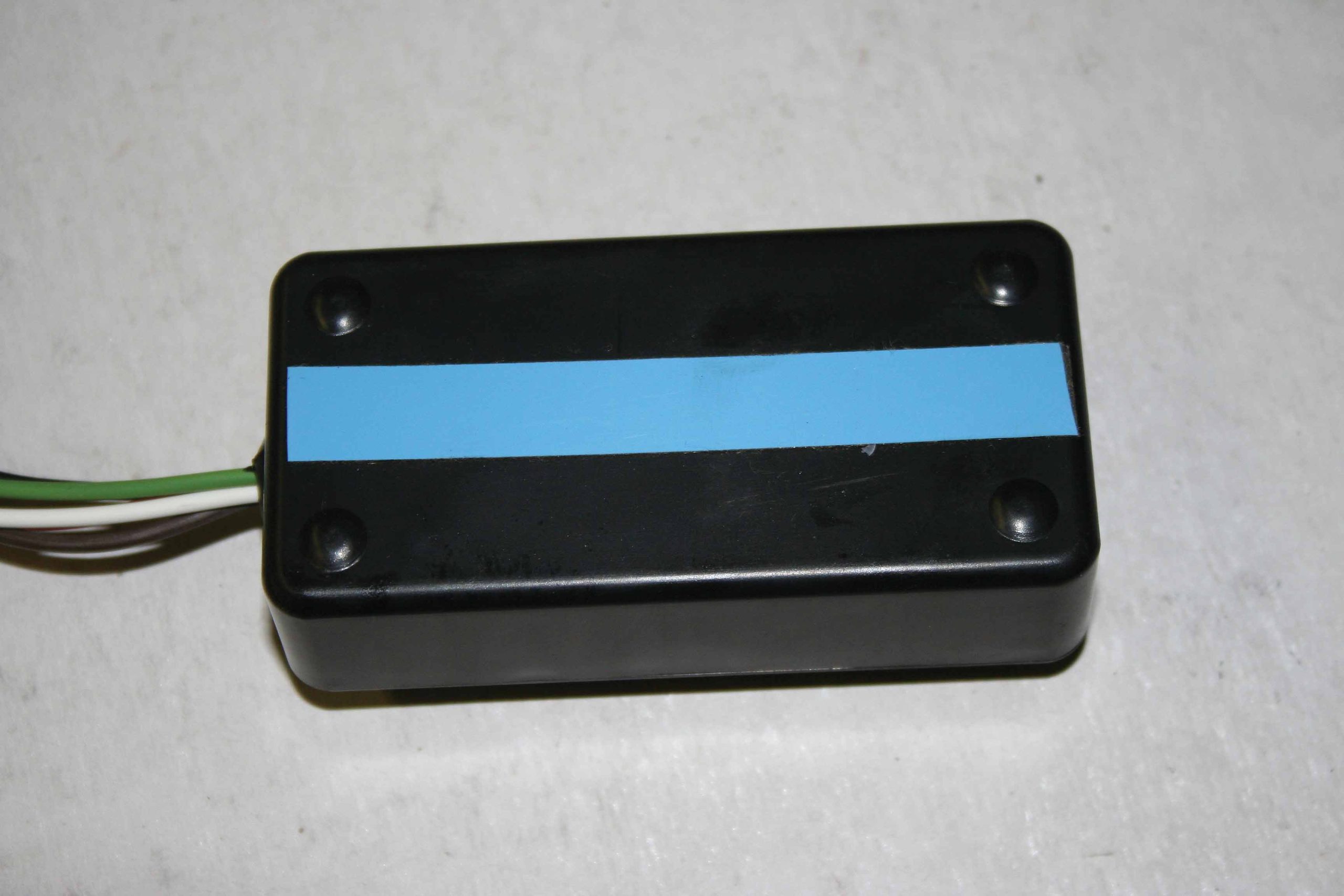
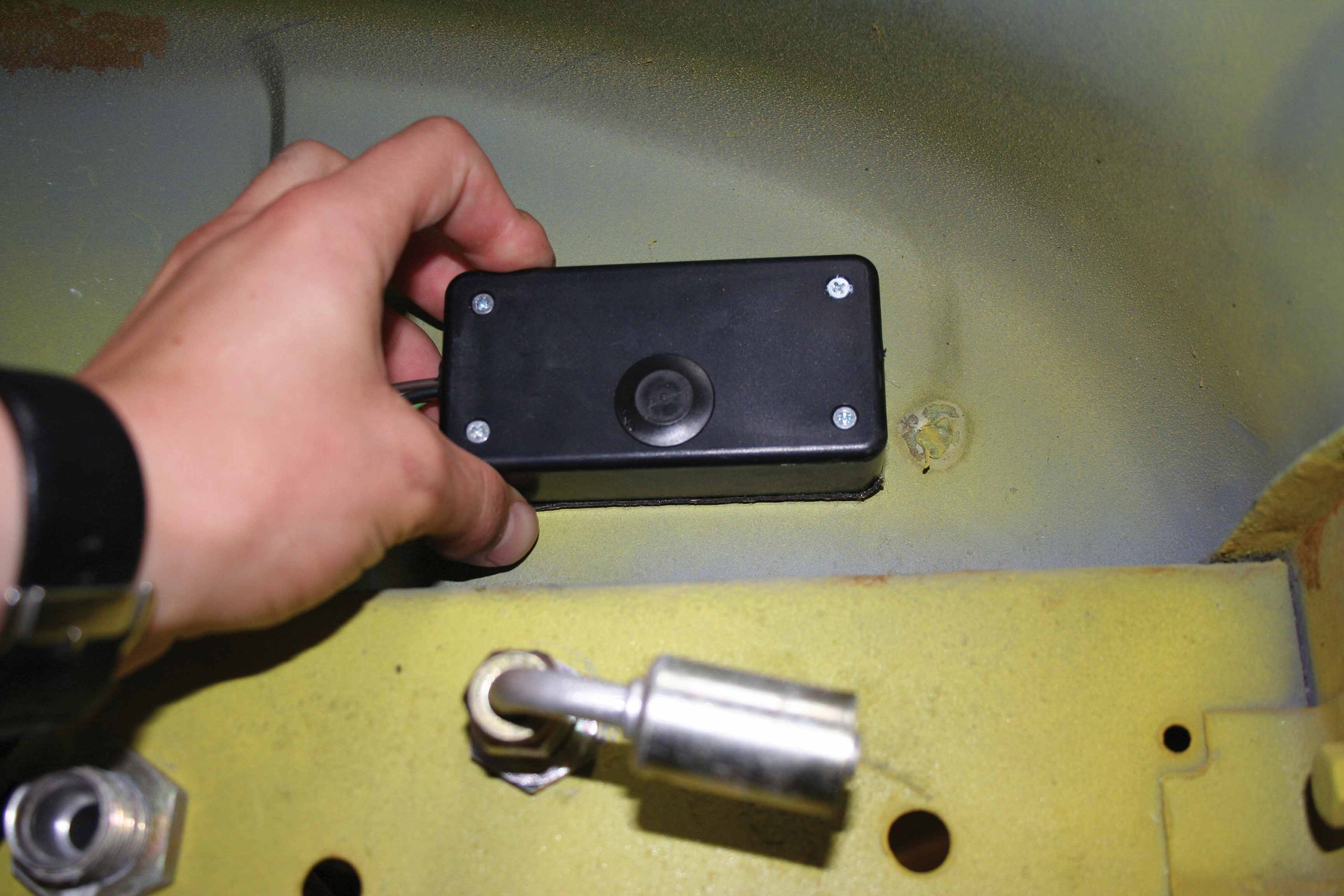
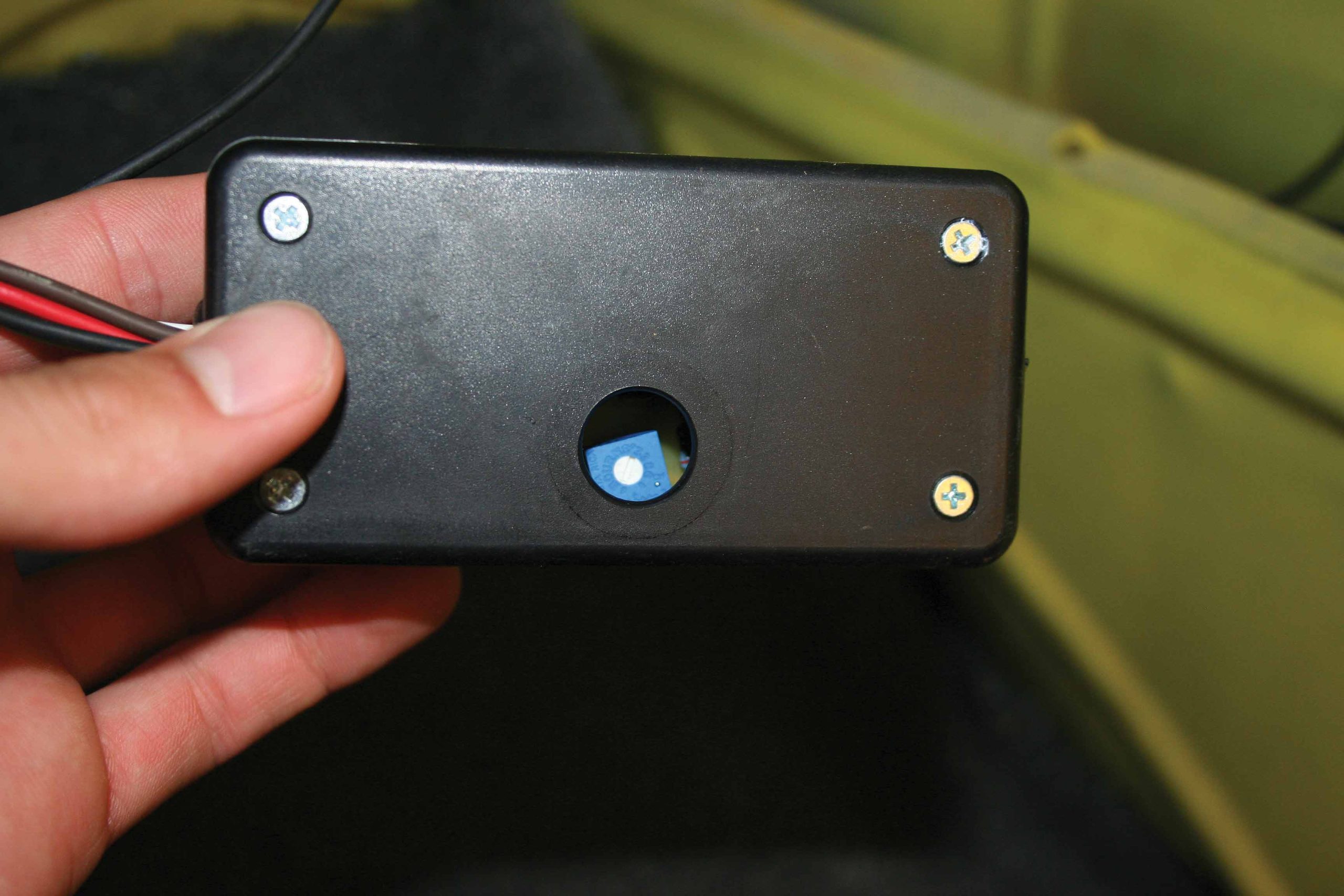
This is the little black box that controls the lockup harness. It is pre- programmed for 43 mph, but with the turn of a screw it is fully adjustable, allowing the converter to lock up at the owner’s desired speed.
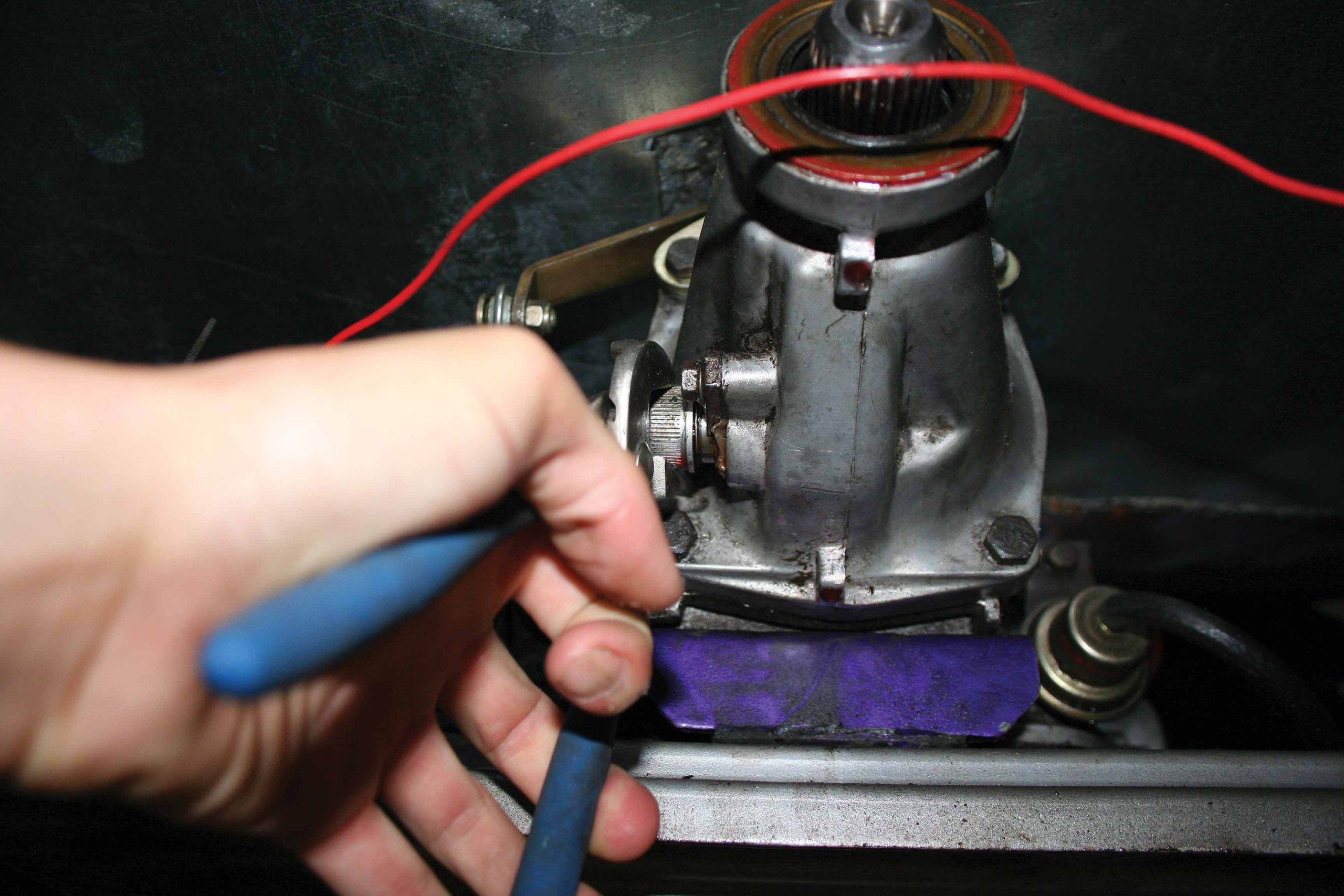
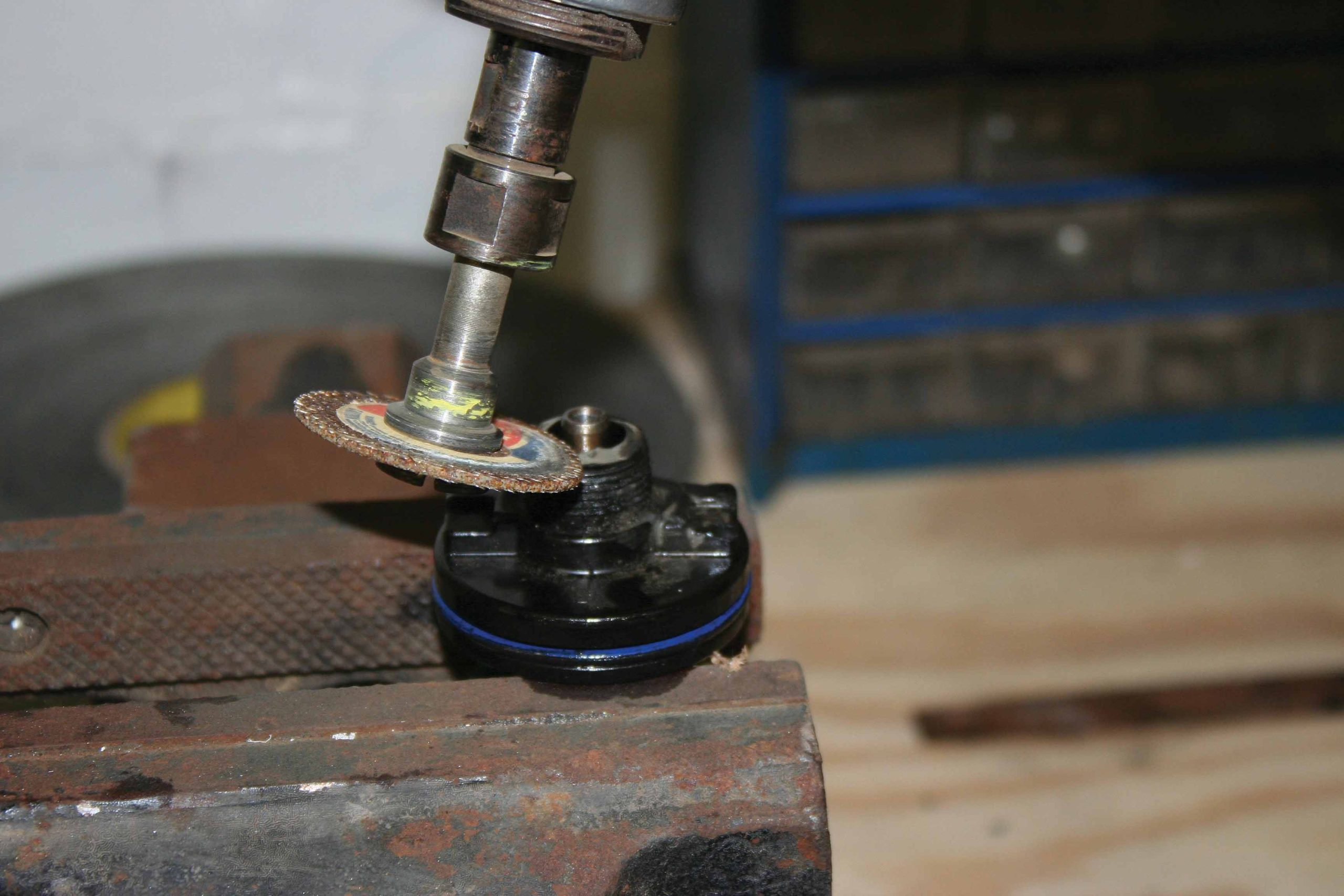
Depending on which speedo bullet your transmission is equipped with, you may or may not need to cut off the tip in order to allow the speed sensor for the lockup to screw on completely.
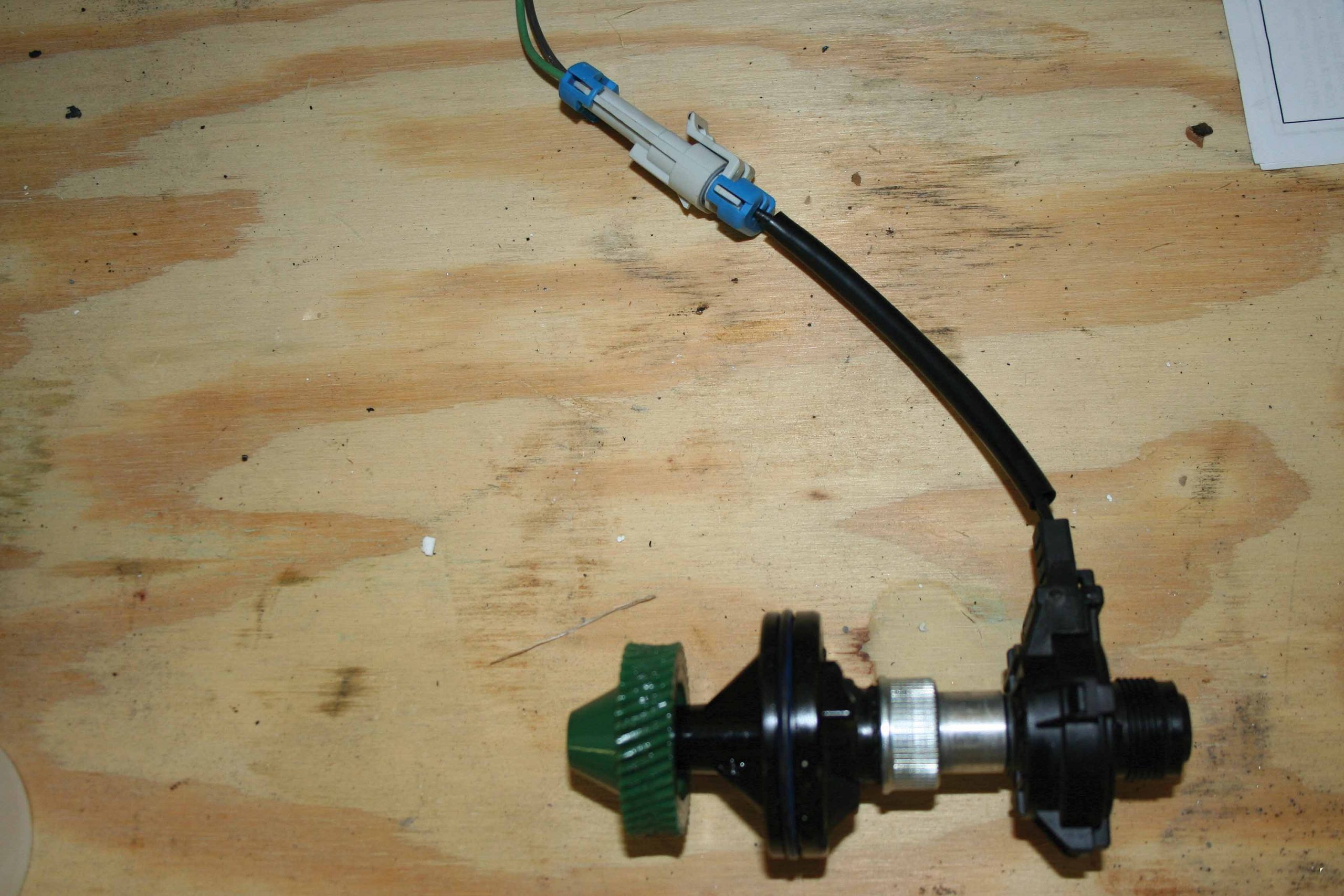
With the piece cut, we went ahead and screwed the lockup sensor onto the bullet and reinstalled the assembly into the truck.
We then reinstalled the speedometer sensor to the completed assembly.
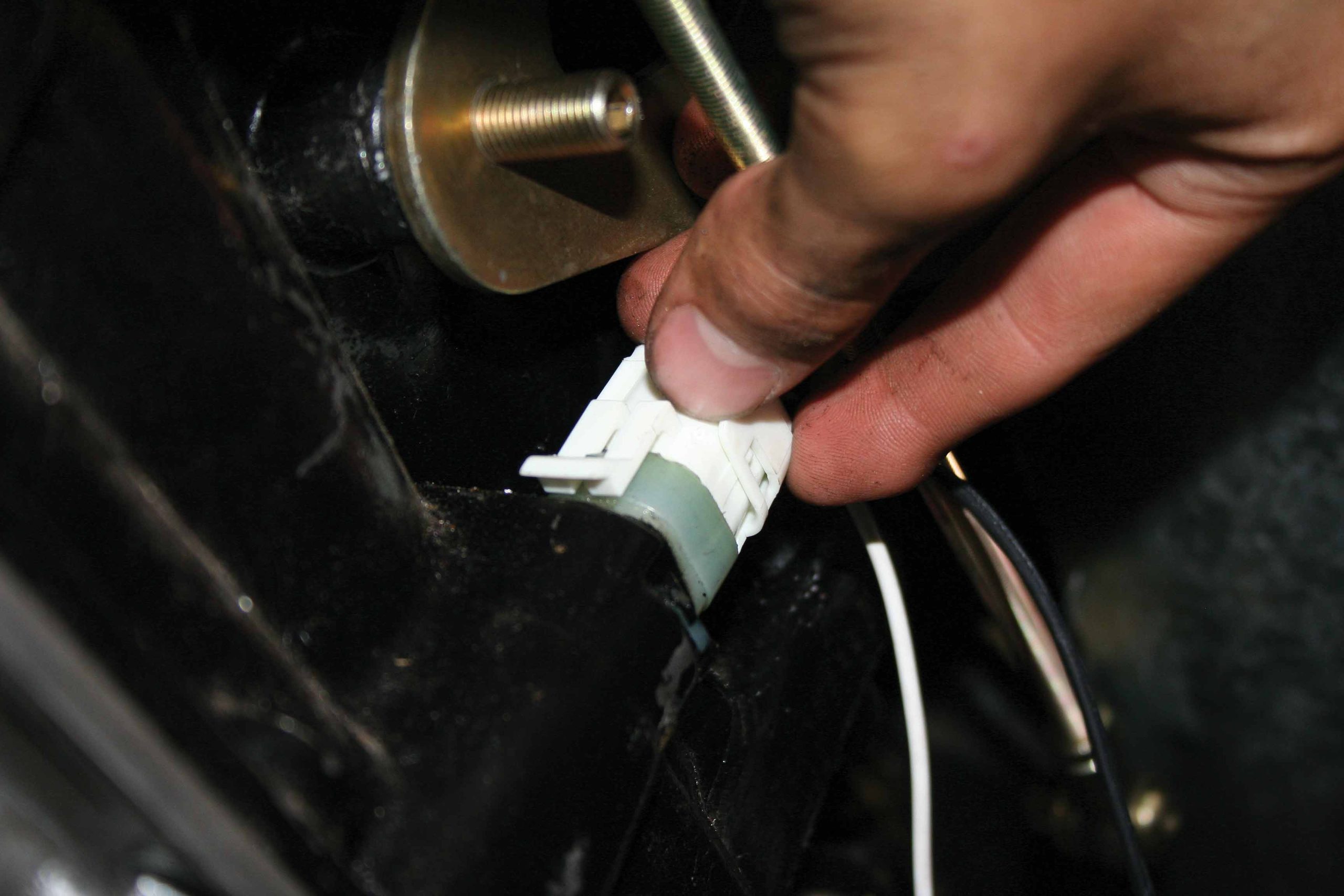
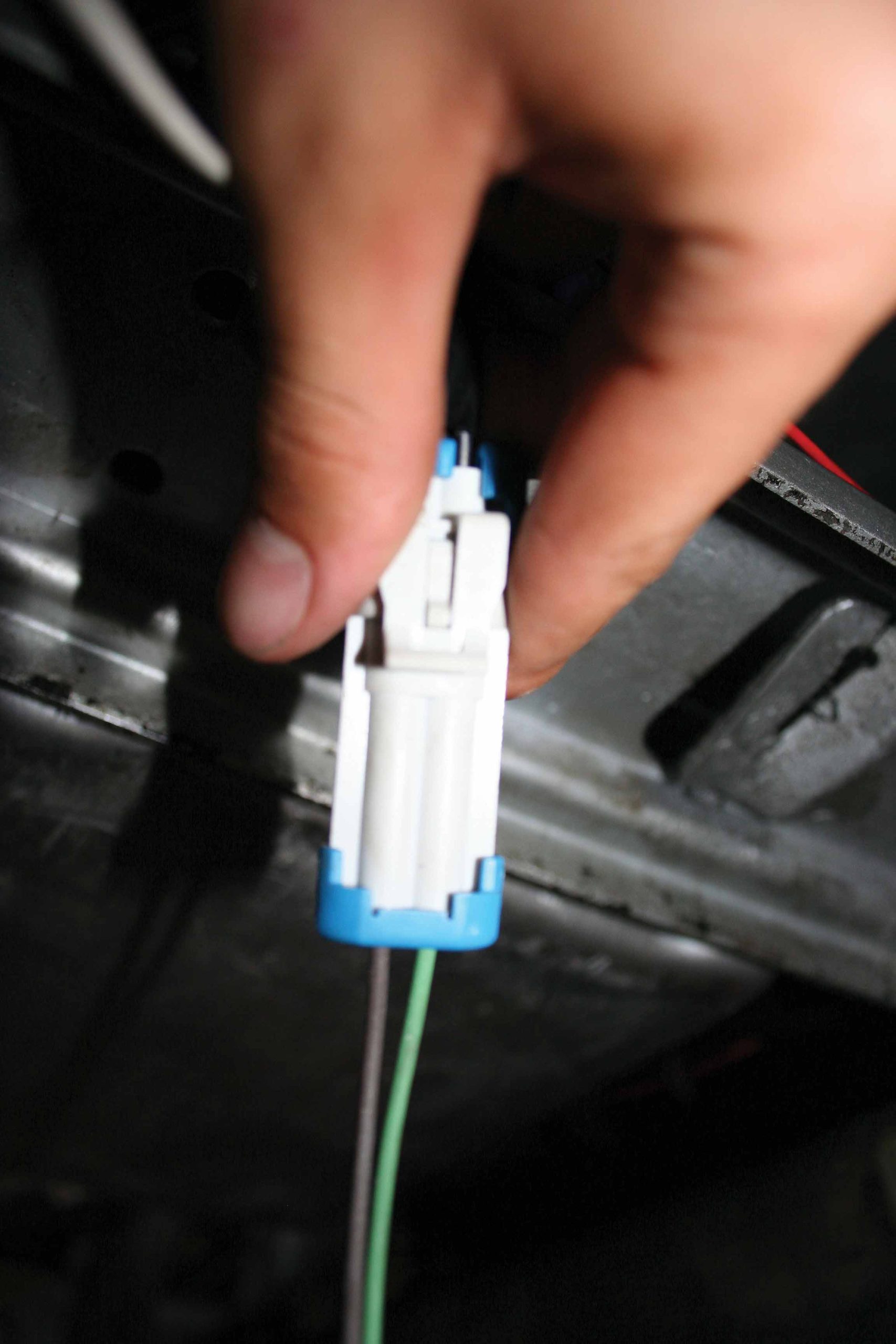
The next piece is this plug-in that simply plugs into the side of the trans and supplies power for the lockup.
With the plugs connected to the trans, we began hooking up the harness and routing the wires.
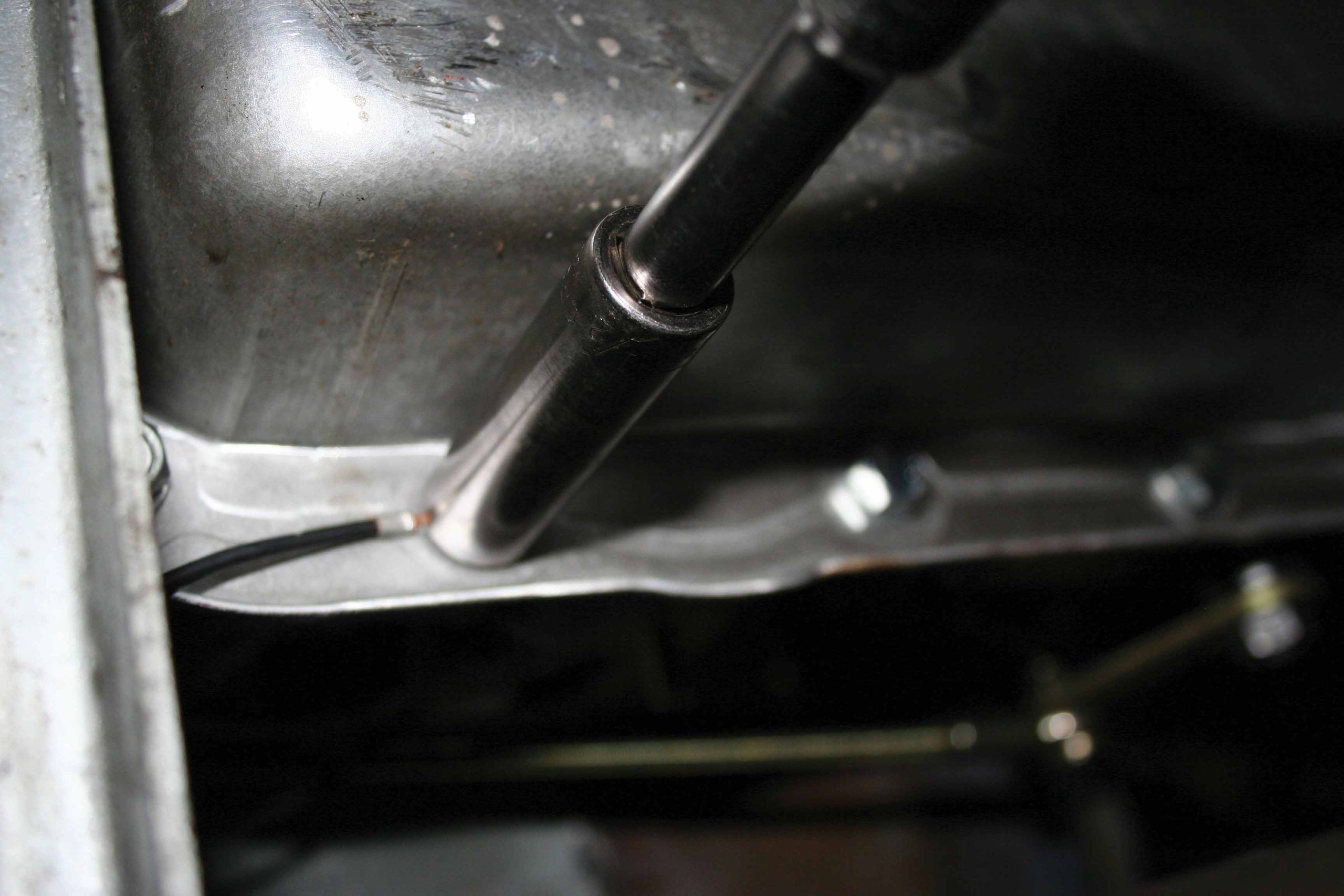
The Ron Francis kit is preterminated and needs a ground. The ground ring grounds with the trans pan bolt.
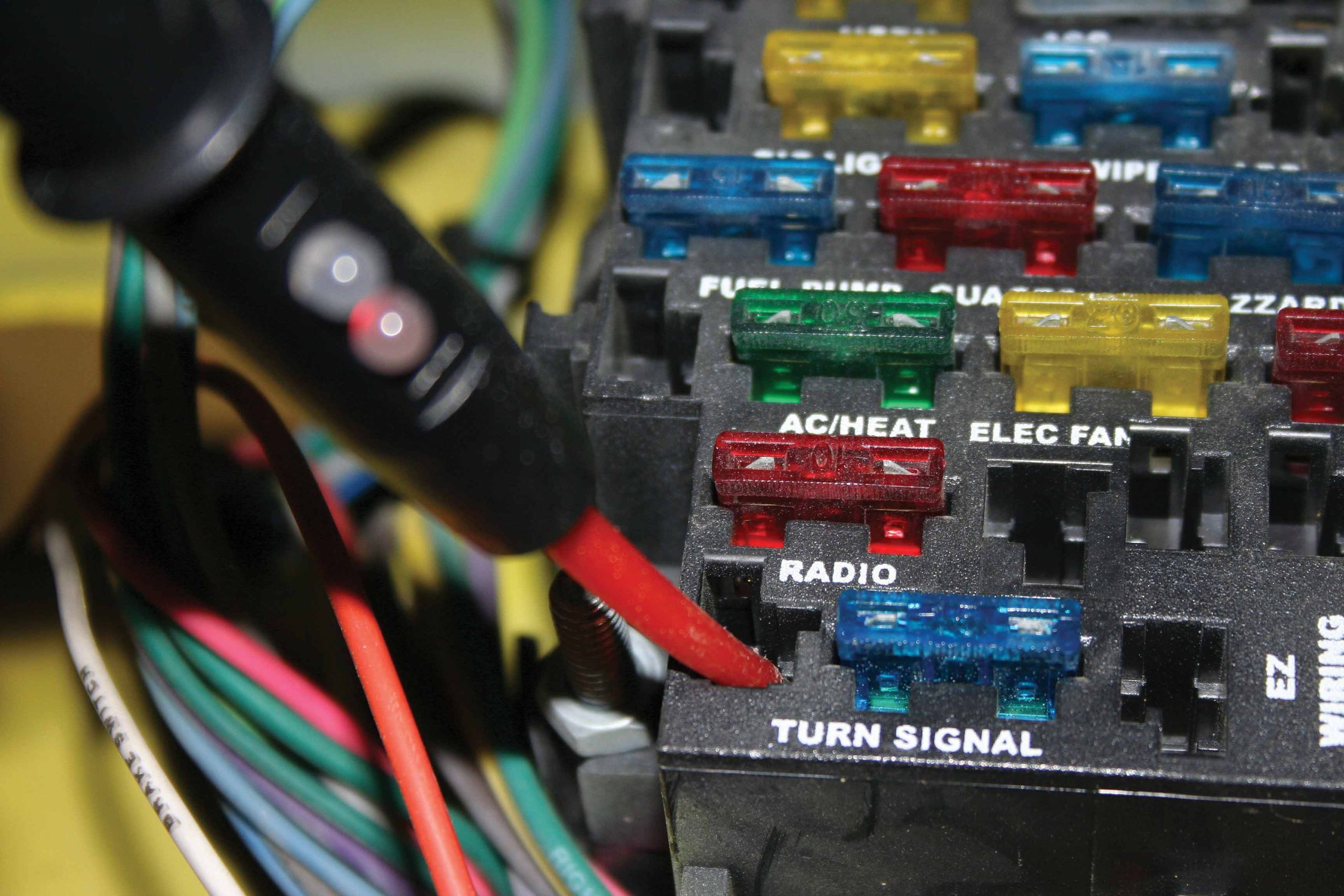
Using our power tester, we located an auxiliary power plug for the harness.
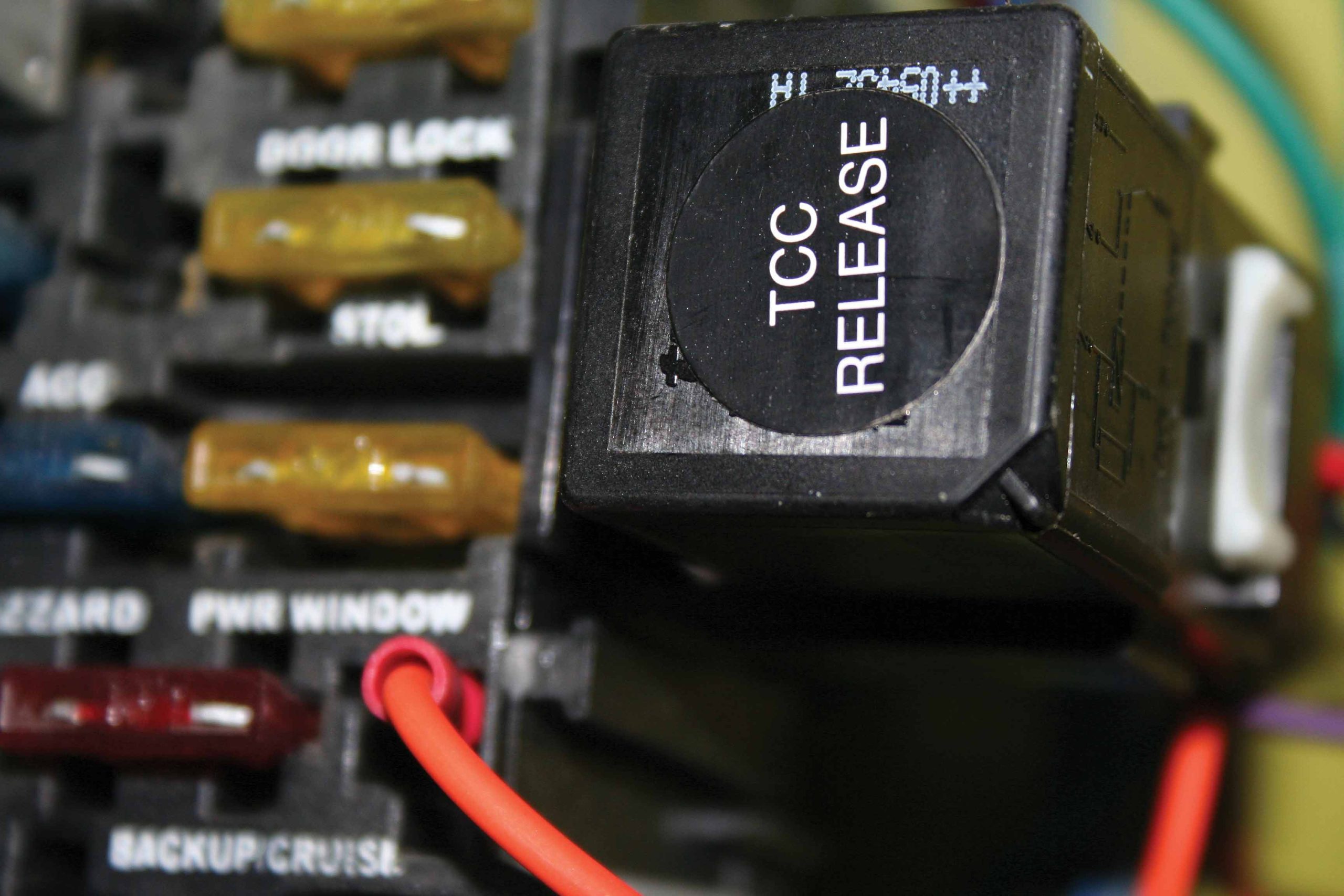
We shortened the power wire, connected the harness to the fuse panel and relay and mounted it to the side of the panel.
The black box has a piece of double-sided tape on the back that allows the box to be attached to the firewall or the backside of the dash.
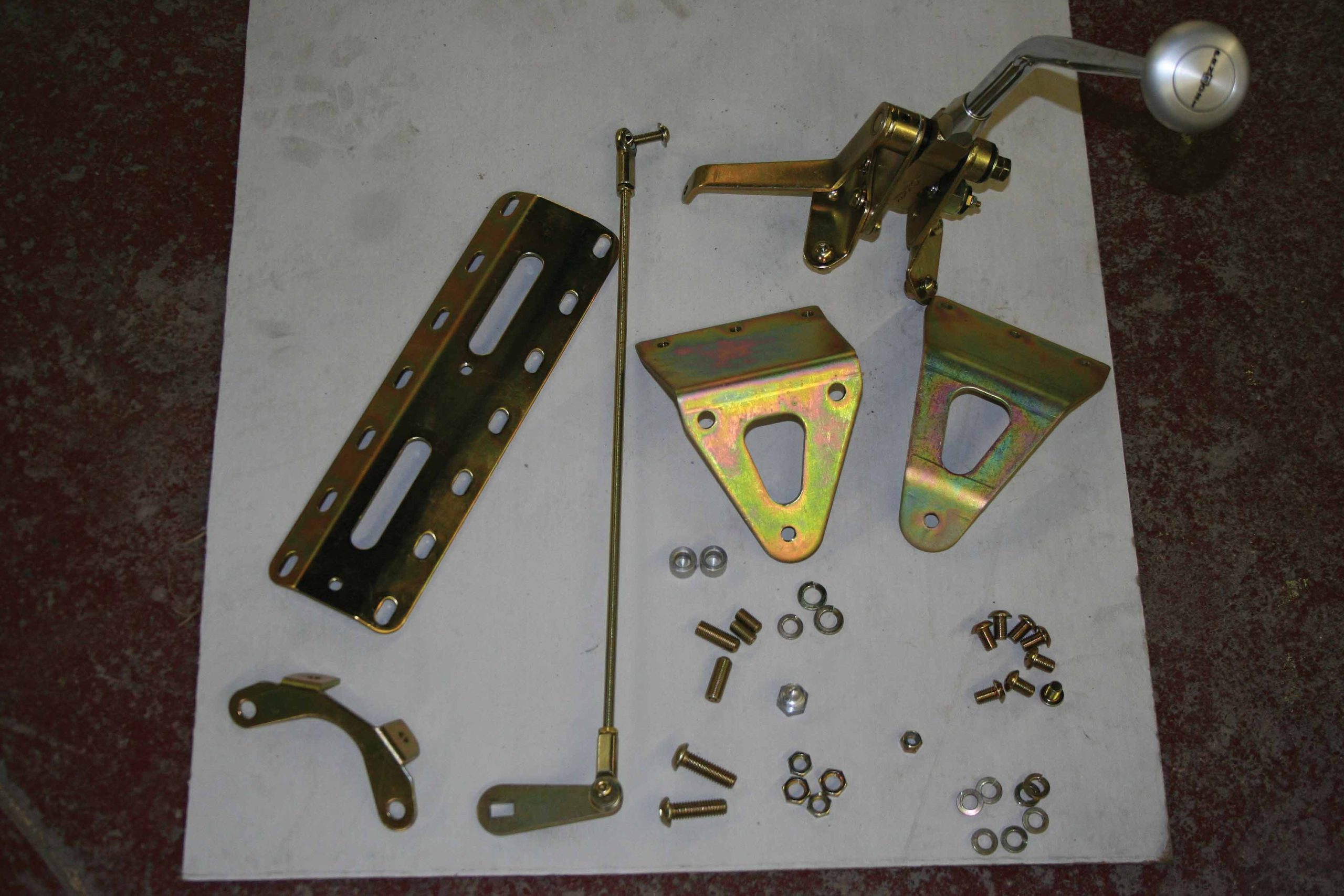
Our old shifter would not work any longer, so we ordered a new transmission shifter to accommodate the lack of room. We chose a 12-inch Lokar shifter to clear the seat.
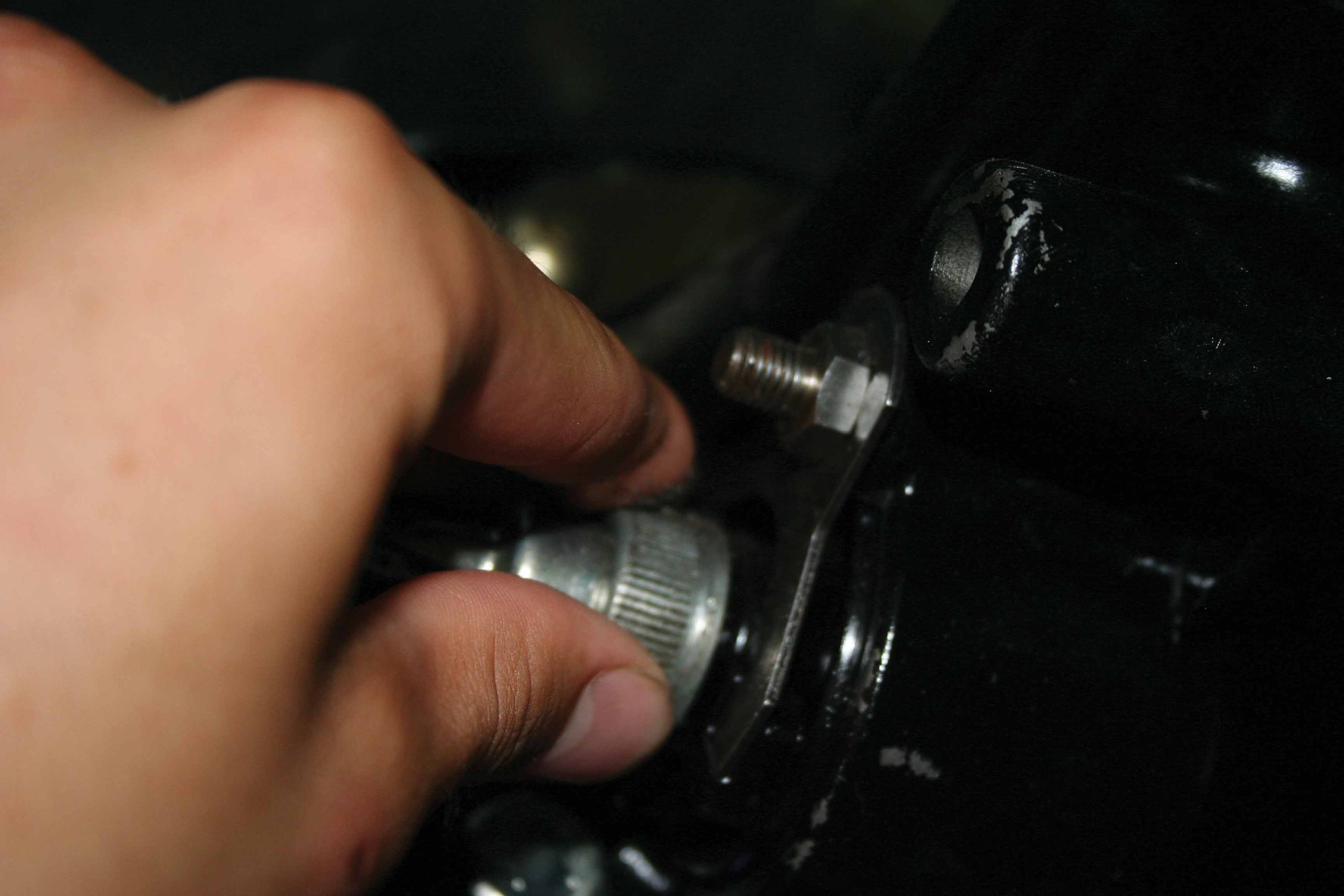
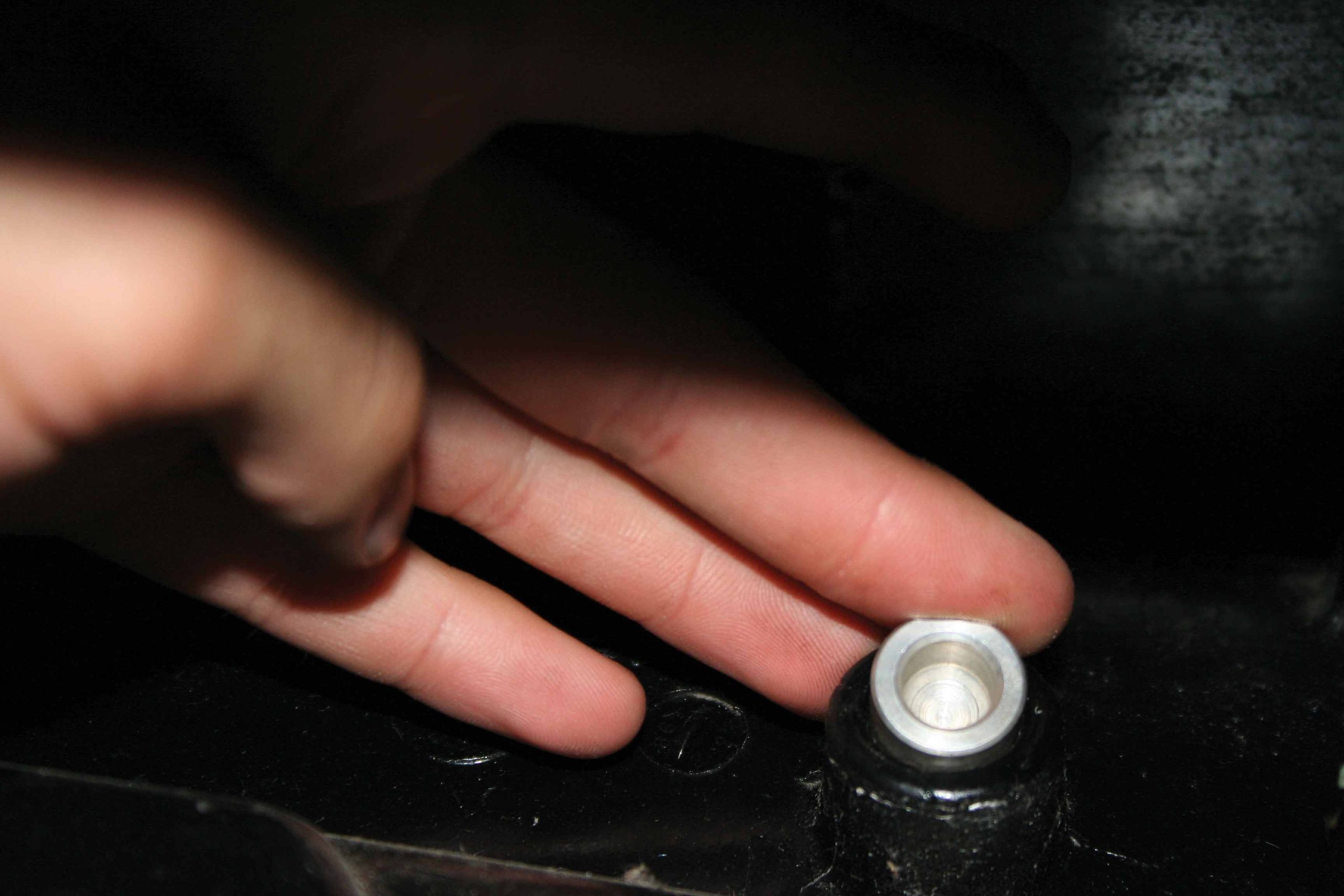
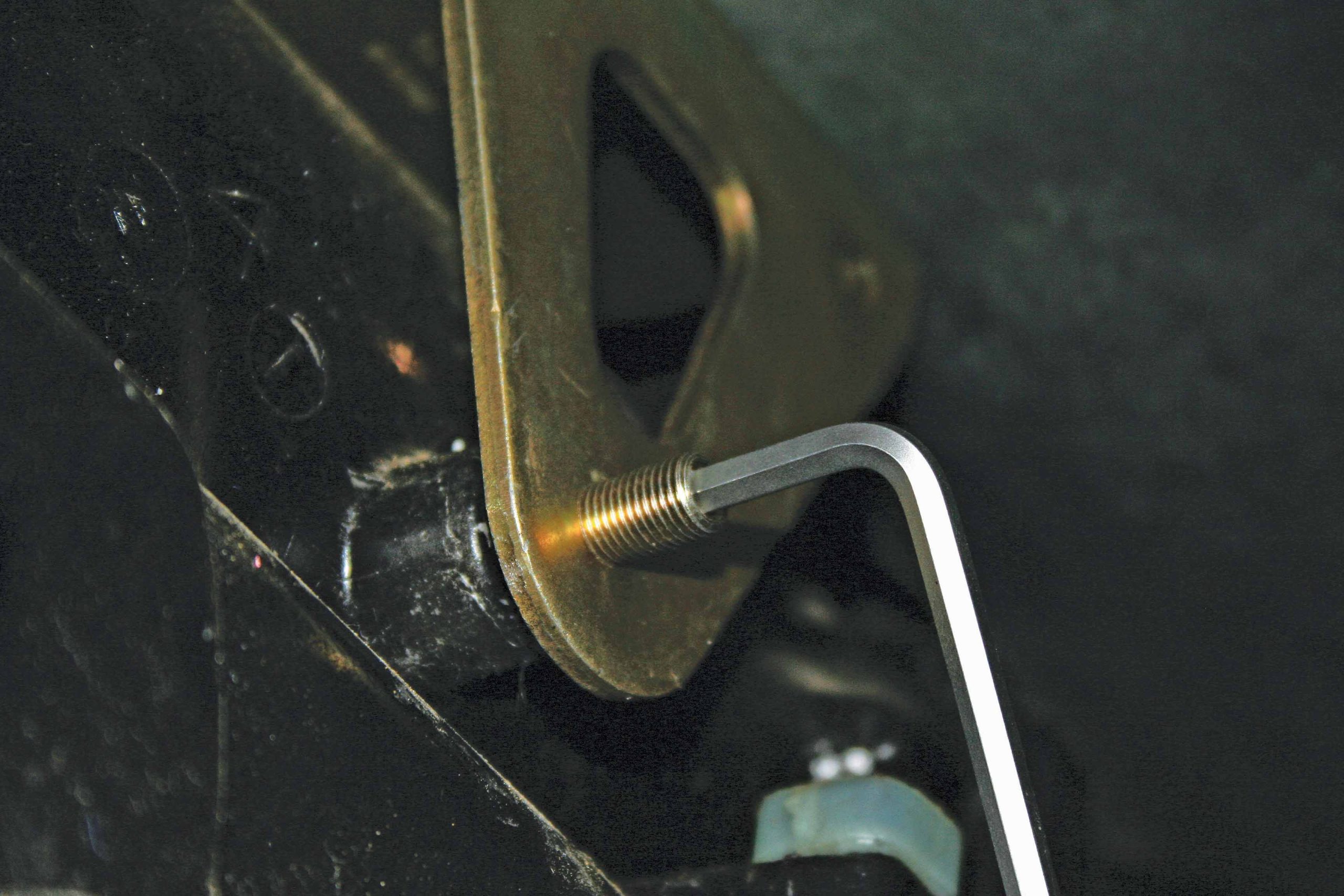
Small aluminum sleeves fit on the side of the transmission. This holds the shifter assembly in place.
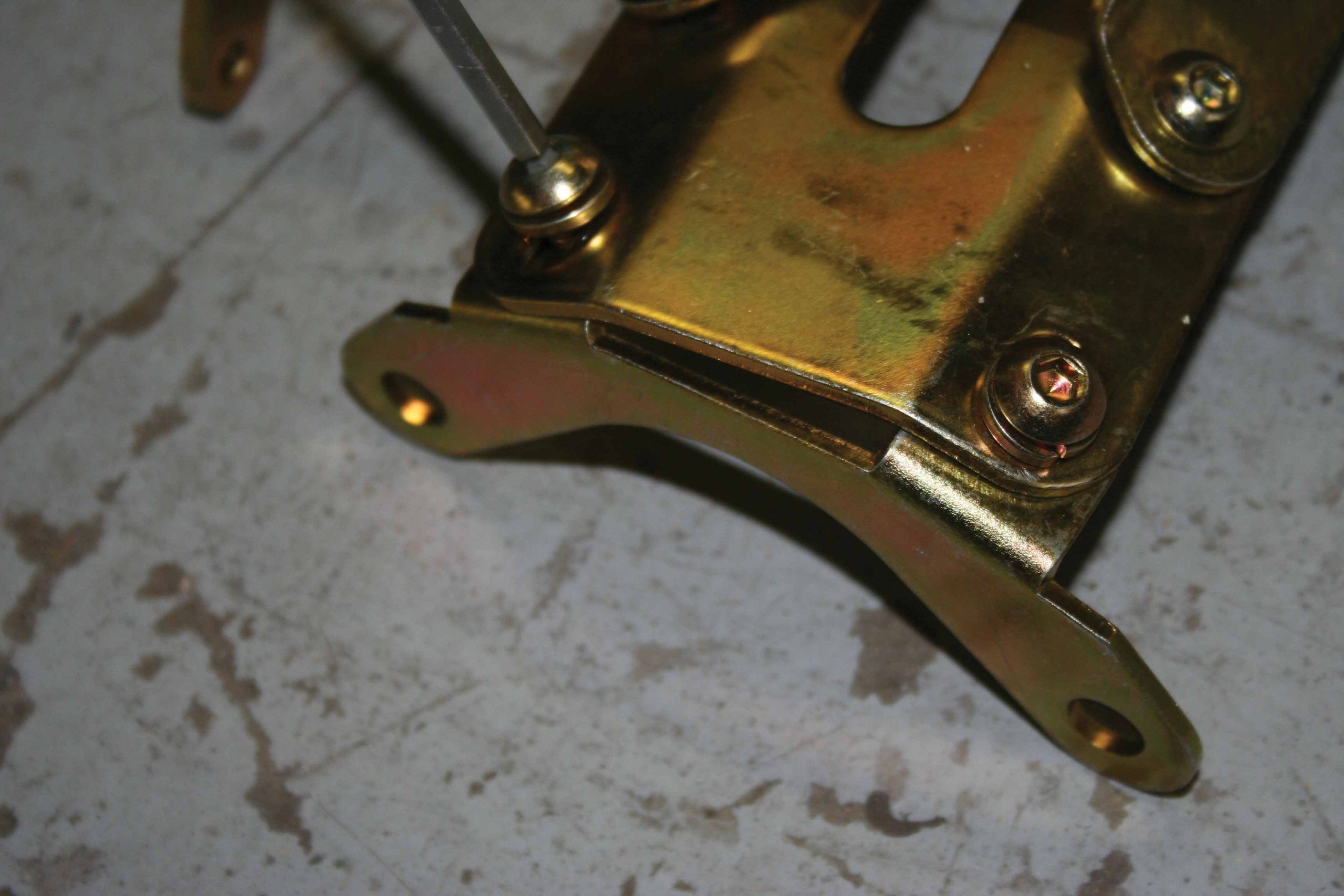
We assembled the top shifter plate and the rear mounting brackets with the supplied hardware.
Now that the unit is assembled, we laid the plate over the trans and inserted the setscrew into the aluminum bosses on each side of the housing.
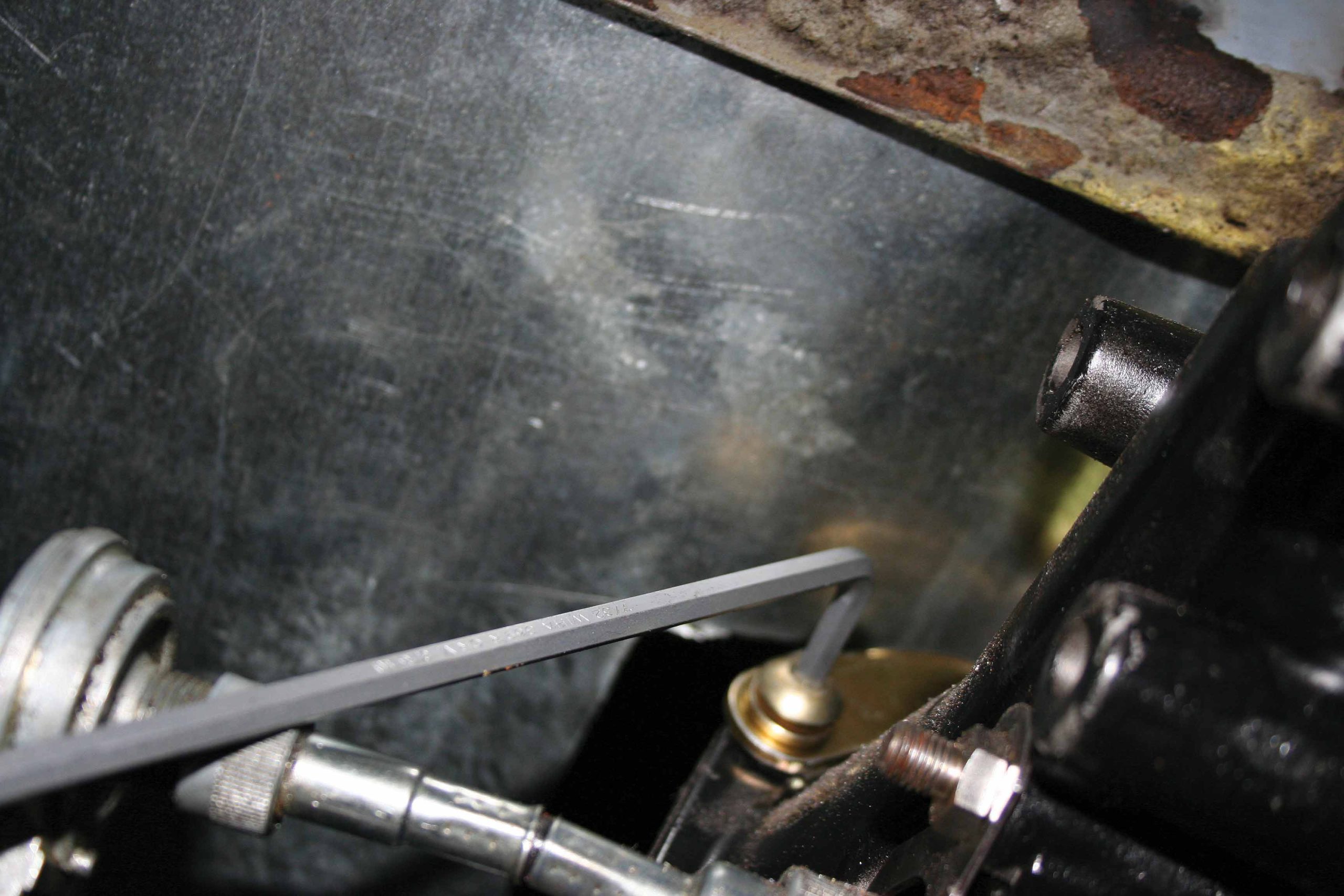
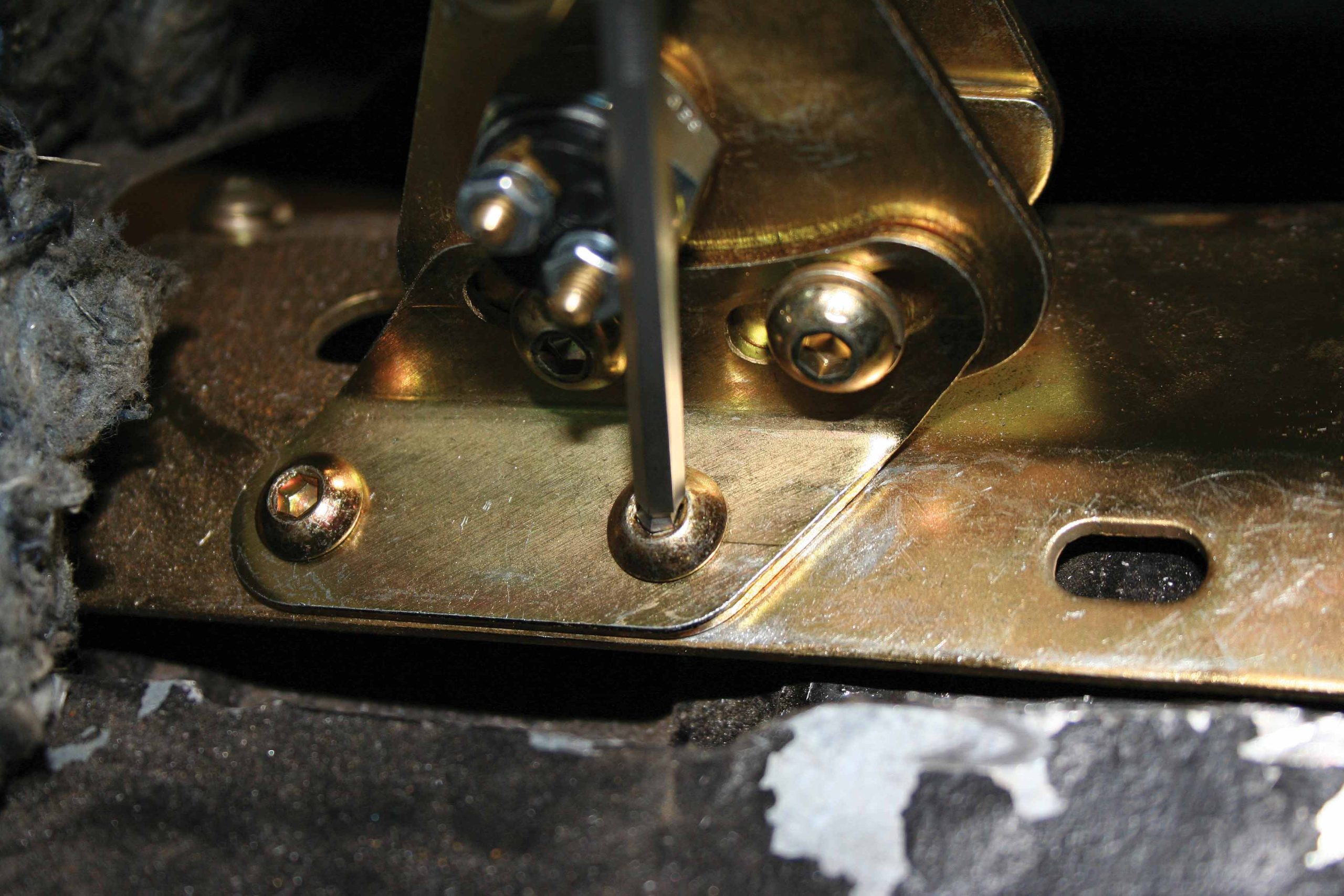
With the shifter plate in place and the setscrews holding the assembly in place, we removed the two rear tailshaft bolts and inserted the new Allen bolts in the rear bracket.
We then set the shifter on the mounting plate and installed the four new bolts.
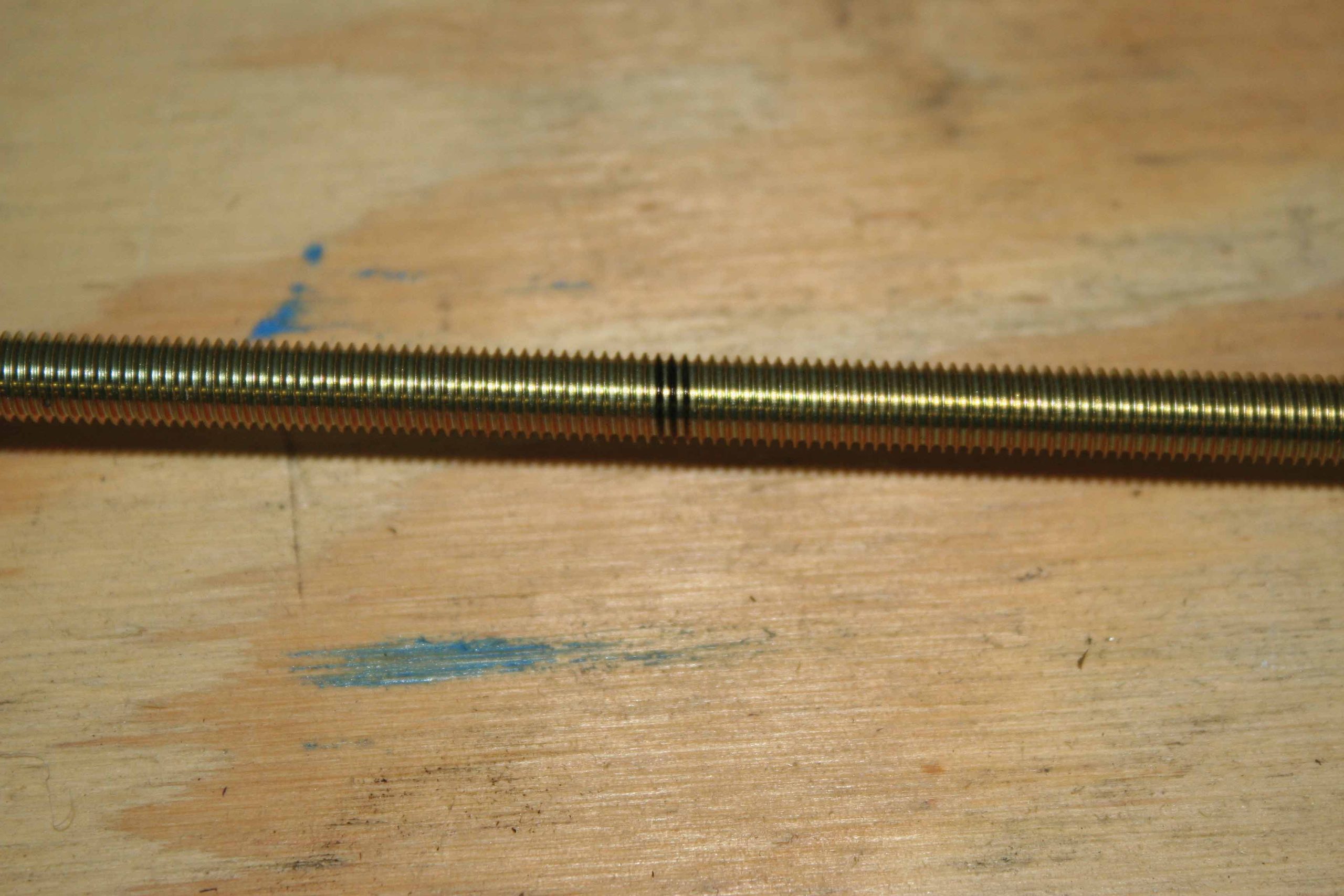
The threaded rod for the shifter linkage is designed as a cut-to-fit piece that allows for individual lengths. We placed the shifter and the trans in Park and measured the distance needed, then marked our threaded rod.
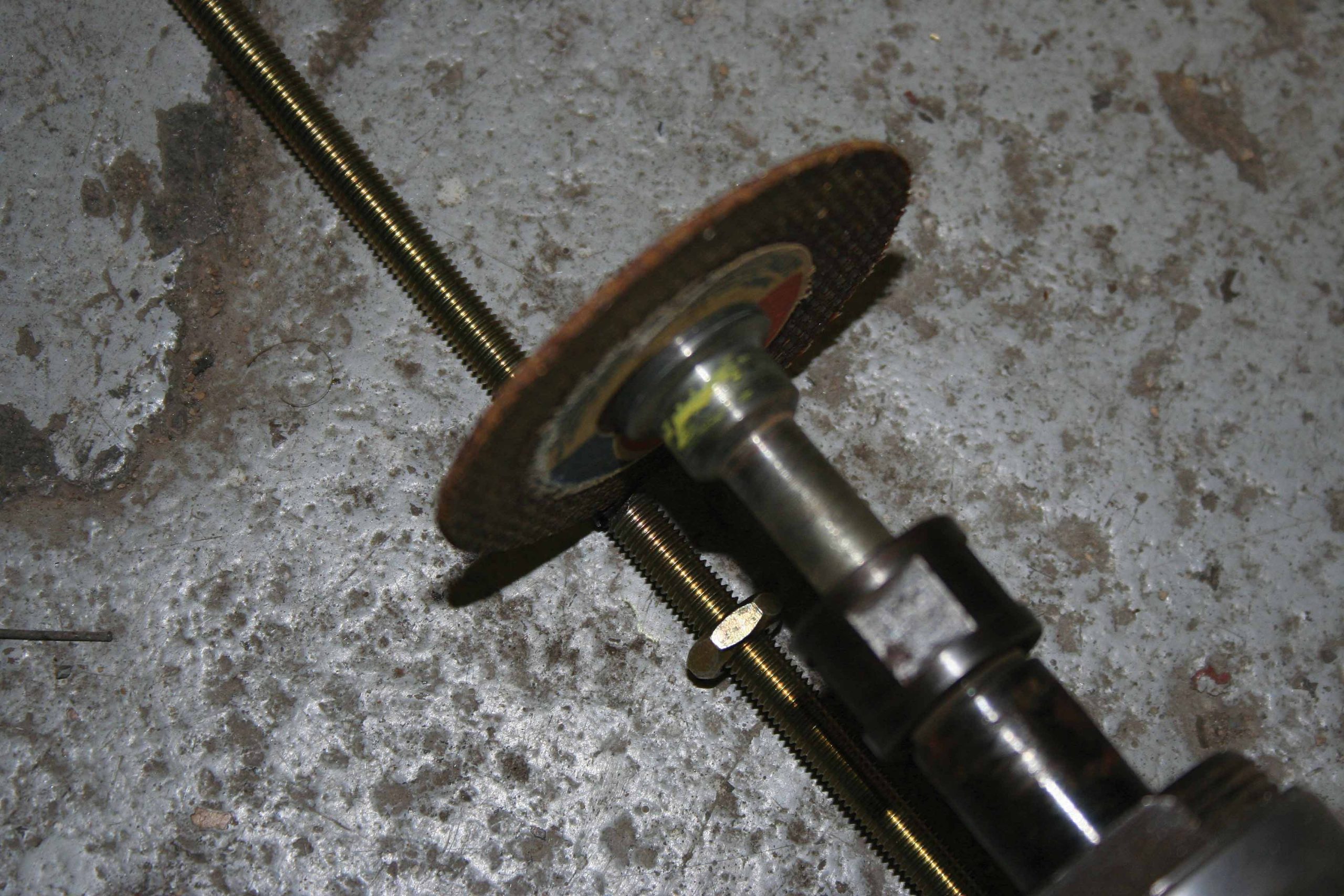
Using our high-speed cutoff wheel, we cut the rod for the proper length and installed the ends.
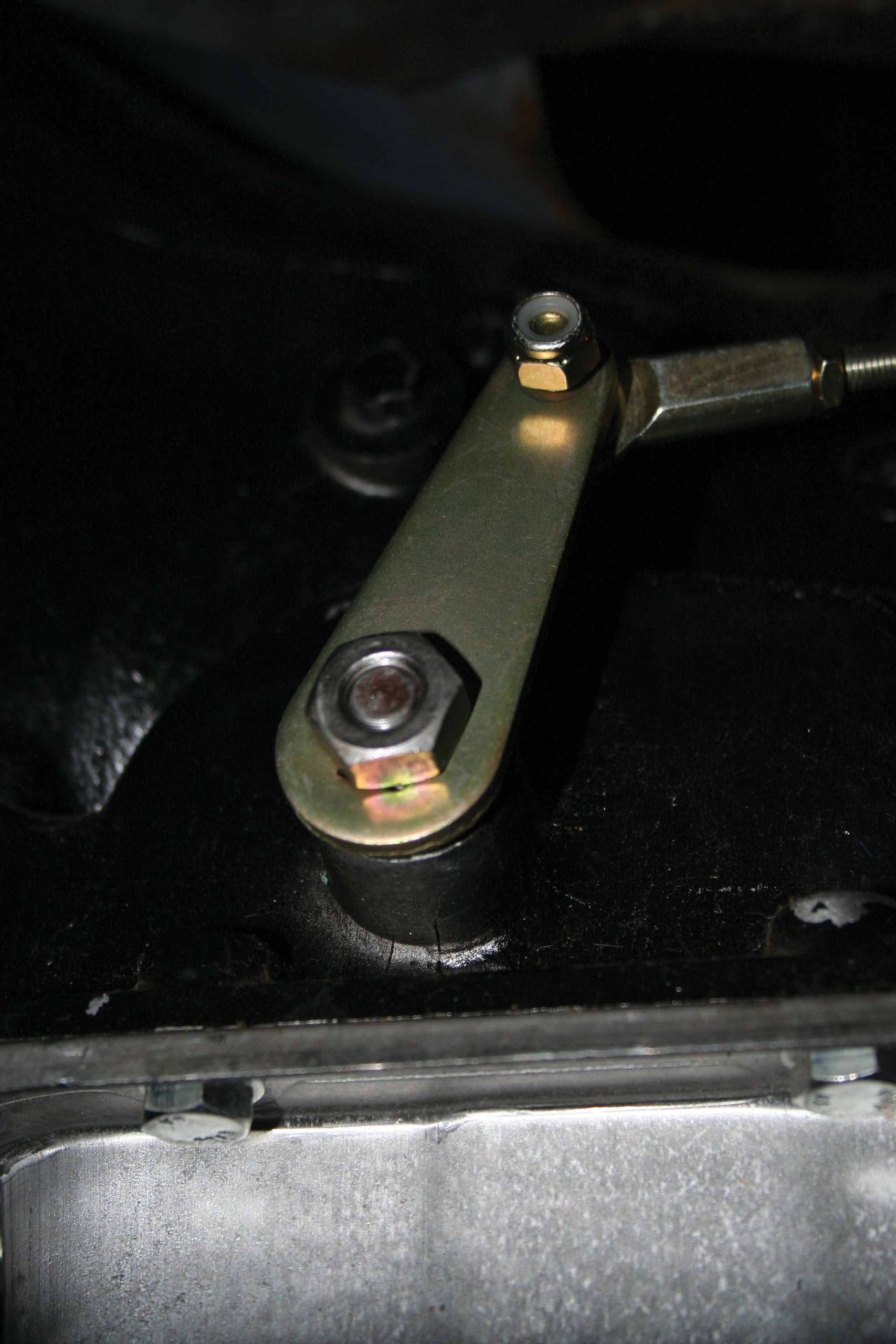
With the ends on, we connected the new linkage to the shifter and the trans shift arm.
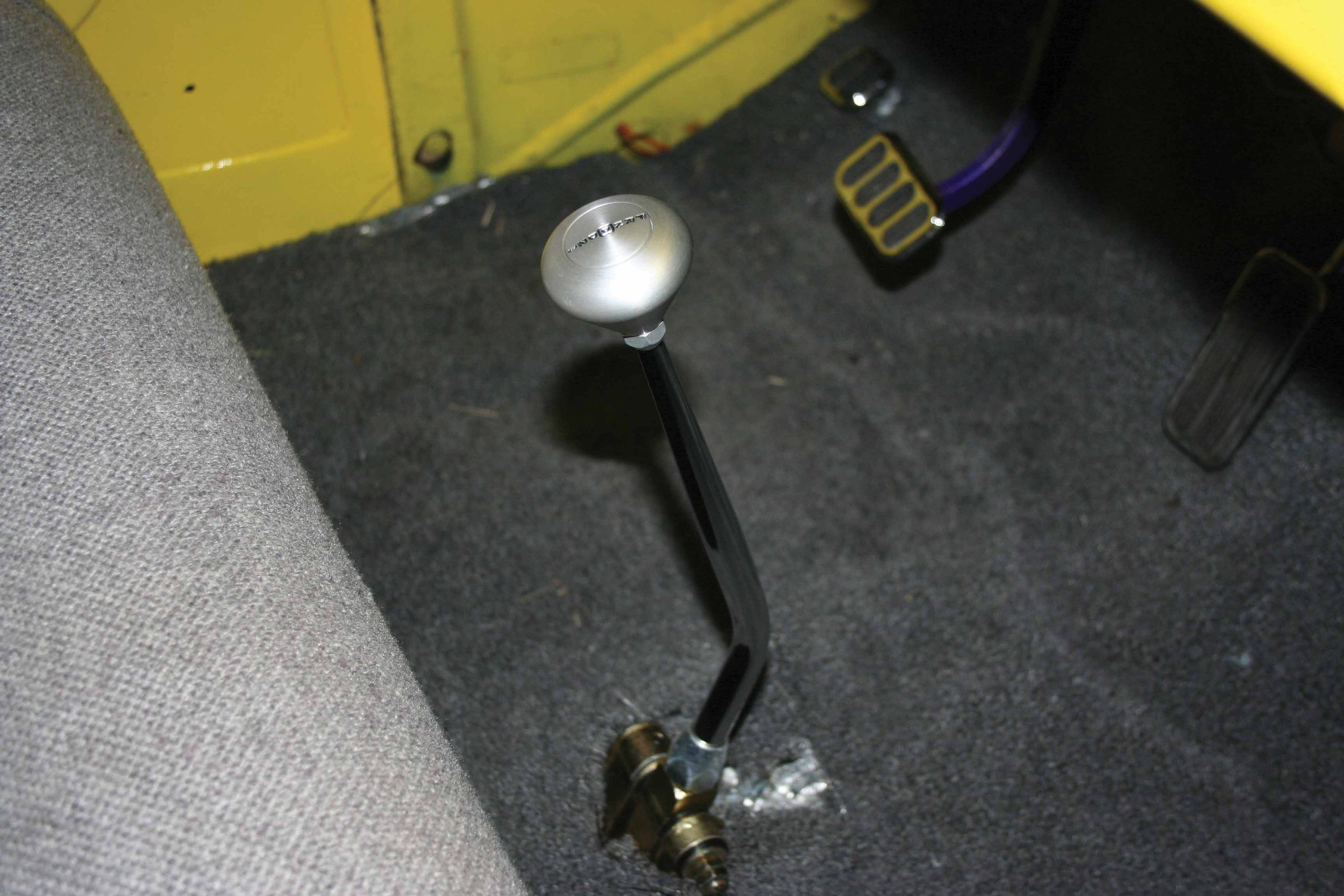
Our shifter is now in place. The Lokar shifter looks great and was simple to install.
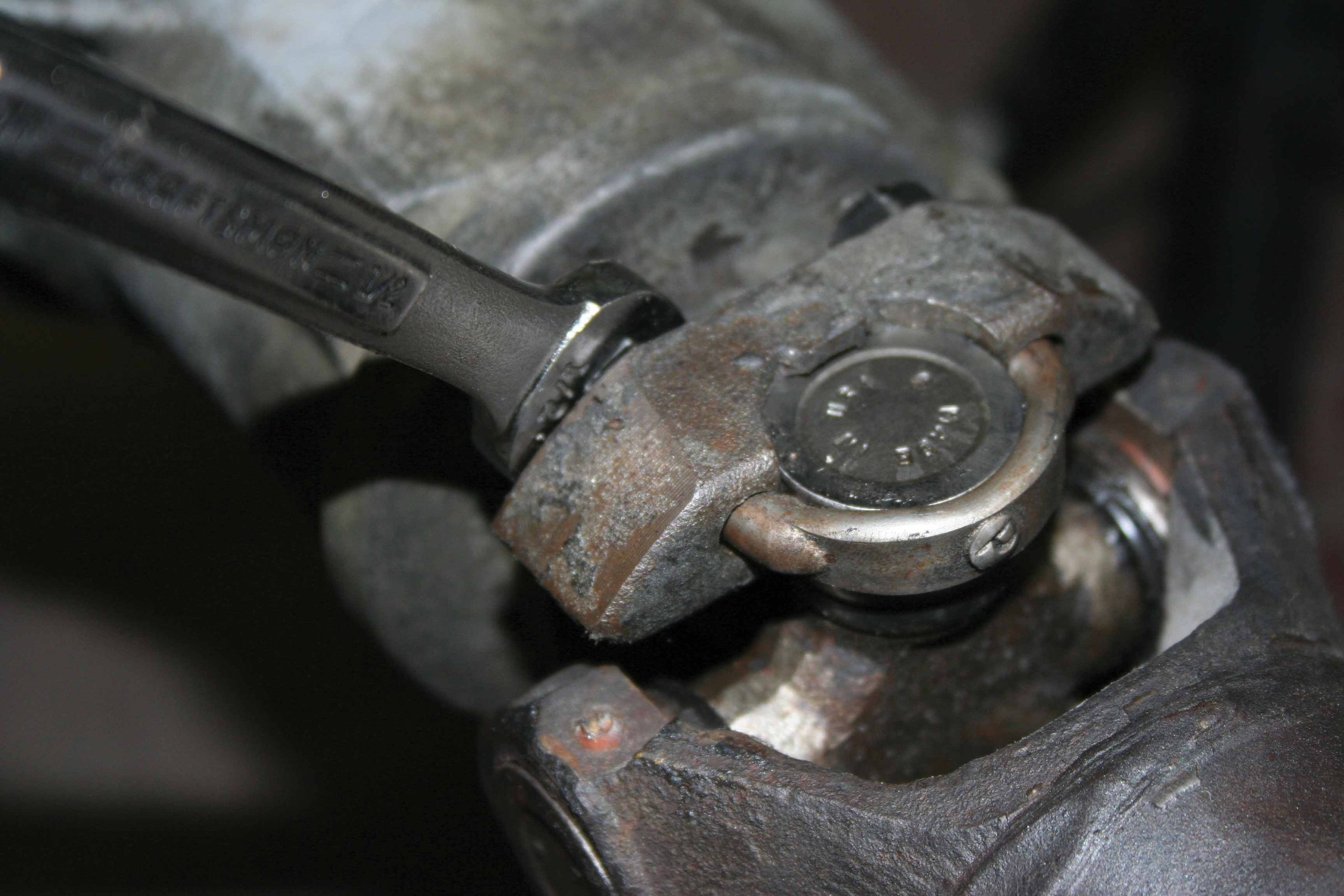
Our driveshaft needed to be shortened, so we had a local driveshaft shop cut it to the desired length. We then installed the newly shortened driveshaft and tightened down the U-joint bolts.
With the trans and components now installed, we took our Lokar dipstick tube adapter and filled our trans with fluid. After filling the trans and allowing the pump to cycle, we took a test run and instantly noticed a 1,000-rpm drop with the converter locked up.
Our first test run informed us that the 42-44-mph lockup was a bit low for our tastes, so we readjusted the lockup for a higher kick-in. The new trans will save gas and unneeded wear and tear on the driveline.
ARTICLE SOURCES

Lokar Performance Products
10924 Murdock Dr.
Knoxville, TN 37932
877/469-7440

Ron Francis Wiring
167 Keystone Rd.
Chester, PA 19013
800/292-1940