
SALEEN SSC
Unless there’s a collector’s car that was purchased and directly put into someone’s collection, you’re probably looking at the lowest-mileage Saleen SSC in the world, and it belongs to Jack Redeker from Redeker Ford in Grand Haven, Michigan.
Slippery Sedan
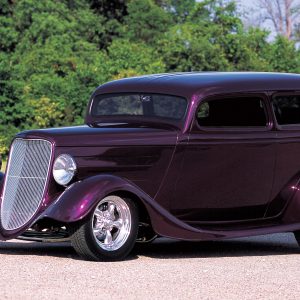
Greg Harris has been a car enthusiast for years and has built a number of muscle machines and classic trucks. He has had loads of fun with late-model cars, but he couldn’t shake the fact that he really had the yearning to build a street rod some day. His friends knew about his longtime goal, so when one of them found a partially completed early sedan for sale, he told Harris about the car. Harris went to take a look, and as it turned out, the car was a half-finished all-steel ’33 Ford two-door sedan powered by a 427 Chevy engine. He immediately knew he had to buy the sedan—it was just what he was looking for. He made a deal with Clark and Bridgett Short, the folks who started the project, and brought the ’33 home.

A REAL NINE-SECOND STREET SLEEPER
One look at a car is generally all it takes to determine pretty much what it’s made of—whether it’s fast, incredibly slow or falls safely somewhere in between. There are always typical small details that reveal a car’s true identity, whether it’s a huge exhaust, healthy underpinnings, aggressive rubber on wide wheels, a large, efficient cooling system, a well-laid-out induction with appropriate fuel delivery, sturdy engine mounts and/or mounting, the size and scope of the ignition, as well as the inlet air system.






The Pain of Parting Ways
How many times have you heard the following: I sold my first truck for $1,000 and wish I had never gotten rid of it. If you have, then you understand the mental grief generally associated with selling your first truck. What can make matters worse is to find out the new owner wrecked it, sold it, or that it was eventually parted out or scrapped. Perhaps you have succumbed to one of these unfortunate circumstances, leaving you to long for that first ride.
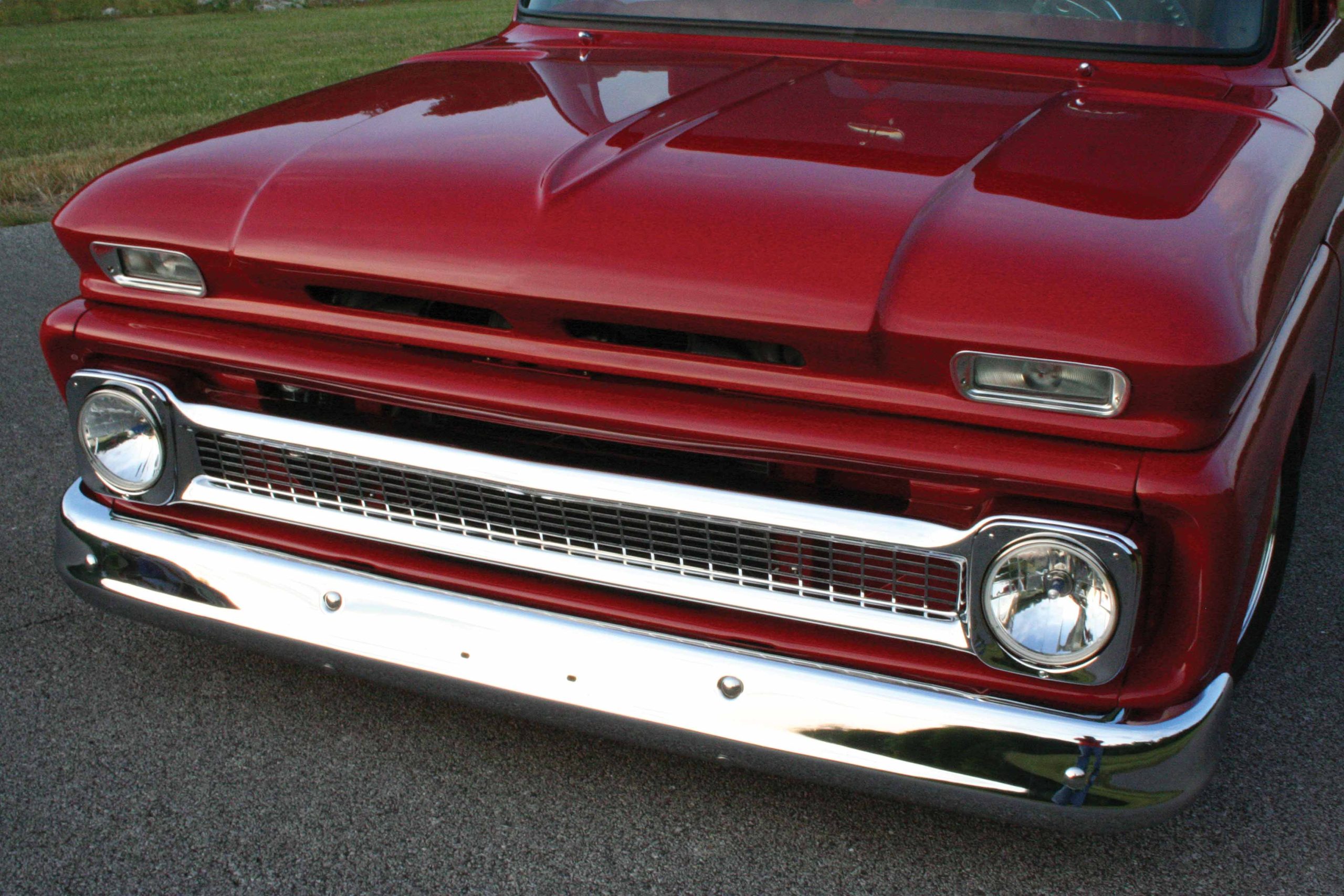
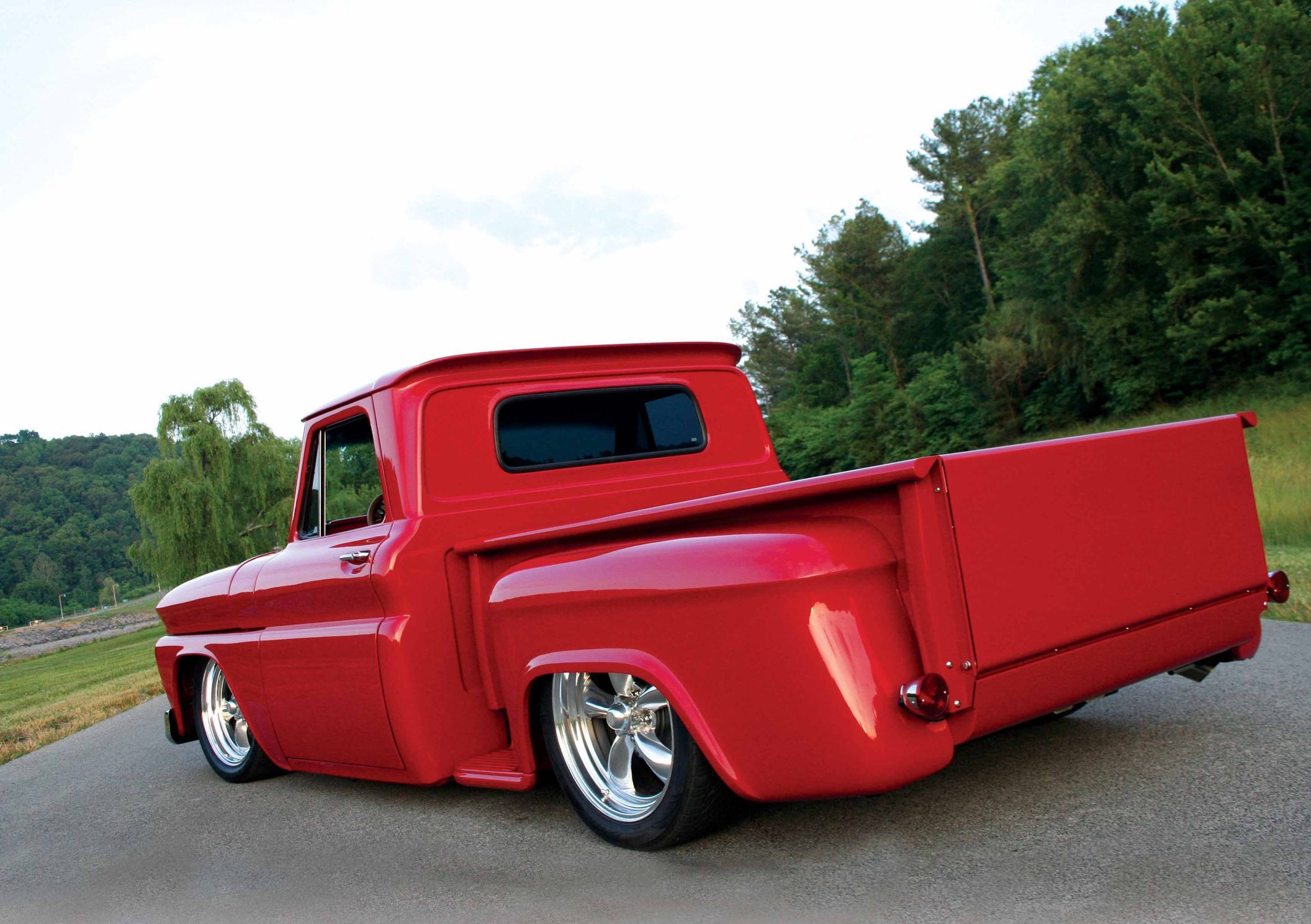
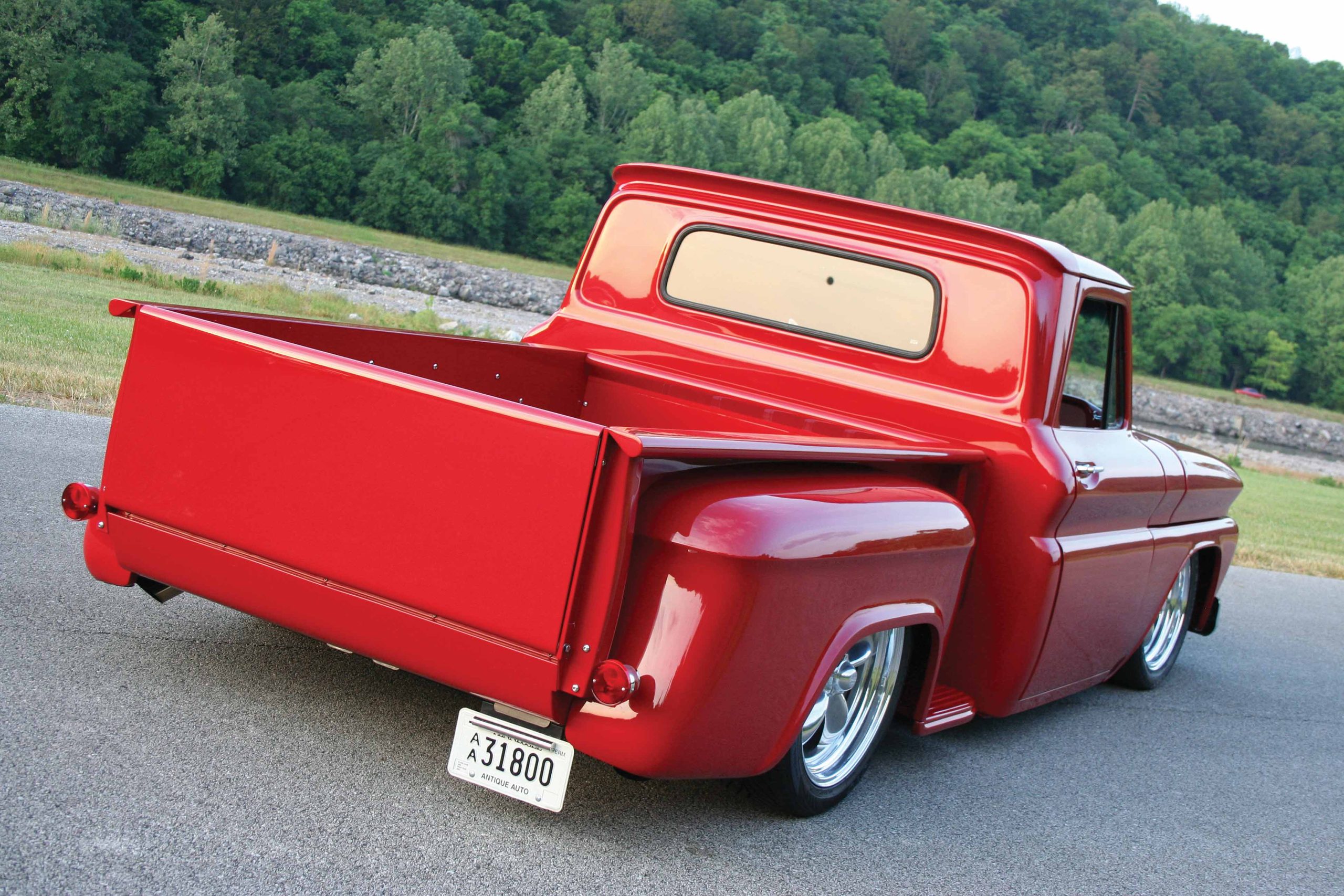
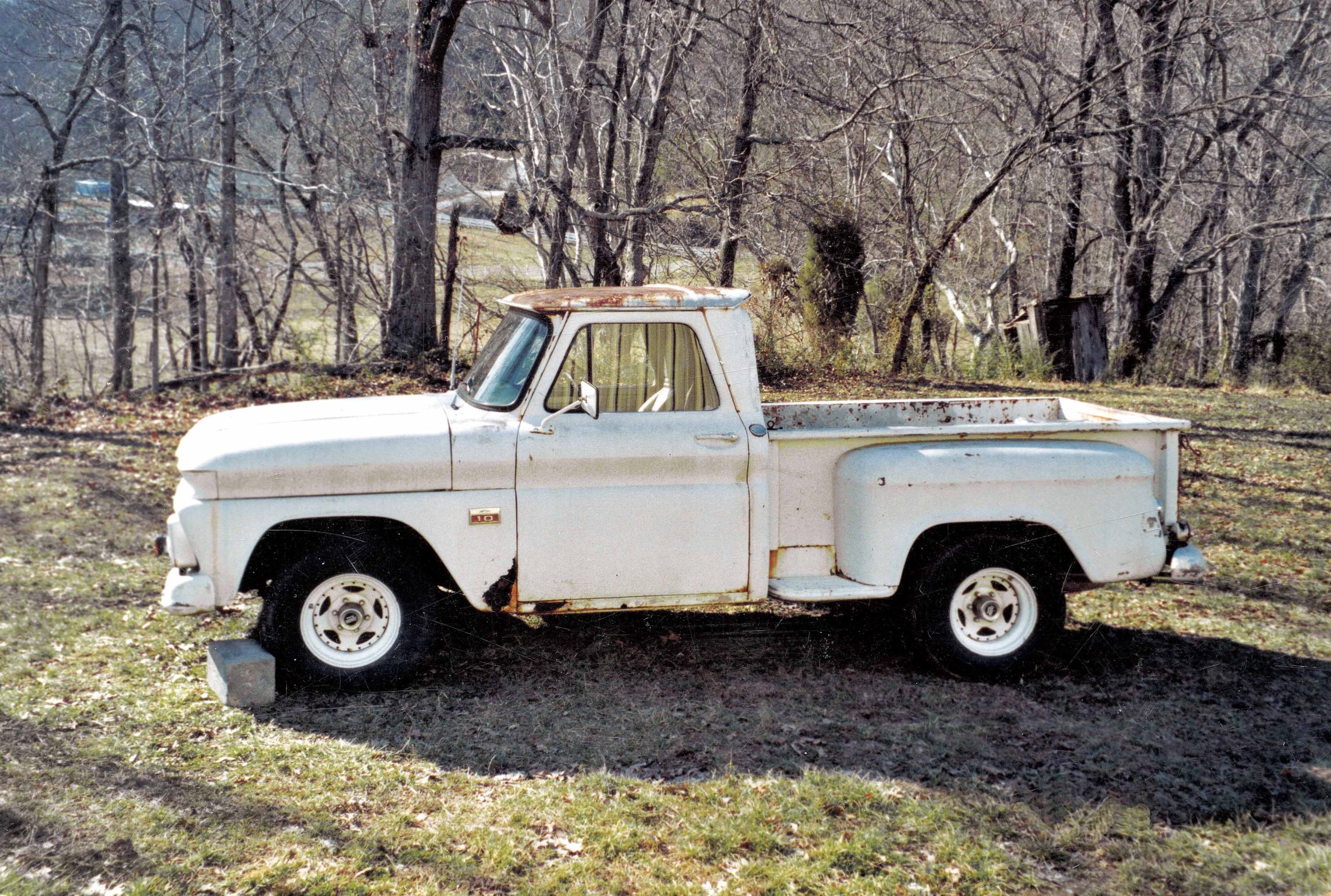
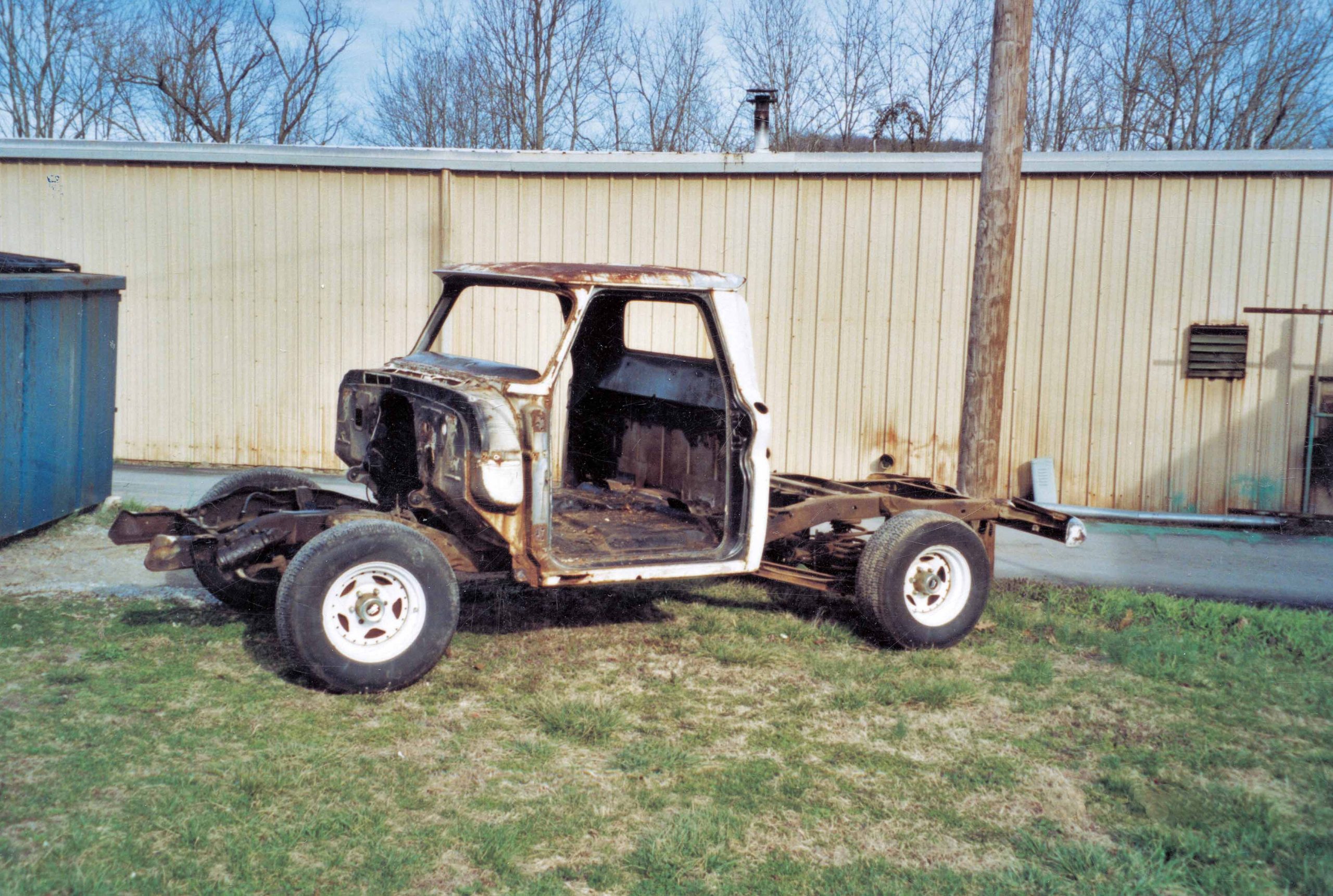
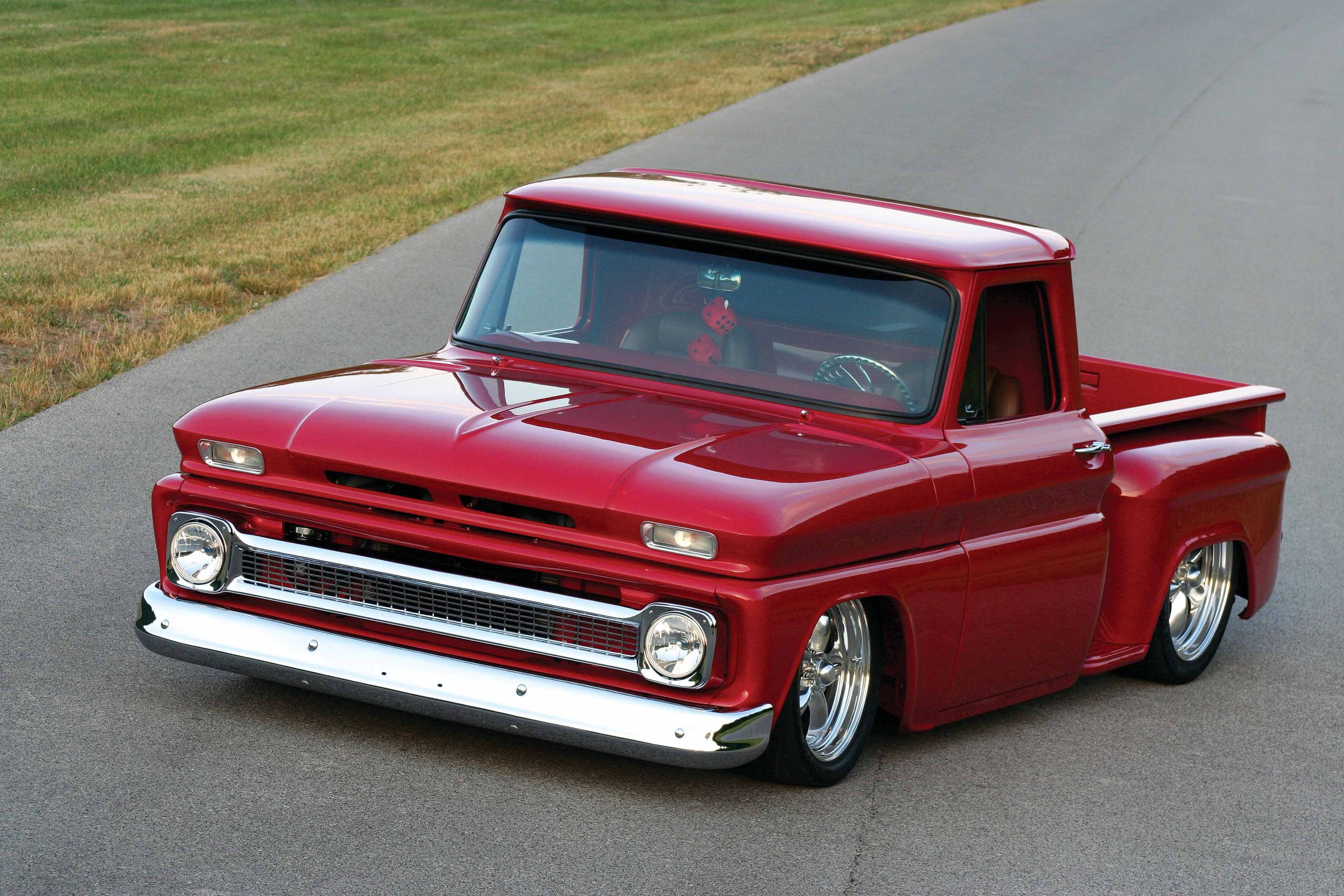
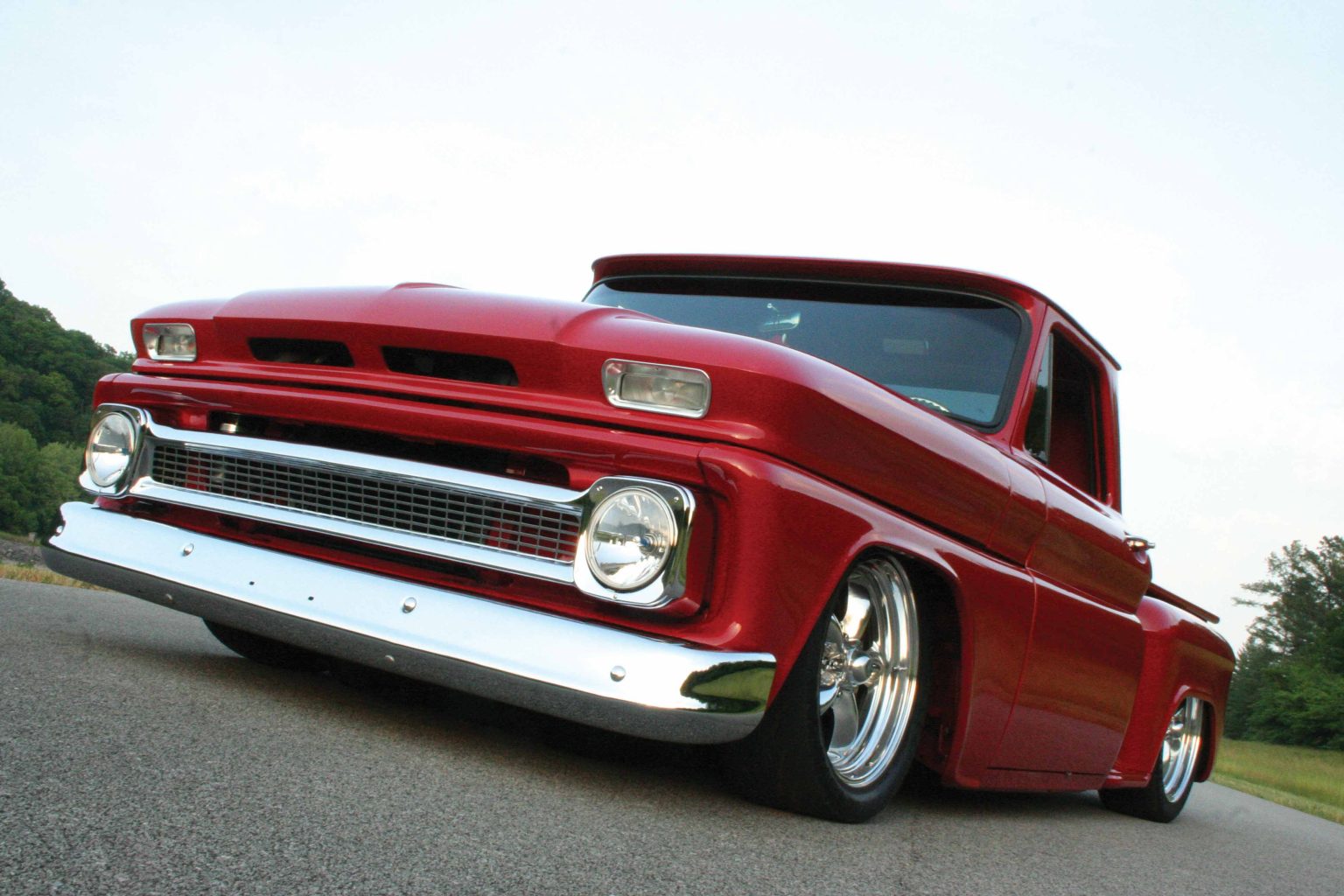
Longtime classic truck enthusiast Eddie Rudd of Knoxville, Tennessee, knows that empty feeling, as Rudd drove a not-so-flashy ’66 Chevy 1/2-ton to and from work during his teens, and even into his 20s, it served as his daily driver. Times changed, Rudd became a father and soon learned the uncomfortable truth that the truck no longer allowed the entire family to ride comfortably. Rudd knew the truck had to go, so in March of 1982, he sold it to a friend.
A Second Chance
Rudd never imagined that he would own the truck again. Fast forward 20 years, two sons, and one grandson later, and Rudd was faced with the opportunity to purchase back his beloved truck again. His friend Jim told Rudd that he could purchase the truck back for the original selling price, so Rudd purchased the truck and quickly got to work planning the build. Plenty of time had passed since the truck had left, but thanks to his supportive wife, Vickie, and his successful construction company, the truck was back in Rudd’s possession. Rudd could begin turning the original truck into a showstopper. With help from Rudd’s son, Jessie, his nephew, Brad Cate, and Dee Kistner, work got underway.
Revamping the Frame and Suspension
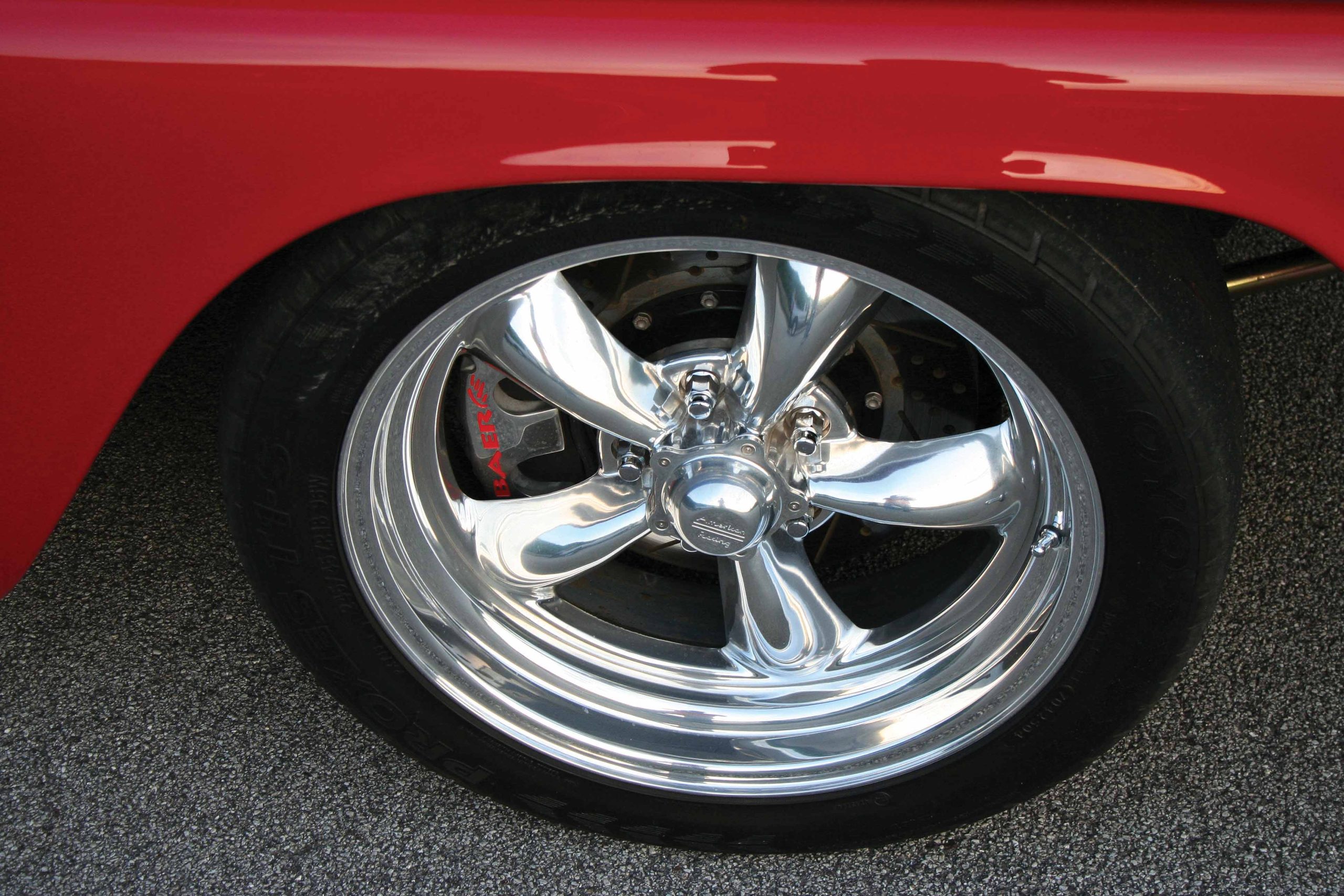
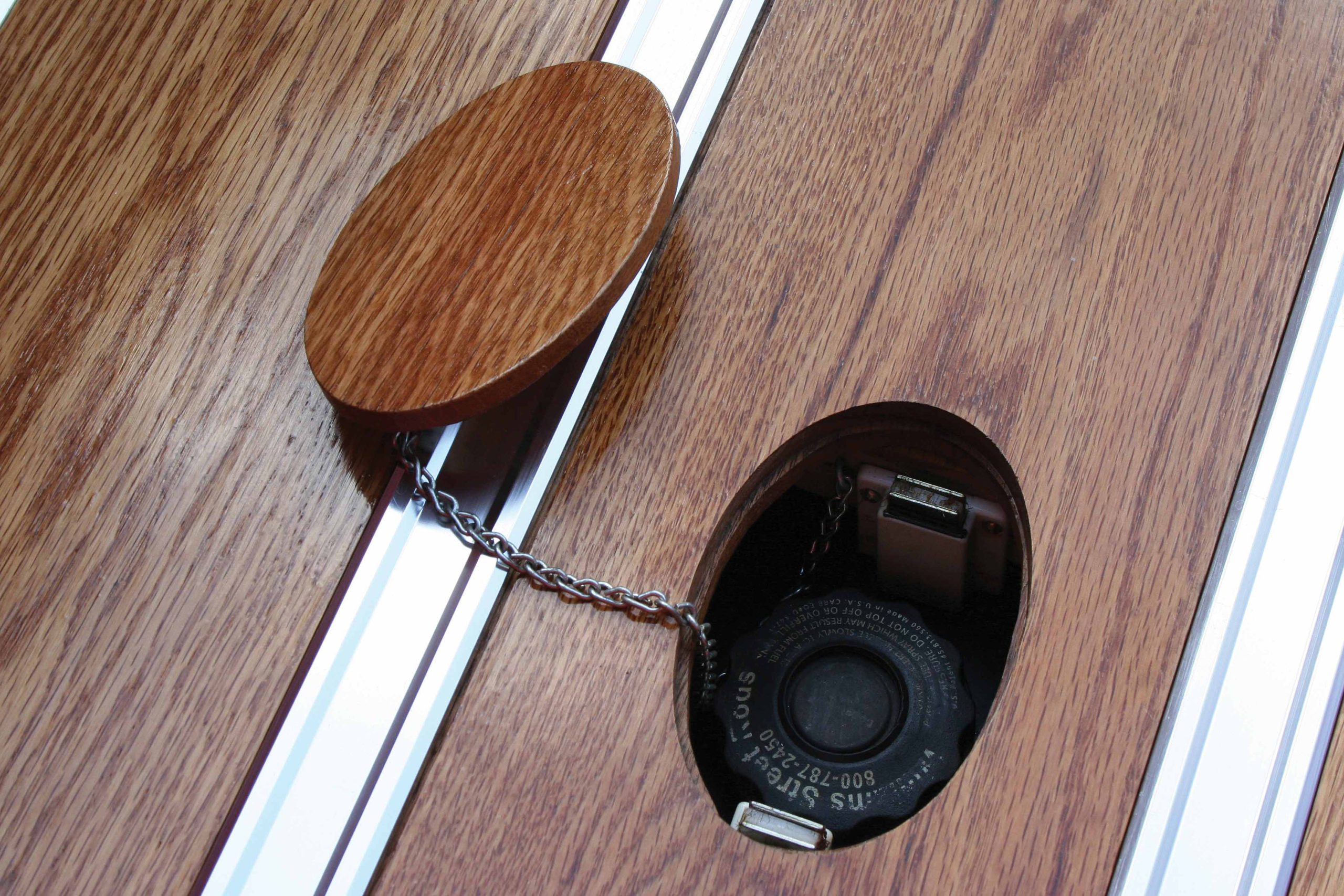
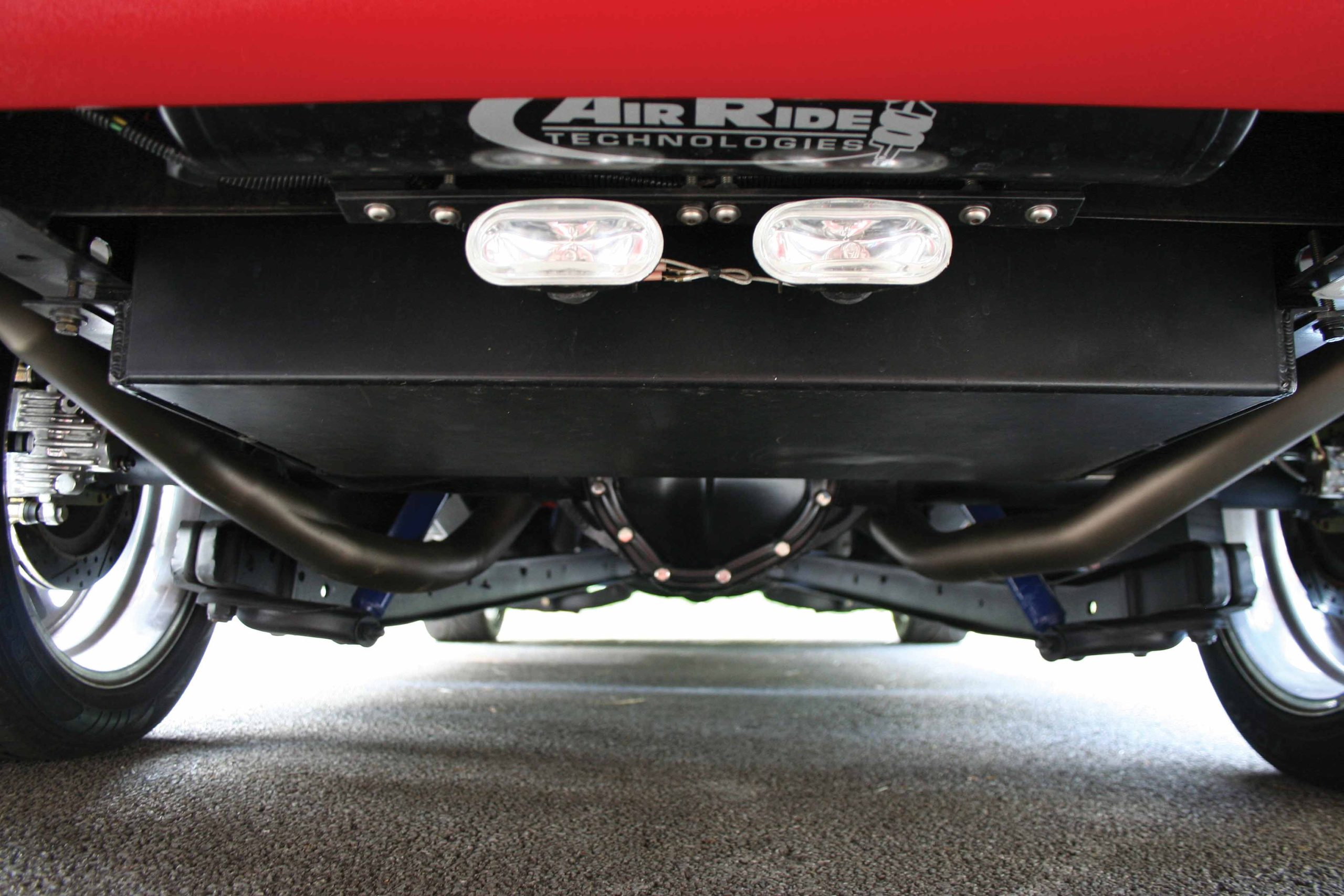
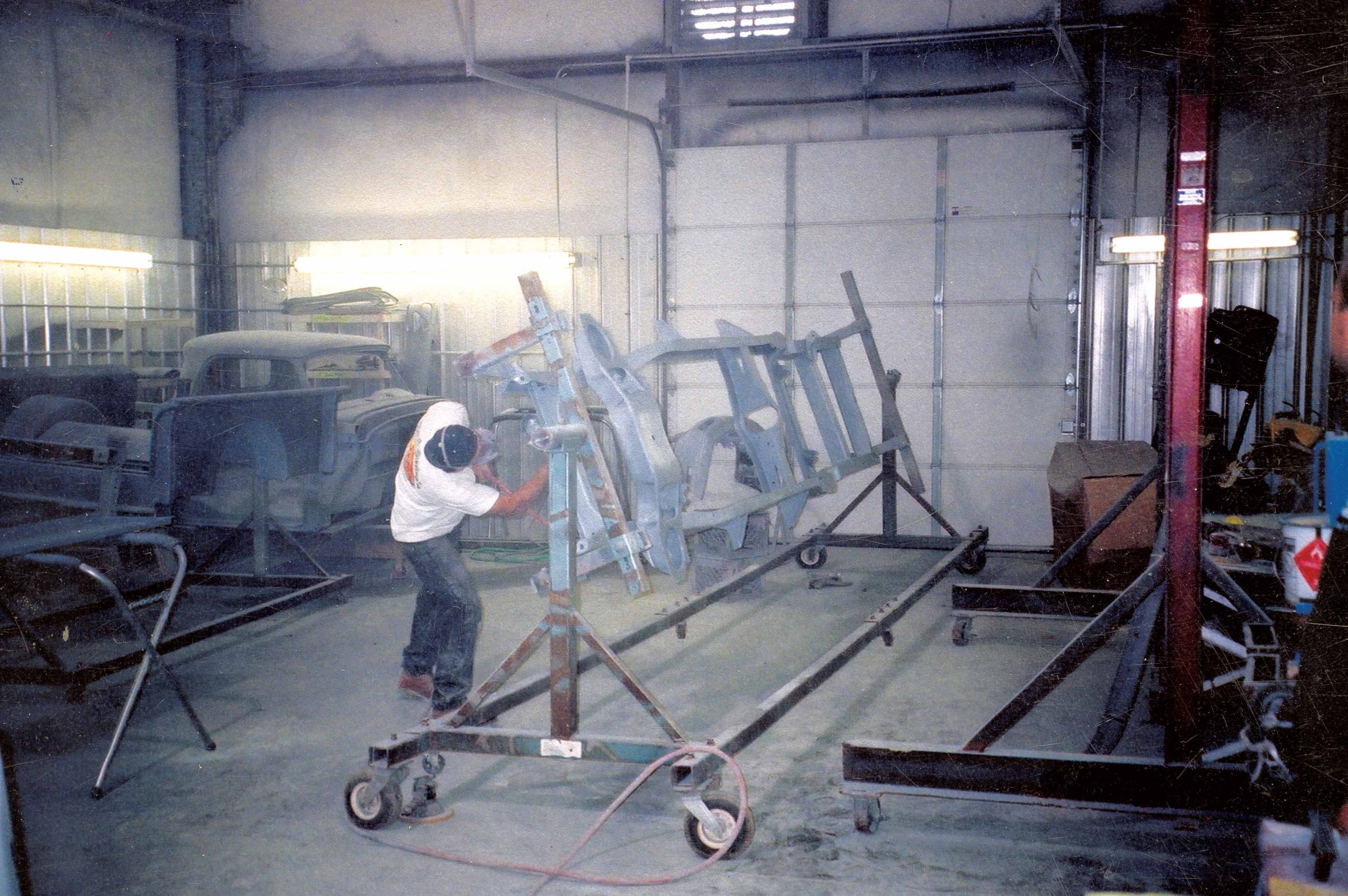
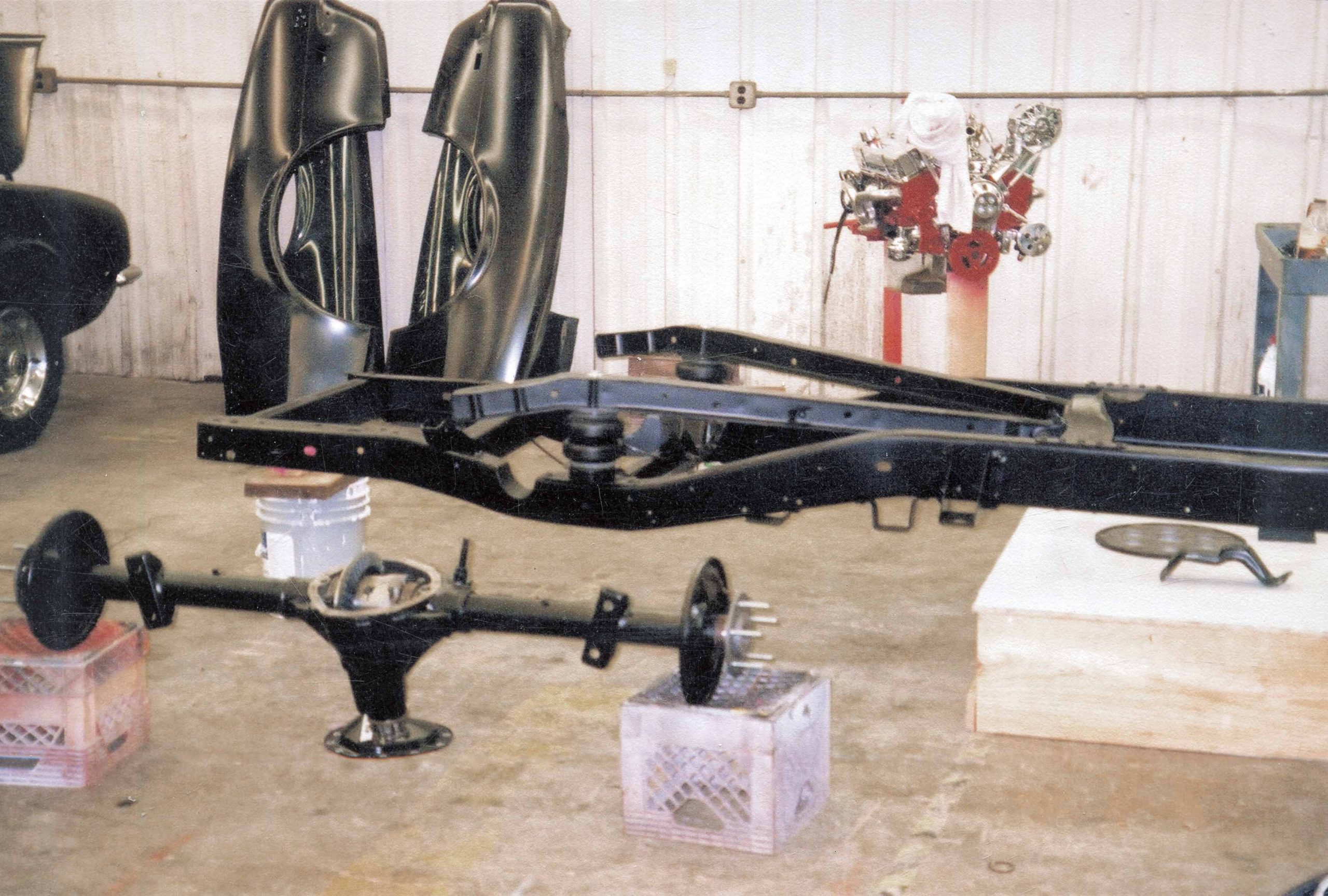
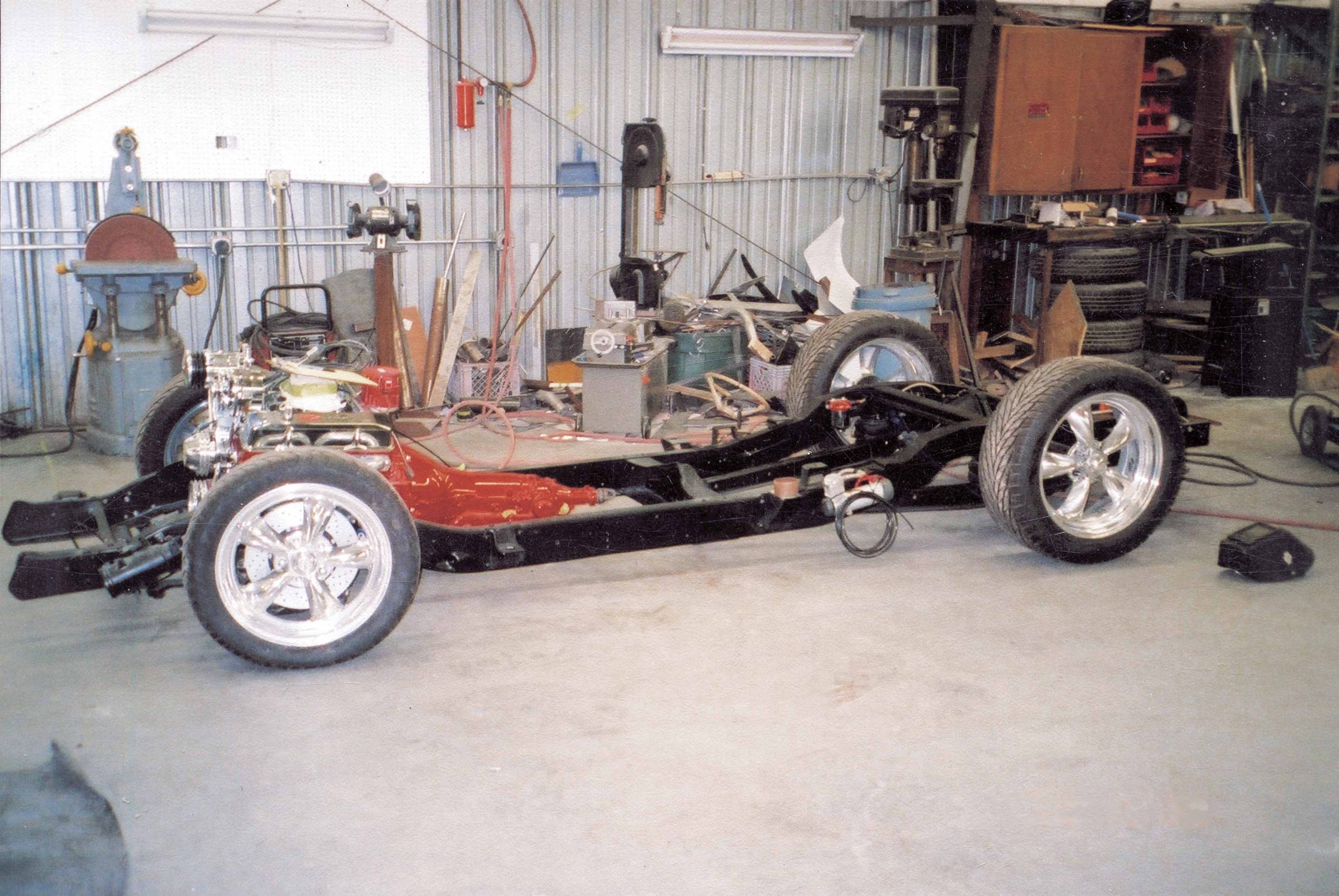
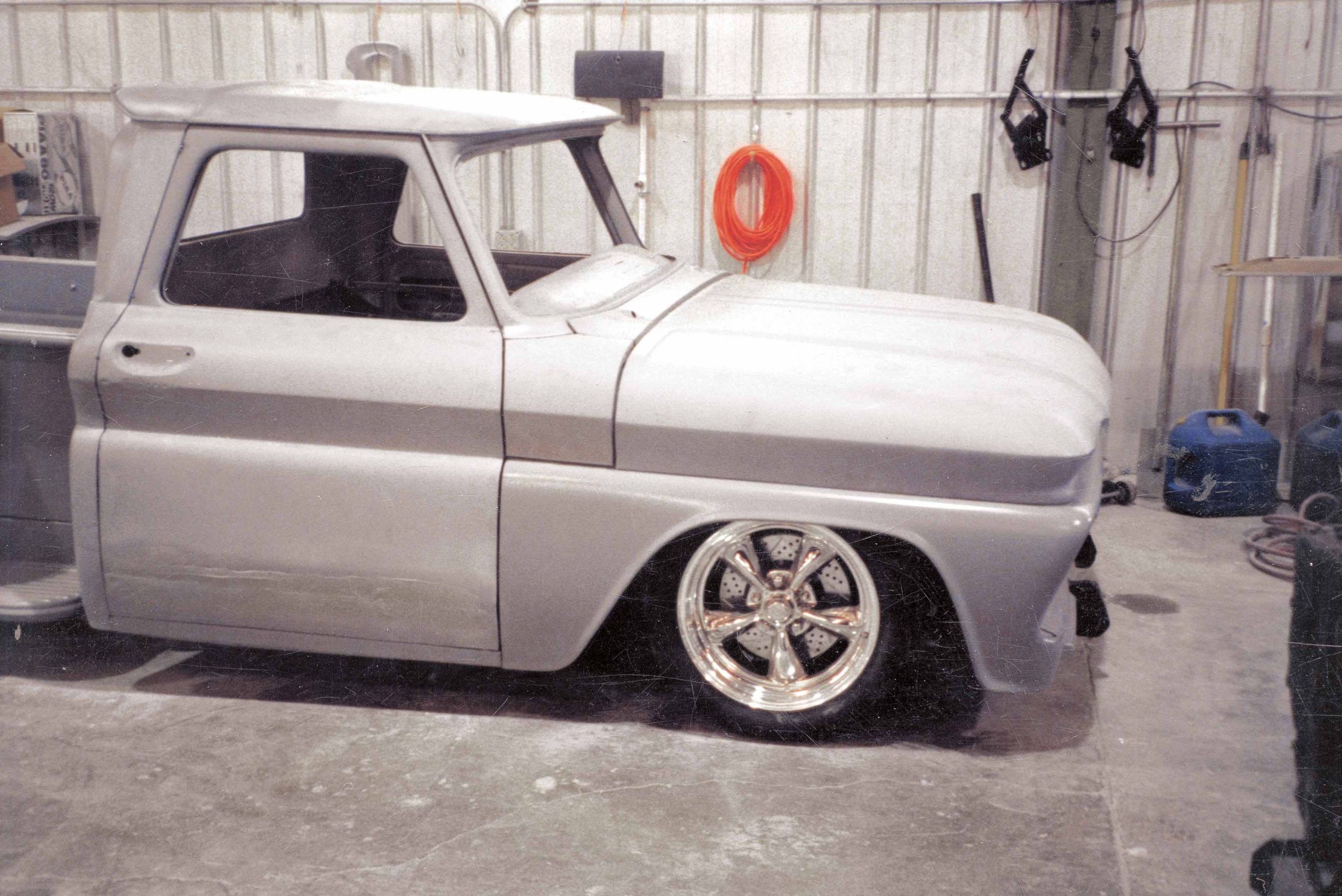
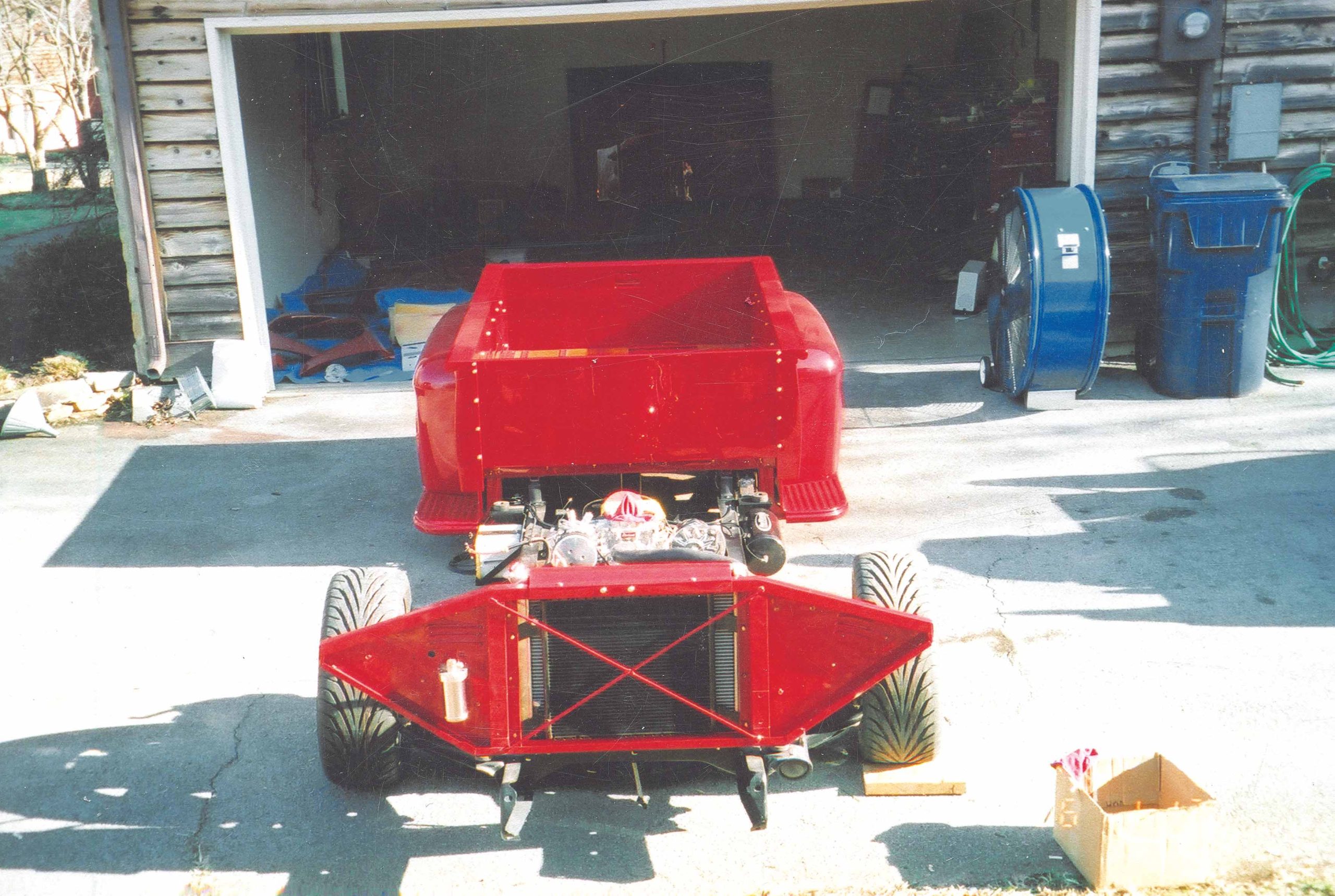
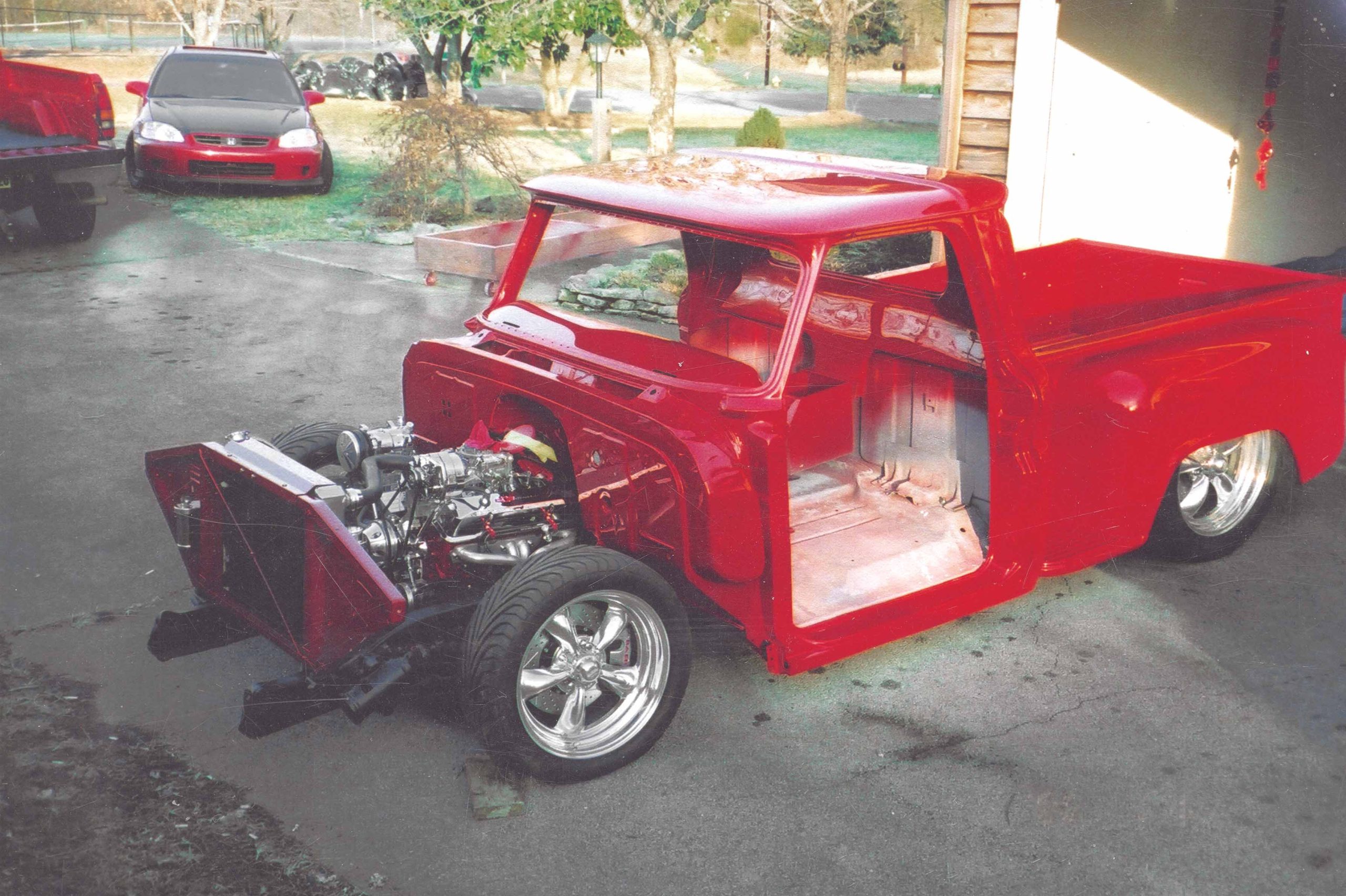
Not knowing exactly where the project was headed, Rudd drove the truck into the shop and began the teardown. With the truck torn apart, the trio began the extensive rework by C-notching the rear for added clearance. The frame was slicked up and a Positraction 12-bolt rearend was installed. They added new Baer Track-Plus big brakes and Air Ride Technologies airbags on all four corners. Since Rudd wanted the truck to handle, a new 5/8-inch sway bar was added to the front of the vehicle.
Building a High-Performance Engine
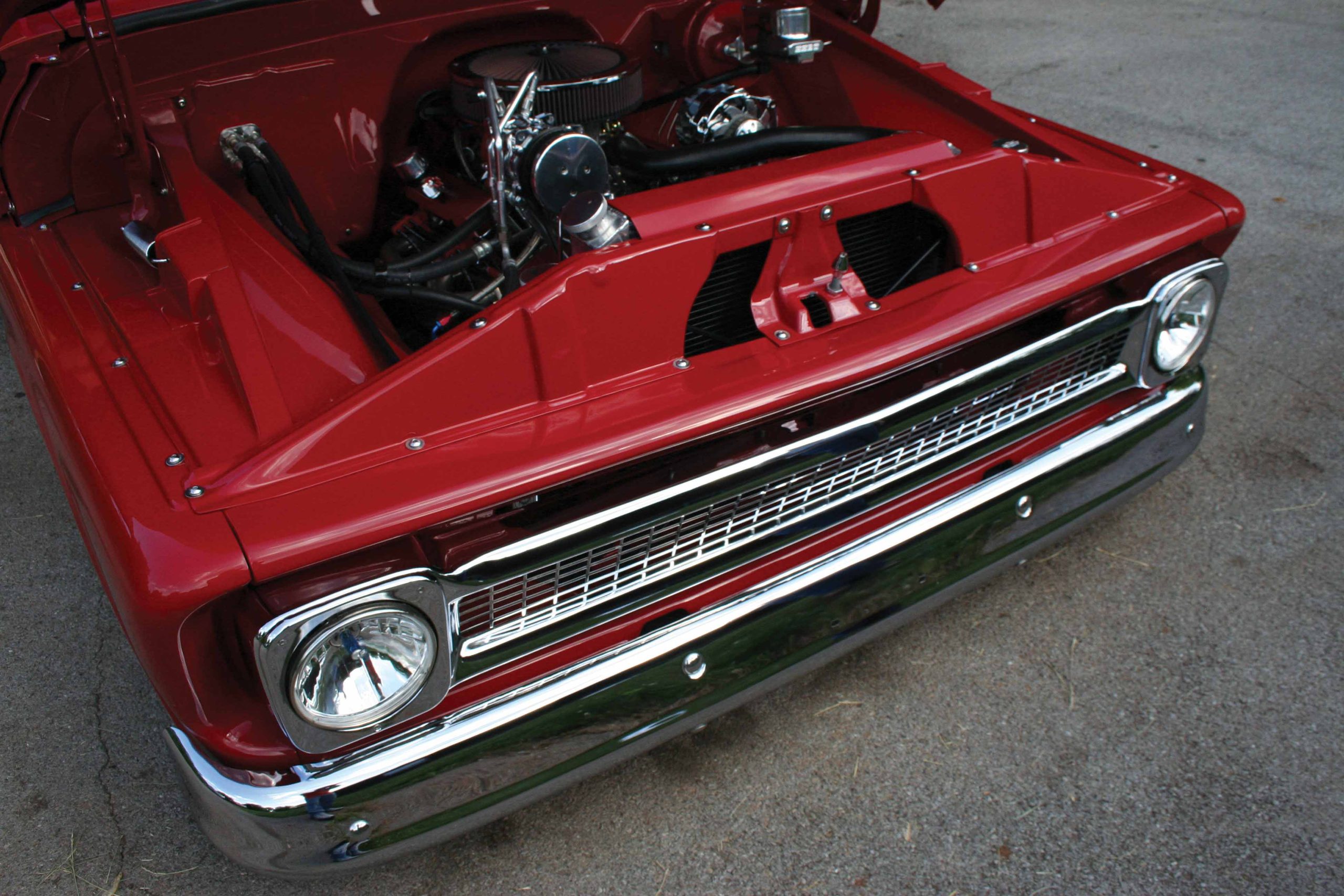
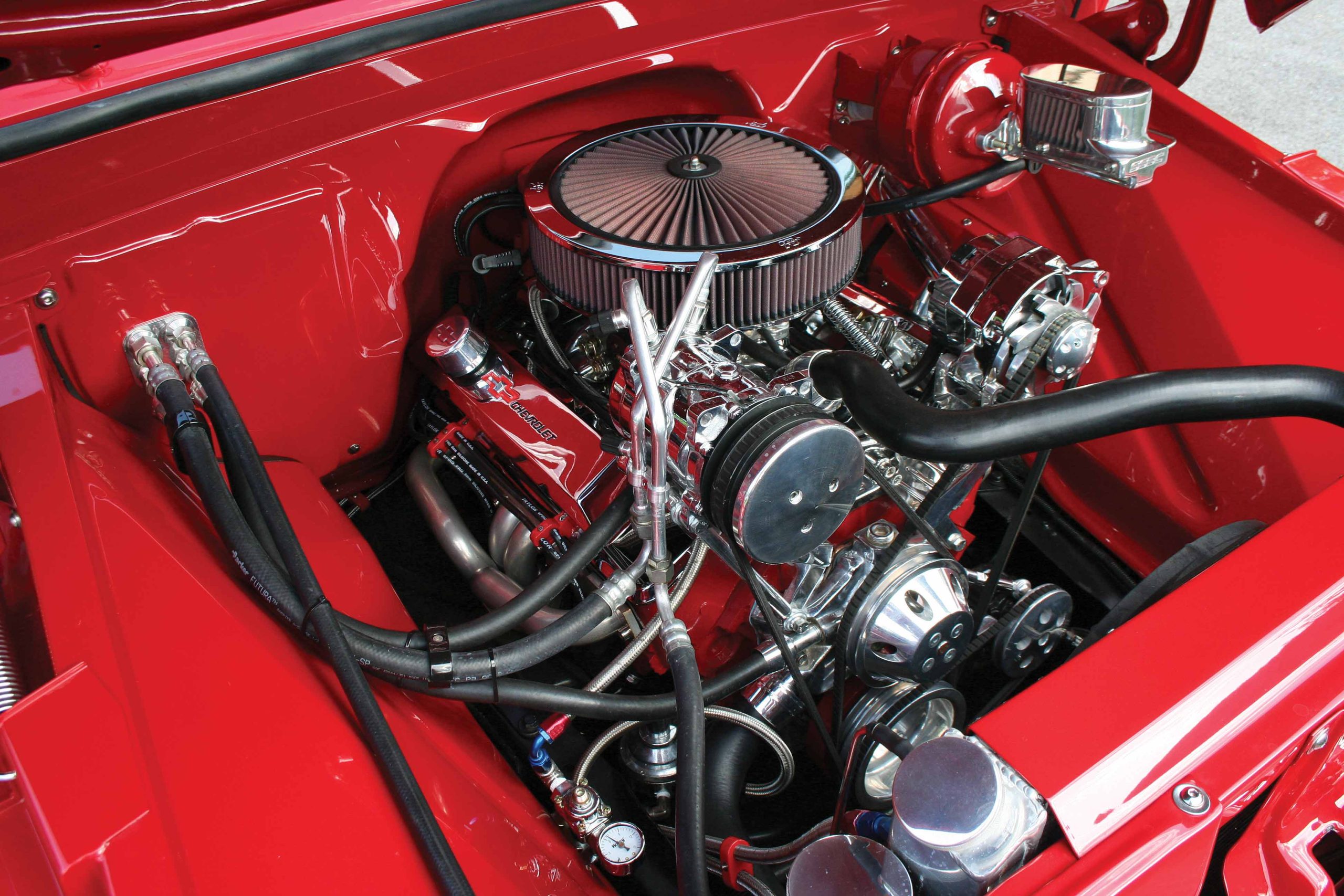
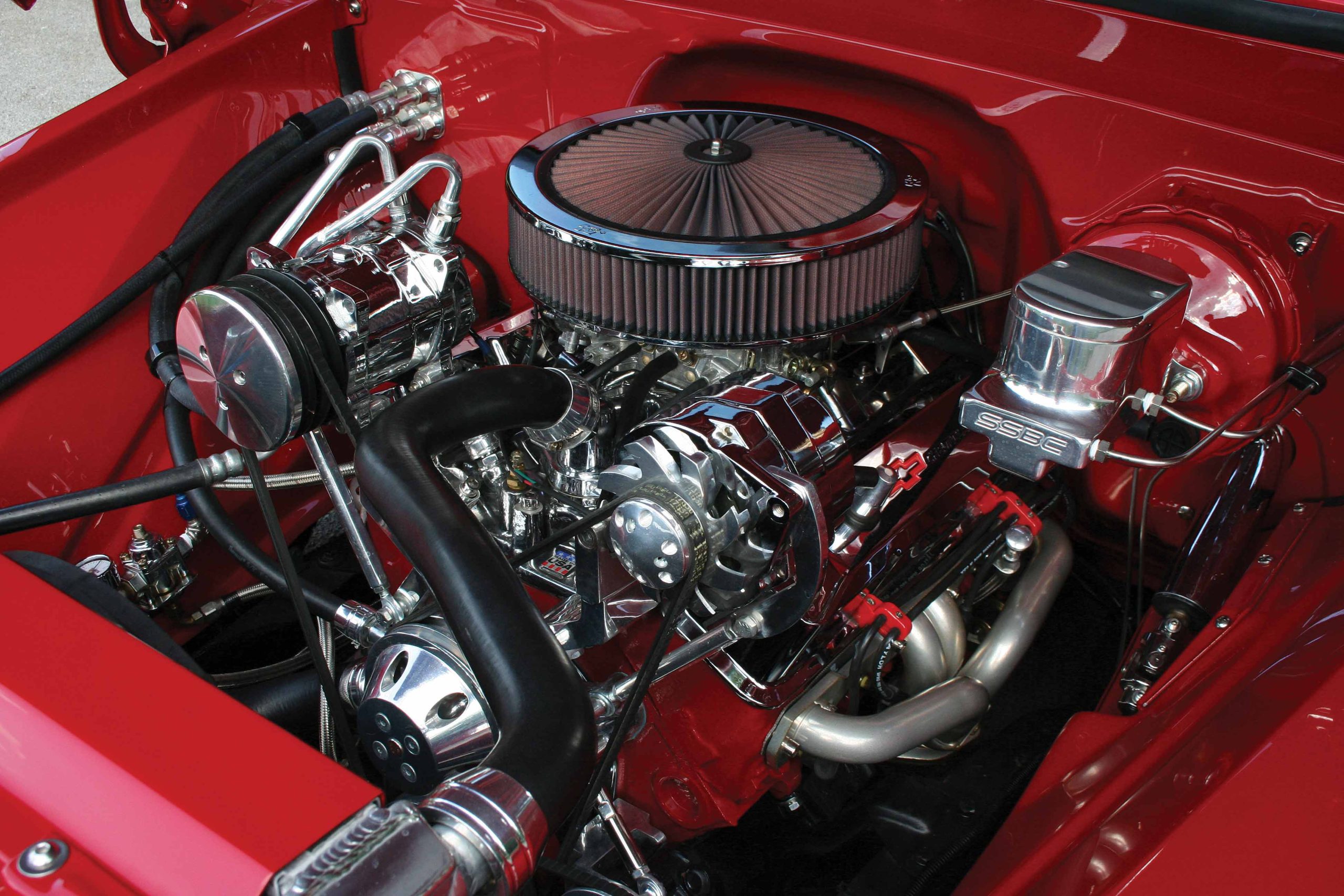
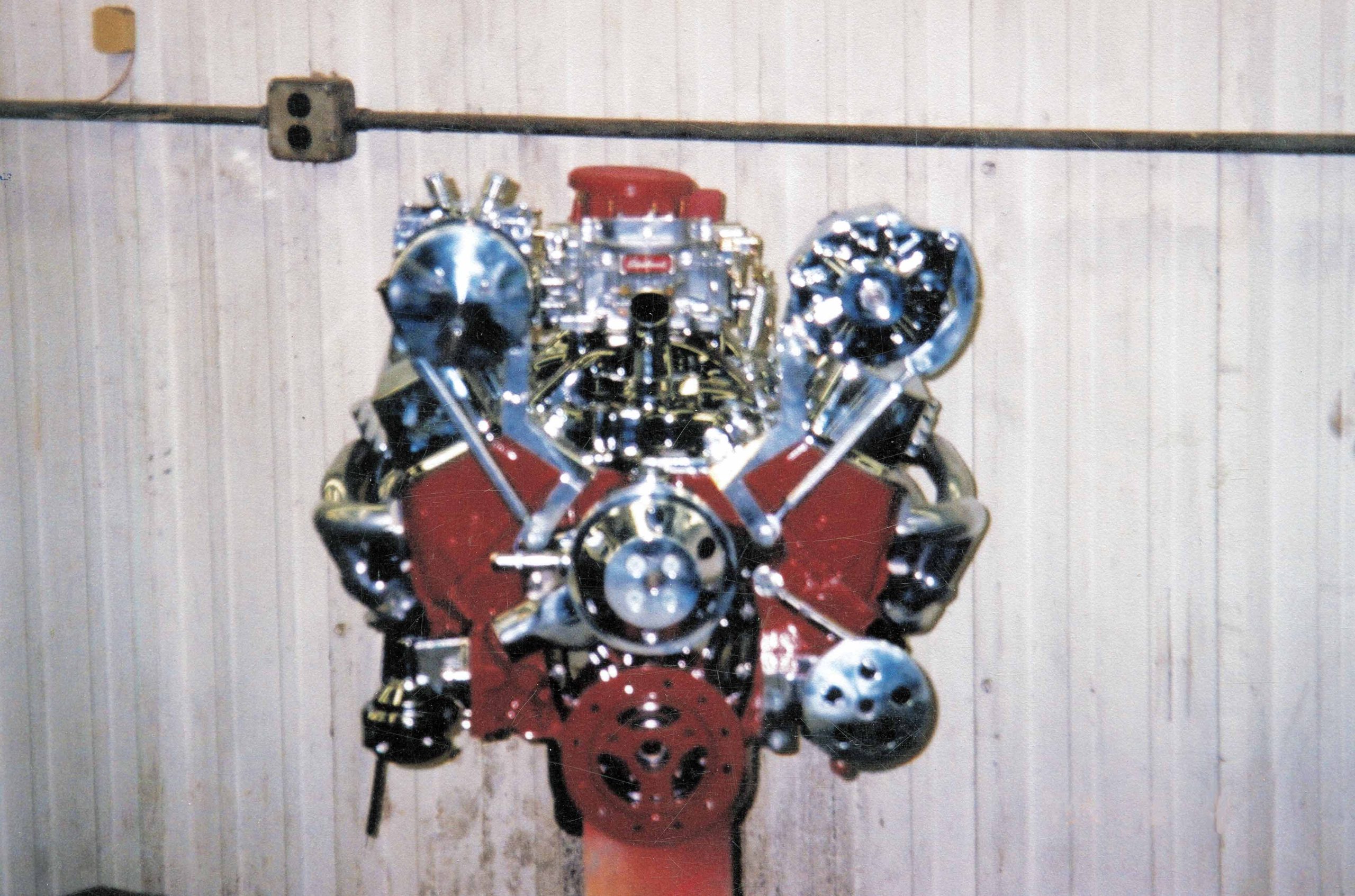
With the modifications to the frame complete, work began on the engine. Being a die-hard horsepower fan, Rudd knew the factory powerplant wasn’t enough. After locating a ’67 327 small block, Rudd trucked the engine to the nearby Service Machine Shop, which rebuilt the internals. Service Machine Shop bored the block .30-inch over and filled it with a steel crank, pink rods, and JE pistons. A Lunati cam operates the pushrods and valves inside the reworked double hump heads.
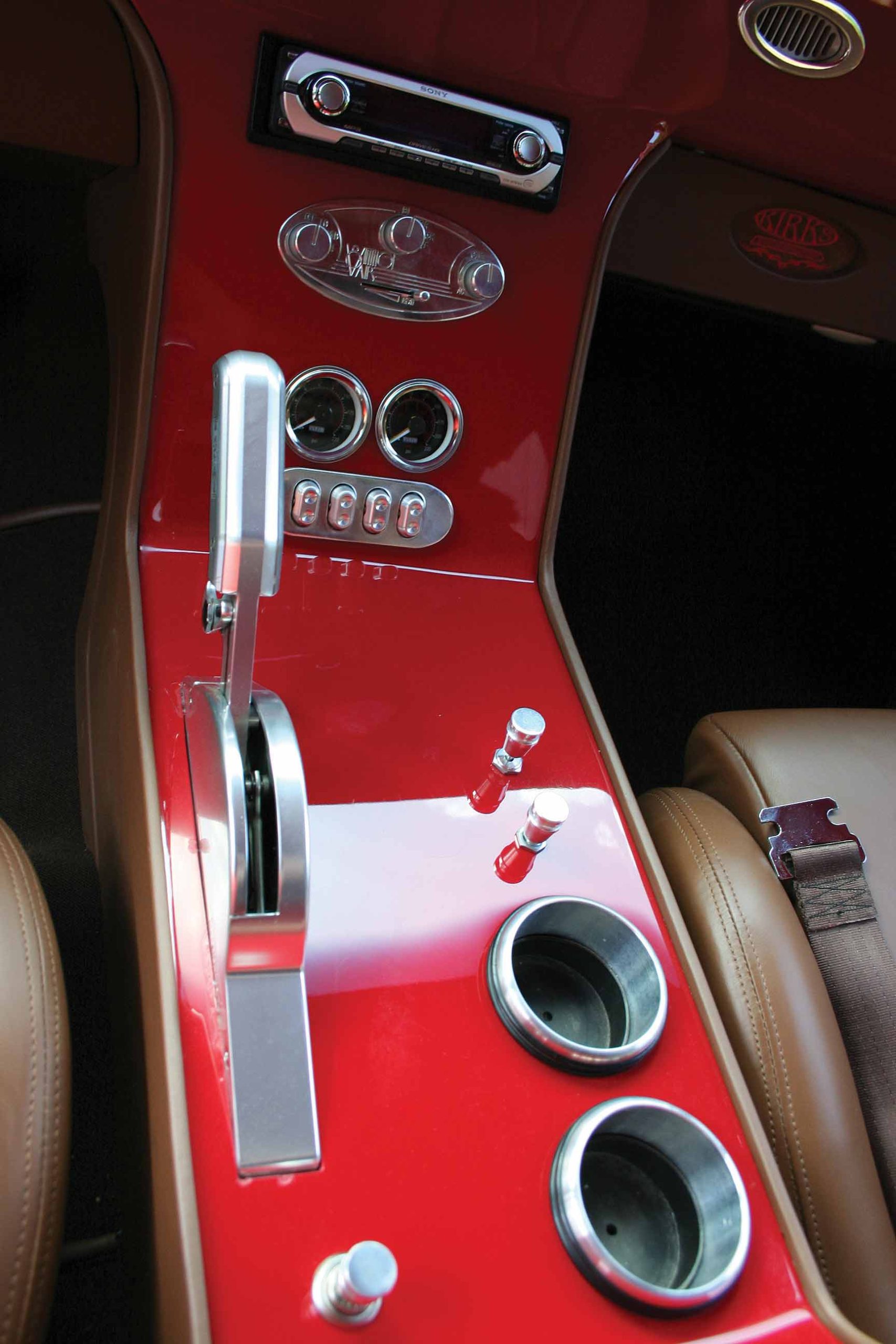
Engine externals included the addition of a K&N air cleaner, Edelbrock carb and intake, Sanderson headers, and MSD ignition. The engine now produces over 400 hp! With this type of power, Rudd and the boys could fly to and from shows at modern-day speeds. Backing the 327 is a built 700R4 with a GM Performance converter and B&M shifter. The addition of the 700R4 allows for easy cruising and respectable fuel mileage.

Restoring the Exterior
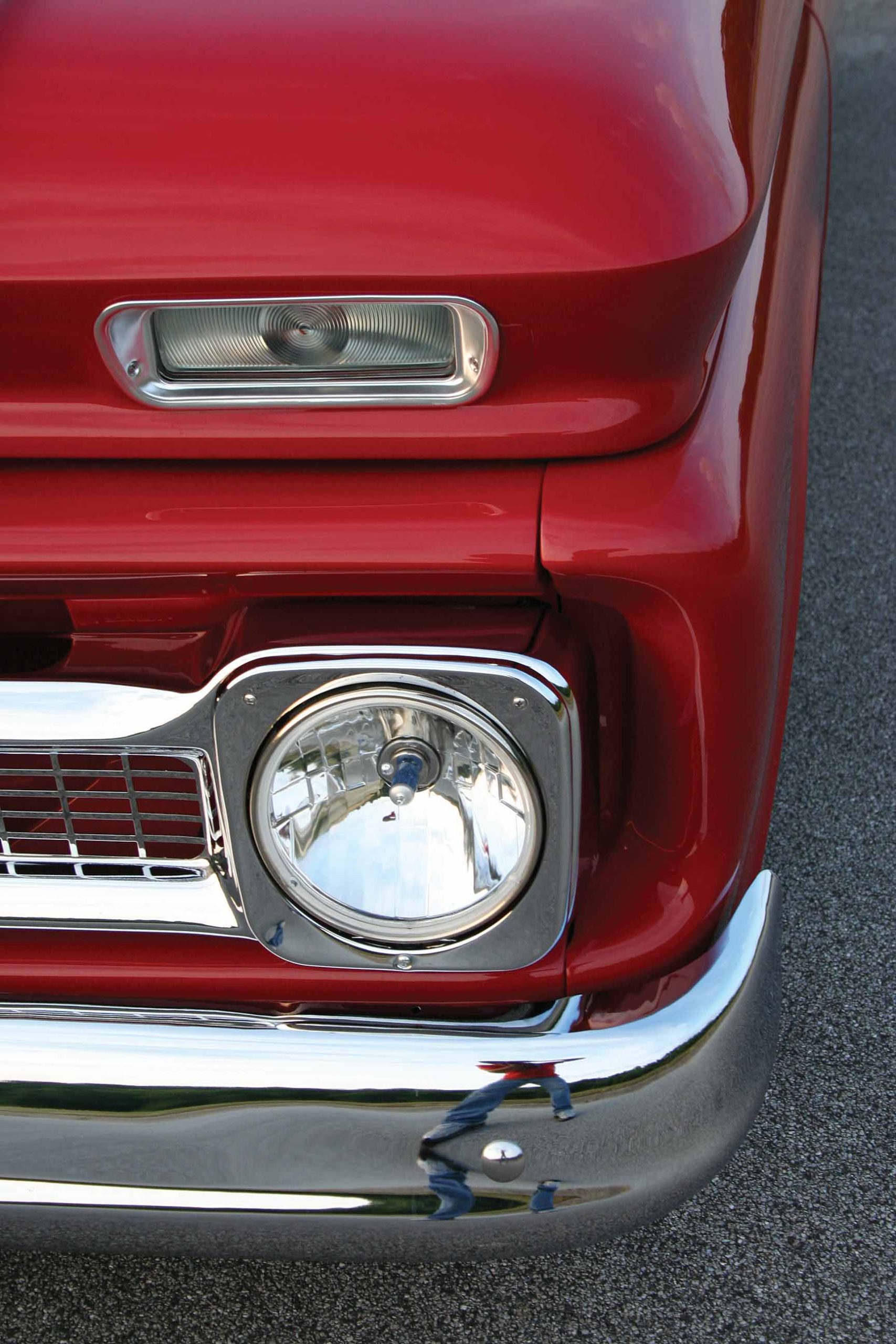
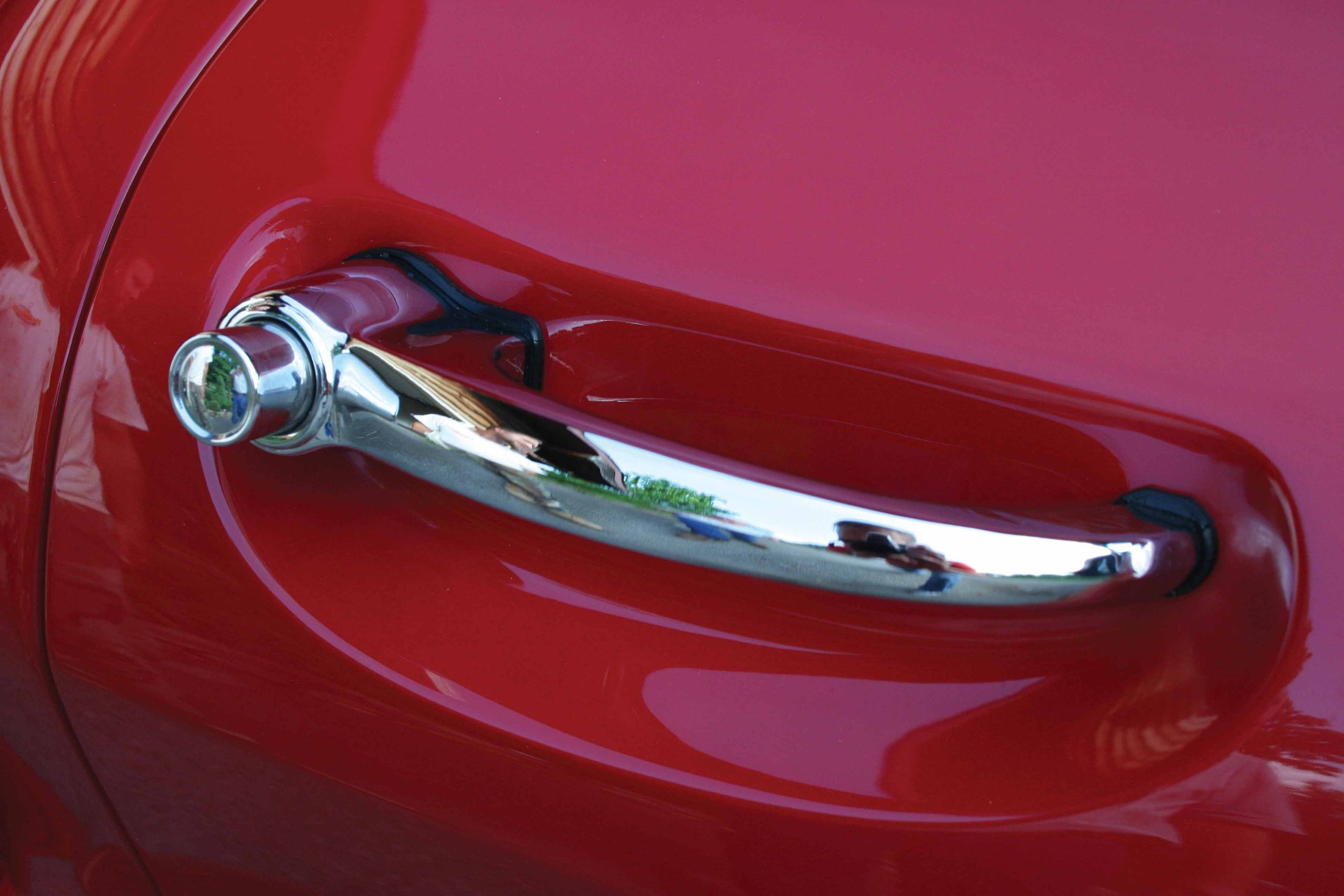
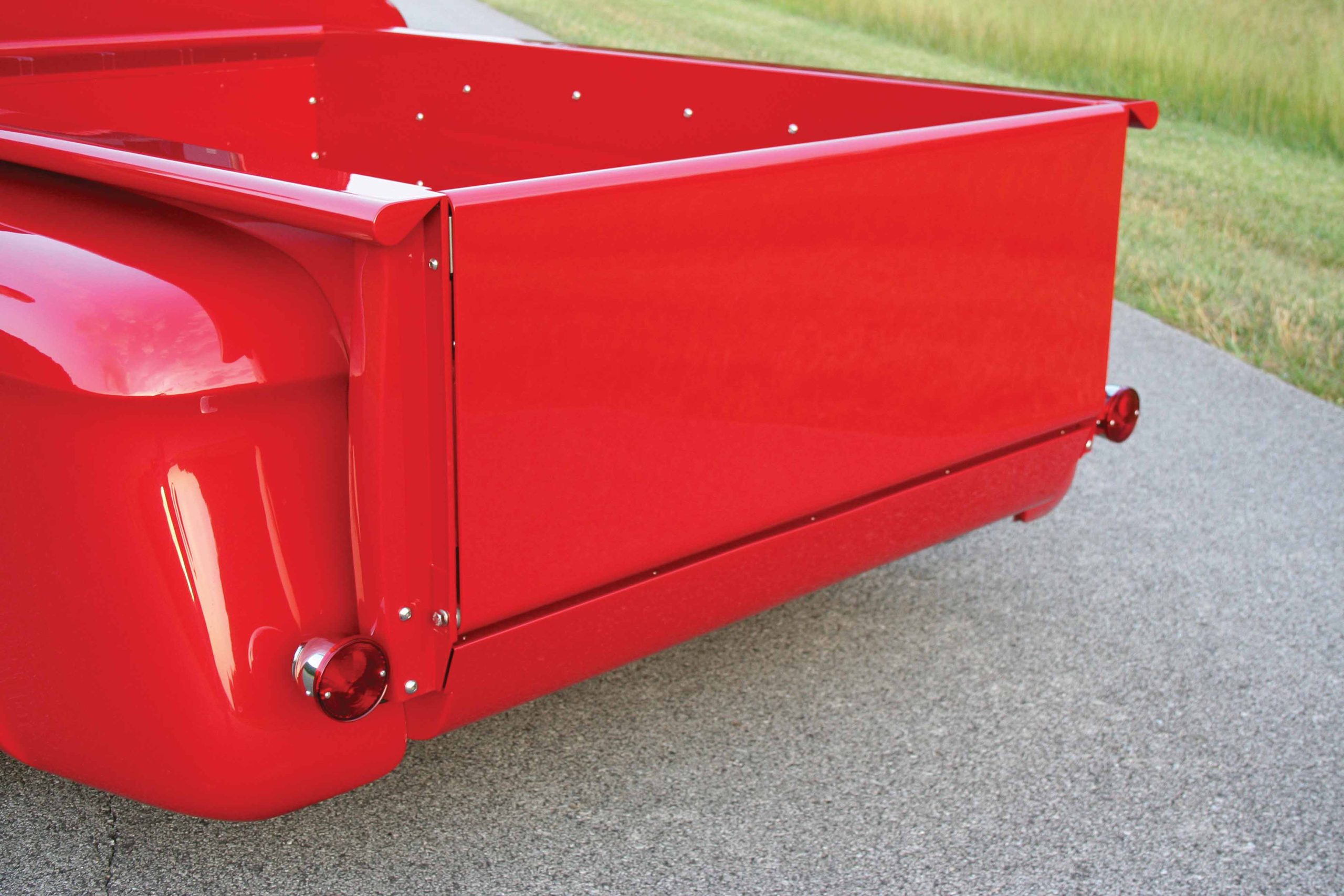
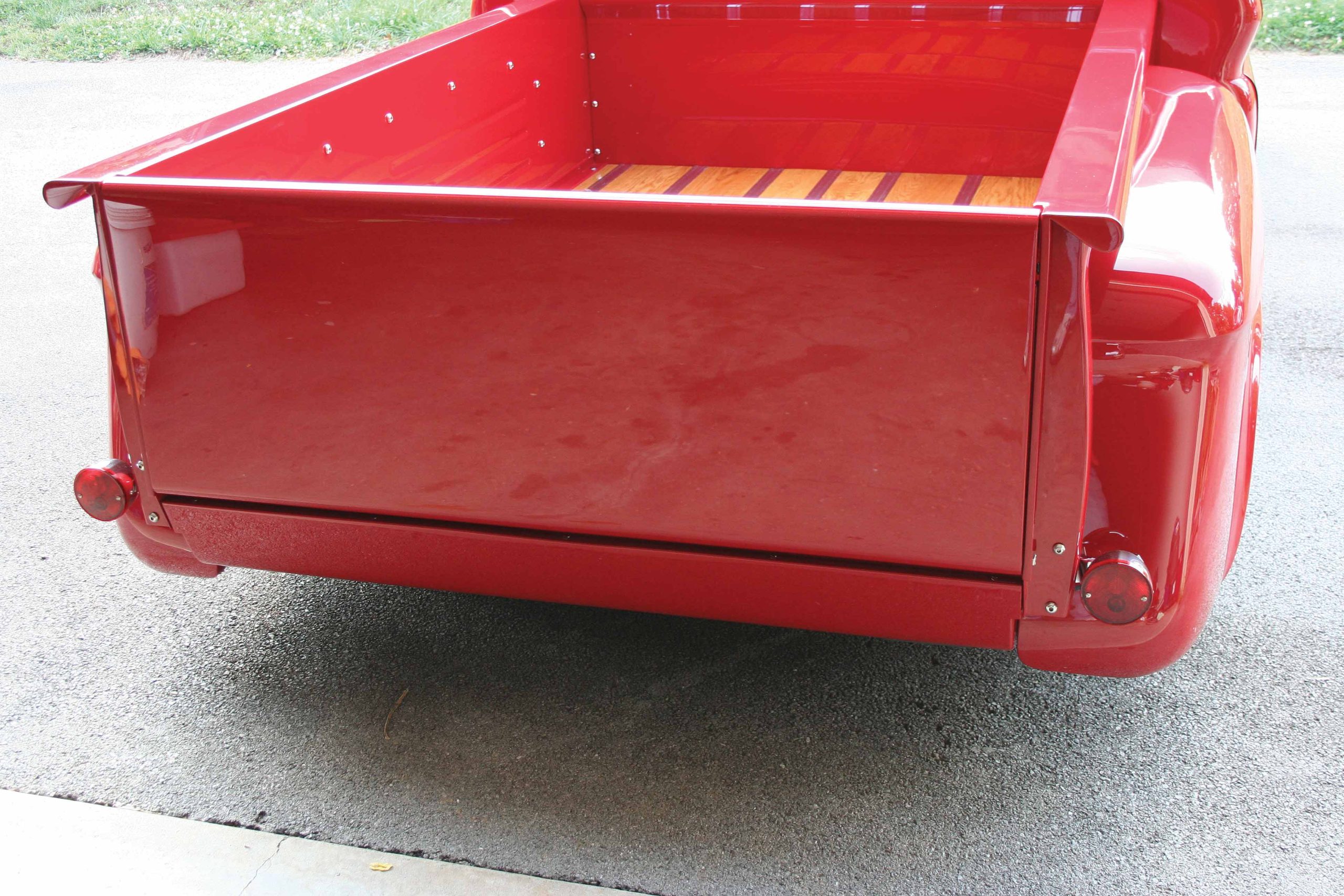
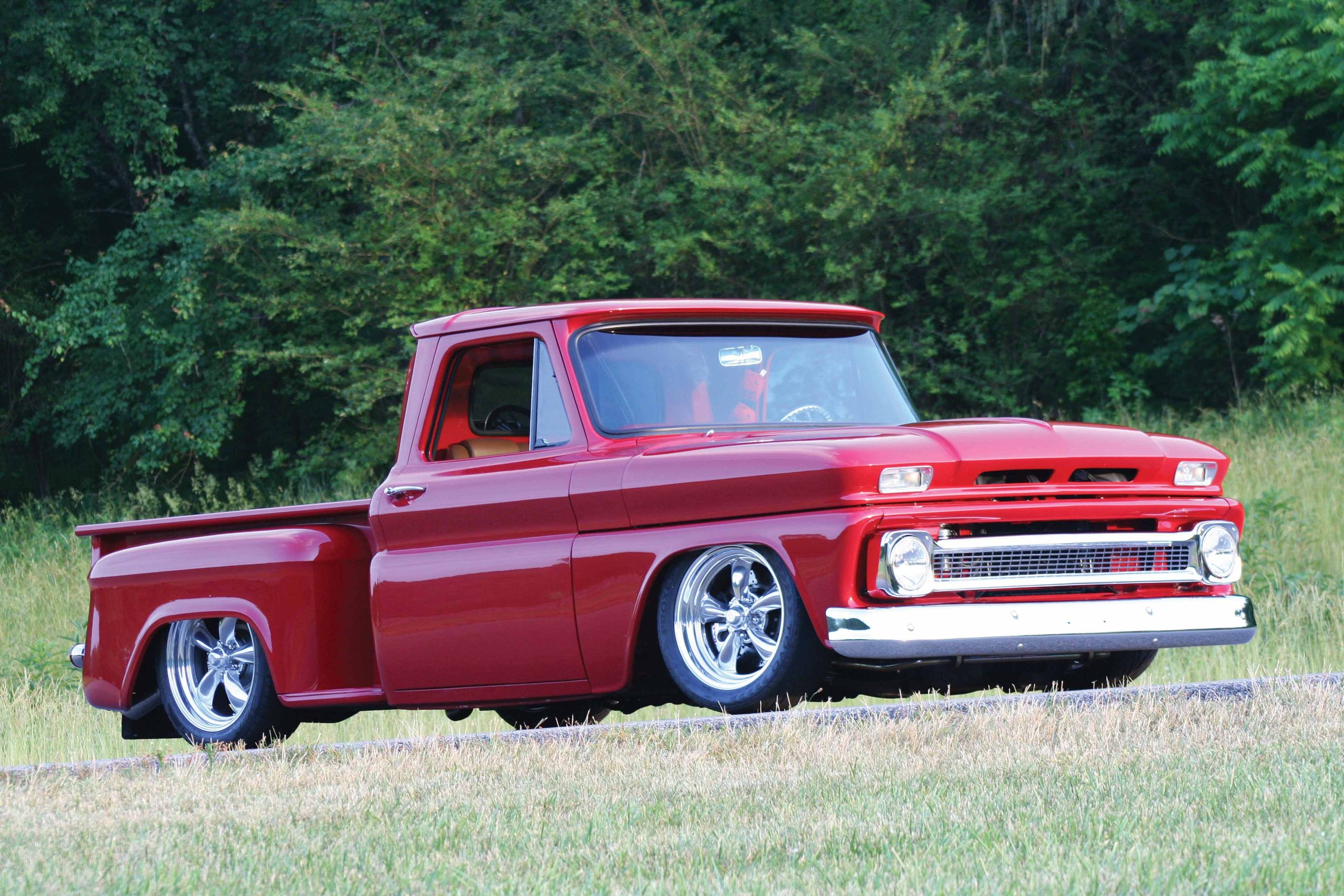
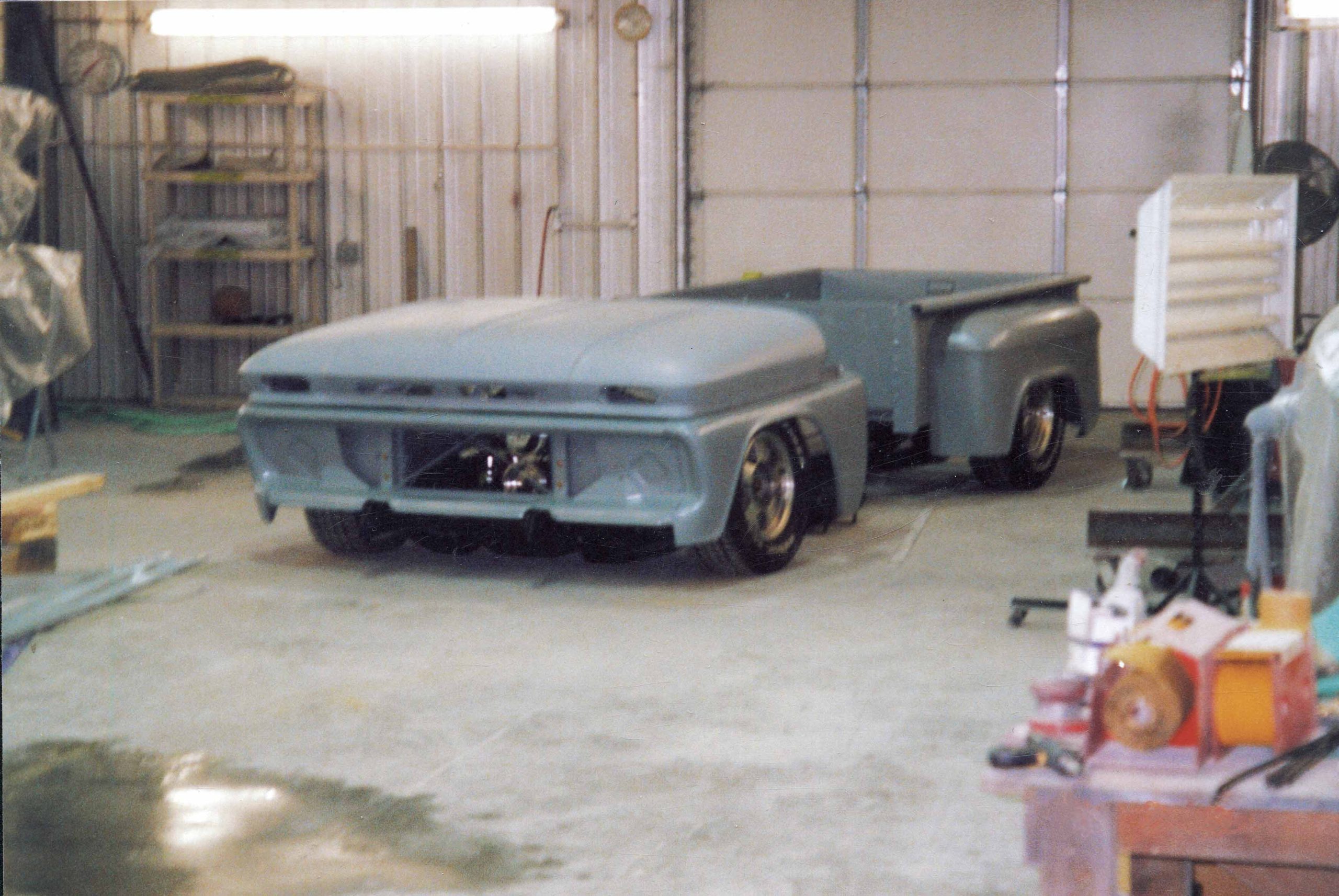
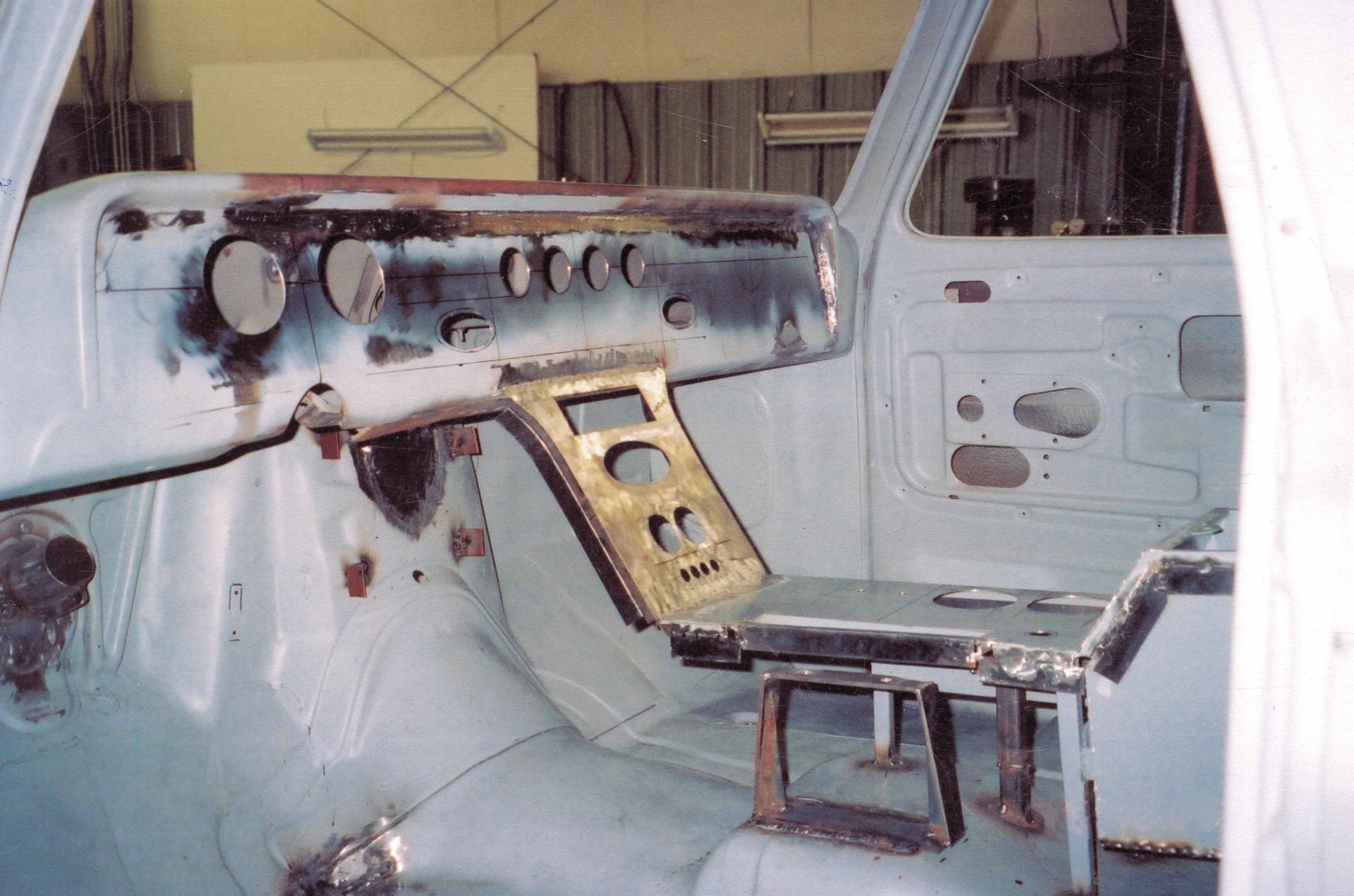
With the powerplant assembled and ready to rumble, South Paw Customs began work on the 40-year-old sheet metal. South Paw retained all of the original sheet metal, cleaning and repairing it one piece at a time. The body did require an ample amount of bodywork to get the panels straight, but rather than extensively modify the truck, Rudd opted to retain all of the original hardware, with the exception of the mirrors and emblems. Brad Cate smoothed the once rippled and rough cowl, as he welded up and filled the panel.
Choosing the Perfect Paint
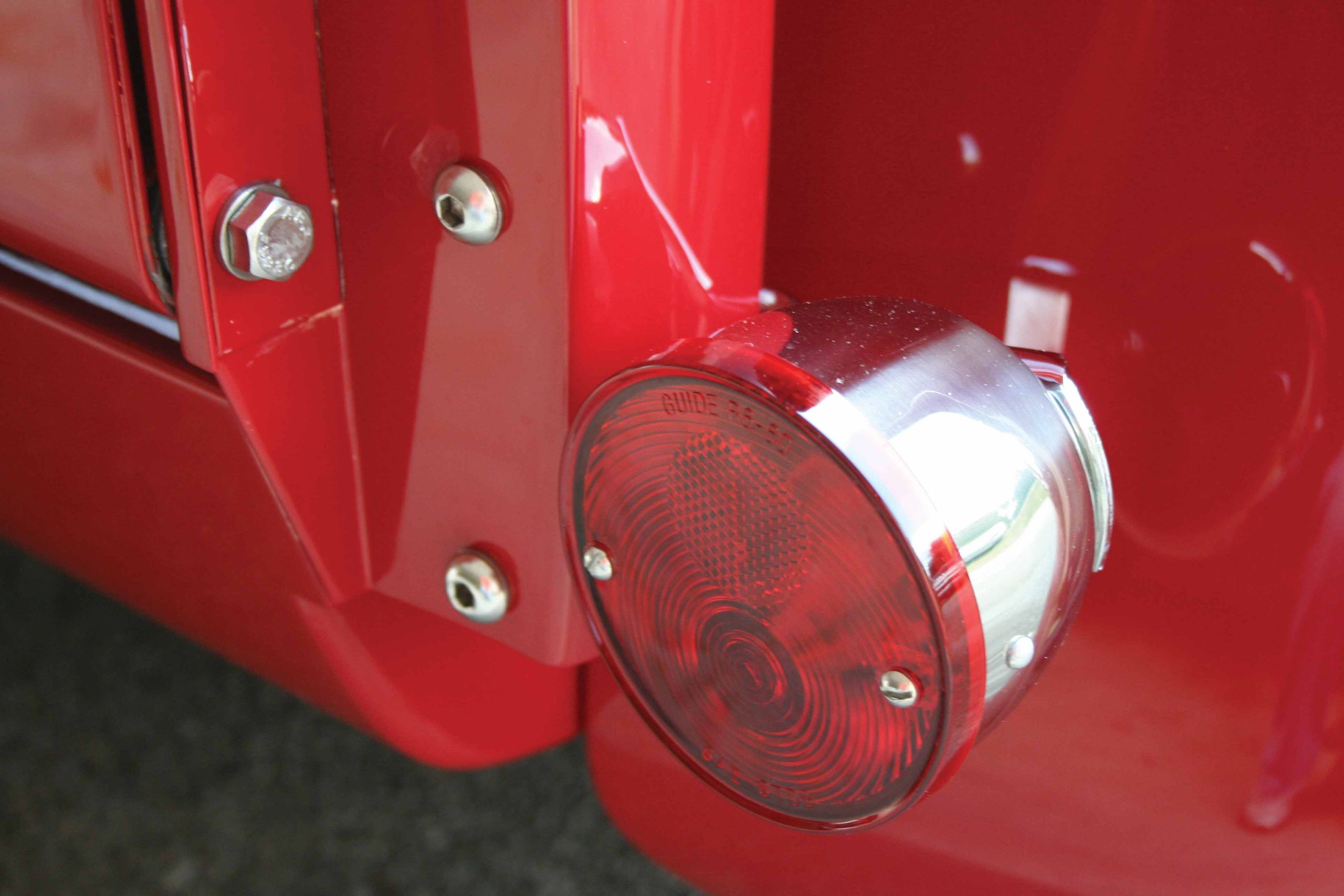
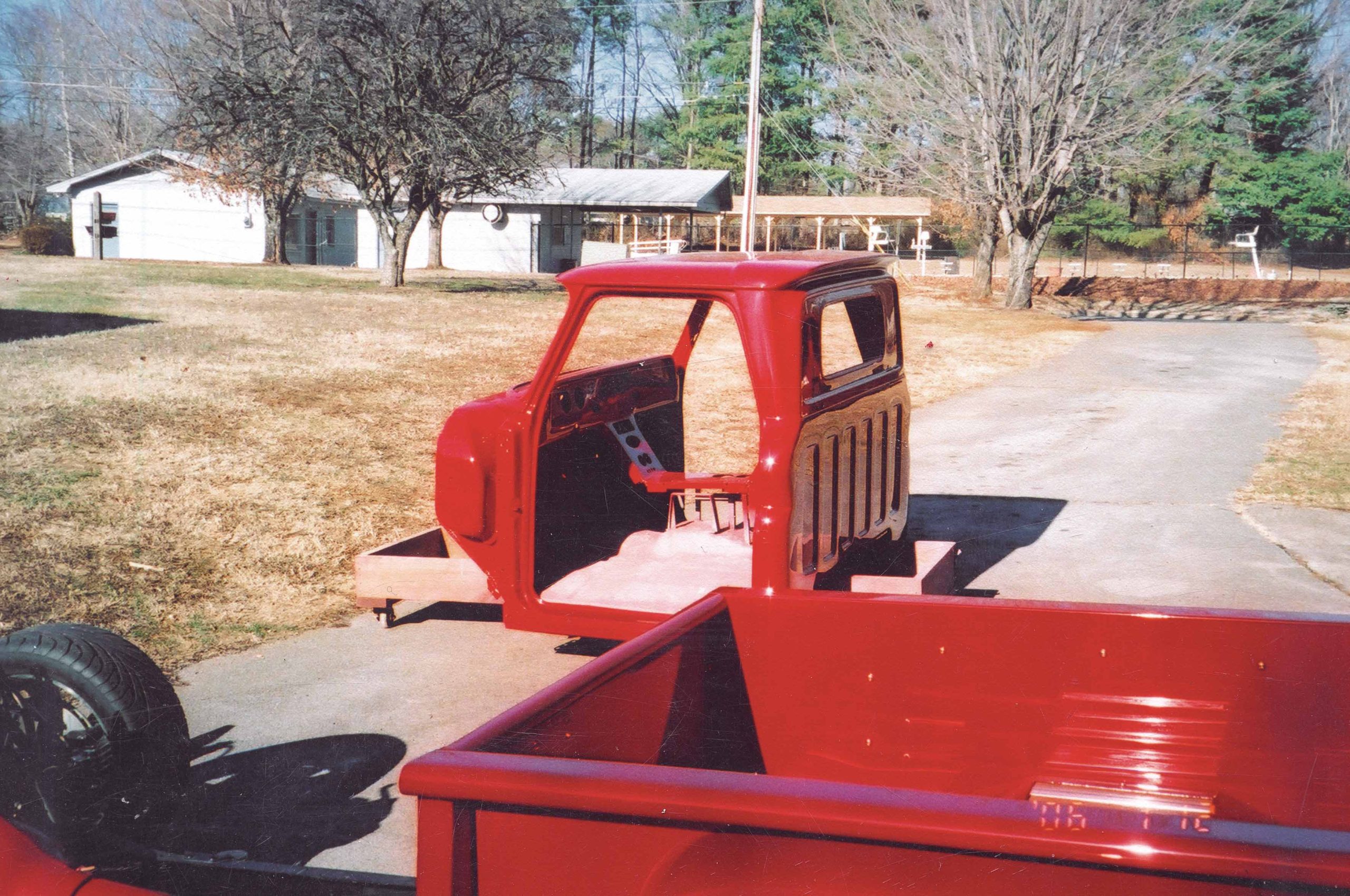
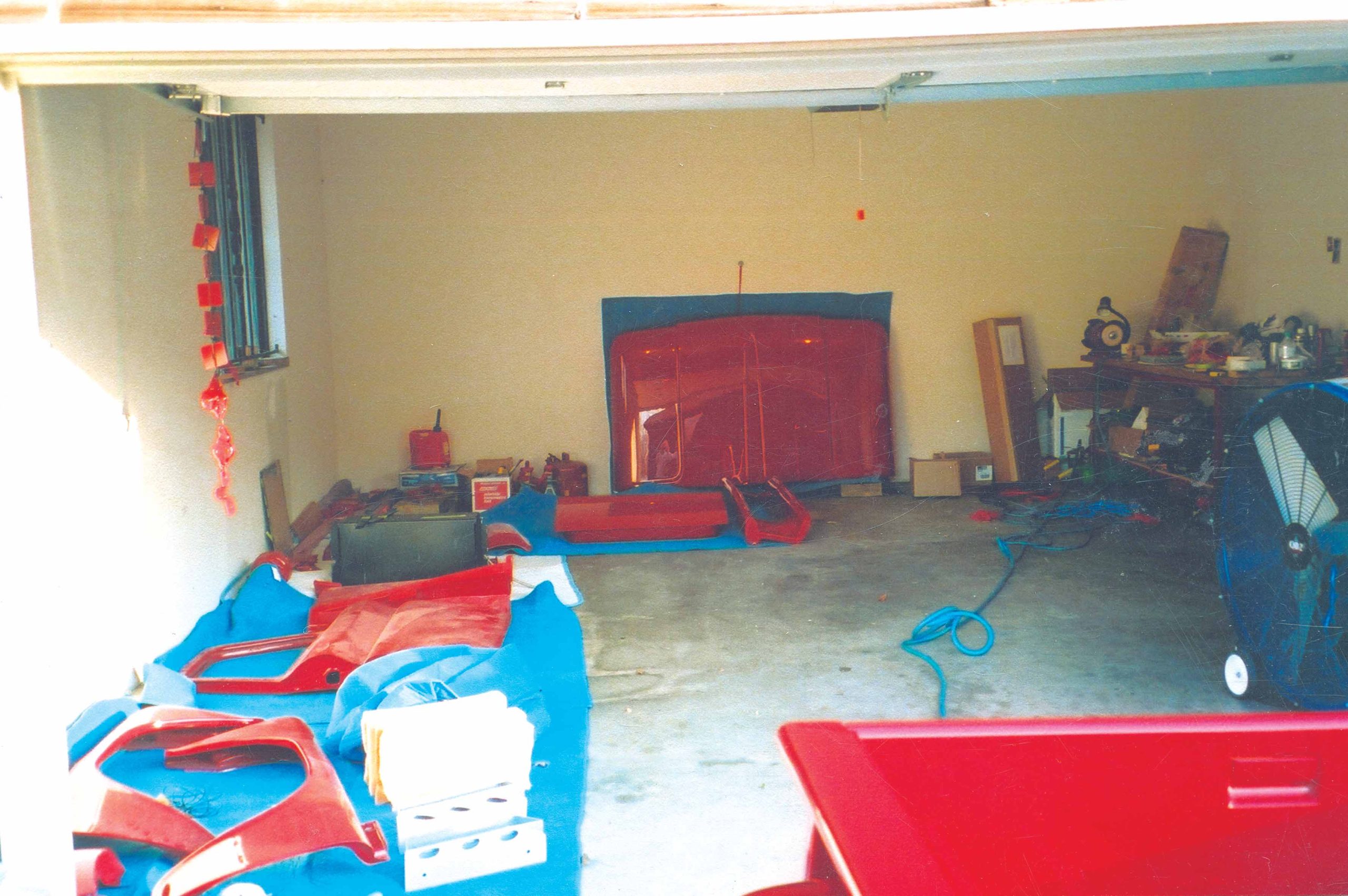
With the South Paw bodywork complete, Rudd had to choose a color to paint the ’66. After looking at lots of possible paint options, Rudd chose to go with the DuPont ’66 Chevelle Regal Red. Cate applied coats of the DuPont Regal Red and clear to the flawless ’66 bodywork. South Paw rubbed out and buffed the fresh paint, added the new chrome bumper, grille, and taillights. Filling the massive fenders are 18×7- and 20×8-inch American Racing Torq-Thrust wheels wrapped in Toyo rubber.
Customizing the Interior
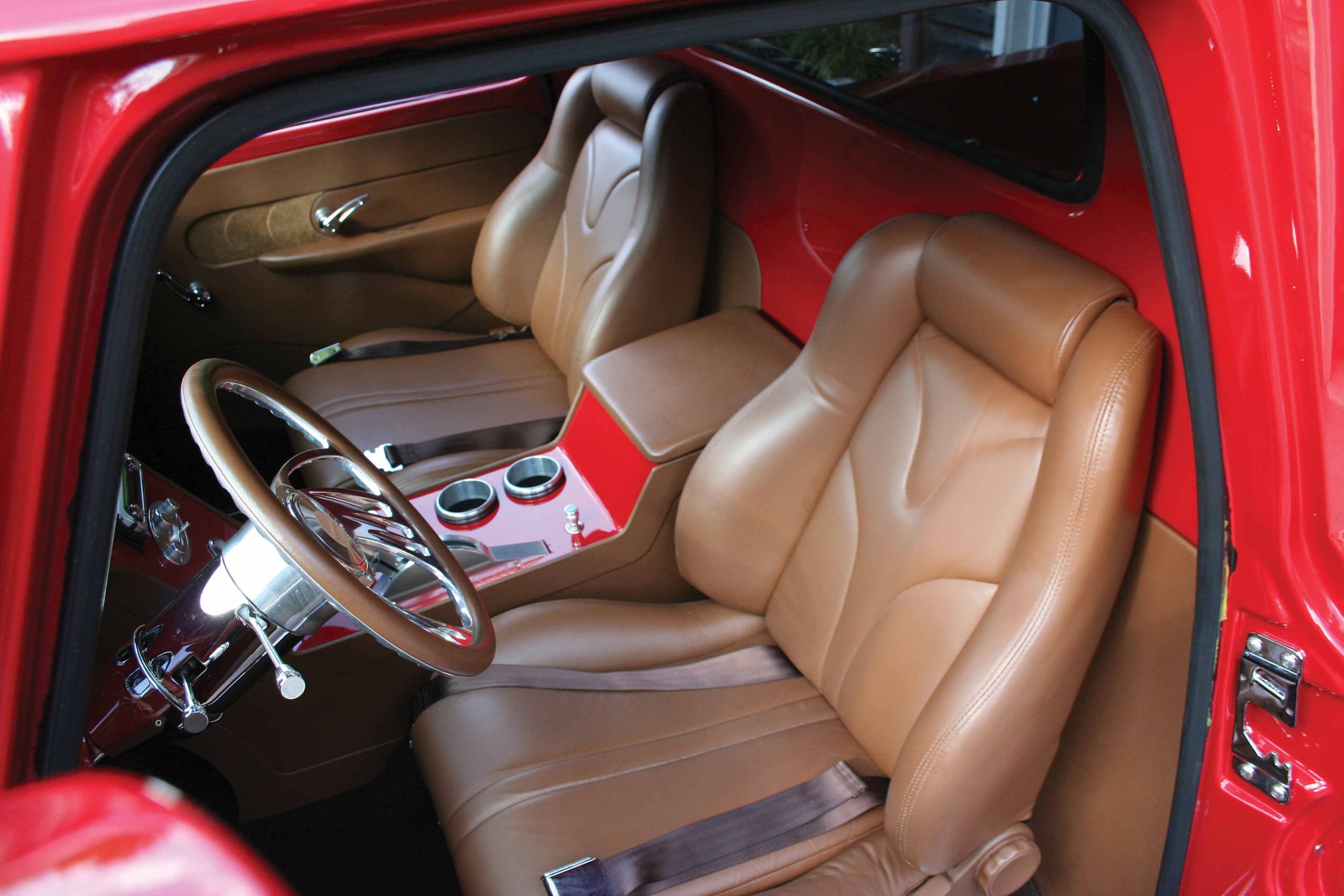
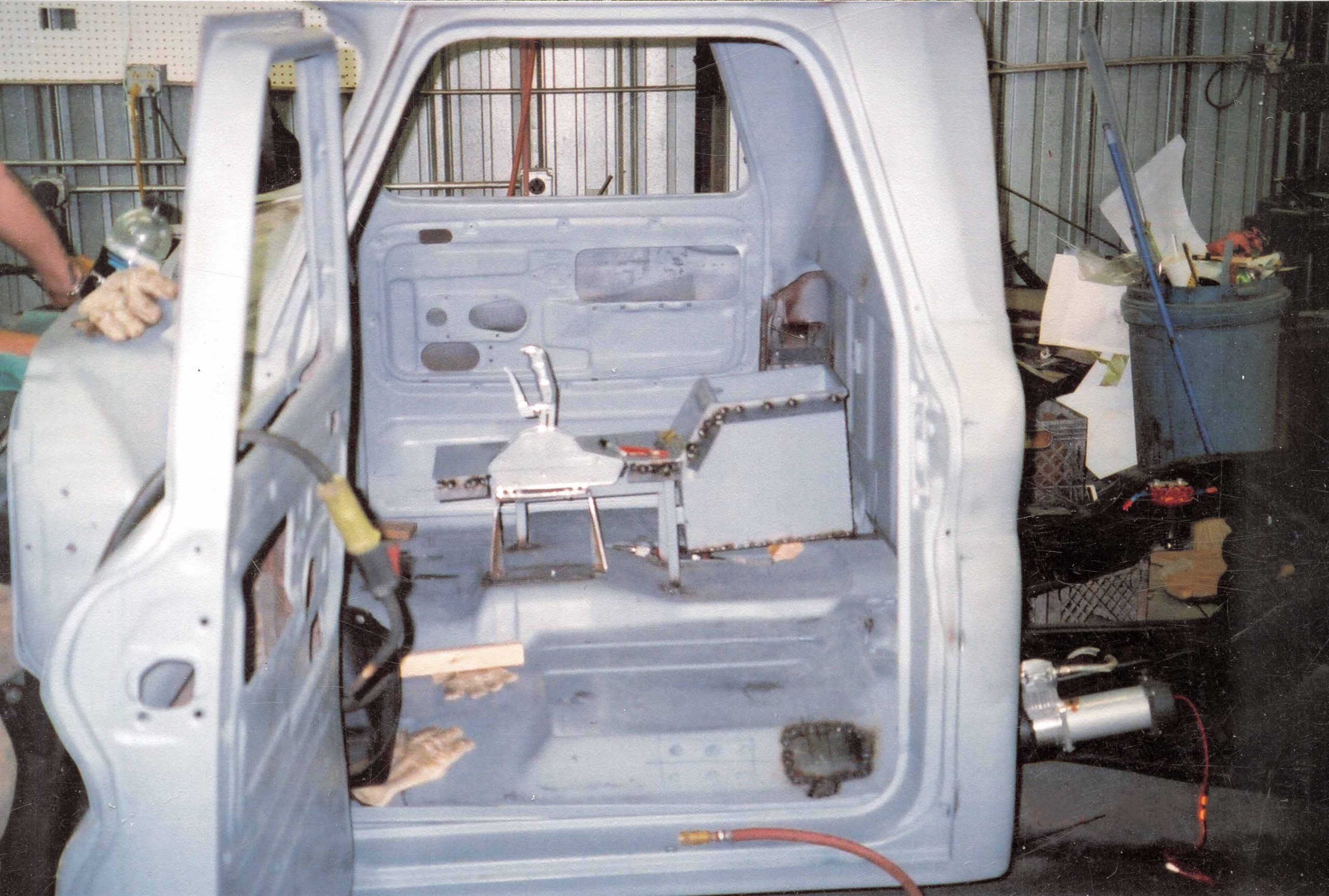
Rudd brought the truck home where final fitment and assembly took place. The trio decided that since the truck would be driven regularly, comfort should be a top priority. Using a mock-up seat, Rudd sat in the car and Cate took hundreds of measurements for mounting the seats. Since Rudd is a tick over 6 feet tall, being comfortable while maintaining a slick custom interior would be key. With measurements in hand, Kirks Kustom Upholstery in Knoxville, Tennessee, began turning the truck interior into a showstopper.
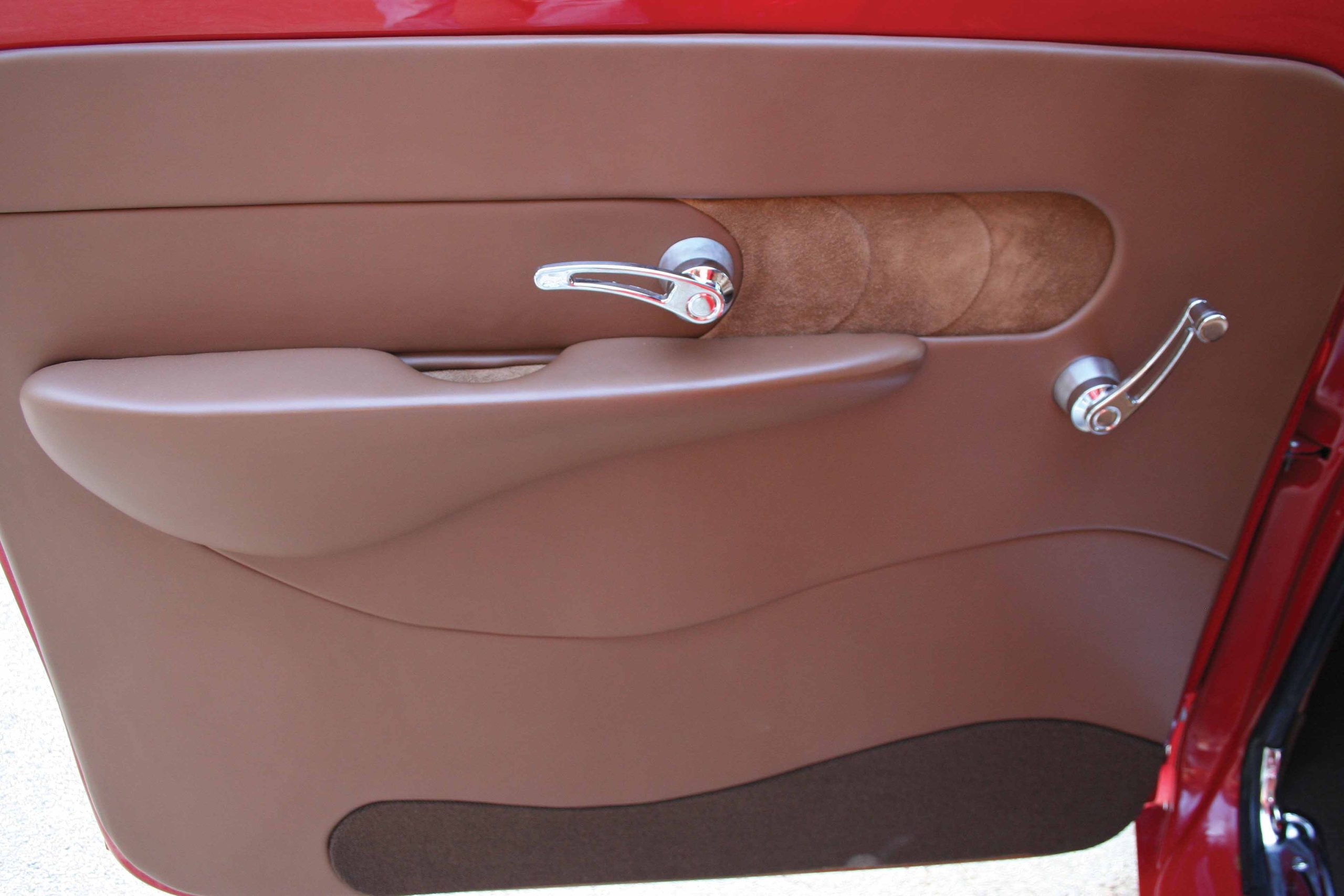
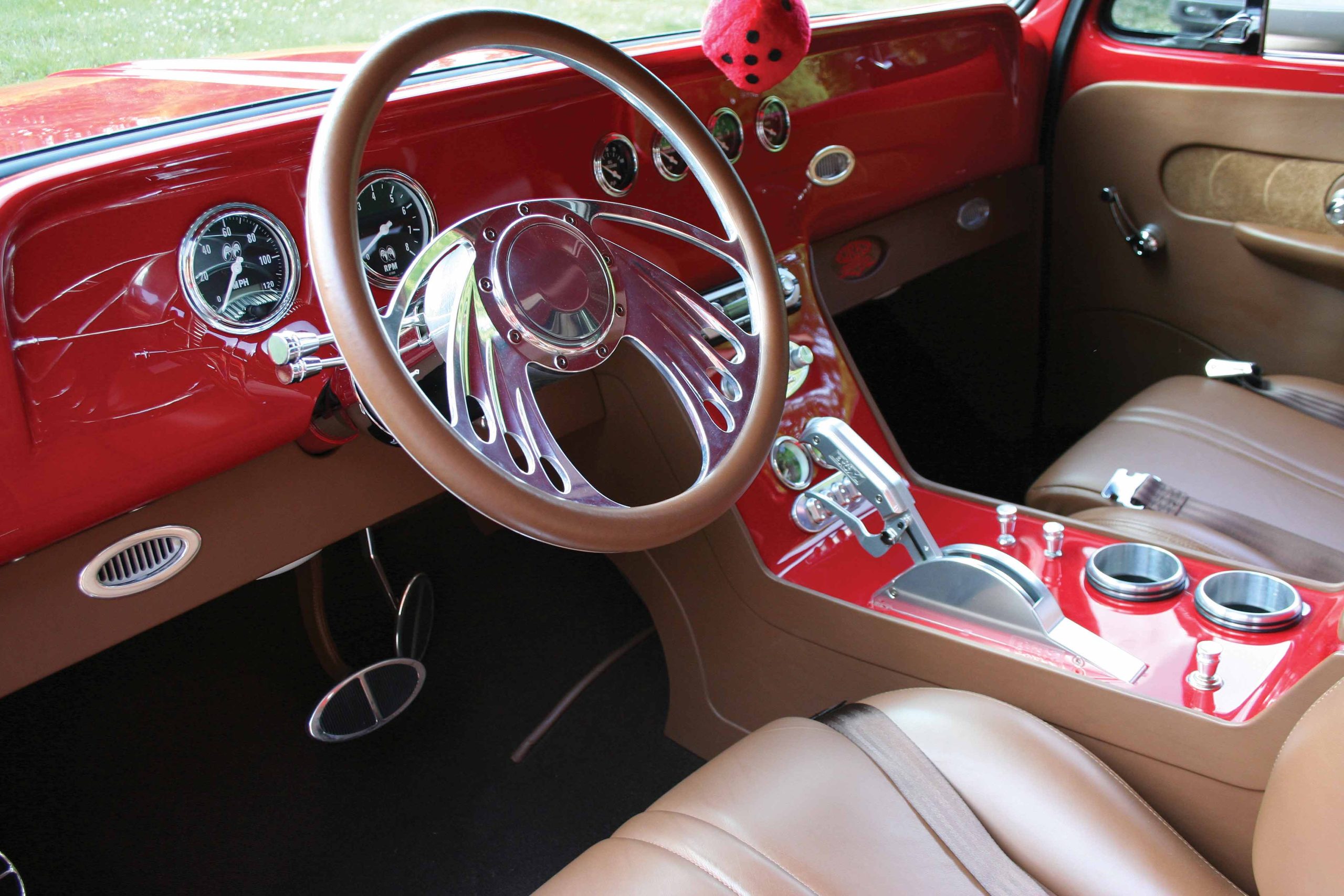
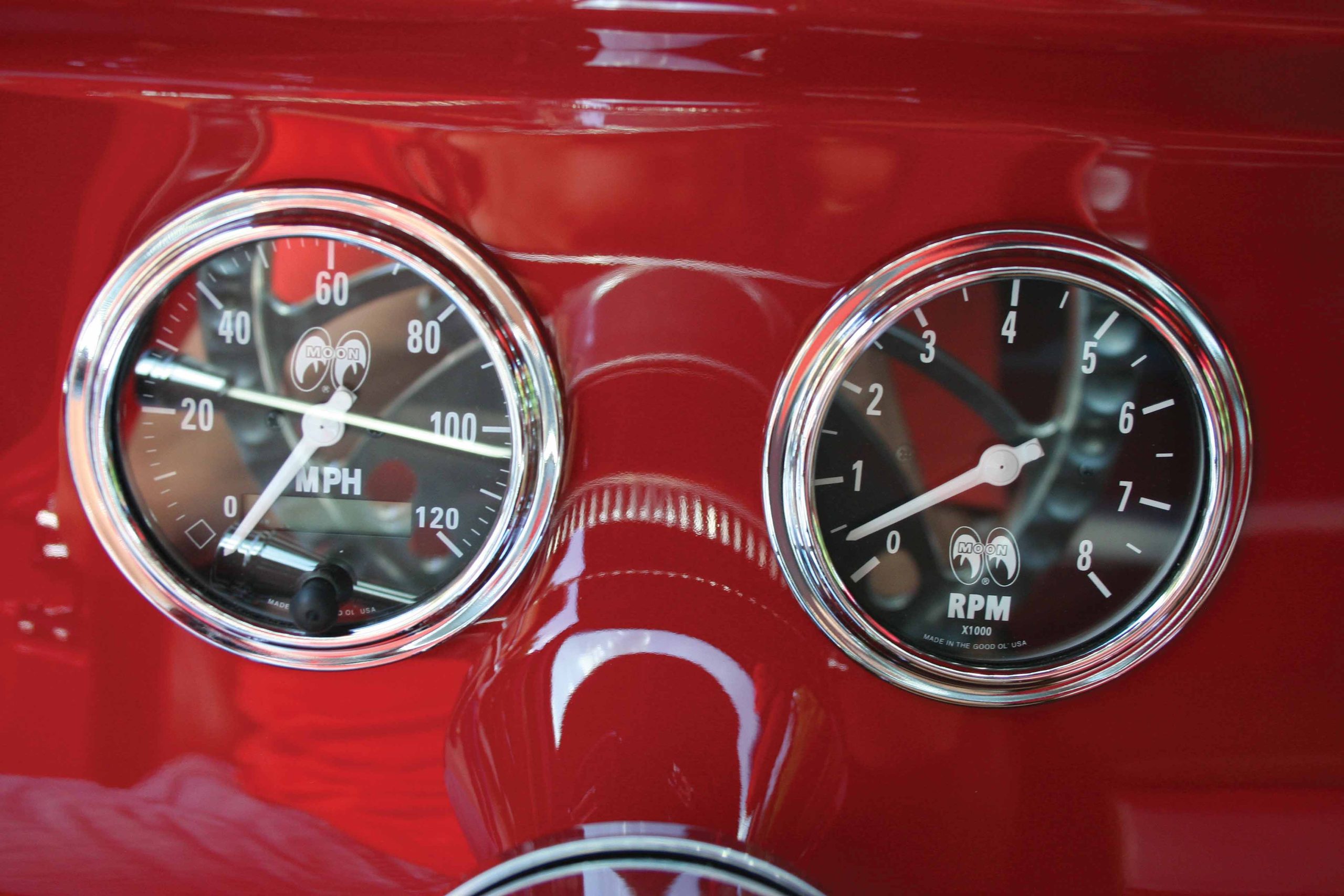
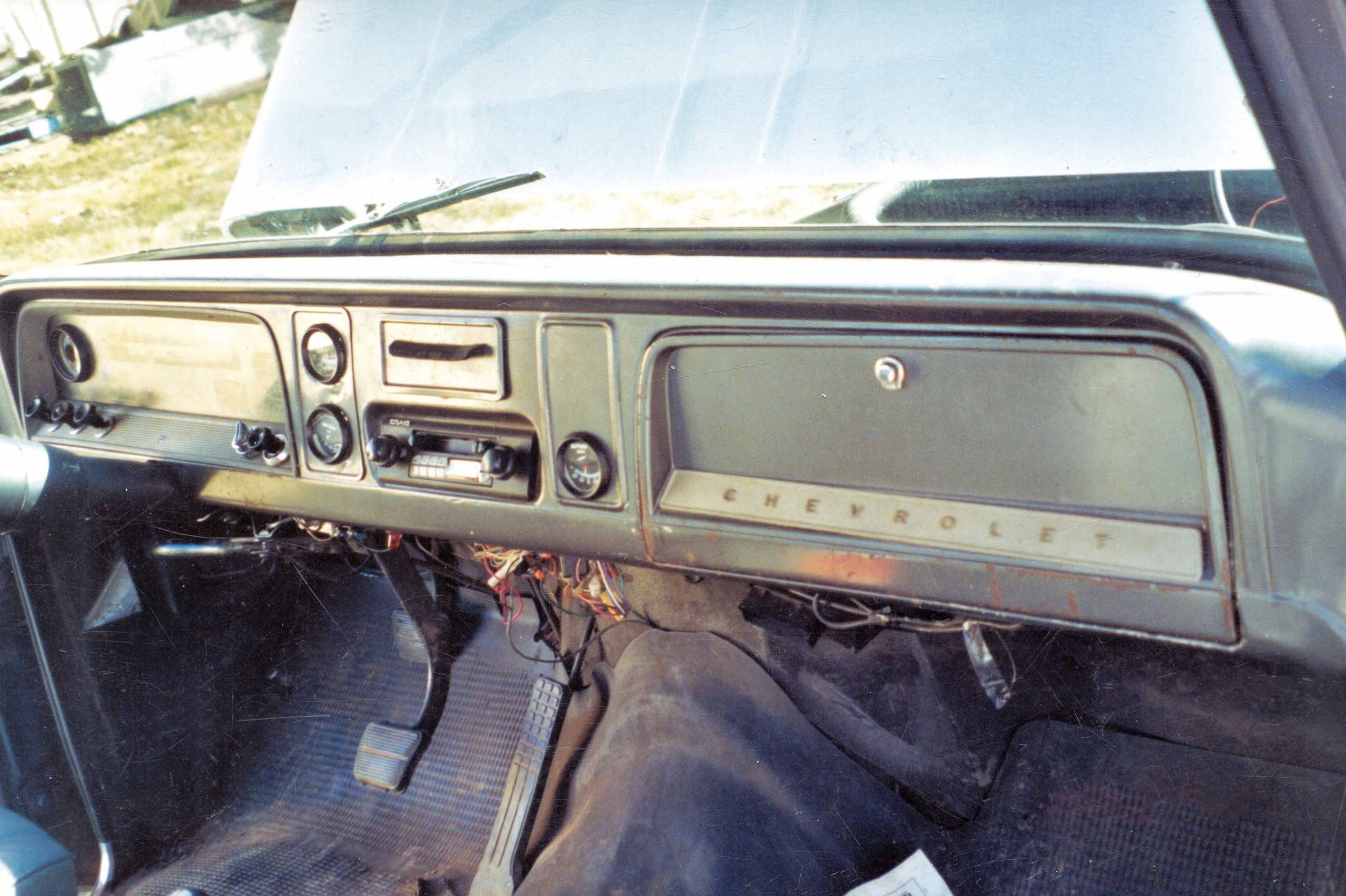
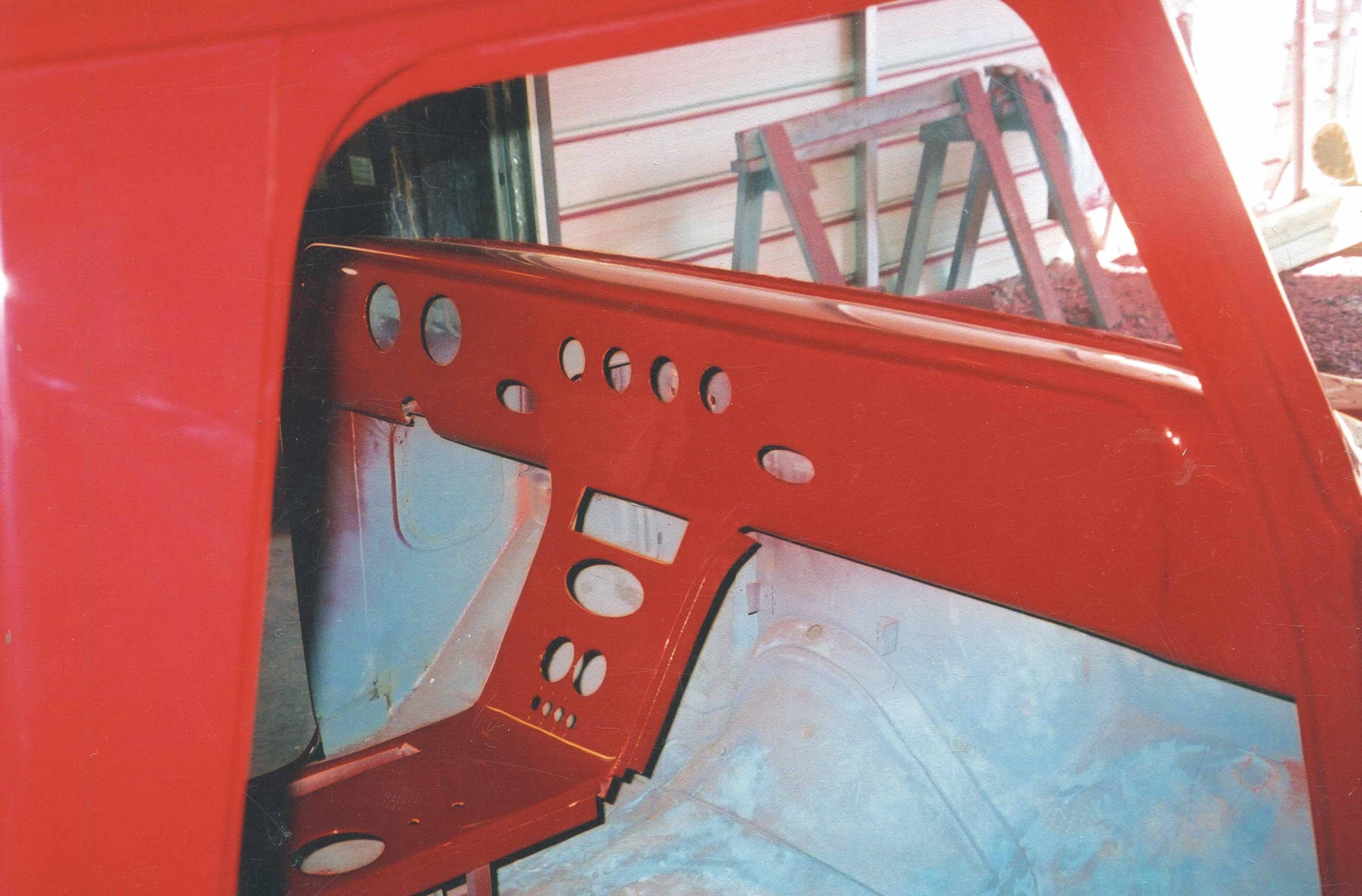
Kirks Kustom Upholstery began by installing a set of Cerillo custom bucket seats, door panels, and kick panels in nut-brown leather, accented by tan suede. These beautiful shades of leather combined with the Regal Red dash provide a beautiful, harmonious contrast. Housed inside the custom steel dash are Mooneyes gauges, complemented by oval billet A/C vents. There is also a tilt column and custom billet steering wheel.
A Legacy Preserved
After more than two years, Rudd and his crew completed the truck in May 2006. Since completion, the truck has made its way all over the country attending numerous shows. Whenever possible, Rudd drives the truck to every event. This includes all of the Chevy/GMC Nationals in Maggie Valley, North Carolina, where the ’66 took home numerous awards. The Rudd family is now complete, and you can bet this time the ’66 won’t be sold!