



THE AUTO BUILDER
Featured

Locked Up
Now that the typical Chevy buildup cars (Novas, Camaros, El Caminos, Chevelles and so forth) are well over 30 years old, most have had several owners and lots of abuse. One important yet often overlooked area during a car’s lifetime is its locks, and by now, most early Chevys have mismatched or missing keys. Some don’t even have any keys or locks when you buy them. If you do find a car that still has its original keys, it is very unusual.

CAMARO MAN
If you ask car enthusiasts to identify their favorite ’60s Chevy, most will say a Camaro. If you want a more specific answer, you probably will get mixed responses between the ’67-’68 models and the ’69. Troy Leiphart is one of those enthusiasts who like the early models, because they are smoother looking than the ’69 and look meaner when done right. That love affair with ’68 Camaros started when he was a kid. His older brother Ernie owned a maroon ’68, and Leiphart thought it was the coolest car around. After awhile, money got tight for Ernie, so Leiphart purchased the car from his brother. Leiphart drove the cool Camaro with much pride, fixed it up and spent time at the drag races, where the car did well. Eventually the engine blew and he couldn’t afford to fix it, so he sold the car back to his brother.

Right Rod
If you attend car events in California, such as NHRA’s California Hot Rod Reunion in Bakersfield, the West Coast Kustoms show in Paso Robles or the L.A. Roadster Show in Pomona, you will notice that rat rods are a growing segment of the hot rod hobby. Years ago, when they started becoming a common sight at many of the shows, the mechanical aspects of most of the cars were scary at best. You could see cars with no springs, some without floorboards, and many constructed with less-than-desirable stick welding. It is this type of construction that created the name “rat rod.” Fortunately, over the past few years there has been an attempt to upgrade the construction of rat rods, even though the enthusiasts want to use as many original parts as possible.
Spotlighter
POPULAR READS
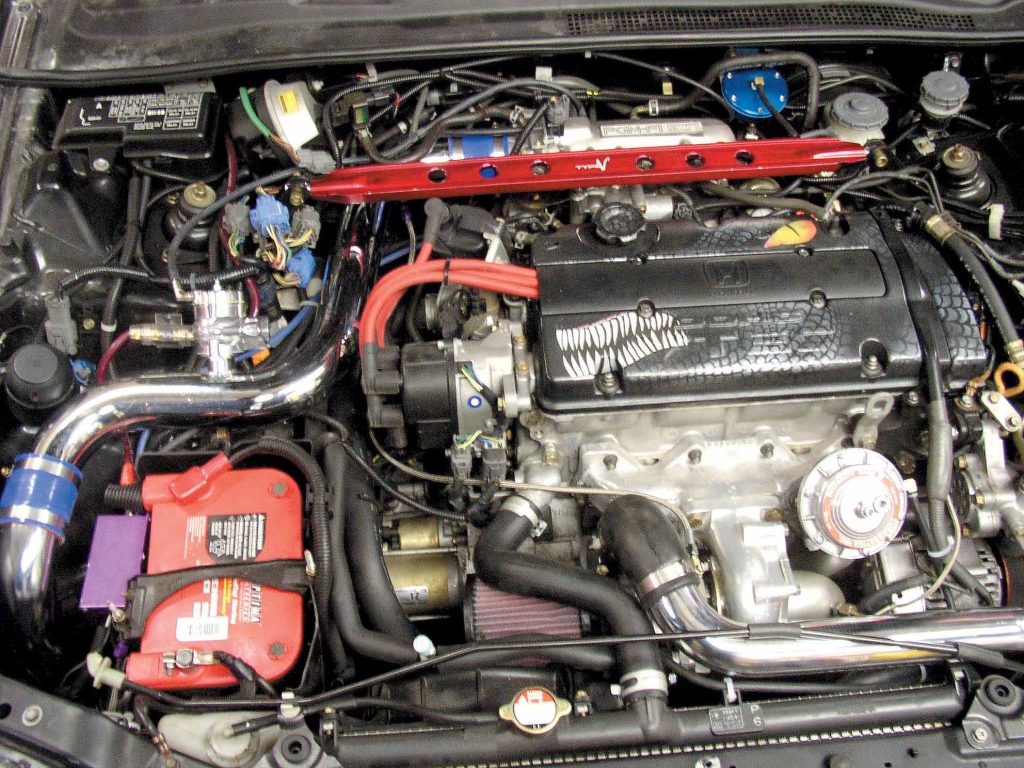
Force-Fed Prelude
ETD Racing And DRAG Give A Much-Needed Boost
Author
Sean Greene
Photography by Jim Edwards
The Honda Prelude: A Hidden Gem in the Tuner Scene
The Honda Prelude may not be as popular as the Civic or the Integra, but it does have a rather large tuner following. One of the reasons that the Prelude isn’t as modified as often as other Hondas is that the model’s initial purchase price is considerably more than a Civic Si or Integra GS-R, since the Prelude was better appointed with options and a more powerful engine.
Prelude’s H22A Engine Performance
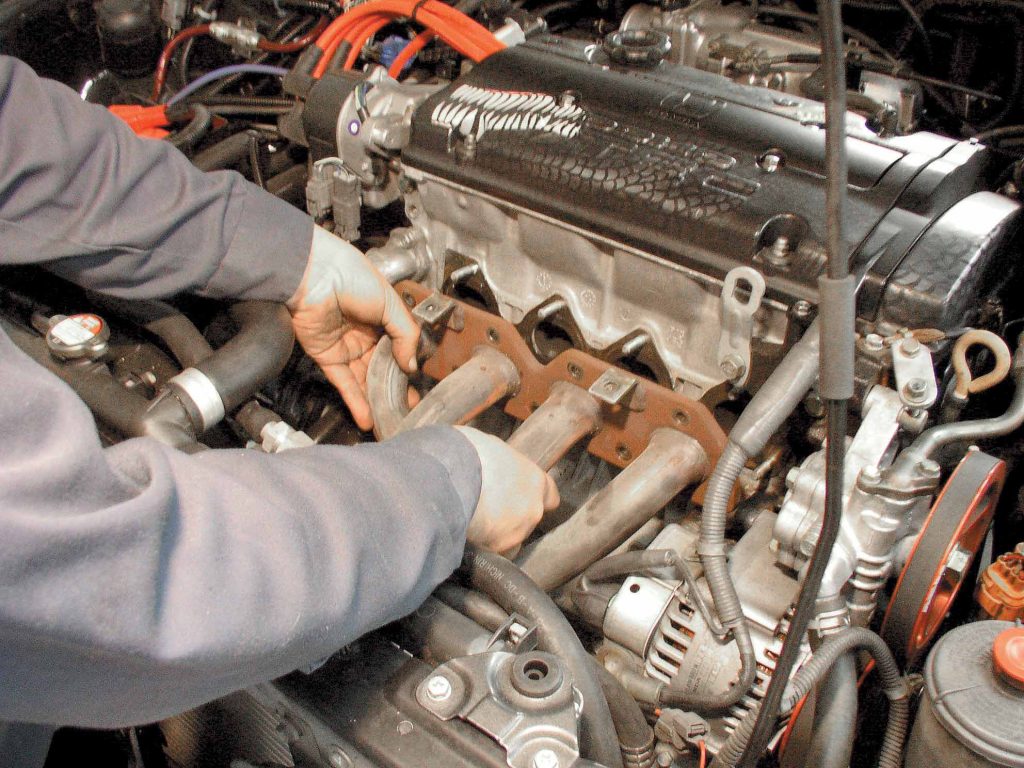
In its stock form, the H22A produces between 195 hp and 200 hp (depending on the year of the Prelude). Unfortunately, the aftermarket was fairly sluggish to jump on the bandwagon when it came to hardcore parts for Preludes, such as the valvetrains, superchargers, and even turbo kits. Many enthusiasts were putting together their own turbo kits by making tubular exhaust manifolds, fabricating intercooler piping with U-bends, and using a boost-sensitive fuel management system. For the most part, this method of boosting an H-series engine was acceptable, but unless you had a whiz that really knew what he was doing, the results of this home-brewed turbo system could be something less than expected.
Improved Aftermarket Support for the H22A Engine
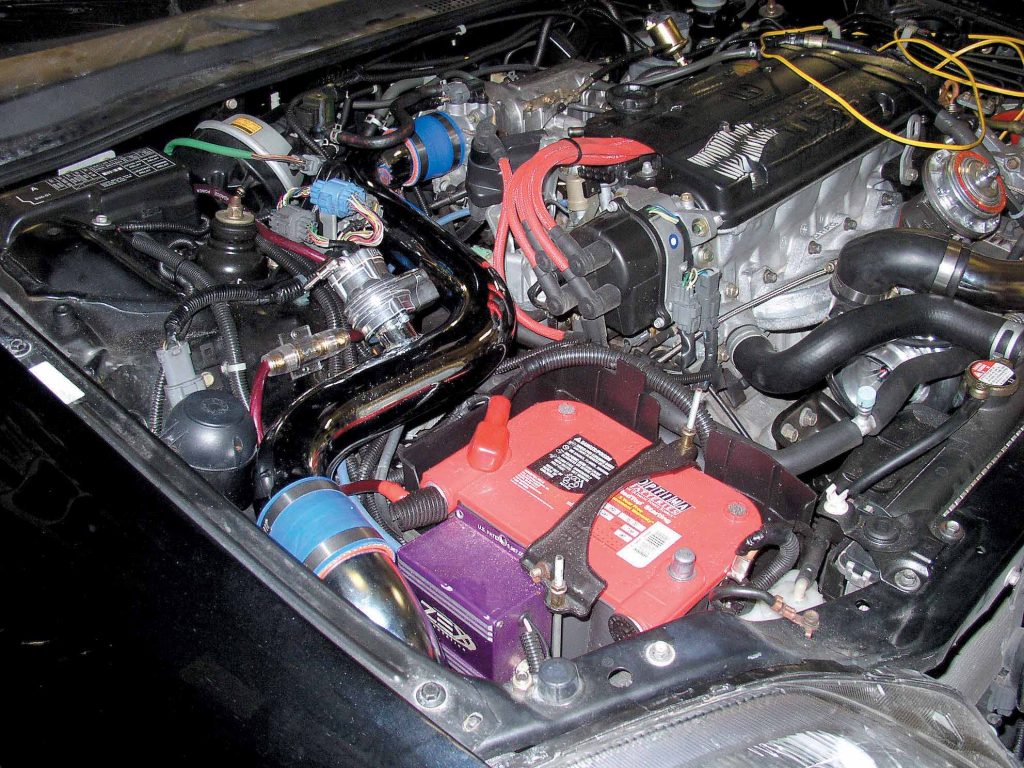
Thankfully, the H-series has better support nowadays, and both enthusiasts and racers are making more power than ever with the aid of off-the-shelf turbo kits, like the DRAG system shown here.
The DRAG Turbo Kit: Boosting Power Made Easy
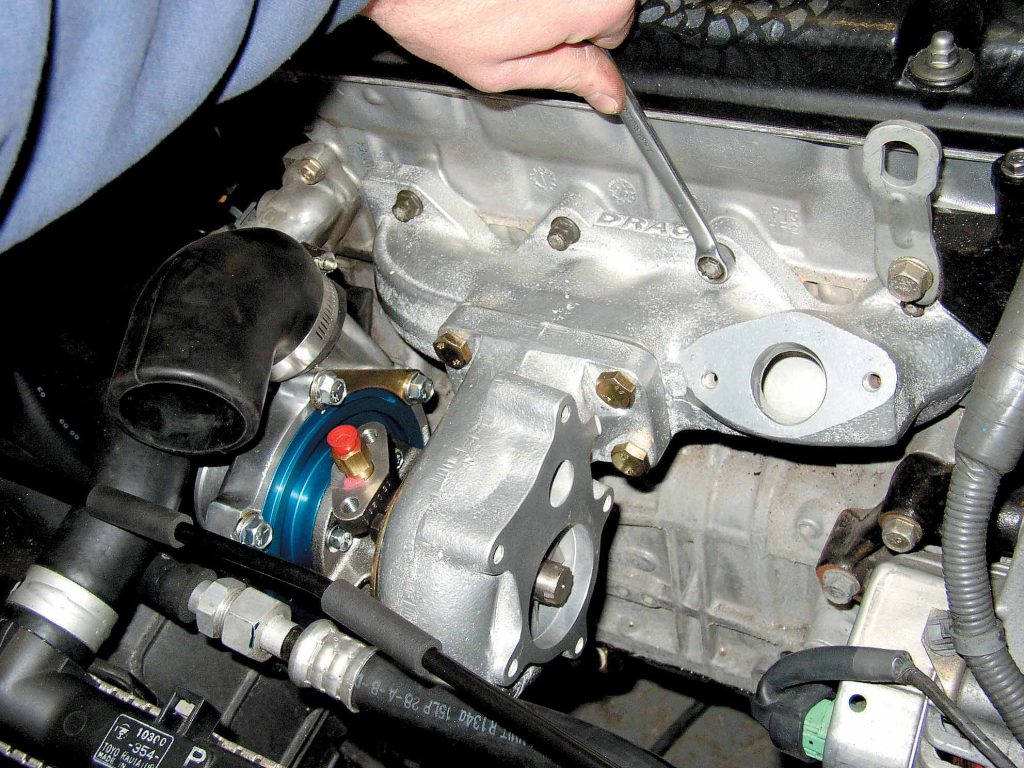
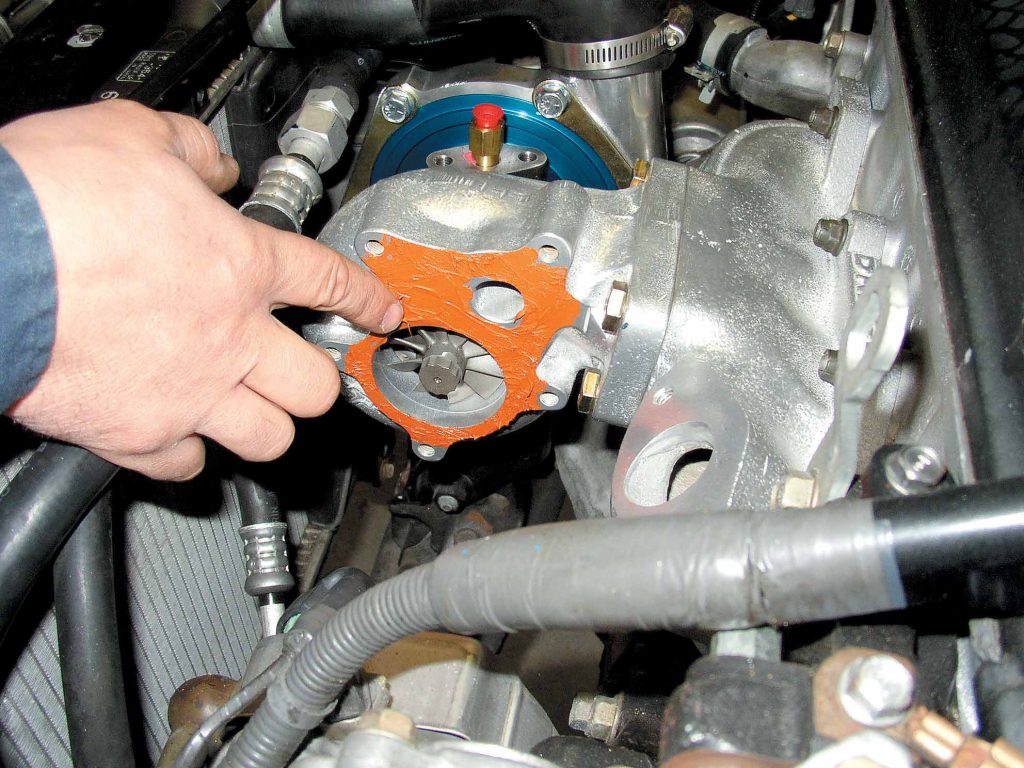
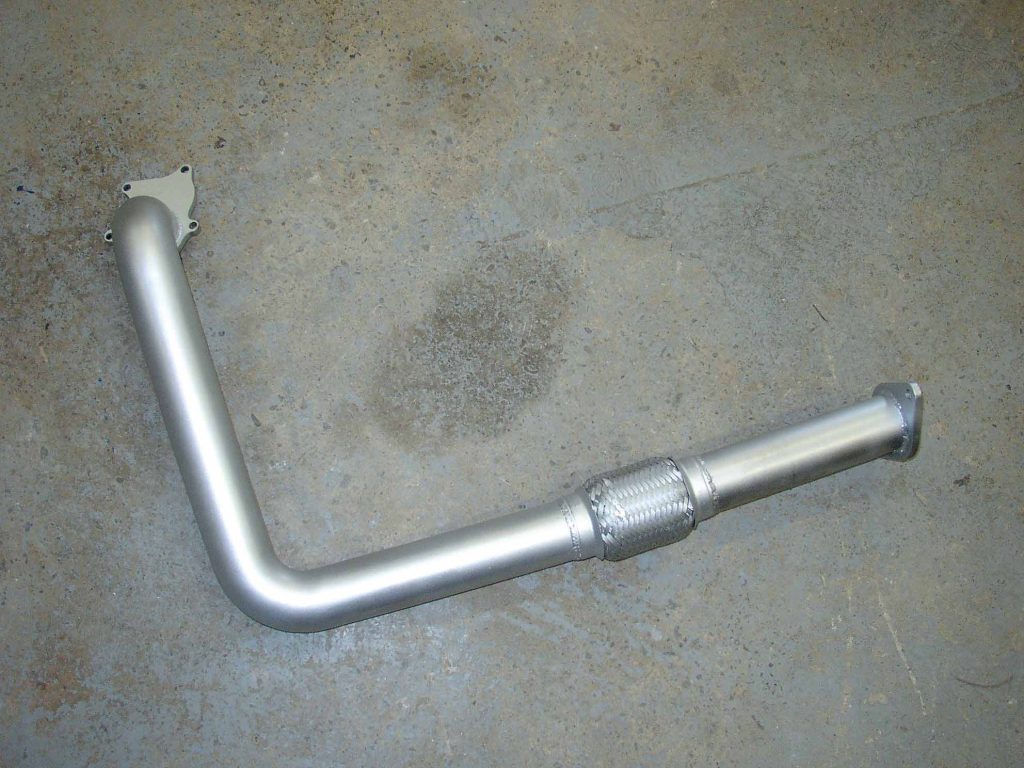
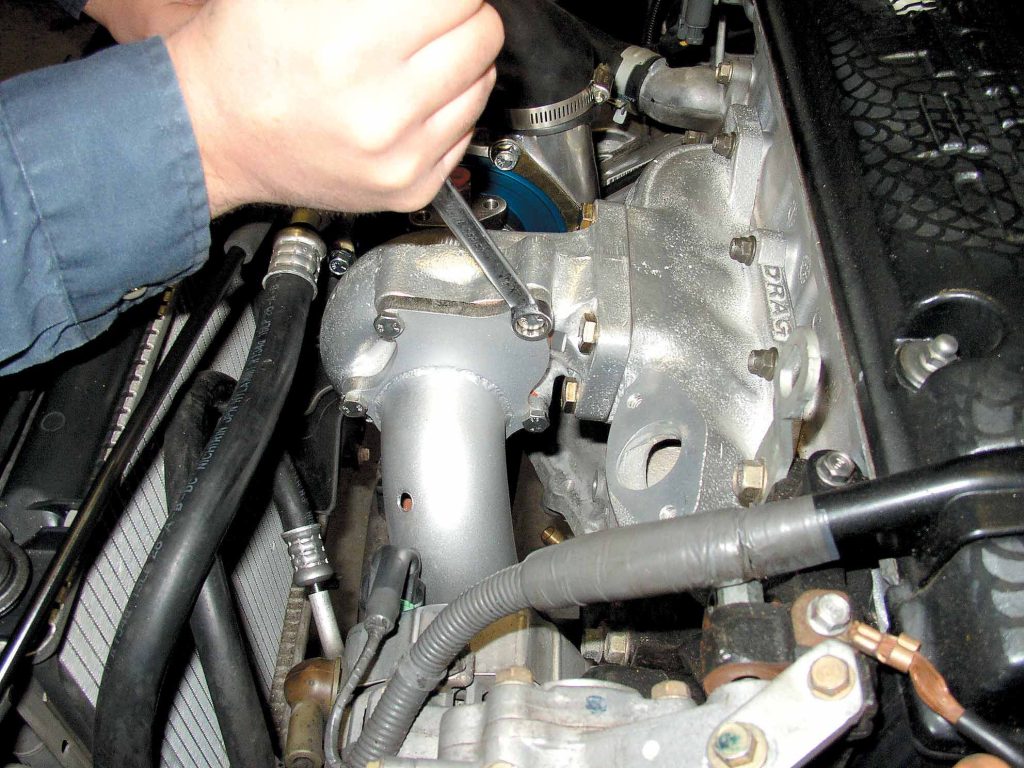
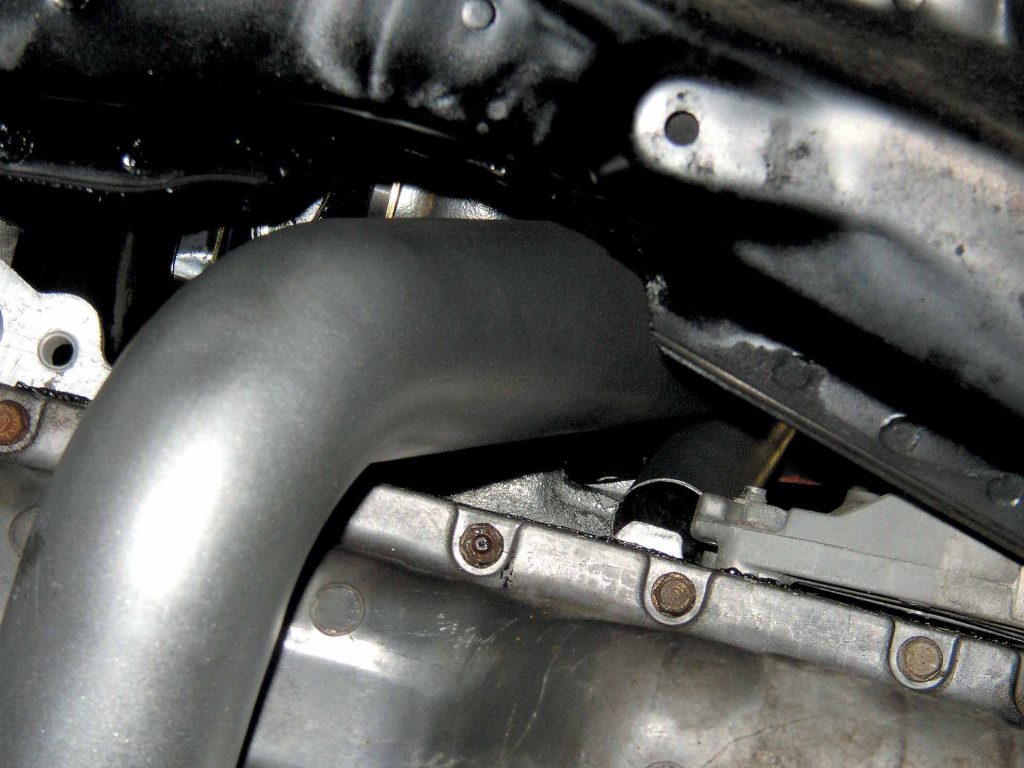
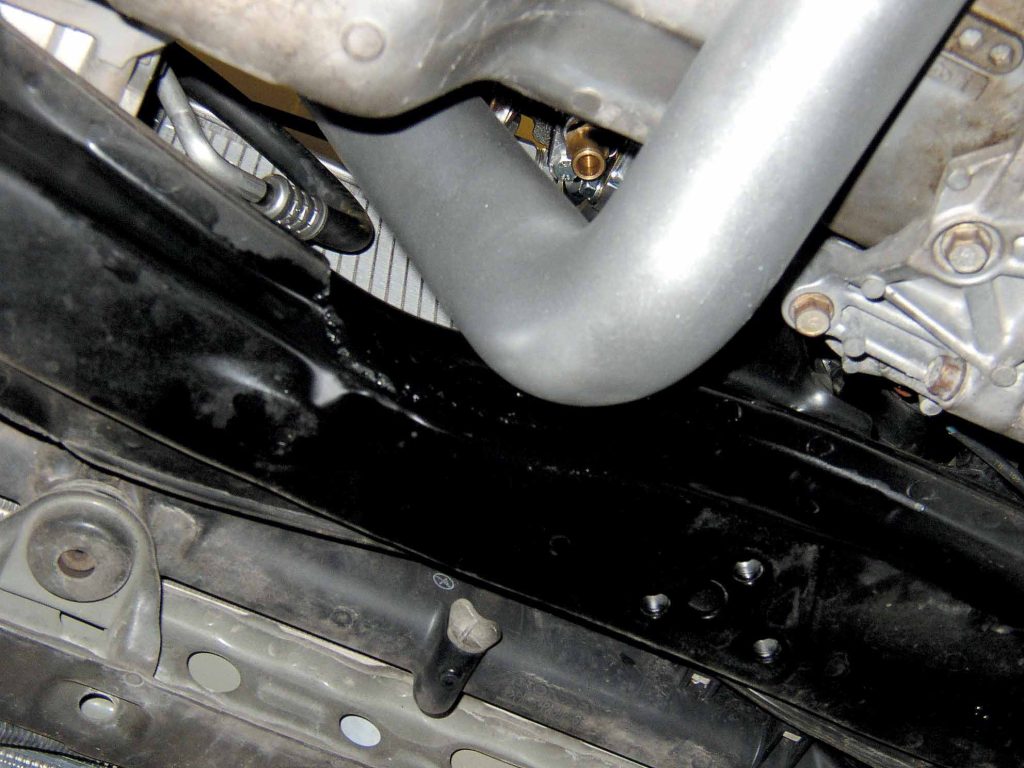
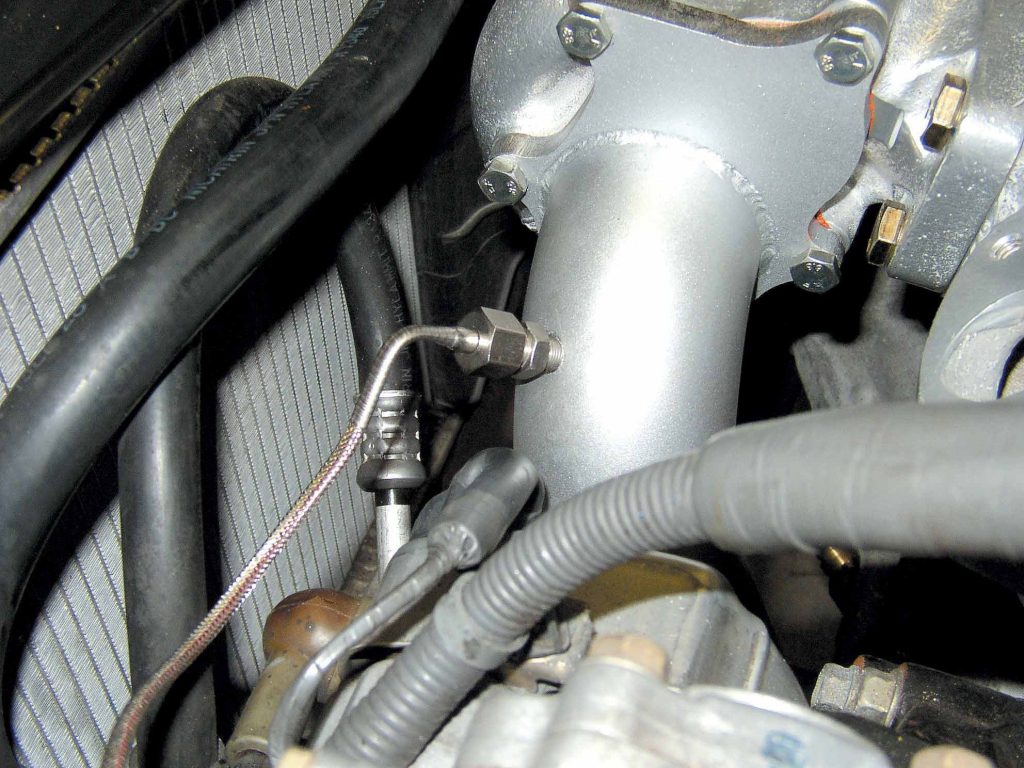
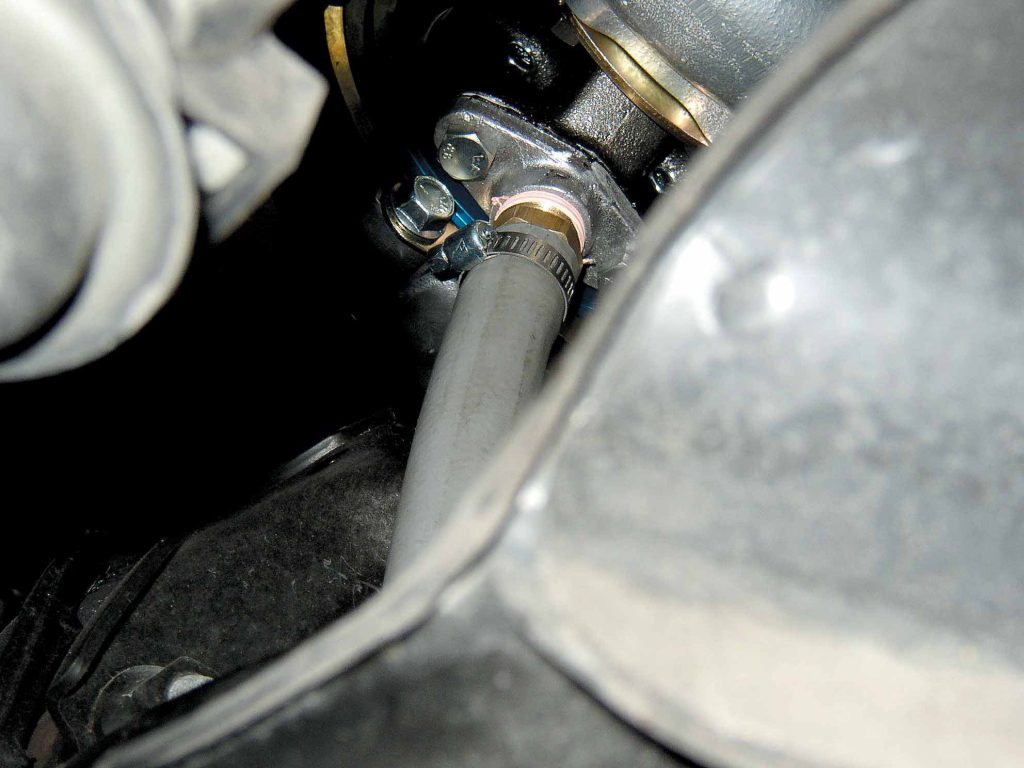
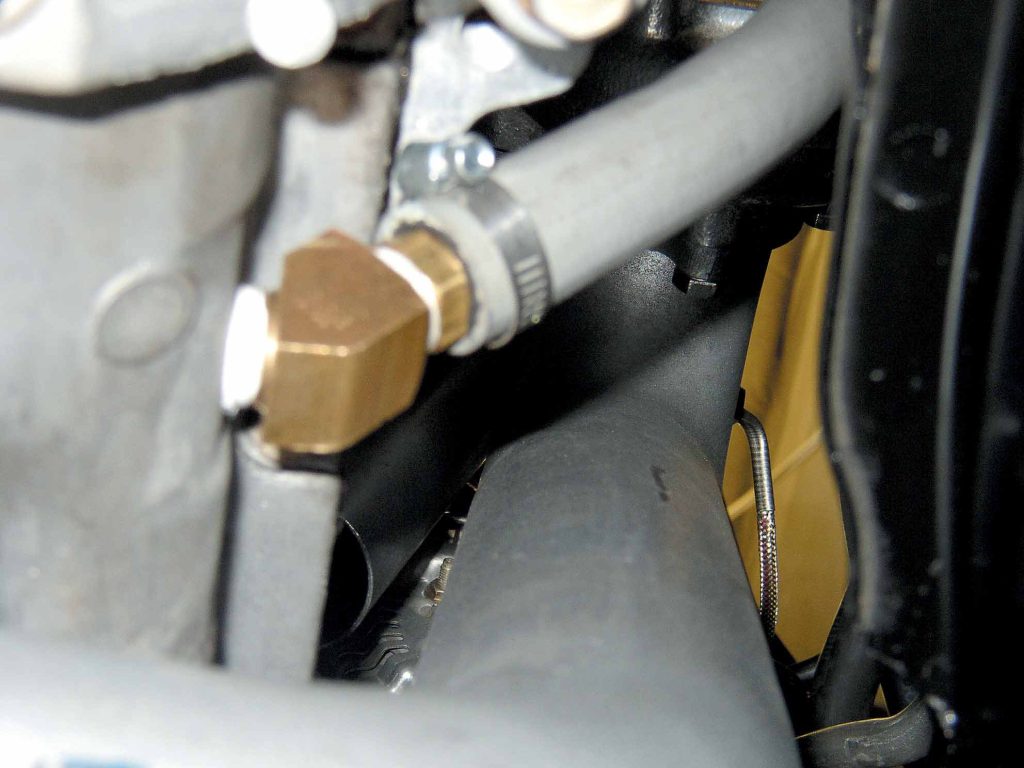
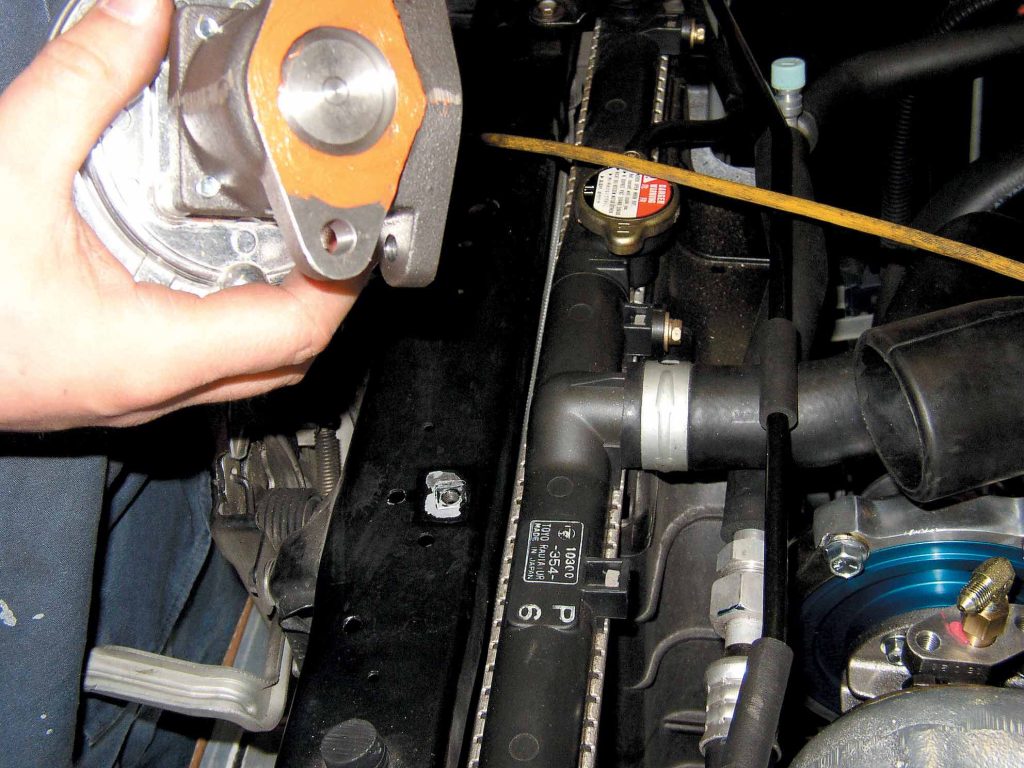
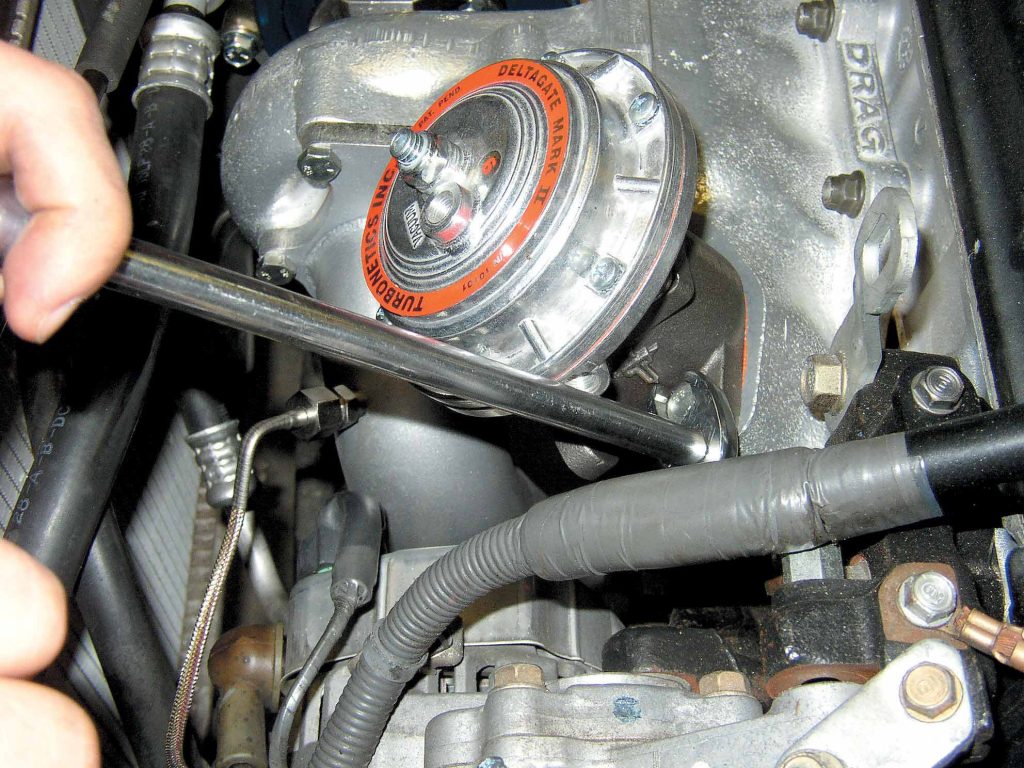
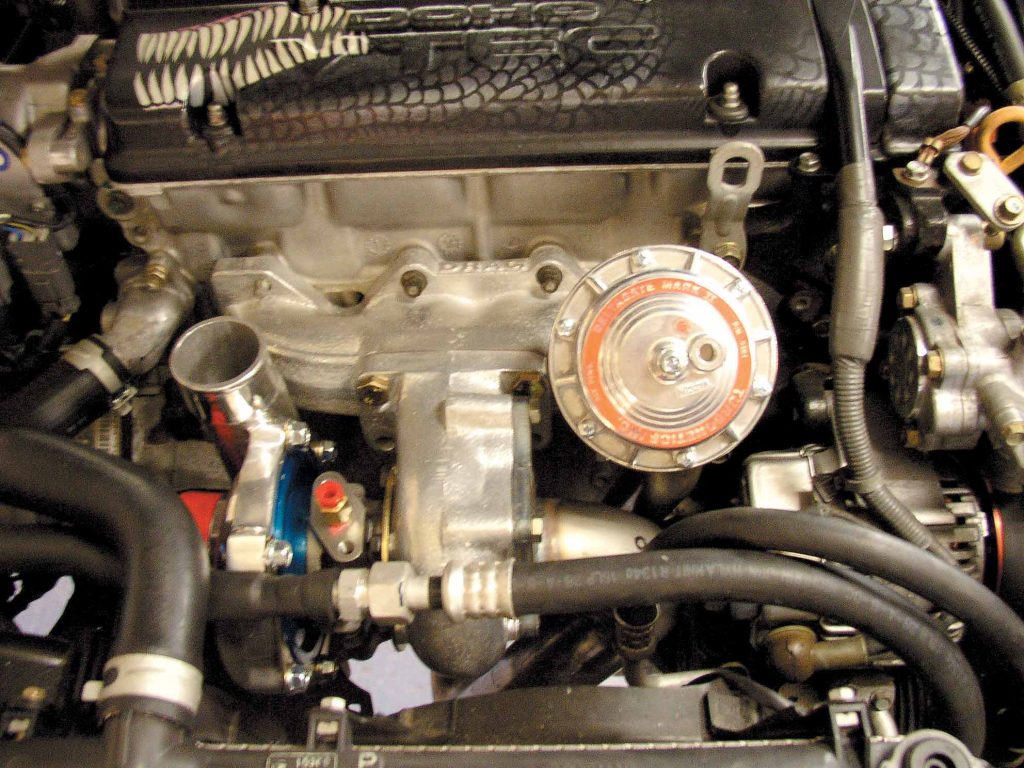
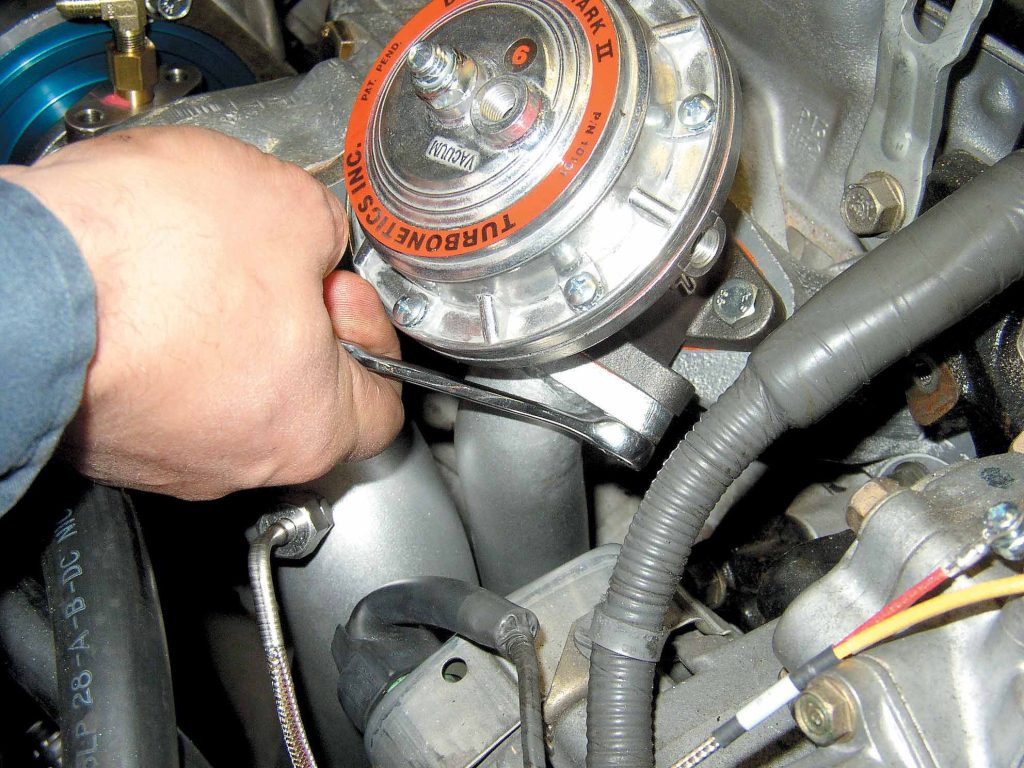
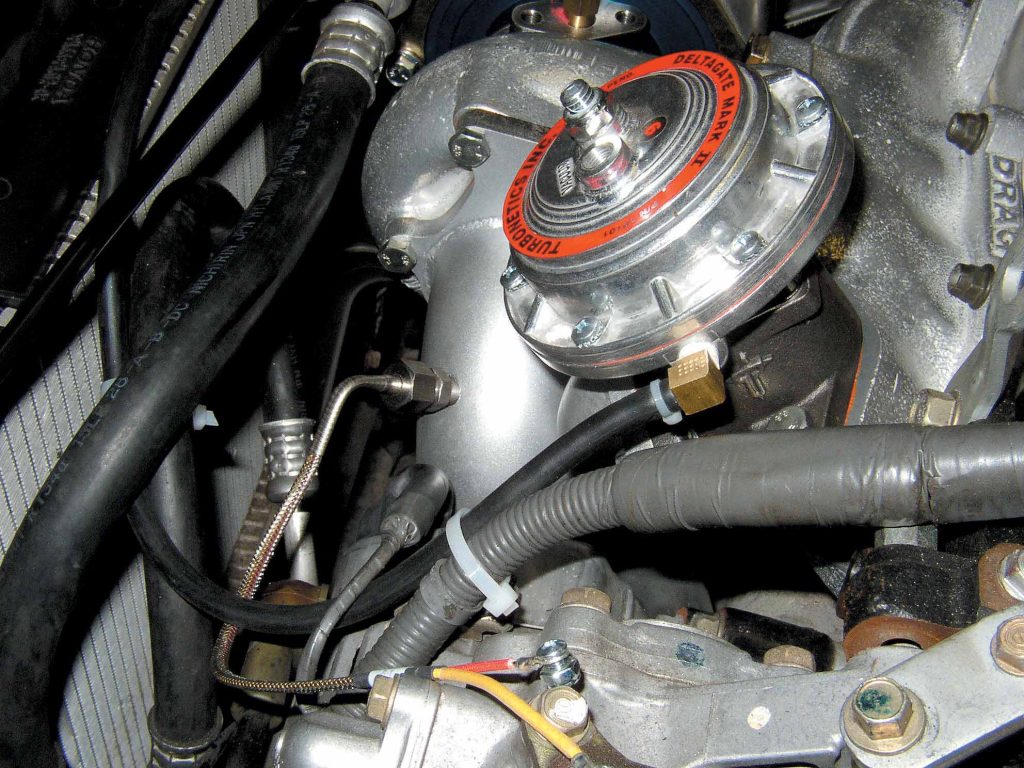
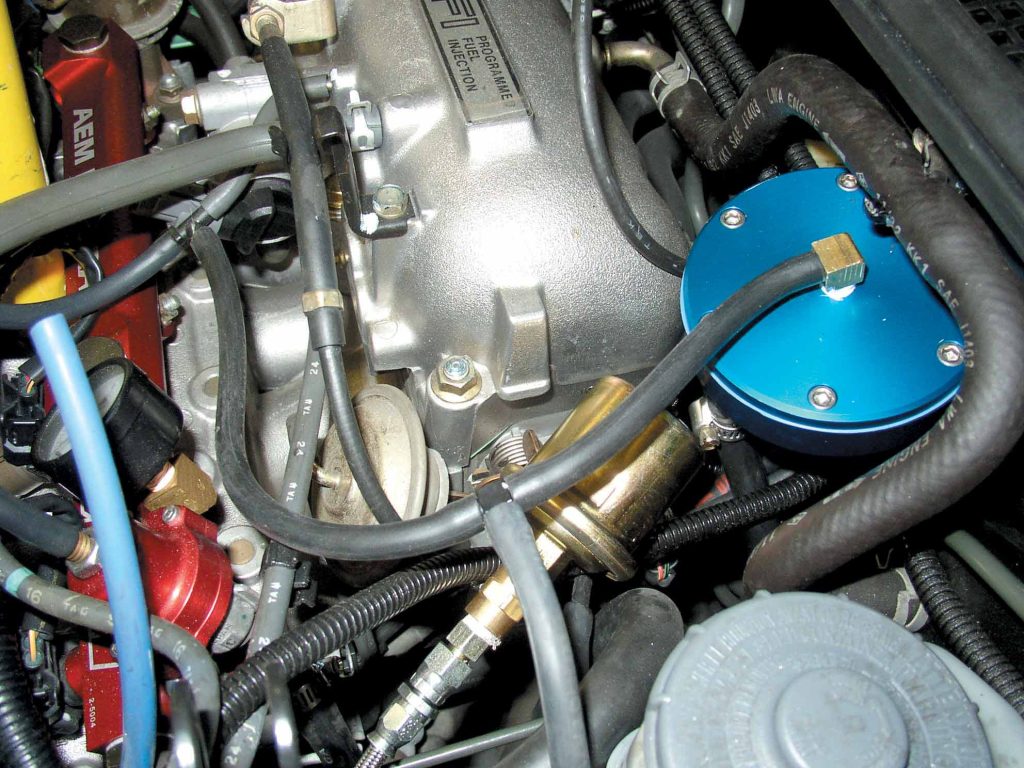
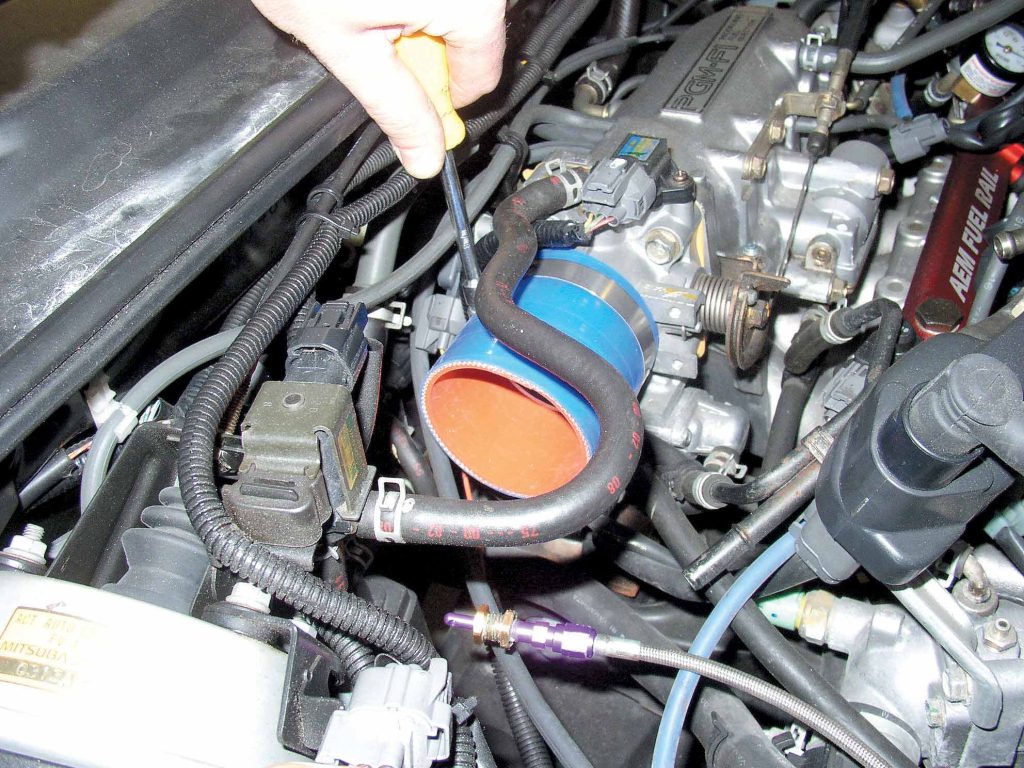
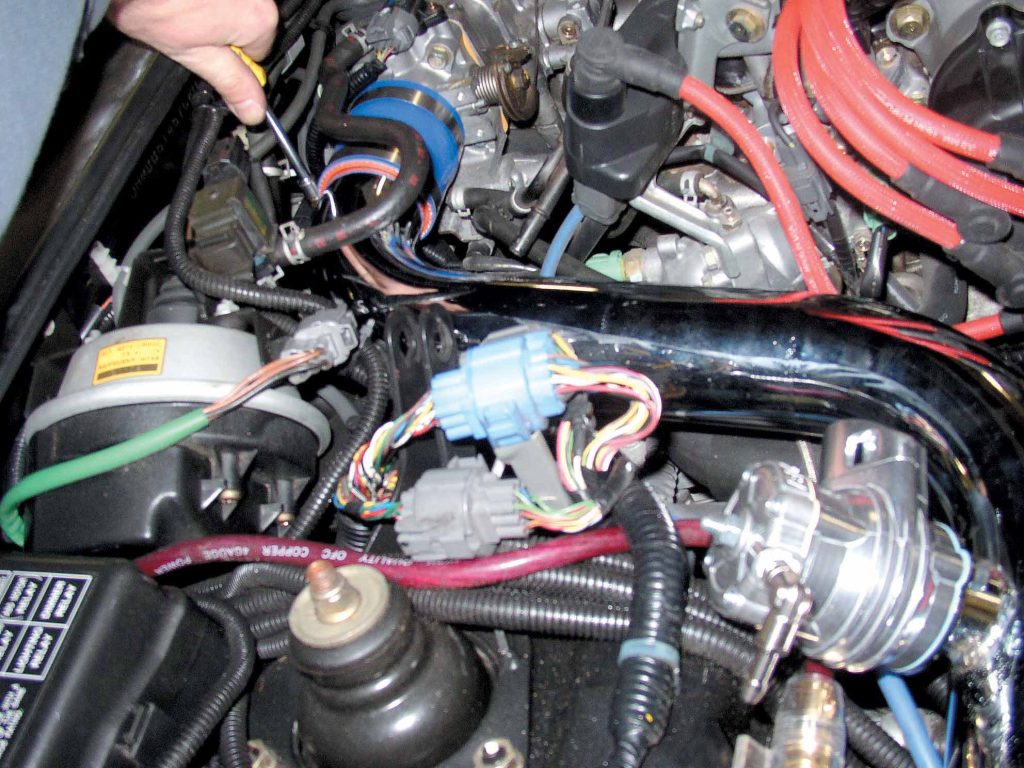
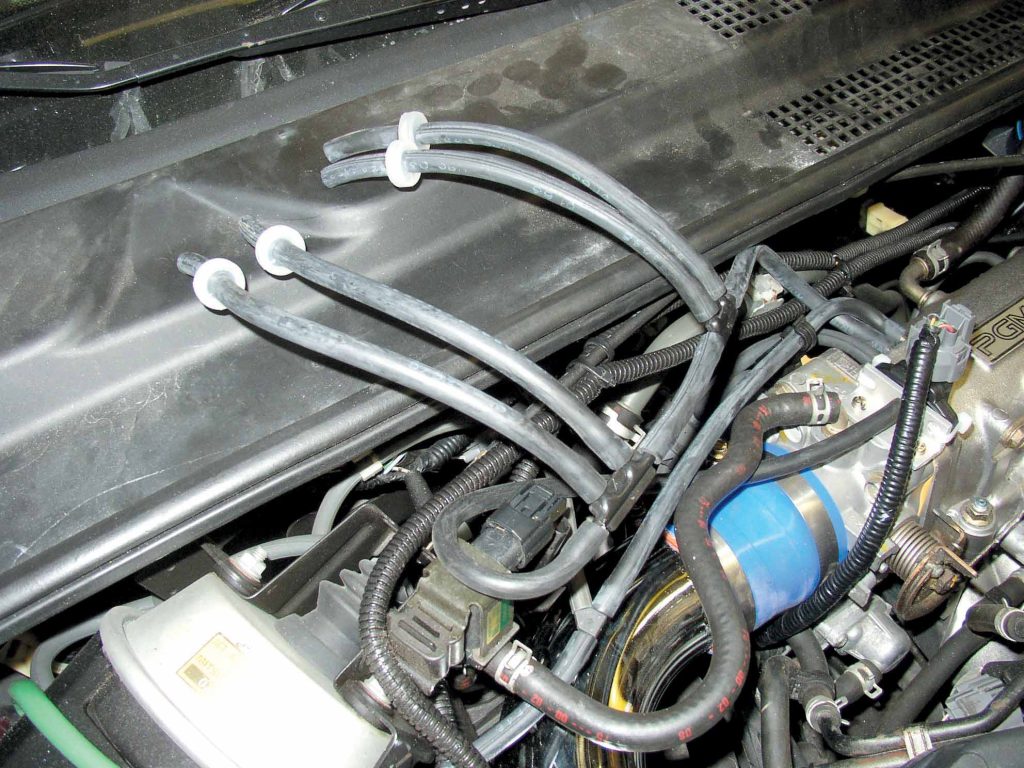
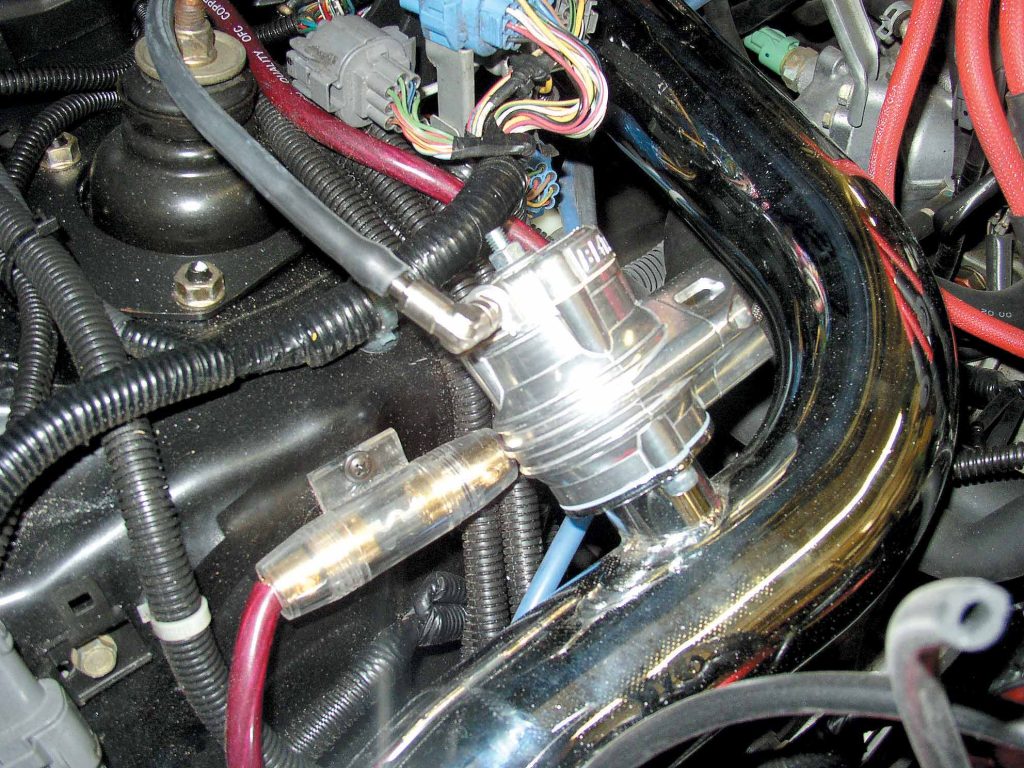
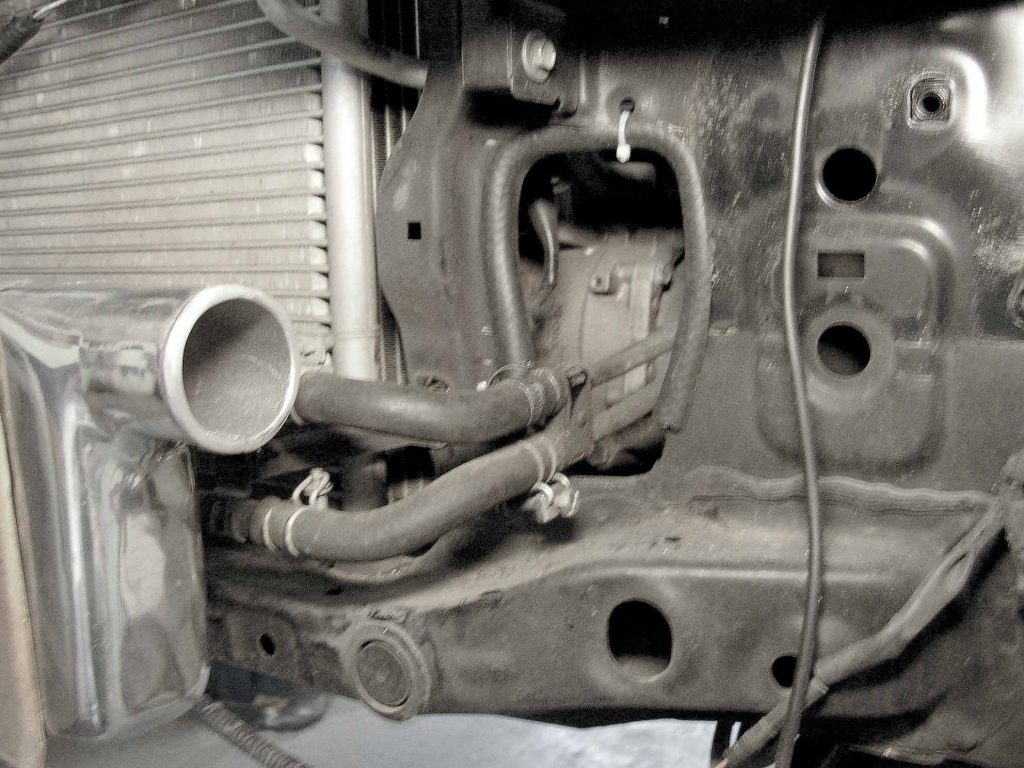
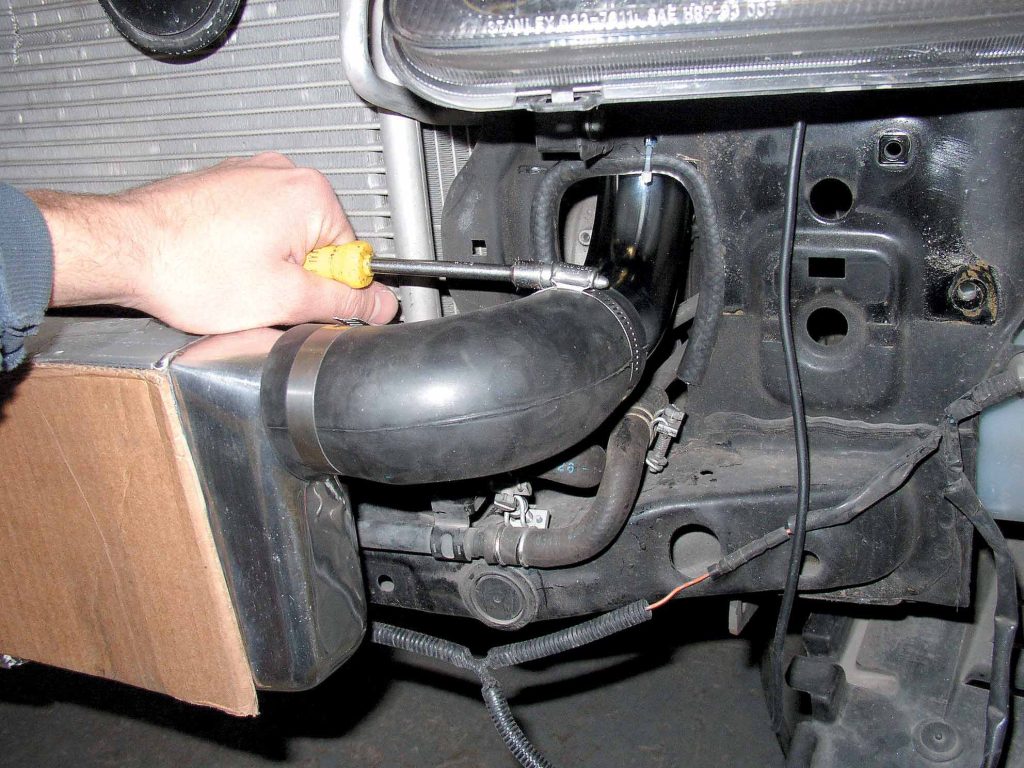
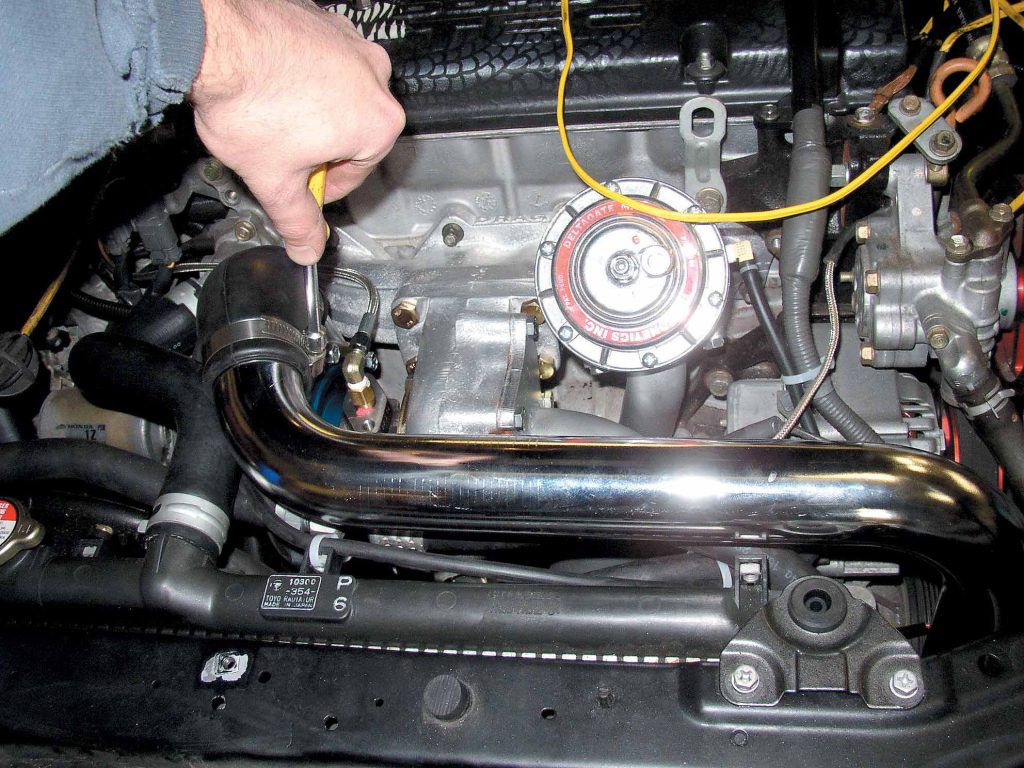
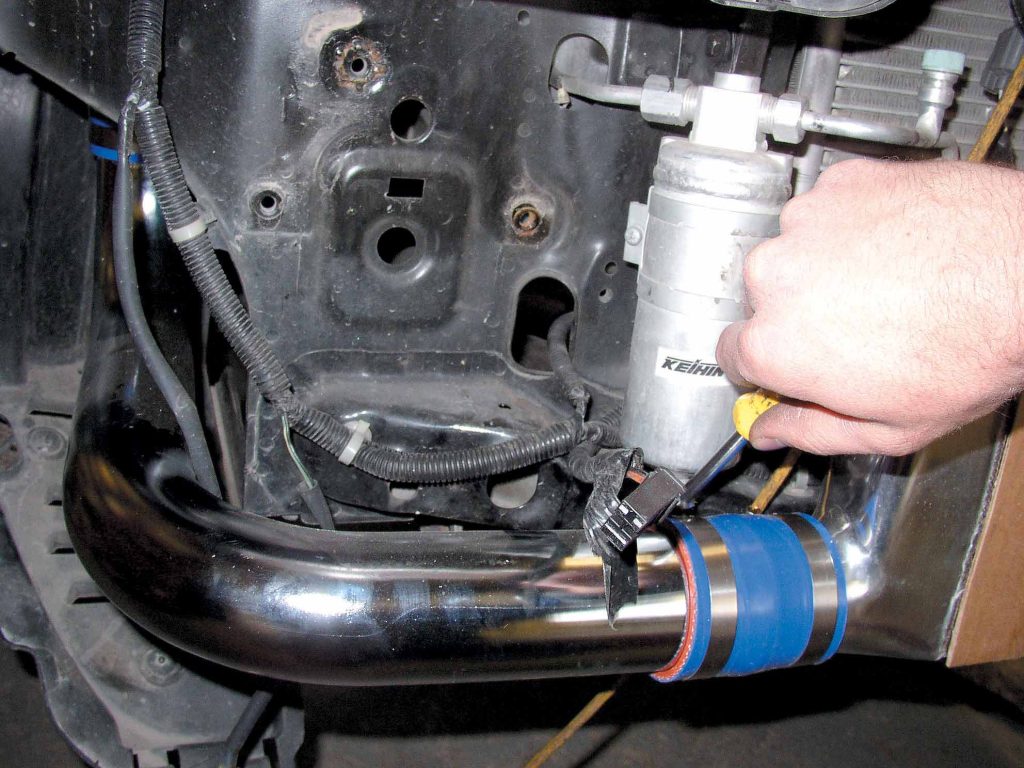
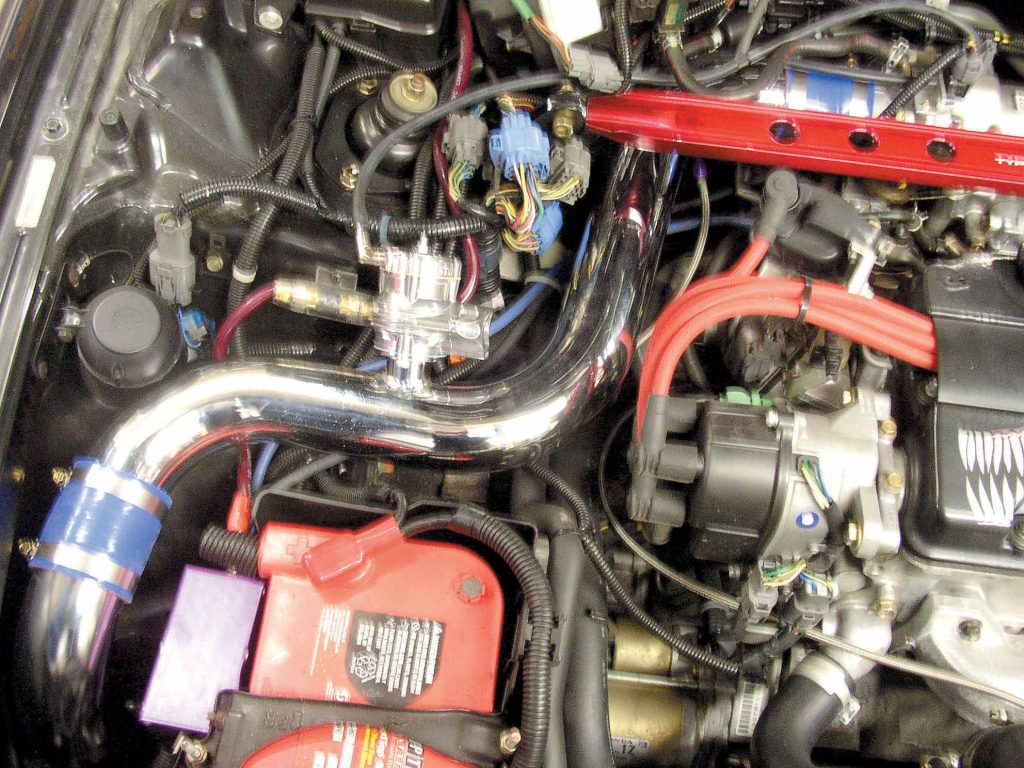
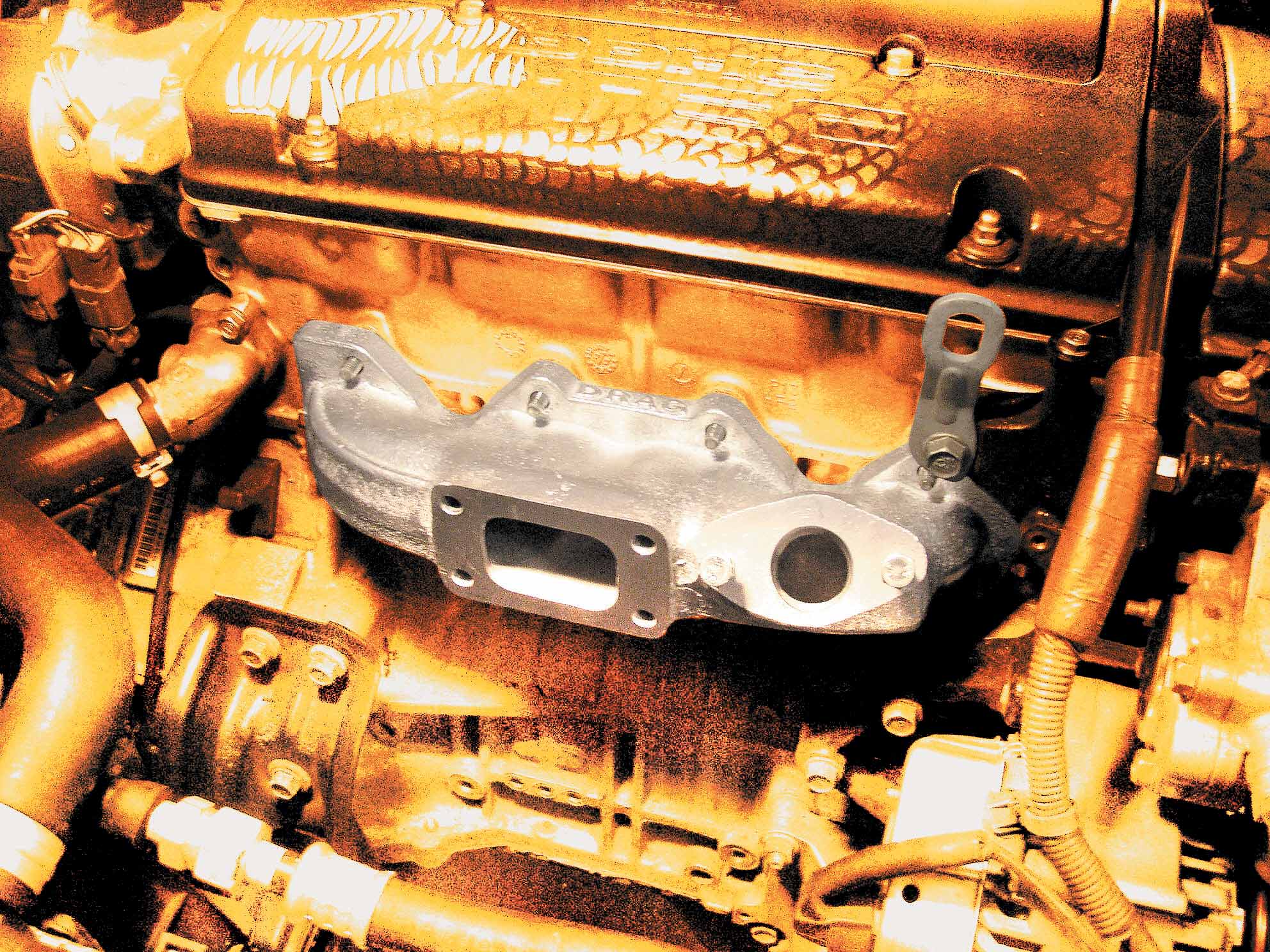
The DRAG turbo kit comes with everything you need to start making power: a high-flow 4-into-1 cast-iron manifold; Turbonetics T3/T4 turbo; Turbonetics Deltagate with a 7psi spring; DRAG high-flow front-mount intercooler; Blitz super blow-off valve; DRAG mandrel-bent chrome intercooler piping and mandrel-bent downpipe; DRAG wastegate dump-tube assembly; silicone hose and stainless steel hose clamps; high-pressure/high-volume inline fuel pump; boost dependent FMU, map sensor bypass; stainless steel oil feed and return hardware; and all necessary hardware and gaskets.
ETD Racing: Bringing Turbo Power to the Prelude
ETD Racing is one of many shops in Canada that are feeding enthusiasts with the fixes they crave. No stranger to performance, ETD has sponsored several successful pro racers, and it is home to North America’s fastest-piston Mazda Miata. Luckily for our readers, an ETD customer purchased a DRAG turbo kit for his ’00 Prelude, and the crew covered the entire installation from start to finish. The kit is easy to set up — it’s a bolt-on affair and only takes a few hours to install.
ARTICLE SOURCES
Manufacturer
Drag Turbo Kits
43290 Christy St.
Fremont, CA 94538
510/440-9894
Manufacturer
ETD Racing
5201 Vivian Rd., Unit #1
Cedar Valley, Ontario
L0G 1E0 Canada
905/473-5022