How perceptive are you? Sight is perhaps one of the most important of the human body’s senses. We use our eyes to define shapes, color and lines. We do so much with our eyes, yet one must ask: “Can the eye be fooled?” The old saying “What you see is what you get” has been around forever.
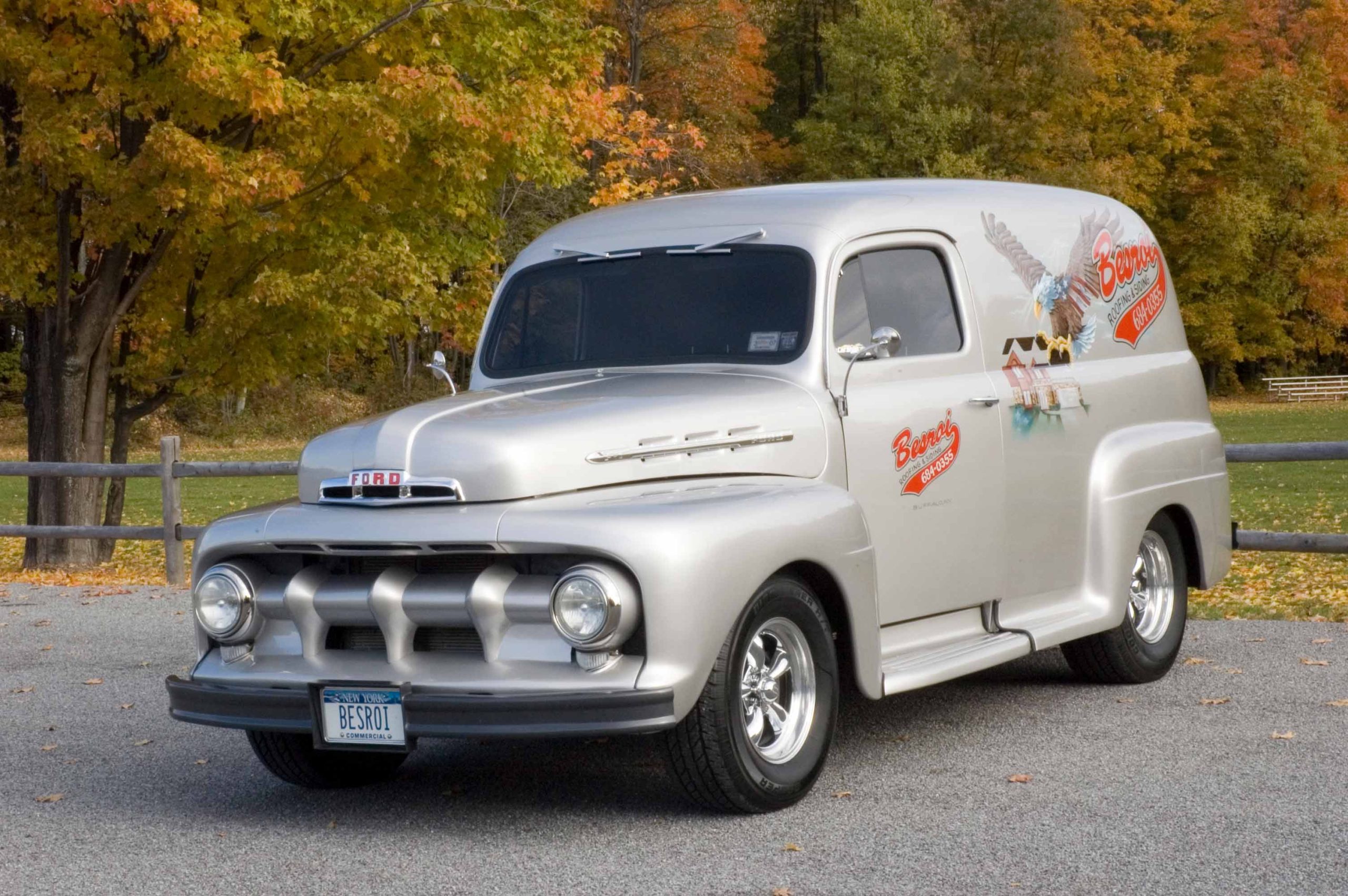
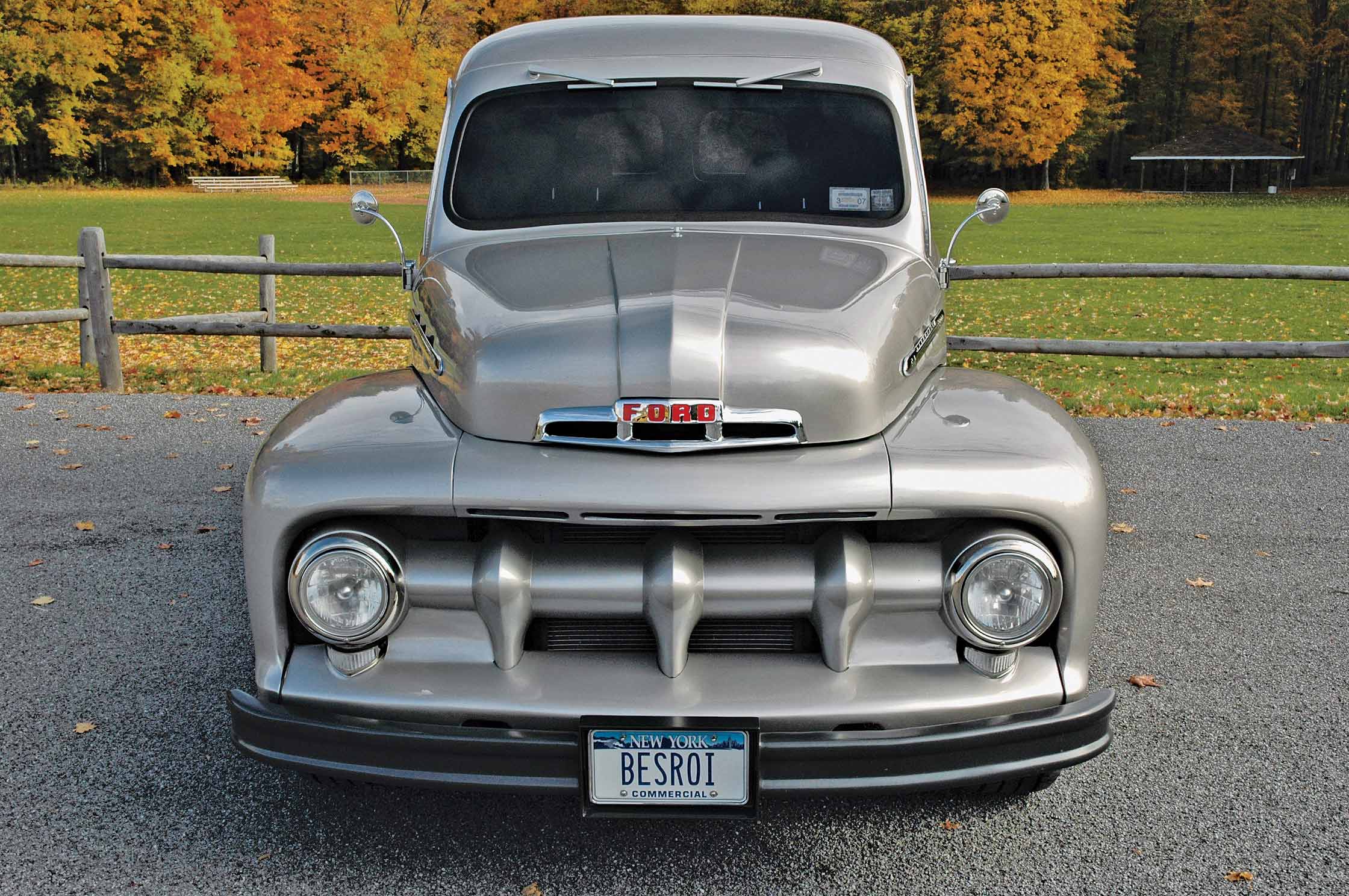
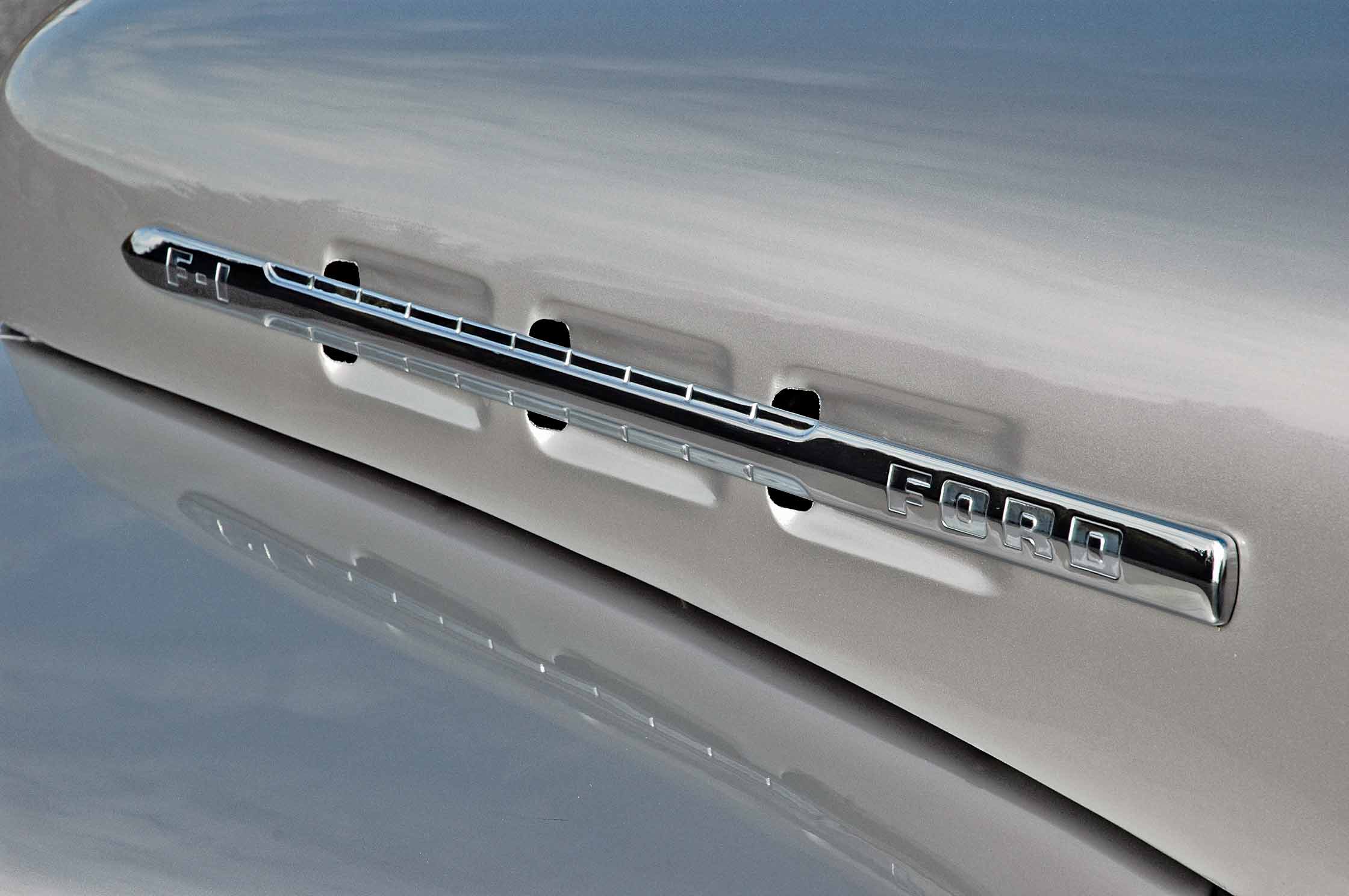
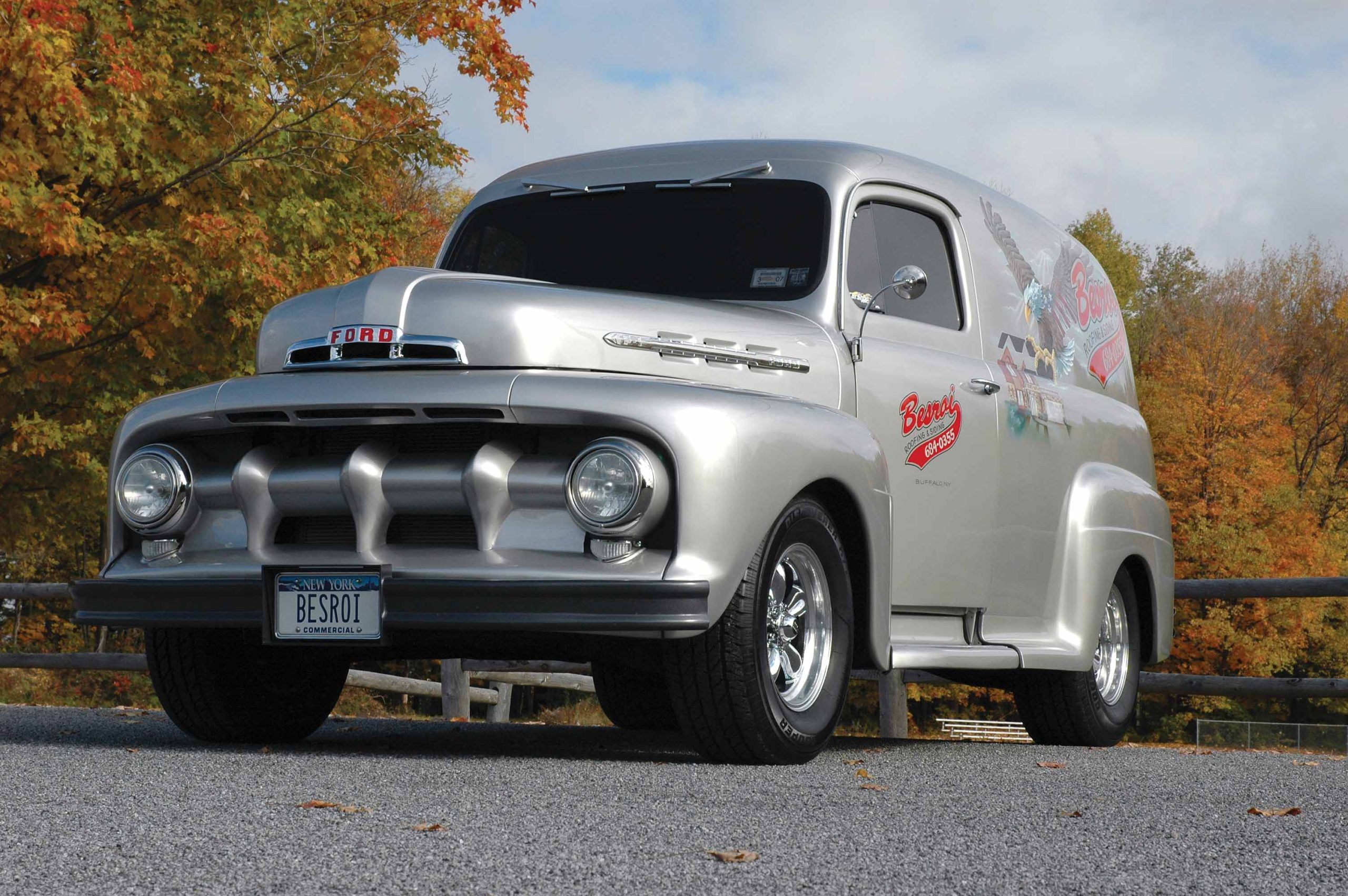
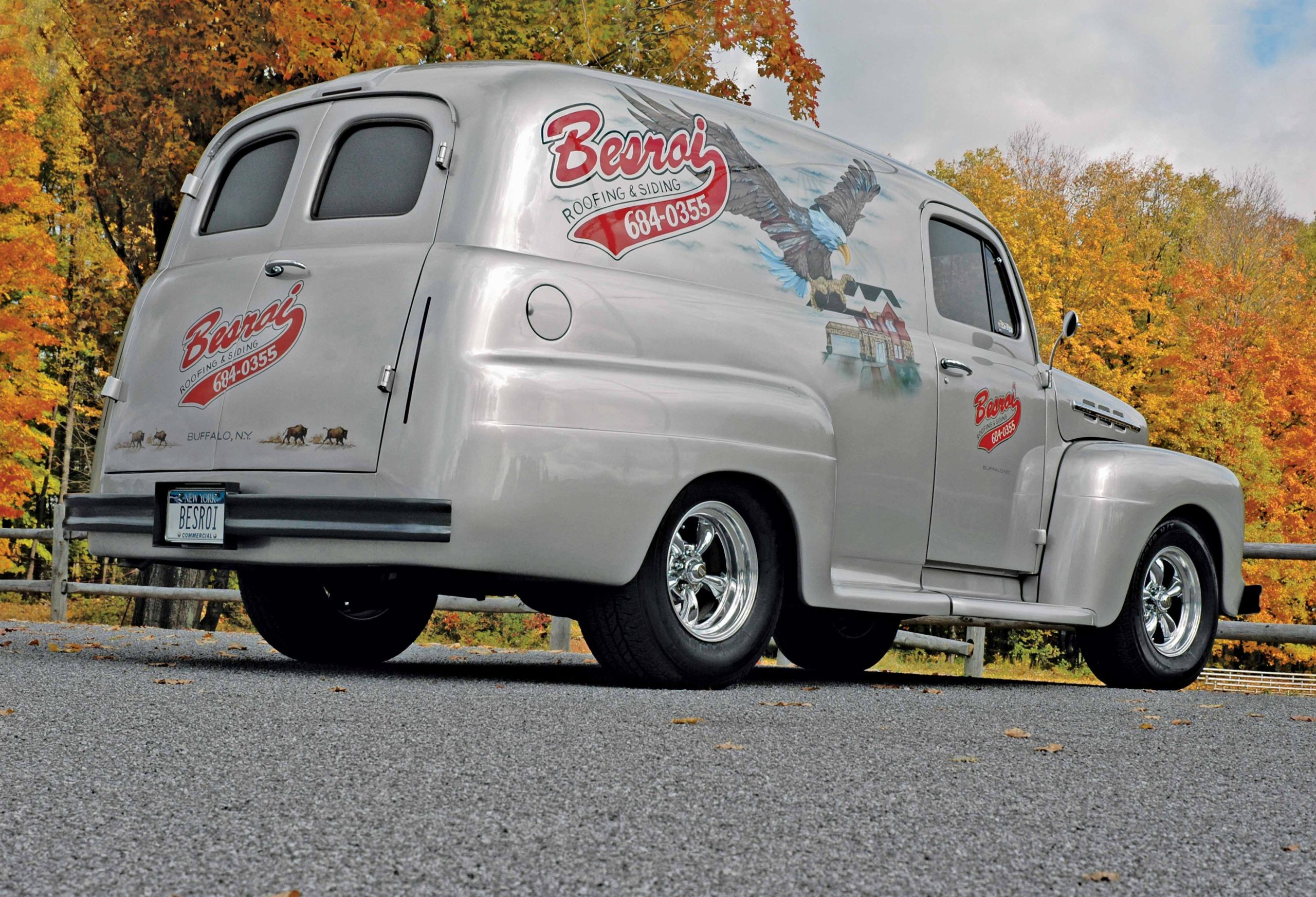
Now, before you think we strayed too far into the science field, study this ’51 Ford panel van for a few minutes. Look it over closely. Did you notice anything different? Could your eyes determine that the entire vehicle is 5 inches wider? Take another look.
Dave Kaminski wanted a custom-built truck, but he also wanted a vehicle he could take to a dealer for repairs, plug it into a computer for a diagnosis and determine the problem. In this hobby, that is hard to do with an old truck, given that computers rule the functions of today’s engines.
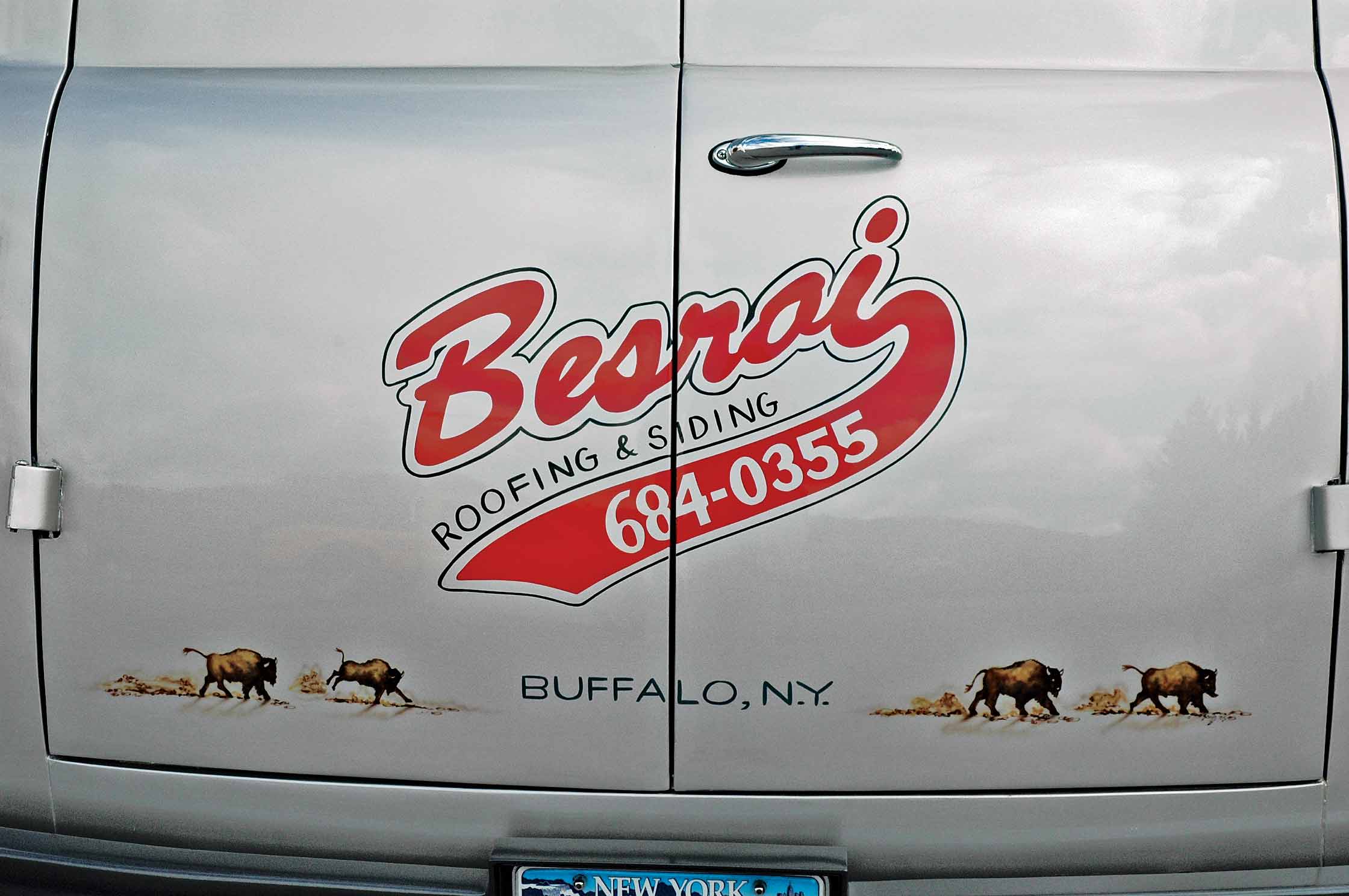
Kaminski met with Frank Strianese, owner of The Car Shop in Springville, New York, and explained that not only did he want an old new truck, he wanted it to blend in with the Ford service trucks used by his Besroi roofing and contracting business in Buffalo. Ideas were passed back and forth, and soon a project began to unfold. Once you read how it was accomplished you will know that nothing is impossible to do.
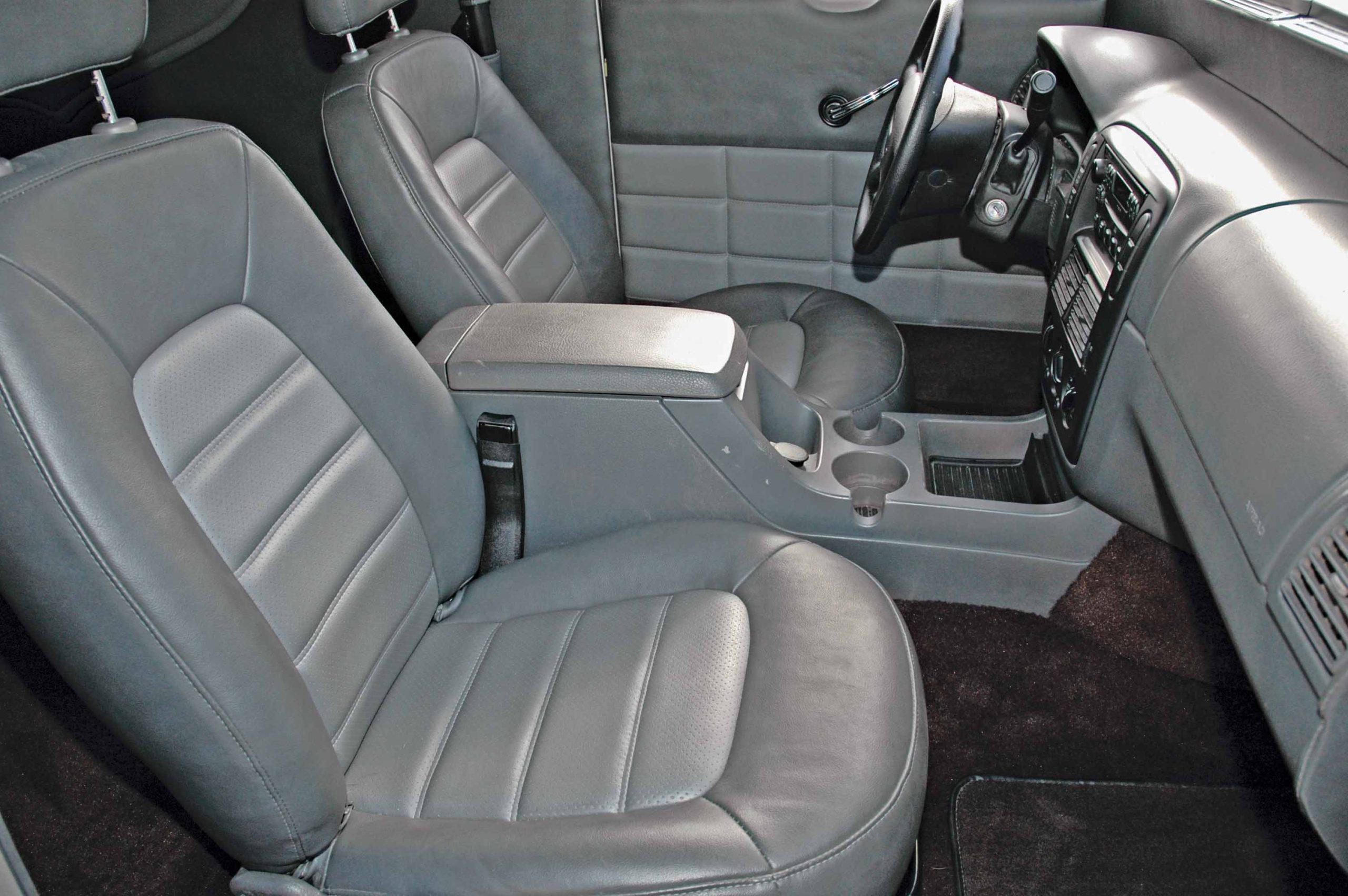
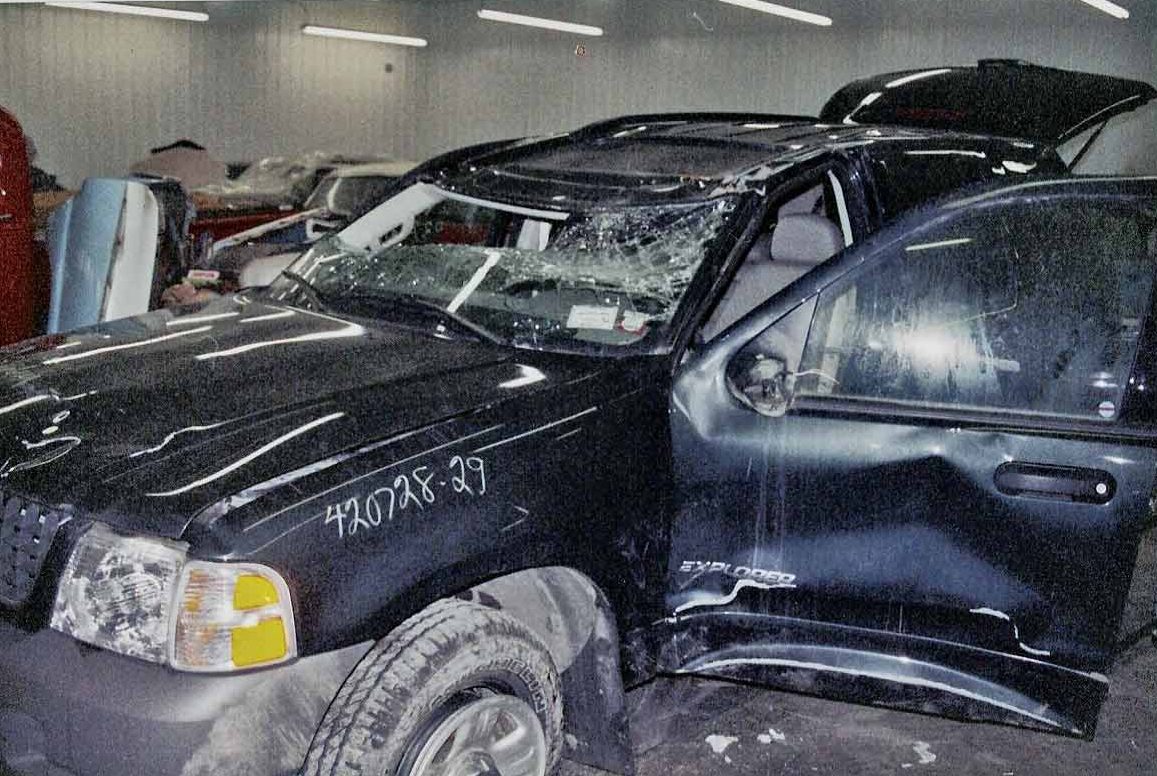
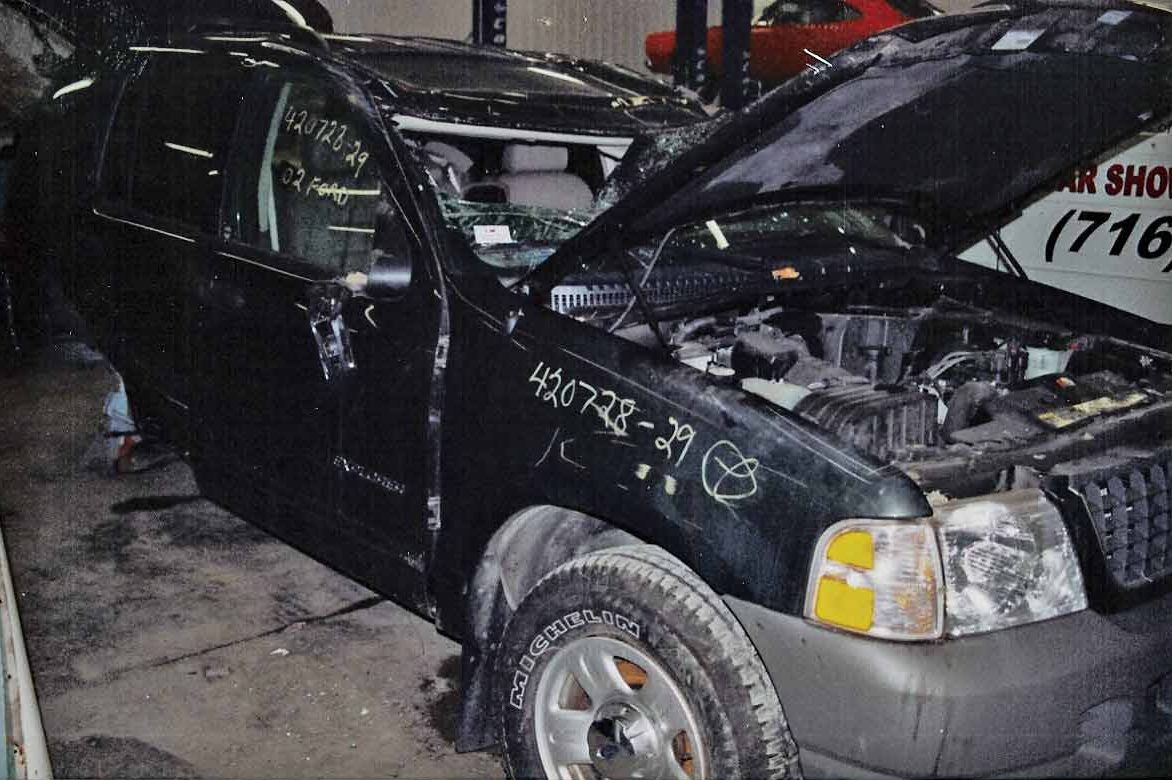
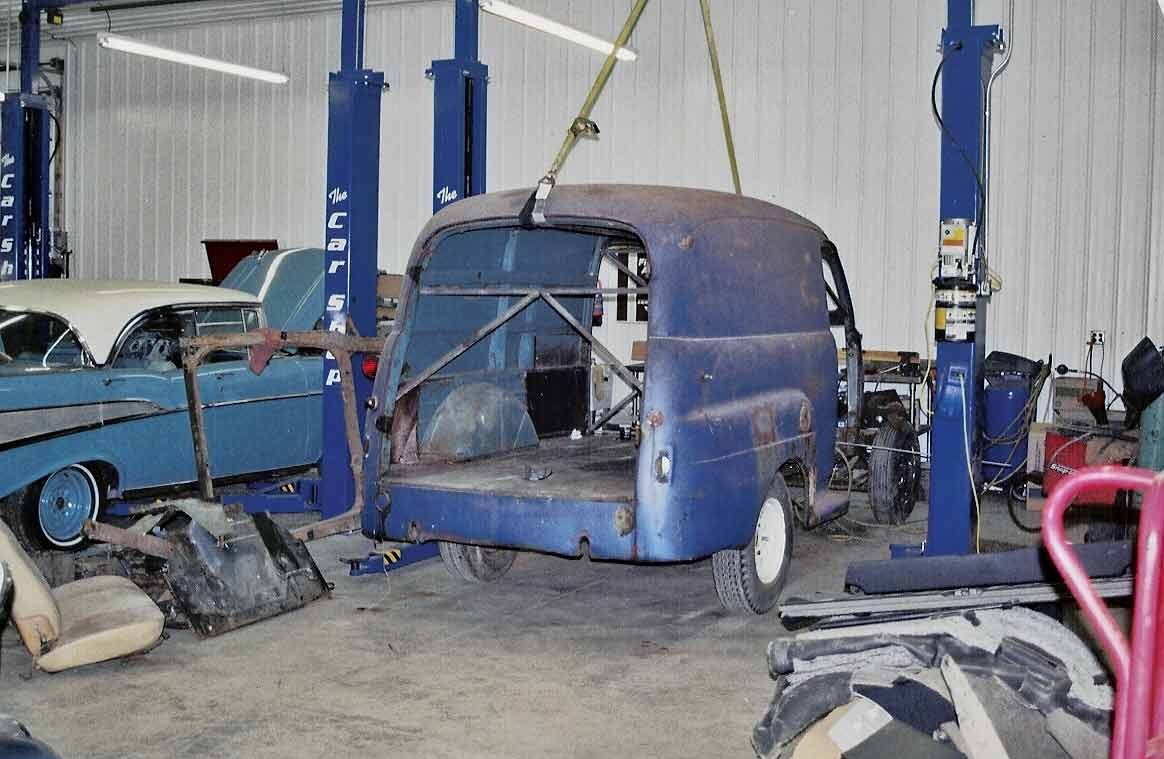
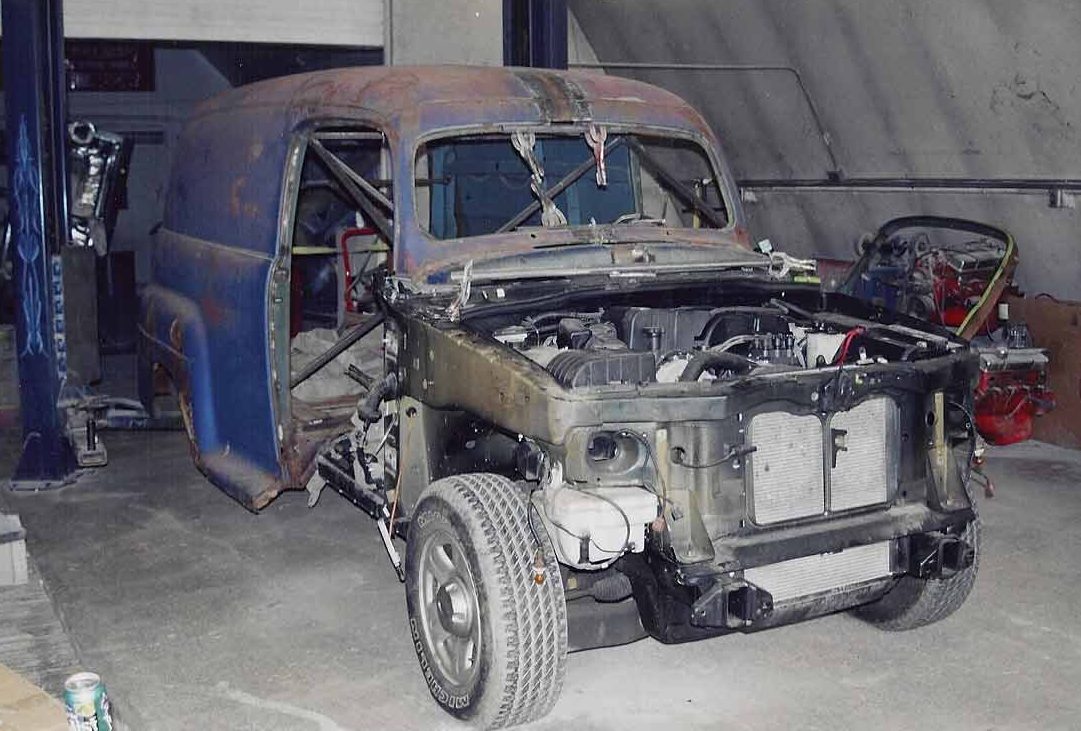
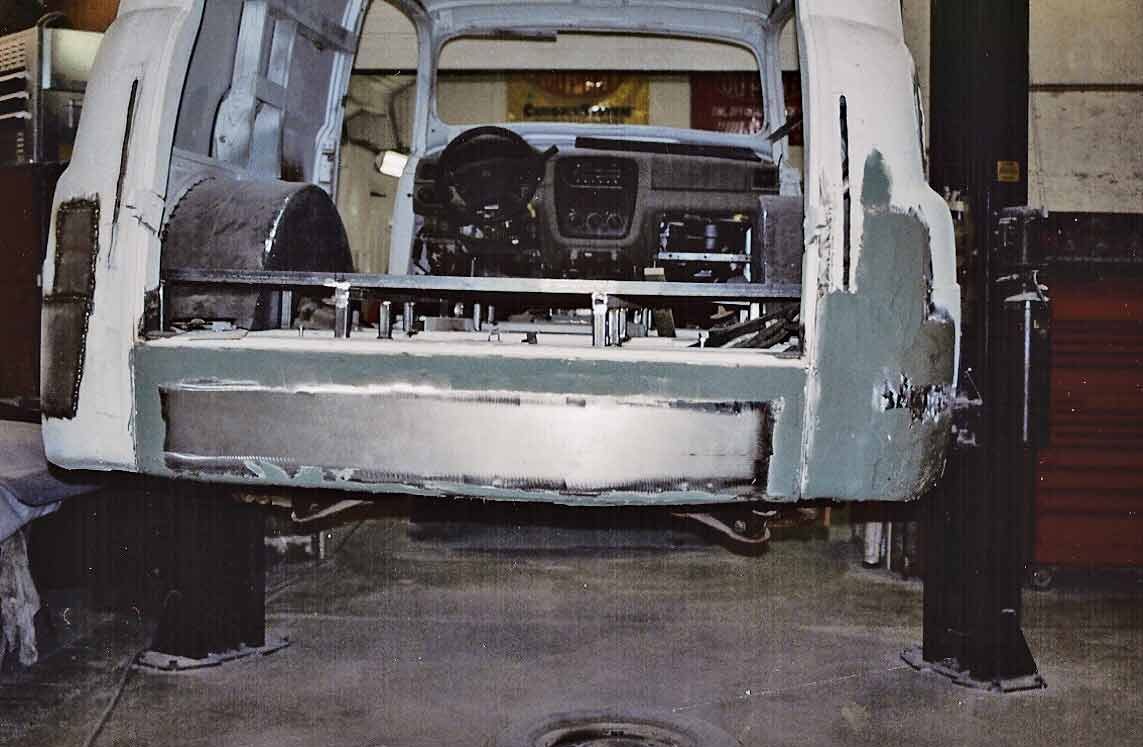
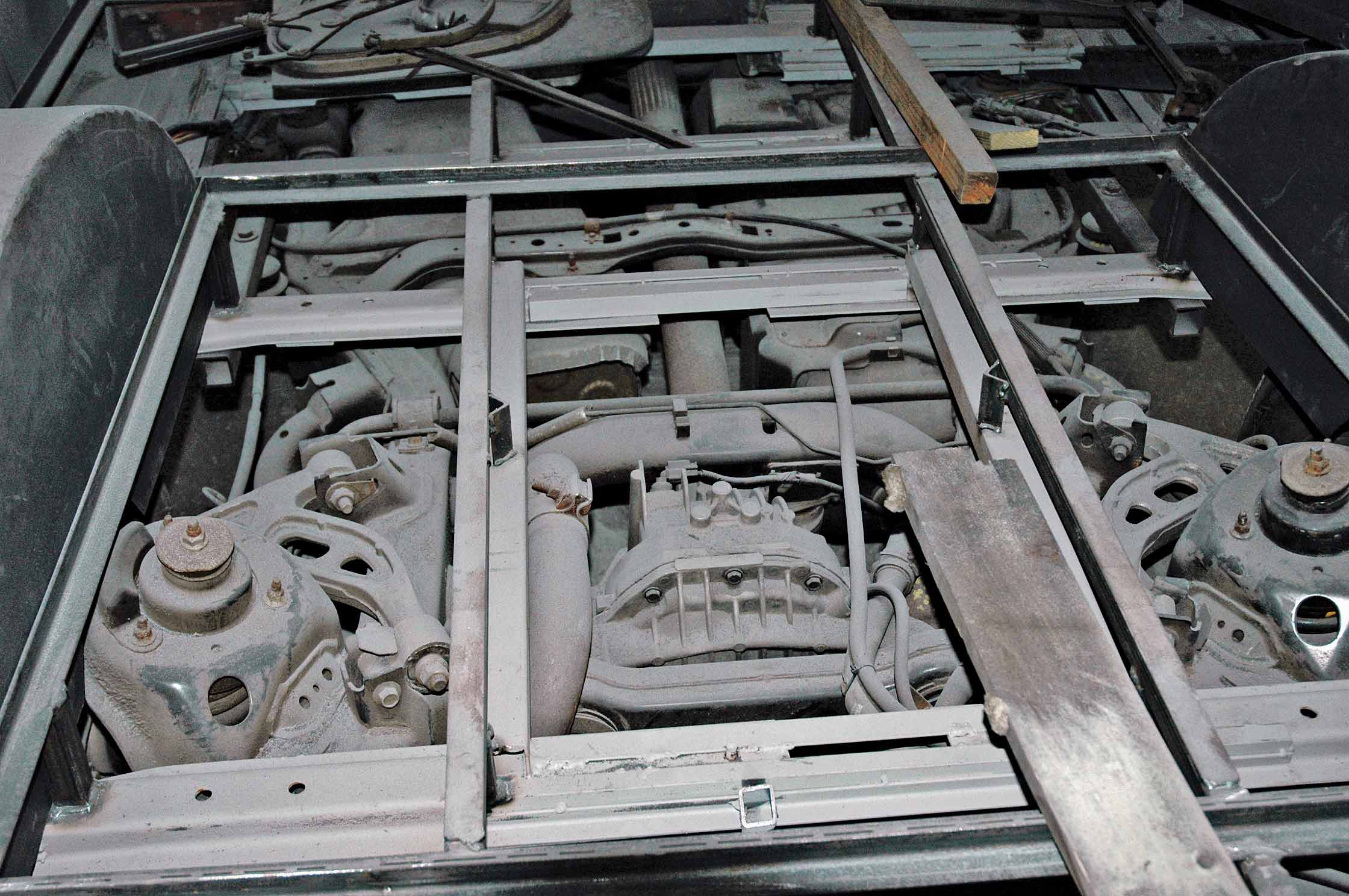
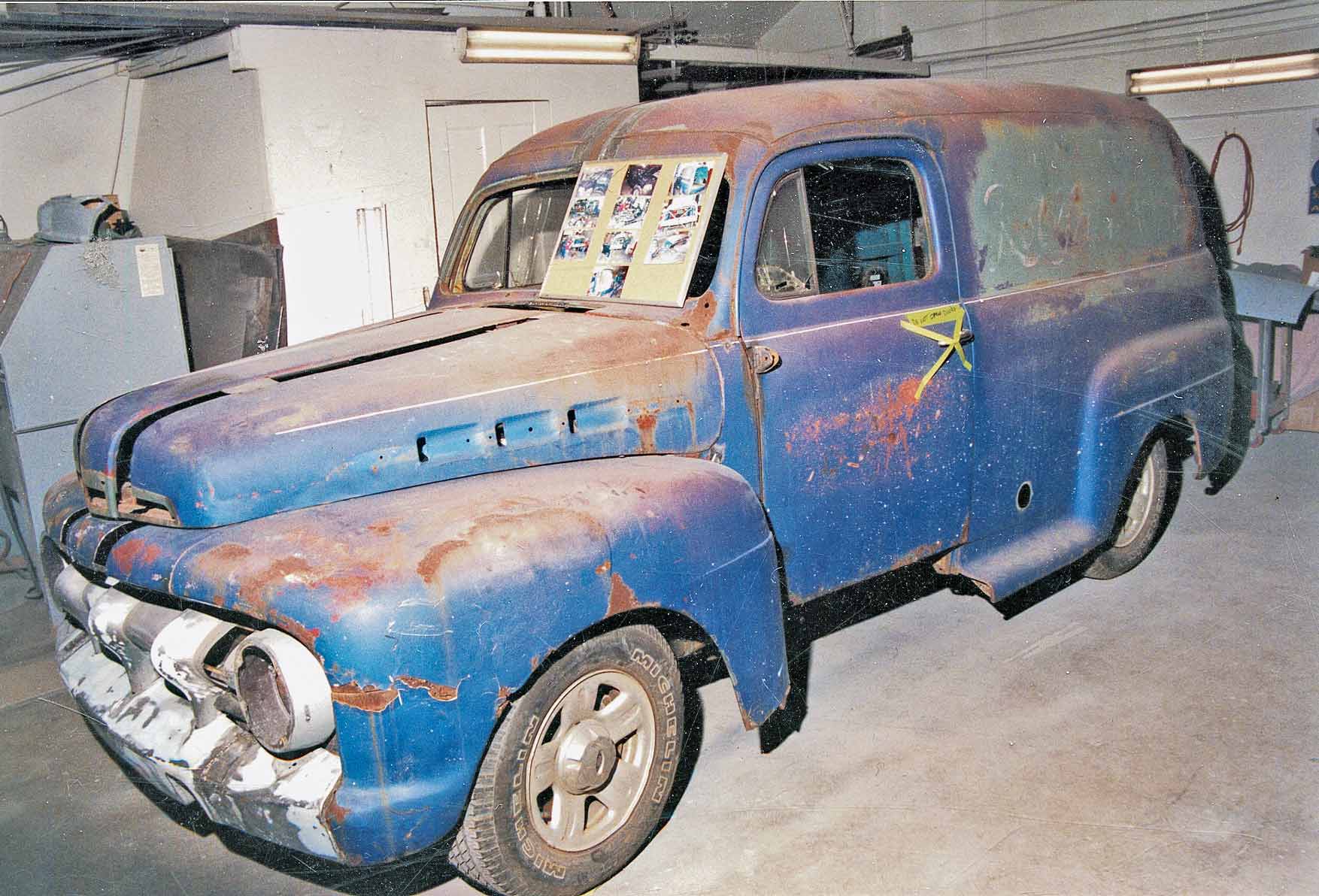
Kaminski brought what was left of the clapped-out ’51 to The Car Shop. The bottom of the truck was all rust. The fenders and floors were history. He and Strianese decided a donor vehicle was needed for a chassis, engine and dashboard. After much measuring, Kaminski acquired a 2002 Ford Explorer that was totaled in a rollover accident. The wheelbase was the same as that of the panel truck. The plan was to put the ’51 panel body on the newer chassis so Kaminski could take the truck to a local Ford dealer for service. Imagine the expression on the face of the service manager the first time Kaminski drives up and asks him to put the ’51 on a computer for a diagnosis!
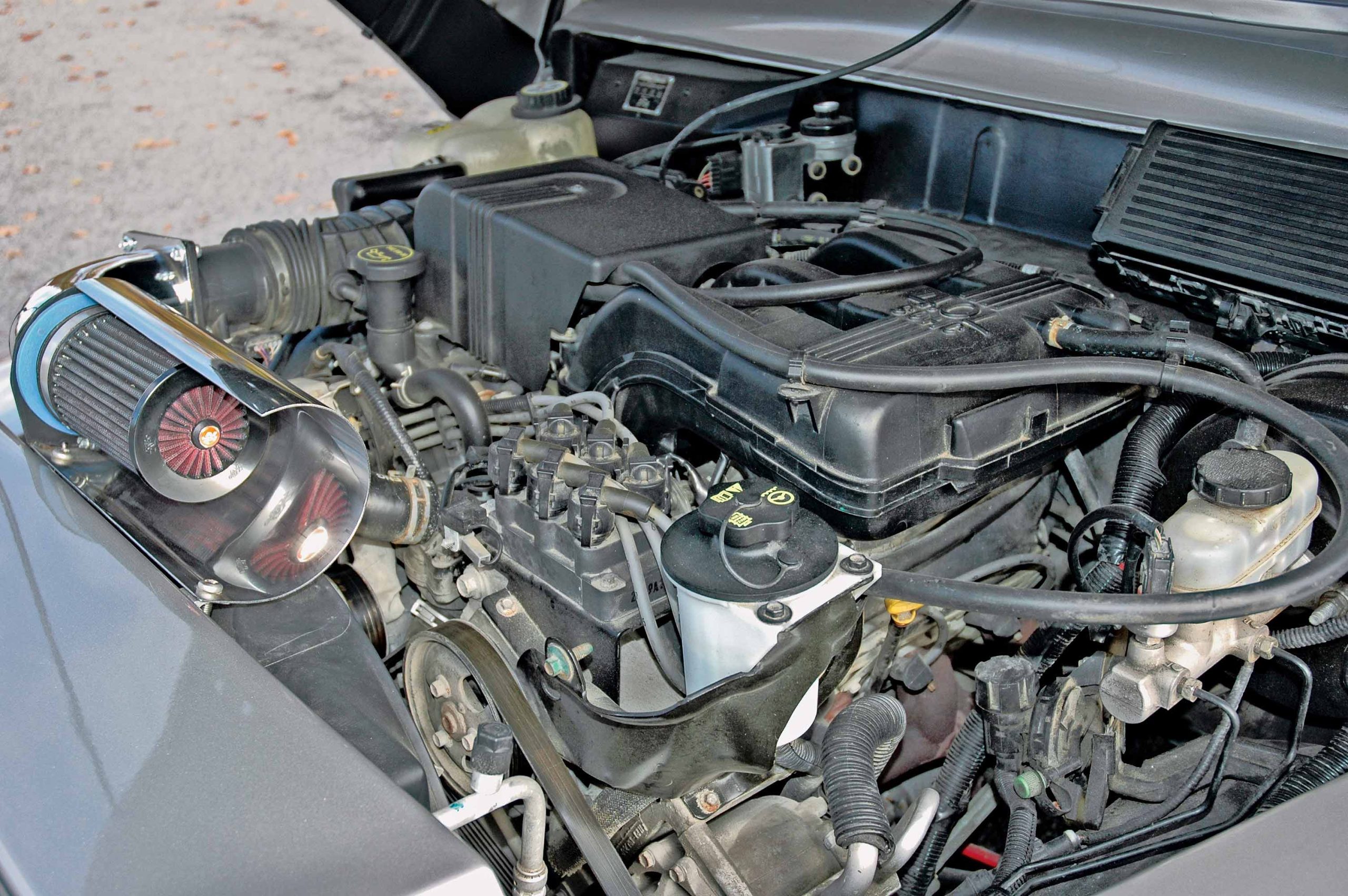
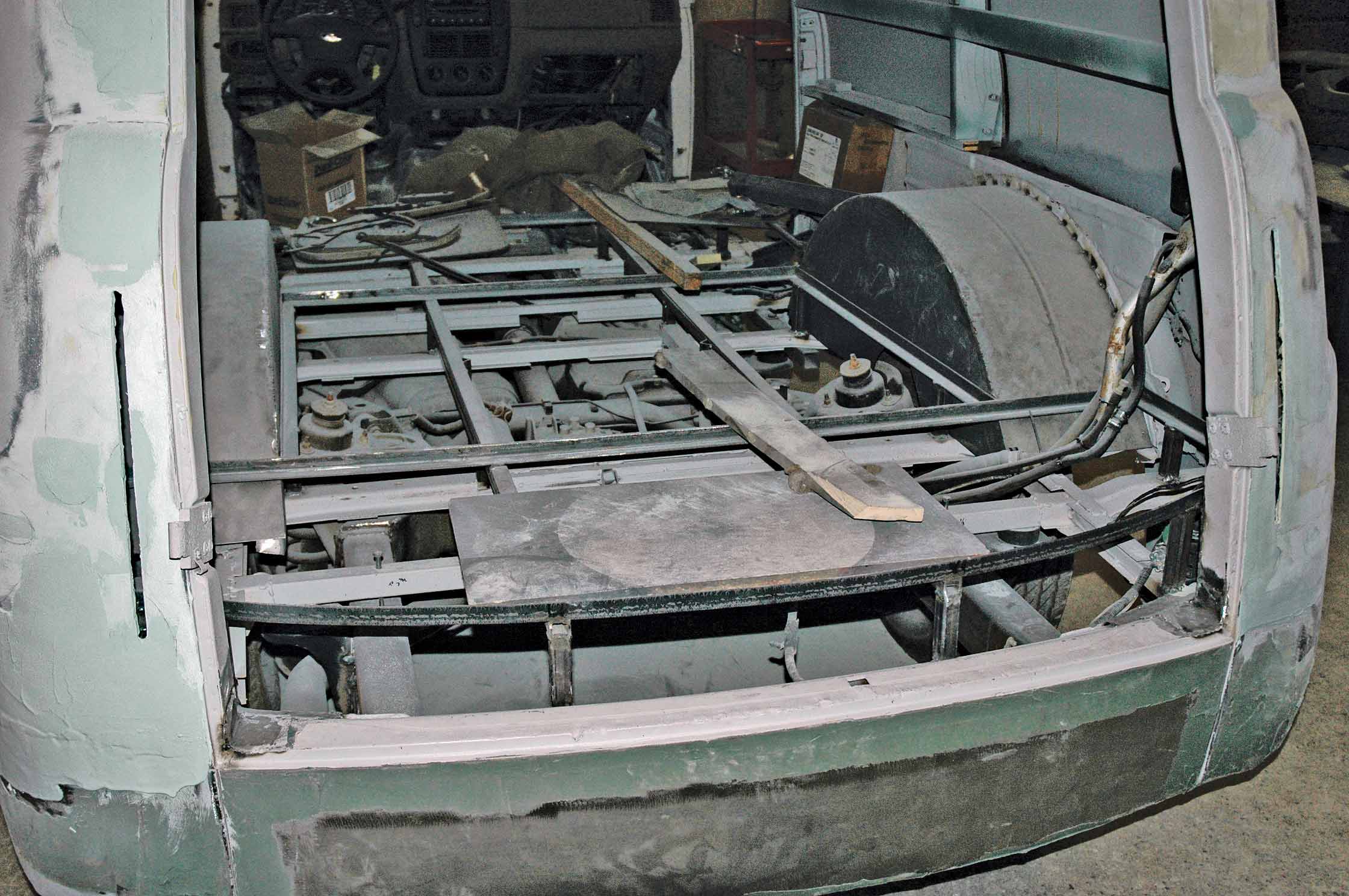
The Explorer had 12,000 miles on the clock when it was rolled, so the warranty was still good, which should cut down on repair costs. The Explorer chassis and engine were kept stock as far as running gear and suspension. Remember that with the sophisticated diagnostic tools at dealers, the 2002 emissions equipment and exhaust had to be retained, too. Other than a good cleaning, the engine is just as it was in the Explorer. After all, why load it up with a lot of chrome when this is a work truck?
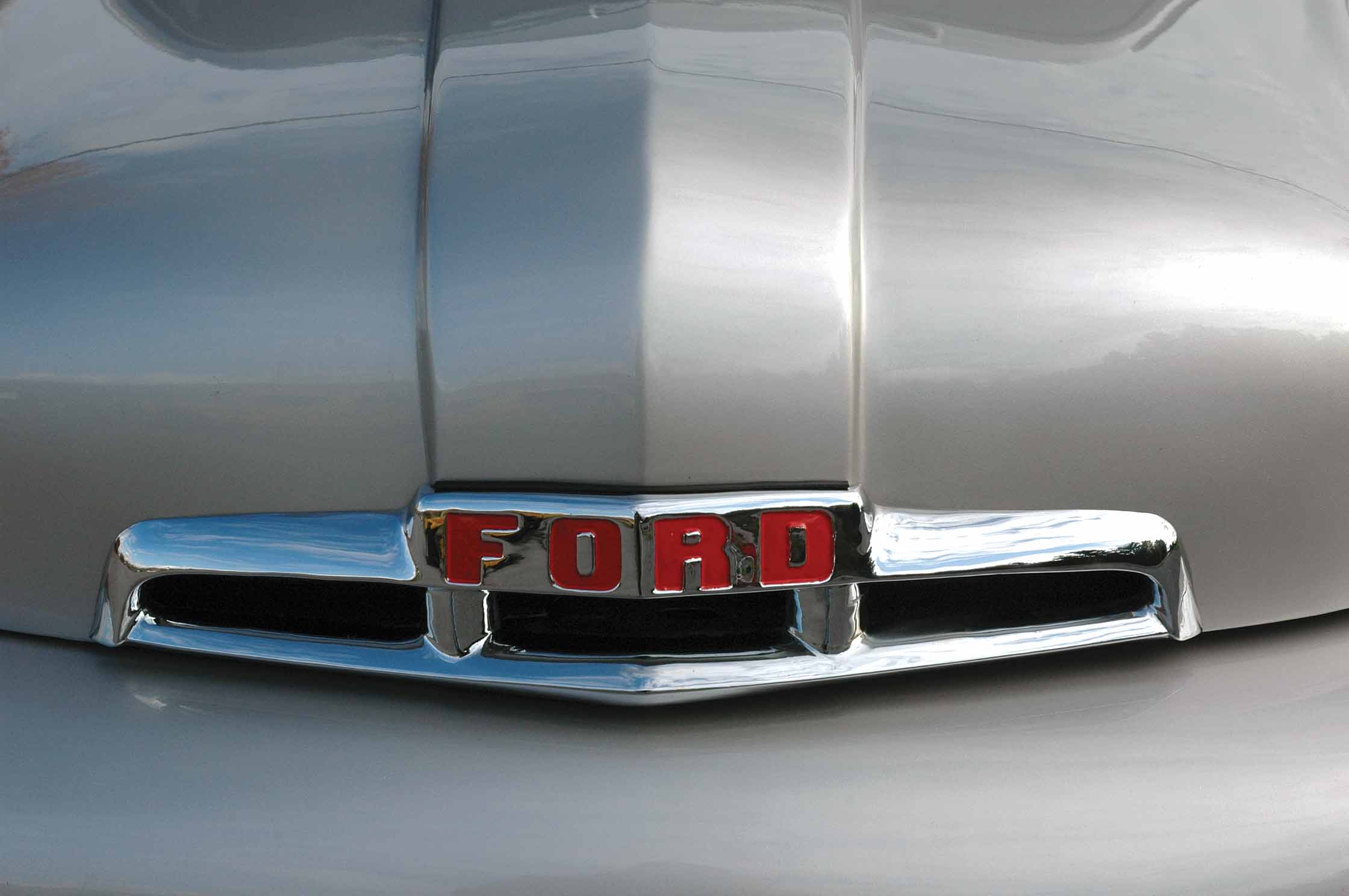
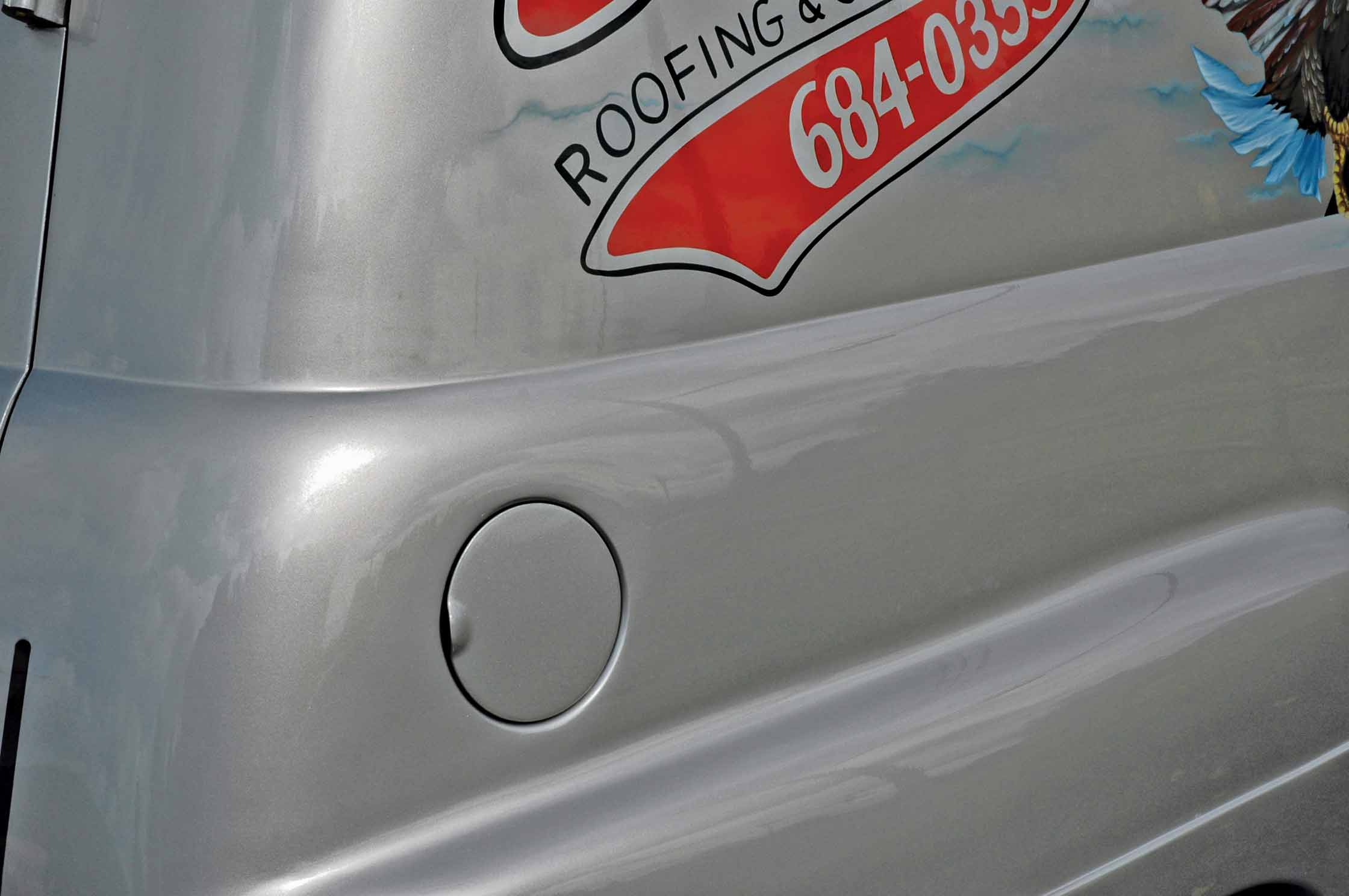
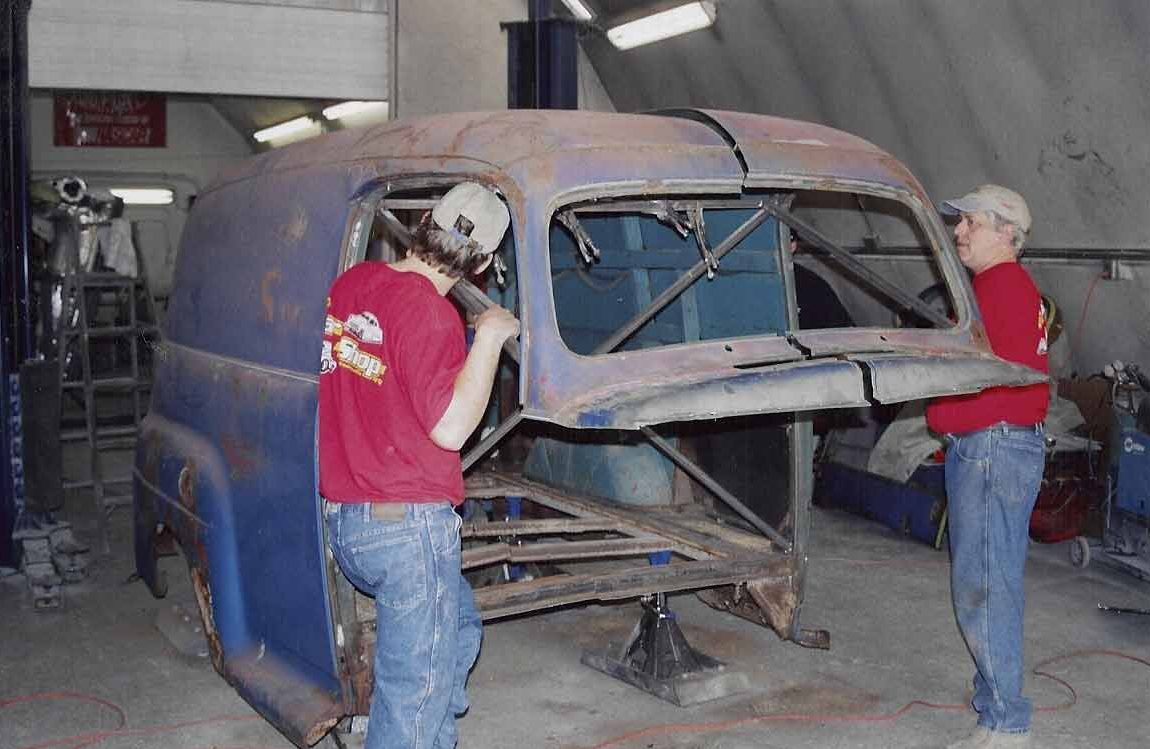
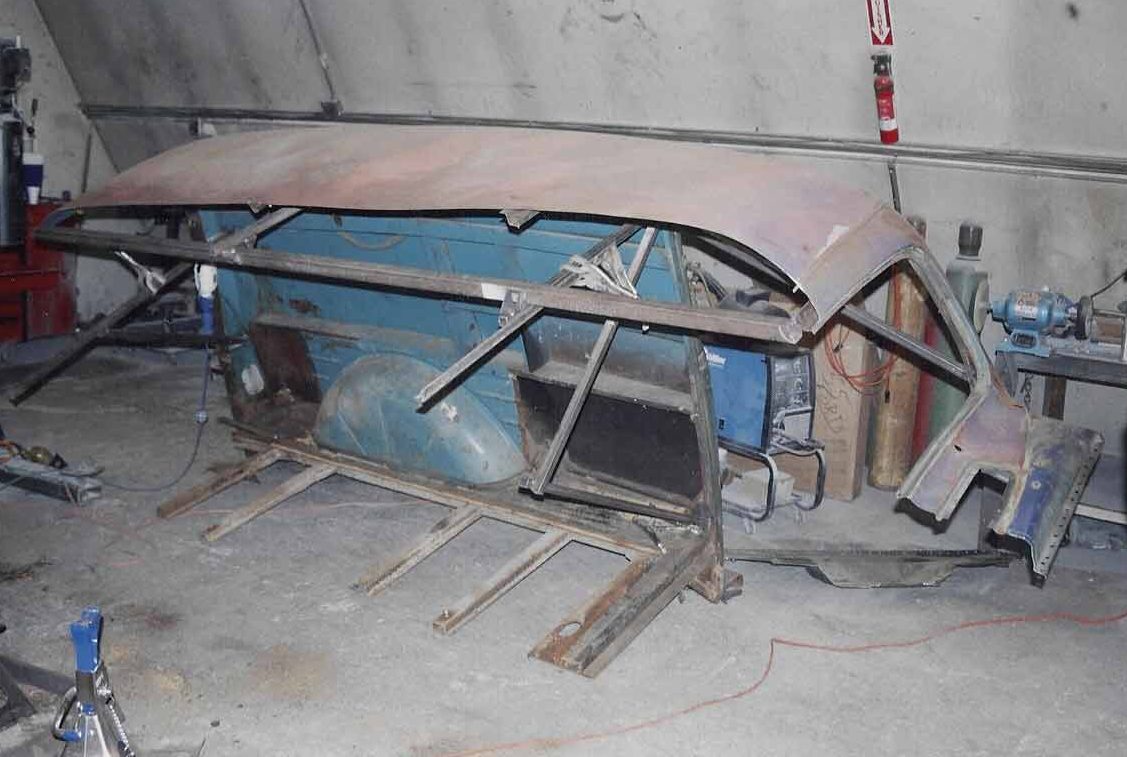
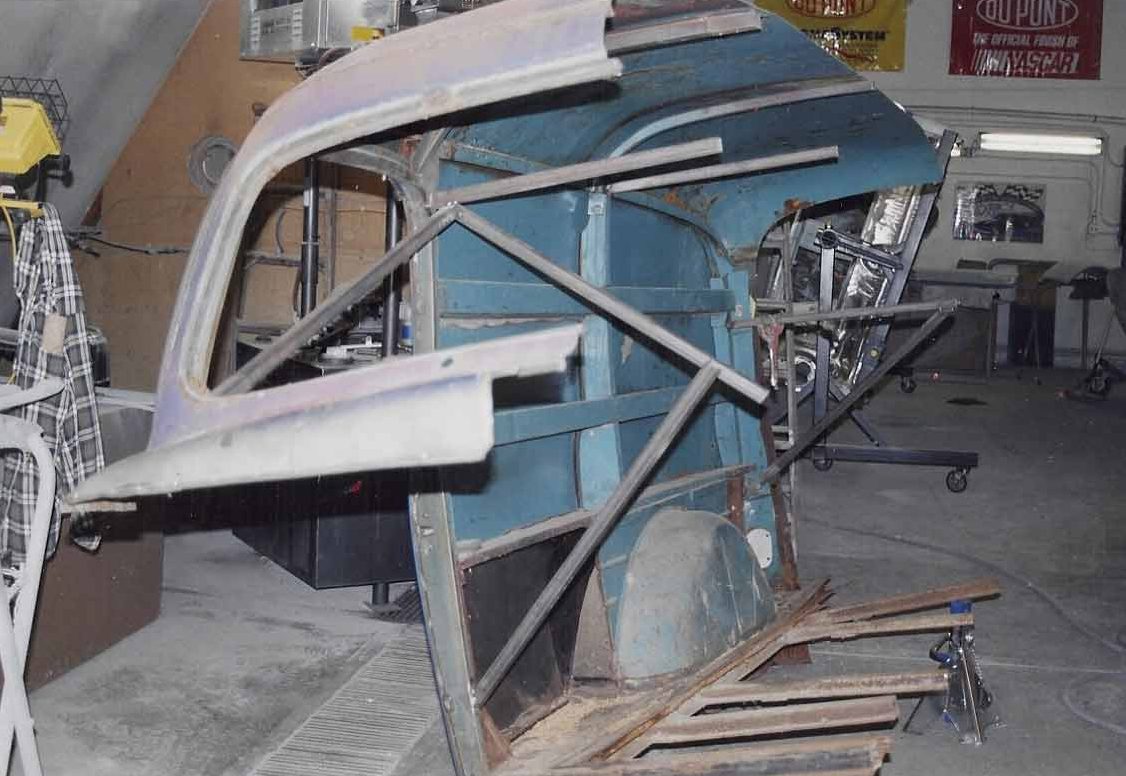
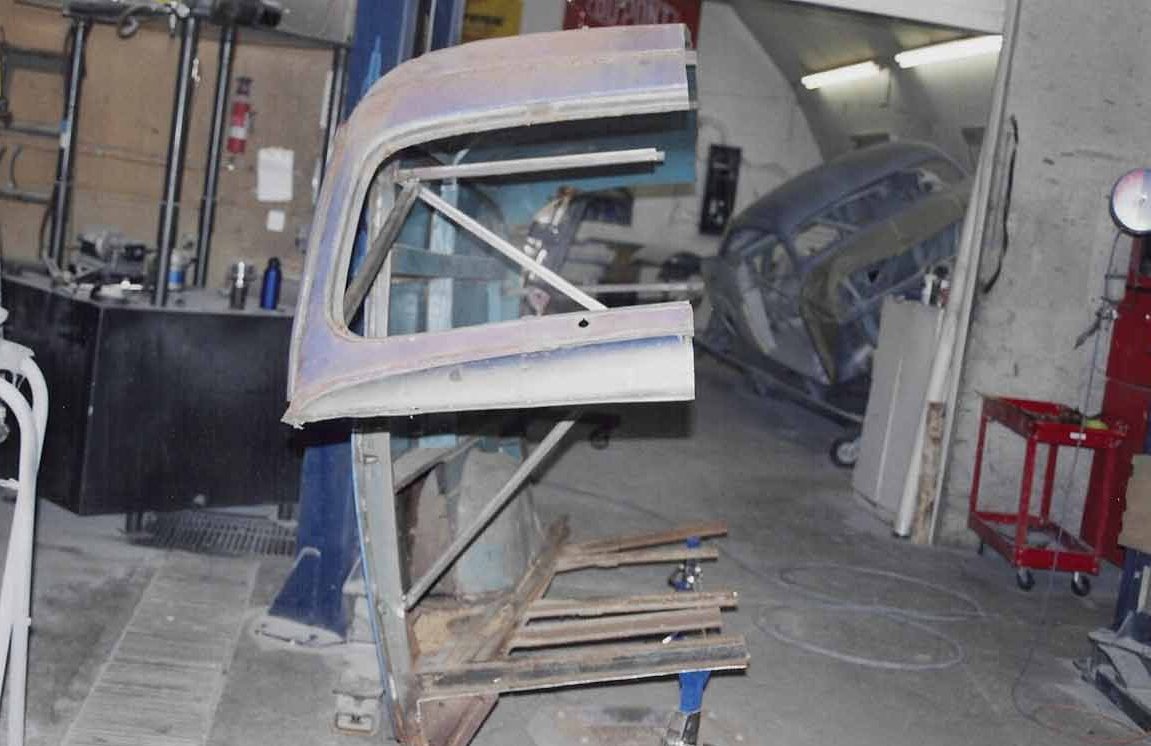
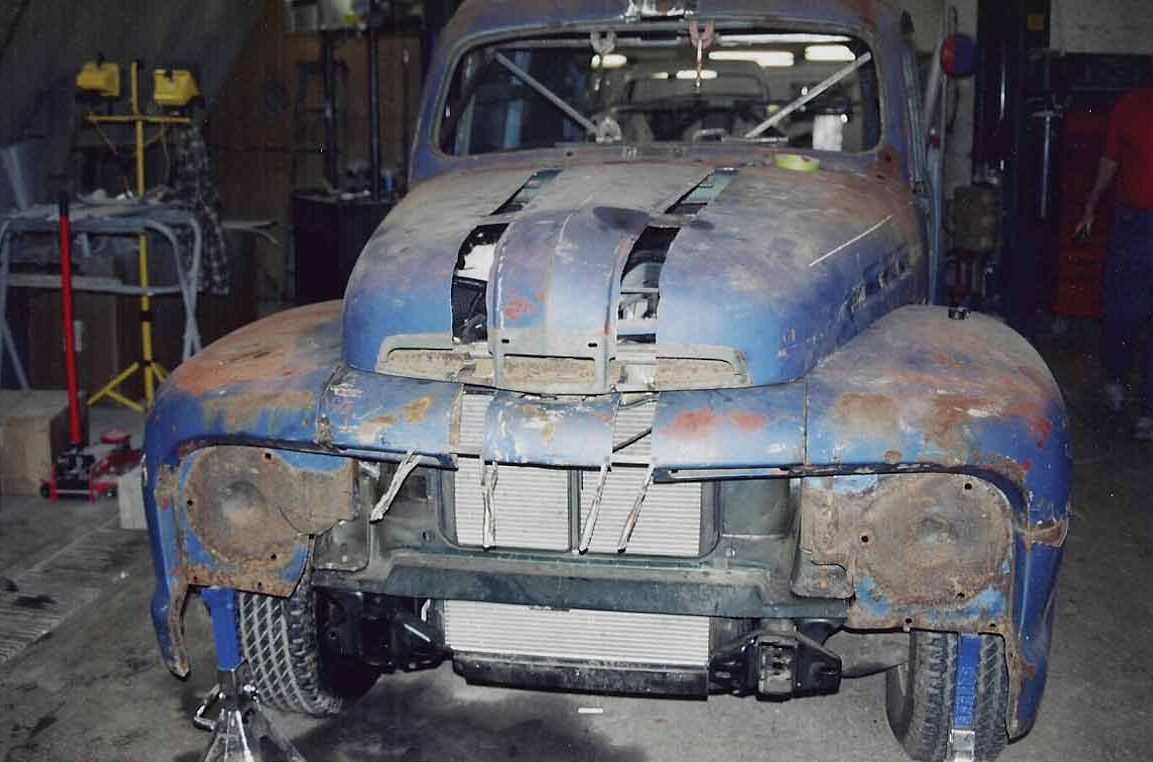
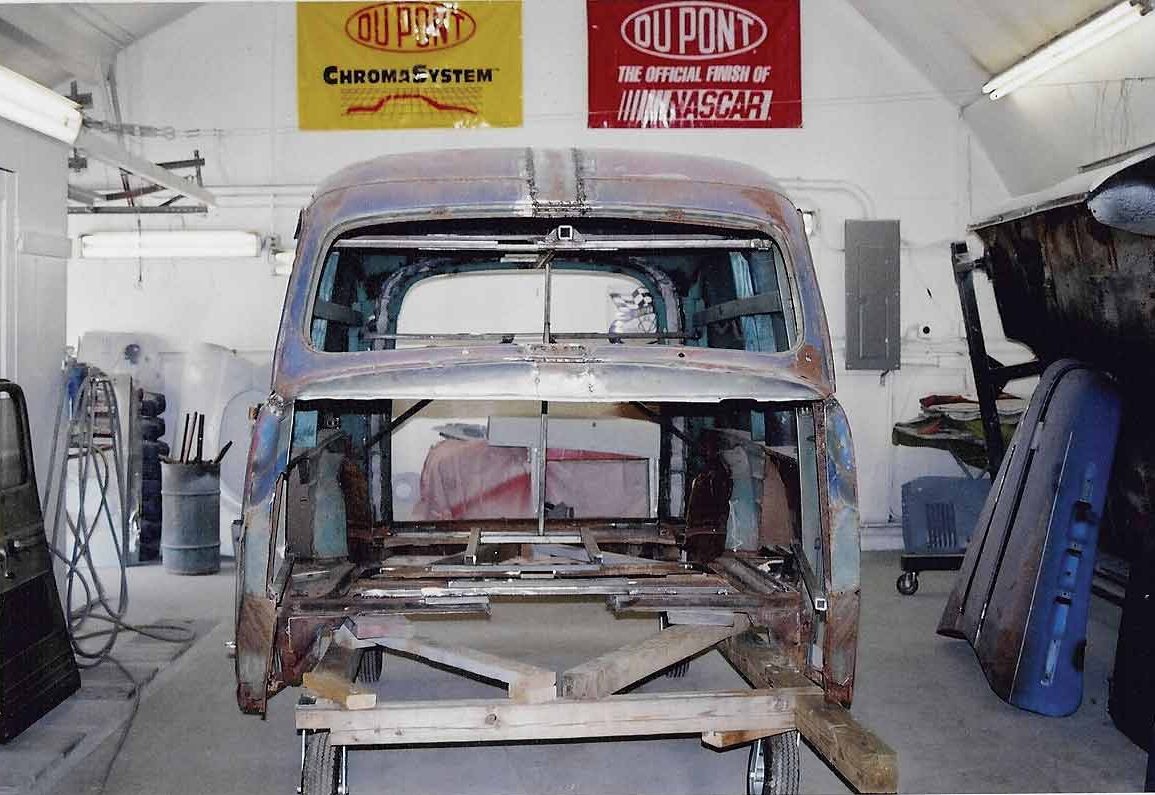
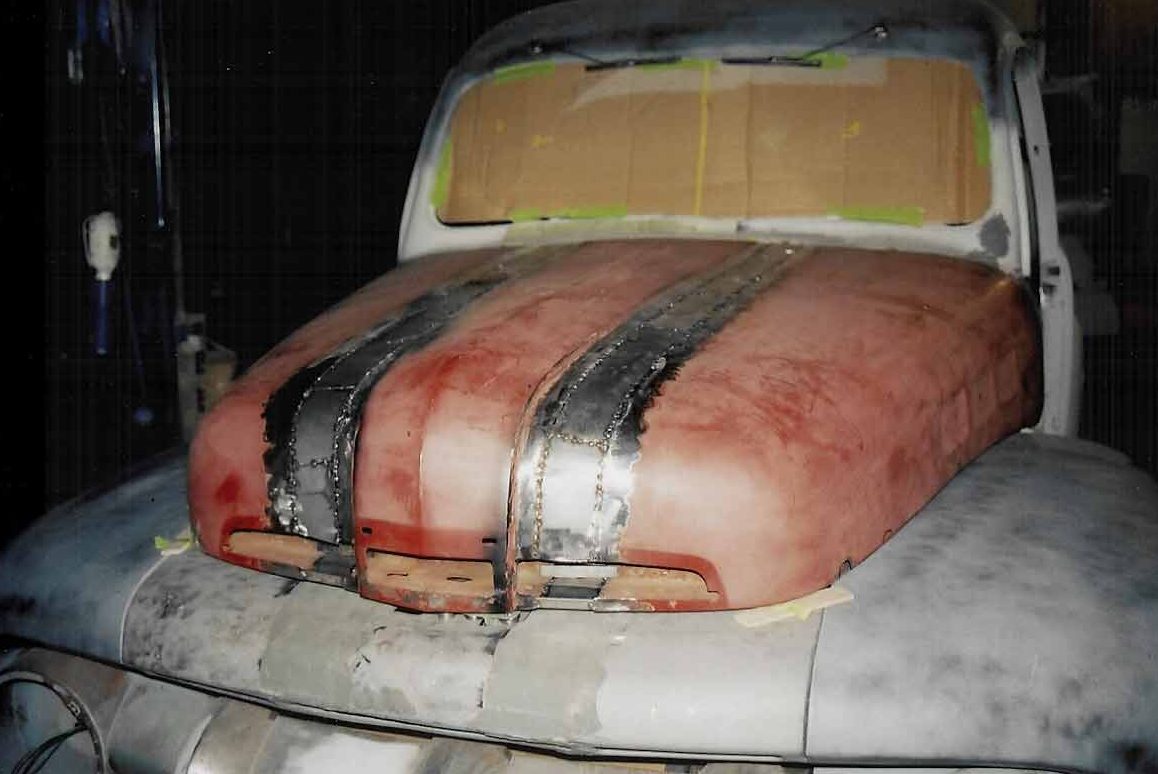
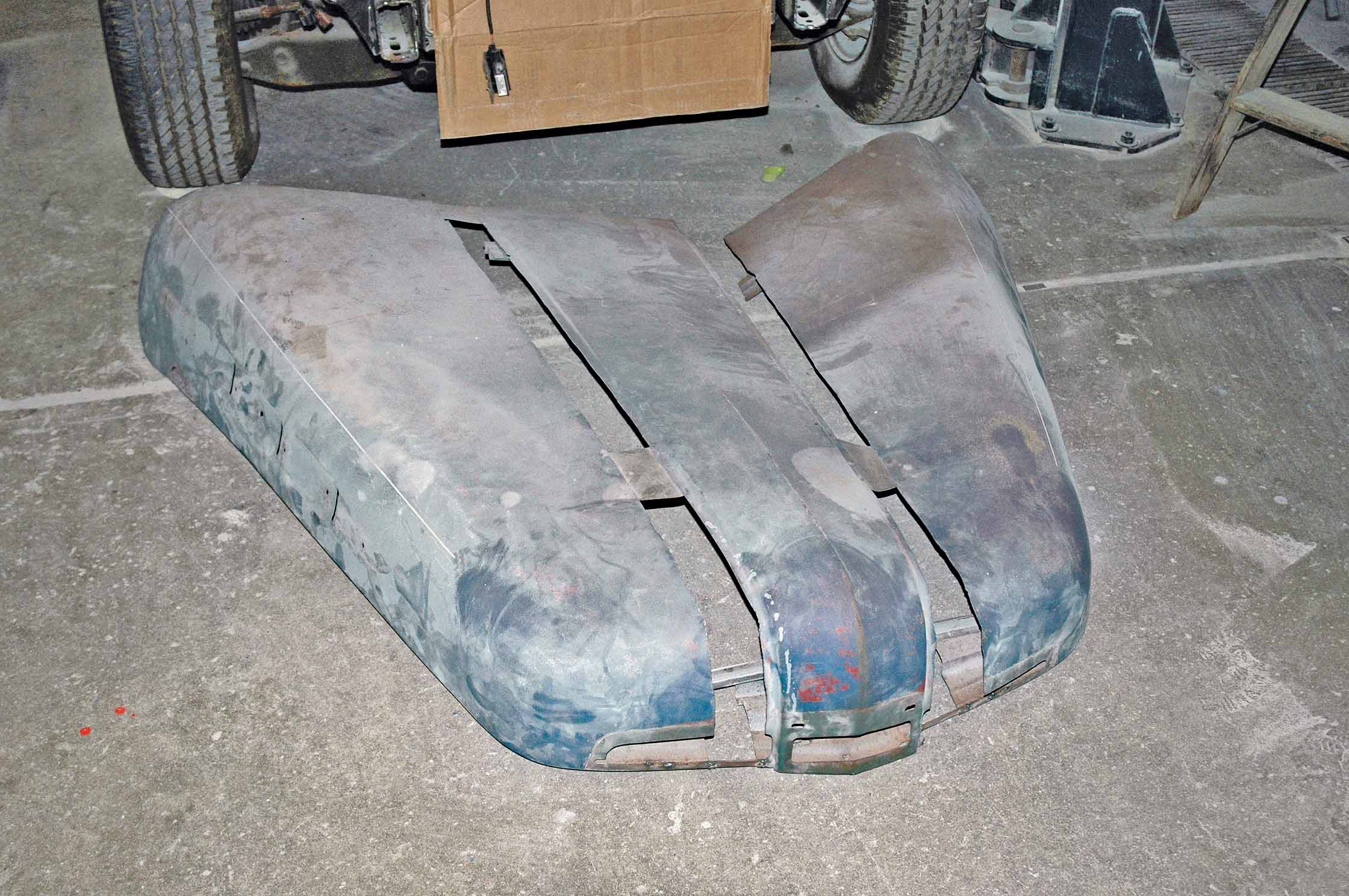
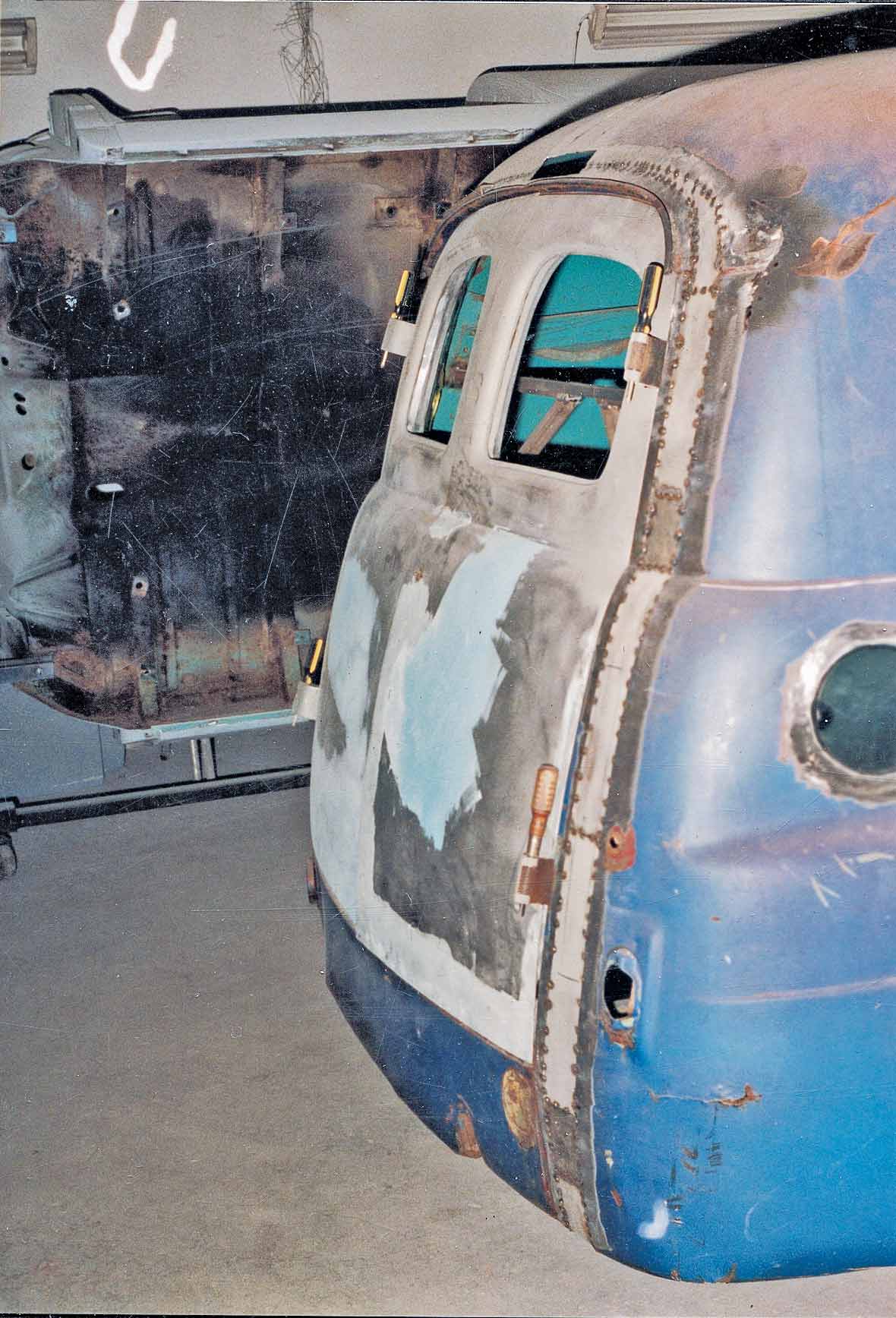
The Car Shop crew cut the front section of the chassis to adapt to the ’51 body and then cut part of the back of the chassis to align with the ’51, otherwise the Explorer platform would not have fit properly. The 2002 Explorer gas tank was modified to fit the ’51 section. The entire panel body was cut in two lengthwise and then widened 5 inches. For the hood and grille area, though, a 2-1/2-inch strip was cut on each side (rather than 5 inches in the center) to maintain the peak of the hood.
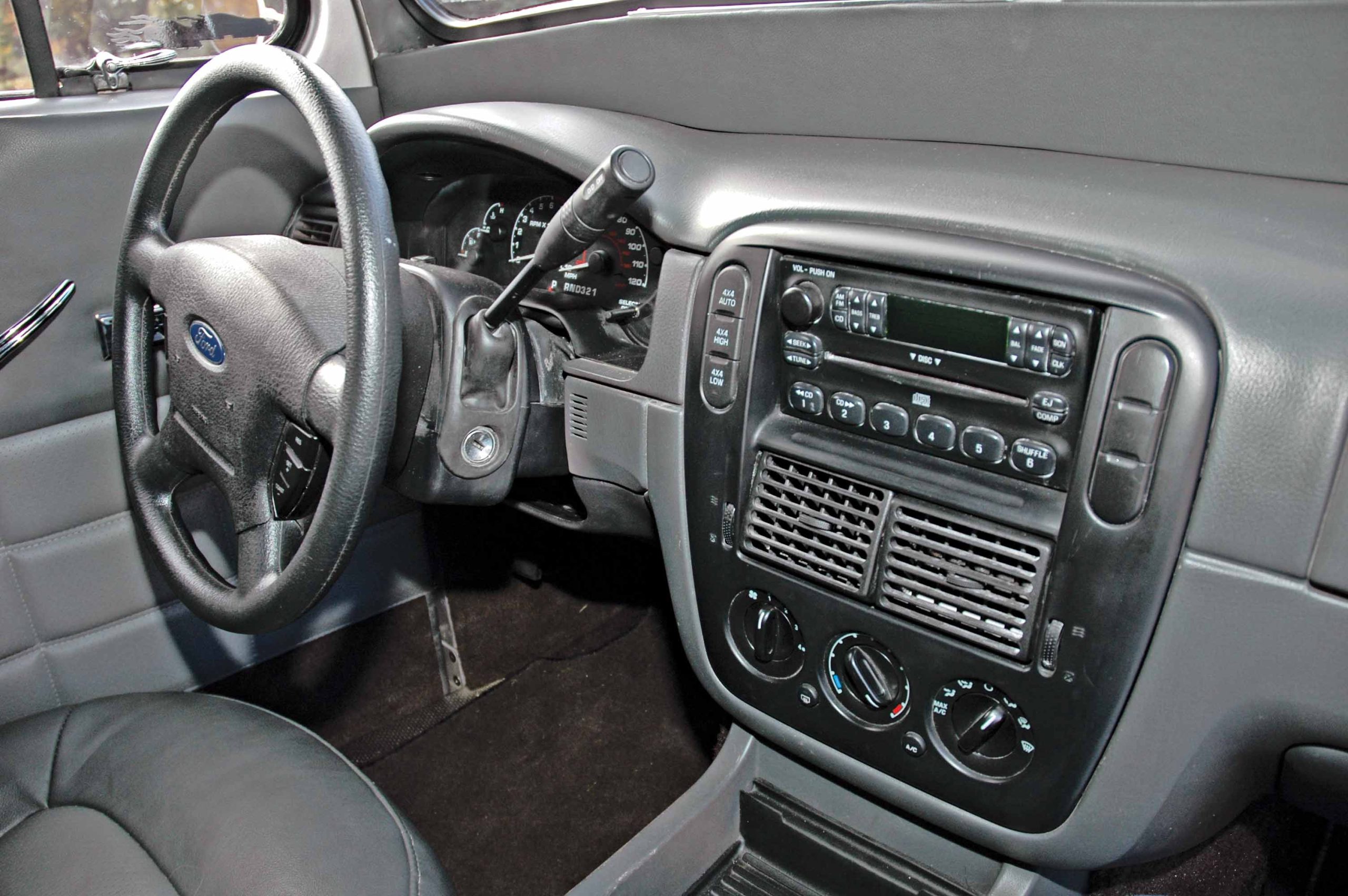
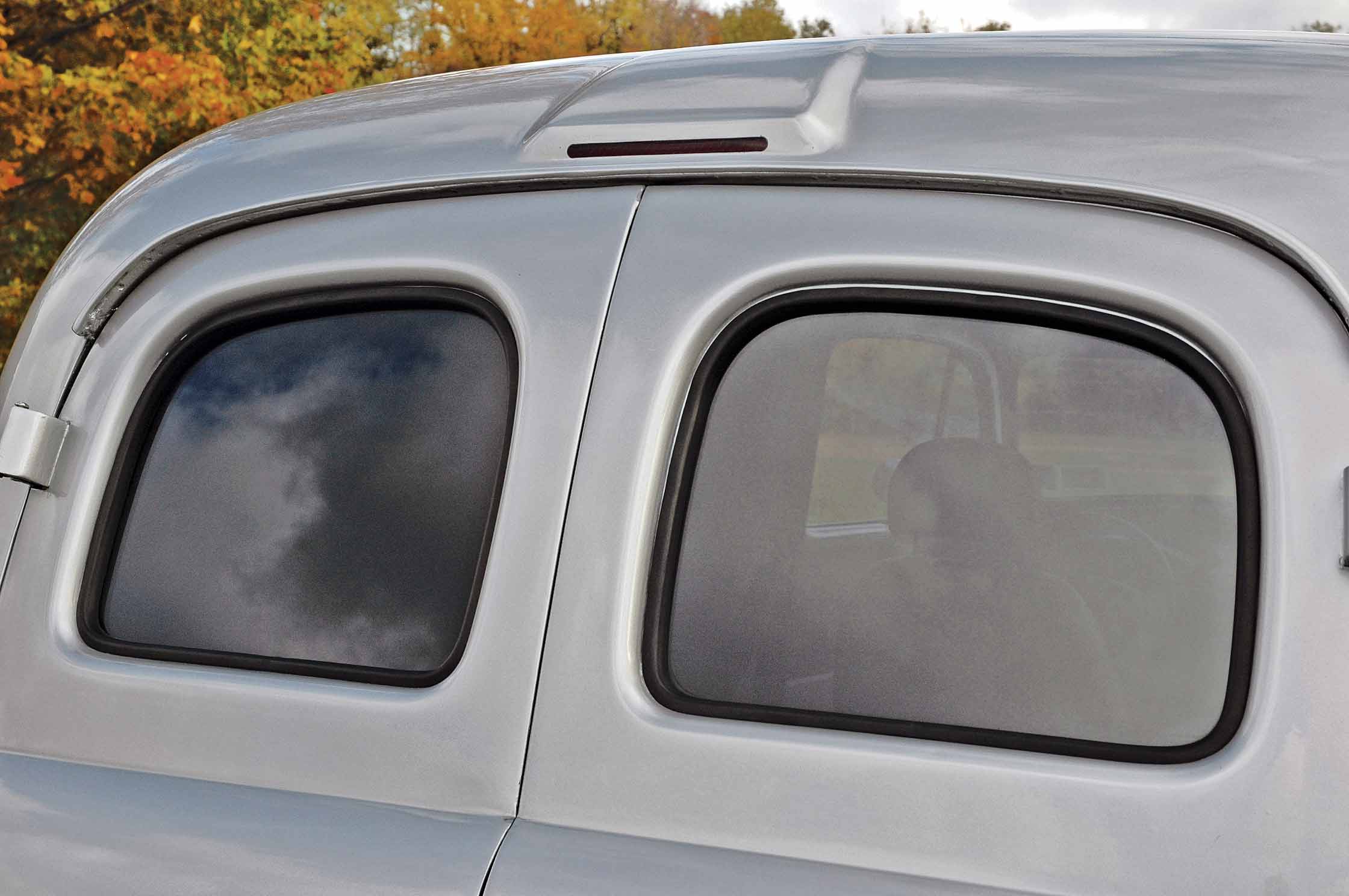
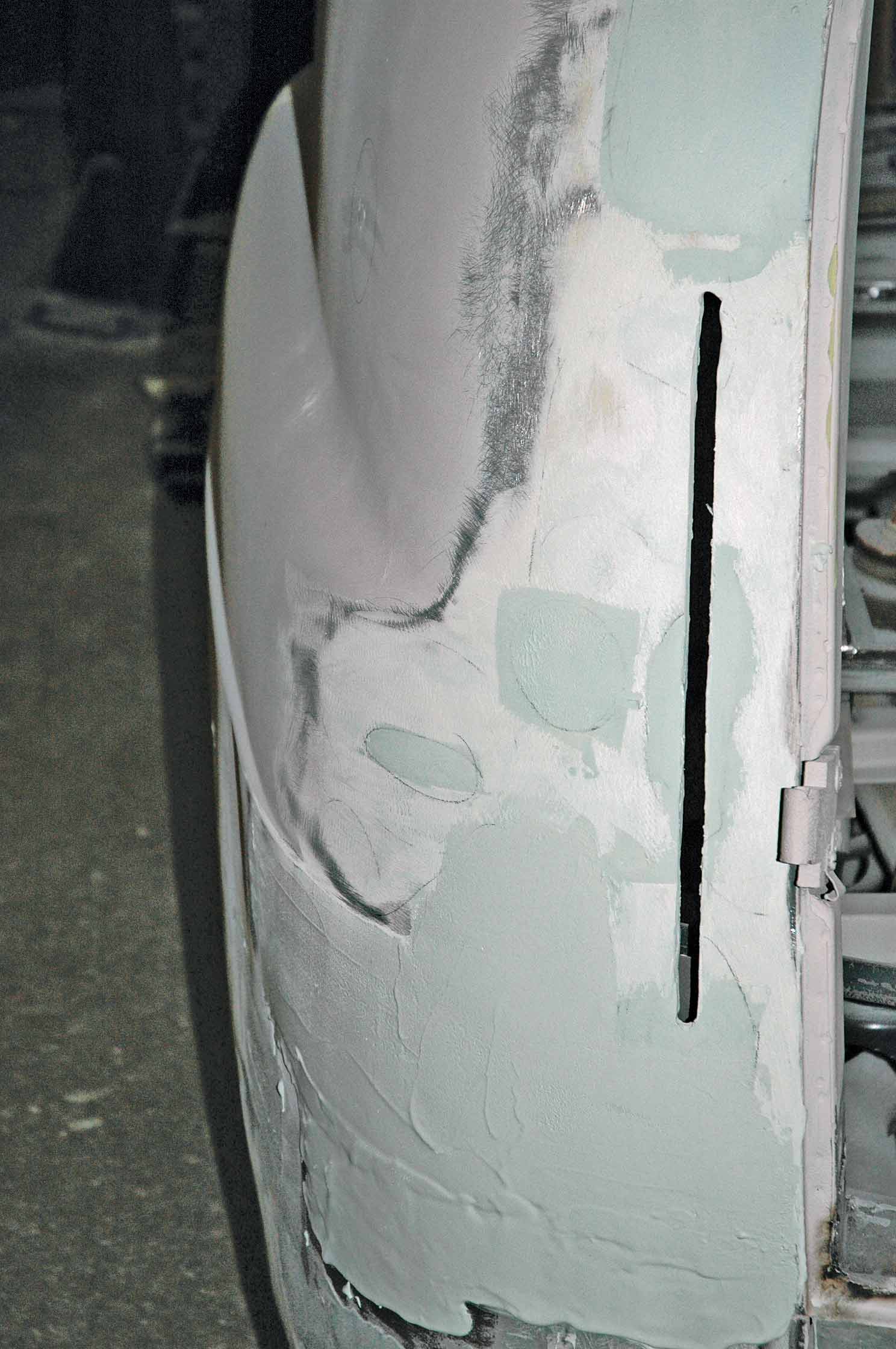
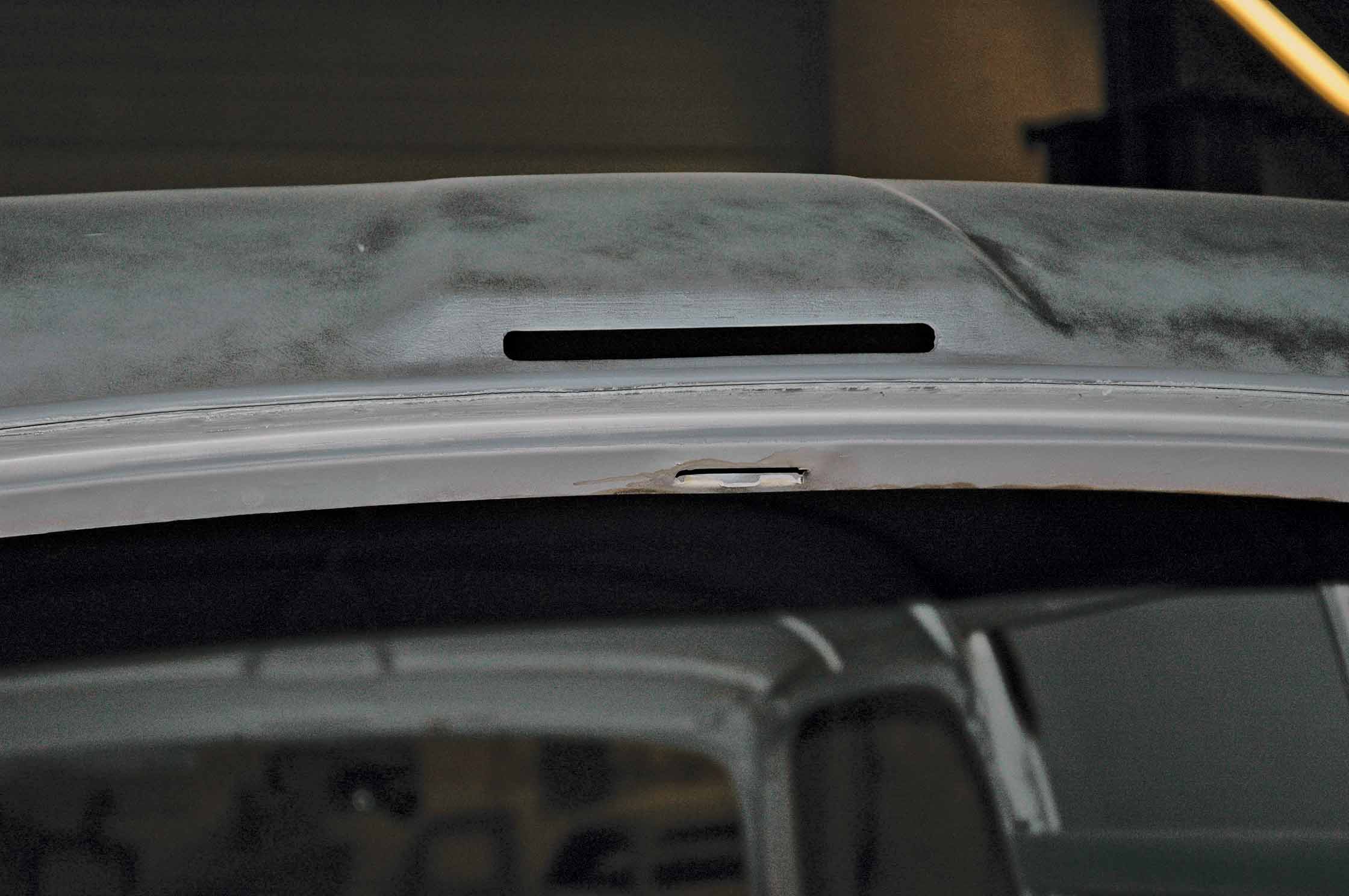
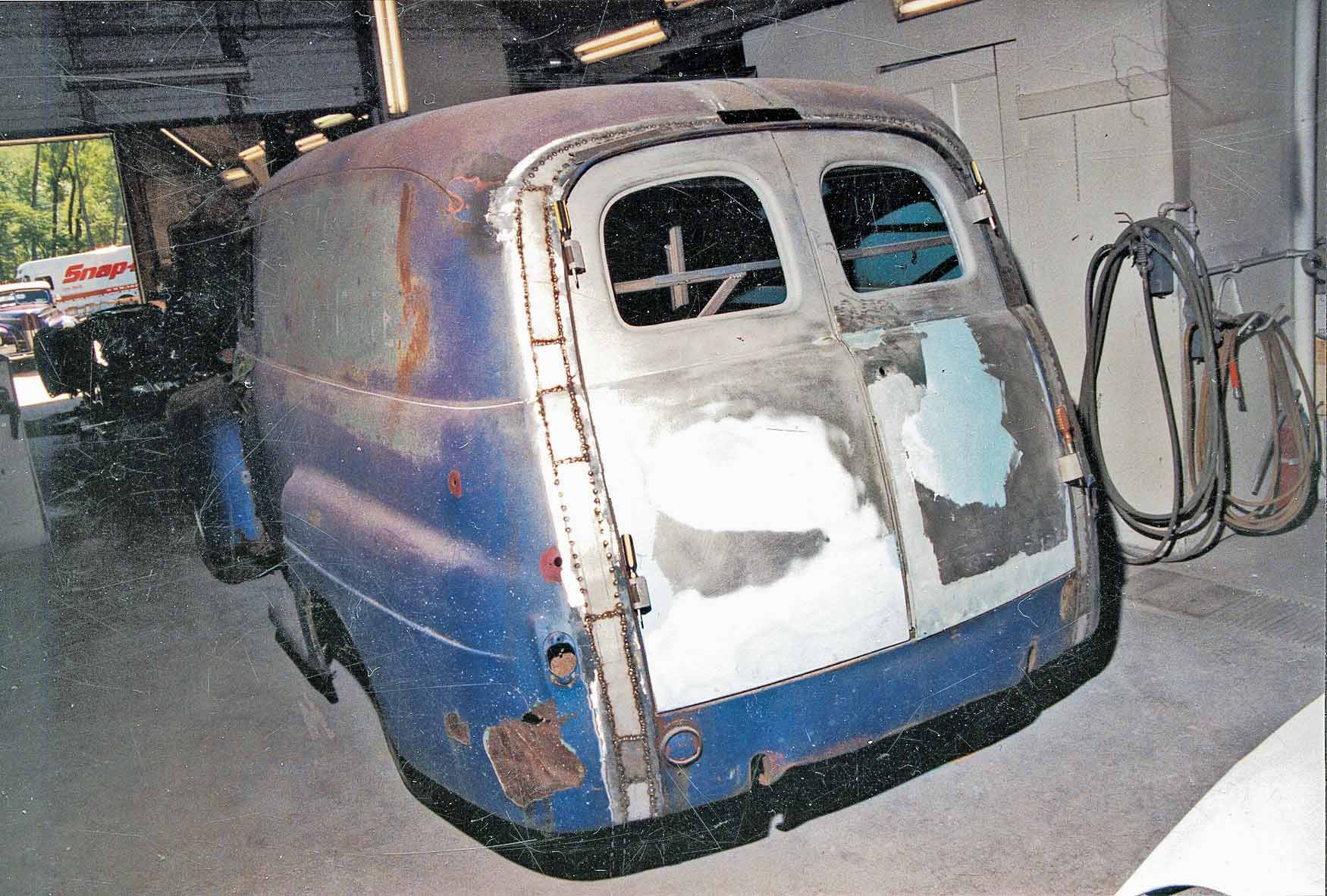
Many months were spent getting the body fitted into shape and smoothed. Paul Hersee, a bodyman on the Strianese crew, cut, welded and sanded for hours and hours. Along with widening the body they decided to mold in a third brakelight and Street Works digitally sequential LED taillights. Because the early Ford body becomes narrower as it goes from back to front, the dashboard from the Explorer had to be narrowed 5 inches to fit in the panel cab. Using the Explorer dash was another factor in being able to get dealer service.
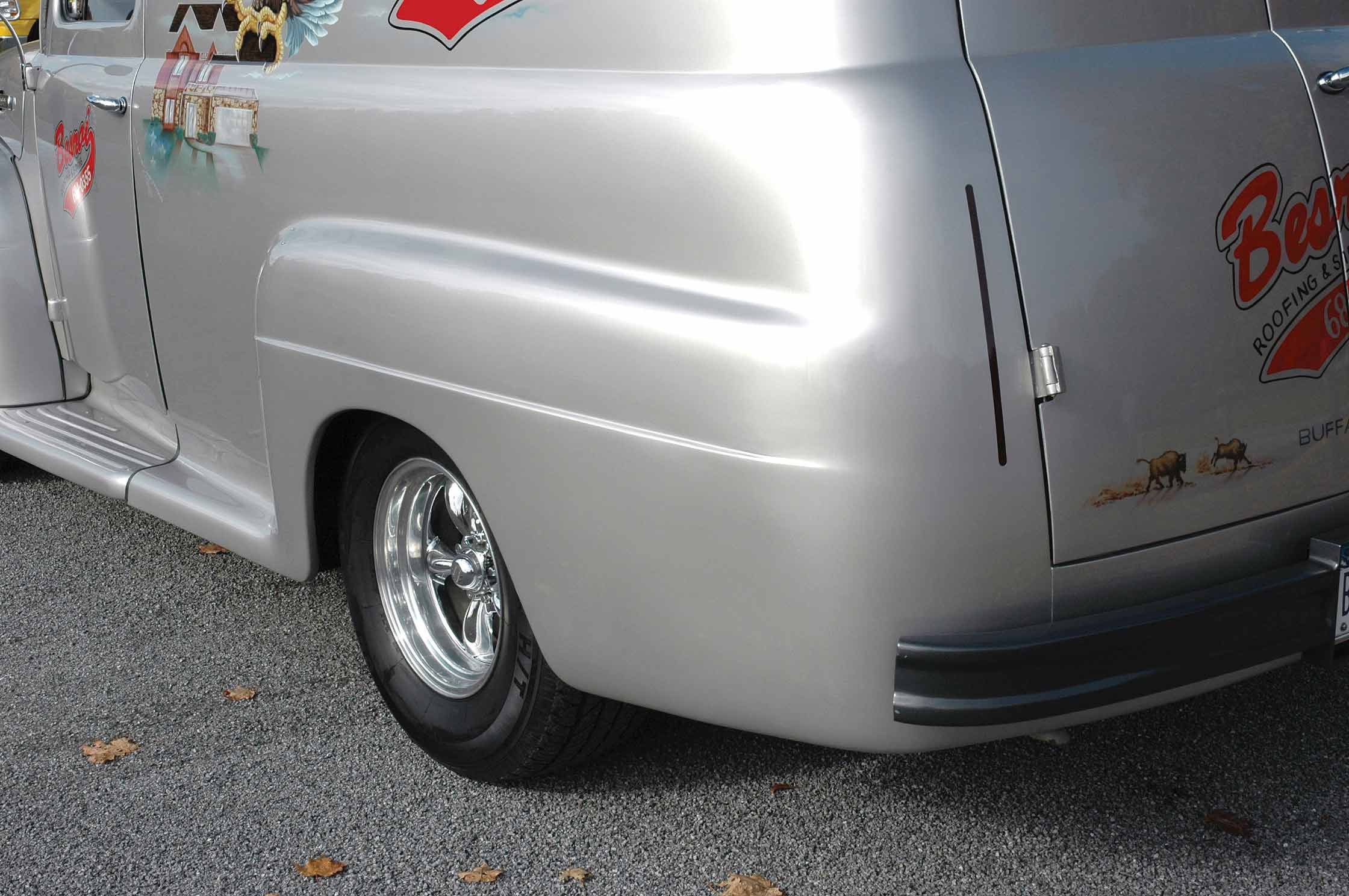
As bodywork progressed the decision was made to not make the rear doors wider. To retain their original size the body was cut away from the door housing and 2-1/2 inches were added between the housing and the area between the doors and rear fenders. Because there were no fenders when they got the truck, The Car Shop made F-100 fenders out of some F-250 Ford fenders they located.
The truck rides on American Racing Torq-Thrust II wheels, 16×8 in front and 16×9.5 in back. Discover tires were chosen for the truck to ride on, 265/70SR16 for the front and 275/70SR16 for the rear.
When the body was completed, Kaminski took it to the Besroi shop, where company painter Dave Tab applied the DuPont Silver Birch Metallic finish. Then the truck was sent to Boston, New York, so Sandy Richter could go to work with her airbrush to incorporate the company logo on the panel sides.
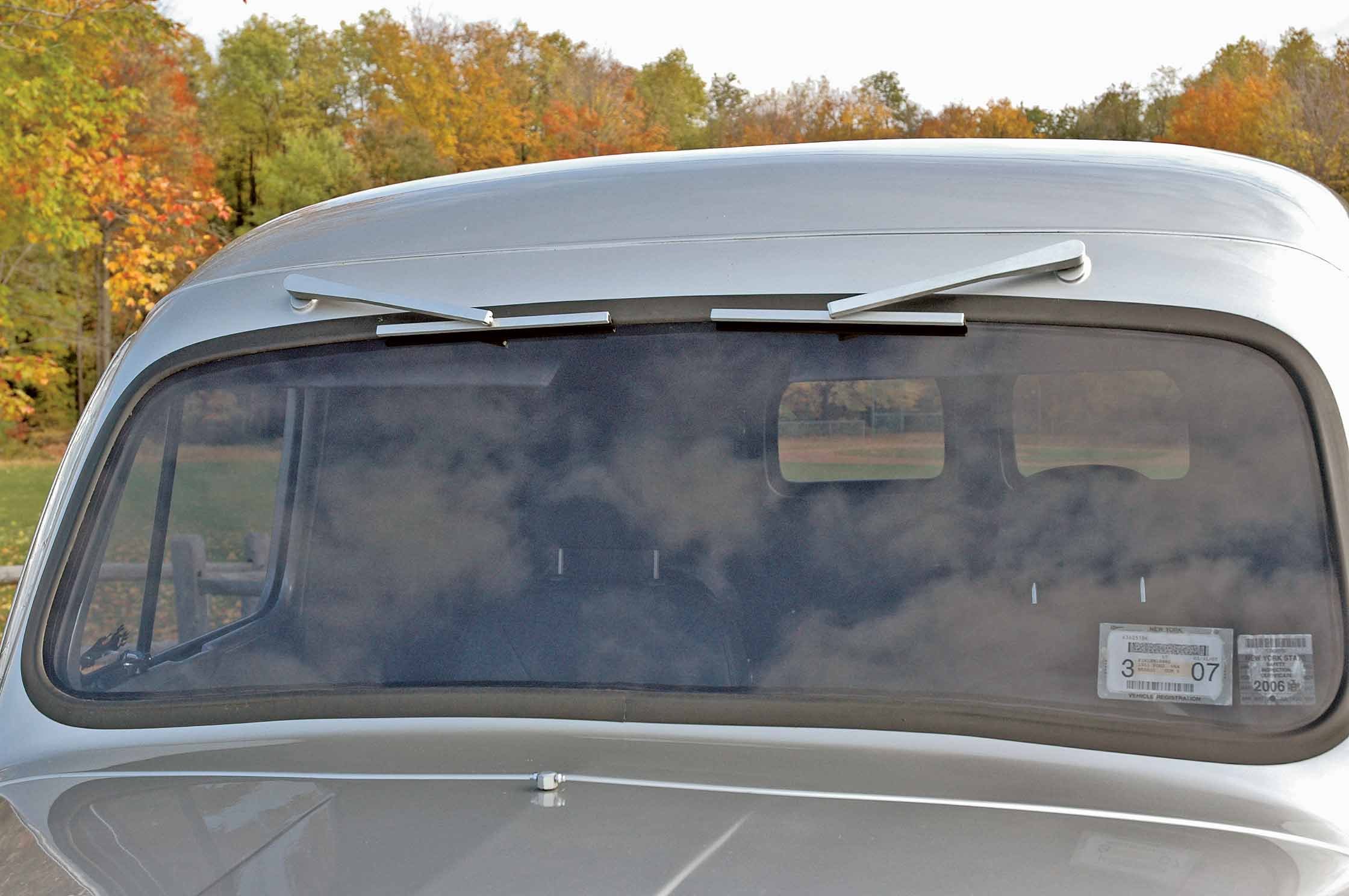
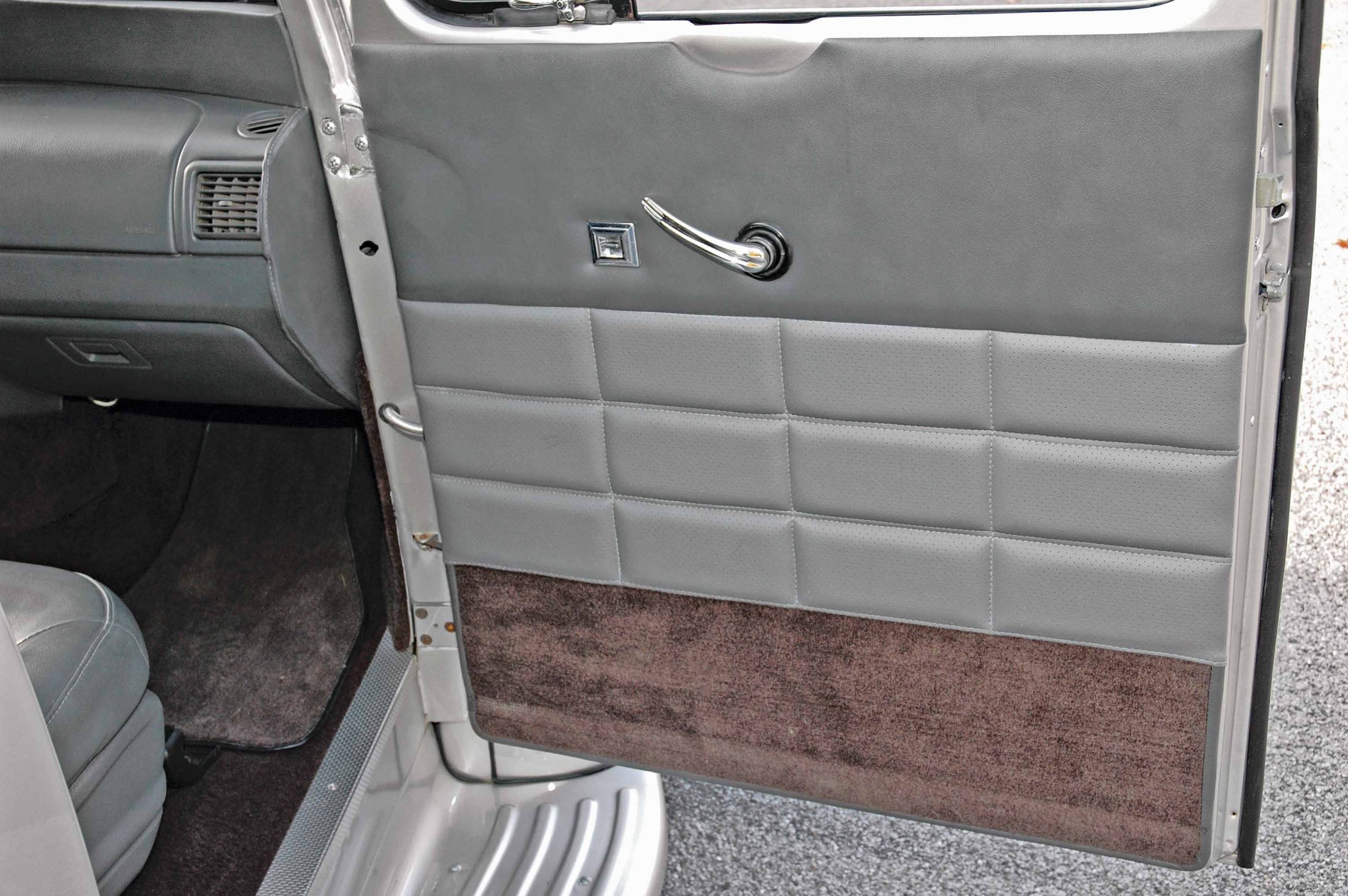
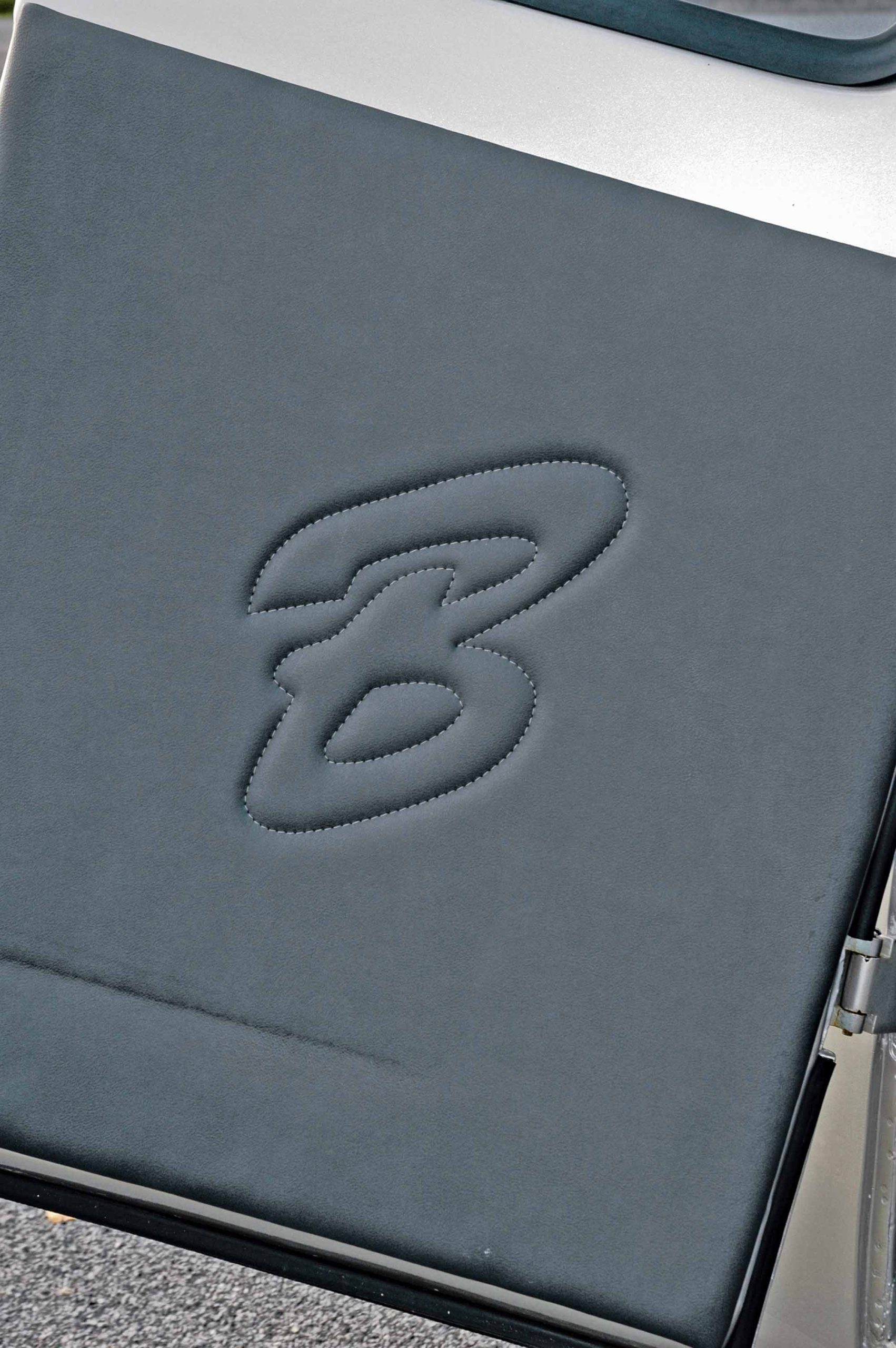
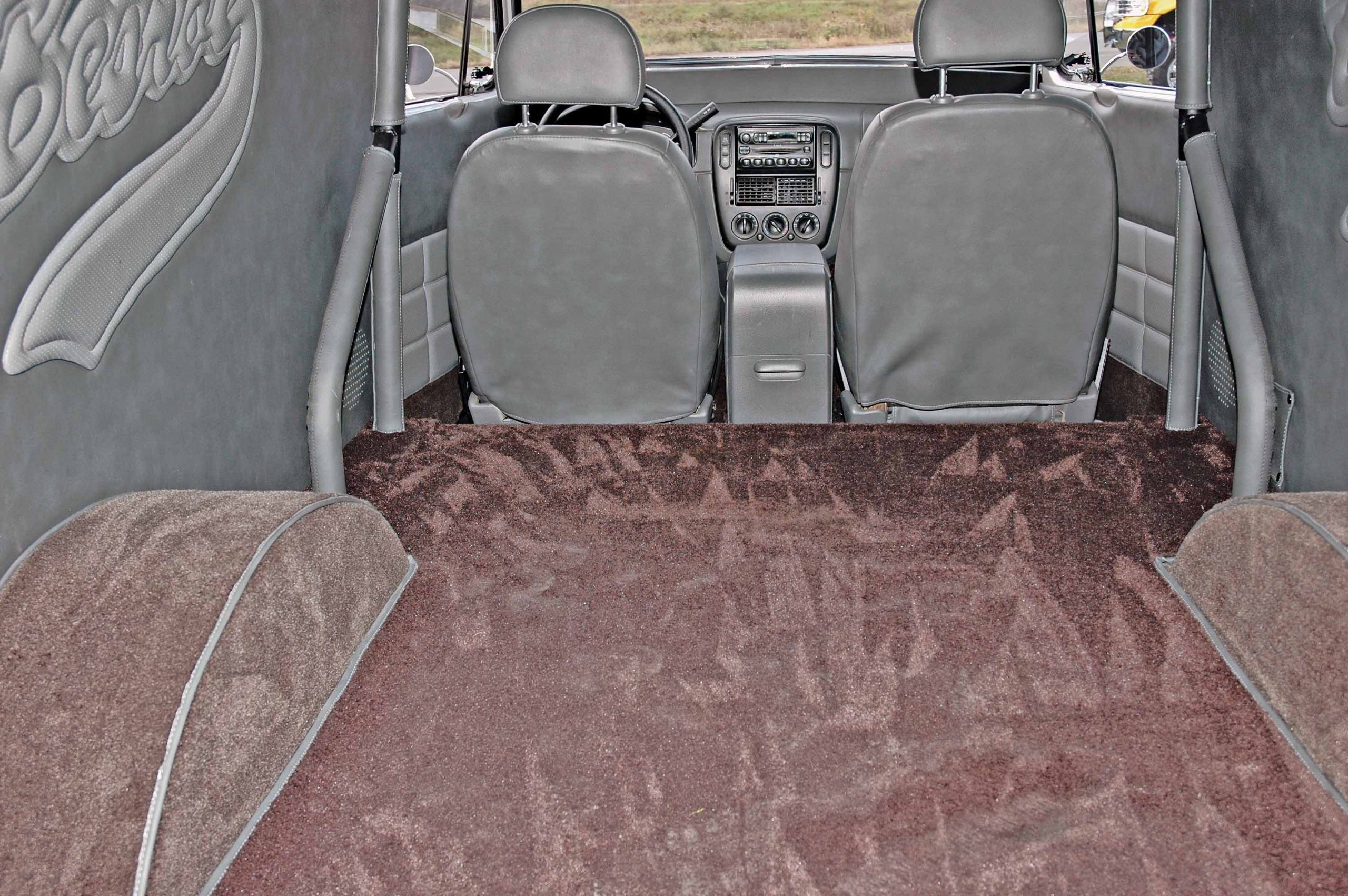
The truck was then sent to Z-Best Interiors in Orchard Park, New York, for upholstery. There, Joe and Deb McDonell sewed the leather for the Explorer seats and worked the Besroi logo into the two-tone leather covering the inside of the cargo area panels. Hideaway storage compartments were made for the cargo seat area. Moe’s Auto Glass provided the tinted glass for the truck. Specialty Power Window units were installed, along with one of the company’s windshield wiper systems. The original Explorer stereo system was retained during the body exchange.
With the truck ready to roll, Kaminski soon learned it was an absolute pleasure to drive. As expected, it handles just like a 2002 Explorer panel truck should.
Kaminski doesn’t expect it to have very many mechanical problems for quite a while. If it does, he just may have to bring a camera to the Ford garage to catch the look on their faces when he asks them to connect it to their computer.