







Cars

George and Leslye Jones’ ’67 Camaro convertible is one of the finest examples ever to turn a wheel. Built by the crew from Greening Auto Company (and others), this is an effort worthy of pride and praise.
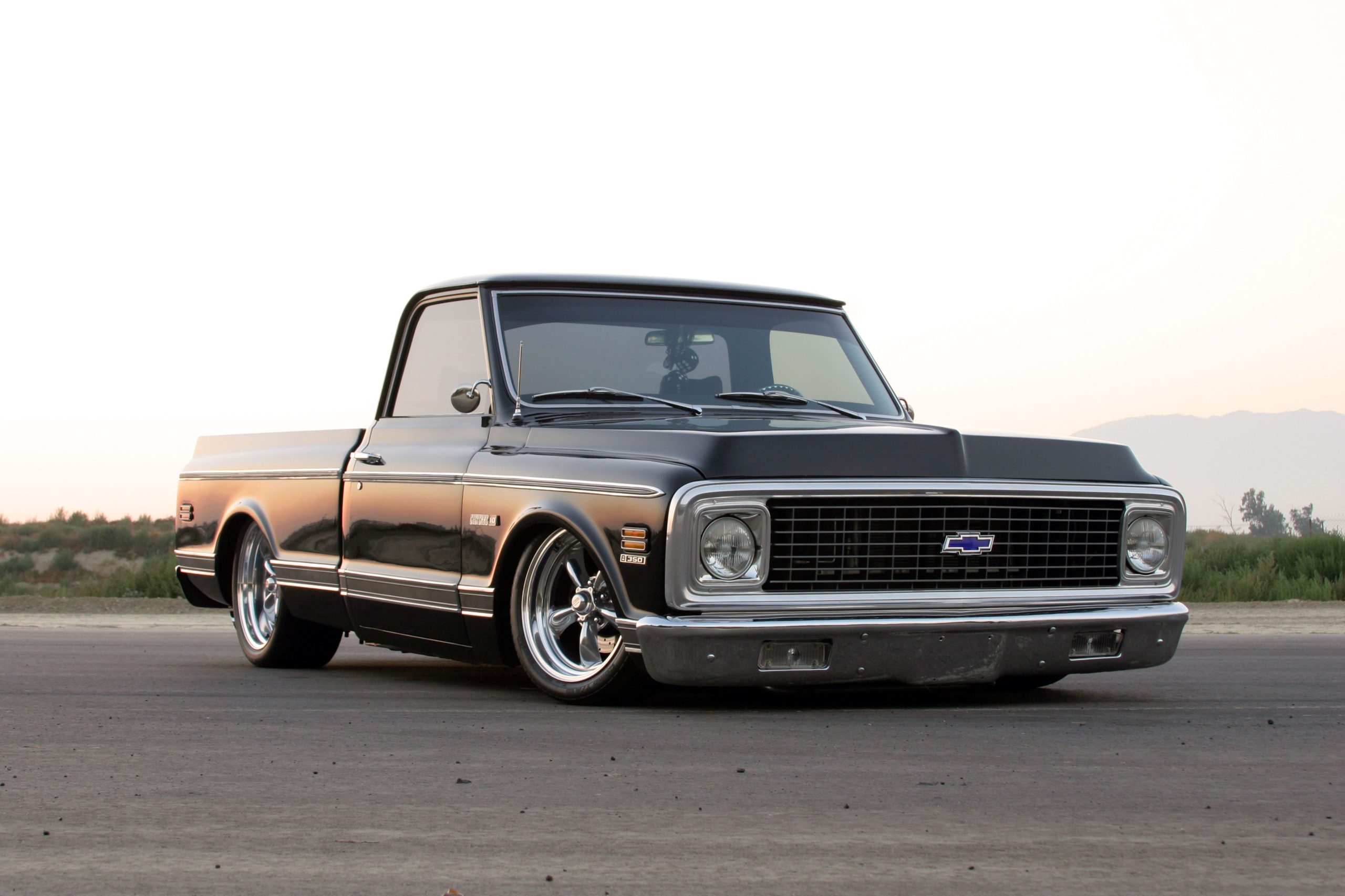
Jerry McMullan is a long-time Chevy fan, and when he wanted to find a cool daily driver, he knew two things. The first was that the vehicle would be a Chevy, and the second was that he knew it had to be black. Having been the proud owner of a couple of previous ’67-’72 Chevys (a ’70 Chevelle SS and a ’70 El Camino SS), he knew that that the style suited him, so he thought that a pickup from those years would be just right for what he had in mind. After a little searching, he came across this ’71 Chevy Cheyenne. McMullan says that the truck was in fair condition when he purchased it (for the now-reasonable, though still hard to believe, price of $11,000), and thus began his three-year odyssey of building his perfect pickup.
0Comments

If there’s one thing we can’t stress enough, it’s the importance of keeping your engine cool. That’s why we’re pumped about the Canton Racing Products Universal Aluminum Coolant Expansion Fill Tank. This baby is an absolute game-changer for anyone looking to optimize their vehicle’s cooling system.
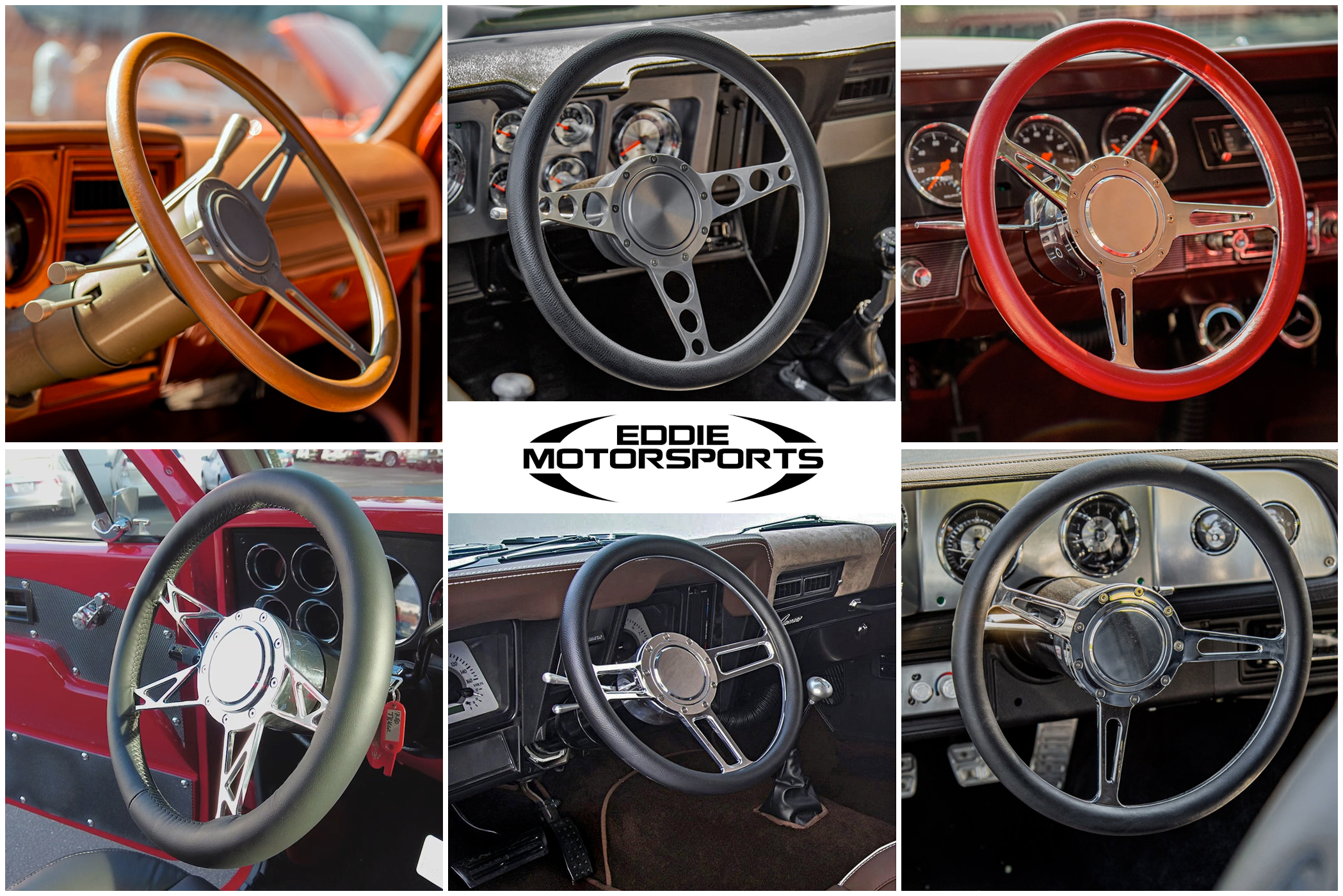
Alright, buckle up because Eddie Motorsports just dropped a bombshell in the form of their new line of high quality, billet aluminum steering wheels. Picture this: a line of wheels so slick, so badass, that your ride’s gonna scream “legendary.” Yeah, it’s that good.
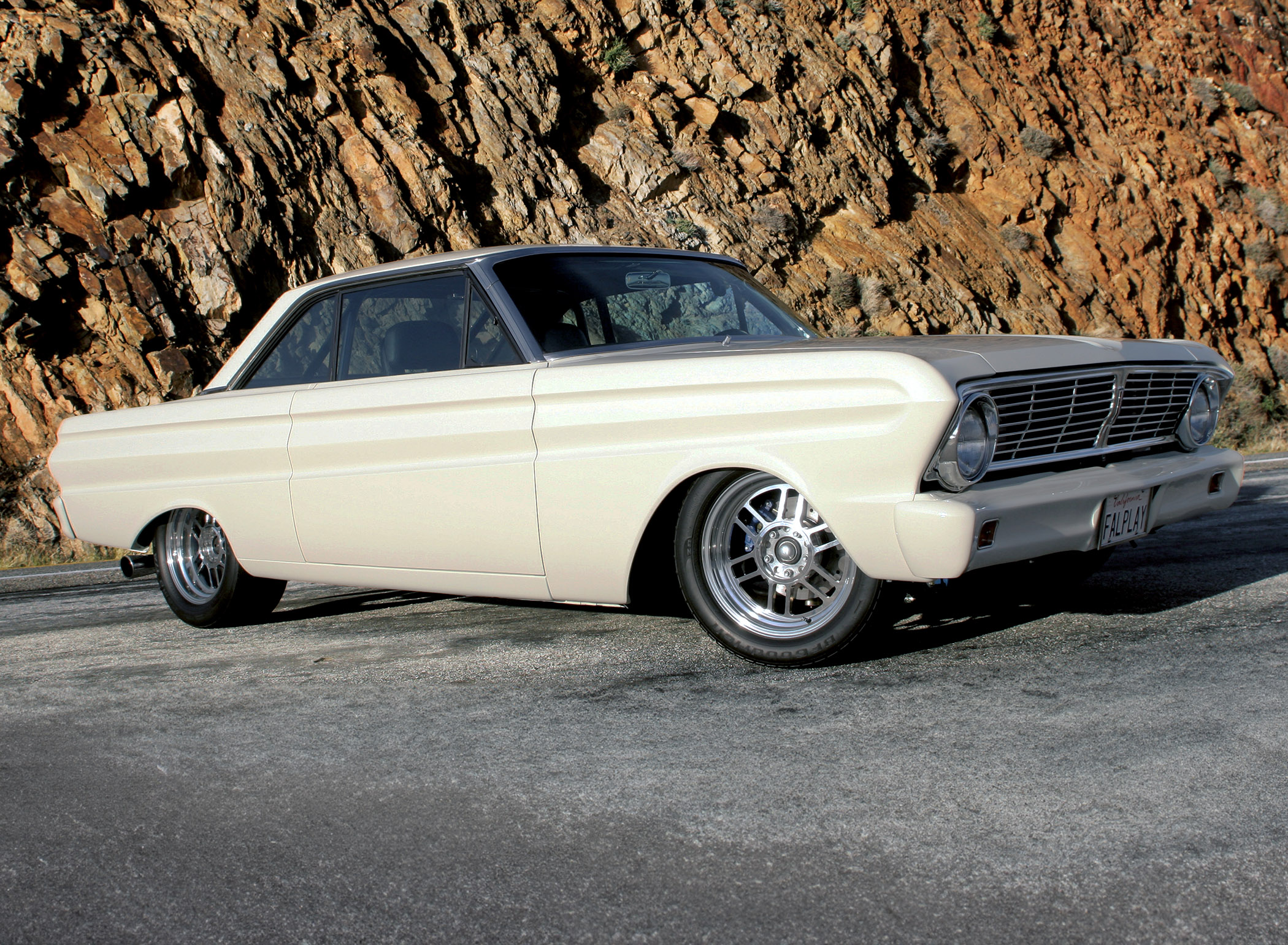
When Jim Anderson builds a car, he really builds it. Other than paint and a few of the more intense aspects of the interior, he takes on the task of reconstructing the entire car into what he thinks it should be. And when asked what he thinks a vintage car should be, he responds that it should be fast and handle well.
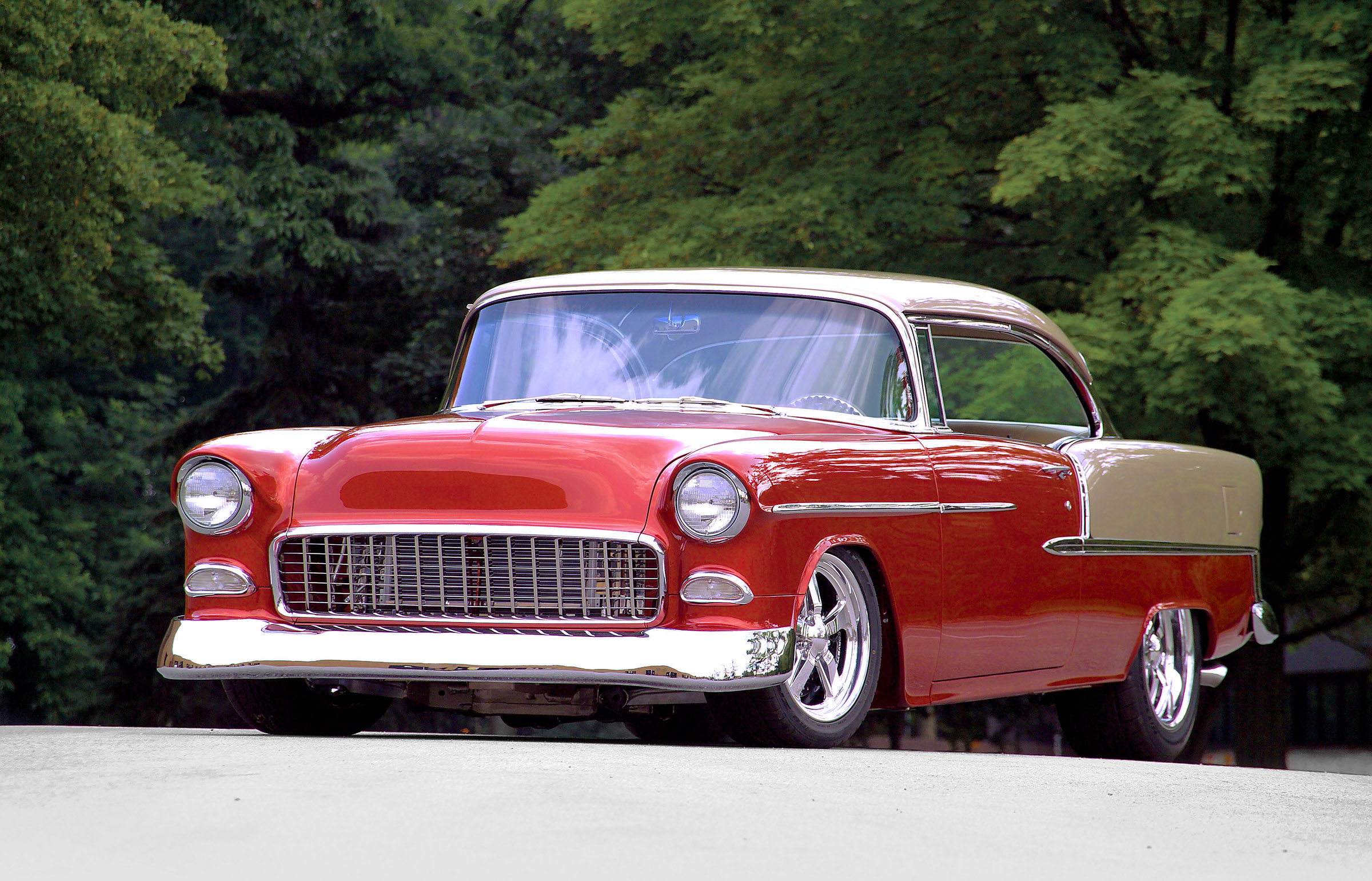
Upon its introduction, the ’55 Chevy became an instant success, and over the years, it has remained a favorite of Chevy enthusiasts, with the ’55 Bel Air hardtop being one of the most popular.

Here’s the deal: if you’ve got a V-8 or a high-horsepower V-6 or 4-banger and you’re not running an Accusump, you’re gambling with your engine’s life. The 24-006 Accusump 3 Qt No Valve is one of those pieces of gear you slap on and immediately wonder why you didn’t do it sooner. It’s been saving engines—and wallets—for over 30 years. Let’s break it down.
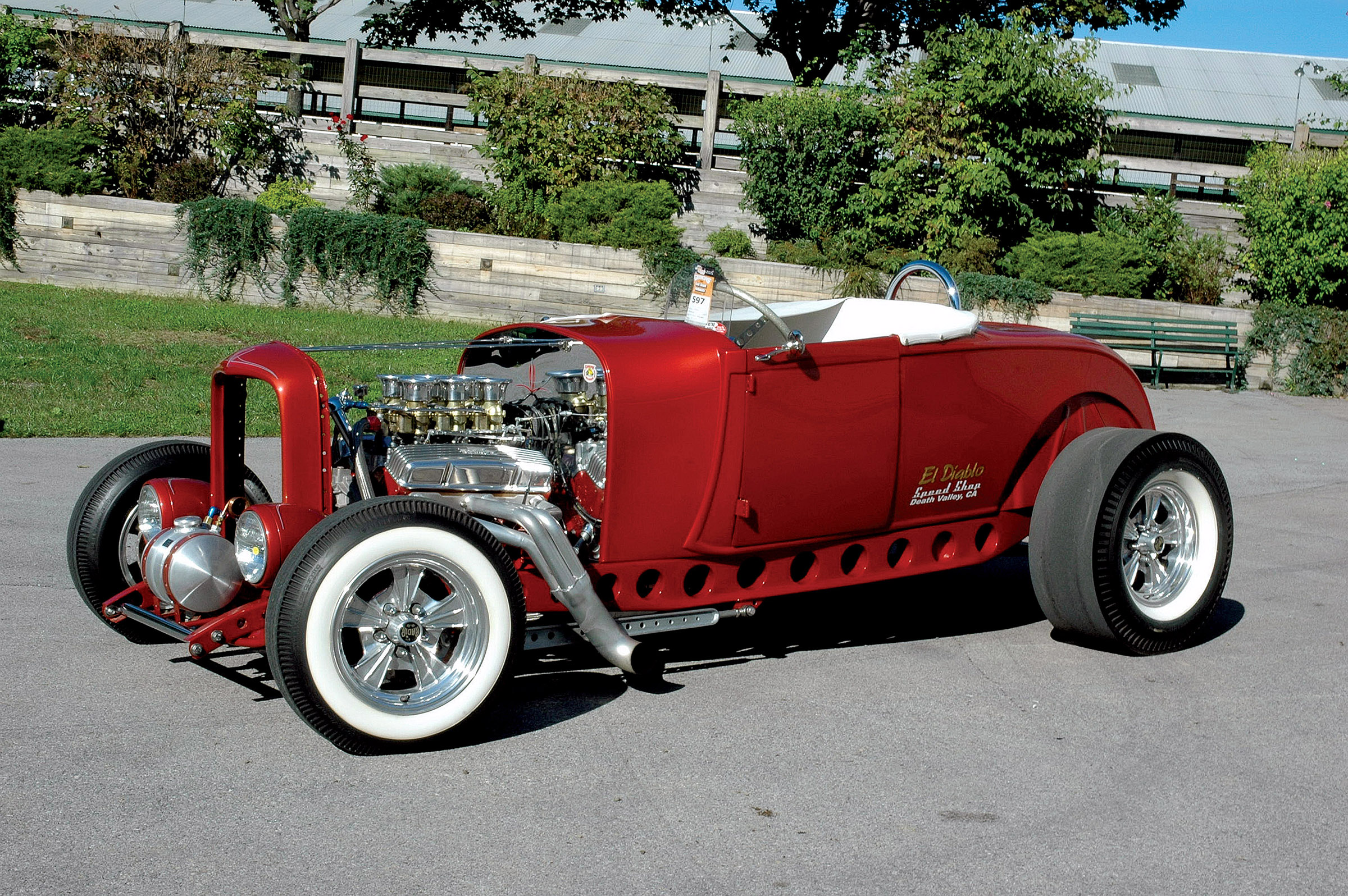
Rich Oakley is not your average hot rod builder. There is no room for cookie cutter cars in the Retro Rides by Rich shop in Archdale, North Carolina. In fact, he prefers to be one step ahead of the norm when it comes to building his personal rides. Loosely inspired by the Tony Nancy 22 Jr., his Model A highboy comes equipped with an attitude. “The car has a loud, rude nature. That’s what I like about it, the way it shakes, smells, and of course, the noise,” Oakley says. It has an aggressive stance, and those six Holley 94 carburetors are an indication that the roadster might have a chip on its shoulder.

Listen up! It’s time to talk about something that’s going to rev up your LS build and have you grinning like a maniac every time you hit the throttle. We’re diving into the nitty-gritty of the Chevrolet LS Custom Header Build Kit, the ultimate solution for anyone looking to unleash the full potential of their LS engine. Buckle up, because this is going to be a wild ride.

It’s time to bring your garage floor from zero to hero with the UCoat with UFlek-AF System. If you’re like me, you know that a well-done garage floor is more than just eye candy—it’s a badge of honor. Here’s why UCoat with UFlek-AF should be your go-to.
