Getting His Feet Wet
Poteet made his first competitive trip to Bonneville in 2003 just to “get his feet wet.” He made a couple passes on the famed salt in the 125-130mph range. At that point, he was not just hooked; he was committed. He said to his crew at Camel Toe Racing, “We’re coming back and we are going to do it the right way.” With that decree, he set out to build his own car that would not only be fast but also safe.
Finding the Right Builder
Another one of Poteet’s traits is that he seeks out the best builders for his cars. Some may not be as famous as others, but they usually gain status just by working with Poteet. Quality breeds quality. Poteet did some investigation into some of the cars running at Bonneville and came across the name of Dan Wathen. Poteet loaded up his parts and delivered them to Wathen’s Fort Wayne, Indiana, shop.
Building for Speed and Safety
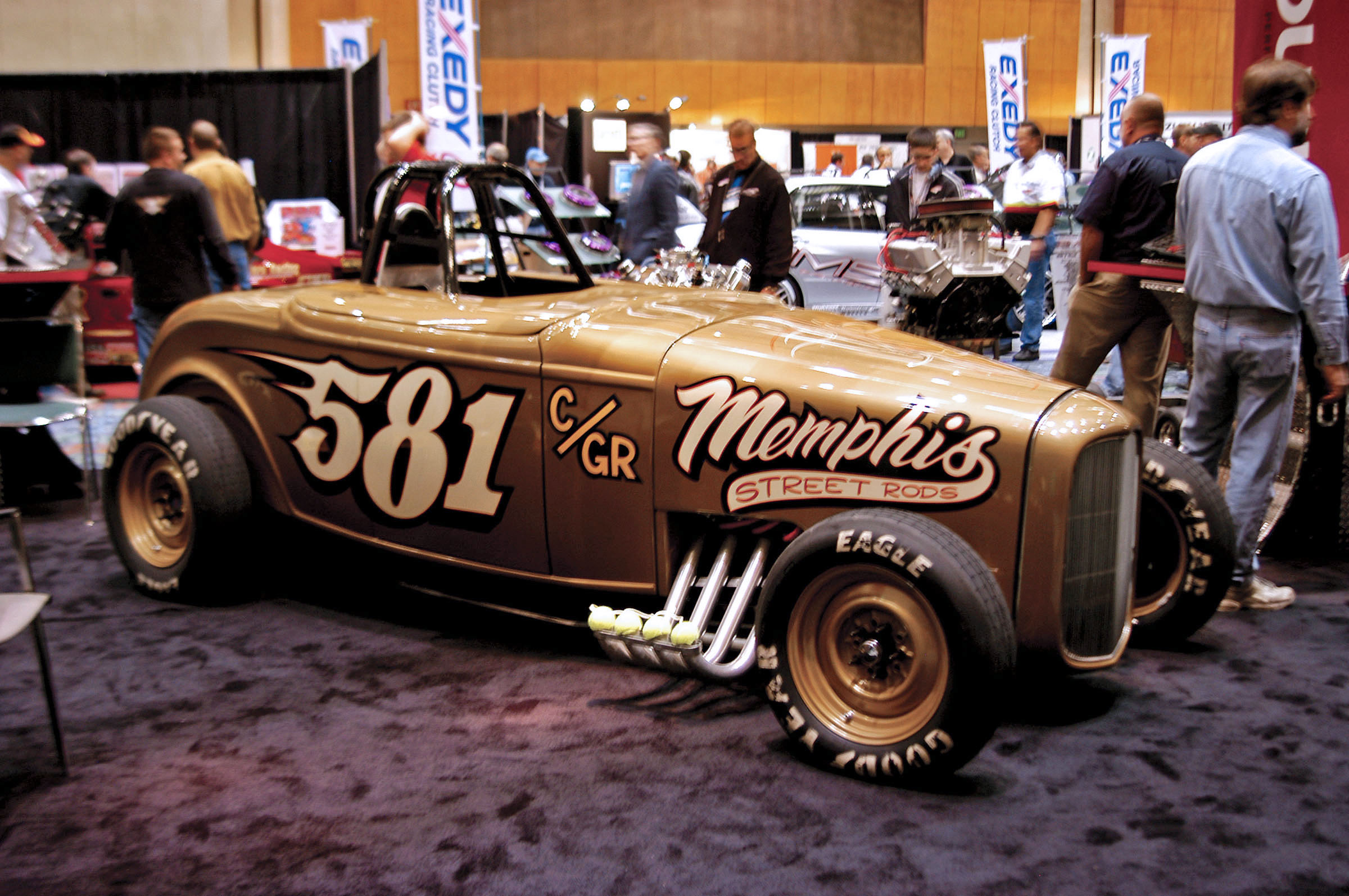
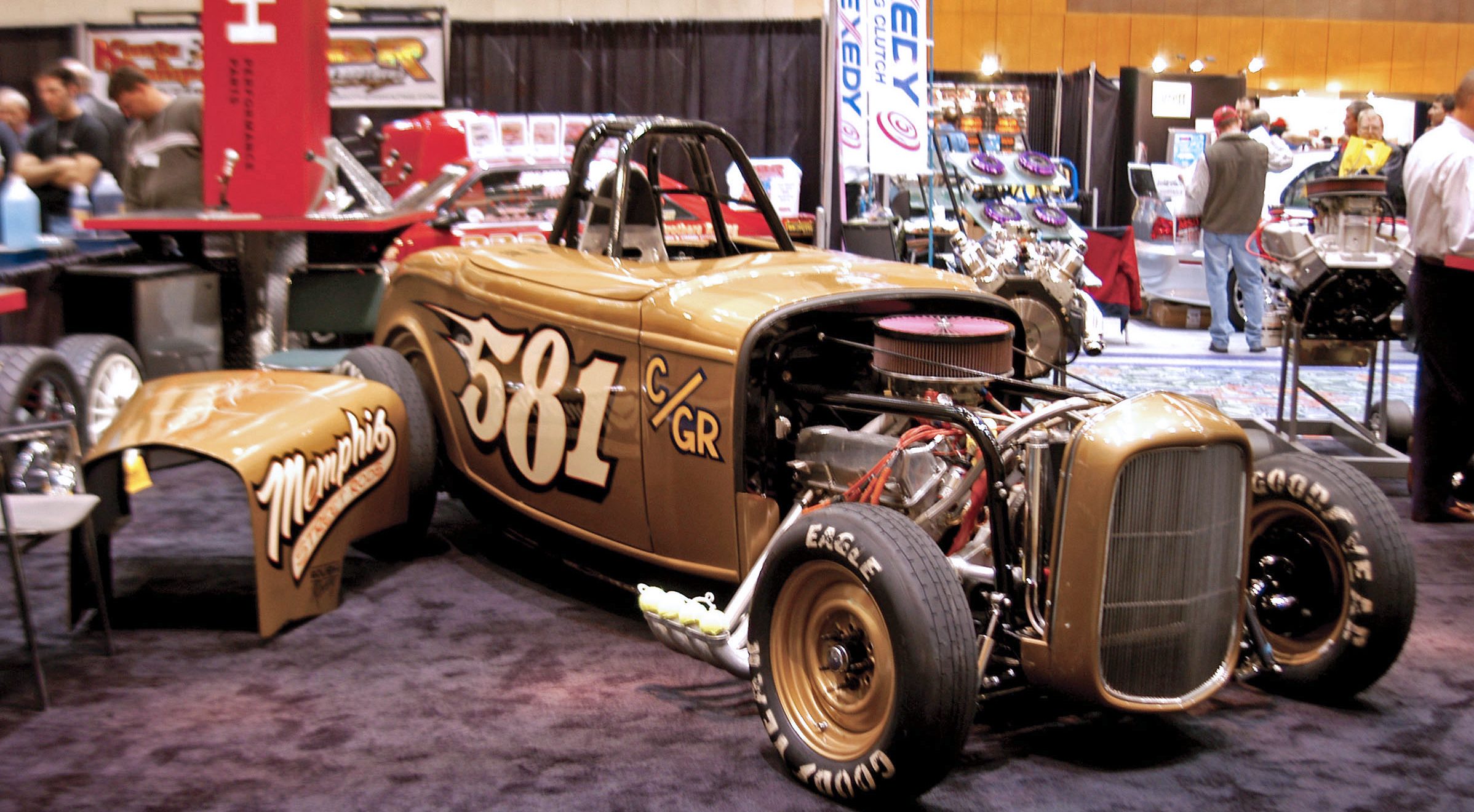
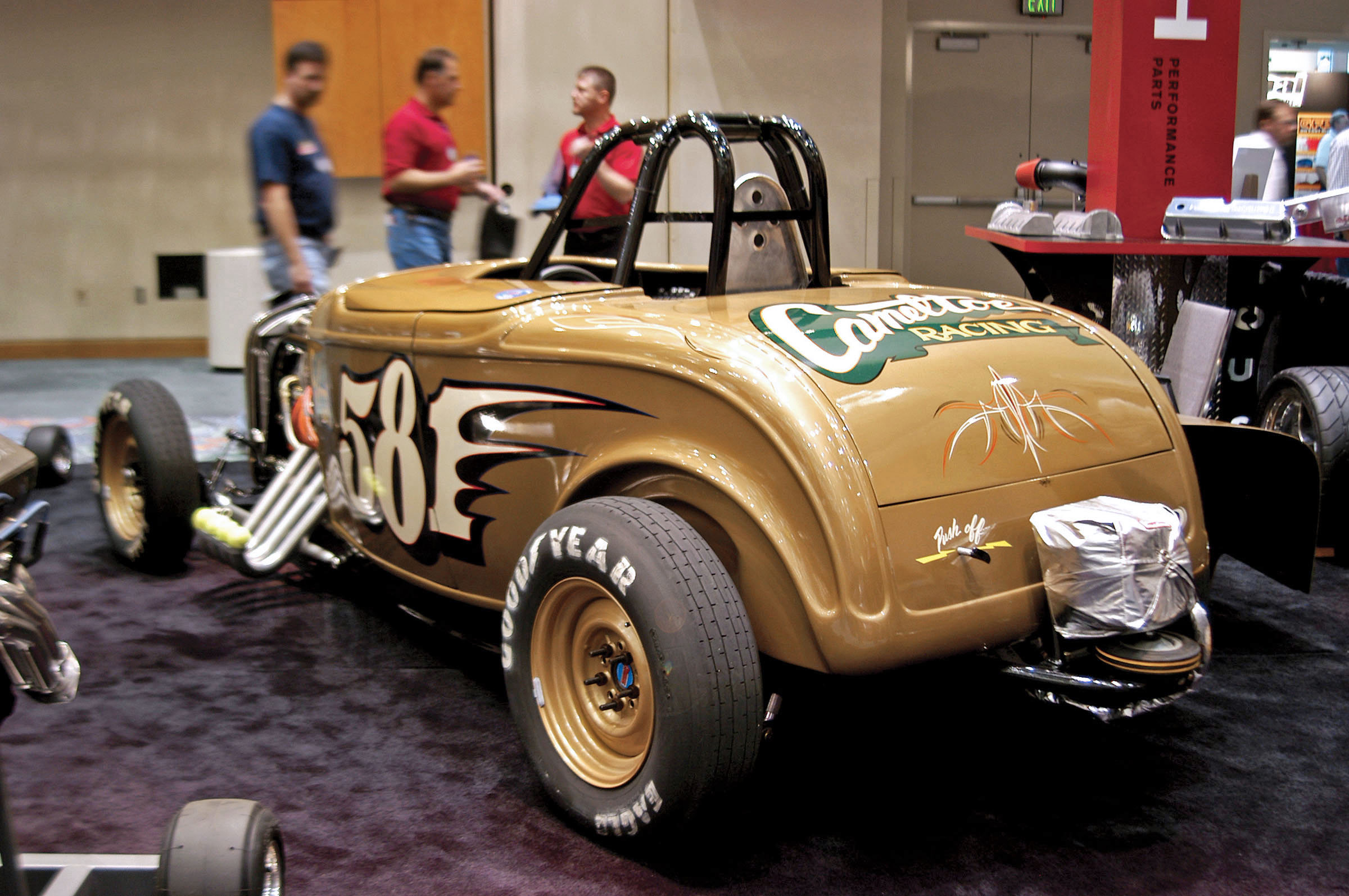
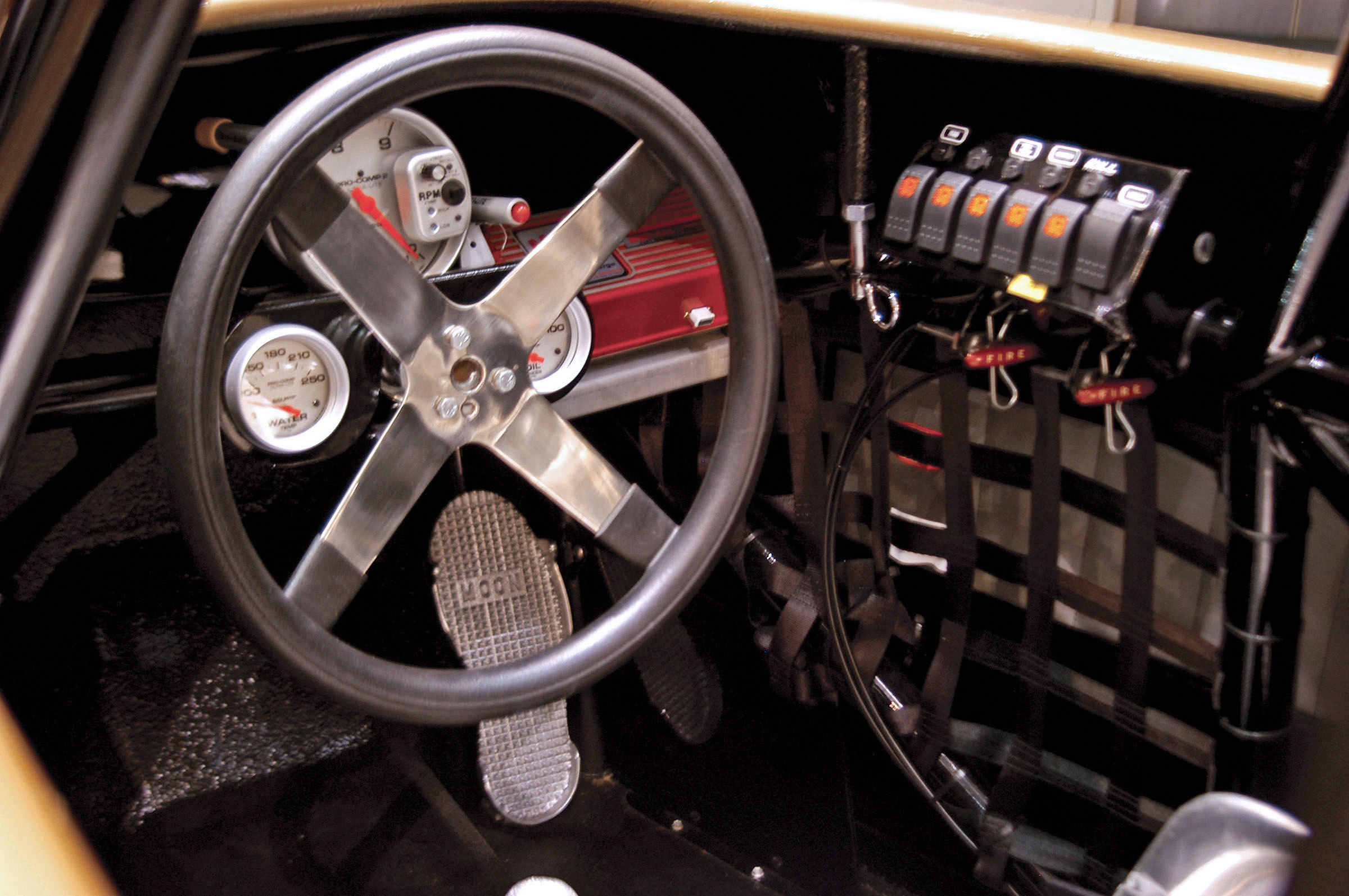
Wathen knows his stuff when it comes to building a car to run on the salt. Making a car go fast is easy, but building it so it will be safe and stable at high speeds is another. Wathen has experience at doing both. Poteet chose to run a 1932 Ford roadster in the C gas category. The car had to be of stock dimensions and proportions from the firewall back. He was allowed to move the driver’s seat to the center of the car for added stability.
“You’ve Never Seen My Butt Before”
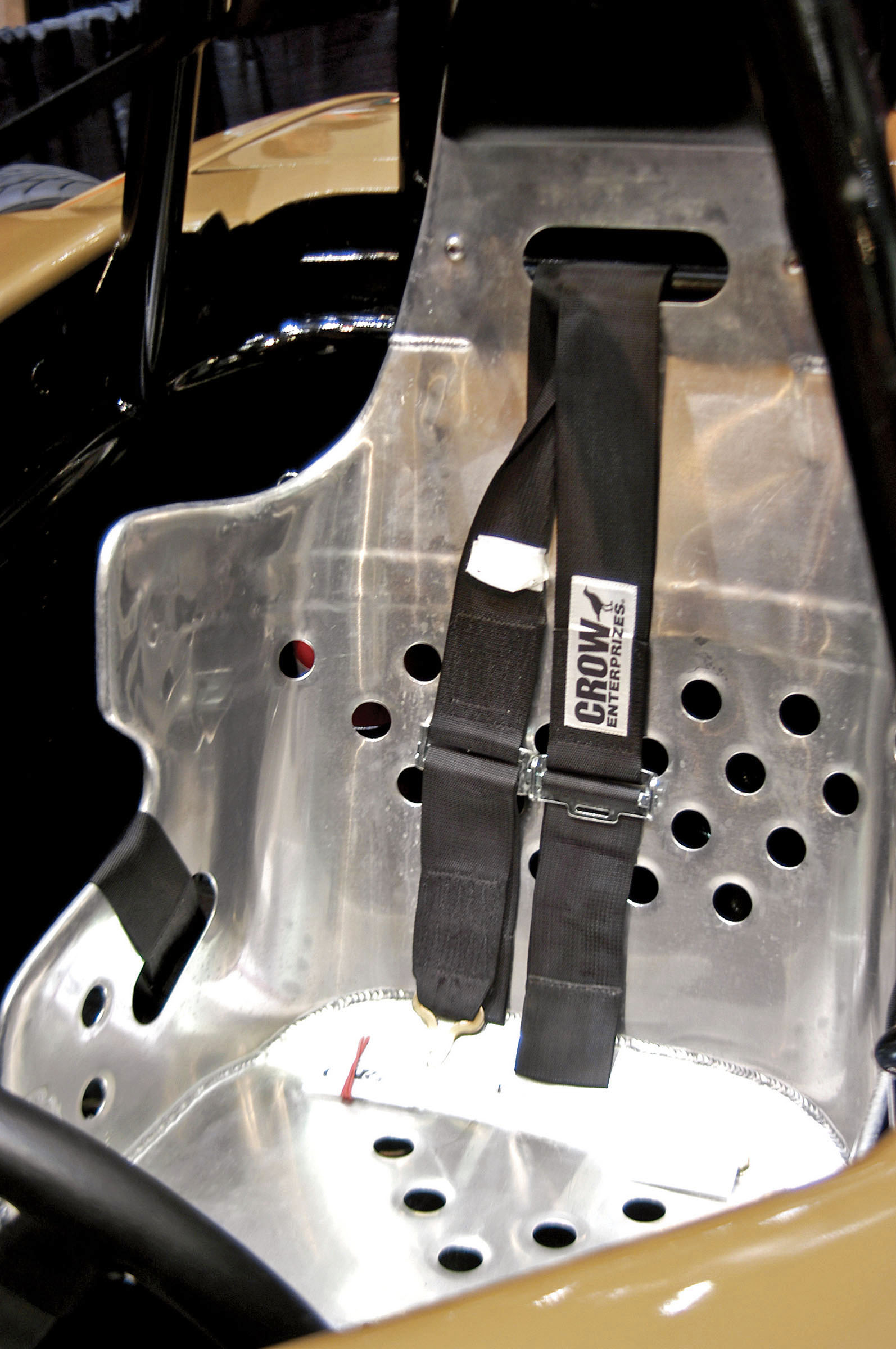
Speaking of the seat, the company building the aluminum racing seat called Poteet to question the dimensions he had requested. It seems it had never built a seat “this wide before.” Poteet replied, “You’ve never seen my butt before! The measurements are right—build me two.”
Engineering the Chassis
Wathen built the chassis and mounted the glass body. The rules allowed him to make some modifications to the front canopy area. Knowing the speeds that would be attained, he shortened the grille shell and then dropped the front of the hood to match. This little trick gives the car more down force, which keeps the front of the car on the ground.
Roush Power on the Salt
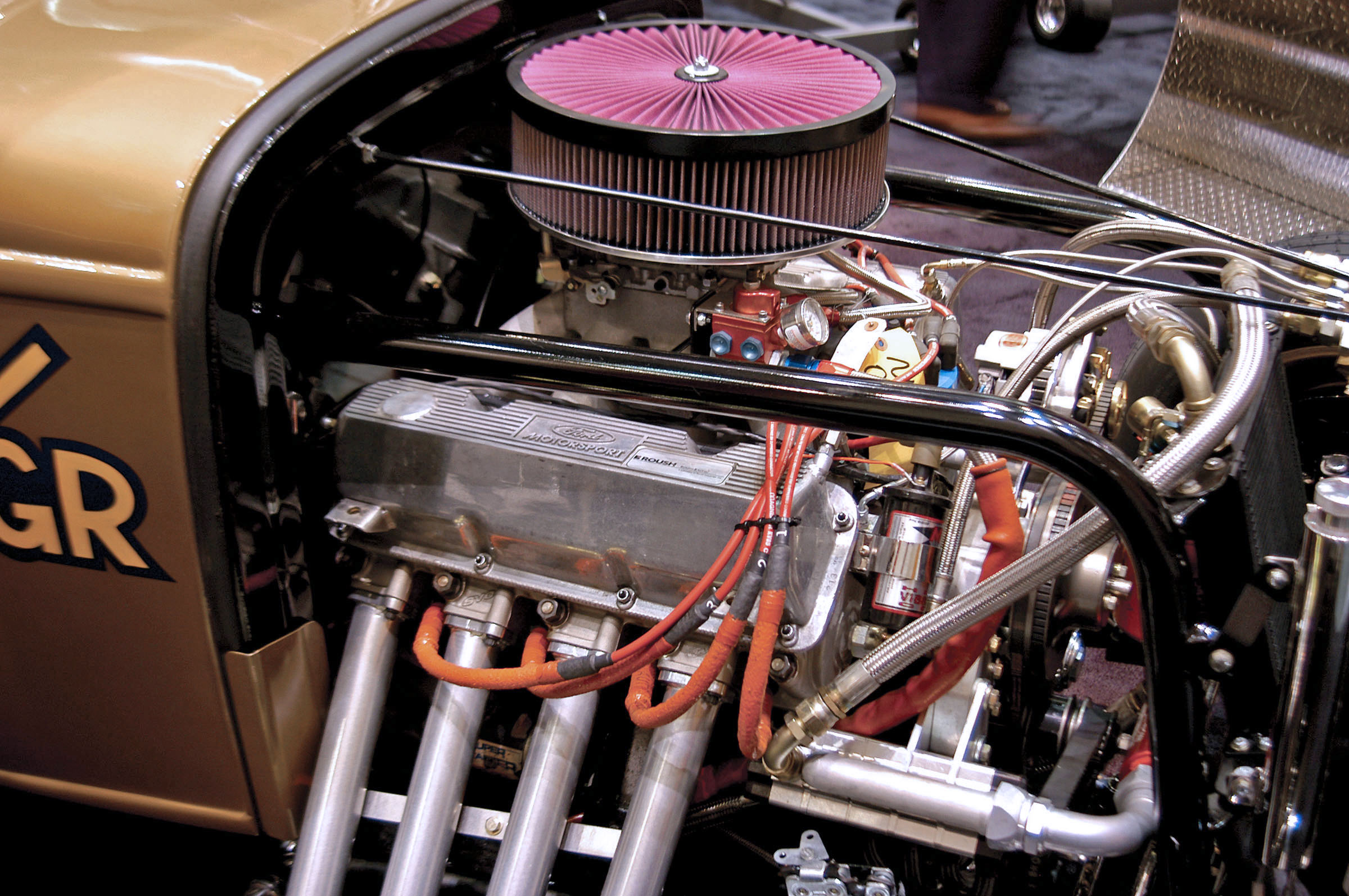
Poteet contacted Roush Racing about acquiring a reliable Ford engine to power the roadster. When he explained his needs, the guys at Roush said they knew just what he needed. The result was a 358-cubic-inch engine that was exactly the same as they run in the NASCAR Cup Series. After Wathen dropped the engine into the car, Poteet transported it to the Roush engine shop in Lavonia, Michigan, for a final tune up. The car went straight to Bonneville from there.
Old-School Lettering
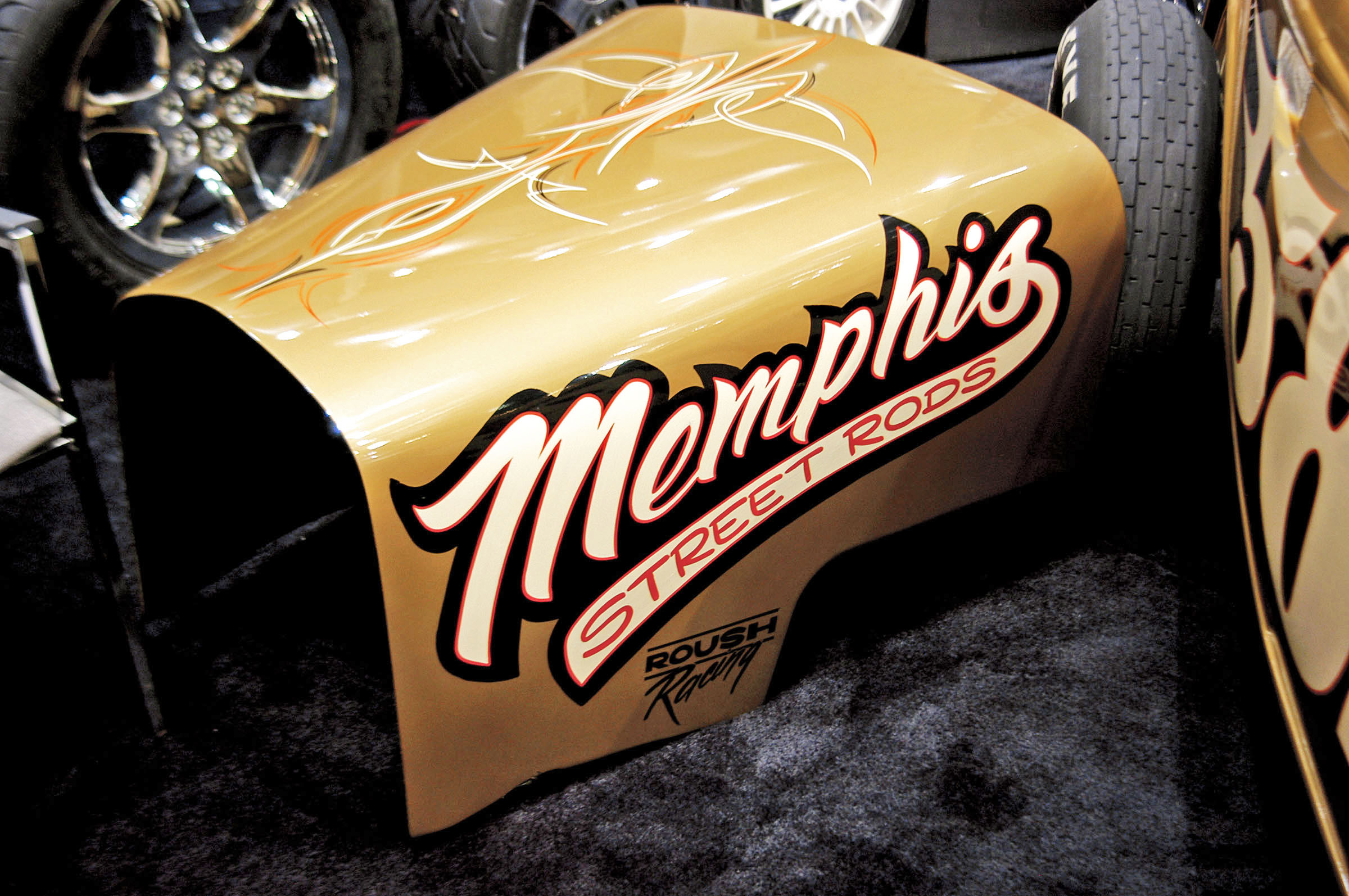
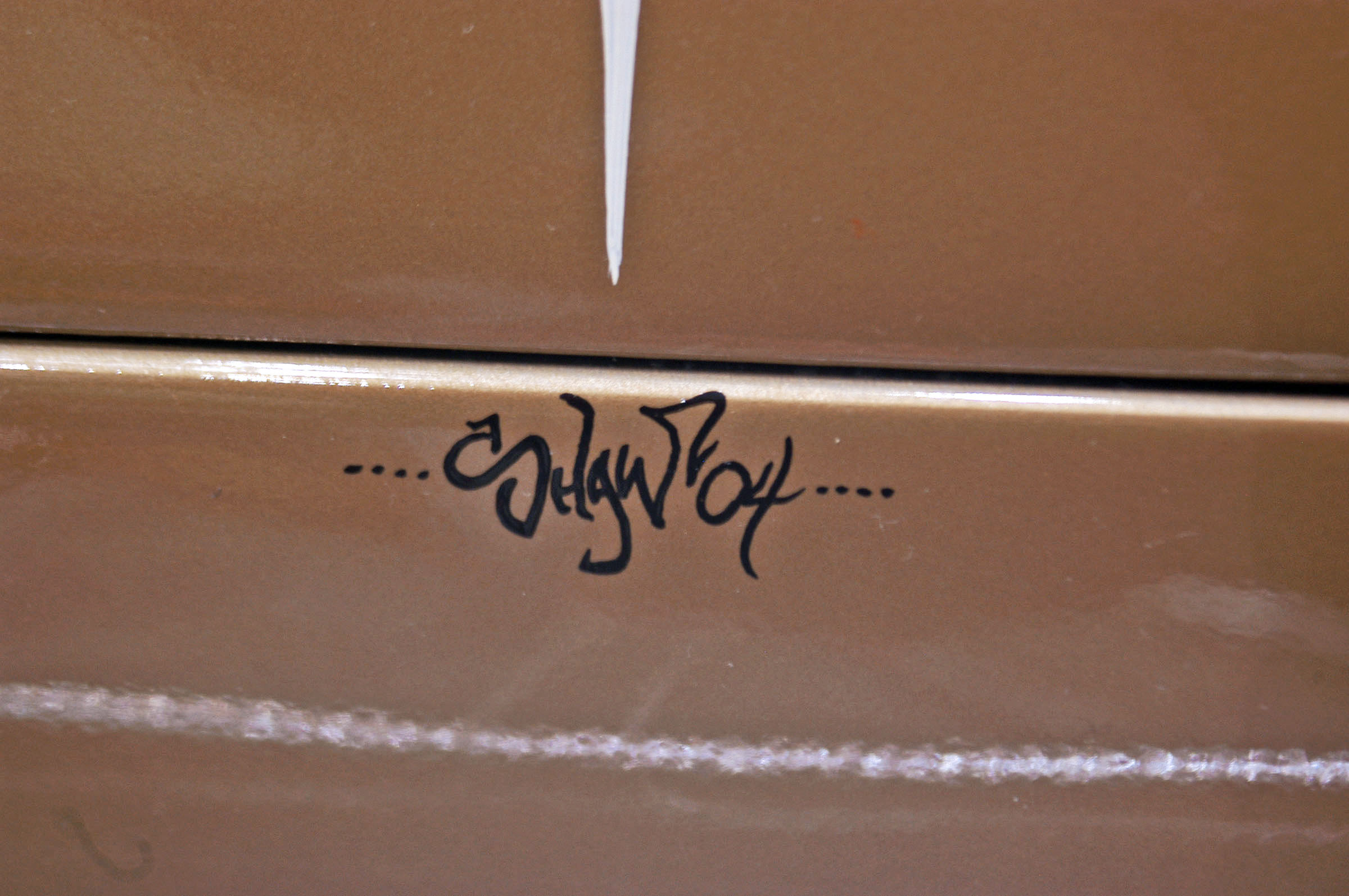
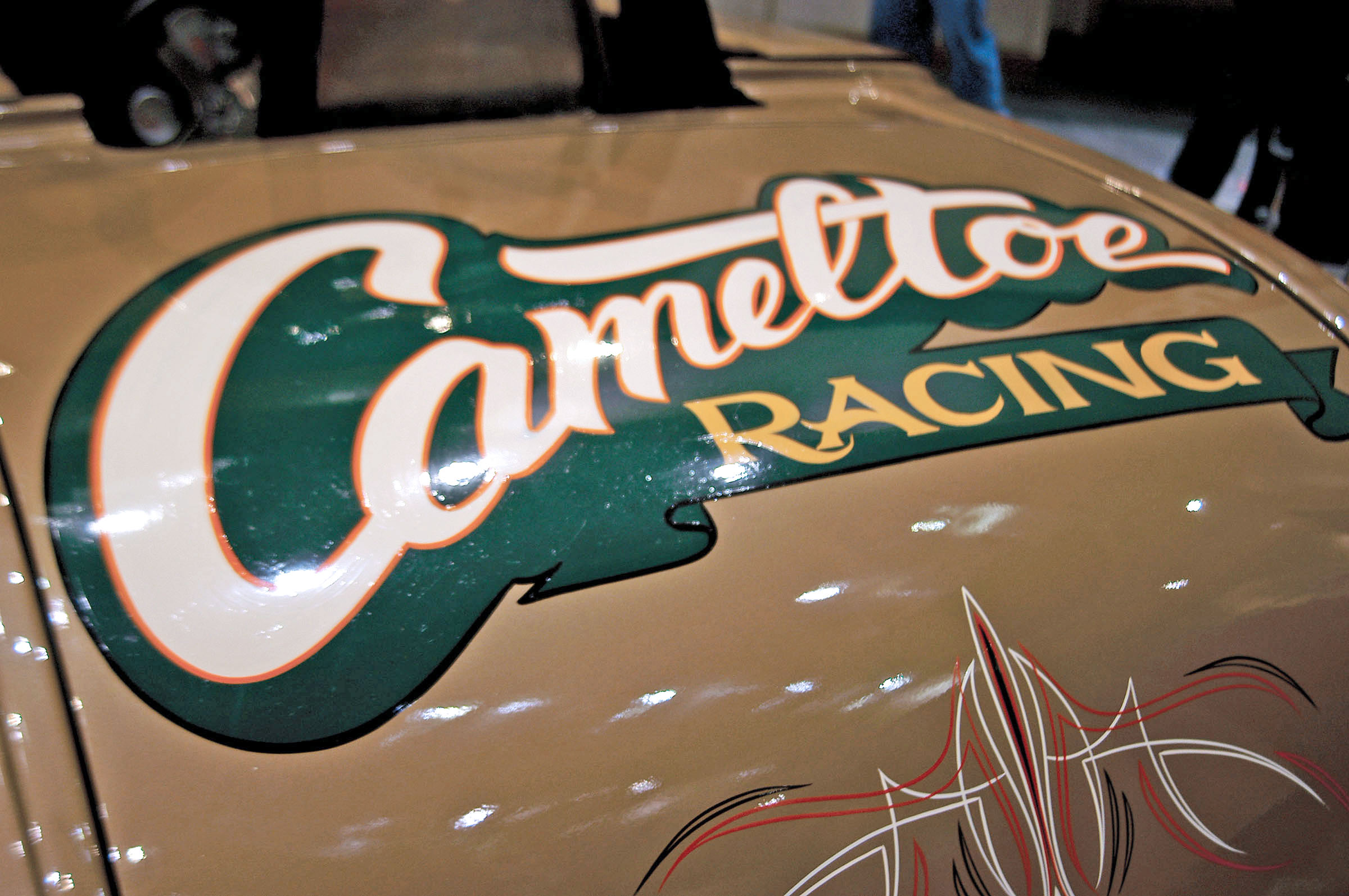
Poteet had expert stripper Josh Shaw hand-letter the graphics over the gold paint. In the finest old-school tradition, Shaw applied signage that included the car number, the class designation, the Camel Toe Racing Team logo and Poteet’s home club, Memphis Street Rods. In this day and age of computer graphics, Shaw’s work is a throwback to the good old days.
Two Deuces, Double the Fun
When the Camel Toe Team arrived at Bonneville, it also had a second car: a matching Deuce roadster powered by a Cadillac Northstar engine. Poteet piloted the all-Ford roadster while members of the team took turns in the second car. Poteet had some transmission problems and could not get the car above second gear on any of his runs. Even with these nagging problems, though, he managed a top speed of 208 mph! One can only wonder how fast it would be with a healthy tranny. The second car ran a top speed of 185 mph.
Pride on Display
We came across Poteet and his Bonneville roadster at the PRI Show in Indianapolis. It was proudly displayed in the Roush Racing booth. As we discussed the car and trip with Poteet and crewmember Danny Burrow, the excitement they felt the past summer all came back. Both said it was one of the biggest thrills of their lives. Now Poteet is a pretty pleasant guy, but we did notice his smile was a little bigger and his animation was more pronounced when he told us the story of his adventure.
Looking Ahead
The transmission woes have since been corrected, and the team has also adjusted some weight in the car. The Camel Toe Team is anticipating a return trip this summer. The record for the class is within grasp, but the opportunity to participate in one of the oldest traditions in hot rodding is the real goal. It is a time-honored tradition that very few have ever experienced. We were so impressed with the car, the look and the story that we just had to share it with you here.