Early Life and Mechanical Fascination
Having grown up on his dad’s farm in Springfield, Missouri, Nicholson knew about hard work, plowing the fields behind a pair of mules before finally stepping up to a 2hp tractor, which at the time was a much-welcomed opportunity. As it turned out, this technological transition provided Nicholson the opportunity to learn about and fall in love with engines.
Moving to Southern California and Early Racing Success
It wasn’t long before the Nicholson family moved to Southern California, where Nicholson finished his education, followed by a two-year stint in the Navy, and this also expanded Nicholson’s mechanical understanding. Upon his return to civilian life, he opened a body and paint shop with his brother Harold, which soon grew to include one of the nation’s first speed shops. By 1947, the Nicholson brothers’ first racecar rolled out from their doors, and within a short time, records were set in both Coupe and Sedan classes at the first Rosette Timing Association meet at the El Mirage dry lakes.
Turning to Drag Racing Full Time
After winning those hard-earned titles two years running, Nicholson moved on to new endeavors in 1949, including marriage. He also tried applying his capabilities to circle-track racing by running a modified sprint car, and while he enjoyed his share of success, it was soon painfully obvious this would not pay the bills. Prize money fell short of the expenses incurred traveling to events and building competitive cars, so another alternative had to be considered.
Nicholson’s Speed Shop and the Birth of “Dyno Don”
In 1952, Nicholson Bros. Speed Shop was opened in Arcadia, California, and while it showed initial promise, this too proved to be a tough living. As it turned out, Nicholson’s next move would change his life and even provide him with a nickname that would define the man and excite generations of racing enthusiasts in the years to come. To explore the capabilities of engine tuning and design, he purchased a dynamometer and opened a tune-up shop, which was successful right from the start.
Rising Through the Ranks: Chevy Biscayne to Mercury Comet
“Dyno” Don Nicholson was now on his path, and by 1961 he built and drove his own ’61 Chevy Biscayne, powered by a 409 Chevy that pushed him into the 12s at the ’61 AHRA Winternationals. Within two years Nicholson severed his relationship with Chevrolet, and soon Nicholson teamed up with the Lincoln-Mercury division of Ford, driving one of the company’s ’64 Mercury Comets.
Innovating the A/FX Class and Early Funny Cars
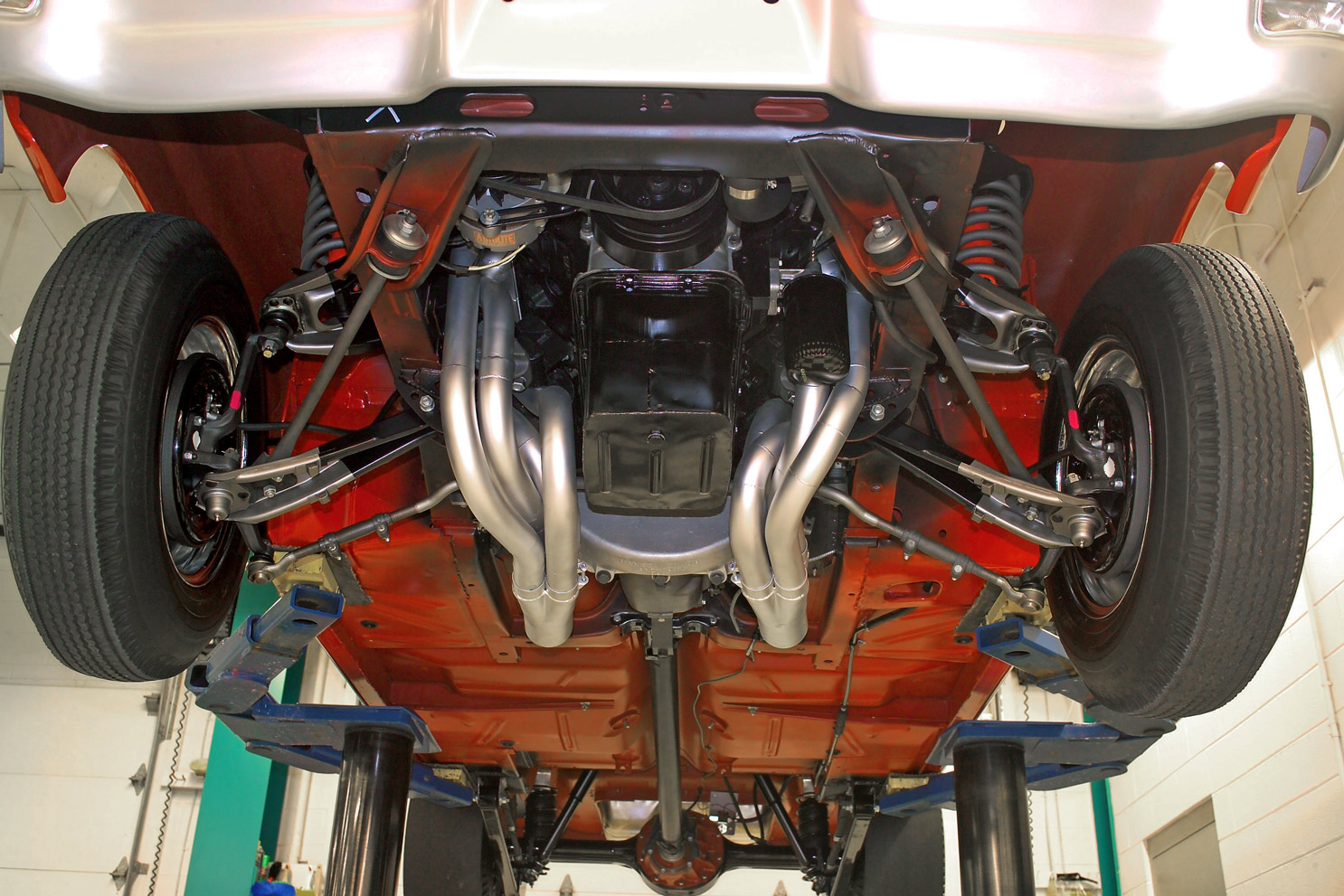
Meanwhile, Nicholson was busy fitting and testing Ford’s new FE-series medium-riser V-8s into the Comet. Nicholson soon added fiberglass noses and other special components to further reduce the weight of these already light cars. These new members to the Mercury drag team were distinguished as “A/Factory Experimental” cars, and Nicholson quickly established his reputation for thoroughness.
The Mighty SOHC 427 and Nicholson’s Drag Dominance
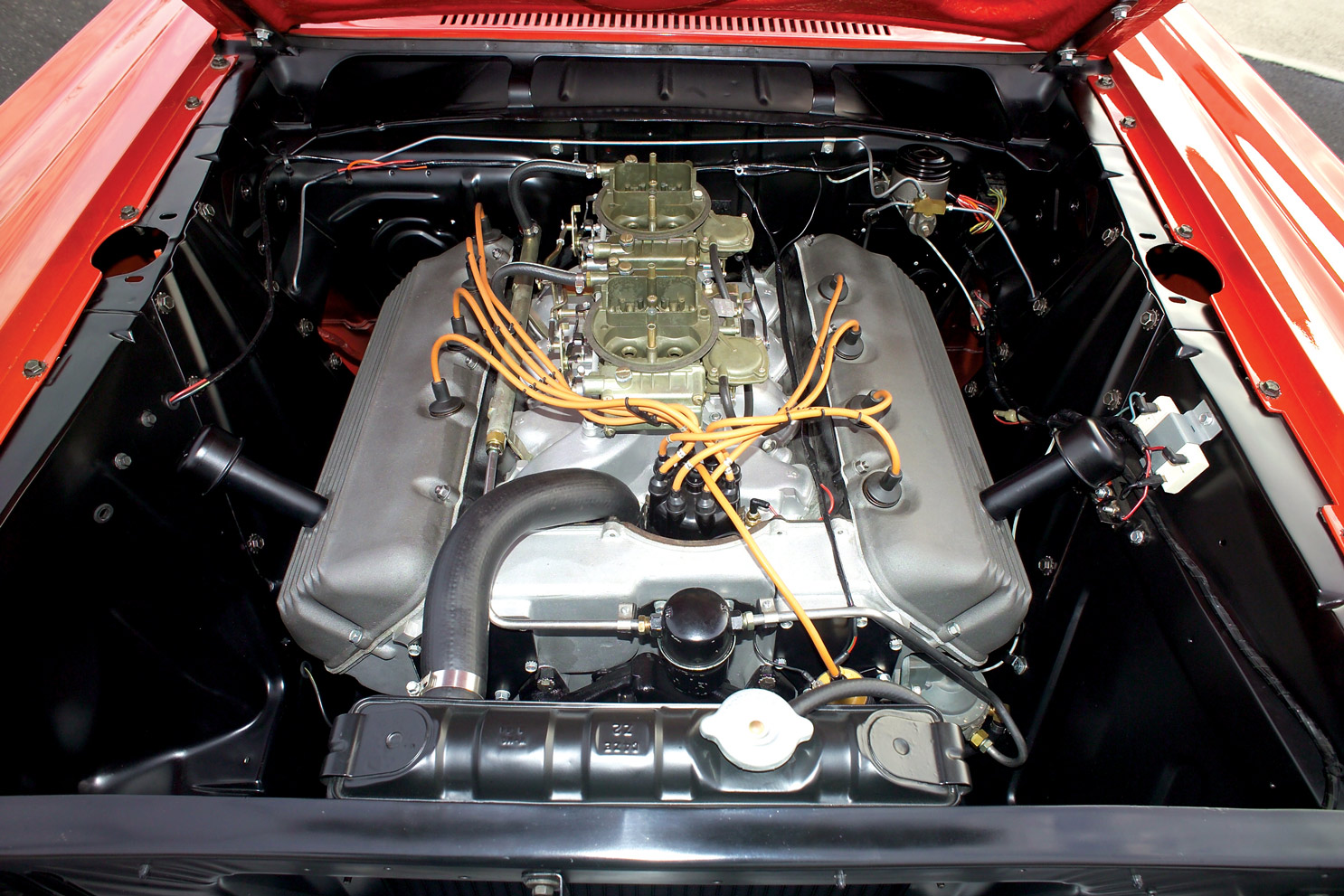
Nicholson’s success didn’t go unnoticed, and by 1965, Nicholson benefited from one of Ford’s most advanced engine developments of the day, the single-overhead-cam version (SOHC) of the 427 Ford engine. Fitted in his new Comet, this engine proved to be the undoing of many of the top competitors, although the engines were only part of the equation.
Transforming the Comet into a True Drag Racing Icon
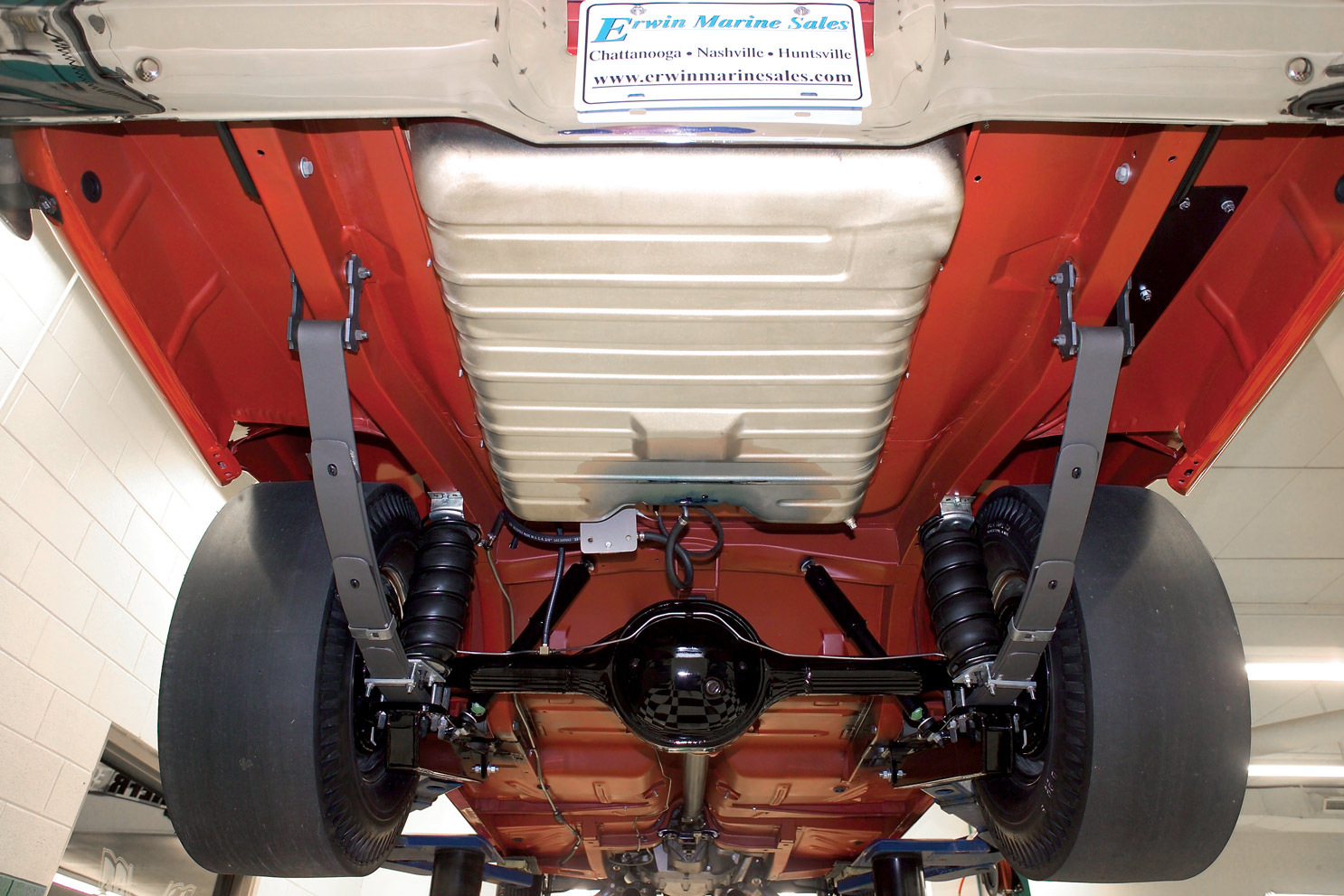
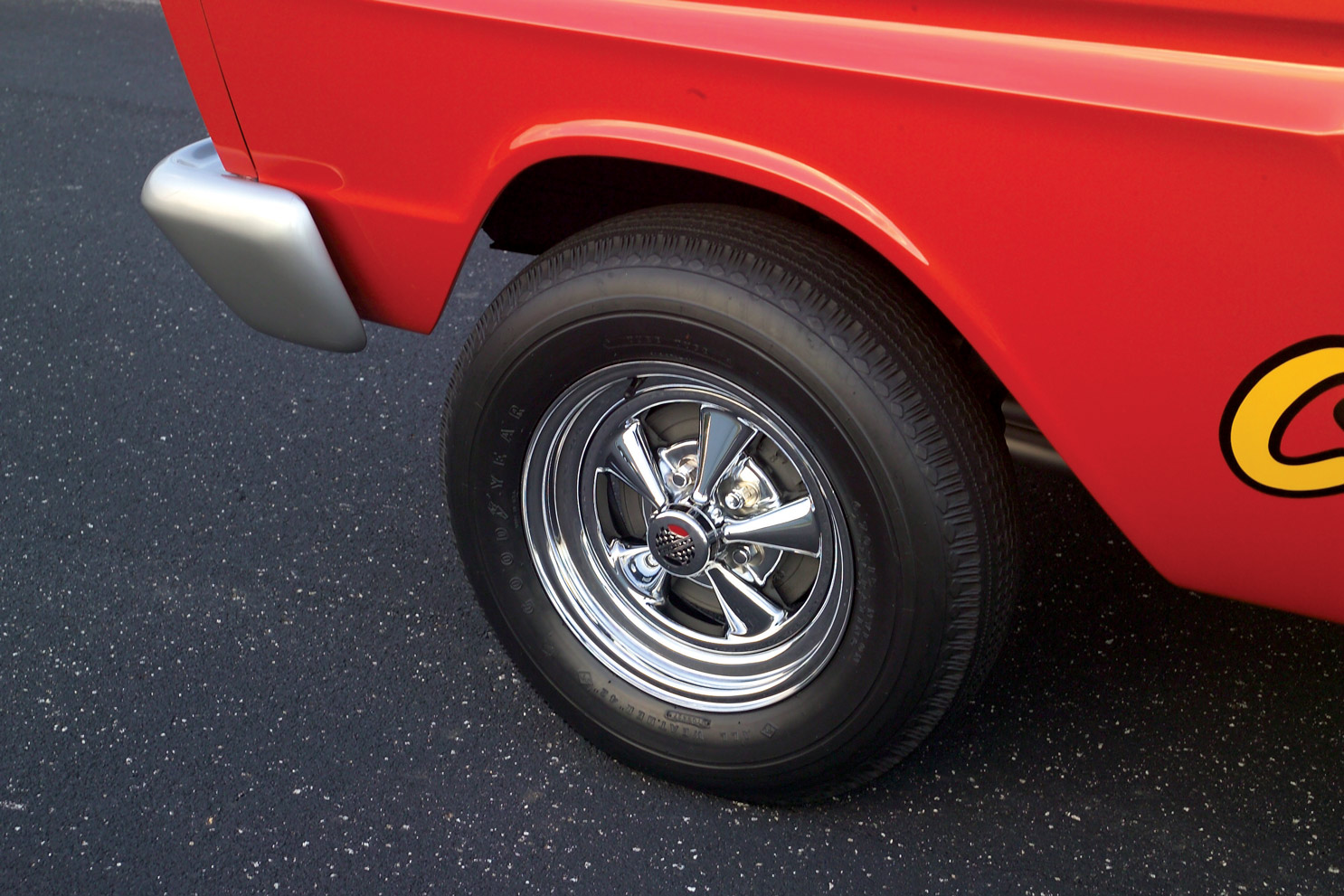
In Nicholson’s case, changes came quickly, as was the case with his ’65 Comet. Within days, many of the features seen on this car were modified, and the process continued throughout the season. Modifications were made to the nose, wheels, and more, all in pursuit of speed.
The Preservation of Nicholson’s Historic Mercury Comet
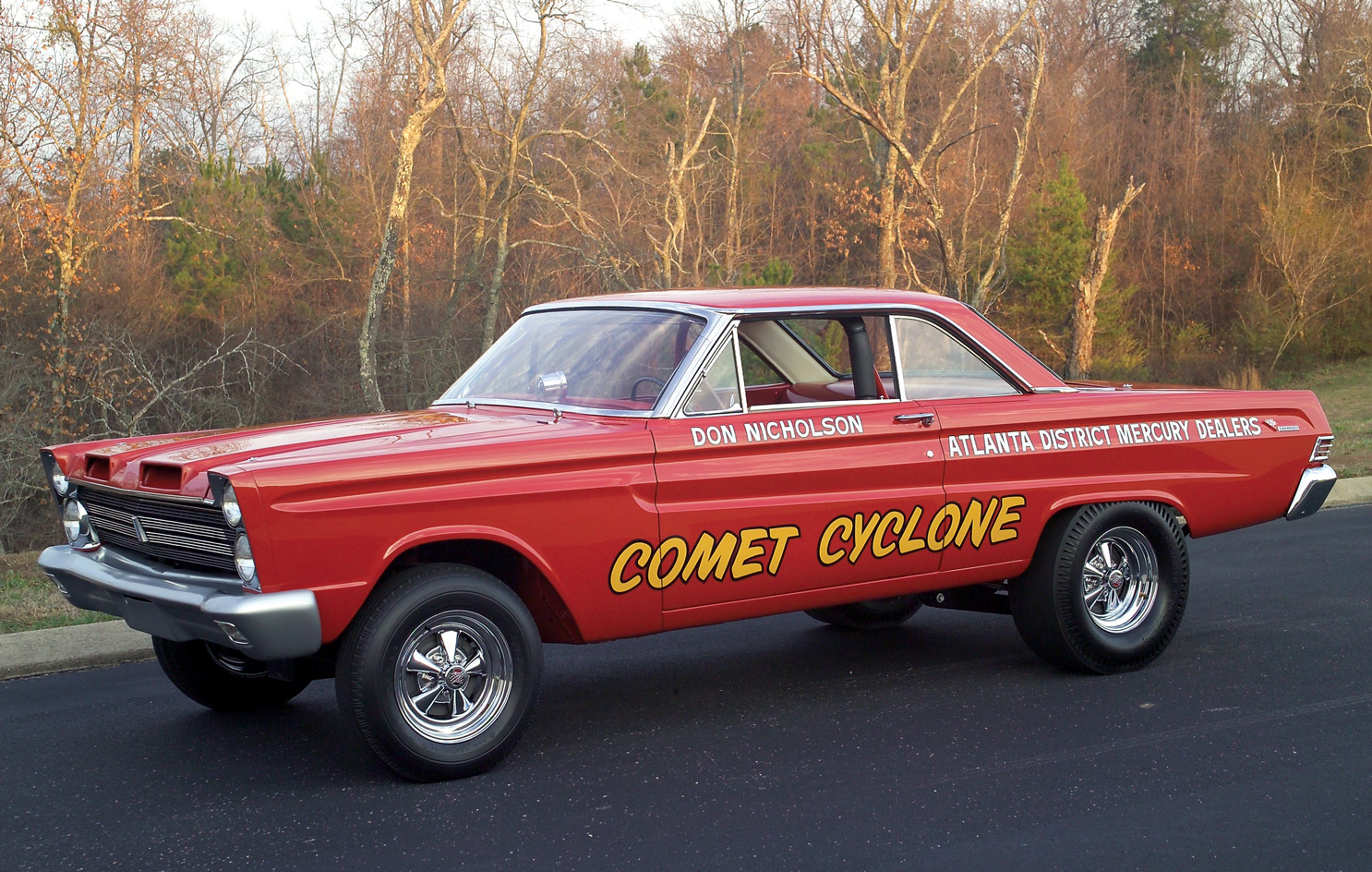
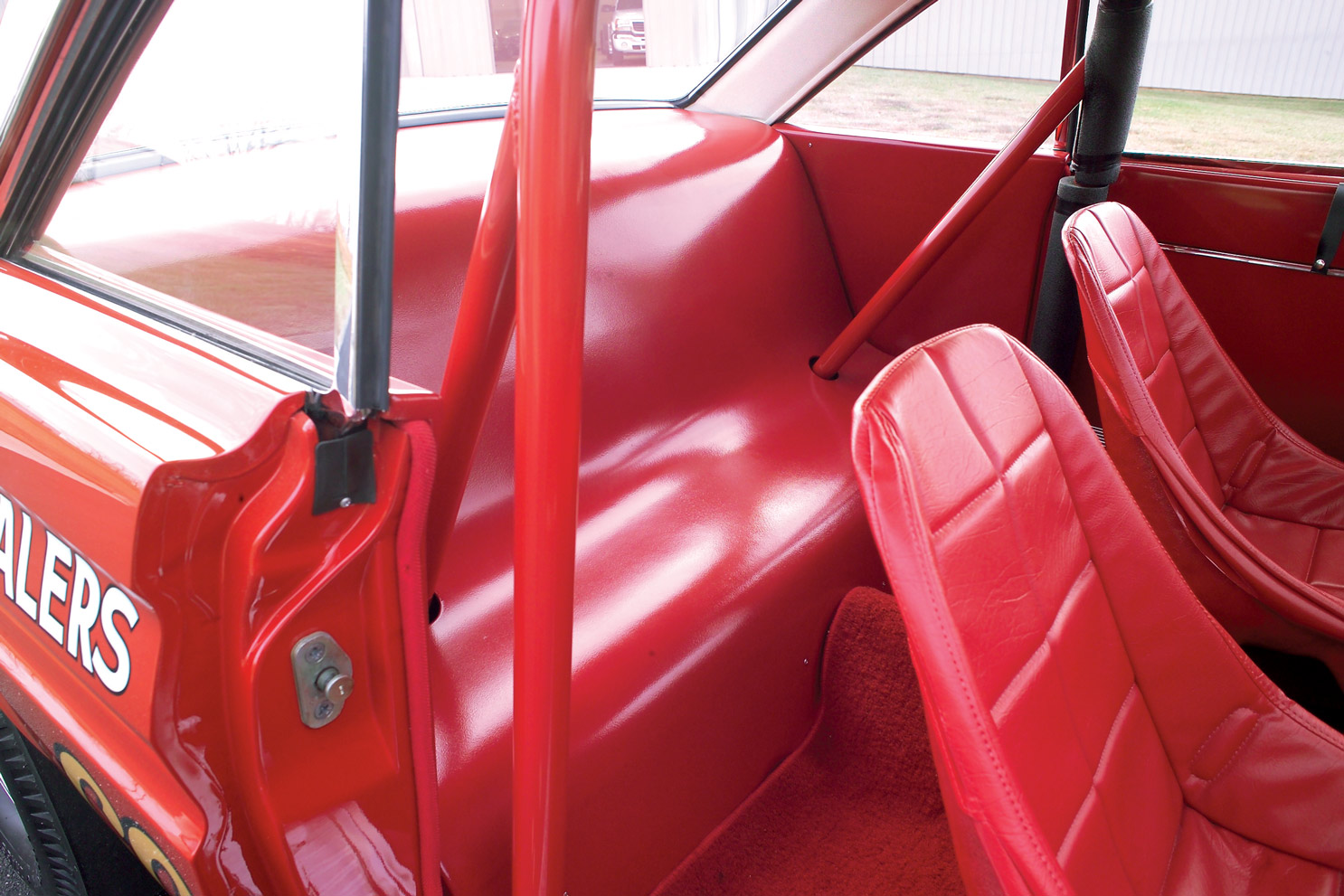
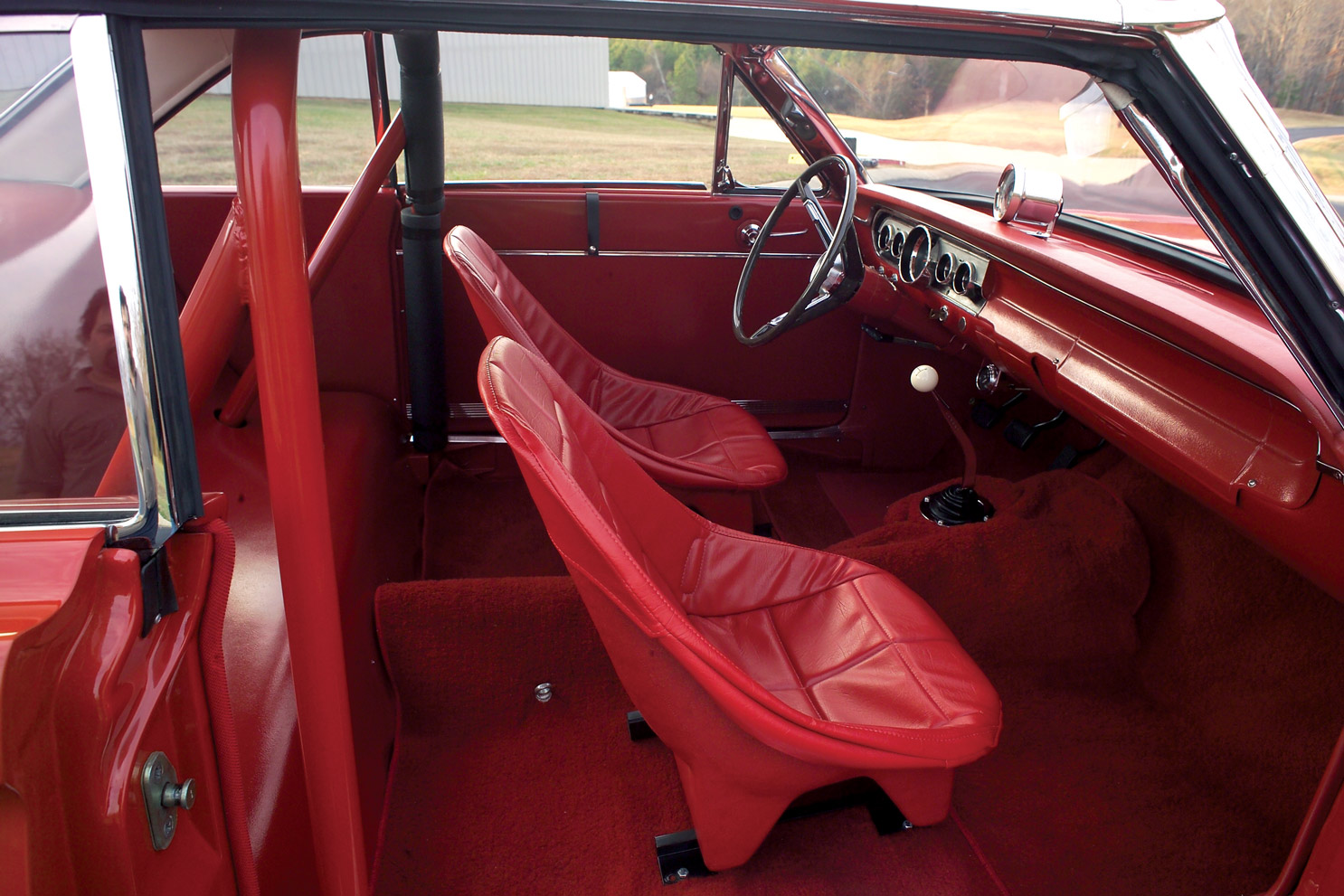
Barely recognizable except for a few distinguishing features, Nicholson’s ’65 Mercury Comet A/FX car was discovered by Dick Bridges and restored to its former glory by Kevin Westmorland and Mickey Hale. Some time later, automotive historian Kayo Erwin added the car to his impressive collection of rare muscle cars and racing machines.
Legacy of “Dyno” Don Nicholson and His Mercury Comet
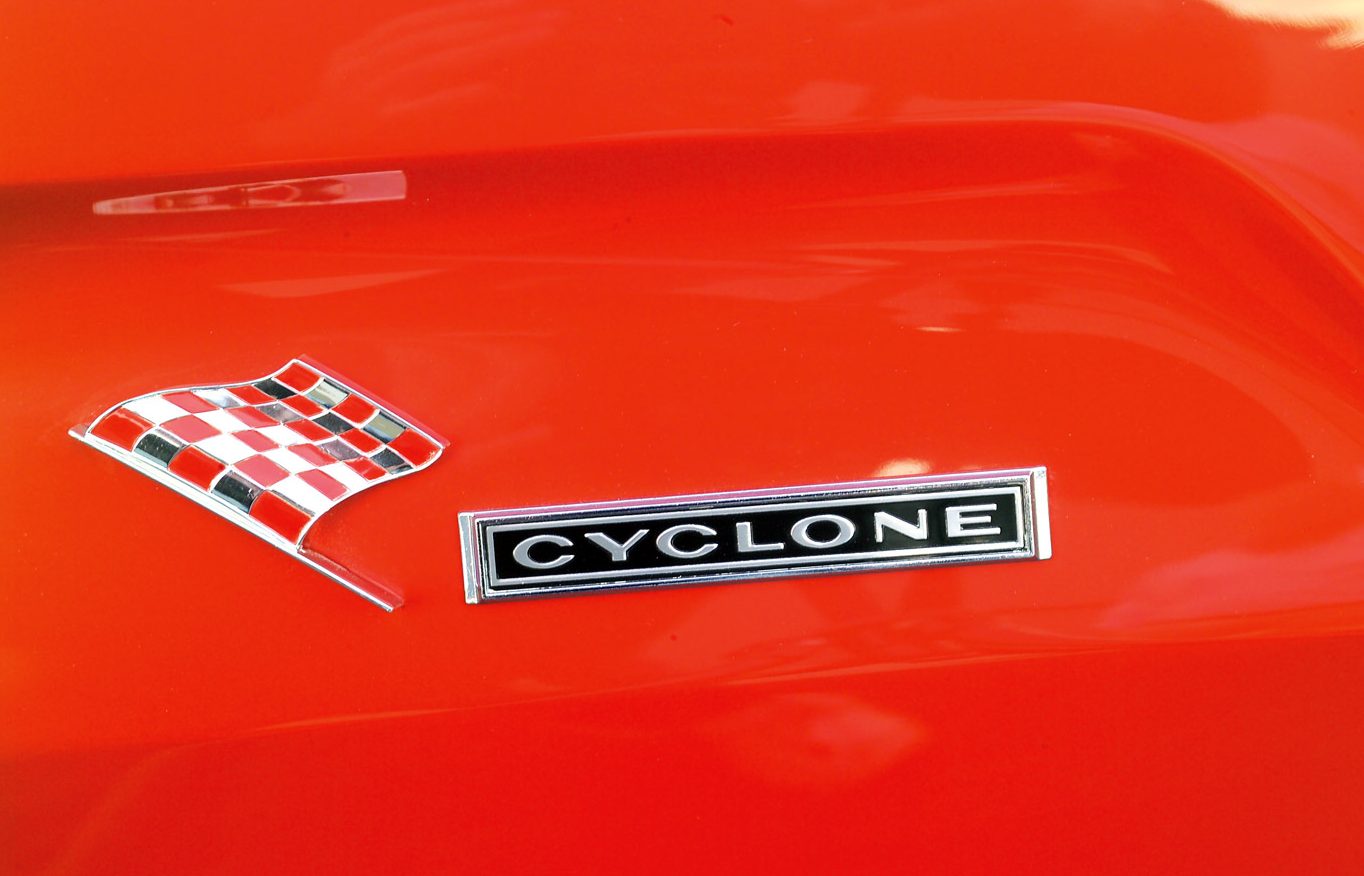
Among the many cars that have altered history, “Dyno” Don Nicholson’s A/FX Comet is certainly one of the most prominent. While he left this world on January 24, 2007, “Dyno” Don Nicholson’s legendary exploits live on through the record books, the few remaining cars he built and raced, and people like Erwin who preserve his spirit by keeping this groundbreaking Comet alive.