








Hot Rods

Every creative endeavor, from fine art to mechanical invention, requires some type of high-wire act—a unique and delicate balance between vision, creativity and capability. When the cogs align, and the elusive look rises to the forefront, there’s no questioning the purity of its origin.

We’d all love to drive the latest, hottest historic vehicles, and those who can should rejoice that they are able to drive whatever currently spins up their tach. Regardless of brand, style or even condition, these vehicles are often extensions of us and are considered with the same regard as friends or family. Rather than overlooking them when troubles arise, every effort is made to ensure that these relationships last and grow through interaction and improvement.

On the subject of objectivity, determining what is best without being swayed by personal prejudices or emotions is a task not everyone responsible for making such decisions is capable of. An unbiased overview is a basic essential when weighing the artistic expression of any builder today, but then it always was supposed to be this way. What wins when is often based on opinions and feelings. For this reason alone, personal subjectivity leaves plenty of room for
interpretation and debate.

The first time Dodge General Manager Bob McCurry saw drawings of the proposed mid-1969 Dodge Charger Daytona, he thought it looked awful. Legend has it that he then asked the engineers: “Will it win races?” After they said it would, the Dodge boss replied: “Well, dammit, go ahead and build it!”

Craig Hammon is the type of guy who can cherish the best of the old times, while also being able to appreciate the benefits of these new times. This versatility is apparent when one learns not only of his choice of car, but how he came to own it. It seems that Hammon has always wanted a Plymouth ’Cuda. And while this is not an unusual thing in and of itself (we would love to have one, too), when it came time for him to really get serious about buying one, he looked to the Internet. More precisely, Hammon went looking for his dream car on eBay.

It’s often been said that beauty is in the eye of the beholder—and when you consider the total transformation of this ’51 Nash Rambler, this old saying proves to be true once again. After all, the starting point was anything but beautiful, and more to the point, some people remember these Nash wagons as downright ugly. But now the right mixture of elements has transformed this unusual and outstanding example, giving it an all-new character that’s easy to appreciate.
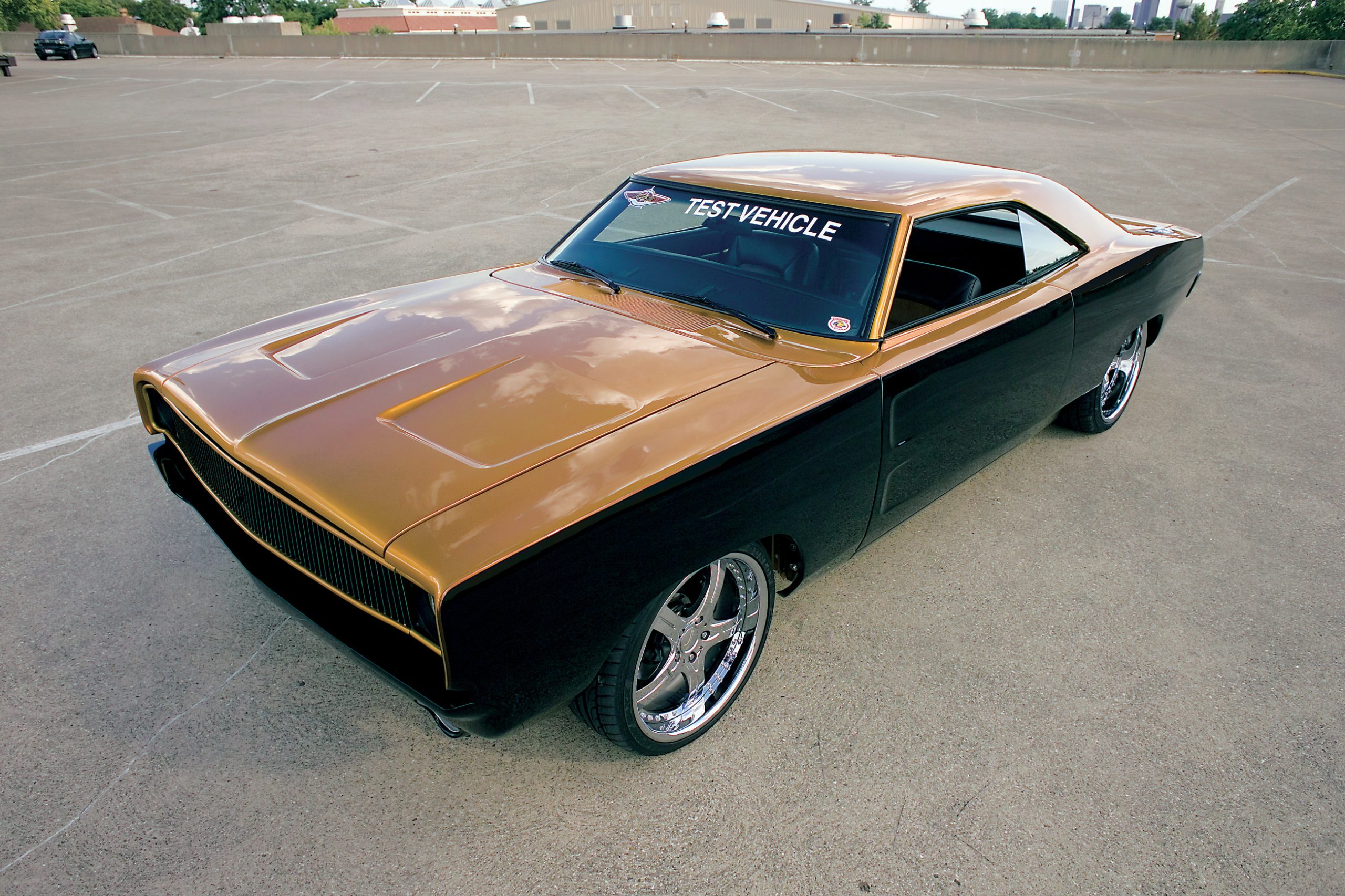
Picking out a car seems so simple, whether it’s at the dealership or sketching lines in the drawing room, or at least that’s the way it looks from the outside. It’s easy to have designs on what’s come before or some version of that, but coming up with something unique that is also appealing continually challenges the imagination of every creative force. Anything but simple, even describing this eclectic process can test the understanding of all but a few gifted visionaries.

George Poteet, a true icon in the world of hot rodding and land speed racing, has left us, but his legacy blazes on like a nitro-fueled firestorm. Poteet wasn’t just another car guy; he was “The Car Guy,” a legend who lived life a quarter-mile at a time and made history on the salt flats. Let’s dive into the life of a man who put the pedal to the metal and never looked back.

For most, street rodding is a celebration of creativity expressed in what they build and drive. Some enjoy it for the visceral pleasure that comes from screaming horsepower and boiling rubber, while others benefit more from the family environment this hobby provides.
0Comments
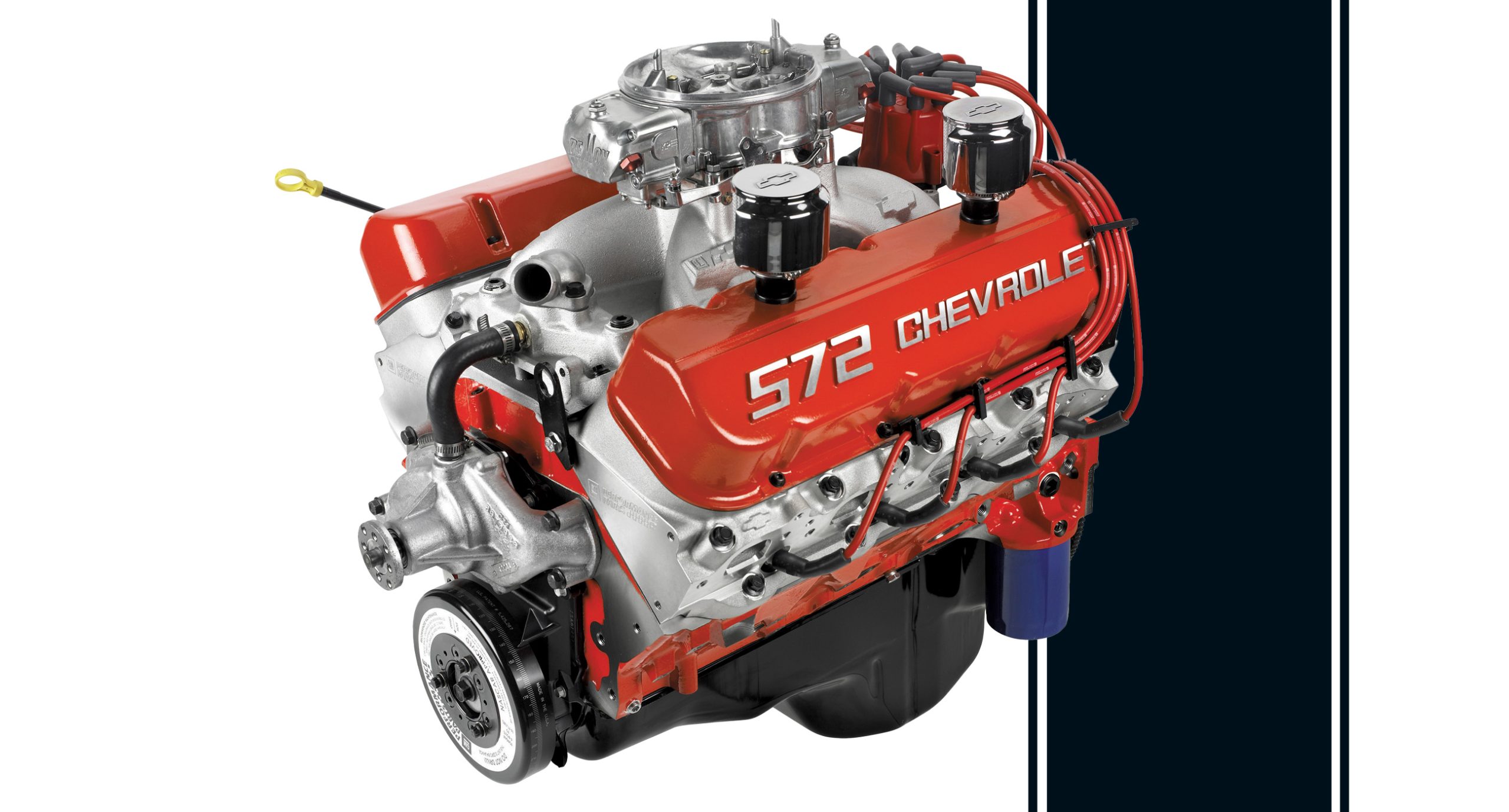
If you’ve ever imagined a time when you could simply pick up the phone or send an e-mail to General Motors and order the engine of your dreams, pull it out of a box delivered to your door and plug it into the car of your dreams, then stop dreaming as that time has come. While it’s not new information that GM Performance Parts provides an assortment of engines to choose from, it’s never been easier to select the one that is best for your budget and the intended purpose of your car.
