A Lifelong Passion for Hot Rods
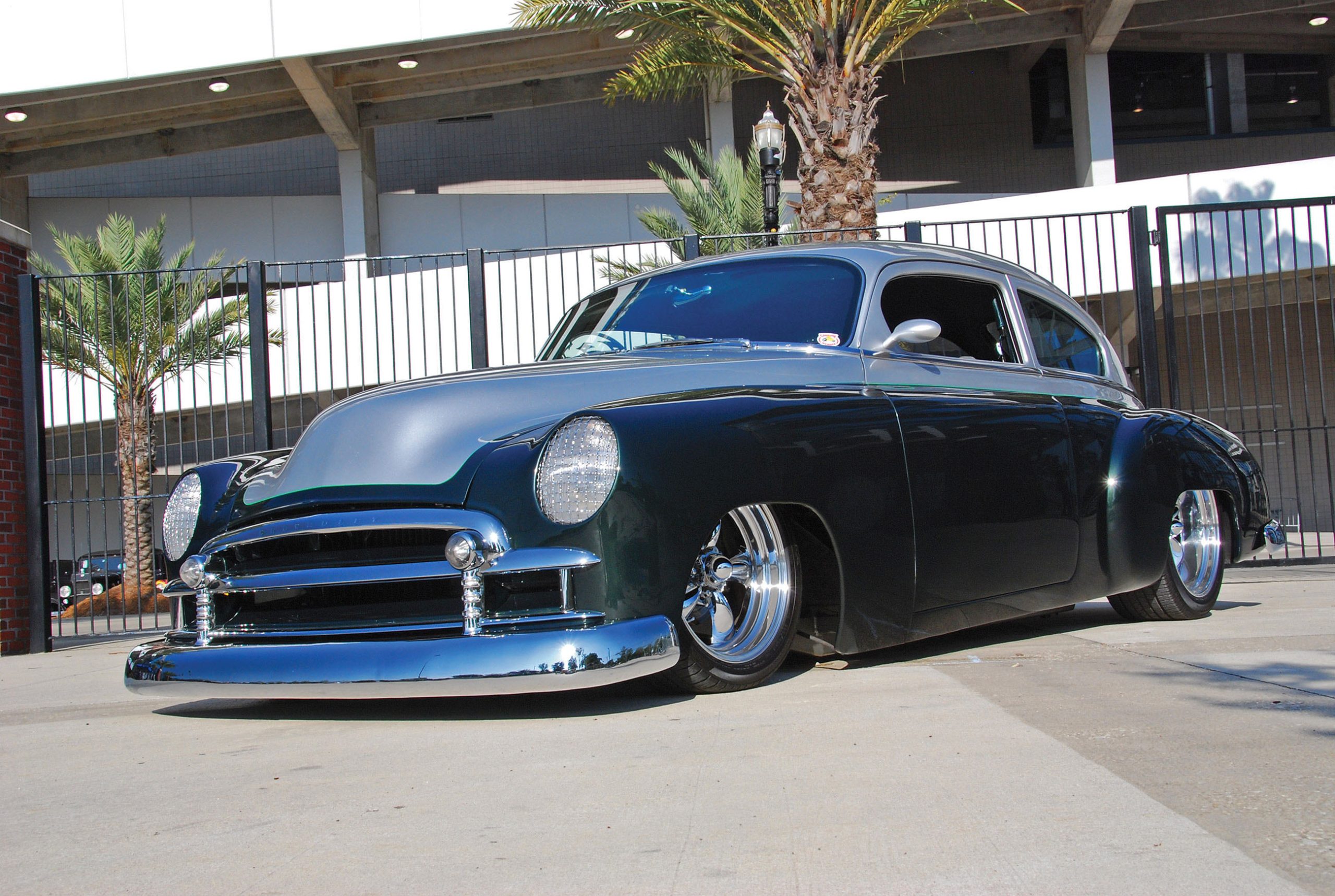
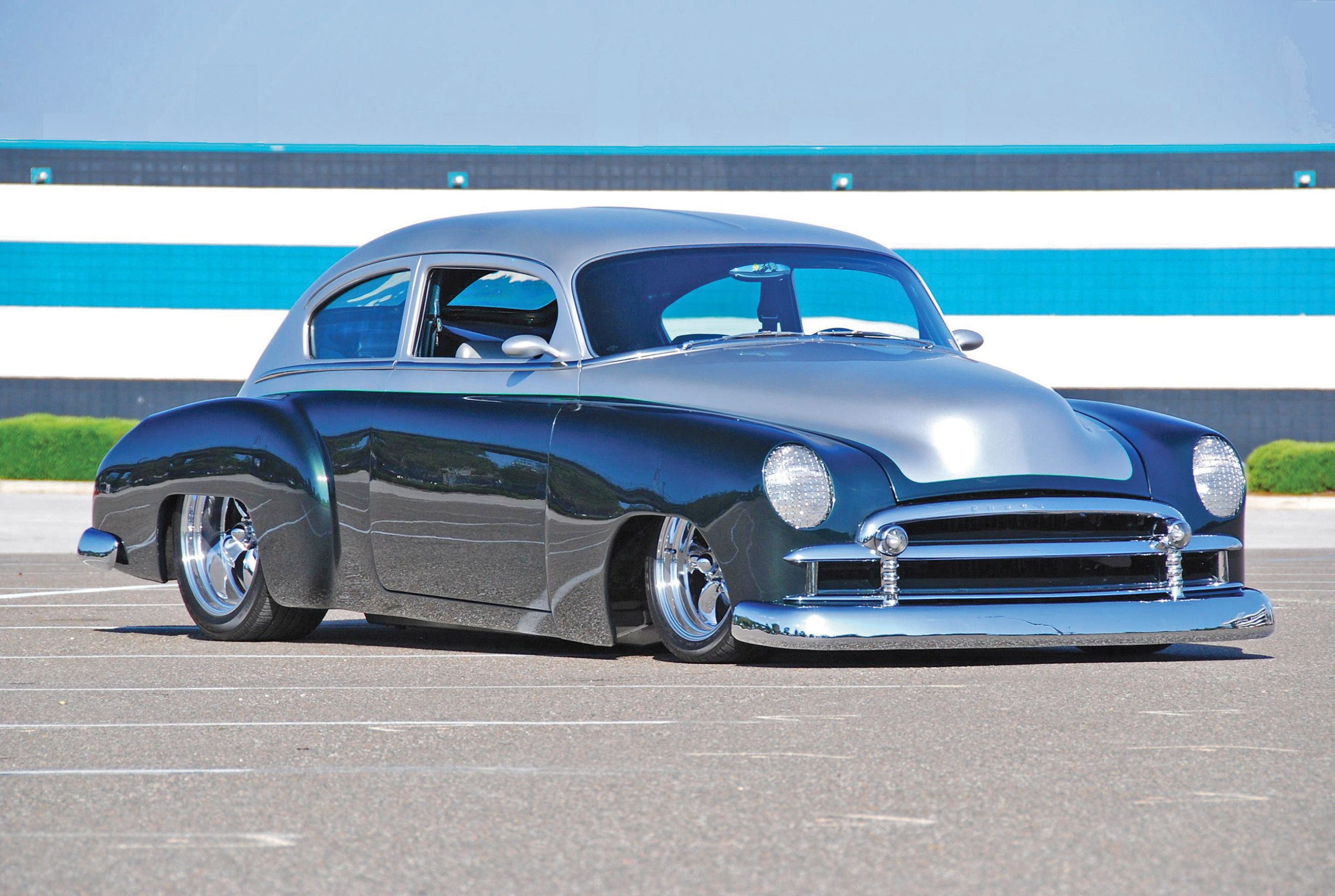
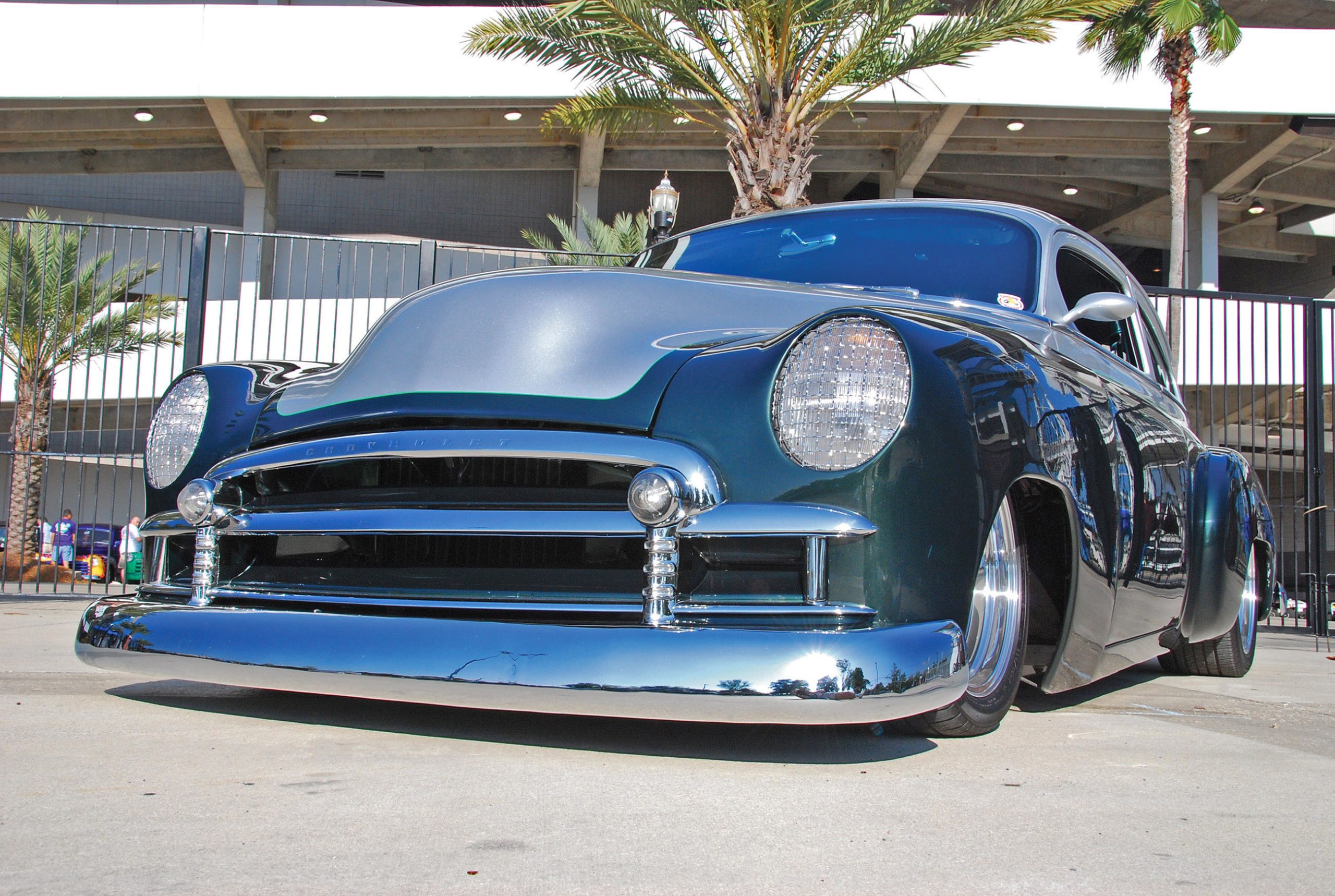
Staples built his first hot rod in 1959, when he was 14 years old, but a lot has changed now that he is sharing his automotive passion with his grandchildren. Each car in his collection seems to get a little better than the one before, and there is little doubt that this new Chevy Split-Liner continues his developing trend. He bought the car from Generations Body Shop in Franklin, Indiana. Owner Scott Graham had built the car for himself as a mild custom with a few additions, including the Mercedes headlights, Air Ride suspension and a GM crate motor. Staples liked the looks of the car, but he knew from the outset that what the car needed was his own personalization, if for no other reason than to make it his own. However, there was another reason, and you can see that Corvette influence seeping through.
Upgrading the Powertrain
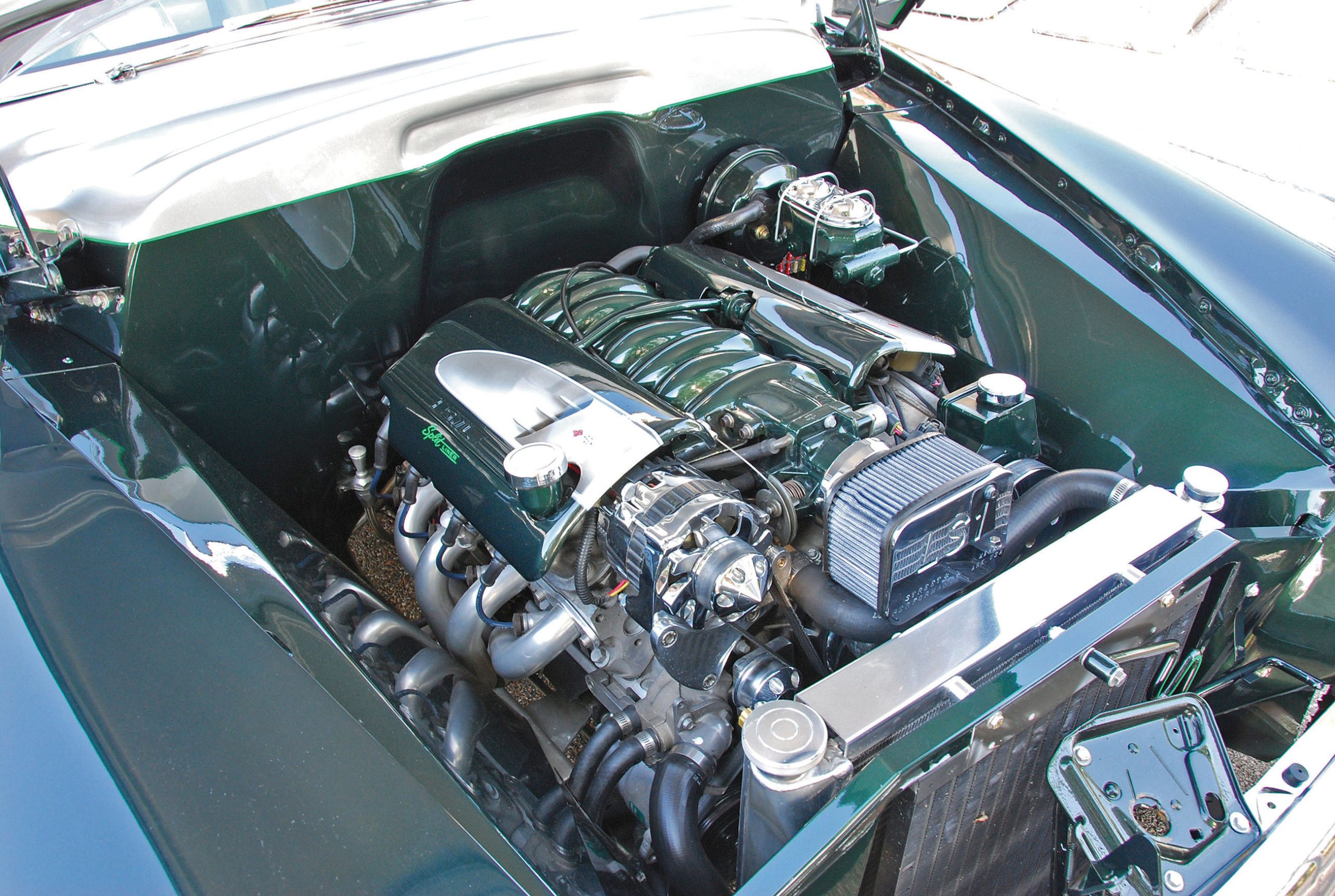
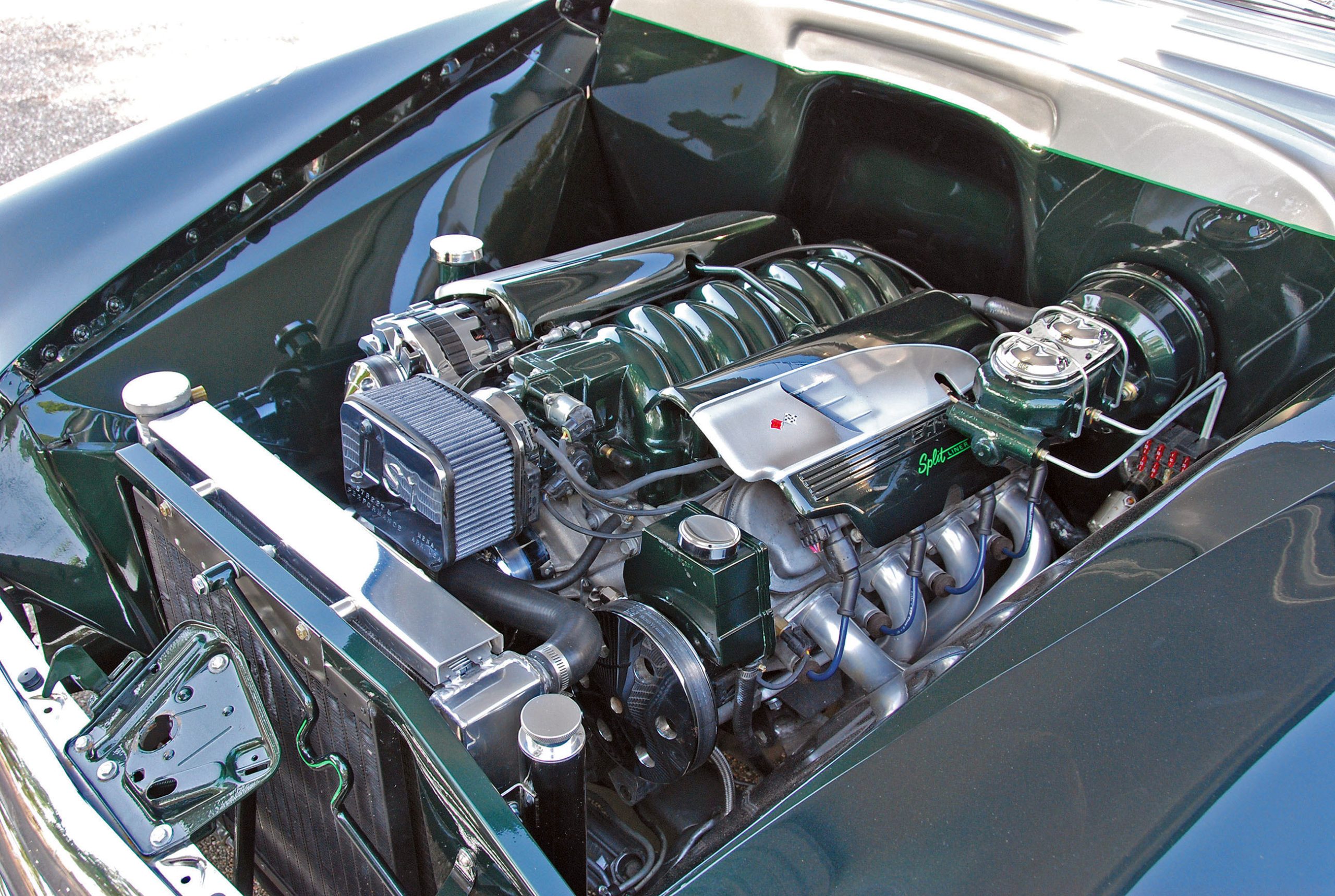
One of the first changes he made to the car was the powertrain. “The motor didn’t suit me,” Staples told us. He had his friend Mike Griffin install a new LS1, complete with a 4L60E transmission. The change in personality was nothing short of amazing, as the new engine breathed new life into the modified Chevy. Some builders would have stopped there, but this show-winning Chevy was destined for more updates. The hood did not quite conform to the image he had in mind for the car, so he contacted Nelson Cunningham from New Visions Autobody in Richmond, Virginia. Cunningham is a master of the English wheel and reworked the hood until the gaps fit perfectly. In the process, they also decided to pie-cut the hood to eliminate much of the original dome shape.
Customizing the Roof and Rear Window
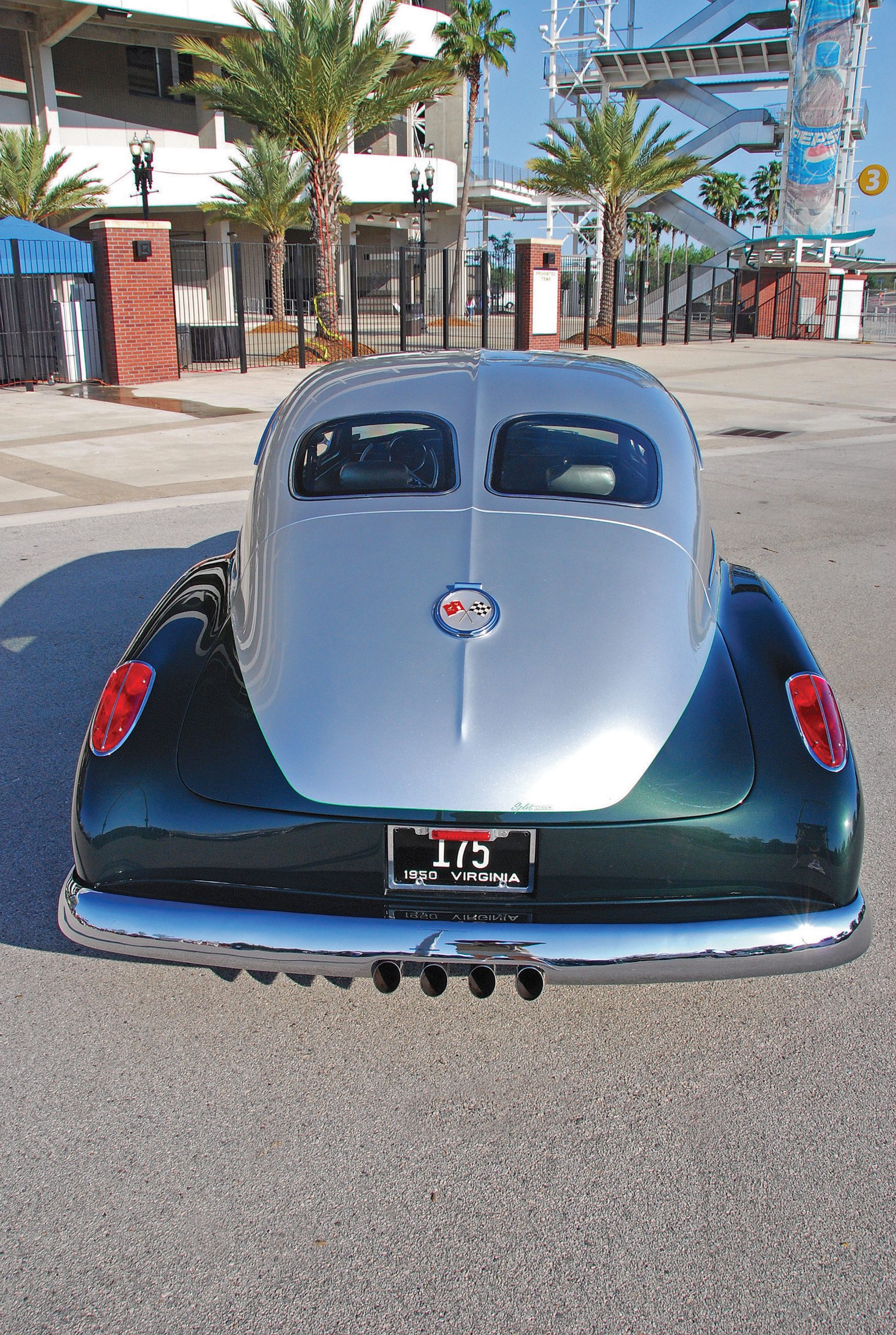
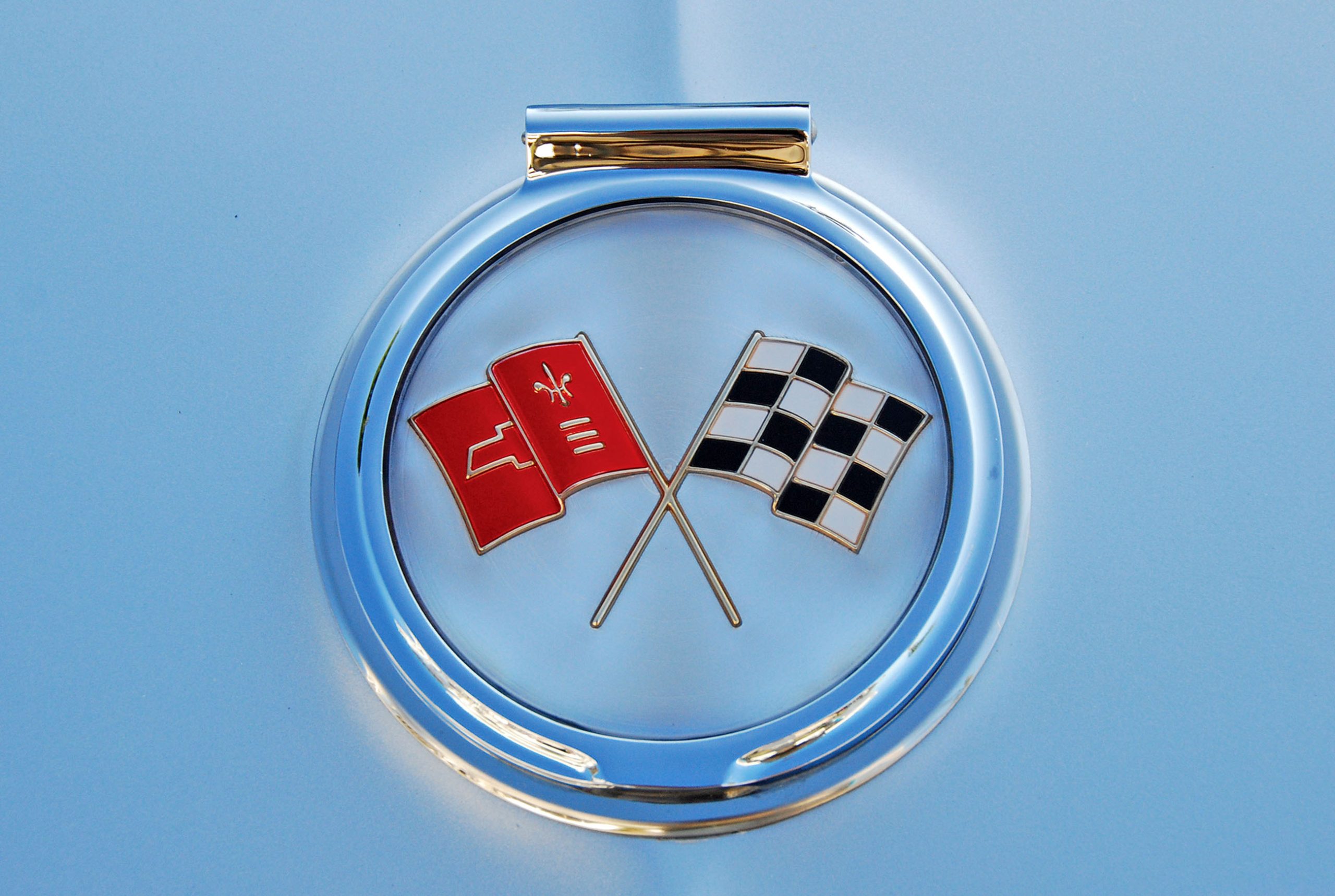
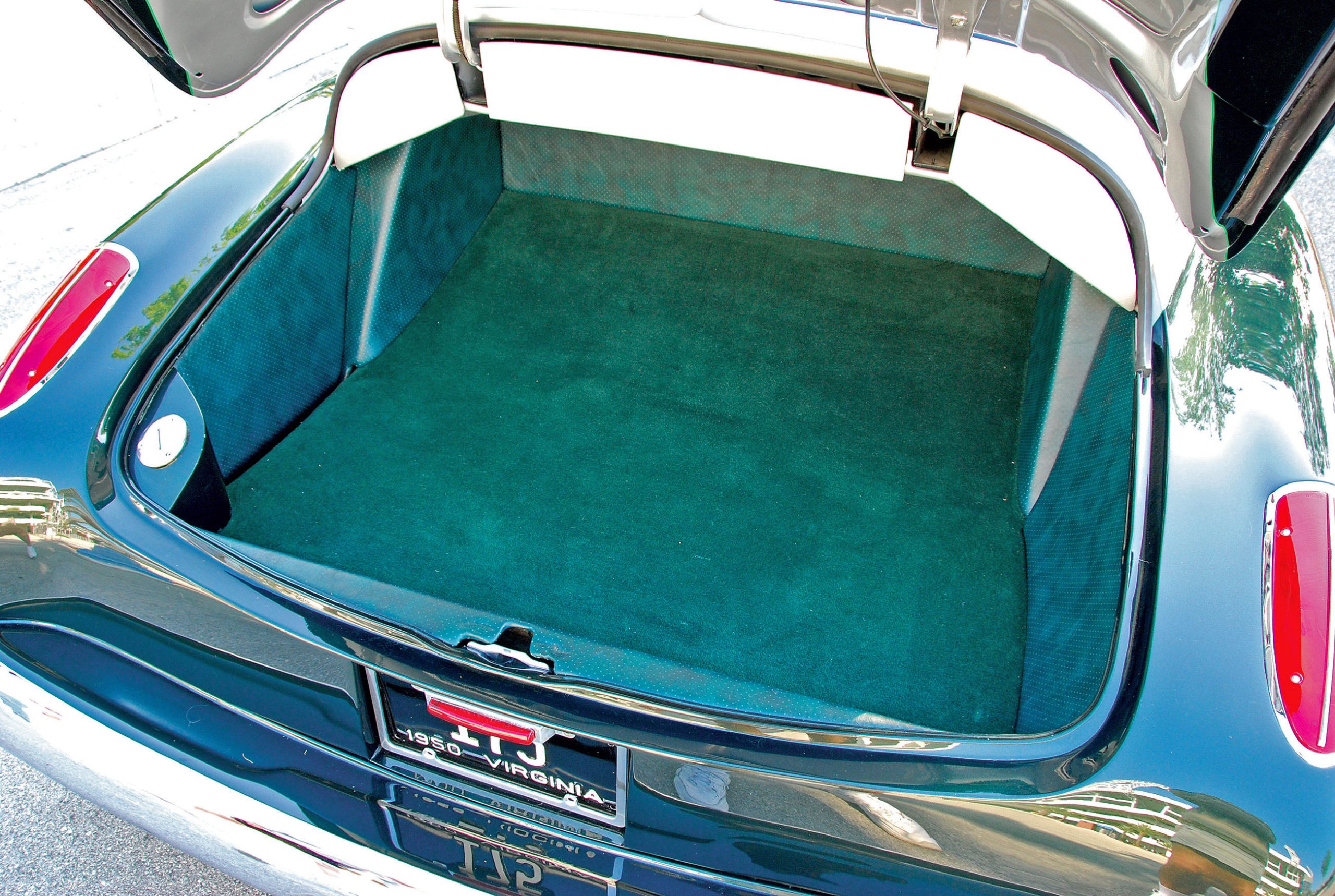
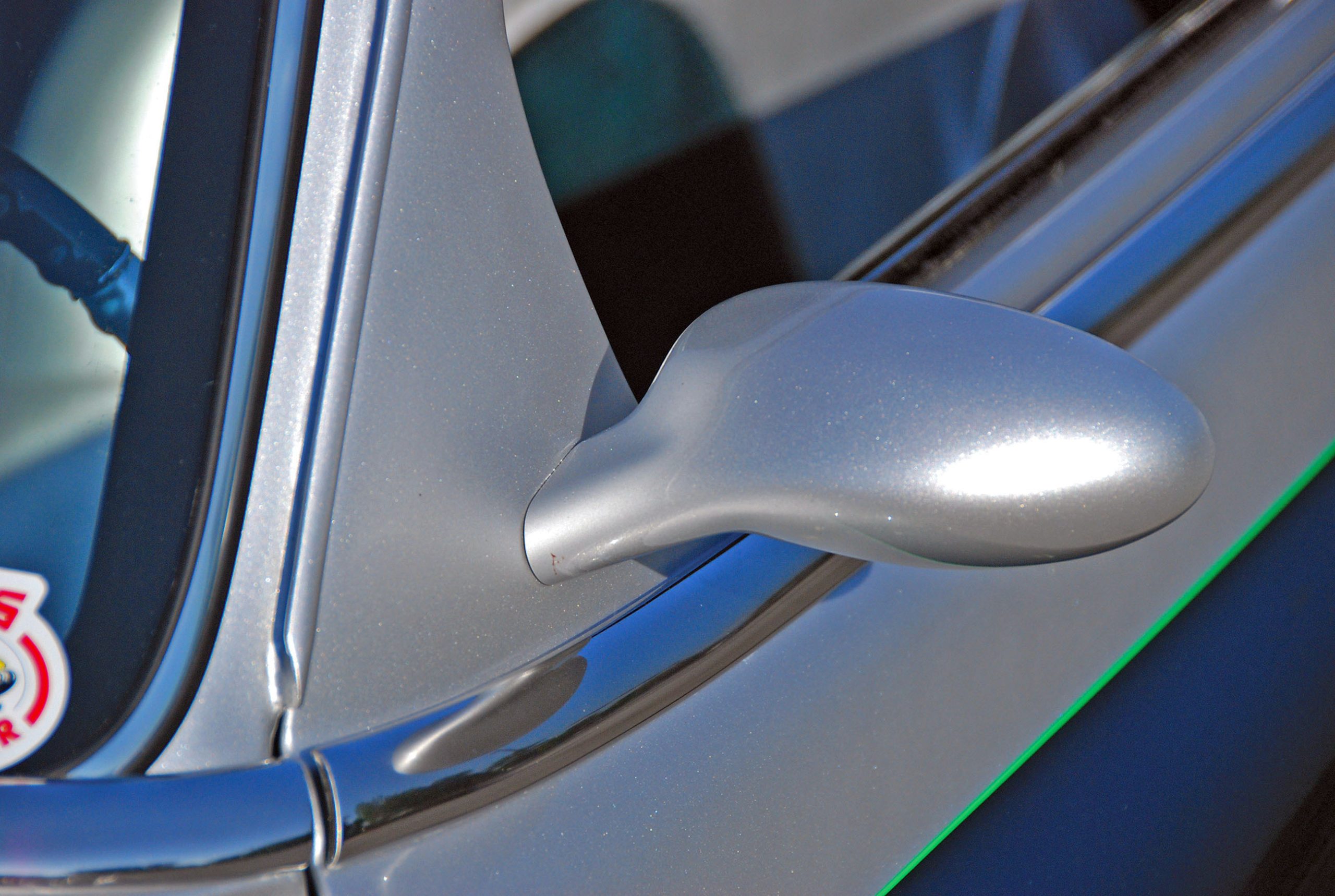
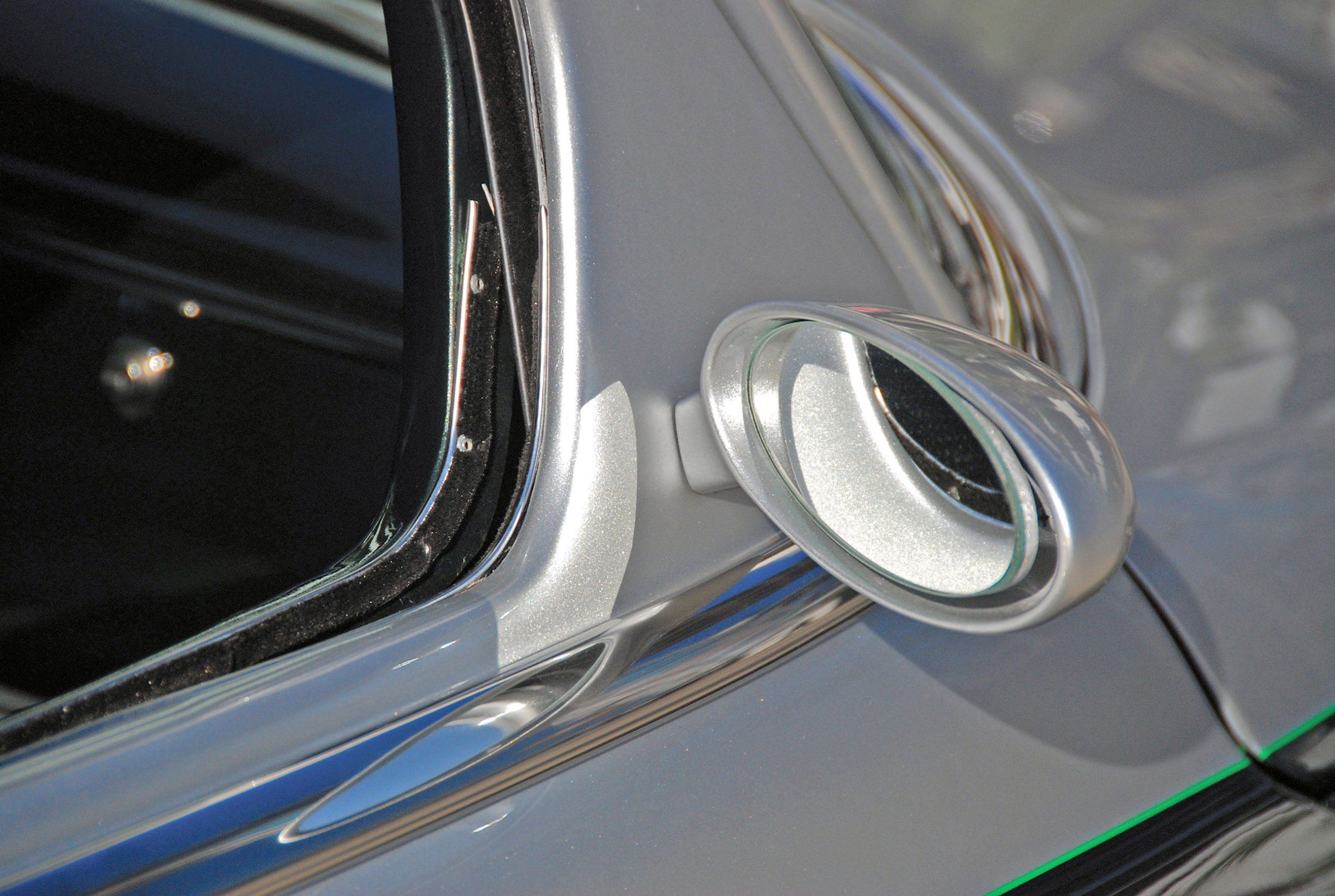
In the meantime, Staples had made some casual sketches of changes he had in mind for the roof and rear window, and when he showed them to Cunningham, it took only moments before Cunningham fully realized the potential in Staples’ design. The car already had the A-pillar chopped 1-1/2 inches with a one-piece ’50 Oldsmobile windshield. The two-piece Chevy unit was replaced using a thinner and more modern gasket, rather than the original fat version. The B-pillar was trimmed 3/4 inch and the C-pillar was angled to match. Vent windows were filled and metal was added until the front angles matched the slant of the rear quarter. To eliminate the basketball roof shape of the old Chevy, Cunningham stepped in, cutting it from driprail to driprail and flattening the overall profile. A long piece of 1/4-inch round rod was welded to the center and ramped on both sides of the fillet to create a raised Corvette-like seam down the center of the car. The rear window retains the stock left and right portions, but a new centersection was fabricated and separate glass inserts were cut to fit. Although the ’63 Corvette gas filler cap in the trunk lid is not functional, it does blend perfectly with the rest of the Corvette theme.
Corvette-Inspired Rear Enhancements
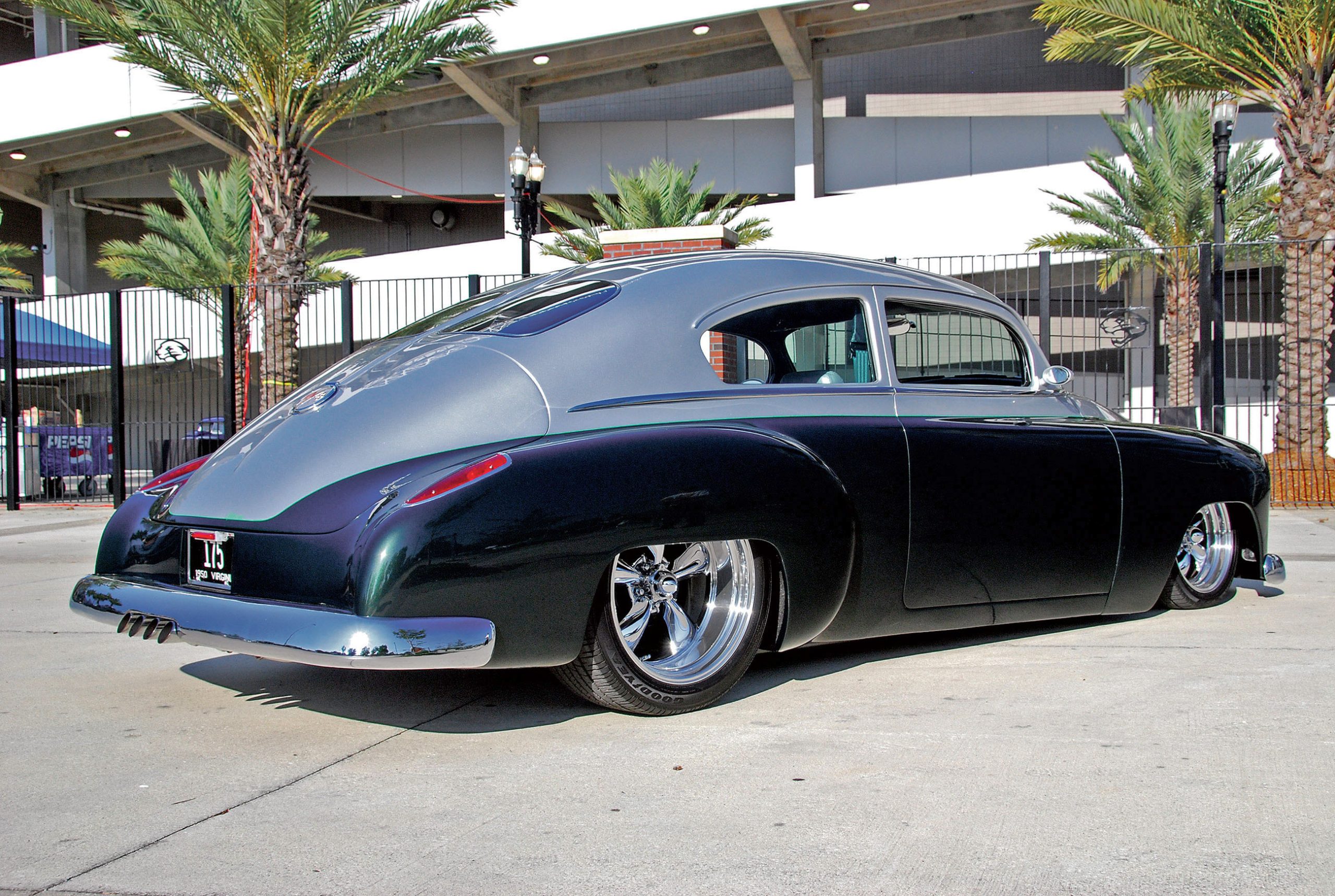
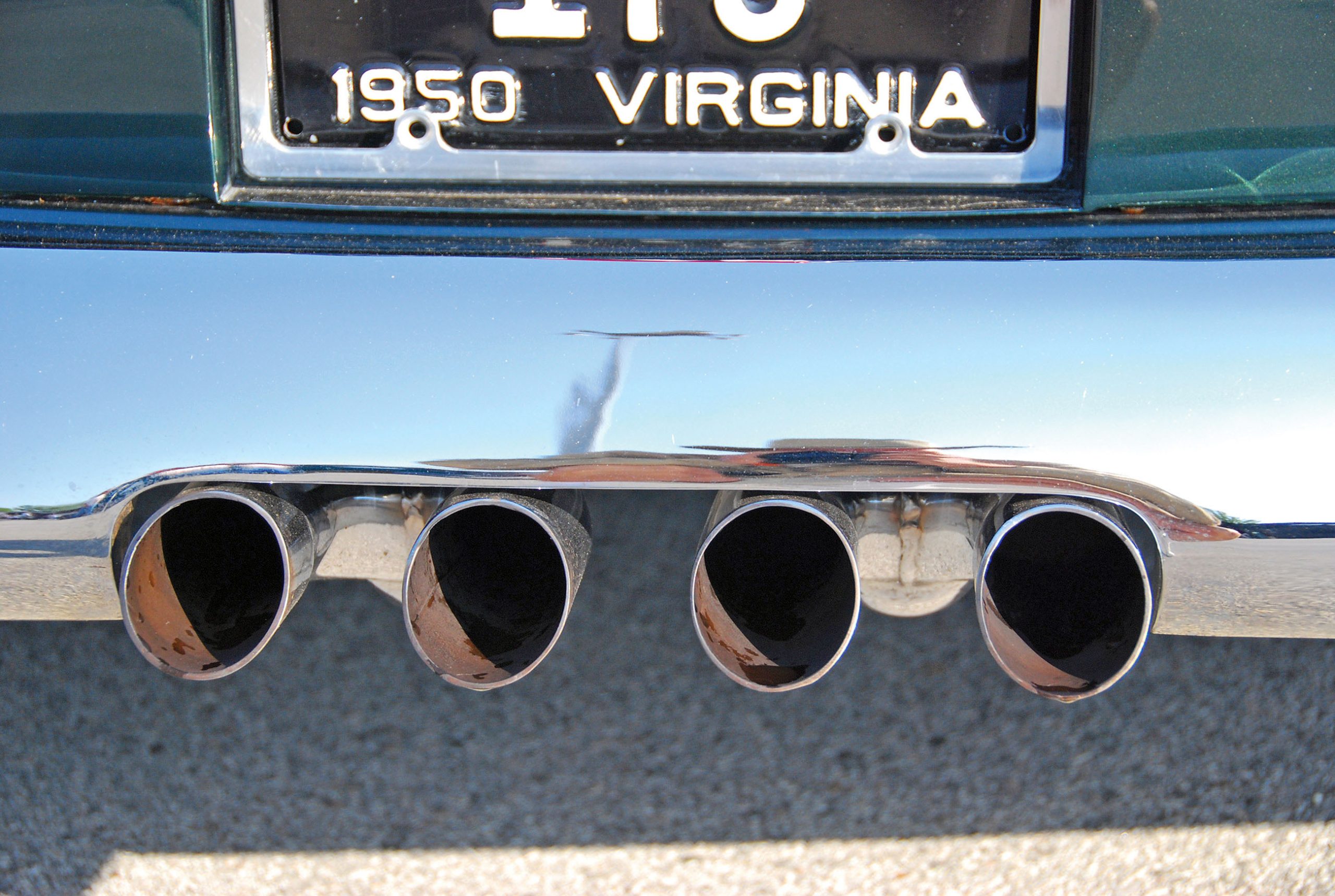
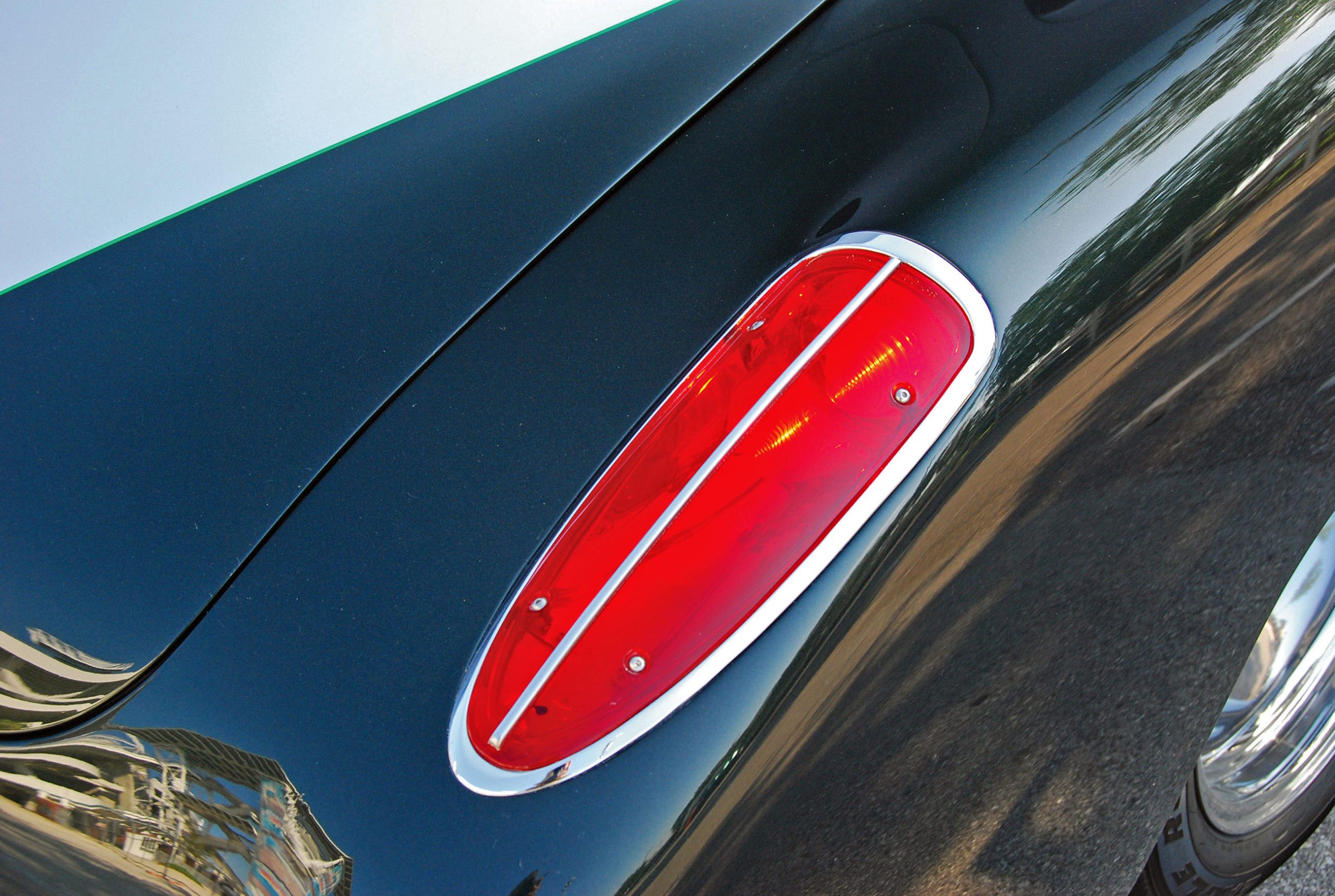
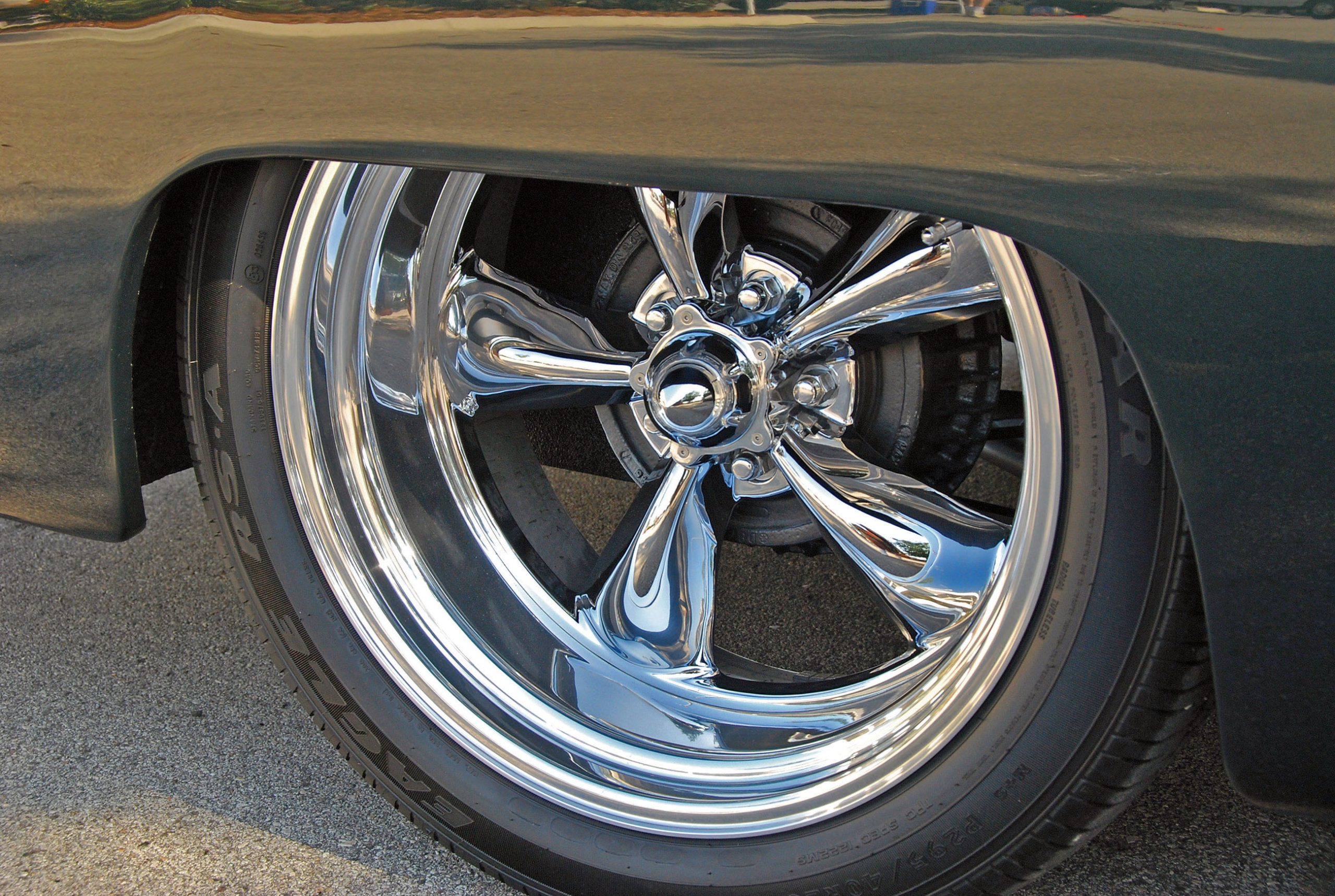
These results looked so good that they spawned even more changes, such as gently sloping the rear fenders and adding new Corvette taillights that continue this transformation. The rear bumper was notched and four C4-style exhausts were added, with the exhaust tips cut at an angle to match the fastback. A subtle touch that some might miss is the opening around the rear tire—it was raised 1-1/2 inches, exposing more of the tire and lightening the profile of the car. From a practical consideration, it also made tire changing easier and gave it a more open-wheel look, similar to a Corvette.
Blending Classic and Modern Lighting
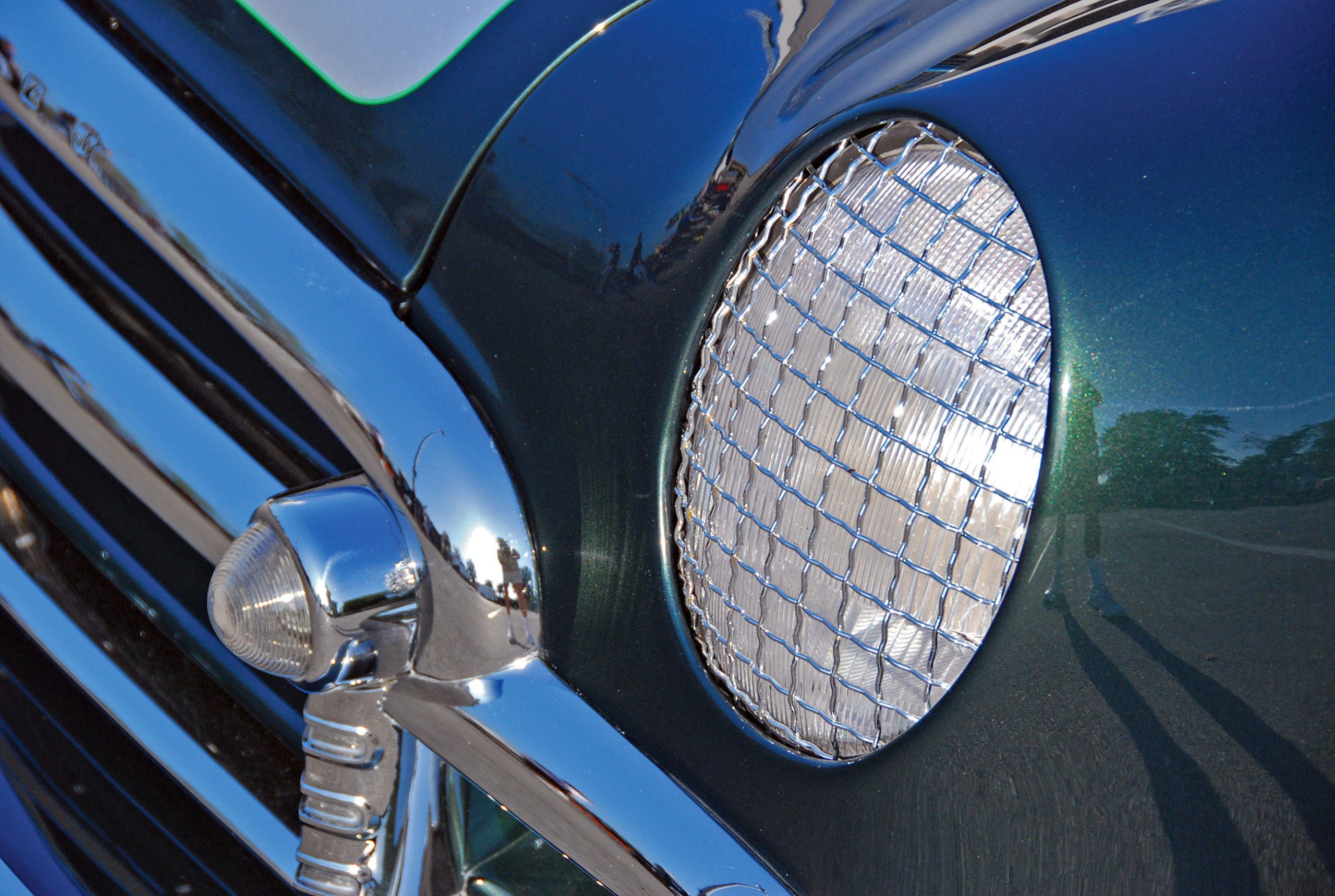
To balance front and rear, Staples opted to modify the Mercedes headlights with the wire-mesh screen of the original ’53 Corvette. As Staples put it, “I looked at the original reproduction headlight screens for the ’53-’55, and they were like chicken wire. I found a much better-looking substitute grid in a scrap bin, shaped it to fit and had it chromed. It turned out to be the perfect touch.”
Under the Skin: Chassis and Suspension
Updating the sheetmetal took the better part of the summer, as they moved underneath the refurbished skin, and now there’s nothing left of the old Chevy. The new 2×6 rectangular tube chassis is custom-built using a Fat Man crossmember with tubular A-arms up front, Mustang power rack-and-pinion steering, GM 11-inch disc brakes and a 10-bolt Chevy with four-link rear. In the axle housing are a set of 3.42:1 gears and narrowed Moser axles. For fingertip altitude control, the car is equipped with an Air Ride suspension, complete with compressor and reserve tanks hidden underneath. It rolls on 17×7-inch American Racing Torq-Thrust rims up front, with Goodyear Eagle 225/40-ZR17 rubber. To add to the rake and provide an improved proportion, the rears are 20×10 inches with 295/40-ZR20s.
A Custom Interior with Modern Comfort
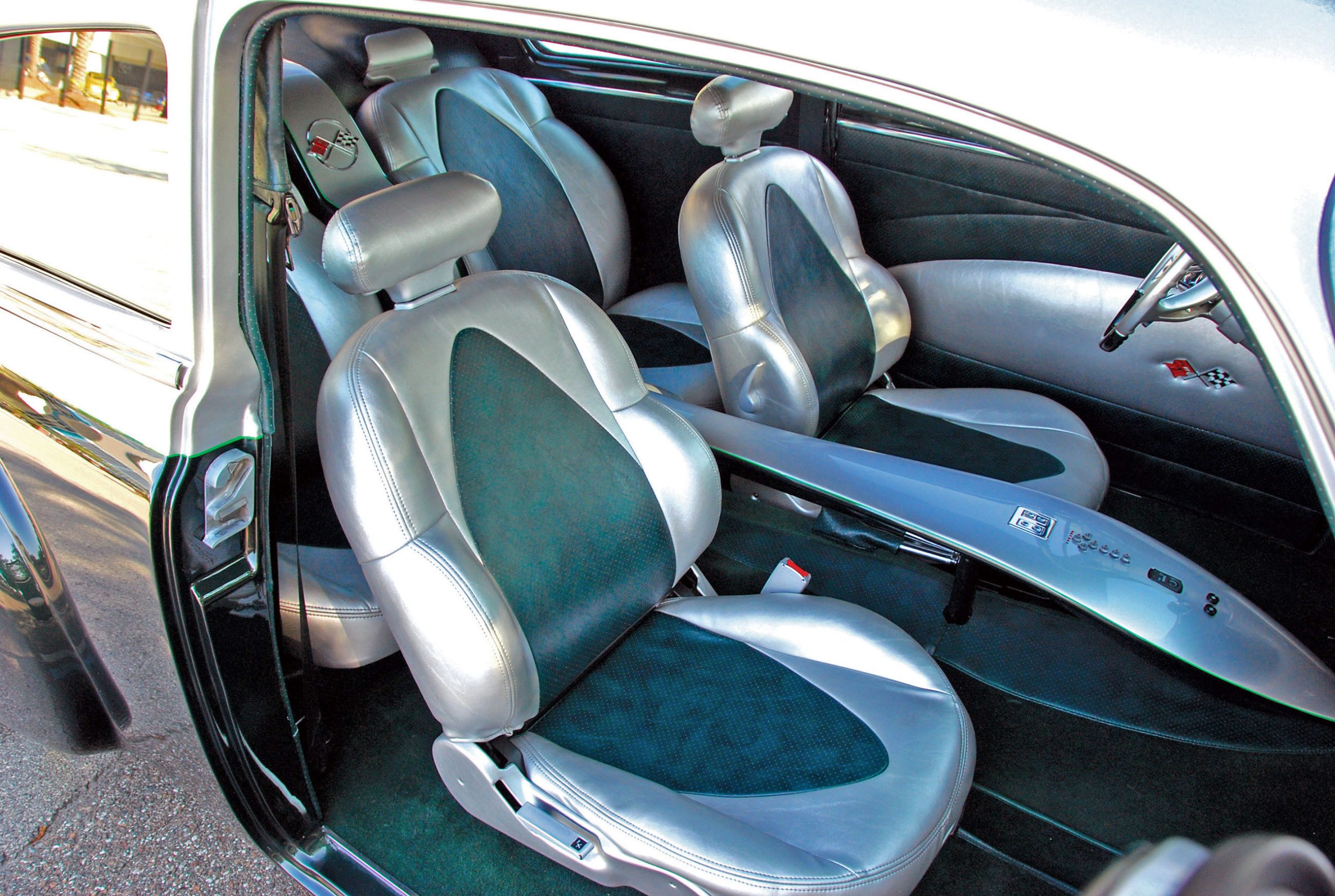
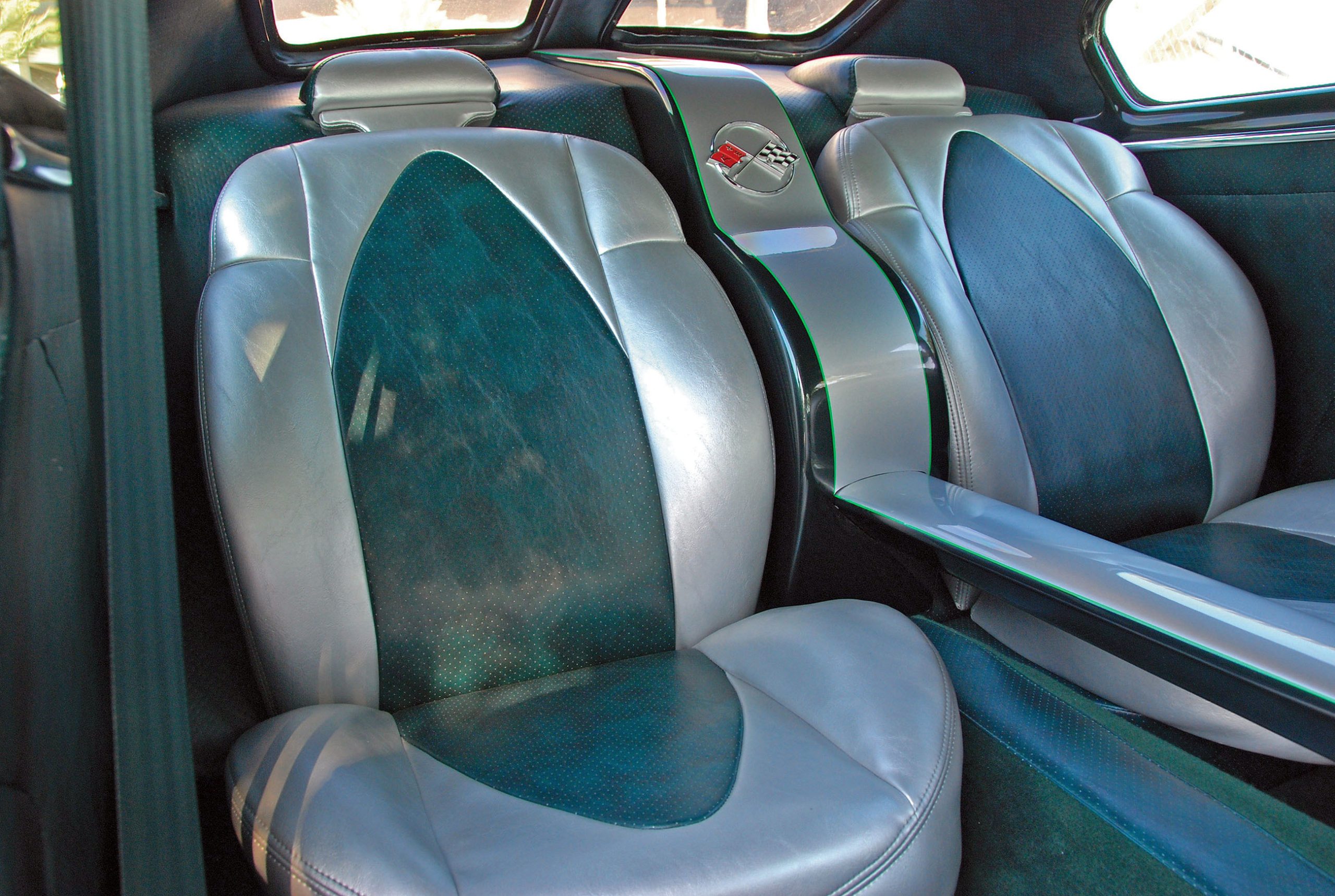
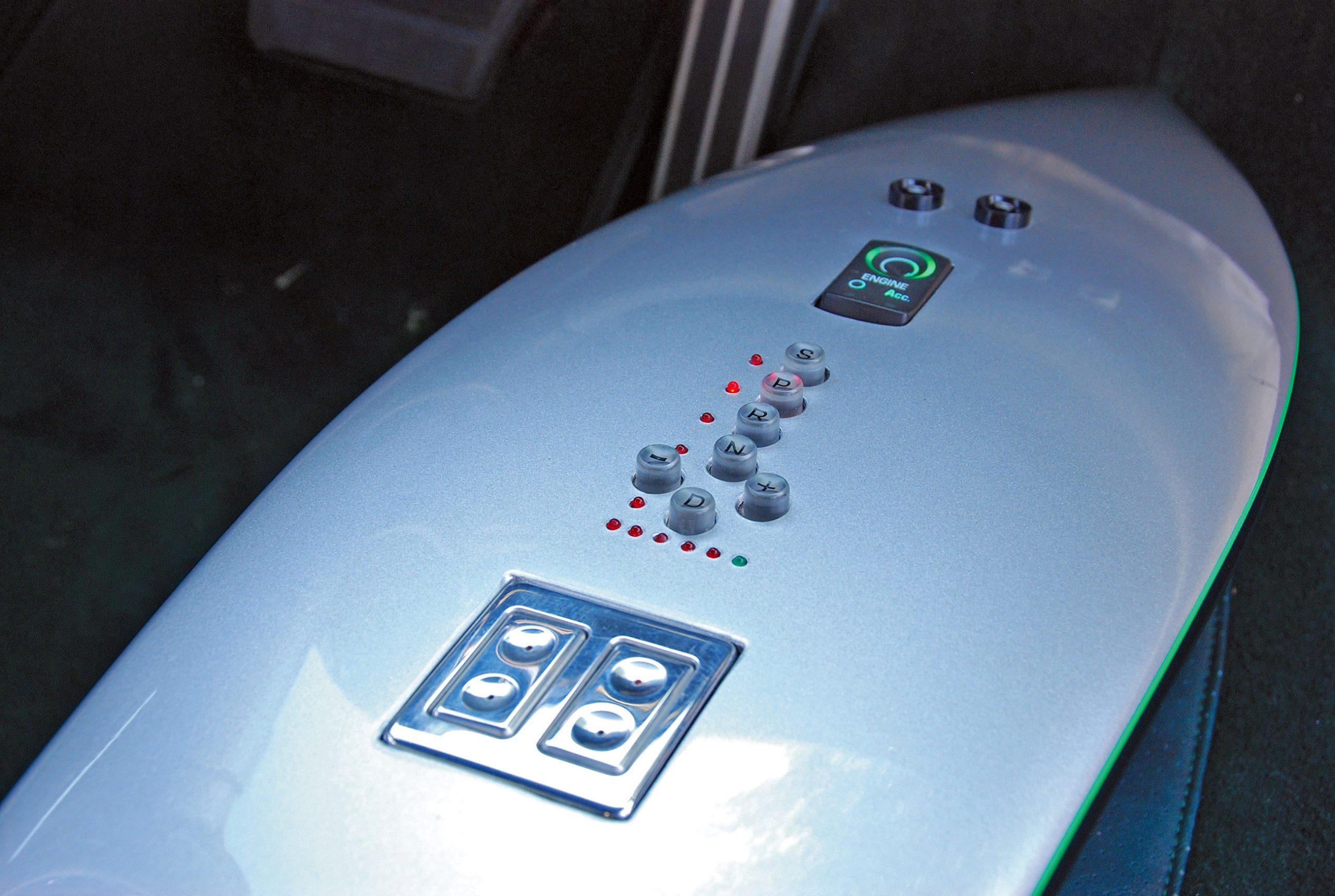
Although the car had a nice interior, Staples had some ideas for it as well. Once again, he sketched out his ideas, beginning with a boat-like center console running front to rear. Cunningham again rose to the challenge, and the sleek new steel design with more than 60 feet of welding now flows neatly from front to rear, complete with a waterfall design separating the rear buckets. In addition to all the car’s wiring, the console holds the push-button shifter, Corvette engine-start button and push buttons for the doors. There is no ignition switch or a key. Pushing a button on the remote allows the button on the console to start the motor. A second button on the remote shuts it off.
Tech-Enhanced Driving Experience
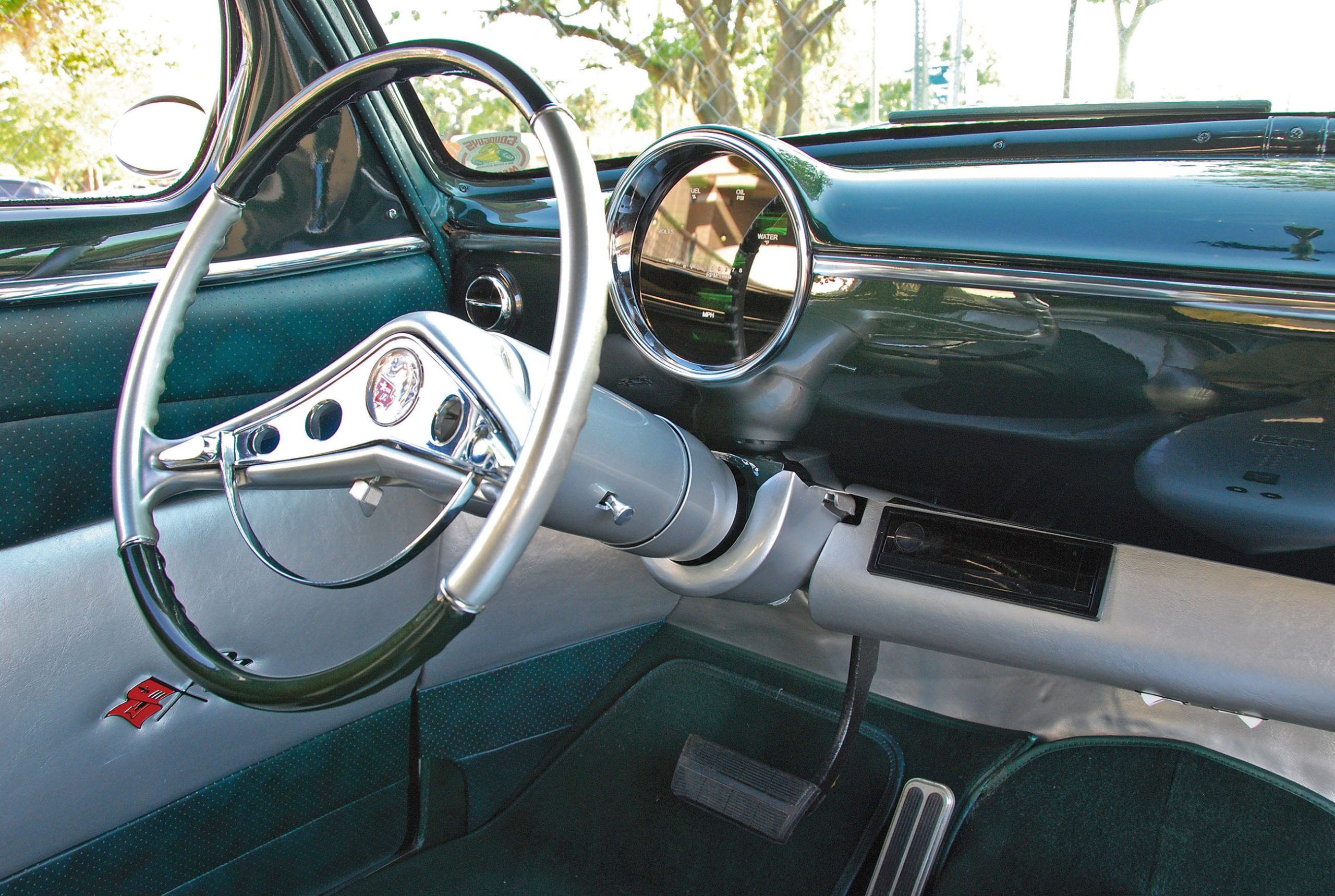
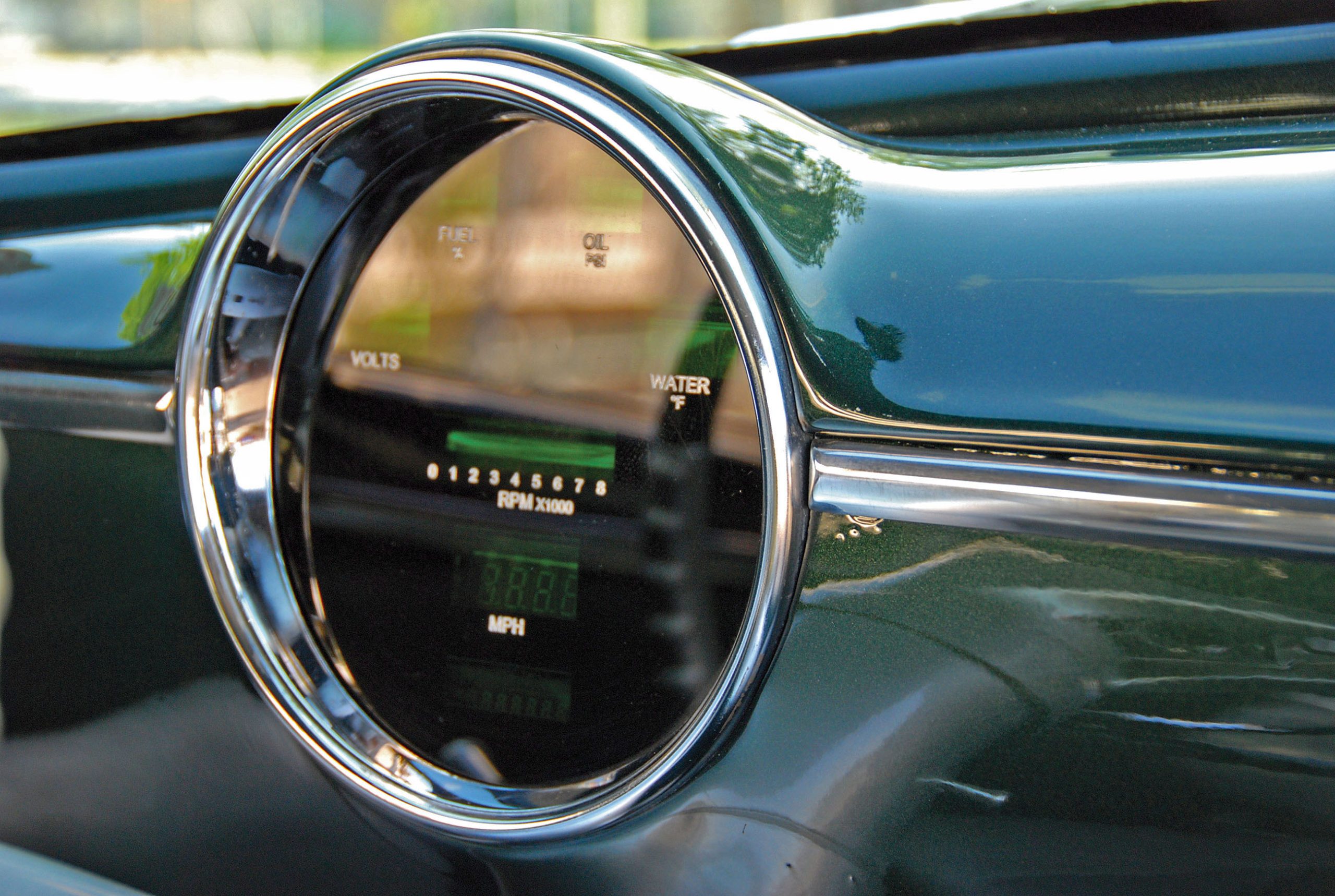
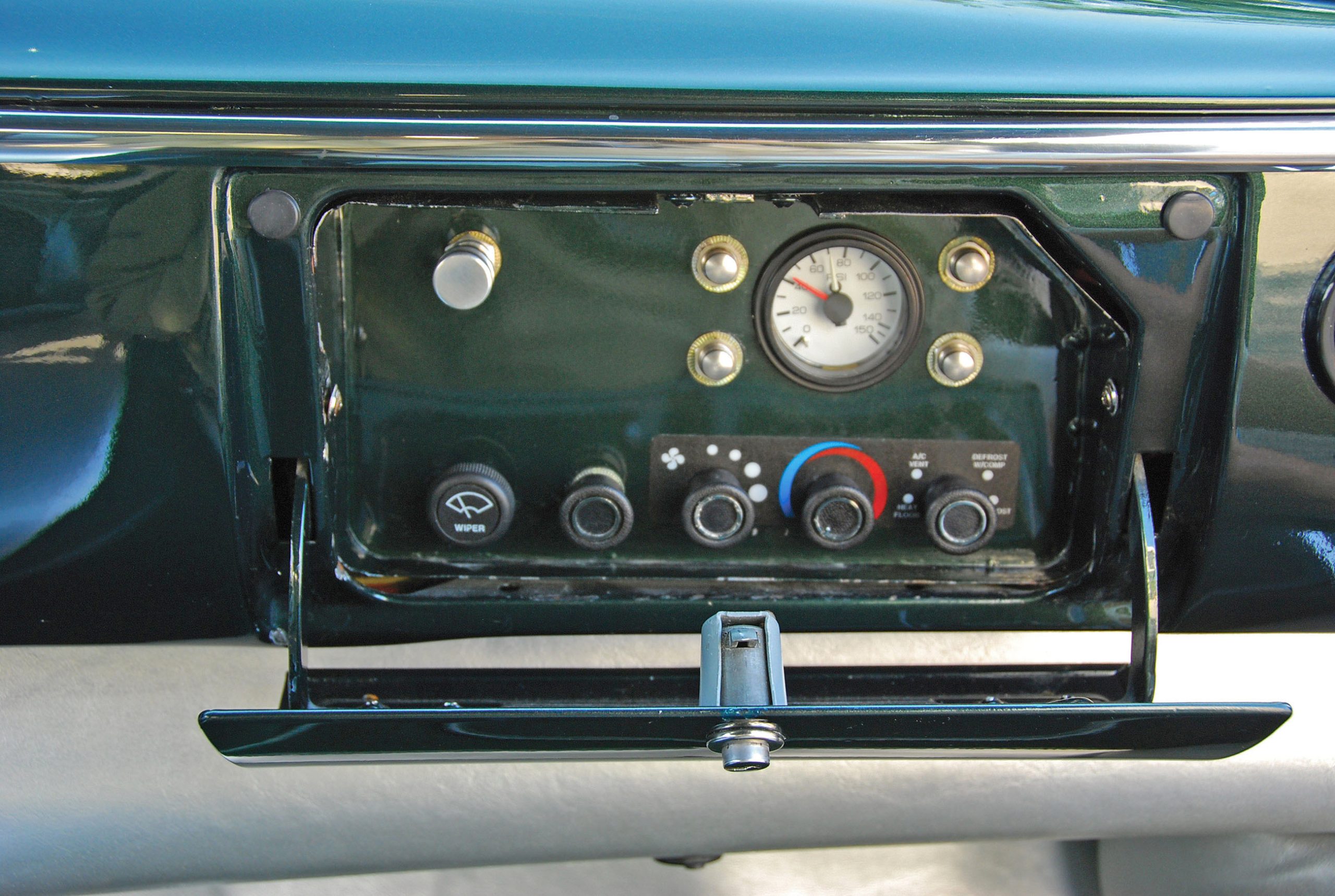
The smoothed and filled dash already had the clean look they were after, needing only the single large Dakota Digital gauge package to bring it into the 21st century. Open the glovebox door and you find the controls for the Vintage Air A/C, air suspension system, wipers and headlights. The small black rectangle on the bottom of the dash is the stealthy JVC Chameleon radio, which is activated by remote and plays through multiple speakers in the doors and the rear package tray. Staples located the seats in a salvage yard; the rear buckets come from a Chevrolet Lumina, while the fronts are from a Saturn. The foam was adjusted so that the rear seats more closely conformed to the stylish front seats, and then all four were upholstered to match. A combination of silver leather and perforated green leather creates a distinctive look. Fred Stell at Stingray Upholstery in Hopewell, Virginia, handled the stitchwork.
Finishing Touches and Future Plans
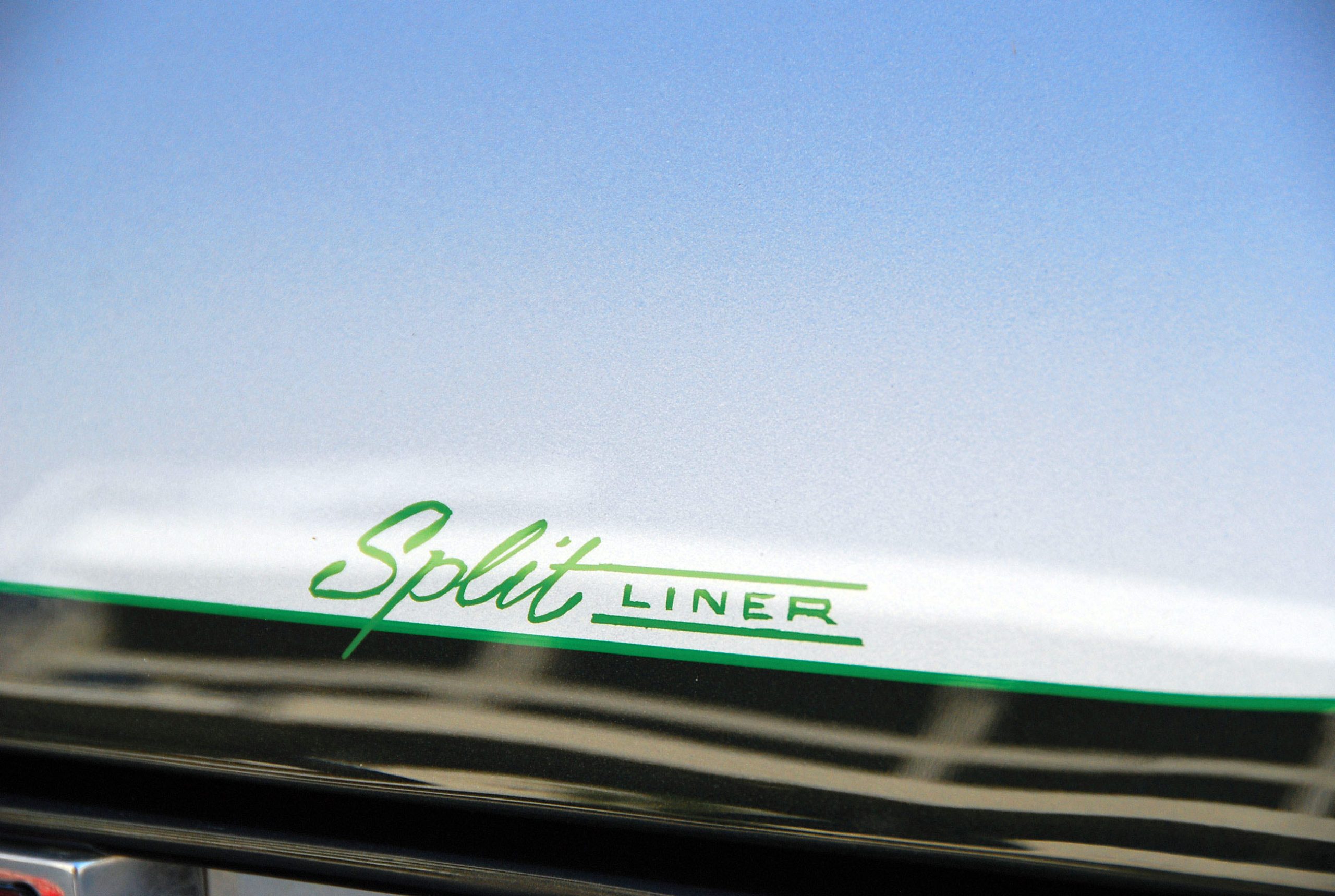
Cunningham completed the process, spraying the car a combination of Ford Dark Green Metallic and PPG Silver Star. The pinstriping and two-tone paint scheme are unique, since the underside of the hood and trunk are painted and striped to match the exterior. Future plans may include a few changes such as a bigger brake system, but for the most part, Staples plans to drive the car and simply enjoy the latest and one of the best cars in his collection.