






Builds

Regardless of where high school student Wyatt A.K. Freitas of Makawao, Hawaii, drives his very unique ’83 Chevrolet El Camino around the island, he always gets the same response: “I didn’t know that Chevrolet made a 2000 El Camino.” Of course, we know that they didn’t, but maybe Chevrolet should have.

Are you driving an old truck, or perhaps you are driving a newer, modified pickup that is being upgraded as you go? Either way, both present their own set of challenges, which when not addressed, will turn normal operation into a nightmarish chore. No one enjoys breaking down along the side the road, so you do what you can to favorably stack the odds against such breakdowns. Truth is you do this by eliminating the simple oversights and by selecting the right parts that enhance the performance and operation of your daily driver.

During the latter part of the 1950s, as America fell into a recession, the American industry machine suffered. The Big Three Detroit automakers felt the hit and quickly began building affordable cars that would appeal to the public.
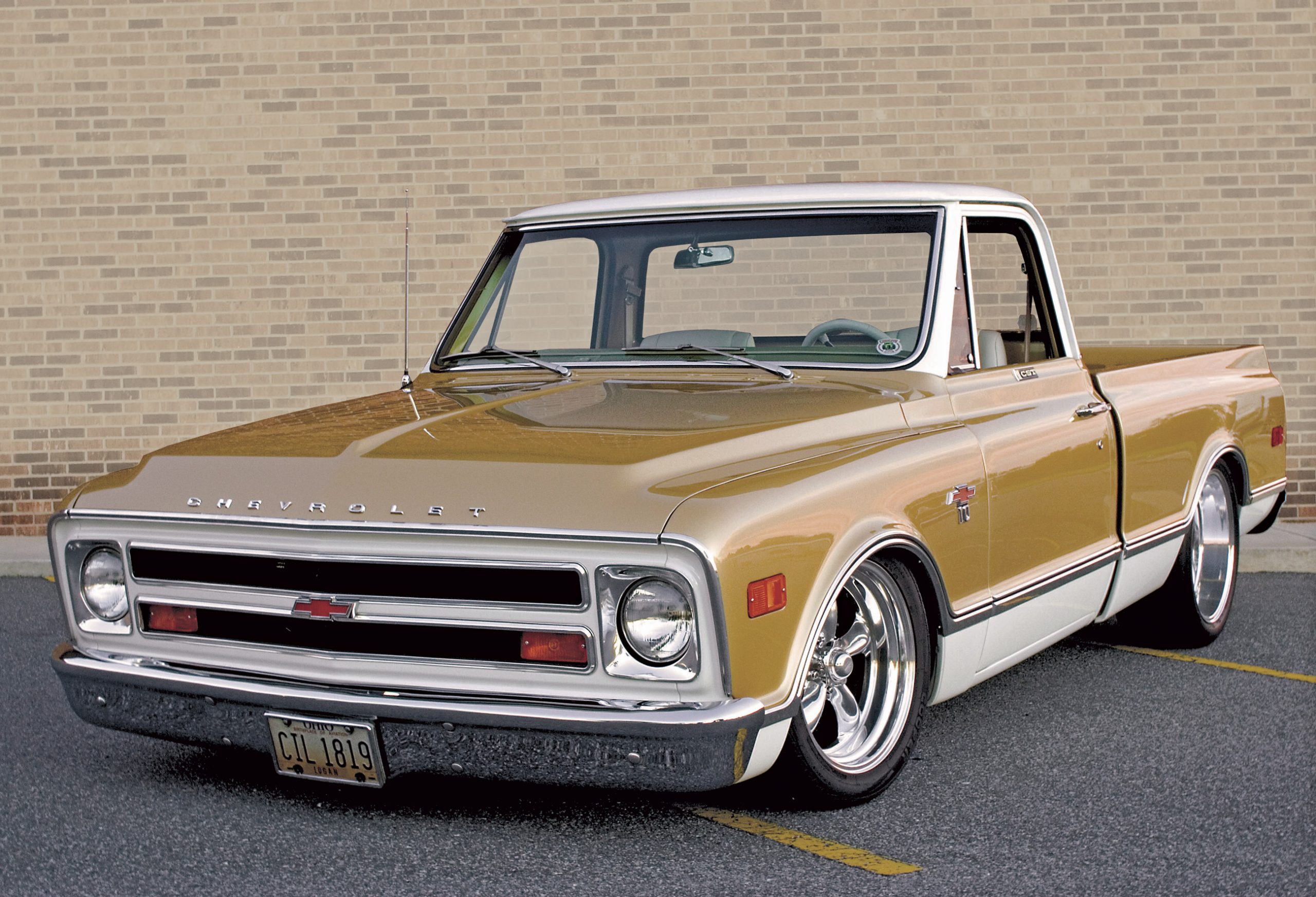
When the time comes to begin building a new project, the process can often end up going in a different direction. By the time you are finished, the truck you started with can take on a whole new appearance, as if the French built it. That wasn’t going to happen with Rick Parsons’ project.

A stroll through the pits at the local 1/8-mile dragstrip is always fun for us, as you’re likely to see any number of cars that use a full-tube chassis, fiberglass body and monstrous slicks to click off consistent 5-second elapsed 1/8-mile times. However, it’s far more entertaining to see a stock-appearing car hit those same numbers, and that’s exactly what Greg Corbin’s ’98 Trans Am is capable of doing.

With its immaculate details throughout, this ’06 Mustang GT never fails to grab attention, but we’re sure Frank DeFeo isn’t finished modifying his Ford. An aggressive lower valance, smoked headlights and a billet grille lead the way, and the Torch Red finish is complemented by black stripes, painted by McClure Collision of Charlotte.

Doug Schultz of Maple Valley, Washington, is not your typical home builder. Several years ago, he owned Street Works, a shop for hot rod and racecar fabrication. He built a black-and-silver ’62 Impala, which we featured in the December 2002 issue of this magazine, as well as a ’67 Nova that earned Goodguys’ Street Machine of the Year honors a few years back. Today he’s a fabricator and press-brake operator with his local municipal government, but during this time, he never lost his love for cars.

When you’re located far to the North, as in north of the United States border, it isn’t always easy to gain the attention needed to grow a hot rod shop through creative statements alone. Then again, quality workmanship is difficult to miss and is rarely overlooked by knowledgeable people.

Every detail matters when it comes to restoring or customizing a vehicle. Whether you’re smoothing out seams, fine-tuning trim, or upgrading outdated systems, the right techniques can make the difference between a show-stopping build and a project that falls flat. We’ve compiled 34 expert tips to help you refine your restoration skills, sourced directly from the pros at Jeff Lilly Restorations. Dive in and discover actionable advice that will streamline your workflow, enhance your results, and help you achieve the classic car of your dreams.

For the hot rodder who demands usability and performance, Smeding Performance’s 408” LS3 engines are designed to take your project to the next level. These aren’t your typical cookie-cutter kits—they’re full-fledged, turnkey engine packages built to drop into your classic chassis and turn it into a road-ready rocket. Whether you’re chasing street-friendly power or show-stopping performance, Smeding has you covered with engines dialed in for hot rod perfection.
