






Street Rods
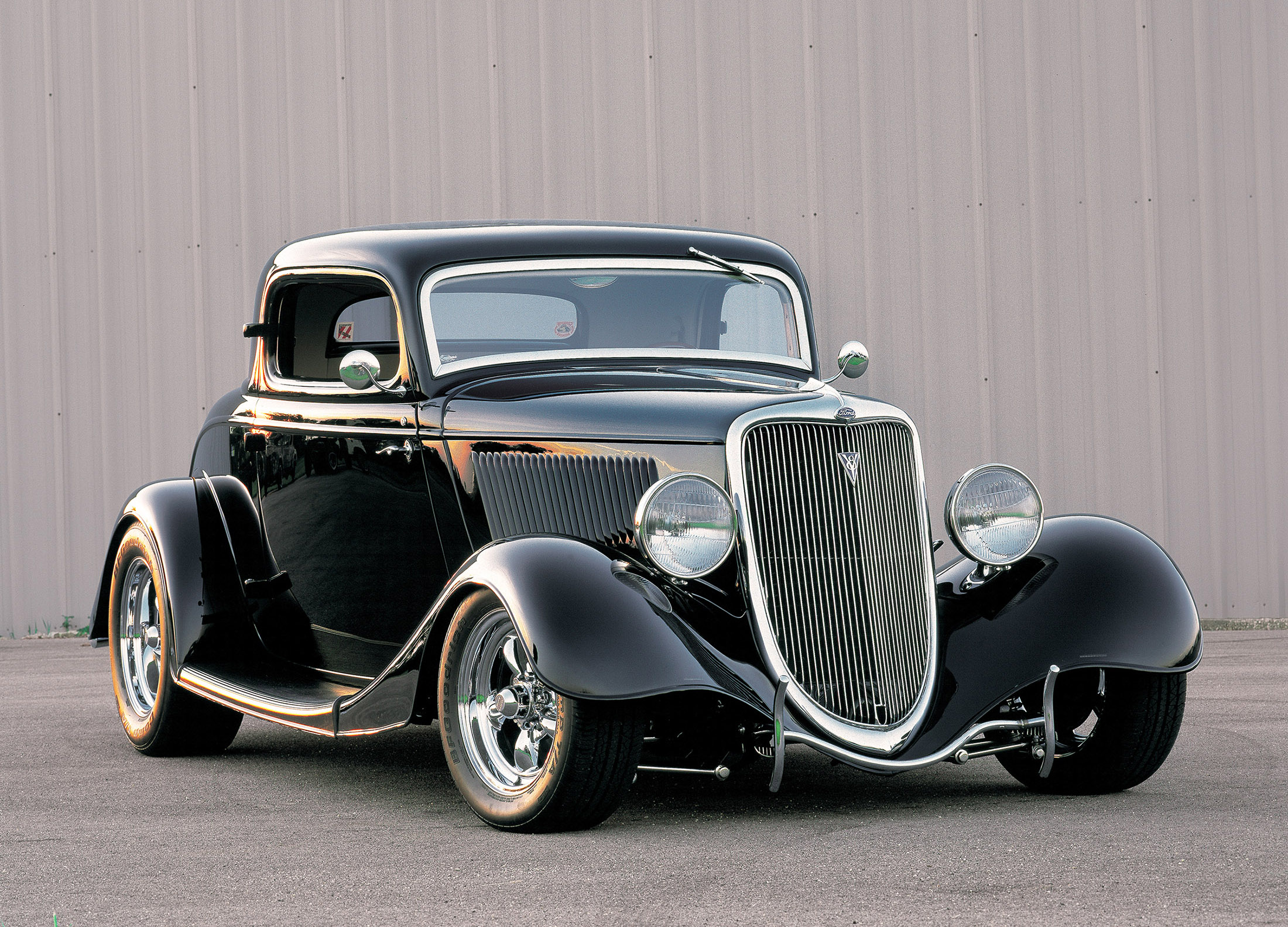
Sometimes building a street rod can be downright exasperating. The amount of money involved and the stress of chasing down parts and coordinating the efforts of multiple shops can lead to a fair bit of tension in any owner. How many times have you heard someone say something along the lines of: “That damn car’s going to give me a heart attack!”? Odds are you’ve heard it or even said it at least once or twice if you’ve been involved in rodding for any length of time.
0Comments
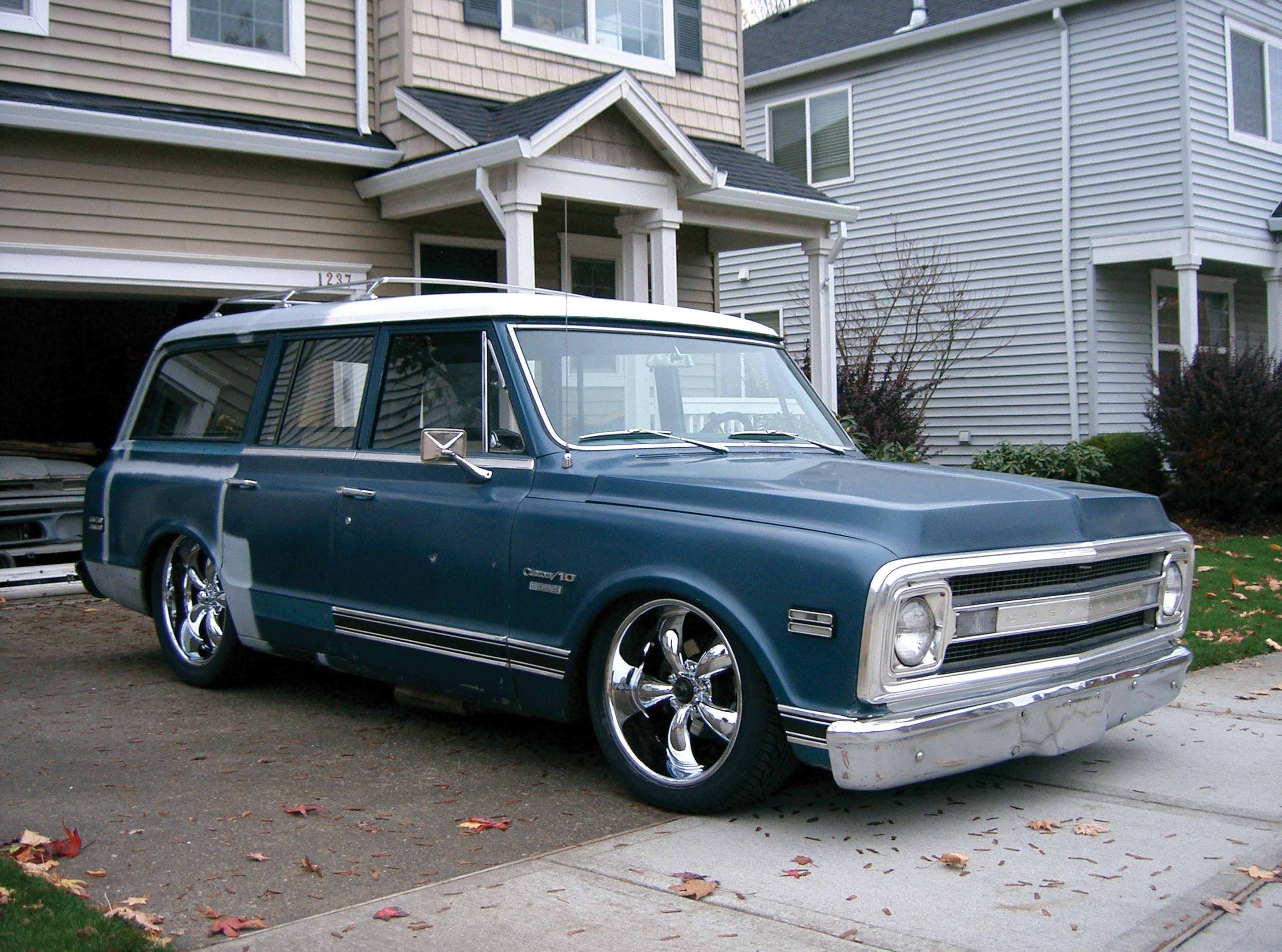
This article dives into the unique modification of a 1967 Chevy Suburban by Mike Dempsey, who reimagined it into a shorter, Tahoe-styled version. It also features Ken Farrell’s Retro Tek company, which has revolutionized the EFI system to combine the aesthetics of classic cars with the efficiency of modern technology. The article covers various aspects of vehicle modification, including chassis adjustment, engine upgrades, and the integration of advanced fuel systems.
0Comments

Project ’47 All In has undergone an extensive transformation from a worn-out farm truck to a meticulously detailed pickup. The project features a chassis upgrade with C4 Corvette suspension, a robust 383 stroker engine from Blueprint Engines, and premium components. The restoration process includes a focus on sheetmetal work, from disassembly and rust repair to the final paint job, highlighting the skillful blend of classic design and modern performance.
0Comments
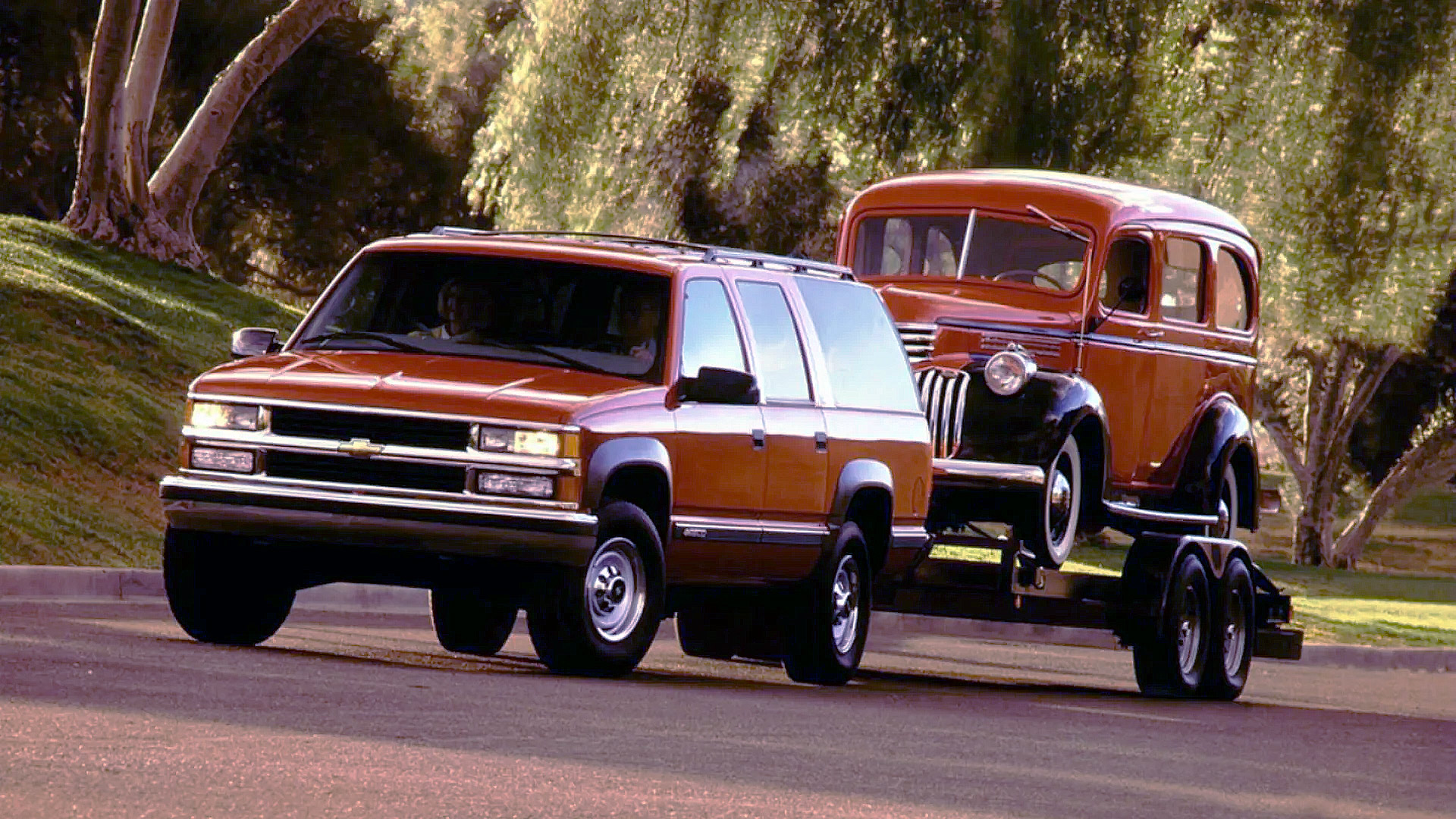
America’s love for the automobile has been evident and strong from day one, ever since the first horseless carriage rolled off the assembly line some 100-plus years ago. The fascination was slow at first for these virtually handmade motorized contraptions, but once they reached production, and Henry Ford made it feasible for anyone to own one, the automobile has helped shape our economy and has influenced the way we live our daily lives. Today, it’s hard to think of life without it.
0Comments
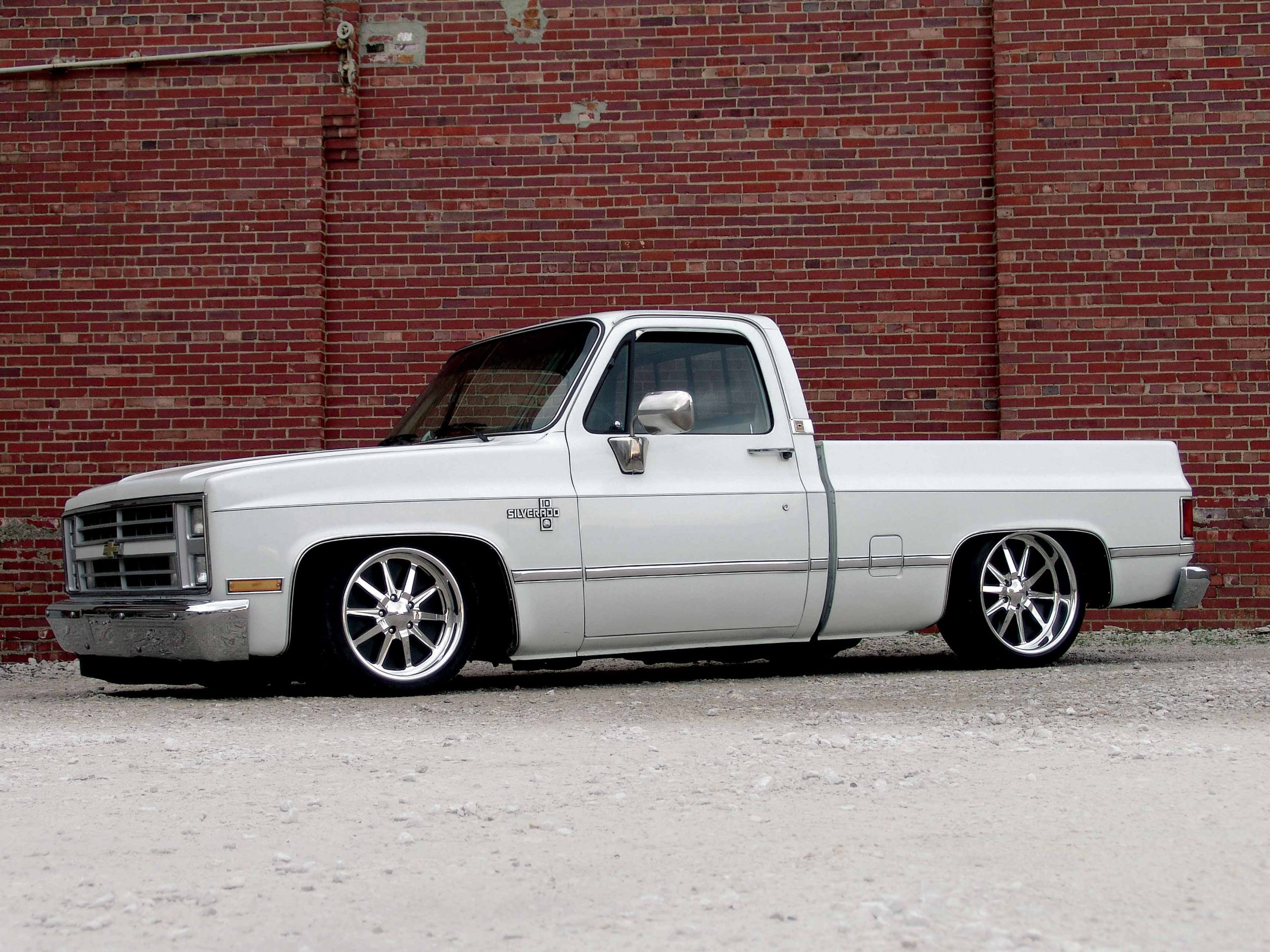
Lowering a truck usually involved cutting coils and shaving bump stops. Out back, the rear end was treated to lowering blocks, a few pulled leaf springs or heated coil springs. Over the years, manufacturers began to address these demands, as lowering coils, spring leaf blocks, dropped spindles and flip kits were offered. Times changed with the introduction of airbags, as owners were able to slam their pickups with full ride height adjustability. Air Ride Technologies (ART) is one of those companies offering quality suspension solutions for truck owners, with kits that fit specific applications.
0Comments
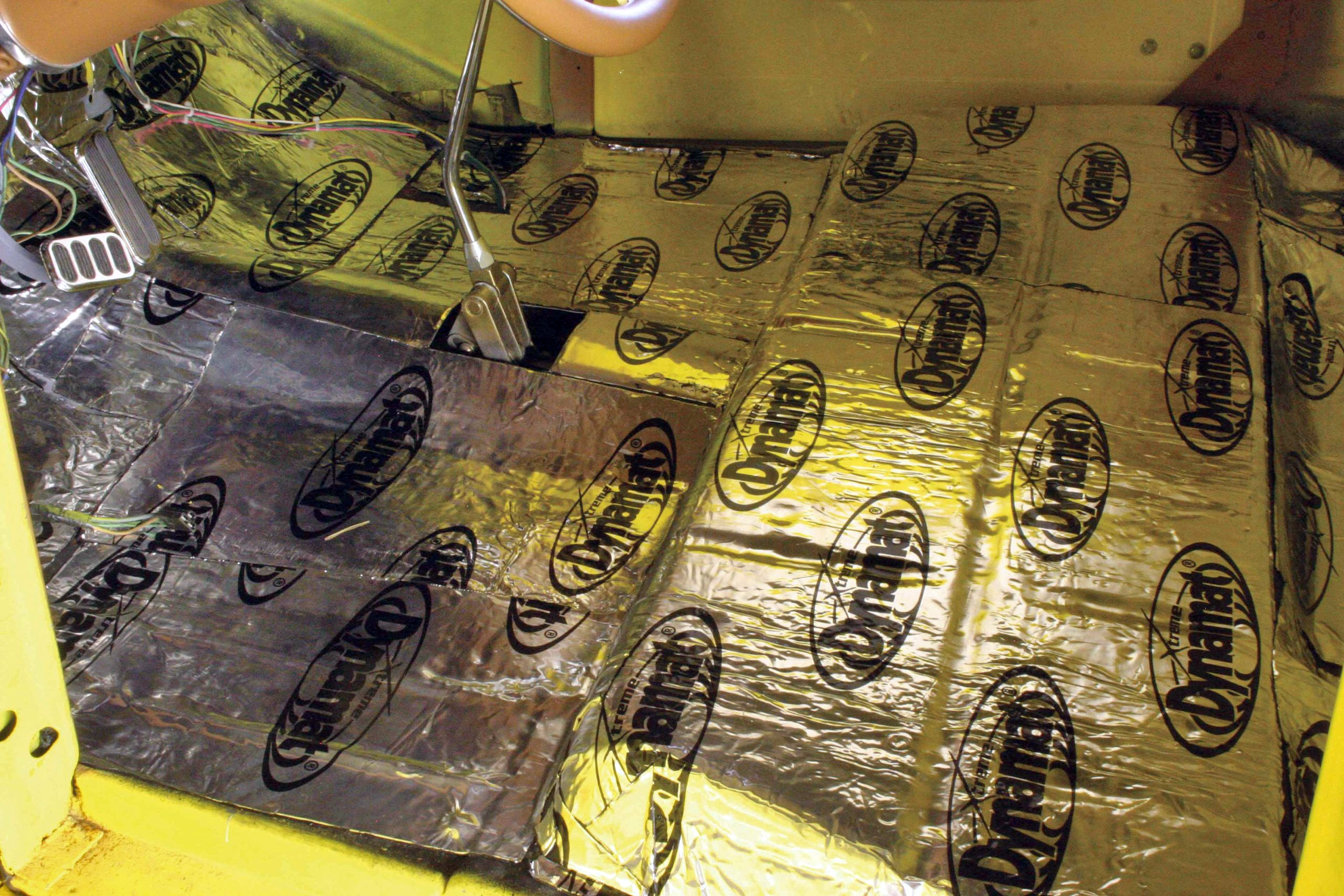
If you’ve ever hopped out of a classic pickup into a modern daily driver pickup, you have probably noticed the startling difference in noise and heat levels within and throughout the interior. This is because some time in the mid-’80s, pickups began receiving the same noise and heat control attention as auto manufacturers spent on cars, as they filled every nook and cranny with noise cancellation foam, sealant and padding. These insulations greatly helped cancel out noises and improved temperature control, as well as help dampen vibrations.
Older classic trucks are among the worst in all these areas. They squeak, they are noisy, and do little to control heat buildup inside the cab, especially around the floorboard. Since all these trucks were originally workhorses, not much attention was paid to these areas, but this problem is easily solved. Whether you are just beginning your interior and building from scratch or retrofitting your existing truck, Dynamat offers a wide selection of noise and sound cancellation products. Dynamat engineers have designed a complete line of products, ranging from speaker kits to complete sound and noise cancellation solutions from the floor to the roof.
0Comments
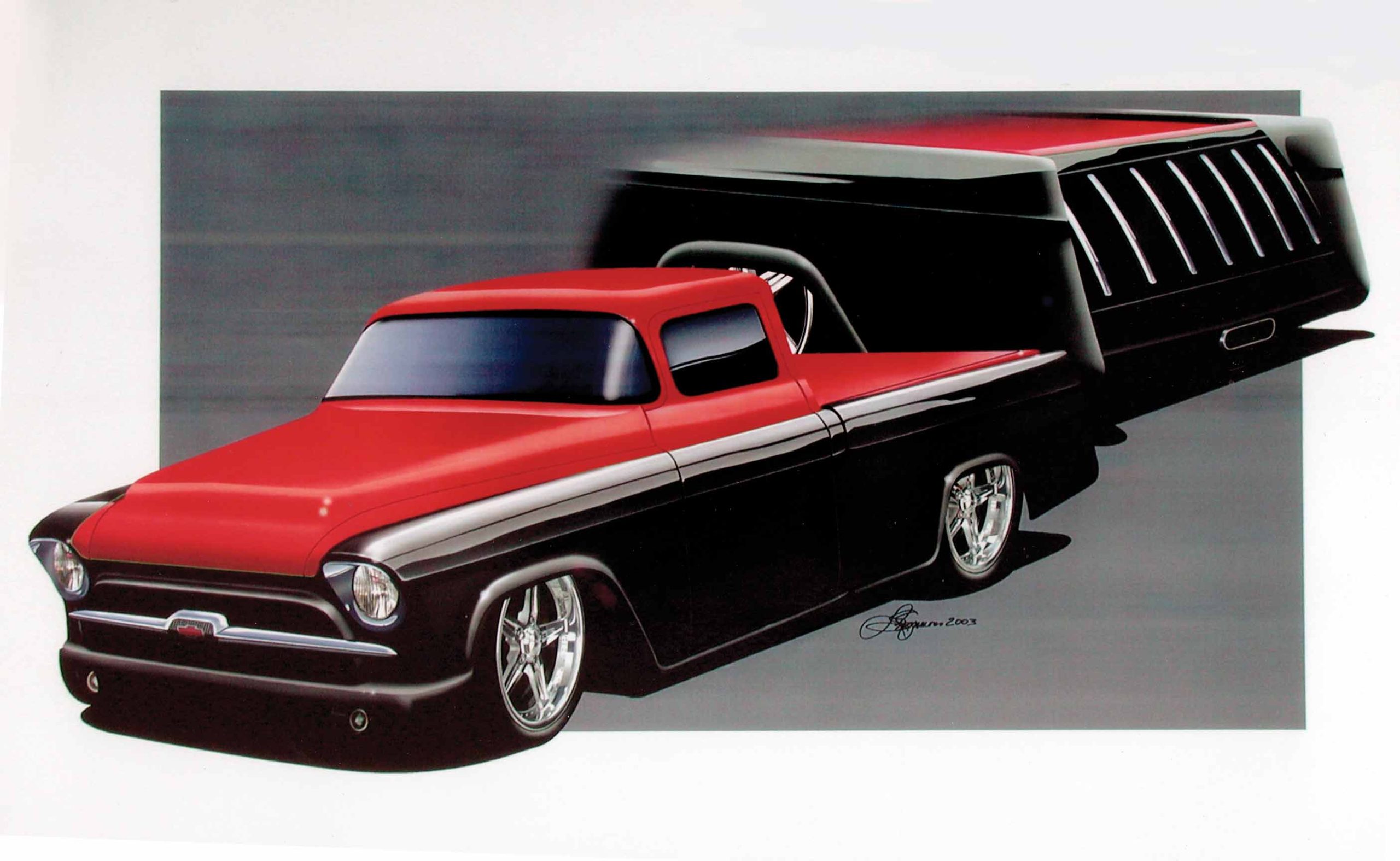
In this detailed account, the Cimbanin brothers at Cimtex Rods in Jarrell, Texas, tackle the complex task of chopping and restoring a ’56 Chevrolet Cameo roadster. This article delves into the nuances of custom truck modification, from aligning door frames to adjusting the roof profile, highlighting the meticulous approach and expertise involved in such a project. Learn about the challenges and techniques of customizing classic trucks, as demonstrated by the award-winning craftsmanship of the Cimbanin brothers.
0Comments
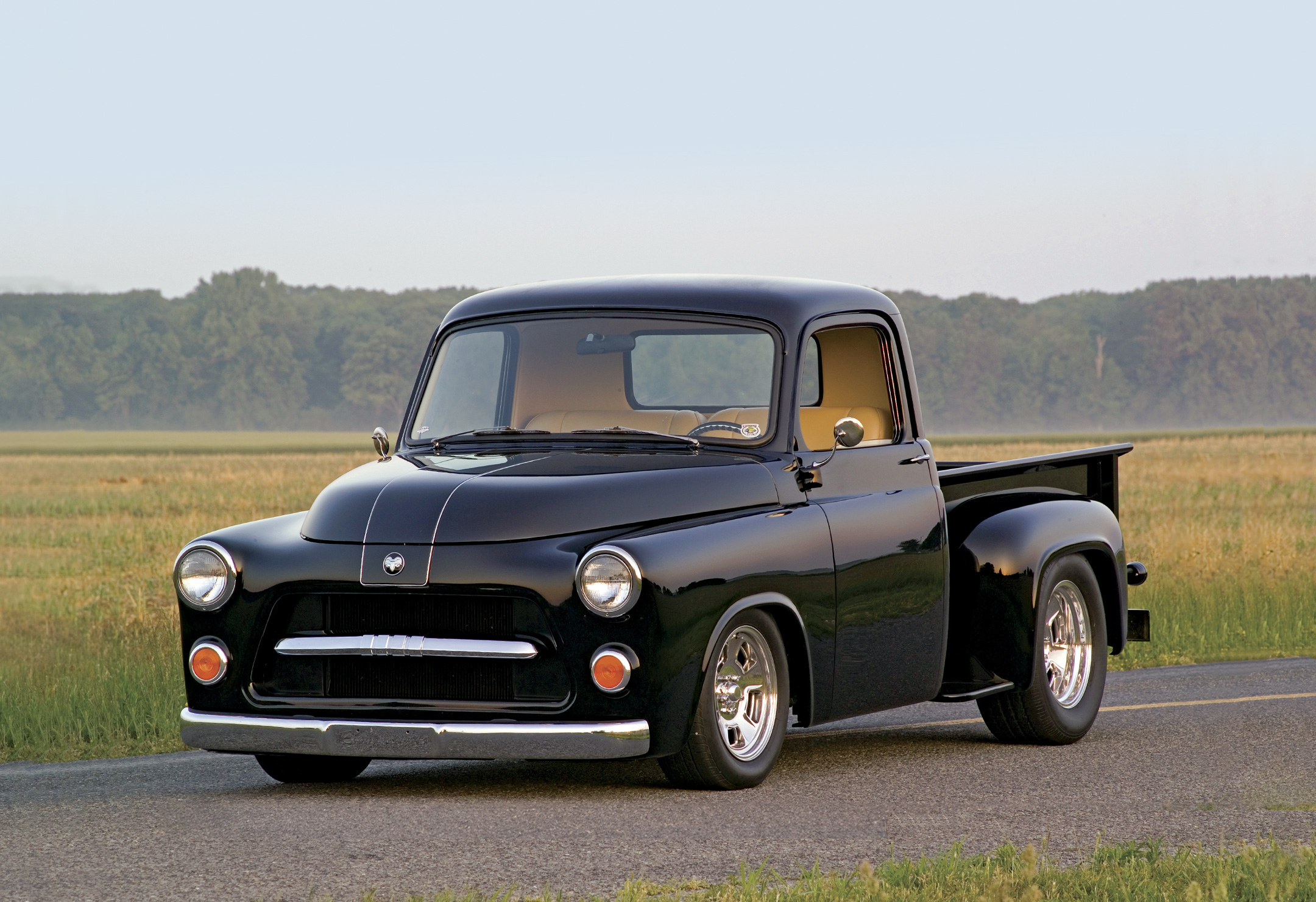
Experience the remarkable metamorphosis of a 1954 Dodge pickup as it evolves from a utilitarian workhorse to an award-winning showstopper. Immerse yourself in the meticulous craftsmanship by Hot Rod Garage, featuring a Mopar 360 crate engine, custom bodywork, and a DuPont Super Jet Black exterior. Marvel at the interior’s camel Ultraleather, Budnik steering wheel, and Vintage Air Gen III system. Discover how Charles Black’s once-overlooked ’54 Dodge became a masterpiece, earning accolades and recognition at events nationwide.
0Comments
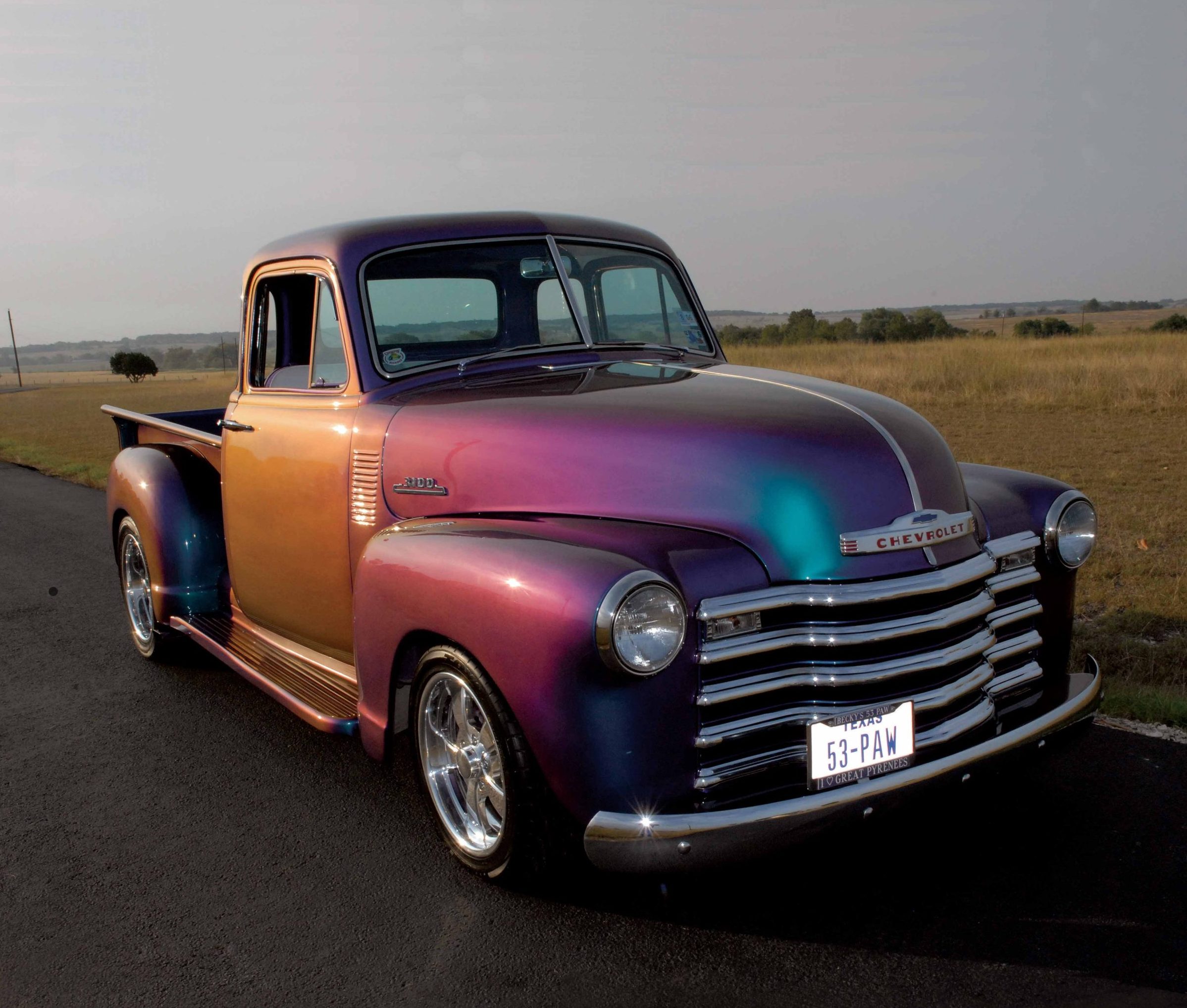
Becky Walker, a housewife and career woman from Jarrell, Texas, has two hobbies: raising Great Pyrenees show dogs and her purple prism 53 Chevrolet show truck, appropriately named 53 PAW. About six years ago, my husband, Billy, dragged this raggedy old 53 Chevrolet farm truck home and told me he was going to fix it up for me to drive. That was the beginning of a major project that lasted over two years. We worked every night, weekend and holiday on that truck. In fact, I distinctly remember spending one New Year’s Eve, back in 2004, helping Billy change out two sets of springs.
0Comments
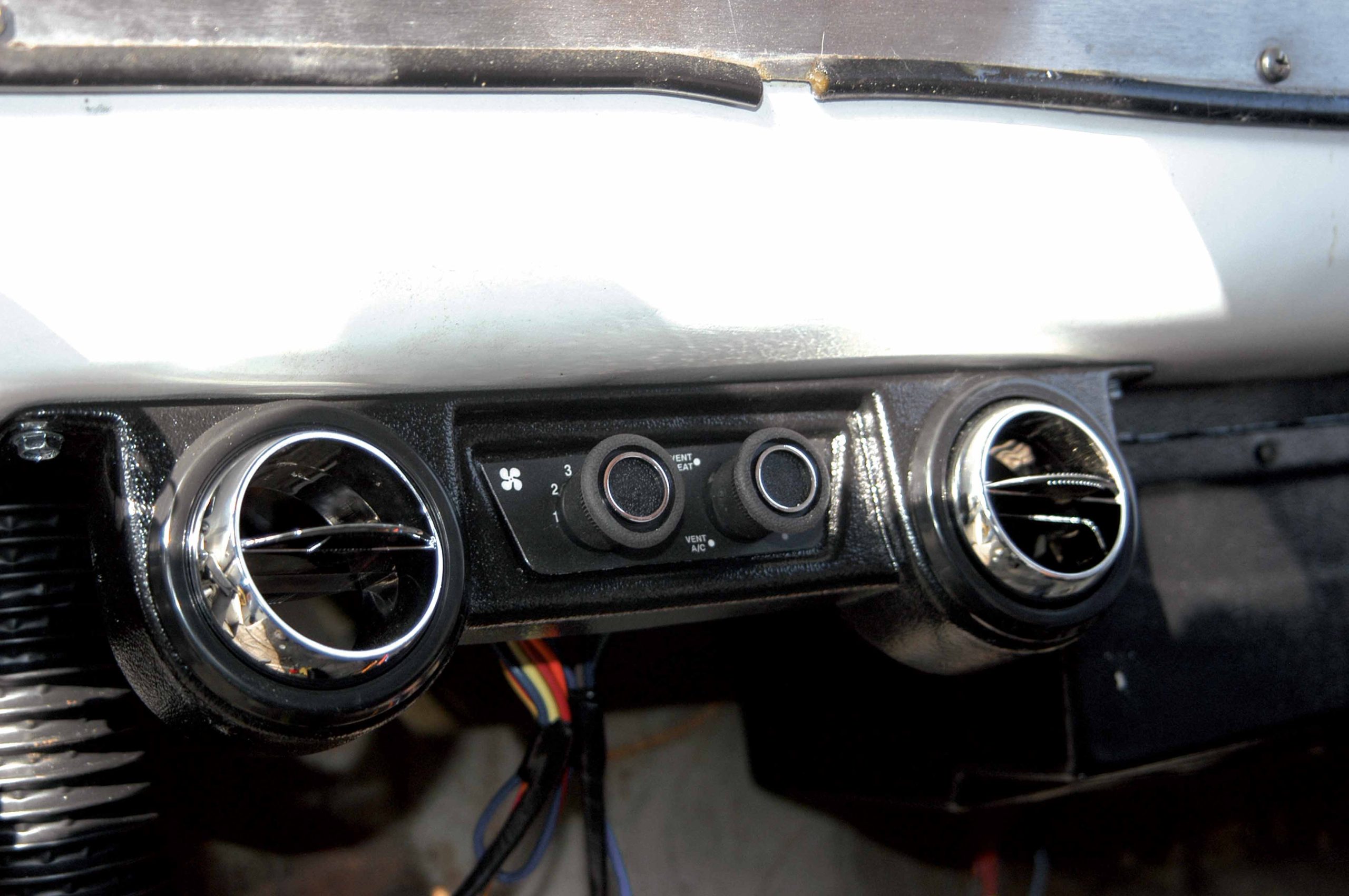
Witness the transformation of a ’55 Chevy panel truck as it embraces modern comfort with the installation of a Hot Rod Air climate-control system. Designed for convenience, this aftermarket system seamlessly integrates power steering, power brakes, and air conditioning, ensuring a comfortable and enjoyable driving experience. Follow the step-by-step installation process, emphasizing the easy-to-follow instructions and plug-in connections. Discover the potential for personalization with chrome-plated upgrades, billet mounts, and other enhancements offered by Hot Rod Air, allowing enthusiasts to customize their street rods according to their preferences.
0Comments
