THE AUTO BUILDER
Featured

THE DODGE BROTHERS
John and Horace would be proud of the impact their namesake car has made on so many auto enthusiasts. Even 85 years after their demise, younger generations are still discovering the styling and performance of this proud old brand. By 1970, that performance and pride culminated in some very enticing streetcars. This Challenger and Dart are two excellent examples of the machinery, while Tony and Phillip Peck are perfect examples of that younger generation.

MOD MOTOR 4-PLAY
Performance enthusiasts are a funny bunch. They all seem to agree that “as much as possible” is the correct answer when asked, “How much power do you want?” But they certainly
disagree about the best way to get there.

Ponies in the Smokies 2026
Winter doesn’t fade quietly in Tennessee—it gets drowned out by horsepower. And once again, Ponies in the Smokies 2026 lit the fuse. The Sevierville Convention Center became ground zero for Ford performance, as thousands of enthusiasts rolled in, filling every inch with Mustangs, trucks, and Blue Oval builds that showed up to make noise—not sit still.
Spotlighter
POPULAR READS
HISTORY OF THE SUV
From Humble Beginnings, the SUV Has Left a Lasting Mark on Automotive History
Author
Josh Kaylor
Photography by Josh Kaylor & Manufacturers
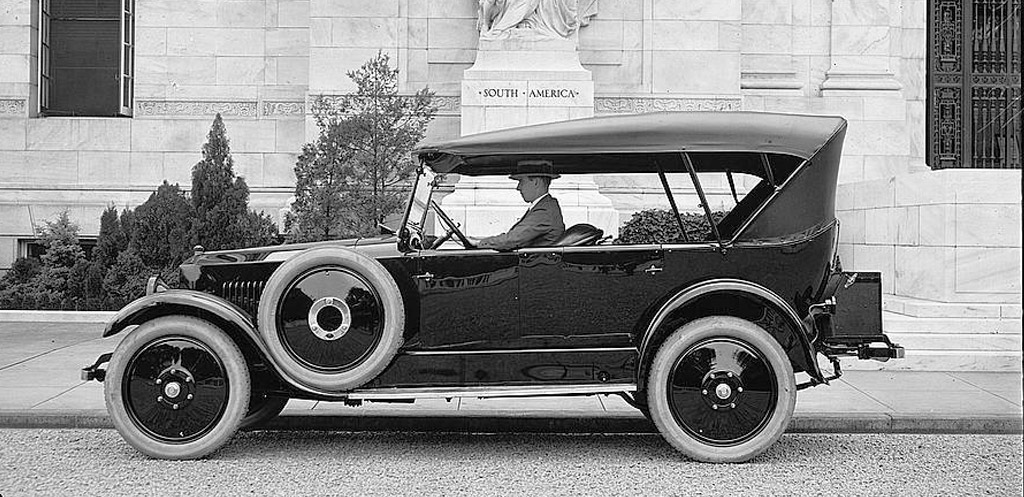
America’s love for the automobile has been evident and strong from day one, ever since the first horseless carriage rolled off the assembly line some 100-plus years ago. The fascination was slow at first for these virtually handmade motorized contraptions, but once they reached production, and Henry Ford made it feasible for anyone to own one, the automobile has helped shape our economy and has influenced the way we live our daily lives. Today, it’s hard to think of life without it.
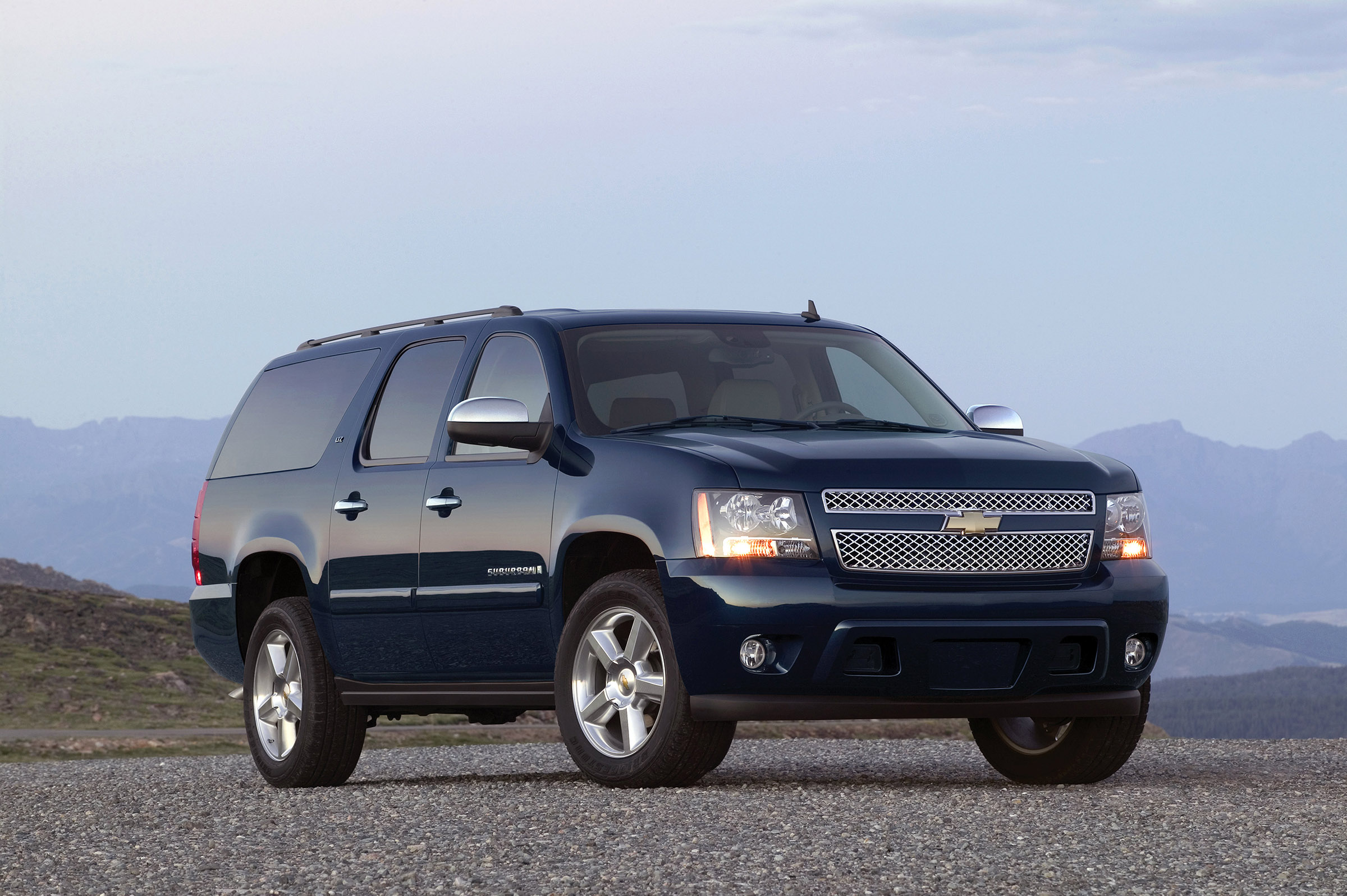
Beyond the everyday passenger car, there were the depot hacks, and these turned into delivery trucks and closed panel trucks. From there, the Suburban Carryall and the huckster were created, and that has evolved into what we know today as the sport utility vehicle—or better known by the acronym SUV.
It wasn’t long after the automobile production line was invented, around the early ’20s Chevrolet began looking for an alternate vehicle for those converting a chassis/cowl model truck into mass transportation vehicles for use in state parks, around town and mundane family use. Utilizing outside coachbuilders like Hercules-Campbell and Cantrell, consumers virtually created the market themselves by having such vehicles designed and built for their particular needs, usually some type of mass transit. Car and truck manufacturers only offered the chassis and cowl packages, virtually leaving the body-building business to owner and outside coach builders.
The first station wagon recognized today was produced by the Studebaker Corporation. In 1922, they introduced the Studebaker Special Six, which was essentially a modified sedan with an extended rear cargo area. This design allowed for more space to transport passengers or cargo, making it suitable for family outings or commercial use.
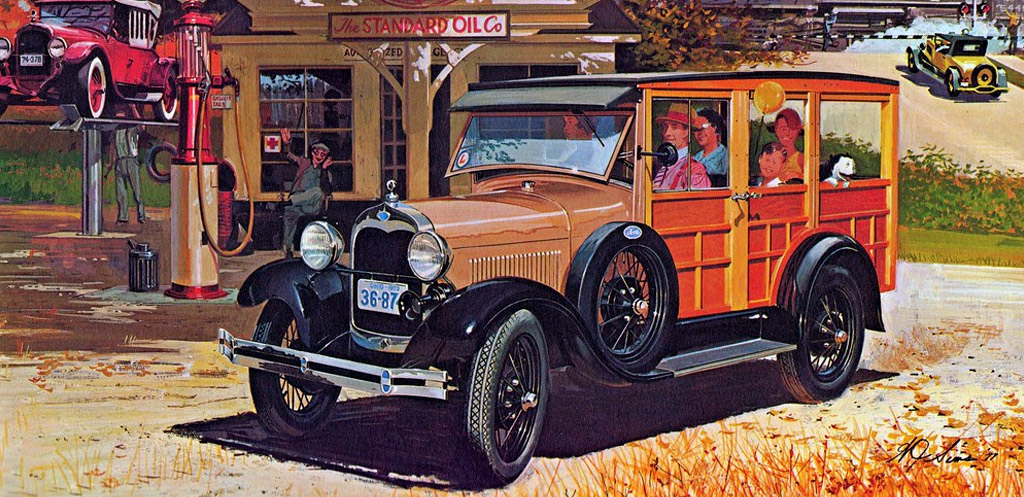
Ford introduced a version of the station wagon, in 1929, and outside the heavier, stiffer truck, it was constructed using a passenger car frame, not a load bearing truck frame—a far cry from the more massive depot hacks and coach-built buses of the time. Dodge’s answer to the public’s cry for more people/cargo-carrying capability came around 1933, with the Westchester Semi-Sedan Suburban. Built on a Dodge commercial truck chassis, U.S. Body and Forge handled the task of building the wooden station wagon bodies for Dodge. Although not built entirely of steel, like the Chevrolet Carryall, Dodge did have several advantages over Chevrolet. Dodge introduced the Westchester several years before the introduction of the Suburban and installed such convenient features such as roll-up windows, at no extra charge, which was a first for its day.

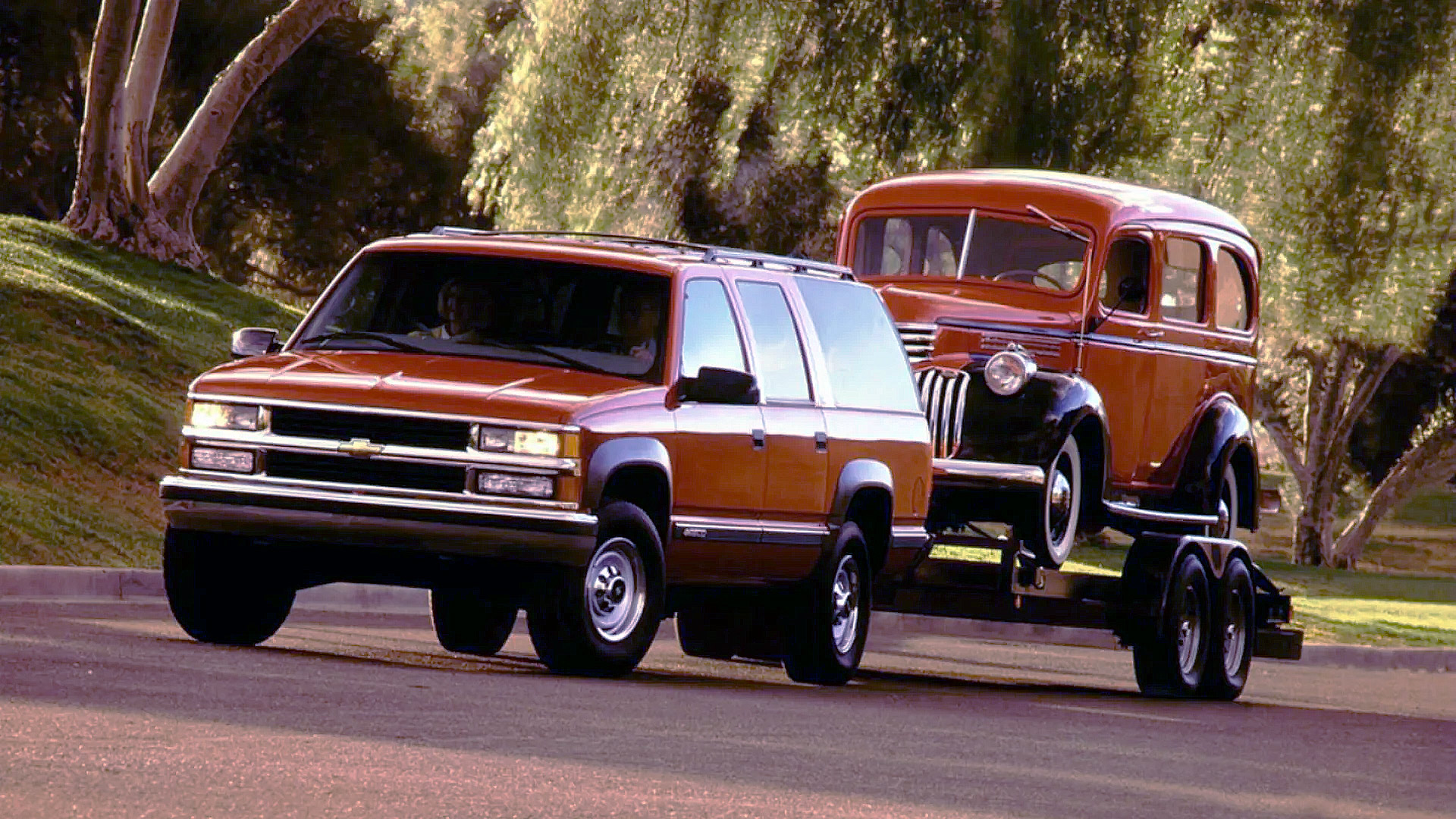
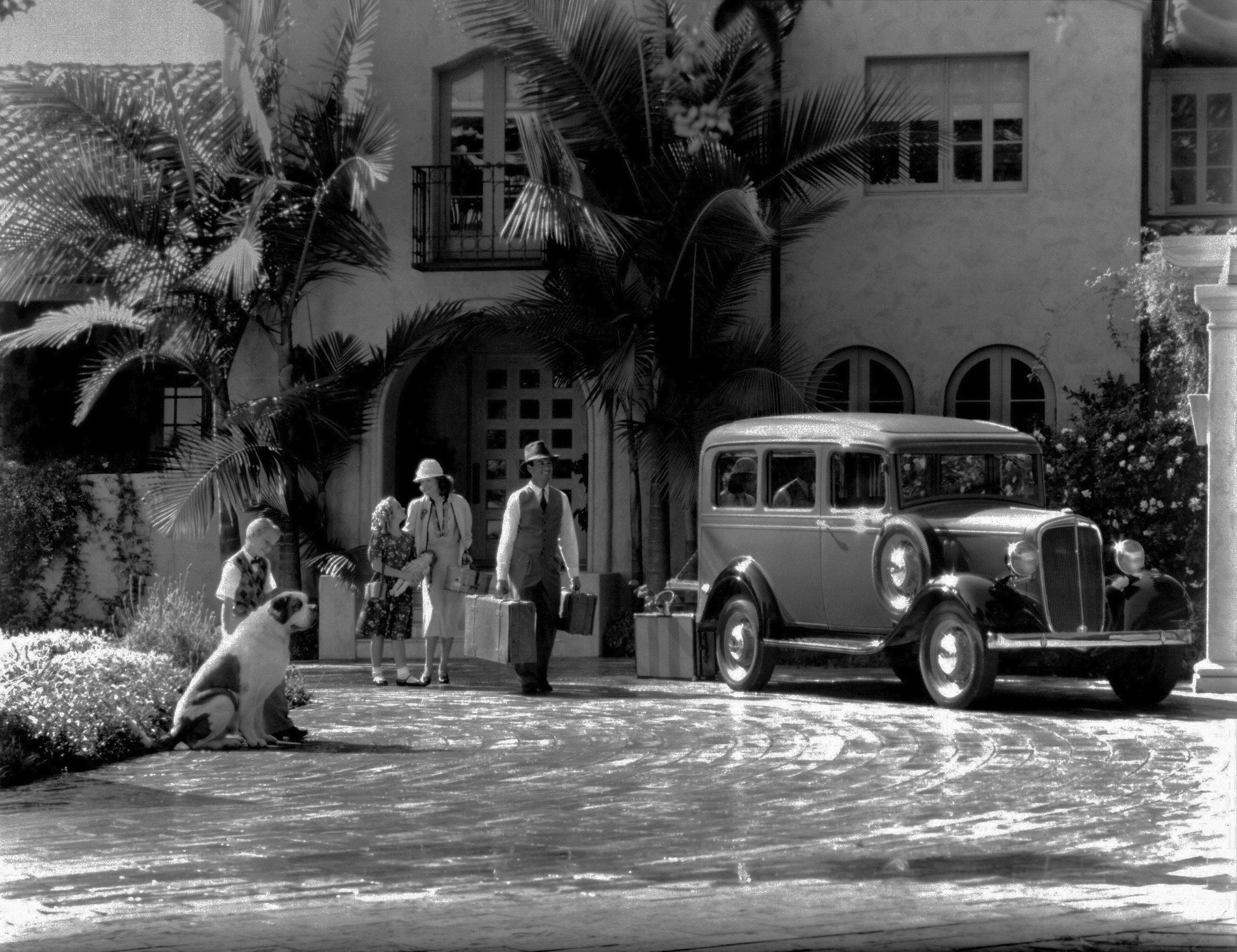
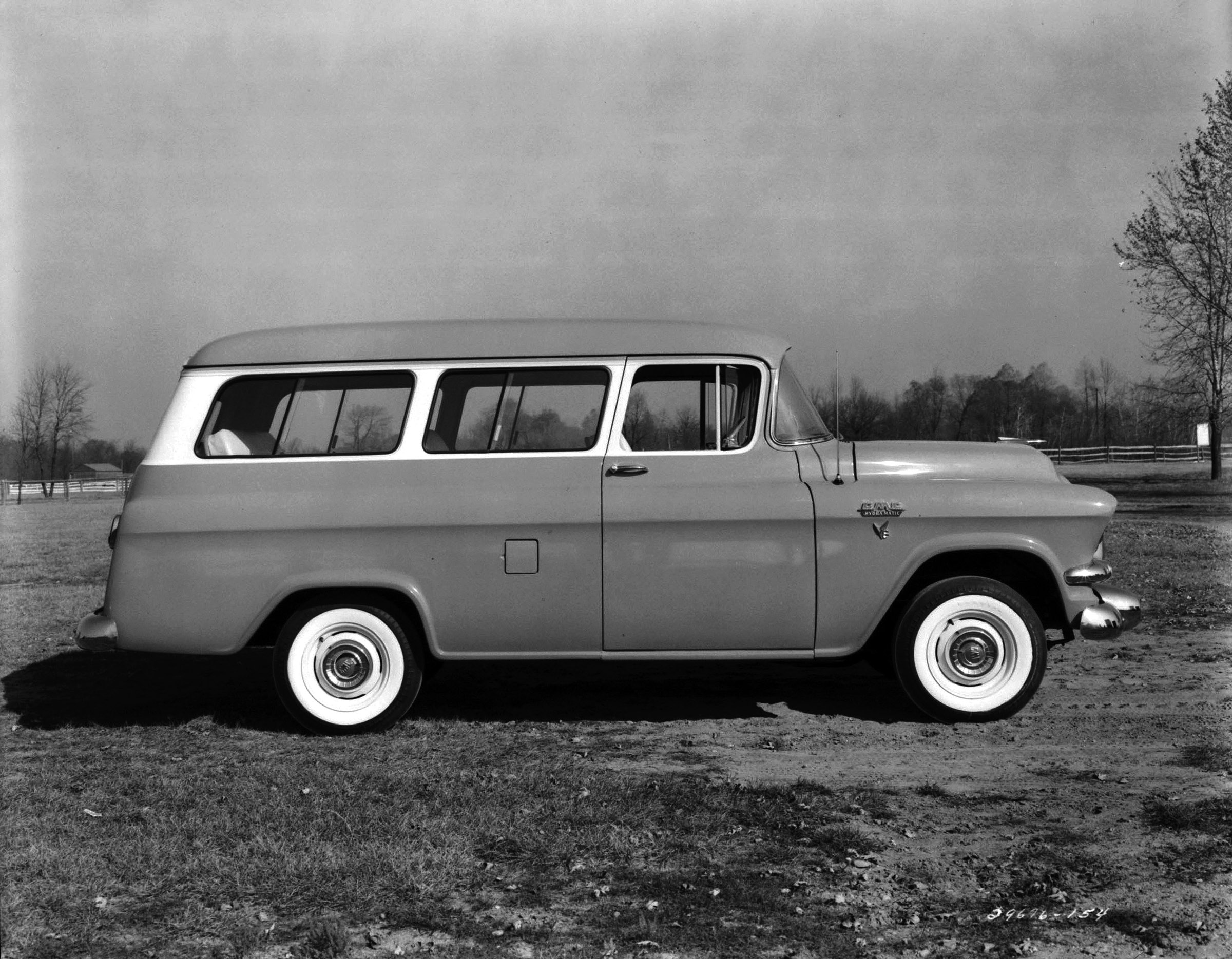
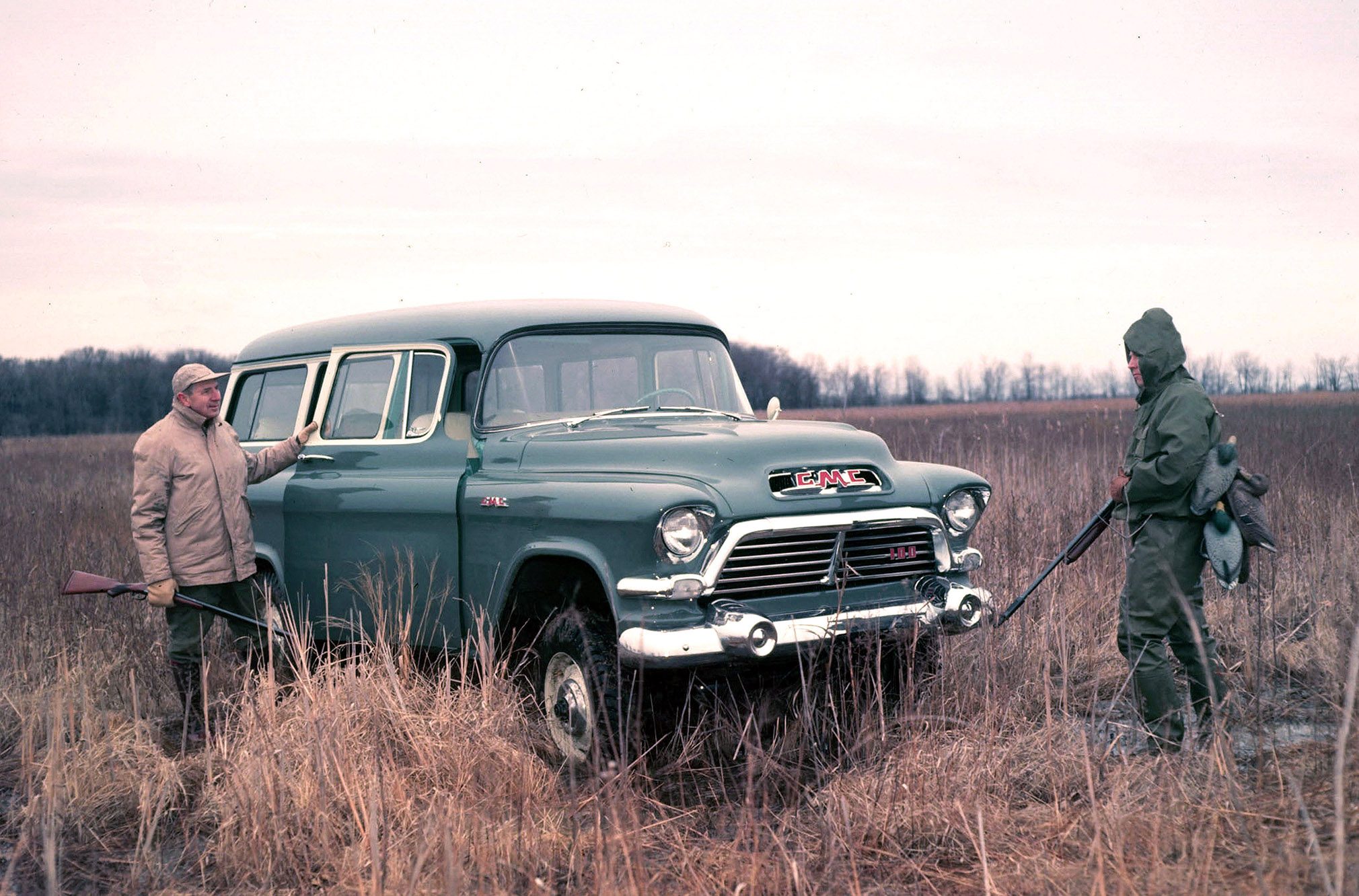
In 1934, Chevrolet emerged with the all-new Carryall-Suburban, first built exclusively for the government. The Carryall would not find a listing in the dealer catalog until 1935, and unlike earlier passenger vehicles that featured a body made of wood and a soft top, the Carryall-Suburban was constructed from steel and could be purchased right from the dealer showroom. The Suburban utilized the heavy-duty truck frame and front truck sheetmetal, but was built with a totally redesigned back half. Designed to carry up to eight passengers, the Suburban featured a front bench seat, designed for three, second row seating for two and a third row seat for three passengers, similar to some of today’s sport utility models. Cost for the new Carryall Suburban that started it all was a mere $695.
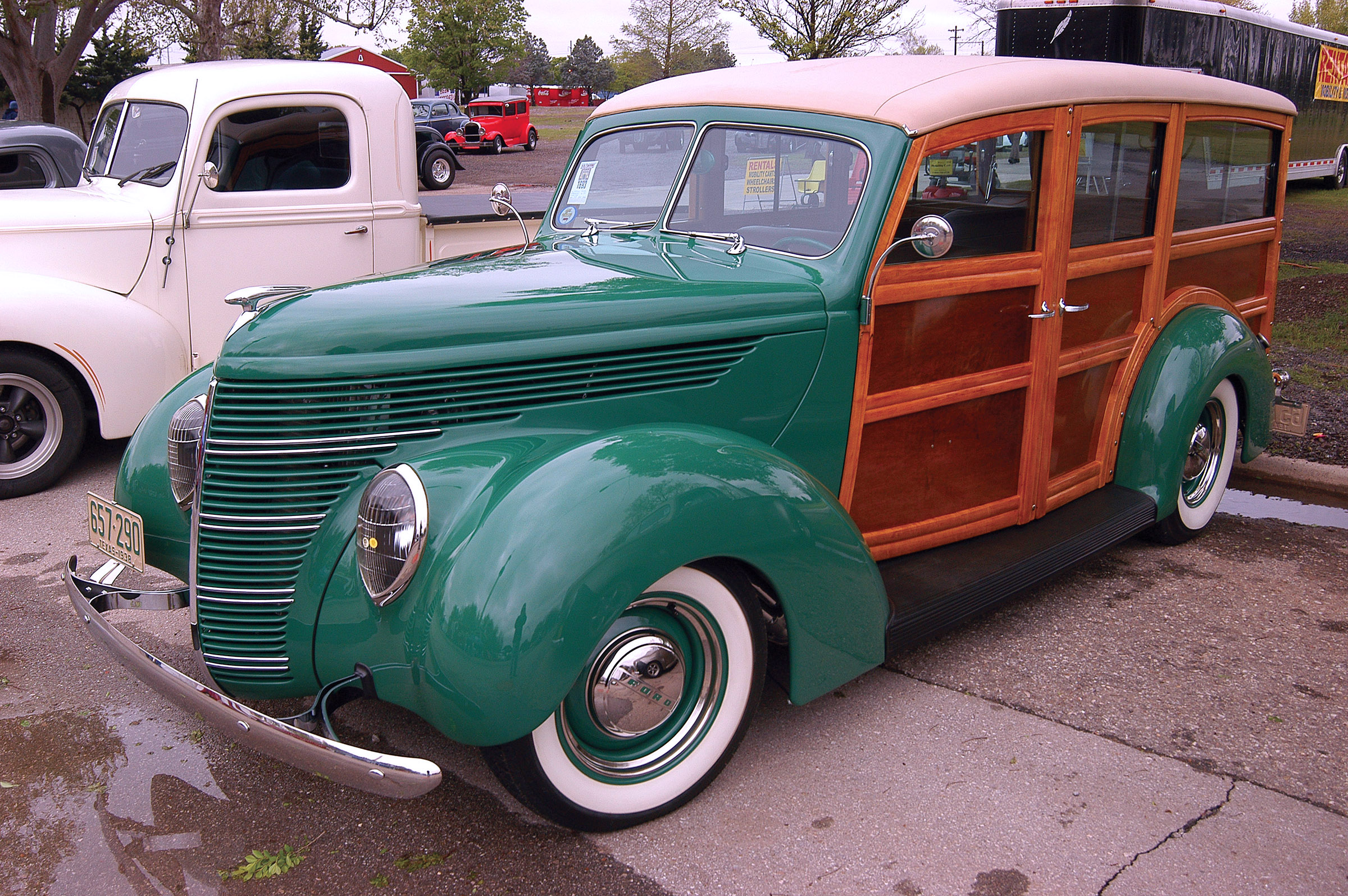
During this time, Ford offered the station wagon or woody wagon, which was built utilizing passenger car front sheetmetal, combined with a custom-built wooden rear section riding atop a passenger car frame. Unlike the larger Carryall Suburban, the Ford station wagons were smaller and far more economical. They also displayed much better detailing than the stamped steel Chevrolet Suburbans, but did not offer the load capacity of the larger, more heavy-duty Suburban and Westchester. Ford produced the wooden station wagon until the early ’50s, when the wood began giving way to steel and was eventually made only as an appliqué to retain the woody look. Chevrolet and sister truck division GMC continued production of the Carryall Suburban, but later dropped Carryall and simply called it the Suburban. Dodge, however, dropped its long title—Westchester Semi-Sedan Suburban—and tagged it the Carryall, and Plymouth also claimed the Suburban title.
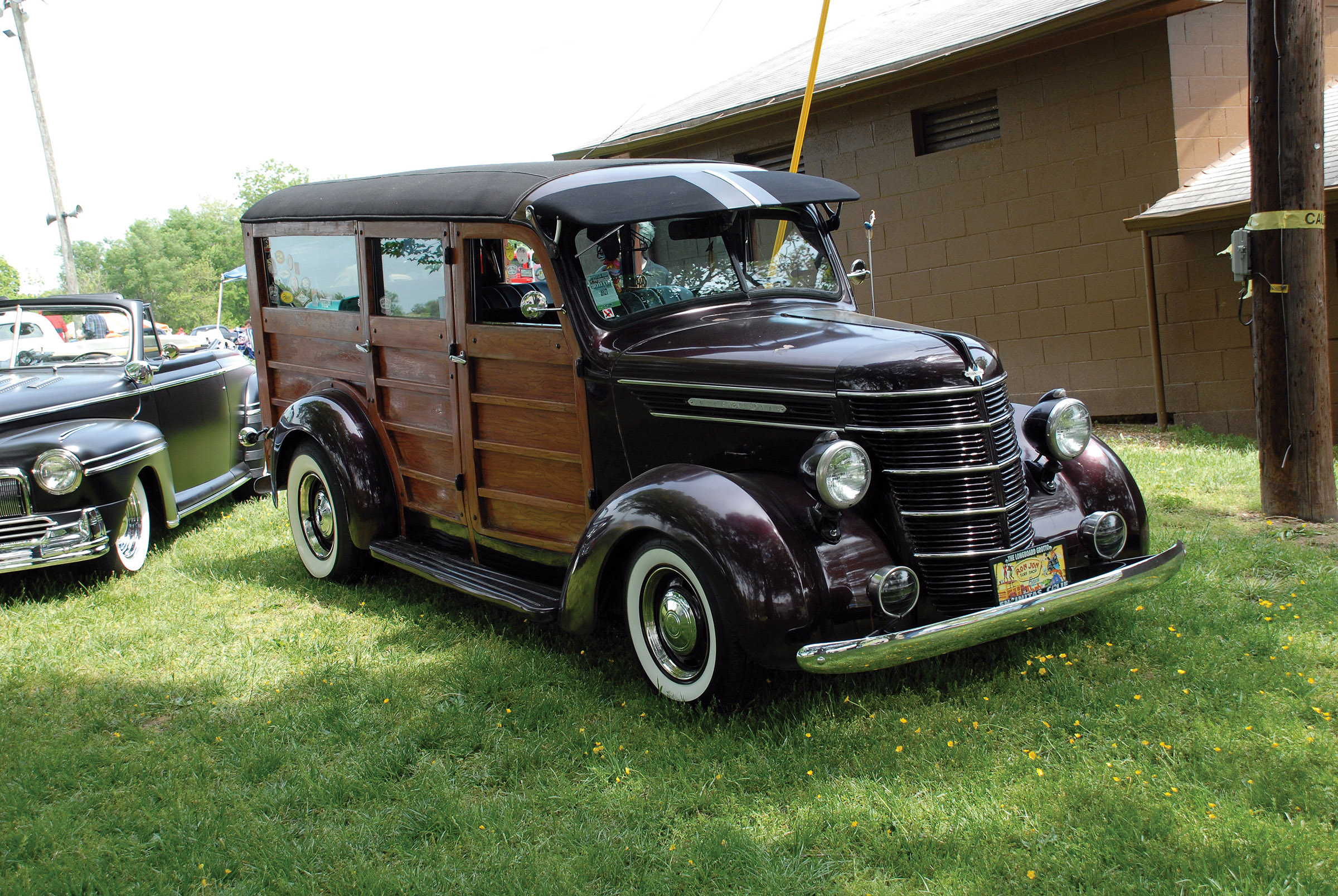
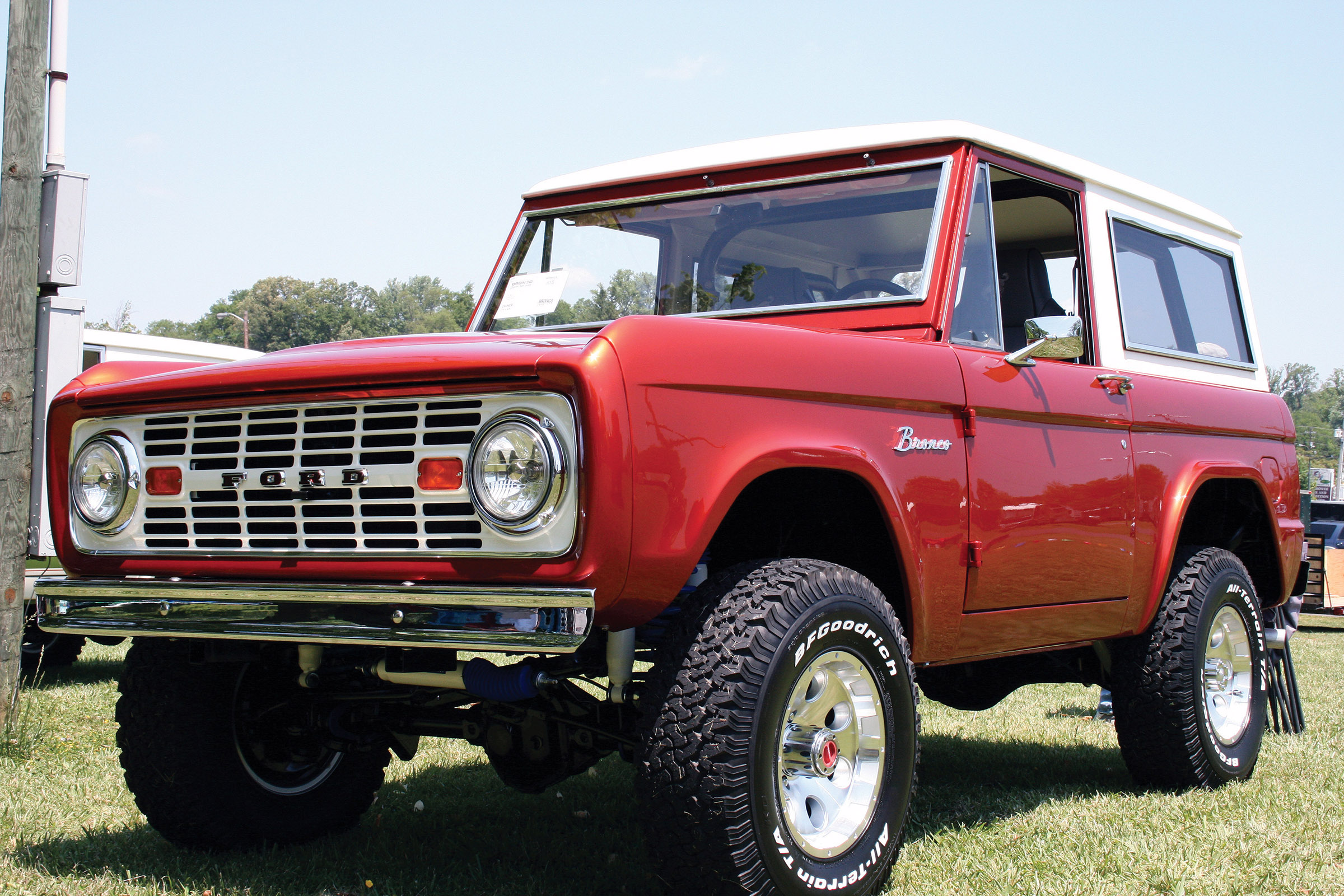
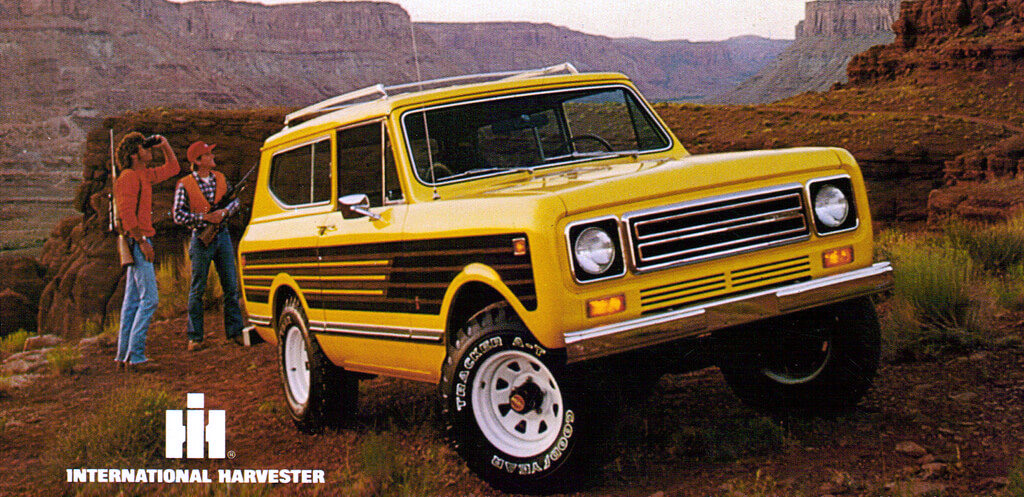
It wasn’t until WWII that Dodge discontinued the coach-built wooden structures. During WWII, the swap to all-steel construction began, and Dodge produced thousands of vehicles for the war effort. Following the war, Plymouth introduced its first all-steel Suburban in 1946. International as well as Crosley entered the field with all-steel trucks not long after the war, but by 1959 Crosley was largely out of business. The International Scout 80 was International Harvester’s bid into the off-road market, and offered up competition for the Jeep, which became a household name as a result of the war effort. Not much changed until 1966, when Ford introduced a vehicle that would forever change the market: the Bronco.
Small and compact, but fully capable of climbing mountains and handling rough terrains, the Ford Bronco grabbed the market by storm as well as the attention of the off-road enthusiast. While GM still offered the Suburban, it was a rather large vehicle by comparison to the more compact Bronco. The Bronco could be equipped with an optional 200hp 289 V-8. That would grow to a 302ci V-8 in 1969. The Bronco featured a lift-off hard top and a stout four-wheel drive system but was tame enough to drive around town or to the local grocery store. Attractively priced, the Bronco cost around $2,398 equipped with the standard six-cylinder engine.
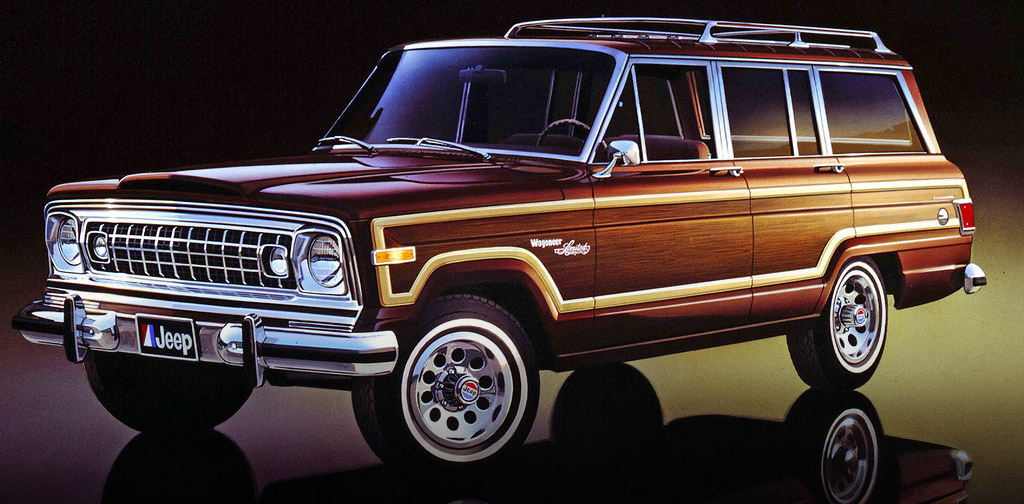
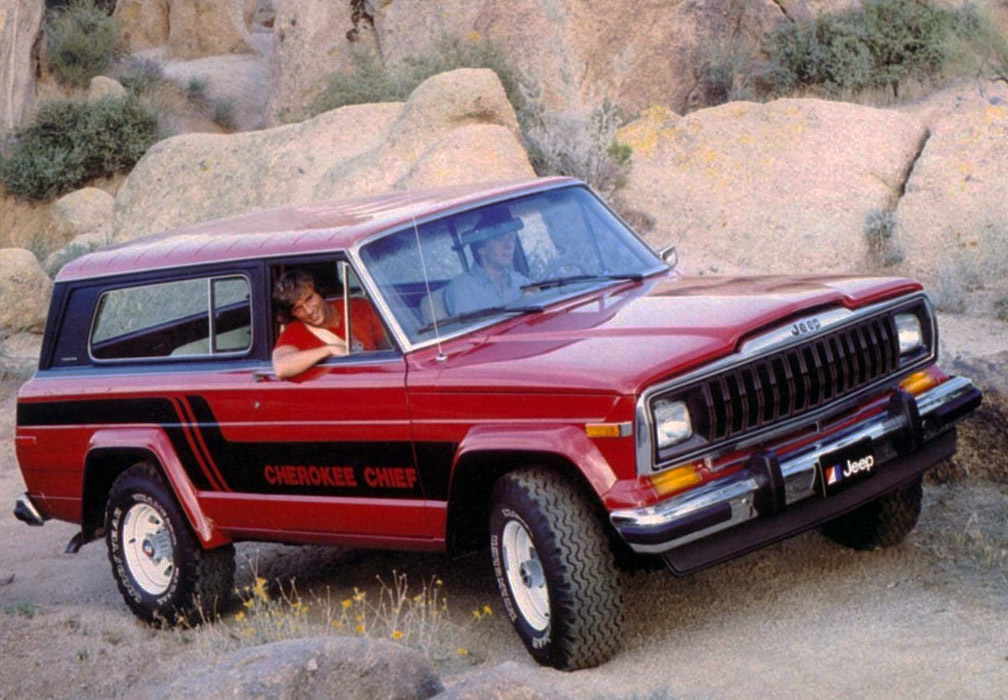
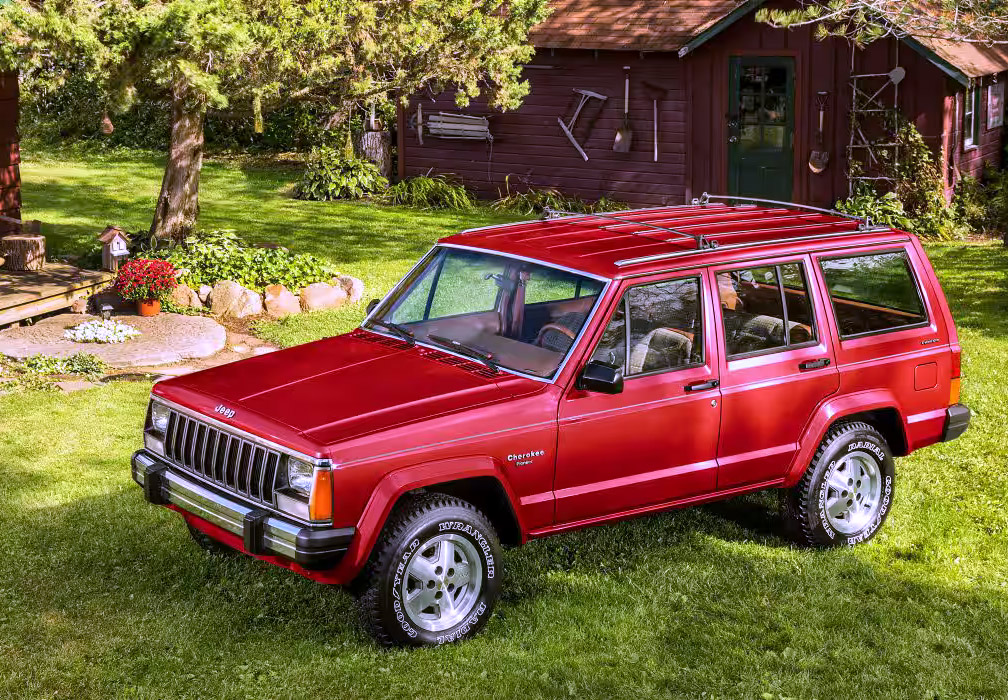
With the immediate success of the Bronco, a spark was ignited as several smaller SUVs followed. International had the Scout, GM shortened up its lengthy three-door Suburban and created the Blazer. Dodge also entered the market, and in 1974 offered the two-door Ramcharger. However, it was the Jeep Wagoneer that dominated sales. Introduced in 1963, the Wagoneer was available both as a two and four-door. The Wagoneer could also be ordered with four-wheel drive and an automatic transmission and overdrive. This made the Wagoneer a very serious contender throughout the ’70s.
The ’70s and ’80s provided the Wagoneer and Cherokee lines the lion’s share of the utility market. It wasn’t until the late ’80s when the SUV market exploded, continuing to grow, as fuel was cheap, people’s lifestyles became more active and the big three automakers—Ford, GM and Chrysler—began pushing the SUV lines. Ford introduced the Explorer and later the Expedition. Chevrolet continued with the Suburban and Blazer, GMC offered its own variants, and eventually the two divisions introduced the Tahoe and Yukon, and Dodge continued production of the Ramcharger until 1993. It wasn’t until 1998 that Dodge introduced the Durango as a replacement for the Ramcharger.
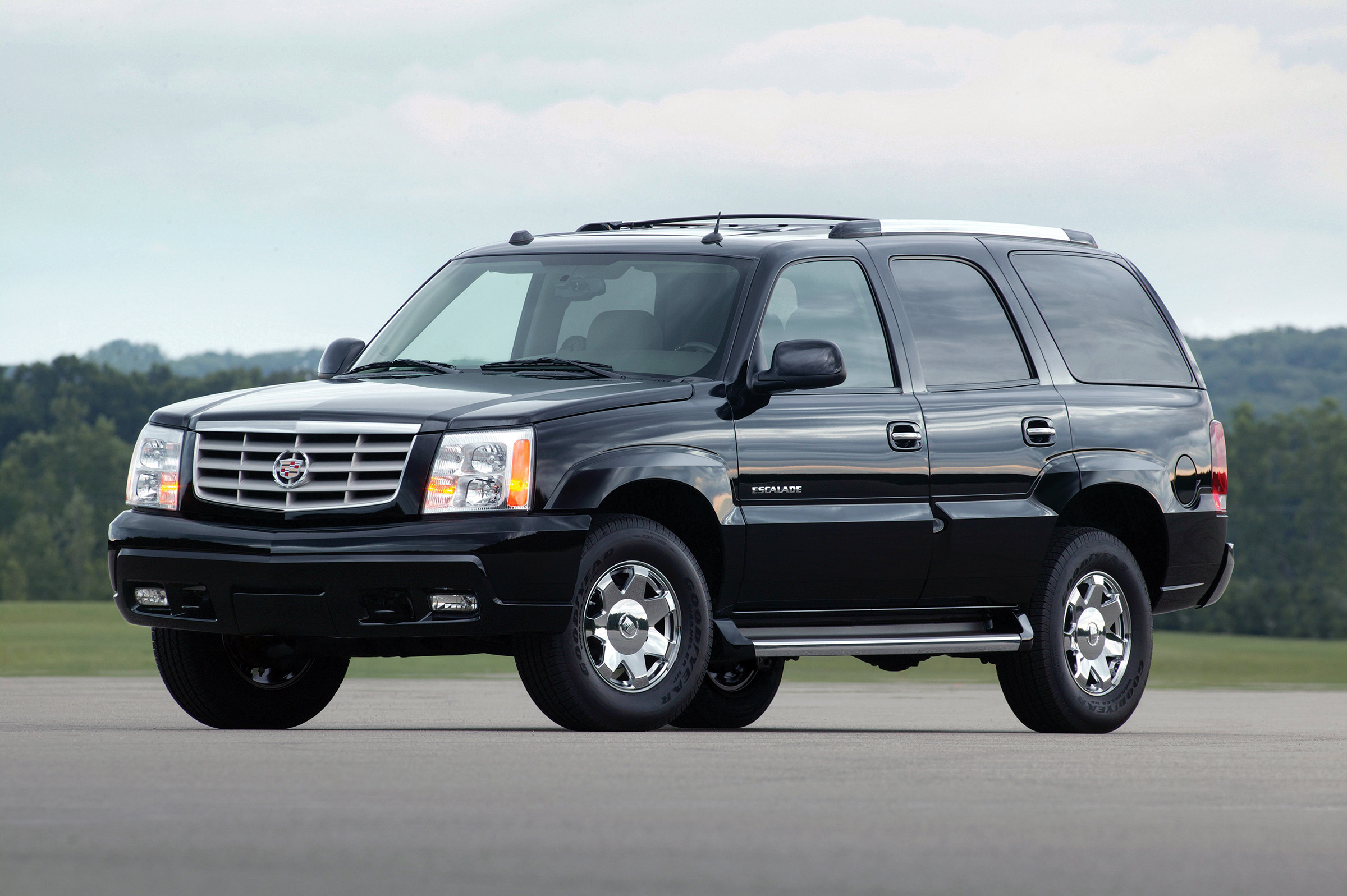
You would need to write a book to cover the last decade of the SUV, but from all the models presently available, SUVs started as the humble depot hacks of yesteryear. Today they’ve become rulers of the road, with such upscale variants as the Cadillac Escalade and more greenhouse friendly Ford hybrid Escape and everything in between. With the vast proliferation of SUVs and crossover models, the sport utility market will survive another century.