




THE AUTO BUILDER
Featured

SWEET SOUNDS
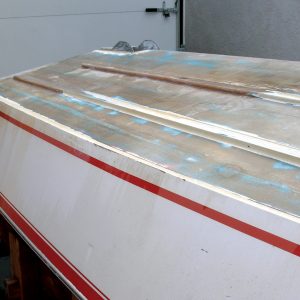
Everyone wants a killer stereo that rocks. You can’t just roll out in your car without something fabulous to listen to. The factory equipment just won’t work for those who demand more, especially if you are trying to show off. You have to be able to turn up the music and be heard—it’s all part of the game. If you’re going to roll, you know the rules: you have to roll hard and that means your entire stereo system has to be up to the task. Nothing is worse than blasting a stereo and hearing everything rattle and shake. That’s a huge no-no. There is a simple solution to this problem, however. To do a proper stereo installation, you must first lay a solid foundation. The first layer of this foundation is called sound damping or sound control.

Hot Rods, Customs, and Muscle Cars of Detroit Autorama 2026
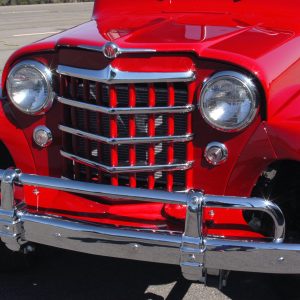
Every winter, the custom car world storms into the Motor City for one of the most legendary indoor shows in hot rodding history—Detroit Autorama. Inside the sprawling halls of Huntington Place, the temperature might still read winter outside, but on the show floor the atmosphere is pure horsepower, chrome, and adrenaline. Thousands of enthusiasts flood the aisles to see the machines that define the cutting edge of hot rods and muscle cars craftsmanship.

Inside the Hottest Booths at SEMA 2025
The SEMA Show stands alone as the ultimate proving ground for the automotive aftermarket world. No other event brings this level of innovation, craftsmanship, and straight-up creativity together in one place. Everywhere you turn, there’s something new—fresh tech, wild ideas, and custom builds that push boundaries in ways only SEMA can inspire.
Spotlighter
POPULAR READS
ROLLING THUNDER
We Dare You to Call this 530hp Bird a Thunderchicken
Author
Will Smith
Story & Photograph
The Beginning: A Spirited Family Car
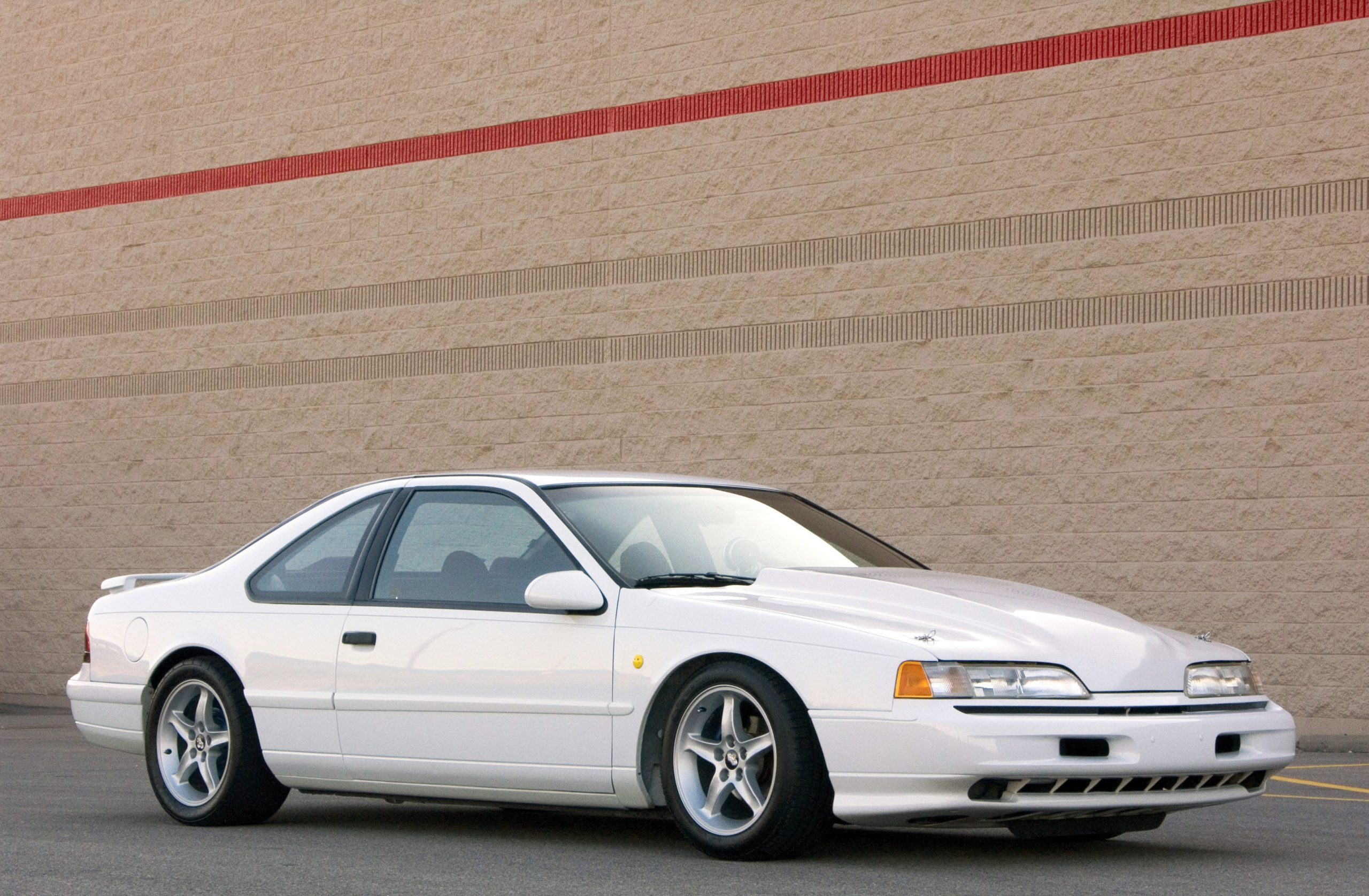
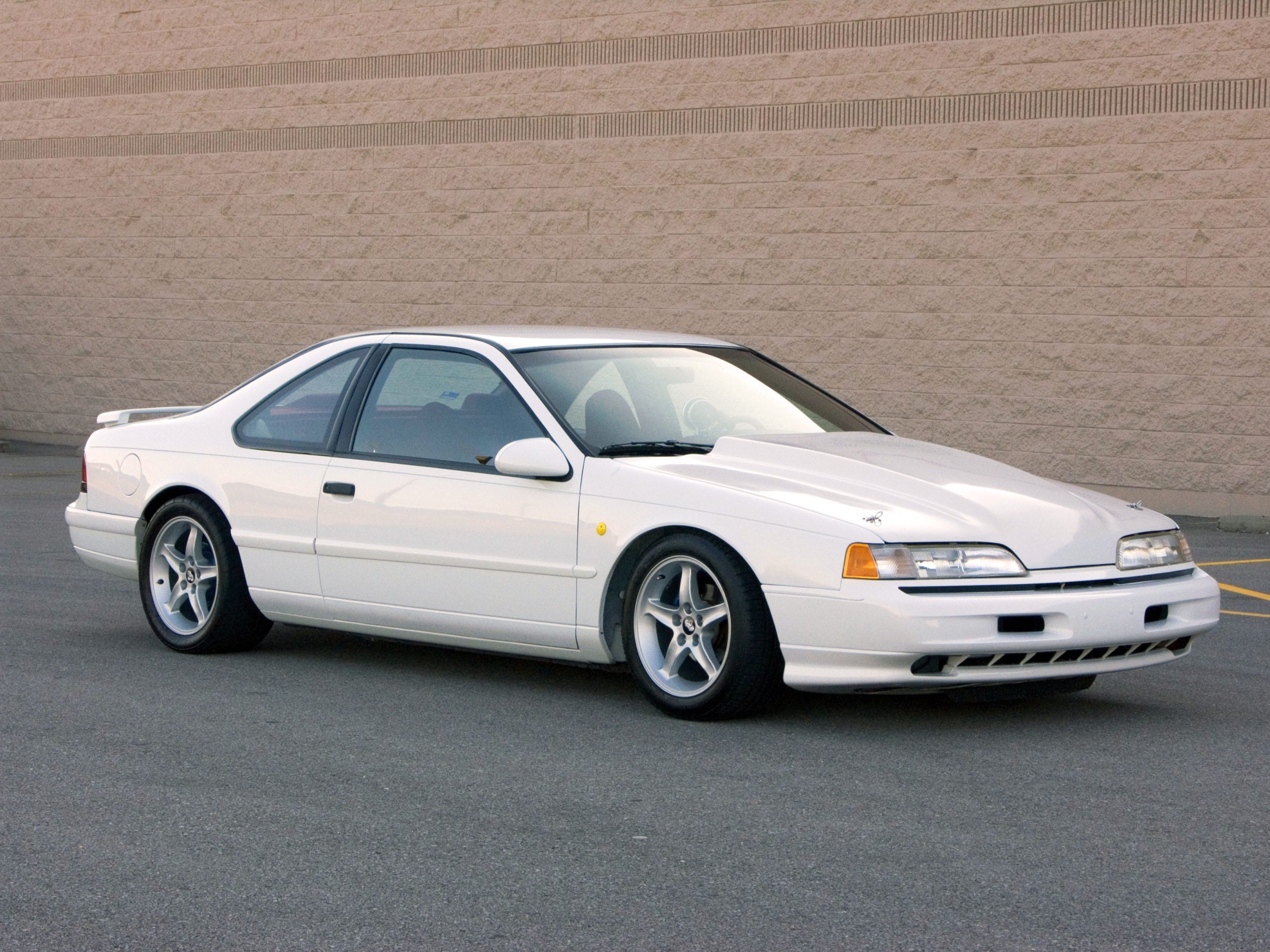
In 1992, Bruce Richards bought a new 5.0 Thunderbird. He wanted a spirited family car and daily driver, and he drove this car for 10 years before deciding that it had served its purpose. It now deserved a better, faster, and more powerful life. Richards liked the idea and wanted anything but a cookie-cutter T-Bird. He wanted a car that would run with the best of them, including Mustangs. The only problem was the size of the Bird. As it left the factory, the car weighed 3,940 lbs and made only 205 hp, so Richards’ decision was clear—he needed the car to have more power and weigh less.
Engine Upgrade: From 302 to 393ci Stroker
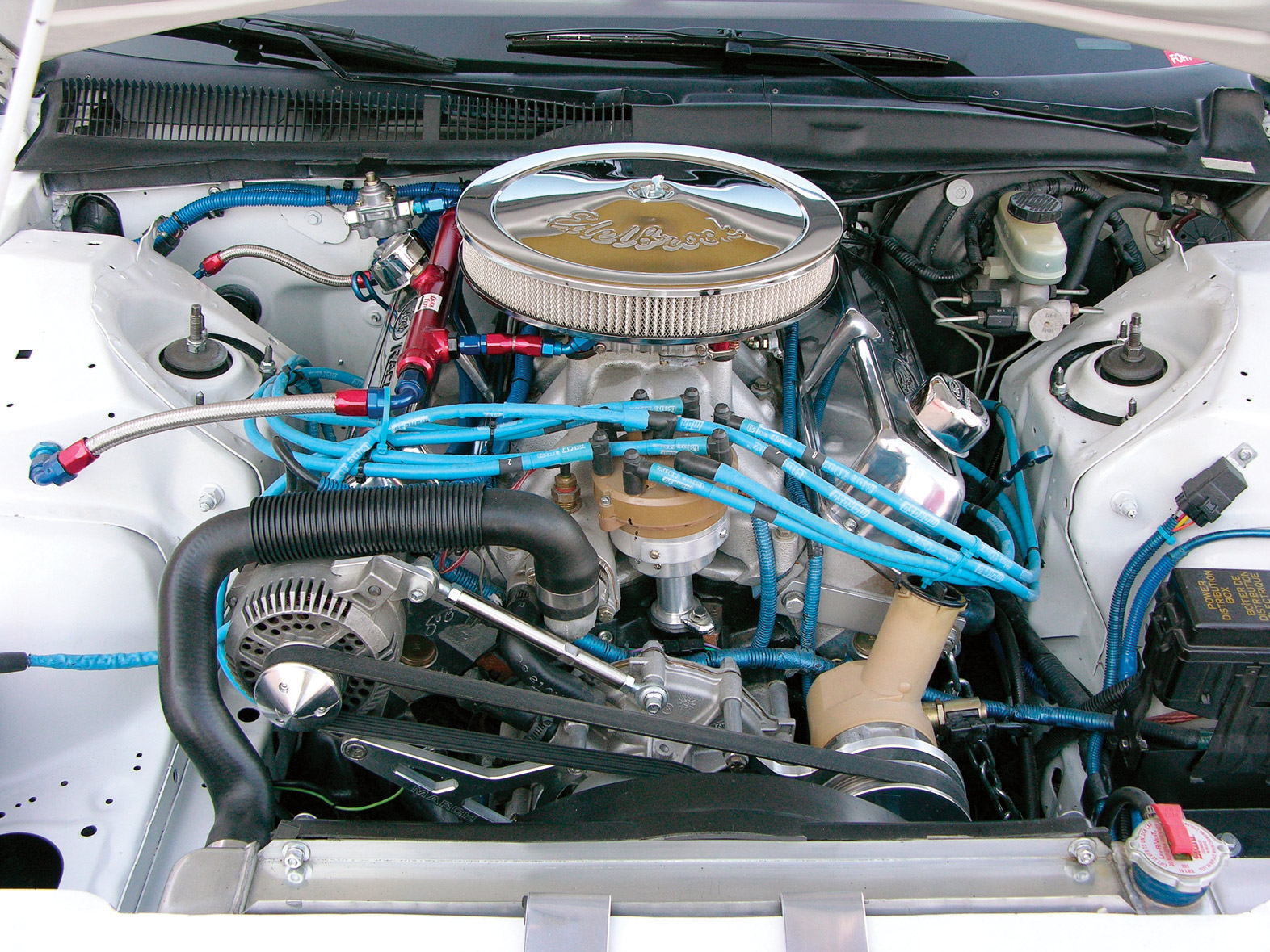
He began the project by removing the 302 in favor of the size found in a 393ci stroker motor. Rather than sticking with the factory EFI setup or an aftermarket EFI manifold and engine program, he selected a set of aluminum Z304 heads, topped with an Edelbrock Victor Jr. intake manifold. Quickfuel Technology supplied the 750cfm carburetor and the rest of the fuel system, even replacing the stock steel fuel lines with aluminum. The crank and rods are forged, and the cam features 0.575/0.595-inch lift with 242/248 duration. The compression ratio is 10:1, with an MSD ignition system to light the charge. Exhaust enters BBK long-tube headers and exits to the tune of 527 hp at 6,200 rpm.
Weight Reduction and Power Optimization
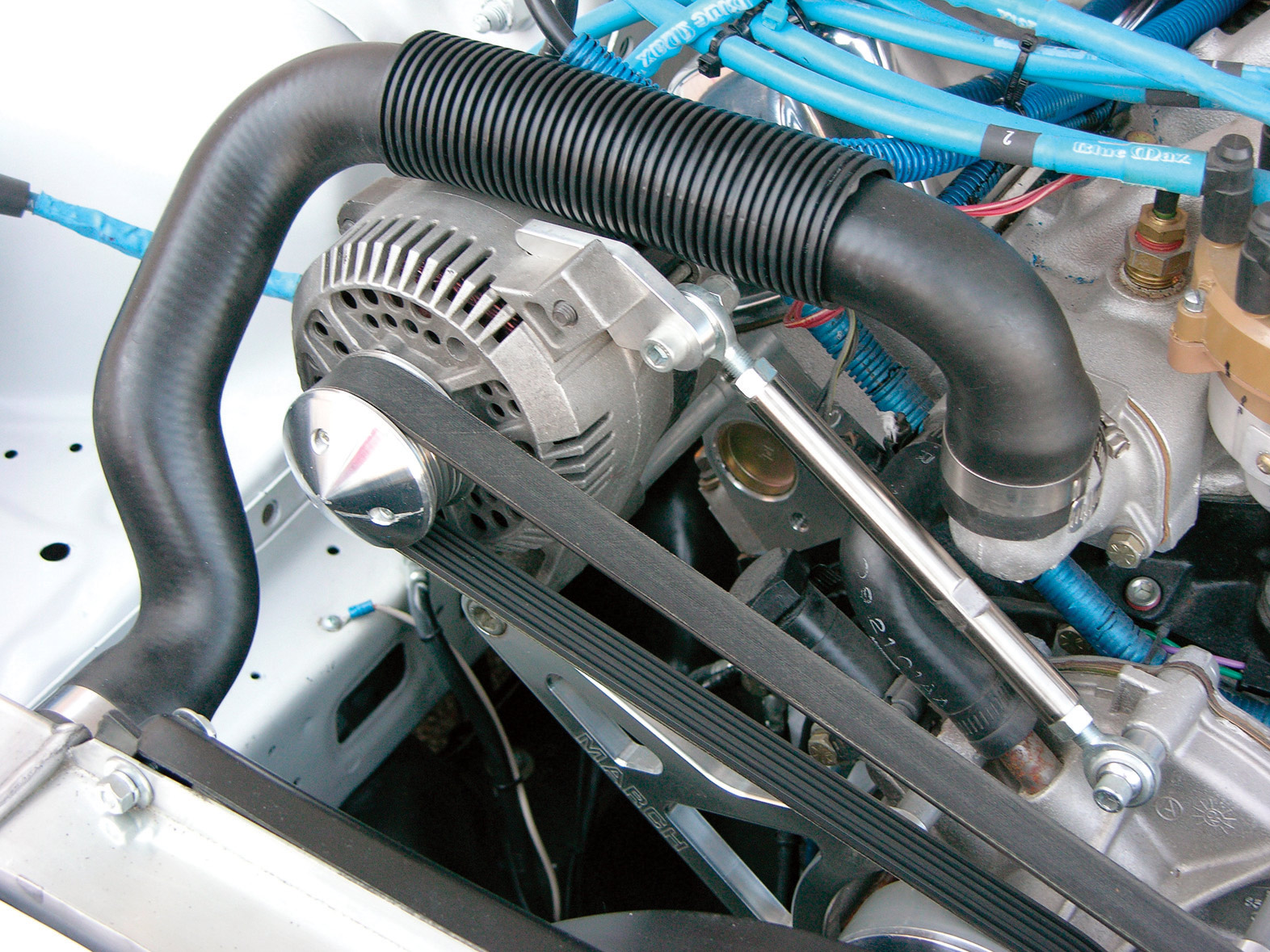
Logic might say that replacing the lighter 302 with the heavier 351 block might have been a step in the wrong direction in terms of weight, but that was not the case. Richards wanted a carbureted motor so he could eliminate the extra weight of the upper intake manifold, as well as the computer and emissions controls. Aluminum pulleys save more weight, as do the billet aluminum alternator and power steering brackets. The entire A/C system was also removed as part of the diet.
Transmission and Cooling Upgrades
The stock AOD wouldn’t have lived for long behind this motor, so a Lentech Street Terminator replaced it. Dual 24,000-lb GVWR coolers keep the fluid from heating, and a 3,500-rpm Lentech converter pushes the car off the line at the strip. The new radiator is all aluminum and bigger than the original for better cooling.
Chassis Modifications and Rear-End Reinforcement
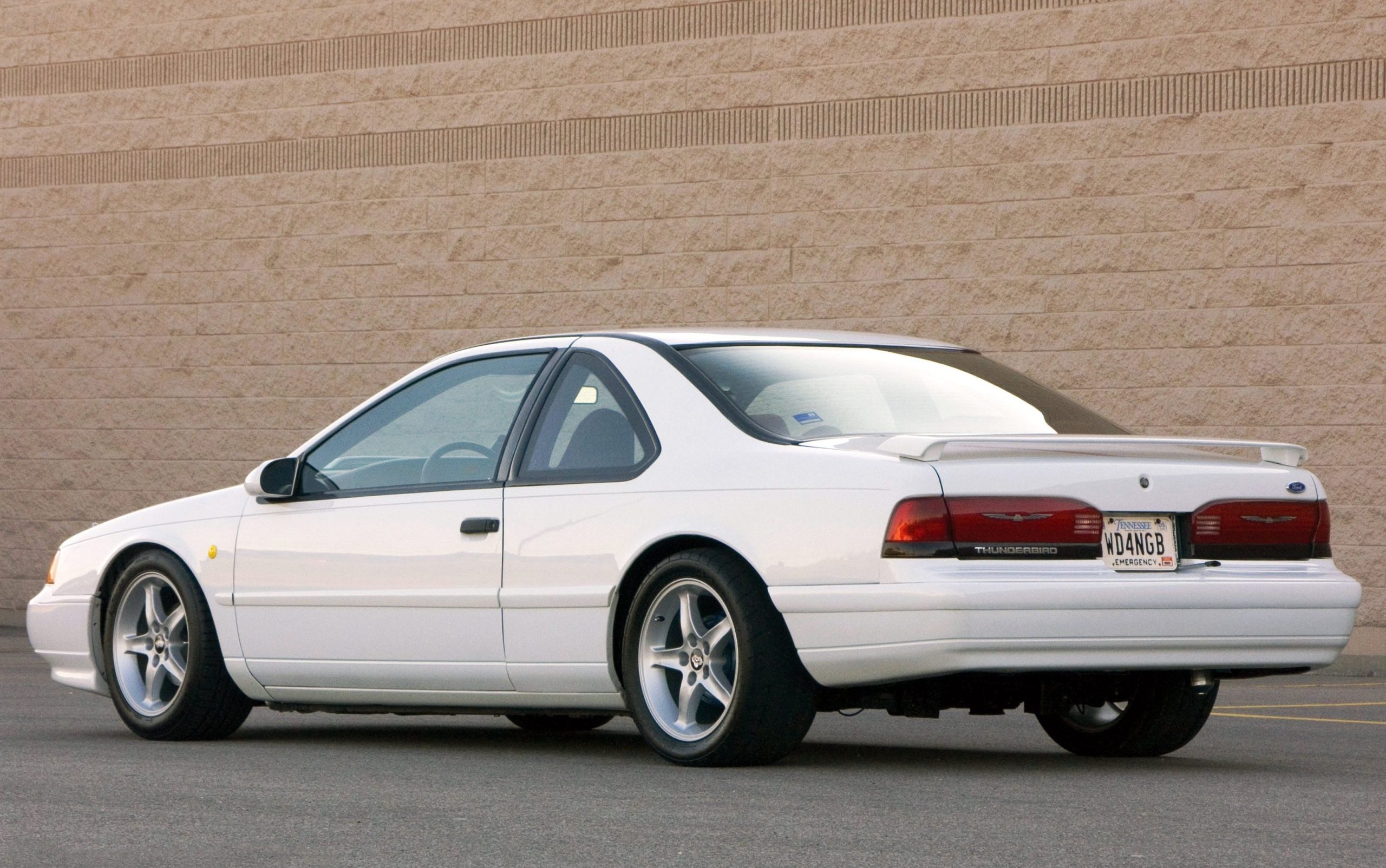
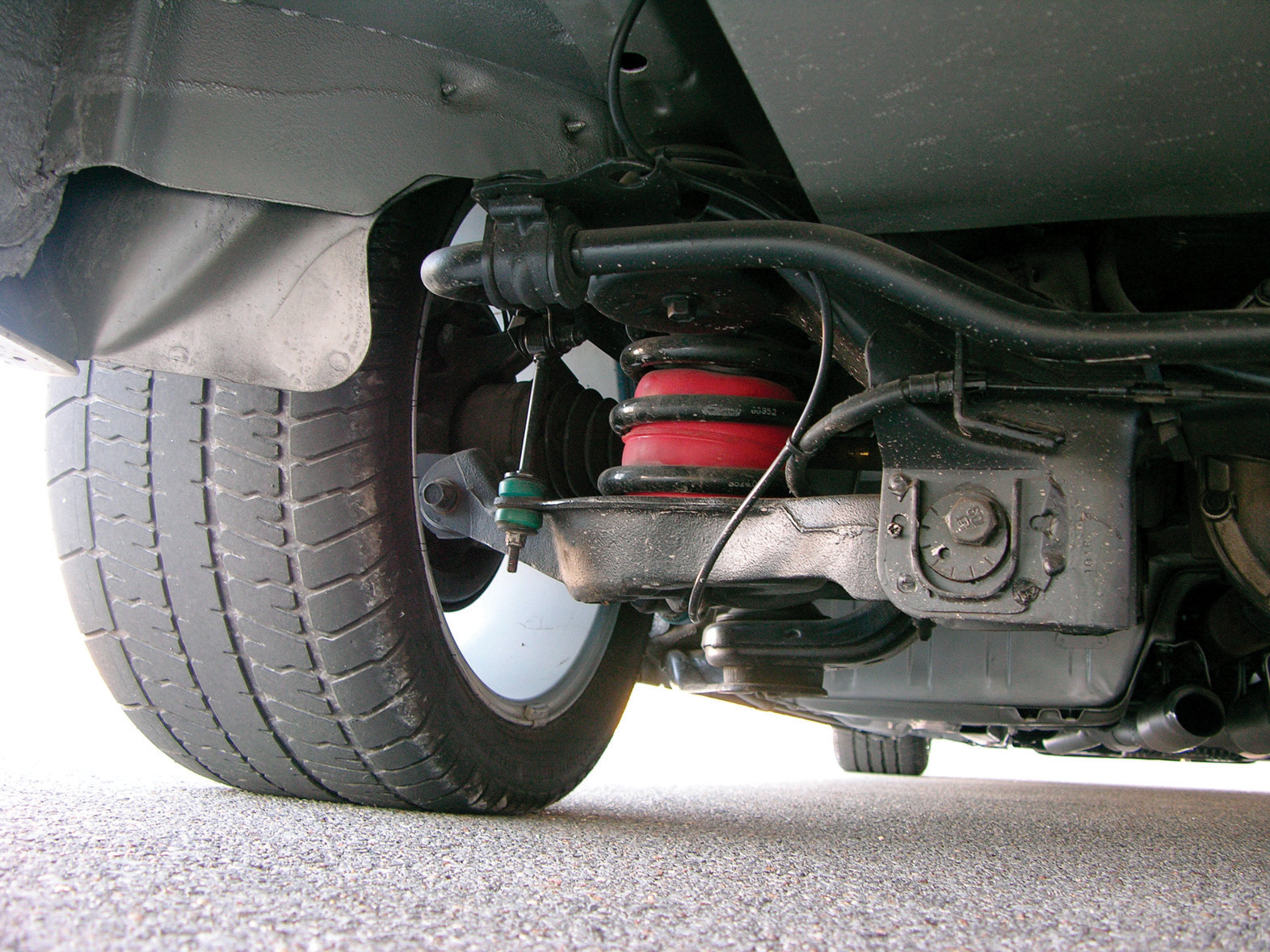
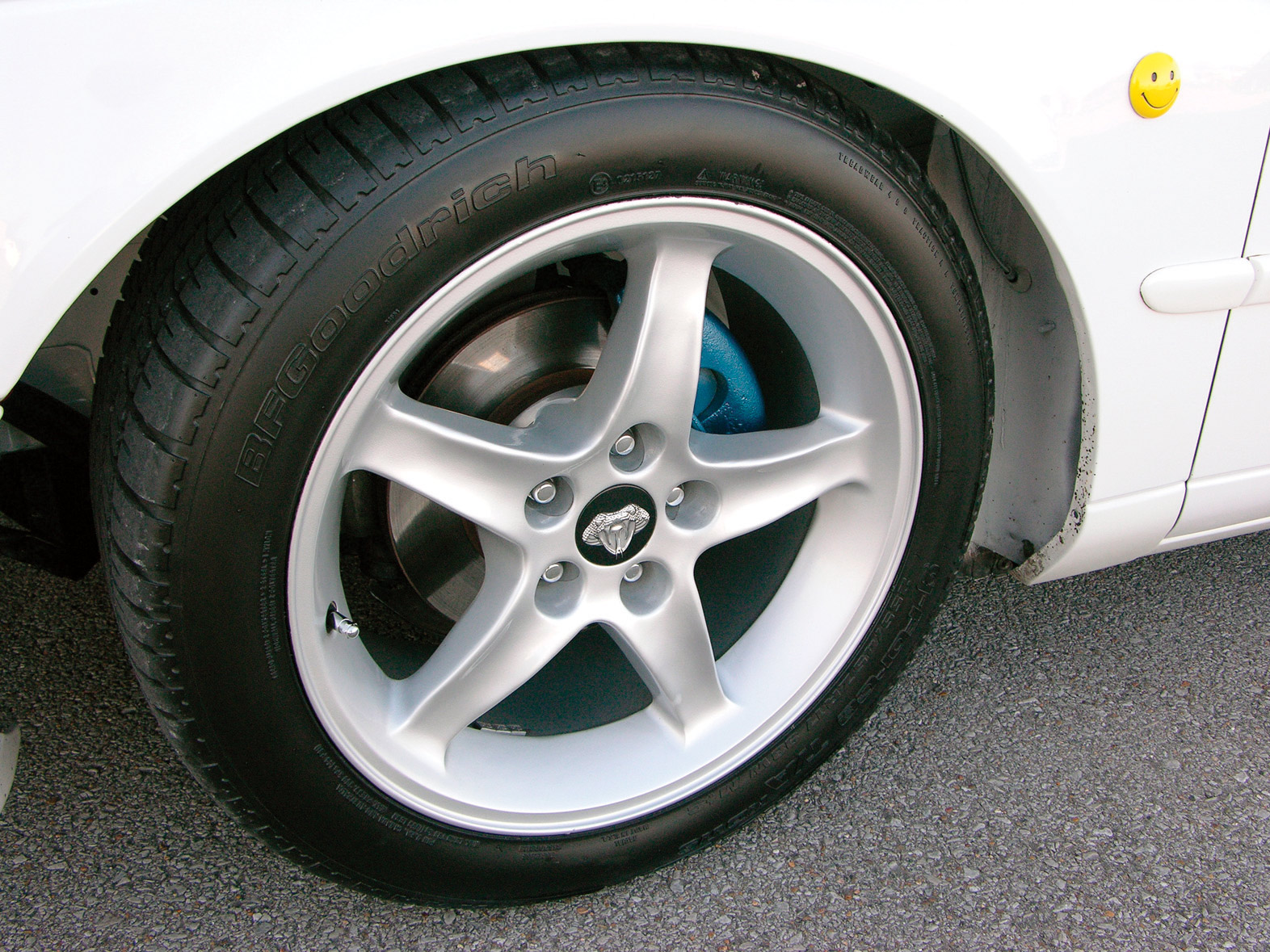
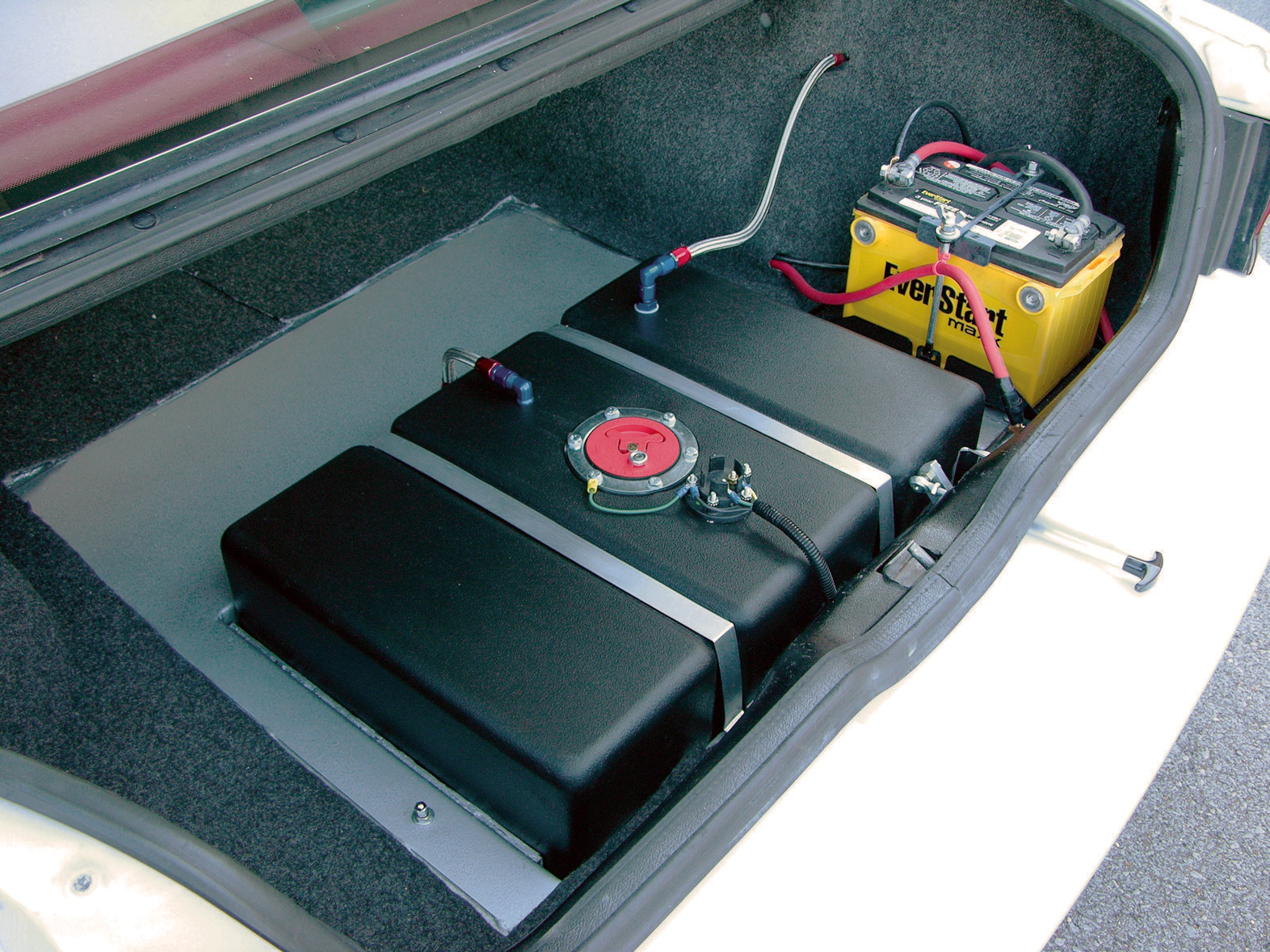
Chassis modifications are numerous, mostly in the name of weight-saving. In back, the aluminum Cobra 8.8 housing uses a Billetflow support girdle, Detroit Locker diff, and 4.30 gears to get the car moving. The longevity of the stock half shafts seemed questionable, so Richards installed a set of Raxles replacements. Eibach coils with helper airbags support the car, and there’s plenty of reinforcement to the rear end, subframe, and unibody to handle the 150 percent increase in power. The stock fuel tank made way for a race-style fuel cell in the trunk. At only 15×6.5 inches, the stock rear wheels didn’t offer the looks or the width that Richards needed, so he upgraded to a set of 17×9 Cobra R-style wheels, paired with 275/40 BFGoodrich drag radials.
Modifying the K-Member and Steering System
Adding the 351 block required modifying the K-member, which the owner did. Since the BBK headers are Mustang parts, and the tubes occupy the same space as the Thunderbird steering shaft, rerouting the steering was necessary. A custom steering shaft built with Flaming River components provides the necessary room and looks clean as well.
Weight Reduction and Suspension Upgrades
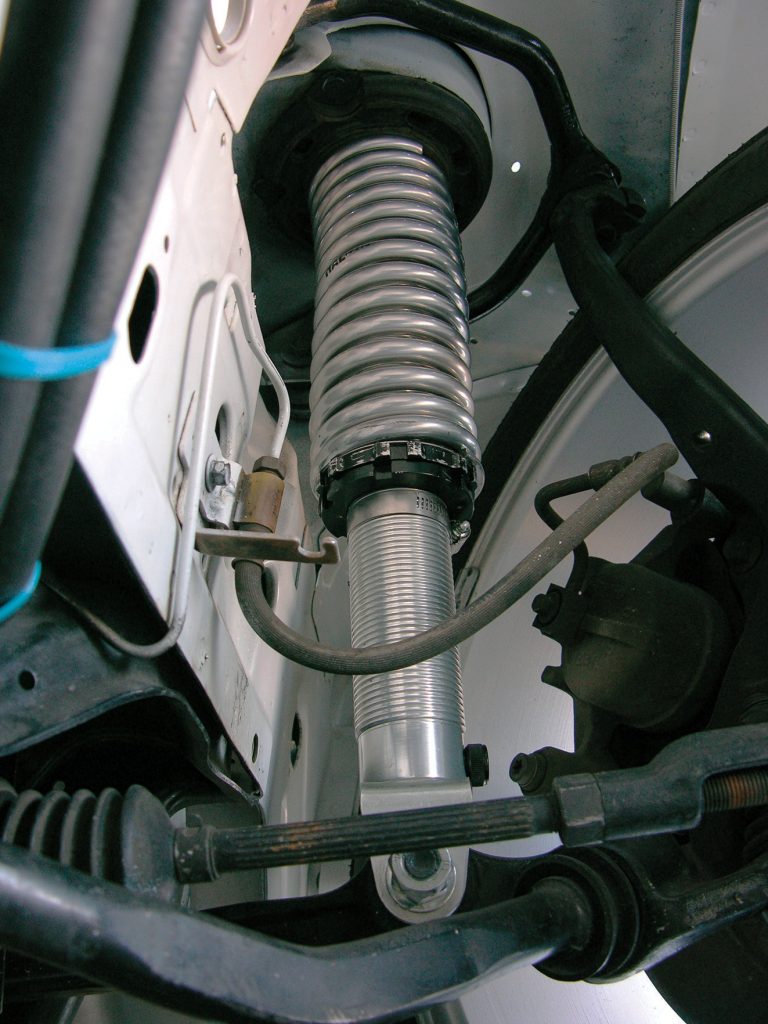
To save even more weight, the owner worked with QA1 to develop a prototype coilover spring and shock kit for this car. The coilovers are valved for drag racing and save 22 pounds of front-end weight compared to the stock springs and shocks. Removing the sway bar saved additional weight, and moving the battery to the trunk put that weight where it would be most beneficial. For the track, Richards runs skinnies on space-saver spare wheels, but on the street, he runs another set of 17×9 Cobra Rs mounting 255/45 BFGoodrich KDWS rubber.
Custom Hood and Exterior Modifications
Although he didn’t want to change the looks of his car, Richards needed to do something about the hood due to the height of the new engine. An Age Classic fiberglass cowl hood gave him the extra room he needed after he notched it, and it saved even more weight compared to the stock steel hood. The need for light weight also made victims of the front and rear inner bumpers, windshield washers, fog lights, and door support beams. The owner also wanted to replace the stock V-8 fender emblems but didn’t know what he wanted. Eventually, he figured it out. When people asked him what kind of motor he had in his car, he just smiled at them. He decided to add a yellow happy face in place of the stock badging.
Interior Overhaul and Weight Savings
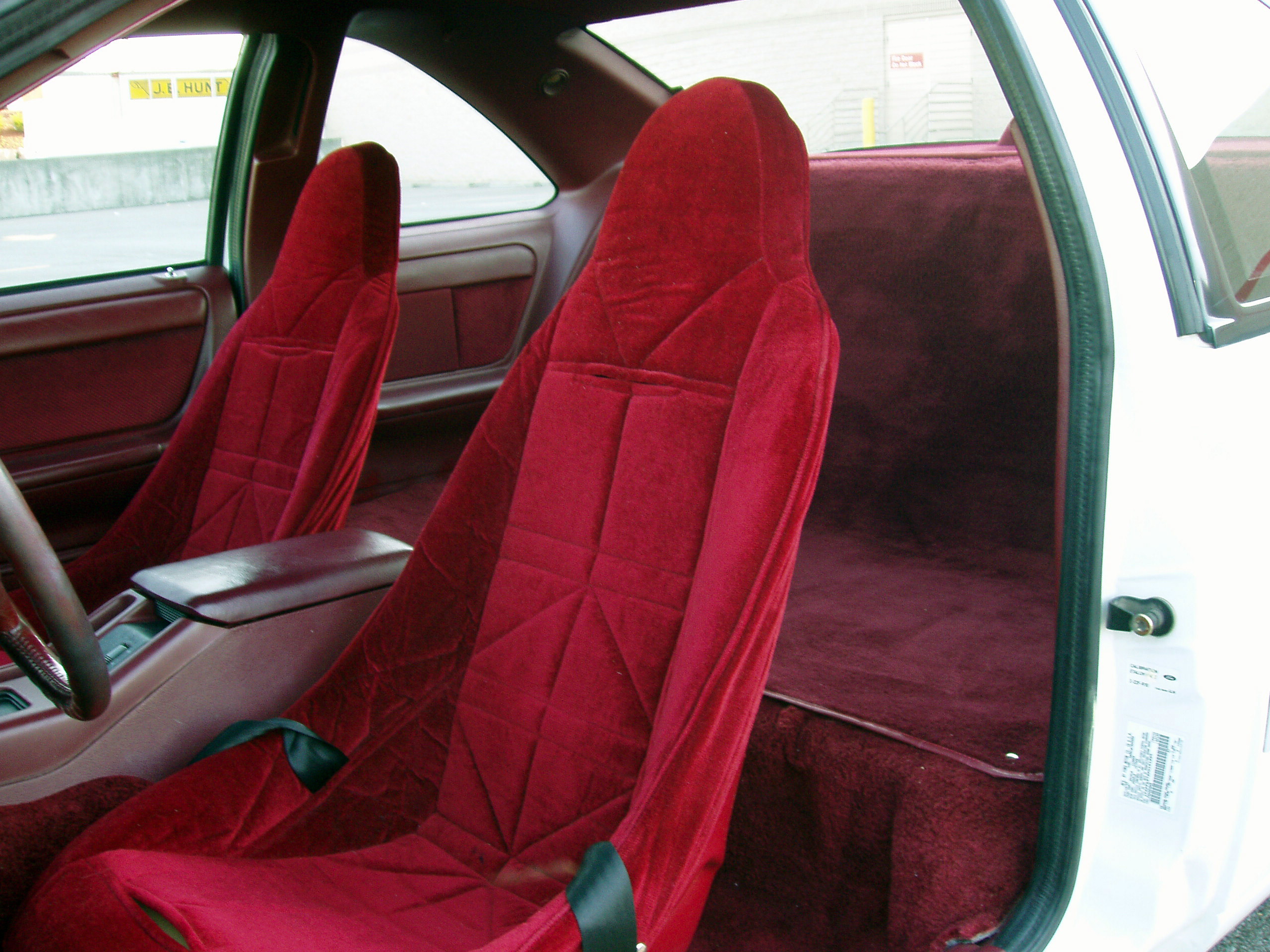
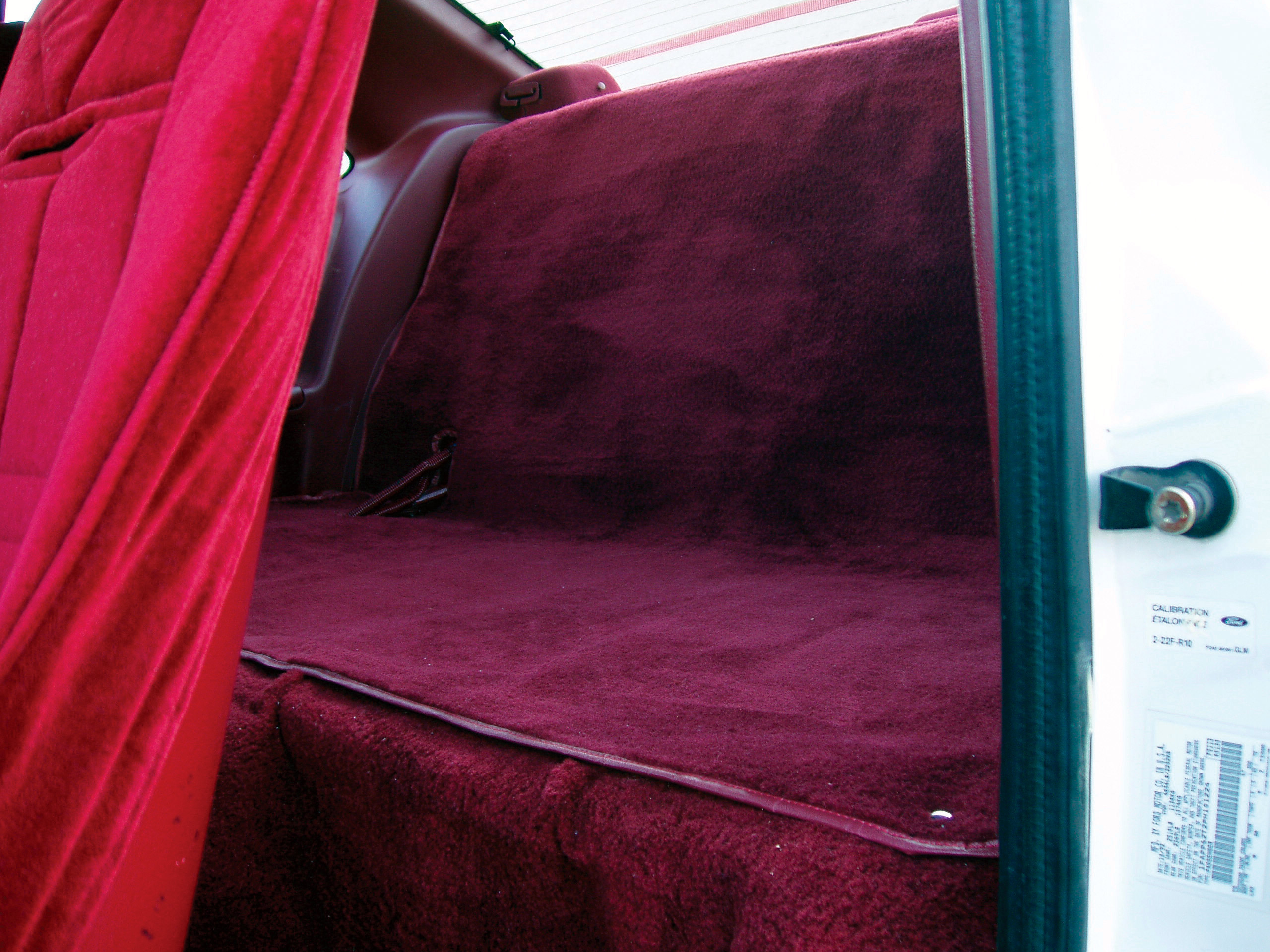
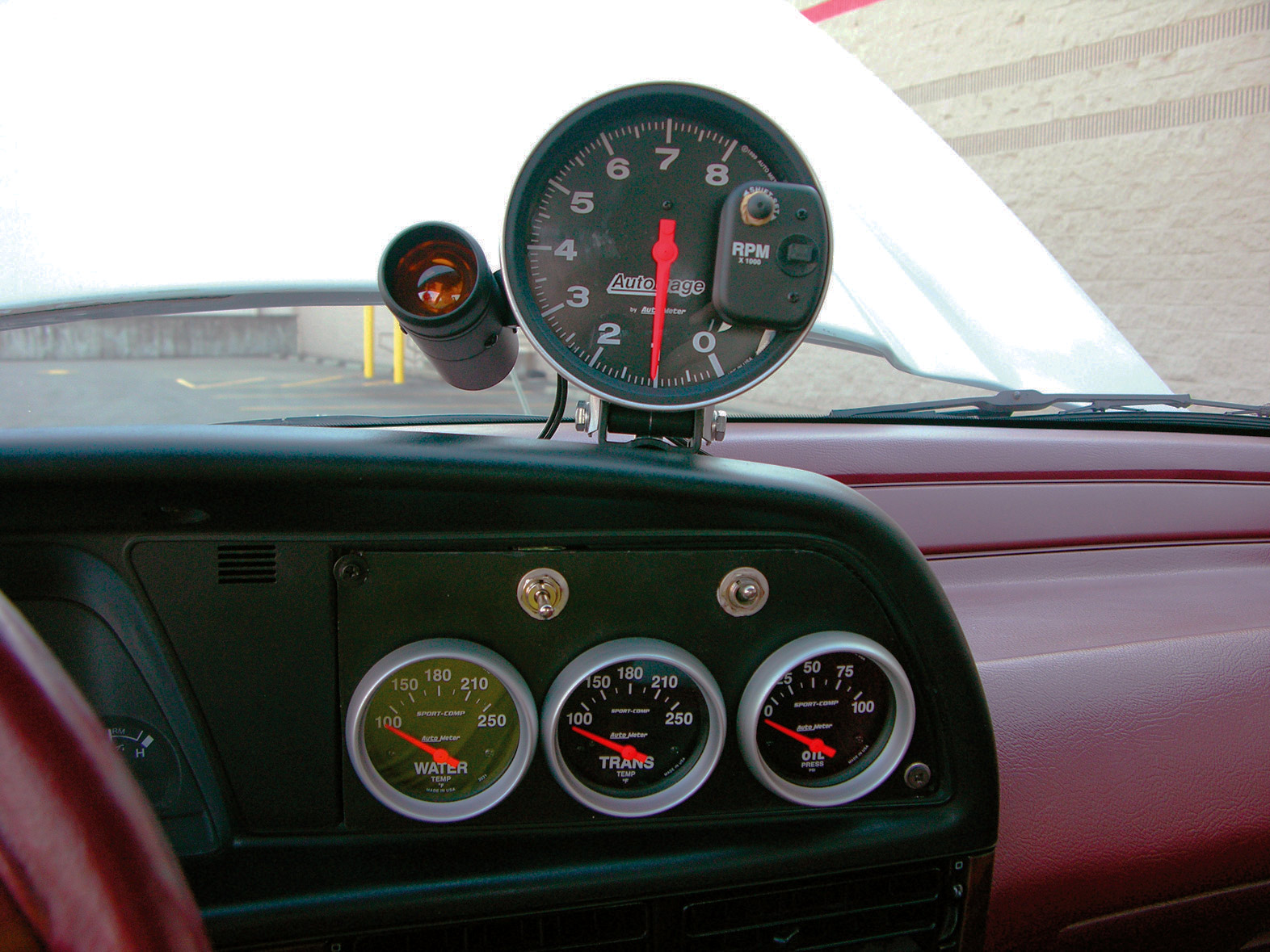
Wholesale changes to the interior saved considerable weight. The A/C, A/C plumbing, heating unit, stereo system, rear seats, carpet padding, auto seatbelts, sun visors, sound deadener, passenger power window motor, power trunk and gas door openers, power door locks, cruise control, and power mirror motors are all gone. In place of the rear seat is an aluminum firewall to meet NHRA specs, and the heavy power seats were replaced by poly racing seats. New Auto Meter gauges keep track of water temp, trans temp, oil pressure, and rpm. He kept only what was essential.
Joining the Mustang Club and Future Plans
Recently, one of the local Mustang clubs offered Bruce Richards a membership, even though his car technically doesn’t meet the club’s requirements. It turns out that the club members’ motivation was that they hated going to the track and losing to a non-Mustang, non-club member. So, while they can’t beat him, they let him join them. It’s a good thing, too, because Richards is hardly finished. He has already built the motor for the next phase of the project—a turbocharged, 1,200hp 514 to be paired with a solid-rear-axle conversion. Why not? Birds were meant to fly.
QA1 Custom Coilovers
ARTICLE SOURCES
QA1
9574 217th Street West
Lakeville, MN 55044
(952) 985-5675