







Street Rods
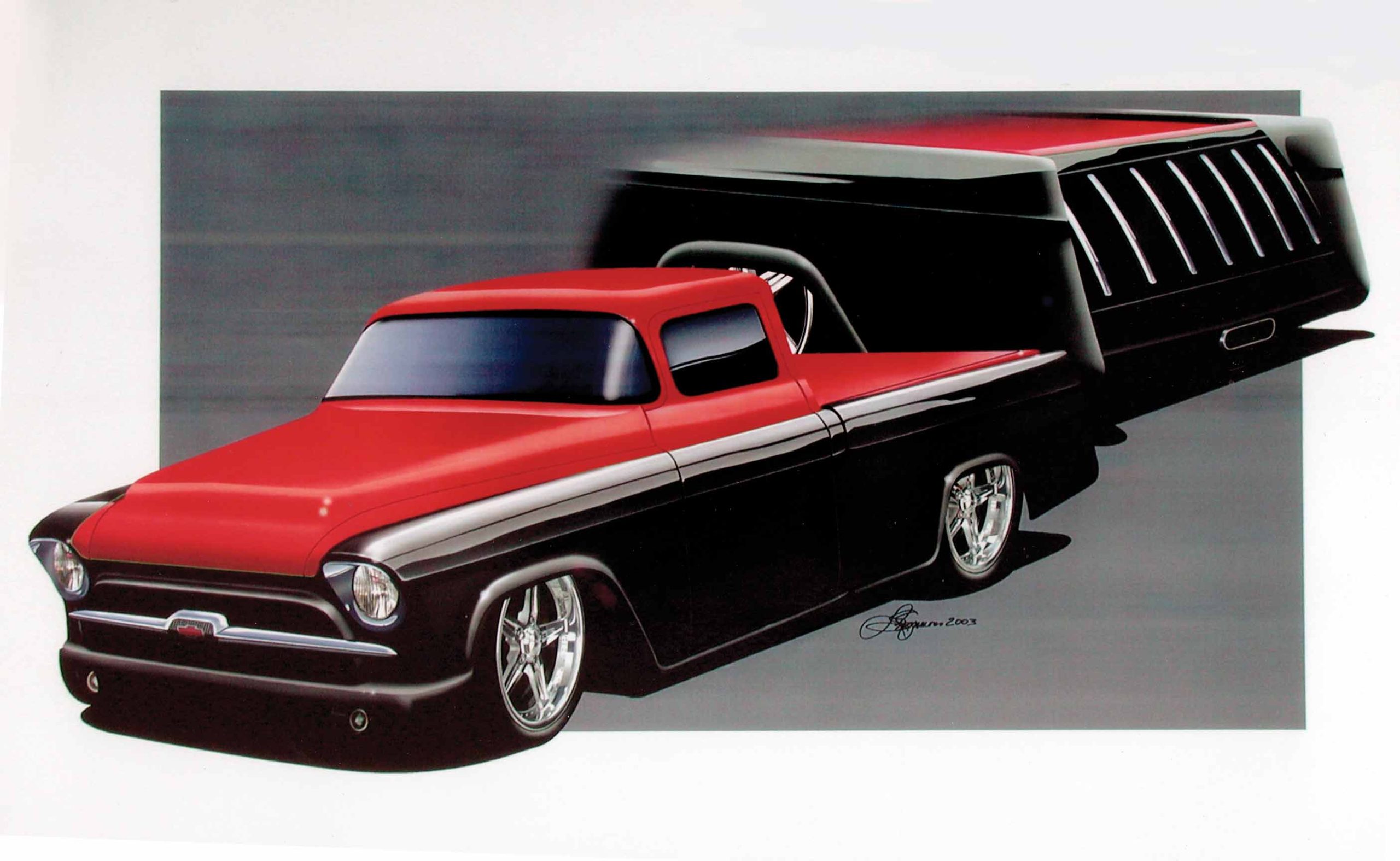
In Part III of our Cimtex Super Cameo buildup, we’re going to follow along as the guys from the Jarrell, Texas, crew modify the rear framerails on this ’56, “kicking it up” a full 8 inches. In the process, Tim and Darrell will also narrow the Corvette C4 IRS half shafts to achieve the much desired rear tire clearance they need in order to be able to run a set of humongous 20×10 billet wheels wrapped with a set of BFGoodrich radial T/A rubber.
“Building a good truck chassis is just like building the foundation for a house,” says Cimtex Rods’ Tim Cimbanin. “Everything starts at the ground floor. If you don’t have a good foundation, you don’t have anything!”
No truer words were ever spoken, and we’ve been preaching this fundamental information in all our publications.
While attending the 2003 SEMA Show, we ran across Darrel and Tim Cimbanin from Cimtex Rods in Jarrell, Texas. The Cimbanin brothers were there to drum up support and showed us some sketches of their latest truck building project, and what a project it is!

Delve into the world of street rodding with a glimpse into the NSRA Street Rod Nationals, where cutting-edge products steal the spotlight. From Lokar’s award-winning lighting solutions to Speedway Motors’ stainless steel exhaust manifolds, find out which new releases are revolutionizing the street rod scene.
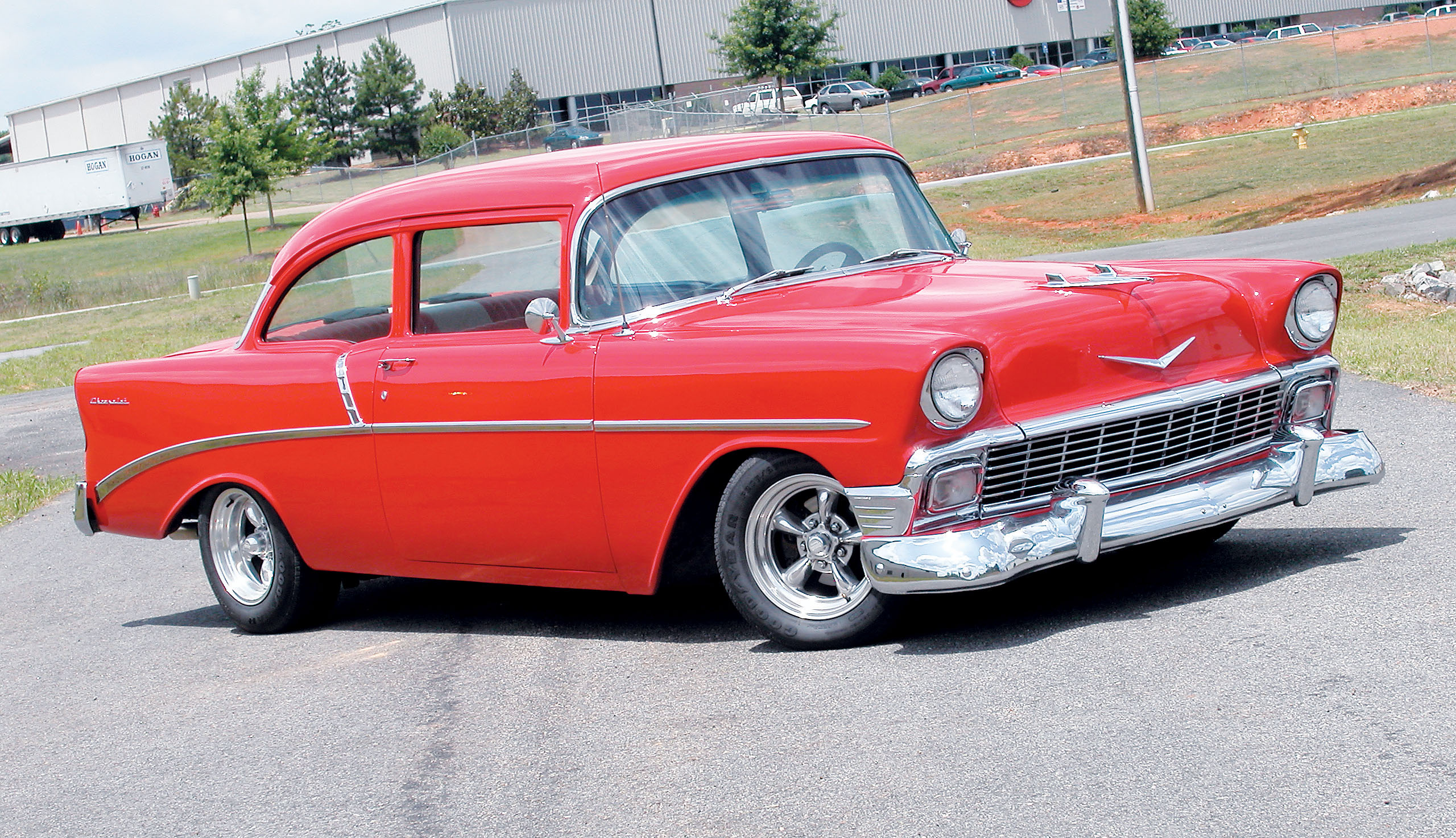
The lines of ’55-’57 Chevys are almost sacrosanct. They haven’t been modified or changed over the years with very good results. There have been a couple of exceptions, but by and large, chopped tops, restyled fenders and other modifications that alter their original lines don’t come off looking real good. The problem is in the proportions. We’re not sure if it’s because the factory got them so perfect right out of the gate, or if it’s that most have been left alone over the last 50 years, so a chopped top looks strange. Whatever the reason, the classic “greenhouse” roofline, long fenders and slab sides all work very well together.
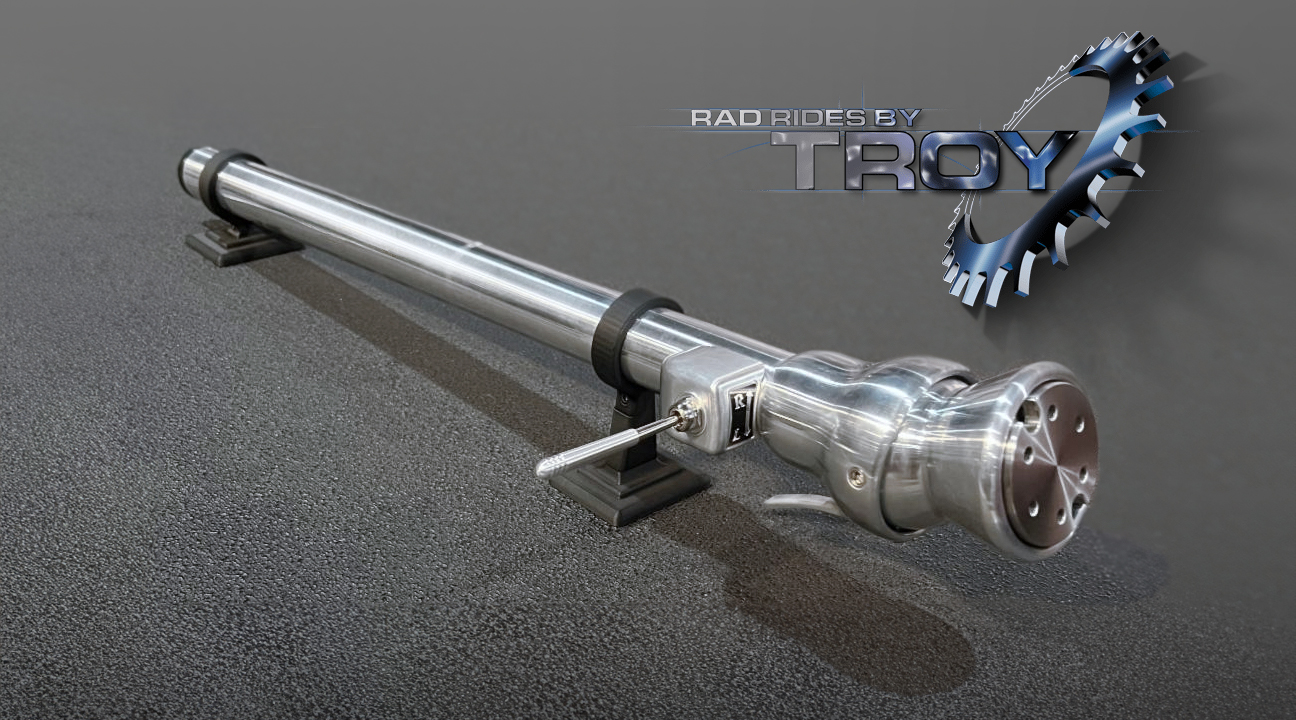
Crafted with precision and expertise, this cutting-edge column is set to revolutionize your driving experience. Rad Rides engineers focused on maximizing space, ensuring comfort during entry and exit, and offering customizable steering wheel positioning. Compact yet powerful, the Tilt Steering Column boasts a total unit length of just 5 1/8 inches. With five different tilt positions and approximately 40 degrees of total tilt, you’ll find the perfect angle for your comfort and convenience.
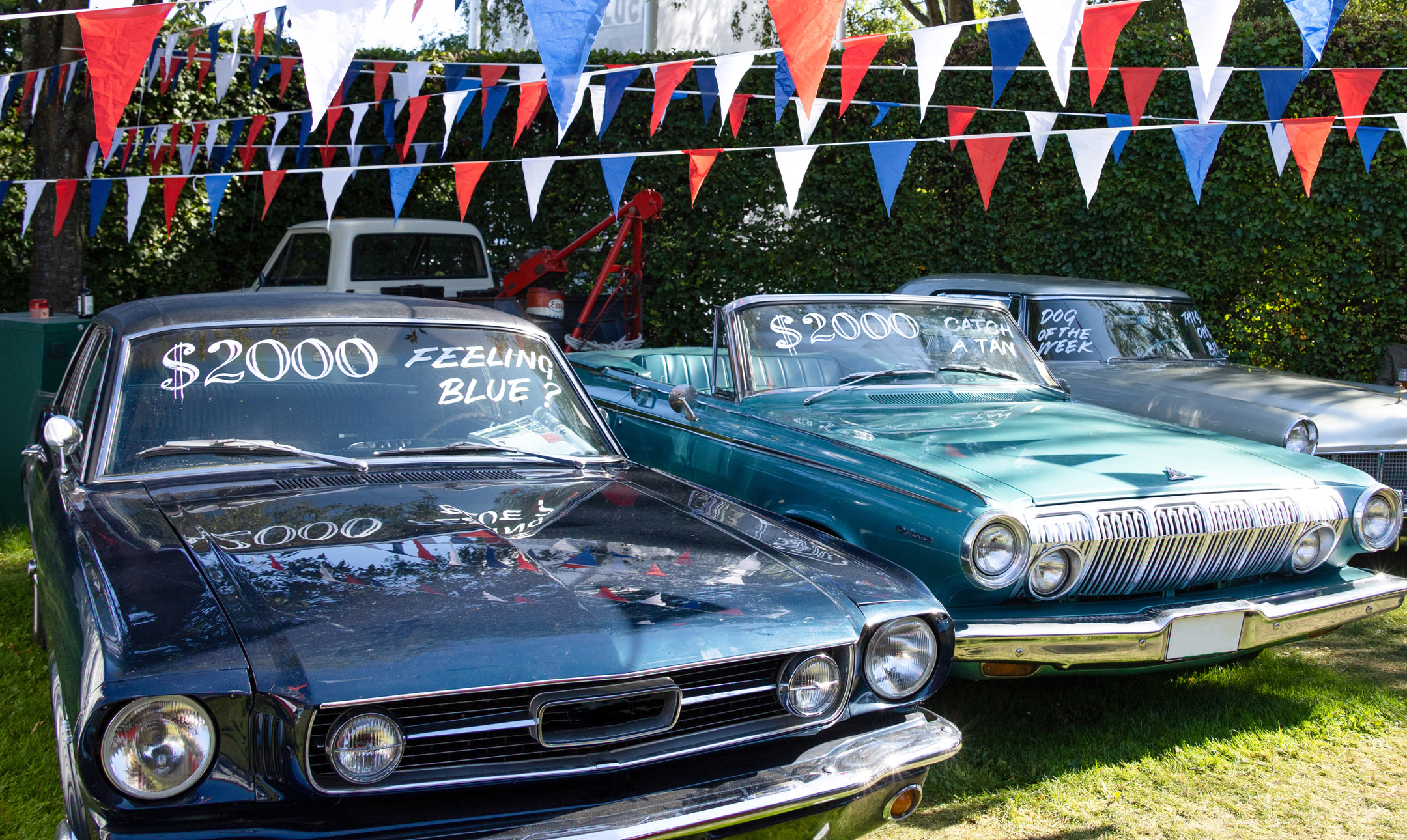
This year marks Hemmings’ 70th anniversary. Hemmings has been dedicated since 1954 to simplifying and securing the buying and selling process for classic cars. Their latest breakthrough, “Hemmings Pay + Title,” aims to revolutionize the experience, serving as a comprehensive solution for consumers. Powered by KeySavvy, Pay + Title addresses the complexities of payment and title transfers, particularly across state borders. It’s designed to alleviate the burdensome tasks for enthusiasts who cherish purchasing and selling remarkable automobiles. Jonathan Shaw, Hemmings’ president, describes Pay + Title as a groundbreaking service, prioritizing the secure and efficient handling of payments and vehicle titling. This innovation underscores Hemmings’ dedication to fostering trust and enhancing the collector car community’s experience in a seamless marketplace.
“The Grand Daddy of Them All,” The Grand National Roadster Show just took place this last weekend. Held annually in Pomona, California, is a premier event celebrating the artistry and craftsmanship of custom automobiles. Established in 1949, it has earned a reputation as one of the longest-running and most prestigious car shows in the world. Spanning multiple days, the show features an eclectic mix of meticulously restored classic cars, innovative hot rods, and custom-built vehicles, showcasing the creativity and passion of automotive enthusiasts. Attendees can marvel at the intricate details of each vehicle, from flawless paint jobs to finely tuned engines, and interact with passionate owners and builders.
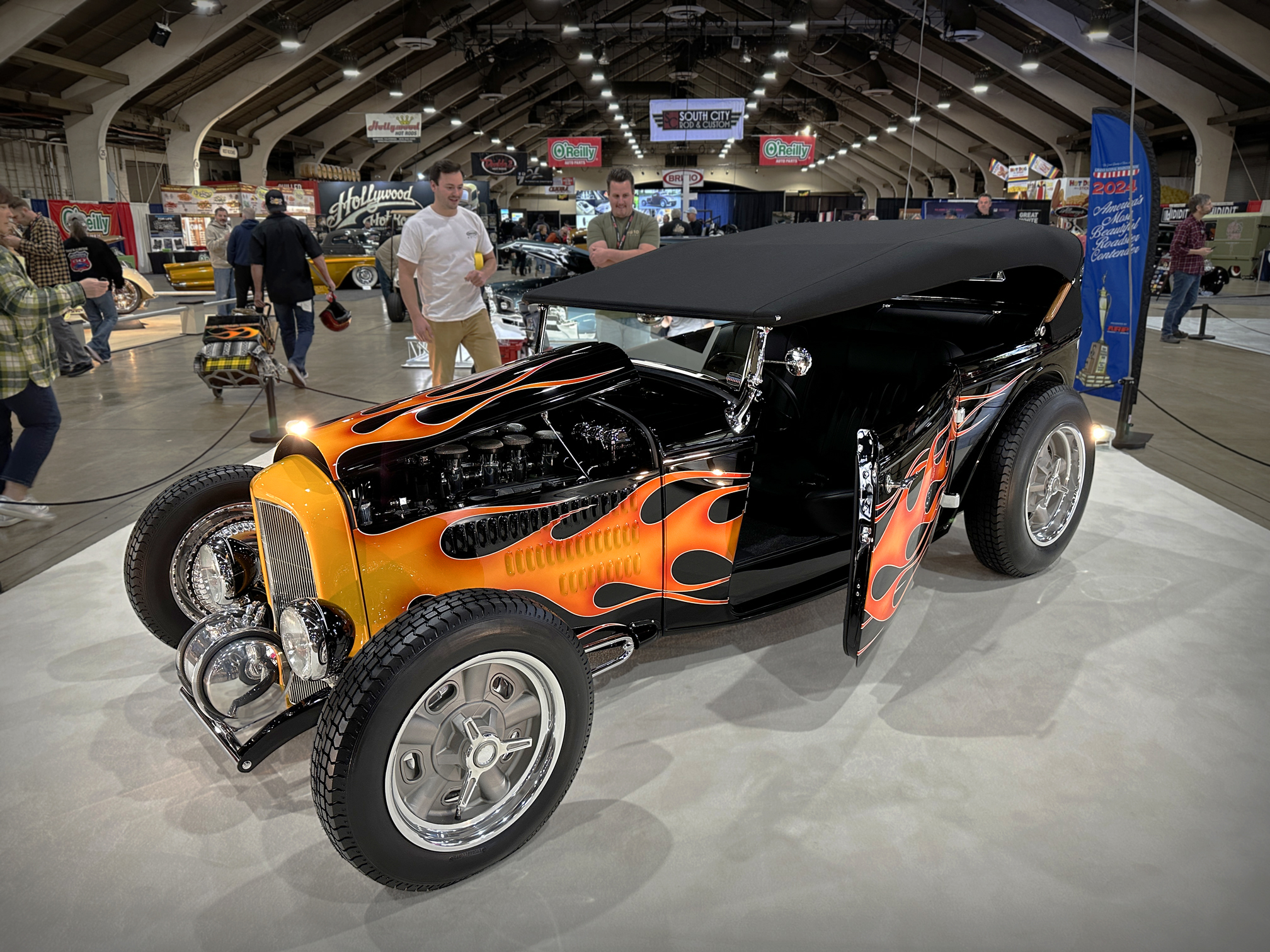
America has just crowned a fresh beauty in the world of roadsters. As the curtains fell on Sunday evening at the 2024 O’Reilly Auto Parts Grand National Roadster Show, Beth Myers’ jaw-dropping 1932 Ford Phaeton clinched the coveted title of America’s Most Beautiful Roadster, securing both the prestigious trophy and a generous $12,500 check from ARP (Automotive Racing Products). This triumph marks the third AMBR victory for the skilled hands at Roy Brizio Street Rods in South San Francisco, led by master builder Roy Brizio. And if we trace the lineage of AMBR winners associated with Brizio over the years, including the 2023 winner crafted by Jack Chisenhall, the tally only grows.
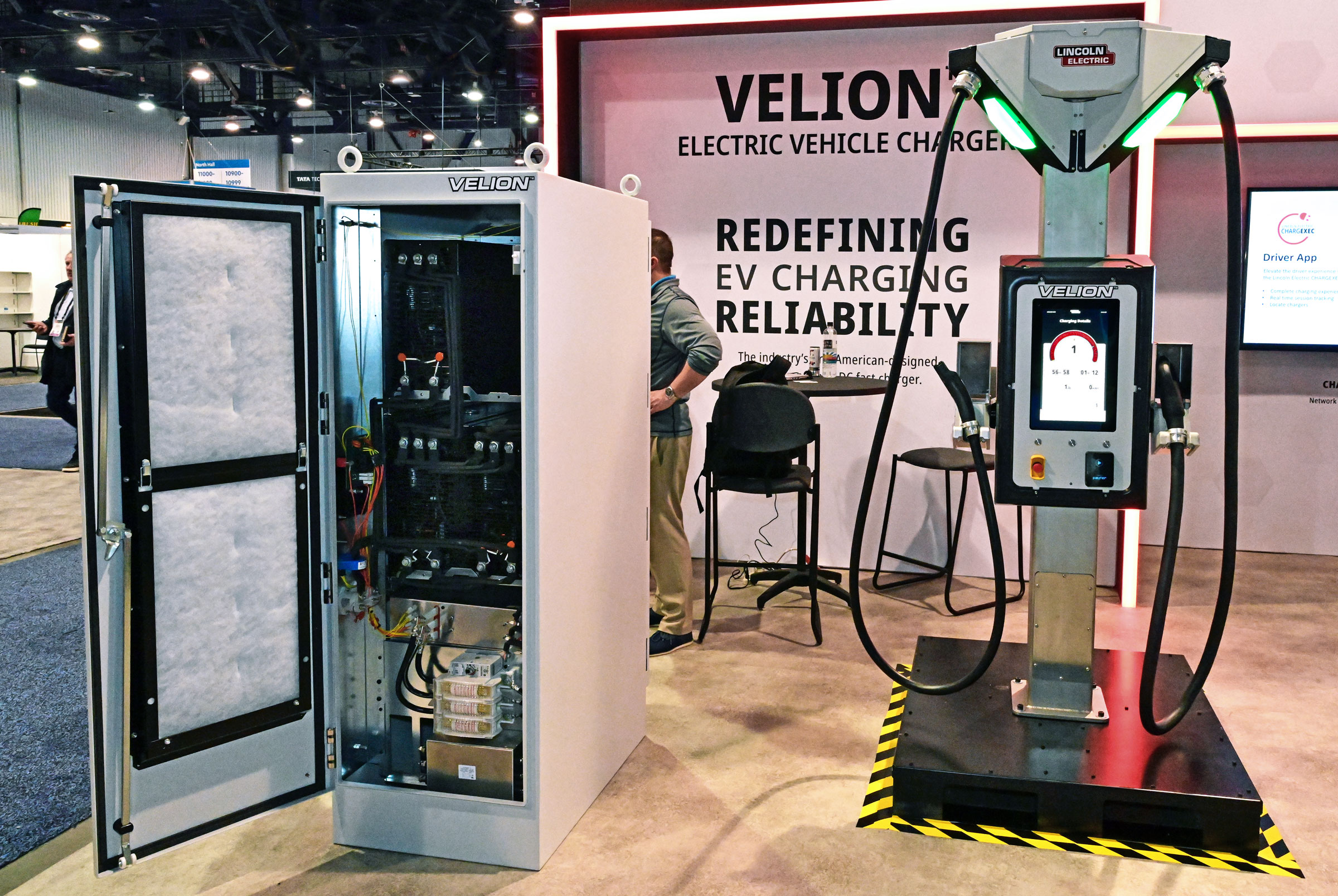
If a hot rodder were to have built an EV charging station, we think it would have looked like the heavy-duty version Lincoln Electric has built. Now for the nuts and bolts information from Lincoln Electric themselves on the new single and dual Velion™ Chargers. Like ourselves most people reading this article may have a hard time comprehending all the abbreviated terminology listed below but here it is to inform you on the knowledge of Lincoln Electric’s EV chargers.
