




Cars
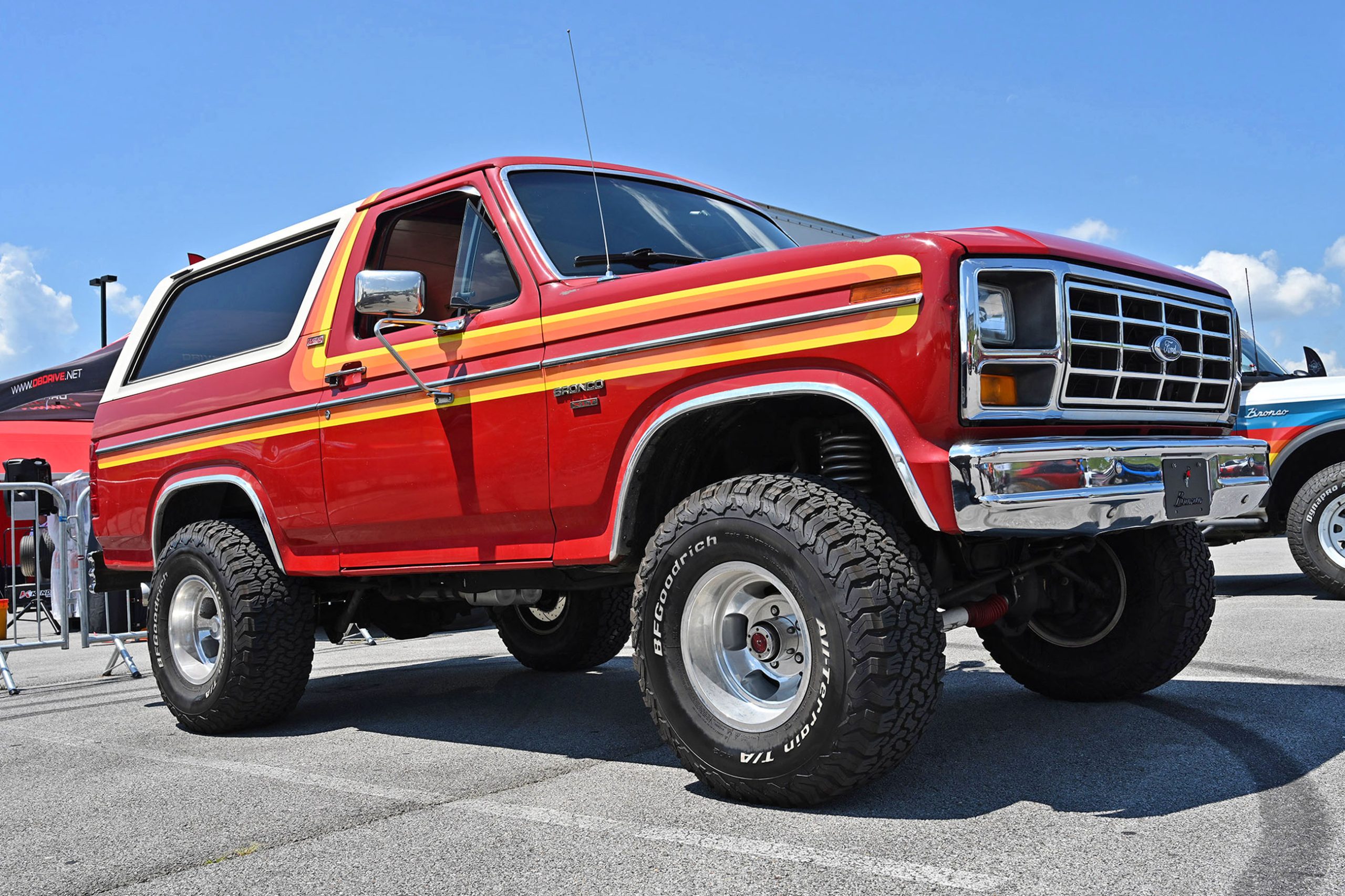
The 3rd Annual Great Smoky Mountain Bronco® Stampede thundered into Pigeon Forge, Tennessee, on August 15–16, 2025, and for two days straight the LeConte Center was wall-to-wall Broncos. Old, new, stock, modified, lifted—if it had a Bronco badge, it had a place in the herd.
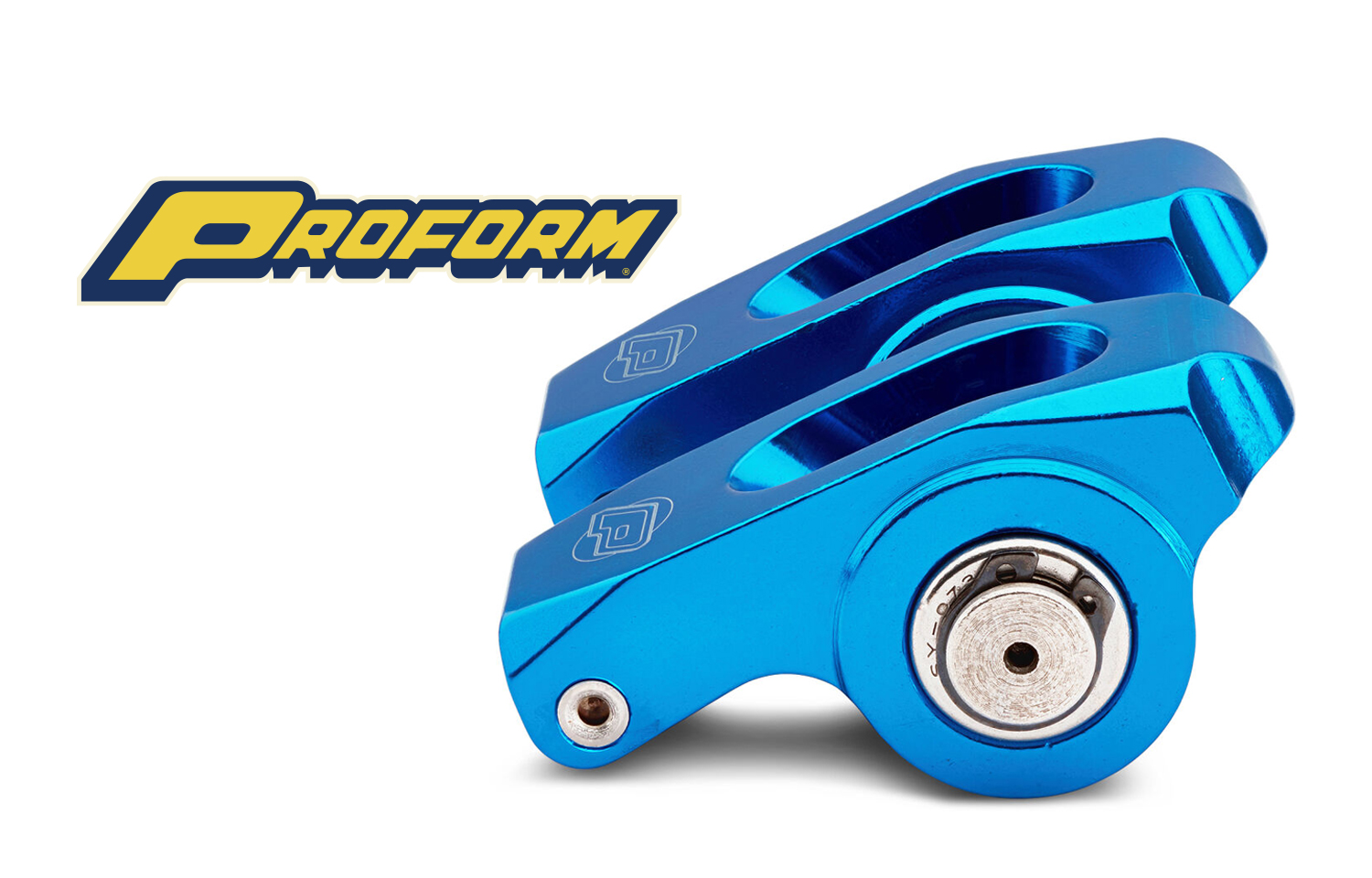
When you’re chasing horsepower, every ounce of wasted motion is power left on the table. That’s why the Super-Street GM LS Aluminum Roller Rockers are worth a hard look. Proform went back to the drawing board and rebuilt their rocker lineup from the ground up—stronger, smoother, and better-looking than ever.
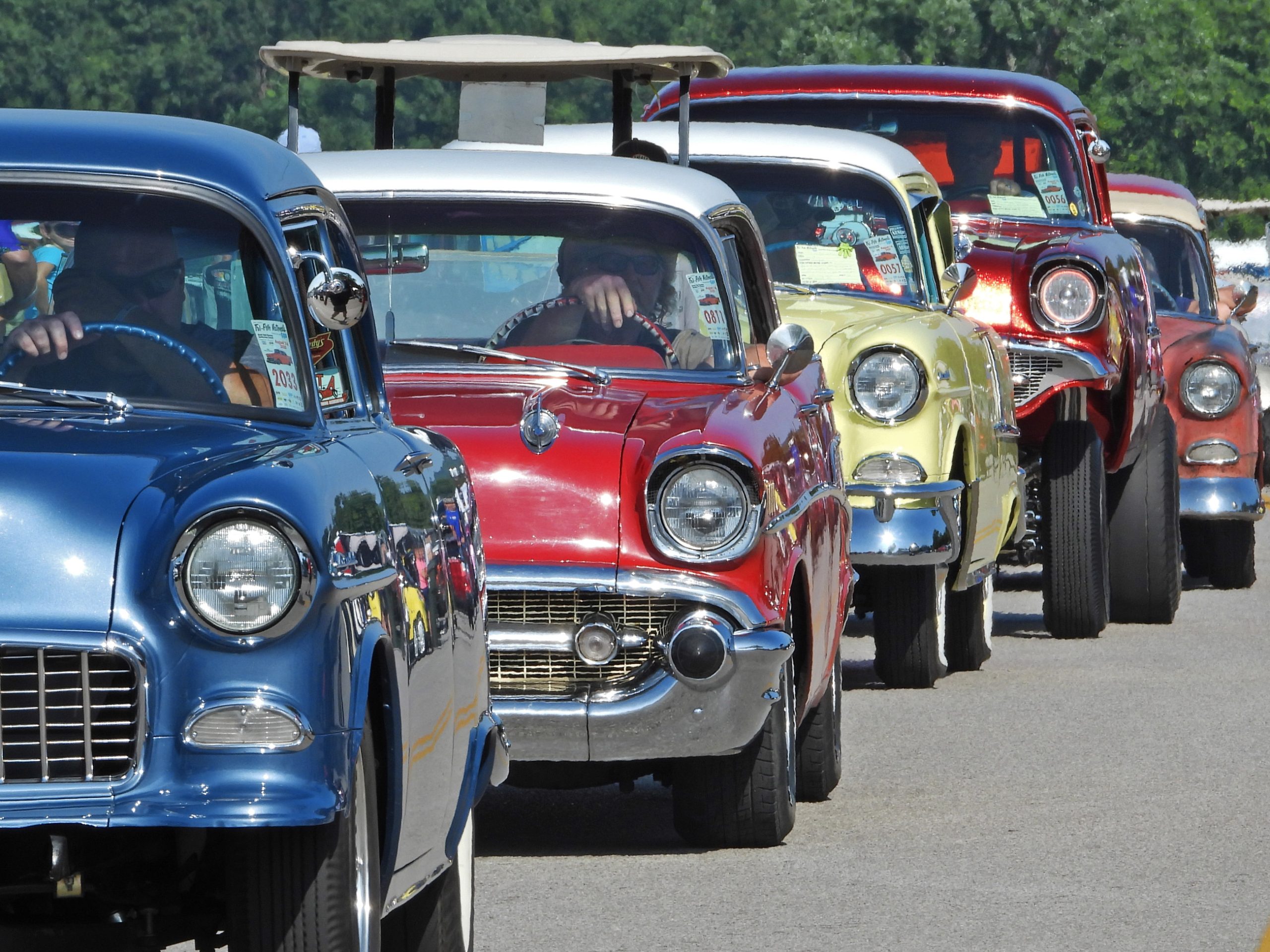
This year marked 70 years since the 1955 Chevy hit the streets, kicking off a three-year run that forever changed the automotive landscape. And judging by the rows of spotless Bel Airs, hardtop sedans, wicked gassers, and full-tilt pro-touring machines, the legend is alive, well, and meaner than ever. Everywhere you turned, there was another masterpiece—whether it was a flawless restoration, a ground-shaking drag car, or a radical custom that pushed the envelope.
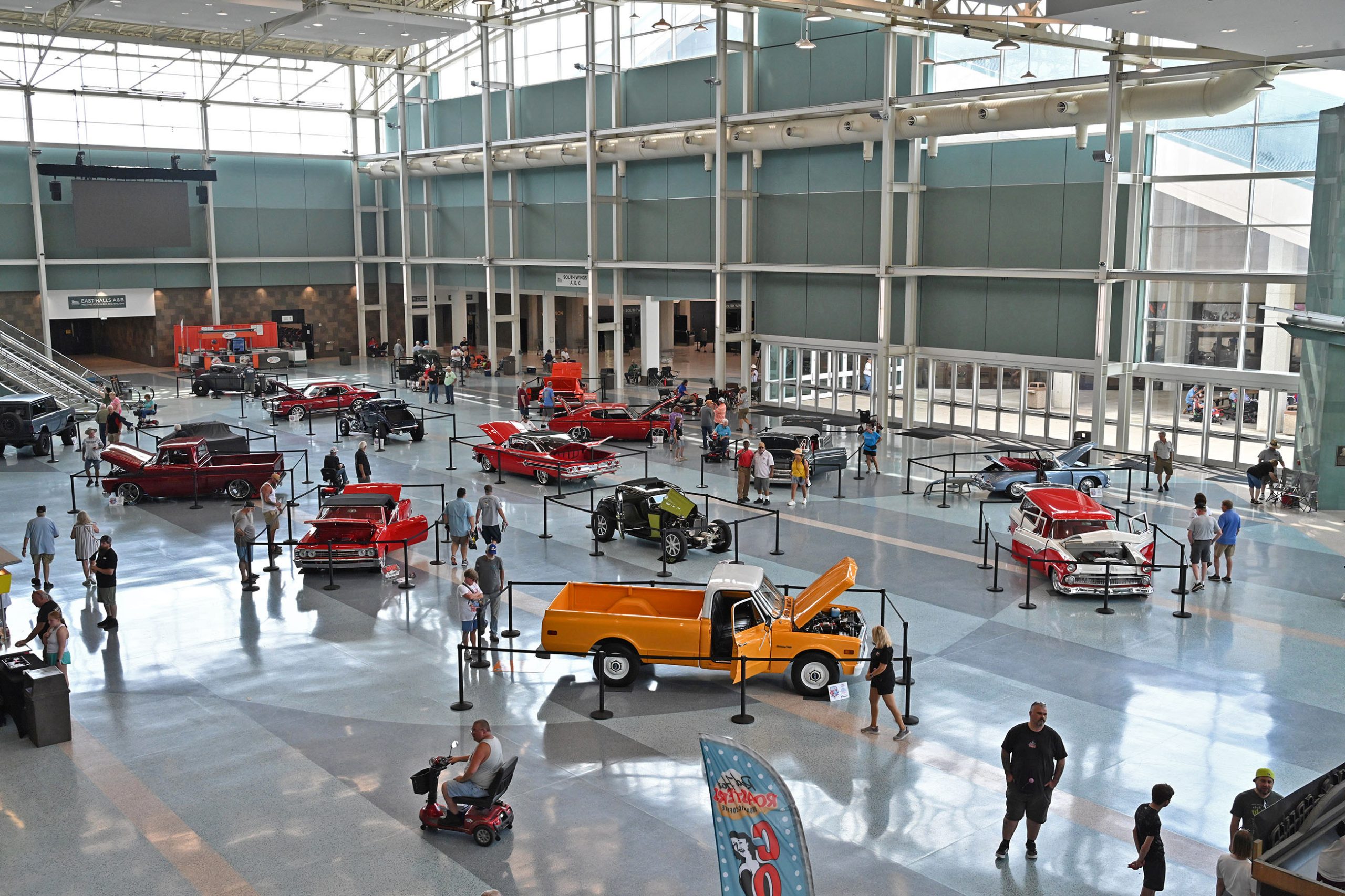
The Street Rod Nationals returned to Louisville once again, marking its 31st year at the Kentucky Exposition Center—and its 56th overall. Four days filled with some of the best street rods, customs, and classics brought together everything from survivor sedans to full-tilt customs. With over 10,000 cars on the property and close to 70,000 people wandering the grounds, it’s not just a car show—it’s a rolling history lesson, a swap meet, a family reunion, and a street rodder pilgrimage all rolled into one.
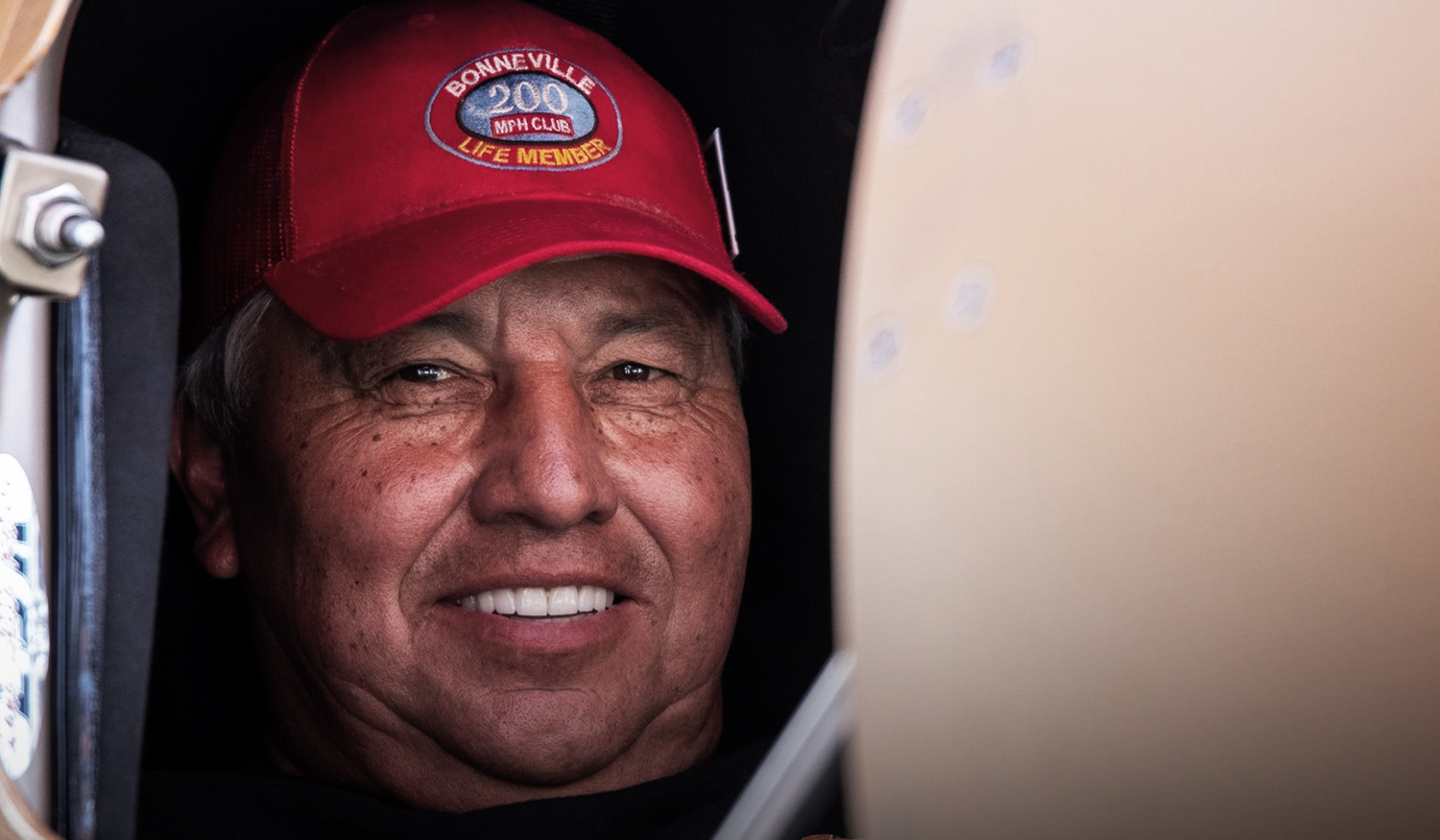
The automotive and motorsports world lost one of its most dedicated champions on Sunday, August 3, 2025, when Chris Raschke tragically passed away following a crash at the Bonneville Salt Flats. He was 60 years old.
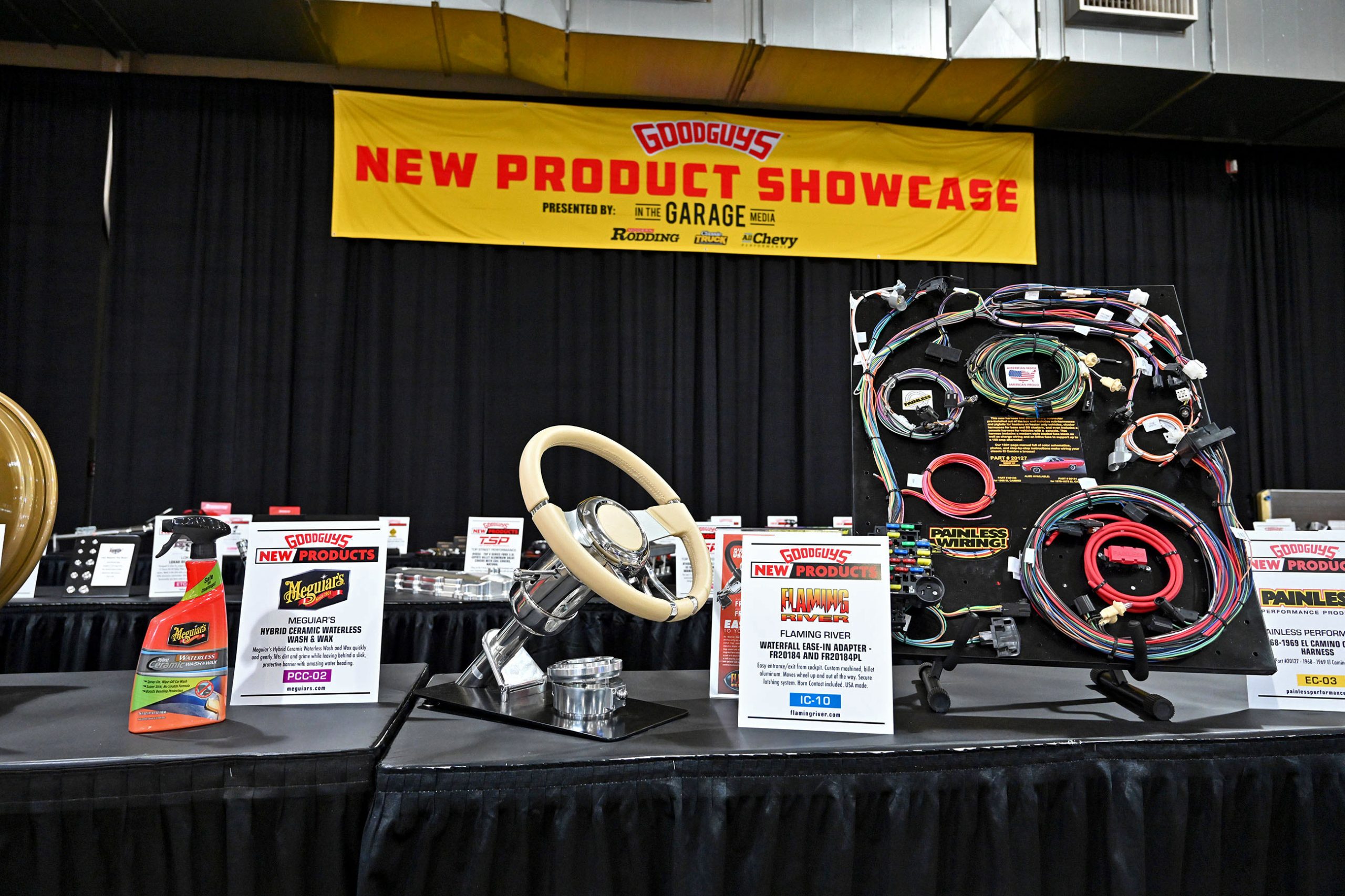
Columbus brought the heat—literally and figuratively. At this year’s Goodguys Nationals, the metal was shiny, the builds were wild, and the vendor midway was packed with gearheads showing off the next big things. We walked the aisles, kicked tires, talked shop, and came away with a short list of standout products we think deserve your attention. Whether you’re wrenching on a street truck, building a corner-carving pro-tourer, or chasing big boost, here are some of the best parts we spotted.
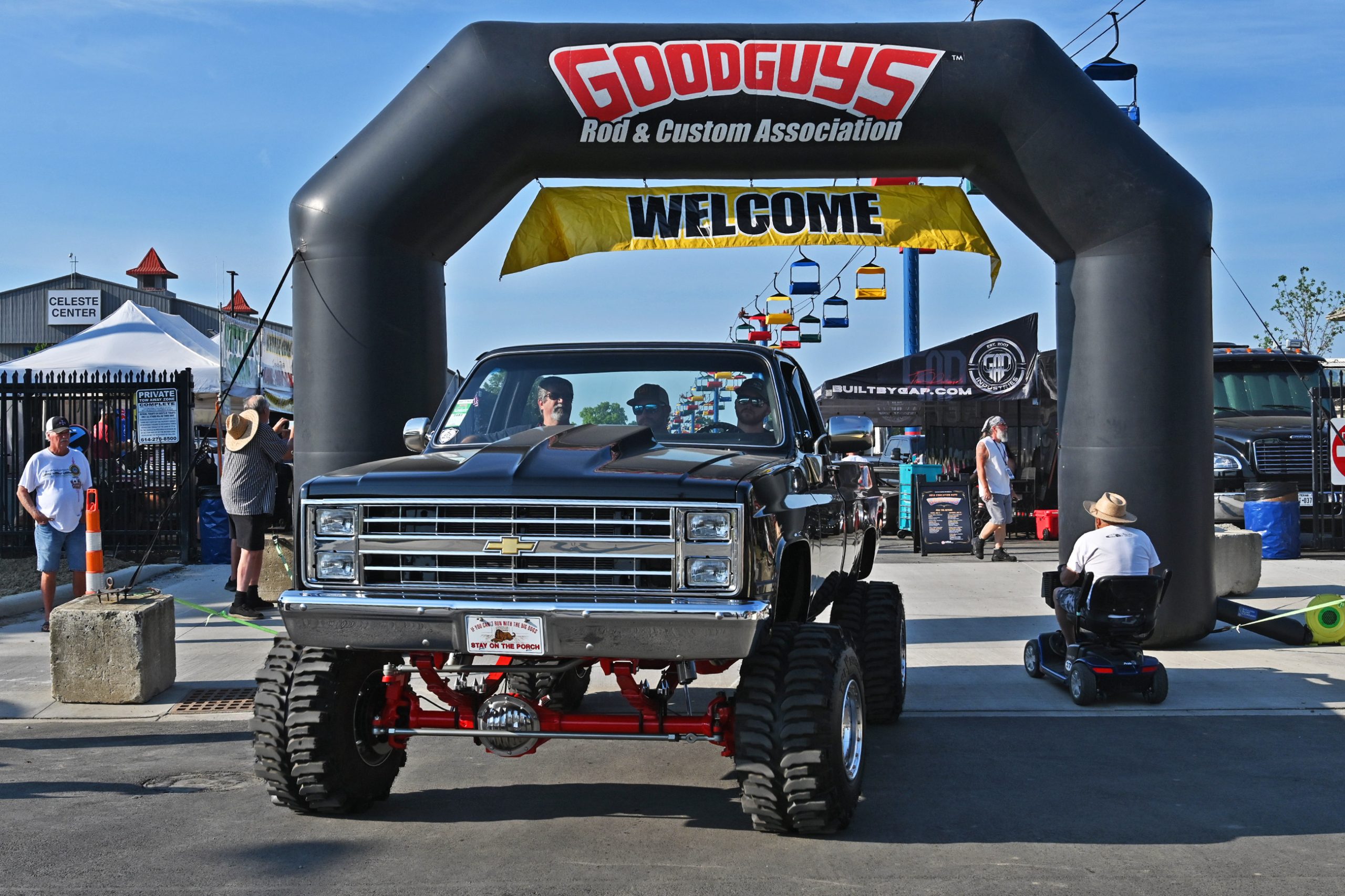
Let’s be honest—there was a time when trucks were the stuff you parked behind the show field, used to haul parts, or maybe pulled your “real” hot rod to the event. What once might have been considered second-tier to muscle cars and traditional hot rods is now front and center, with classic pickups, slammed cruisers, high-horsepower haulers, and fully reimagined showstoppers filling the Ohio Expo Center grounds.

In 1955, Chevrolet didn’t just redesign a car—they ignited a movement. The Tri-Five Chevys (that’s shorthand for the 1955, 1956, and 1957 models) arrived like a thunderclap and never really left. These machines were leaner, lower, and louder—in both looks and performance—ushering in a new era of V8-powered excitement. The shoebox shape, the tailfins, the grille teeth…every detail had attitude. And the world noticed.
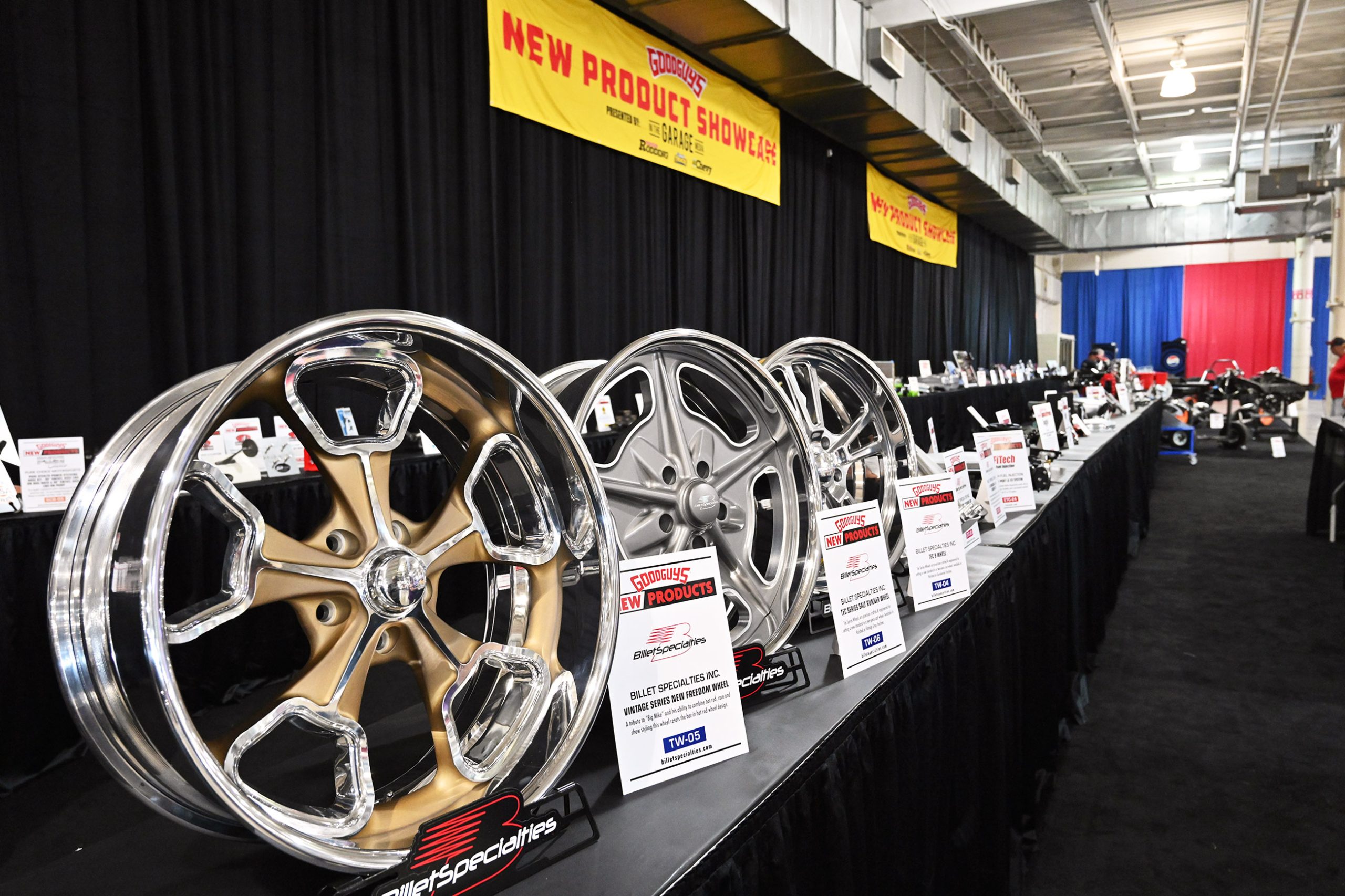
From suspension breakthroughs to slick bolt-ons and next-gen wiring solutions, this curated collection of fresh hardware gave attendees a first look at what’s about to hit the streets—and the shelves. With awards on the line and plenty of eyeballs walking the floor, companies brought their A-game, packing the display cases with smart engineering, clean design, and purpose-built upgrades. Whether you’re a pro builder or garage warrior, this was the place to get hands-on with the future of hot rodding.
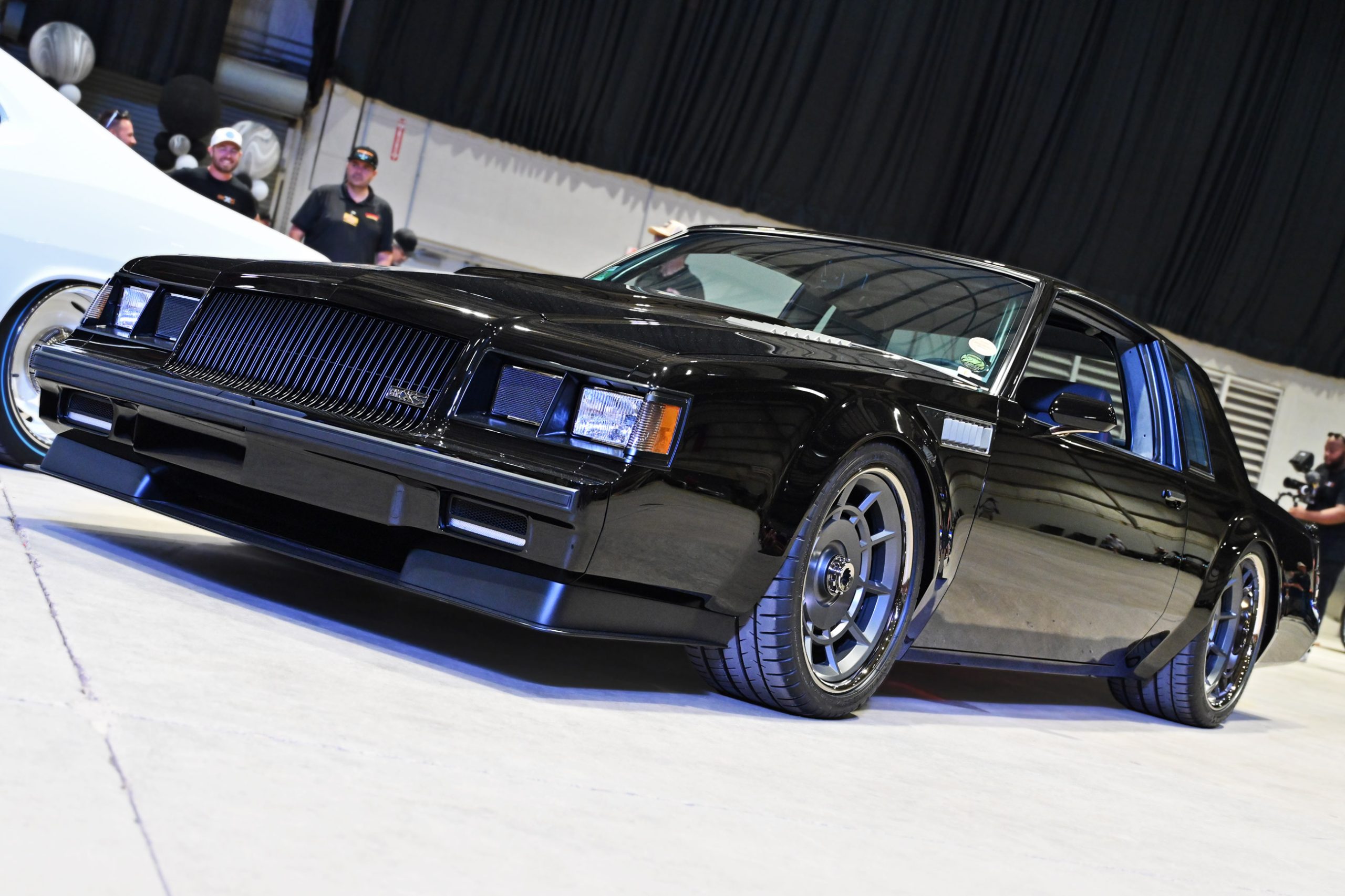
If you’re into big power, insane craftsmanship, and the kind of custom cars that stop people mid-sentence, then Columbus, Ohio in July is the place to be. The Goodguys Nationals isn’t just a show—it’s the showdown. Since ’98, this event has become ground zero for the best in hot rods, muscle cars, and one-off customs that blend tradition with full-throttle insanity.
