










Cars
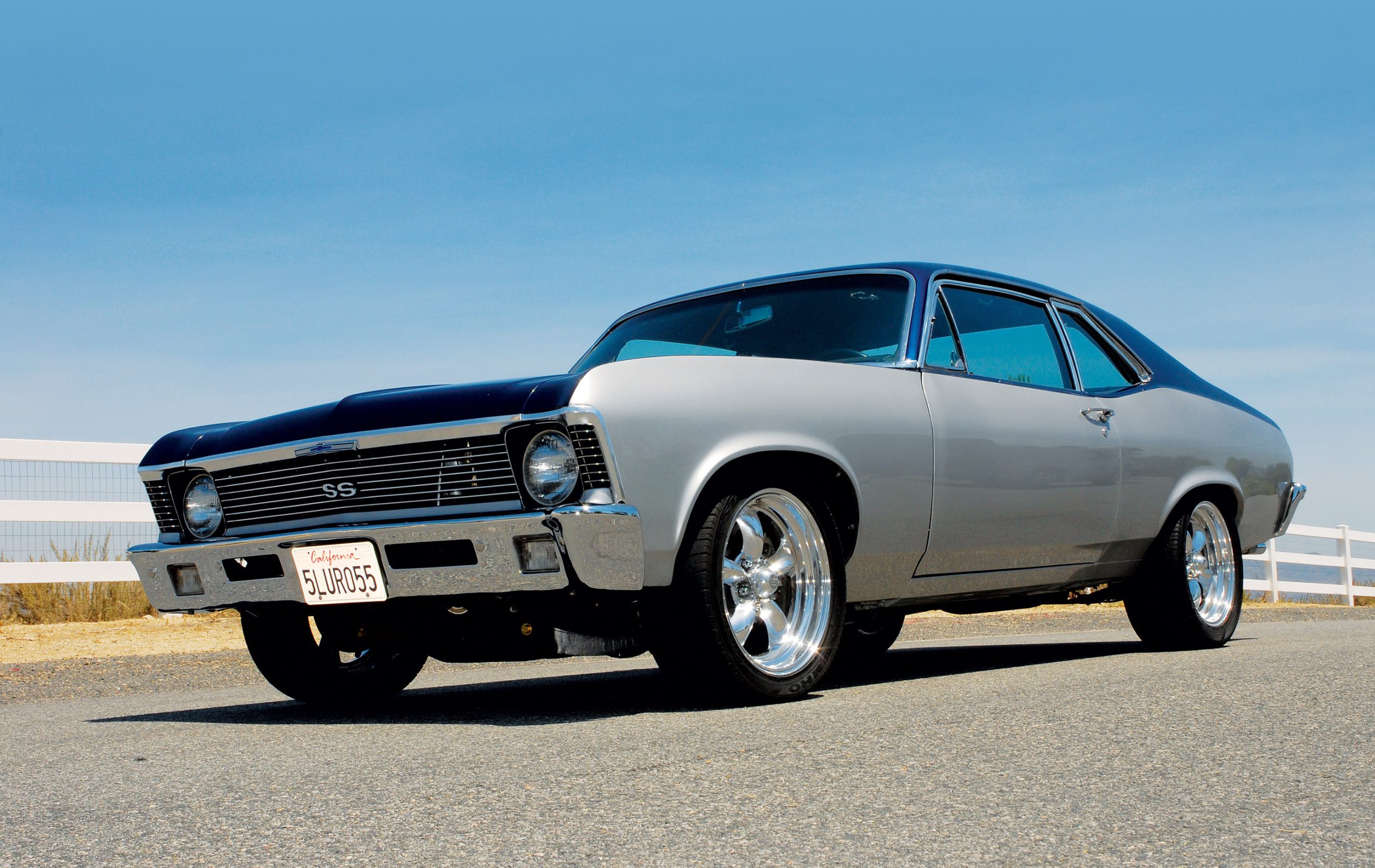
Is a love for fast cars—specifically those that are Chevrolet-powered—hereditary? If you were to ask C.A.T. Operations Engineer Kevin Christensen of Castaic, California, he would definitely say that it is.
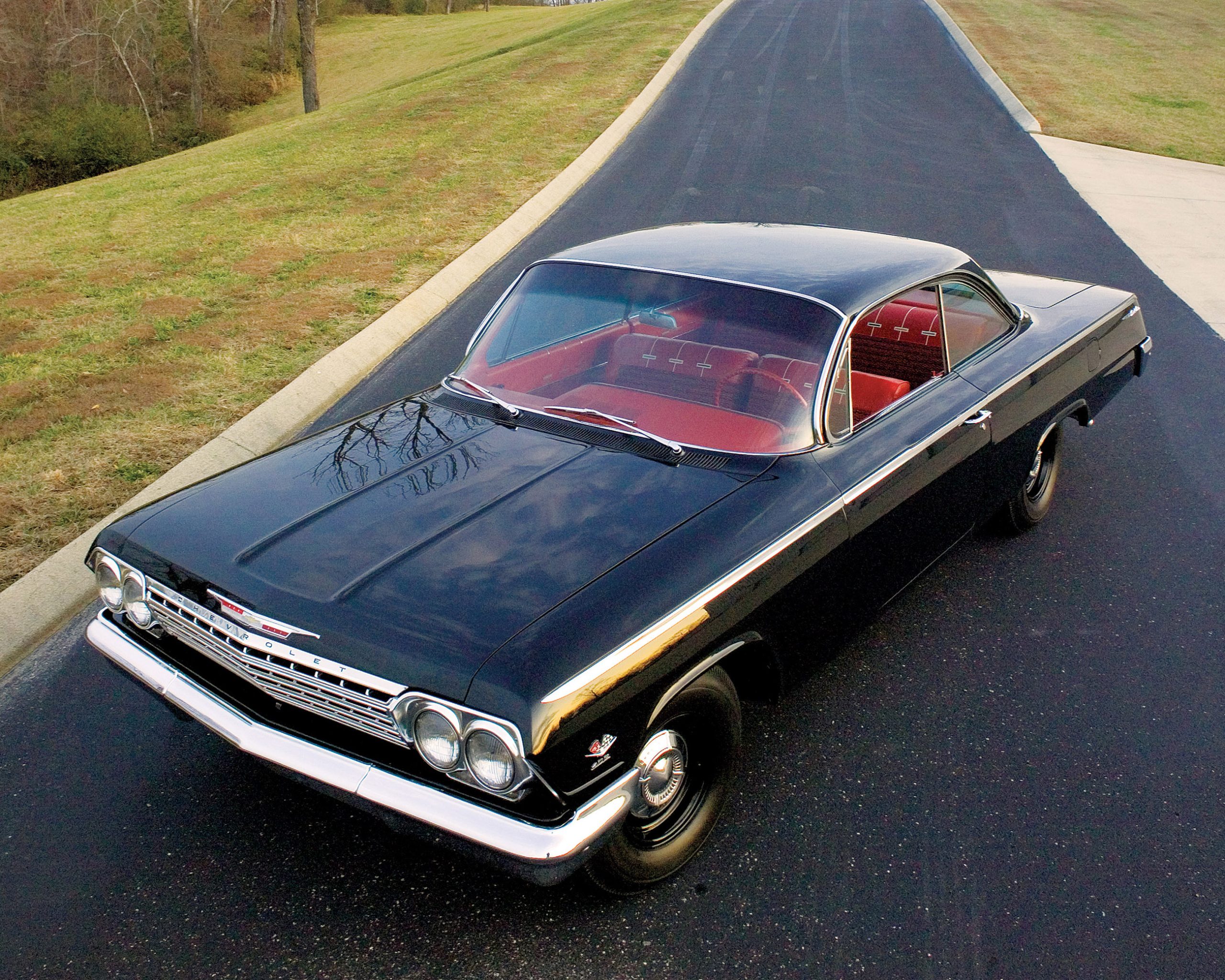
Sitting slightly nose-high and looking that much more restrained with dog dish hubcaps framed in bias-ply blackwalls, this ’62 Chevy bubbletop is as sinister as it is subdued. In fact, as smooth as these panels are, one has to wonder if this car has ever broken a sweat or even turned a wheel with aggression since it rolled off the showroom floor.
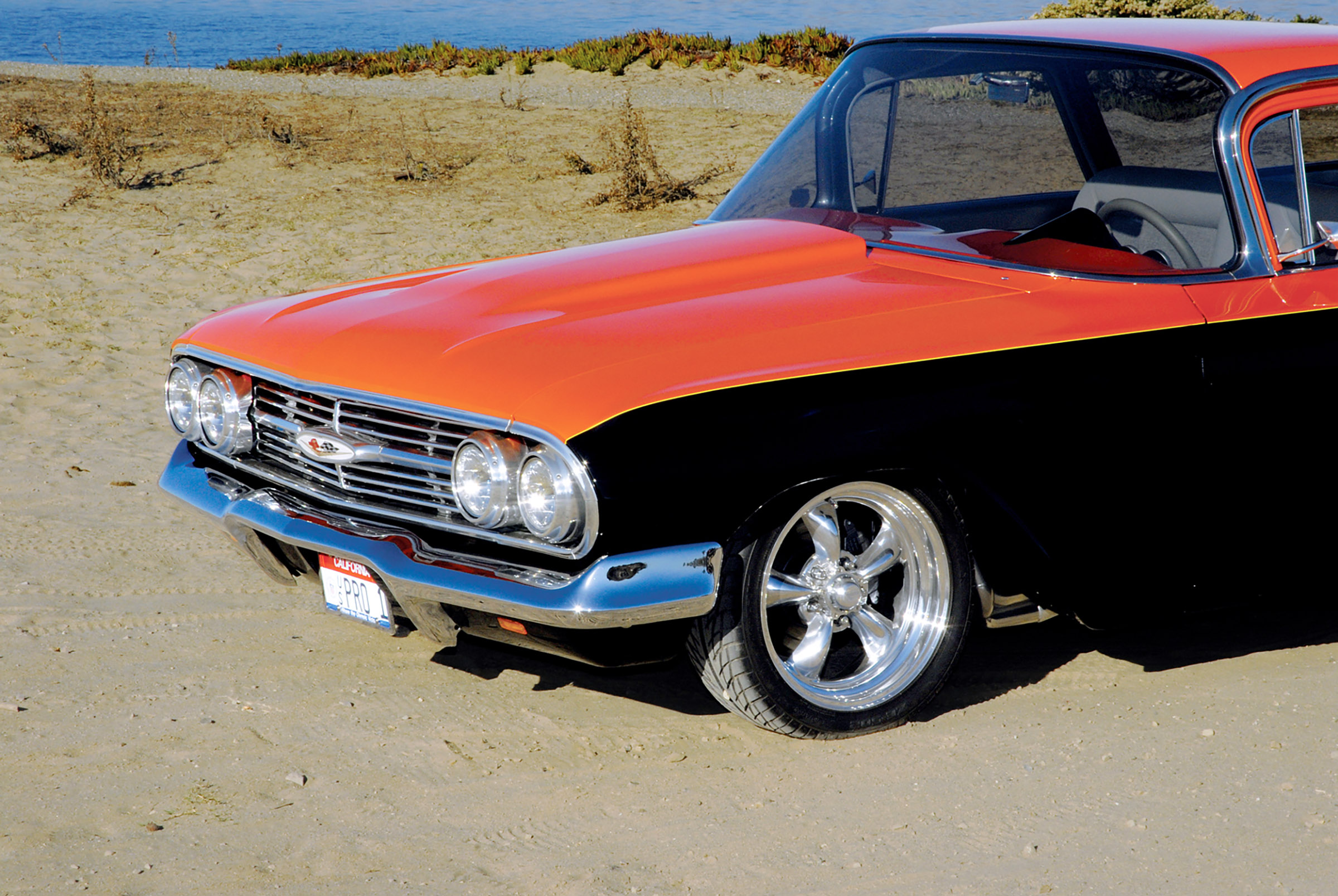
“I started building this car a little over 15 years ago after completing a Pro Street ’70 Camaro RS for my then-16-year-old son, Brad,” says overhead door installation specialist Jim Meltzer of Ventura, California. “I always had the urge to build a ’59 Pro Street Chevrolet El Camino (hence the nickname “U.S. Pro-1”), having owned one of those cars when I was just 21 years old,” he says. “Forty years later, the ’60 came along, and I figured that was close enough. The El Camino project was a joint collaboration with my sons Brad and Rod, and it got off to a great start. We made plans for a big motor and even built a full rollcage for that huge hunk of steel with the intentions of actually racing it.”
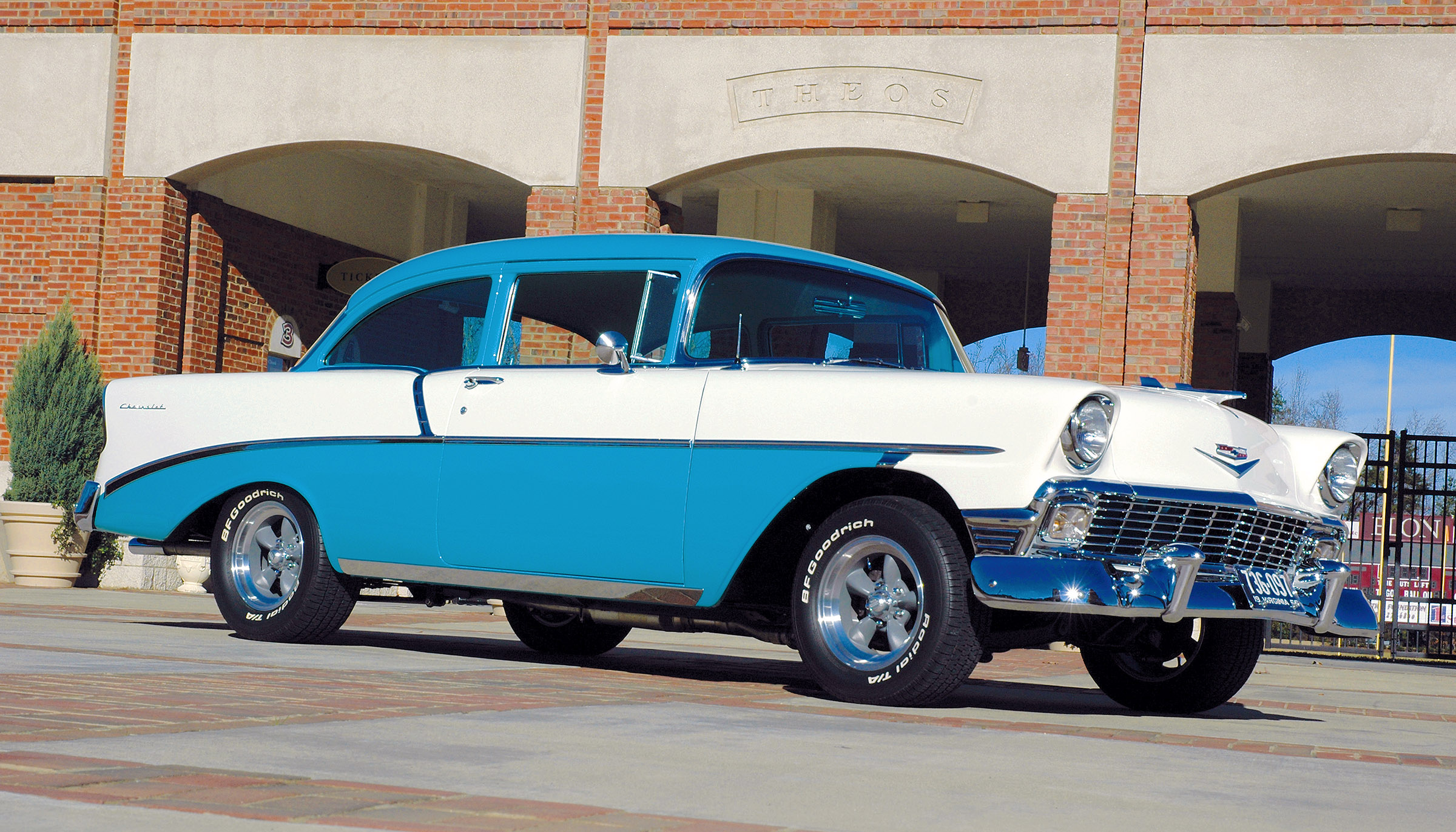
“I shouldn’t have sold that car.” How many times have you heard an enthusiast make that statement? It seems that a great many of us regret selling our favorite rides over the years, whatever the reasons.
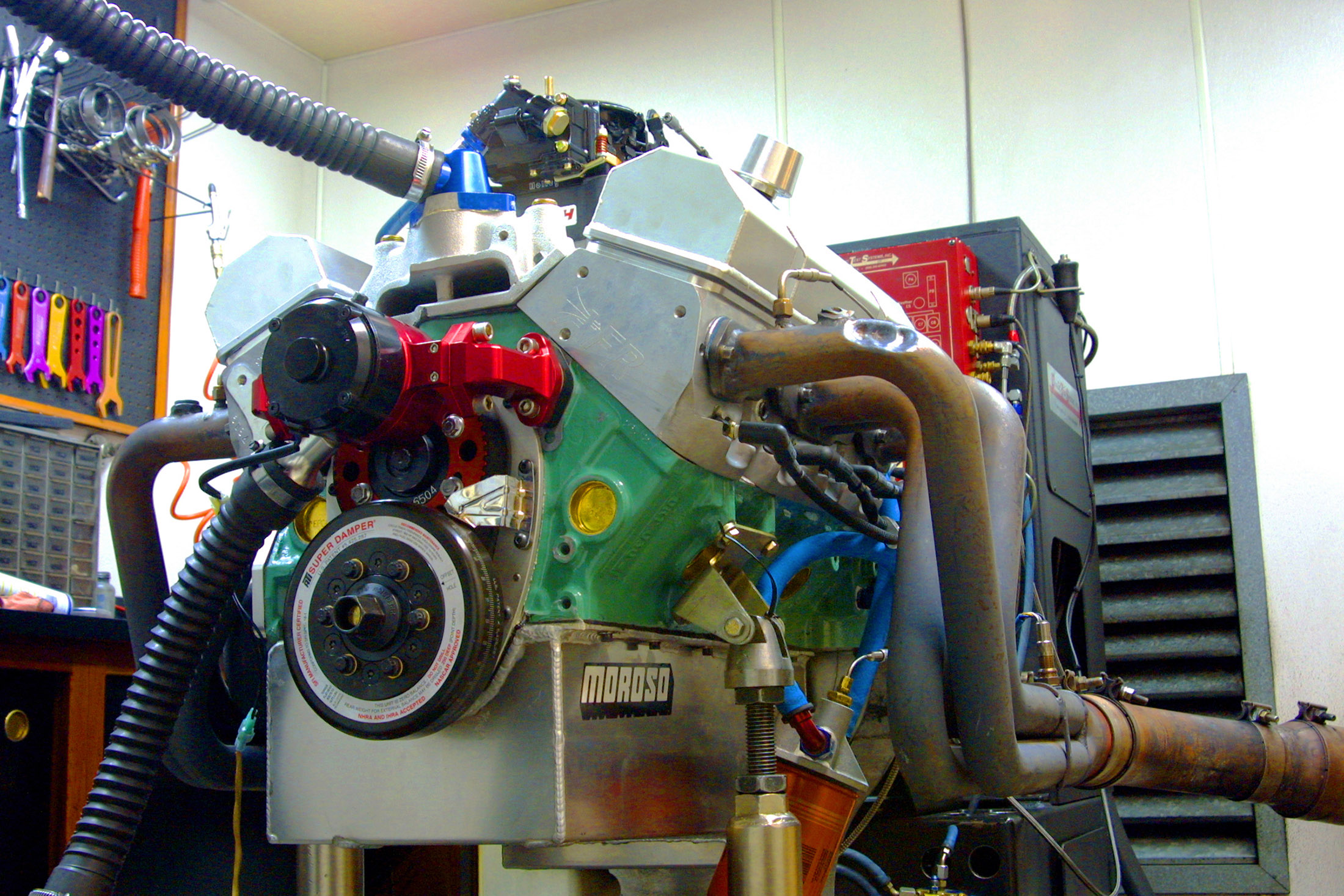
We showed you how to build a small-block engine that could make over 500 hp and 500 lb-ft of torque on 87-octane gas. It was a motor that could be driven just about every day with a hydraulic-roller cam and a good carburetor, making acquisition and maintenance almost nonexistent. Like many things we do in the engine world, the results we enjoyed—while good—just weren’t satisfying anymore. We wanted more.
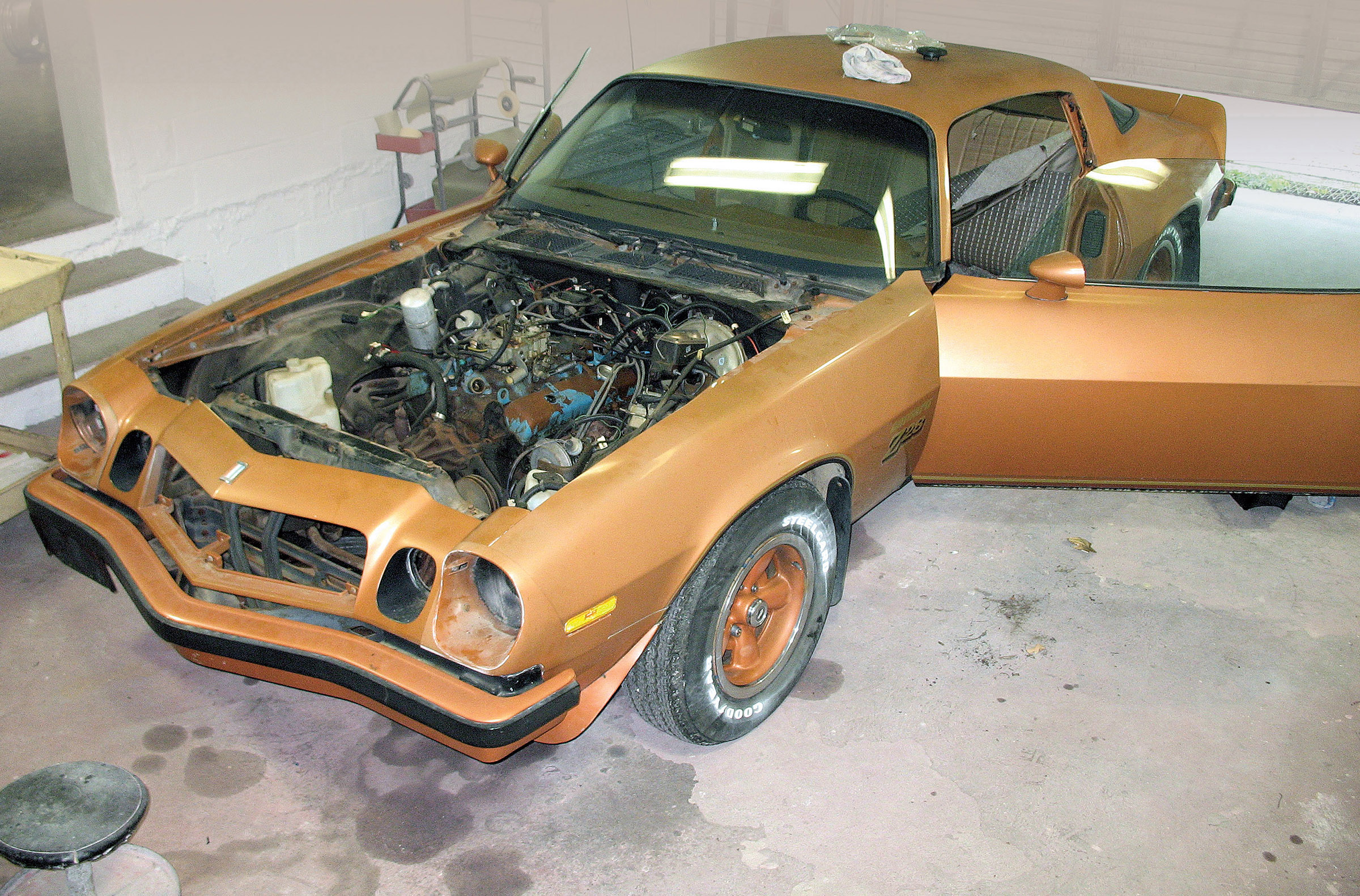
When starting any project that requires bodywork, rebuilding or even repainting, the first question is always, “What could possibly be lurking under the old paint that could come back and haunt us later?”
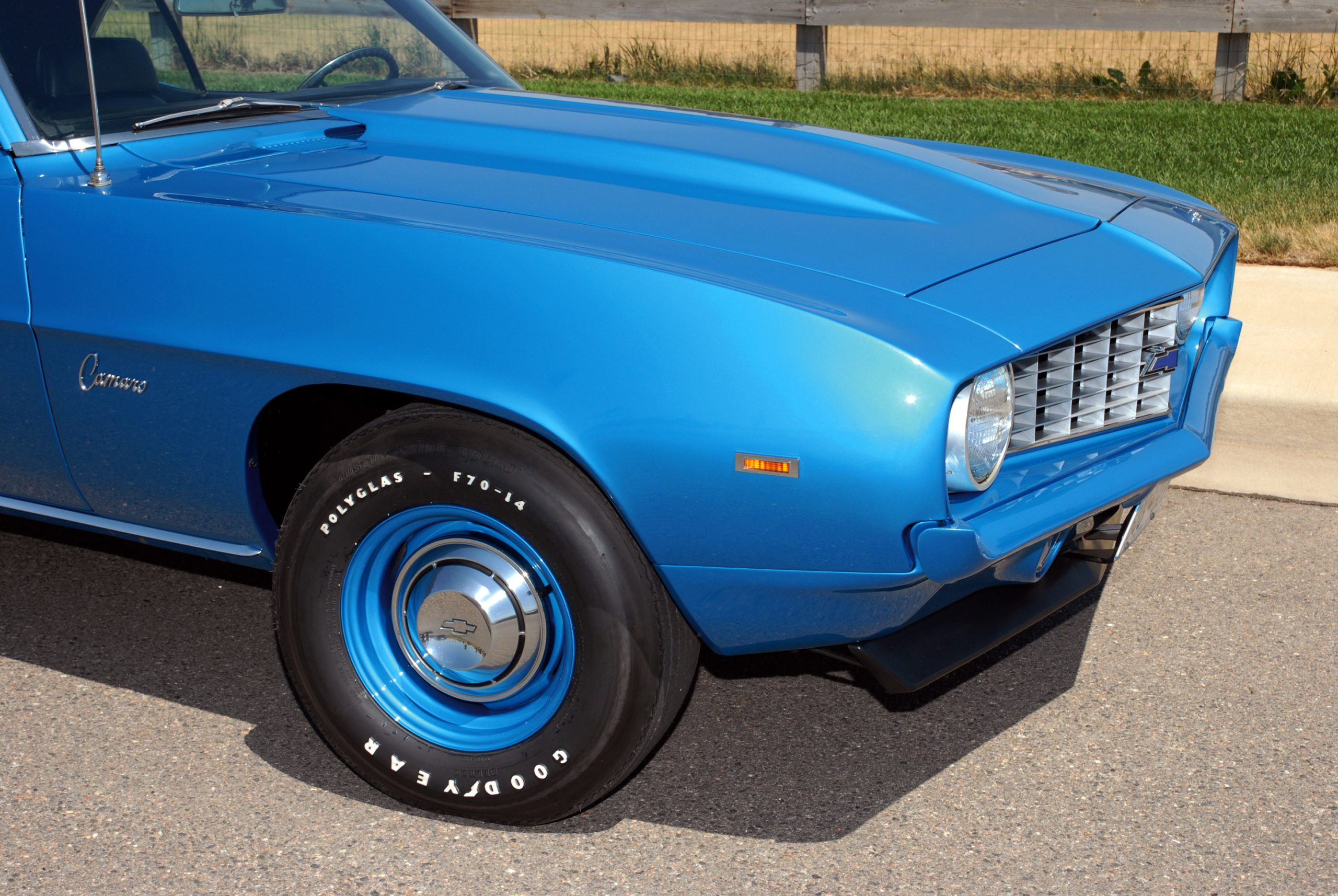
These tips are performance-oriented in nature because no matter how good-looking a matching-numbers Chevy might be, getting there and back is vital, as is prepping the car properly and inexpensively with little trouble. While six-figure projects and high-tech billet products flood the market, finding a good deal at the local salvage yard or a worthwhile part left over from a project can be just as exciting and much easier on the wallet.
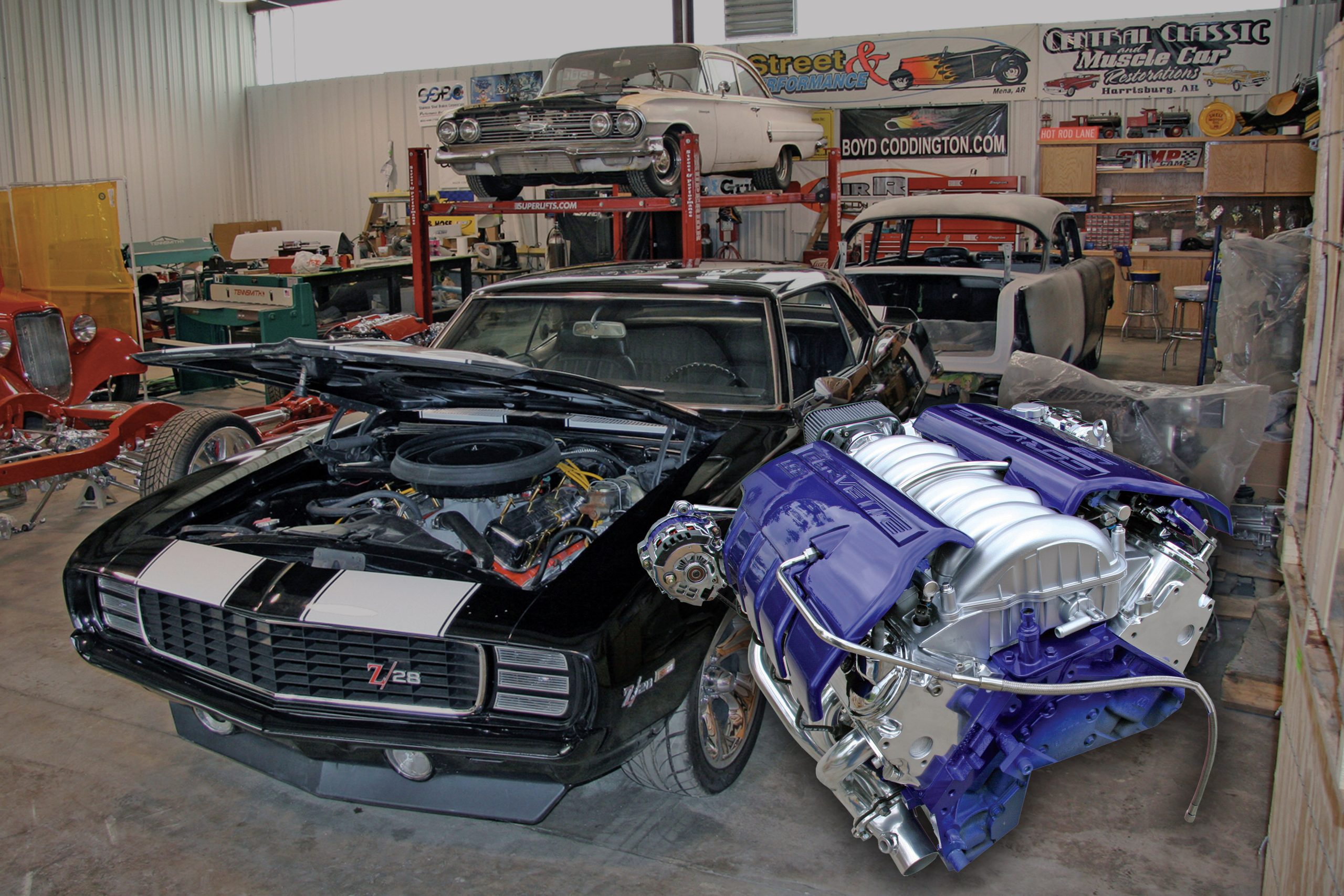
First-generation Camaros are all the rage these days, and no wonder. With so many ways to bring them into a new era, they make great selections. So, while the big-block power and a five-speed trans served owner Gary Johnson well over the years, rocketing gas prices led him to a more efficient LS2 option.
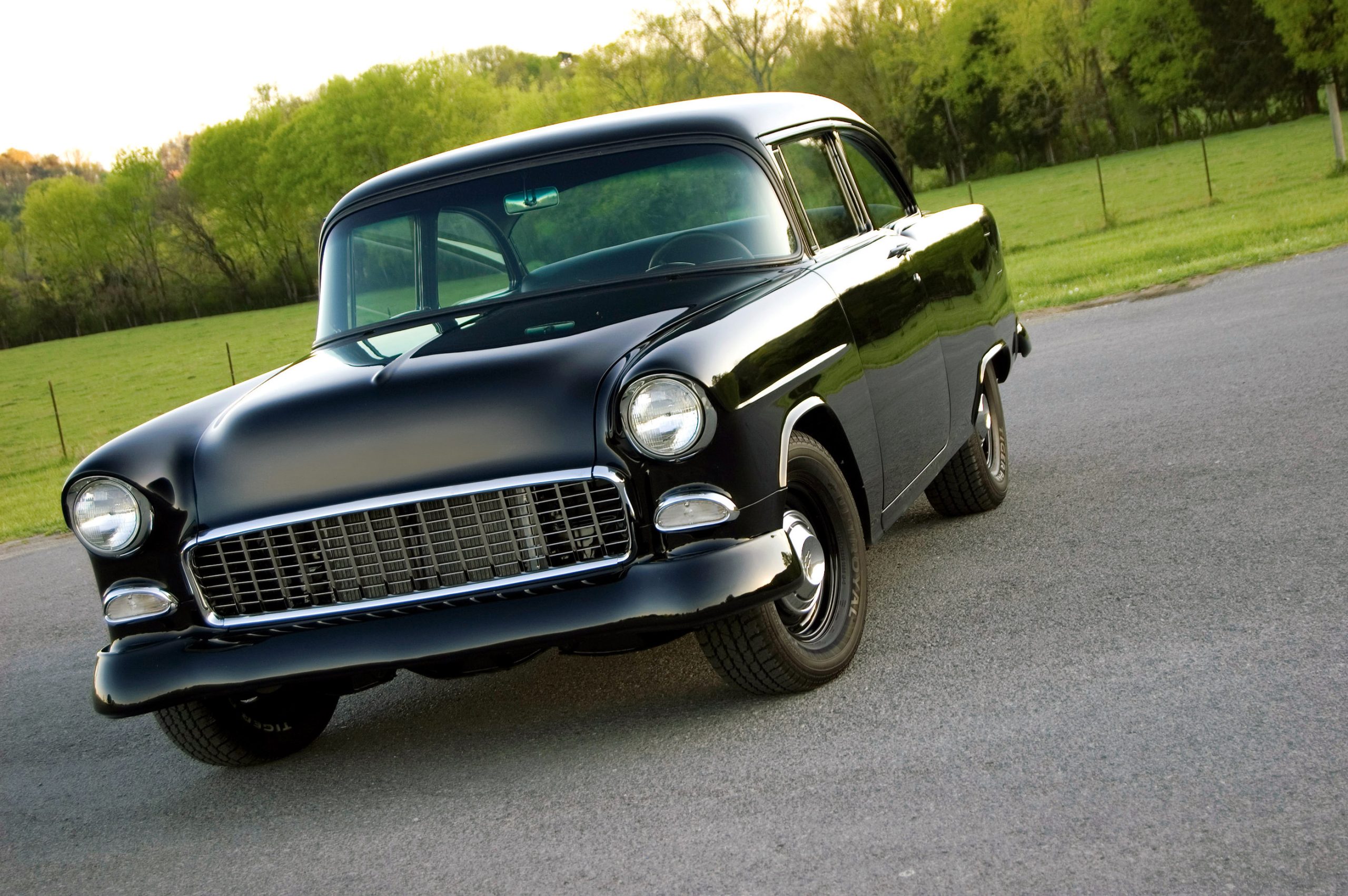
Simplicity is the key here, as this ’55 Chevy perfectly embodies the sleeper theme with a no-frills look and monster power. It doesn’t even feature all the stainless Bel Air or 210 trim you normally find on most tri-5 models; but even though this is a plain-Jane 150 devoid of trim, Ernie Lankford’s all-black ’55 certainly doesn’t get overlooked.
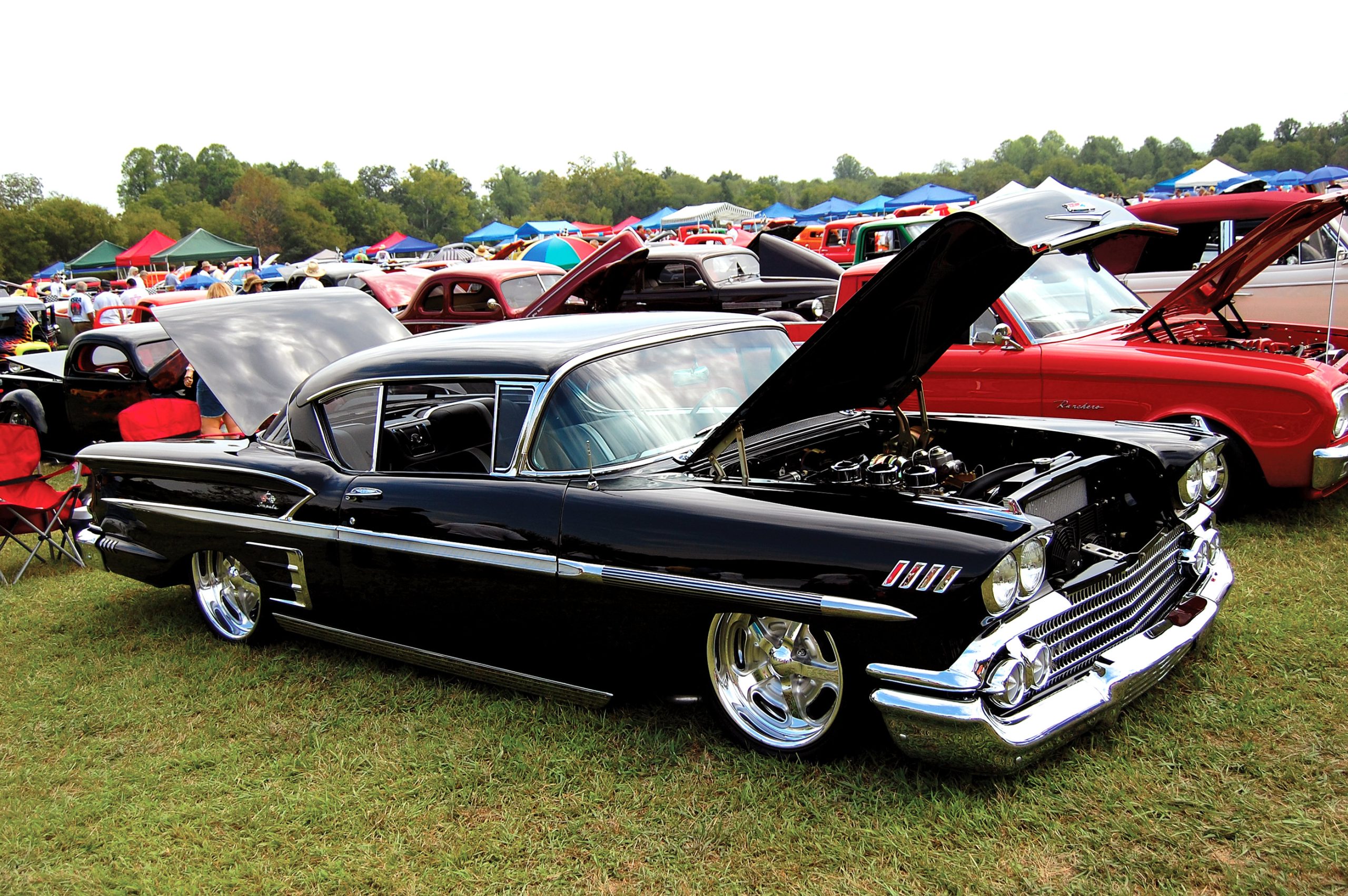
This was a time when car manufacturers improved on their cars with much better suspension systems, larger and more efficient V-8 engines, and all the stylish creature comforts new-car customers expected. Chevrolet evolved, too, using more modern technology and a performance parts supply that enabled Chevy enthusiasts to build upon the factory offerings. Chevrolet changed what was once a basic industry, and even though those were simpler times with no computers, cell phones or electronics to speak of, the suspensions were new—but still a long way from what is available now. However, tri-5 Chevys were fast and provided a blast without all those fancy gadgets found in luxury cars at the time—just give them a two-tone Chevy equipped with a V-8 and whitewall tires, and it was all good.
