
Drag Race
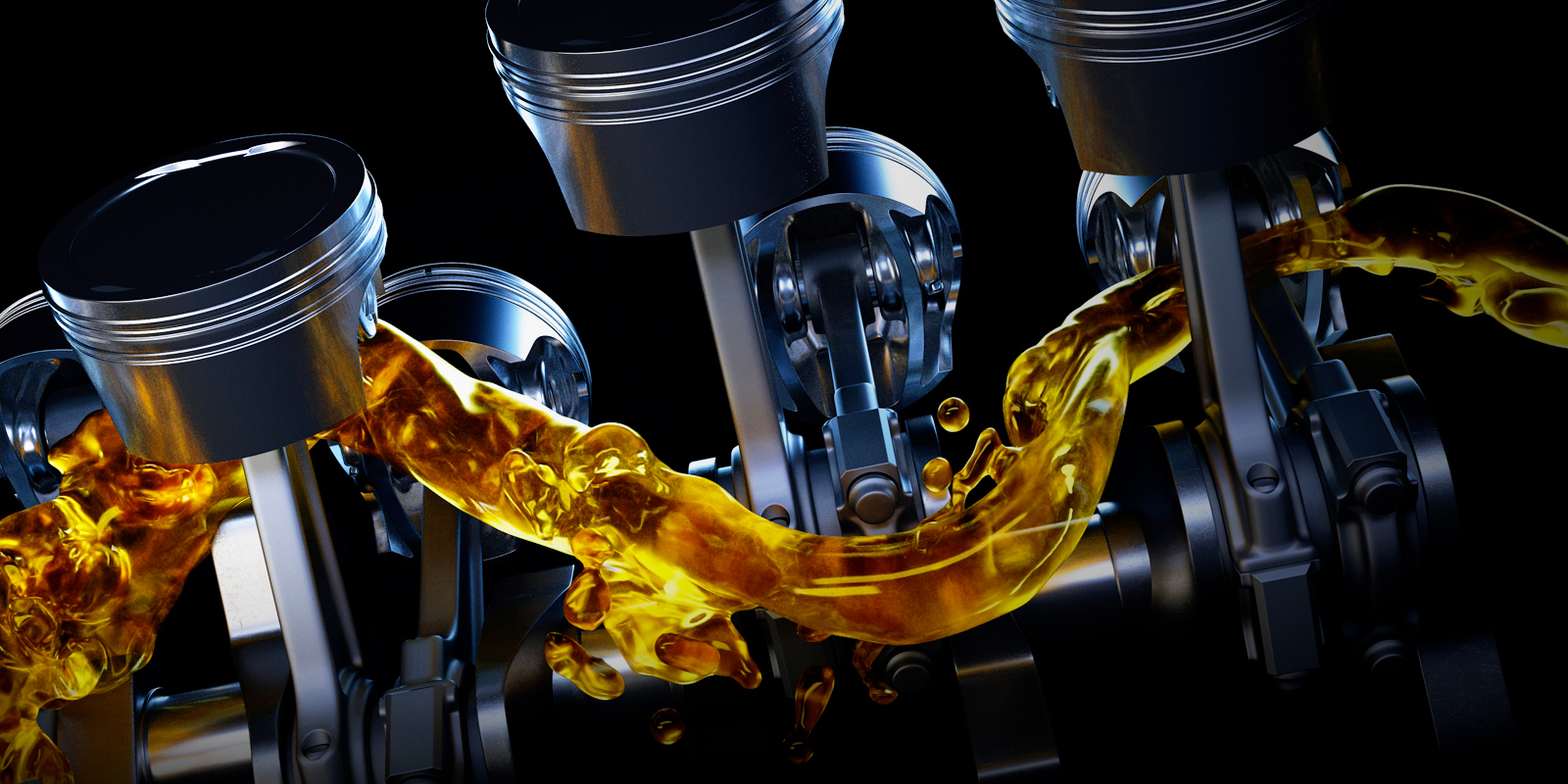
Driven Racing Oil developed the original high zinc, petroleum and low detergent break-in oil over twenty years ago. Break in oil is a specialty oil that reduces wear and contaminates when breaking in a new high-performance engine. It provides controlled friction for your piston rings and incredible protection that helps your camshafts break in properly.
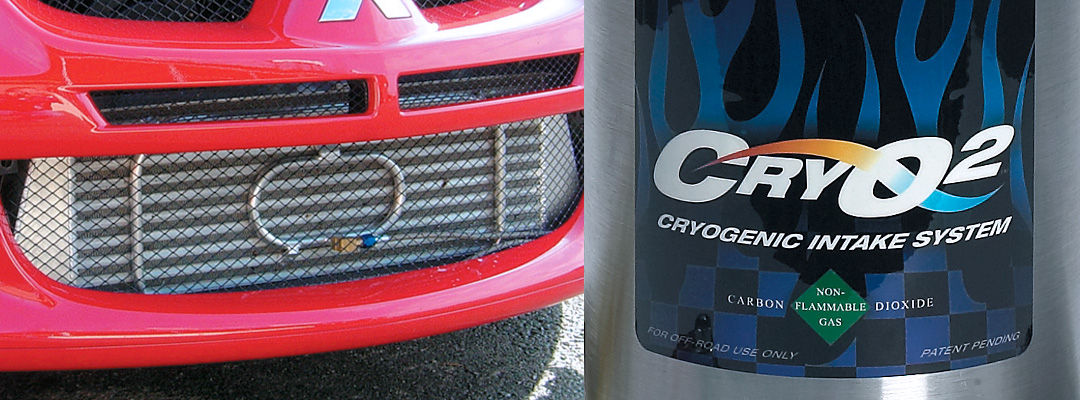
Adding a nitrous spray bar to an intercooler is a proven way to lower the intake air temps and consequently give a more dense charge to the combustion chamber for more horsepower. We’ve been seeing more and more intercooler spray bars popping up on both performance and show-n-go cars.
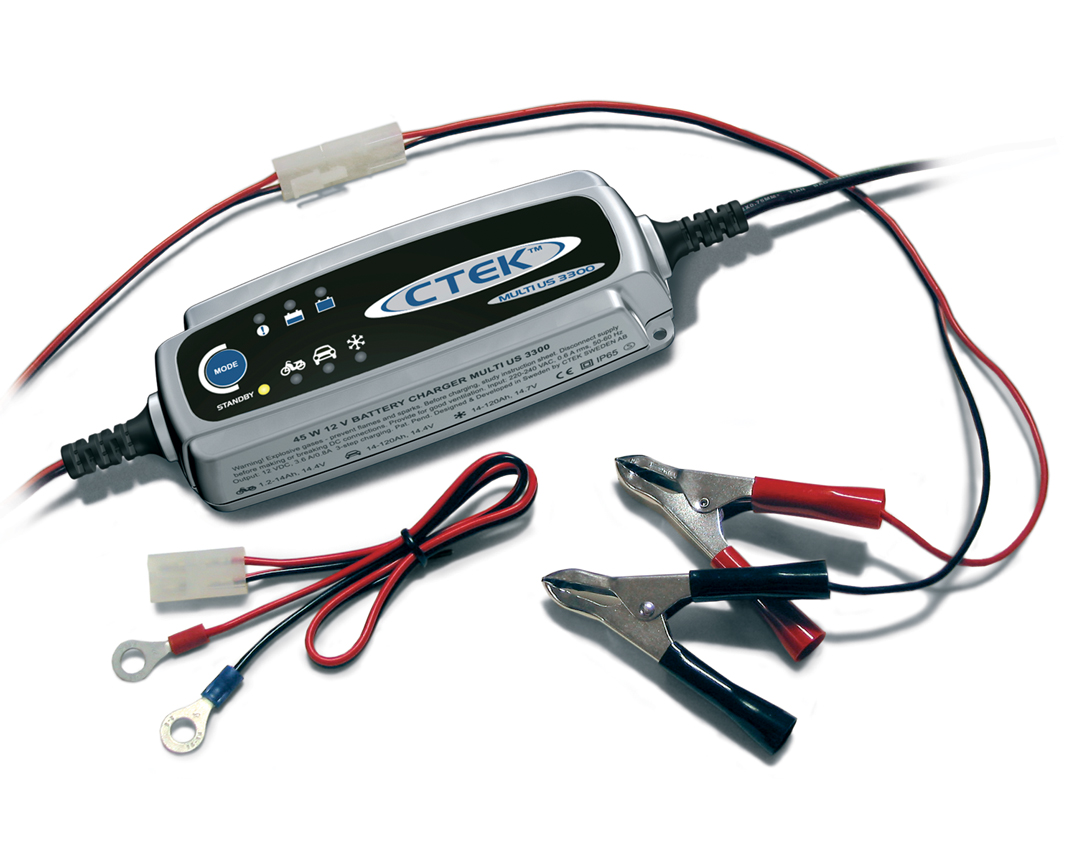
If you are going to connect anything automatic to your car, especially when dealing with electricity, lead and acid, you owe it to yourself to do a bit more research rather than pulling just any super-discounted, off-the-shelf item and connecting it to something as potentially volatile as a lead-acid battery. But we have, haven’t we?
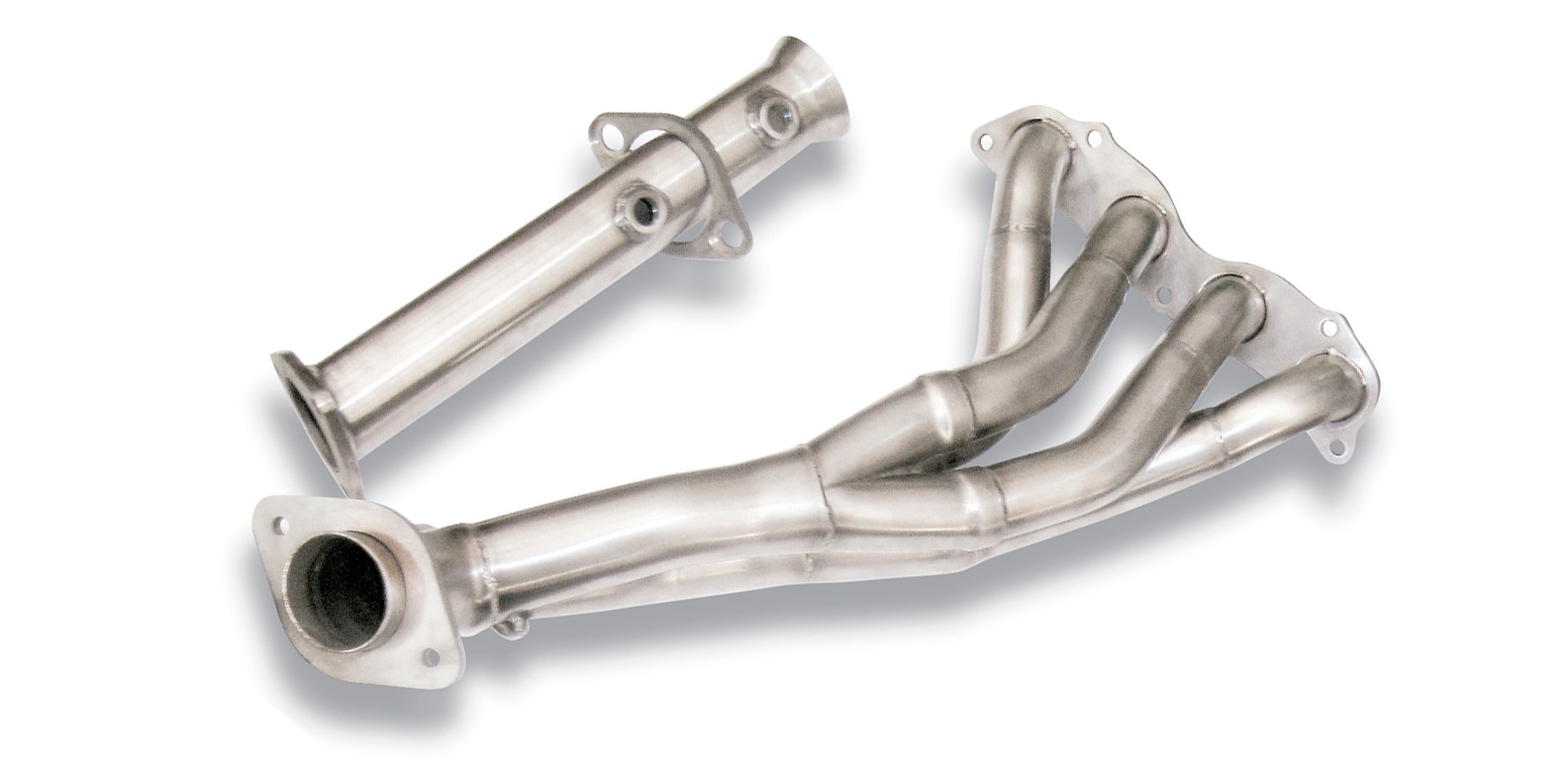
In the case of a new Honda Civic Si (EP3), this owner wanted to enhance high-rpm power. The K20 engine with the new i-VTEC 2-liter powerplant has considerably more torque available in the lower part of the power band in comparison to the older B- and H-series VTEC engines. While the EP3 used here is primarily a street-driven machine, the owner plans on taking the car to the weekend dragstrip on occasion.
After working long shifts and weekends, it’s payday and the time has come to enjoy your hard-earned cash. You stroll into the tuner shop and lay down some money on that turbocharger you have been dreaming about buying. Gotcha! Now your system is complete.
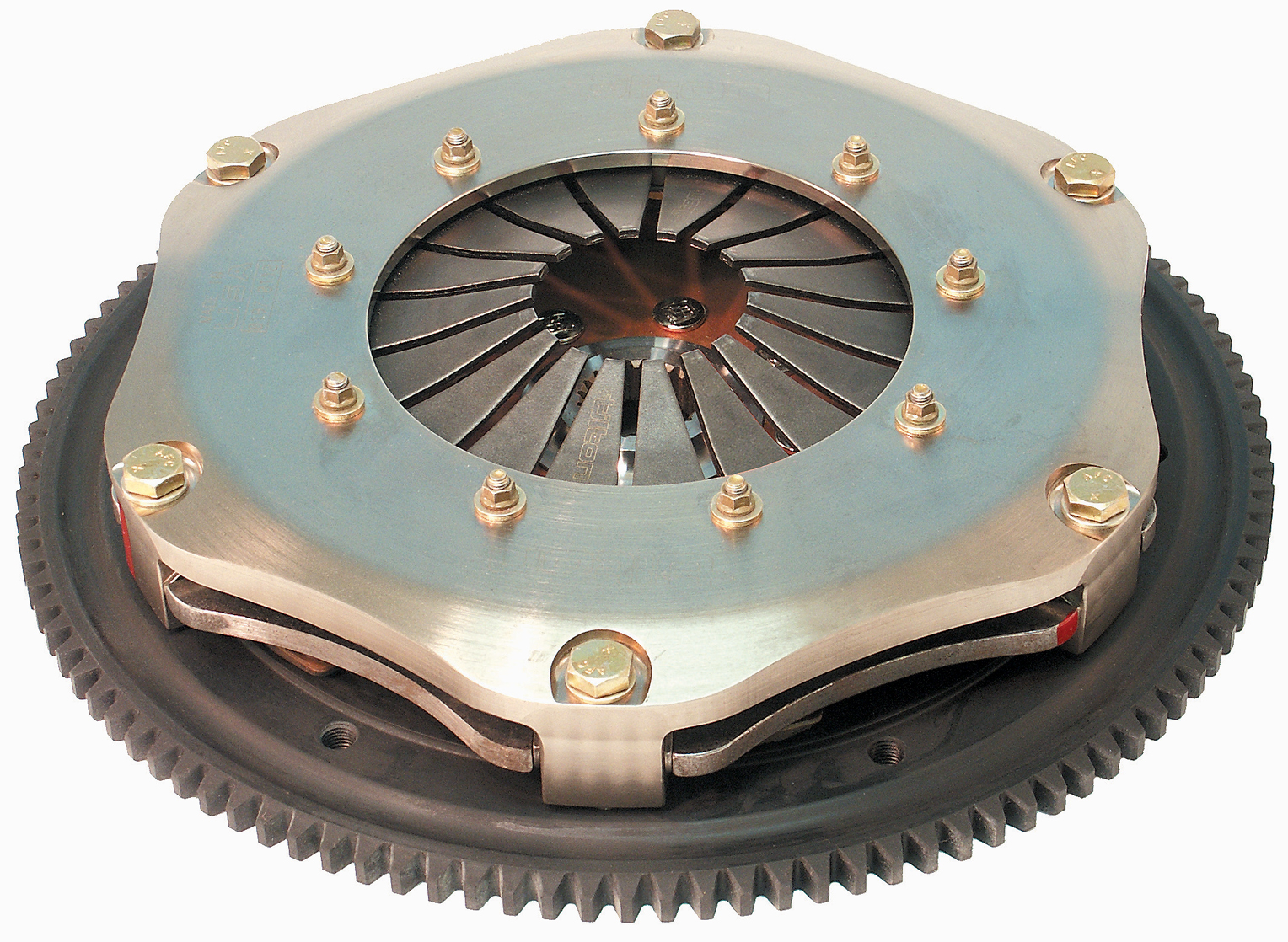
Changed the clutch in your drag Honda lately? This has to be one of the worst jobs in all of compact car drag racing. Turbocharged, nitrous-fed Honda engines inflict severe damage on clutches after round upon round of heated competition—even some very good “hot rod” clutches.
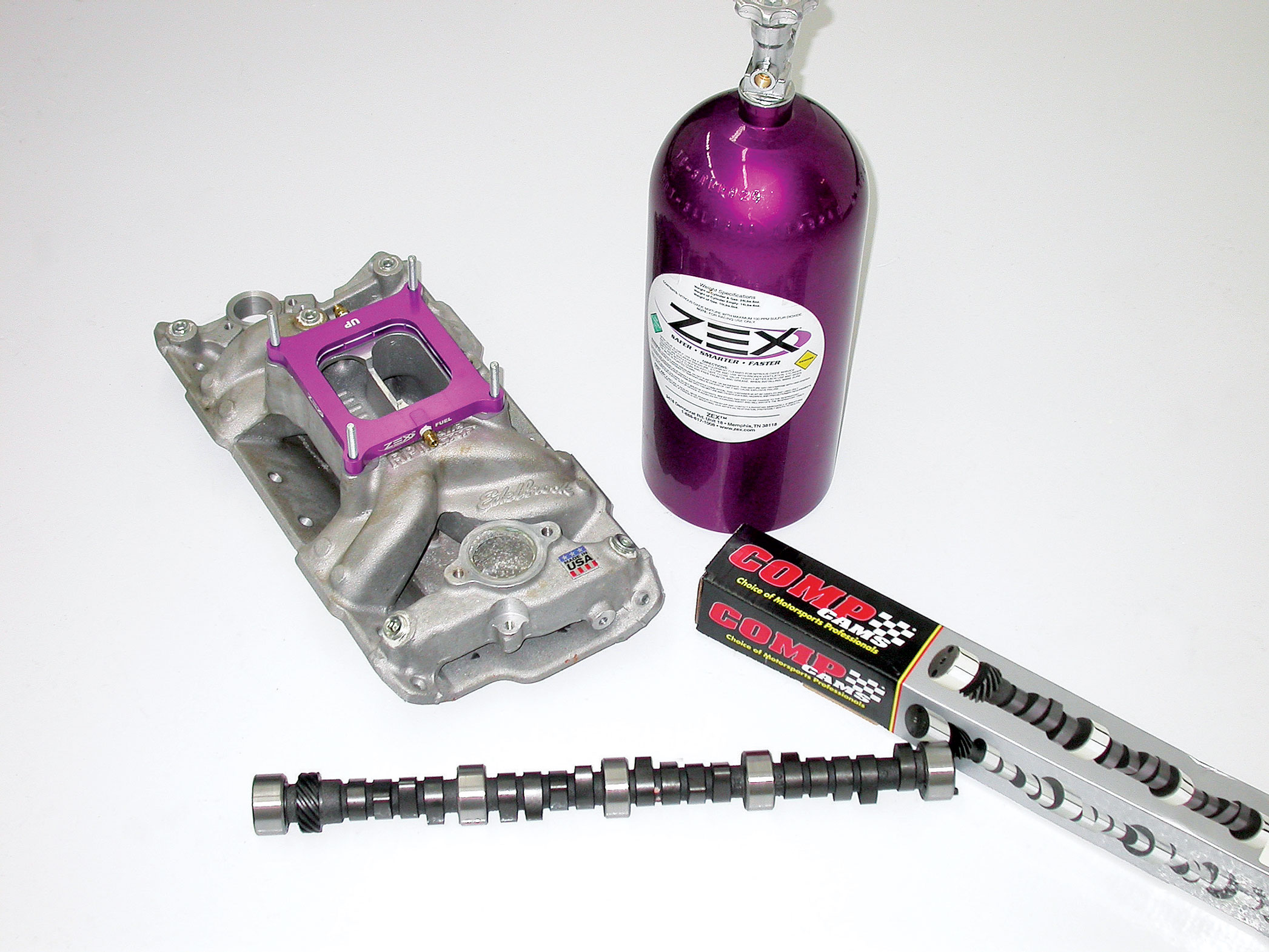
By now, we all certainly know that nitrous oxide is a performance enthusiast’s best friend. Nothing can wake up a sleepy motor like a quick shot of nitrous.
Performance enthusiasts are a funny bunch. They all seem to agree that “as much as possible” is the correct answer when asked, “How much power do you want?” But they certainly
disagree about the best way to get there.
While it is true that a turbo system does not have the instant response of a supercharger, the new Turbonetics T3/T4 Hybrid turbochargers are closing that time gap. Turbonetics has formed a complete lineup of products that take a T3 turbine section (in standard, Stage 2 or Stage 3 trim), that is then coupled with a T4 compressor section (T04B trim or T04E trim). The result is the T3/T4 Hybrid, which combines the low inertia and fast boost response of the lightweight T3 turbine wheel with the high airflow characteristics of the T4 compressor. These characteristics combine to make the T3/T4 Hybrid the turbo of choice for high-performance import applications.
When you go looking to make huge power from your 5.0-liter Ford, the limiting factor will always be the weakest link in the chain. In the case of our supercharged 331 stroker buildup, the weakest link turned out to be the production block. Like most enthusiasts, we had no budget for a DART racing block or even a Ford Racing Sportsman block, but we decided to tempt fate nonetheless and go for a big power number on the dyno. Considering that the stock fuel-injected 5.0-liter was rated at a measly 225 hp, even a 300hp buildup would offer a welcome change in performance.