THE AUTO BUILDER
Featured

HPX 2026 Puts Education in the Driver’s Seat of the Automotive Industry
The High Performance Expo isn’t just coming back in 2026—it’s doubling down on what made the inaugural event hit so hard in the performance aftermarket world. HPX 2026 has officially unveiled a stacked education lineup for this year’s show in Charlotte, North Carolina, bringing together shop owners, racers, manufacturers, builders, executives, and industry disruptors under one roof for three days of high-octane networking and next-level learning.

Product Spotlight: DIESELSITE 17-Row COOLERMAX Transmission Cooler
Rated at a monster 59,000 BTUs, this cooler doesn’t just compete—it sets the bar. Standard factory units limp along at 15k–30k BTU. Even most “heavy-duty” aftermarket coolers top out well below the COOLERMAX’s rating. That extra capacity can mean the difference between cruising safely at 180° or cooking at 240°. In the real world, that translates into drops of 50–60°, longer fluid life, and transmissions that simply last.

Final Assembly Tips From The Pros
When building a street rod there are a great many facets of the construction process that go into making the car an award-winning creation. First, there’s planning. The planning of the car can and should include attention to each and every area of the car, from concept to reality. Even the most basic of projects should have the proper planning involved, no matter what the final product might be. Once work has begun on the project, countless hours are generally involved in attending to every detail. From making the many modifications to the chassis to attain the desired drive train, to the matching and mating of the different components together, this becomes an involved process requiring a great deal of skill in fabrication and engineering.
Spotlighter
POPULAR READS
-
Product Spotlight: Bill Mitchell Products Aluminum LS Engine Block
-
PRODUCT SPOTLIGHT: 60-66 Chevy C10 Fresh Air Vent Block Off Plate
-
Product Spotlight: Pyramid Optimized Design Sequential Aurora Taillight for 1964½–1966 Mustang
-
PRODUCT SPOTLIGHT: Cam Covers for GEN/3 Coyote from Pyramid Optimized Design
THE GRILLEMEISTER
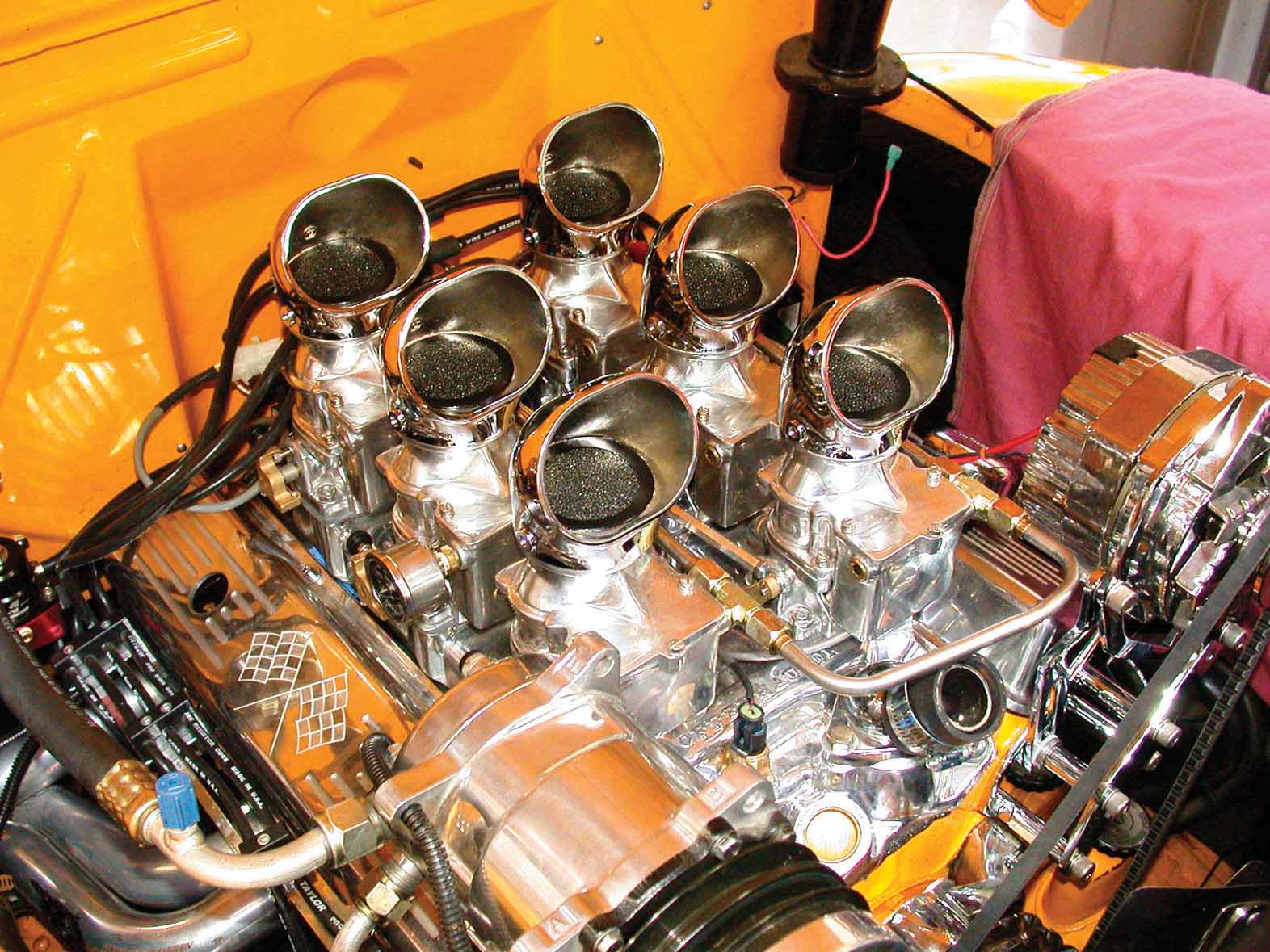
Installing the Retro Tek EFI 6-Pack
Author
Matt Emery
Story & Photography
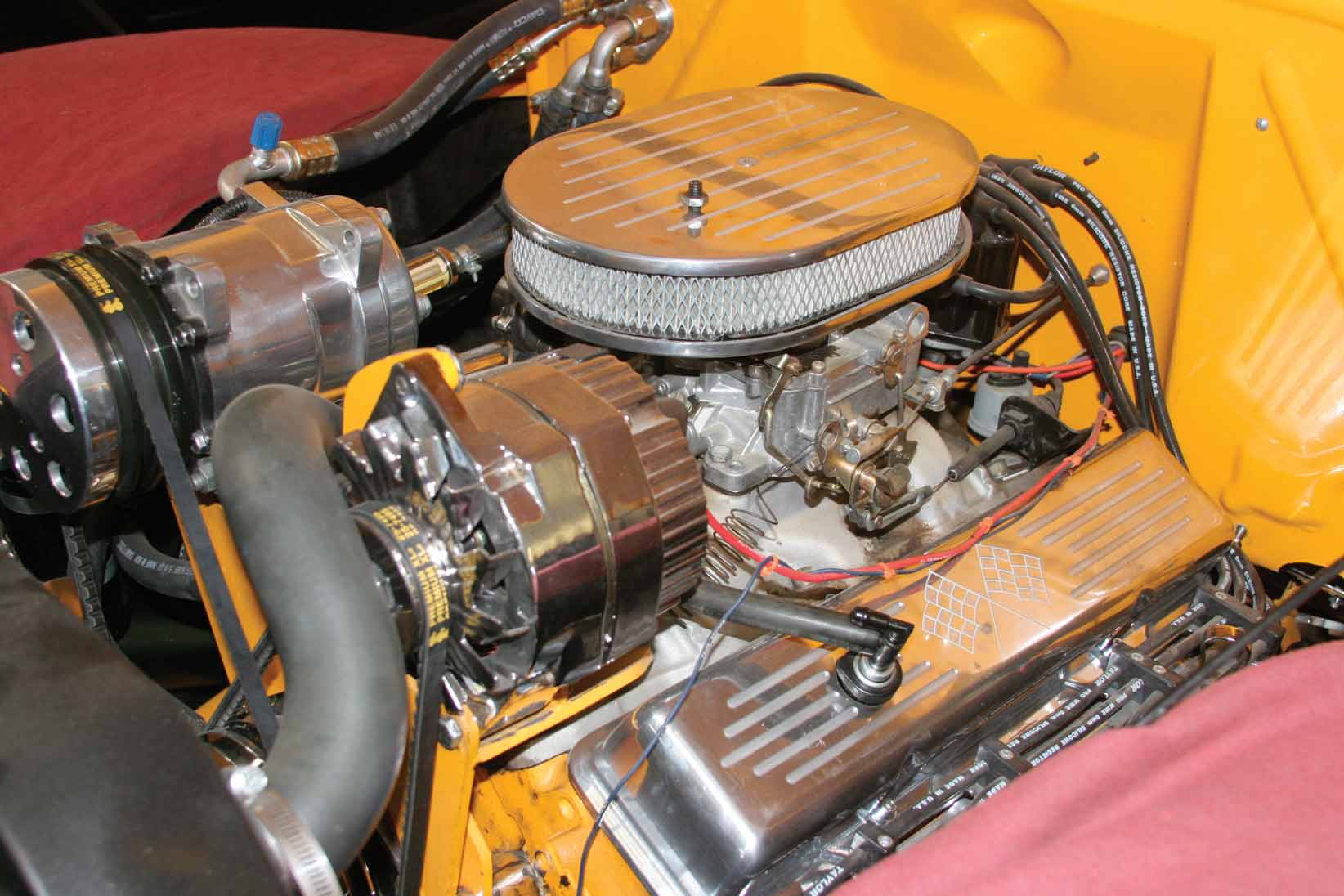
Those who longed for their engines to look as they did back in the old days of multiple-carb setups were out of luck. Cool as they were to look at, there are lots of reasons why the multi-carb setup fell out of favor, and most of them had to do with the fact that they were a bear to sync. The advent of the four-barrel carb was the death for these systems, though the purists among us prayed for a breakthrough.
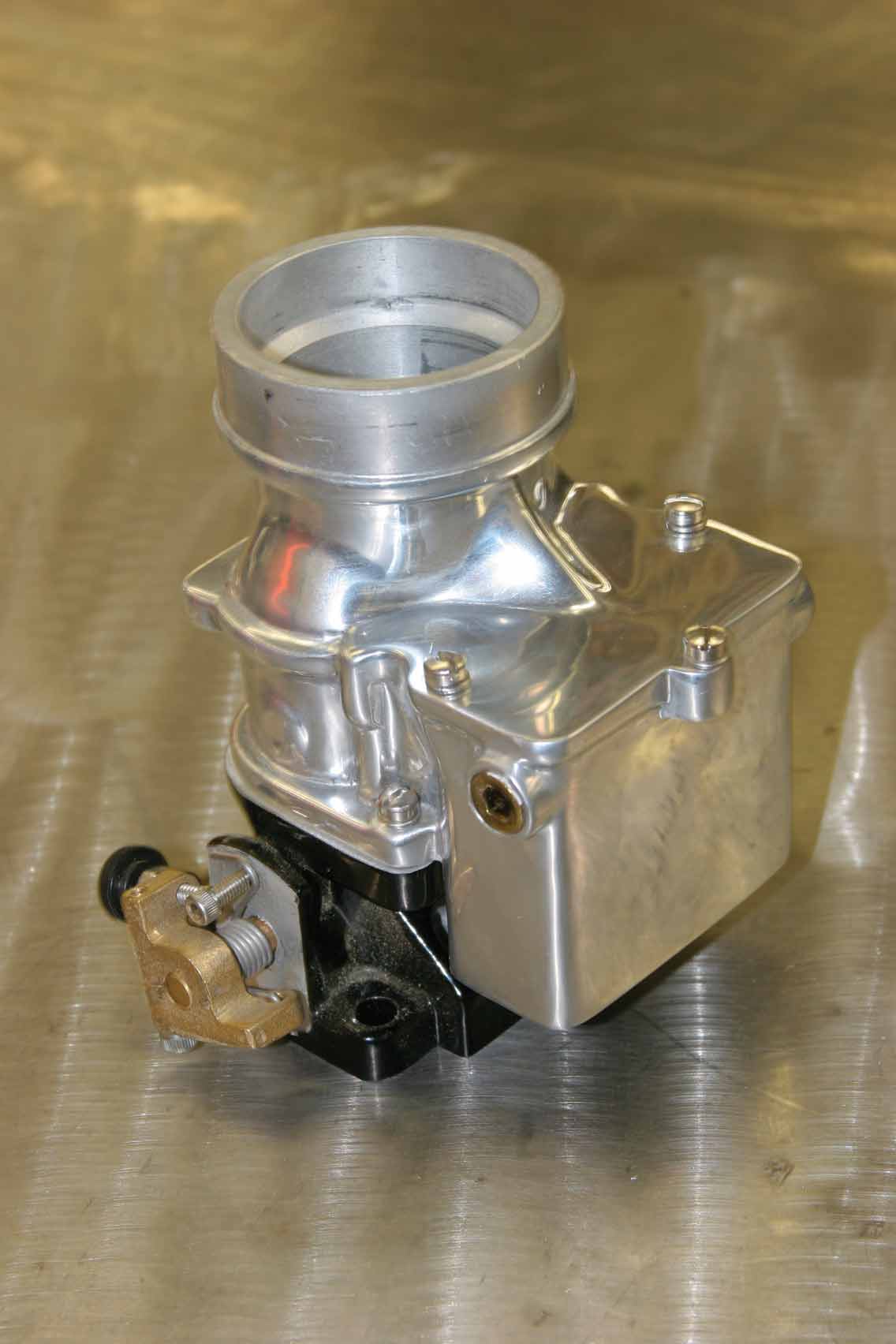
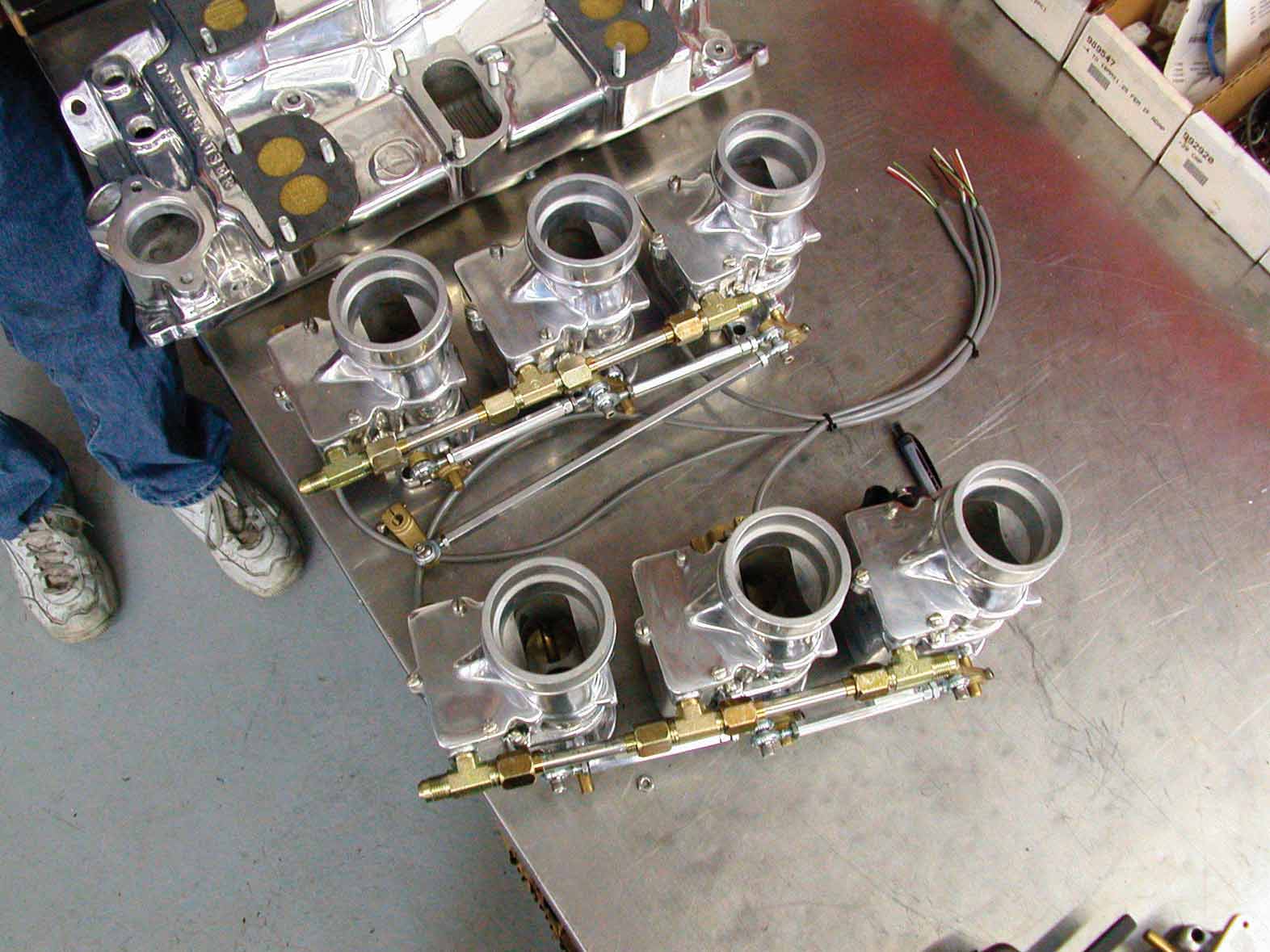
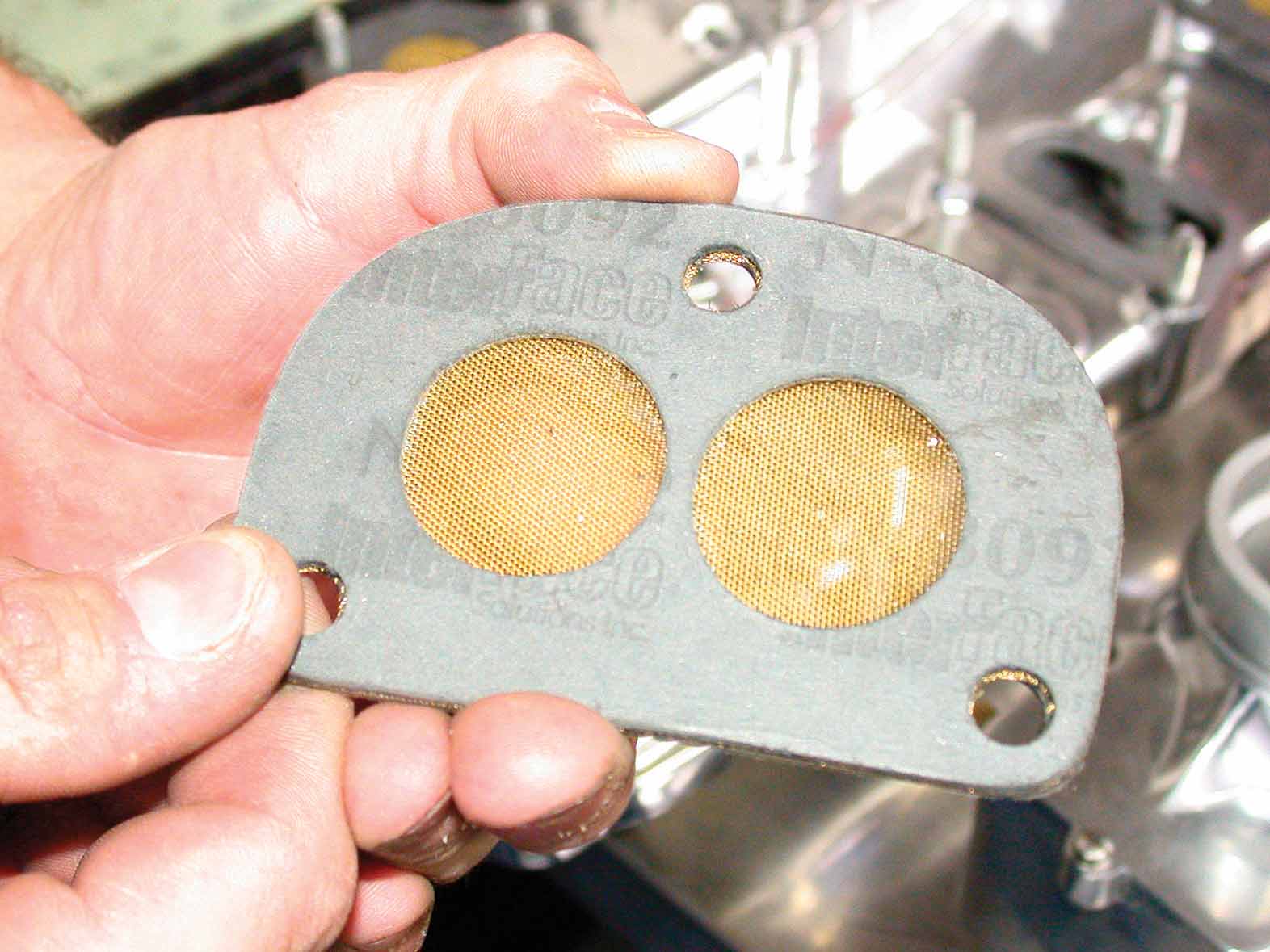
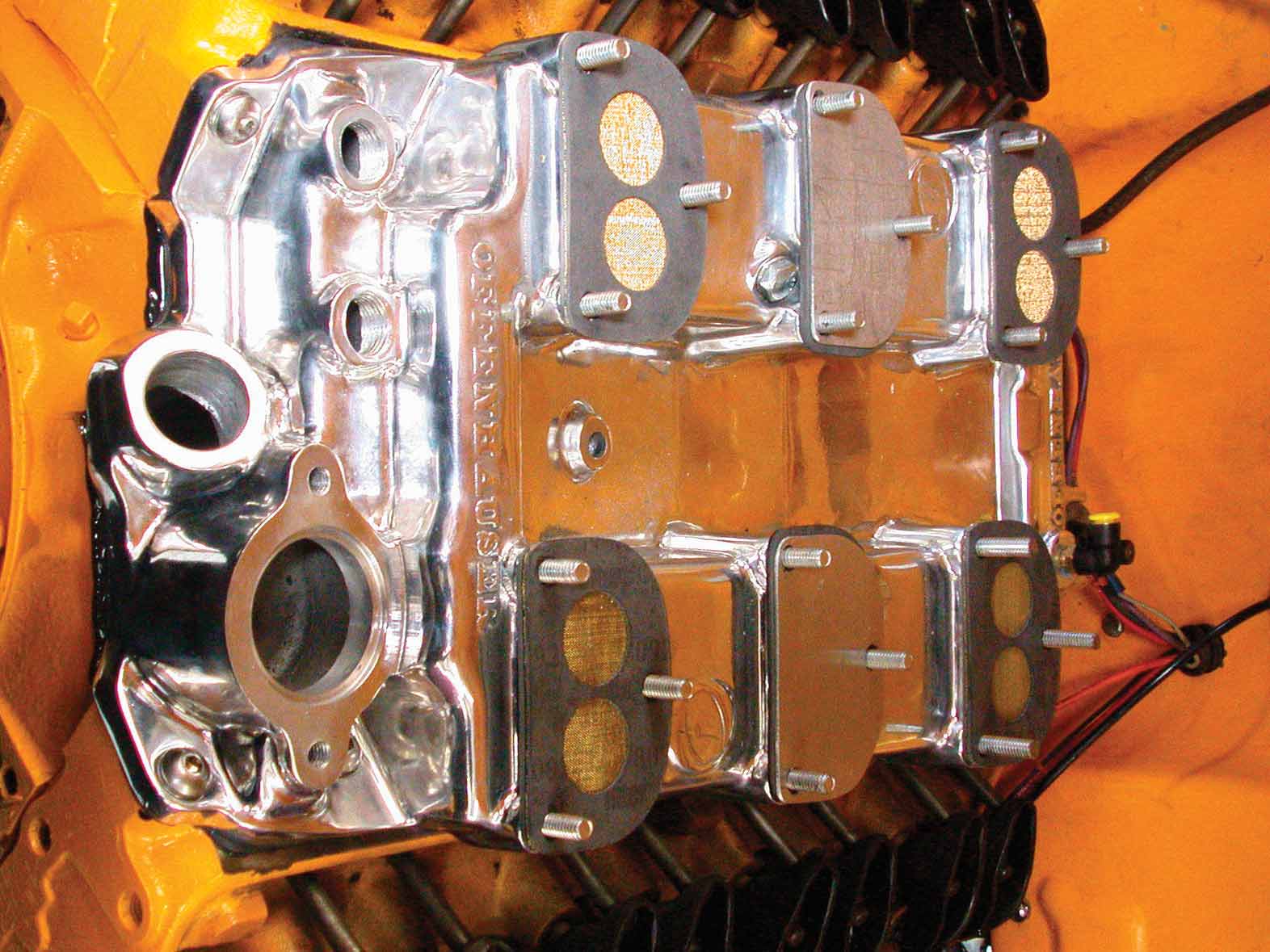
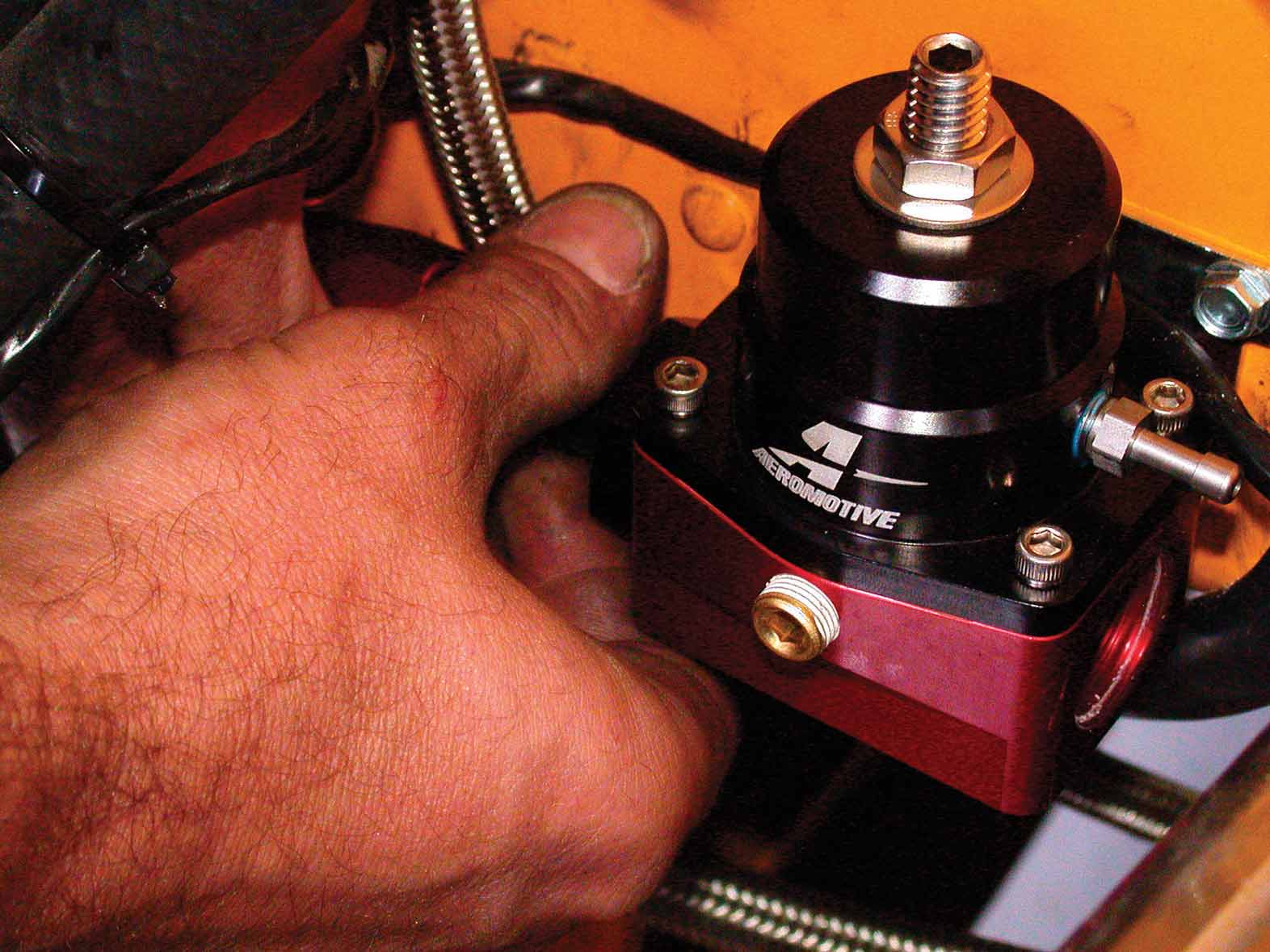
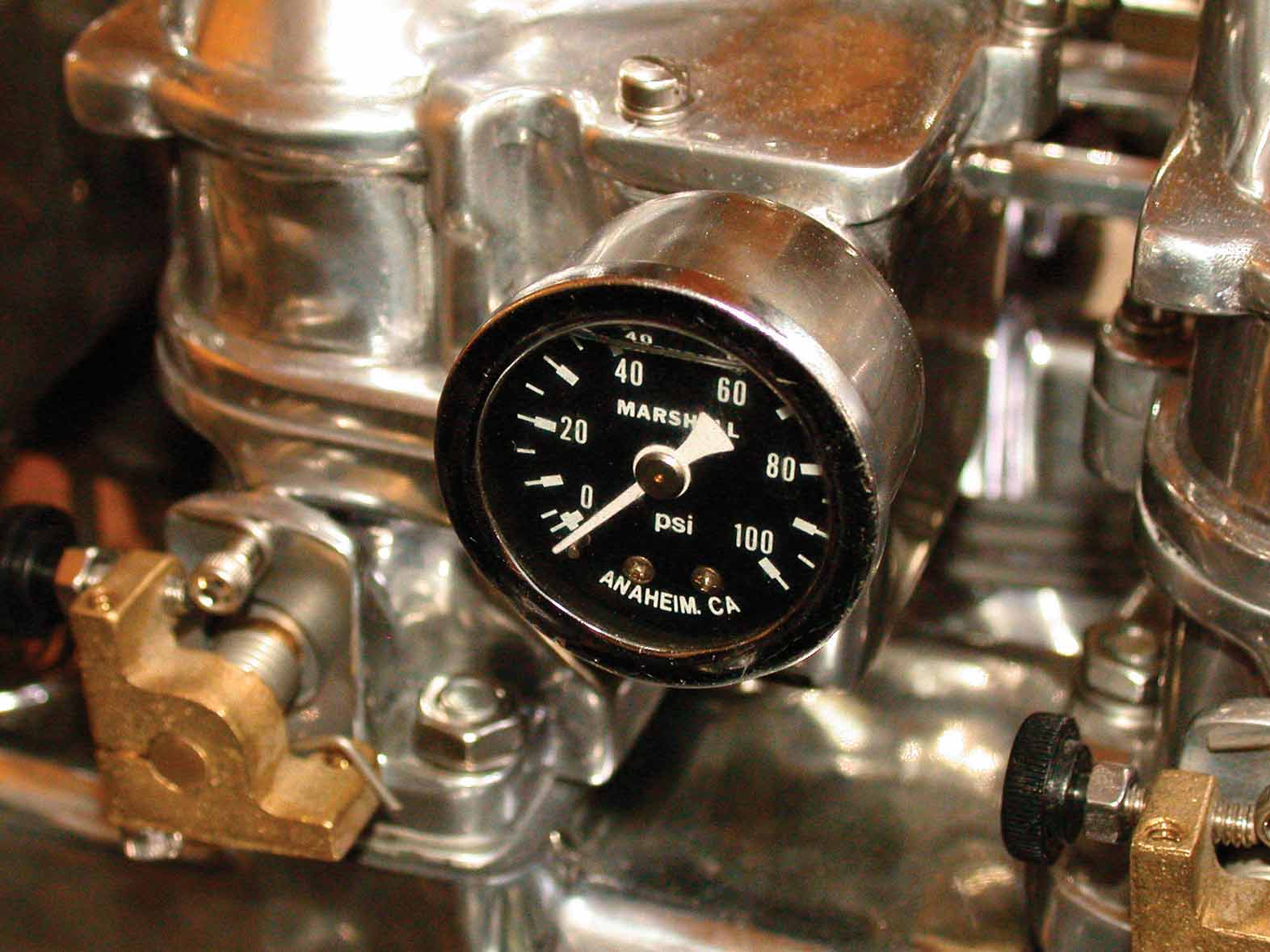
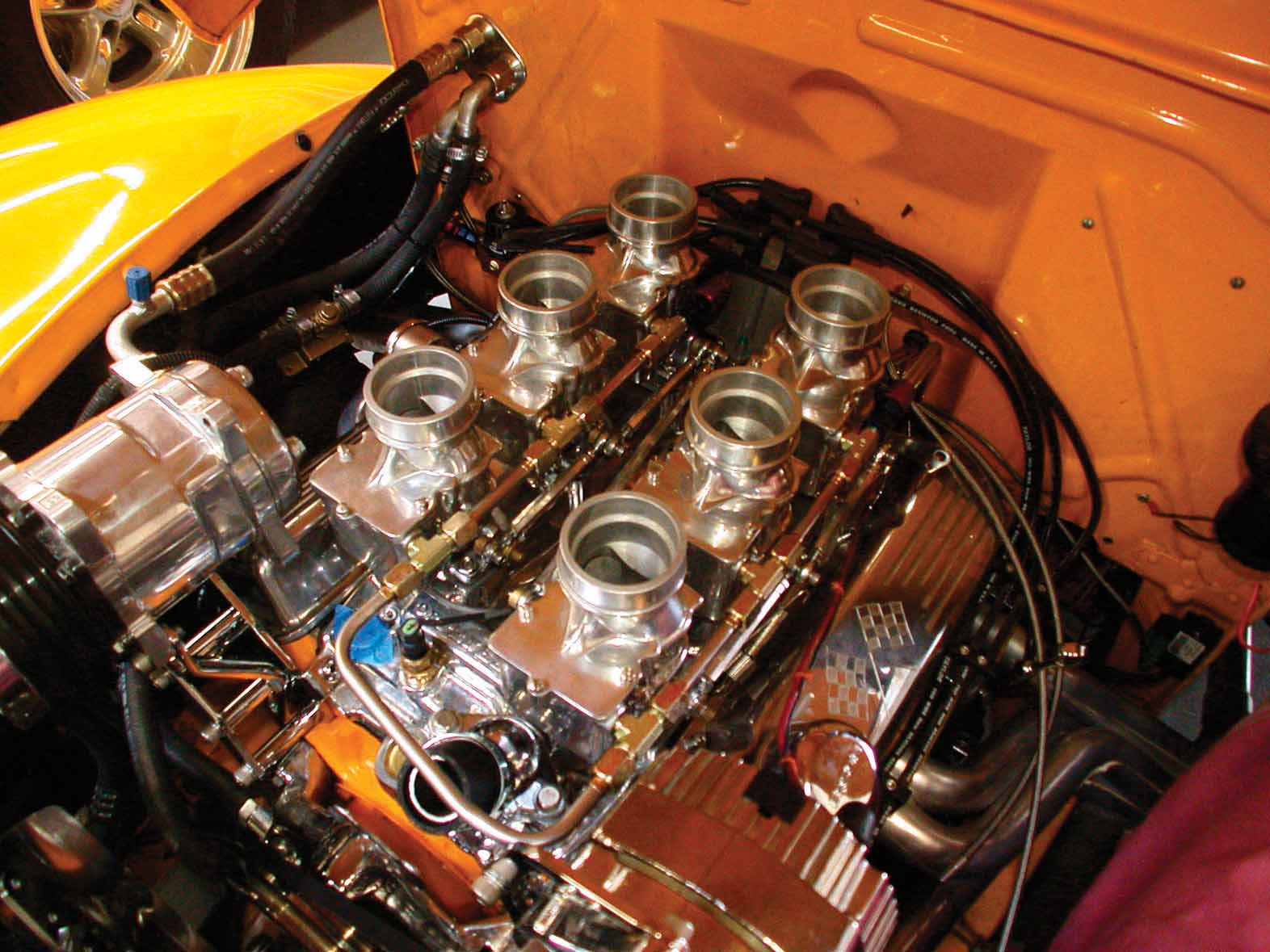
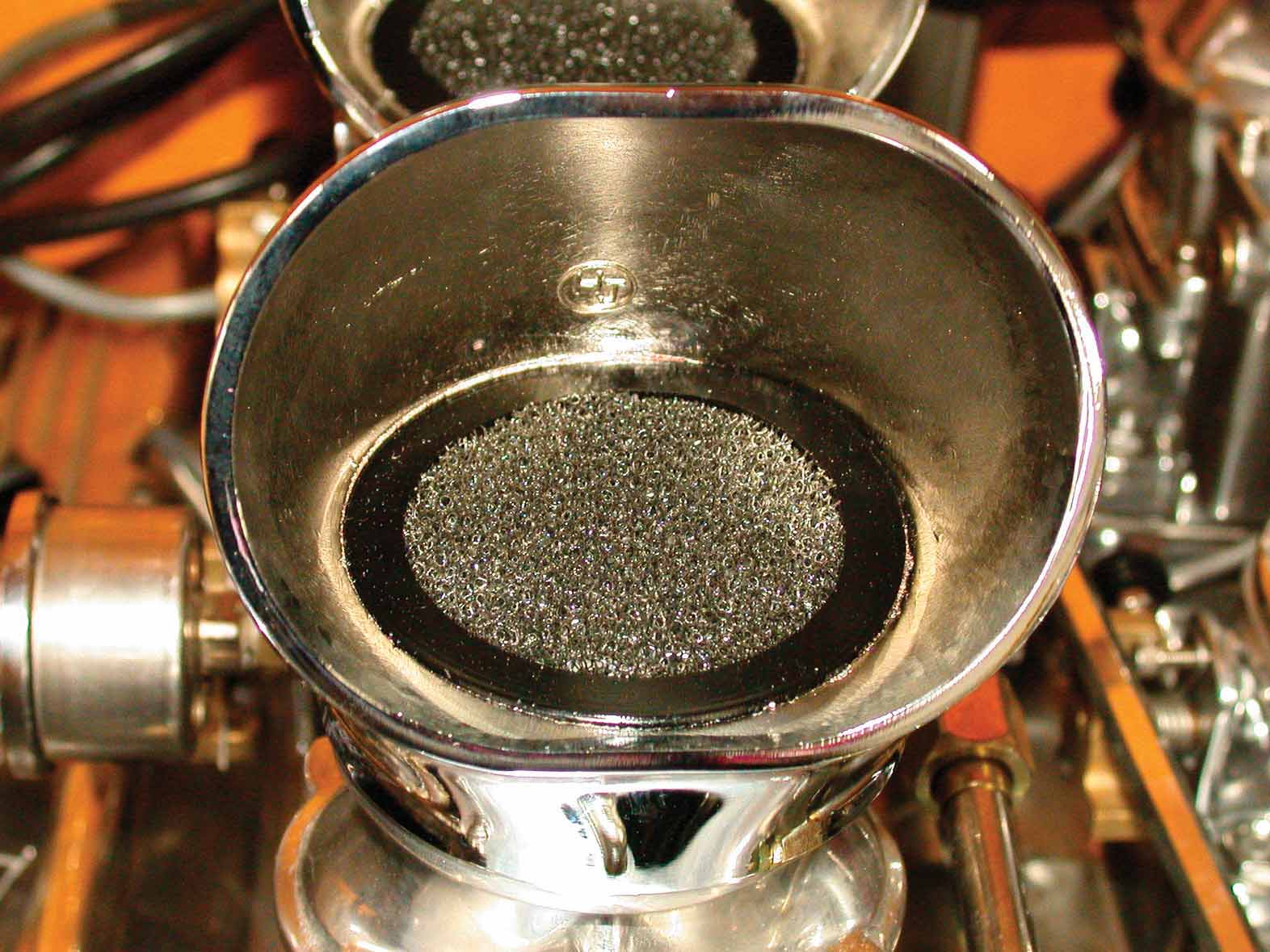
Thanks to Ken Farrell and his company, Retro Tek, those prayers have been answered. Farrell started off converting old mechanical fuel injection systems (Hilborn & Enderle) when the first aftermarket EFI systems became available. His new system, which uses the latest in EFI mated together with the classic Stromburg 97 design, came about when Farrell saw that there was interest in the benefits of EFI, but he also knew that they were lacking in the looks department. The idea was simple take the best aspects of both and add them together.
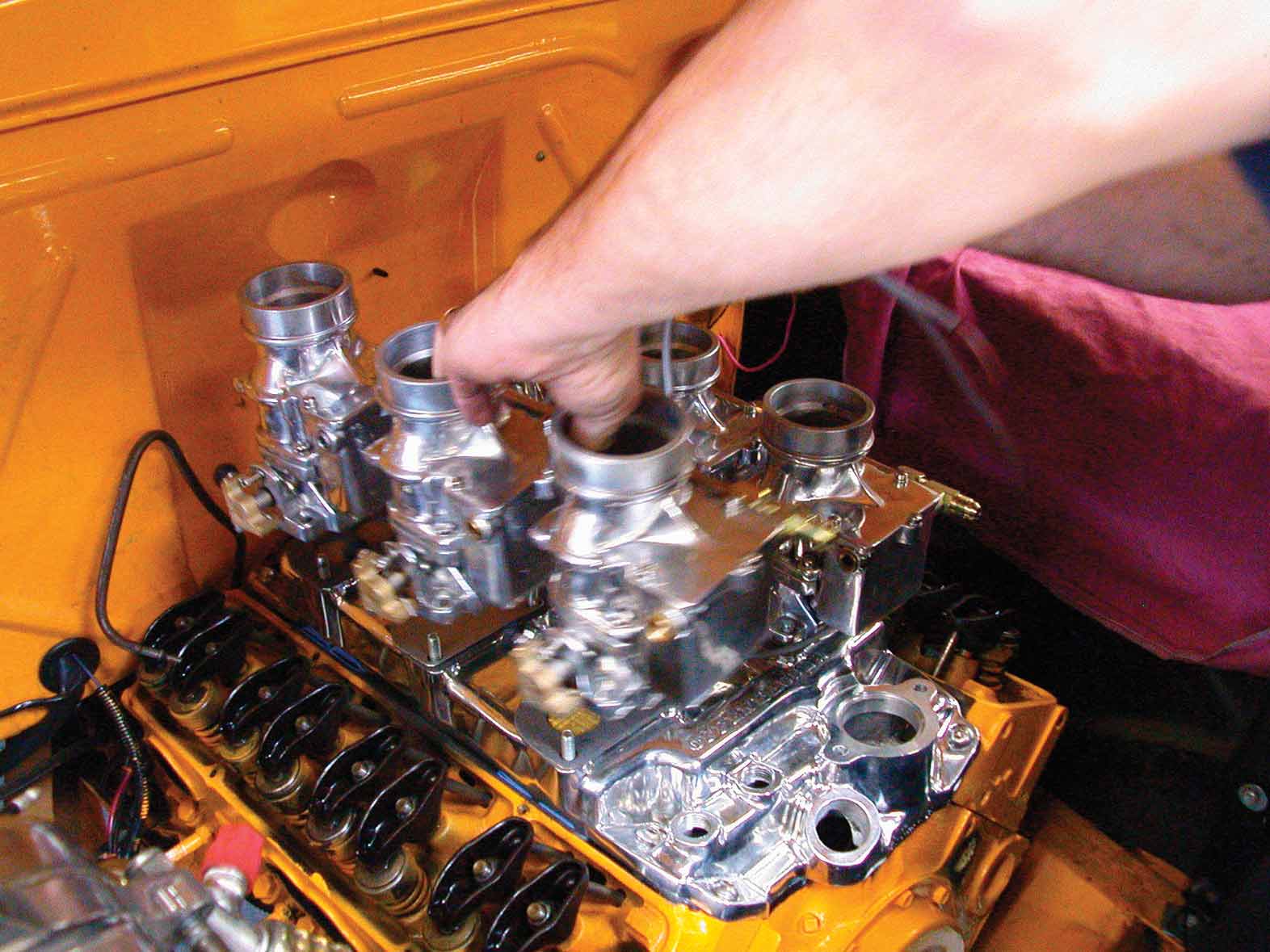
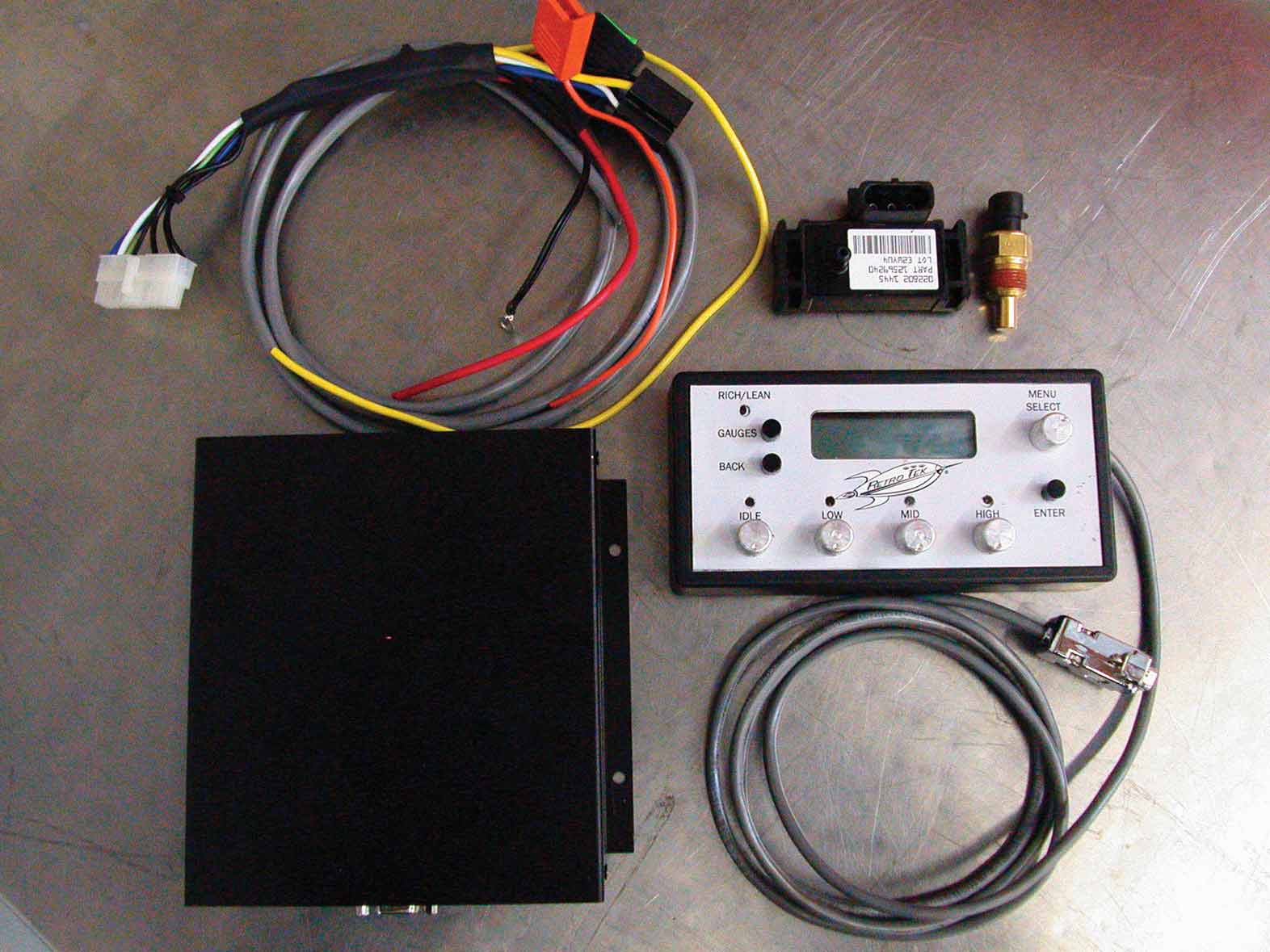
One of the problems with the EFI systems was the need for an engineering degree just to get them to work. Retro Tek has addressed that, as its new Injection Logic ECU was designed to give the novice a chance to get with the program. The Retro Tek QTC brings the tech stuff to real terms so that any person who can tune a carb can understand how to work the new system. Retro Tek says that its new PC software takes the ease of tuning to a new level.
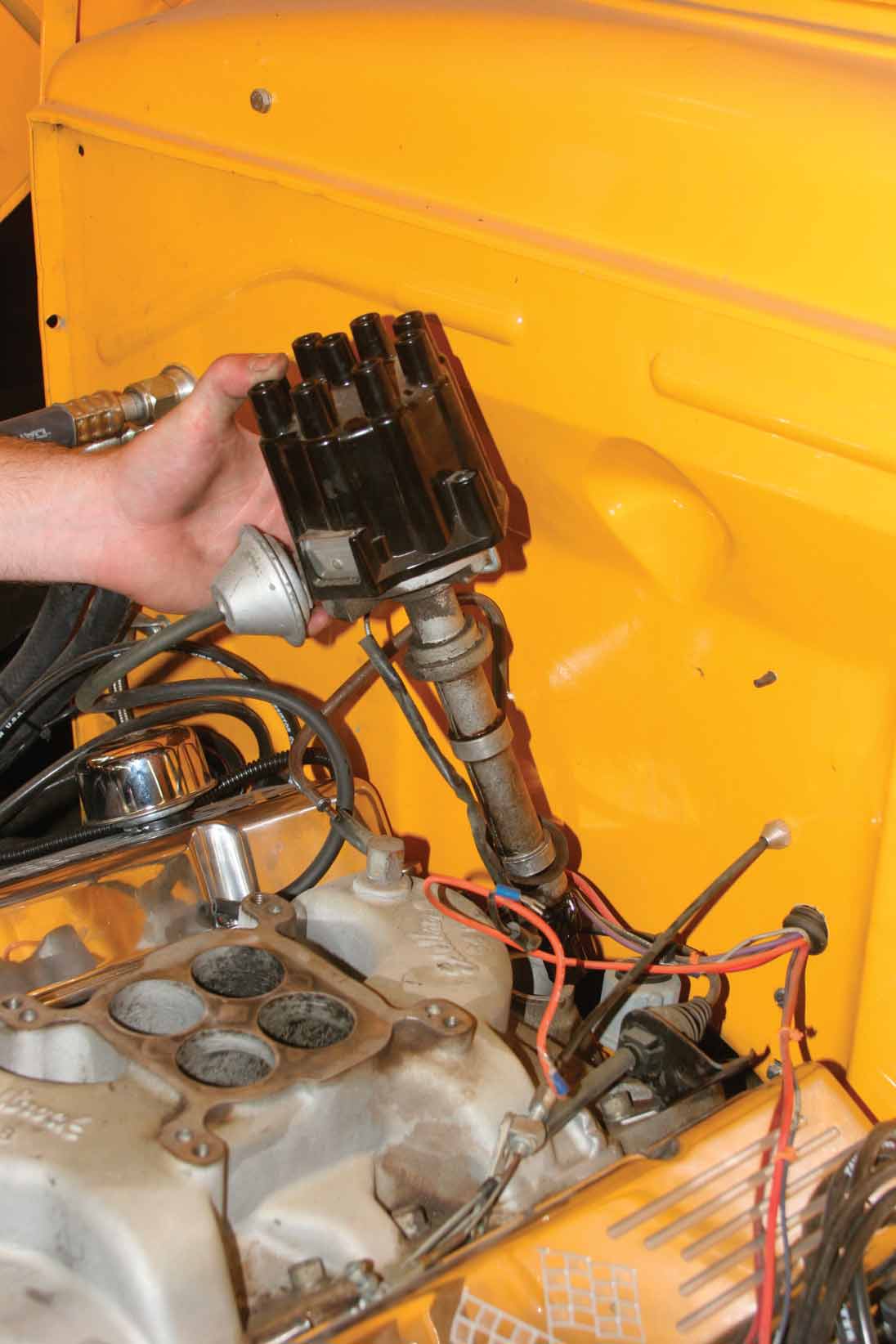
While this customer wanted to use an external coiled HEI GM distributor, the Retro Tek system will work with the majority of factory and aftermarket ignition systems. For those with an LS1 engine, operating systems will be available soon, so call for information.
For those who want to have the muscle car look, Retro Tek also has a new 2×4 system that will fit on any existing four-barrel manifold, and 2×4 intakes are available new and used. It is a similar bolt-on using the same ECU, but the regulator is built in and the fuel system is a low-pressure design. According to Farrell, dyno results at Westech have been exceptional, and this is a great kit for a budget-minded build ranging from $1,200 for a single to $2,500 for a polished 2×4 setup.
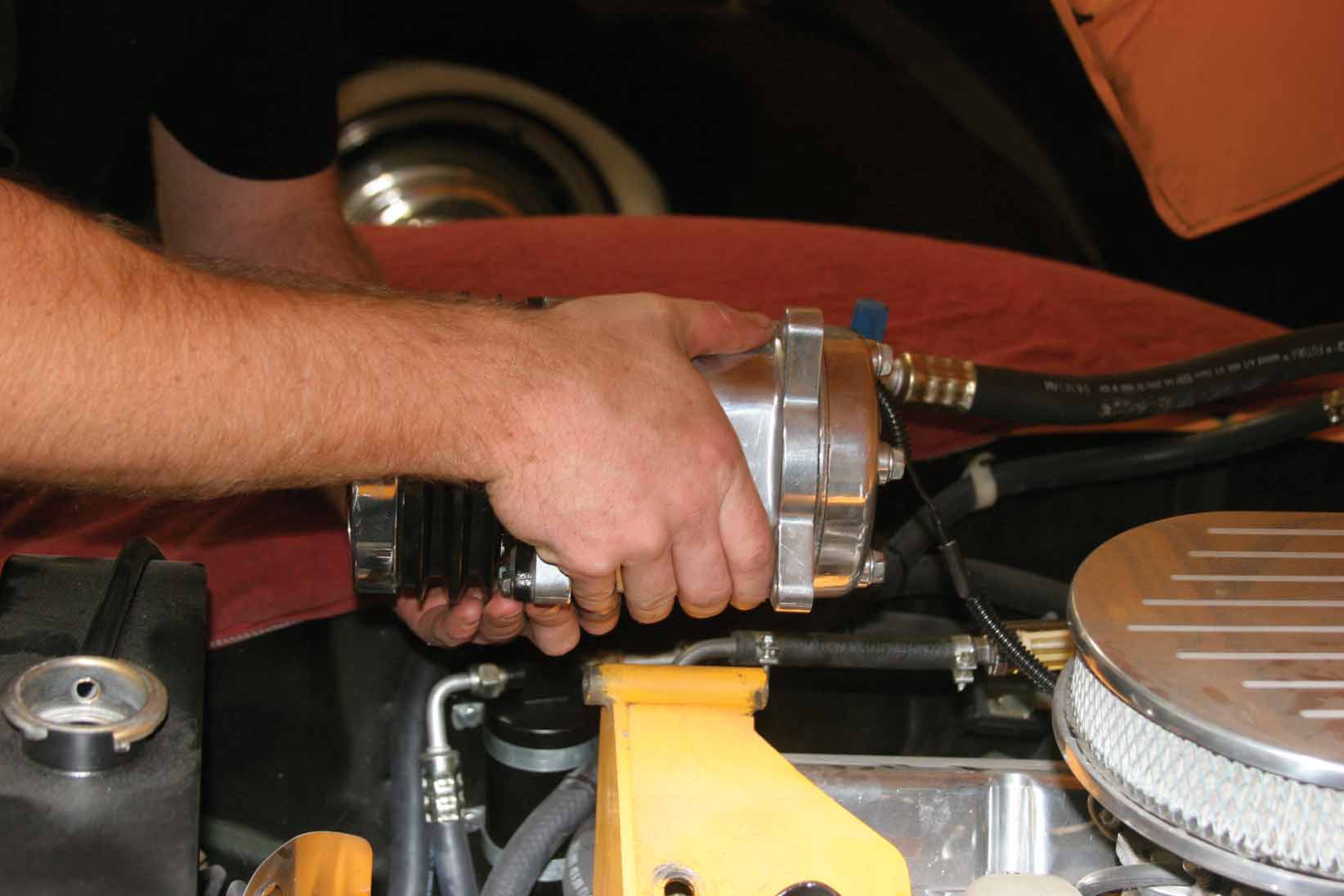
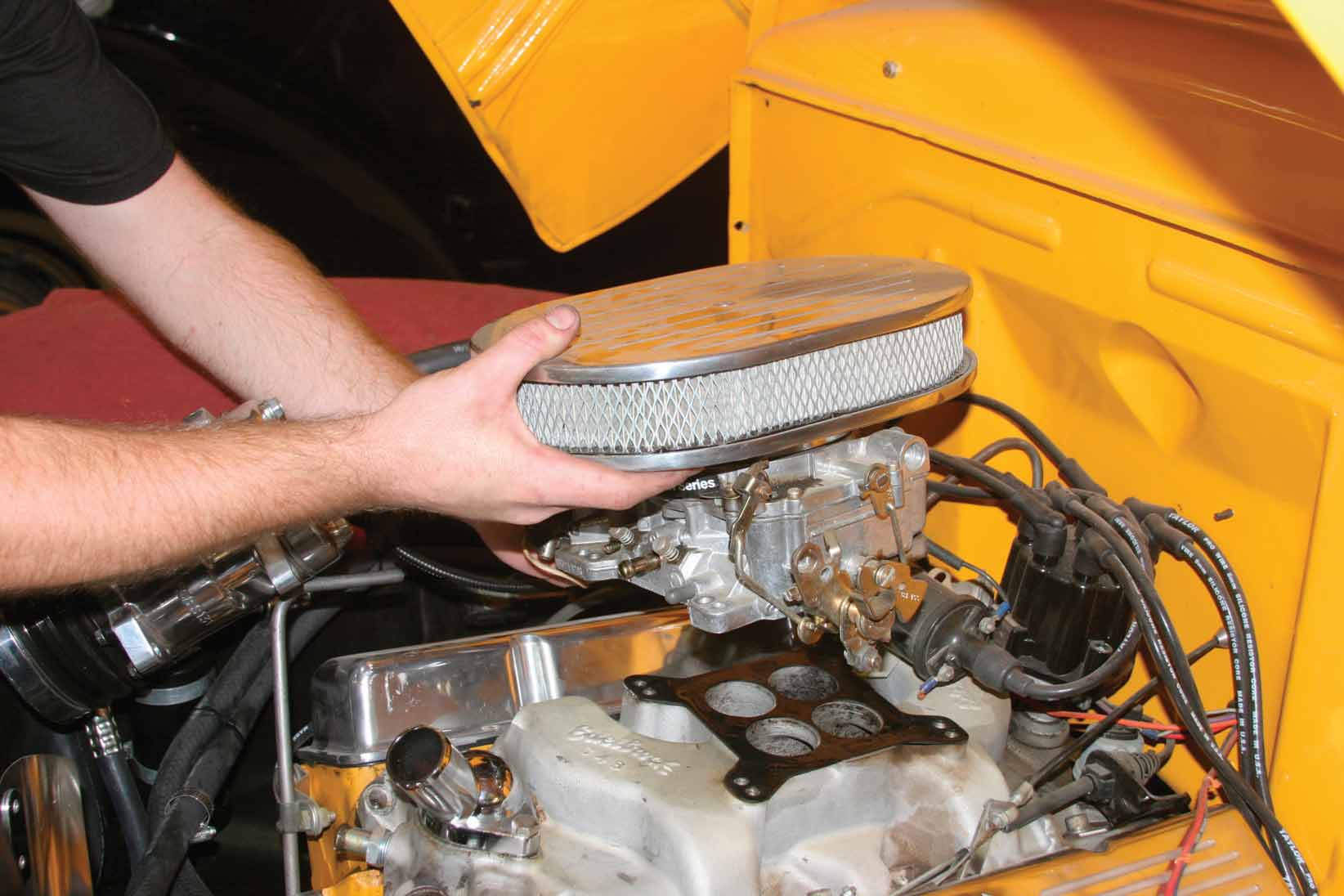
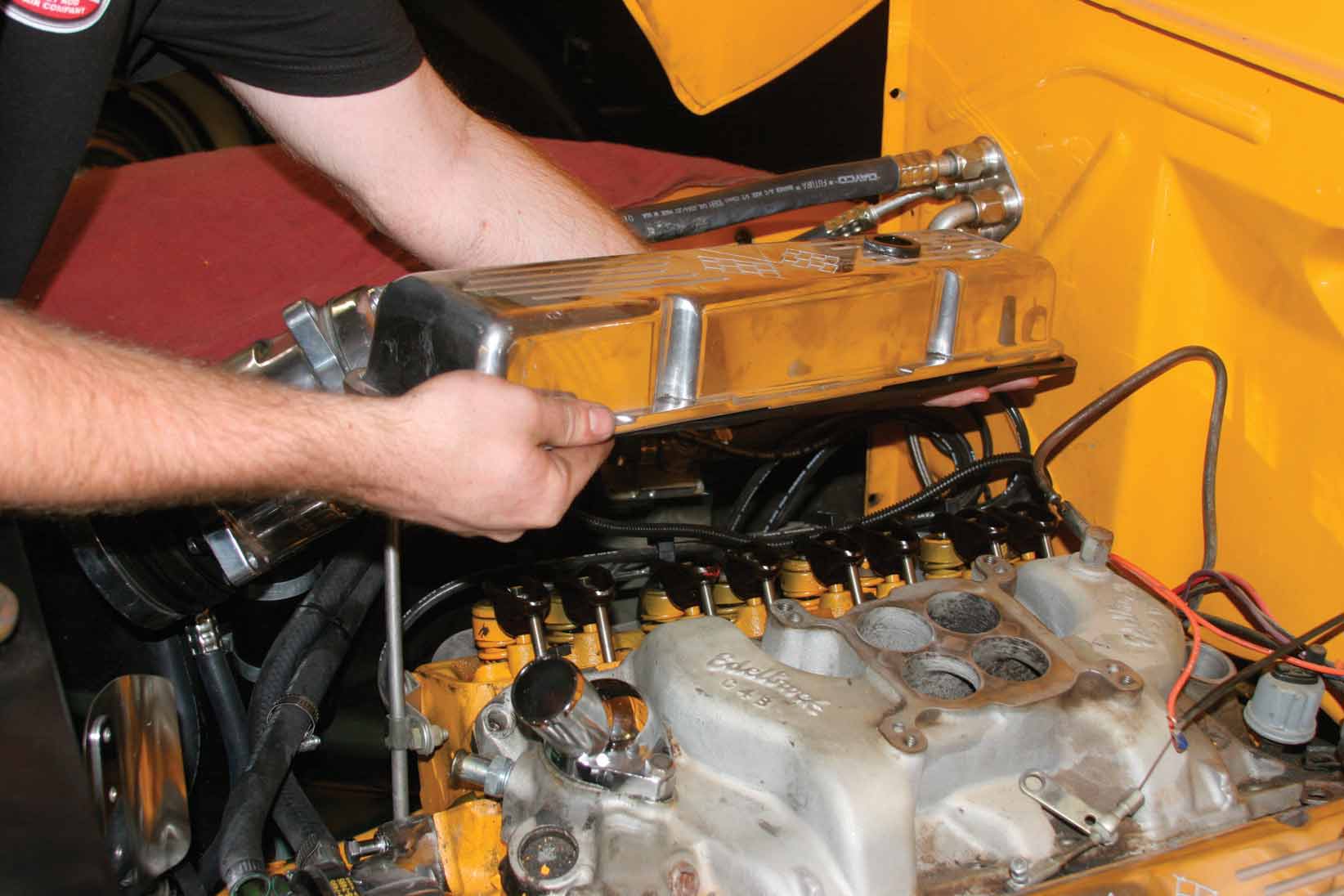
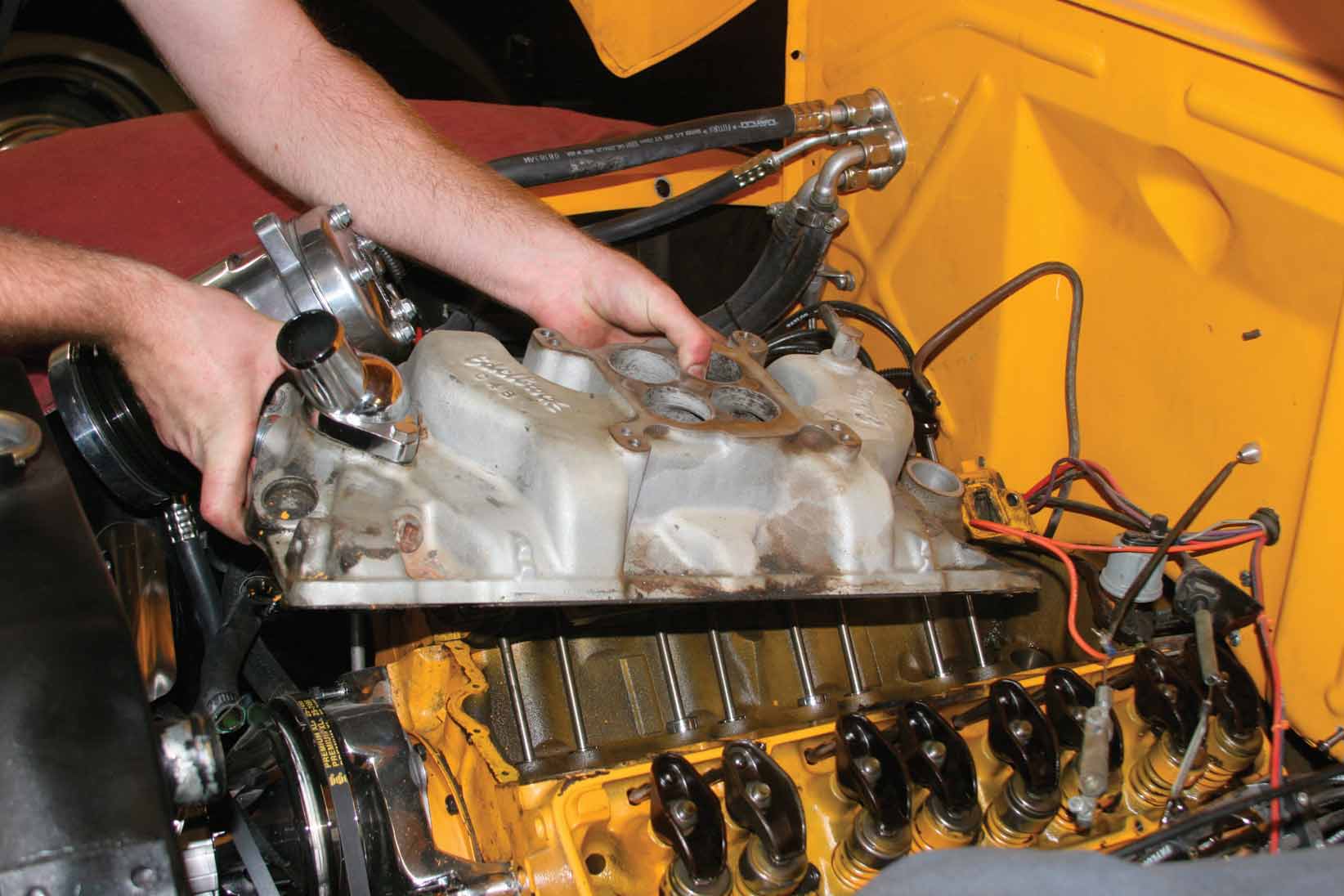
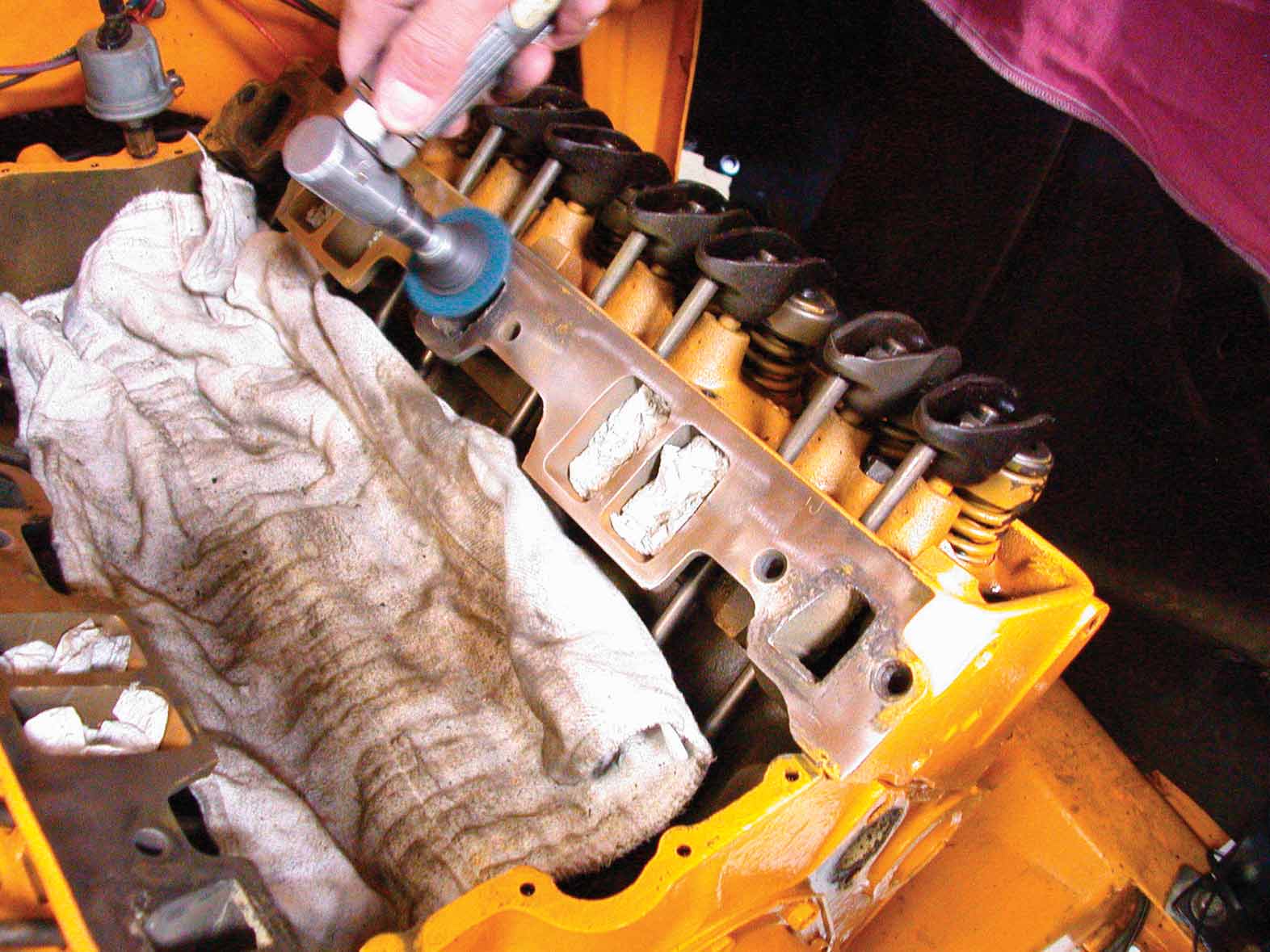
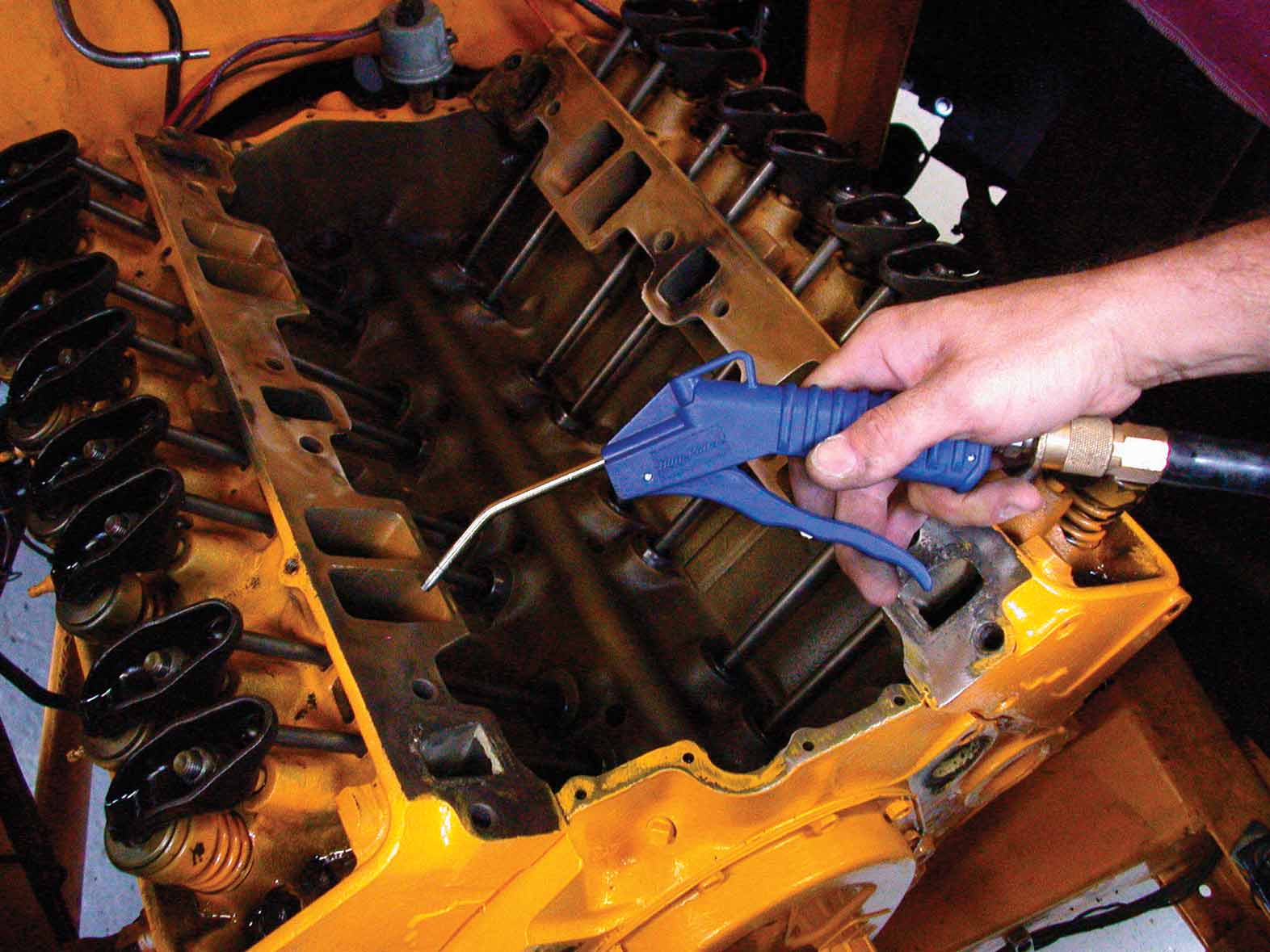
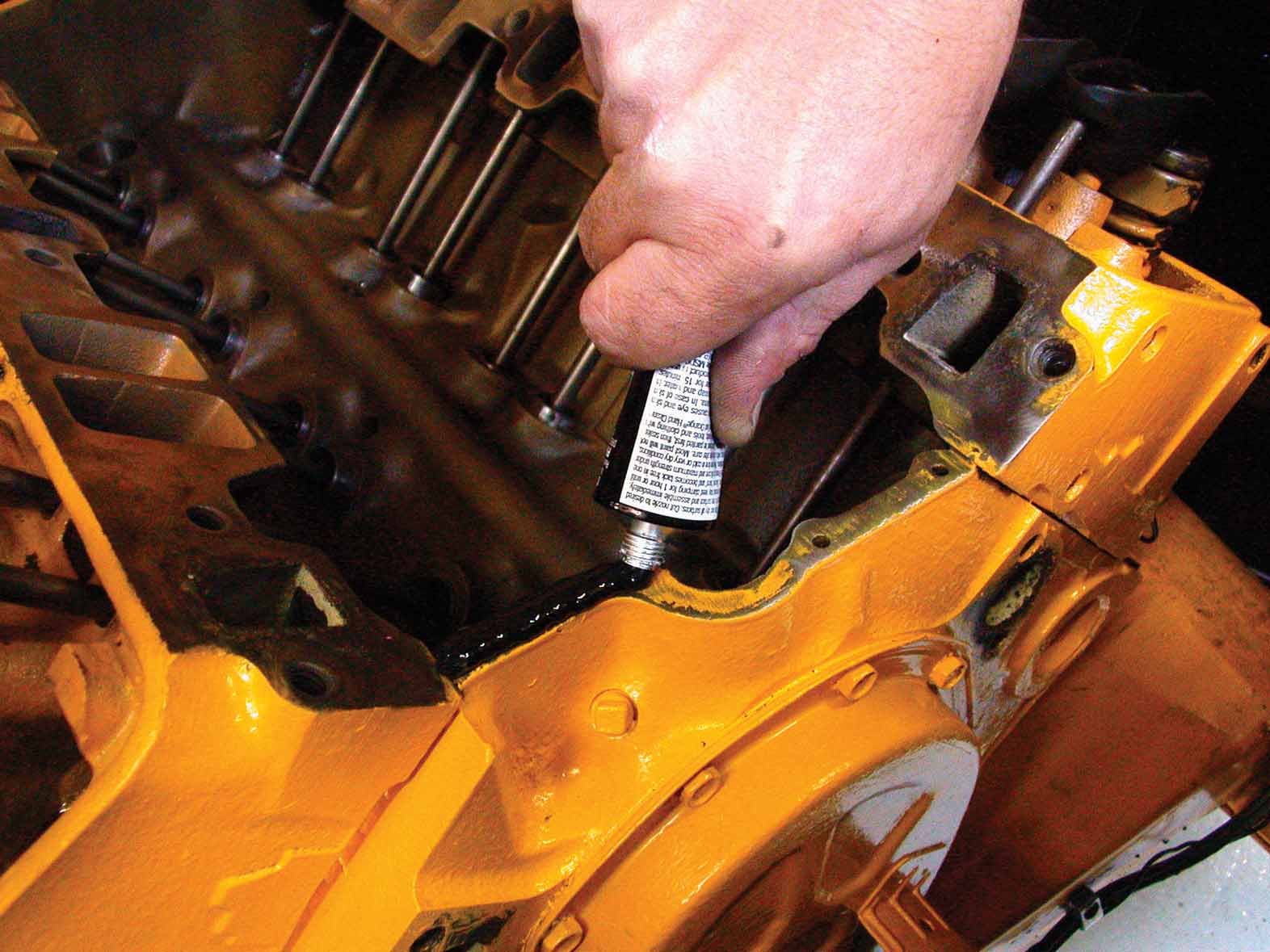
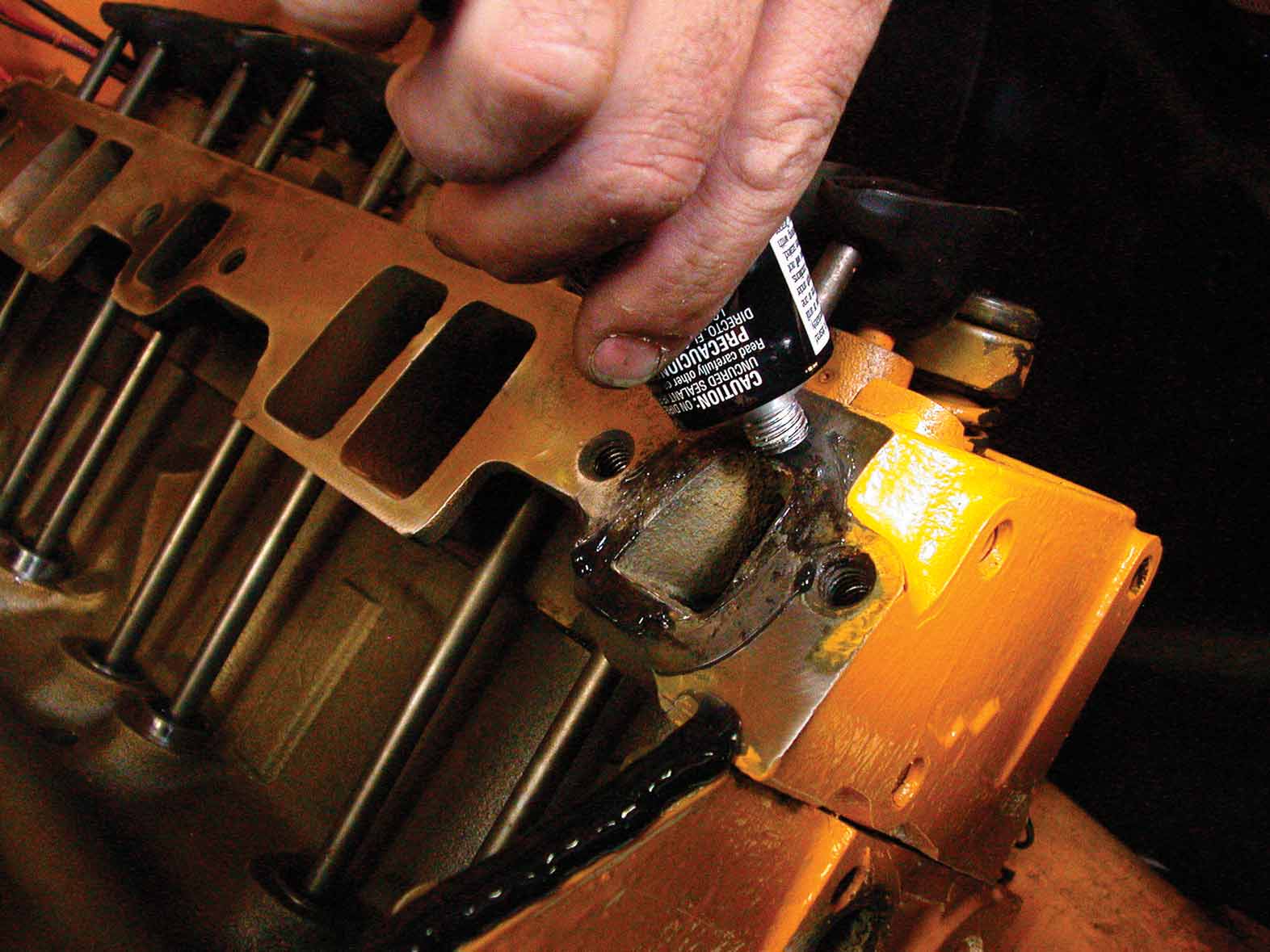
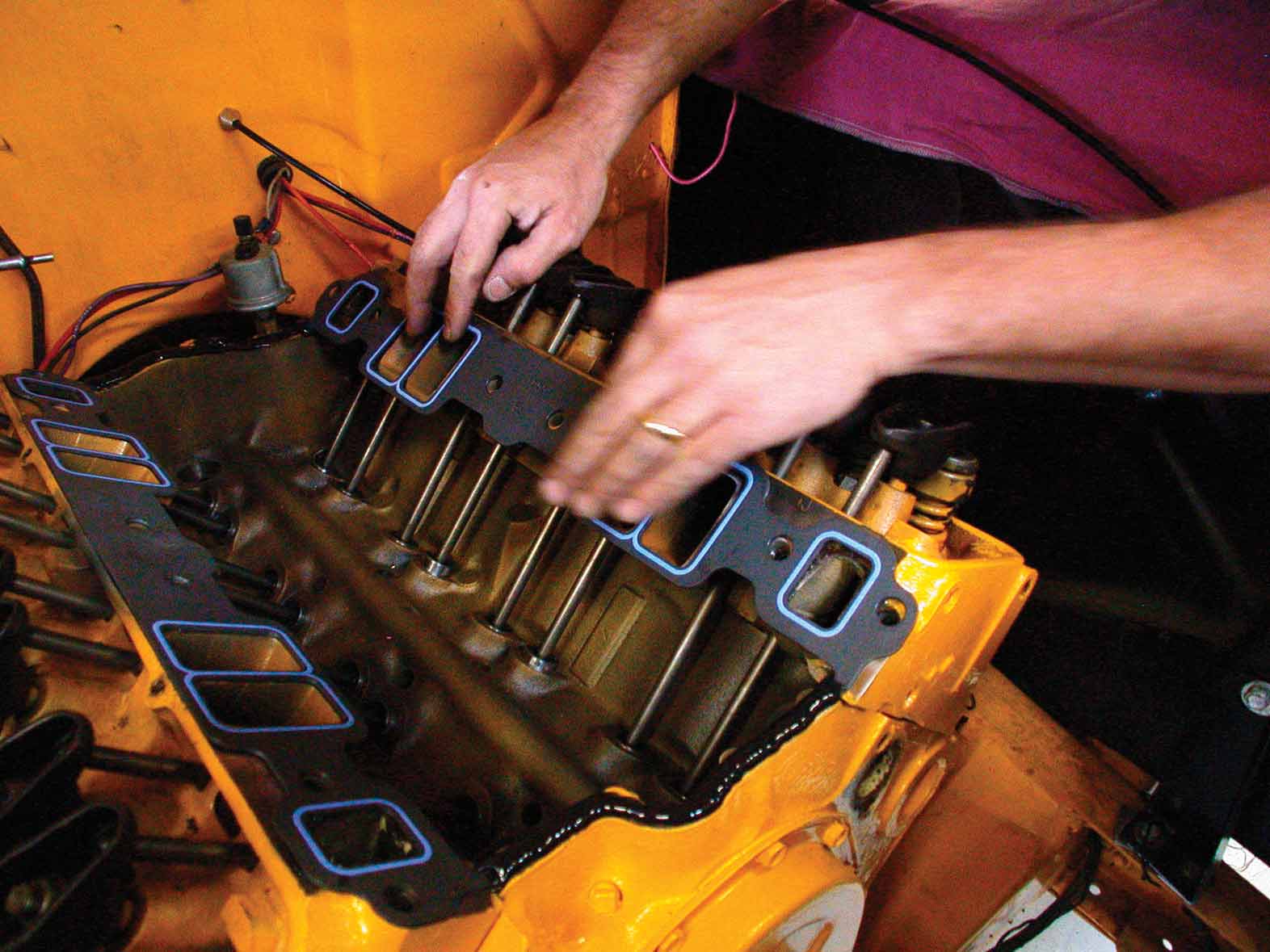
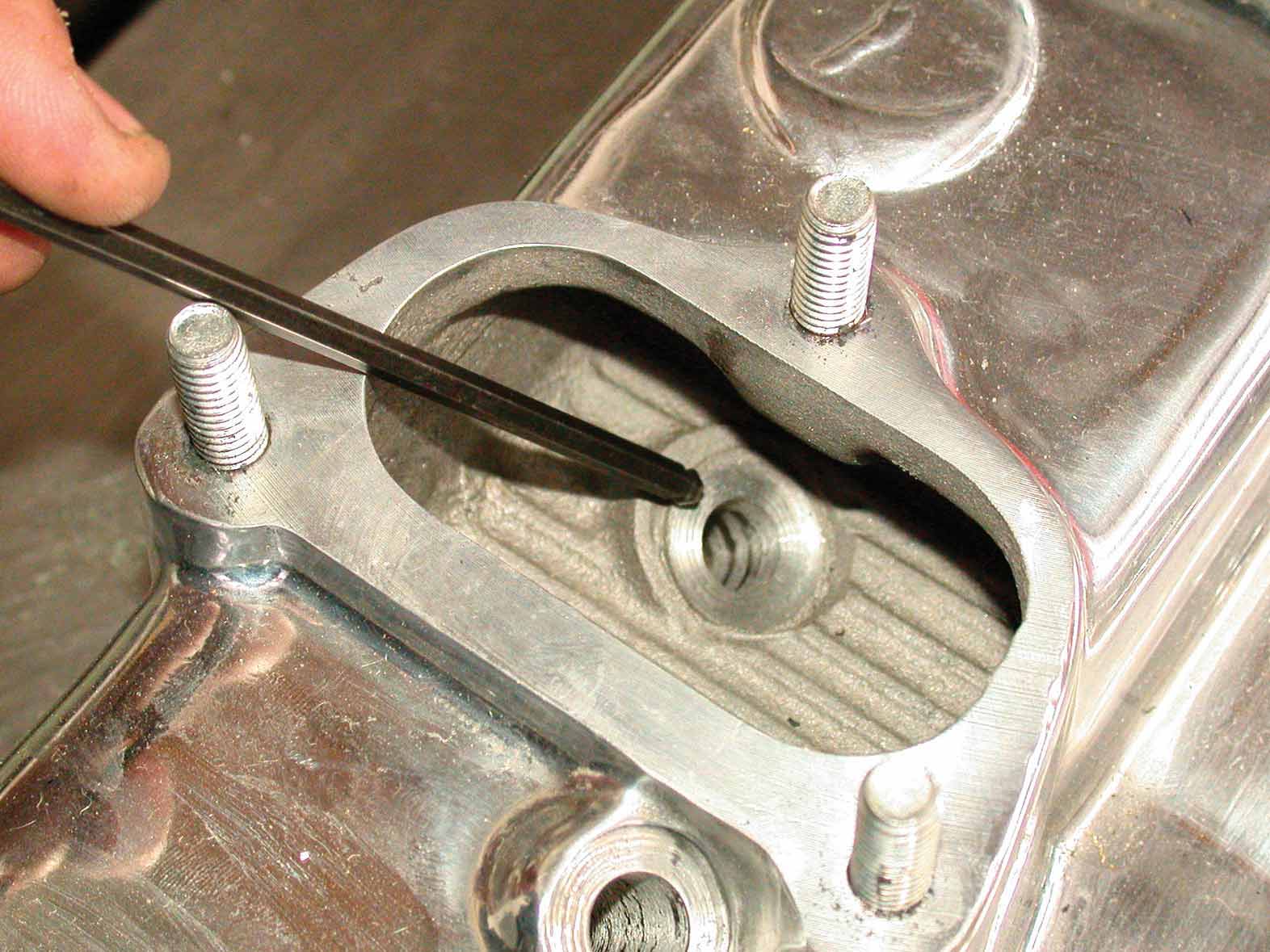
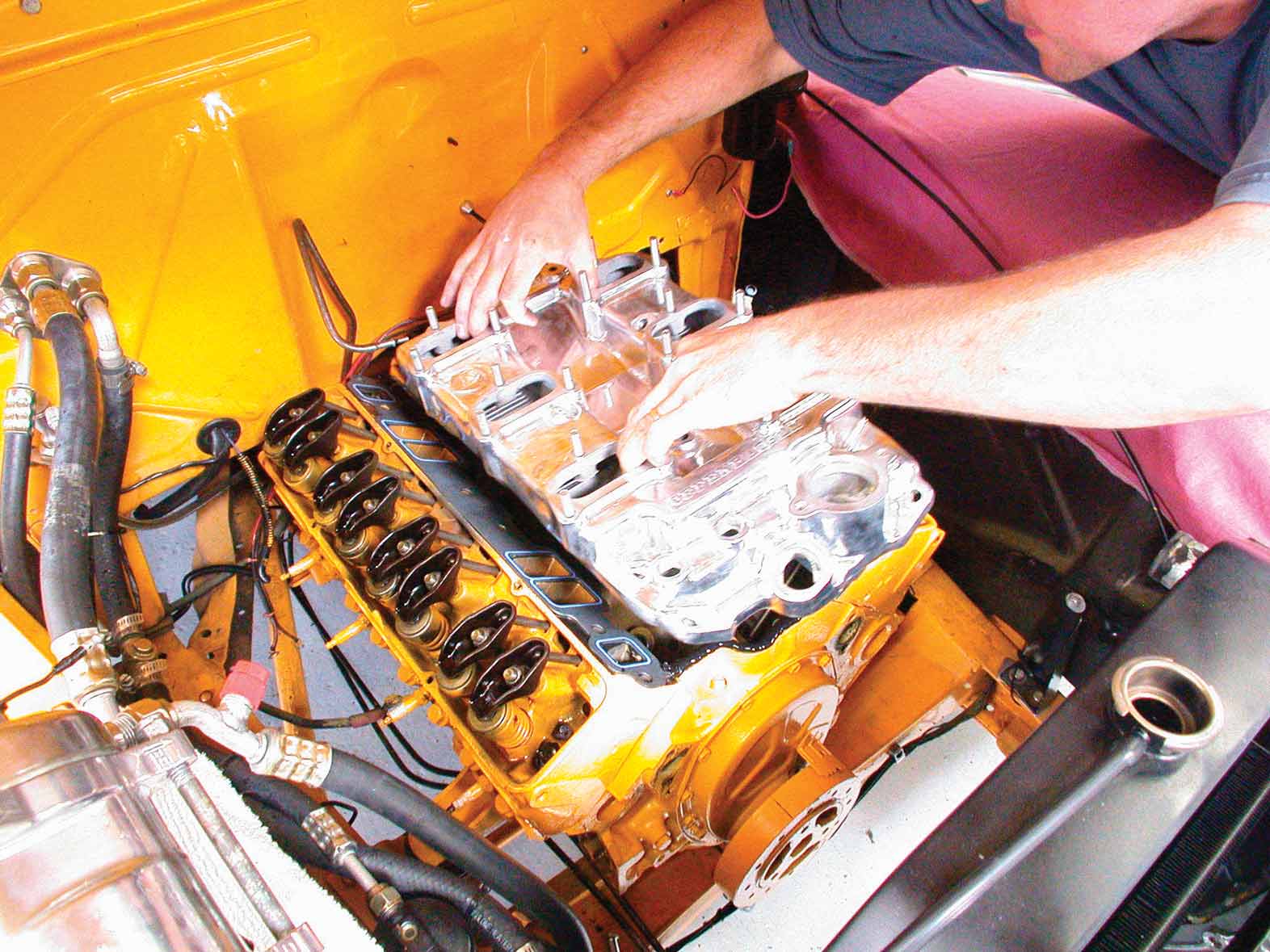
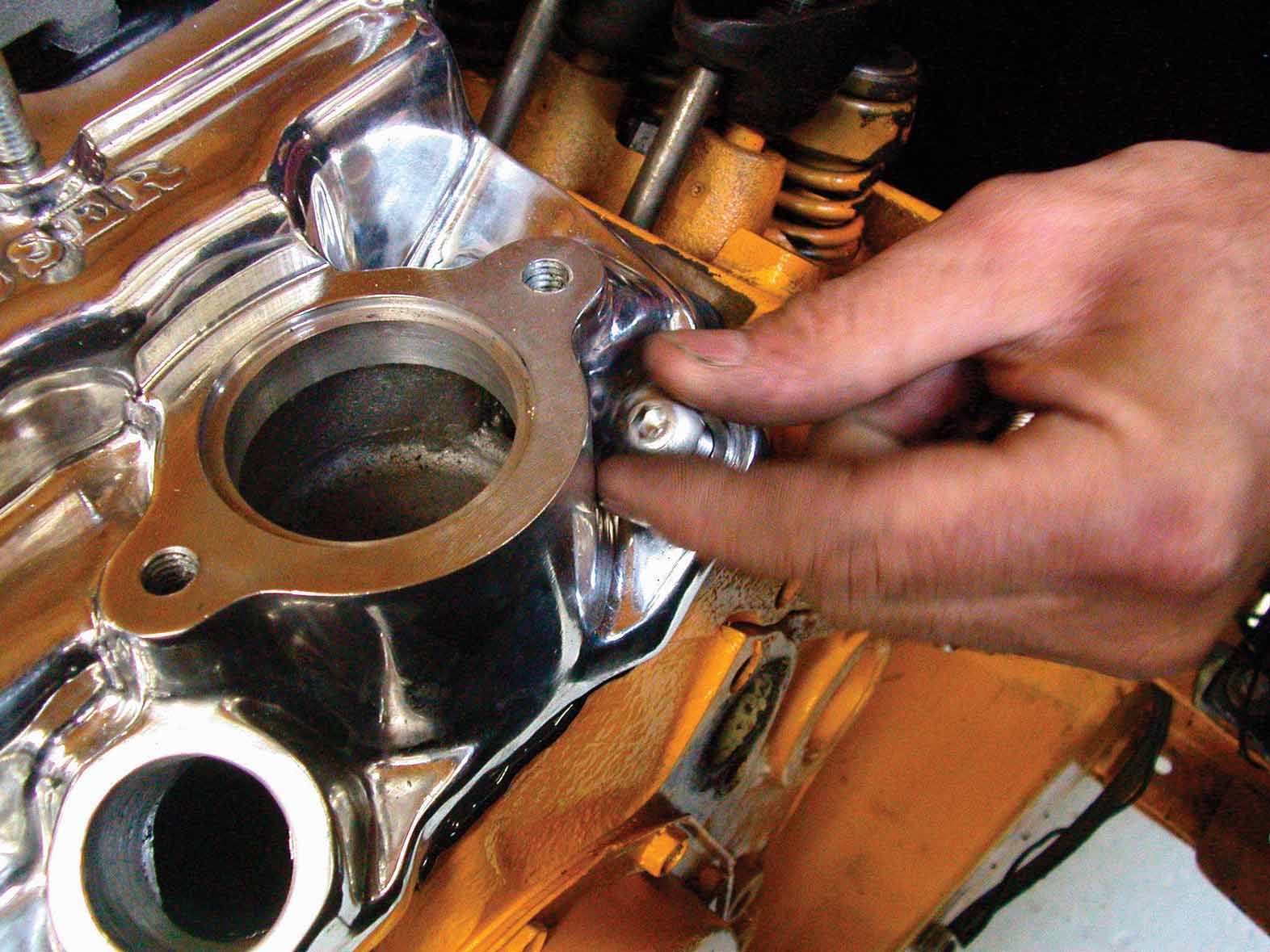
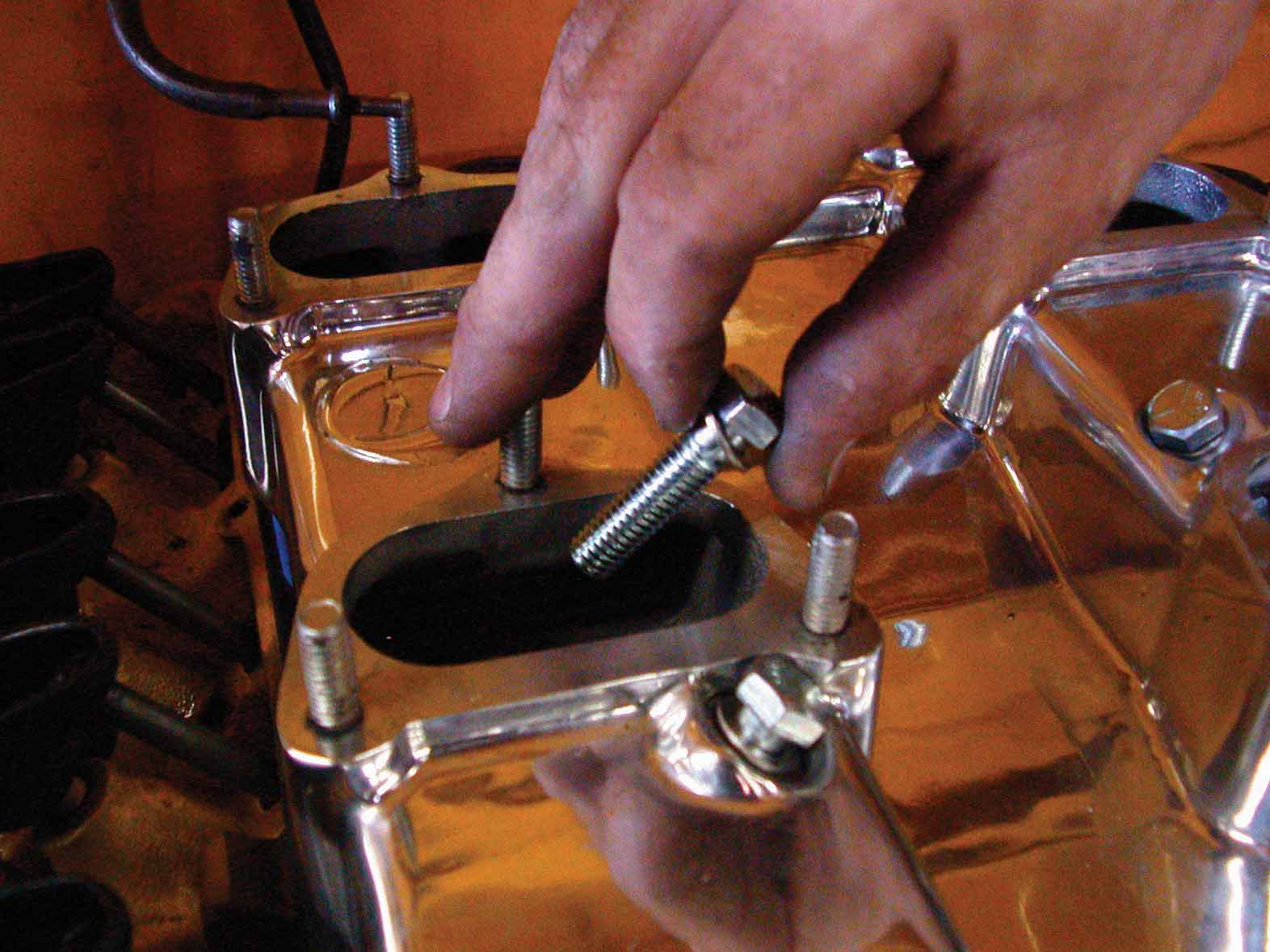
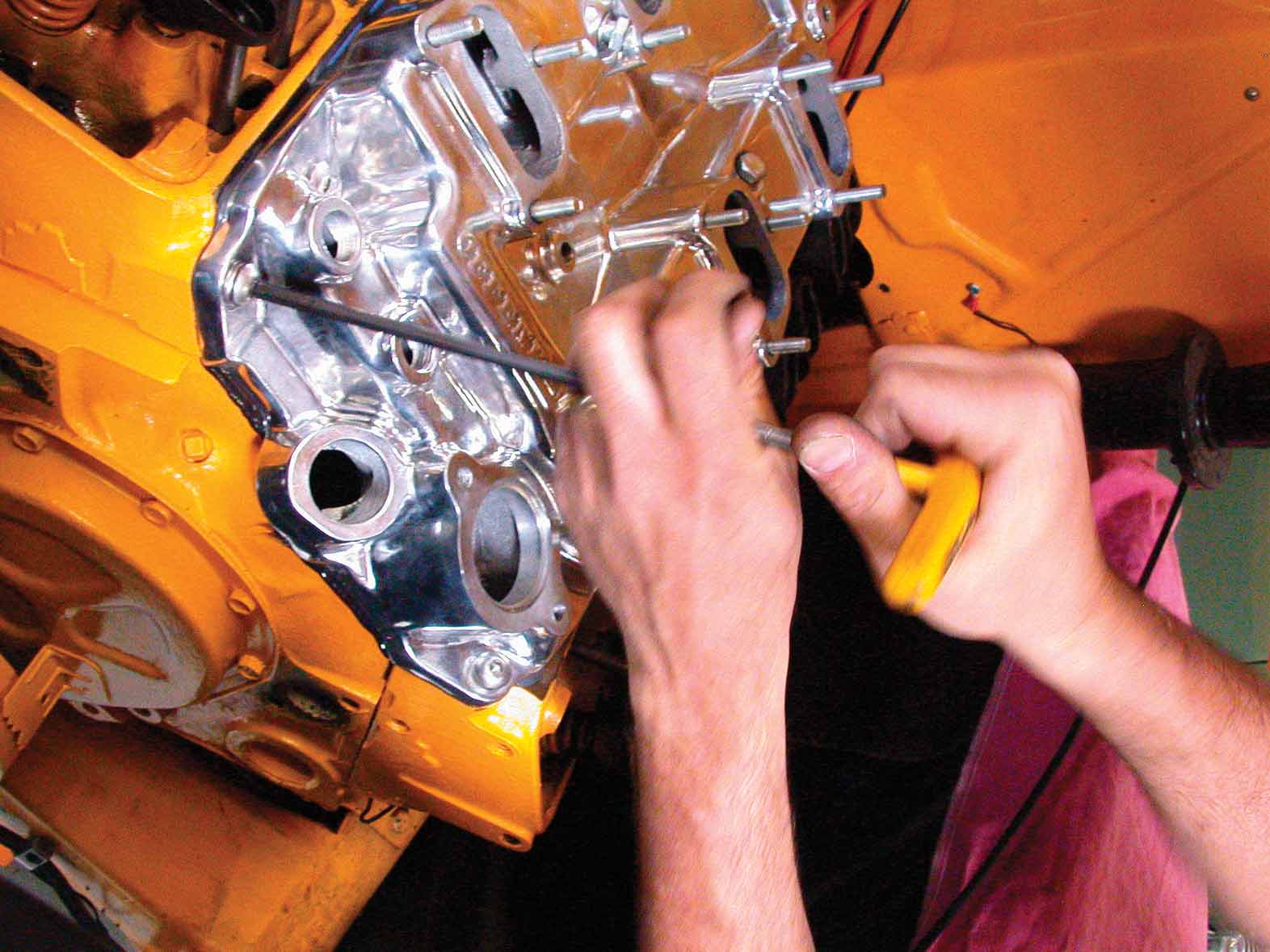
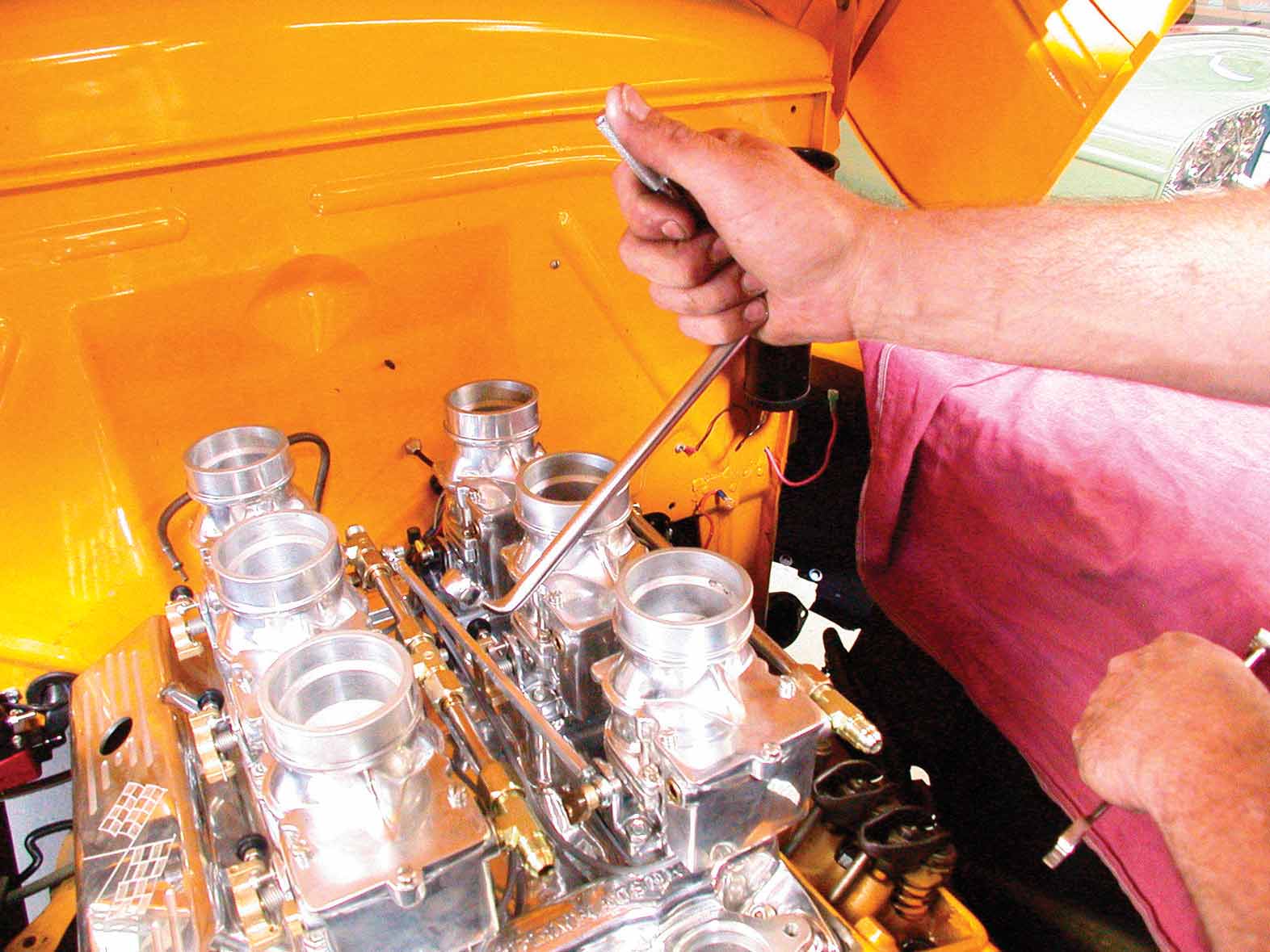
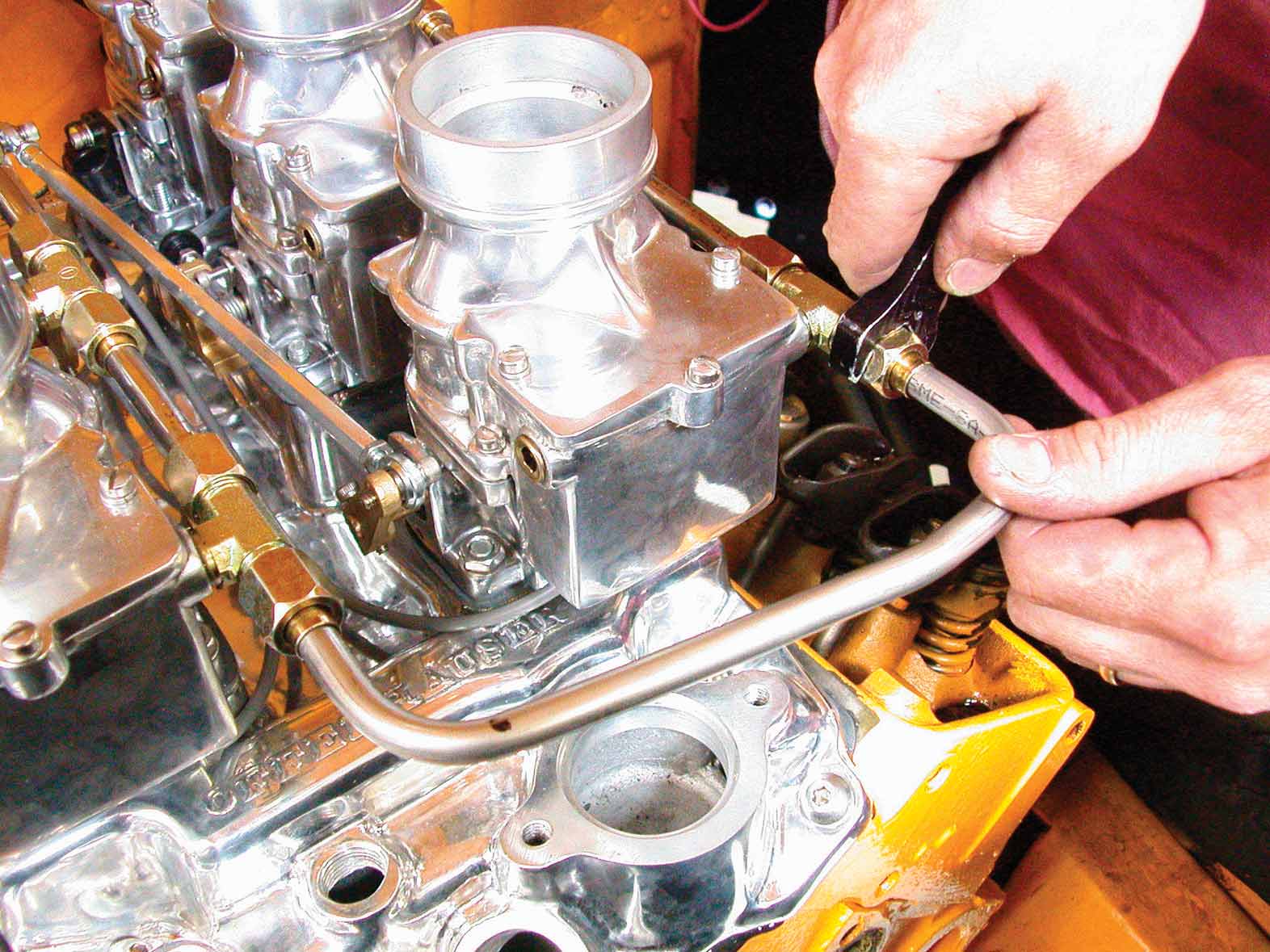
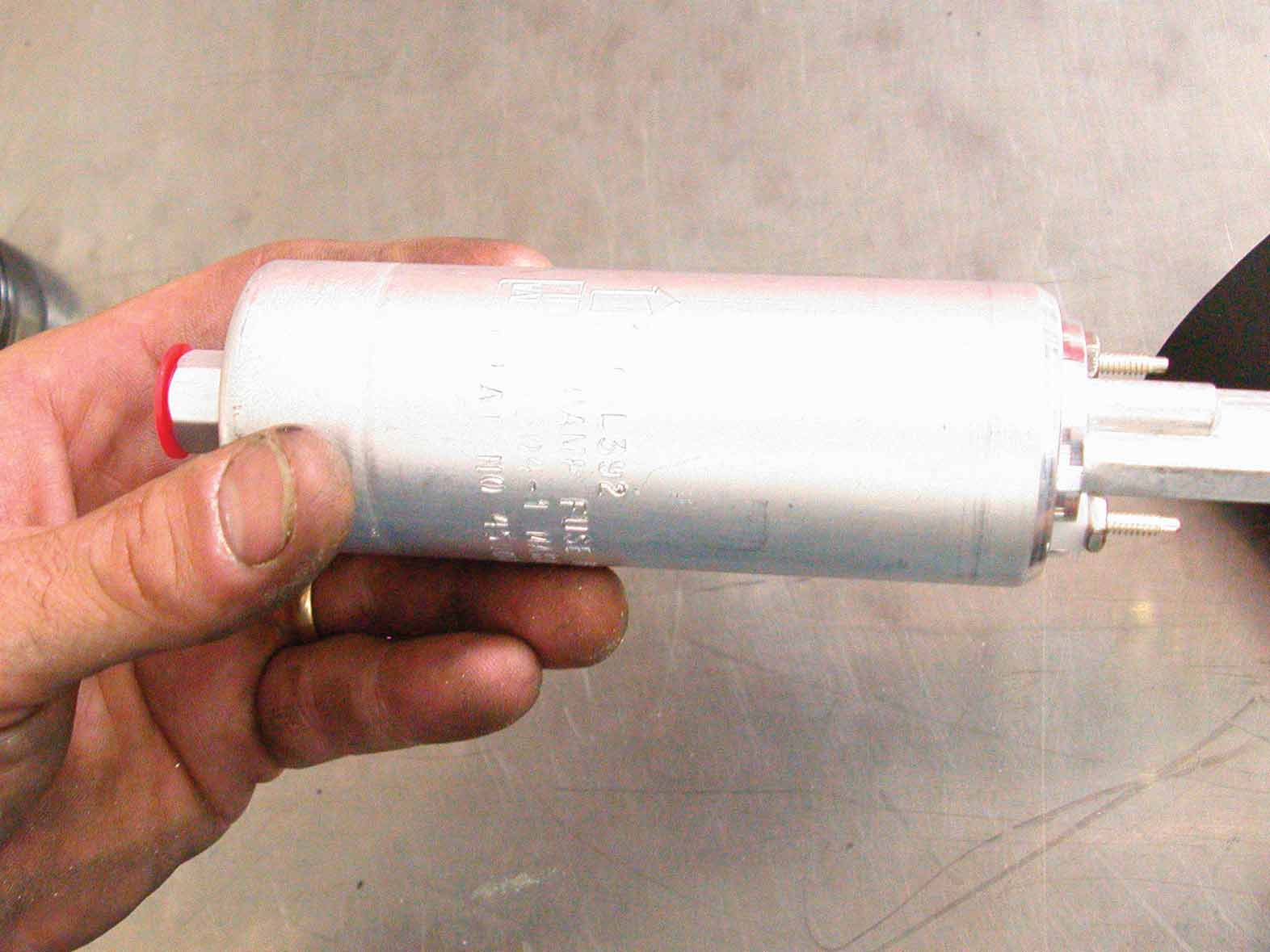
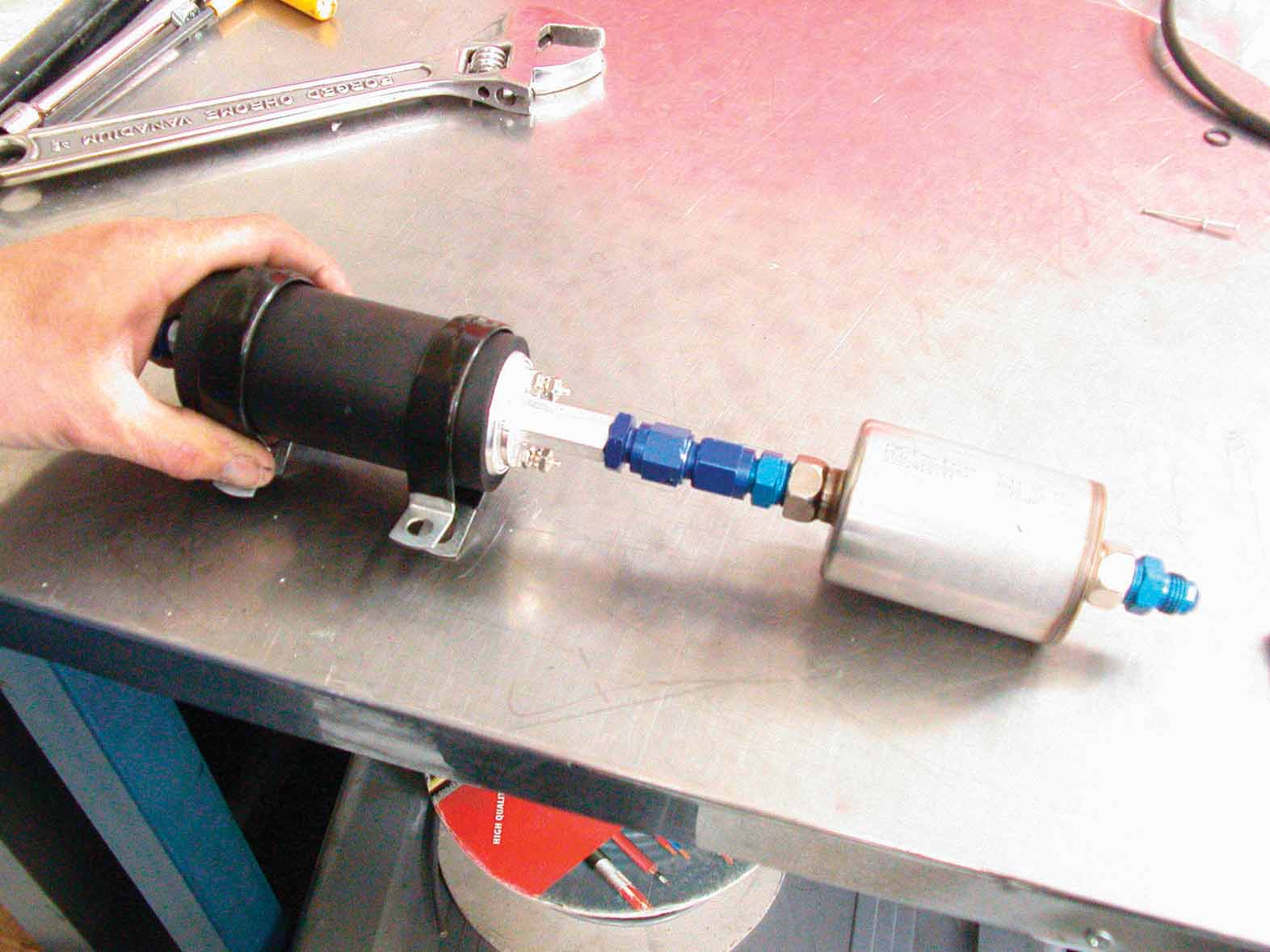
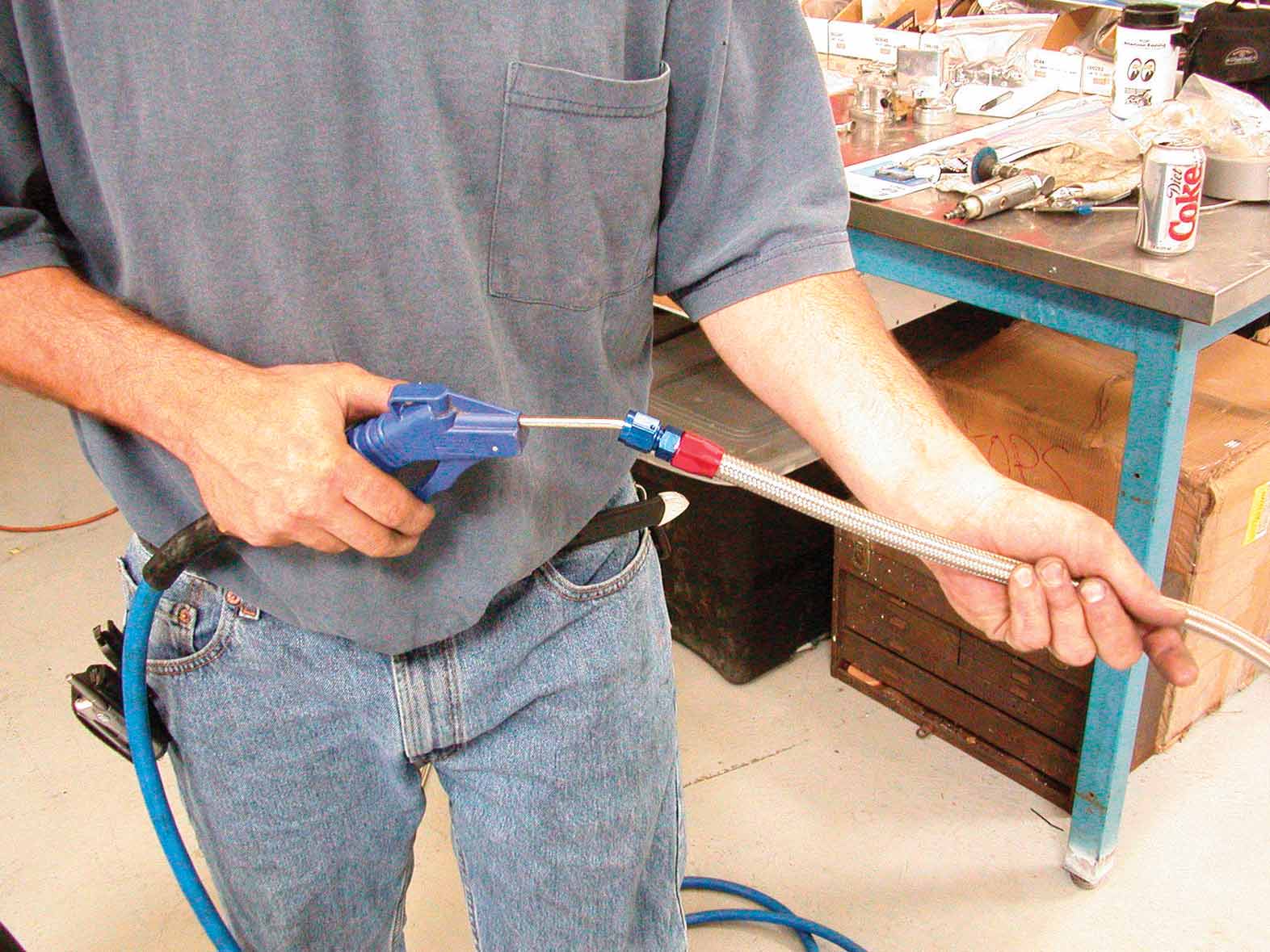
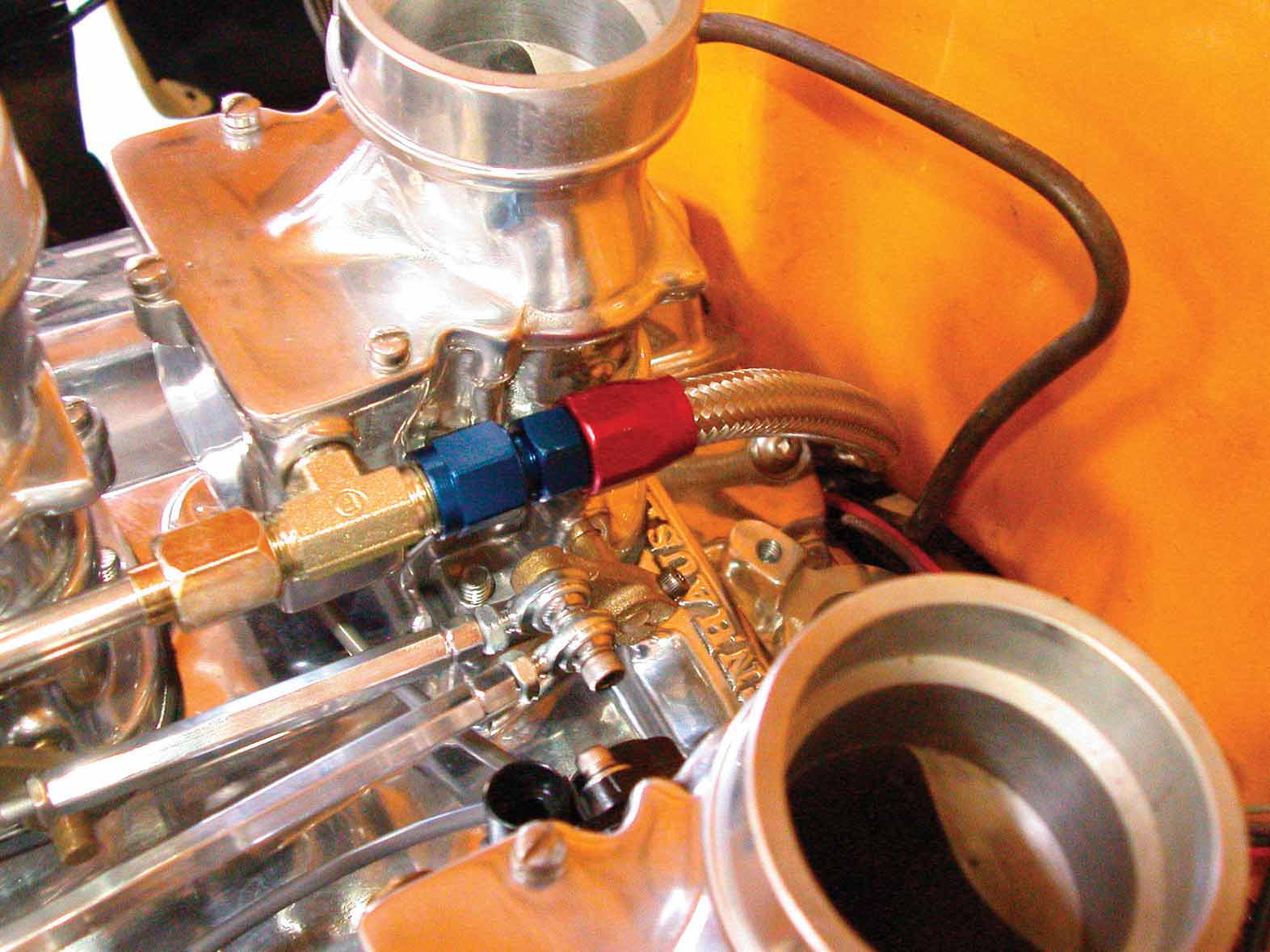
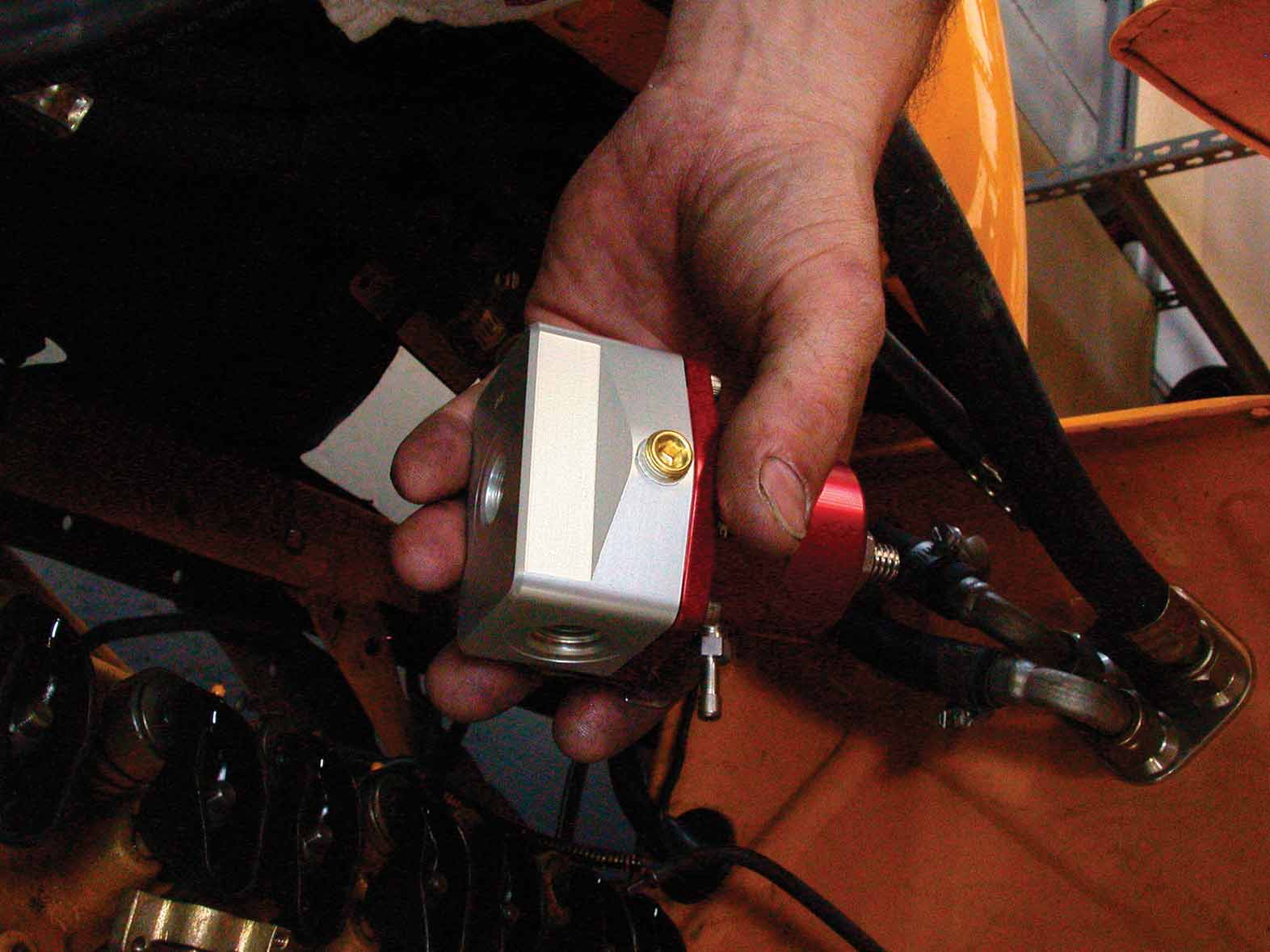
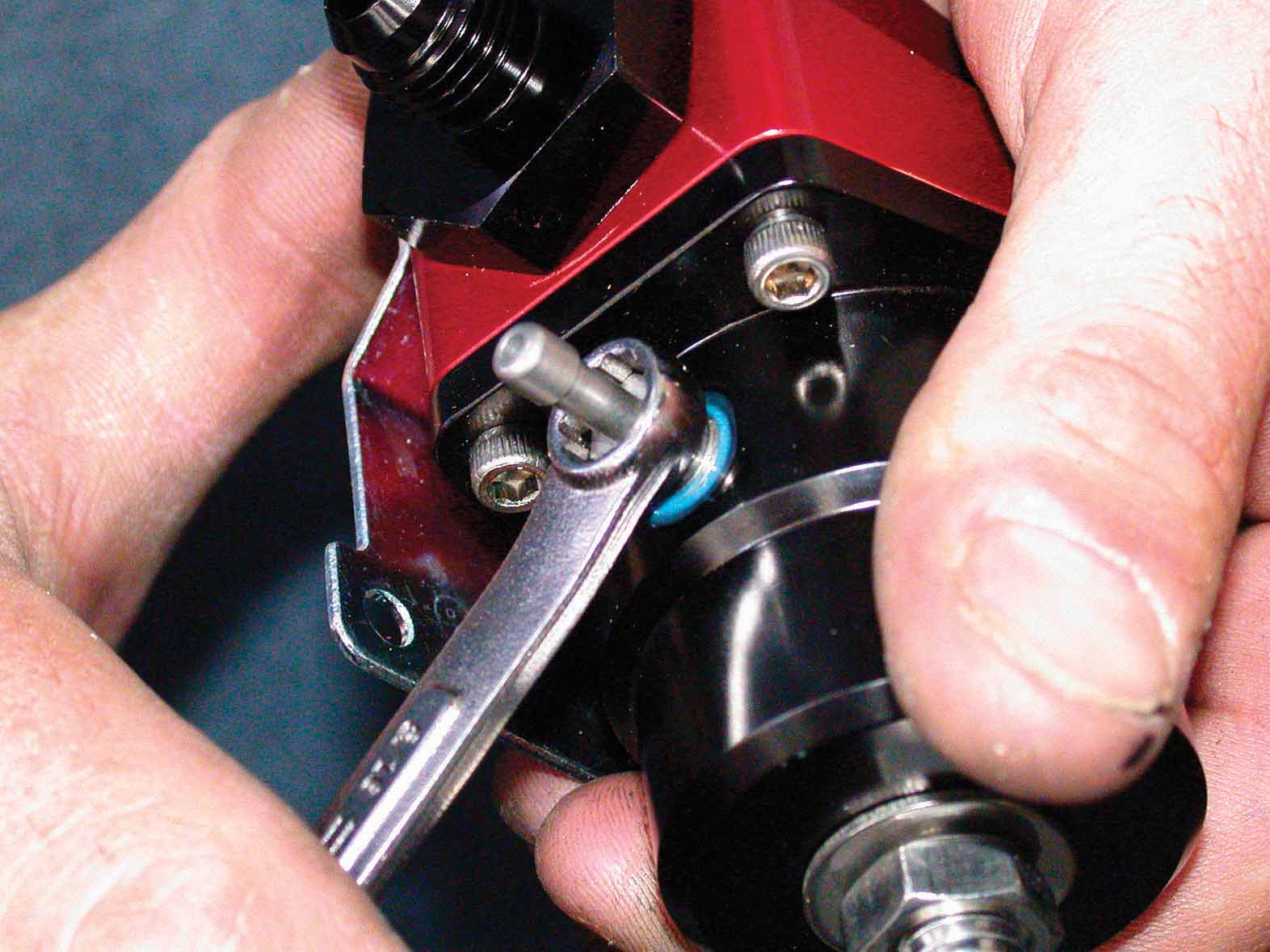
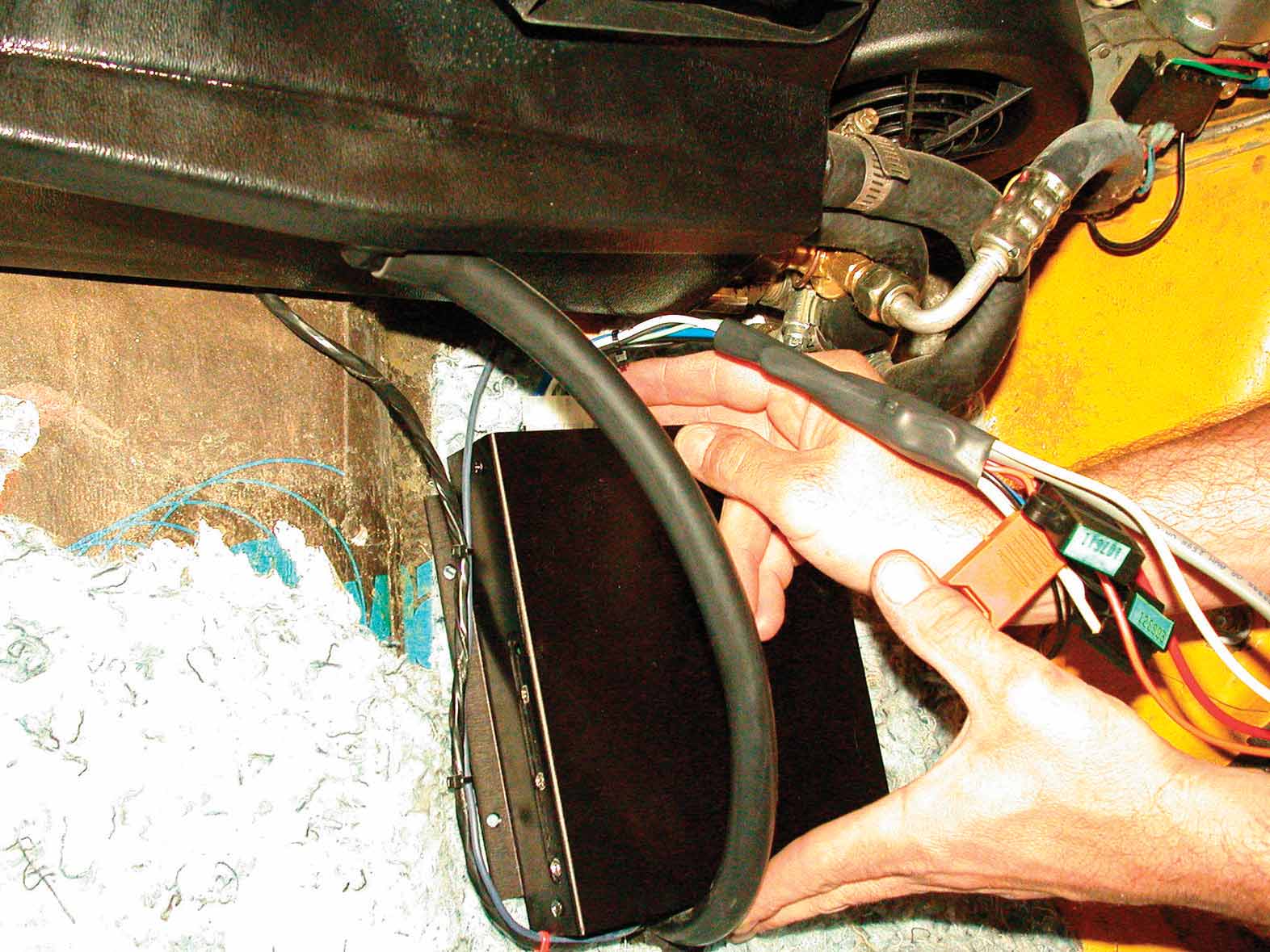
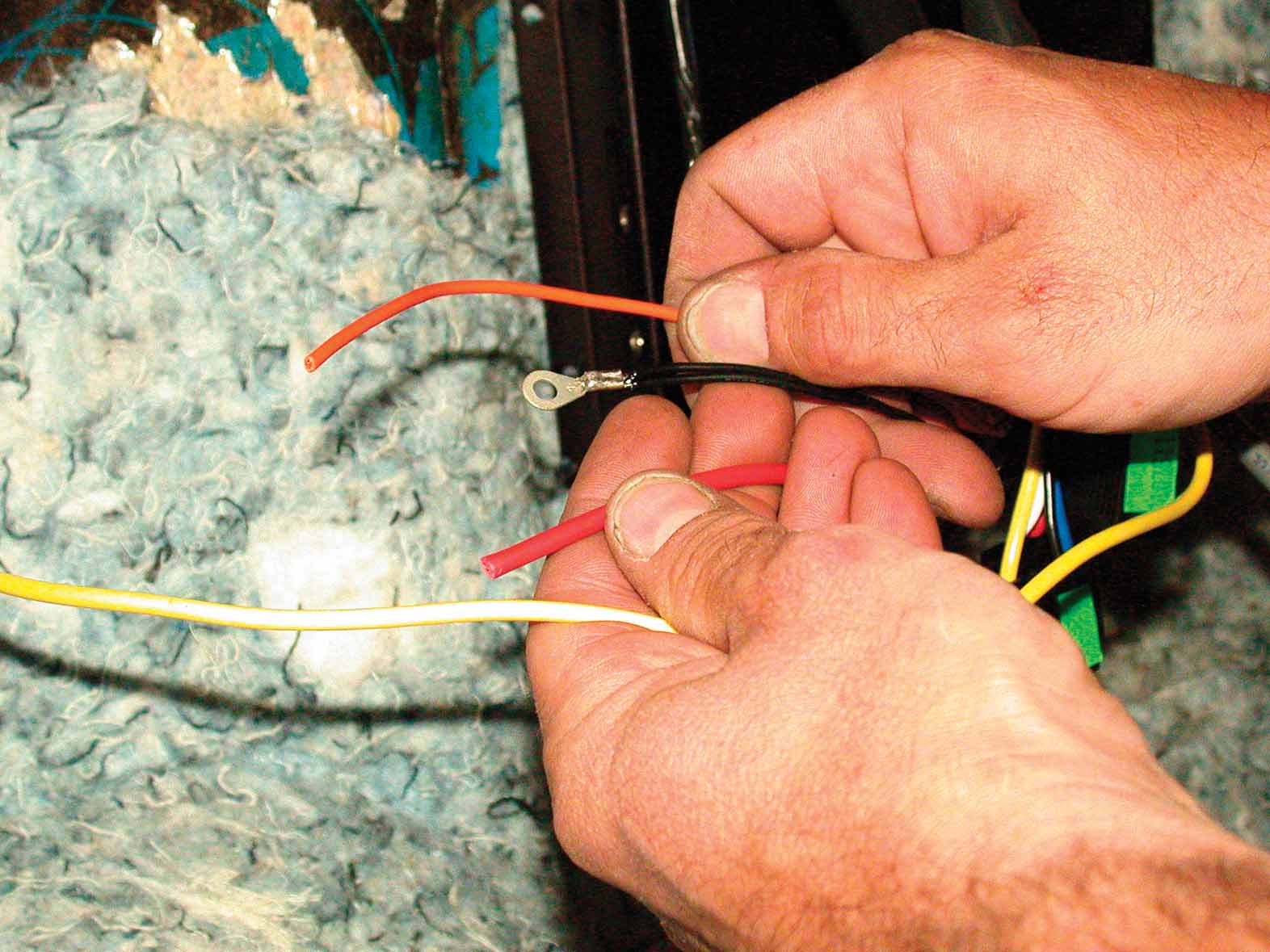
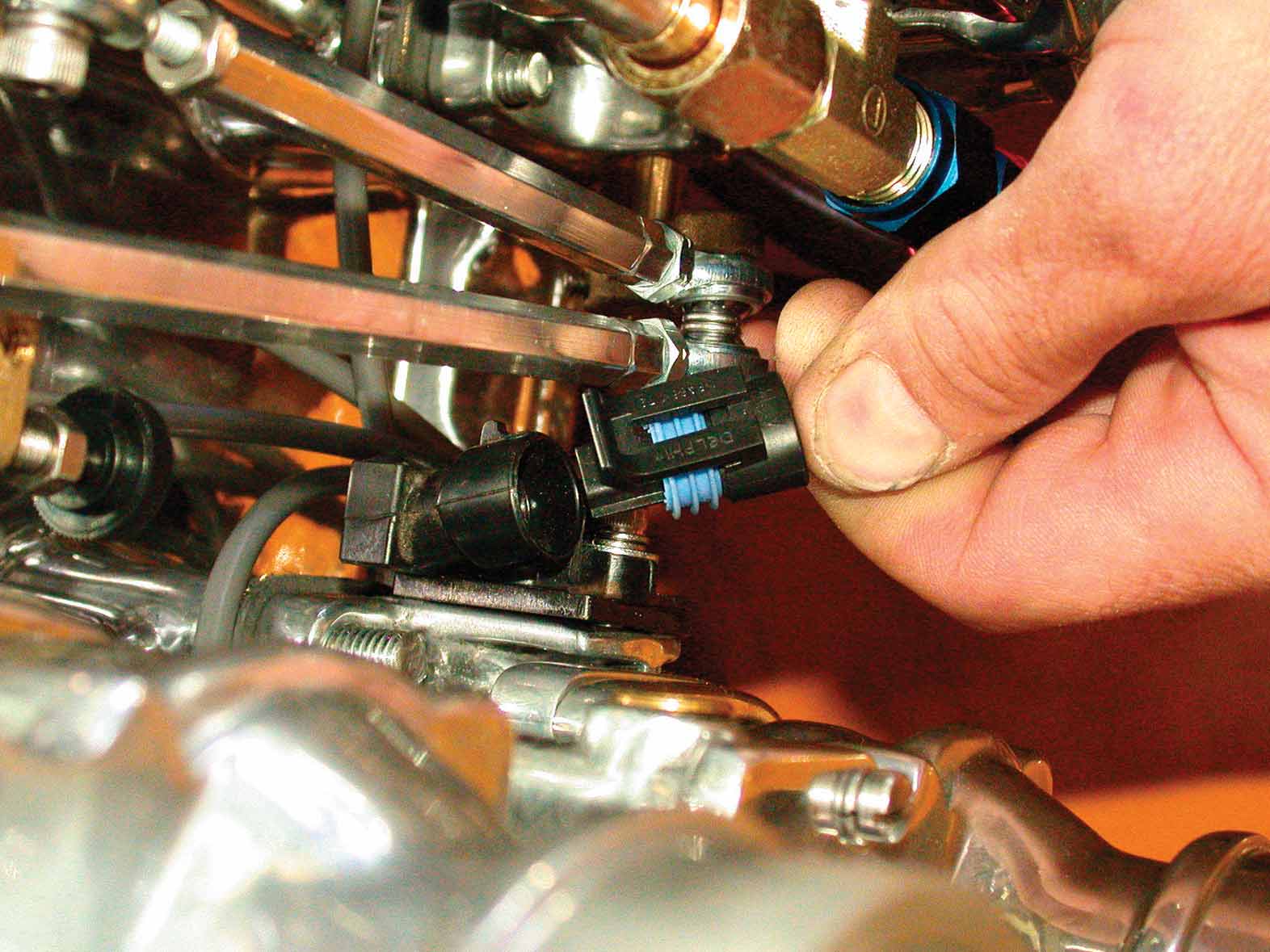
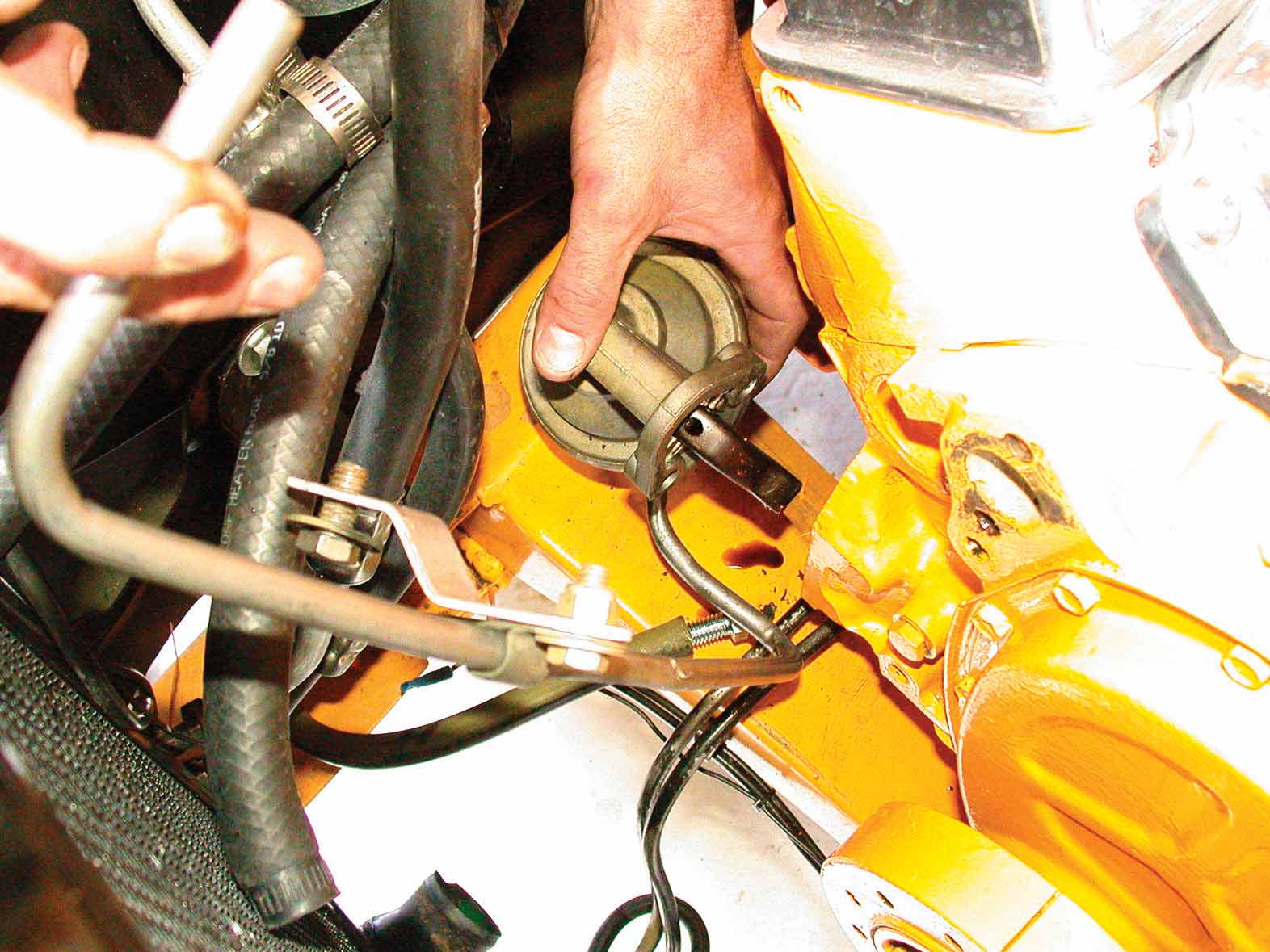
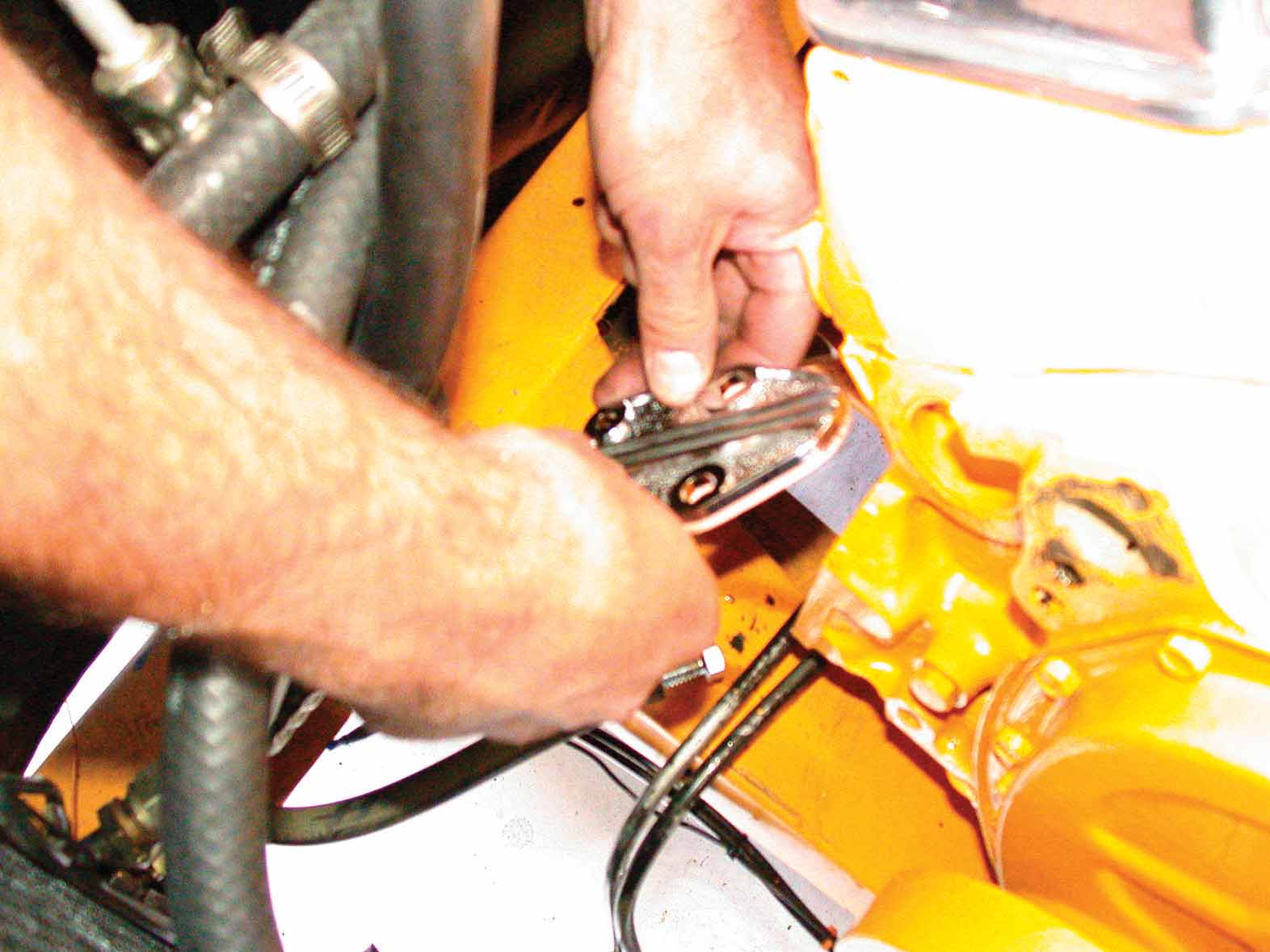
We were on hand as the crew at Barry White s Street Rod Repair Company installed the system onto this 40 Ford pickup. The truck has been equipped with a Chevy engine, but the Retro Tek system will work on any engine. The install took only about half a day, and it is one that most folks can do in their own garages.
Retro Tek is a family-owned business with Ken as the engineer, Susan Farrell handling the phones and computer programming, and Ken, Jr. and Rebecca helping out where they can.
ARTICLE SOURCES
Barry White's Street Rod Repair Co.
1640 Commerce St.
Corona, CA 92880
(951) 273-9284
Retro Tek
12705 S. Van Ness Ave
Hawthorne, CA 90250
(323) 599-5032