







Builds
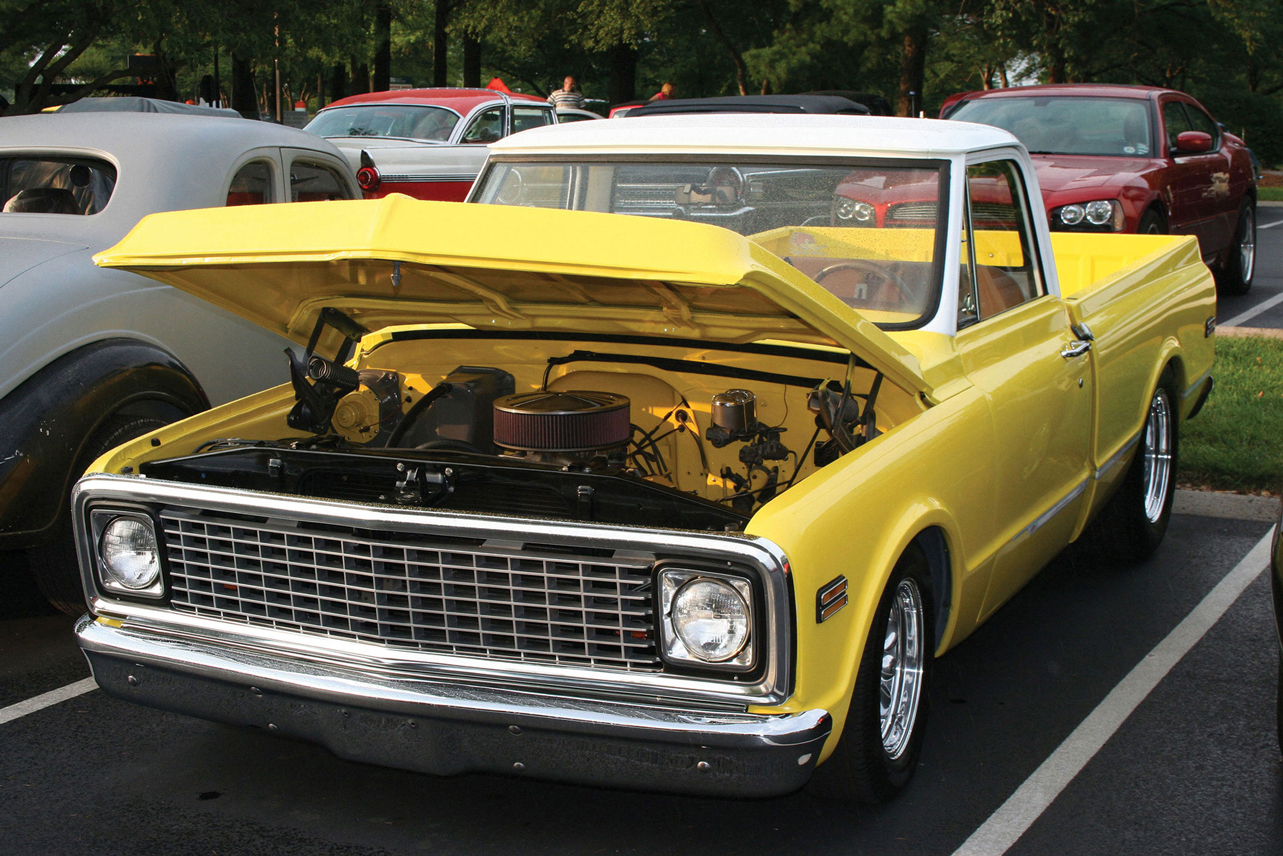
In today’s automotive aftermarket, building a great-running, awesome truck can soon lead to a depleted bank account. With the cost of billet wheels, the price of modern powertains and paint jobs costing thousands of dollars, building a truck for under $10,000 can, to many, seem like an impossible undertaking. During a serious editorial meeting to discuss that very topic, the one thing we all agreed upon is just how difficult it would truly be to build a $10,000 truck.
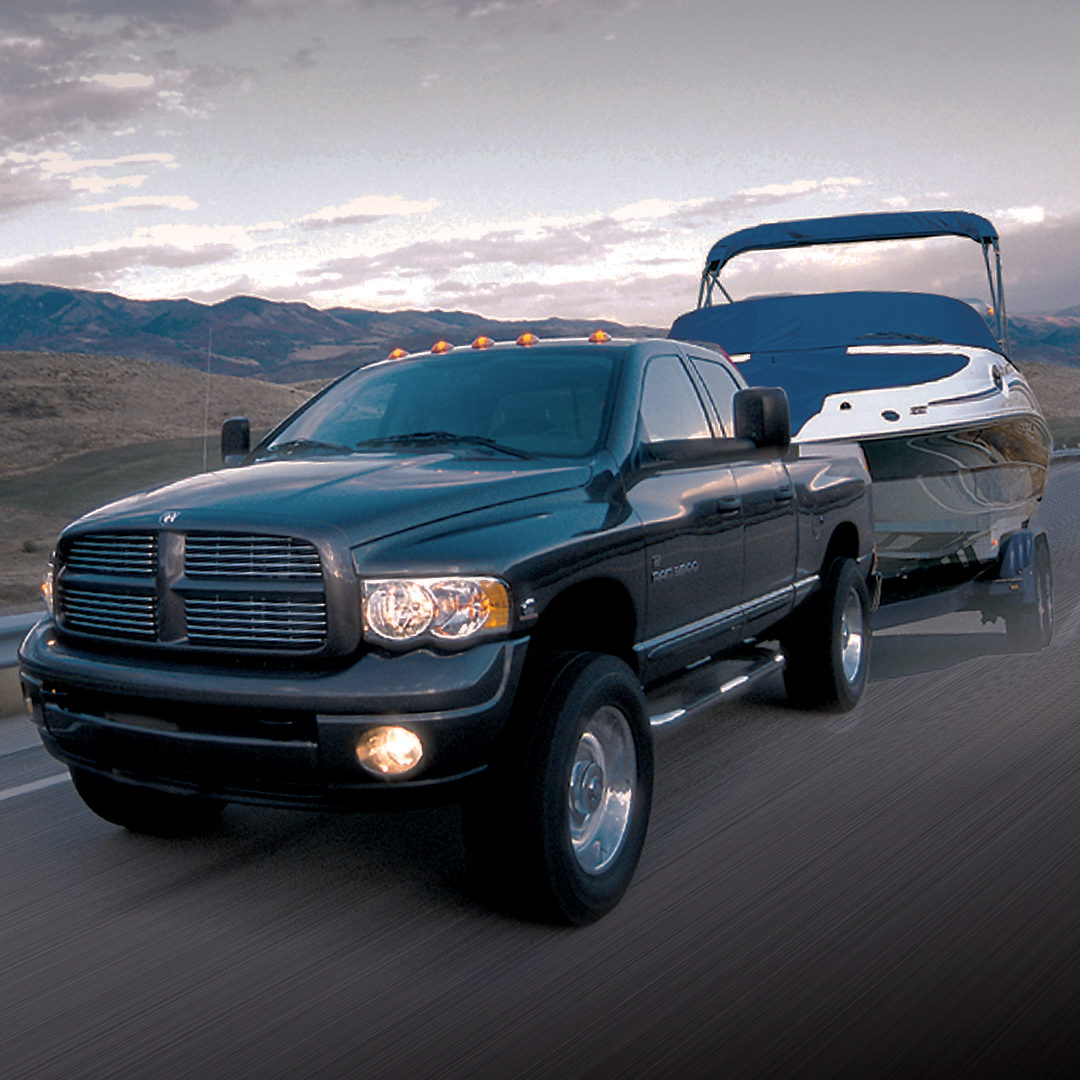
Smart boat owners know that diesel-powered towing vehicles are wise investments. A diesel powerplant’s premium price is eventually recovered through better fuel economy and engine longevity, and nothing quite compares to the off-the-line towing pull provided by a late-model oil-burner.
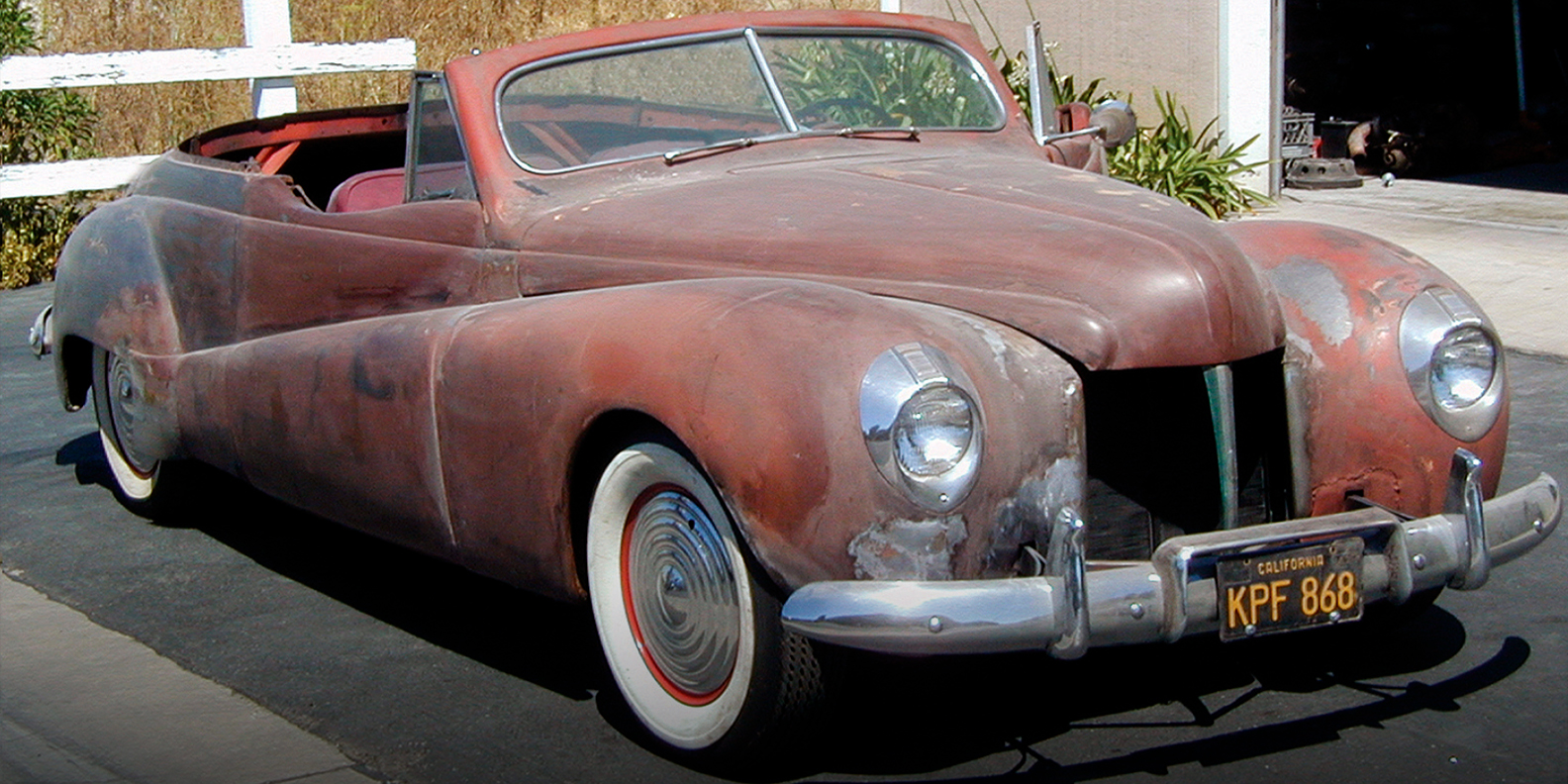
There are many reasons why the icon cars have achieved the lofty status they now enjoy, but one of the more obvious reasons is the simple fact that they were finished. Their existence and subsequent high-level exposure have inspired many a young lad to undertake similar projects, and for every famous car built in the early years, probably two others were started in an attempt to either copy or outdo it, but they never saw the light of day.
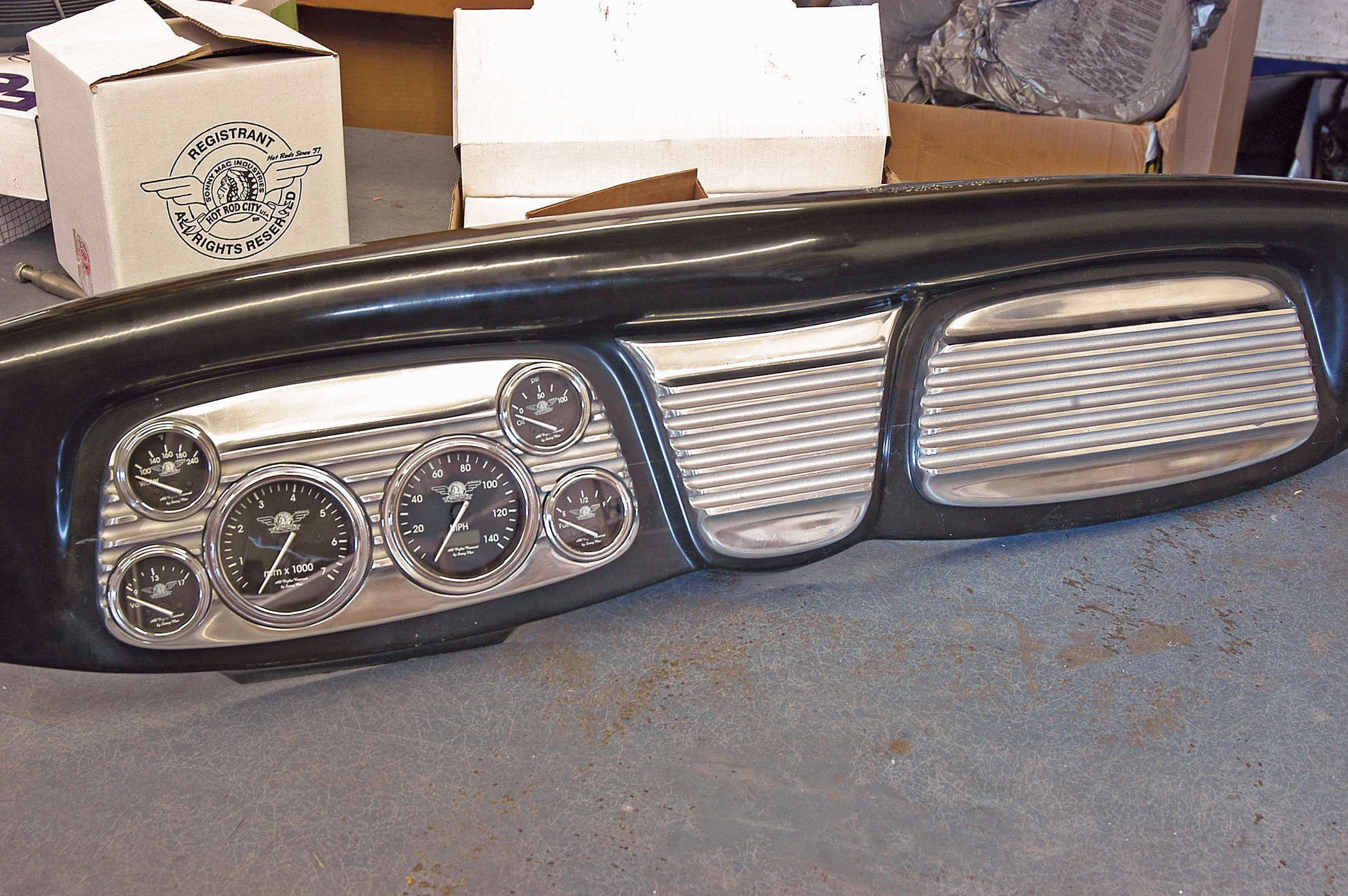
When building a street rod, unless you are building it to look like the day it rolled off the showroom floor, you find yourself constantly hiding whatever you can, wherever you can. One area that usually ends up hiding more items than was ever intended is the dashboard.
The dash is the one area that lives up to the old saying, “10 pounds of stuff in a 5-pound bag,” which generally carries with it a whole set of challenges and/or problems. When it comes to the ’33-’34 Ford, conditions are worse than normal, as there’s practically no space behind or under the dash. By the time you place your gauges and an A/C unit, there is little room left for much else, including a glovebox. When your needs are such that you require a certain amount of equipment behind the dash, most of the time the answer to your dilemma is a smooth dash.
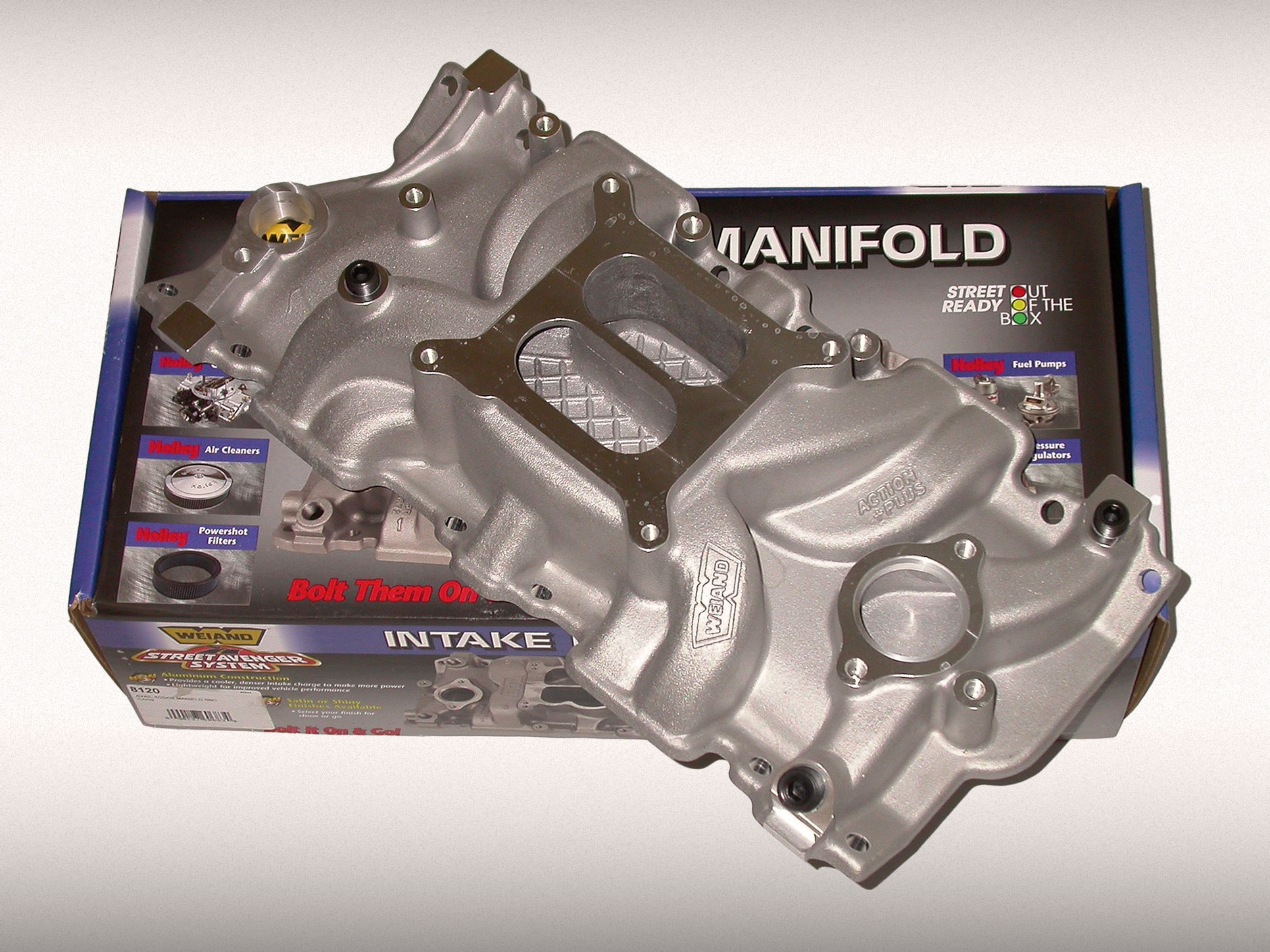
While the factory cast-iron four-barrel Q-Jet intake manifolds have performed admirably on literally thousands of GM applications—and if you are picking your engine from a used lot to use in a swap, it will likely be so equipped—every last one of them should be torn off the car and thrown in the dumpster.
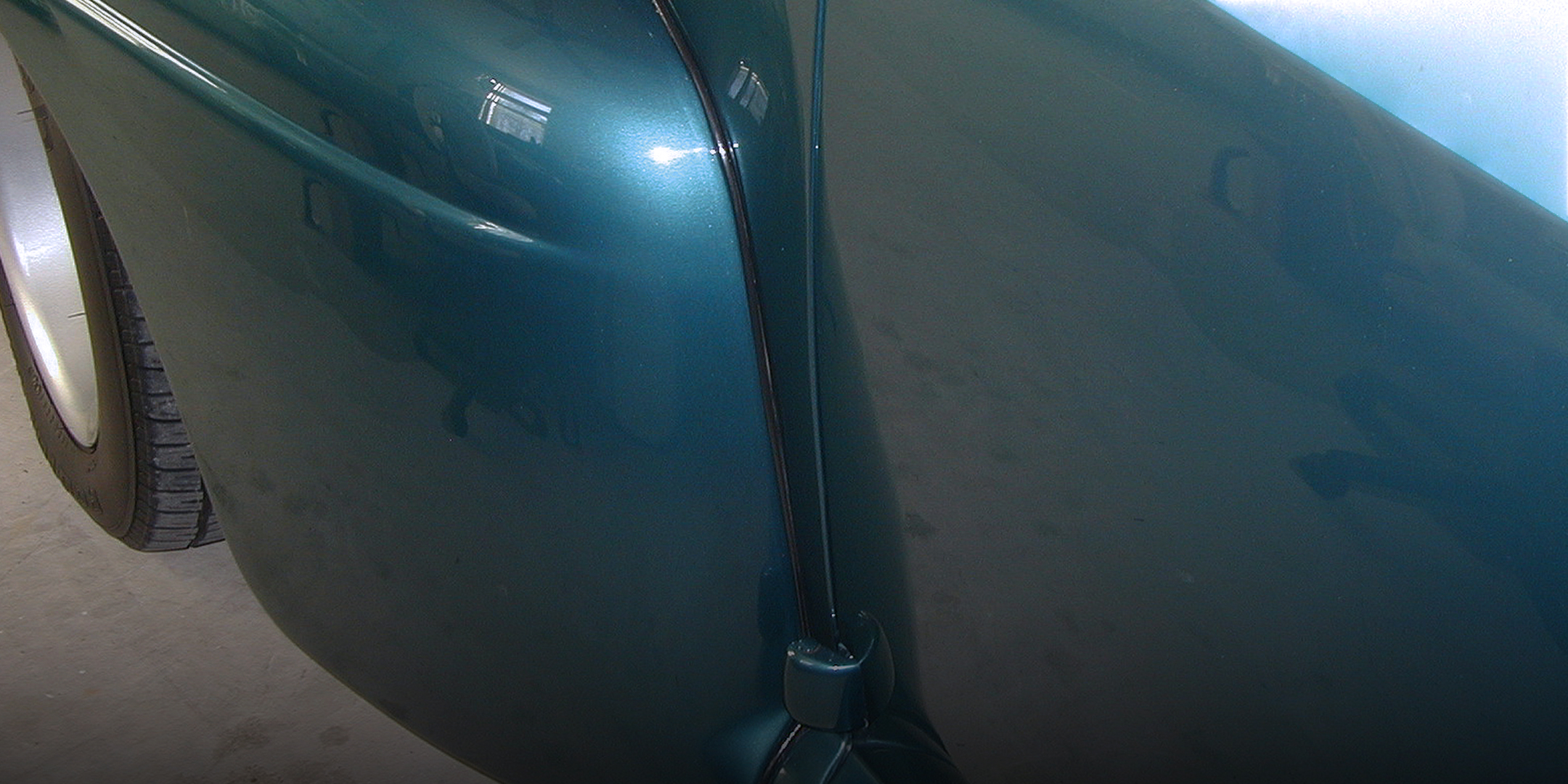
Most every pre-’48 car came with fender/body welting, consisting of a simple combination of a narrow strip of vinyl (or similar material) folded over a small-diameter woven cord and glued shut. Its purpose was, and still is, to insulate one piece of body metal from another when bolted together—not an electrical or temperature insulation, but essentially to eliminate squeaks and rattles, and to prevent paint from chipping (or cracking) as the two pieces flexed and vibrated together under normal road use. Generally referred to as fender welting, this product can also be found throughout certain car models; used to mount grilles, running boards and bumper gravel shields.
