




THE AUTO BUILDER
Featured

THE DODGE BROTHERS
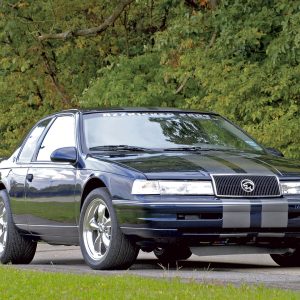
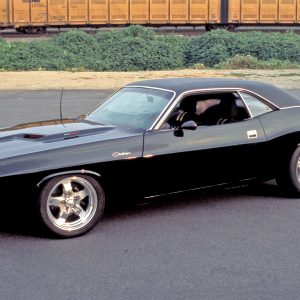
John and Horace would be proud of the impact their namesake car has made on so many auto enthusiasts. Even 85 years after their demise, younger generations are still discovering the styling and performance of this proud old brand. By 1970, that performance and pride culminated in some very enticing streetcars. This Challenger and Dart are two excellent examples of the machinery, while Tony and Phillip Peck are perfect examples of that younger generation.
Trick Truck Suspension
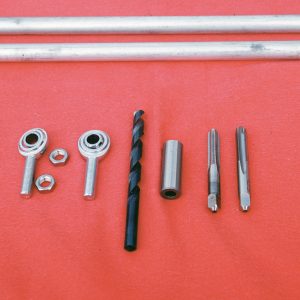
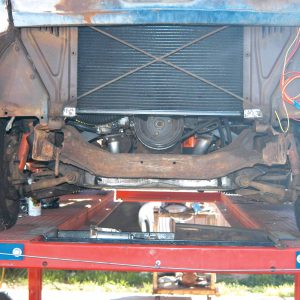
Free Jaguar? Don Shirer couldn’t resist the tempting offer, even if it meant just for the prized suspension lurking beneath. This XJ6 boasted the coveted independent rear suspension and A-frame front, perfect for his vision of a smoother-riding ’55 Chevy pickup. Follow along as Shirer masterfully tackles the swap, using readily available tools and his own ingenuity to bridge the gap between classic and modern.

Drop It Right
The C10 series of Chevy pickups is generally accepted as being the best-looking early pickups from the land of Bow Ties. But the one problem is that the factory fit them with roughly the same ride height as a 4×4. We suppose the guys who bought and used these trucks as trucks liked them that way, but the rest of us prefer them down in front. Having read nothing but truck magazines all your adult life, you know that there are many ways to lower a truck, from melting the springs with a torch all the way to installing forged aluminum IFS A-arms. We’ve read a couple of magazines ourselves and can tell you the safest, most affordable and simplest way.
Spotlighter
POPULAR READS
-
Product Spotlight: Bill Mitchell Products Aluminum LS Engine Block
-
PRODUCT SPOTLIGHT: 60-66 Chevy C10 Fresh Air Vent Block Off Plate
-
The Auto Builder’s Hottest Product Picks from The Triple Crown of Rodding 2026
-
Product Spotlight: Pyramid Optimized Design Sequential Aurora Taillight for 1964½–1966 Mustang
METALFLAKE: The Roth Way
A Wild Weekend in Some Rock Star’s Pad in Lake Tahoe Turns a Bone-Stock Chevy into a Kandyflake, Metalflake Baby
Author
Simon Watts
Story and Photography
Spraying Metal Flake: An Introduction to a Unique Custom Paint Finish
We’re not going into the details on prep, as it’s the same for any paint job. If you don’t know what you’re doing in the prep department, then no way are you going to be able to spray flake. Now that the scaremongering is over, note this: Spraying flake isn’t a black art; it’s simply a slightly different medium. It’s no tougher to spray than anything else, although you do have to be meticulous, pay attention to the details, and resist the urge to rush. Plus, unless you have a spray booth, it doesn’t matter how well you seal off your chosen spraying area: This stuff will escape and get everywhere. Be prepared to placate the wife and neighbors when you’re done.
Starting Out: Confidence and Commitment
If you’re confident with your painting abilities, have at it. Don’t be shy and don’t be afraid. You can do it. Even if you mess up, all it’s going to cost is time and materials. At the very worst, you’ll be sanding off your mistakes and starting from scratch; but then, sometimes that’s the best way to learn. After all, nobody became an expert without a few hiccups along the way.
Following the Experts: Rob Bodine and Steve Tamer’s Guide to Roth Flake
Follow along as Rob Bodine (the gunslinger) and Steve Tamer (the tech guy) from AB Paint Supplies (510/706-3200) give you the skinny on the new Roth flake. In this case, we’re spraying a coat of Uncle Bob’s Blooz onto the roof of this 1966 427 Chevy. It’s complete and utter sacrilege in some circles, but that’s their problem.
Design and Prep: Simon Watts’ Scallop Layout for the Flake Roof
Simon Watts of the Watts Factory (310/427-5566) laid out the scallop design that separated the flake roof from the rest of the car, and we were ready to mask off and get going.