





Street Rods
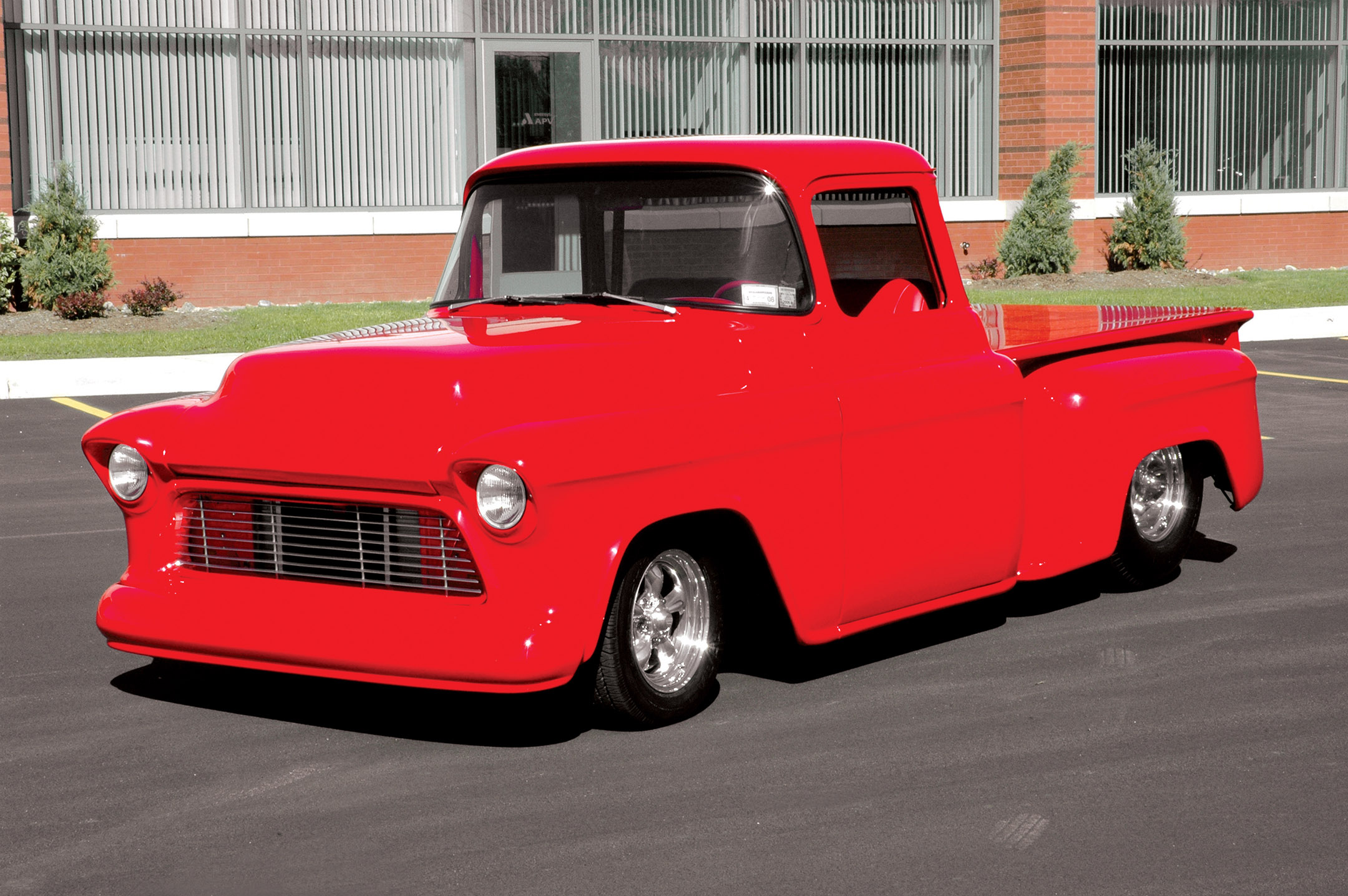
It often takes a serious challenge to test a person’s capabilities. After years of driving a string of performance cars, Terry Short wanted something different sitting in his North Tonawanda, New York, garage. So, he set out and found this ’55 Chevy big-window pickup in an apple orchard. He just knew he had met his challenge.
Terry Short’s ’55 Chevy pickup has a just-right rake, a monochromatic finish on a super-smooth body and a potent big-block Chevy. All these elements combine to make this Hot Rod Red truck a perfect cruising machine. Short’s goal was to build a truck that if you couldn’t see it, then you could certainly hear it coming. Though the roof went unchopped, the remainder of the body was extensively reworked and is devoid of chrome accessories.
0Comments
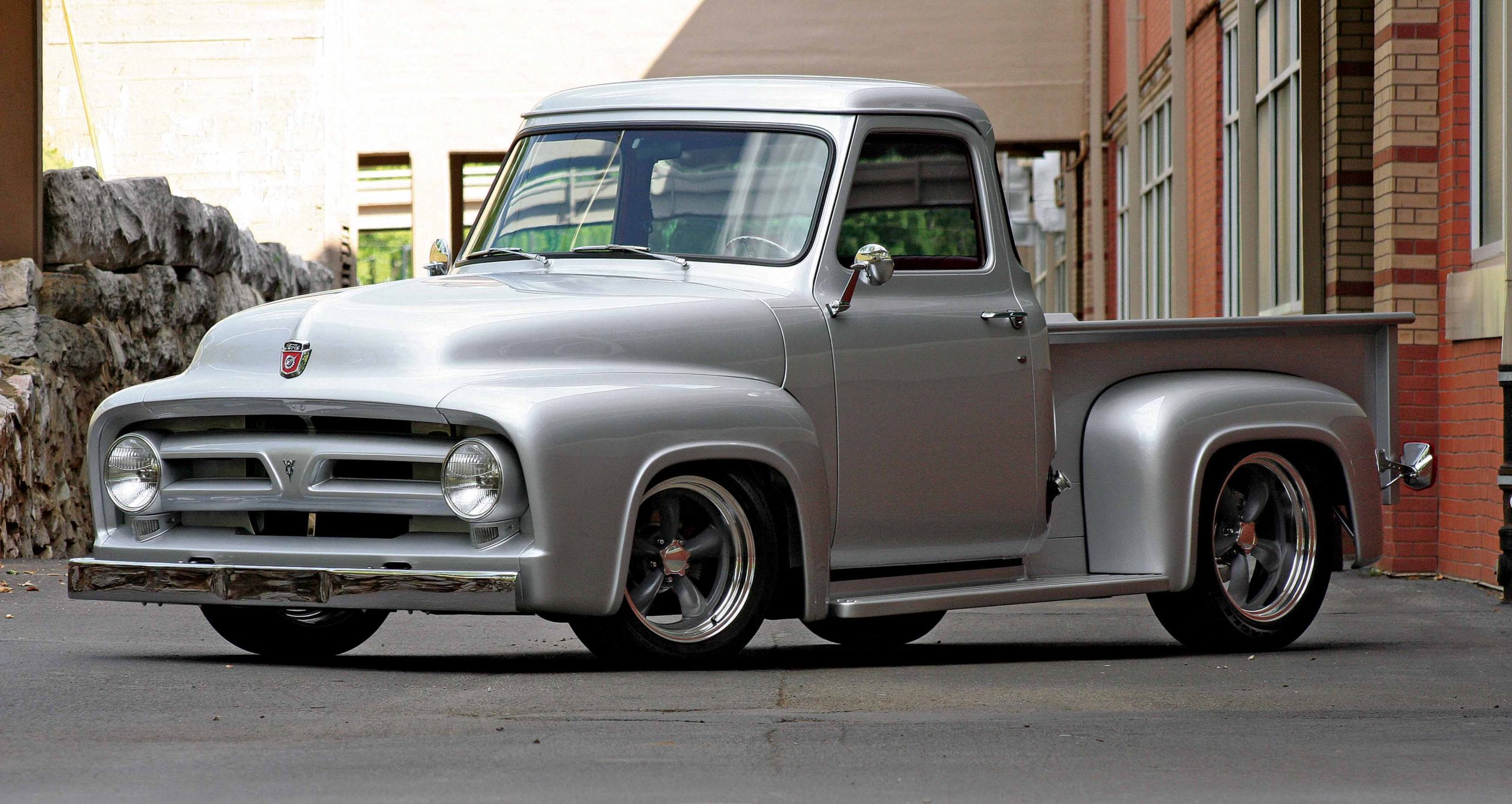
Longtime classic truck enthusiast Mark Coleman has built countless classic cars and trucks over the years, including a trio of early Mustangs, a ’56 F-100 Ford panel truck and a ’55 Ford SuperCab, which have graced these very pages. When it came time to build another truck, Coleman took a long, hard look in his own backyard and decided that his old ’53 F-100 would be the prime candidate.
0Comments
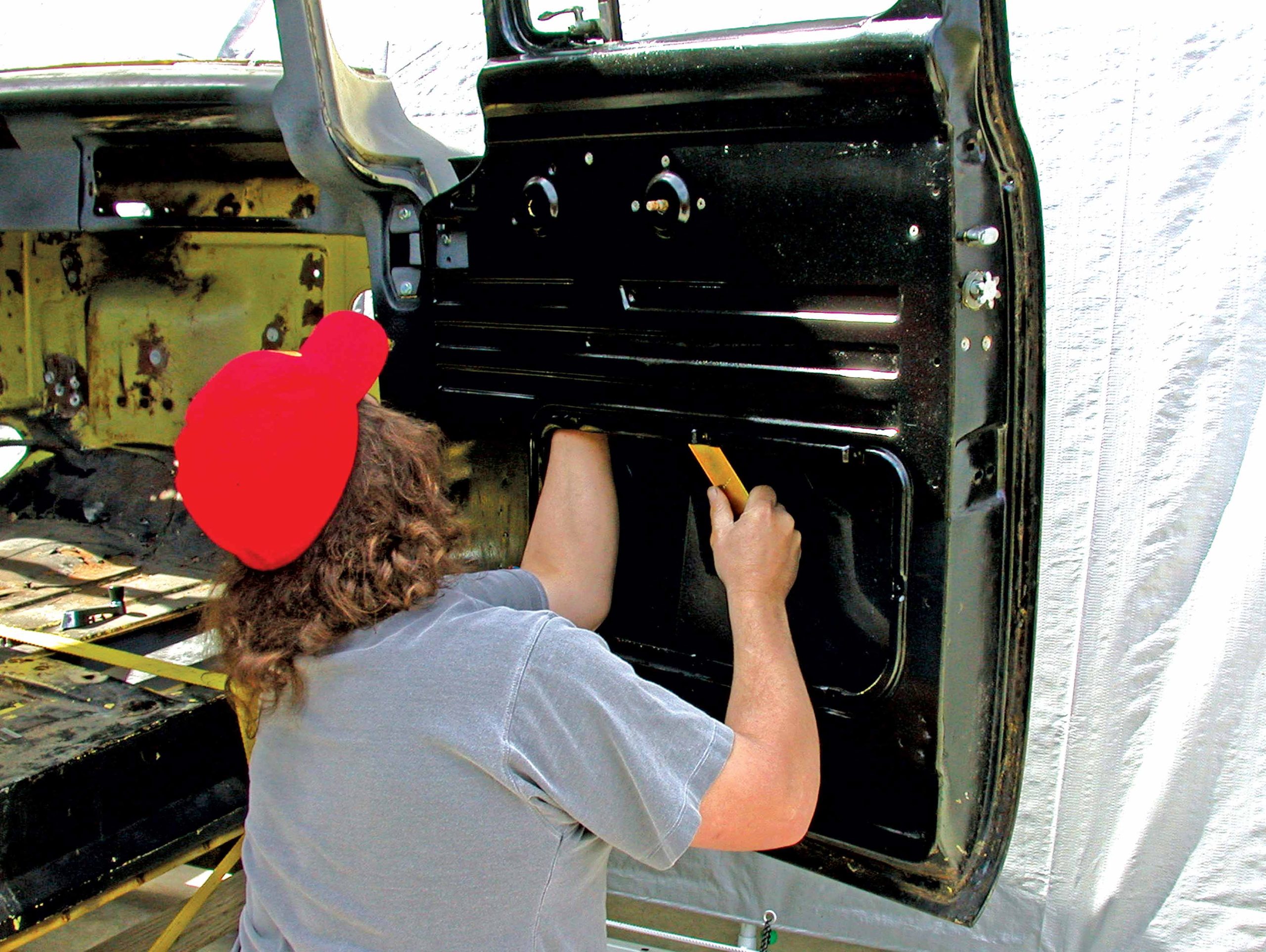
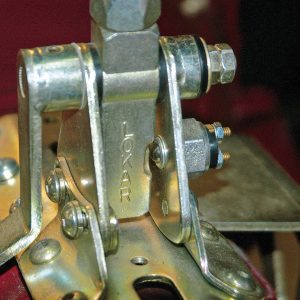
Adding power windows is a popular aftermarket option for classic vehicles these days. Worn-out window regulators have given people problems for years, and as replacement parts have become increasingly more expensive and harder to find, it’s simply easier and often cheaper to replace the old regulators with new electric ones. In the past we had to raid wrecking yards for parts that would adapt into our vehicles, and as expected there were generally a few problems associated with doing this. First, you don’t always know the condition of the parts being used, even though they look good; and second, you would need some background in window geometry to get the job done correctly. Finally, you need a certain level of basic fabrication skill and tools, which would be more than basic hand tools. With today’s technology and the availability of well-engineered aftermarket power window kits this has all changed, as it’s commonplace for most people to go straight to a kit designed for their vehicle.
0Comments
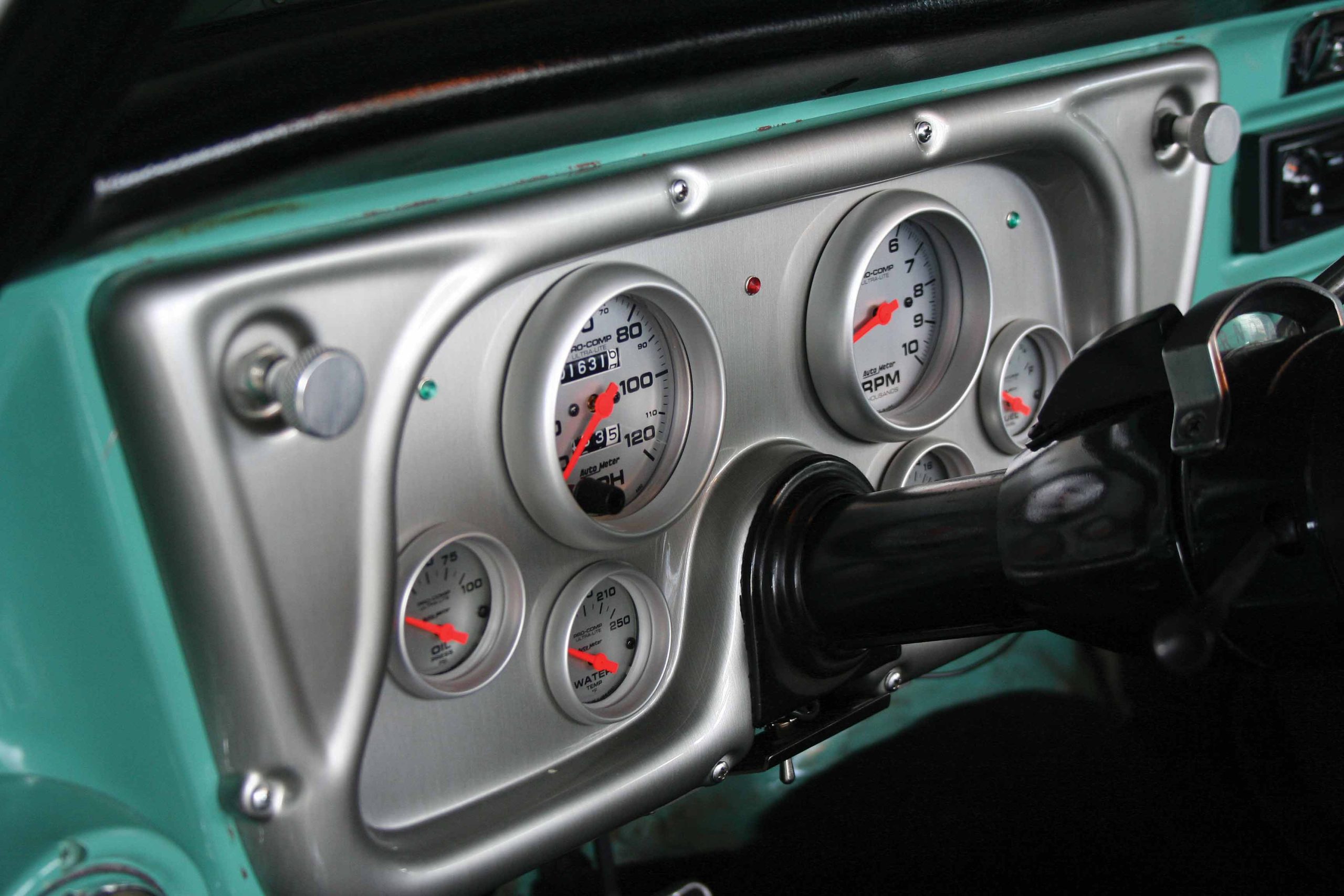
Installing A Covans Classic Molded Gauge Package: Covans Classic, located in Cumming, Georgia, offers a full line of ABS molded dash panels and glovebox doors for classic cars and trucks. The fully molded dashes are designed to be factory replacements, giving a smooth, custom look while accepting common 3-3/8-inch speedometer and tach and 2-1/16-inch oil pressure, water temp, fuel level and volt gauges. The instrument panels feature high-quality molding and are available with or without holes. They can be purchased in brushed aluminum, black, burl wood and carbon fiber. The panels can also be painted to match the interior.
0Comments
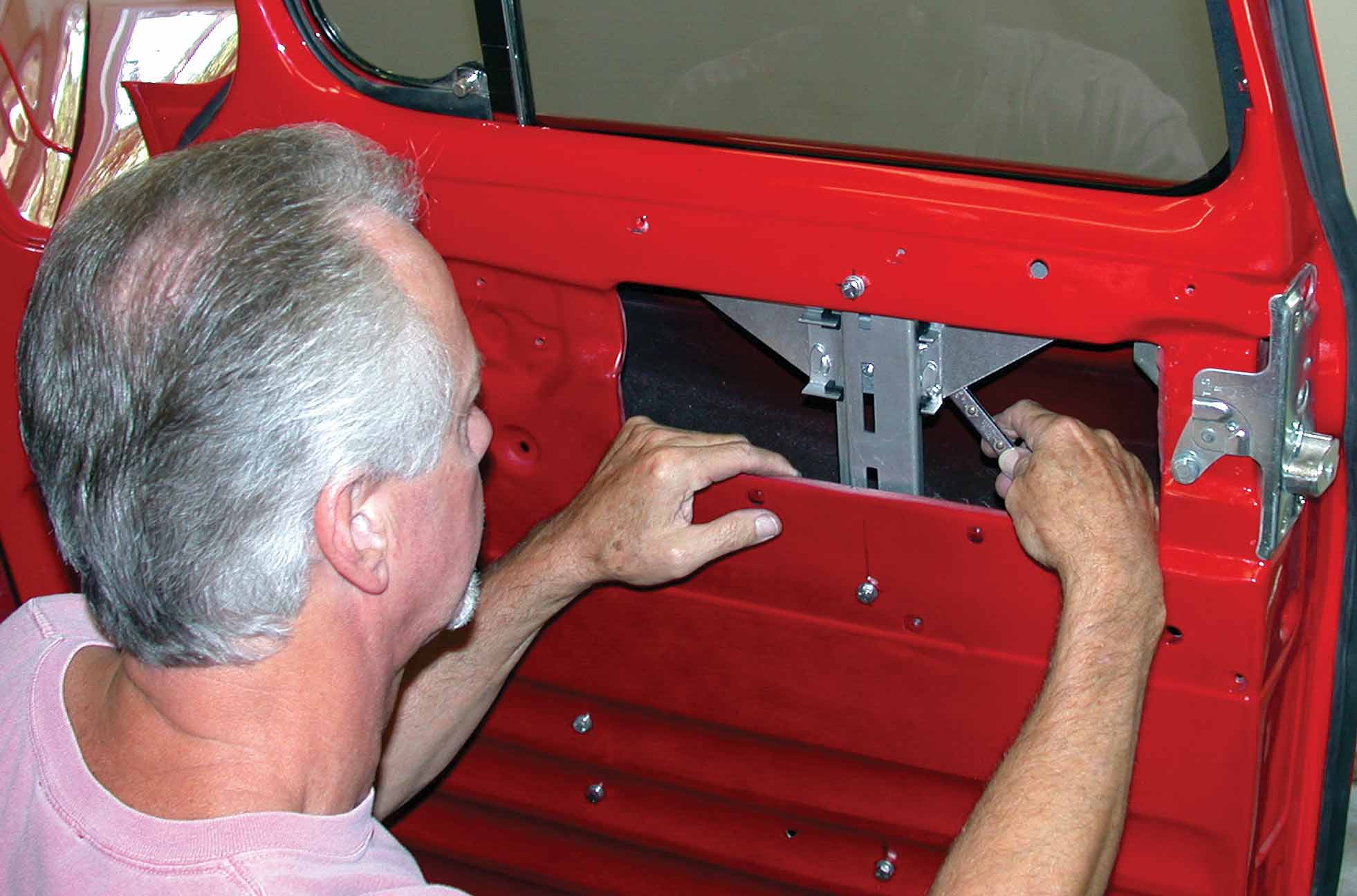
Adding power windows has long been a popular aftermarket option for restyled pickups, as much for practical reasons as for comfort convenience. Worn-out window regulators will give people fits, and replacement parts have become increasingly harder to find, not to mention the lack of availability or the cost of retro units. So, if the vehicle is to have smooth, trouble-free window operation, it’s often easier and cheaper to replace the old regulators with new electric ones.
0Comments
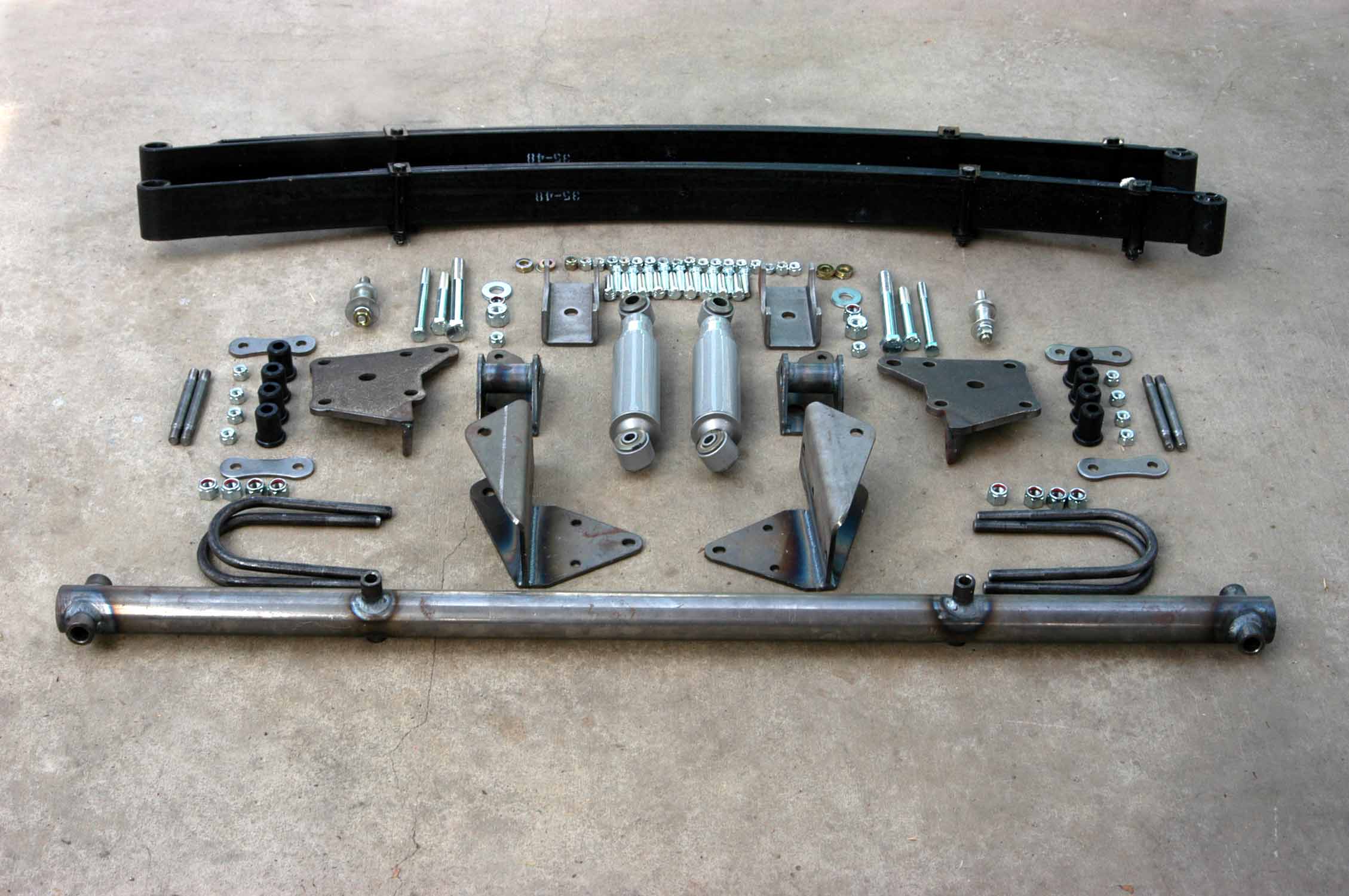
Dean Brown, a longtime rodder, was in the market for a new project car and stumbled across this ’52 Chevy panel truck, which turned out to be one of the original Helms trucks. The bakery cabinets had been removed but the body was in good condition, and it was still running with the original six-cylinder engine. Brown thought the truck was very cool, so he made a deal with its owner and drove it home. He formulated a plan of attack and started acquiring the parts he needed to turn it into a hot Chevy panel. The parts included a strong-running V-8 engine, a Turbo 350 transmission, a Fat Man Fabrications IFS front suspension and a new rear suspension that would provide a softer ride quality.
0Comments
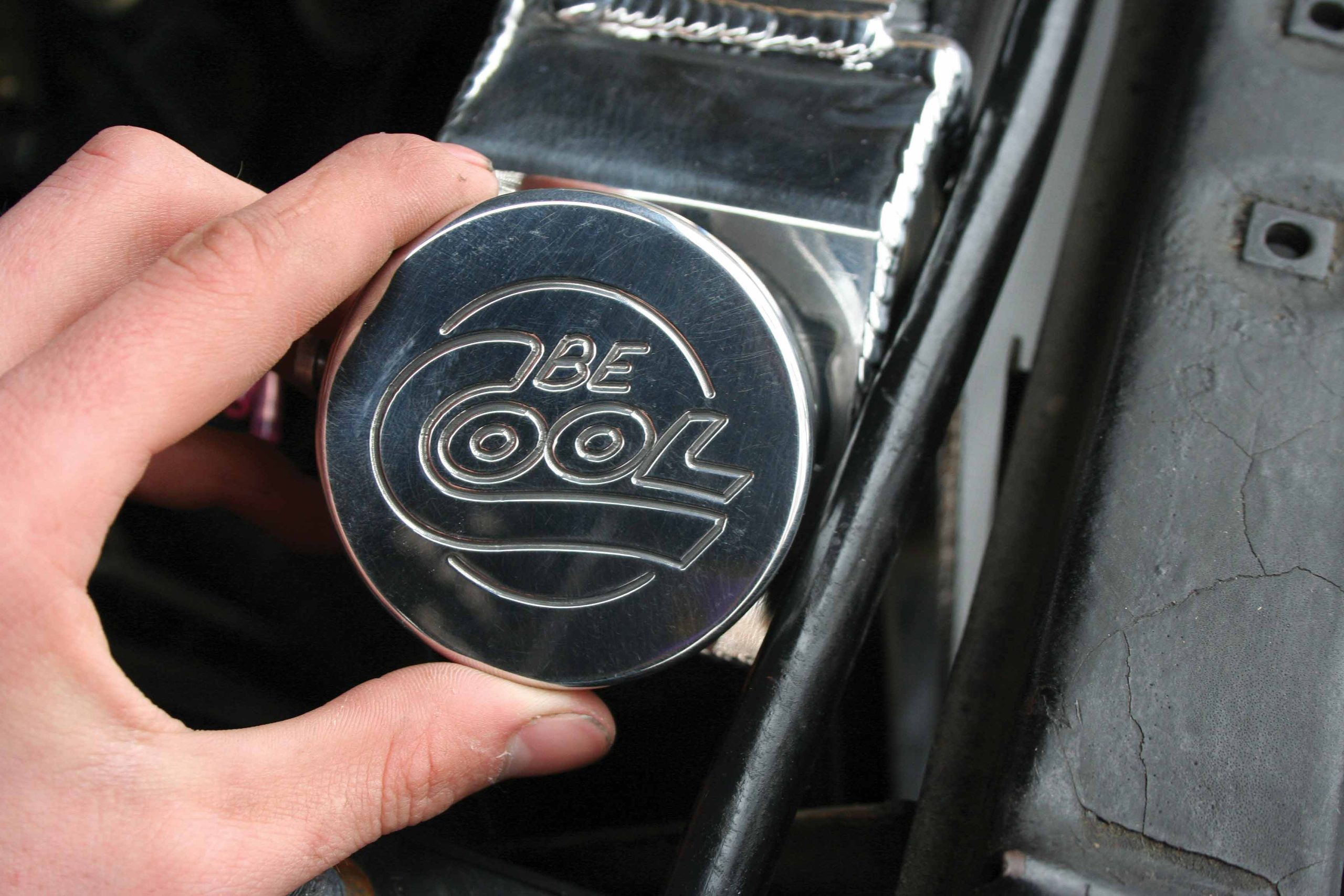
Be Cool is no newcomer to cooling heavy metal. For years it has provided cooling solutions for some of the most impressive high-performance engines to rumble down the streets and dragstrips of America. The folks at Be Cool understand that having the proper cooling components in any car or truck is vital to keep an engine safely within its operating temperature range. They also understand that to make cooling and installation easier, they had to design a full bolt-in system, a system that would fit hundreds of applications for classic cars and trucks, as well as more modern vehicles that also need cooling help.
0Comments
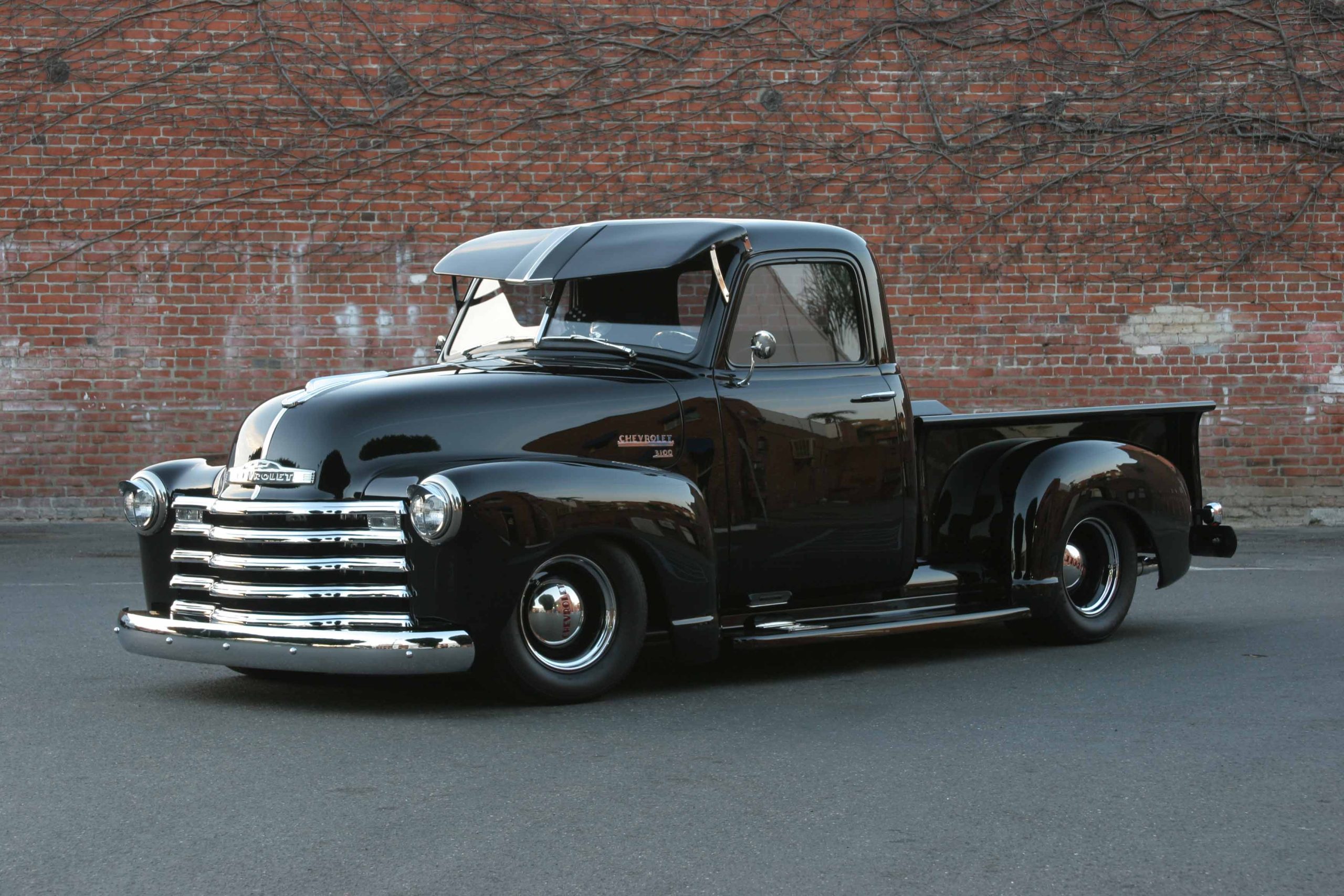
When the owner brought this truck to Buxton in late 04, it was an old farm truck with a straight-six engine, three on the tree and studded snow tires. Buxton began by boxing the frame and adding an IFS unit. With Air Ride Technologies airbags and 2-inch dropped spindles, the front end of the Chevy was able to go very low. In the rear, a Currie Enterprises 9-inch rearend was suspended with ART airbags on a four-link system. Speaking of the rearend, it has been equipped with Strange Engineering 3.73 gears. As the Chevy would obviously come across a few bumps, aluminum QA1 adjustable shocks are used on all four corners. Speaking of the corners, a set of Wheelsmith smoothie wheels adorns this Chevy, giving it a very cool retro look.
0Comments
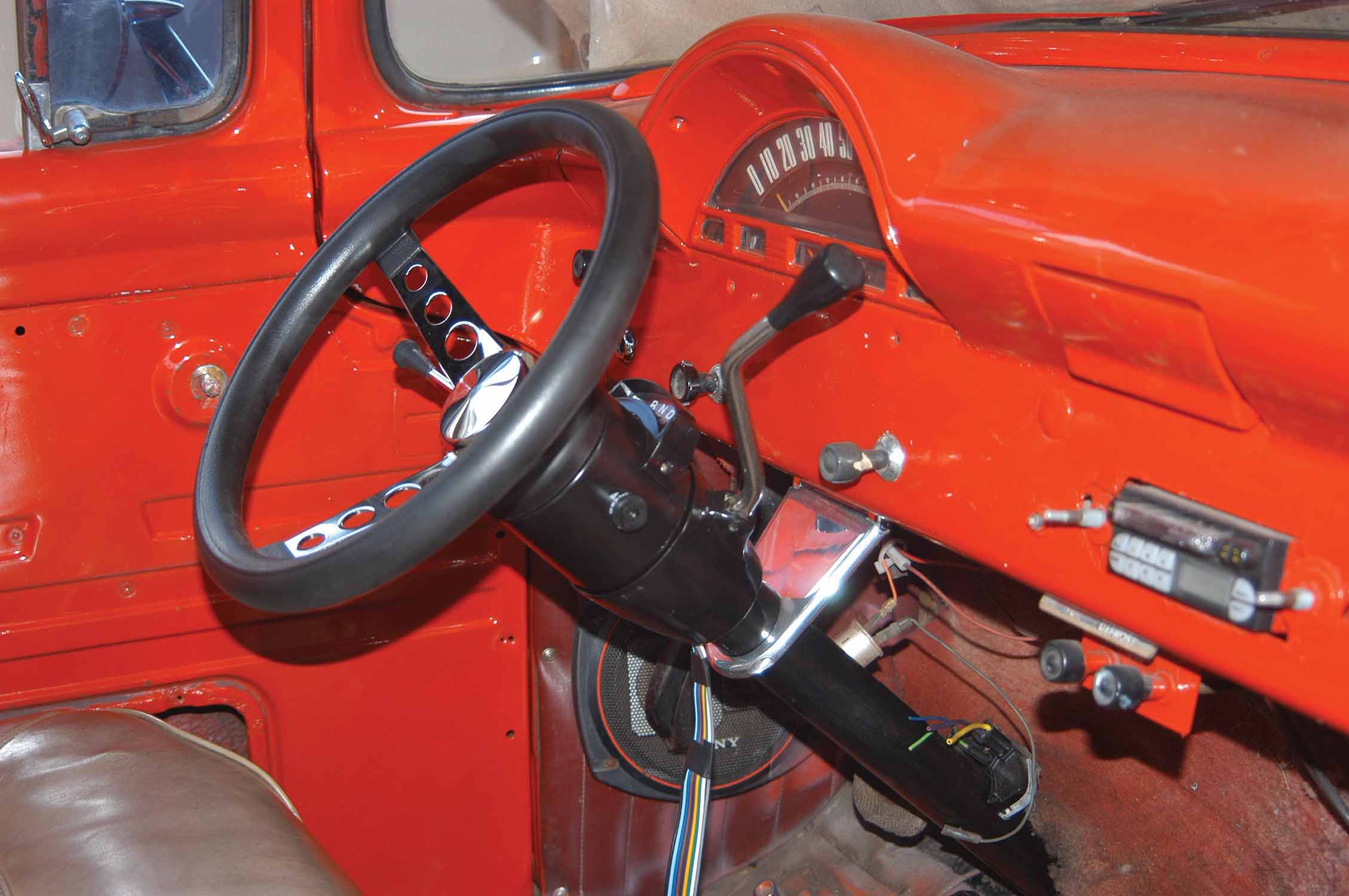
The owner of this ’56 Ford pickup purchased it for a daily driver, and after driving it for a short time decided to make it more comfortable. Still running the original suspension, it rode rough and typically handled like an old truck, which it happens to be. He wanted a softer ride, and for the truck to handle like a modern sports truck, so several chassis improvements were in order.
0Comments
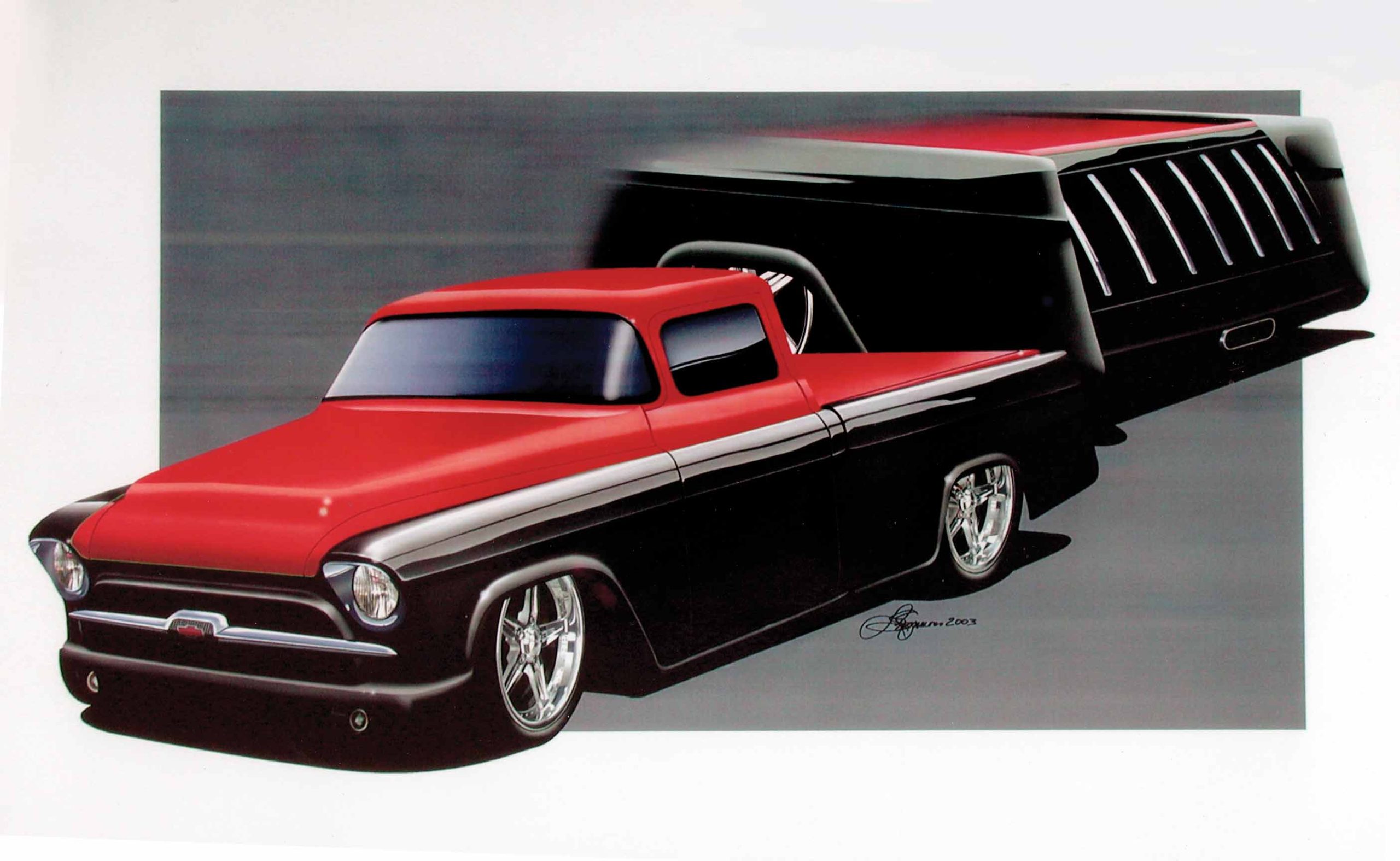
After 1-1/2 years of preparing a rock-solid foundation for our Cimtex Rods-constructed ’56 Chevrolet Super Cameo pickup, the time finally came to hang sheetmetal, but not without experiencing a few major disappointments. “All I can say is, before you buy a truck cab or any kind of old car body, look before you leap,” commented Darrell Cimbanin of Cimtex Rods after picking up our ’56 Chevy big-?window cab from True Grit Sandblasting in Hutto, Texas. This cab was in worse condition than we originally thought. It’s easy to disguise what appears to be a good-looking truck cab with plastic filler and a nice paint job. Sometimes even the experts can be fooled.
0Comments
