
THE AUTO BUILDER
Featured

Bobby-Built
We always find it amusing when a bench racing session turns to building street rods. It seems there is a huge contingency of rodders and observers of street rodding who believe that every car in the fairgrounds area was built by a professional shop. We’re not about to argue the point that a lot of people now pay to have work done on their cars, whether it’s chassis work, bodywork or upholstery. However, there is still a large group of people who spend evenings and weekends out in the garage forming brackets, repairing rust, blocking panels and wiring hot rods. In short, they are building cars the old-fashioned way—at home with the help of a few friends.

CREATIVE CABRIOLET
Cabriolets have become popular over the past few years, and the ’37 is an enthusiast favorite. They have become so popular that numerous reproductions have been made. Because of the original’s low production figures—only 10,184 were built—most, but not all, of the ’37 cabriolets attending rod events are fiberglass. The problem with the originals is that for years they were only marginally desirable and many were junked. The ones that weren’t were parked outside where the weather had taken its toll. When the tops rotted, the cabriolets would begin to rust from the inside out. That means that finding a nice, solid, rust-free cabriolet can be difficult.

PANDEMONIUM IN POMONA
When it comes to indoor car shows, the Grand National Roadster Show is, and always has been, one of the finest in the country. This show originated in the Bay Area, and for years it became known as the Oakland Roadster Show.
Spotlighter
POPULAR READS
-
Product Spotlight: Bill Mitchell Products Aluminum LS Engine Block
-
PRODUCT SPOTLIGHT: 60-66 Chevy C10 Fresh Air Vent Block Off Plate
-
Product Spotlight: Pyramid Optimized Design Sequential Aurora Taillight for 1964½–1966 Mustang
-
PRODUCT SPOTLIGHT: Cam Covers for GEN/3 Coyote from Pyramid Optimized Design
Colorado Drop Kit
Story and Photography by Marshall Spiegel
DJM Introduces a Slick 3X4 Chevy Colorado Lowering Kit – Here’s How to Install It
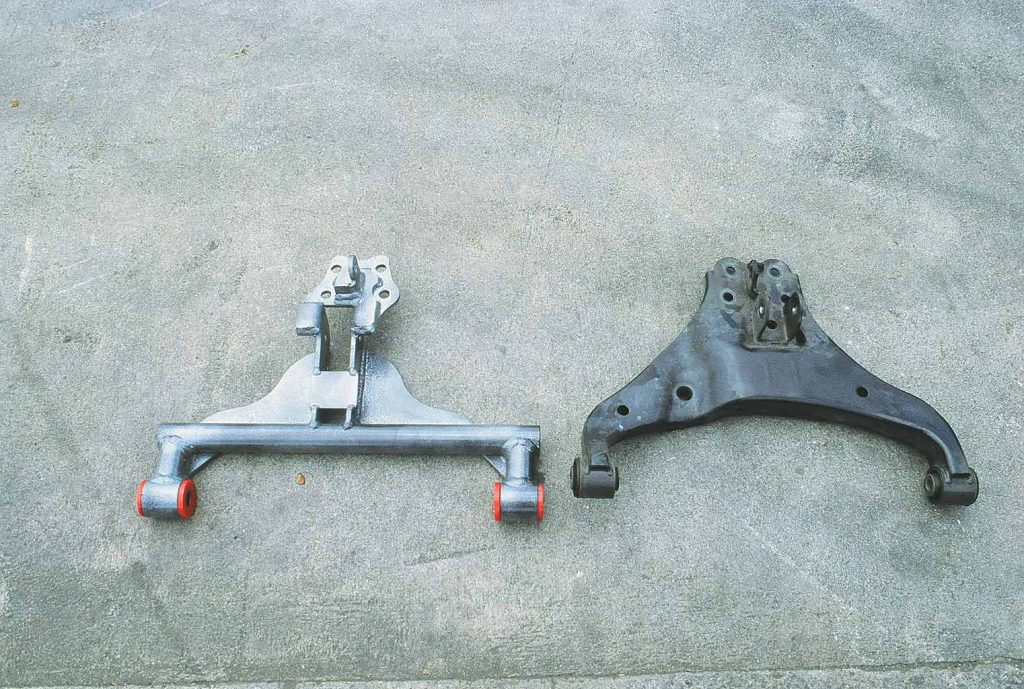
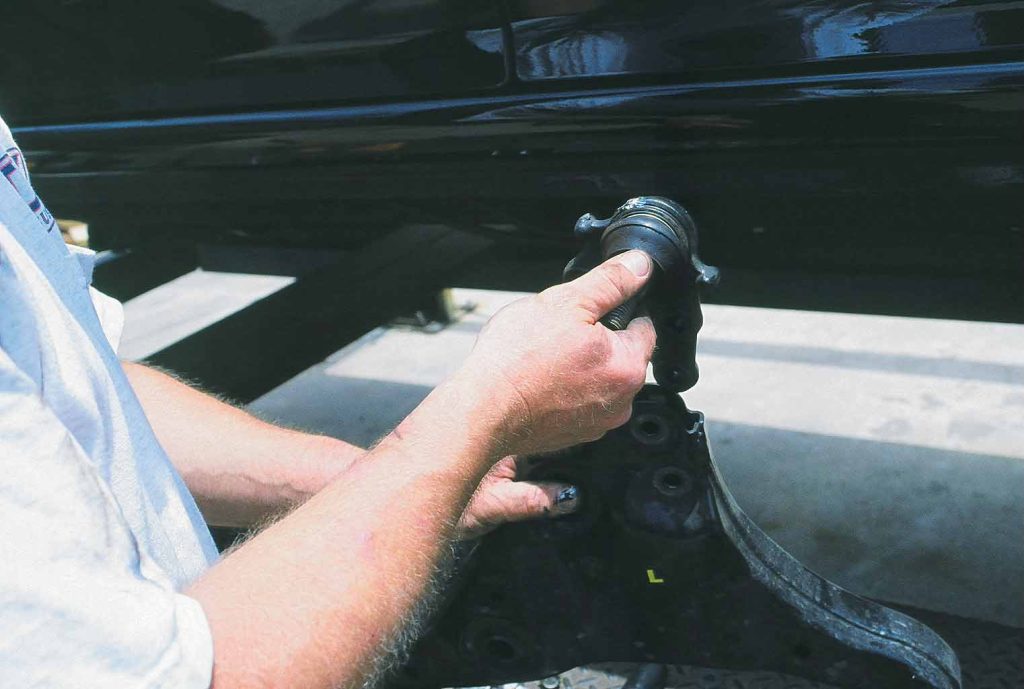
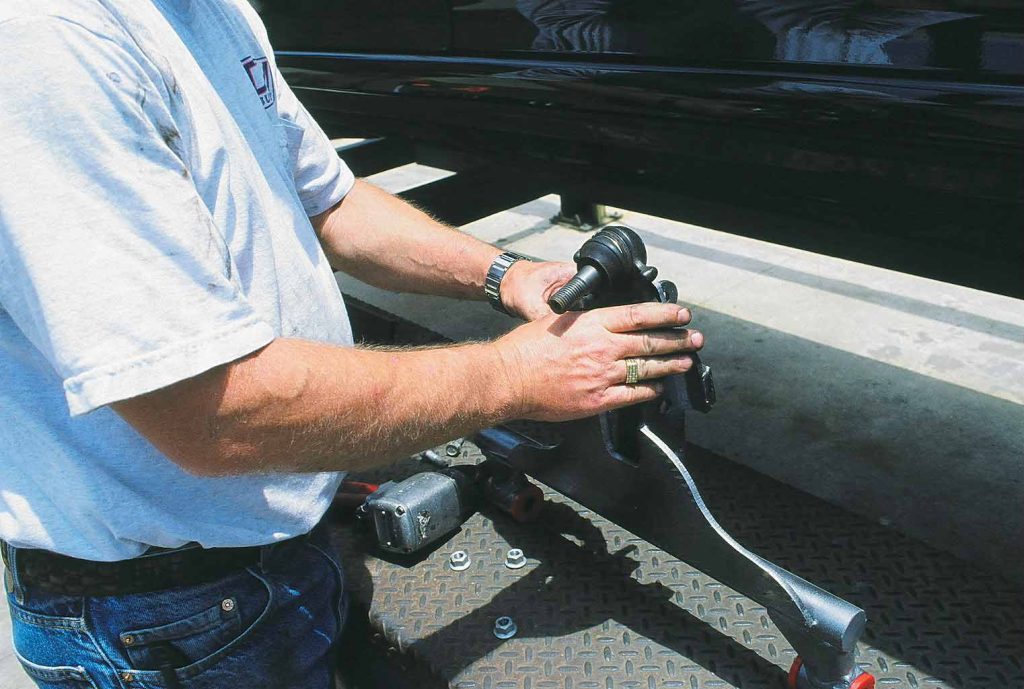
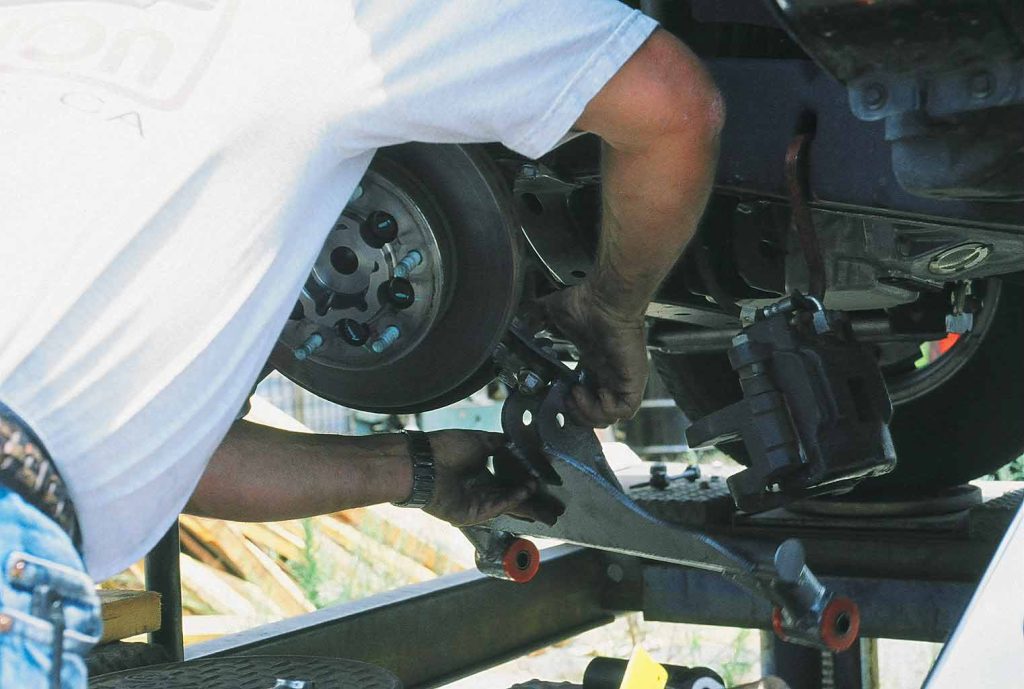
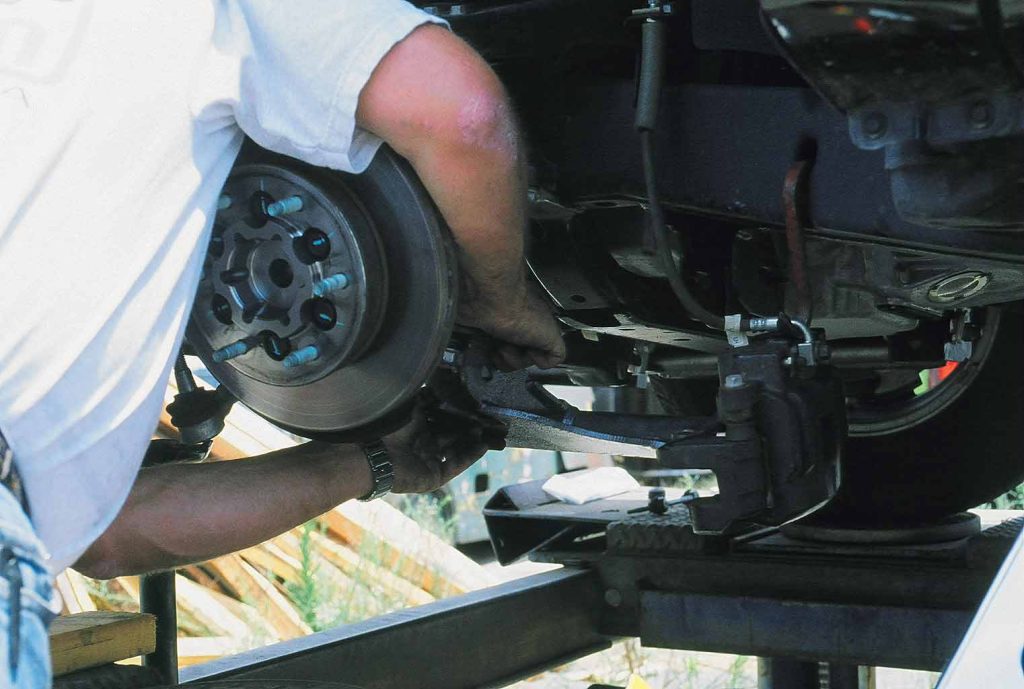
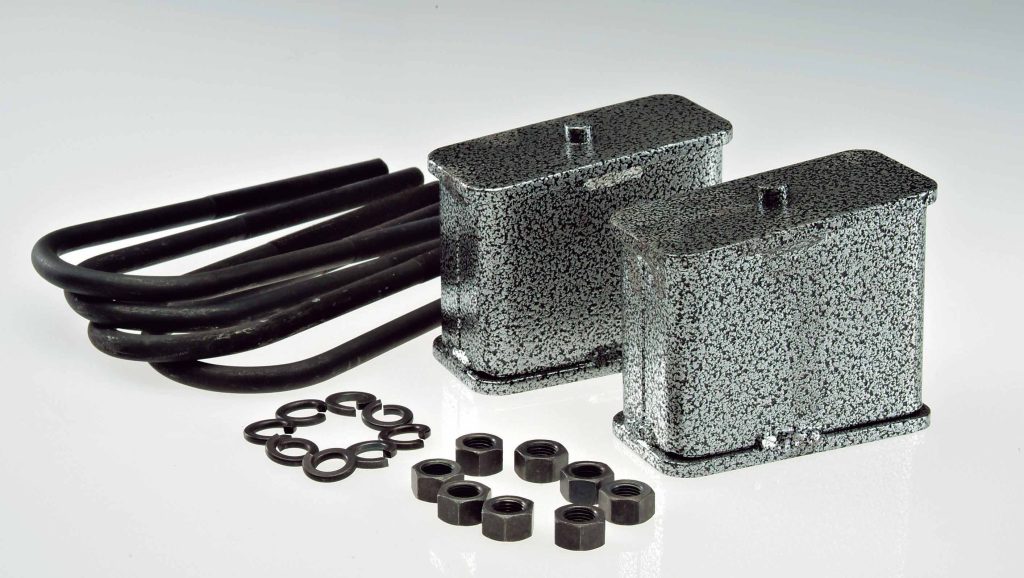
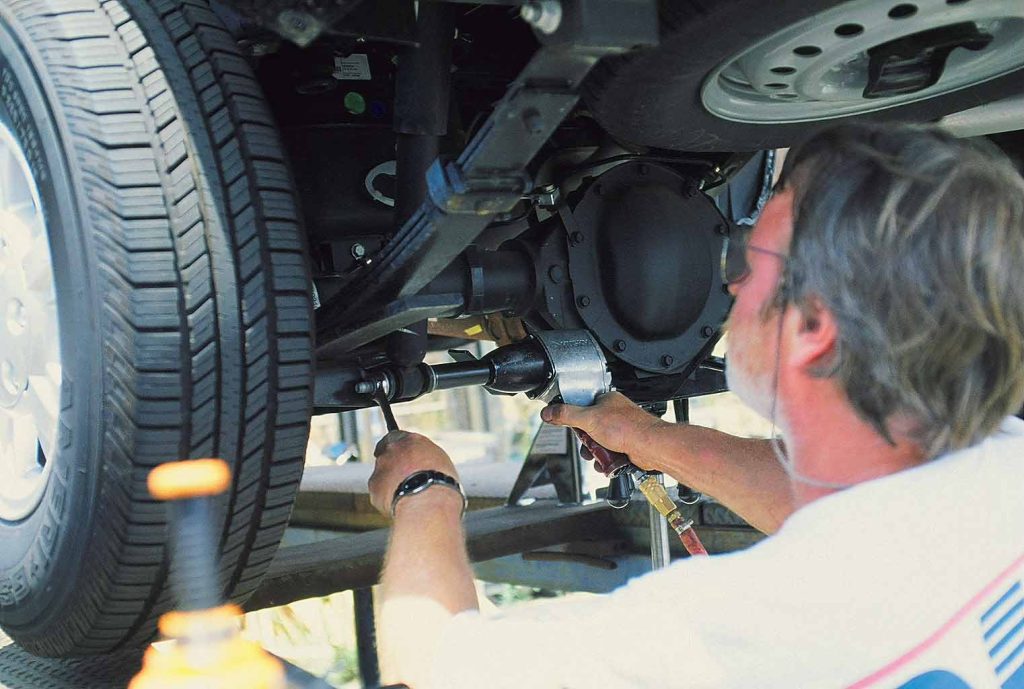
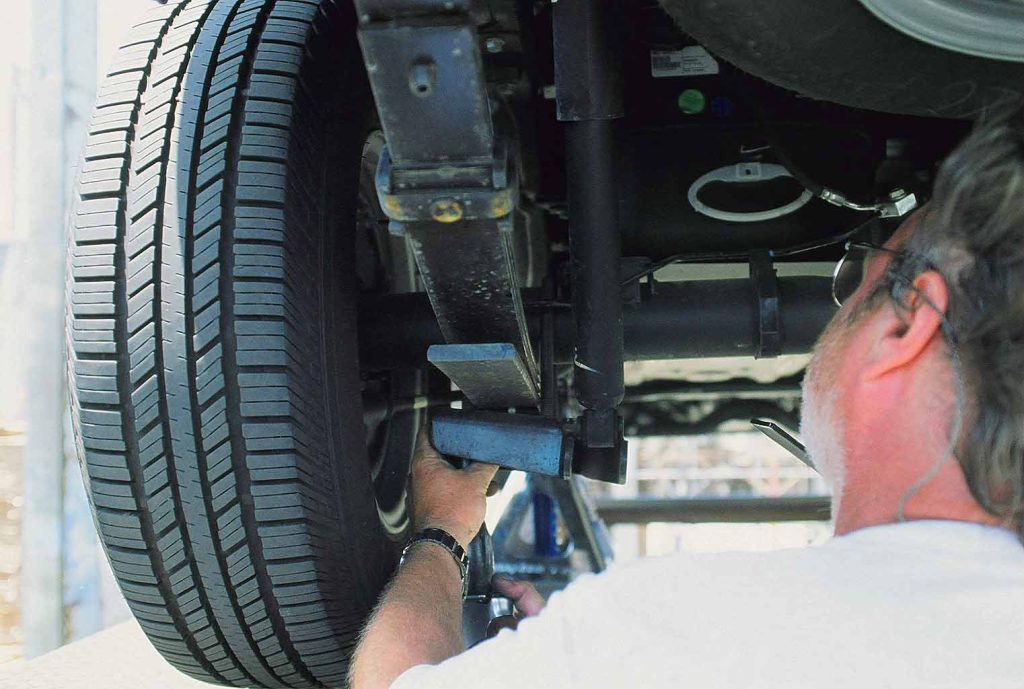
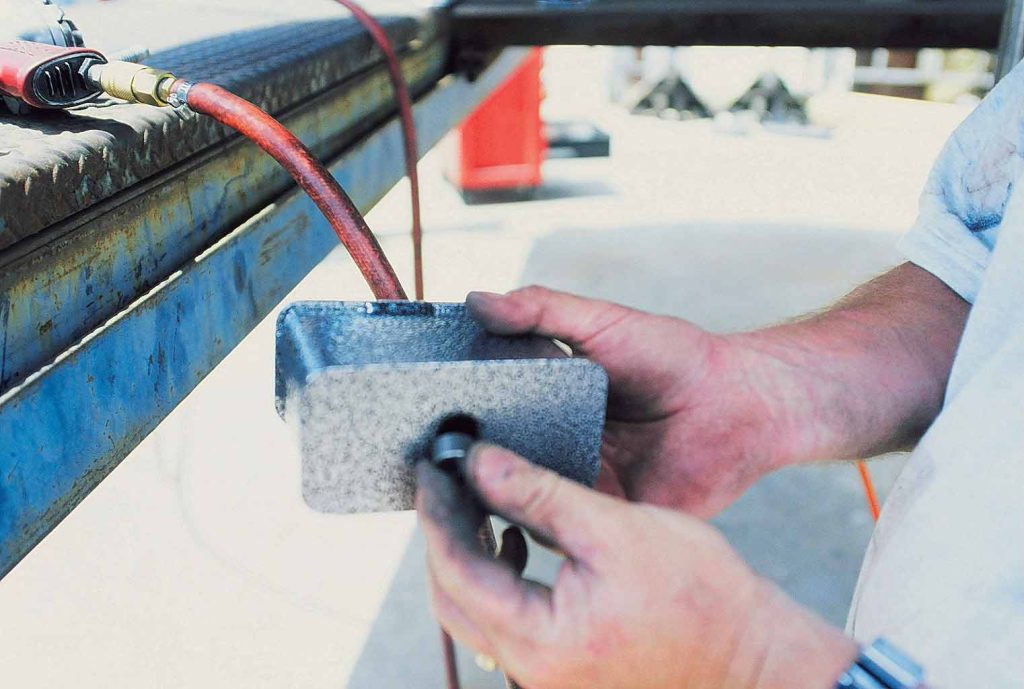
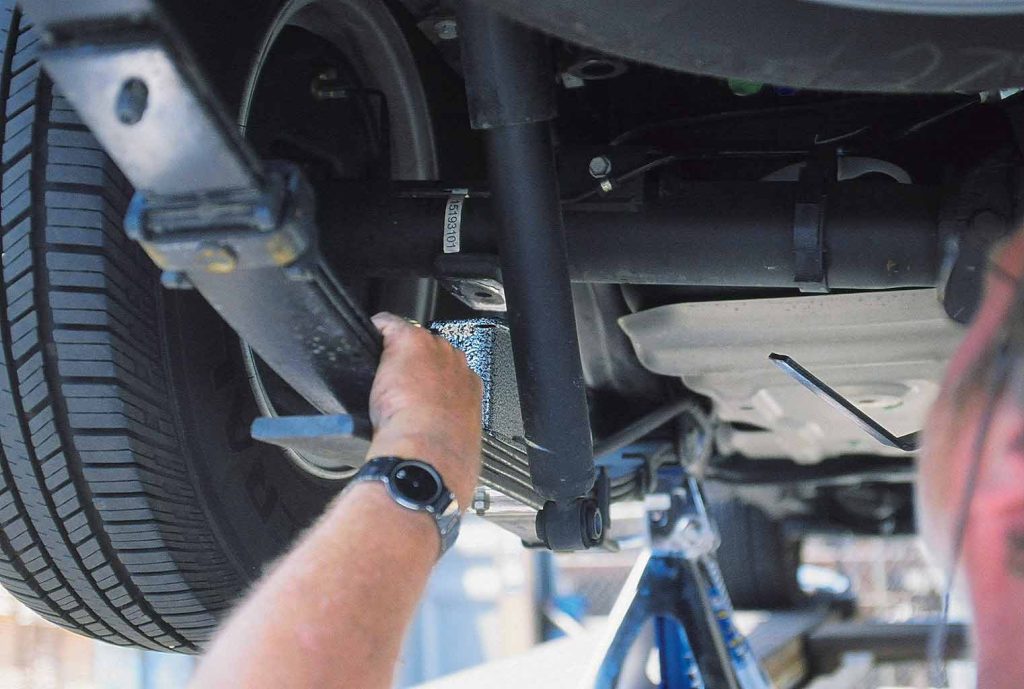
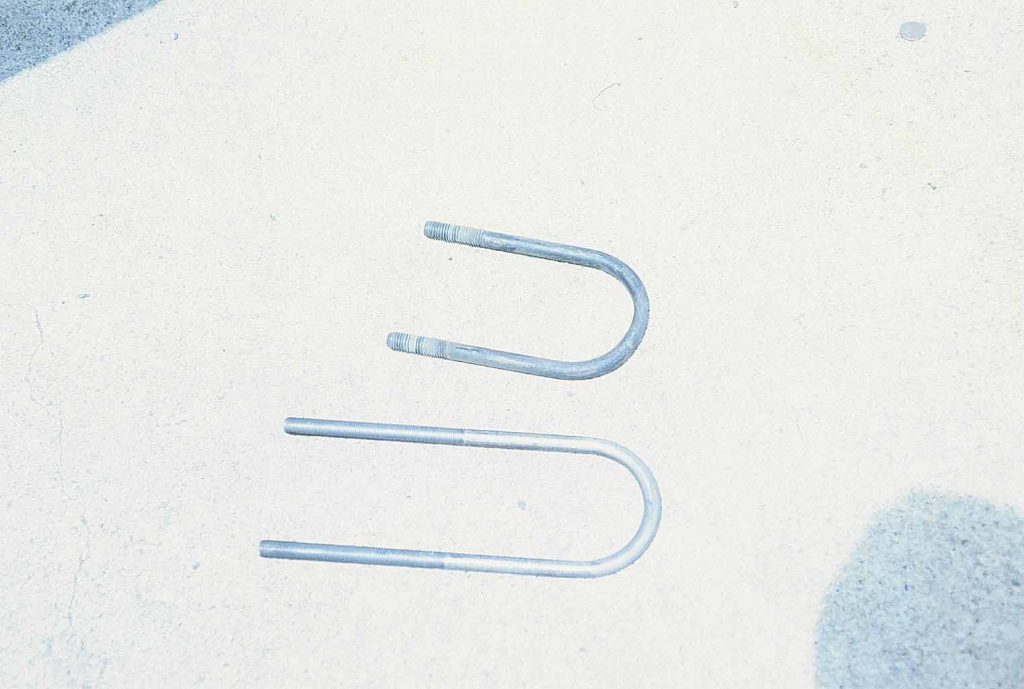
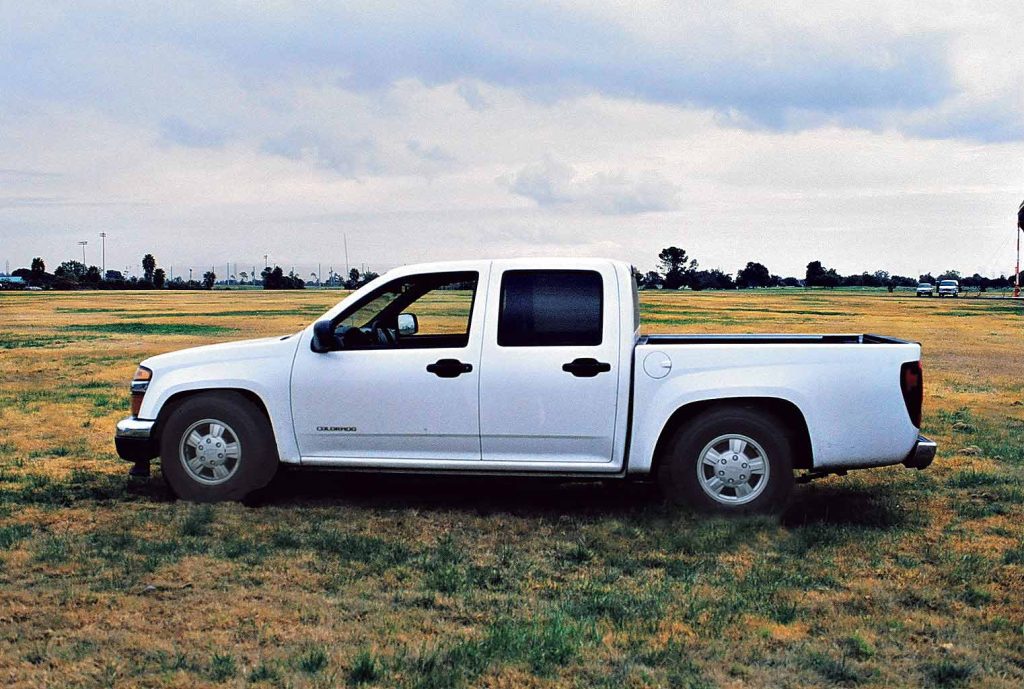
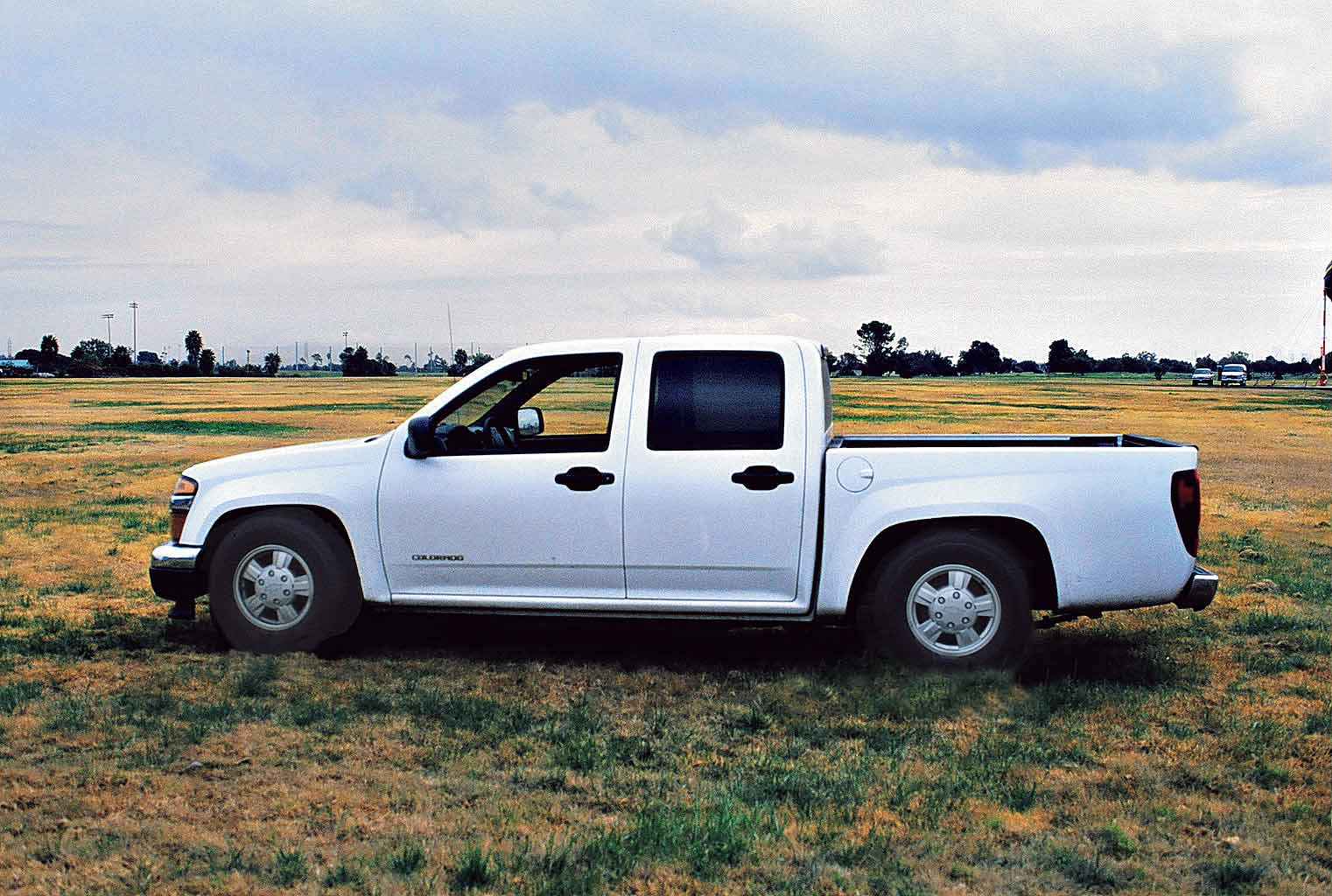
Since its incorporation in 1985, DJM Suspension in Gardena, California, has grown to become one of the leading manufacturers of lowering kits for a wide variety of trucks. The company’s goal has always been to design and manufacture drop kits that help preserve the factory ride quality, and that goal was a big consideration when DJM set out to create a kit to lower the new Chevy Colorado (and the GMC Canyon). The DJM engineers created a 3-inch front drop, based on a specially designed lower control arm, and a 4-inch rear drop, which was achieved with DJM’s new, stronger steel lowering blocks. DJM strongly recommends that its new steel lowering blocks be used on vehicles with high-output engines.
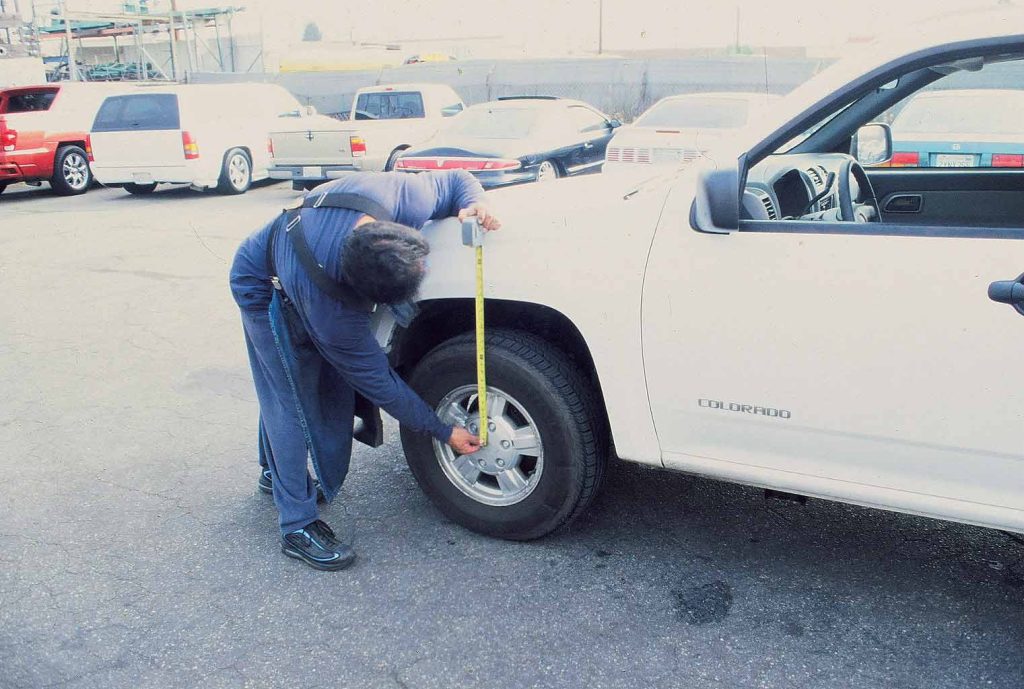
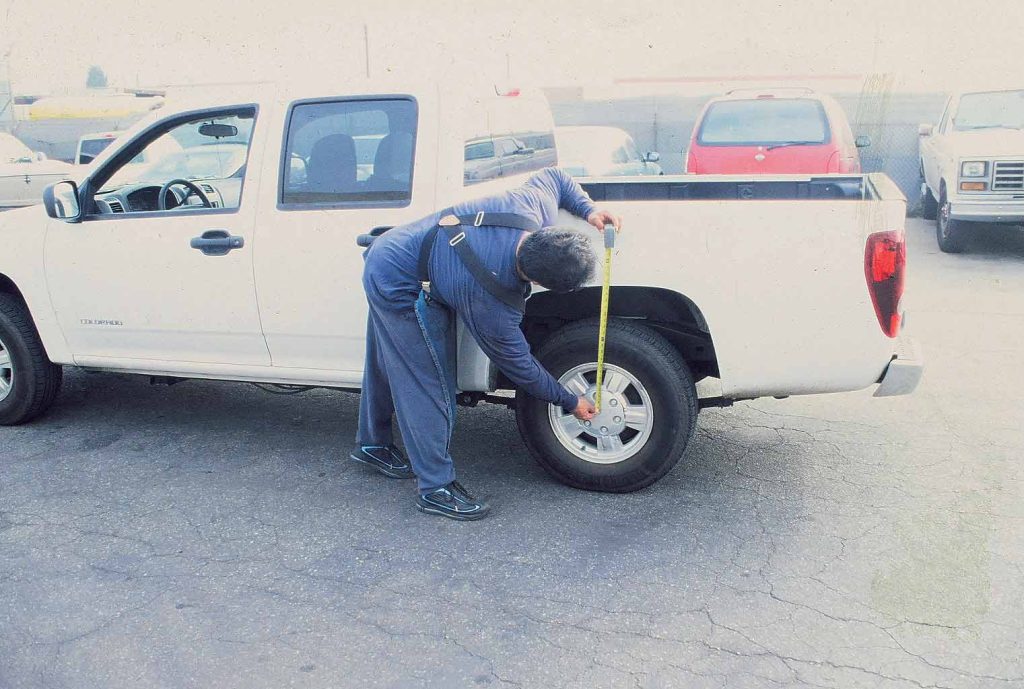
The new 3×4 drop kit turned out to be relatively easy to install. The stock ride height measured 19-1/2 inches in front and 20-1/2 inches in the rear (measured from the center of the wheel to the fender lip). After the installation, the front and rear measured 16-1/2 inches, showing a 3-inch drop in front, and 16-1/2 inches in the rear for a 4-inch drop. At the new ride height, our test 04 Colorado had a ride and handling that seemed nearly as good as when the truck was at the stock ride height, but the new stance was far more aggressive and the looks were much improved.
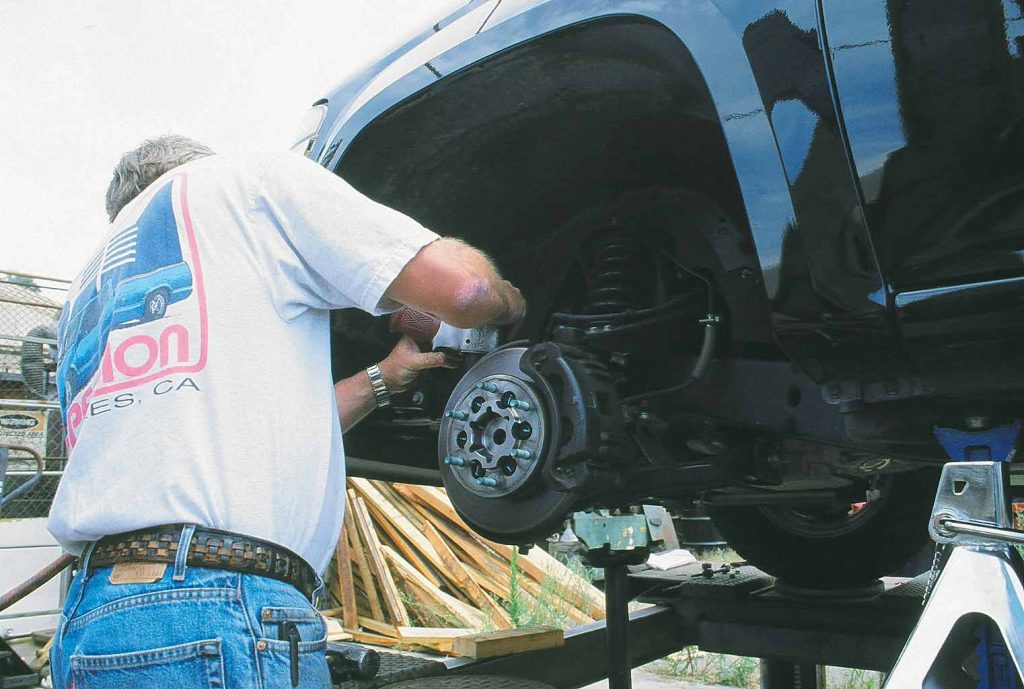
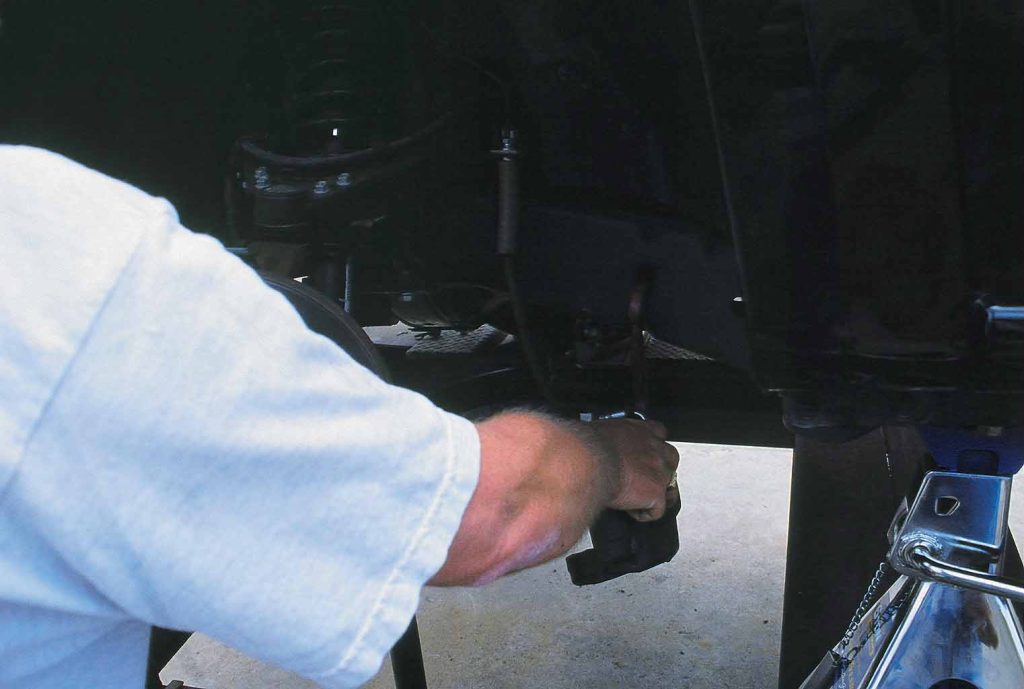
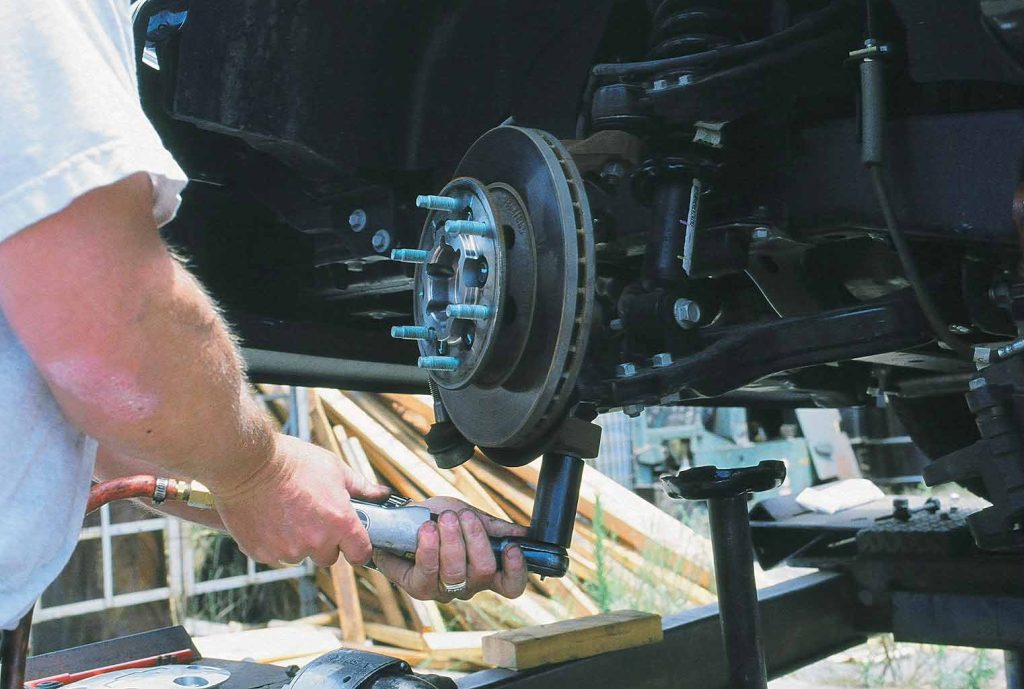
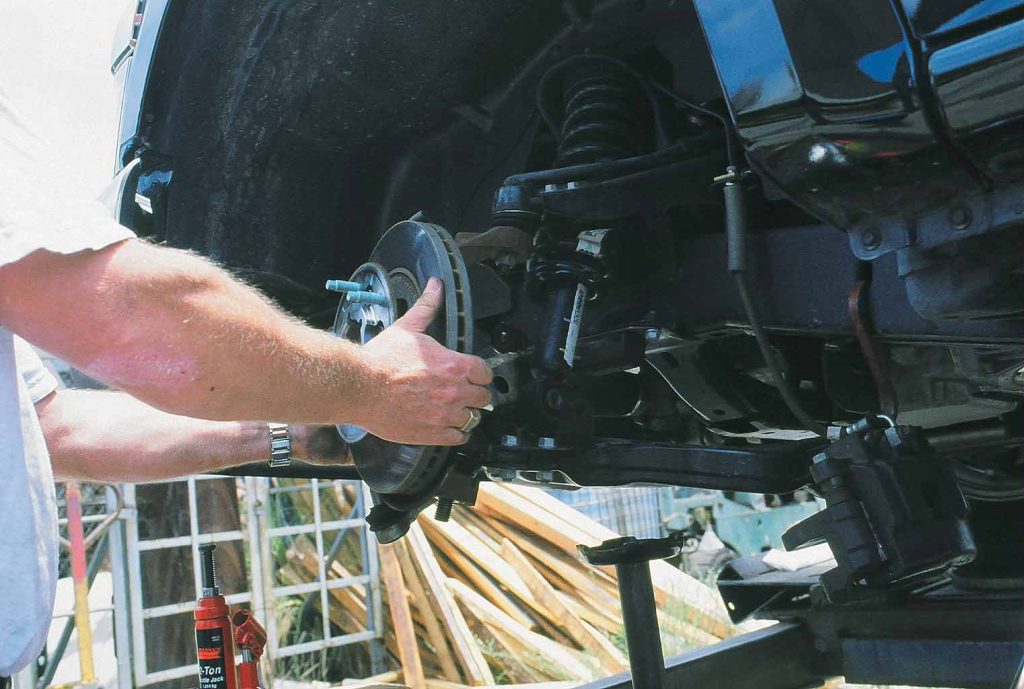
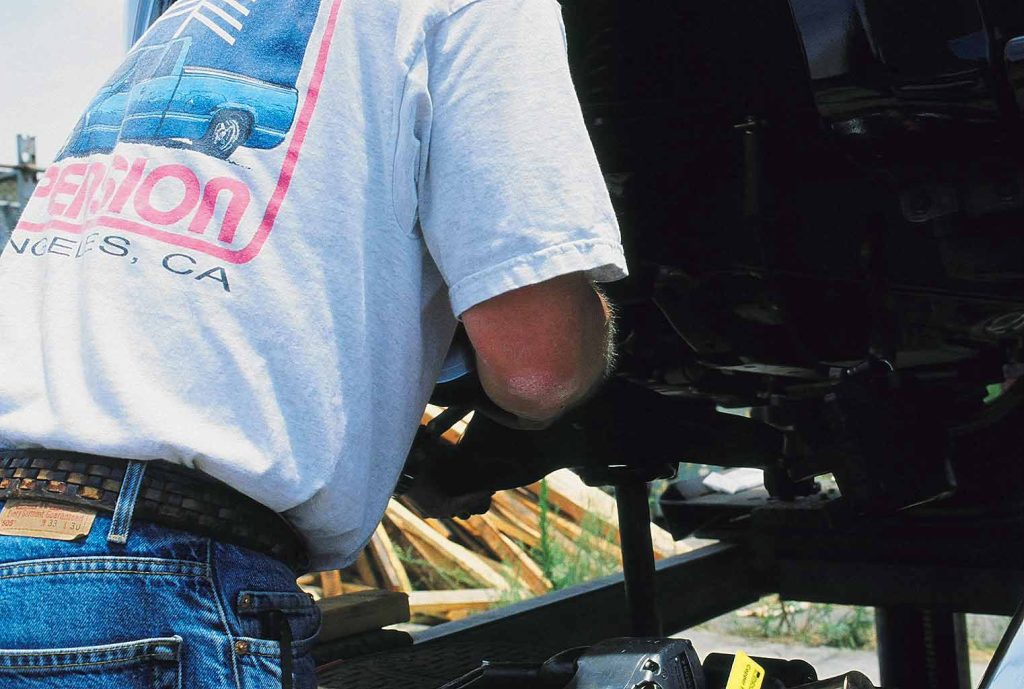
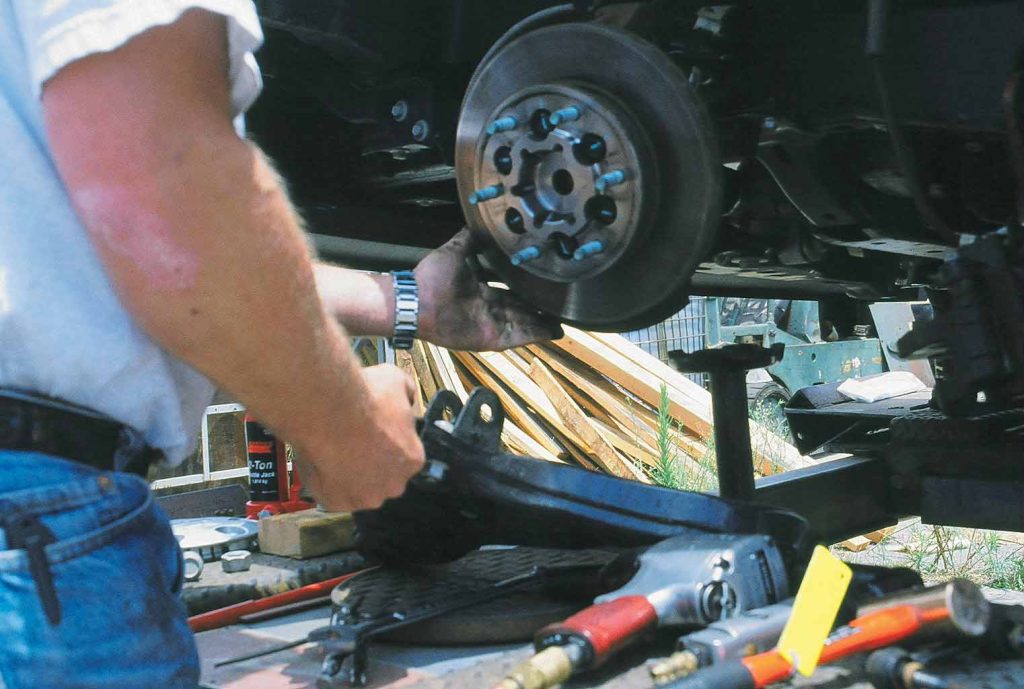
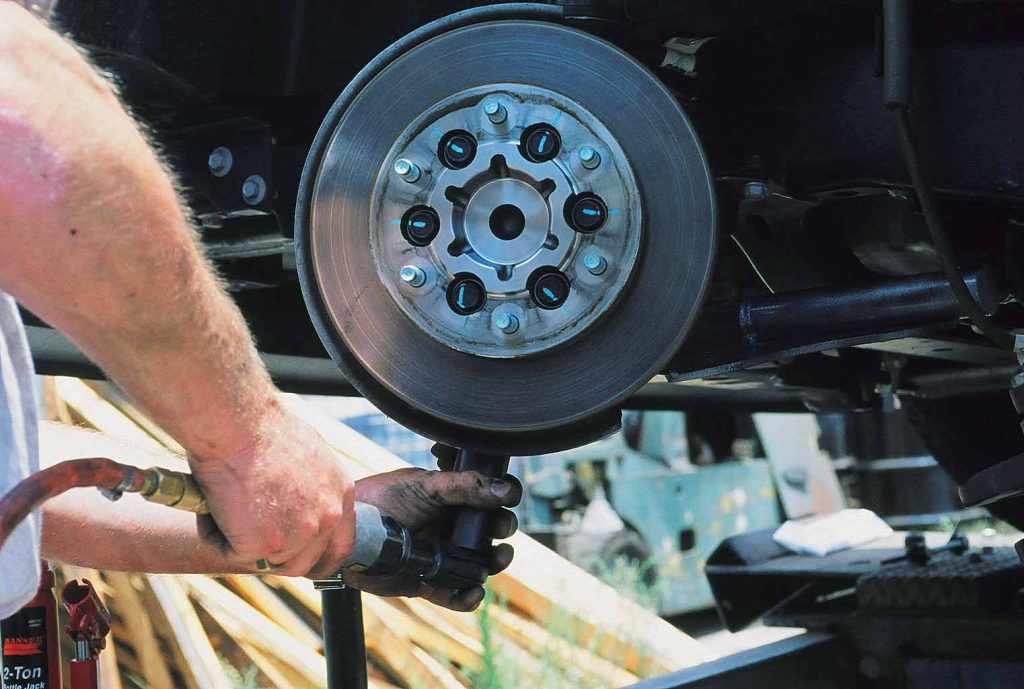
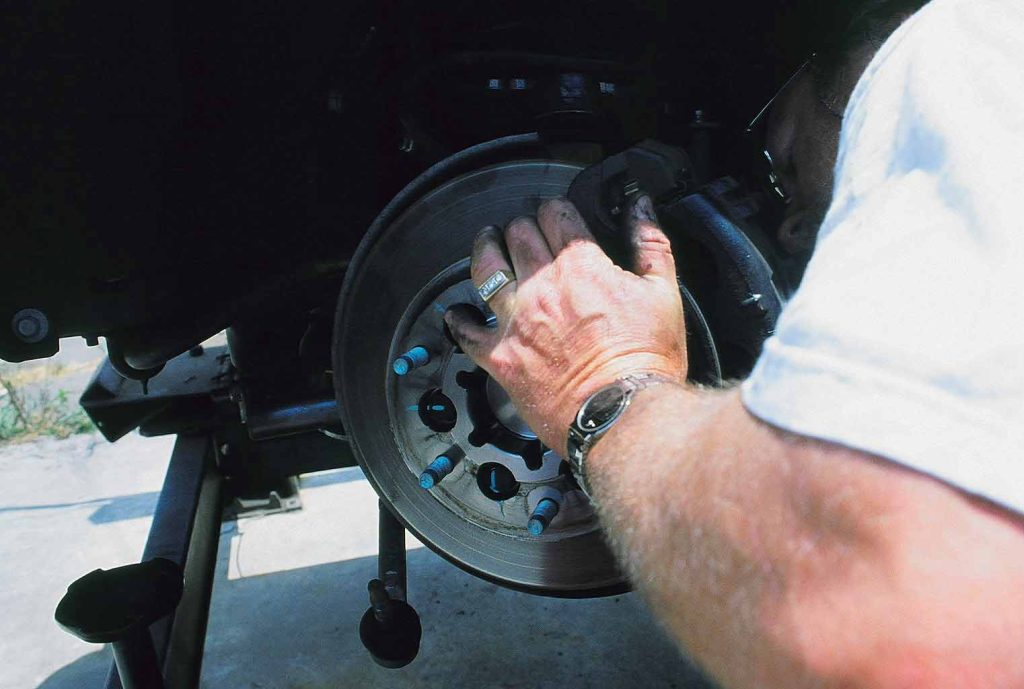
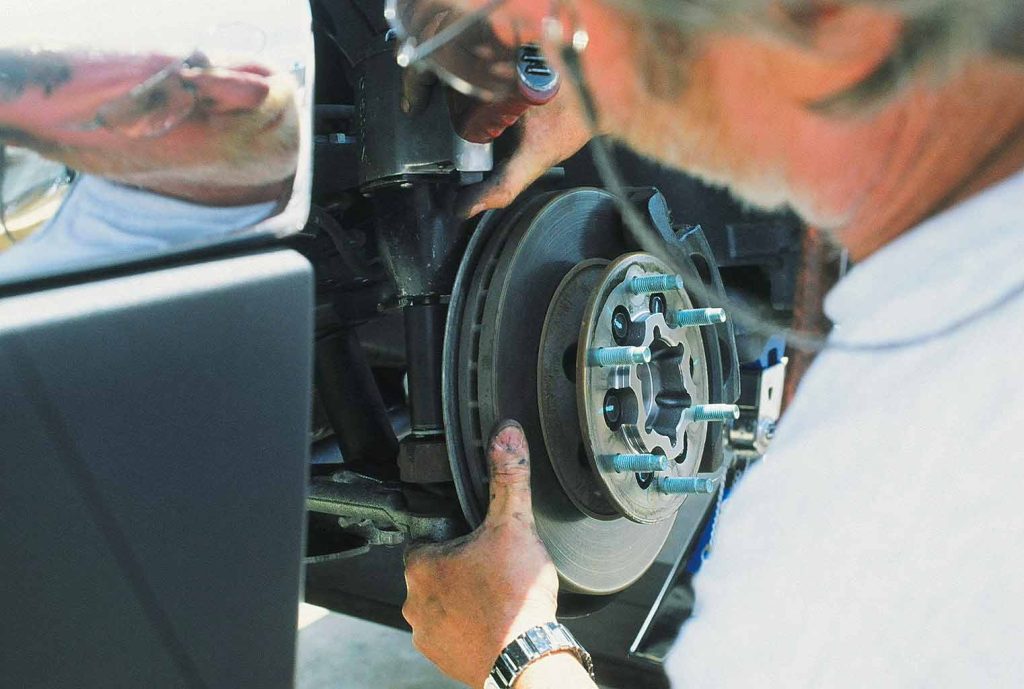
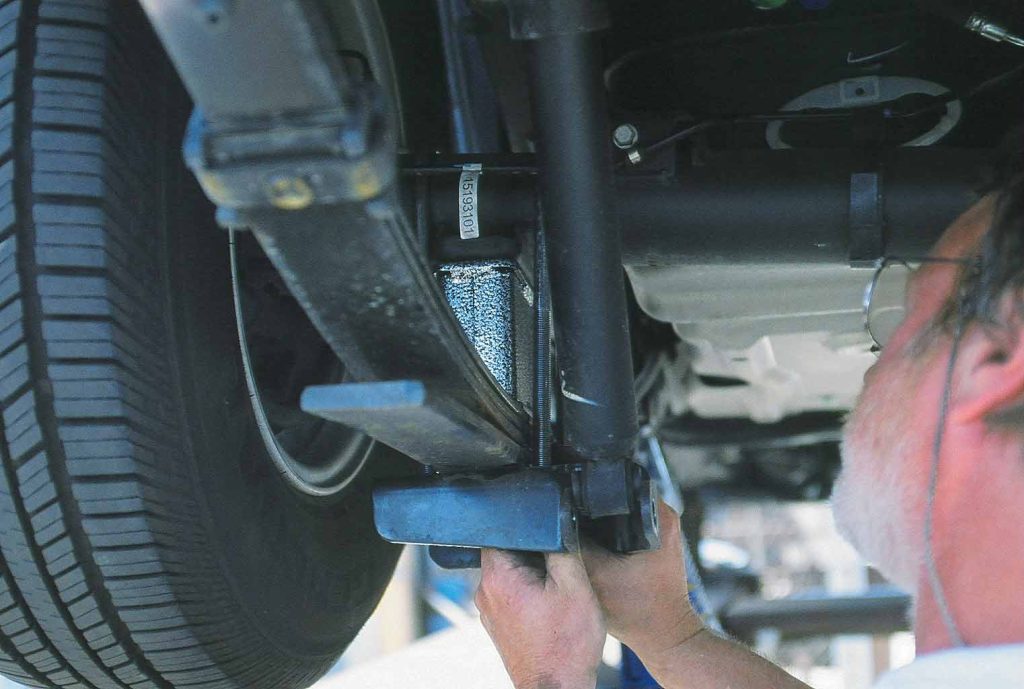
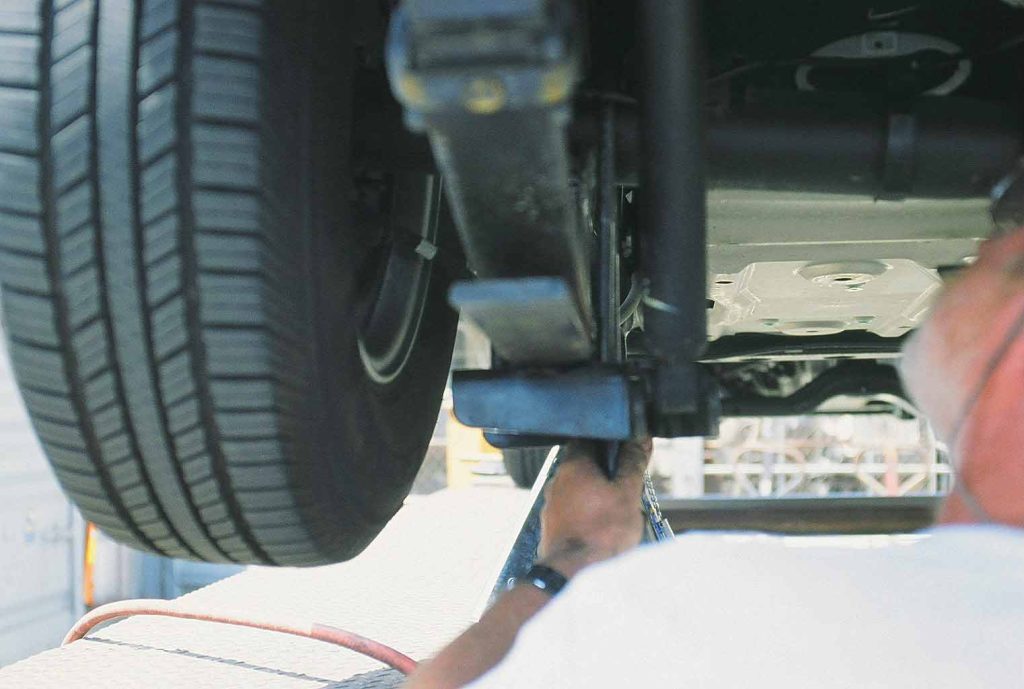
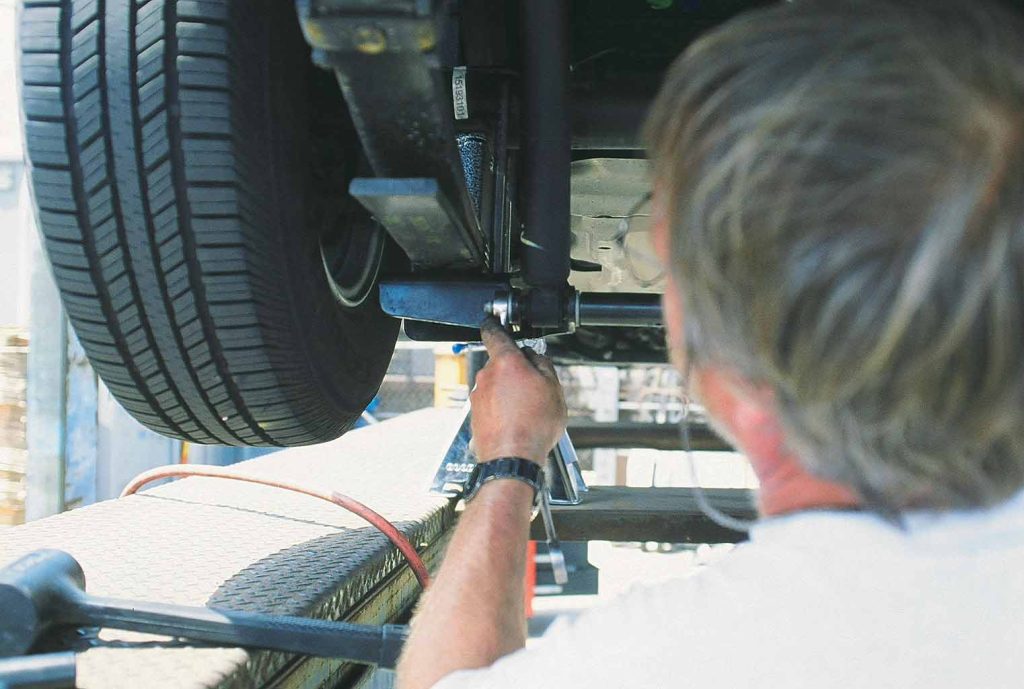
DJM informed us that the stock shocks would work fine with this new drop kit for those on a budget; but it is recommended that the stock shocks be replaced with higher-quality, high-performance gas shocks to further improve the ride and handling. DJM owner and company president Jeff Ullmann performed the installation himself as we followed along so that we could witness for ourselves just how straightforward the swap is. Our test vehicle is a white 04 Colorado, and the accompanying photos show the highlights of the installation.
Author
TheAutoBuilder Staff
ARTICLE SOURCES
DJM Suspension, Inc.
Dept. TB
580 W. 184th St.
Gardena, CA 90248
800/237-6748
310/538-1538 (Tech)