





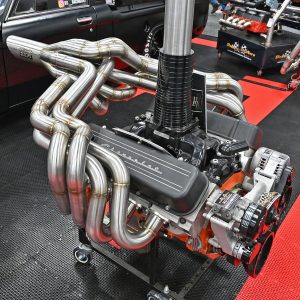
Late Model, Future Tech, & Other News
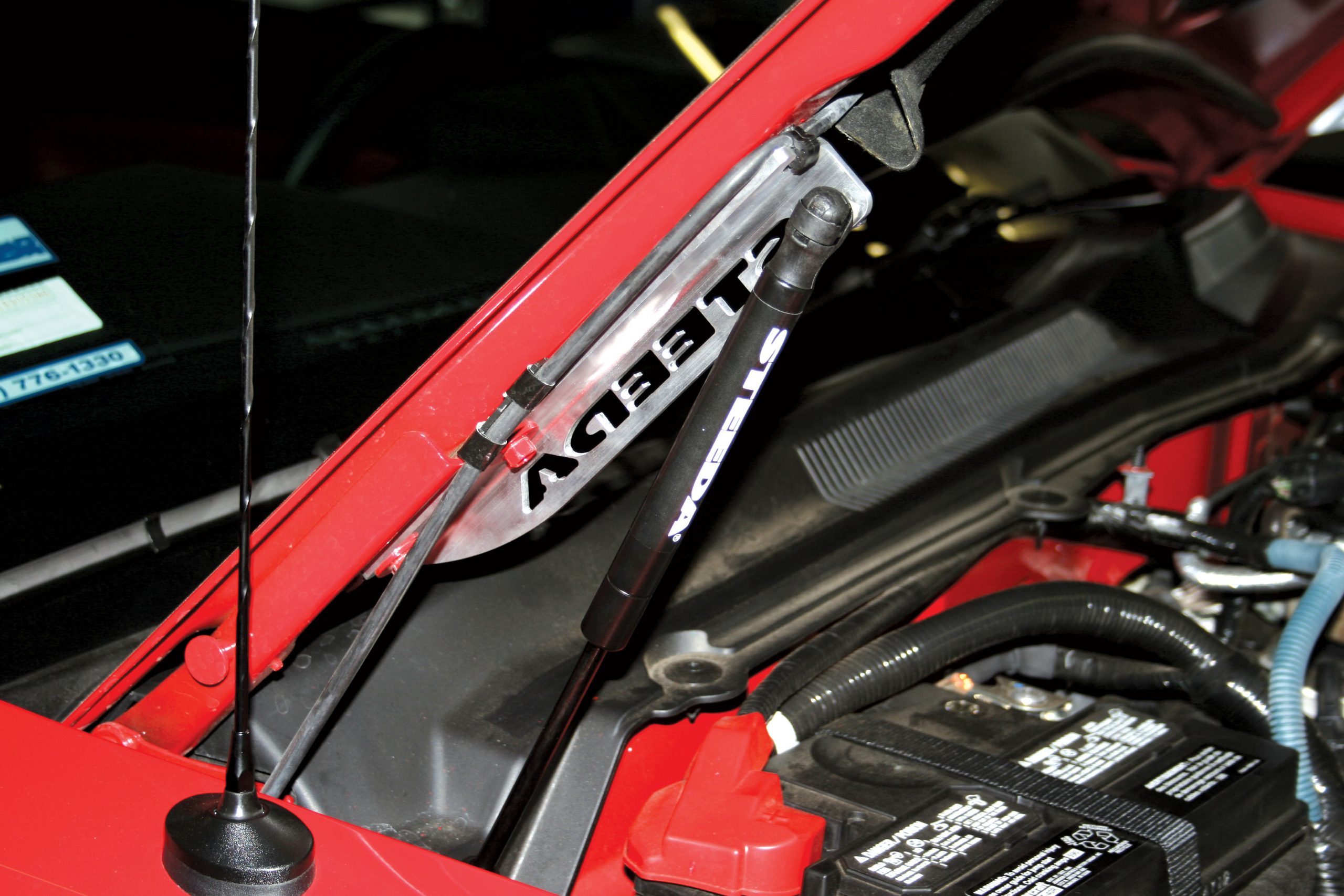
When you lift the hood of your 2005-2014 Mustang and engage the prop rod, do you feel a little shortchanged? Well, Steeda Autosports has developed a billet hood strut kit designed to replace those clumsy prop rods.
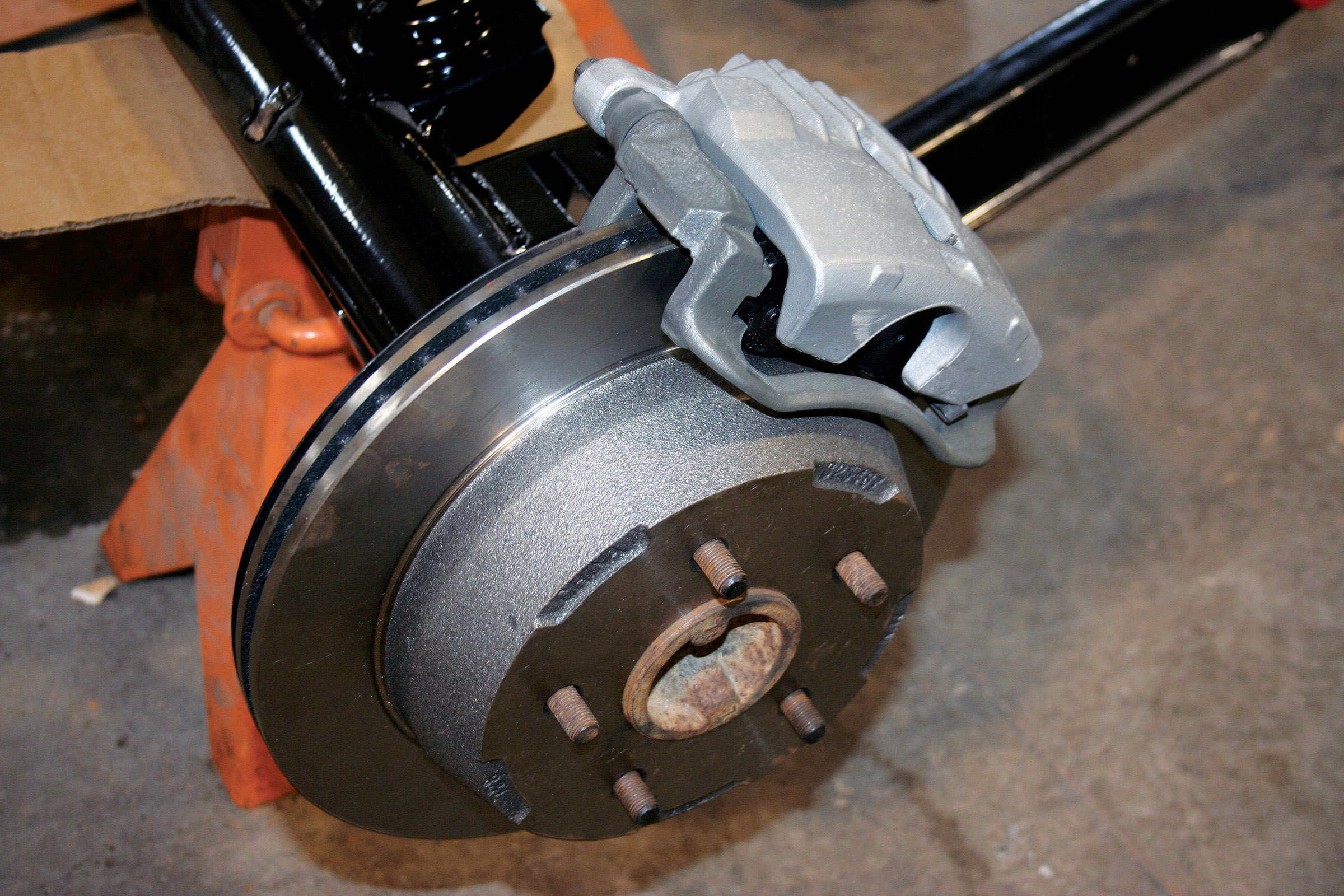
Since we don’t really have to search for vintage parts anymore, gone are the days of scouring the local “Pick-a-Part” in search for that illusive part that will interchange or convert your muscle car to bucket seats, tilt steering, A/C or some suspension upgrade. But there was a day when you and a rodding buddy could venture to your favorite junkyard and come home with a whole truckload of cool vintage goodies that would aid you in your rebuild, all in the span of a day.
Well, those days aren’t completely gone. While at the local wrecking yard looking for any useful hot rod parts, we stumbled across another enthusiast, Sean Rievley, who is in the progress of upgrading his ’71 Chevelle chassis
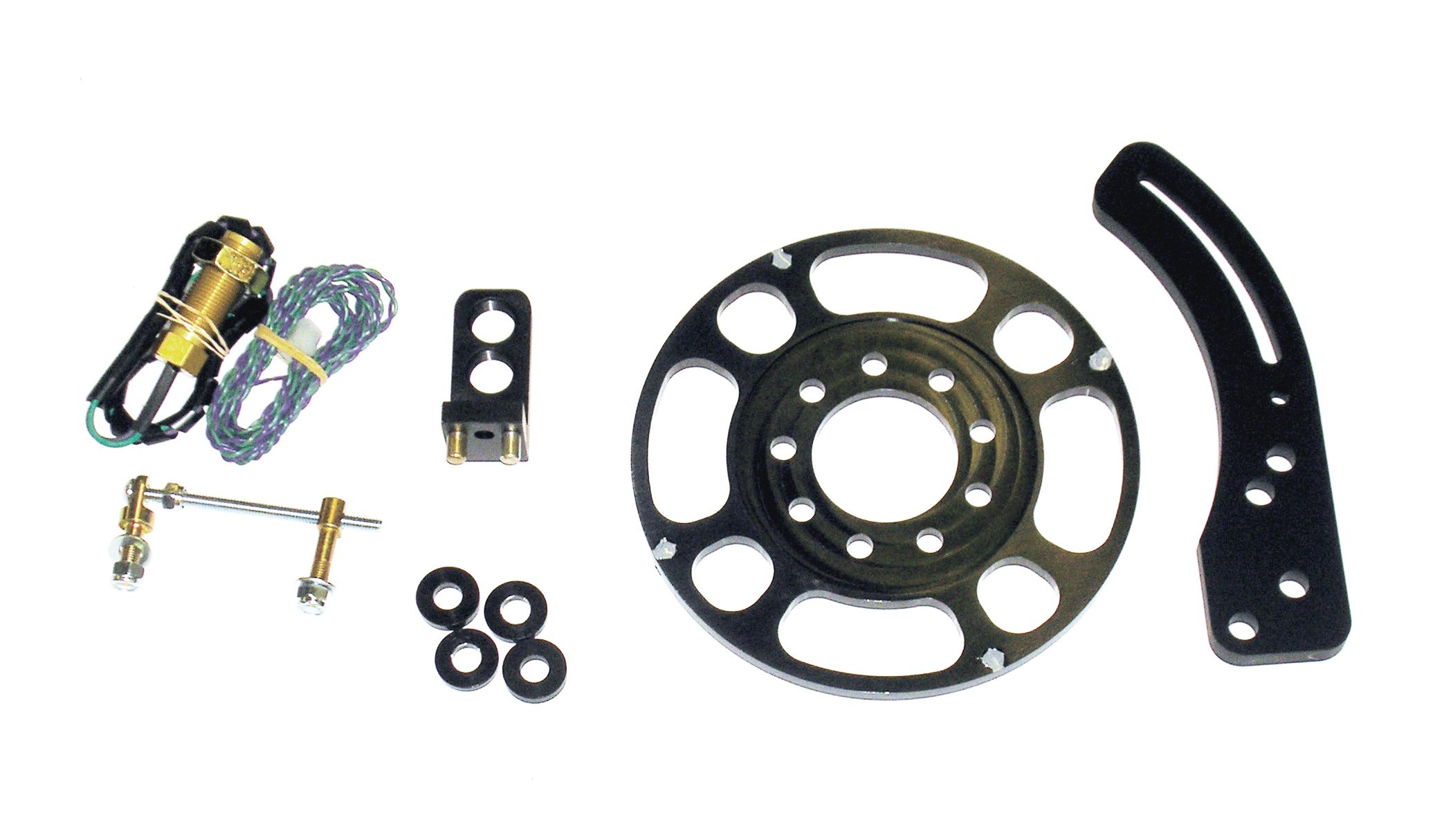
Crankshaft trigger mechanisms have been used in racing applications for a considerable length of time. In truth, they’ve actually been in service for decades. It’s a simple known fact that one of the best ways to improve engine performance is to ensure that the ignition timing is stable. That’s the whole purpose behind such a system, and that’s why racers regularly use them.
0Comments
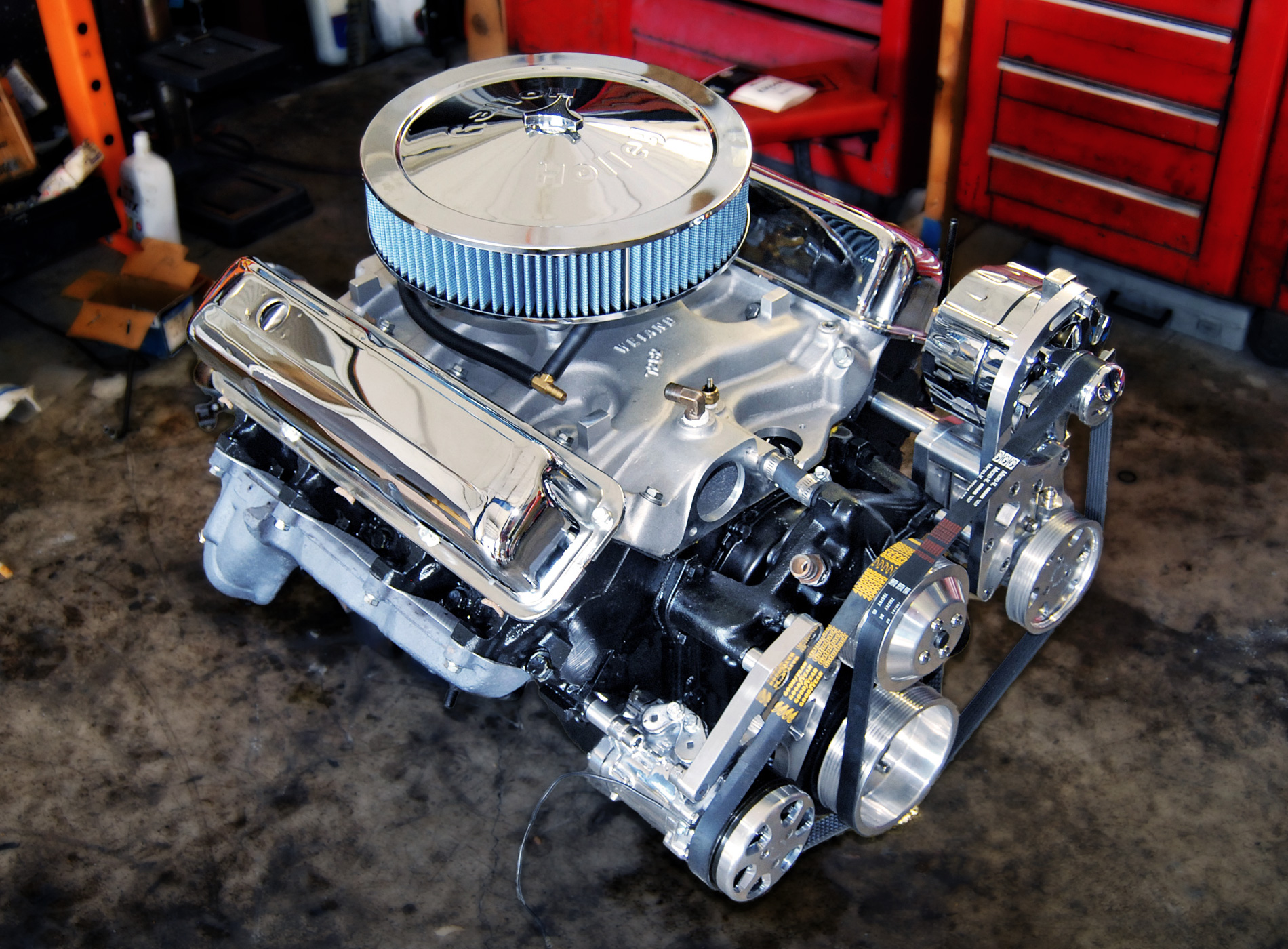
After recently purchasing a ’62 Thunderbird, it became obvious very quickly that the car needed a new engine. Our plan was to turn the car into a daily driver, and so, as long as we needed a new engine, we figured we’d add air conditioning to the car while we were at it. And if you really know your Ford history, you also know that the ’62 was the last model T-bird to come with a generator rather than an alternator—one more reason to consider an upgrade.
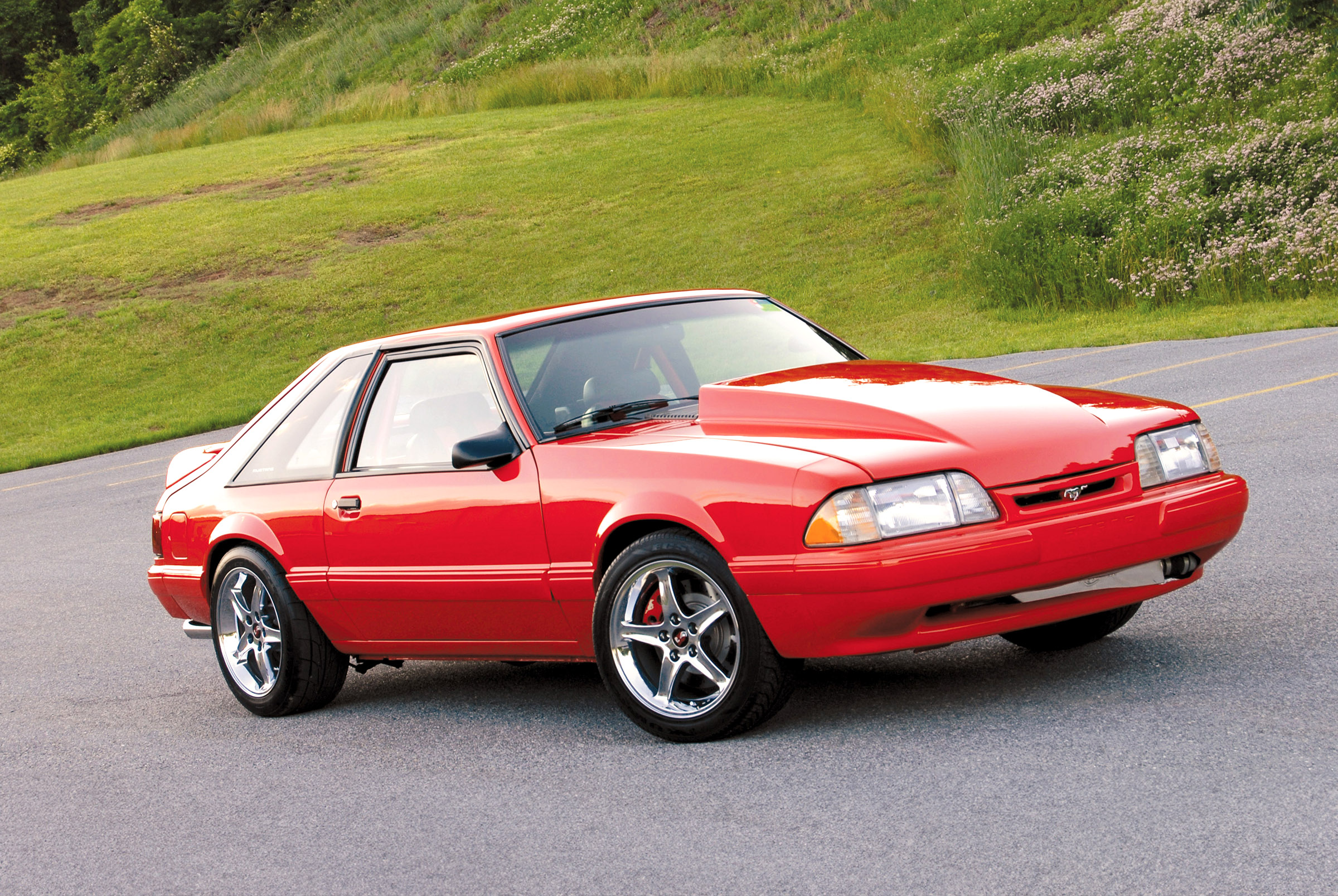
York, Pennsylvania’s Jesse Houseman is a genuine Ford man. In addition to owning an ’89 convertible 5.0, an ’04 F-150 and, previously, an ’89 LX 5.0, he built the stunning ’88 LX you see here. He did almost all of the work himself, starting with a four-cylinder donor car in poor shape and transforming it into a show car with racecar performance—or is it the other way around?

Picture this: cruising down the highway, feeling every bump and dip in the road, but instead of discomfort, you’re met with smooth, controlled handling. That’s exactly what Ridetech’s suspension systems offer – the perfect blend of performance and comfort.
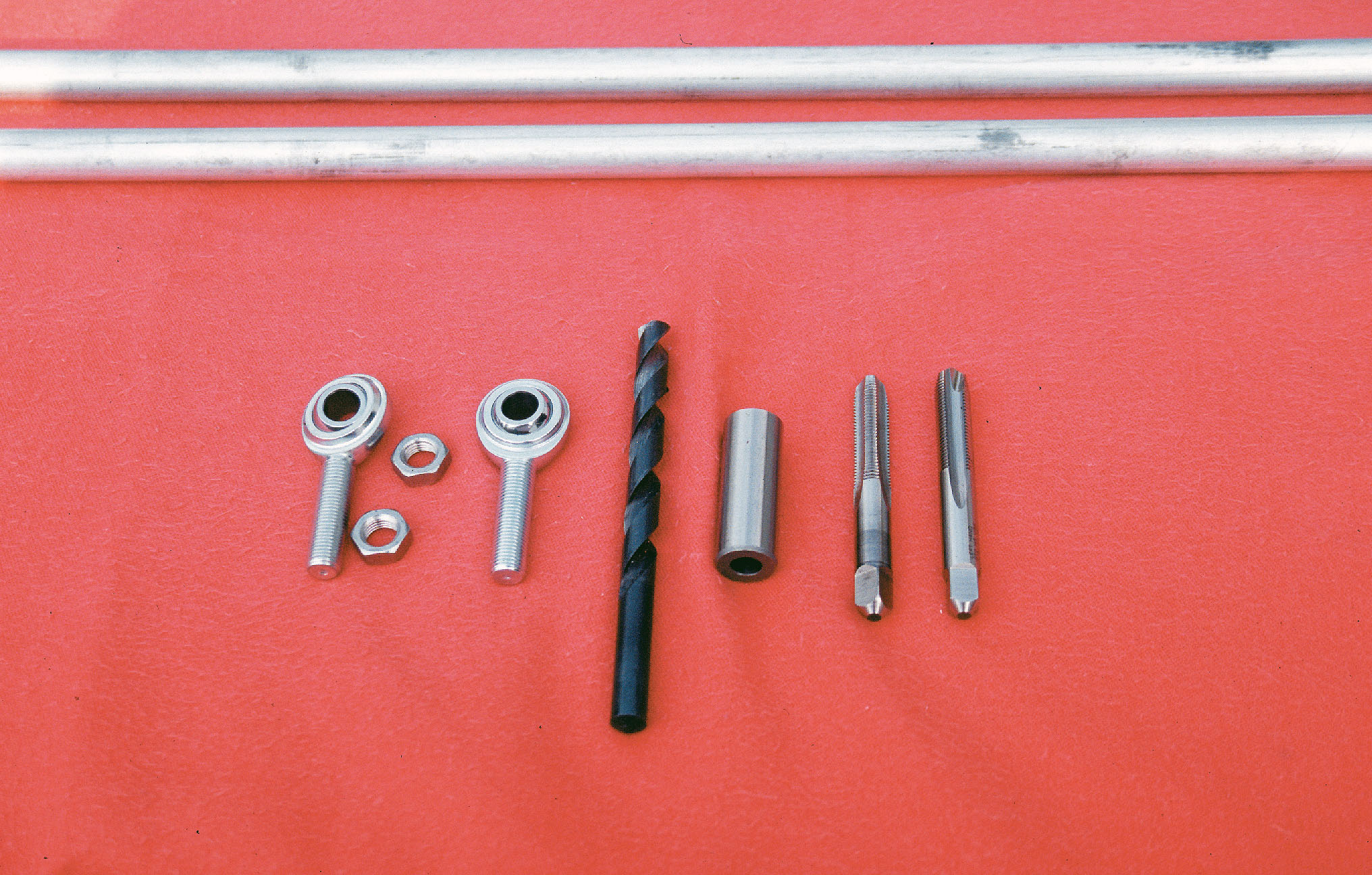
This is a story about two tensioners, one fabricated with machine tools and the second fabricated in a garage with a minimum of tools. In fact, the only power tool you will need is a drill motor, yet the finished products will be almost identical.
Your first response to fabricating something may be, “I don’t have the necessary tools; I don’t have any way to get the materials I will need.” If you have a door number so the UPS man can find you, you have everything you need. The materials list at the end of this story contains everything you will need. The rod-end bearings and lock nuts were purchased from AFCO Hot Rod Parts. The aluminum round stock and cutting tools were purchased from MSC.
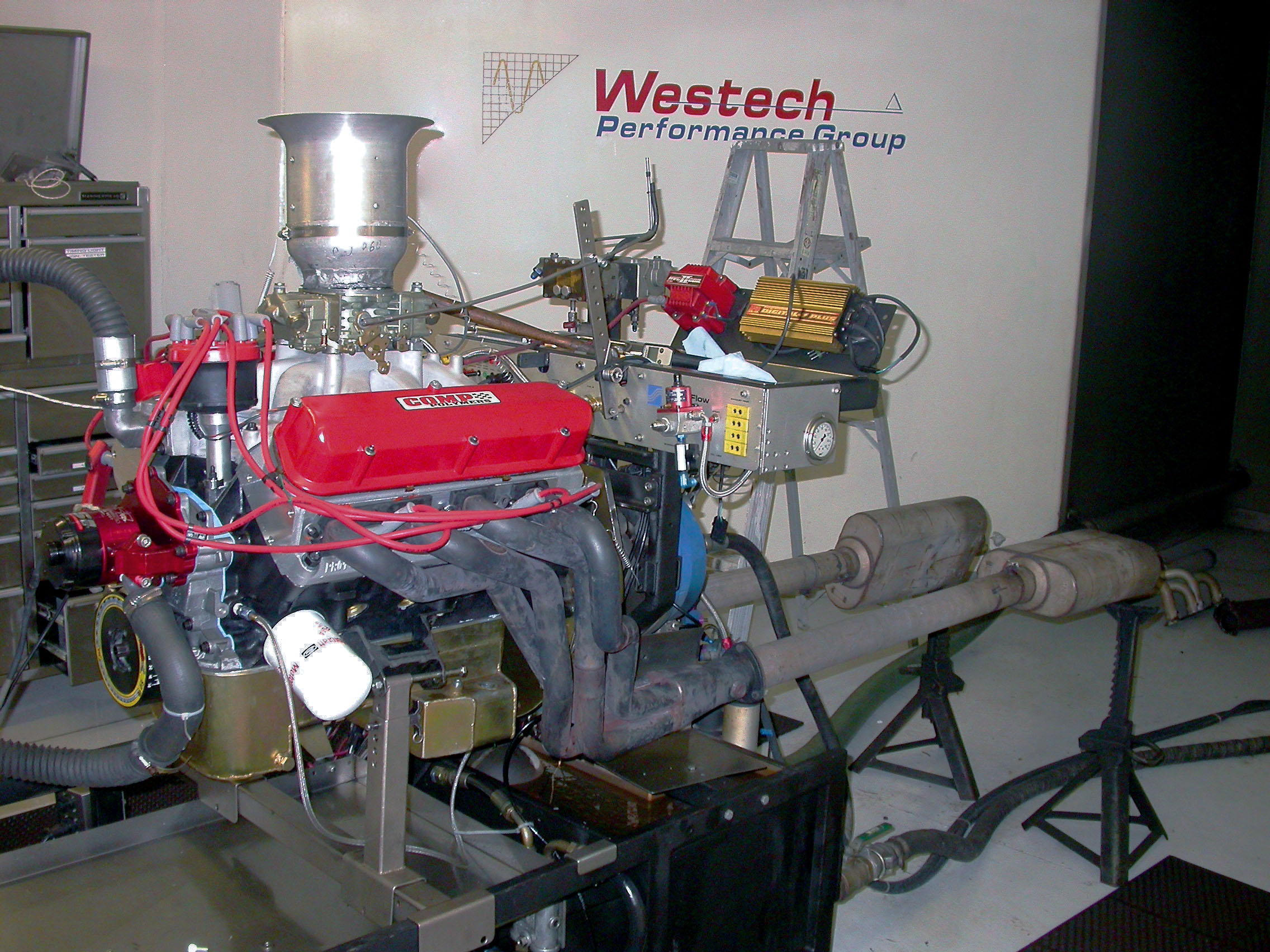
Producing horsepower requires two major ingredients, namely, air and fuel. Of course, the two must be supplied in the correct proportions and at the proper time; but improving power is a simple matter of adding airflow. Naturally, additional fuel will be required once the airflow is improved, but the first item on the horsepower priority list should always be more airflow.
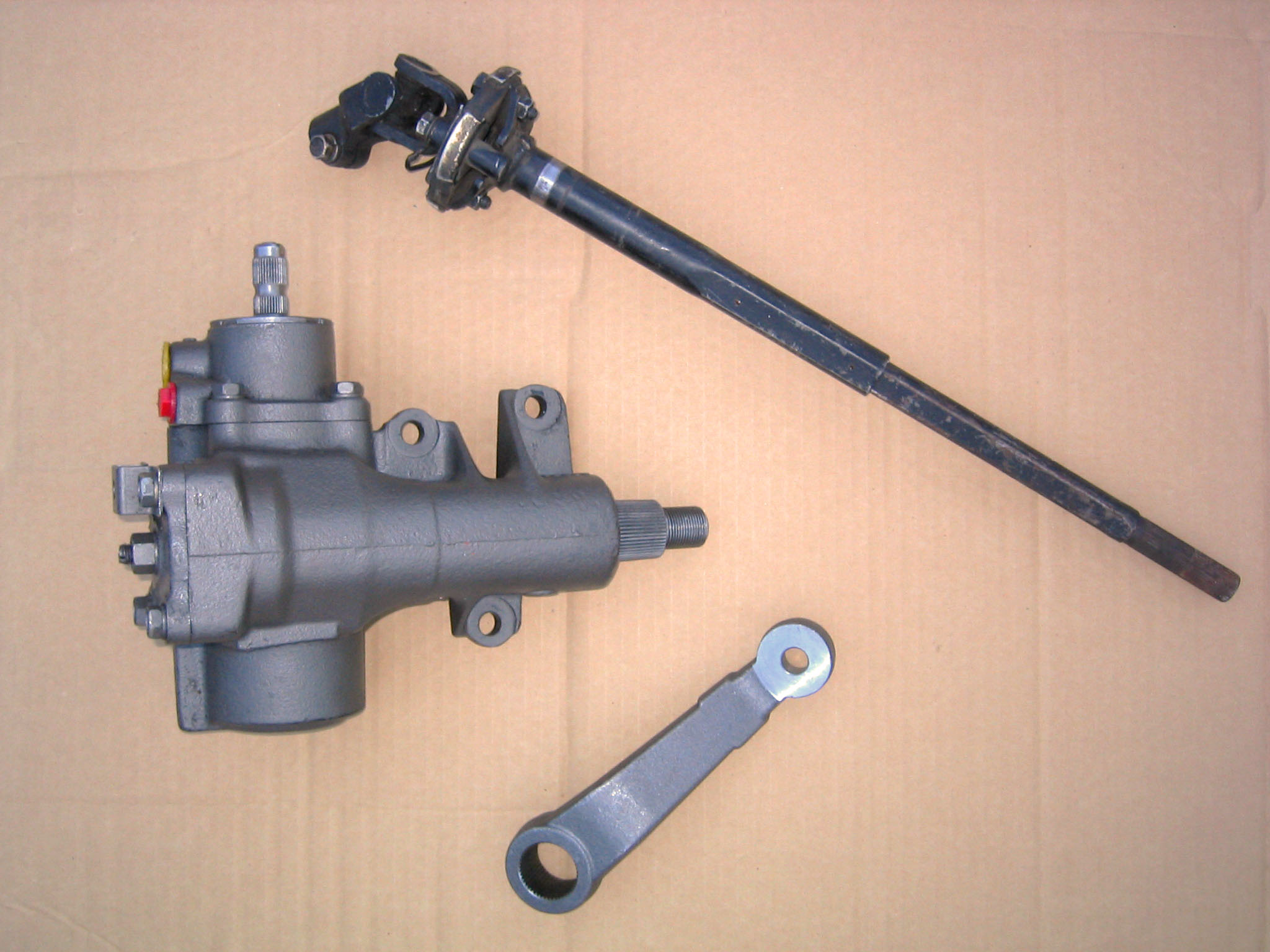
Ok, you’ve lifted your rig so you can put those big tires on, and you take it out on it’s maiden wheelin’ trip. The first thing you notice is how the terrain seems to guide the tires while fighting your biceps. If this sounds familiar then you probably have manual steering. Many of the older rigs on the trail only came from the factory with a manual steering box. There are several options to remedy the manual steering blues. Upgrading to a power steering setup is the most basic route, then there are a number of companies specializing in hydraulic ram setups. There are also many combinations using common power steering boxes in addition to a hydraulic ram assist. With the vast variety of power steering system components available, the possibilities are quite endless.
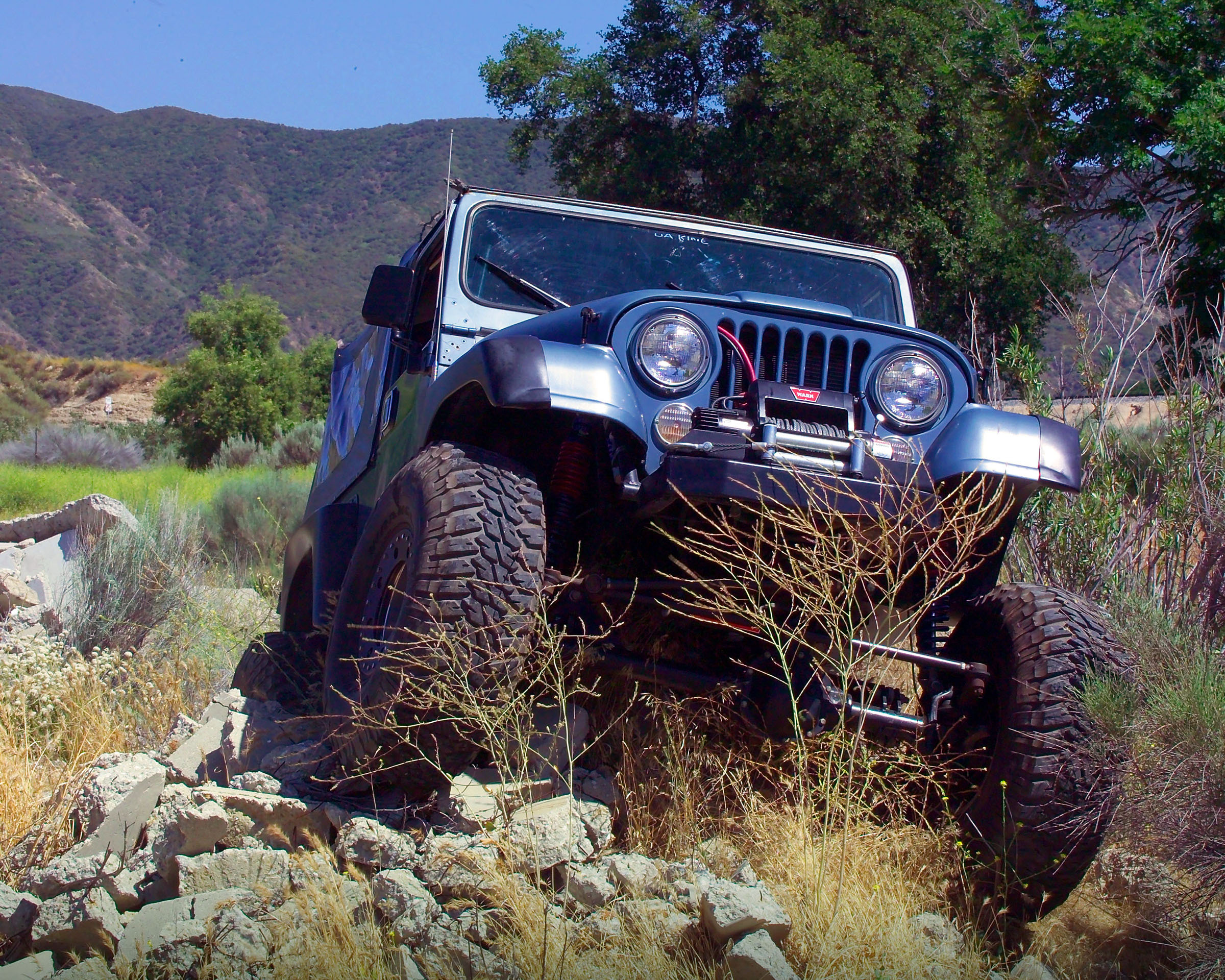
“I built this Jeep to handle a variety of terrain,” Todd Tice told us. “The coilover five-link rear and three-link front suspension provide excellent articulation for rockcrawling, and it is stable enough for hammering the desert at higher speeds. I wanted the Jeep to be able to handle most off-road challenges and still be able to cruise down the highway. This is an everyday driver,” he added.
