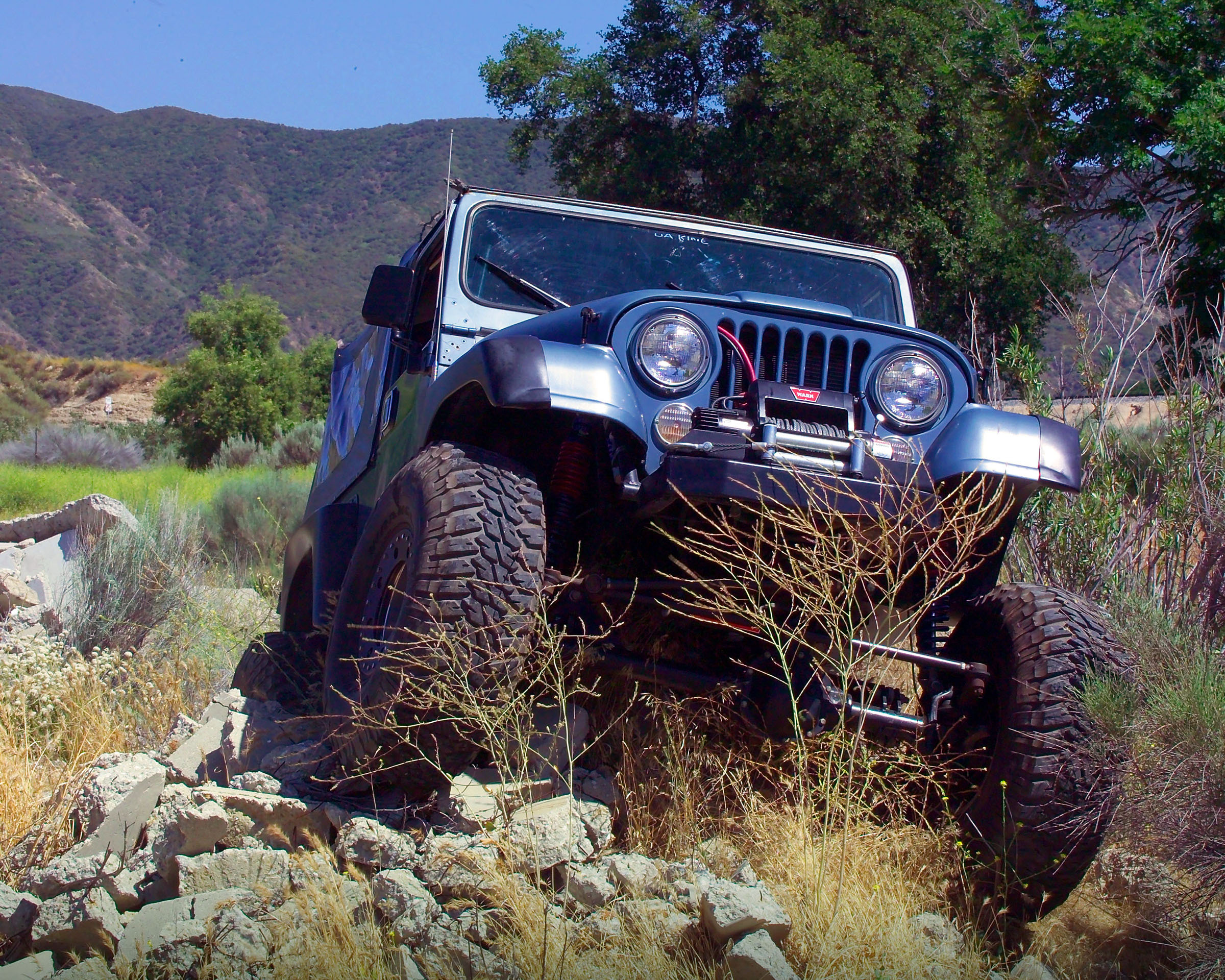
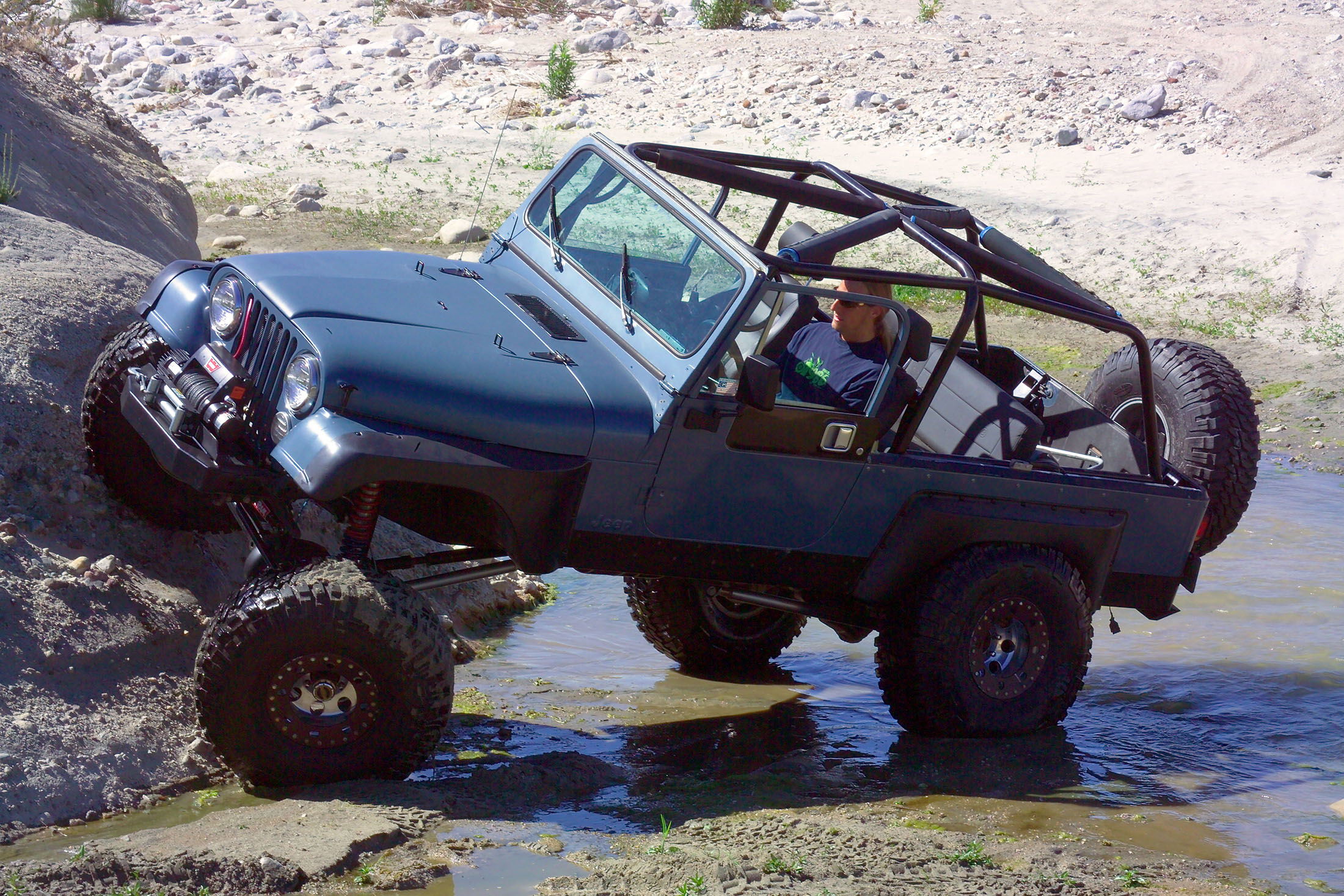
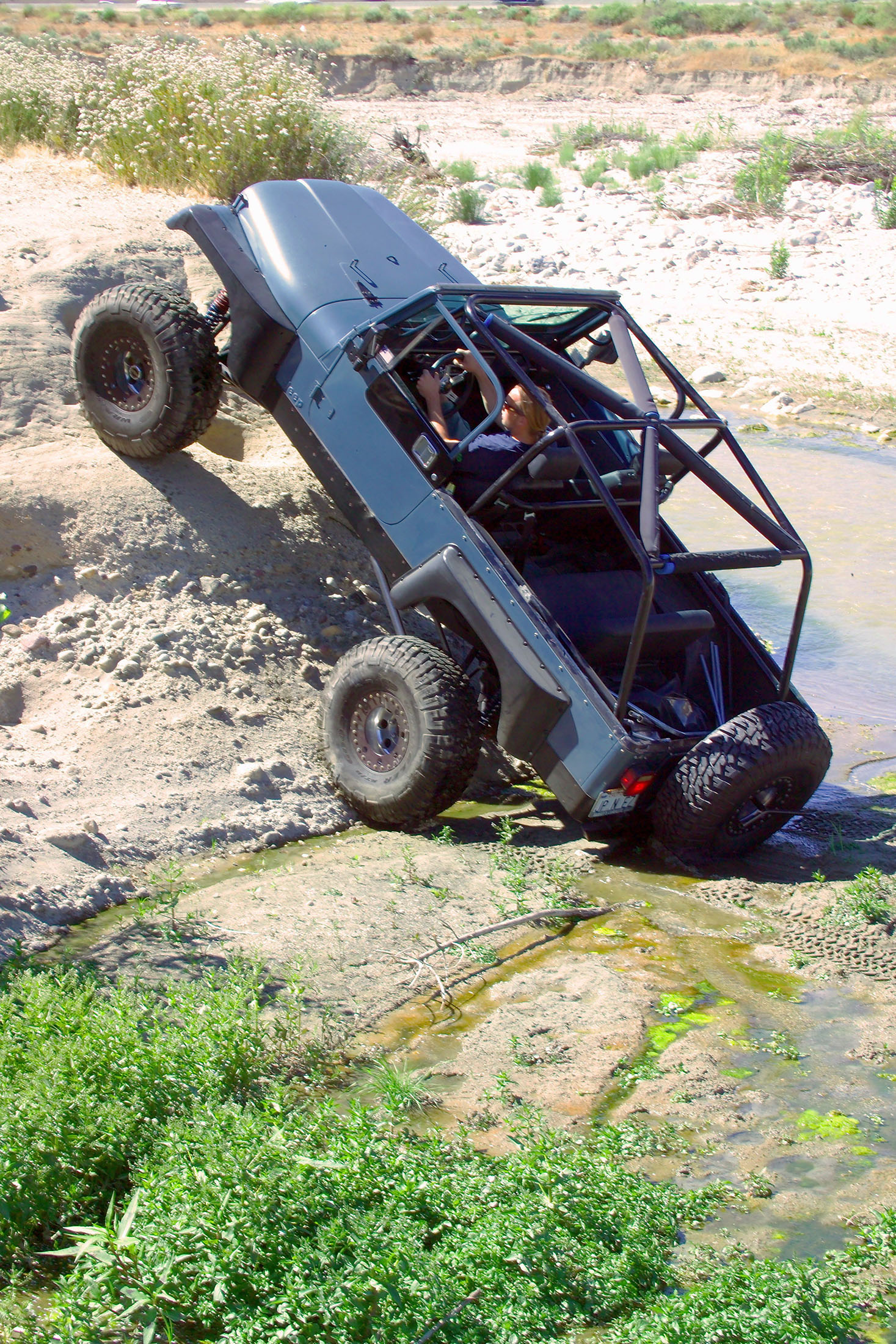
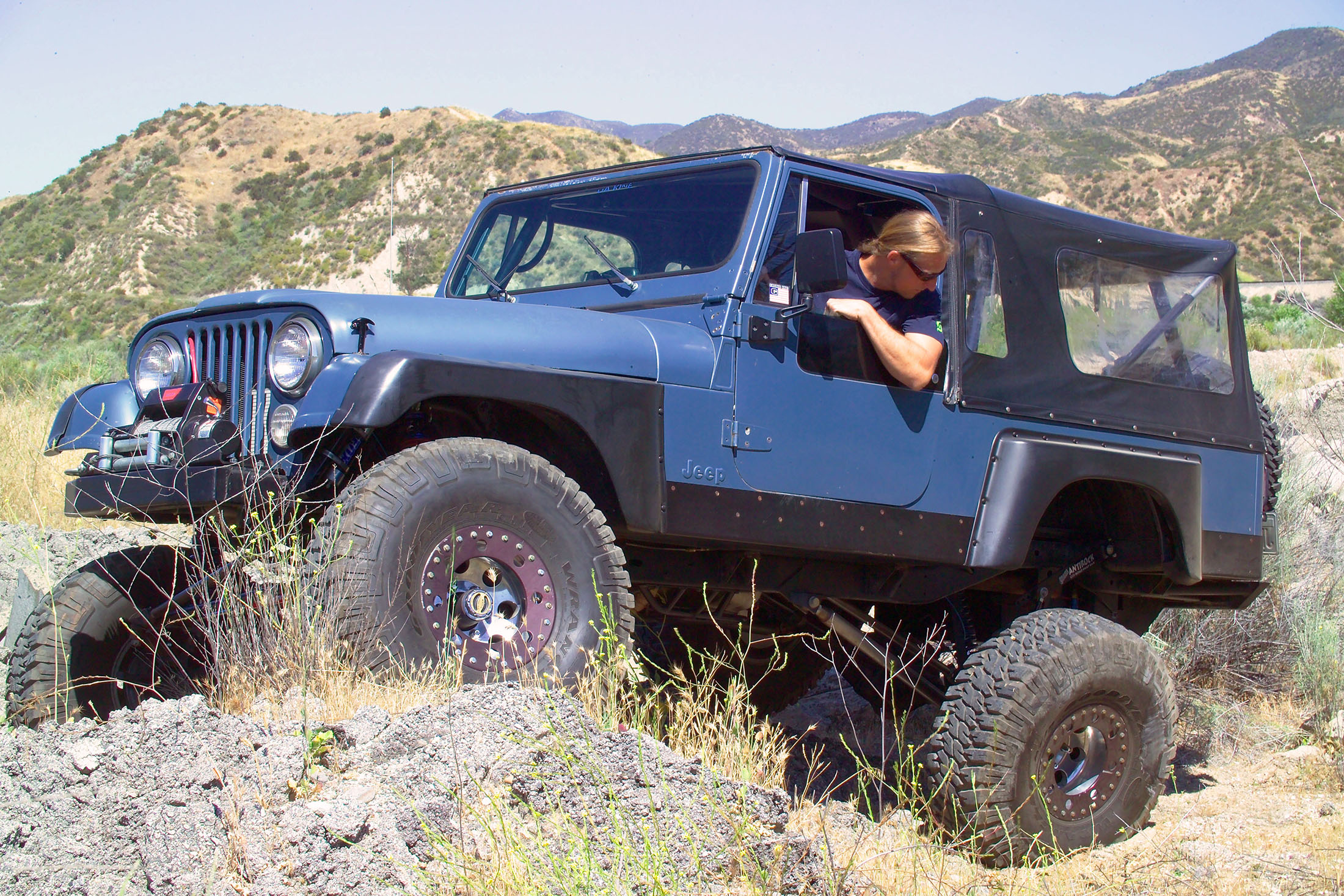
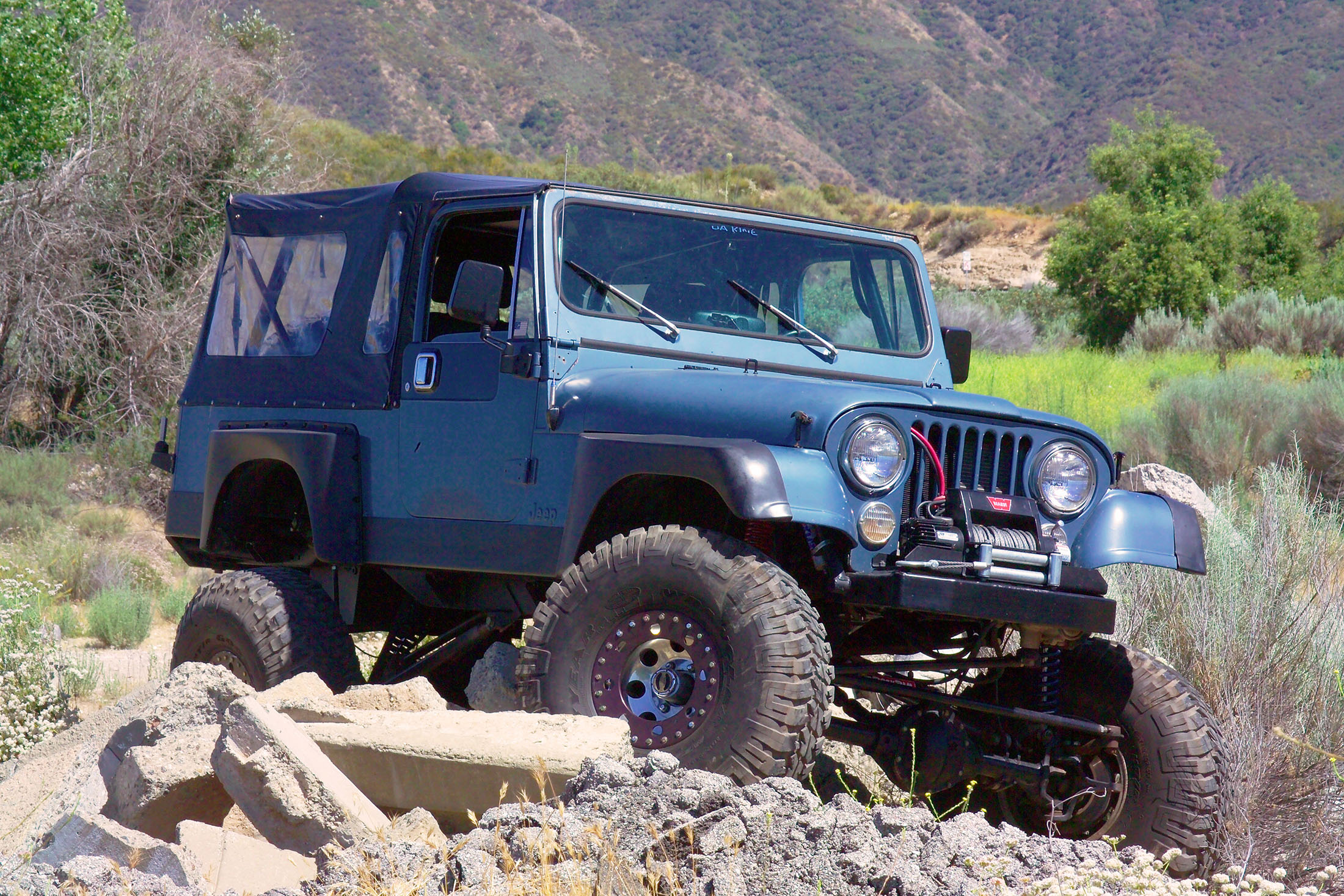
Tice’s ’82 Jeep CJ-8 Scrambler had just beautifully survived a week at Moab, Utah, when Tice jotted down the preceding notes. He added, “I was able to negotiate most of the obstacles easily, and with a little more seat time, I look forward to even more challenging locations. I am really happy with the Jeep’s performance, but I’m looking ahead to a new dash and gauges.” So he has a plan set to improve this CJ as he goes.
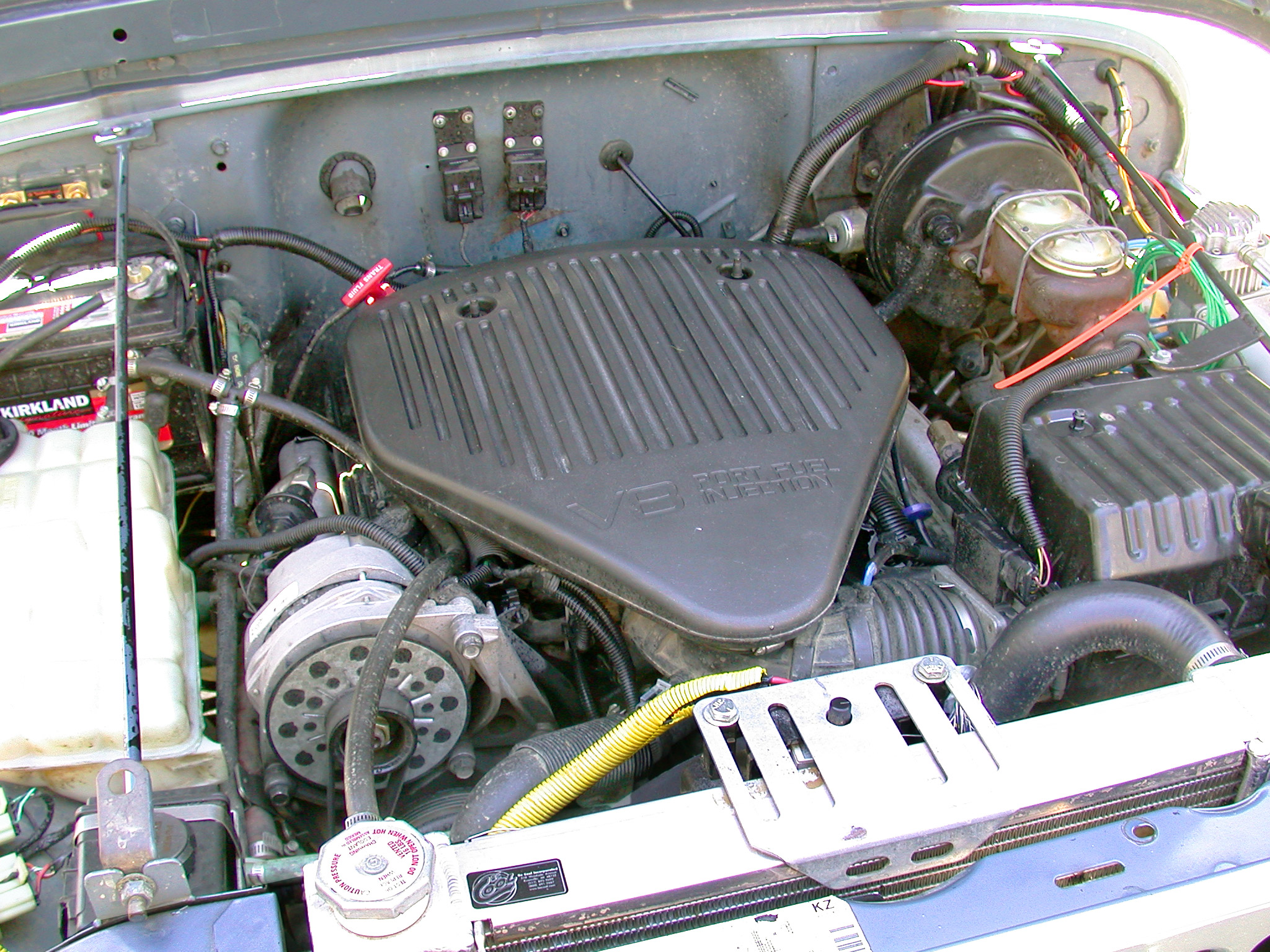
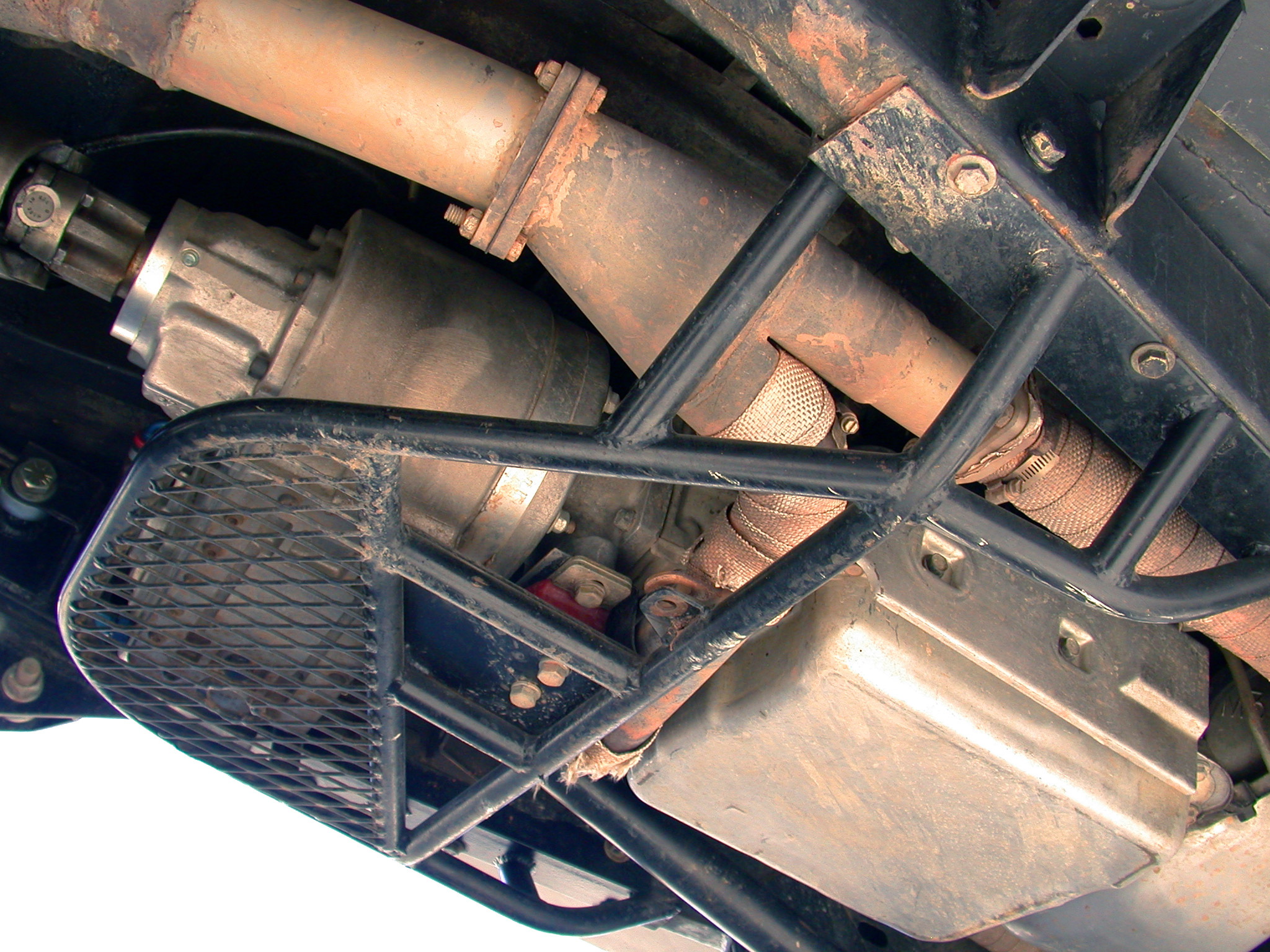
While Tice did a lot of the work himself, he enlisted the aid of the crew at Grady’s Extreme Off-Road in Rancho Cordova, California, for some of the more difficult work. The Jeep was in pretty good stock condition when Tice purchased it for $6,000. The first order of business was to install the ’94 Chevy 5.7-liter V-8 engine with a 4L60E transmission and Lokar shifter. The bigger drivetrain necessitated a better radiator, so a call was made to Be Cool for one of its trick aluminum radiators. Tice had a custom mandrel-bent exhaust system built and used a Flowmaster muffler.
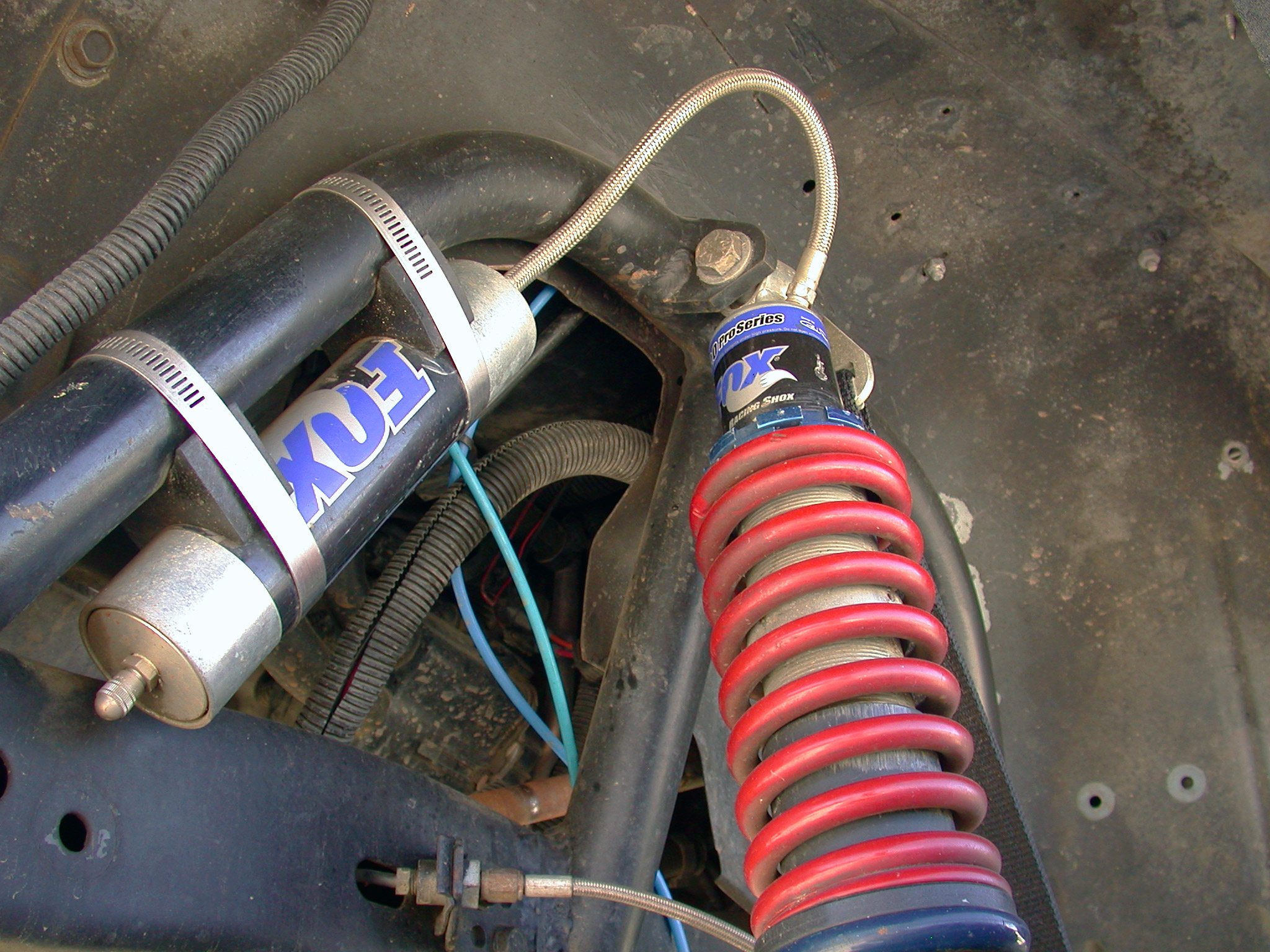
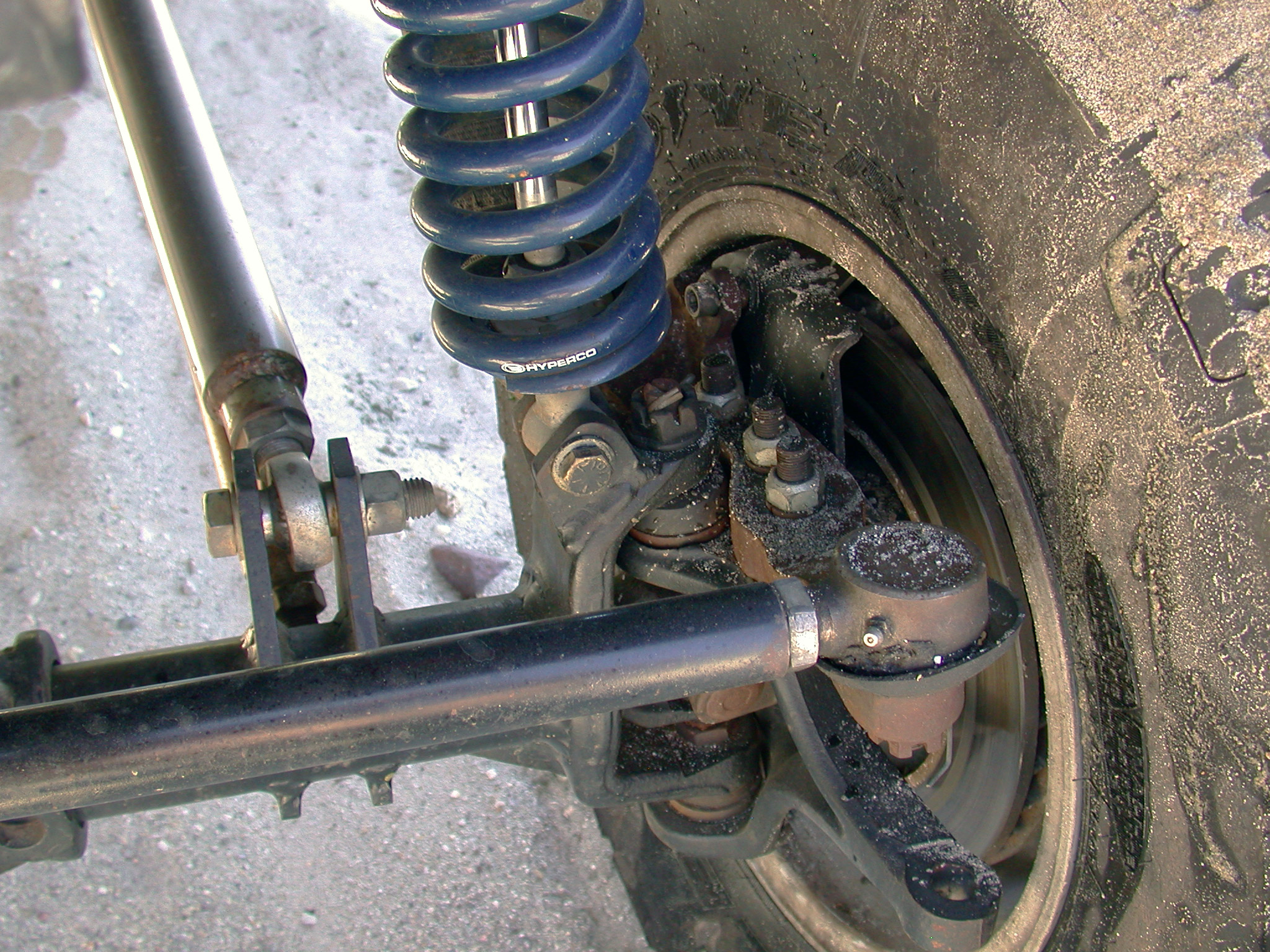
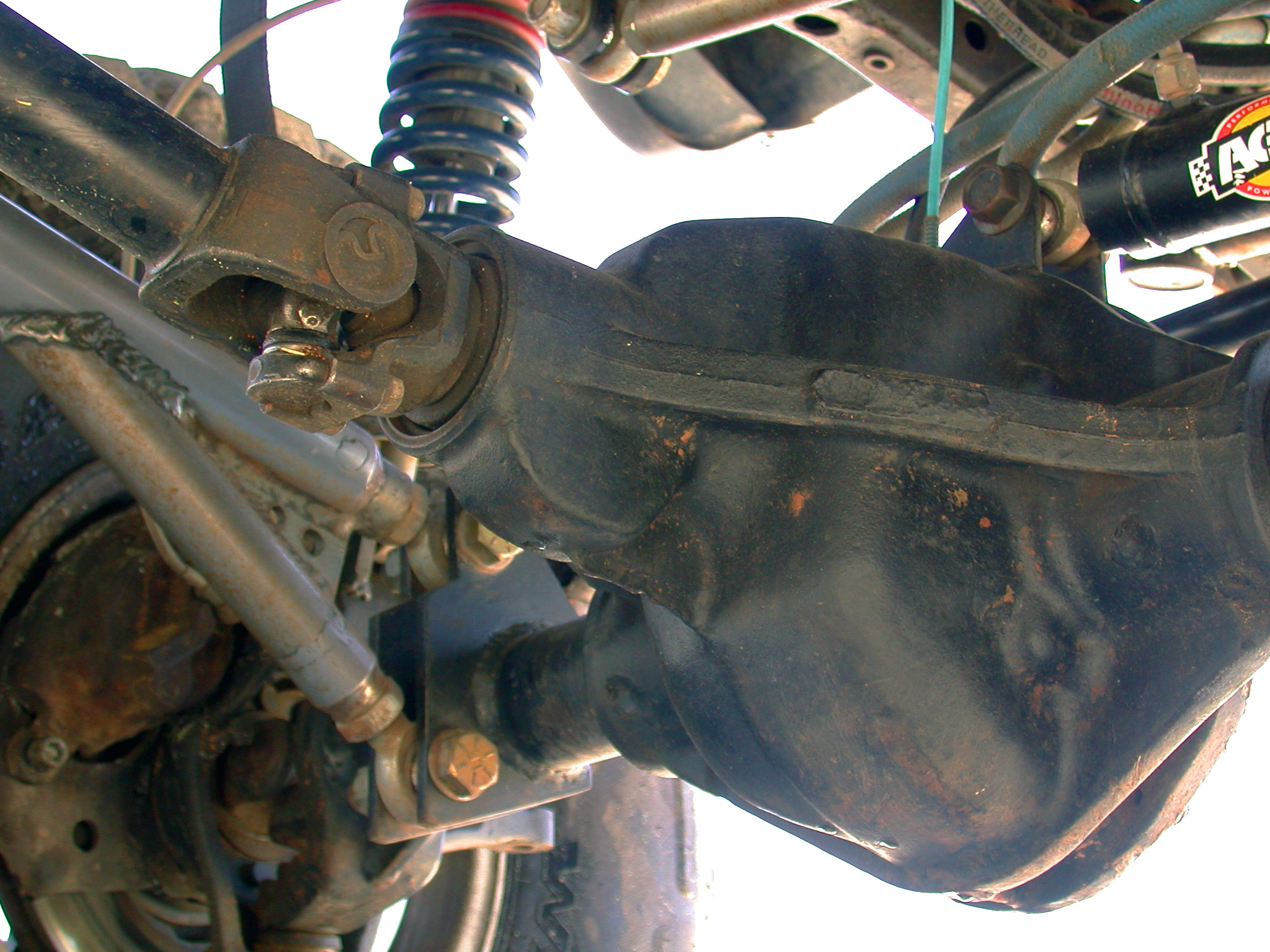
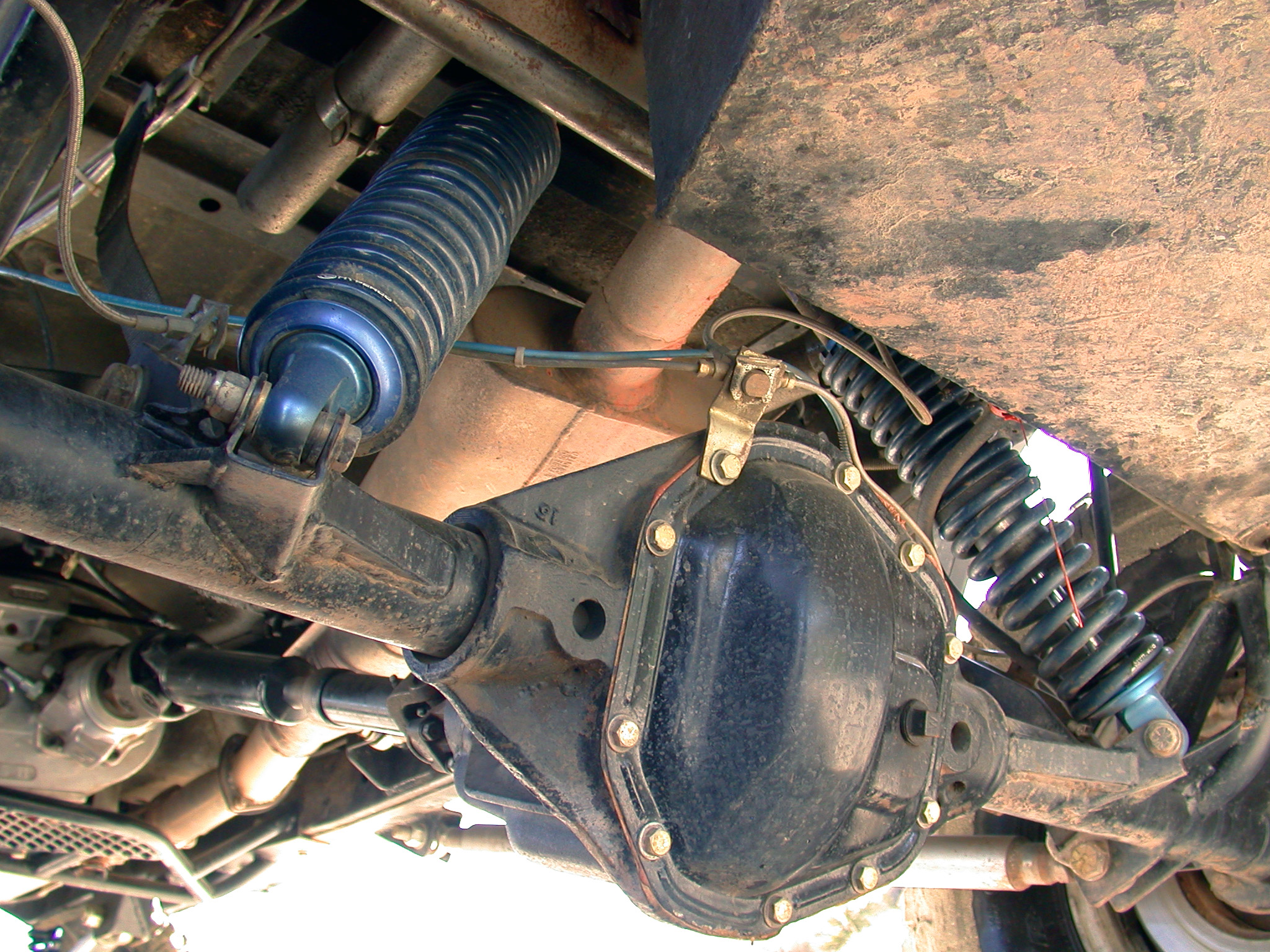
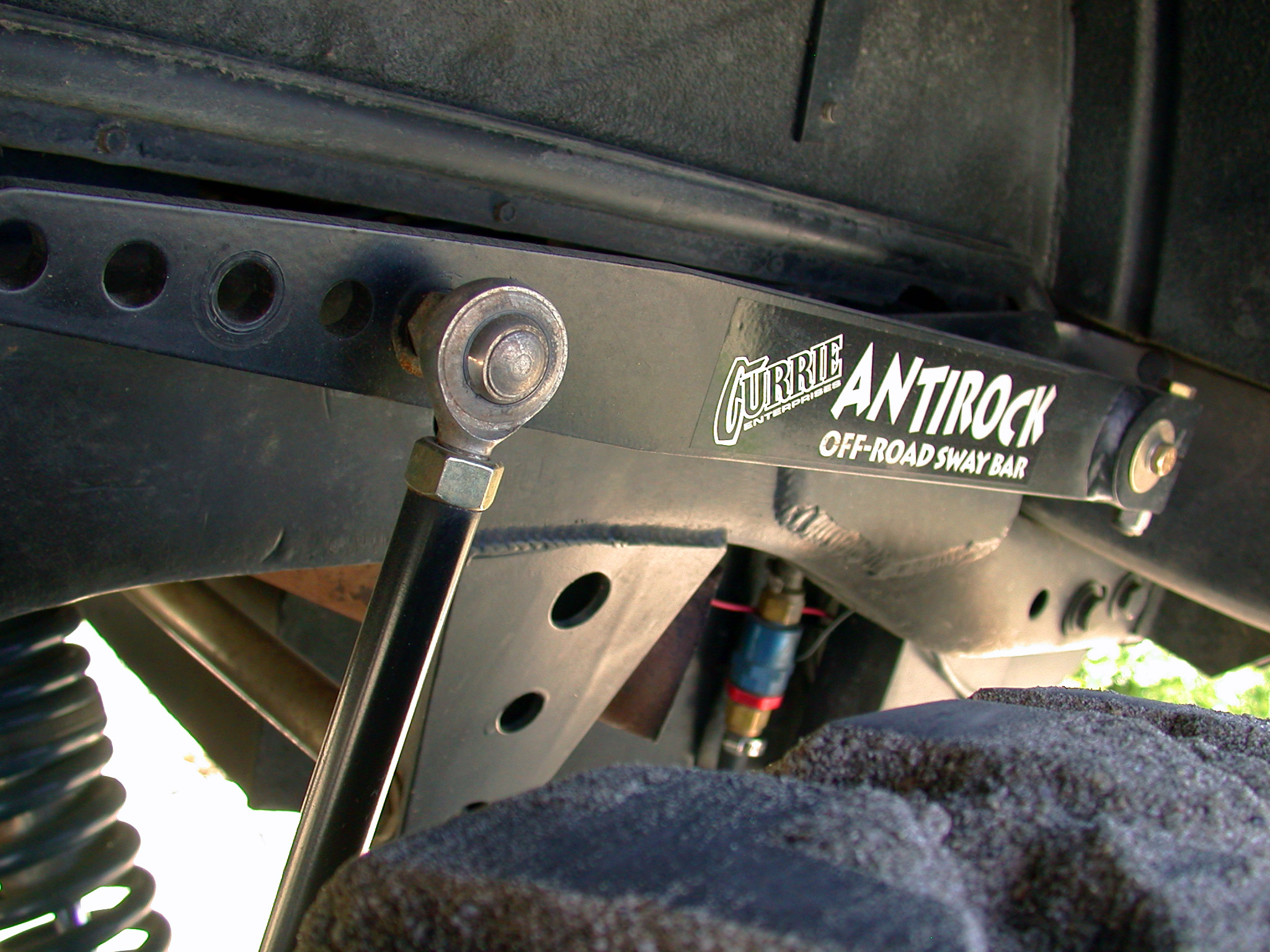
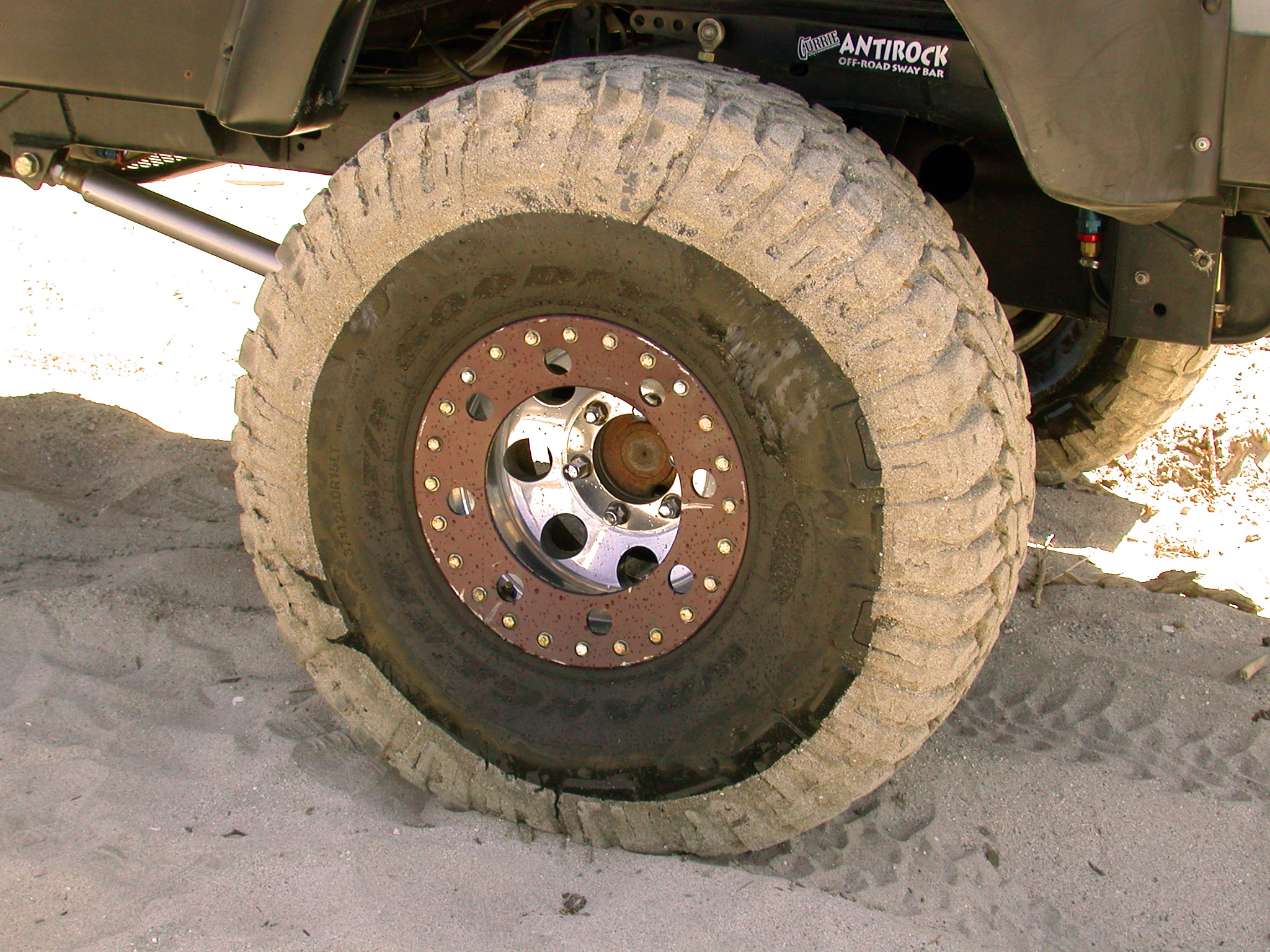
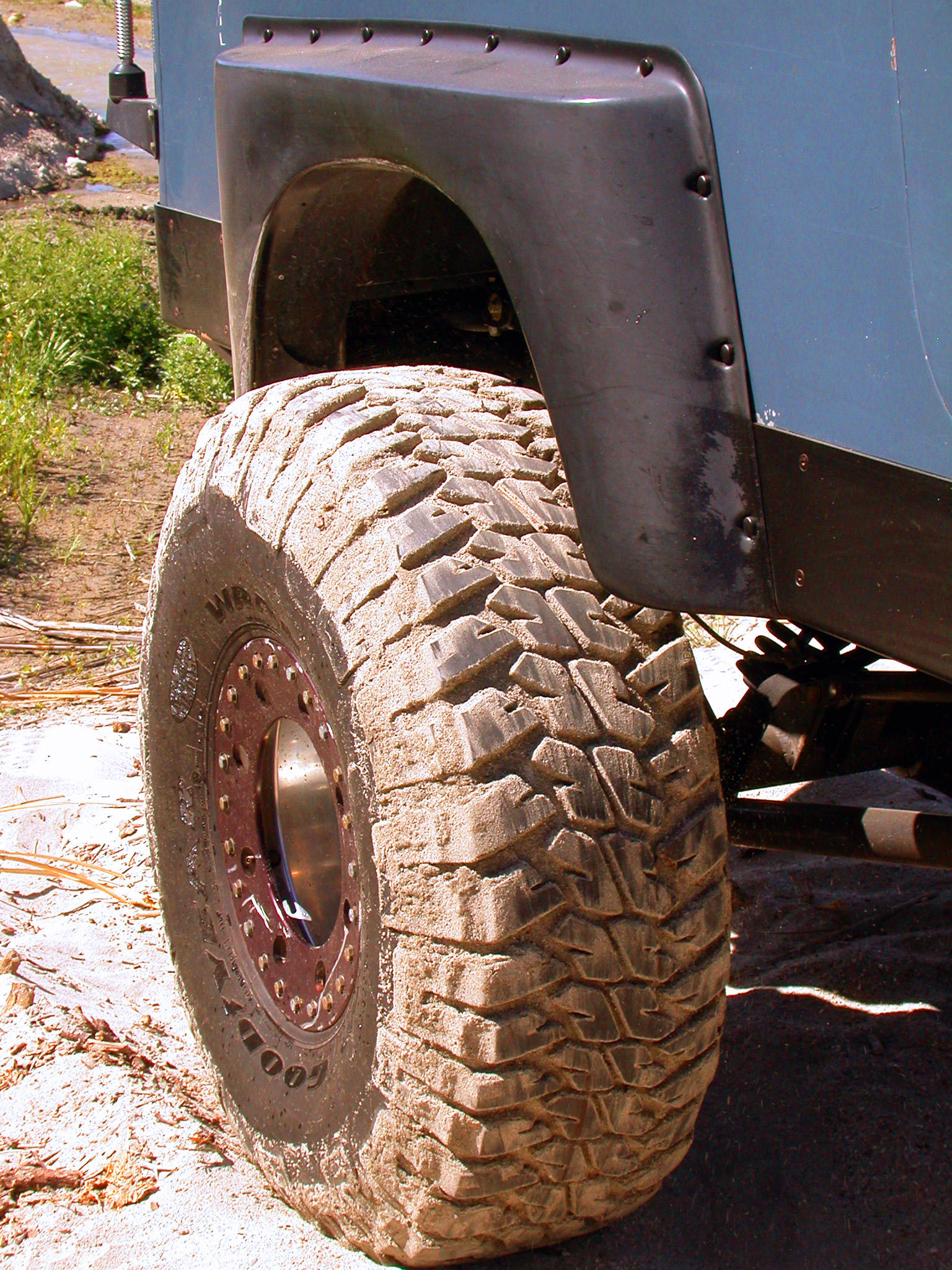
The three-link front suspension is attached to a Dana 44 differential with Fox coilover shocks. An Atlas 4.3:1 transfer case is used, and it has a custom skidplate protecting it. Steering is handled by an AGR steering pump, box and hydraulic ram. Custom-length steering and Pitman arms were built for the Jeep. Disc brakes help slow down the monster meats, for which Tice went with Goodyear MTR 37×12.5 tires on 15×8 American Eagle wheels with Champion bead-locks. The rearend is a Dana 60 with Positraction and 4.88 gears. Fox coilover shocks were also used out back, but the addition of a Currie Enterprises anti-rock sway bar keeps things as level as possible on the road. An onboard air system supplies the ARB airlockers both front and rear, and a custom air tank is located in the custom front bumper. A Warn XD9000 winch is mounted on the bumper.
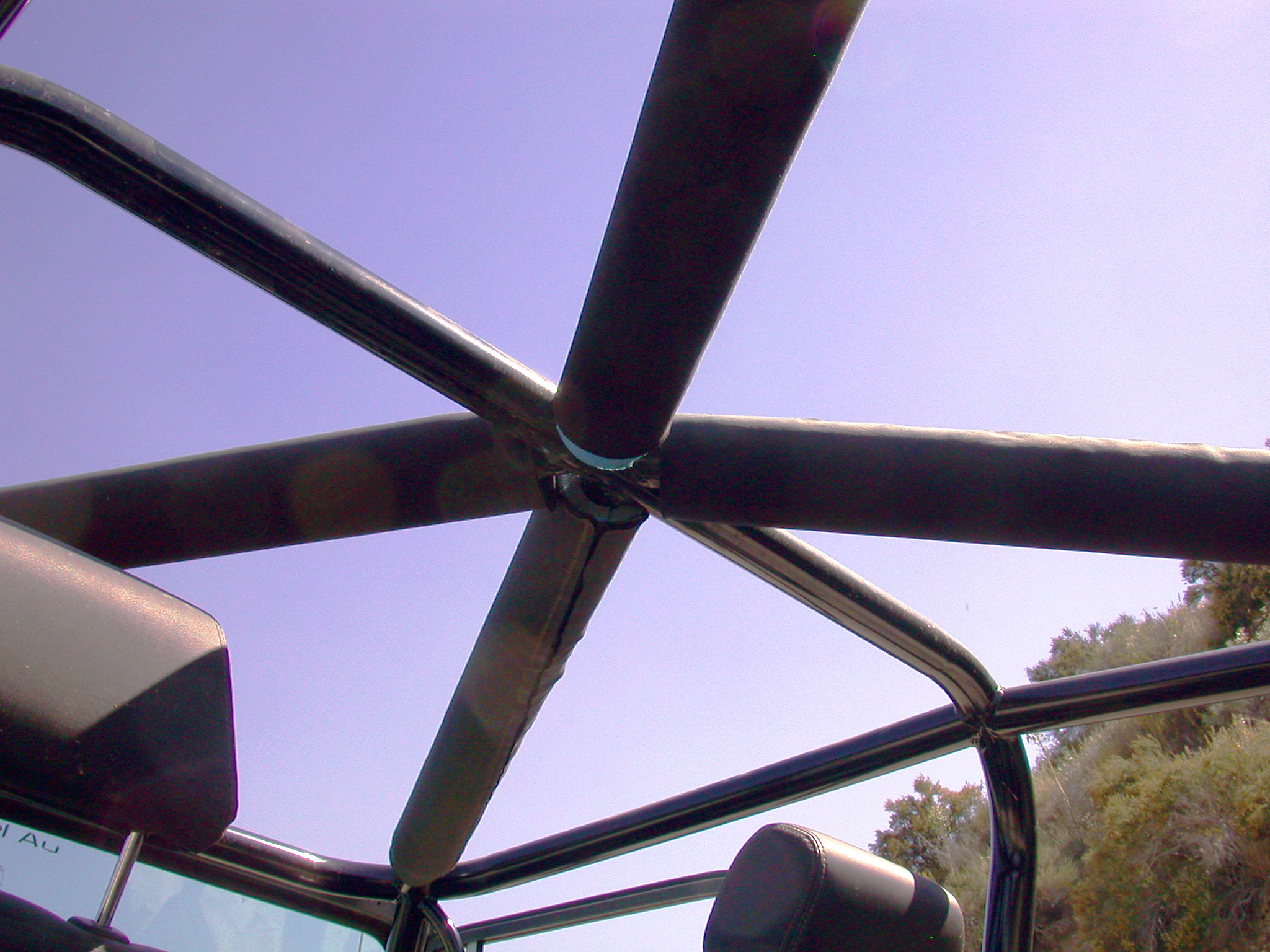
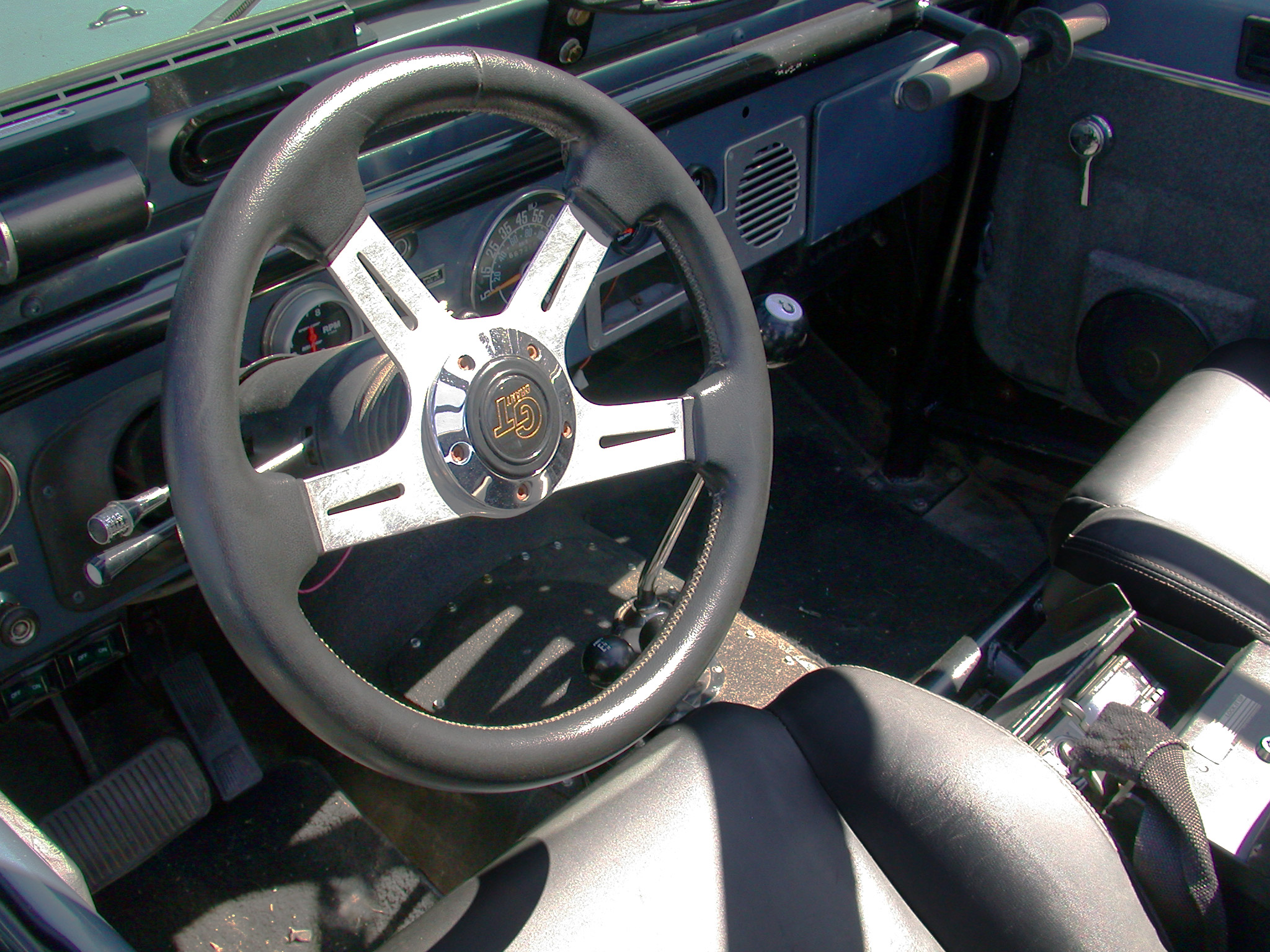
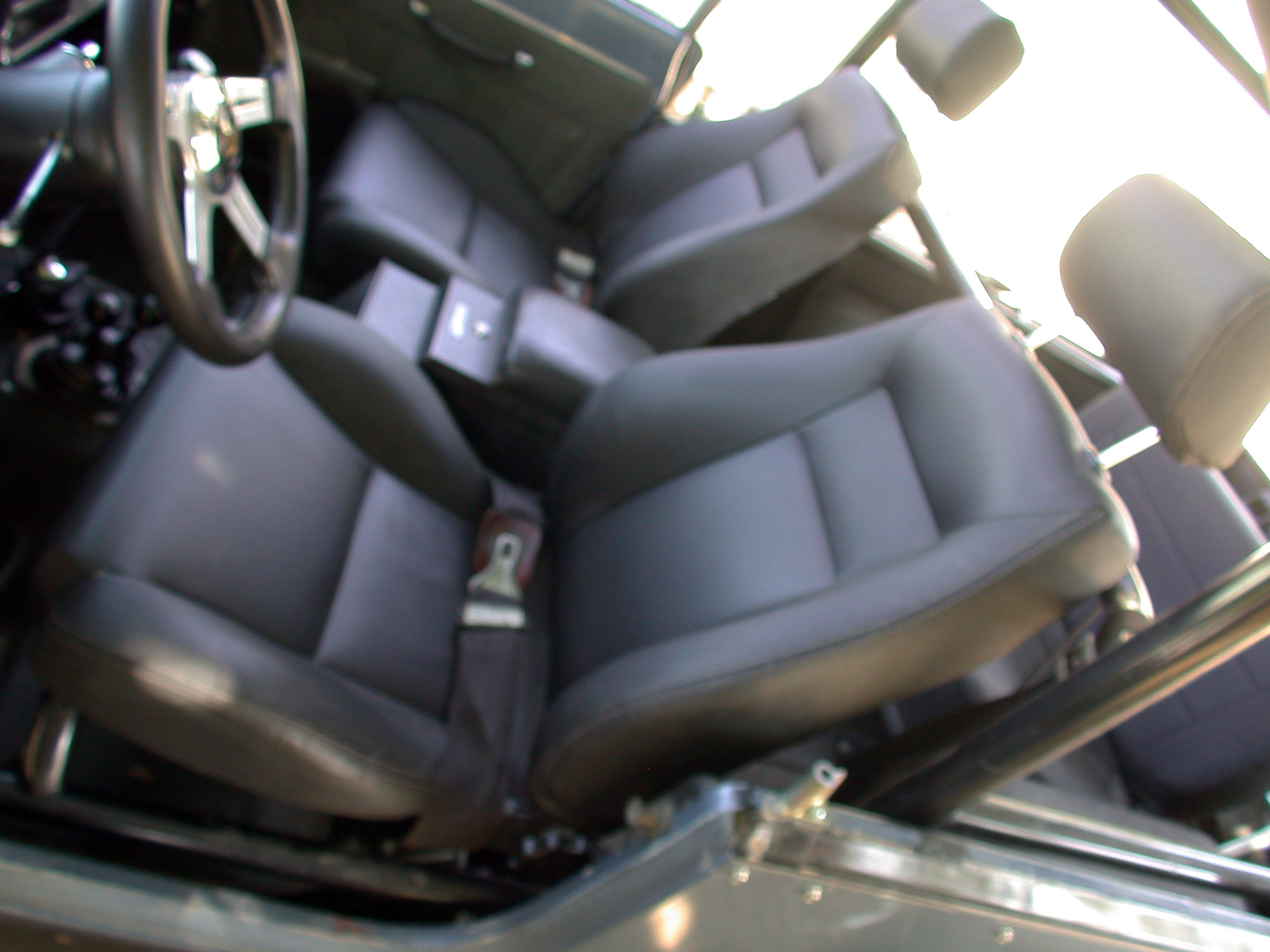
With the drivetrain and suspension finished, Tice turned to the body. With no bodywork needed, Grady’s eXtreme Off-Road spent their time building custom 3/16-inch steel rocker panels, sides and rear corners. A complete custom rollcage was built that uses every last inch available and makes getting in and out no different than if it was not there. After metallic-blue paint was sprayed on the body, a black Bestop was installed. A custom rear bumper was built with a swing-away spare-tire carrier. For creature comforts, Tice installed a set of PROCAR bucket seats and a GT steering wheel. Painless Performance provided a complete wiring kit that really straightened things out and was easy to install.
All of this work took about a year, which isn’t so bad when you look at everything that was done. Tice has been driving the truck practically every day for two years now, and it still looks and runs great.