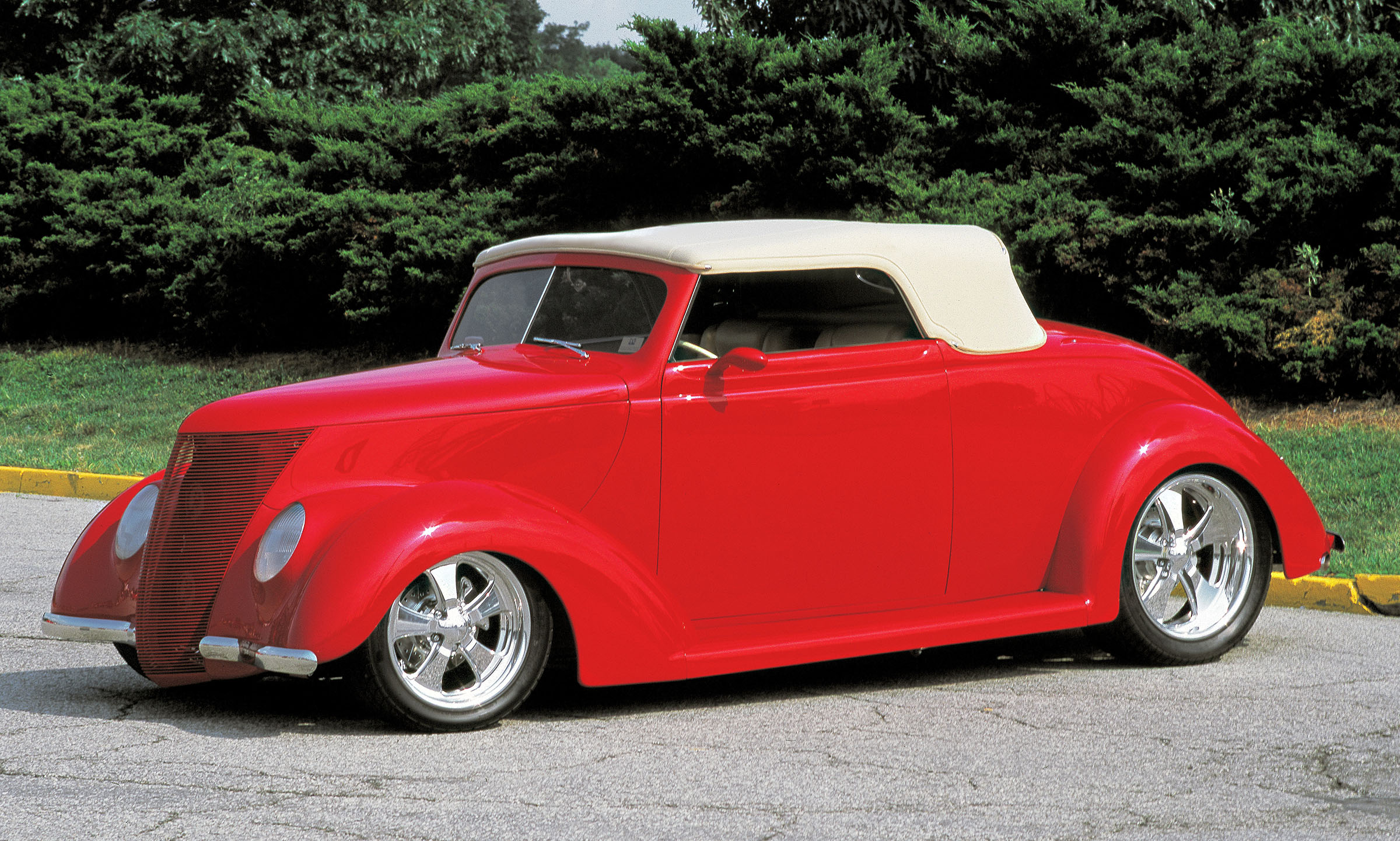
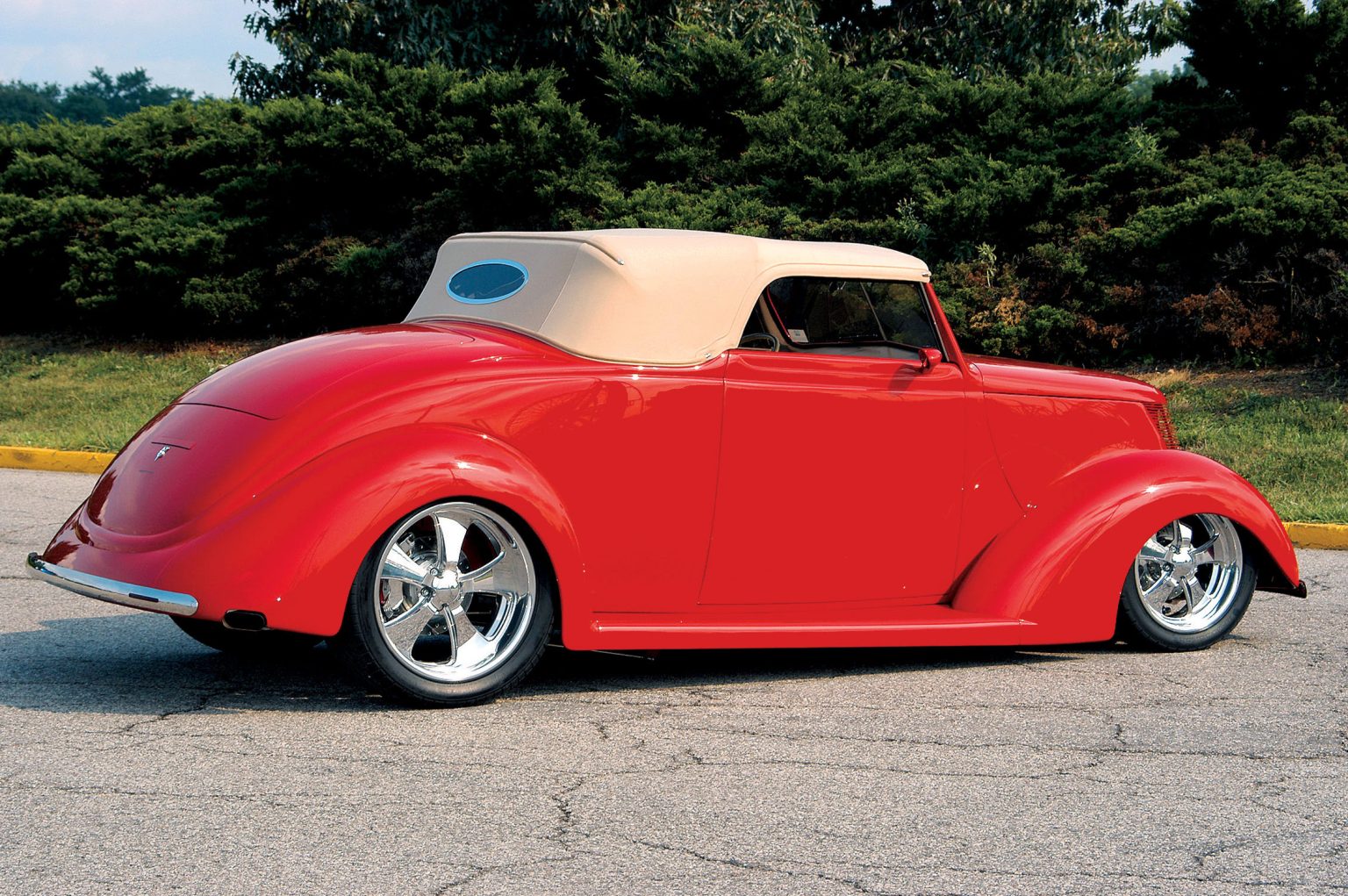
Cabriolets have become popular over the past few years, and the ’37 is an enthusiast favorite. They have become so popular that numerous reproductions have been made. Because of the original’s low production figures—only 10,184 were built—most, but not all, of the ’37 cabriolets attending rod events are fiberglass. The problem with the originals is that for years they were only marginally desirable and many were junked. The ones that weren’t were parked outside where the weather had taken its toll. When the tops rotted, the cabriolets would begin to rust from the inside out. That means that finding a nice, solid, rust-free cabriolet can be difficult.
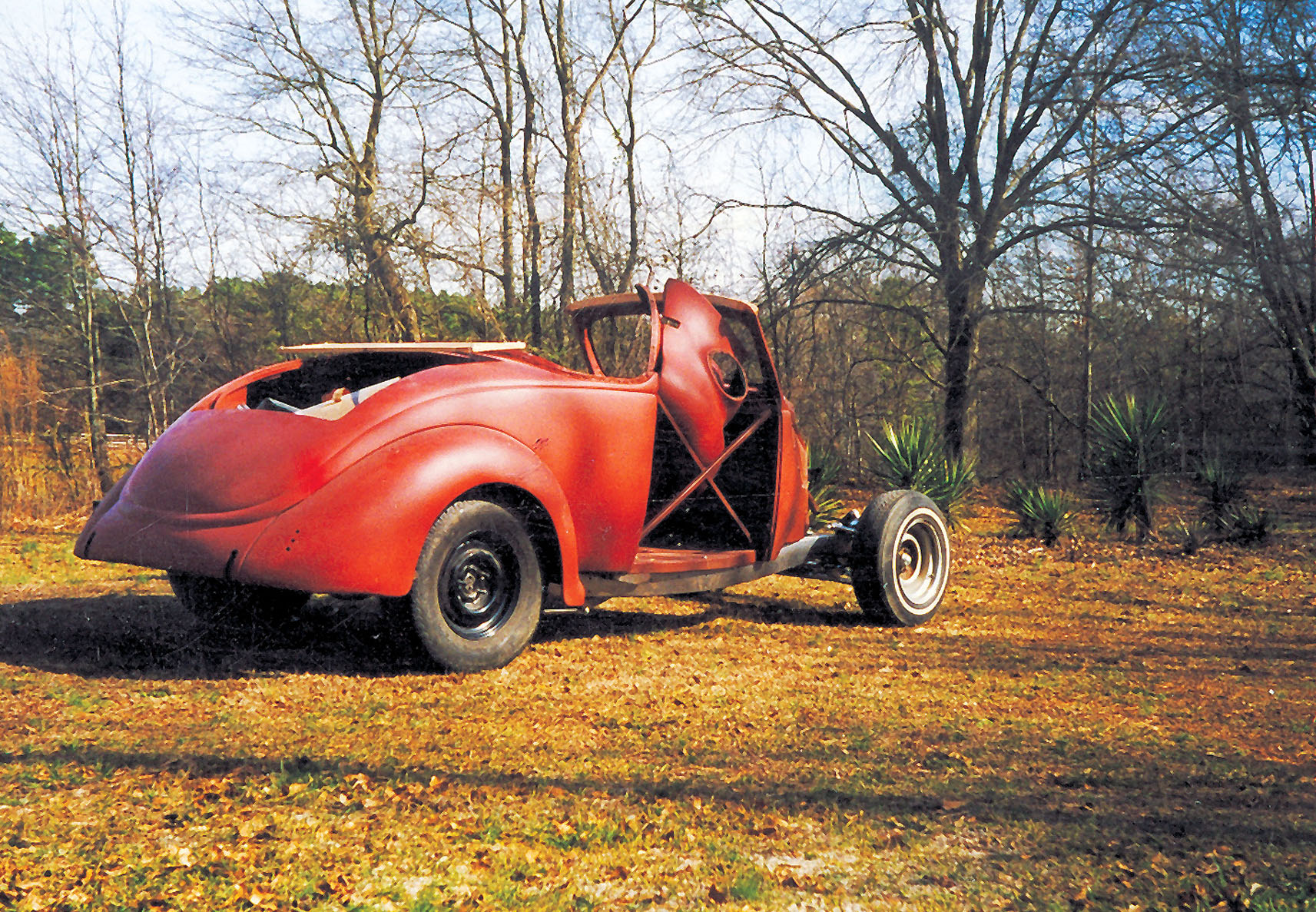
Harry McFadden has been a hot rodder for many years and had been driving his ’33 Dodge to a wide variety of events. He began to notice some nice ’37 cabriolets showing up and he thought it was the ultimate street rod. He wanted one, but he did not want a fiberglass car—he wanted a real steel cabriolet. McFadden started searching far and wide to find a nice cabriolet, and in 1999 he eventually heard about one for sale in Texas. He talked to the owner, who said it was a really nice car, and sight unseen, McFadden purchased the ’37 and brought it back to South Carolina. According to the former owner, the car was in good condition, but after McFadden received the car, it wasn’t exactly what he expected. The car wasn’t super rough for a cabriolet, but it wasn’t perfect, either. A fair amount of bodywork and patch paneling was necessary to cherry out the body.
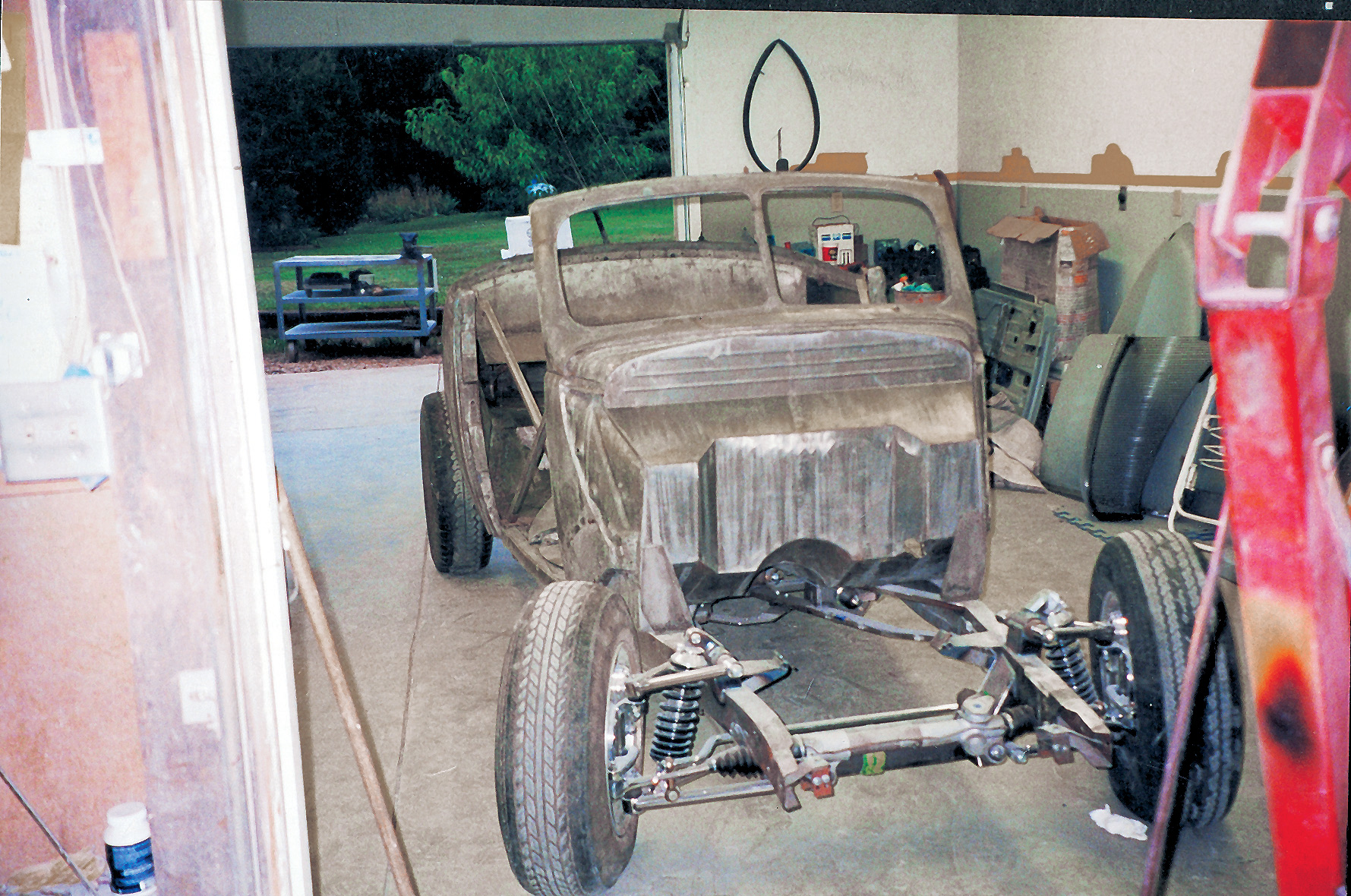
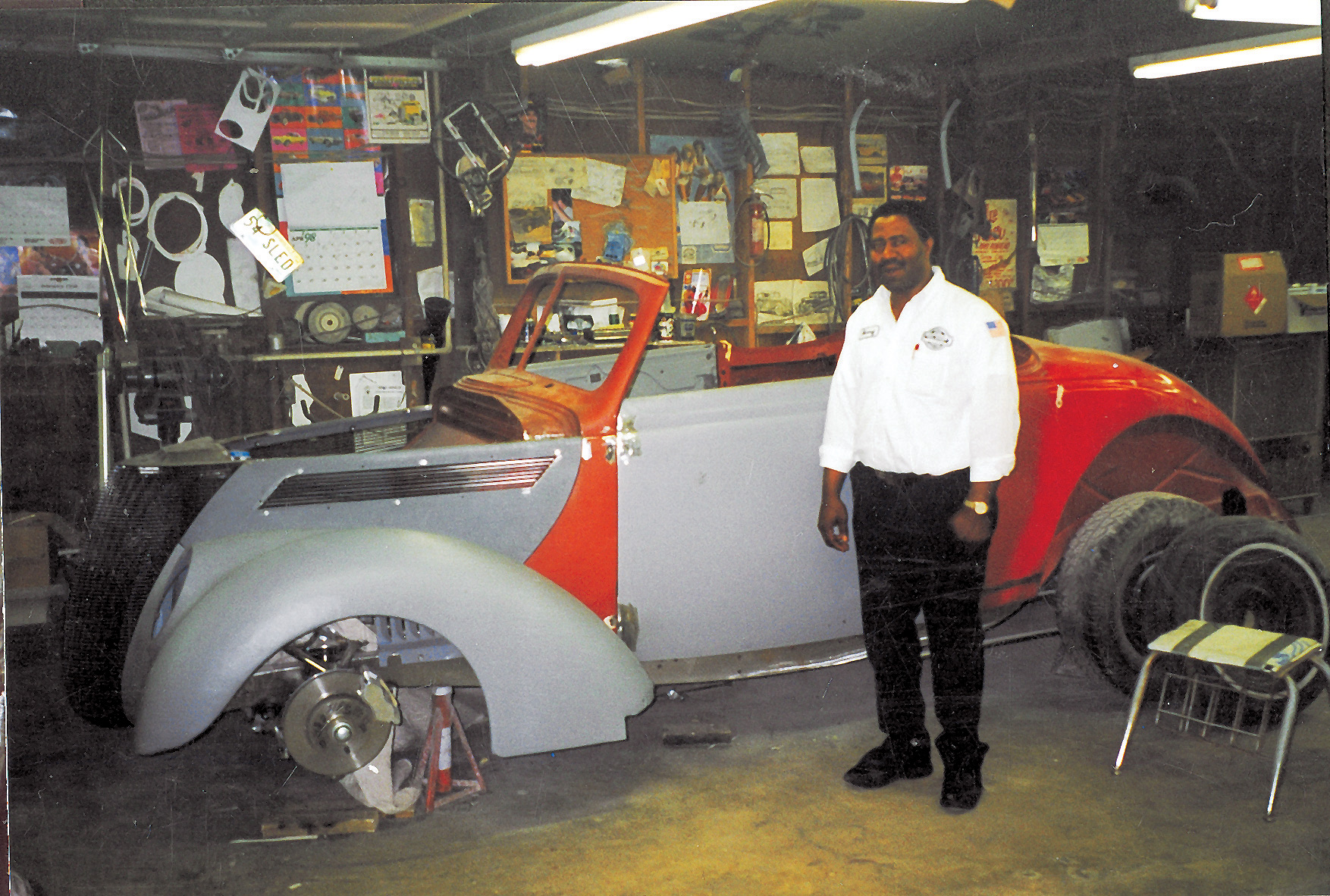
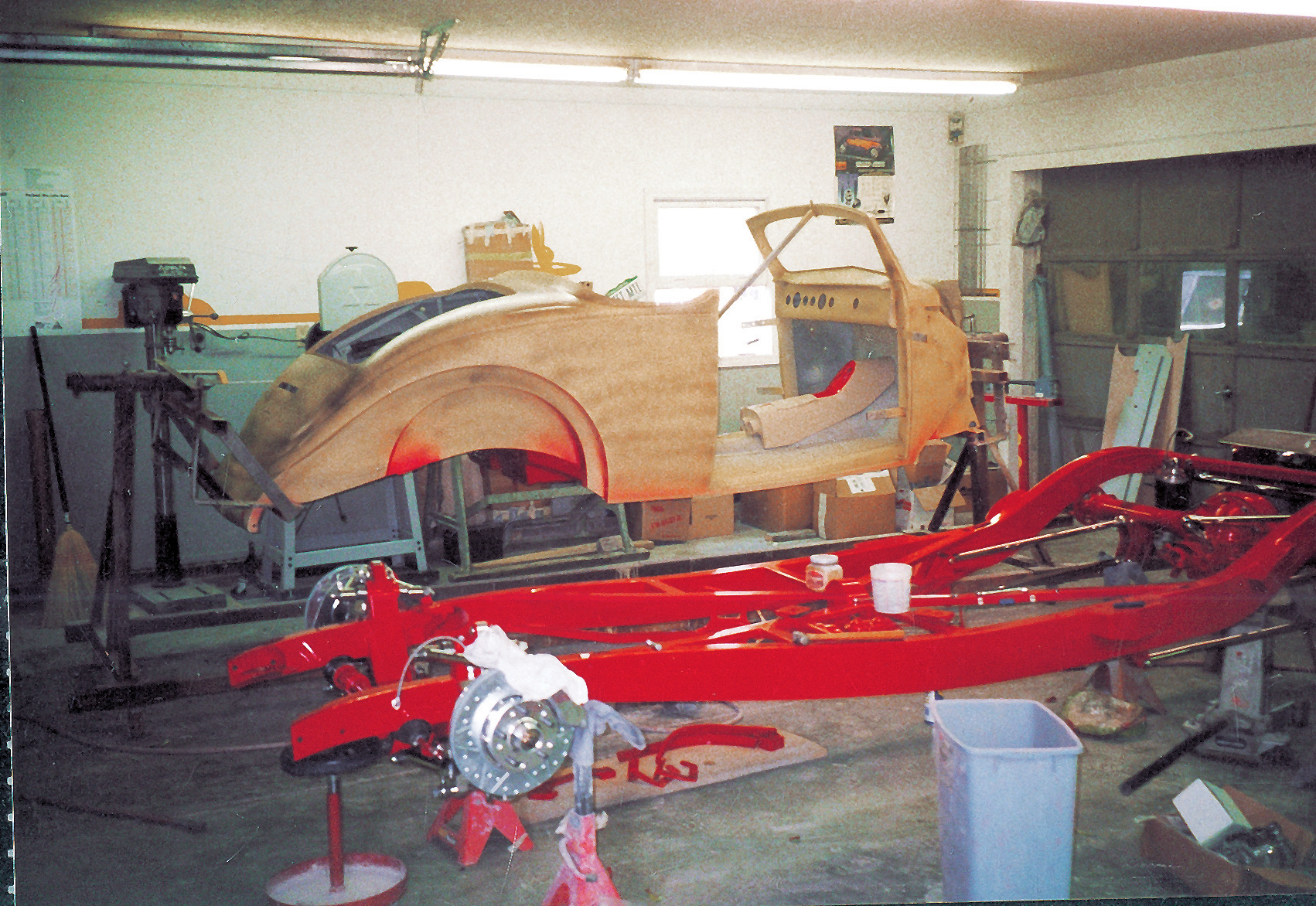
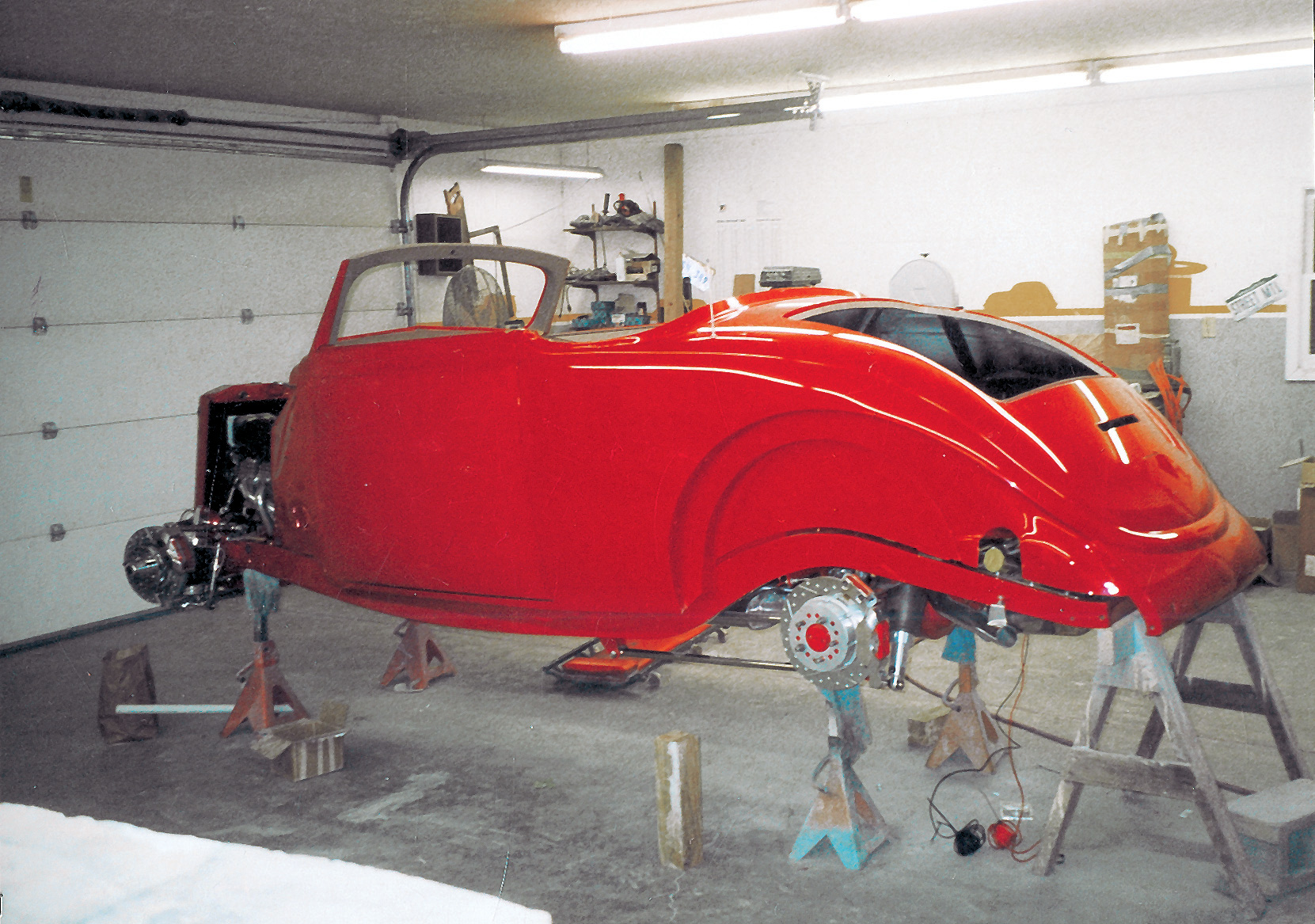
McFadden was well aware of the nice work Don Jacks’ Street Metal Fabrication had done, so he delivered the ’37 to Jacks’ Greenville, South Carolina, shop for rebuilding. The steel car was a primered roller with all of the fenders and doors stuffed inside. Jacks took a good look at the ’37 and realized there would be a lot of work ahead of him to get this ragtop looking good.
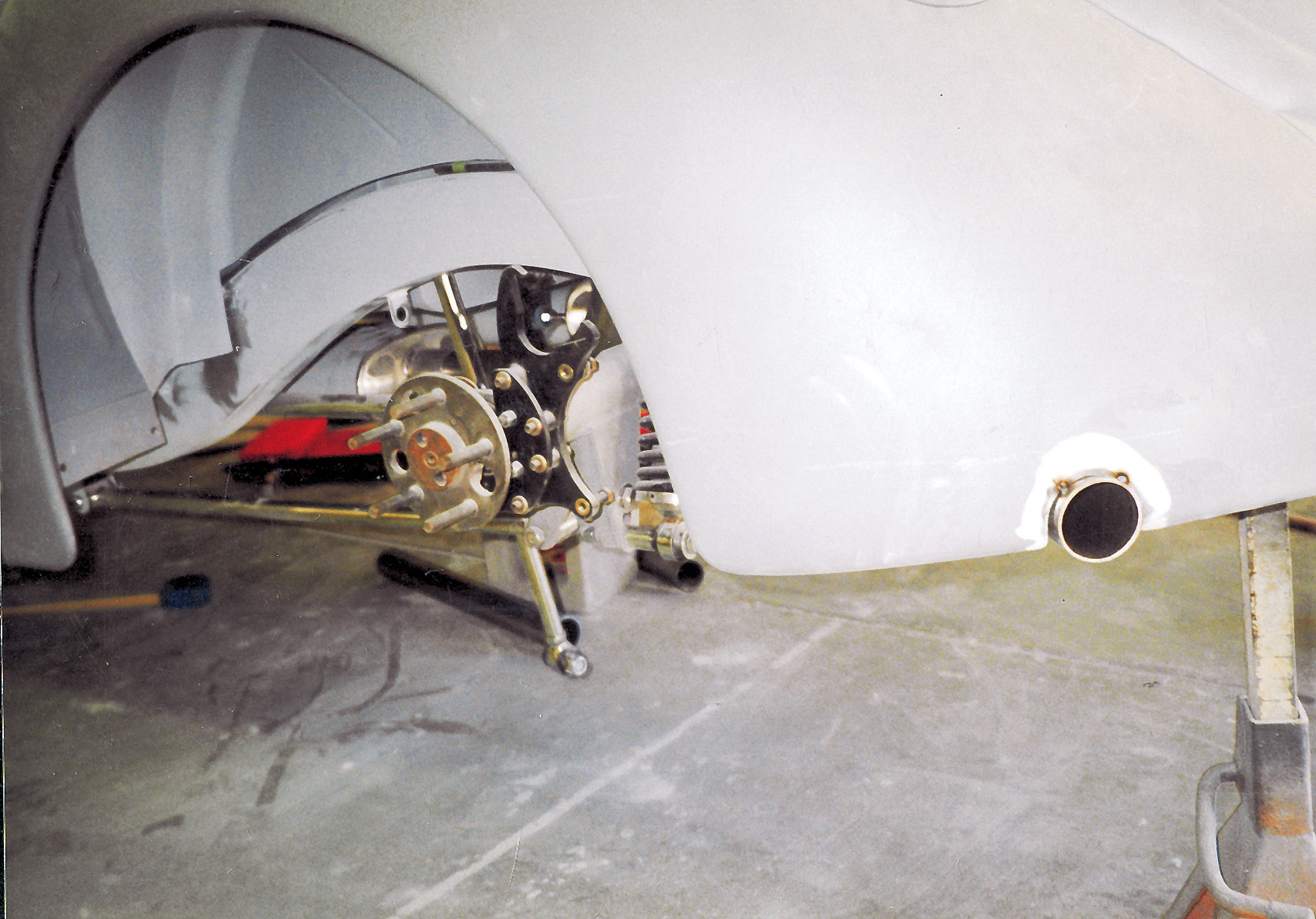
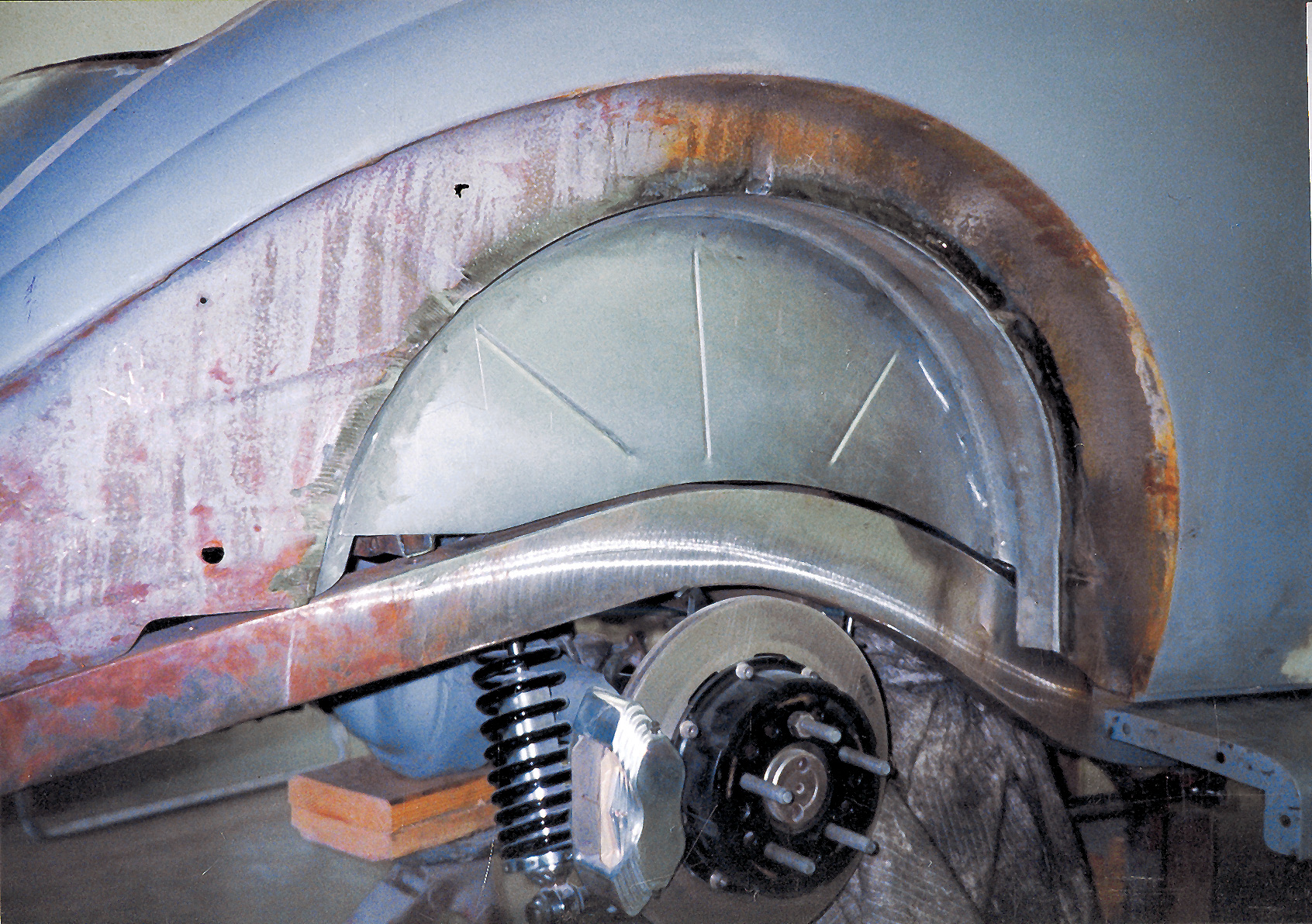
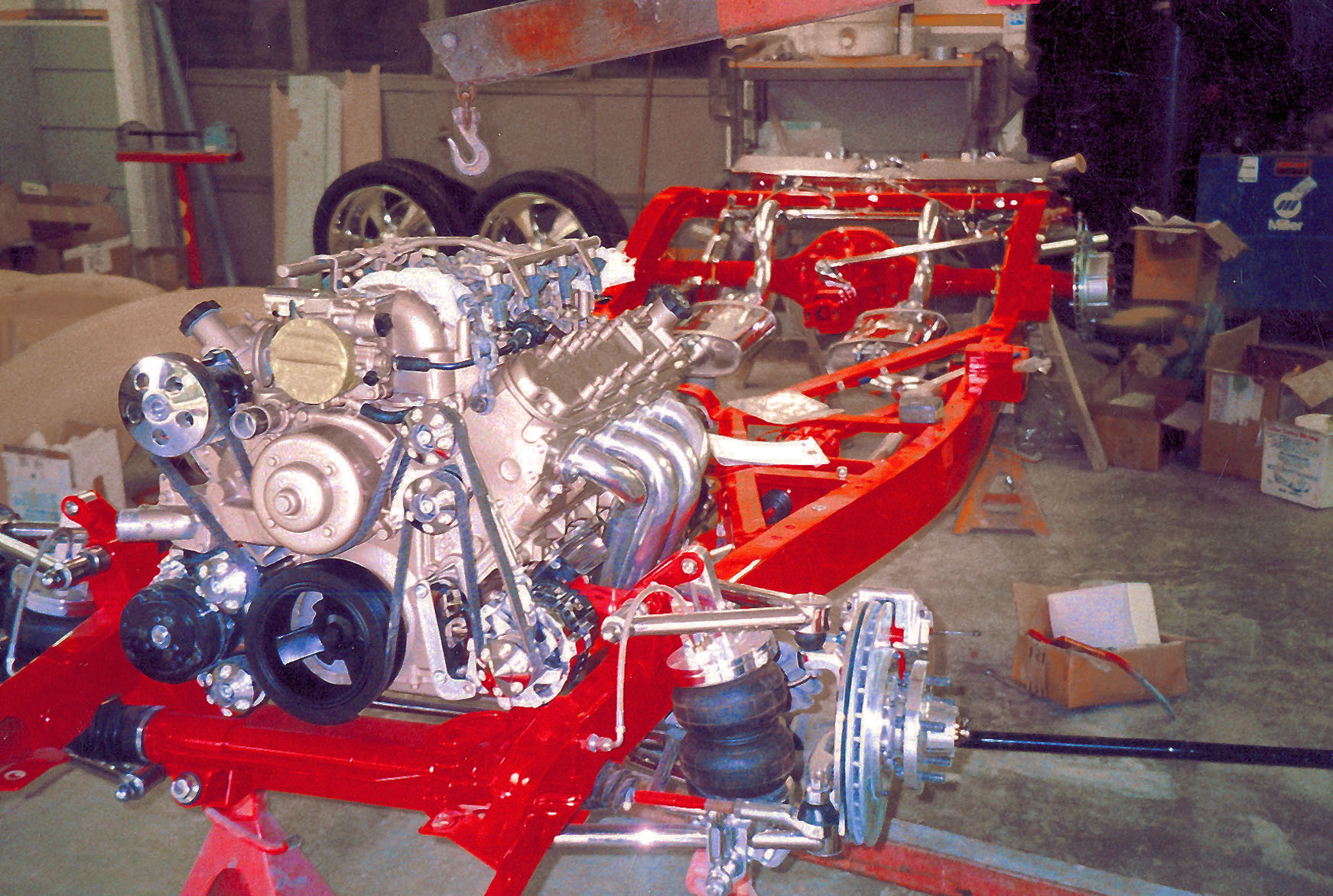
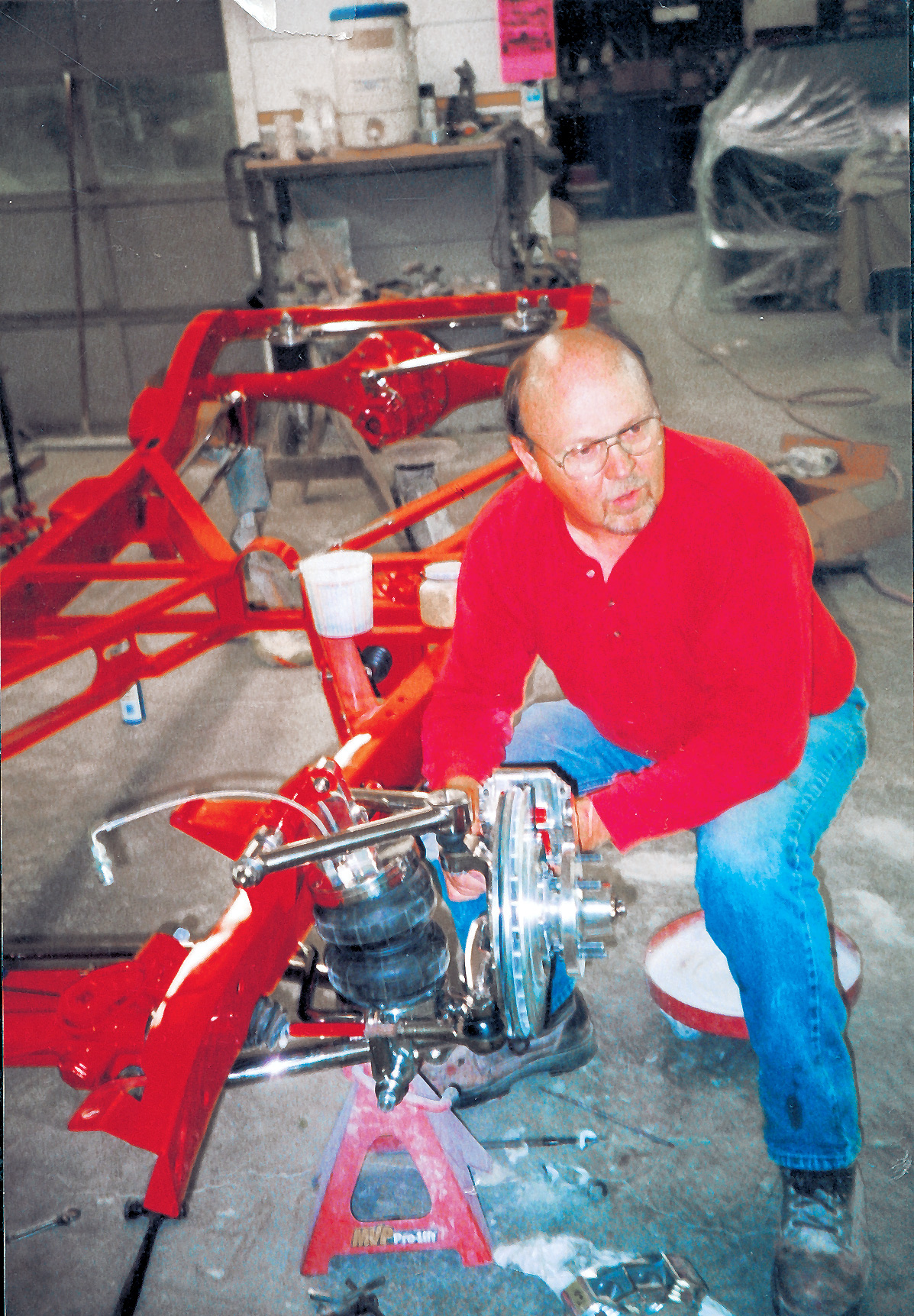
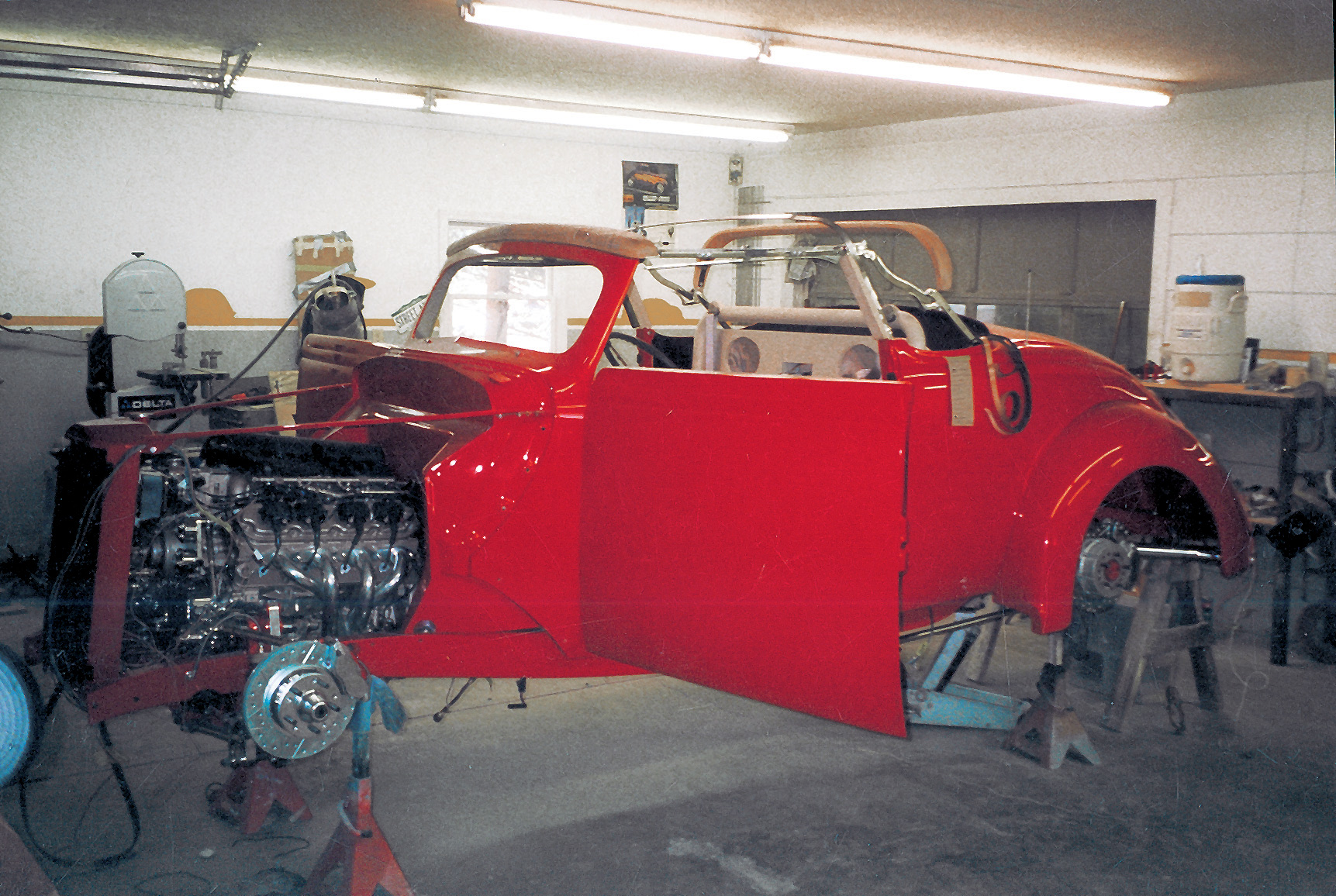
The original frame was in good condition, but it was determined that it would be better, and more cost effective, to purchase a new frame from Total Cost Involved Engineering. The frame featured an independent front with Air Ride suspension. A Ford 9-inch differential was used at the rear and features Air Ride suspension that utilizes a four-bar setup and a Panhard bar to keep everything in place. The chassis was also ordered with Wilwood disc brakes front and rear, and the turning ability comes from a Total Cost Involved Engineering power rack-and-pinion setup. The chassis was disassembled, detailed and painted to perfection prior to dropping the body on it. It rolls on 17×7- and 20×10-inch Budnik wheels running BFGoodrich 235/45R17 front tires and 295/40R20 rear tires.
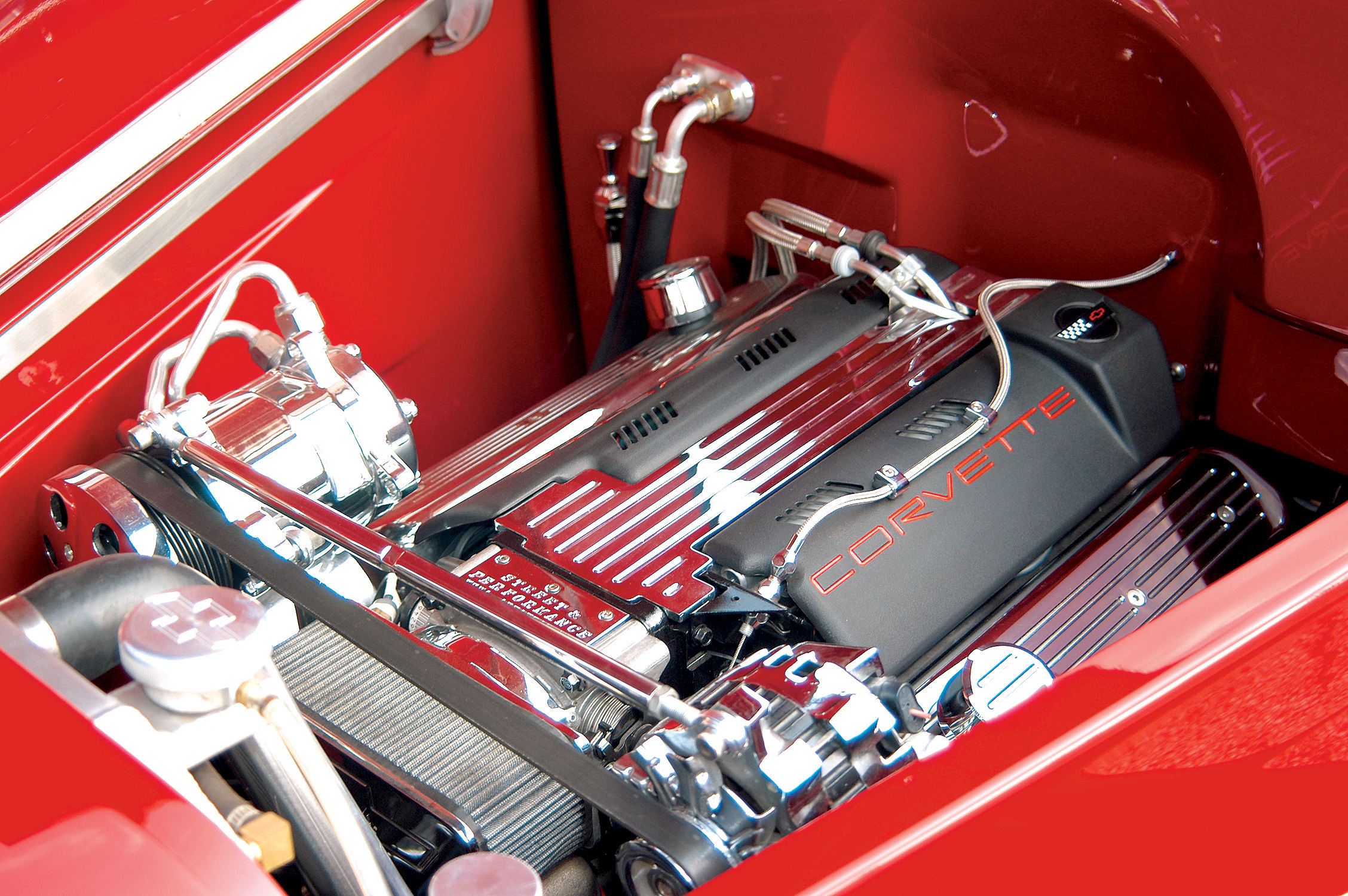
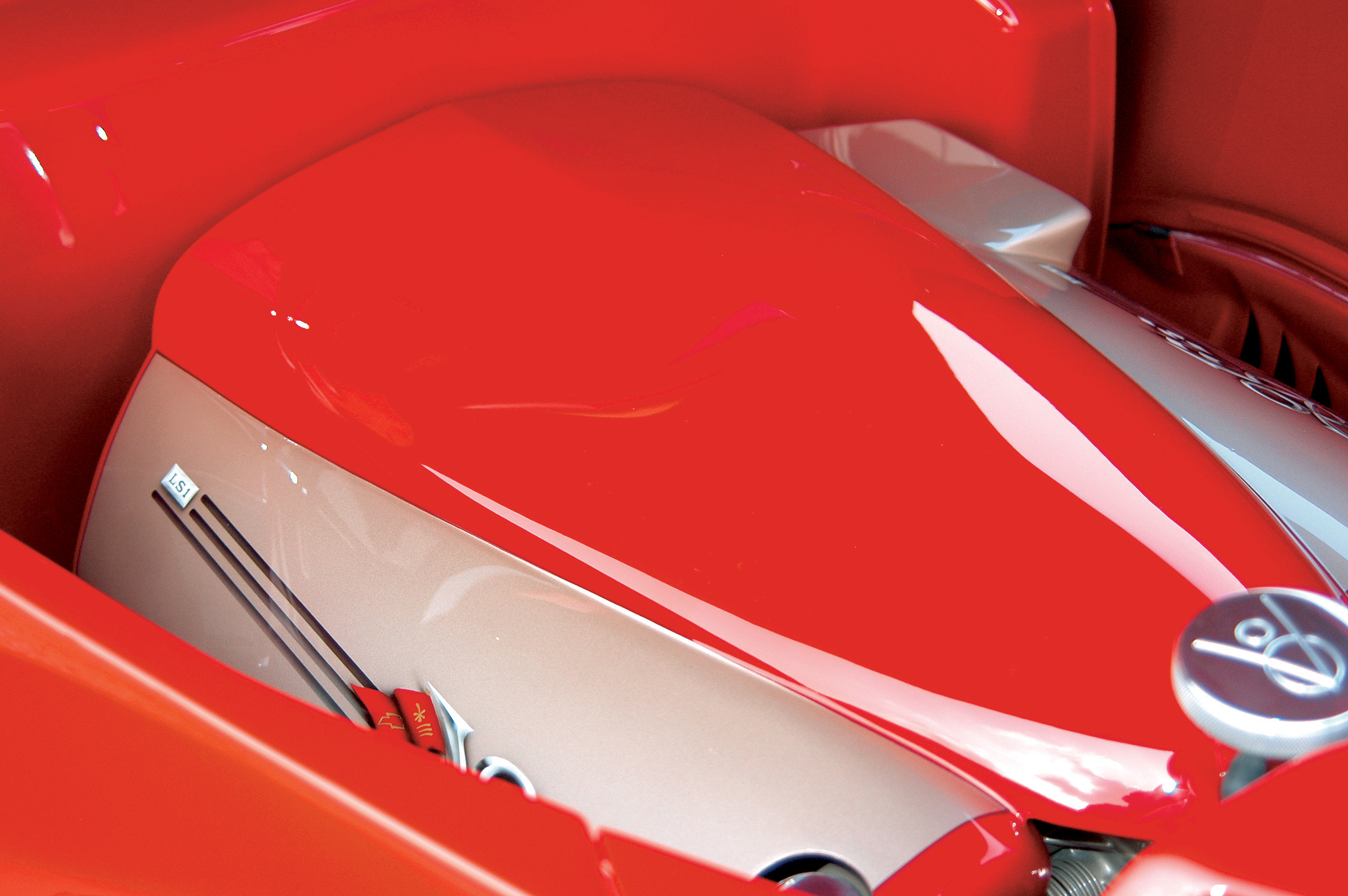
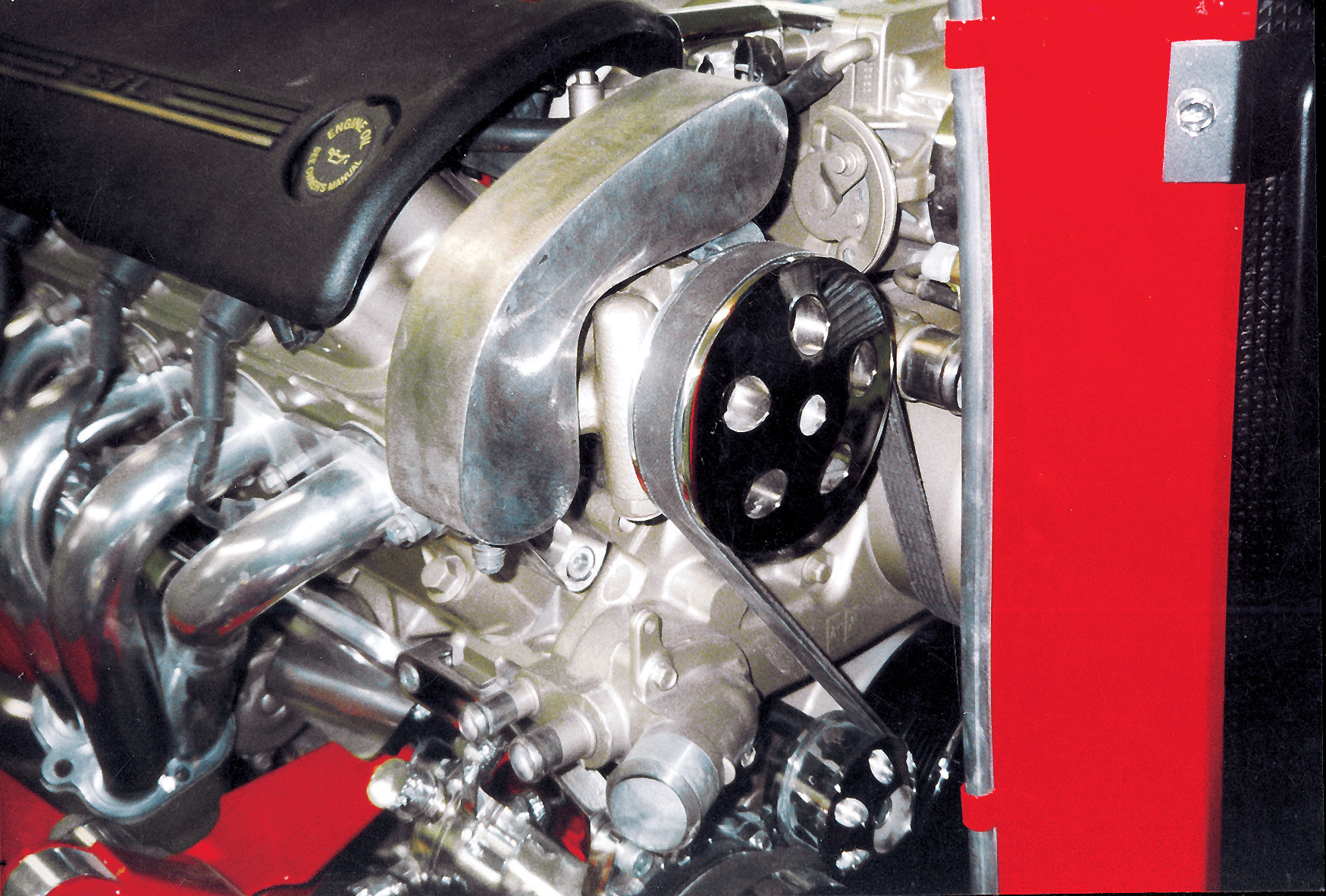
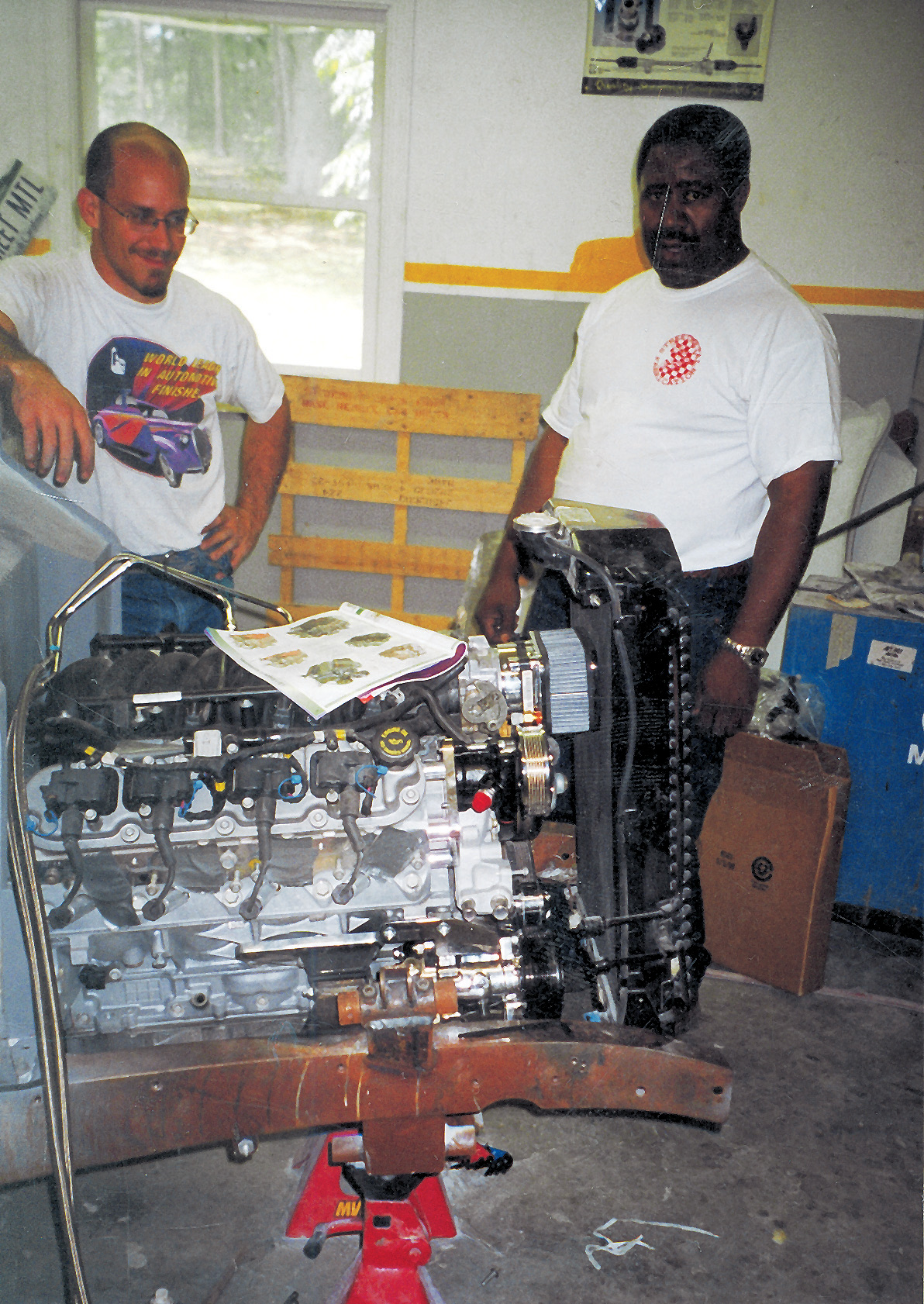
McFadden and Jacks decided that this car should be built in a contemporary design, which required a modern engine. A ’00 Chevy 350 LS1 engine was selected, and it remains basically stock with the exception of a few parts from Street & Performance. The company supplied the air cleaner, accessory brackets and exhaust headers. In keeping with the quality being used on the car, the engine was detailed to perfection and a special engine cover was fabricated to hide the one-coil-per-cylinder engine configuration. The healthy LS1 engine is hooked to a 4L60E overdrive automatic transmission, with the shifts handled by an ididit steering column with column shifter. A Summit oil cooler was used to keep the trans fluid cool.
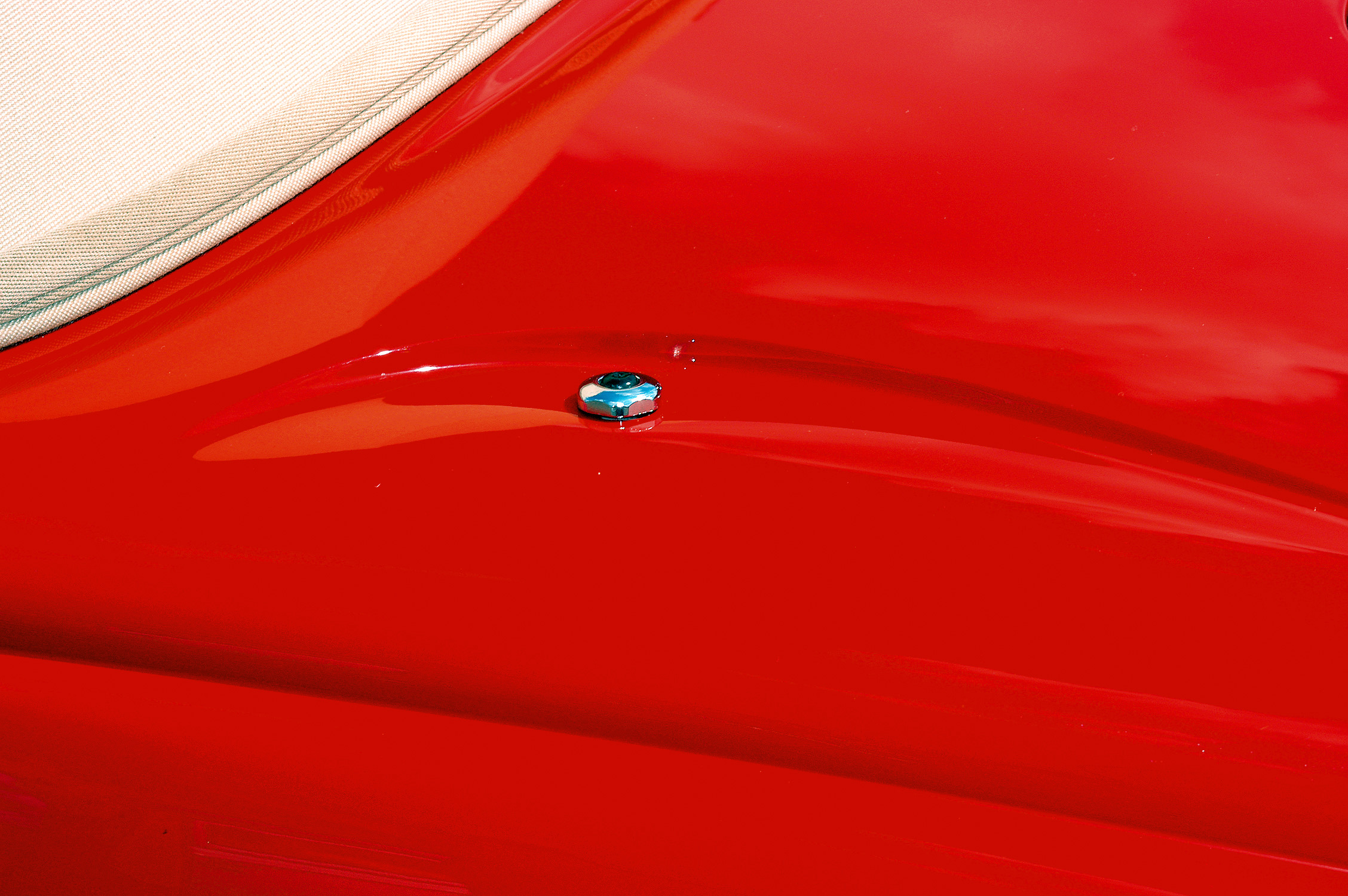
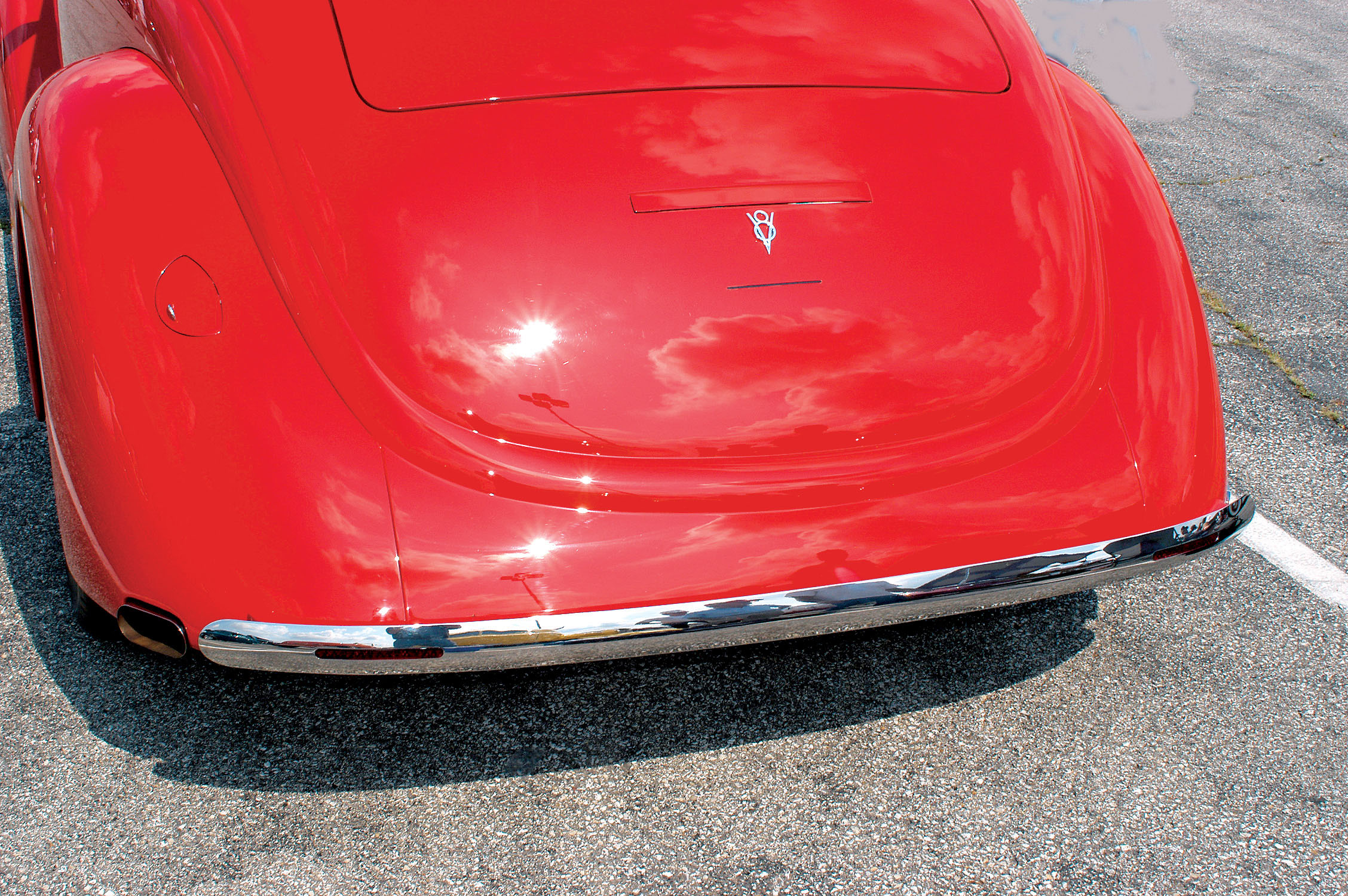
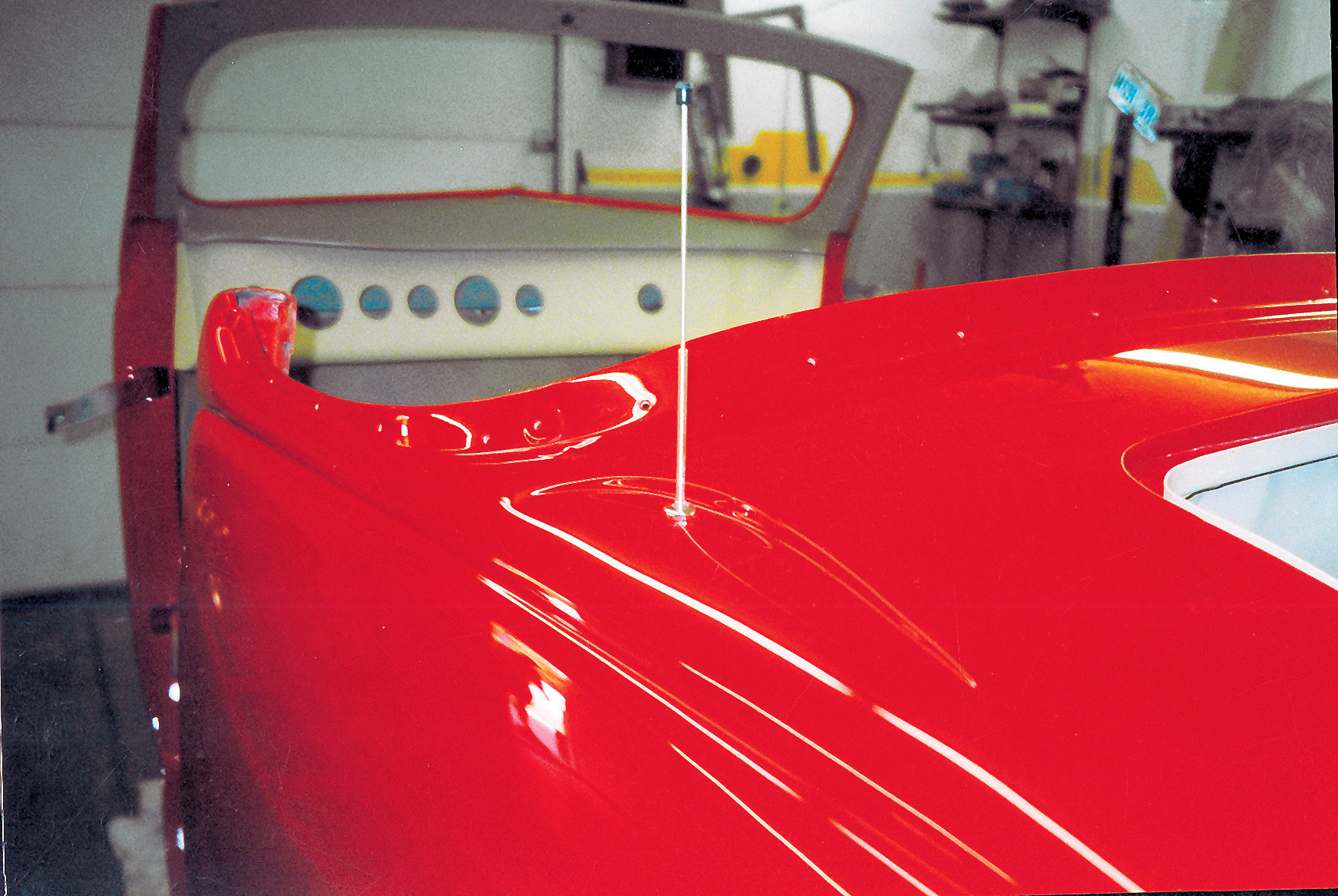
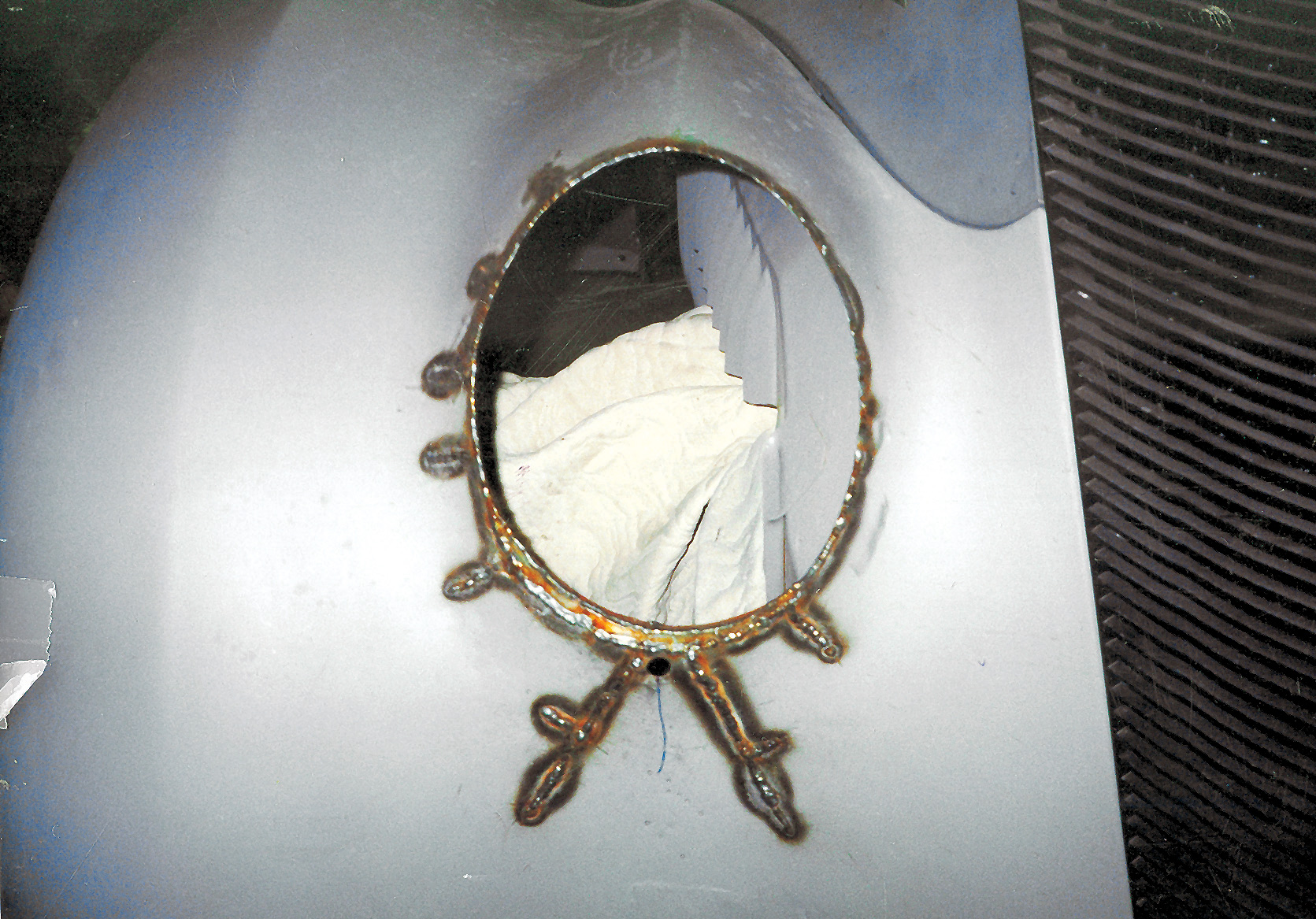
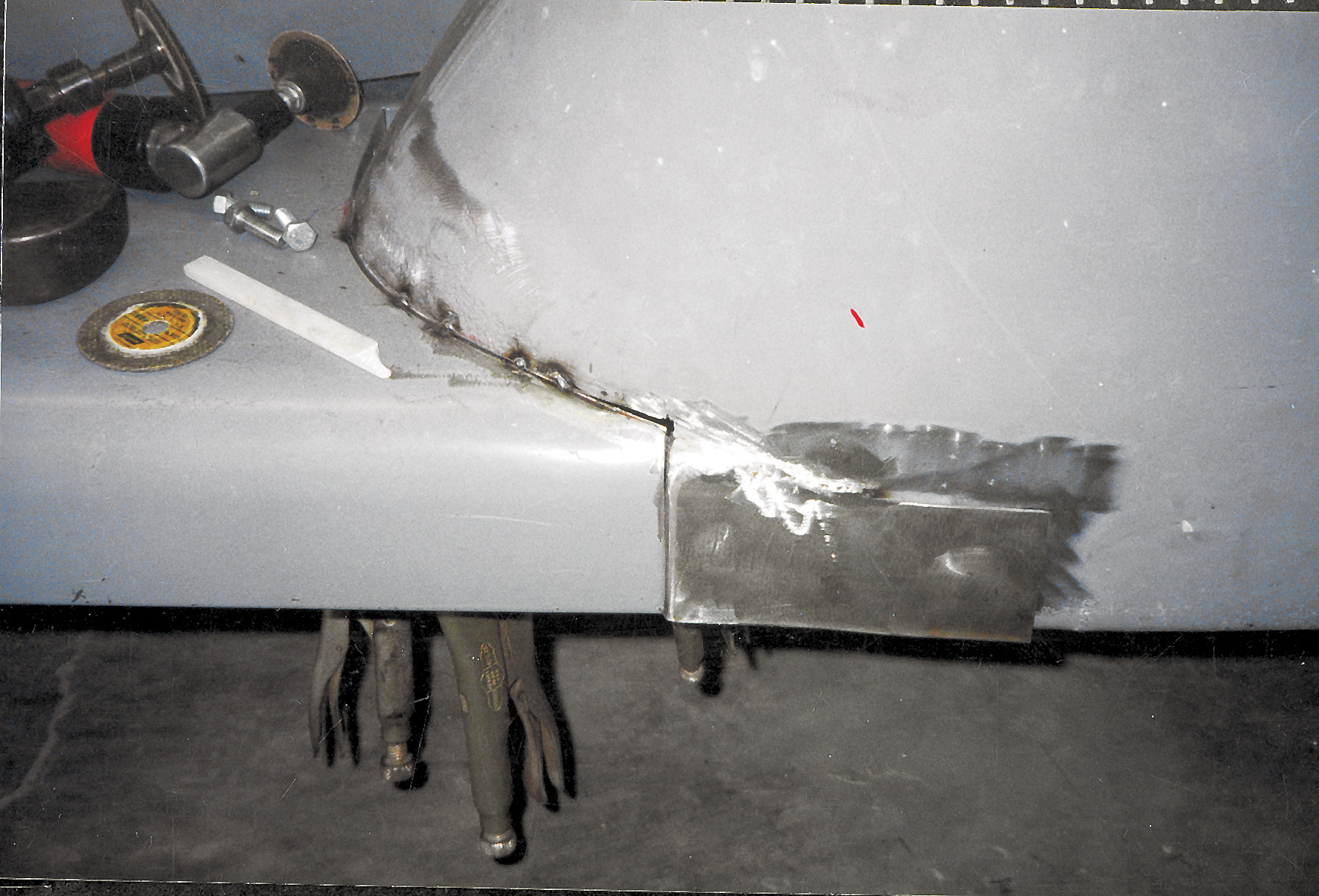
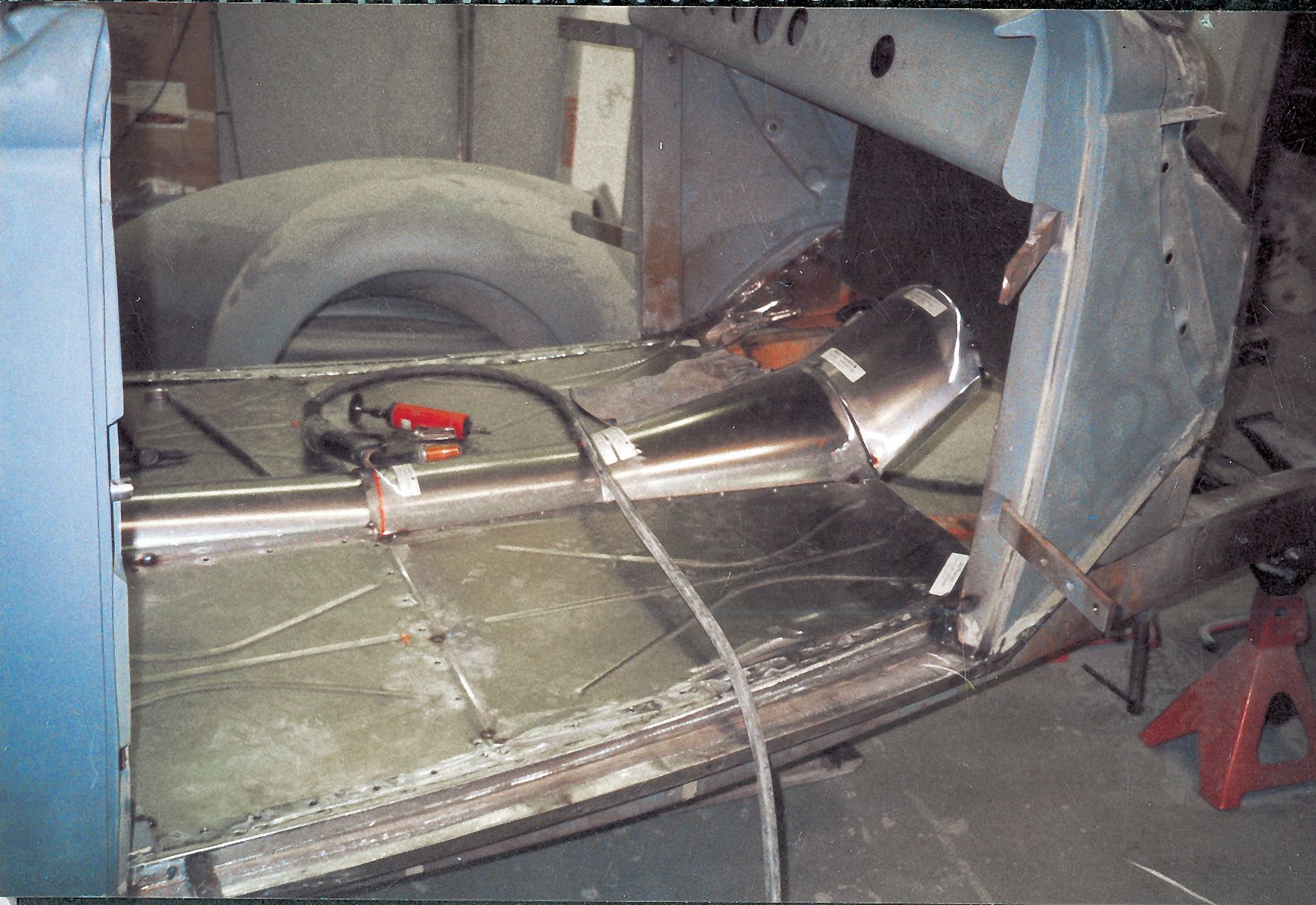
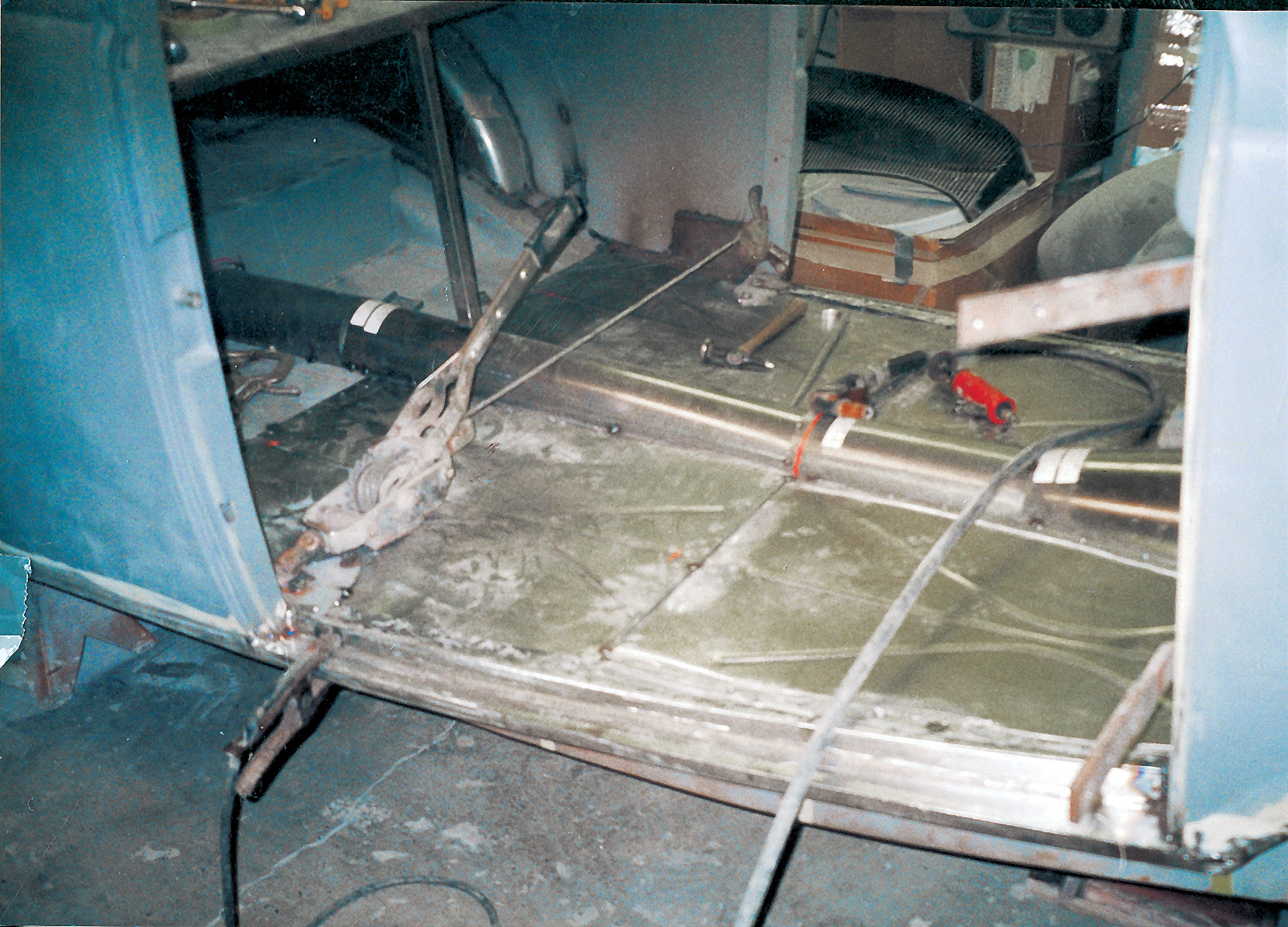
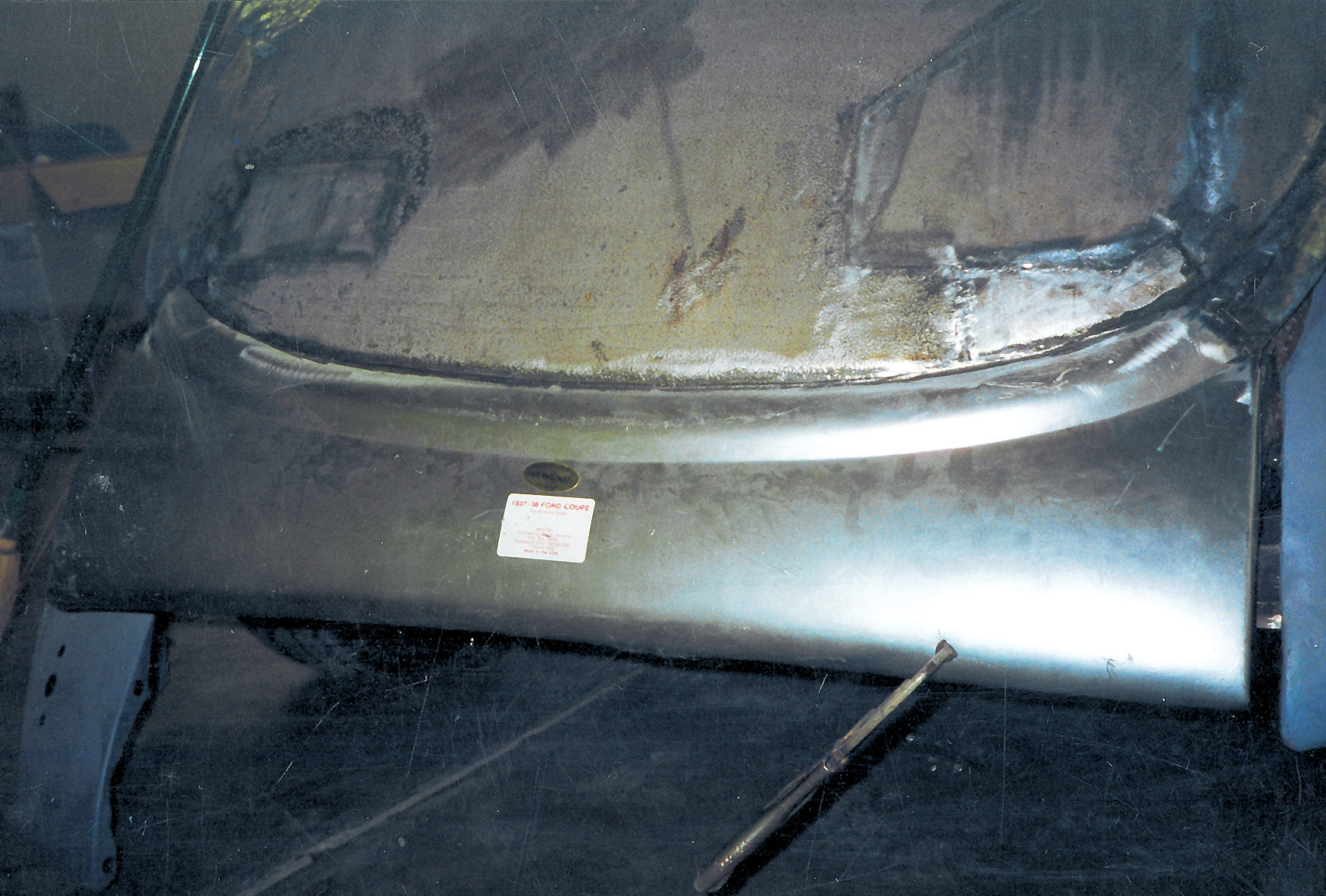
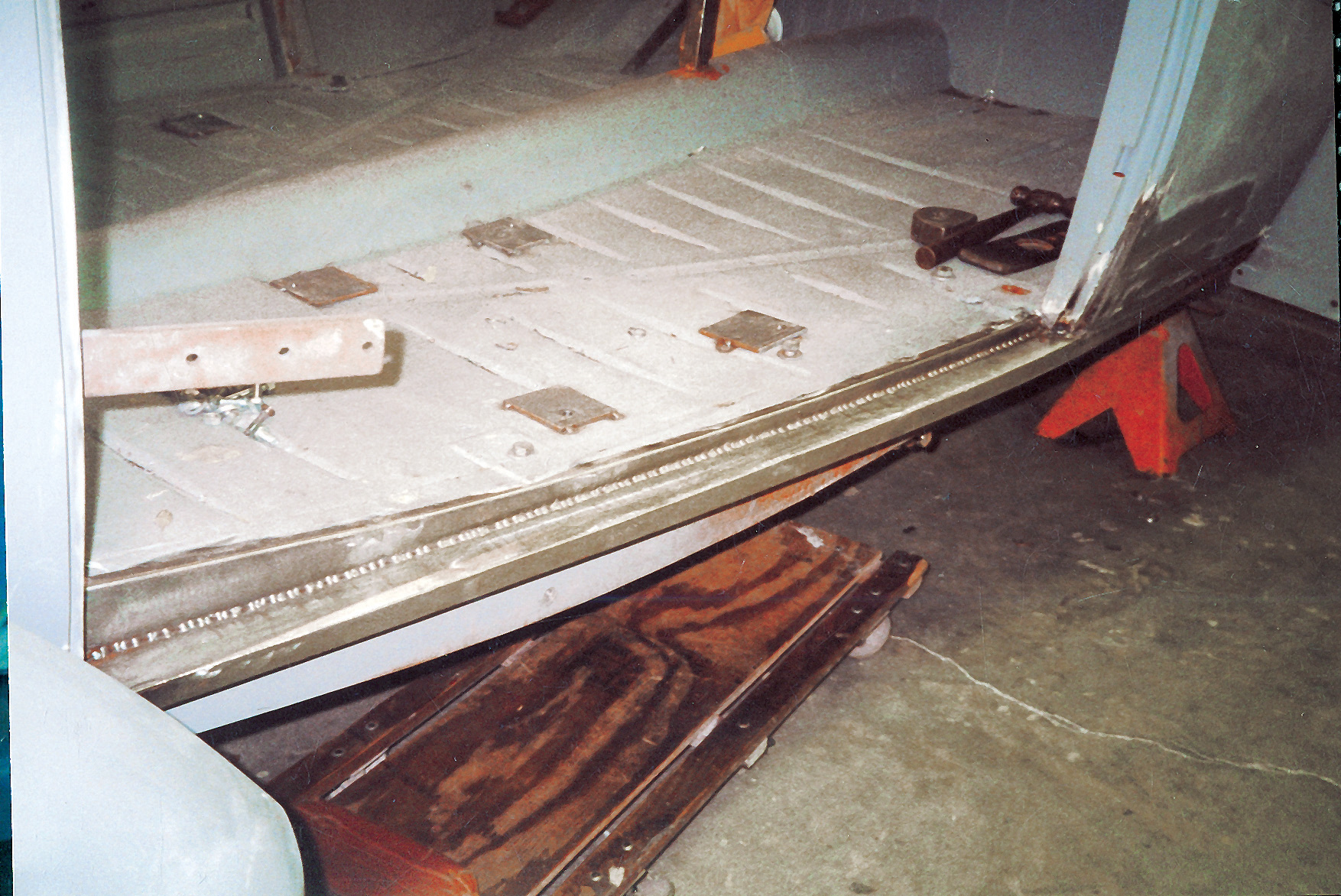
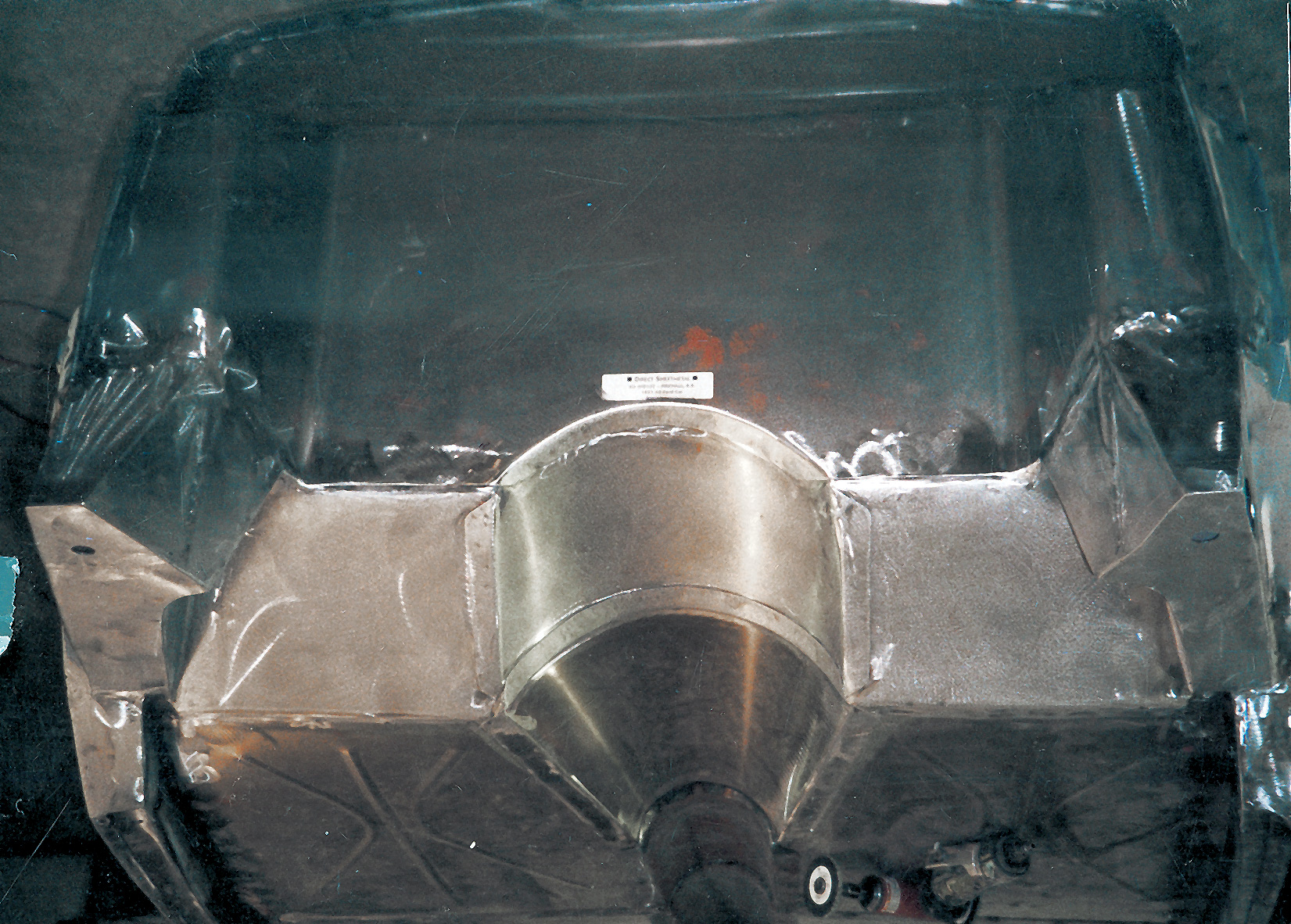
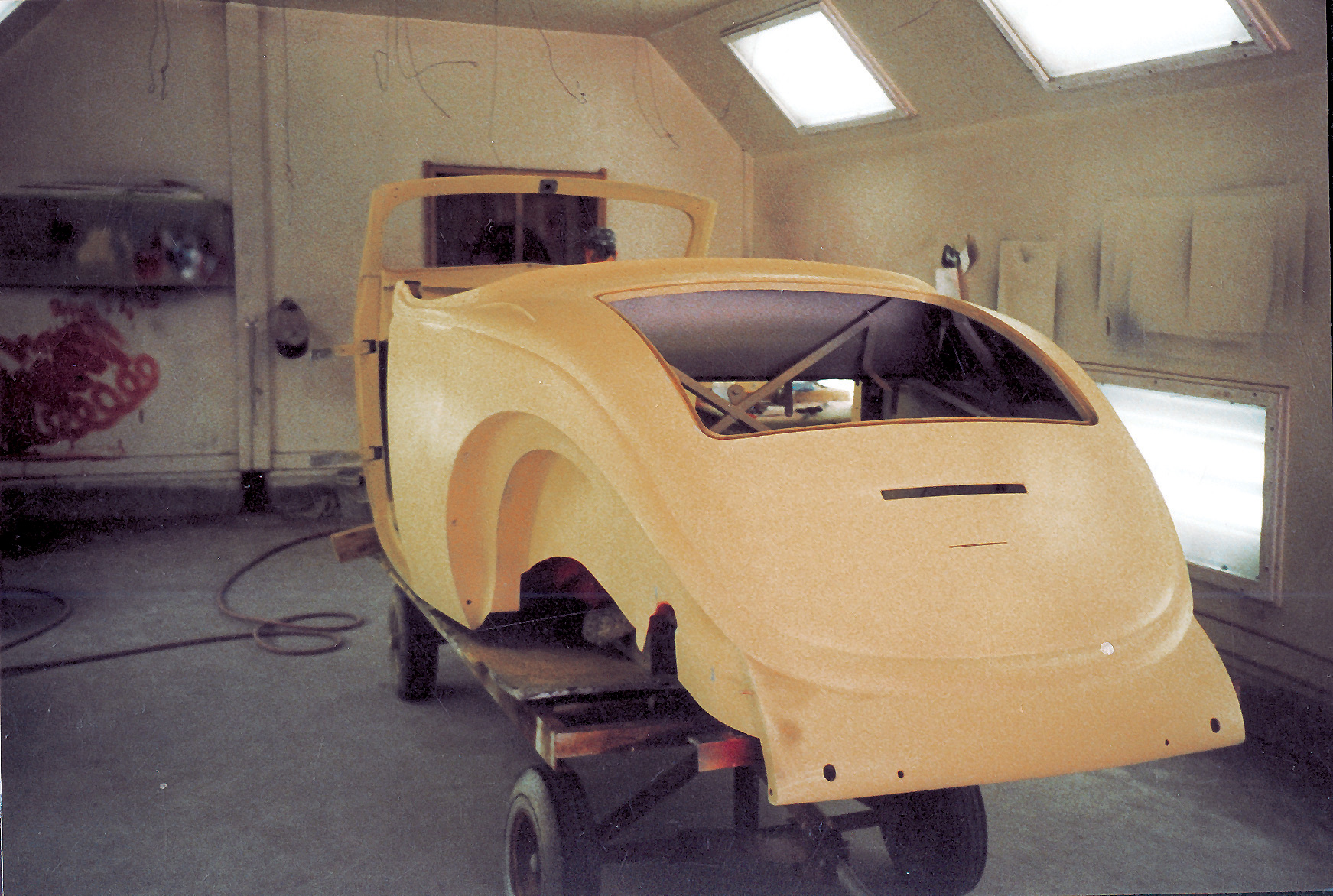
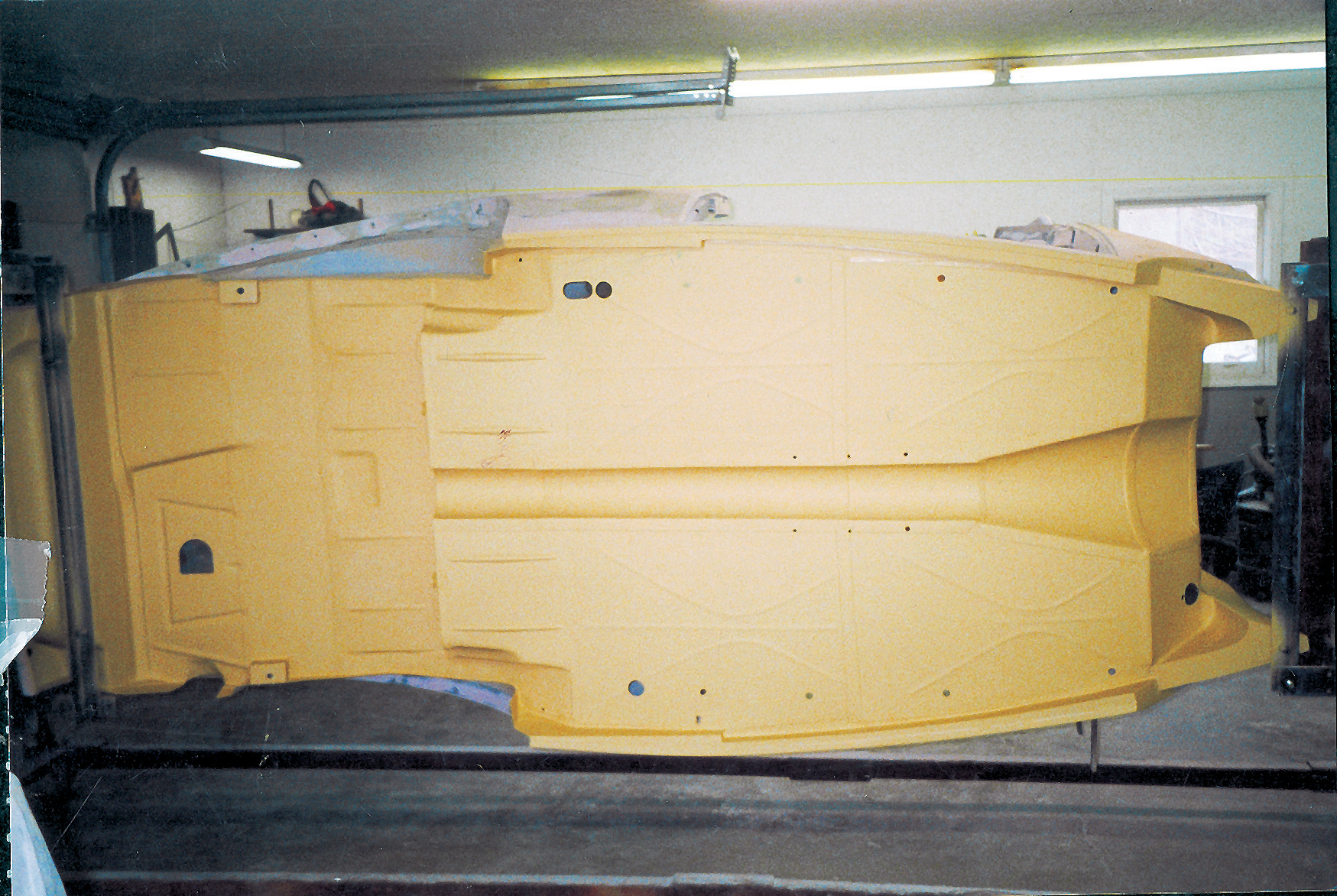
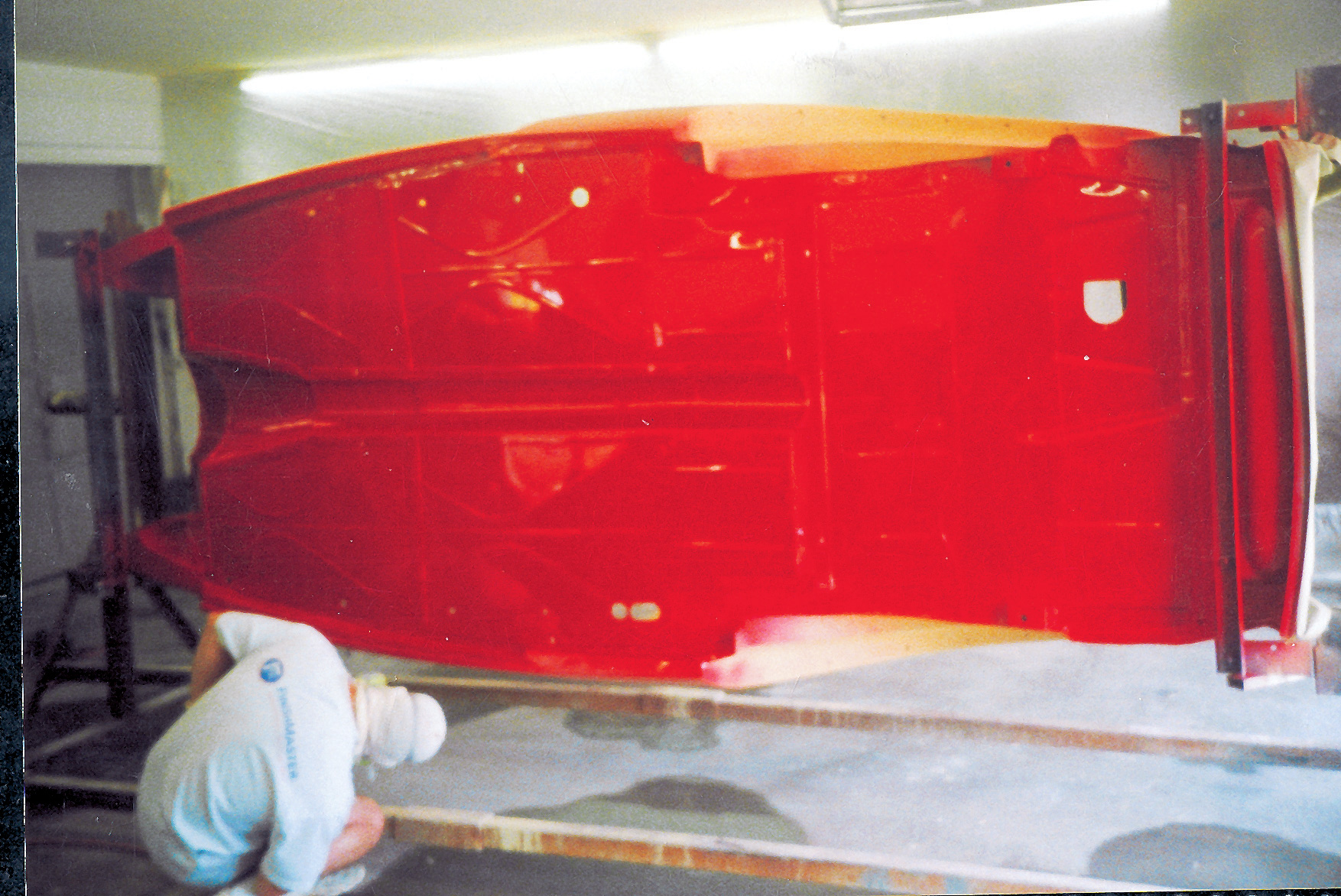
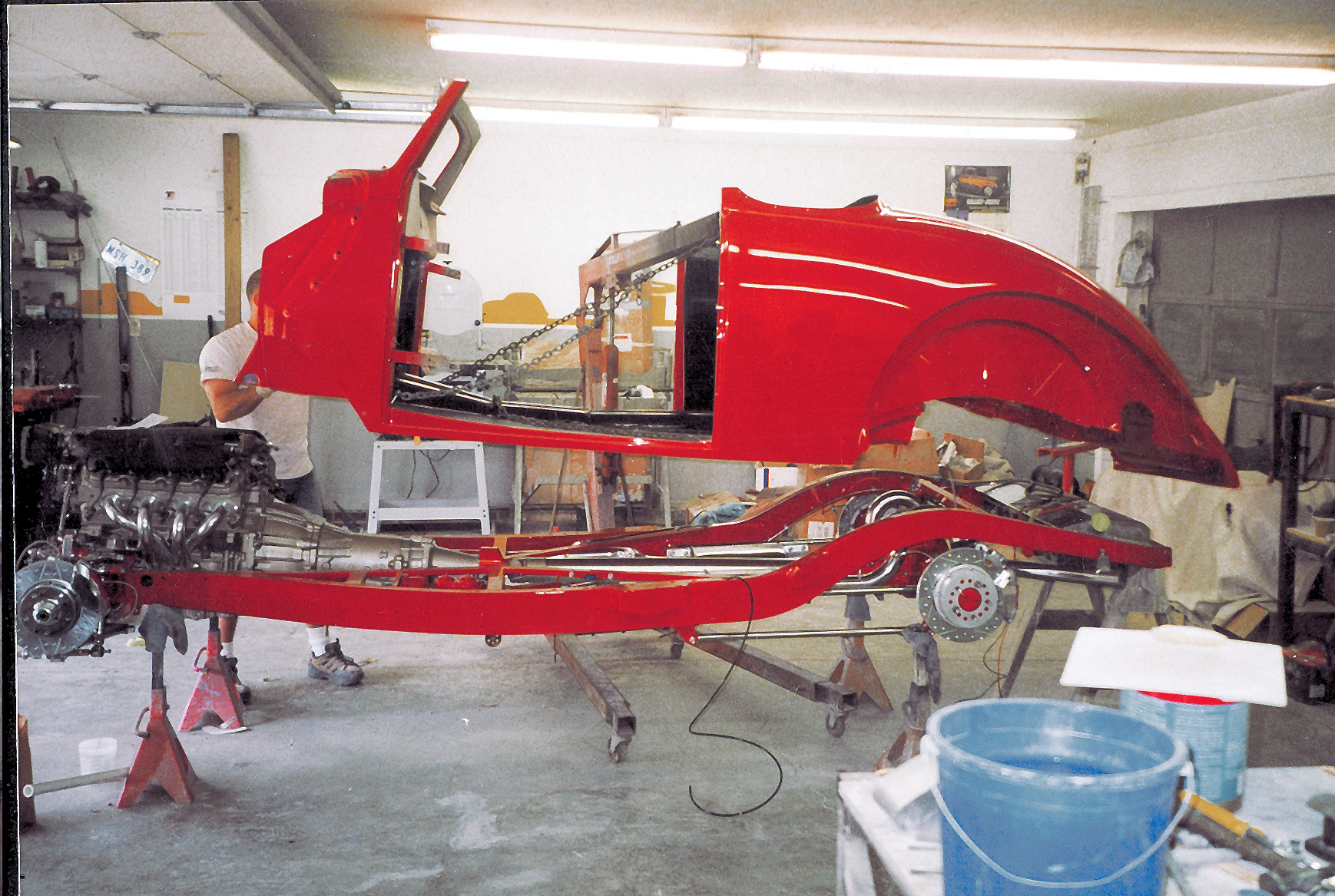
At the same time the chassis was being built, Jacks was assessing the body and making the necessary improvements. A new tailpanel was installed to finish the rear of the body. The original firewall was also replaced with a recessed unit. The door bottoms were showing signs of rust, so patch panels were installed to save them. The floorboards were rusted out, too, so a new floor was installed with heavy-duty sheetmetal. Custom improvements included filling the hood sides, flush-fitting the running boards and installing Mercedes headlights into the fenders. Along with making all the metal changes, the small dings and dents were removed, the body was prepped and then it was ready for paint. Jacks applied the Spies Hecker bright-red basecoat/clearcoat. The car also features front and rear bumpers from Don’s Hot Rods in Germantown, Ohio.
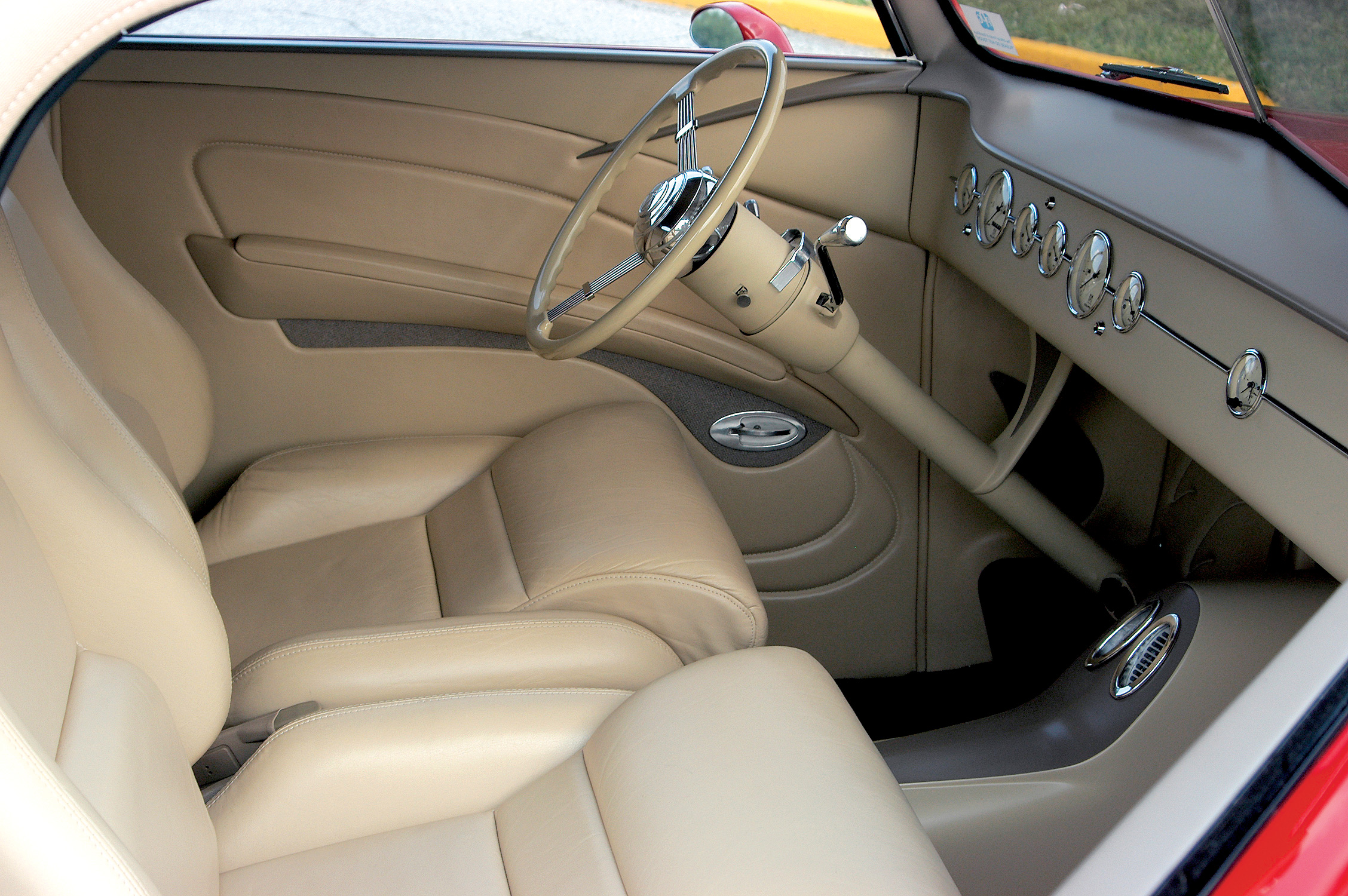
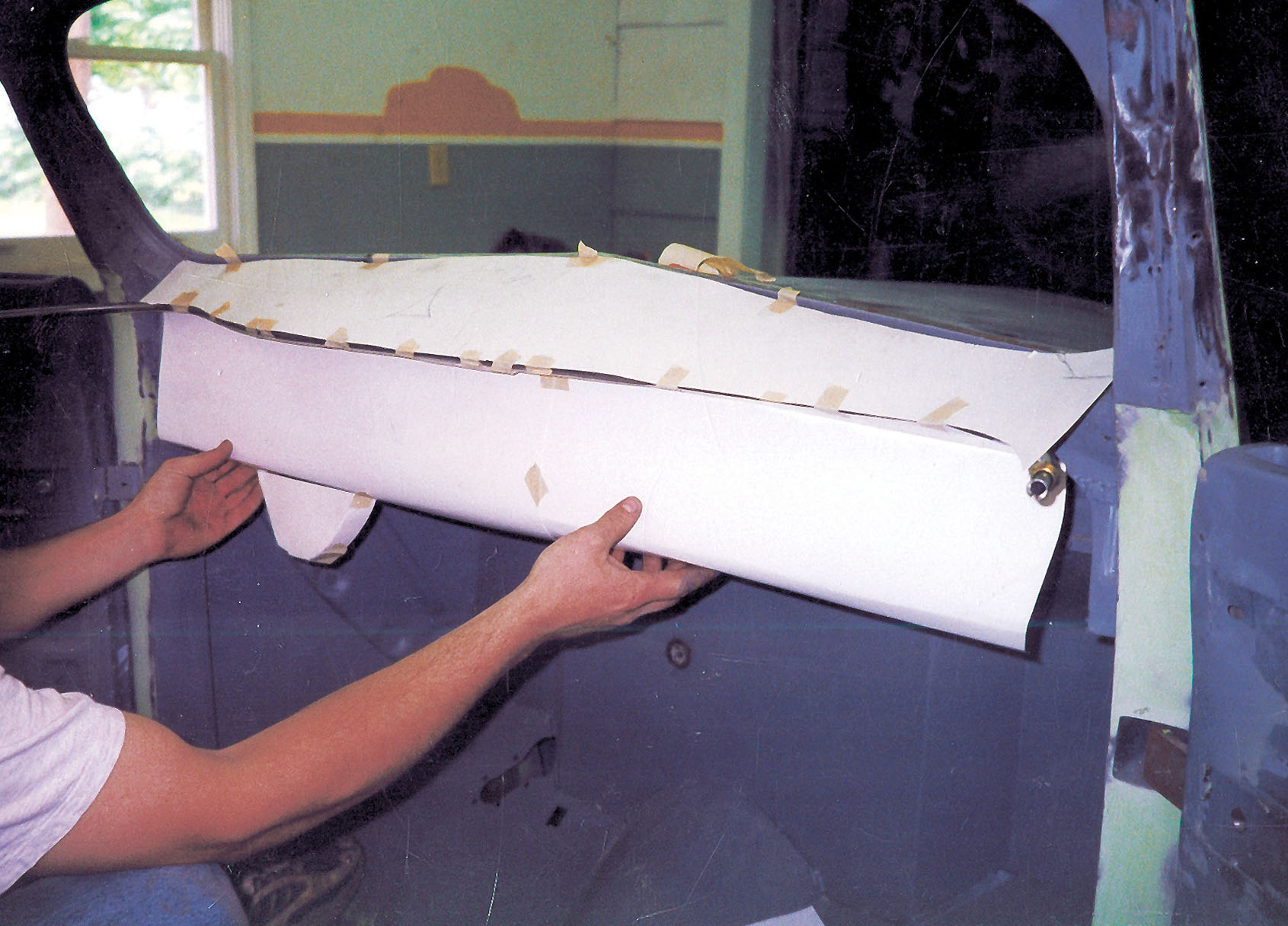
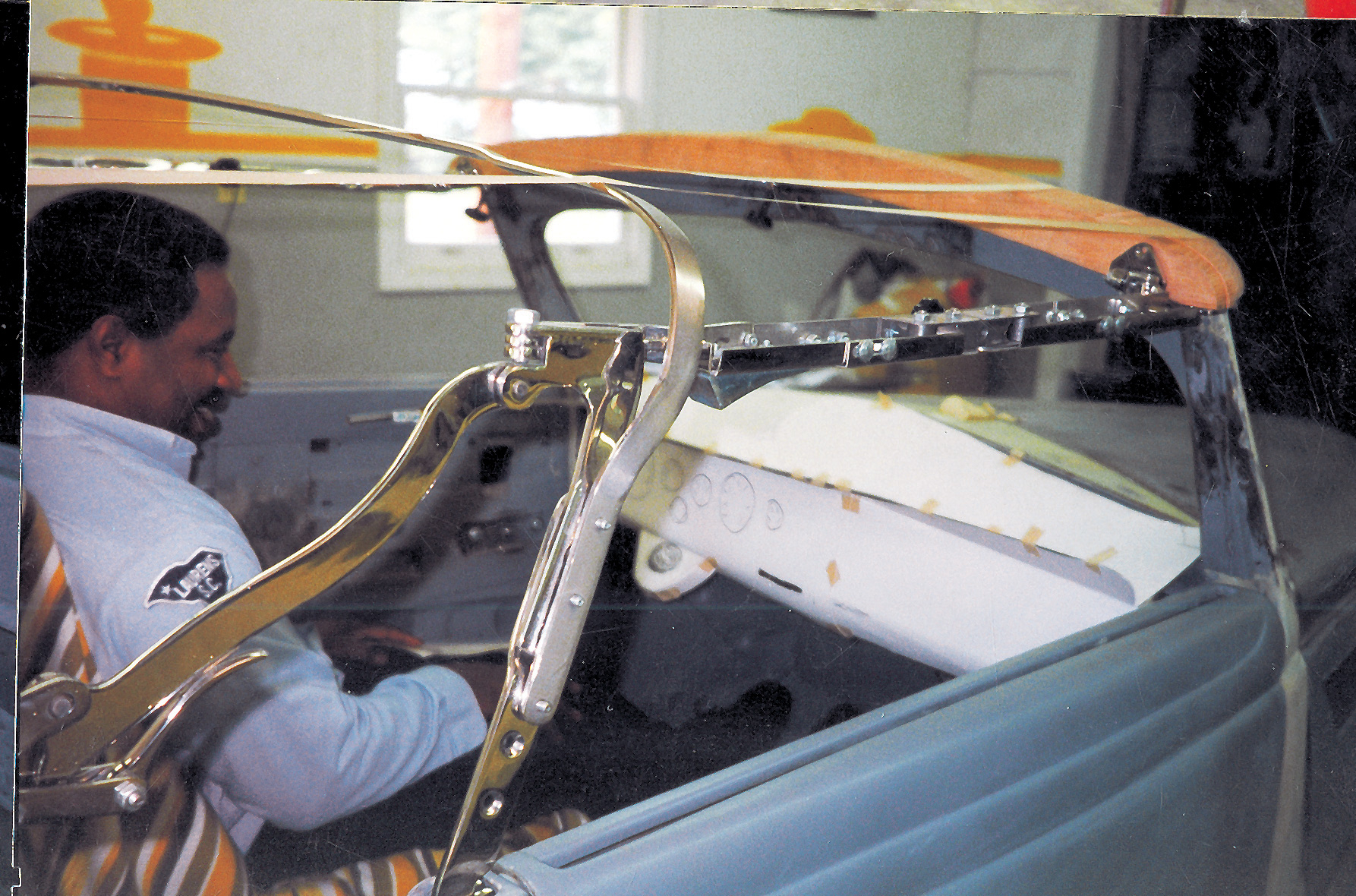
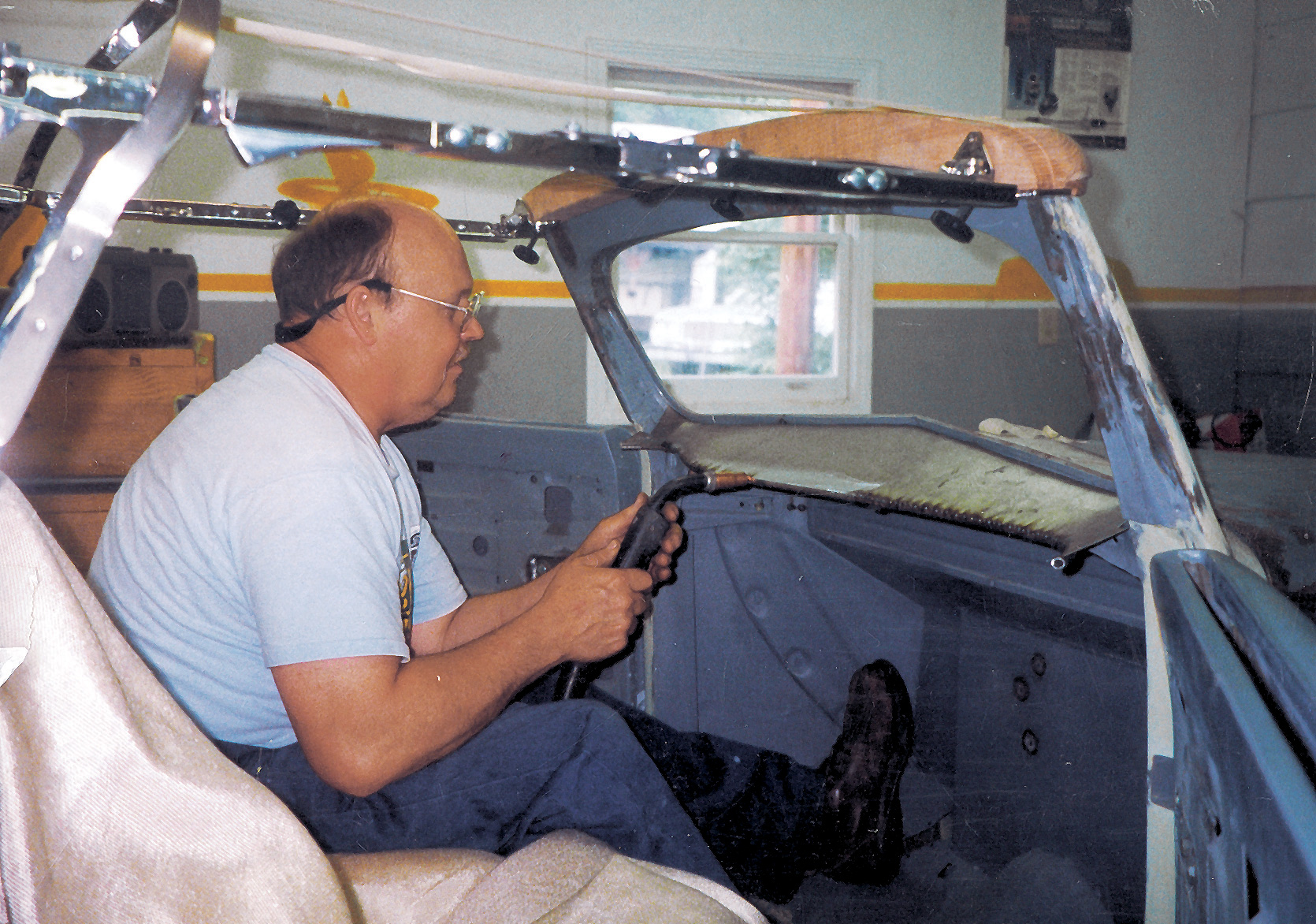
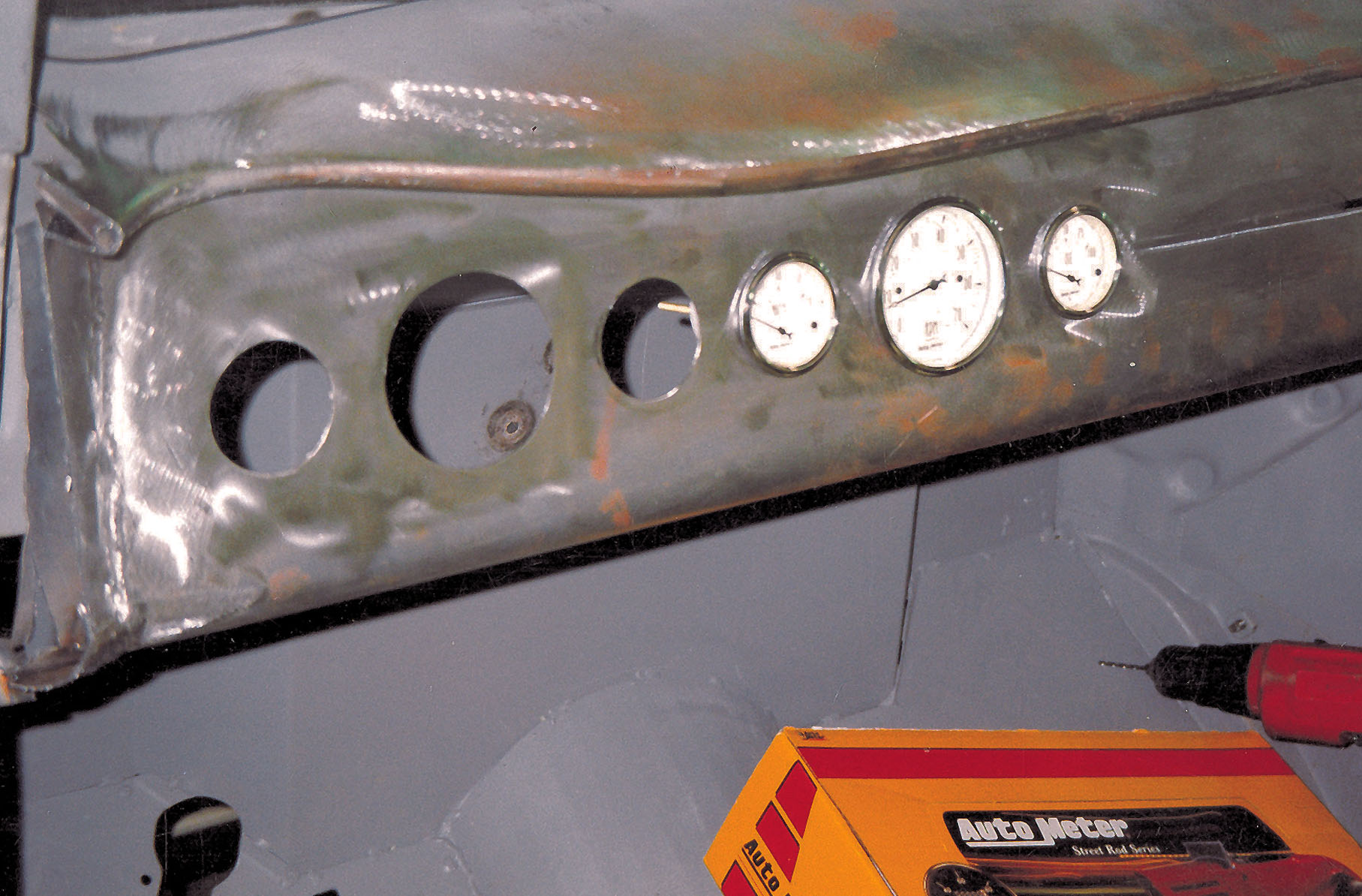
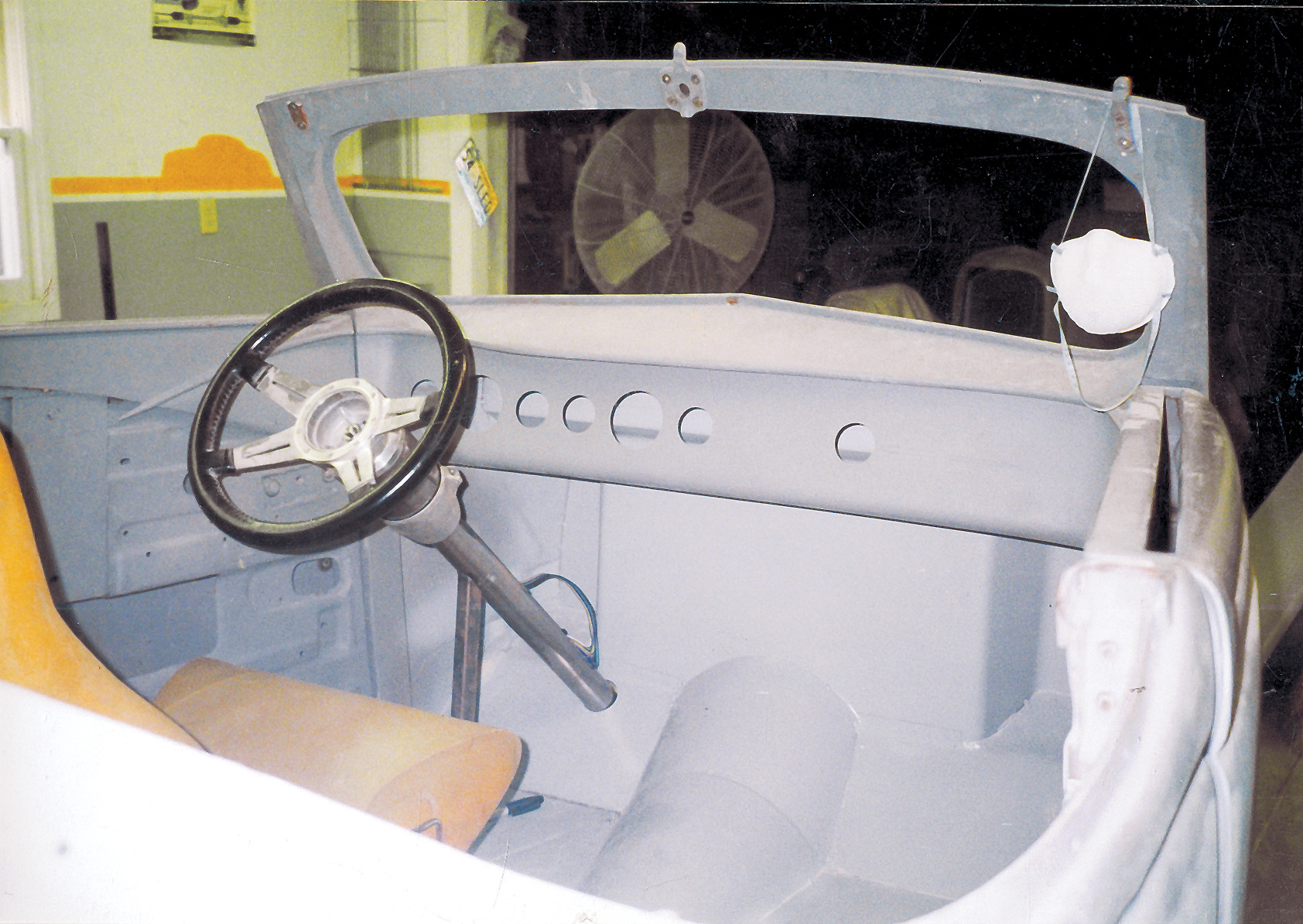
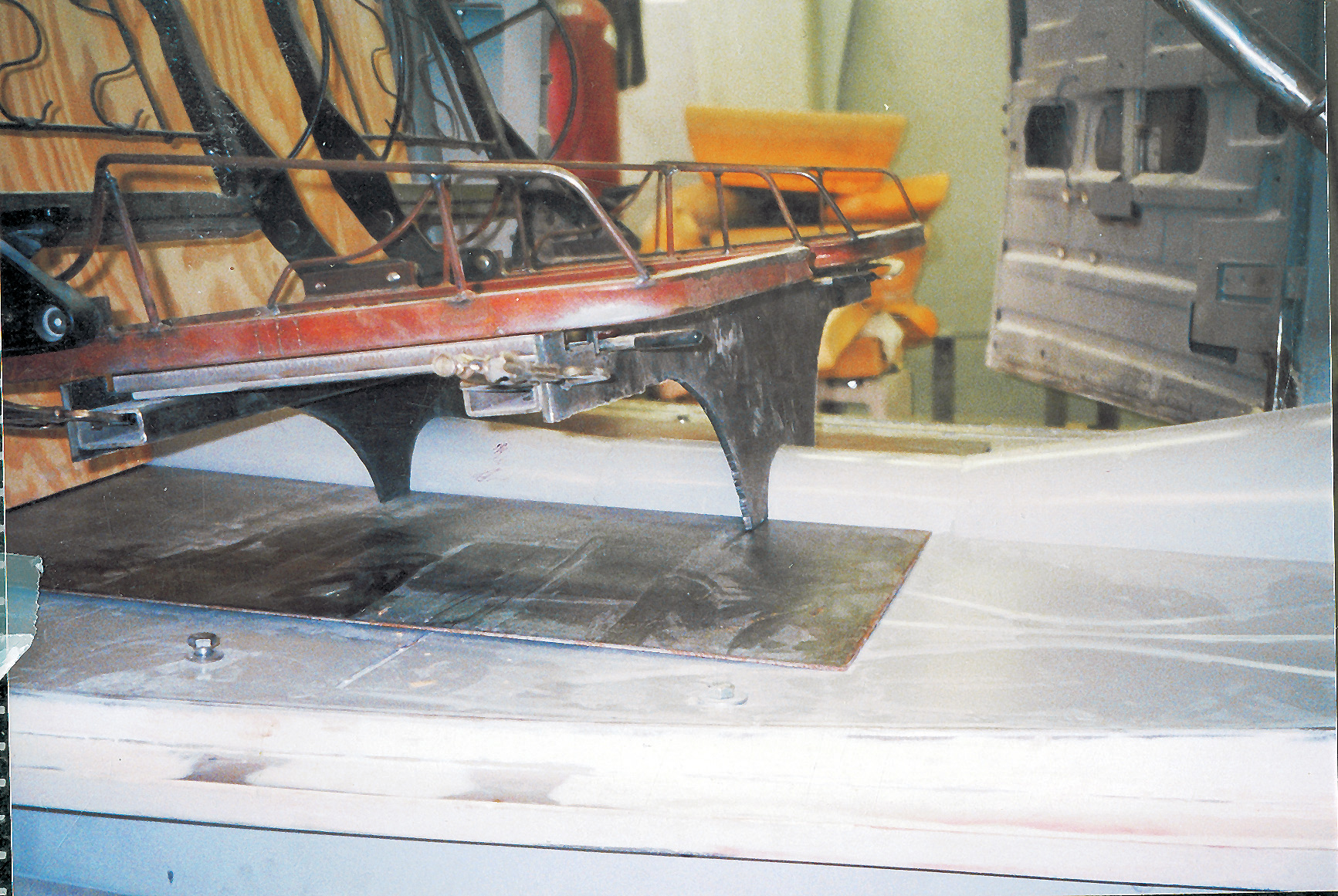
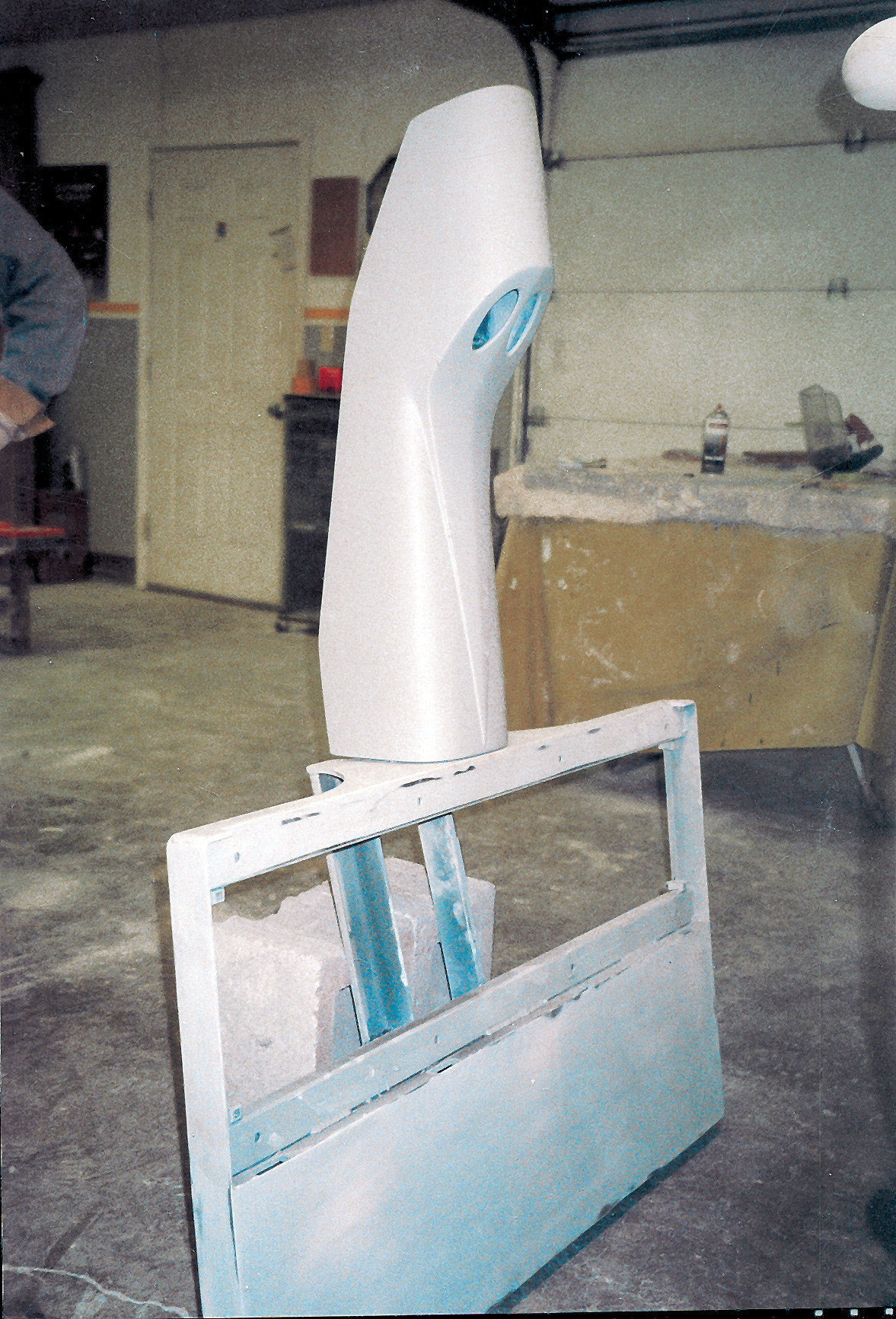
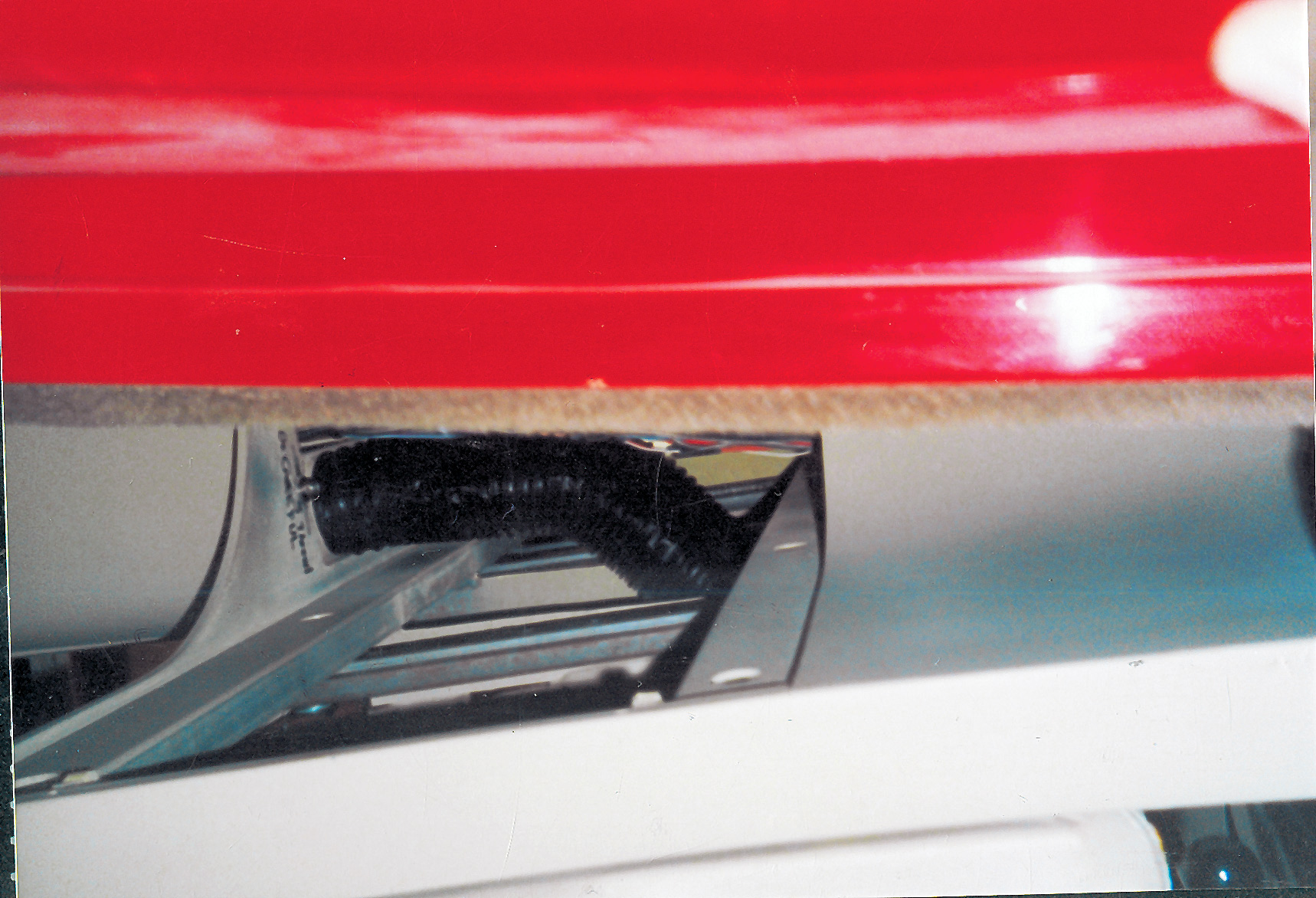
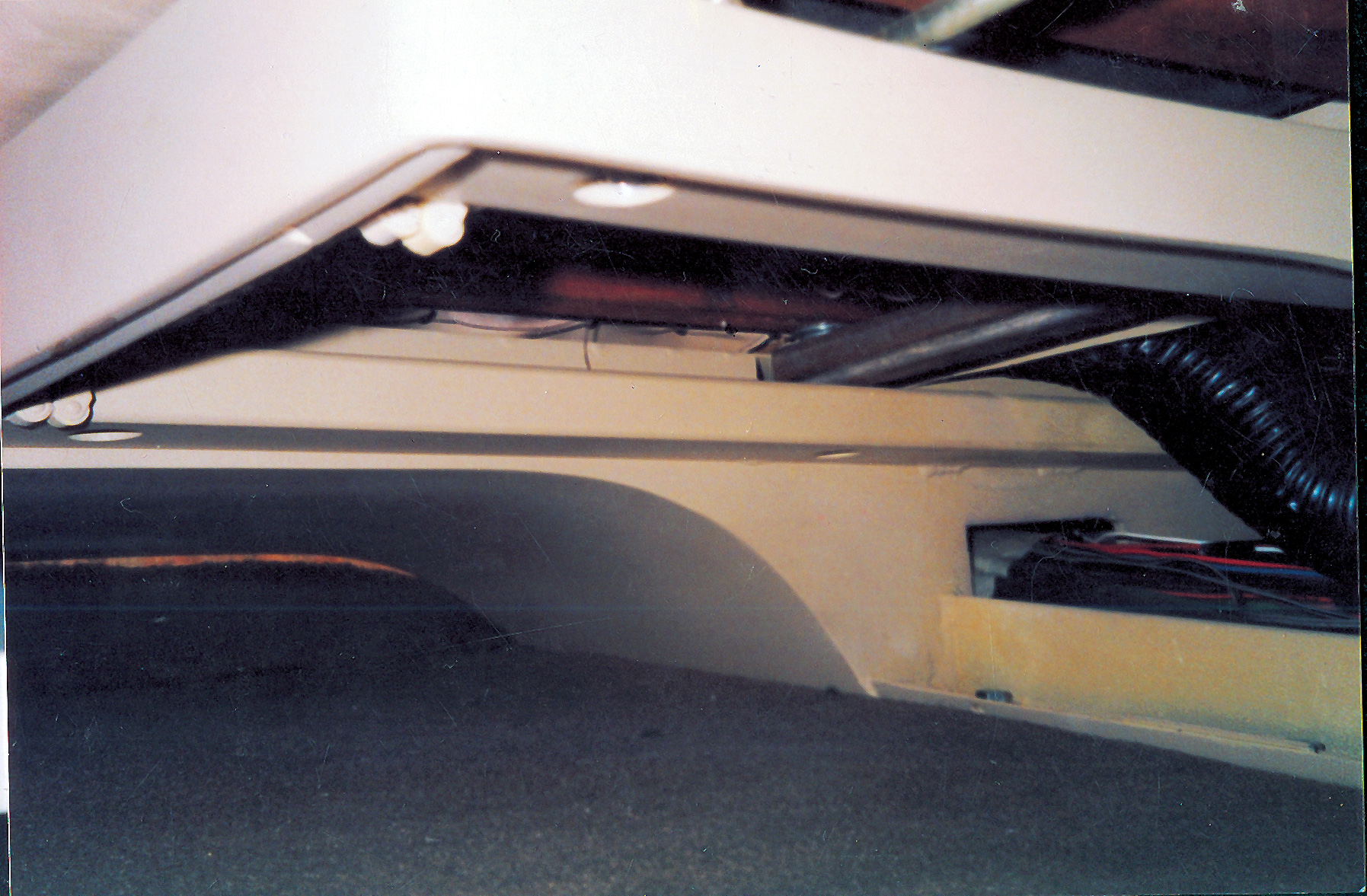
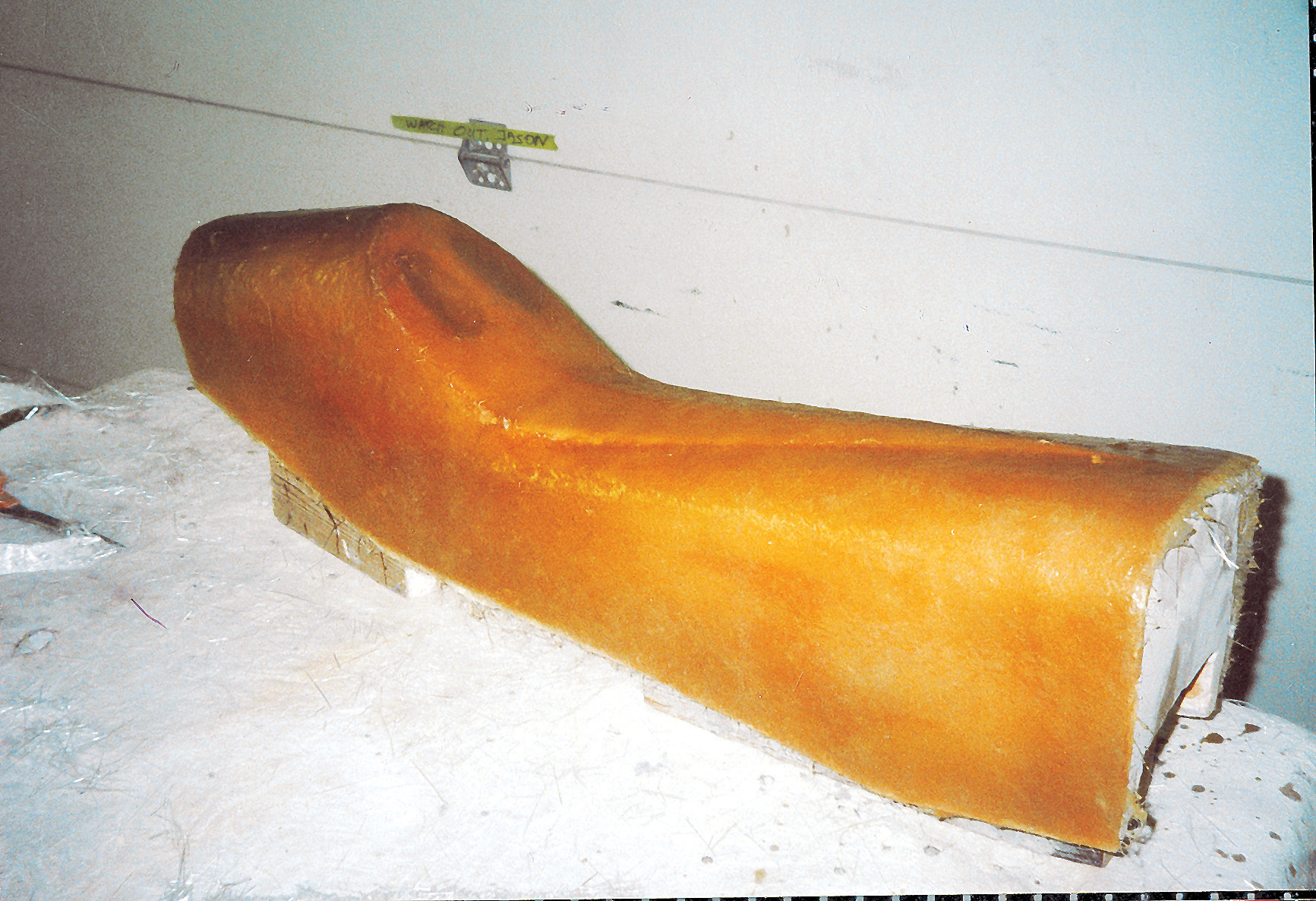
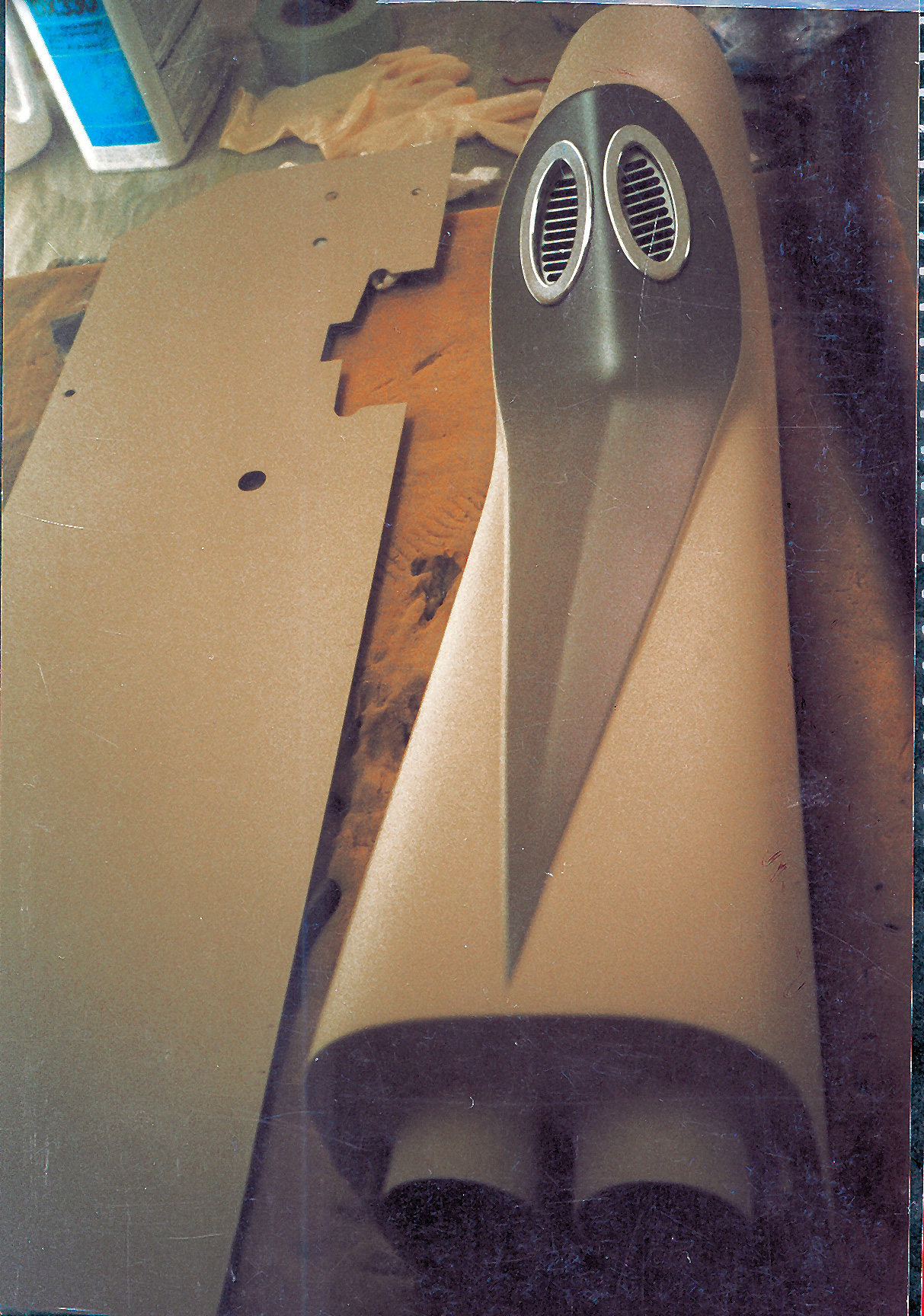
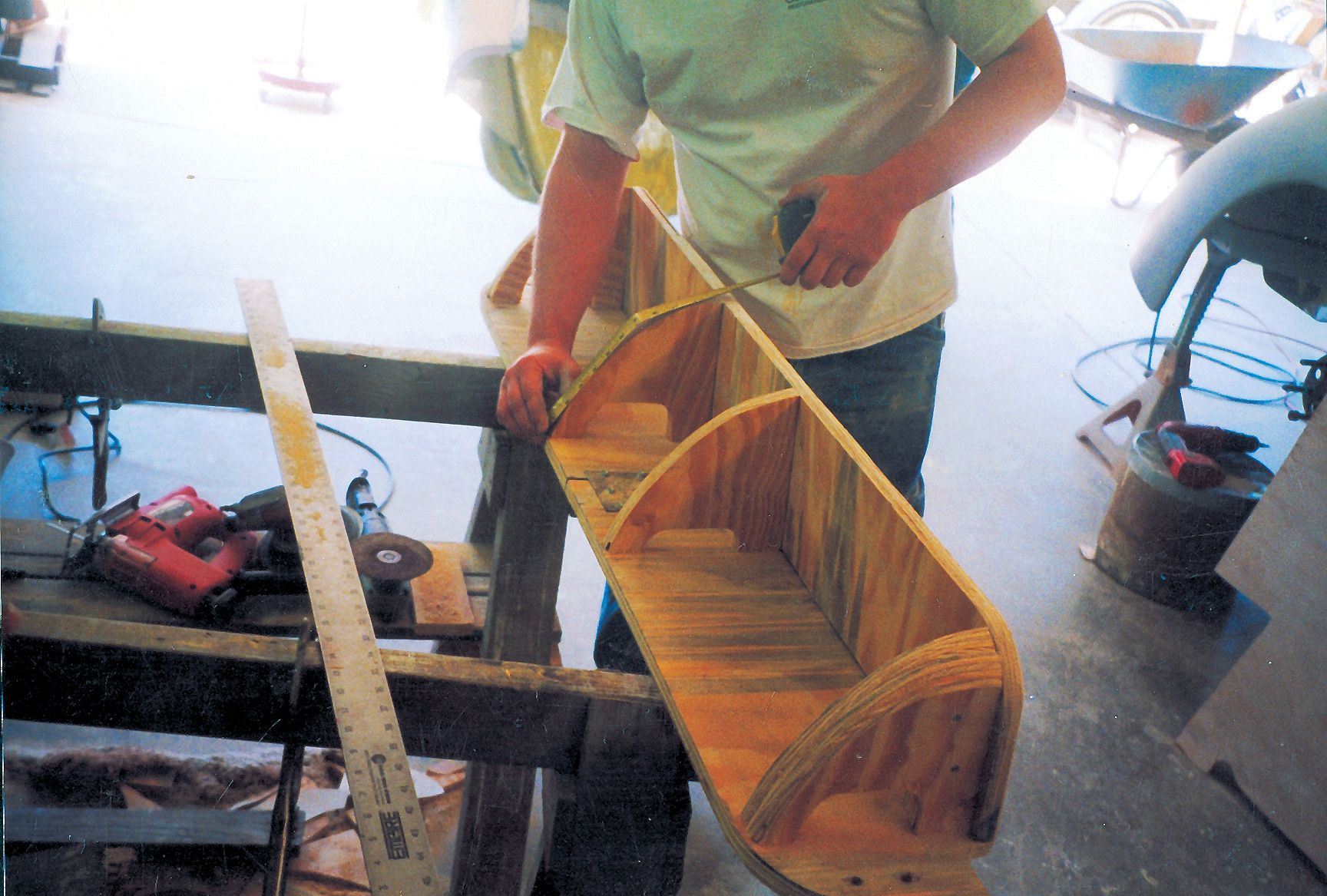
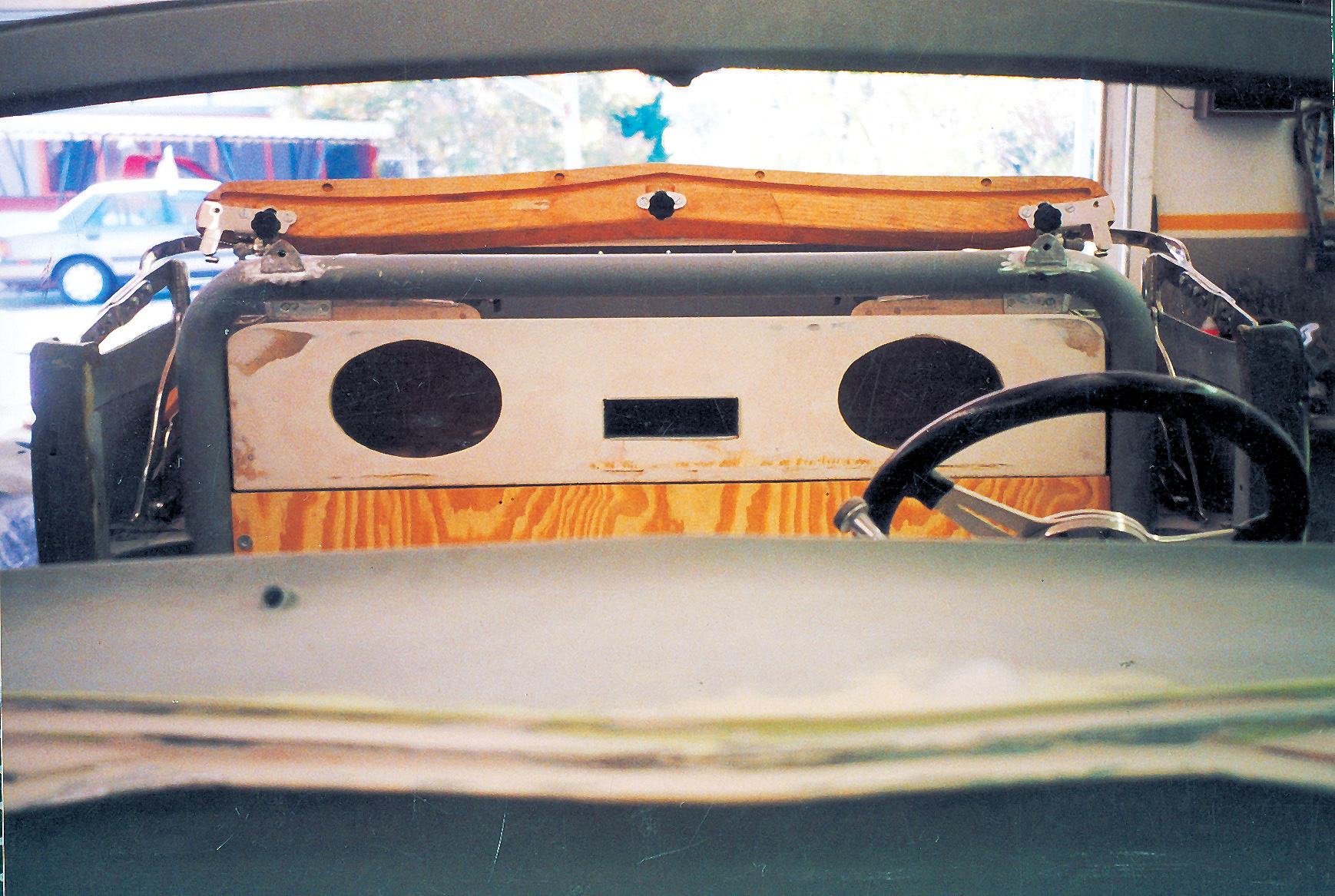
After it was painted, the cabriolet was carefully assembled to avoid any scratches. Jacks also installed the wiring using a Haywire kit. He made several innovations in the interior, as well, including the hand-formed dash and cantilever seat base. In addition, he fabricated the special console that was built with tubes to duct the cold air from the air-conditioning system to the vents.
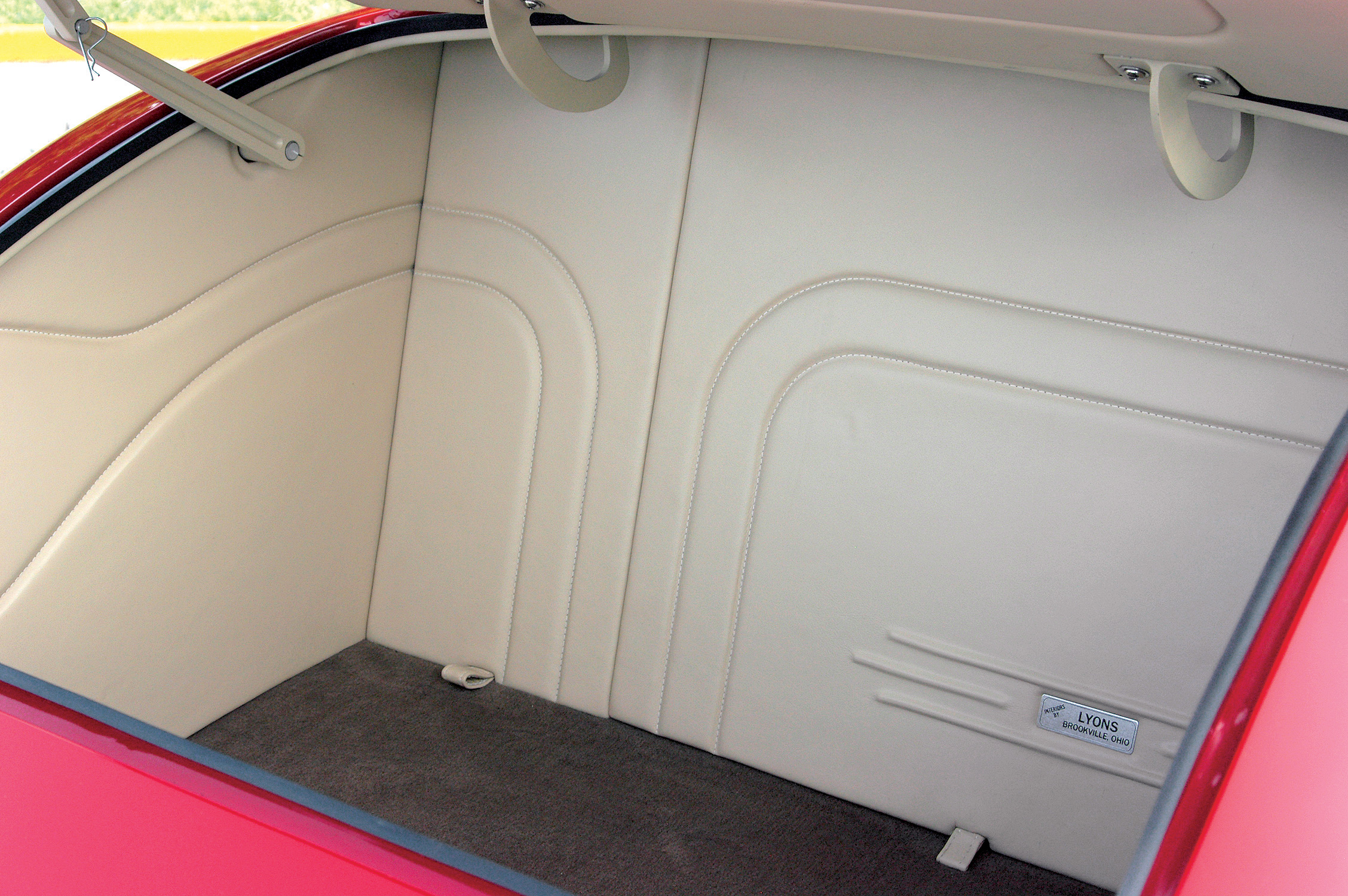
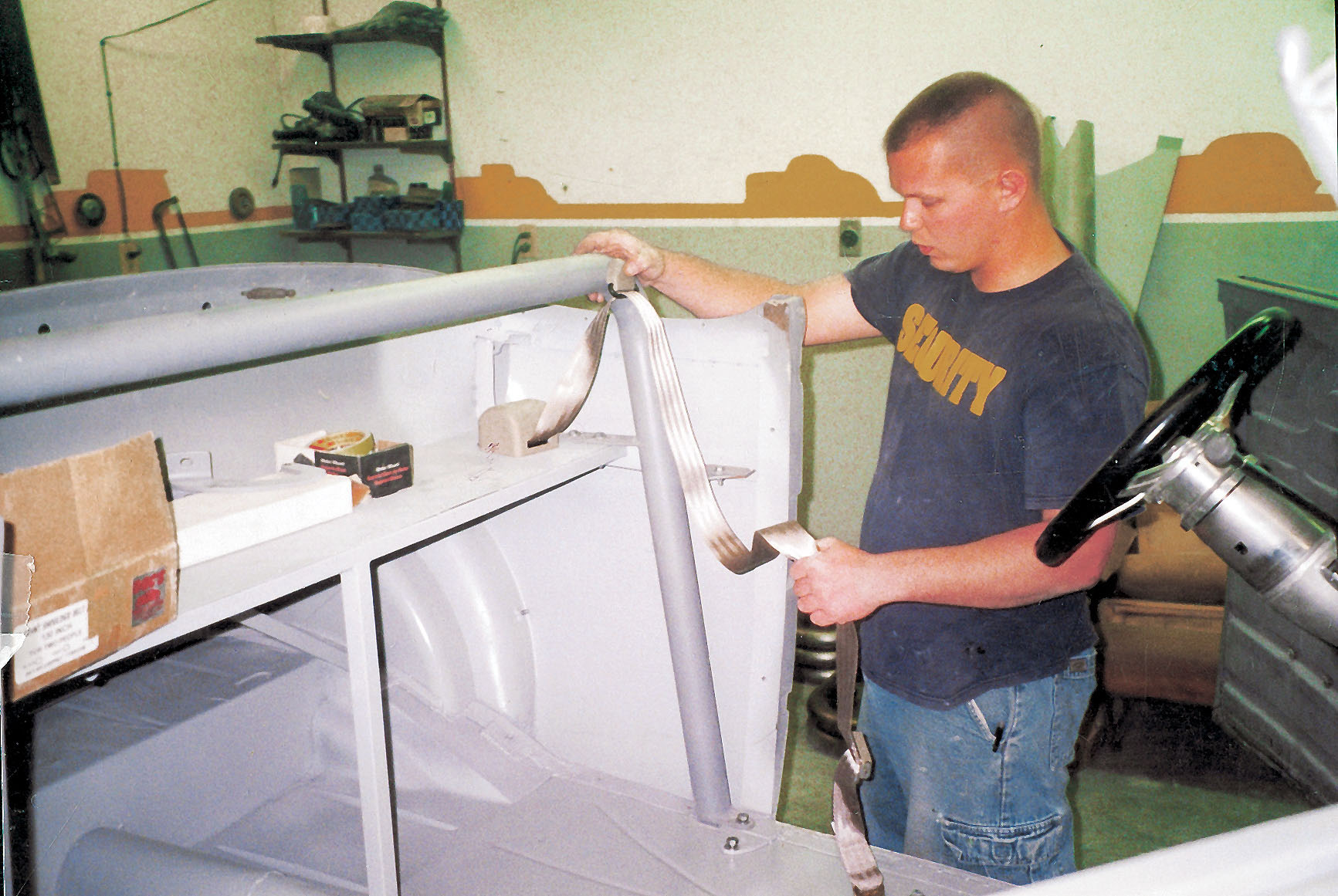
After the cabriolet was bolted back together, it was delivered to Lyons Upholstery for the fantastic tan leather interior. Features include the Griffey bucket seats, Vintage Air climate-control system, Auto Meter gauges and Juliano’s banjo steering wheel on an ididit column. Since this car has an open top, a small rollbar was installed for safety along with a shoulder-harness/seat-belt arrangement. Because cruising and music go hand in hand, a Clarion AM/FM/cassette stereo system was installed along with several precision-mounted speakers. The finishing touch was the beautiful tan Haartz cloth top.
McFadden and Jacks worked together on the construction of this fabulous all-steel cabriolet, and the result of their collaboration was well worth the effort. Today, McFadden is driving the ’37 to as many shows as possible, and the red cabriolet is winning its share of accolades along the way. We spotted the red smoothie at the Street Rod Nationals and had to take a few photos just to show how a ’37 cabriolet should be built.