



THE AUTO BUILDER
Featured

Shade-Tree 1.6.
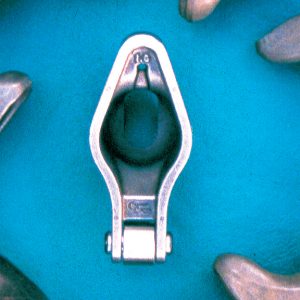
Okay, we weren’t quite that naive about what we read regarding upgrading to 1.6 rockers on our small-block Chevy for the first time, but it was close.
The engine in question was a decent runner with 30,000 miles on the mild-performance rebuild. The rebuilt engine was purchased used, and among its selling points were 0.030-over 9.5:1 pistons, moly rings, 1.5 roller rockers, a Performer RPM intake and a brand-new Holley 750cfm carburetor. The cam wasn’t a perfect match to the torque converter used in the previous installation nor was the final-drive gear ratio. As a result, the owner planned on stepping down on the cam chart to a Comp 286H-10 cam, which came with the engine in its original box. Also included were a brand-new factory Z28 oil pan and a factory timing chain cover to replace the cheap chrome pieces. For $300, the engine package was a deal, and one we couldn’t pass up. We sold the aforementioned chrome pieces and matching valve covers for $50, getting us the engine at the bargain price of $250, and we still had the new cam and lifters on our shelf.
Passing The Bar
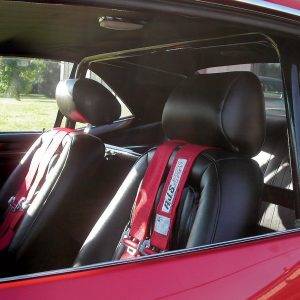
In the fall of 2003, I wanted to attend an open-track lapping day with my ʼ67 RS/SS Camaro. I have owned the car for several years and have autocrossed and drag raced it, but I never had the opportunity to run it at one of the local tracks, such as Nelson Ledges of mid Ohio, or BeaverRun.

The Shoe Fits
In the late ’40s, car manufacturers looked for different ways to modernize their vehicles, and this strategy was evident when the Big Three introduced their ’49 line of passenger cars. For the most part, the pickups stayed the same, but many things changed for the better when the slabside approach went into a more modernized production process. Those looking for a new car said goodbye to fat fenders, slabsided doors and dated suspension that were the norm with previous models. Of those manufacturers, Ford was certainly the leader in this revolutionary new-car building technique, as it produced a stylish ’49 model range to bring in this new production process.
Spotlighter
POPULAR READS
-
The Auto Builder’s Hottest Product Picks from The Triple Crown of Rodding 2026
-
Product Spotlight: Bill Mitchell Products Aluminum LS Engine Block
-
PRODUCT SPOTLIGHT: 60-66 Chevy C10 Fresh Air Vent Block Off Plate
-
Product Spotlight: Pyramid Optimized Design Sequential Aurora Taillight for 1964½–1966 Mustang
Billet Hood Strut Installation on Your S197 Mustang
A Simple Fix for an Annoying Problem
Author
Chris Tobin
Story & Photography
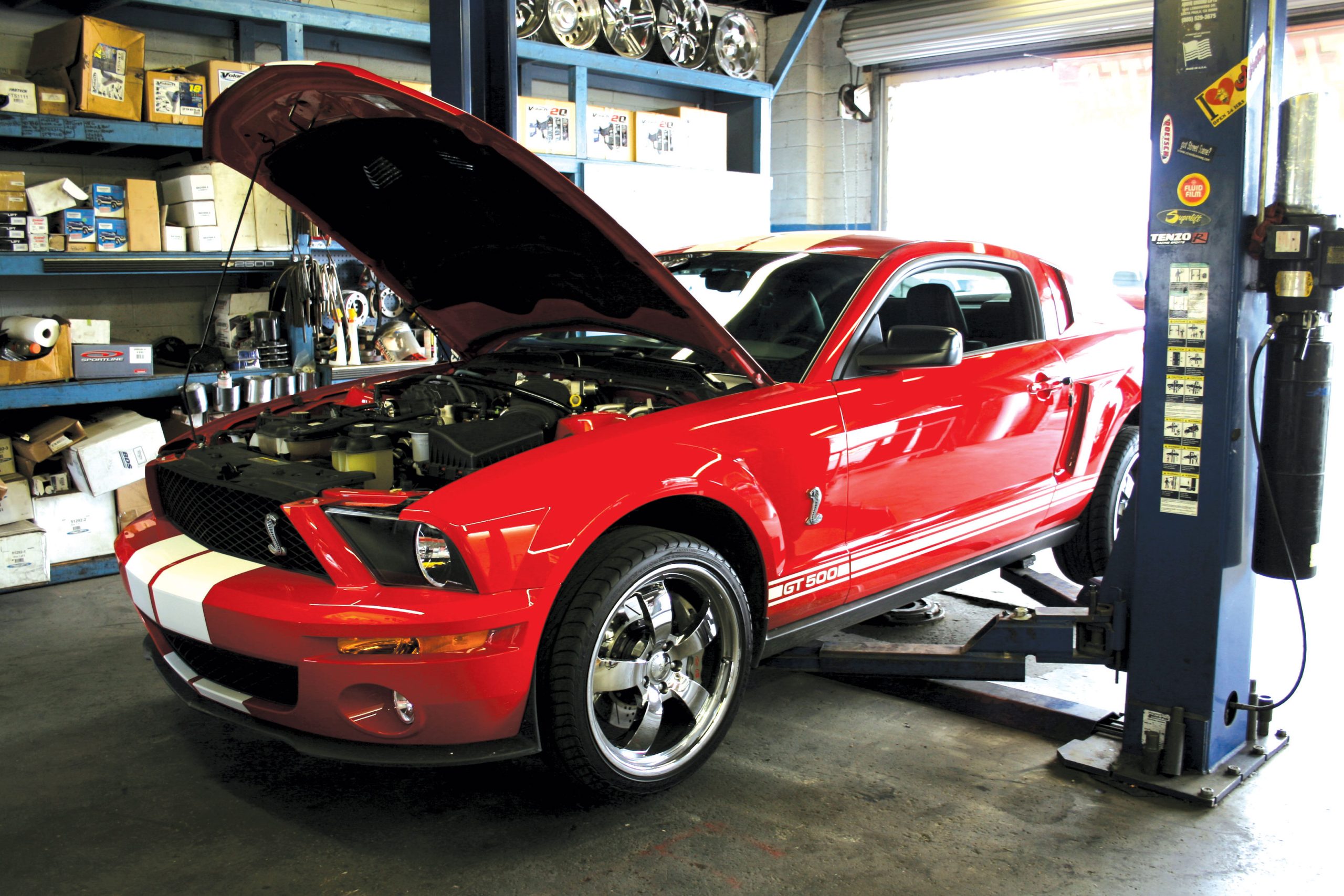
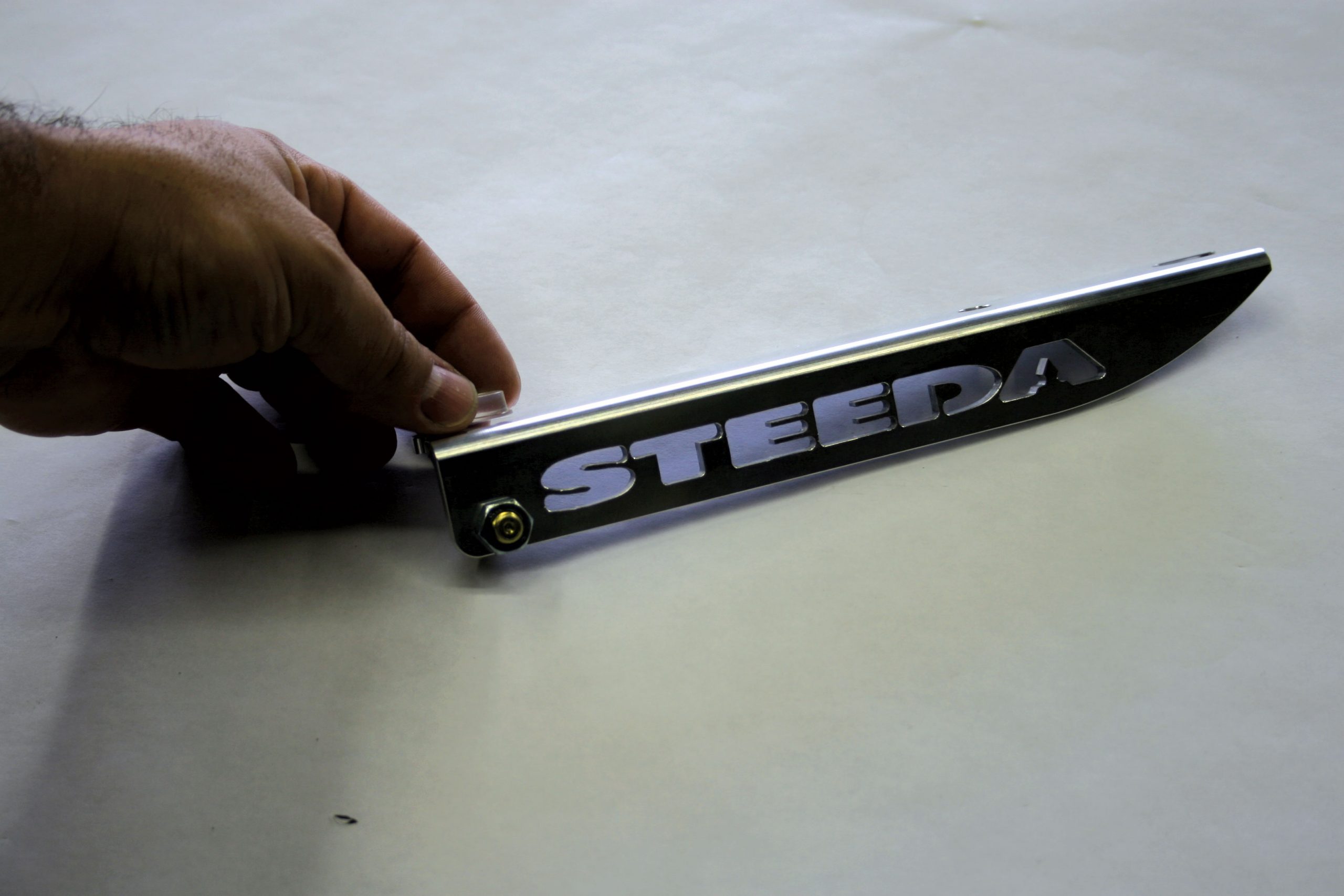
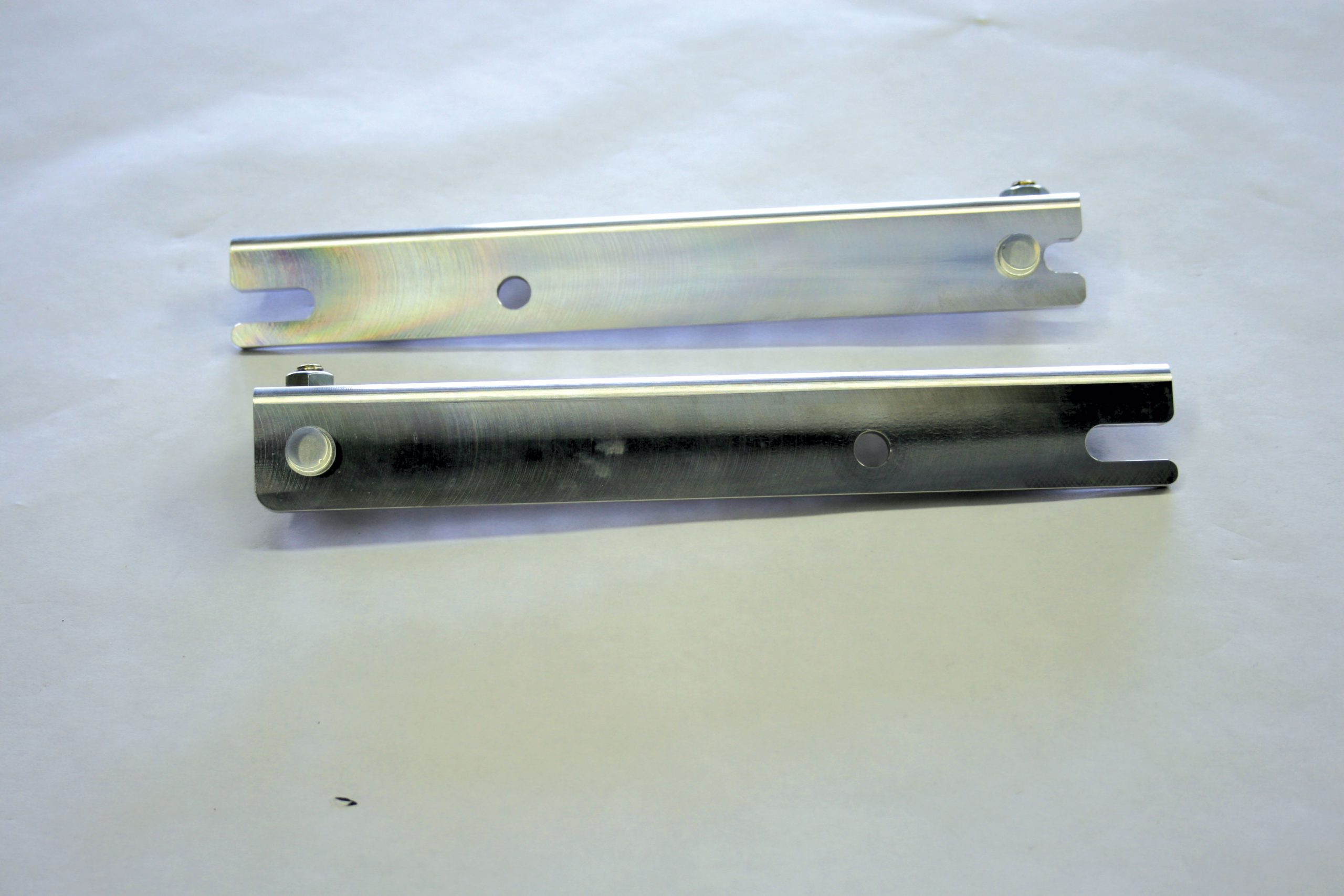
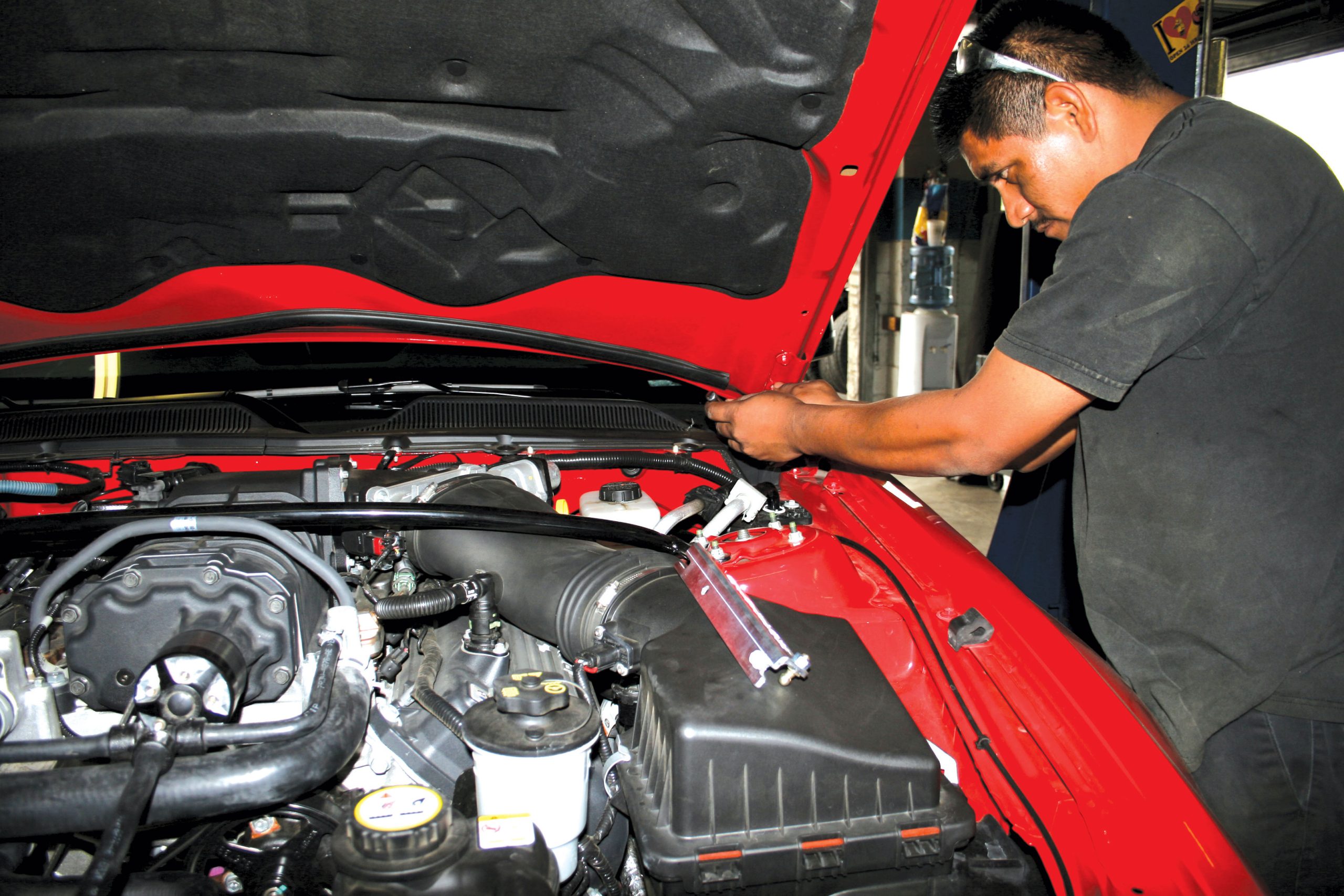
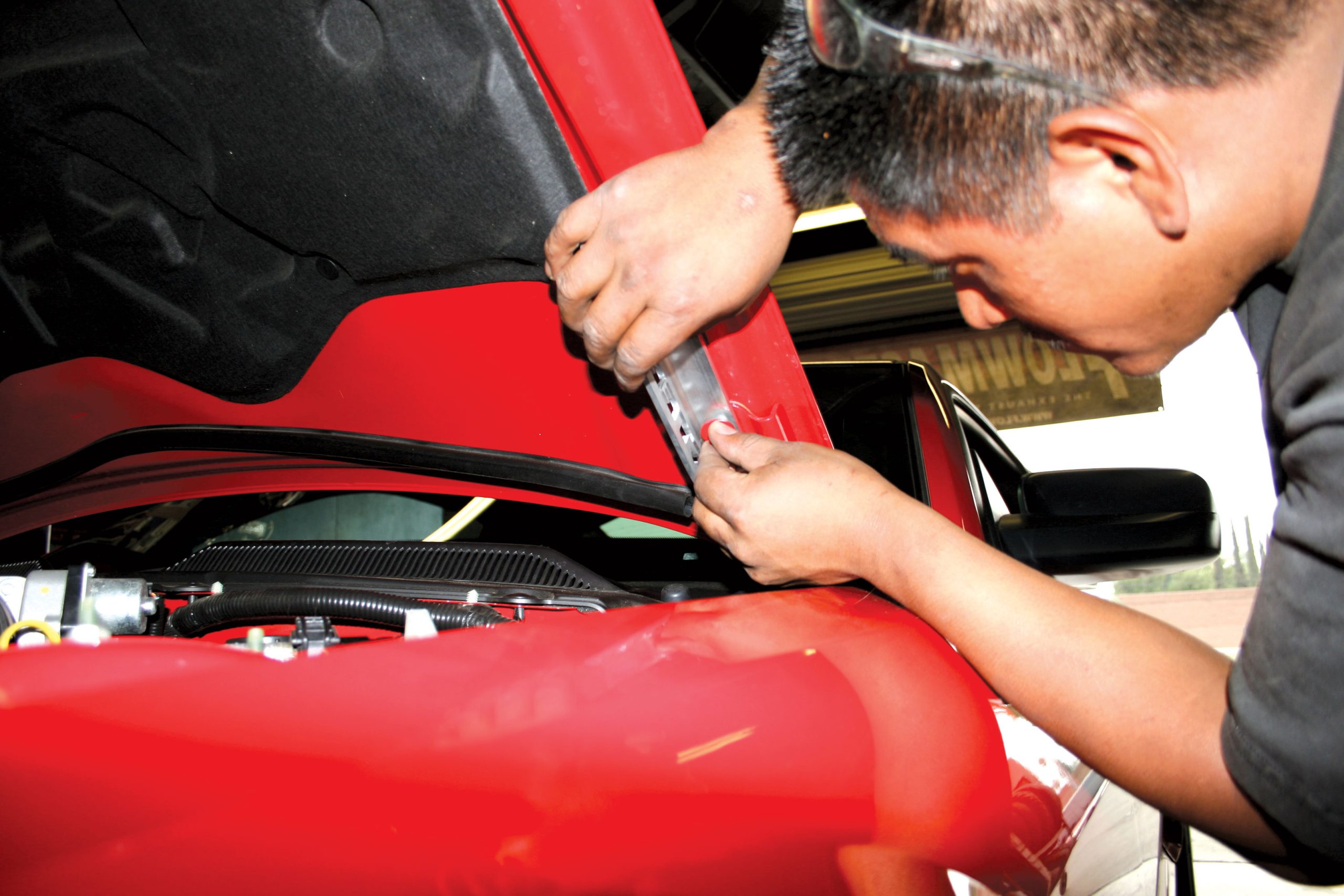
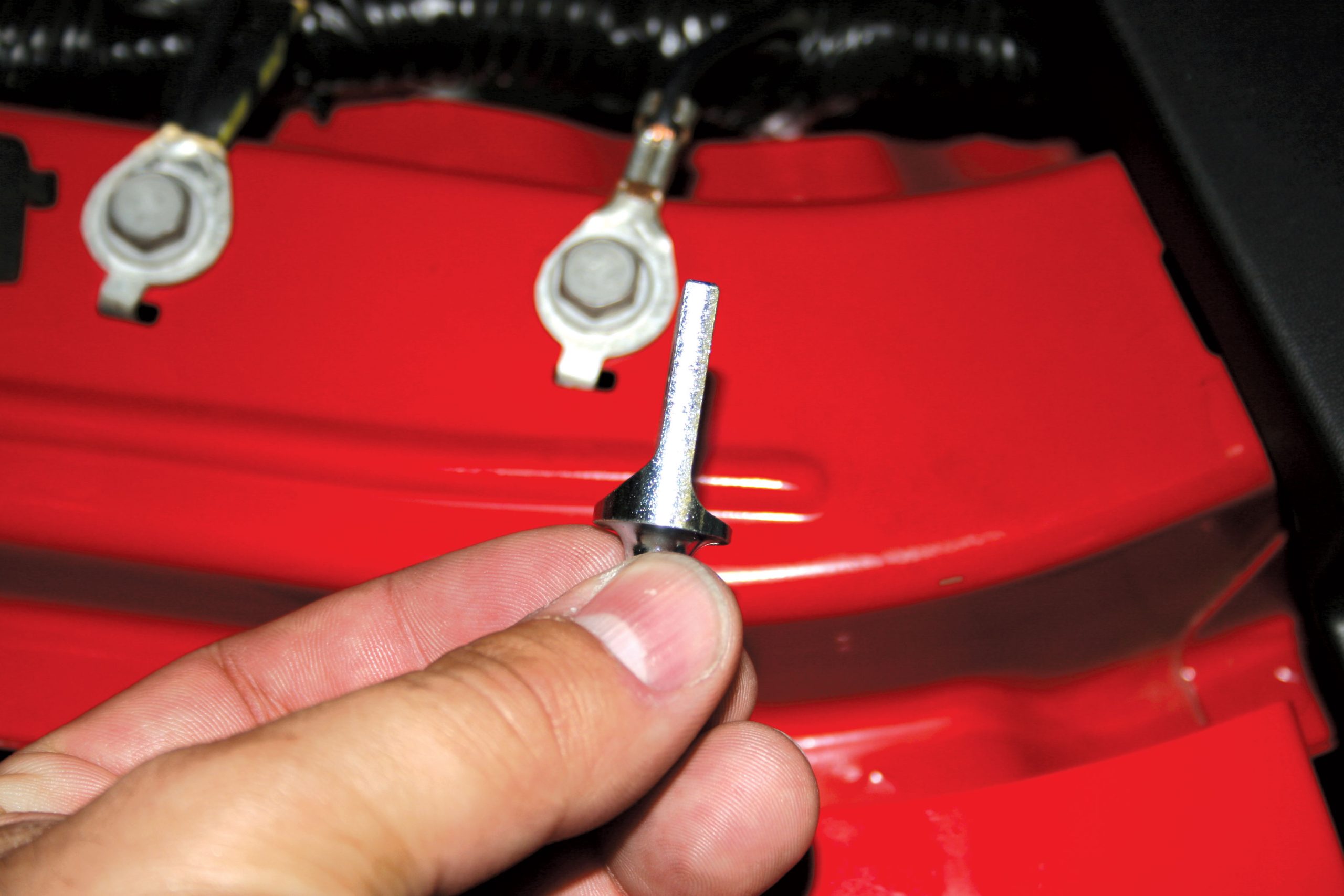
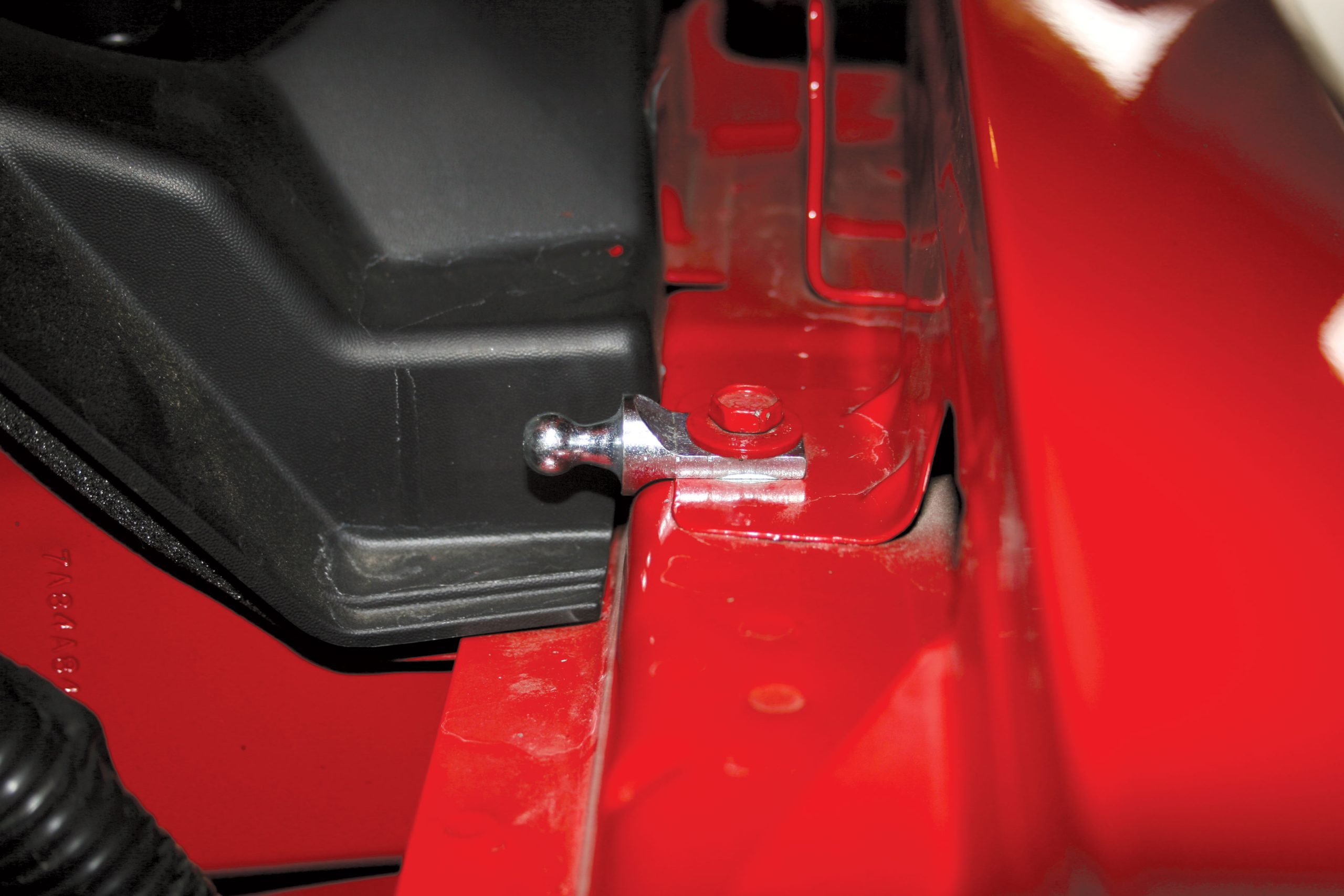
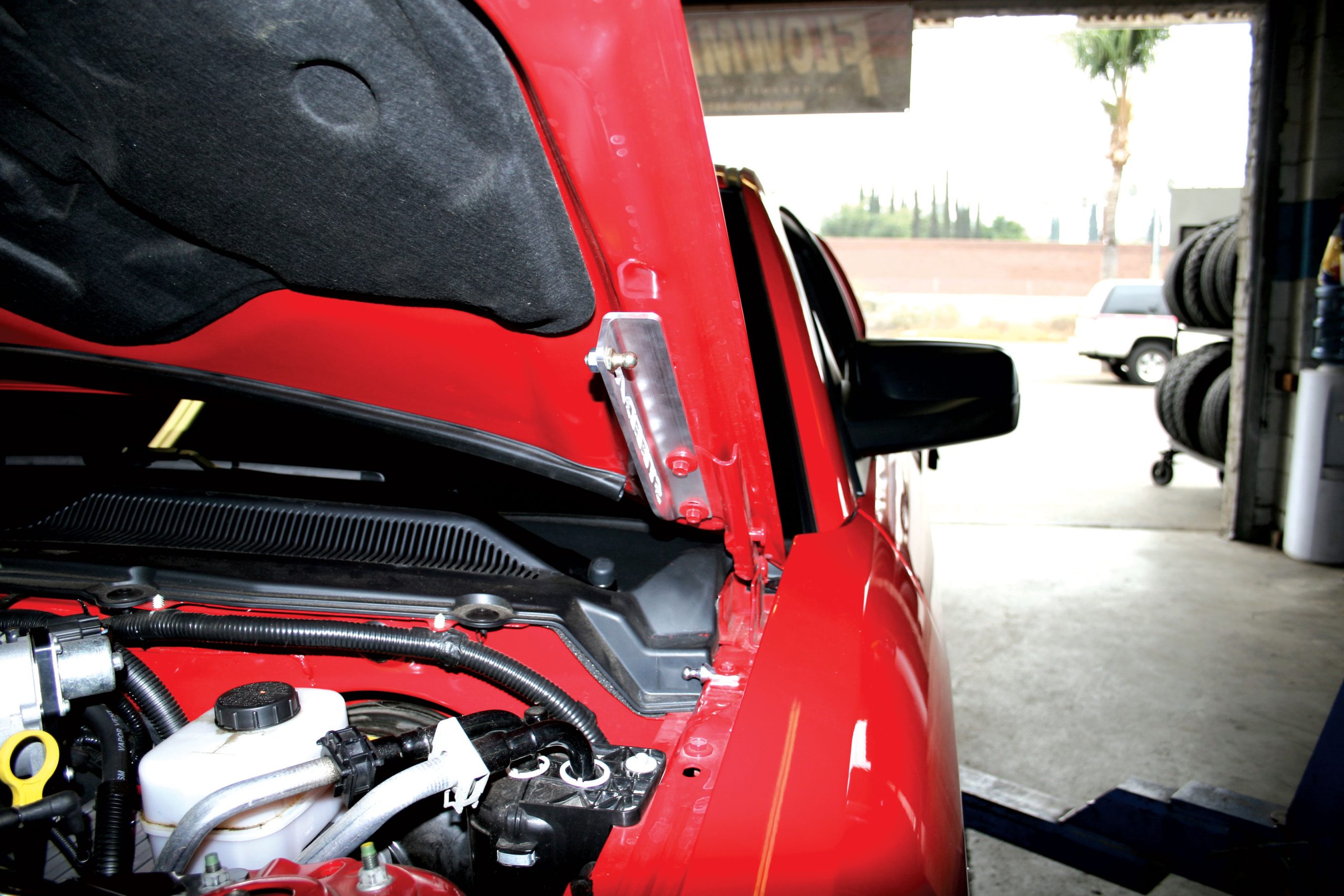
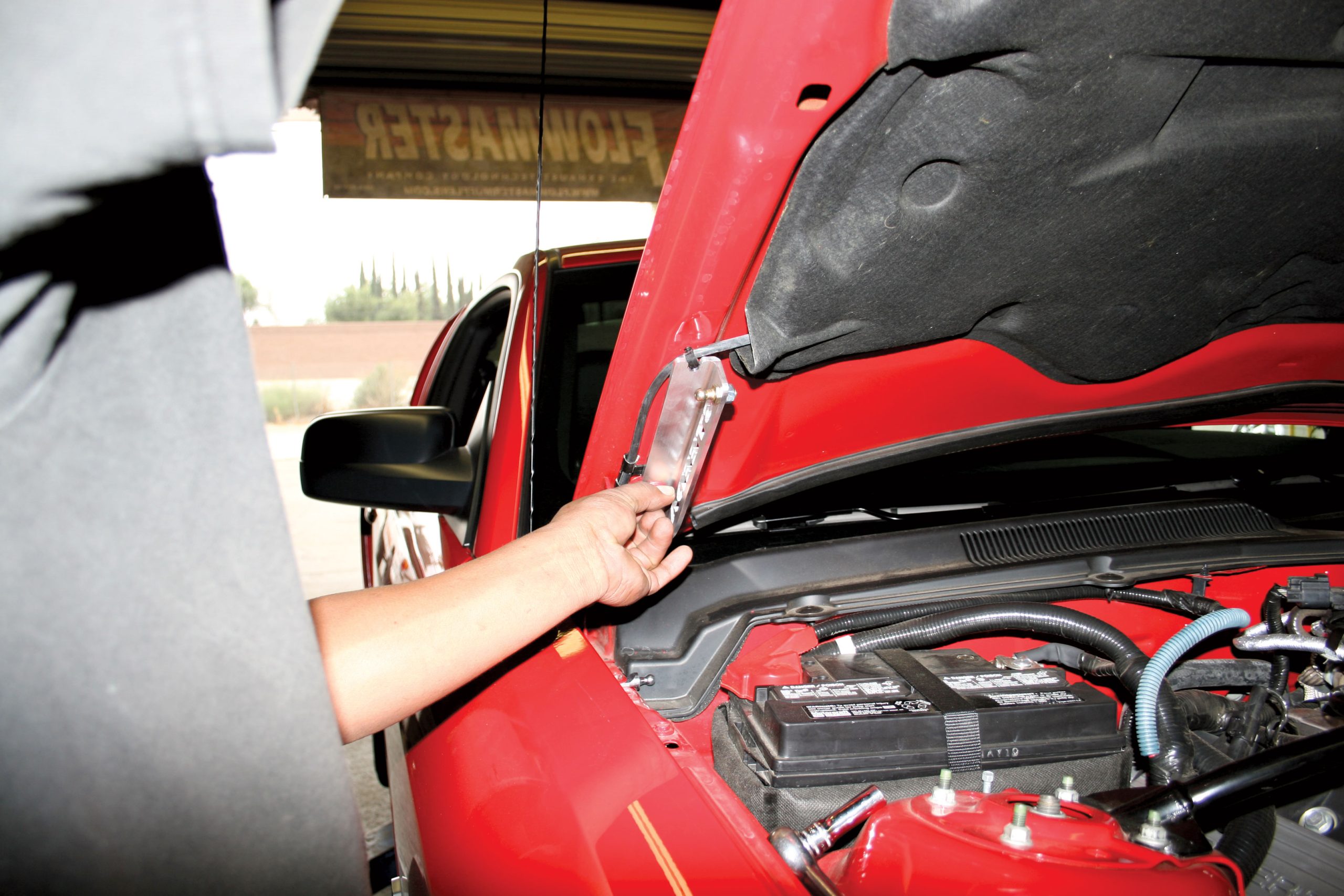
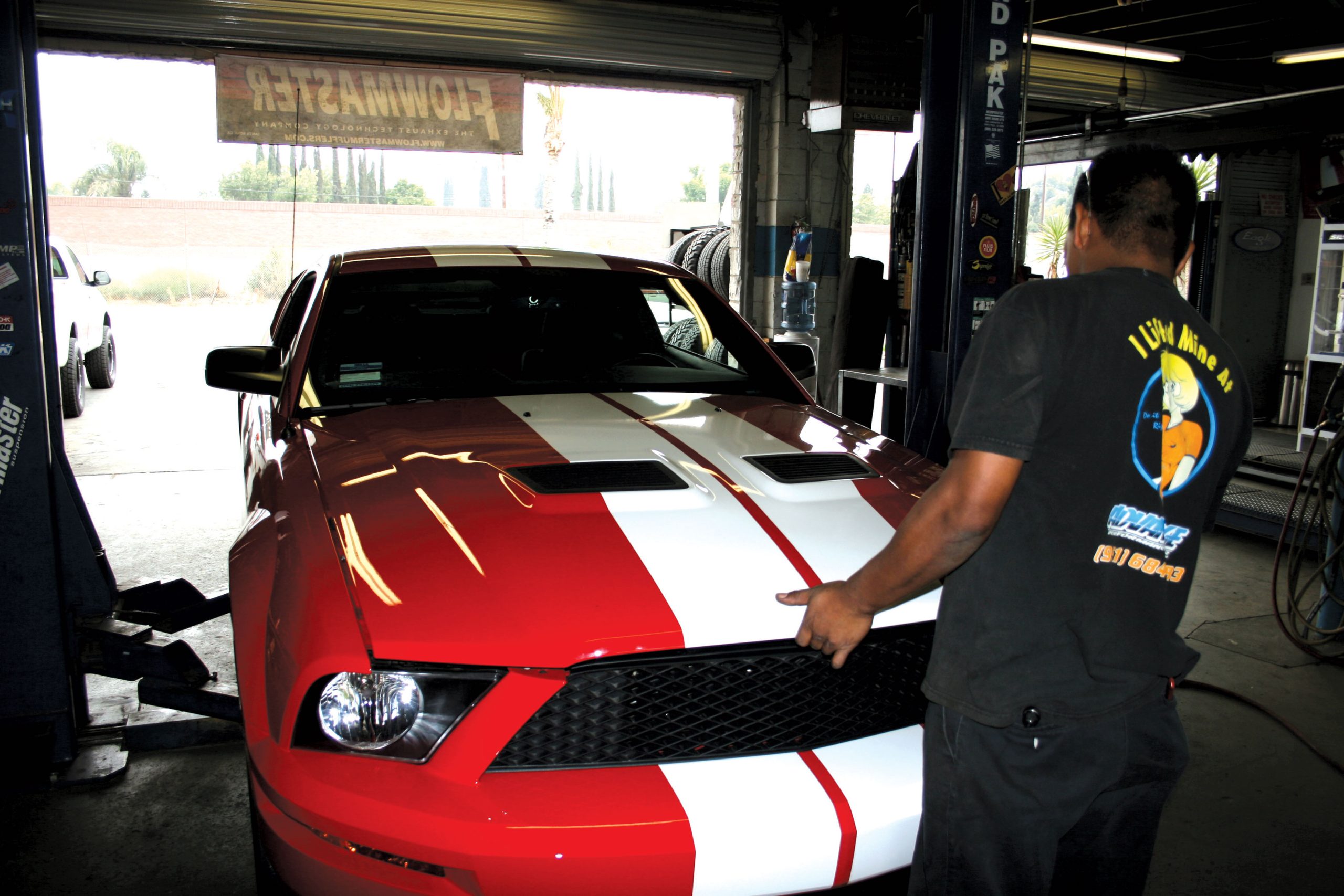
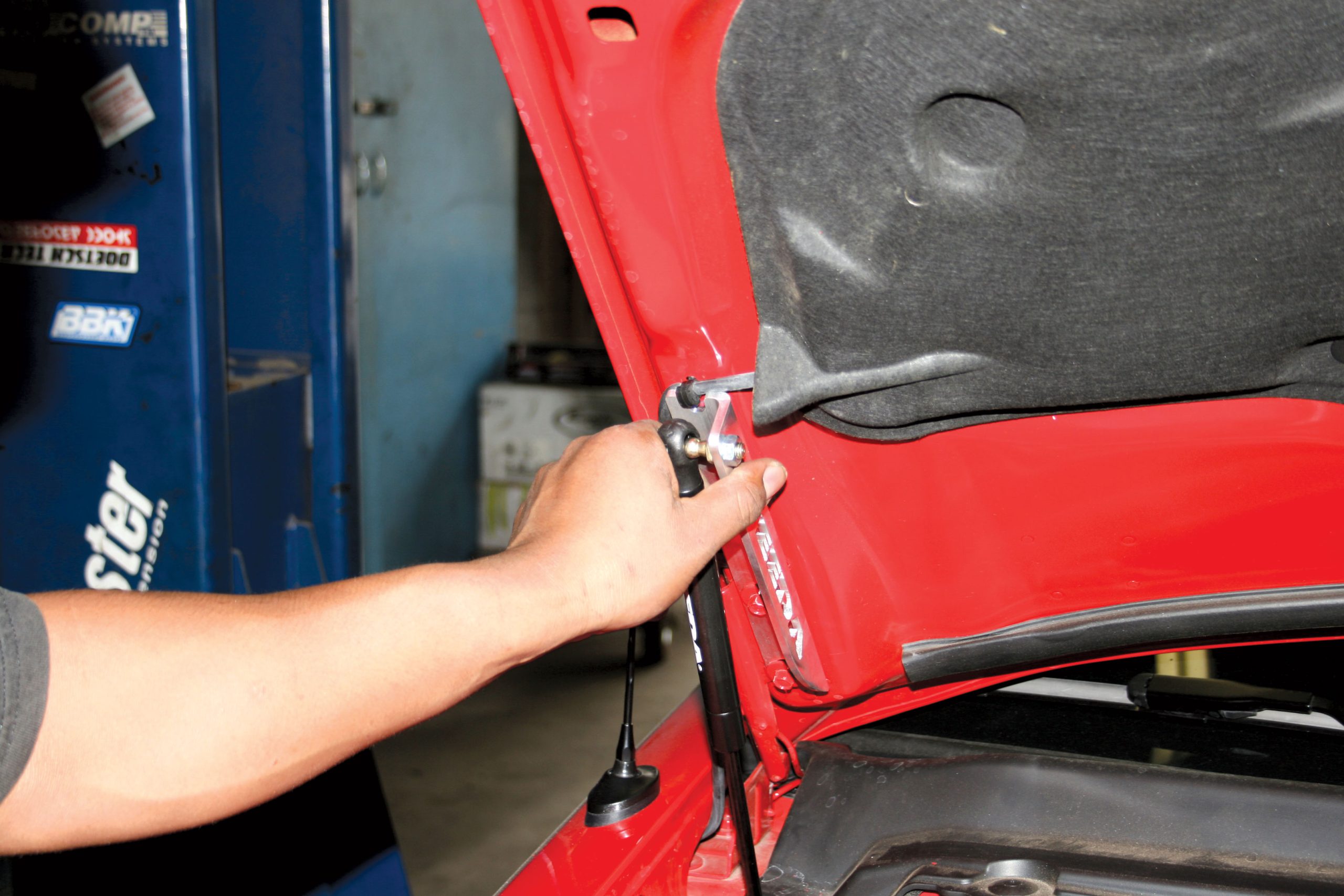
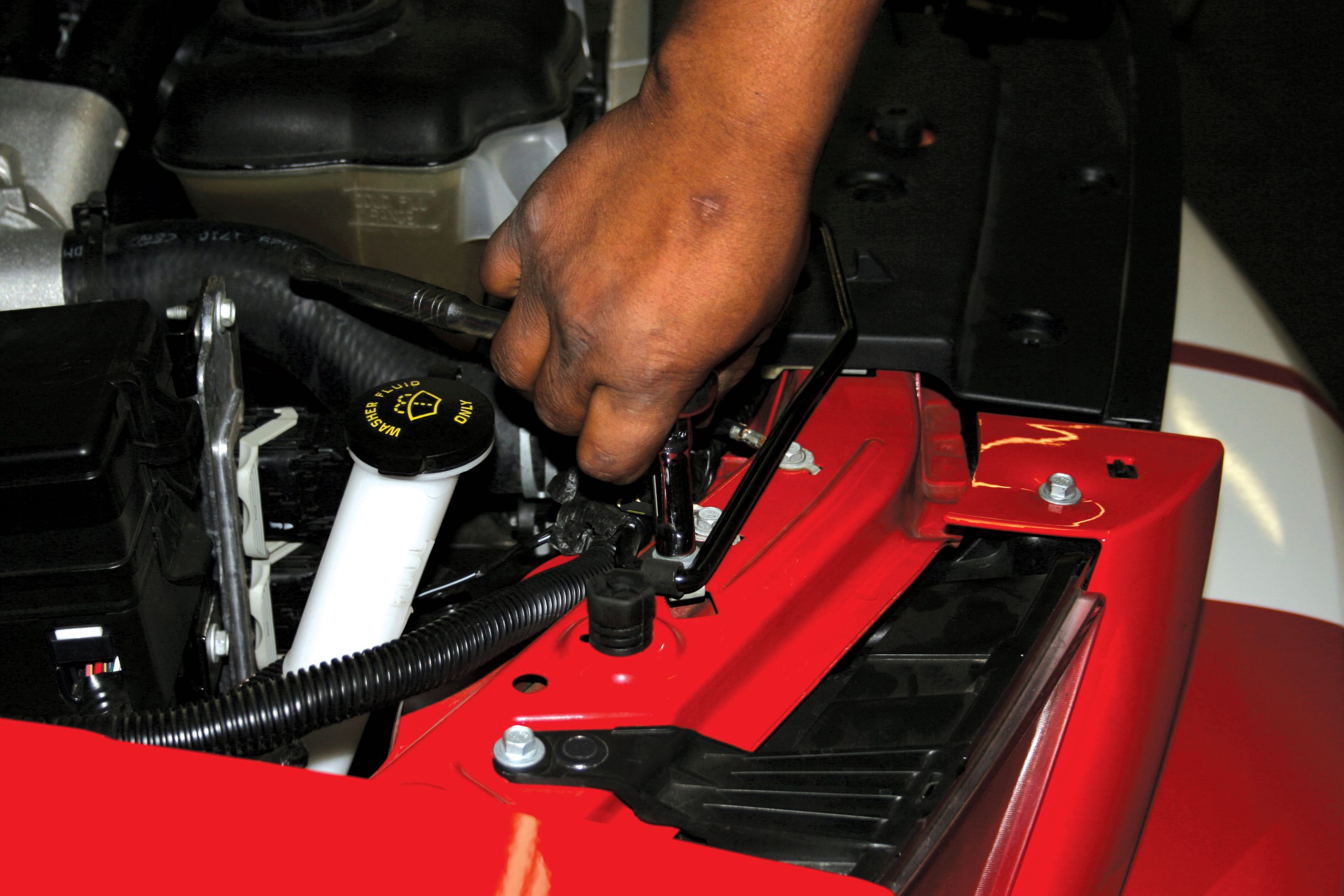
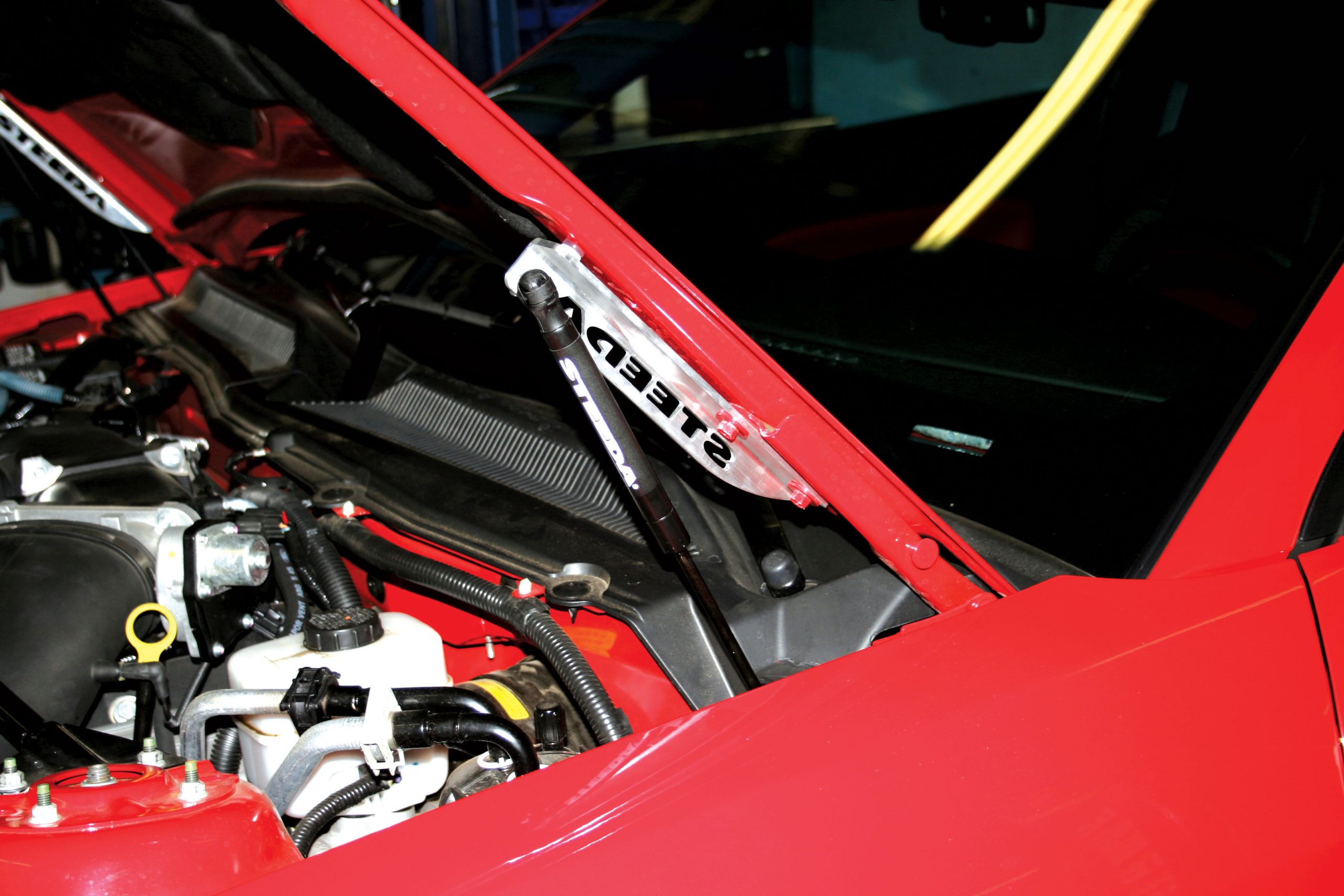
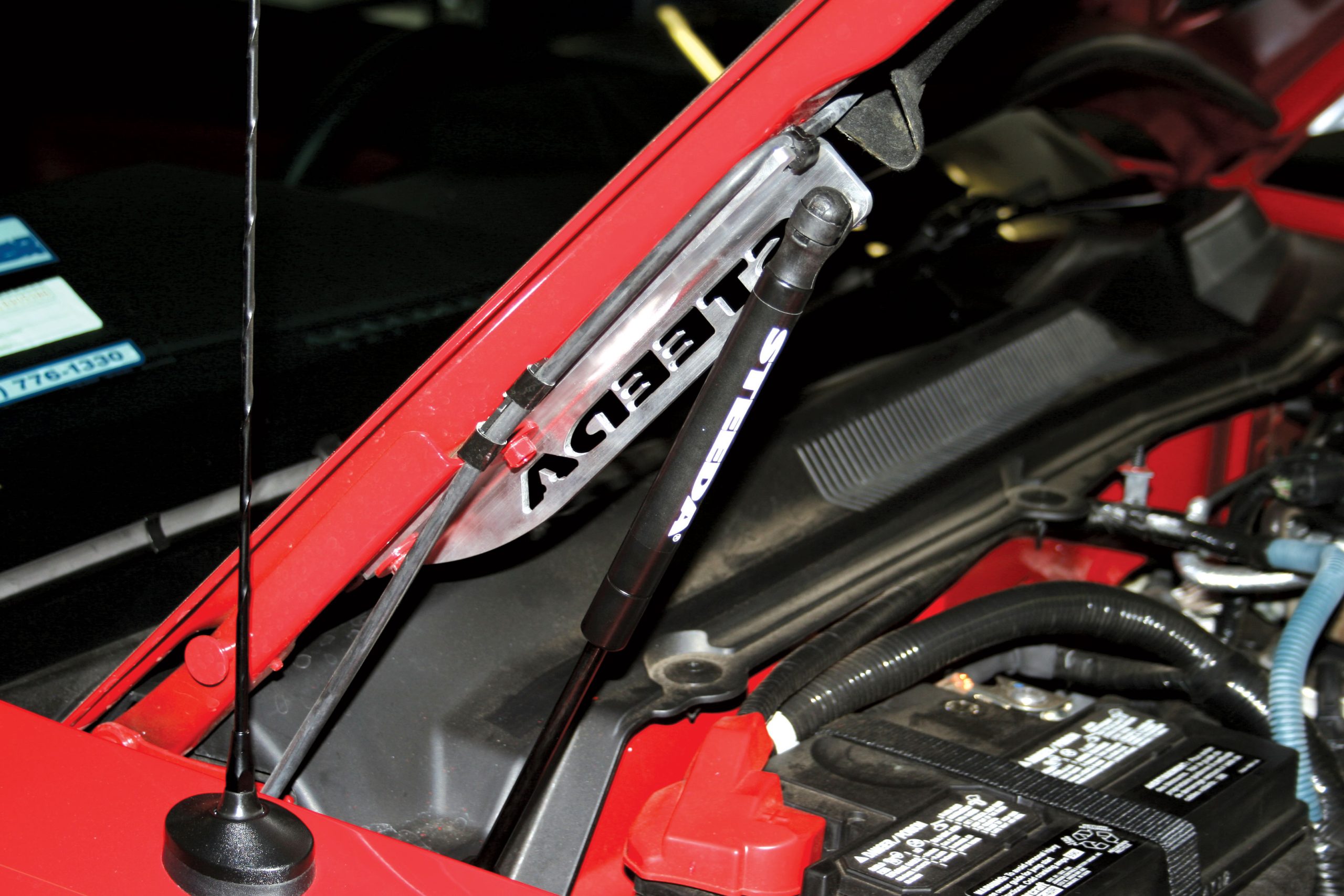
We watched as the installers at Advantage Performance Center in Riverside, California, installed the hood strut kit (PN 555-0650, $199.95) on this ’07 Shelby GT500. The kit consists of two machined 6061 aluminum brackets, a pair of rubber bumpers, two OEM-quality gas struts, the ball studs to mount the struts, and a one-page instruction sheet. It is a simple installation that took less than 30 minutes, including the time required to pause for pictures.
This is definitely a project that virtually any hobbyist mechanic can perform in his garage or driveway in an hour or less. The kit bolts into factory holes, and no drilling or modification to the car is required. It will, however, require a second person to help support the hood when the hinges are loosened and when the struts are being installed, so bring along a friend or coax your significant other into the garage.
Follow along as we install the Steeda billet hood strut kit, but remember that this is just an overview of the installation process, so always follow the supplied instructions. If you are not comfortable with your mechanical abilities, have a professional install it for you.
While relatively inexpensive, the Steeda billet hood strut kit is of excellent build quality. It installed easily, and as expected, it makes an excellent addition to any new-model Mustang. With the kit installed, the prop rod can be removed from the car altogether, as it is no longer needed. The Steeda kit also delivers a few unexpected advantages over the factory prop rod; first, the hood lifts higher, making engine maintenance (or engine showing-off) easier; and second, the hood is now square when it is opened, since it is supported by gas struts on both sides. With the factory prop rod, the hood is supported only on the passenger-side front corner, allowing the hood to twist and droop under its own weight.
Steeda developed an excellent solution for a simple flaw in the new Mustang’s otherwise excellent design. If the prop rod bothers you as much as it does some Mustang owners, check it out—you may be happy to lift your Mustang hood again.
ARTICLE SOURCES
Steeda Autosports
2019 Steeda Way
Valdosta, GA 31601
2281 Hammondville Rd
Pompano Beach, FL 33069
1 (800) 950-0774
sales@steeda.com