Why would anyone want to lower a 4WD vehicle? Because that’s what many enthusiasts think looks good, even on 4WD vehicles. DJM is in the lowering business, so the folks there obviously have an interest in answering the needs of these types of enthusiasts.
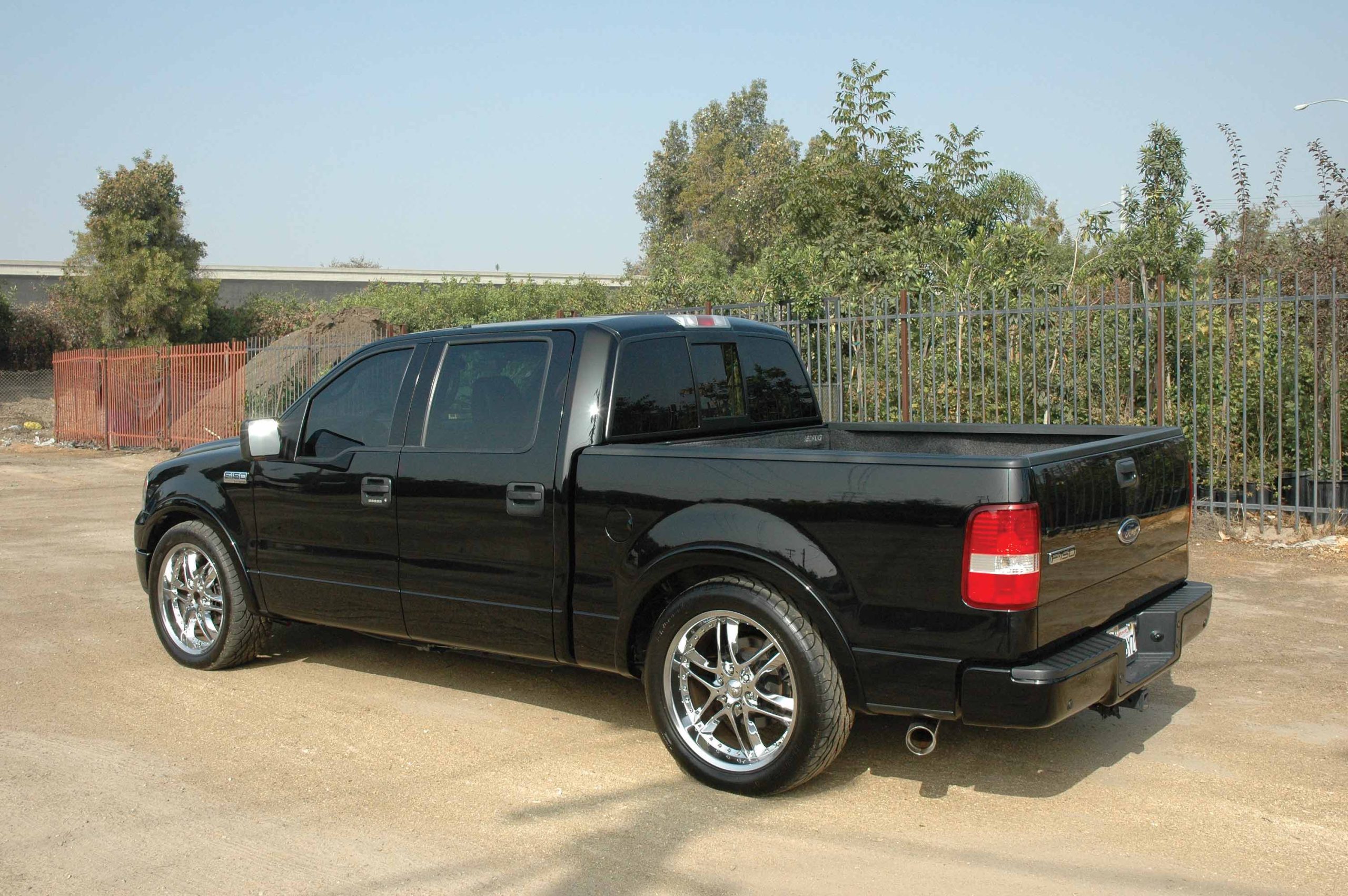
The suspension of stock four-wheel-drive vehicles is deliberately set very high to provide improved ground clearance. For years the trend in serious off-roading has been to “lift” the vehicle even higher. The OEs suspend their four-bys high enough to clear rocks, traverse gulleys and fallen trees and most anything else that one might encounter in more serious off-roading. Nevertheless, there are four-by owners who would like to lower their vehicles, as they spend more time on-road than off. Recently we met just such an owner, and we couldn’t resist questioning him about his desire to drop this ’04 Ford F-150 four-by-four.
“I think trucks look better when they are lowered. I’m a construction contractor, and I use my pickup for business and pleasure. It’s my daily driver. I chose four-wheel drive because it gets me to just about every job site, regardless of how rough the location is. No, I’m not an off-roader, but I do like 4×4 vehicles and I especially like my Ford. I guess I’m convinced that if it were just a few inches lower it would be better looking and have a more attractive stance.
“I didn’t think getting in and out of a high four-by would bother me. After all, I am six feet tall. But after living with this truck for a while and getting in and out of it as many times a day as I do, it’ll wear you out. And when you have to load something heavy into the bed of the cab, you sure realize how high it really is. And don’t think my wife doesn’t complain every time she has to get in it, or puts the kids’ car seat in, or loads something in the bed.”
Everyone knows that lowering a four-by is a no-no, because if it’s lowered its effectiveness on the trail or out in the wilderness is compromised. That’s true in serious off-roading. But it all depends on how the four-by owner defines “off road.” If his off-road exposure is limited to a rutted dirt road on a rough job site or the 3-inch snowfall that comes every winter, then lowering a 4×4 isn’t going to matter, performance wise.
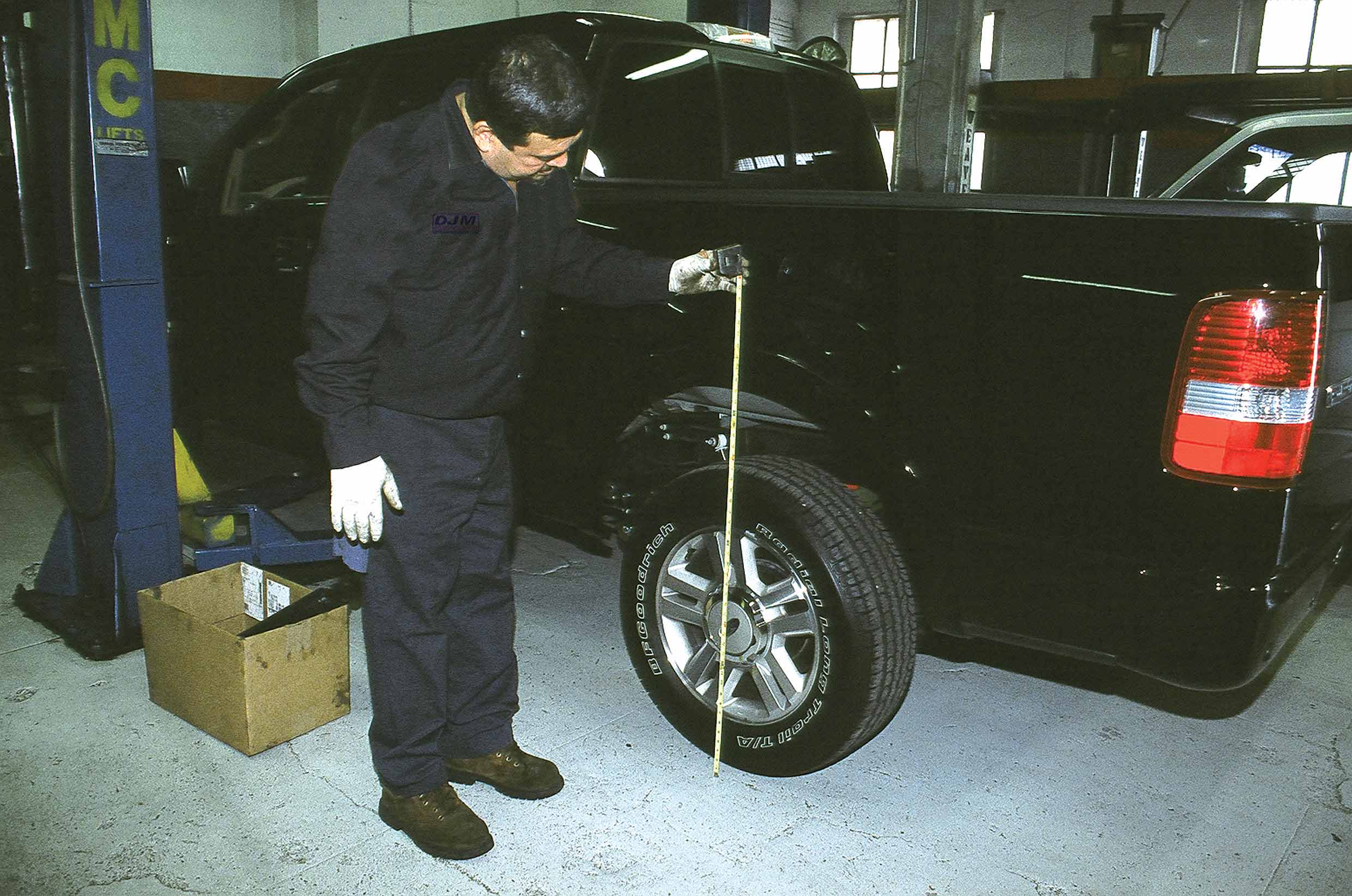
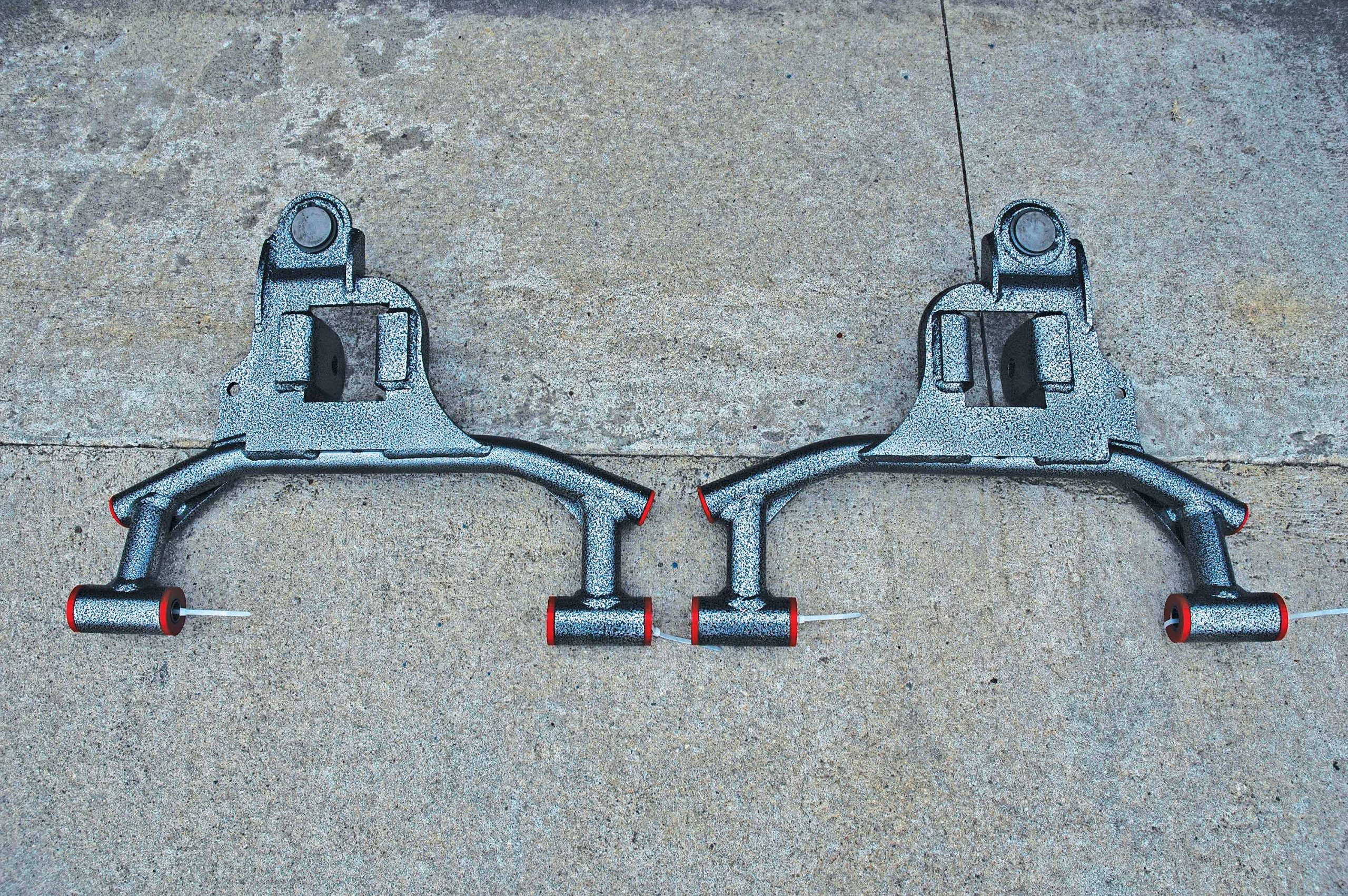
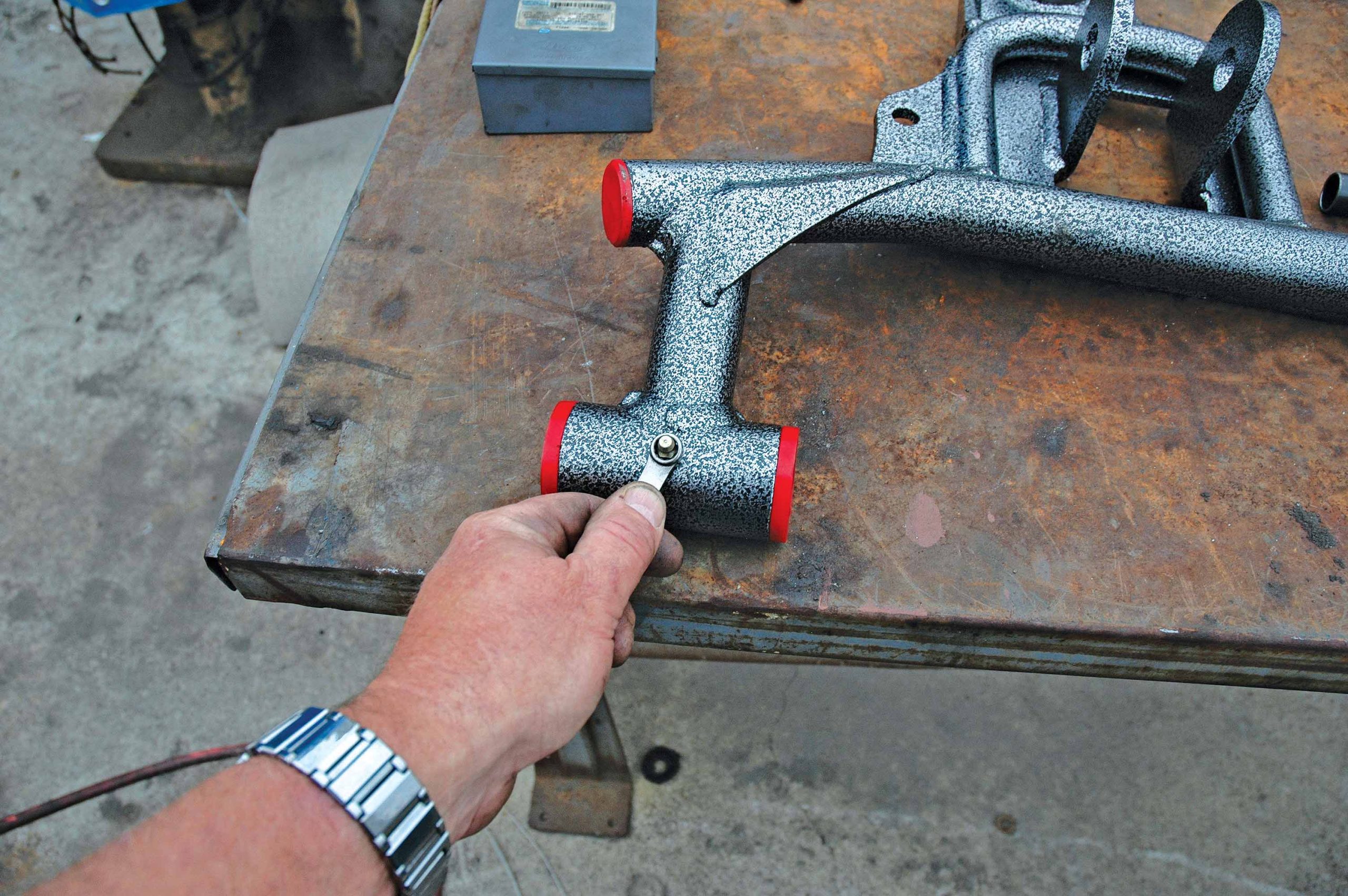
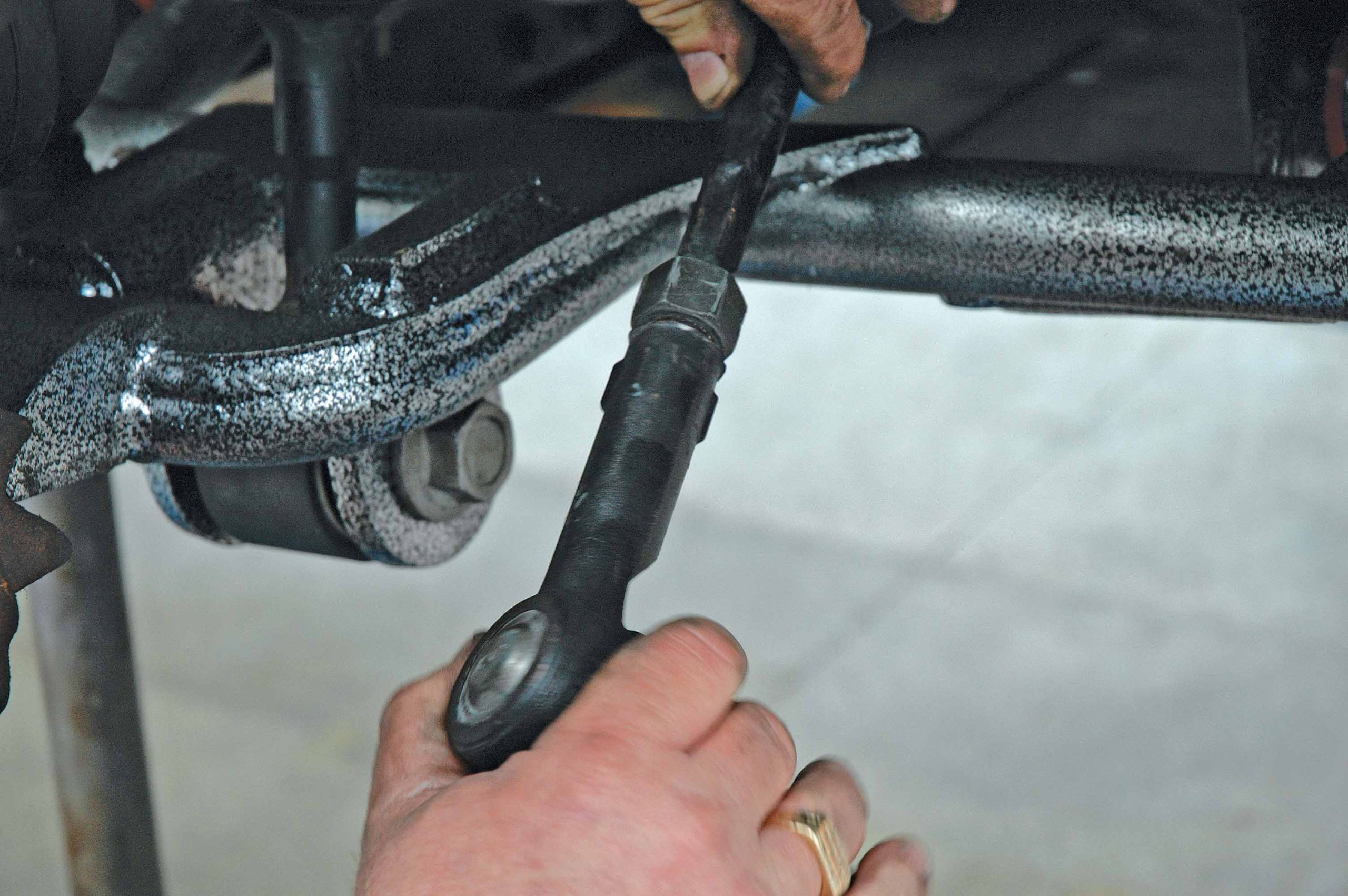
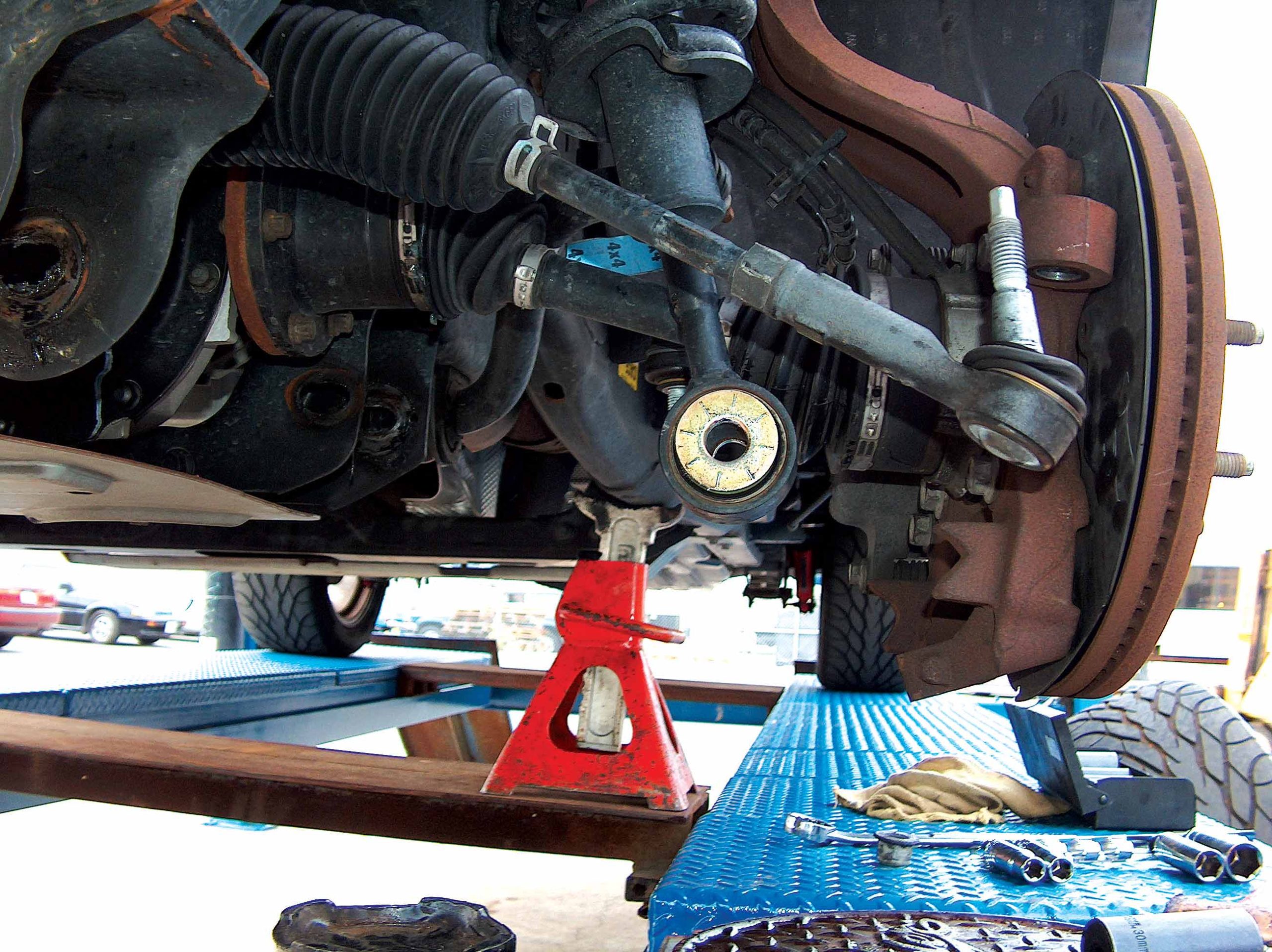
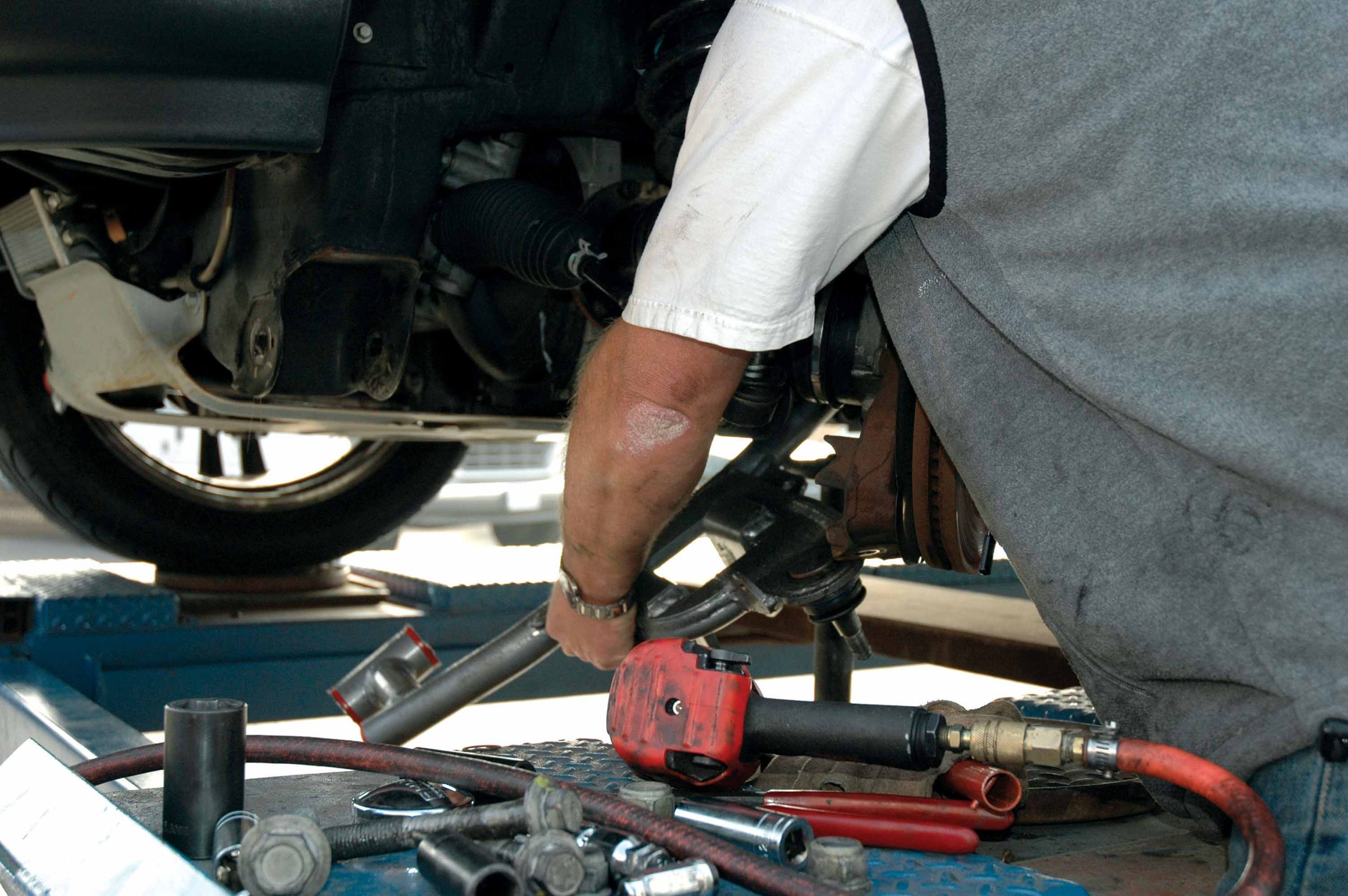
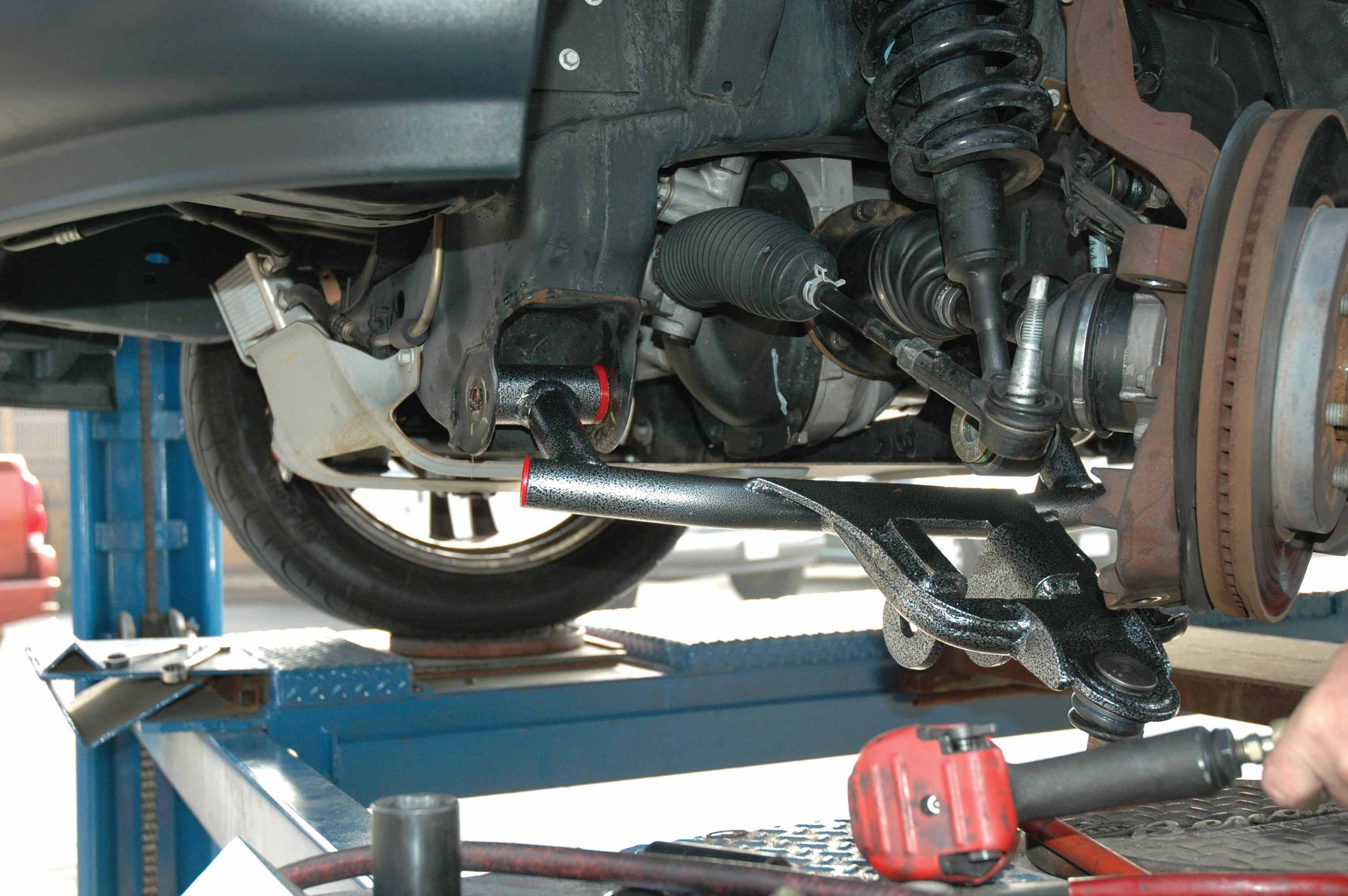
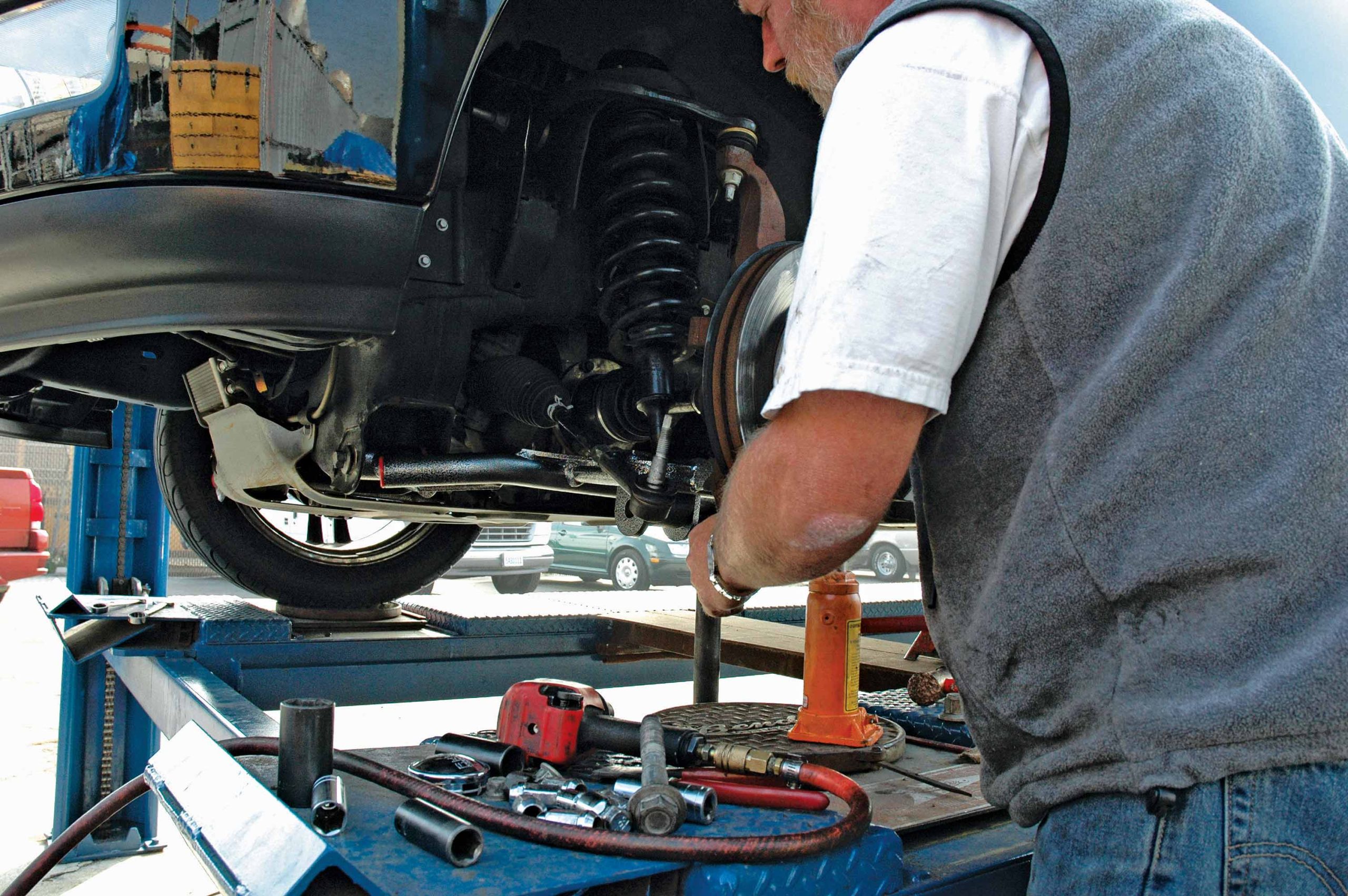
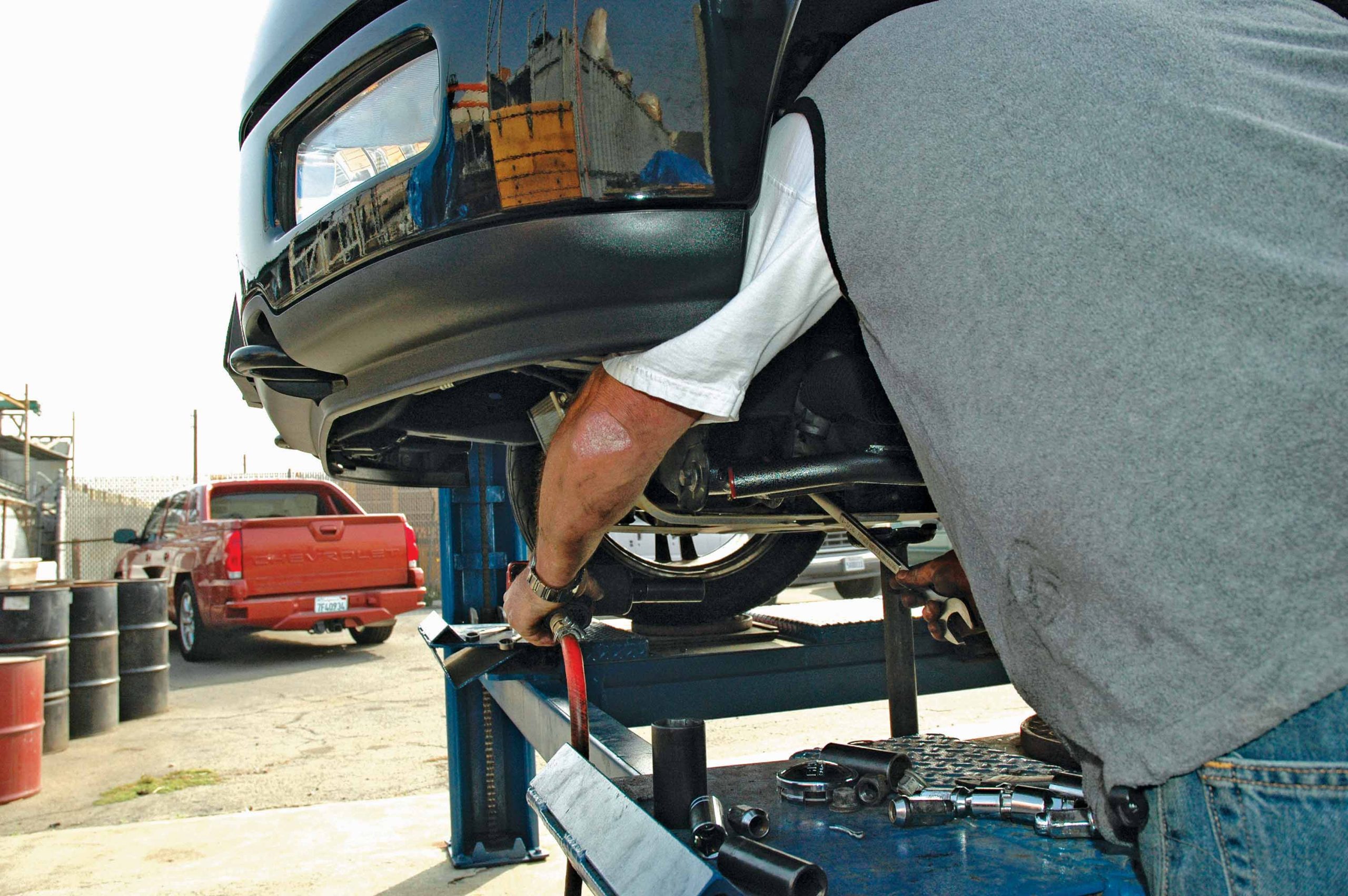
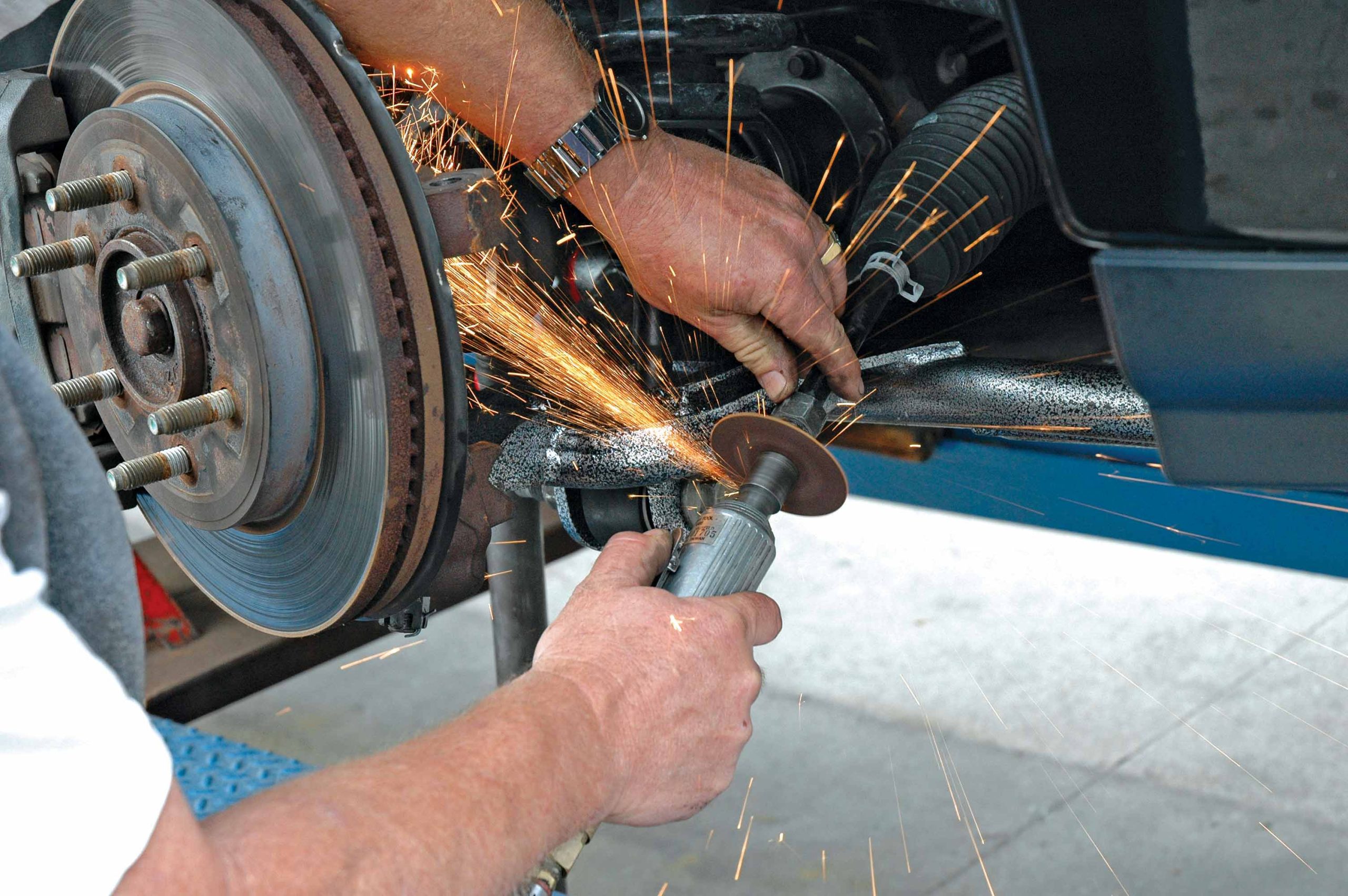
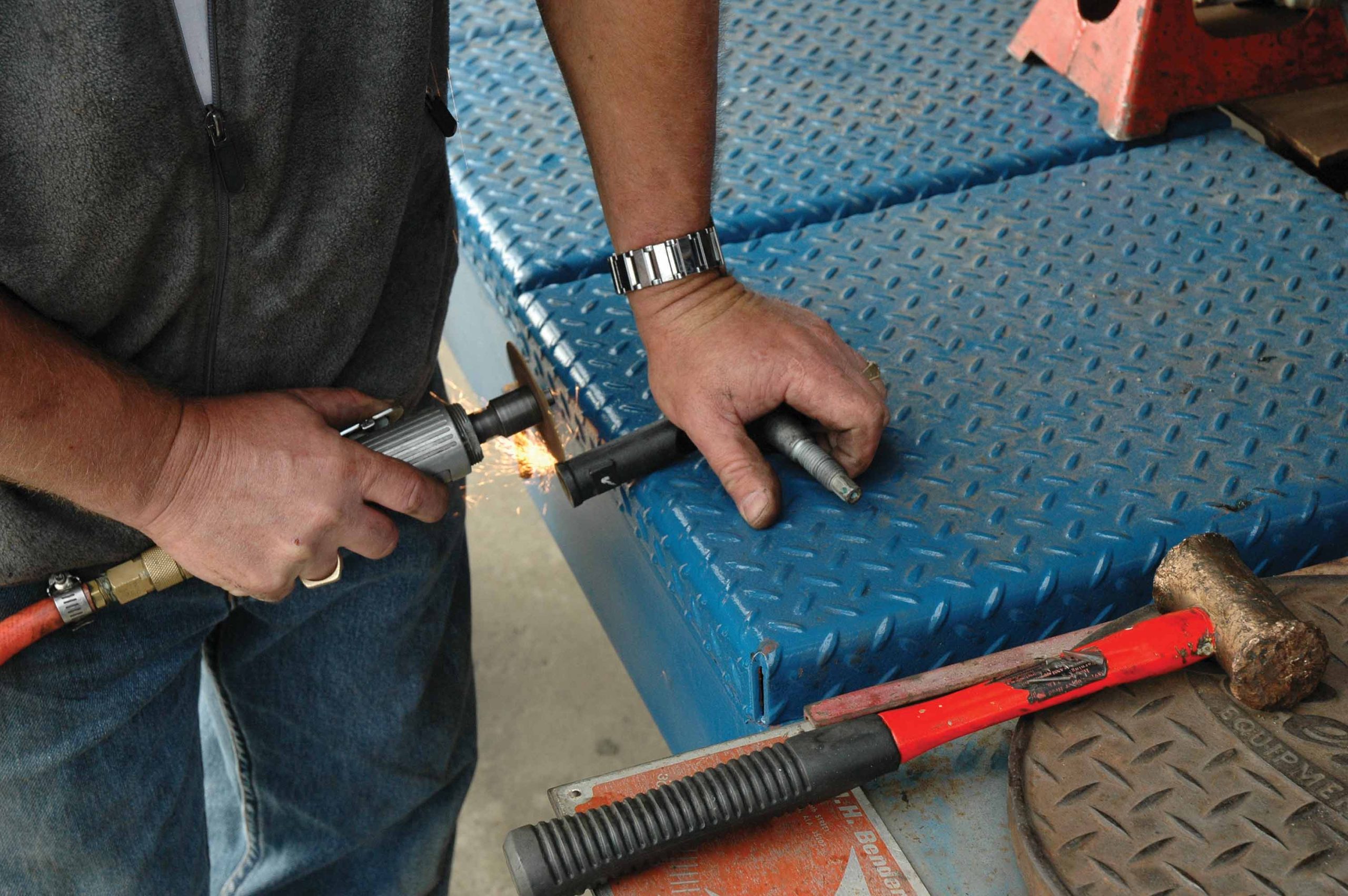
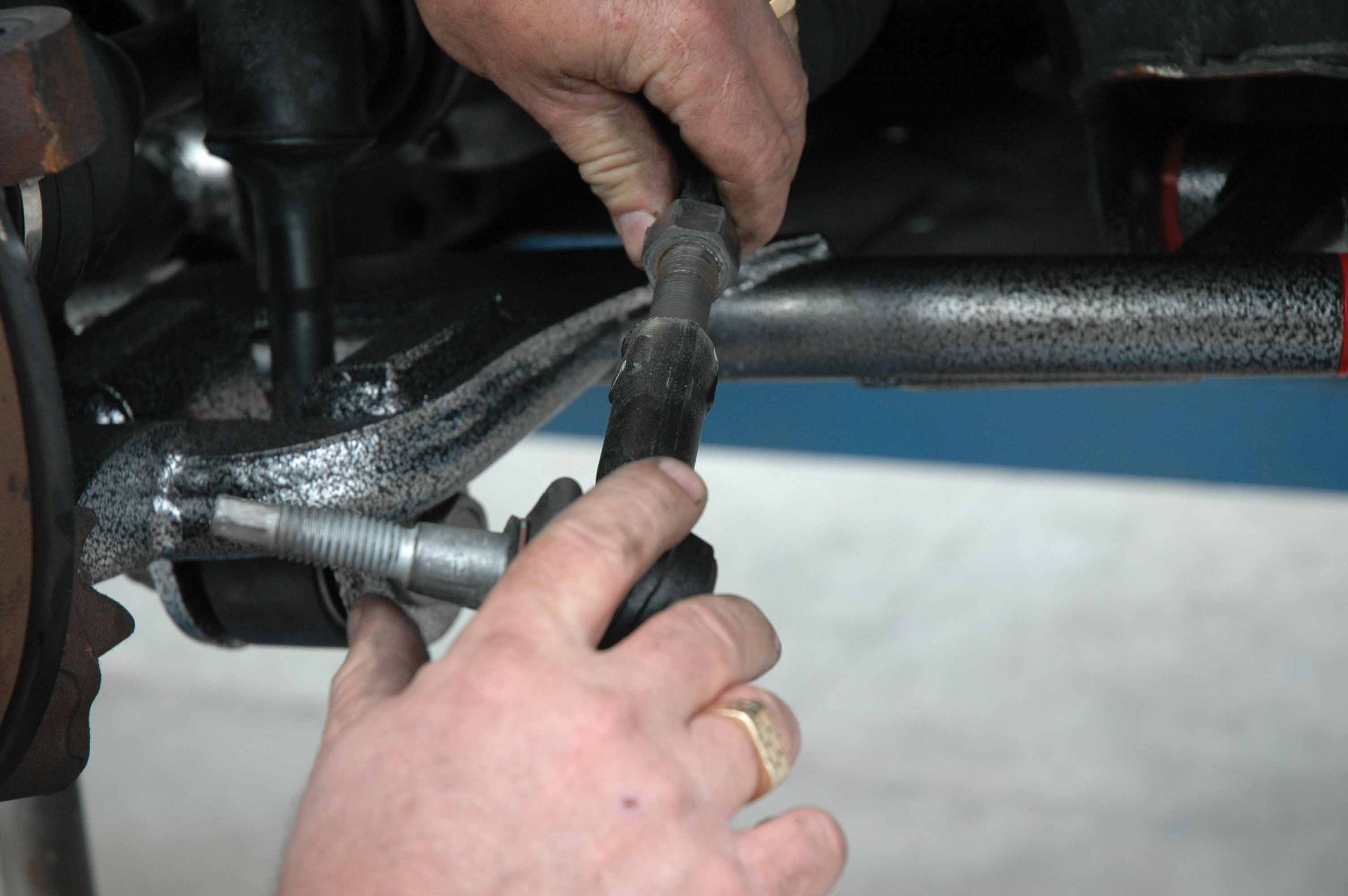
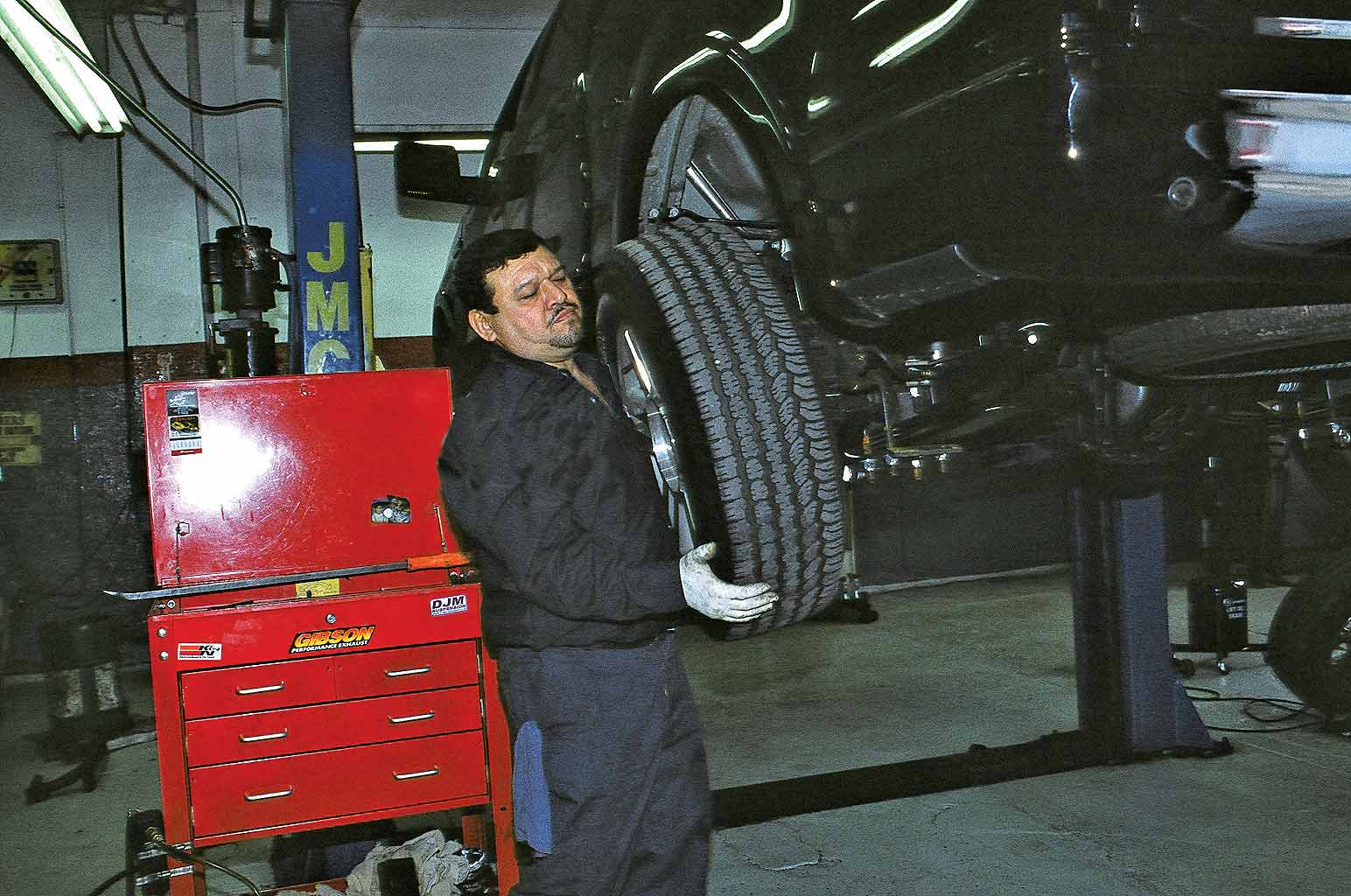
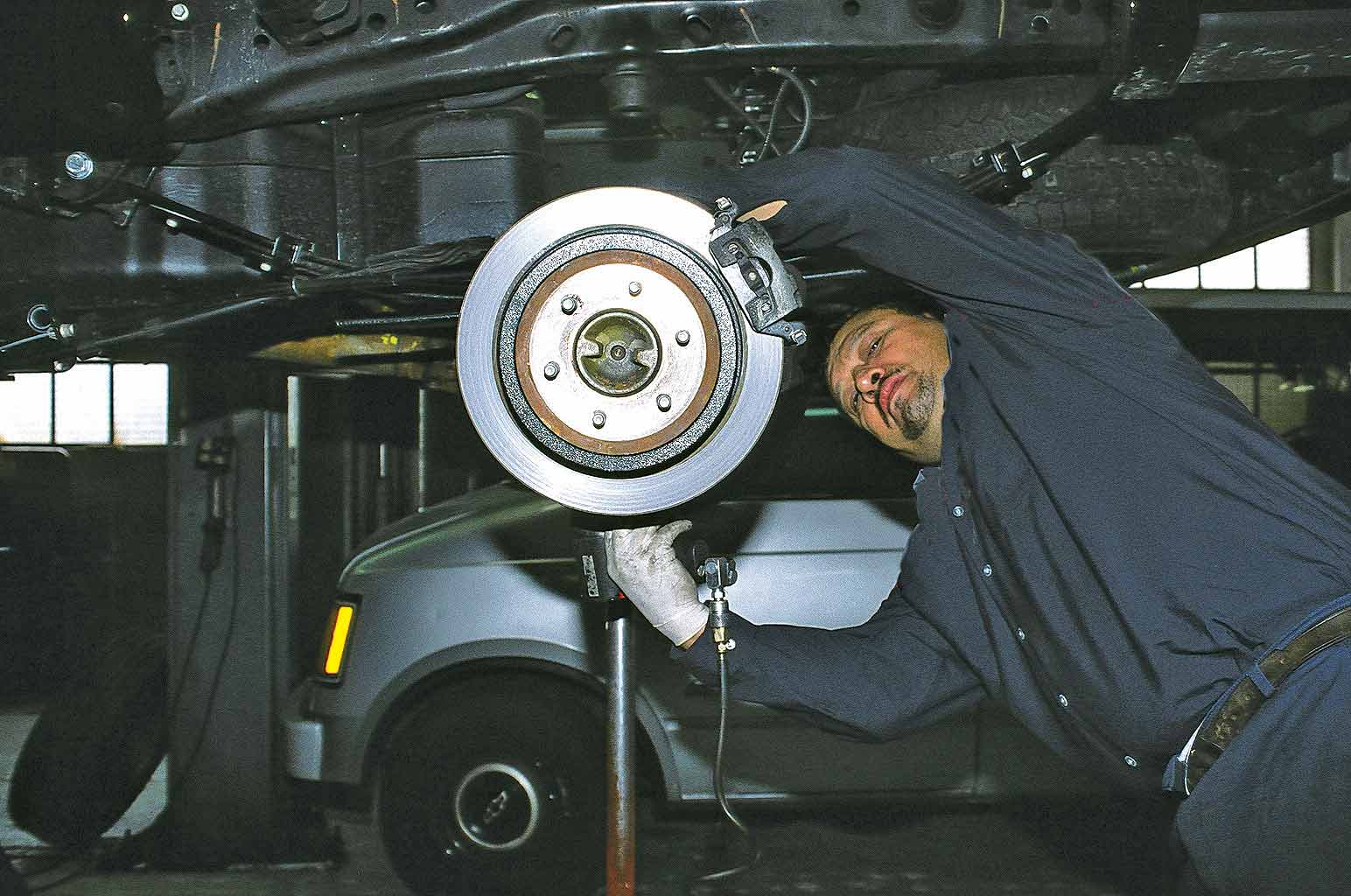
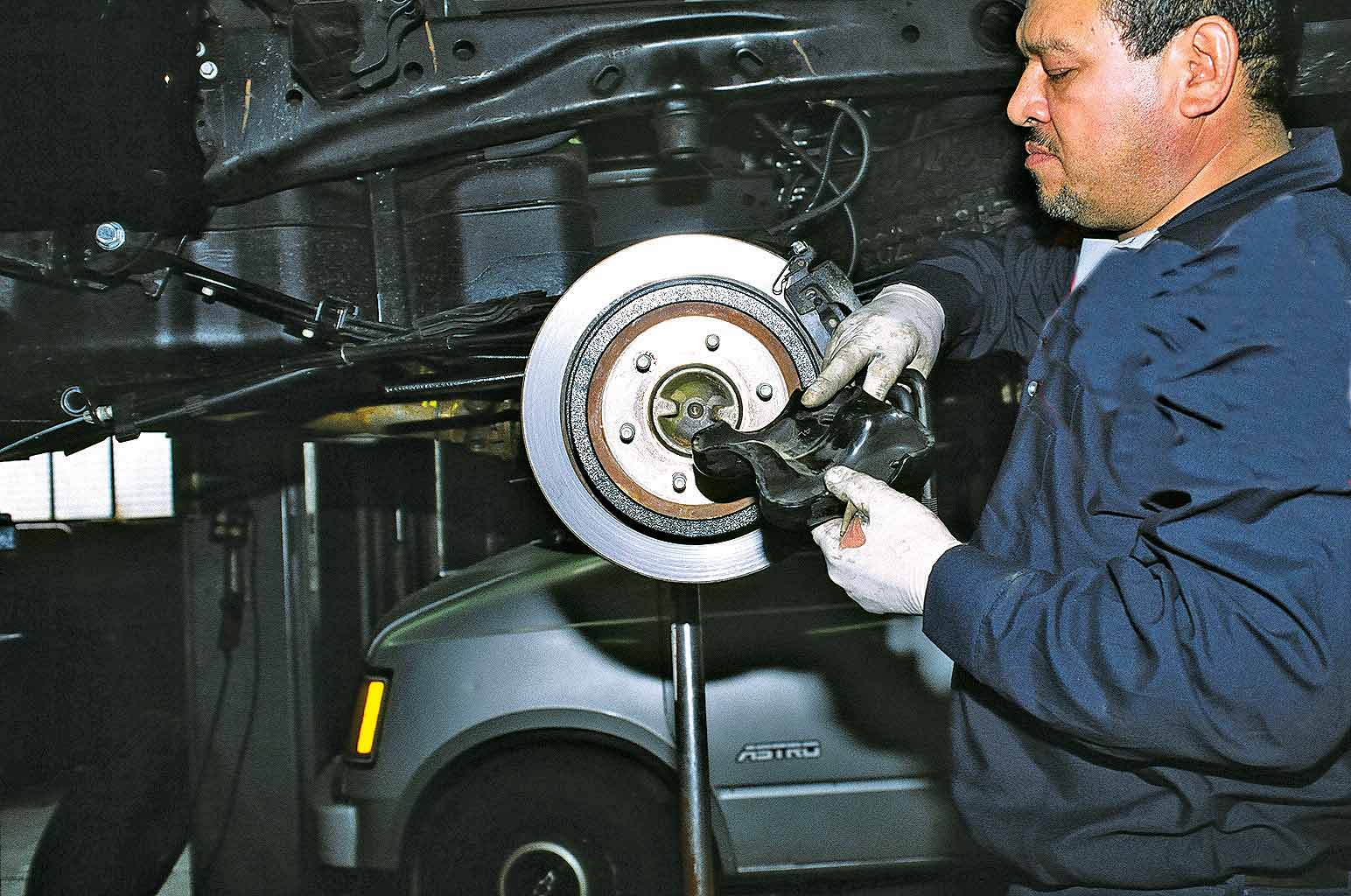
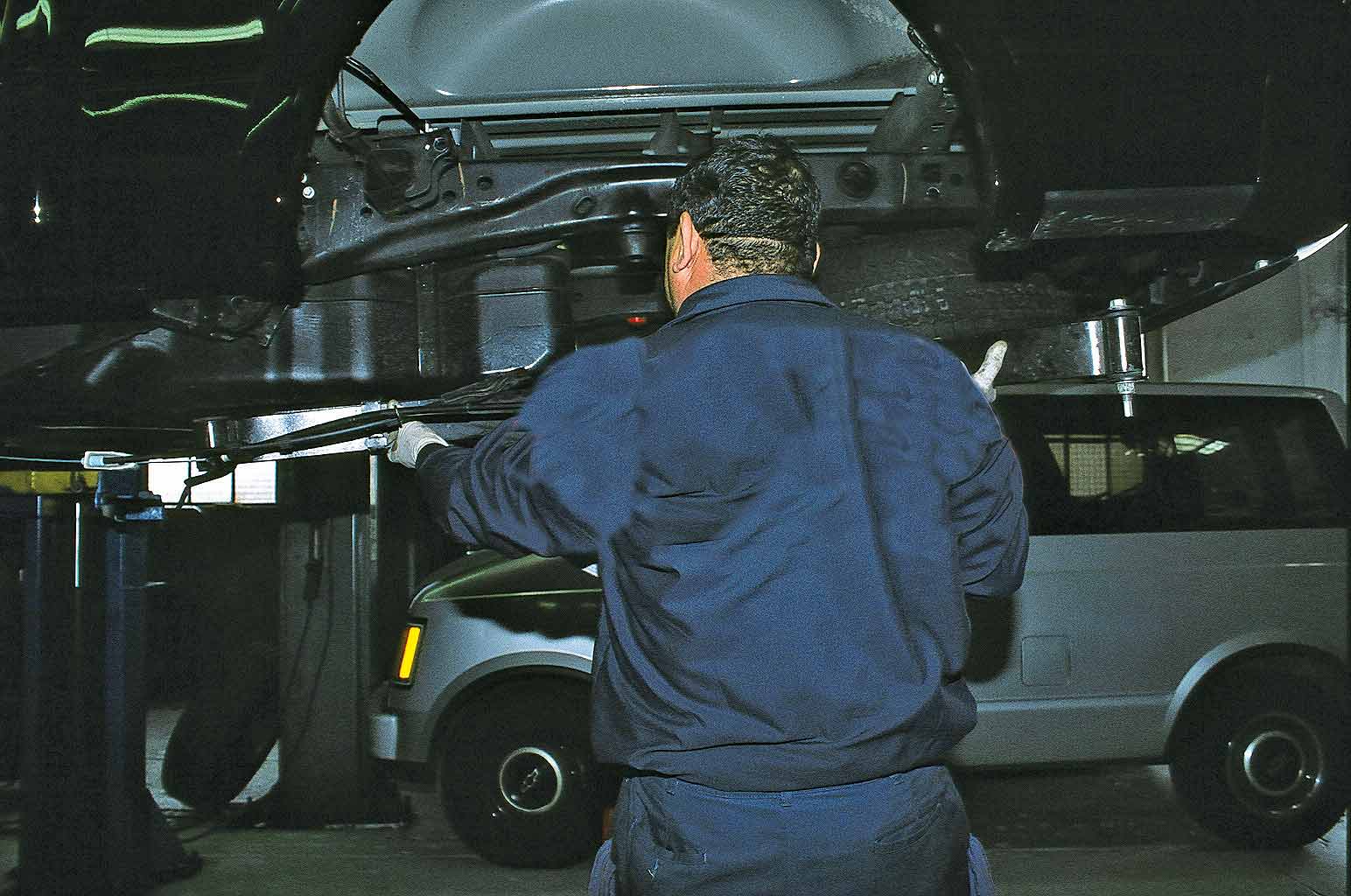
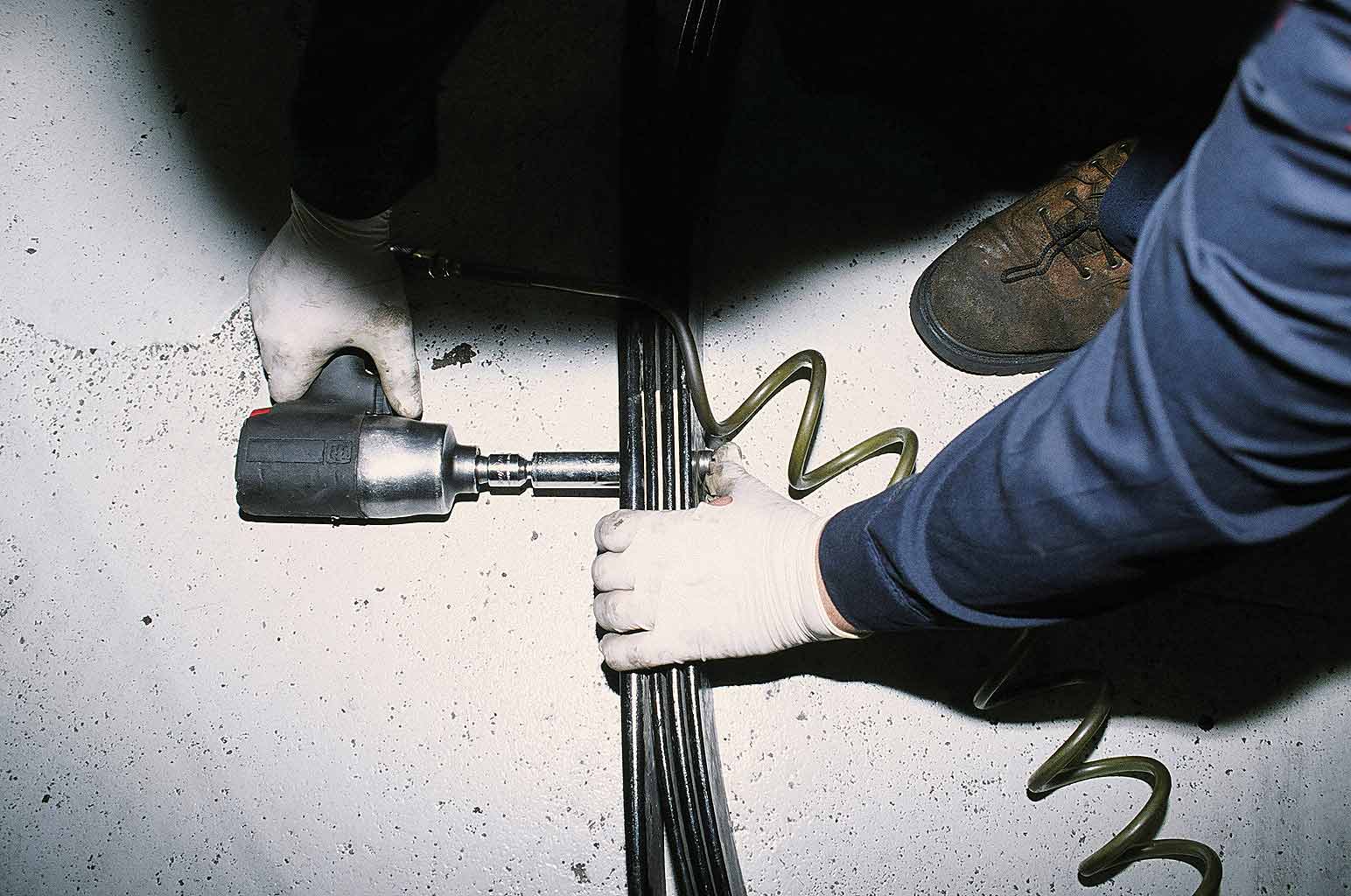
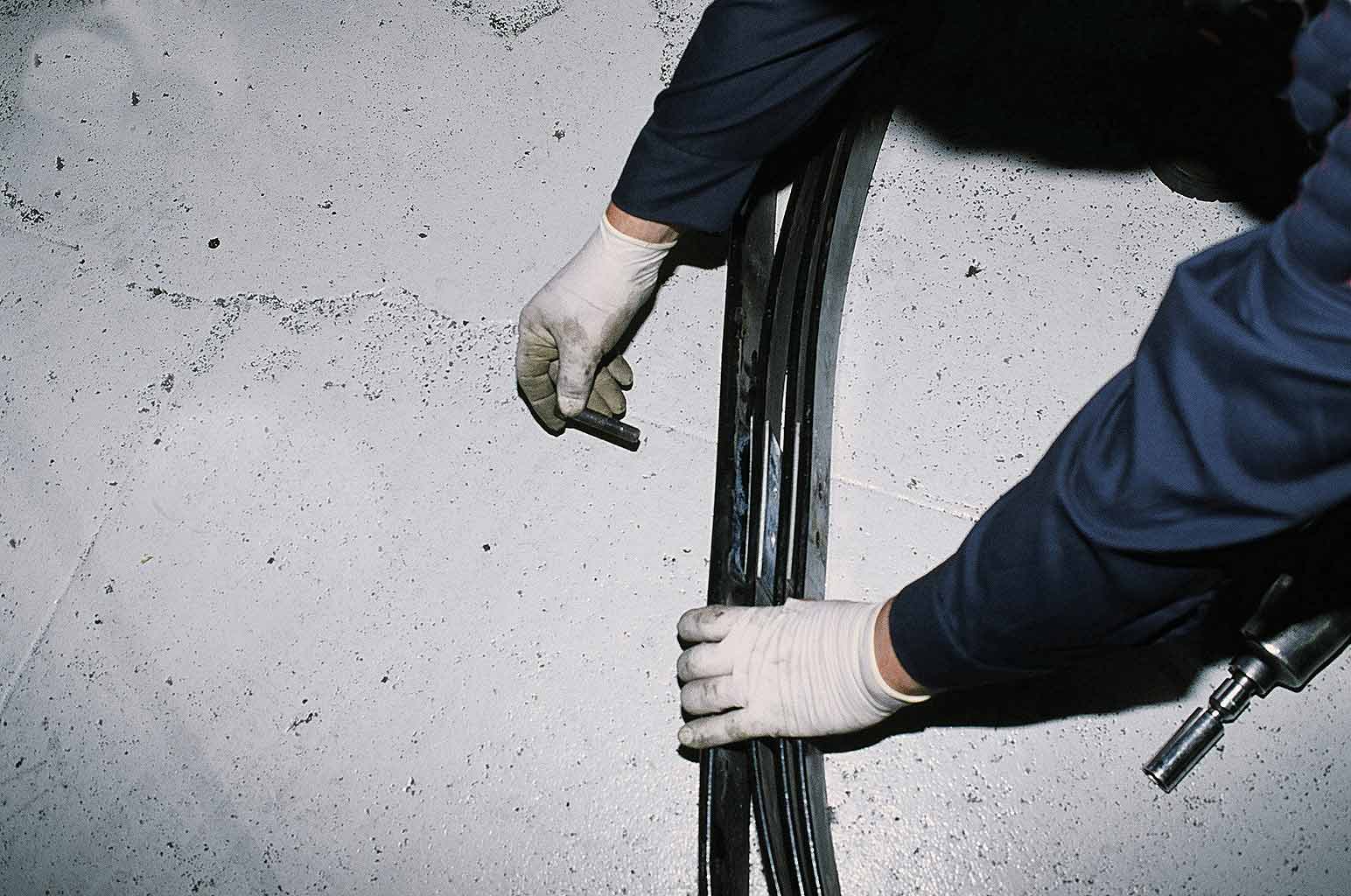
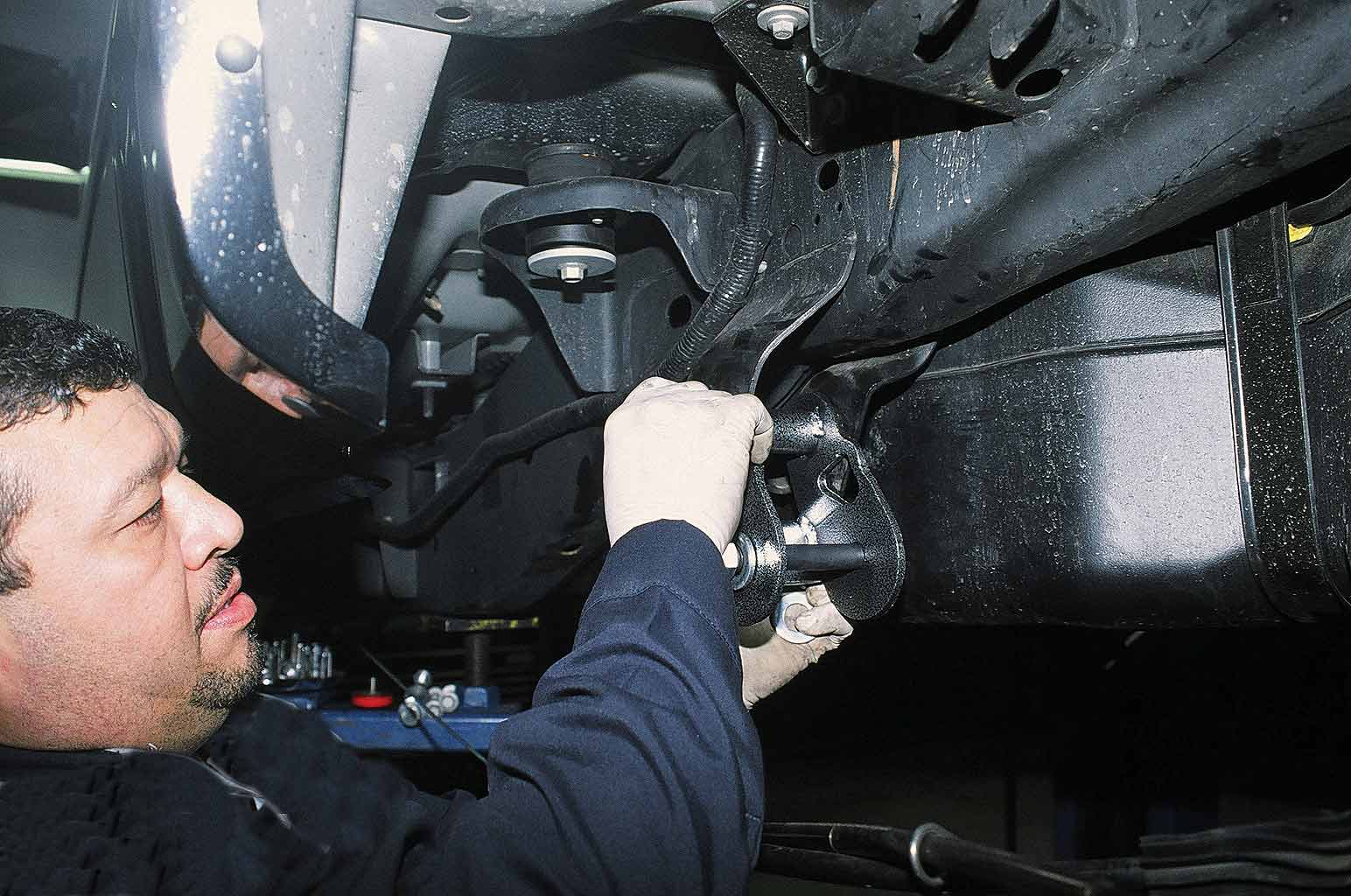
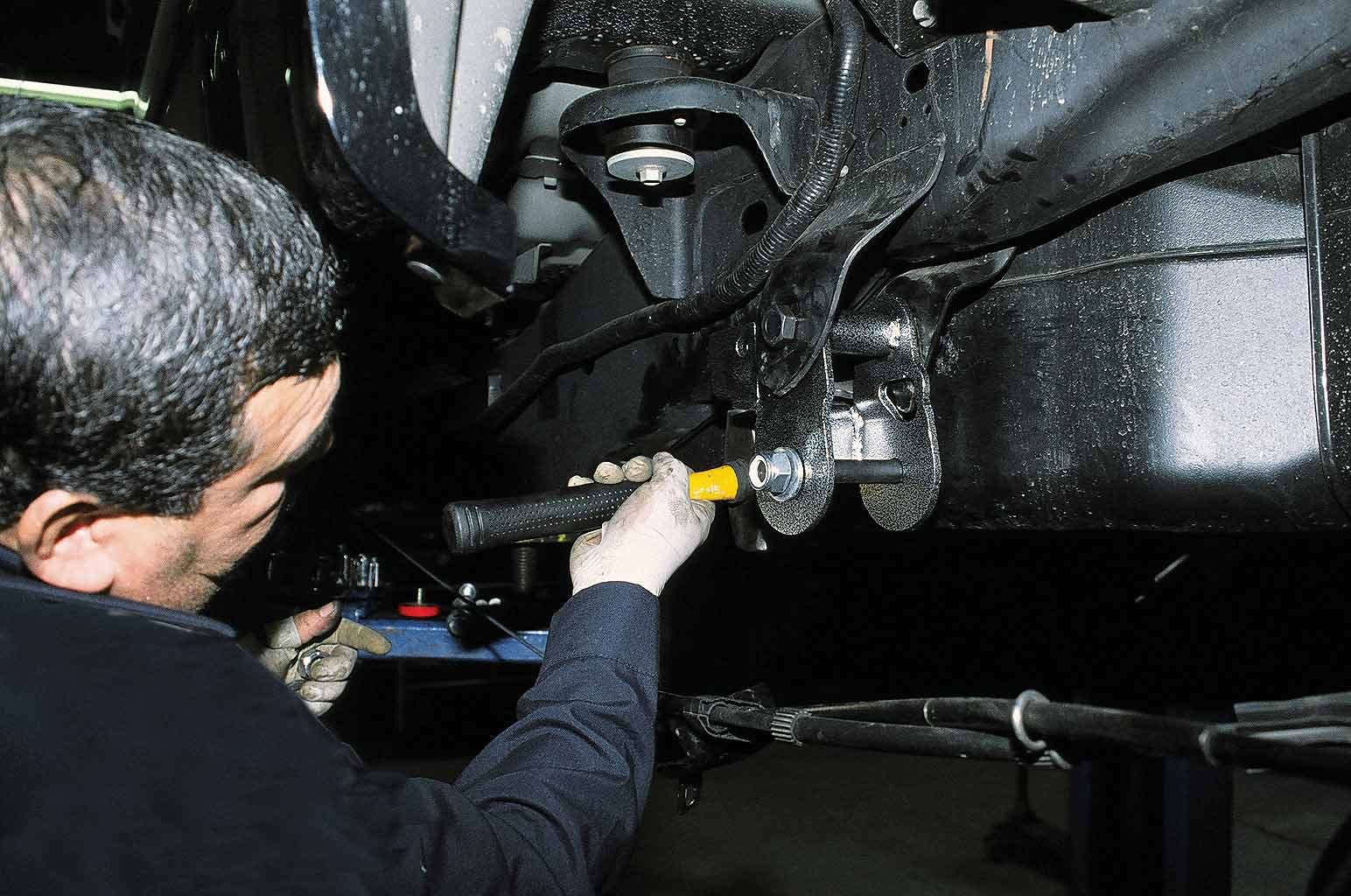
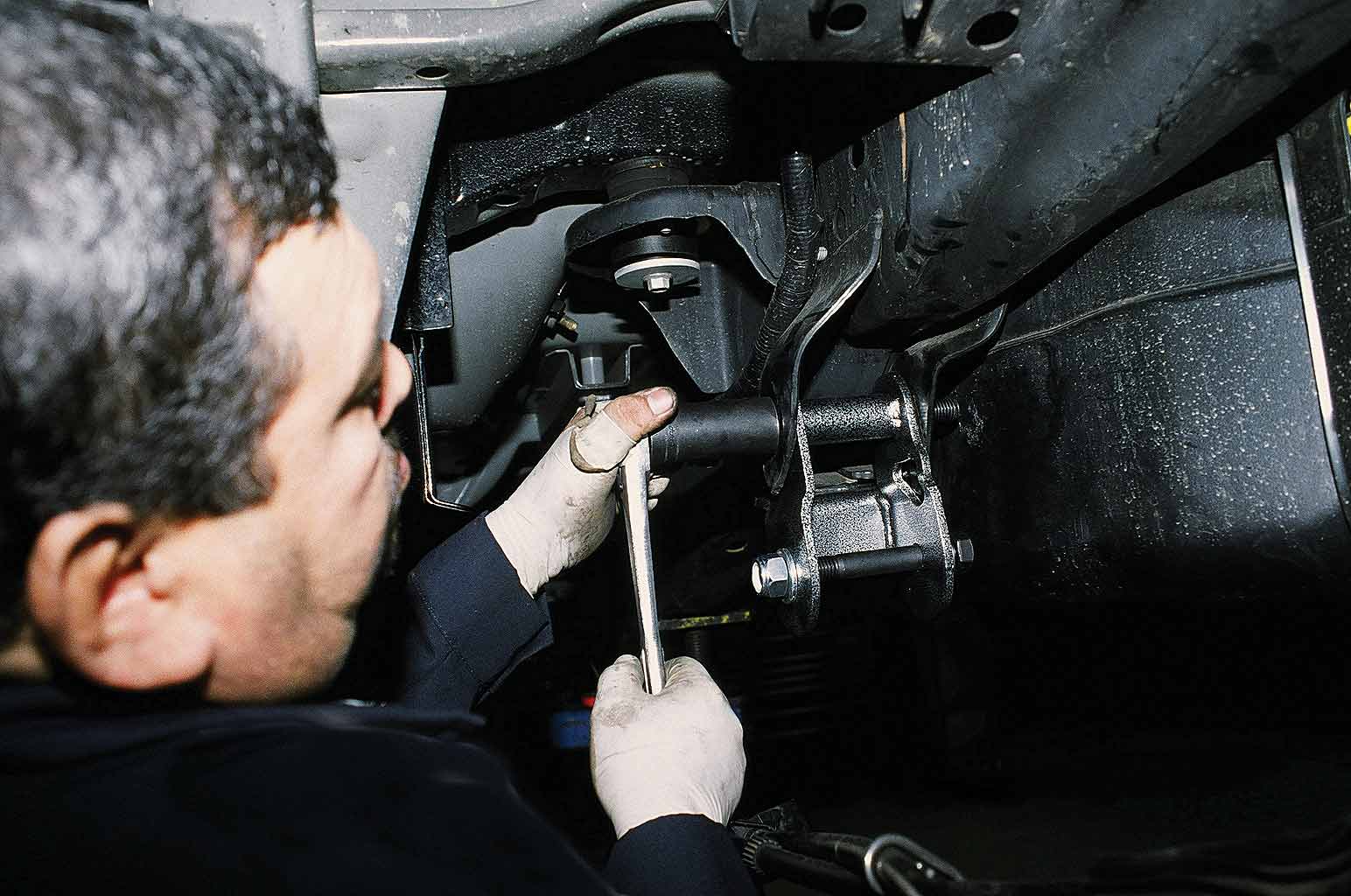
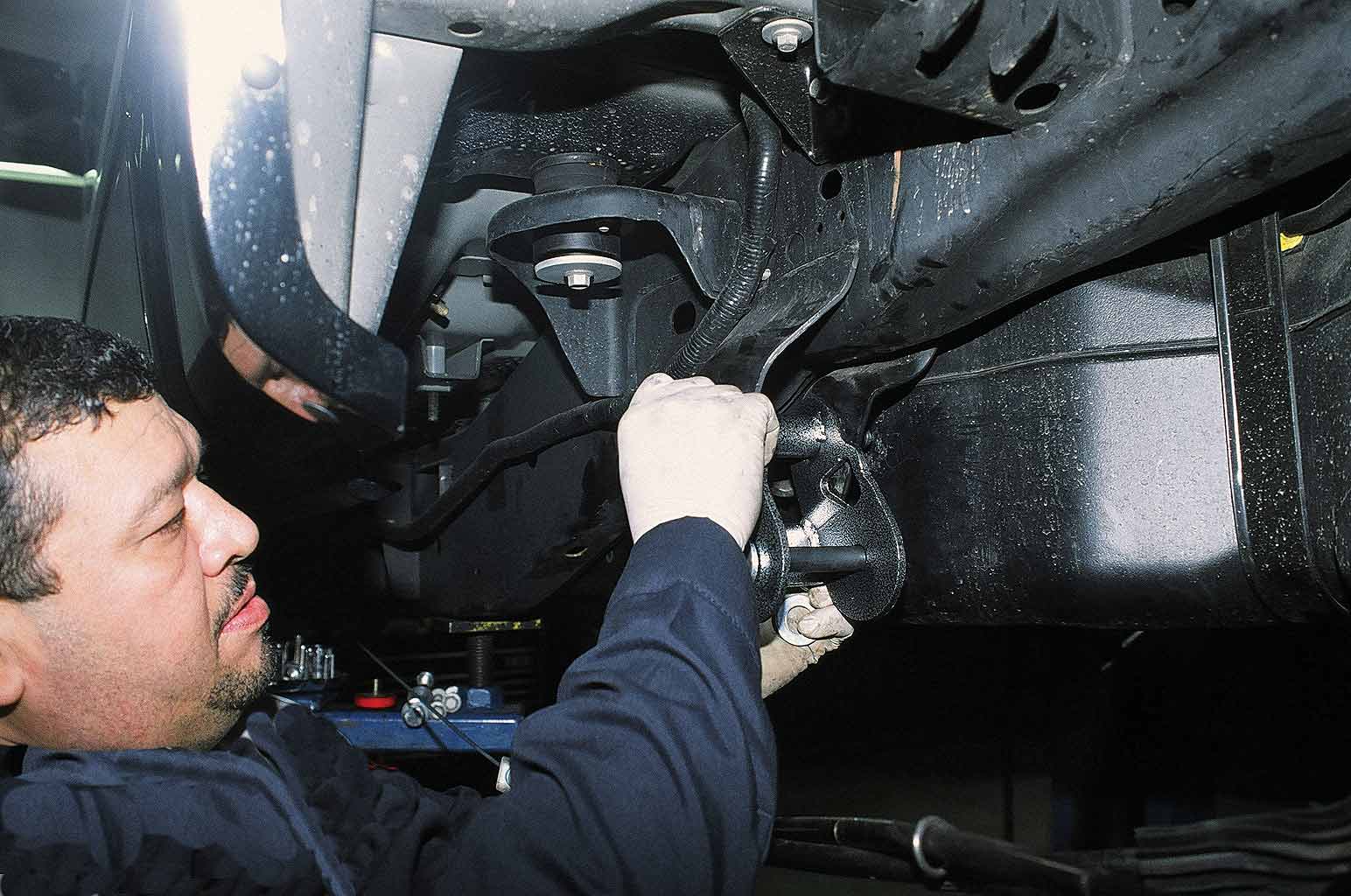
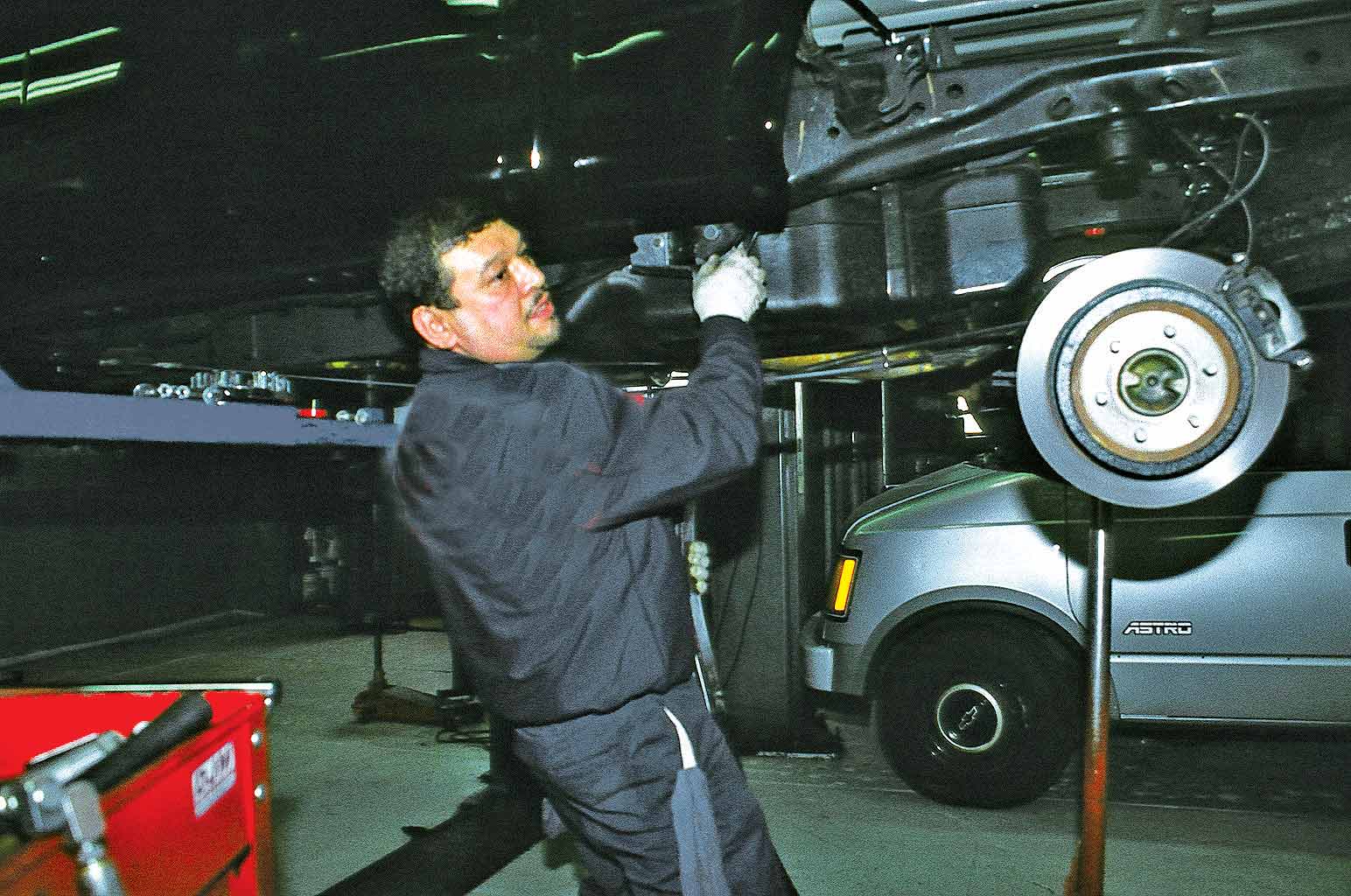
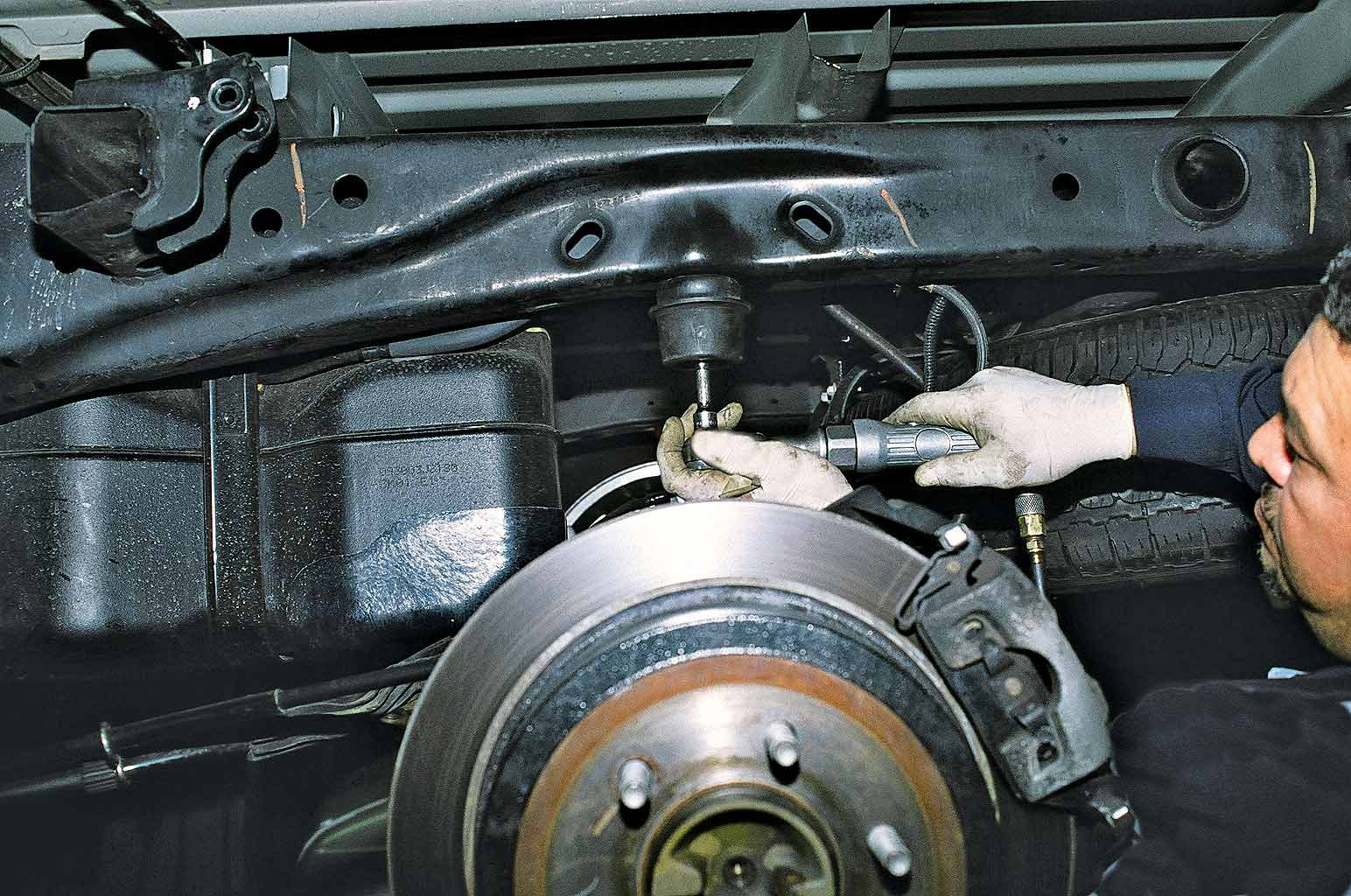
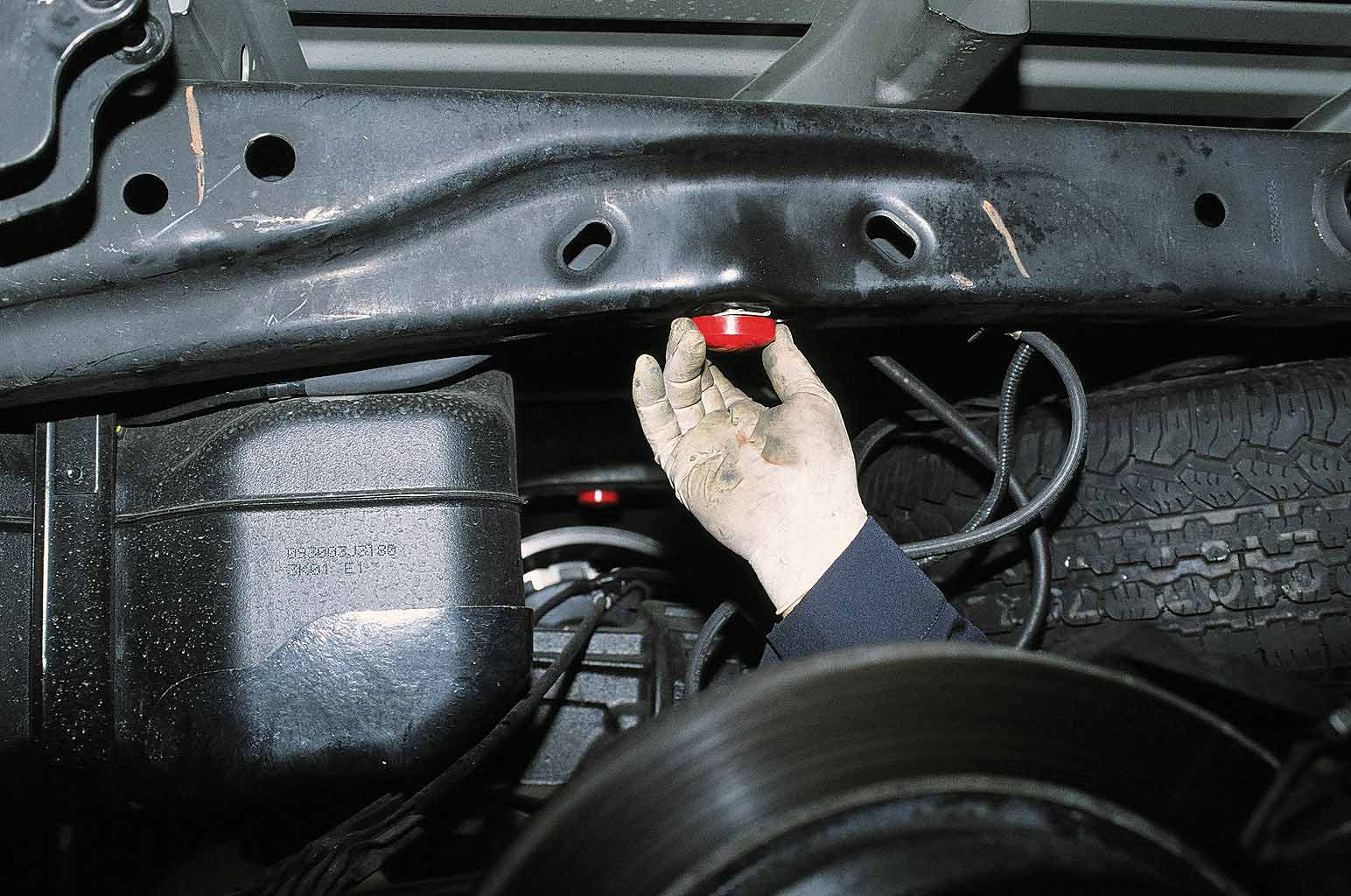
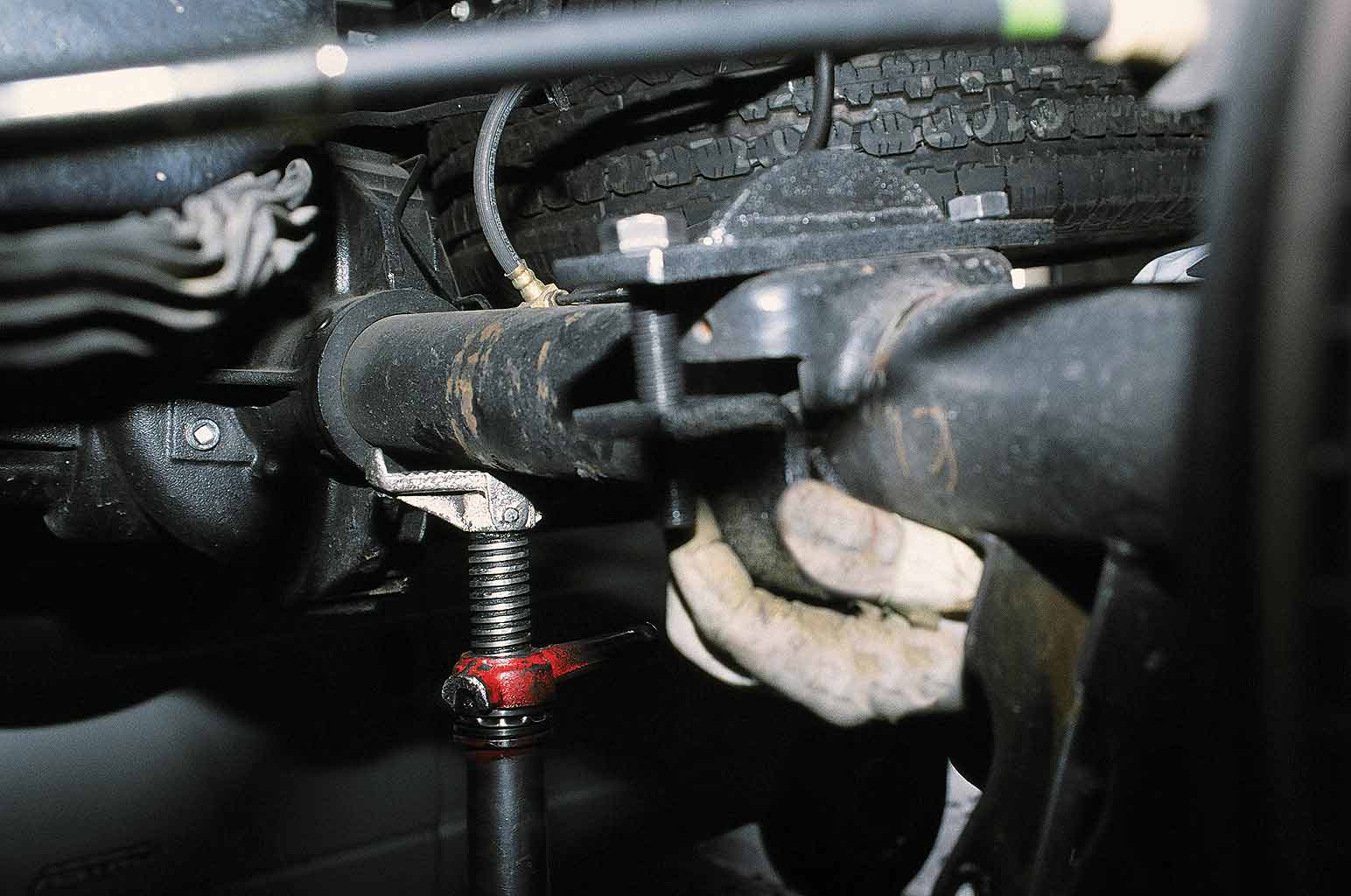
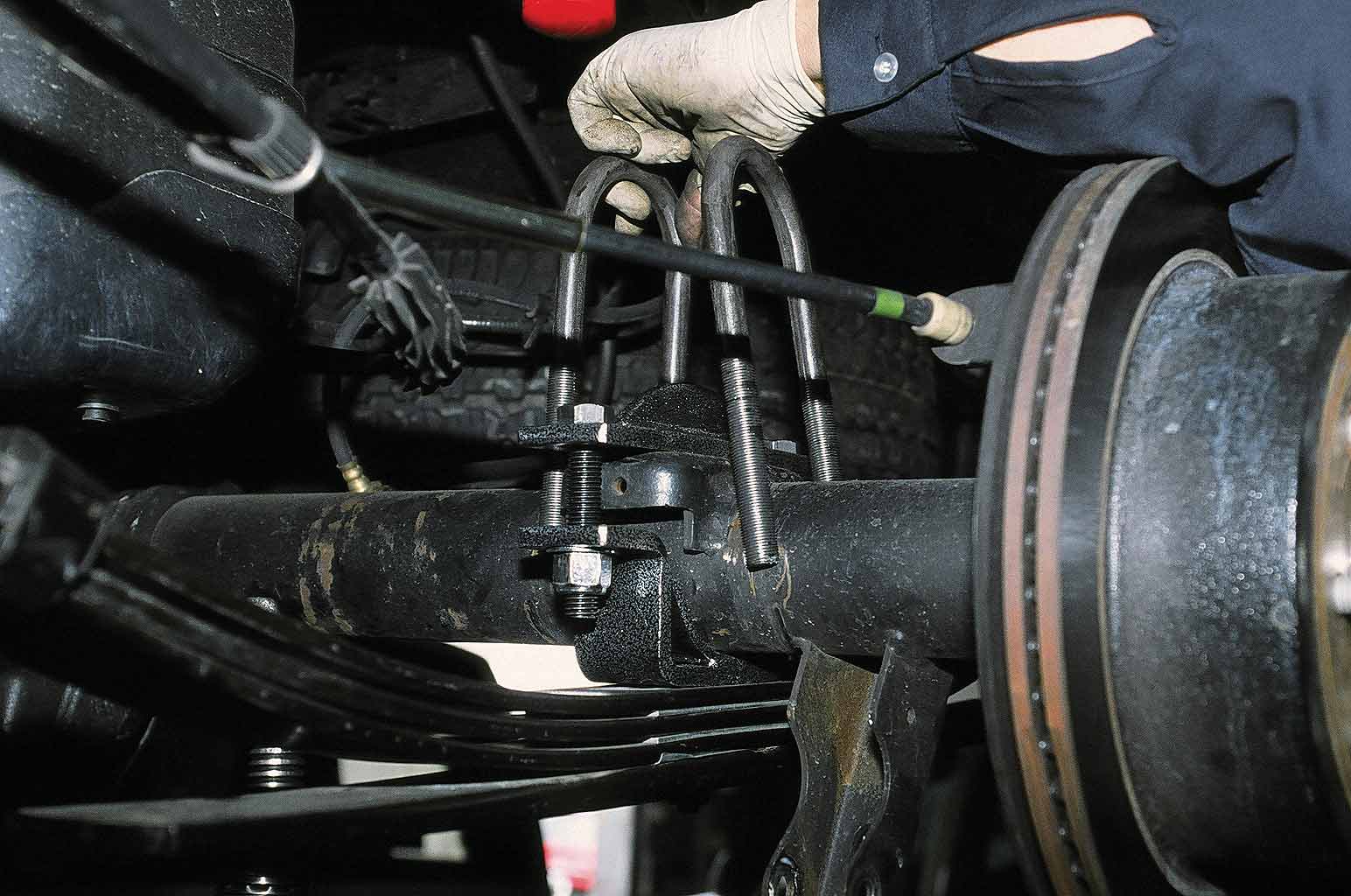
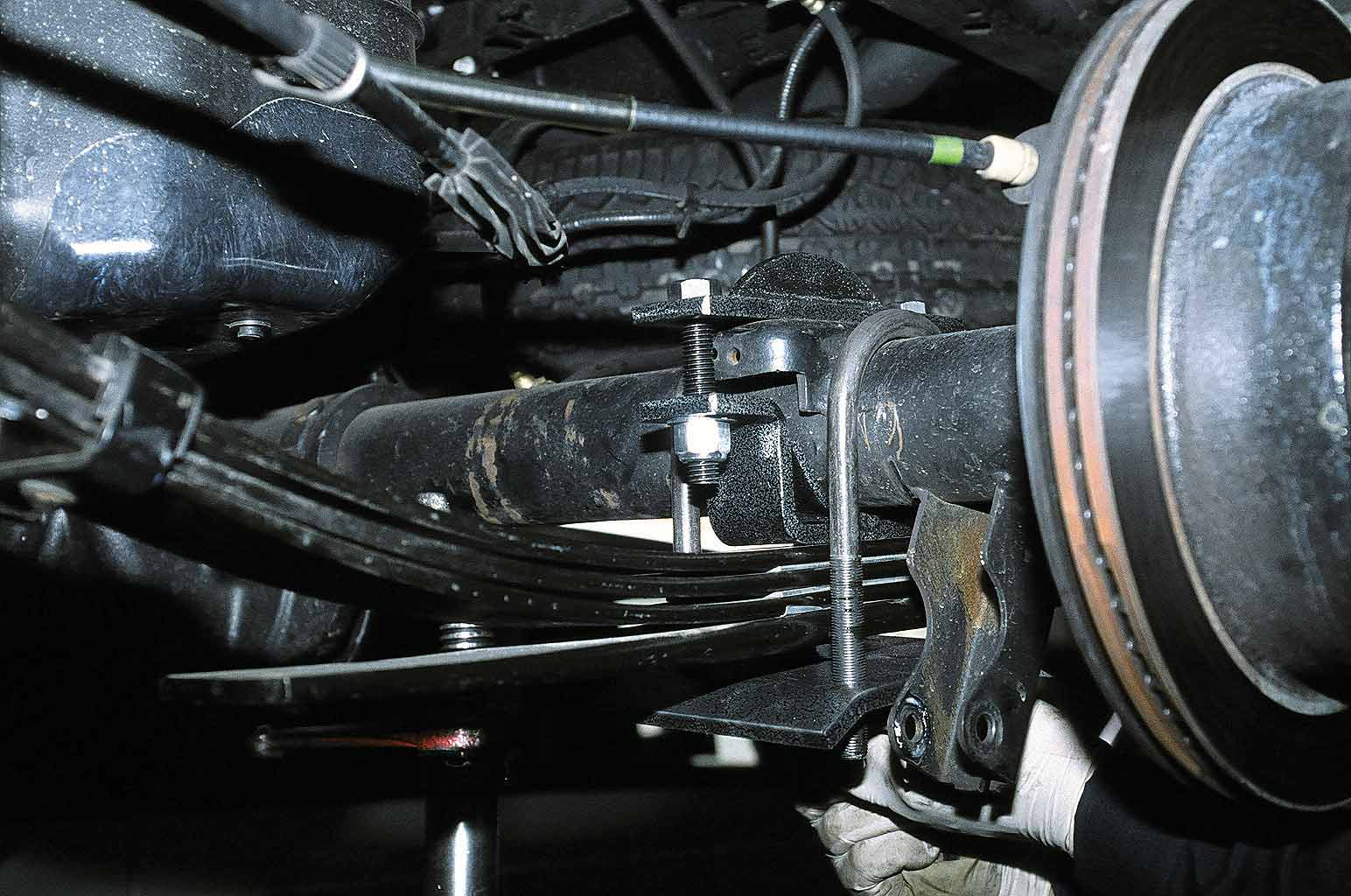
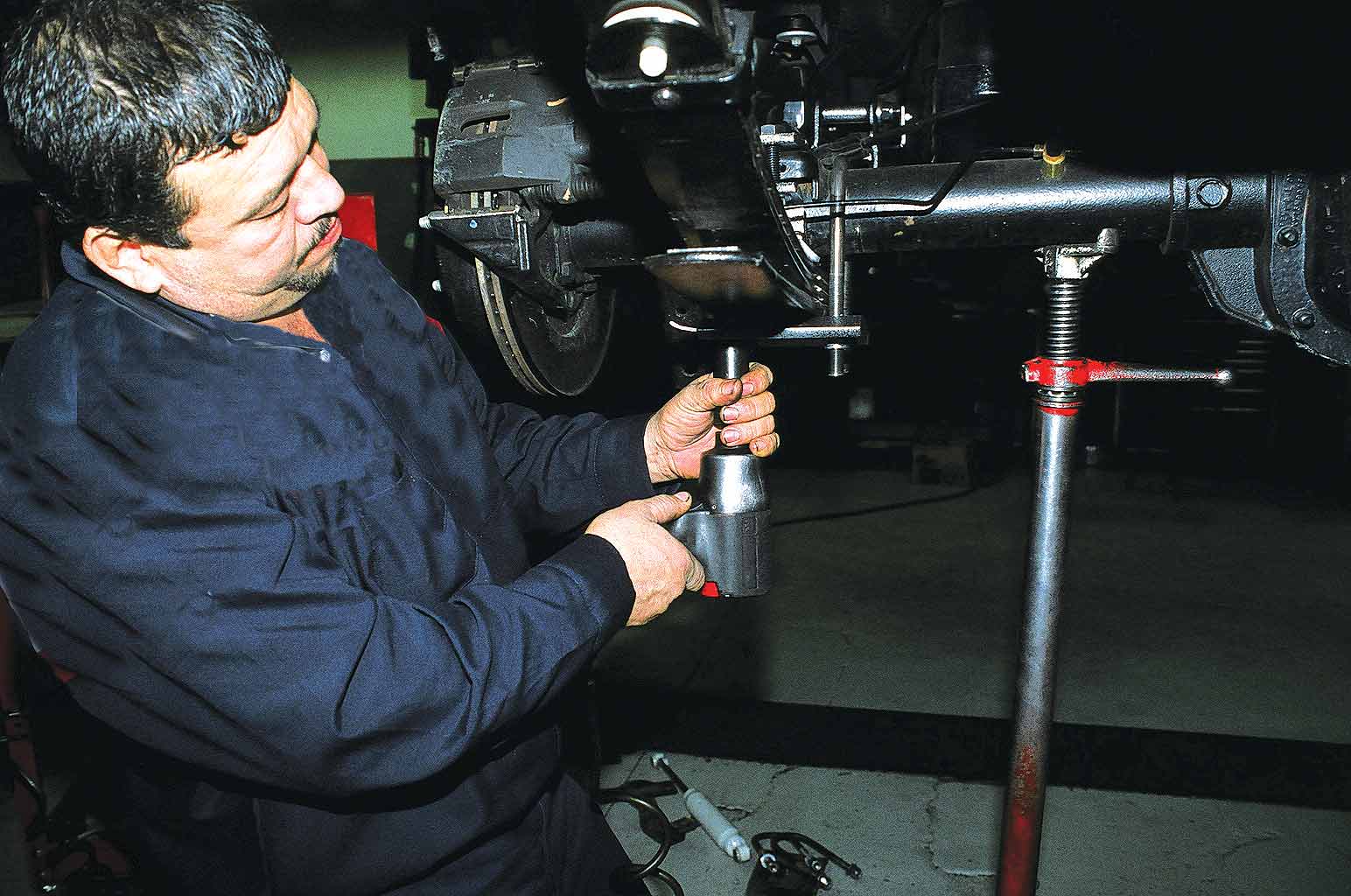
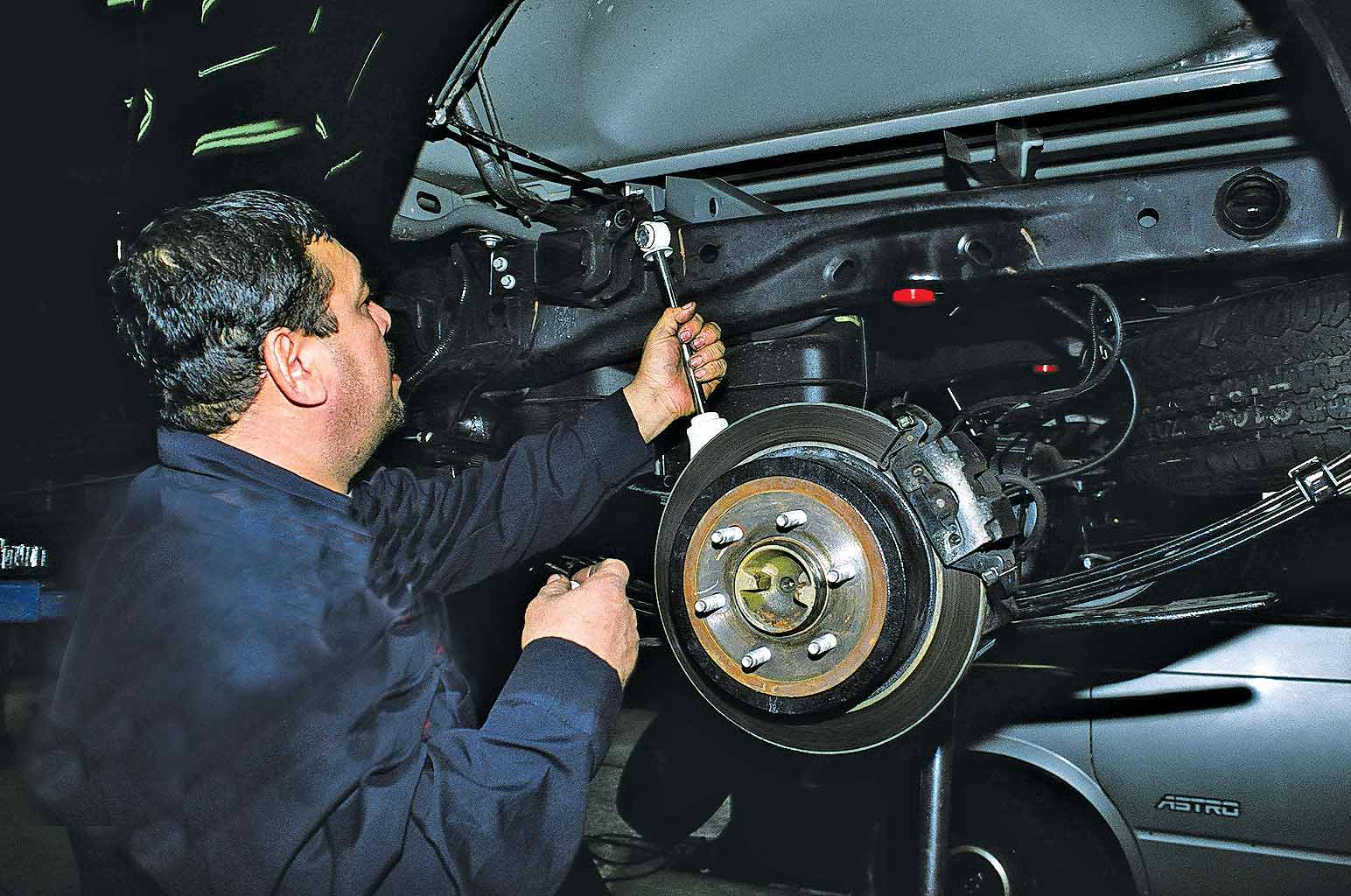
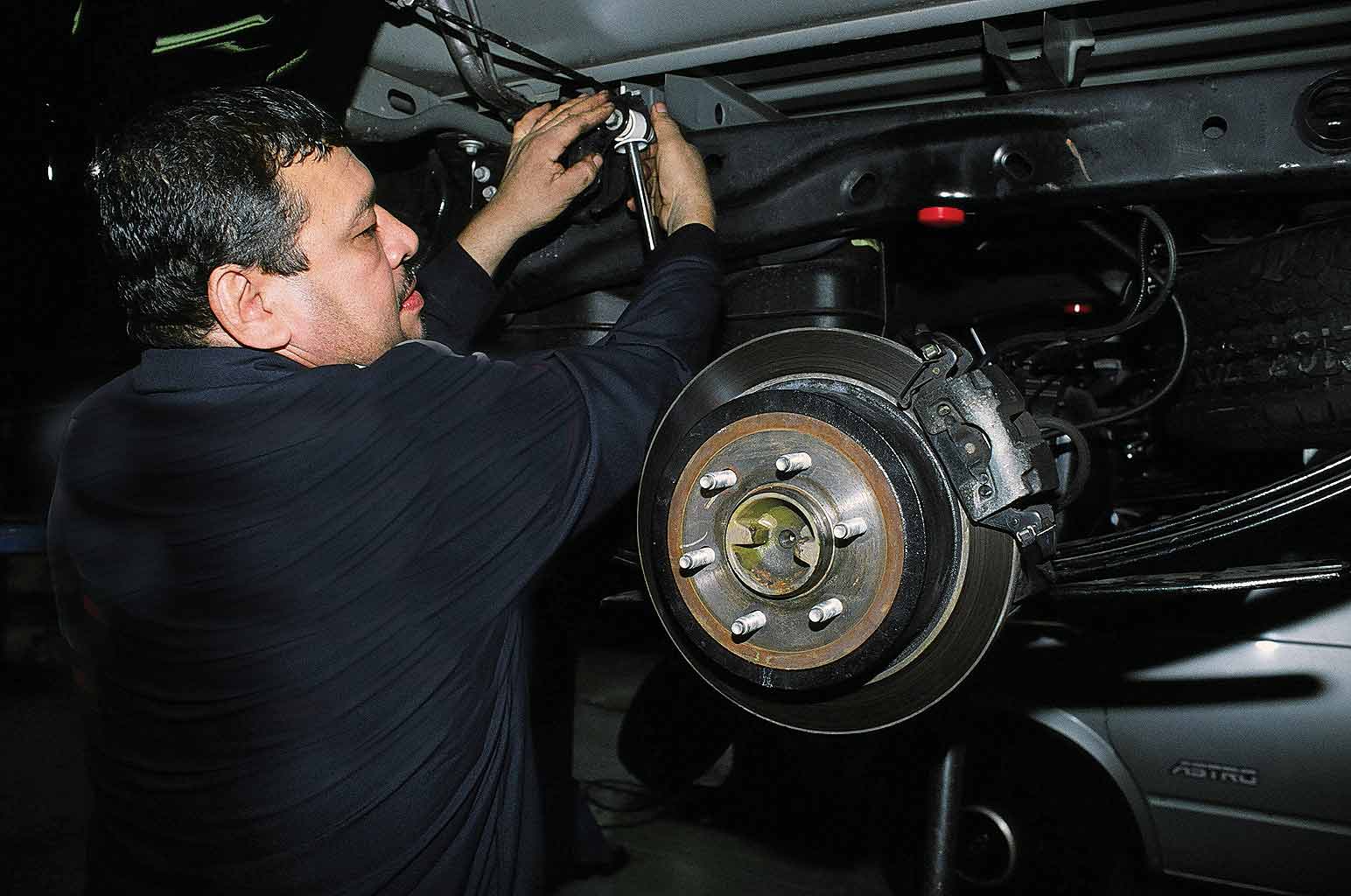
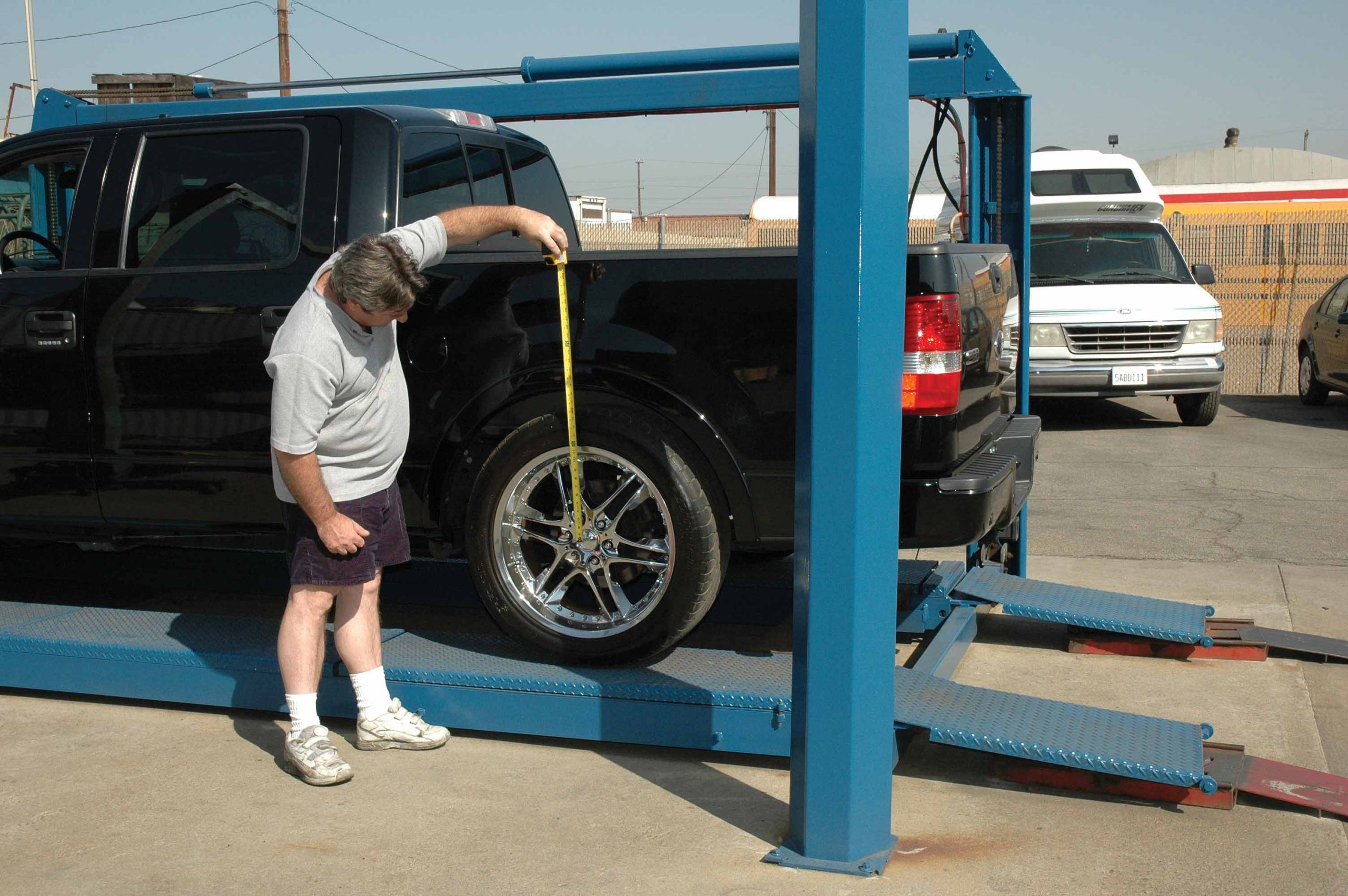
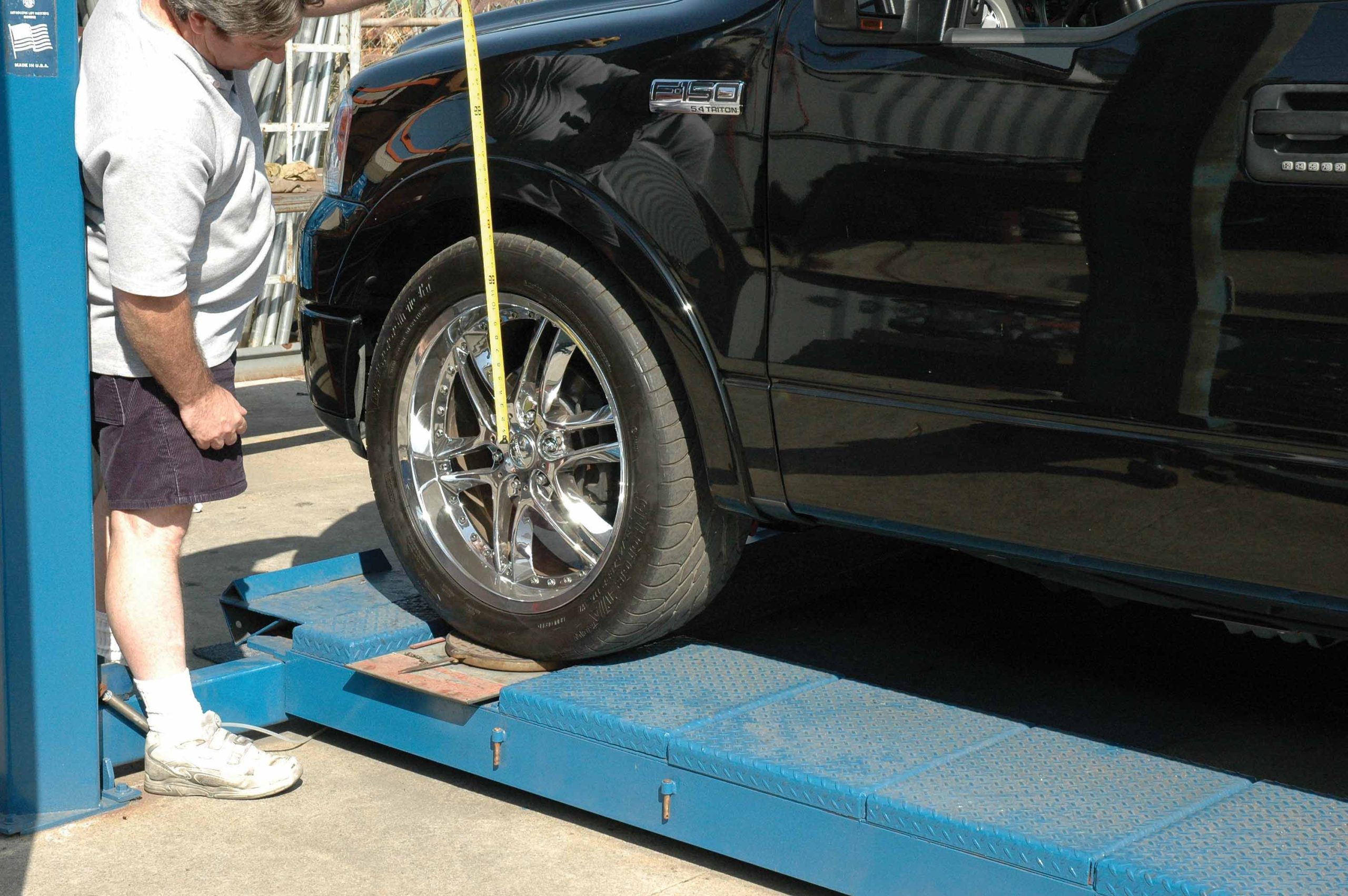
We decided to watch as this F-150 was fitted with a 3-1/2×4-inch drop. Witness the DJM twin sleeves that used to require drilling for grease fittings, but now come predrilled in all DJM kits. As with all the DJM drop kits, the kit installed here—for the late-model Ford F-150 4WD—features a stronger flip bracket and now clamps the rearend securely and accurately so that the installer can adjust the pinion angle to prevent rearend vibration.
The entire kit—available in 2-1/2- or 3-1/2-inch front drop and 4- or 5-inch rear drop—is a direct bolt-on, requiring no drilling, welding or modifications of any kind. Shock replacement is required in the rear only. The stock front shocks are retained if the owner so desires. Full frontend travel is retained because the spring and strut have not been modified in any way.
The best news is that the F-150 4×4 works well as an off-road vehicle even after the DJM drop. Oh, sure, as we inferred earlier, ground clearance is certainly not as high, making rock crawling out of the question, but if you can pick and choose those off-road environments that may not be much of an issue. The reality is that many owners of 4×4 trucks never see serious off-roading, and if they do it’s a rare occurrence. So the DJM drop demonstrated here will work for most Ford 4WD F-150 owners.
Complete, easy-to-follow instructions for this install are available on DJM’s website at www.djmsuspension.com. That way you can decide whether this is an installation for you or something that’s best left to a pro shop.