


COOL BLAST
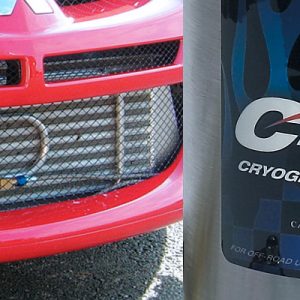
Adding a nitrous spray bar to an intercooler is a proven way to lower the intake air temps and consequently give a more dense charge to the combustion chamber for more horsepower. We’ve been seeing more and more intercooler spray bars popping up on both performance and show-n-go cars.
4/7 SWAP
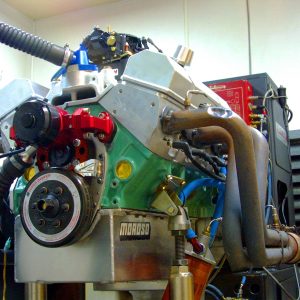
We showed you how to build a small-block engine that could make over 500 hp and 500 lb-ft of torque on 87-octane gas. It was a motor that could be driven just about every day with a hydraulic-roller cam and a good carburetor, making acquisition and maintenance almost nonexistent. Like many things we do in the engine world, the results we enjoyed—while good—just weren’t satisfying anymore. We wanted more.

PRODUCT SPOTLIGHT: 1973–1979 Ford Truck LED Digital Gauge Panel by Intellitronix
Time to stop staring at that dusty old dash and upgrade your cockpit like a boss. The Intellitronix 1973–1979 Ford Truck LED Digital Gauge Panel isn’t just a swap—it’s a straight-up modern takeover for your classic Ford. Clean, mean, and screaming tech.



Rising Concerns Among Rodding Community
One concern of many longtime rodders is that the average age seems to be rising with each passing year. The fact of the matter is that most young people have an interest in cars but do not have the means to attain such vehicles. They are focused on getting an education, finding a job and maybe deciding how the rest of their lives may be spent. If you think back to your youth, very few of us were able to own, build or drive a hot rod. It was much later in life that we found the way. But to say that we are all a bunch of graybeards would mean we are not looking around at some of the more interesting things that are happening within our hobby. There is a youth movement occurring, and the cars they are building speak volumes about the future. One such person we recently discovered is a perfect example.
Kirby Kennedy’s Background
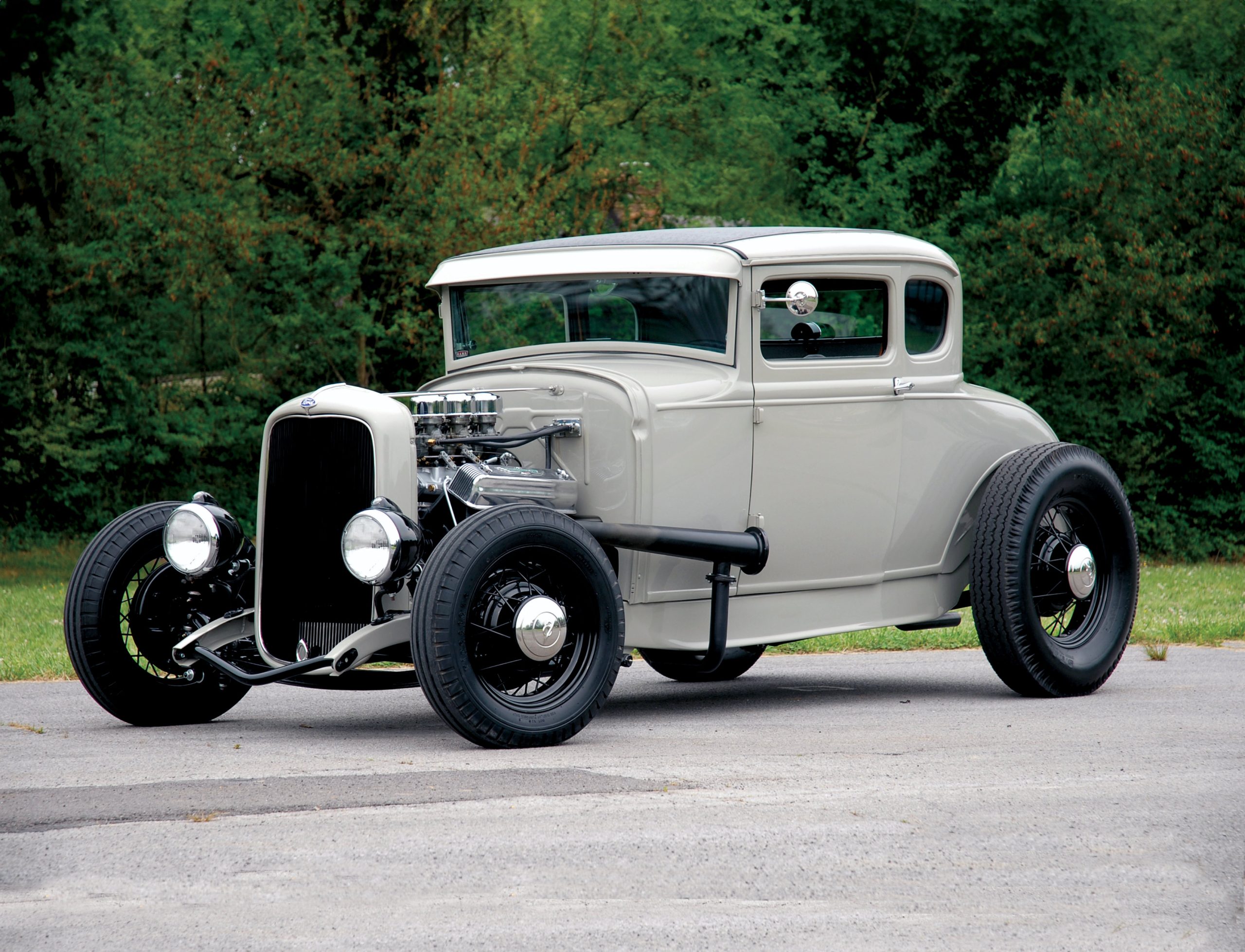
Kirby Kennedy grew up around street rods in his hometown of Selmer, Tennessee. His father, David, had several rods and even operated his own shop. Kirby hung around Kennedy’s Kustom Auto Shop and helped with many of the projects. He also learned many of the required skills to build a rod along the way. Once Kirby reached high school, he knew quite a bit about the history of hot rodding and had developed a fondness for traditional hot rods. His school required each graduating senior to complete a project before they reached graduation. While only a sophomore, Kirby decided to build a traditional-styled hot rod.
Starting the Project
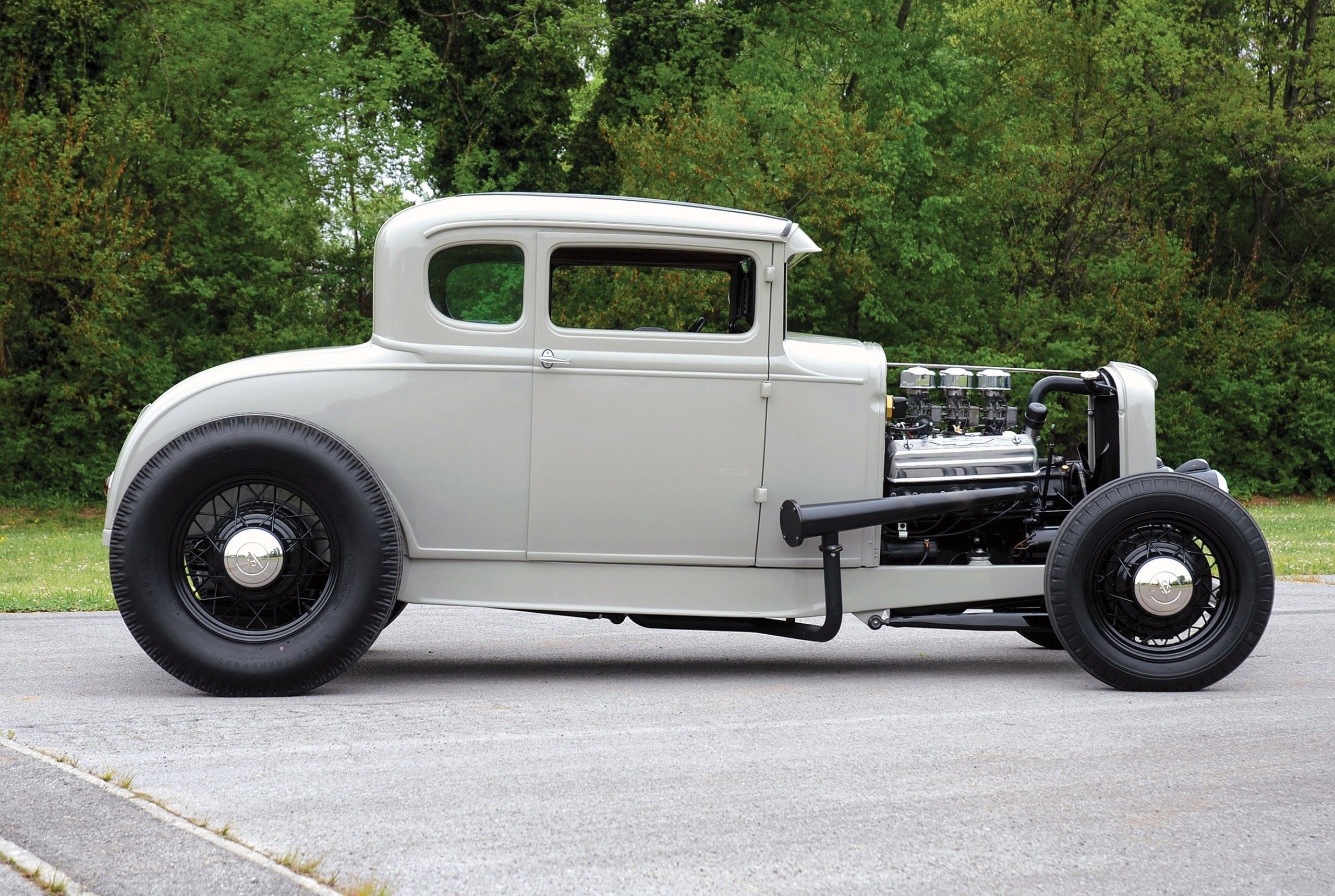
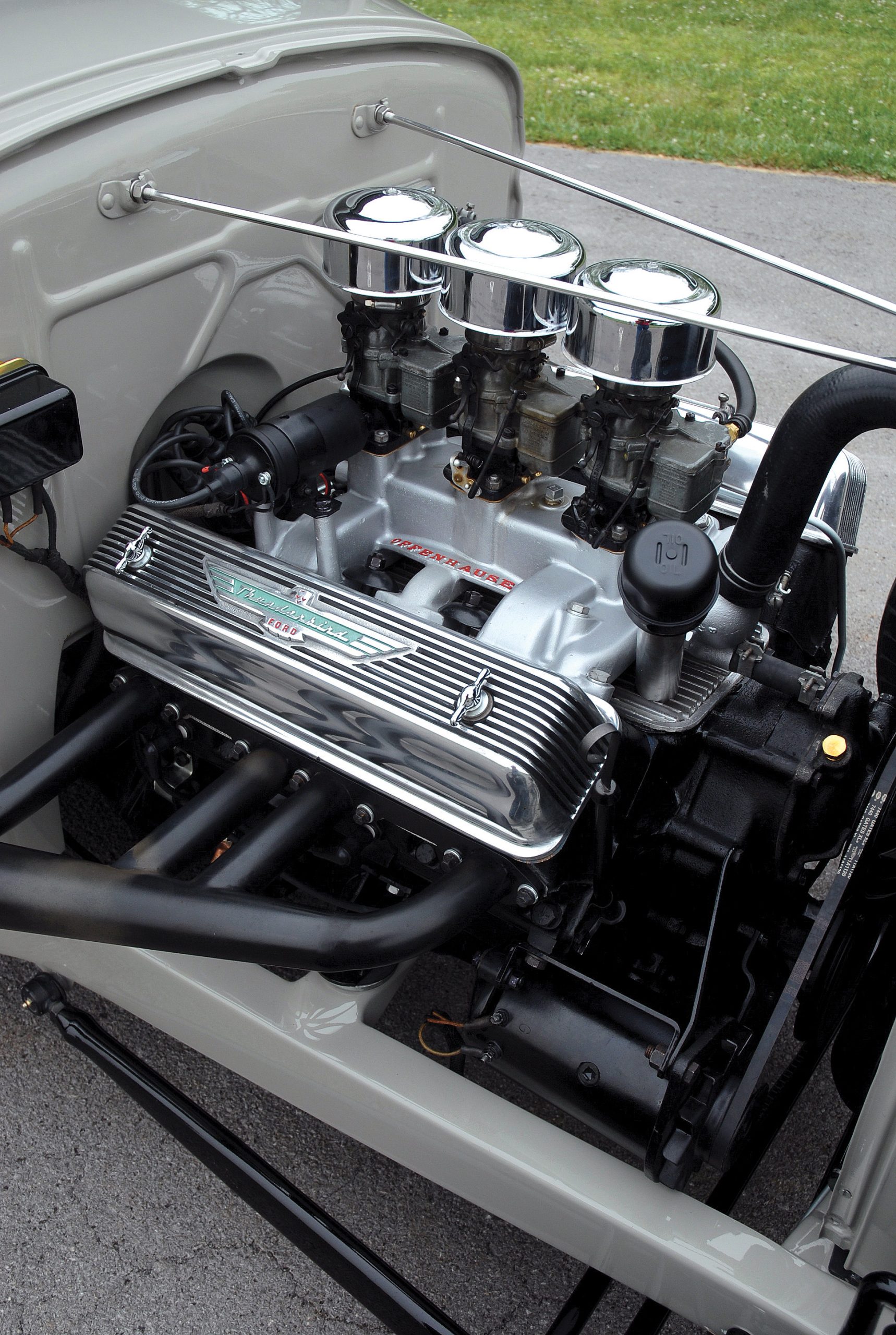
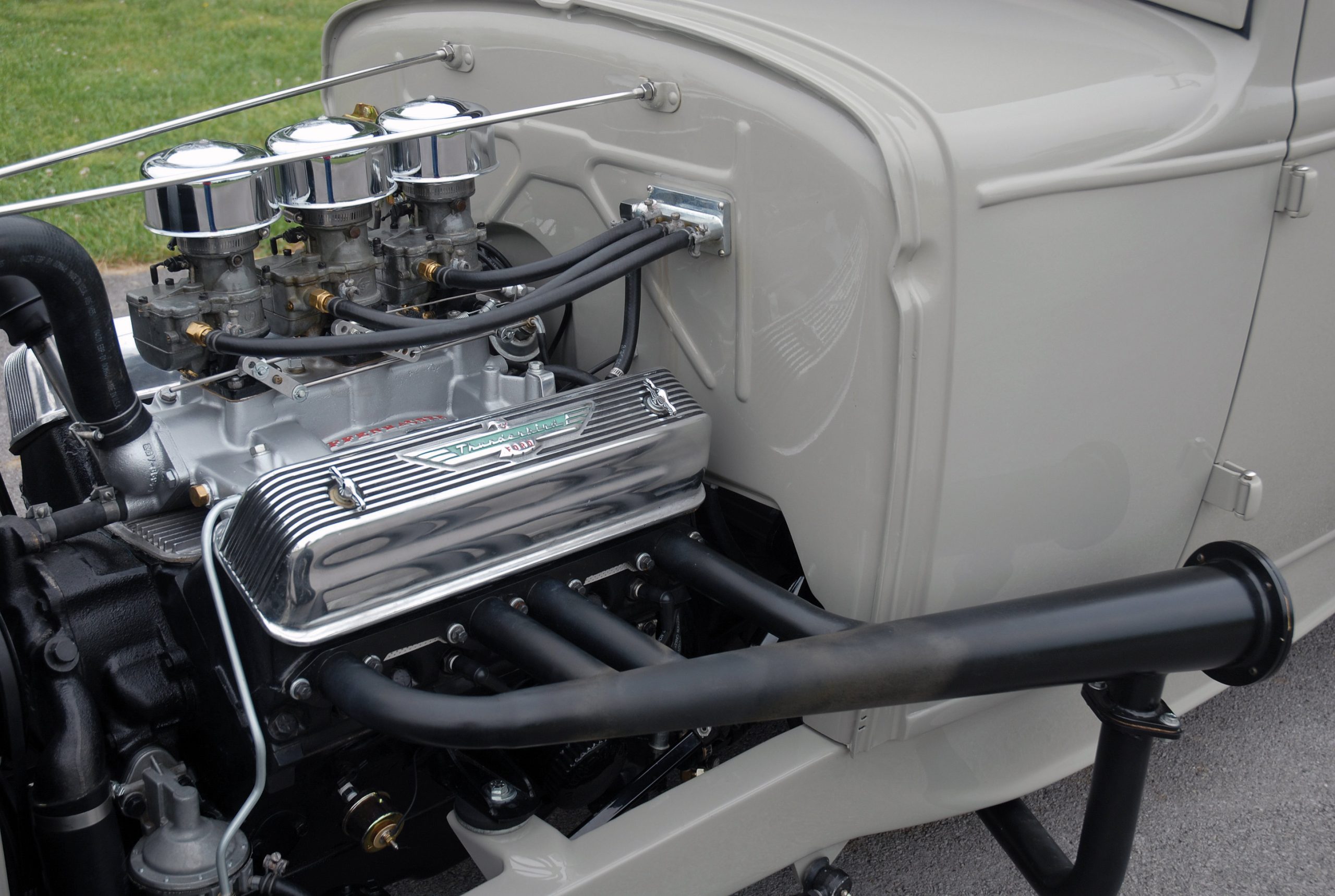
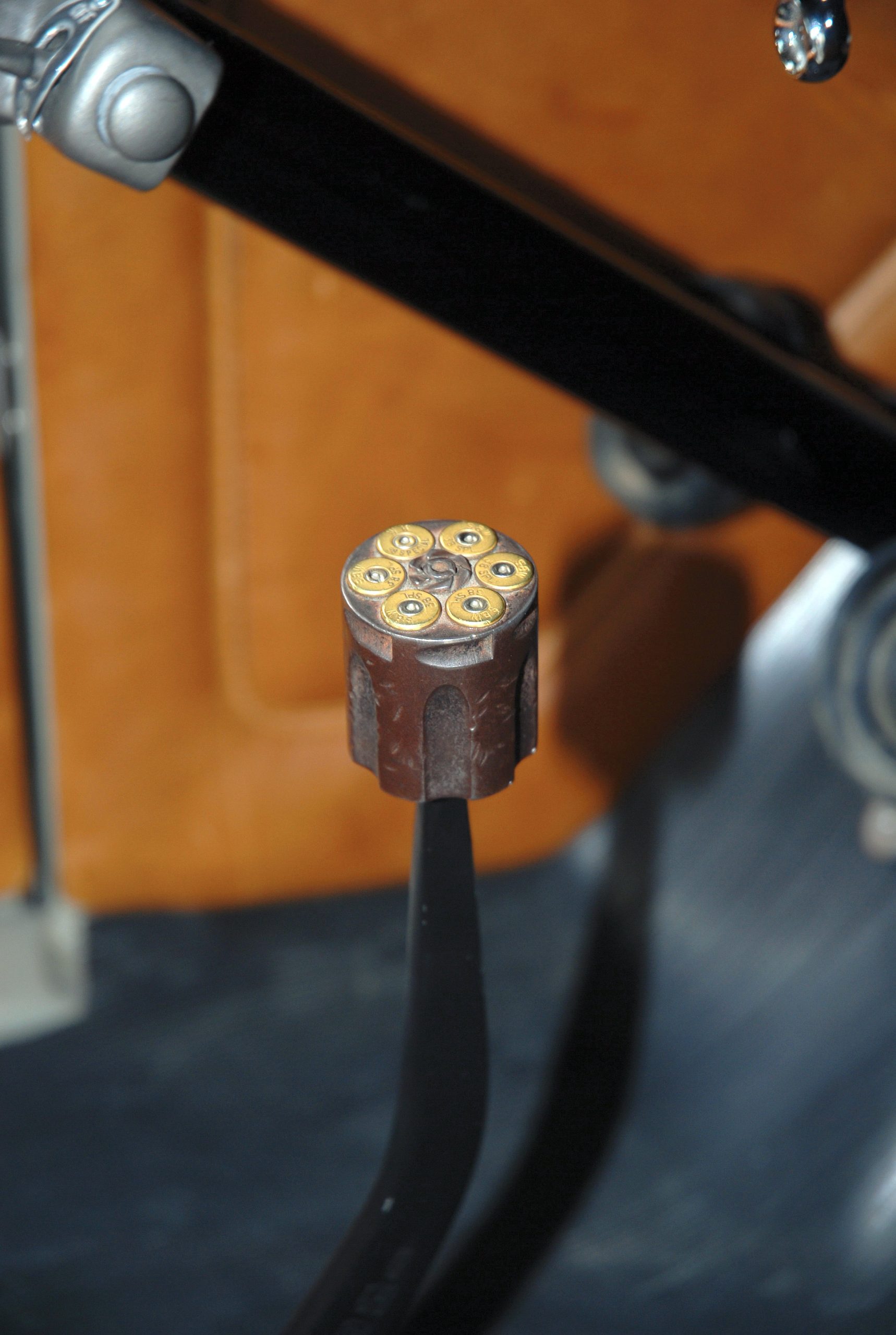
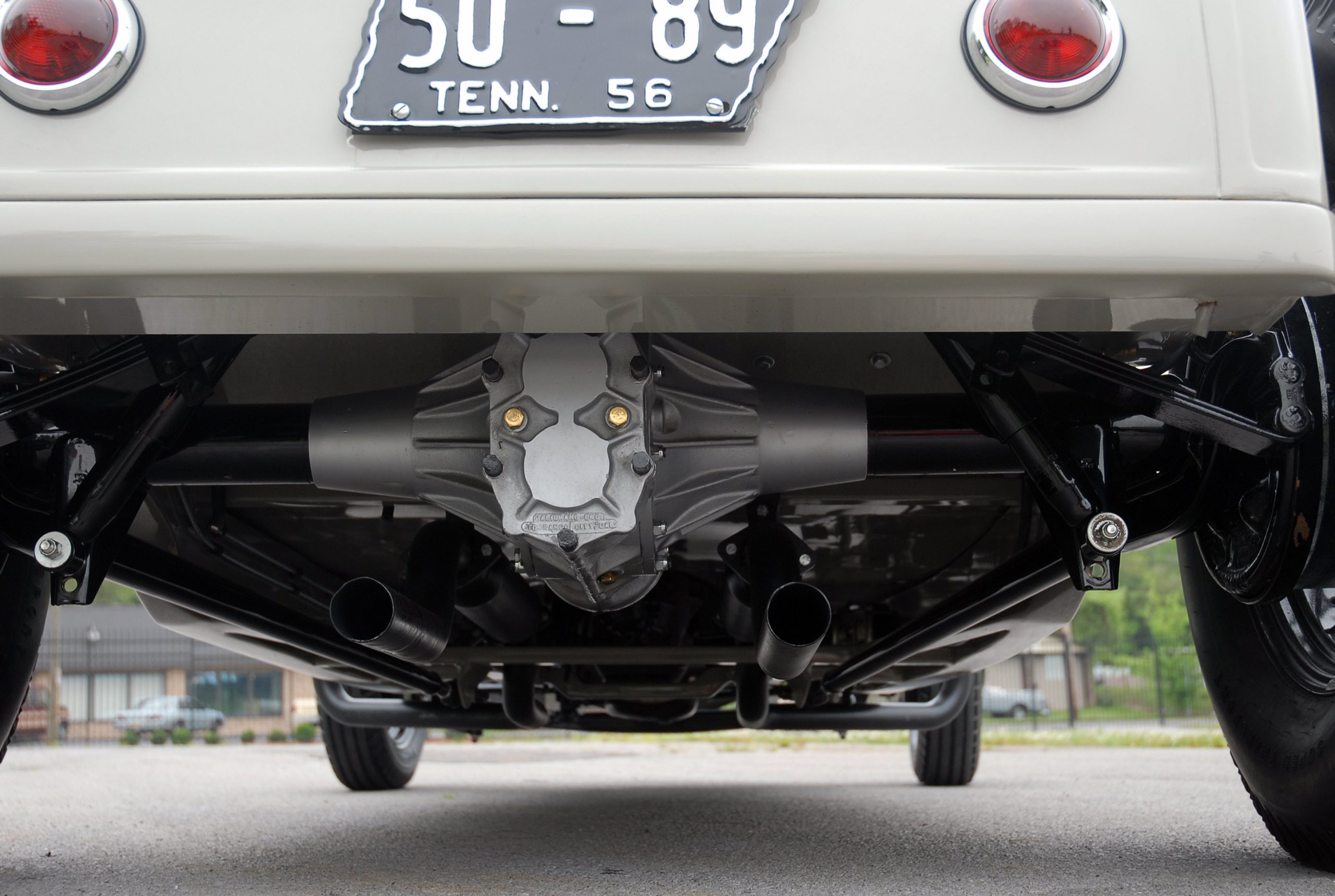
Kirby began by working part-time in his dad’s shop and picking up odd jobs here and there to help pay for his project. His first purchase was a set of ASC Deuce rails. He pie-cut both the front and rear of the rails before boxing and pinching them to fit a Model A body. Along with the help of David, he mounted a Halibrand quick-change rearend using Model A cross-leaf springs with Pete & Jake’s shocks. Up front, Kirby used a 4-inch dropped Super Bell I-beam axle with split wishbones mounted to a Posies reversed eye spring and Model A crossmember. He coupled ’46-’48 Ford spindles with ’40 Ford drum brakes up front. The rear brakes also came from Ford. To keep the old-school theme going, Kirby built a ’56 Ford 292 Y-block engine with help from Randy Tull for the car. It was bored 0.30 over and topped with an Offenhauser intake and three Stromberg 97 carburetors. A pickup oil pan provided the necessary clearance. The vintage Thunderbird valve covers added the just right dress-up touch. A set of handmade lake-style headers and Brackman mellow-tone mufflers and exhaust system were powdercoated by RT Coatings in Knoxville, Tennessee. The three-speed manual transmission received a Hurst shifter topped by a loaded revolver chamber.

Acquiring and Modifying the Body
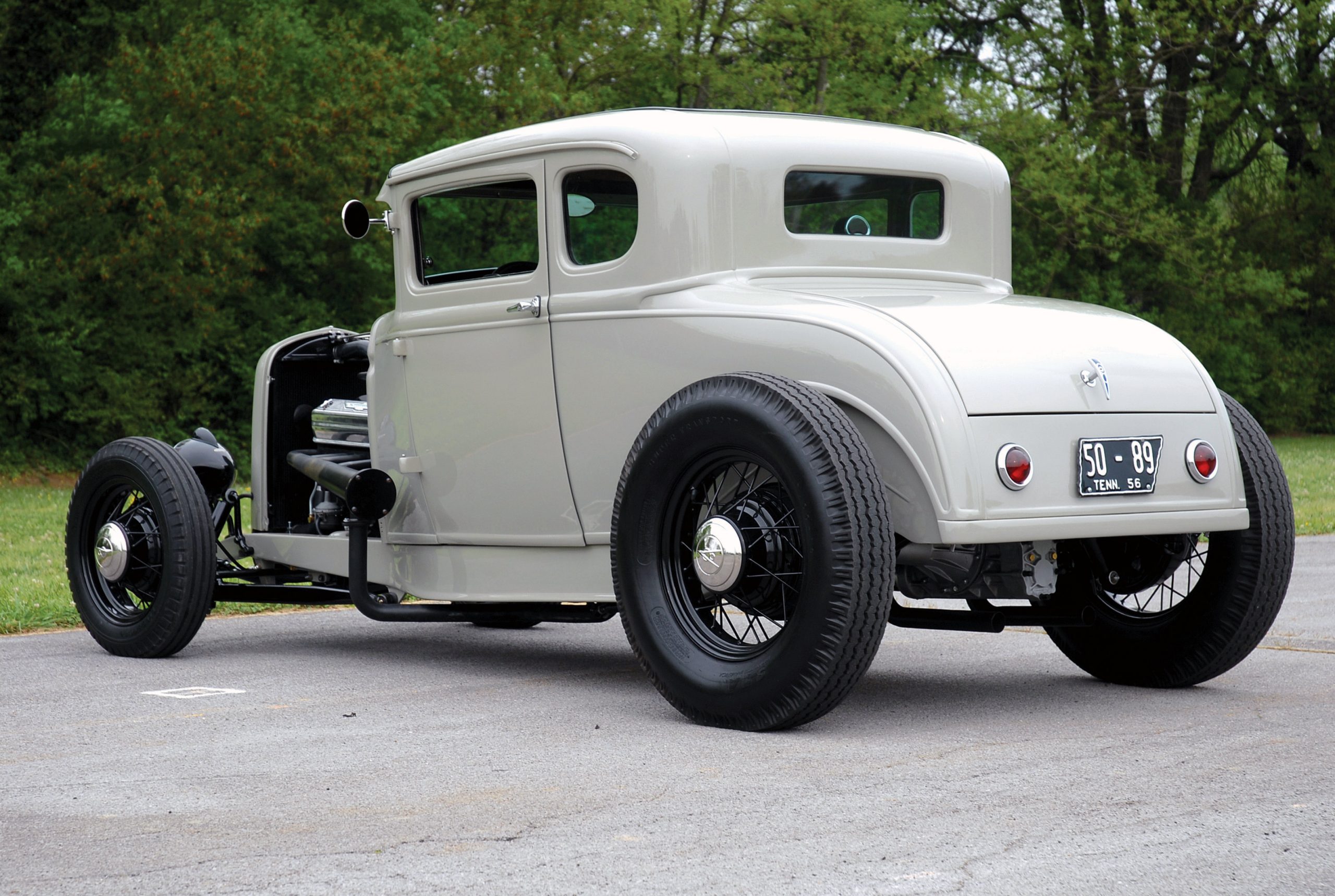
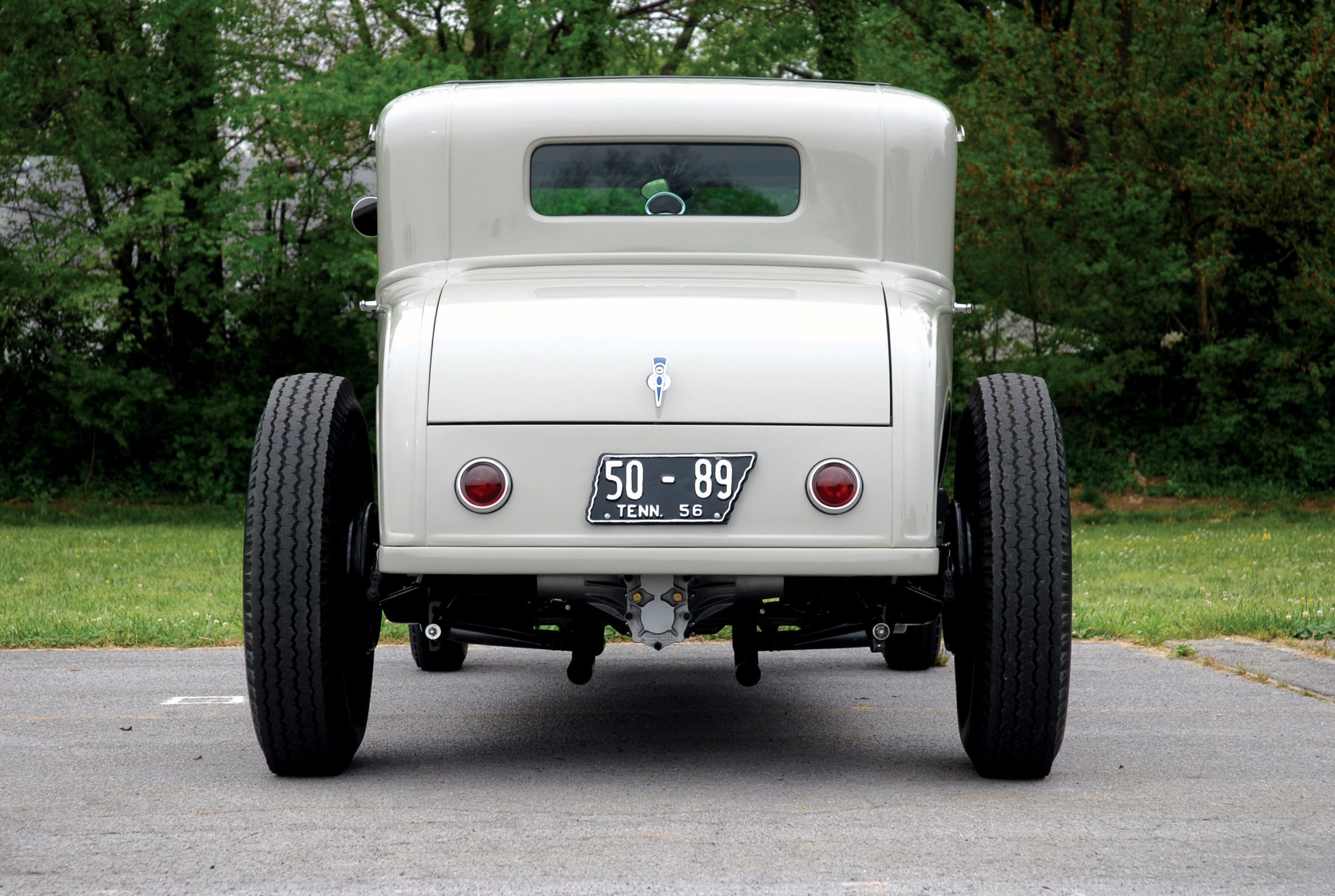
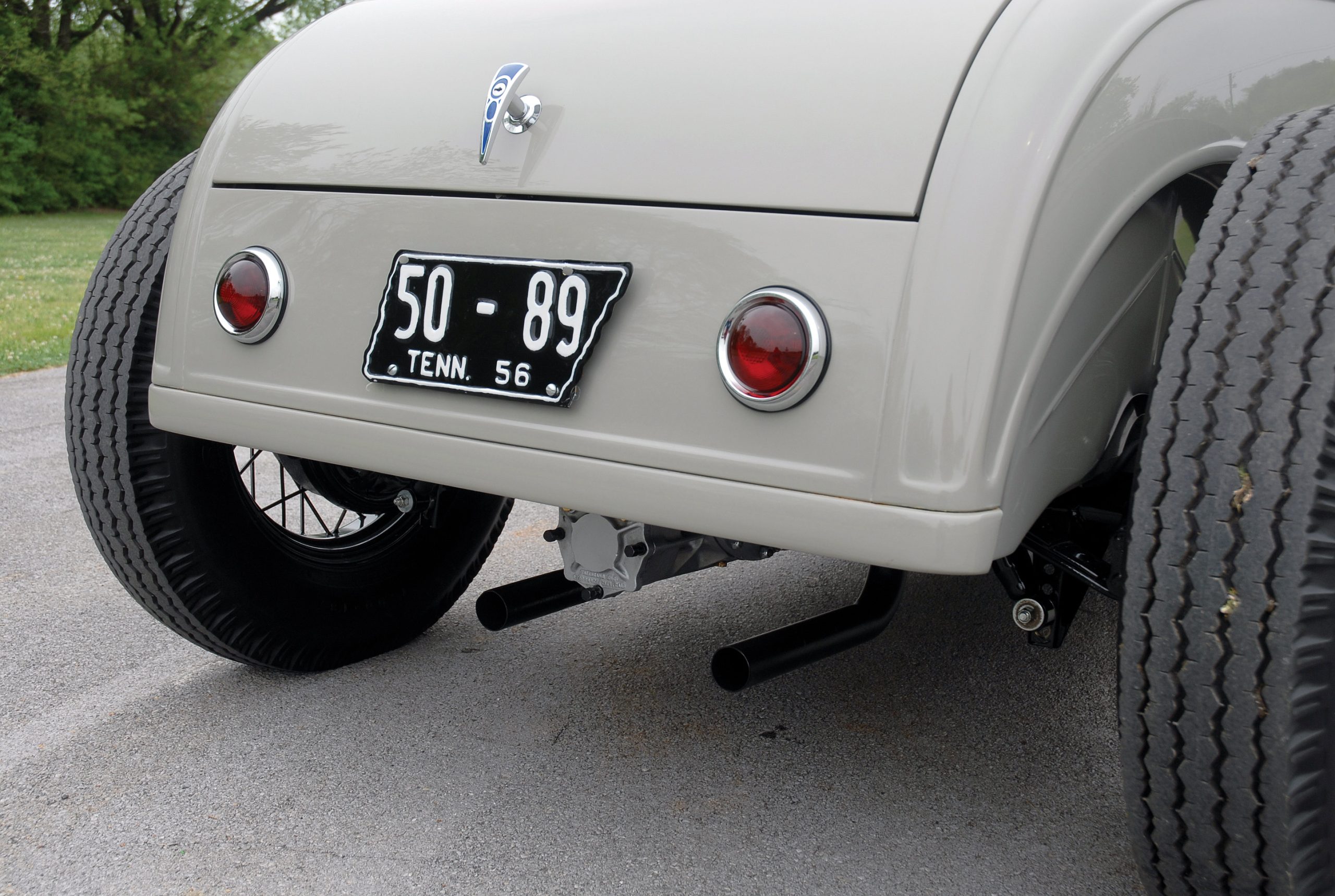
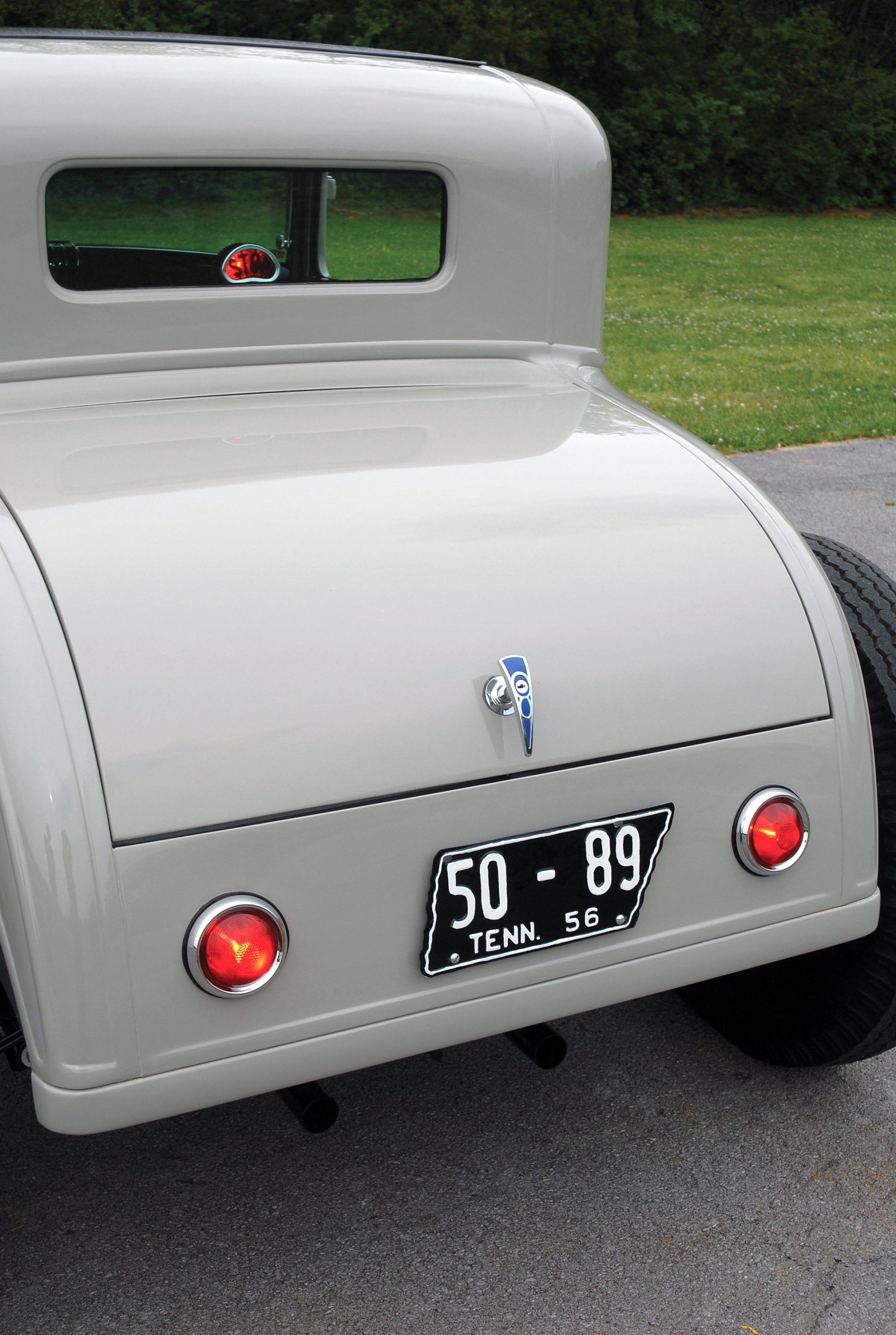
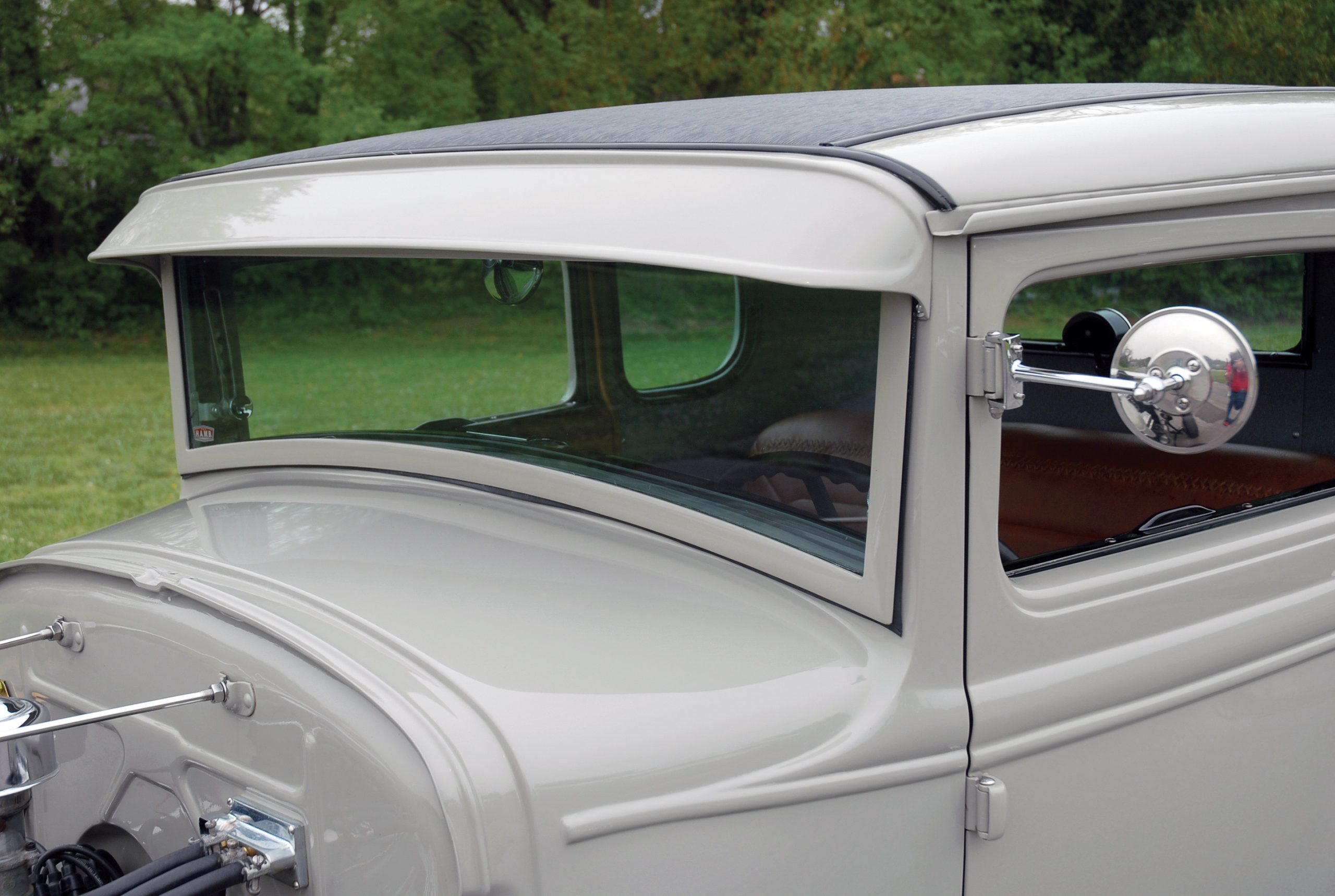
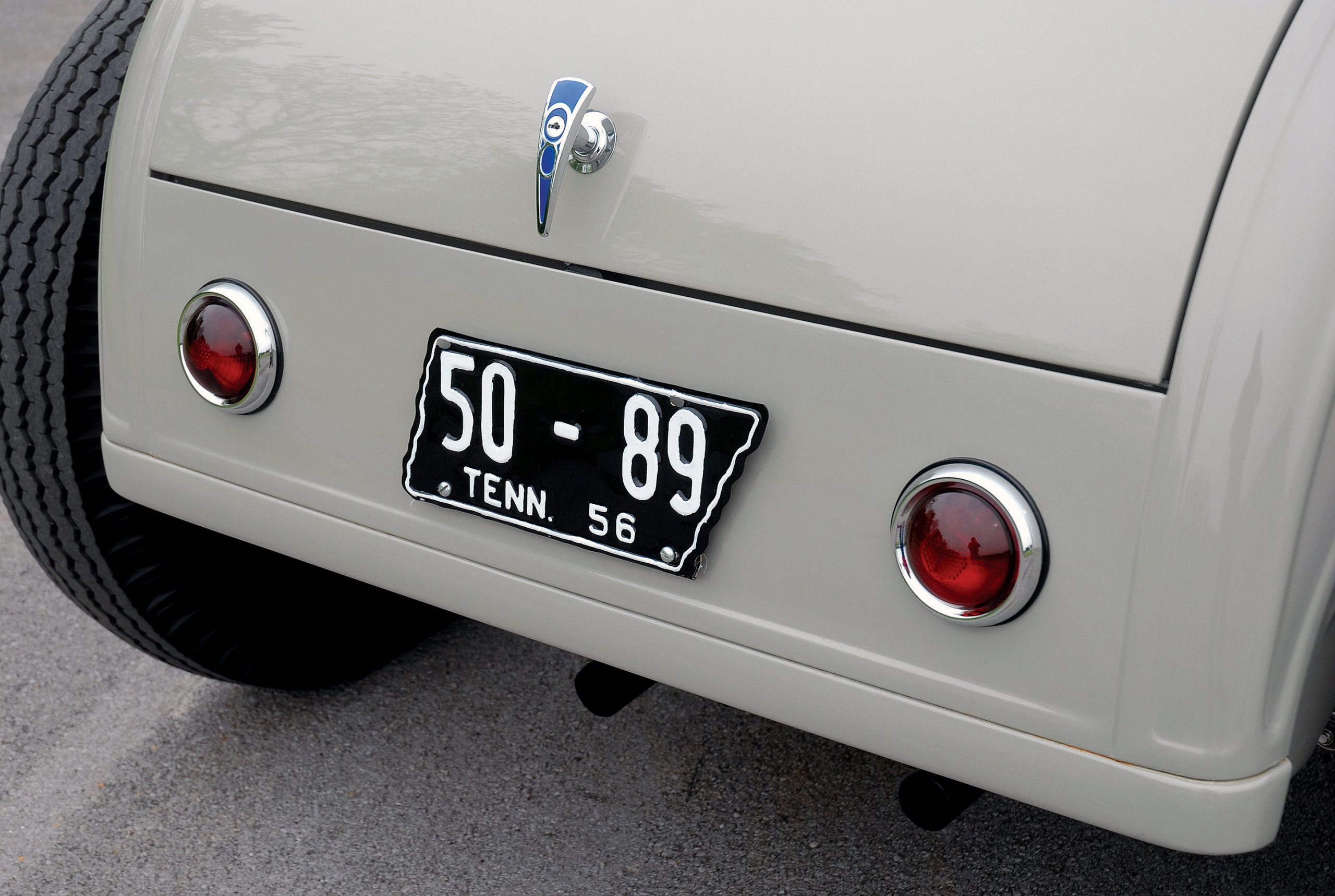
Kirby acquired his ’31 Ford body from Canada, and it had last been used as a snowmobile. The tracks were still on the original chassis that accompanied the body. With some help from Jeff Barber, Kirby replaced the usual door and quarter panels associated with the Model A. They then chopped the top 4 inches and recessed the stock firewall. Jeff and David pitched in to help prepare the body for painting. Kirby chose a factory color to top off his period-correct hot rod. He then helped Jeff to apply the ’41 Ford Harbor Gray acrylic enamel to the body and chassis. Guide headlights were mounted on each side of a Deuce grille shell, and Kirby modified the original Model A engine mount for the front spreader bar. He mounted a pair of ’50 Pontiac taillights into the rear panel and added the ’37 Ford decklid handle. The top received a stock black insert. To cap off the exterior, Kirby again went old school. He used 16-inch ’35 Ford wire wheels and Firestone 5.00 tires up front, and 18-inch ’32 Ford wire rims with 7.00 tires from Specialty Tires of America are incorporated in the rear of Kirby’s car.
Simple and Functional Interior
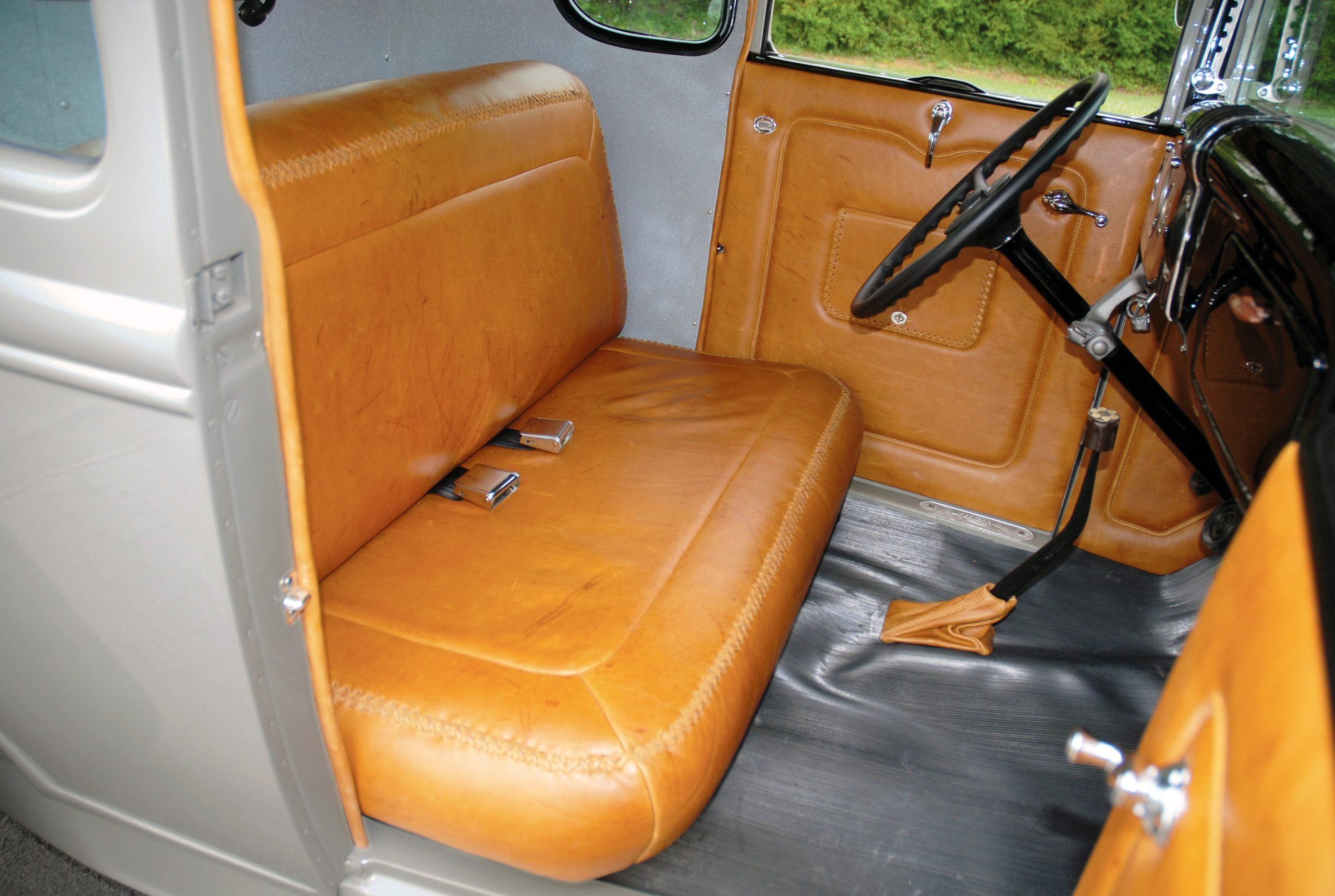
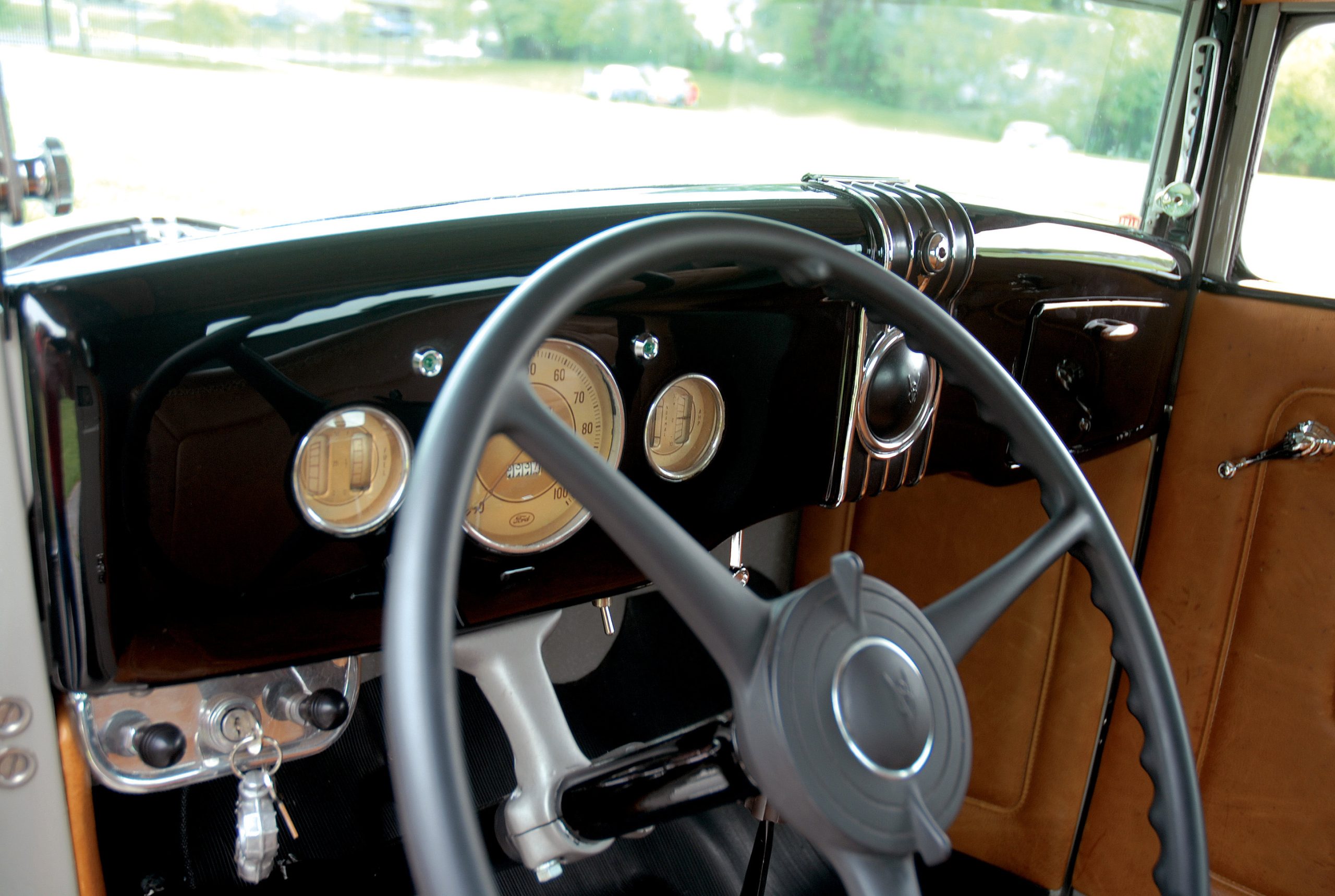
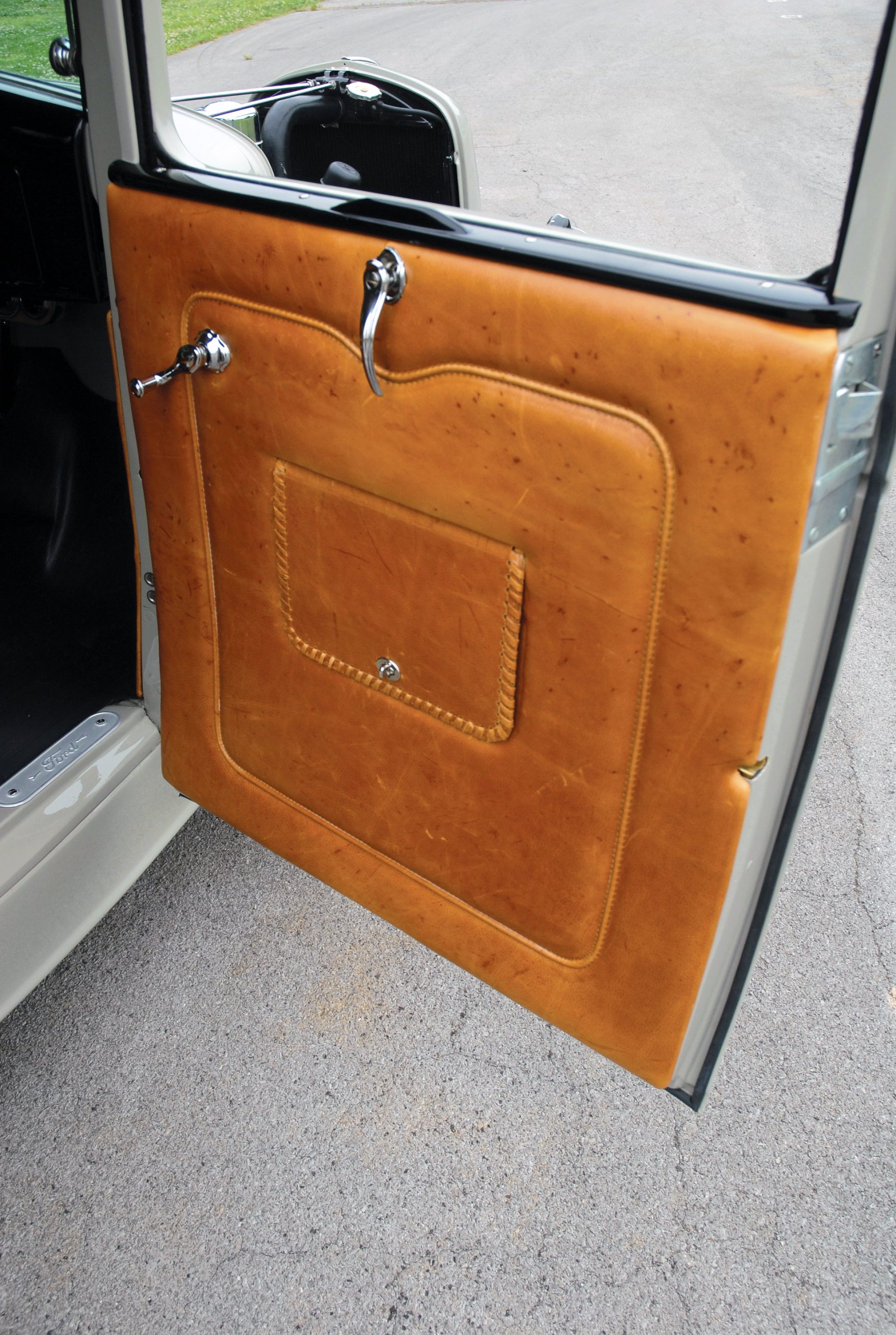
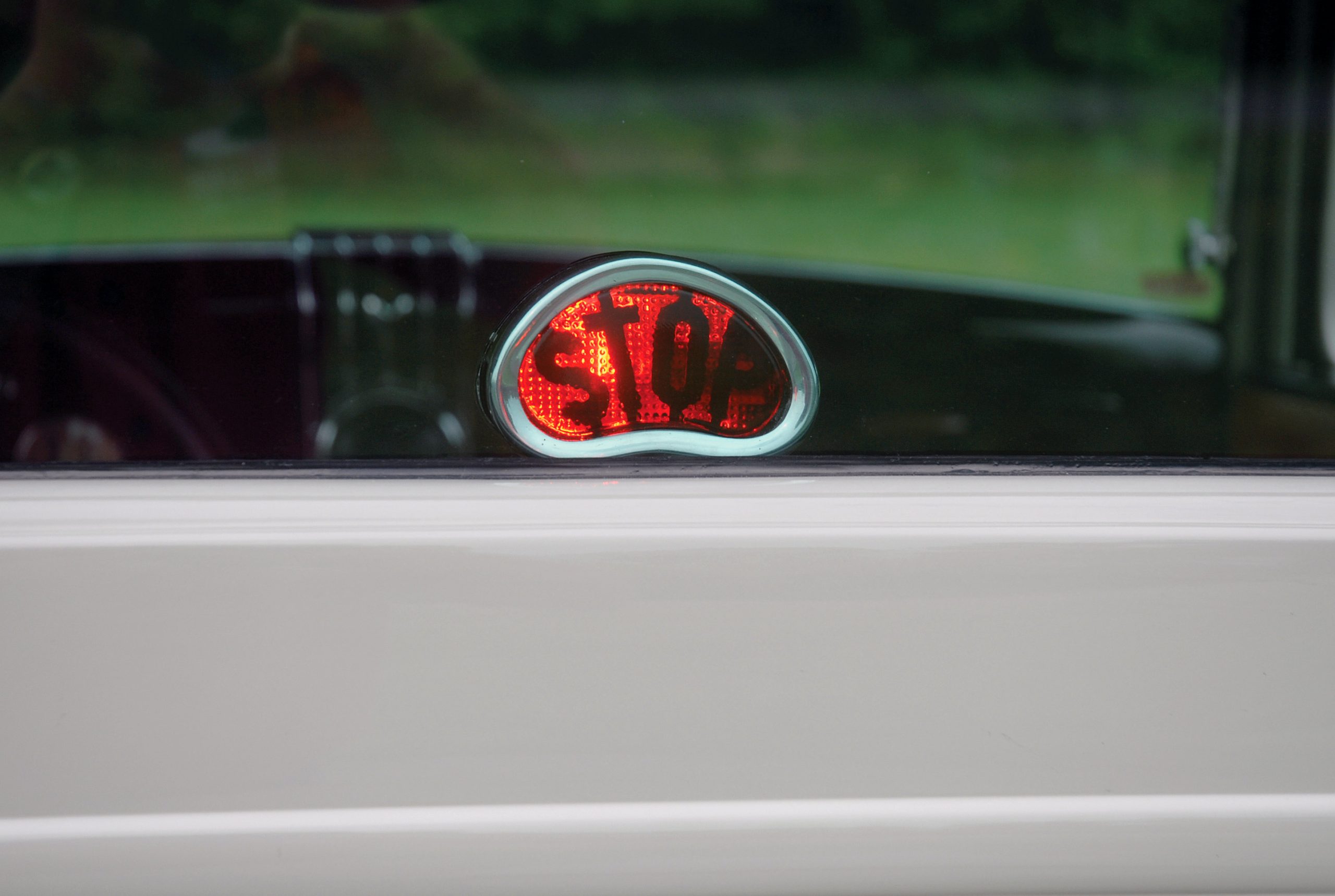
The spartan interior was designed to be both simple and functional. Kirby mounted a ’36 Ford dash inside, complete with original gauges. Aftermarket gauges were added under the dash to monitor specific components. The steering wheel and column also came from a ’36 Ford Standard. Instead of carpet, Kirby used a simple black rubber mat over the floorboards. Mike Ragan covered a Dodge minivan bench seat with brown distressed leather before Kirby added the baseball stitching around the edges. Once the seat was covered, Kirby decided to cover the kick panels and door panels. The door panels received map pockets with matching stitching, and the area behind the seat received gray interior panels. The headliner consisted of wooden braces for the top insert. David Kennedy made the unique third brake light from a Model A taillight and gave it to Kirby for Christmas. Safety was still in mind as Kirby added seat belts.
Completing the Project
Kirby completed his senior project this past spring just prior to graduation. We don’t know what the grade was, but we certainly feel that it should have been exceptional. In our opinion, he should have graduated with honors. The coupe captures all the fine points of a traditional hot rod. Most impressive was the fact that the owner and builder knew exactly what to include and exclude. Both his mom and dad supported his efforts 100 percent, and if Kirby Kennedy’s Model A is any proof, then the future of our hobby will be in good hands for many years to come.